


1980s Fantasy Movies that Aged Incredibly Well

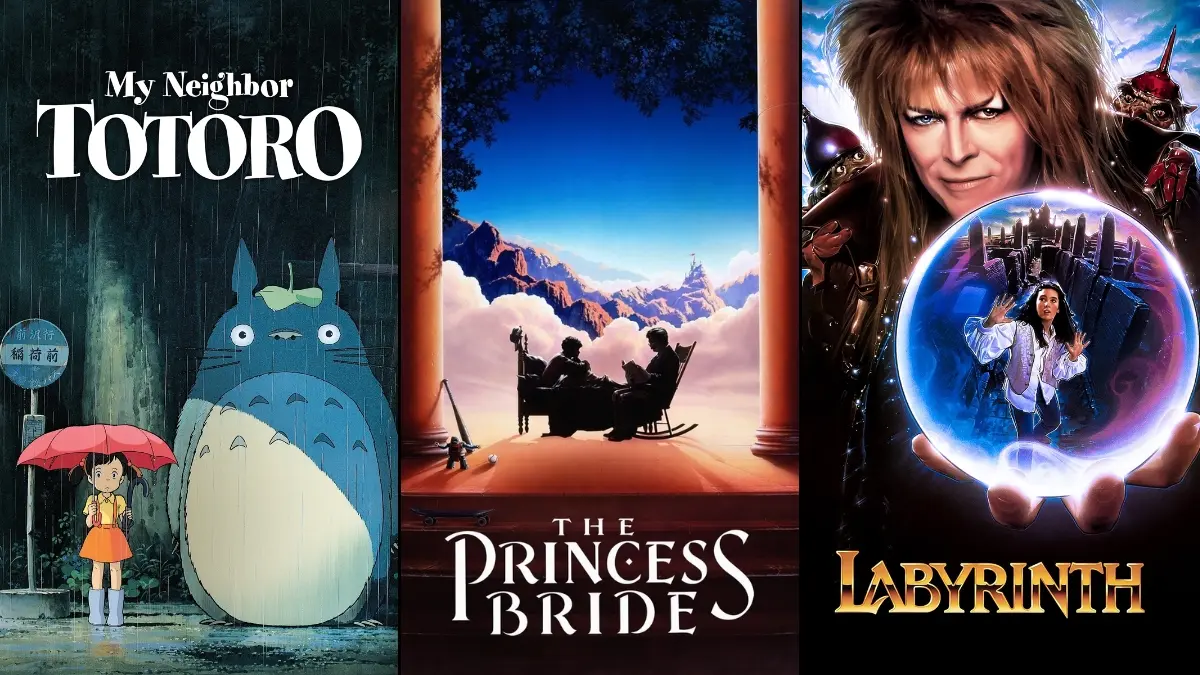


The decade brought a surge of practical effects, puppetry, matte paintings, and optical compositing that expanded what live-action and animation could put on screen. Studios leaned on model work, in-camera tricks, and full-body creature suits, while animators refined hand-drawn techniques and blended them with nascent digital tools for specific shots.
Across studios in the United States, Europe, and Japan, filmmakers adapted novels, folklore, and original tales, often pairing distinctive production design with memorable scores. Many of these films were shot on large soundstages in the UK and Europe, with location photography stretching from Irish cliffs to Italian castles, and their craftsmanship still circulates through restorations, repertory screenings, and ongoing home releases.
‘The Princess Bride’ (1987)
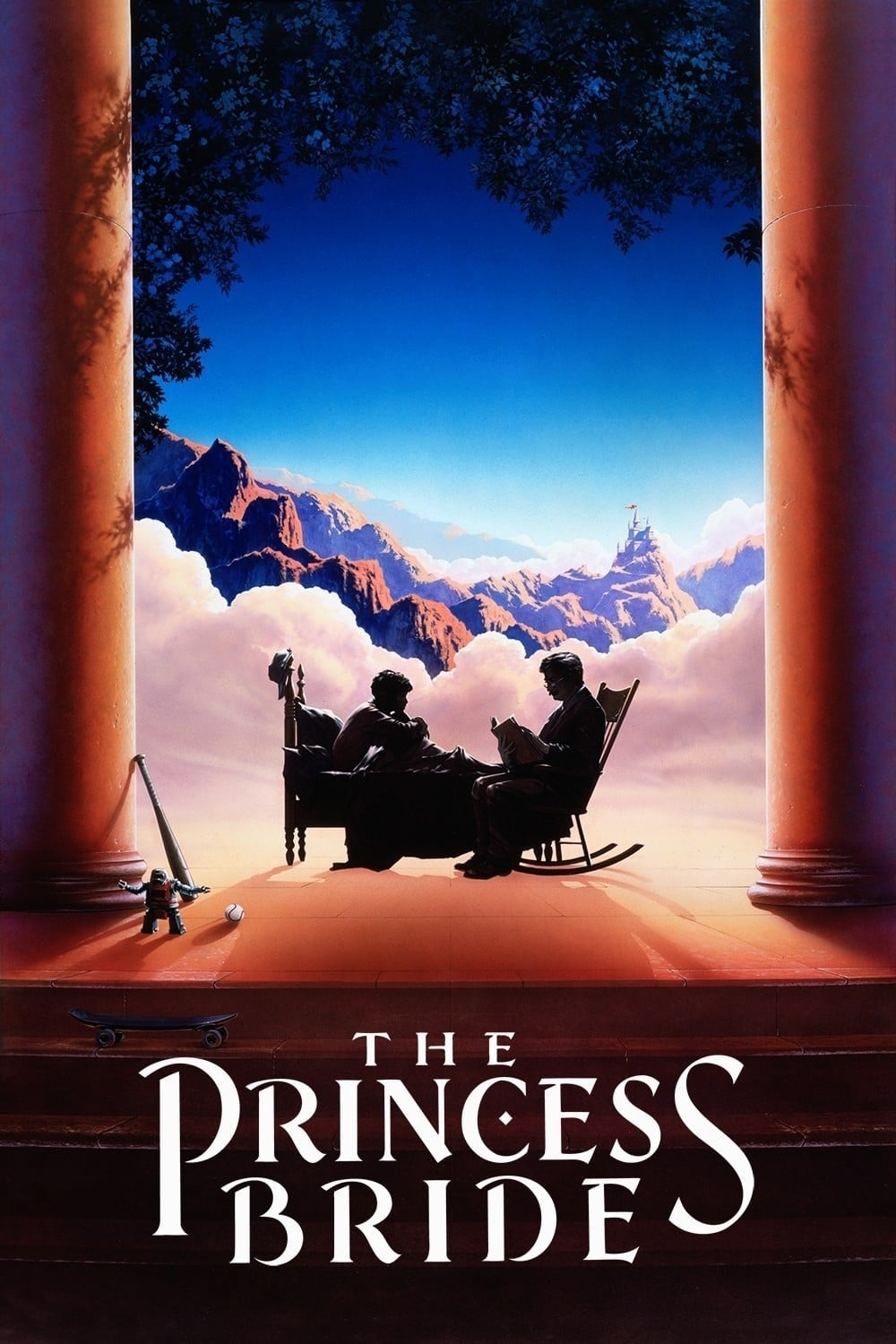
Rob Reiner directs this adaptation of William Goldman’s novel, with a cast that includes Cary Elwes, Robin Wright, Mandy Patinkin, Wallace Shawn, Chris Sarandon, and André the Giant. Adrian Biddle handled cinematography, and Mark Knopfler composed the score. The production used English estates and countryside for key locations, with the Cliffs of Moher in Ireland providing the towering backdrop for the “Cliffs of Insanity.”
Much of the film’s swordplay was choreographed with guidance from fencing masters, matching on-set training to character beats in Goldman’s screenplay. Henson-era creature-suit techniques supplied the R.O.U.S. sequences, while period costuming and practical sets emphasized a storybook look without relying on heavy optical work.
‘Labyrinth’ (1986)
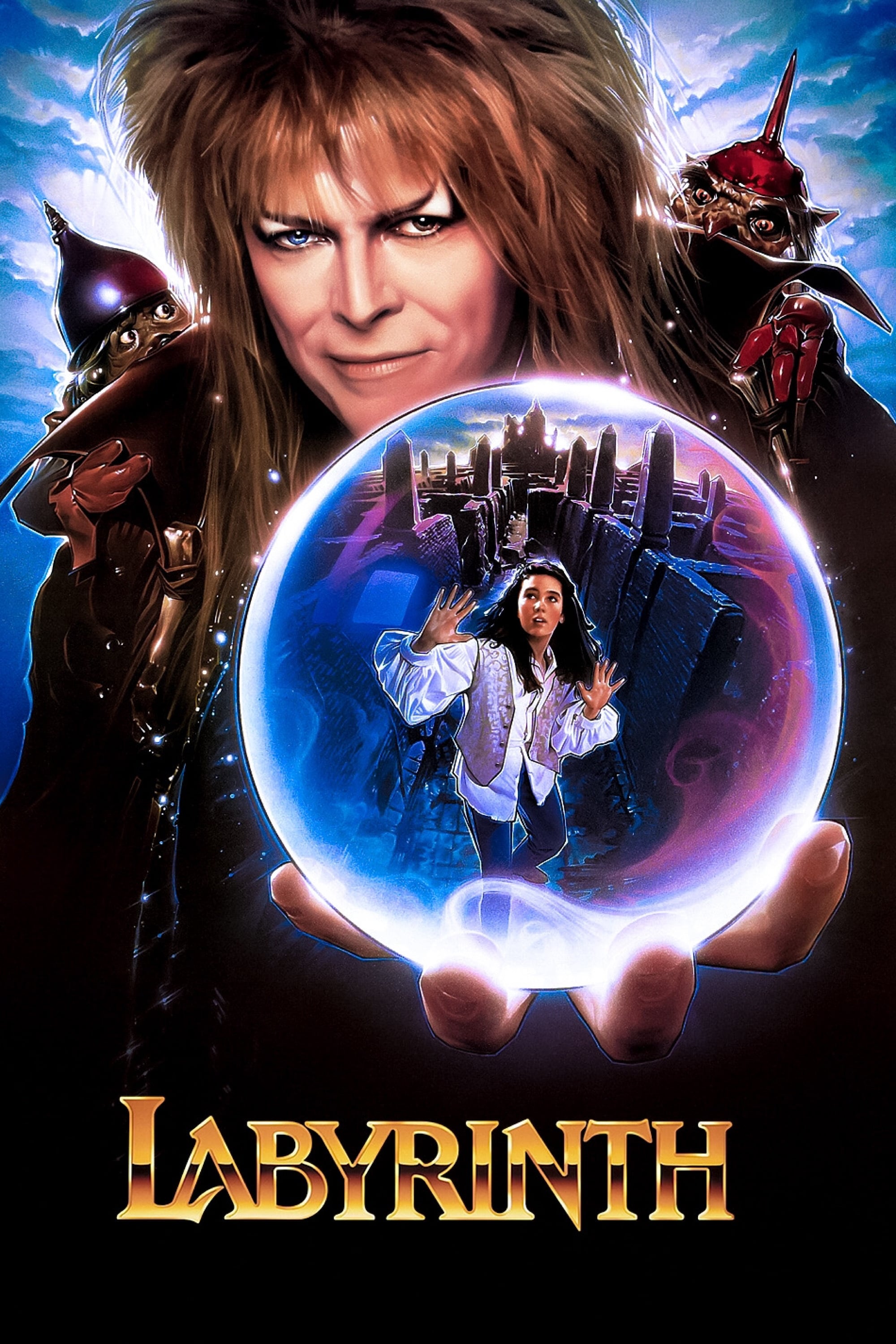
Jim Henson directs, with executive production by George Lucas and creature design by Brian Froud. Jennifer Connelly and David Bowie lead the cast, and Trevor Jones collaborated with Bowie on the music. The shoot centered at Elstree Studios, where the Jim Henson Creature Shop built large-scale puppets and animatronics to populate the maze, goblin city, and supporting creatures.
Technicians combined puppetry, live-performed hands, and bluescreen to stage set pieces like the “Helping Hands” and the Fireys. Toby Froud appears as the baby, and the production’s blend of forced perspective, rotating sets, and rod puppets showcased techniques that continued to influence Henson projects and fantasy filmmaking afterward.
‘Legend’ (1985)
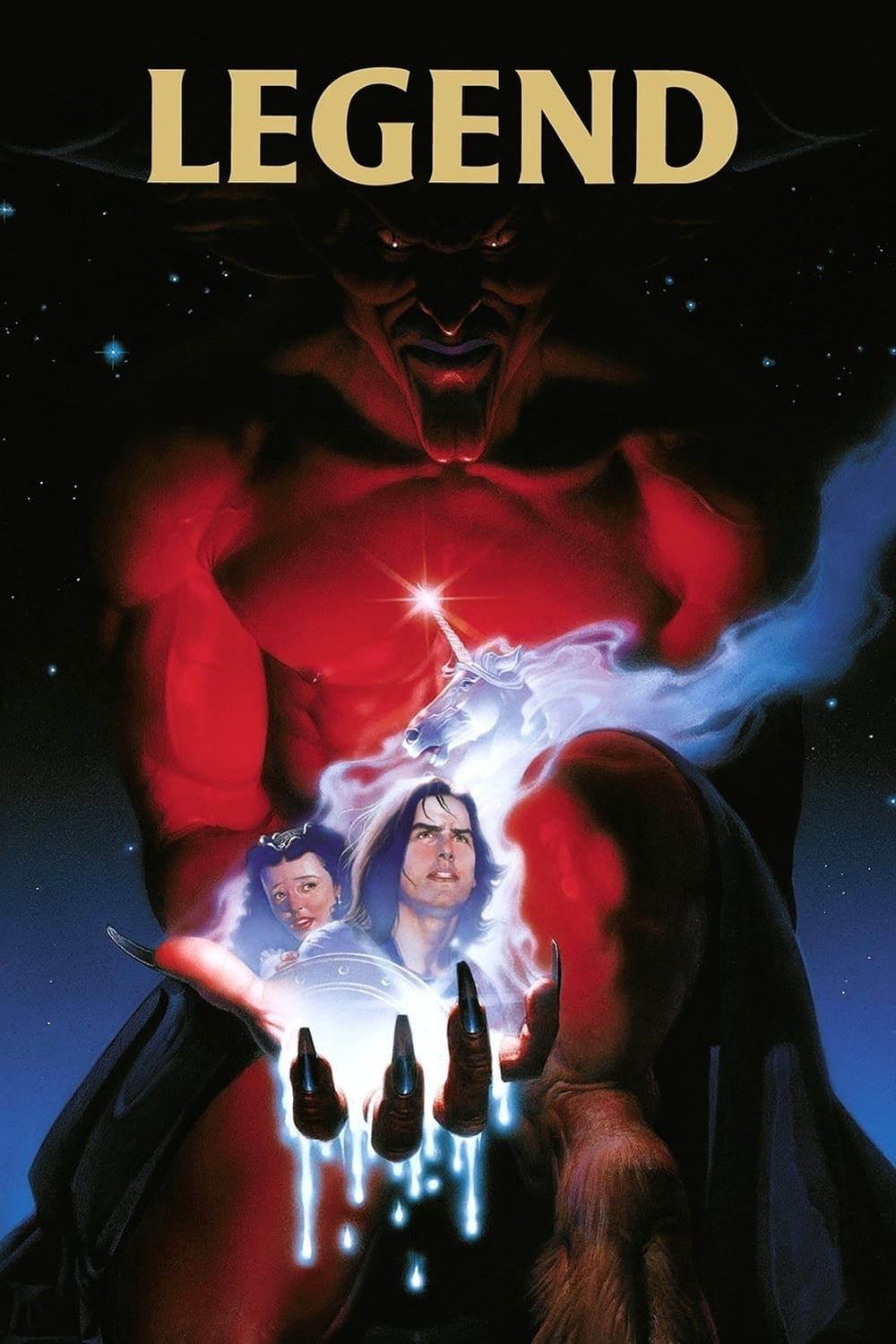
Ridley Scott’s dark fairy tale stars Tom Cruise, Mia Sara, and Tim Curry as the horned villain known as Darkness. Alex Thomson oversaw cinematography, and Assheton Gorton handled production design, constructing an elaborate forest set at Pinewood Studios. Jerry Goldsmith wrote one musical score, while an alternate cut used a different score for certain territories.
Makeup designer Rob Bottin developed extensive prosthetics for Curry’s transformation, supported by complex costuming and full-body appliances. Optical composites, smoke, and carefully controlled lighting created the heightened atmosphere, while multiple editorial versions circulated, each reflecting different choices in music, pacing, and tone.
‘The NeverEnding Story’ (1984)
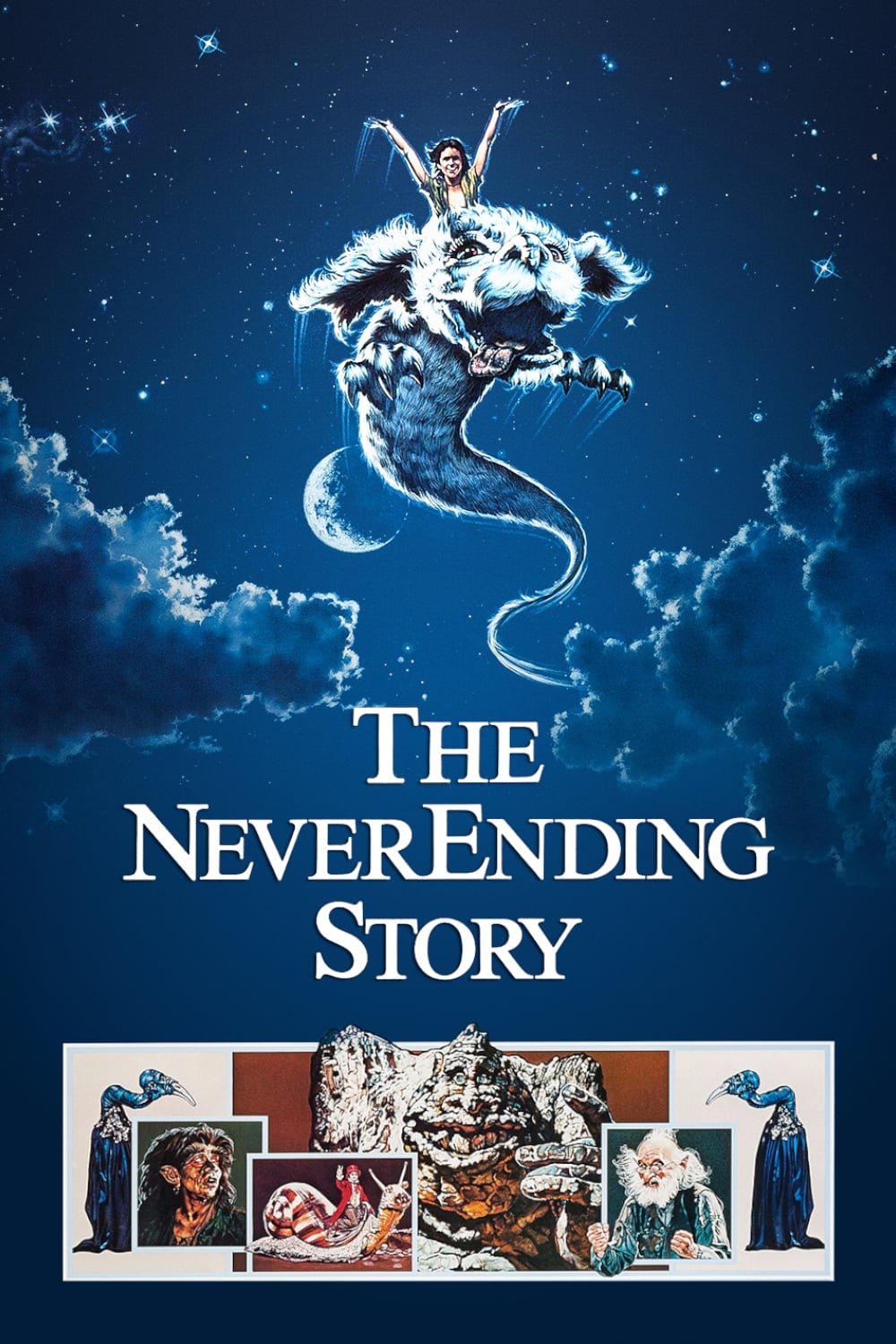
Wolfgang Petersen adapts Michael Ende’s novel as an English-language European production. The film was mounted at Bavaria Film in Munich, where crews built large animatronic characters, including the flying luckdragon Falkor, and gigantic sets like the Ivory Tower and the Sphinx Gate. Child actors Barret Oliver, Noah Hathaway, and Tami Stronach anchor the central roles.
The creature department employed cable-controlled facial rigs and full-scale mounts to stage flight and dialogue. Miniatures, matte paintings, and rear projection integrated the Fantasia landscapes, while the narrative structure mirrors the book’s meta-story device, with a reader influencing the events of the story he’s reading.
‘Willow’ (1988)
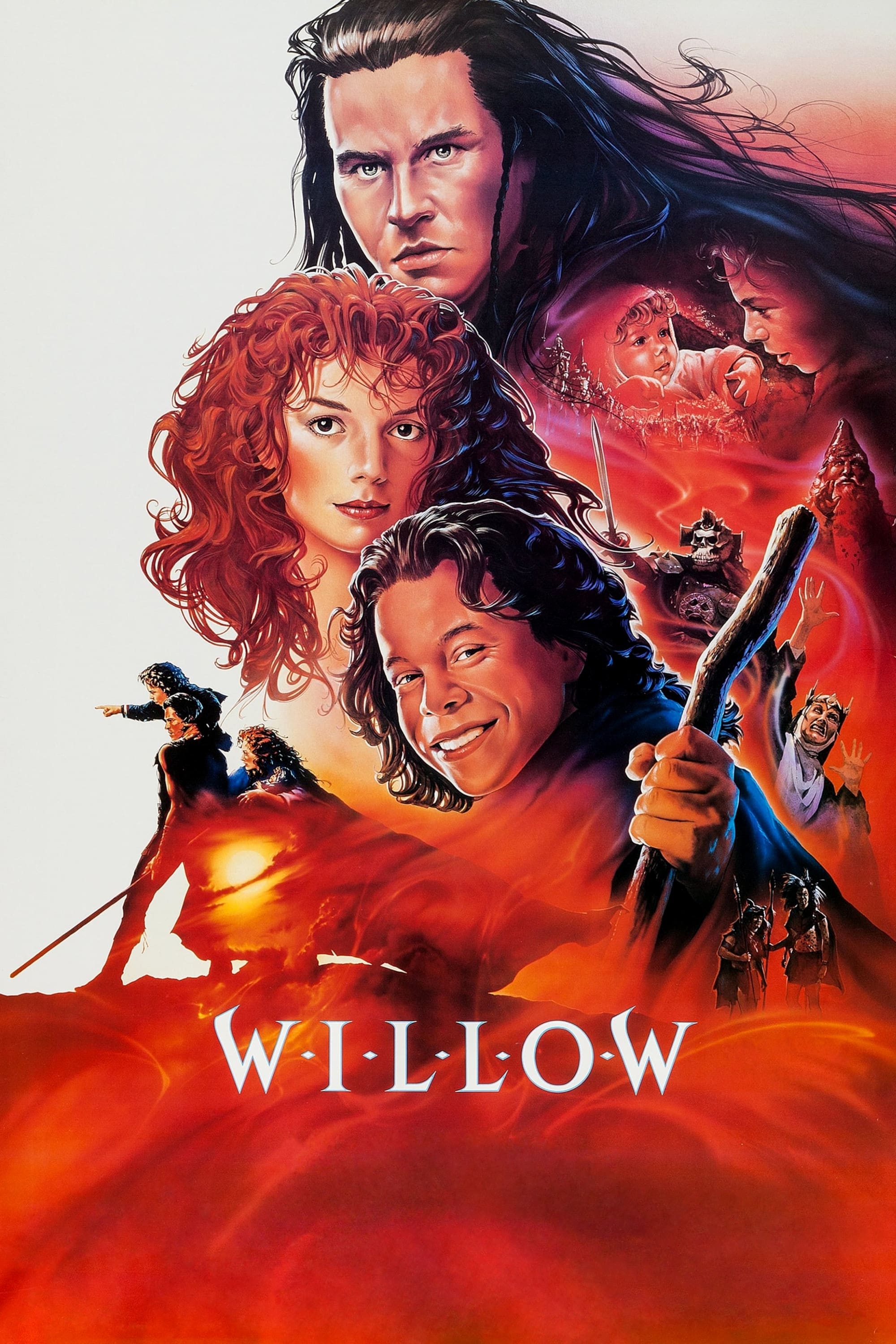
Ron Howard directs from a story by George Lucas, starring Warwick Davis, Val Kilmer, and Joanne Whalley. Industrial Light & Magic delivered breakthrough digital work, including early morphing techniques supervised by Dennis Muren. James Horner composed the score, and principal photography drew on locations in Wales and New Zealand along with stage work.
The production combined large-scale medieval sets, extensive armor and prop fabrication, and practical creature effects with opticals. Miniatures and motion-control passes were used for castle exteriors and action beats, while horse and chariot stunts were staged with a mix of real rigs and controlled studio environments.
‘The Dark Crystal’ (1982)
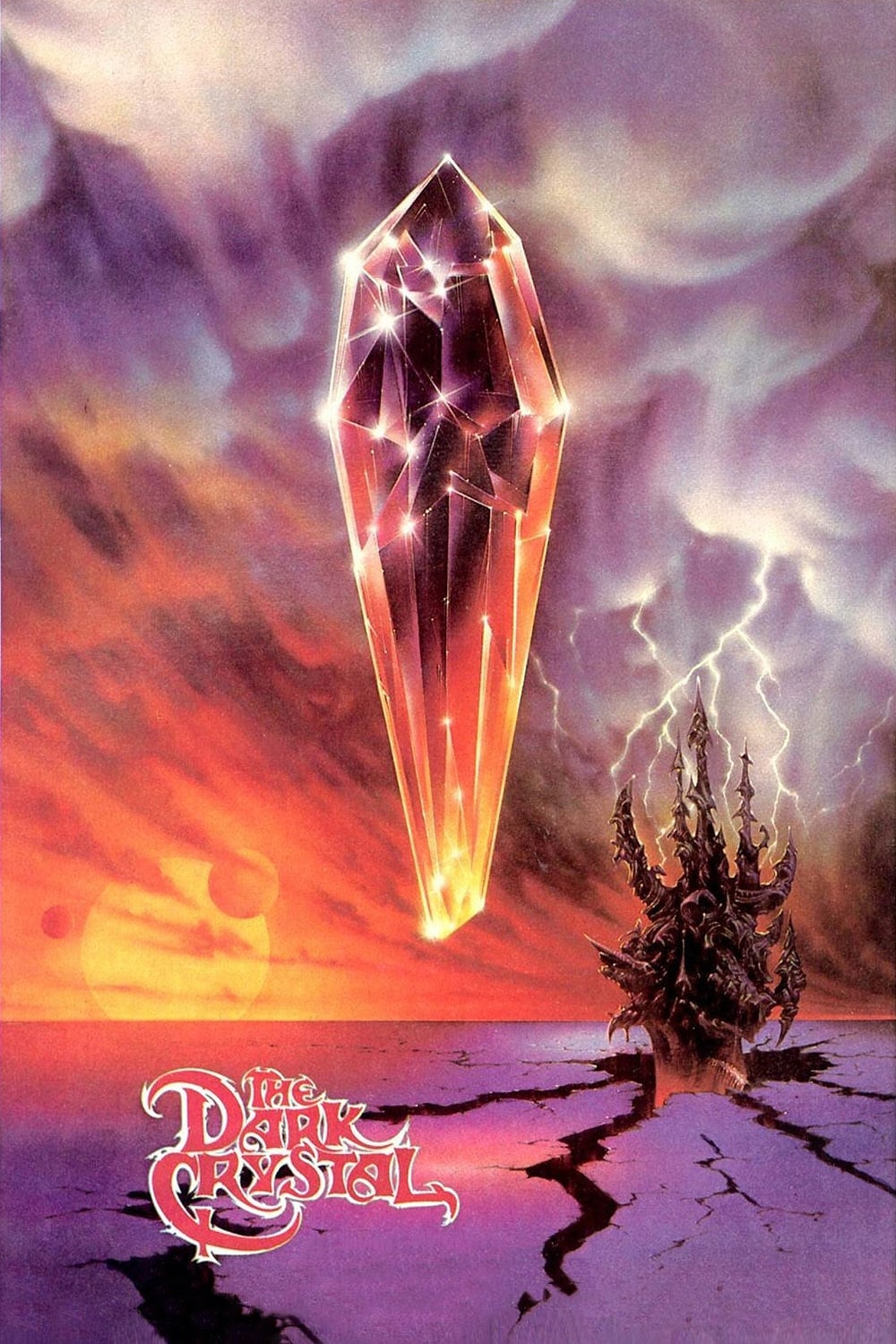
Jim Henson and Frank Oz direct a fully puppeteered fantasy rooted in Brian Froud’s concept art. The Jim Henson Creature Shop built intricate animatronic heads and full-body suits for the Gelfling, Skeksis, and Mystics, with radio-controlled facial expressions and internal mechanisms enabling nuanced performances. Trevor Jones scored the film, and principal photography took place at Elstree Studios.
The film developed constructed languages and detailed cultural artifacts to support world-building, from textiles to prop glyphs. Massive sets, matte paintings, and optical composites extended scale, while performers navigated demanding costumes using internal harnesses and cooling systems to sustain long takes.
‘Excalibur’ (1981)
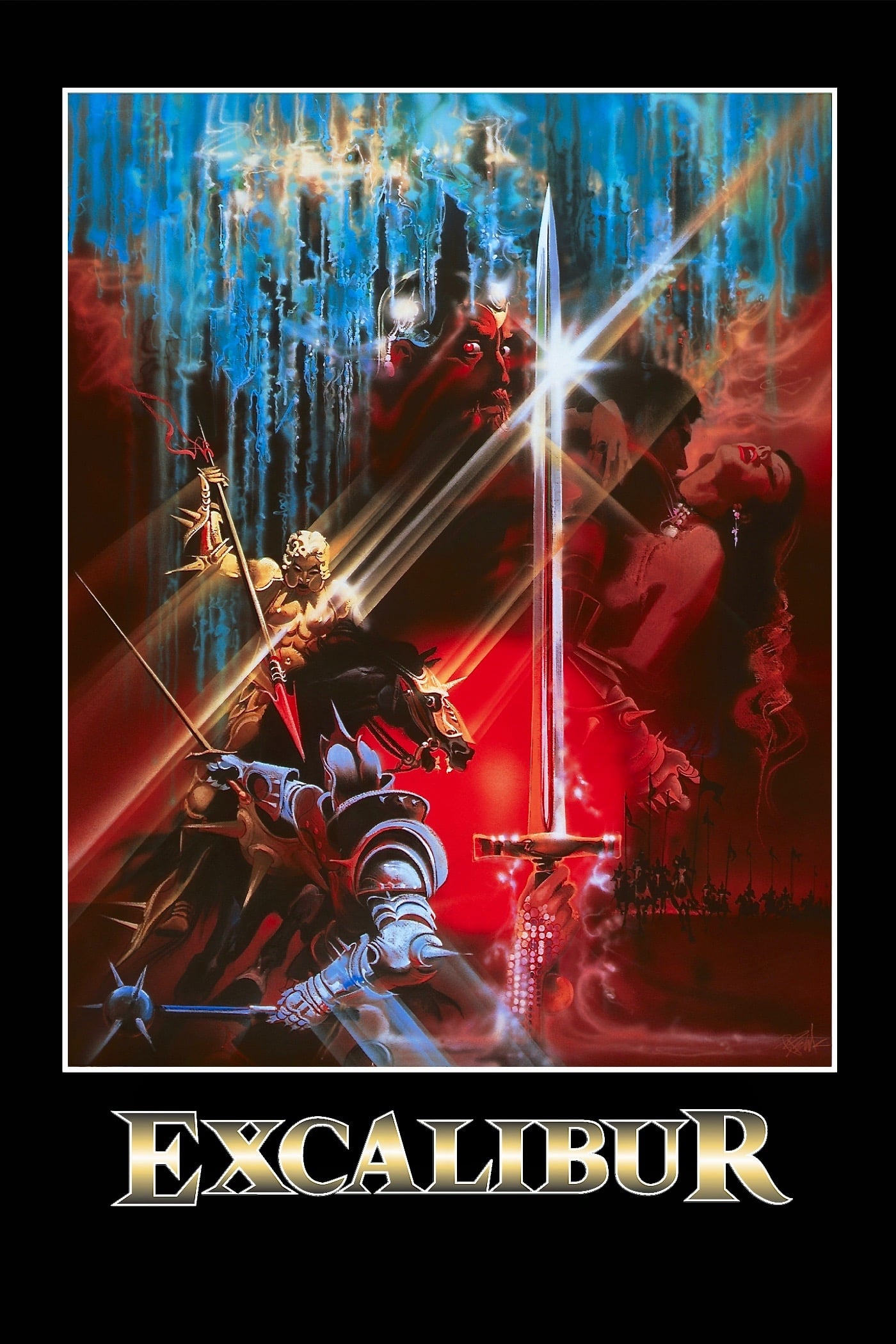
John Boorman adapts themes from Thomas Malory’s work, casting Nigel Terry, Helen Mirren, and Nicol Williamson among an ensemble that also features early roles for Gabriel Byrne, Liam Neeson, and Patrick Stewart. The film was shot extensively in Ireland, where forests, rivers, and ruins substituted for Arthurian Britain. Alex Thomson’s cinematography used reflective armor and stylized lighting to shape the look.
The production sourced heavy plate armor and weapons, coordinating mounted combat and melee scenes with stunt teams. Carl Orff and Richard Wagner compositions underscore key passages, and practical effects, fog, and reflective surfaces create the mystical sheen surrounding the sword, the grail, and Merlin’s enchantments.
‘Conan the Barbarian’ (1982)
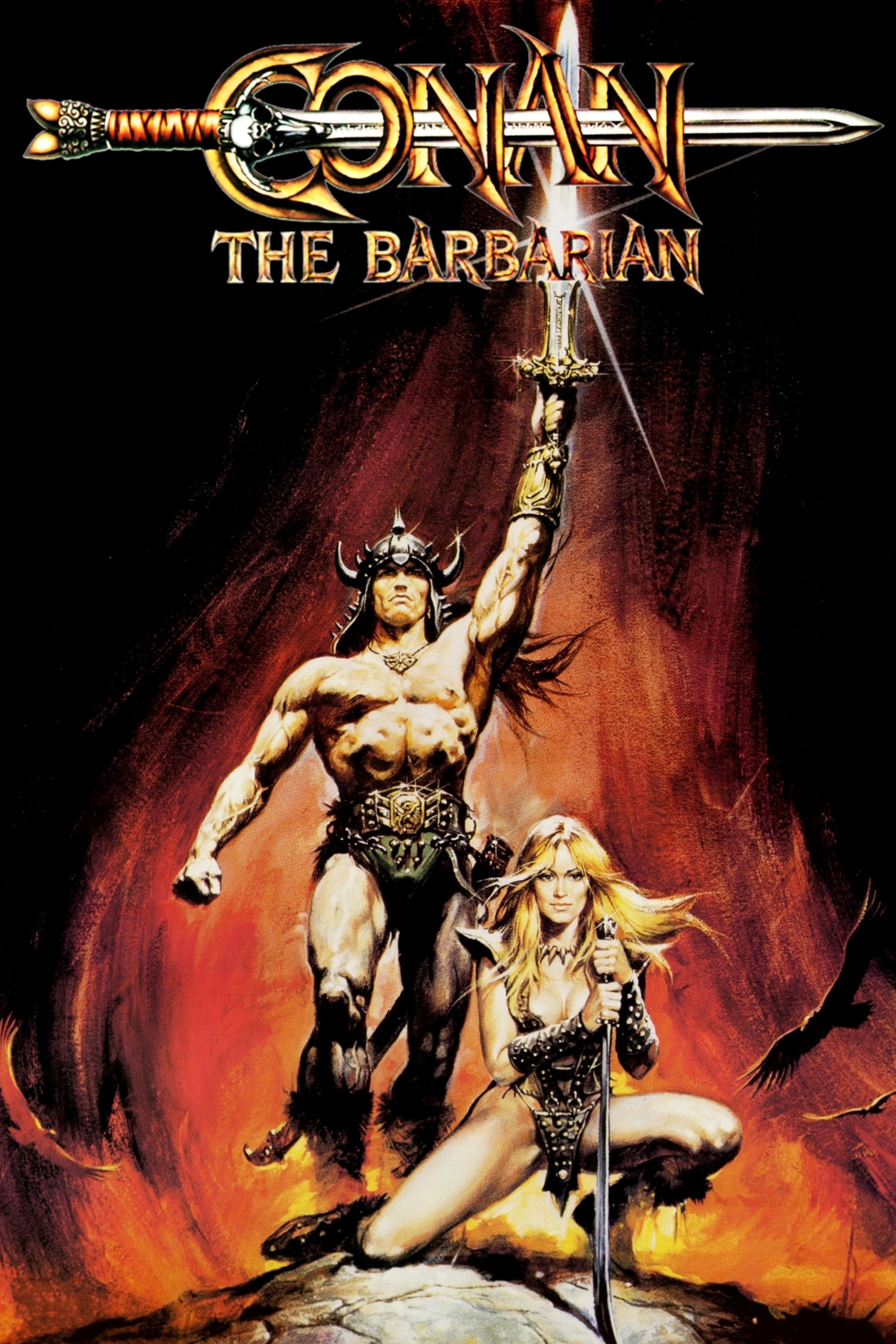
John Milius directs, with Arnold Schwarzenegger in the title role, and James Earl Jones, Sandahl Bergman, and Max von Sydow in supporting parts. Basil Poledouris composed a symphonic score recorded with a large orchestra and choir. Filming took place largely in Spain, chosen for its varied landscapes and historic architecture.
Swords were crafted by custom makers for stunt and hero versions, while the art department constructed temples and stone ruins at full scale. Practical stunts, animal wrangling, and pyrotechnics shaped the action sequences, with minimal reliance on optical effects and an emphasis on weighty, tactile sets.
‘Highlander’ (1986)
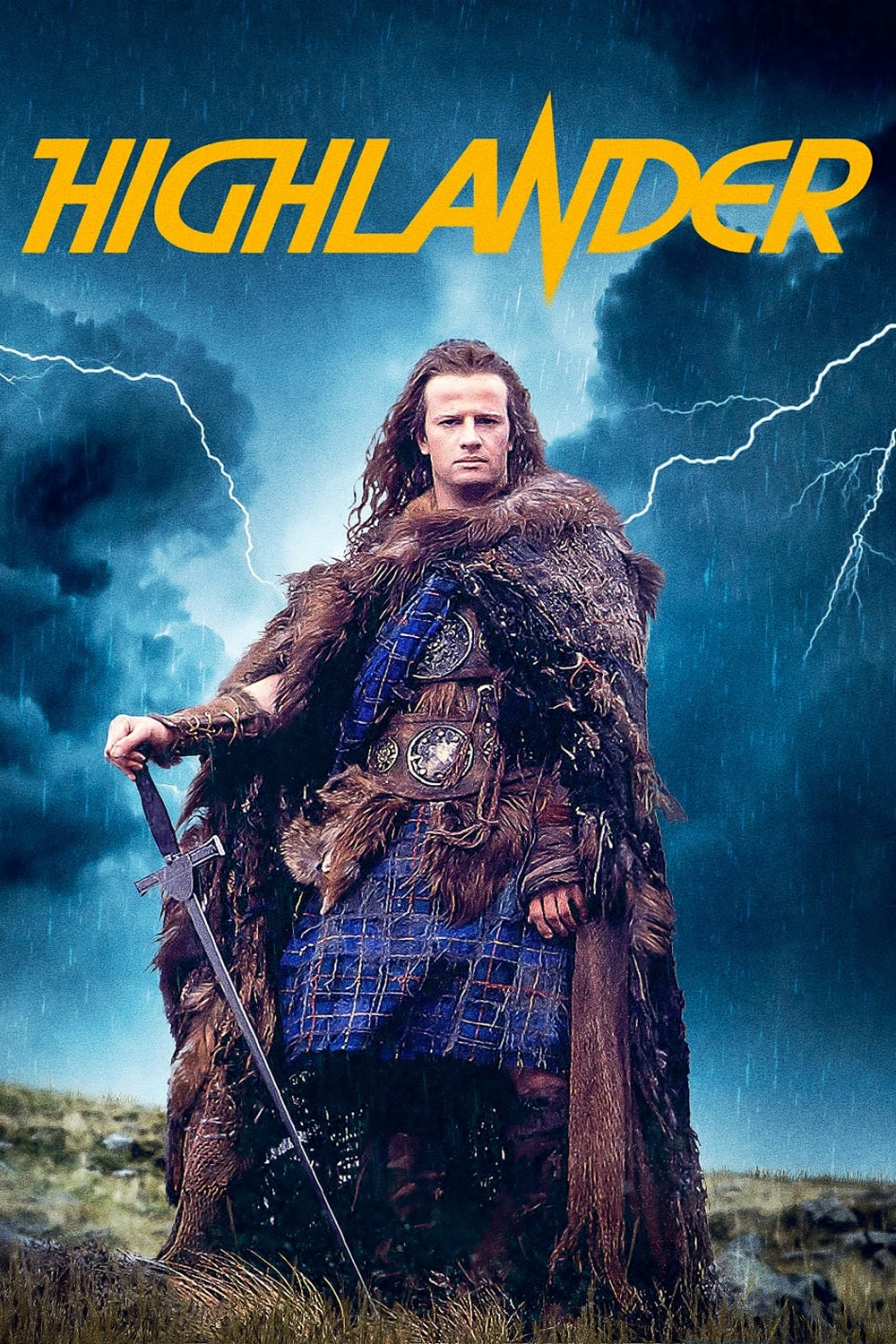
Russell Mulcahy’s film follows immortals in conflict across centuries, starring Christopher Lambert, Sean Connery, and Clancy Brown. Gerry Fisher handled cinematography, with location work in the Scottish Highlands and urban photography in New York City. Michael Kamen composed the score, and the band Queen provided multiple songs featured throughout.
Fight coordinator work focused on distinctive sword styles for each immortal, matching character backstories to blade types and choreography. The story’s cross-cutting structure uses flashbacks to bridge eras, while optical lightning, practical breakaways, and in-camera tricks depict the energy transfers known as the Quickening.
‘Ladyhawke’ (1985)
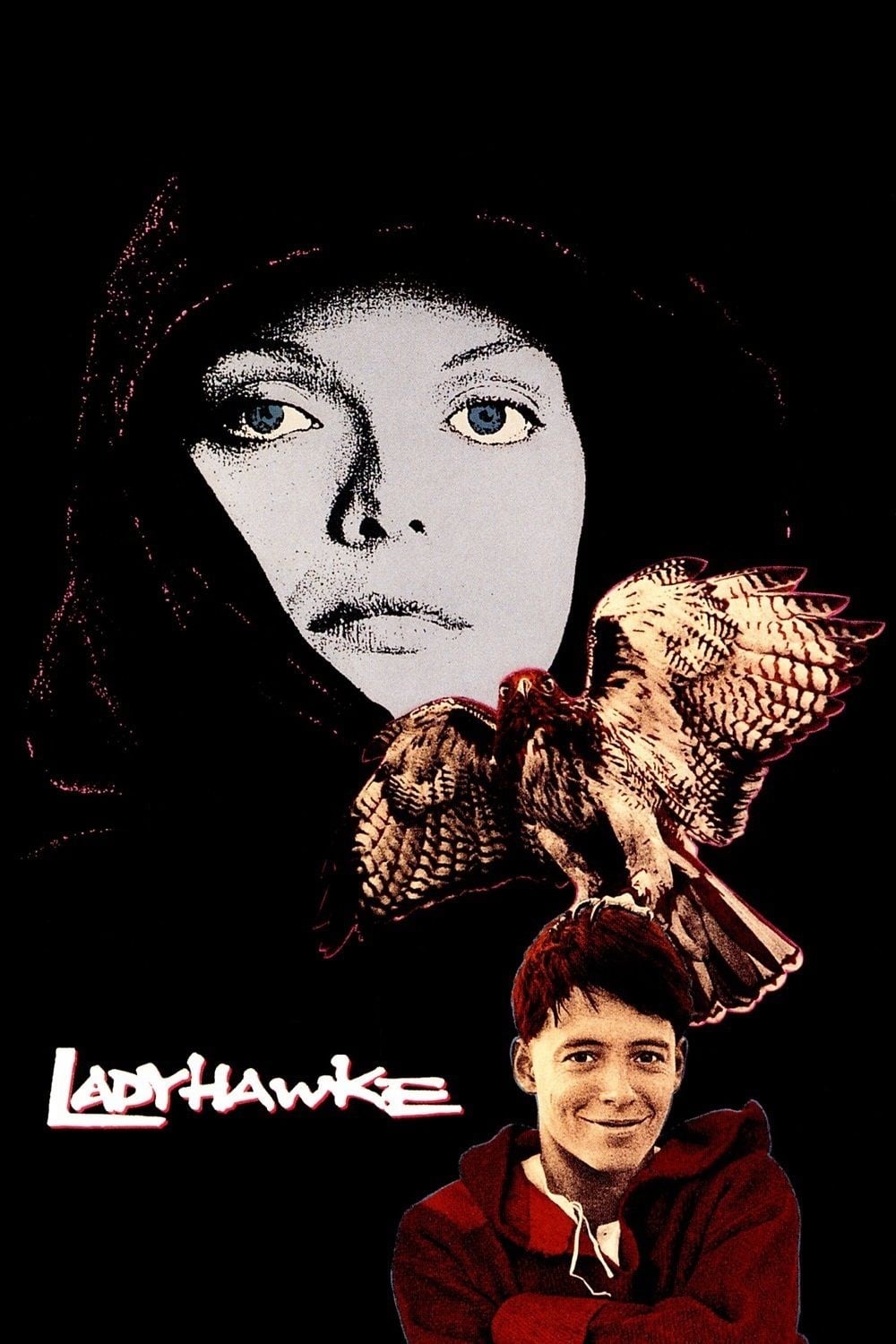
Richard Donner directs a medieval romance-adventure featuring Rutger Hauer, Michelle Pfeiffer, and Matthew Broderick. Vittorio Storaro’s cinematography emphasizes golden-hour exteriors and castle interiors, with Italian locations including Rocca Calascio and Castello di Torrechiara. Andrew Powell composed the music in collaboration with members of The Alan Parsons Project.
Animal trainers and falconers coordinated multiple trained birds for the title character’s animal form, with specialty rigs for takeoffs and landings. Costumes integrated period textiles with custom armor for horseback sequences, while day-for-night techniques and atmospheric effects supported the film’s transformation motif.
‘Ghostbusters’ (1984)
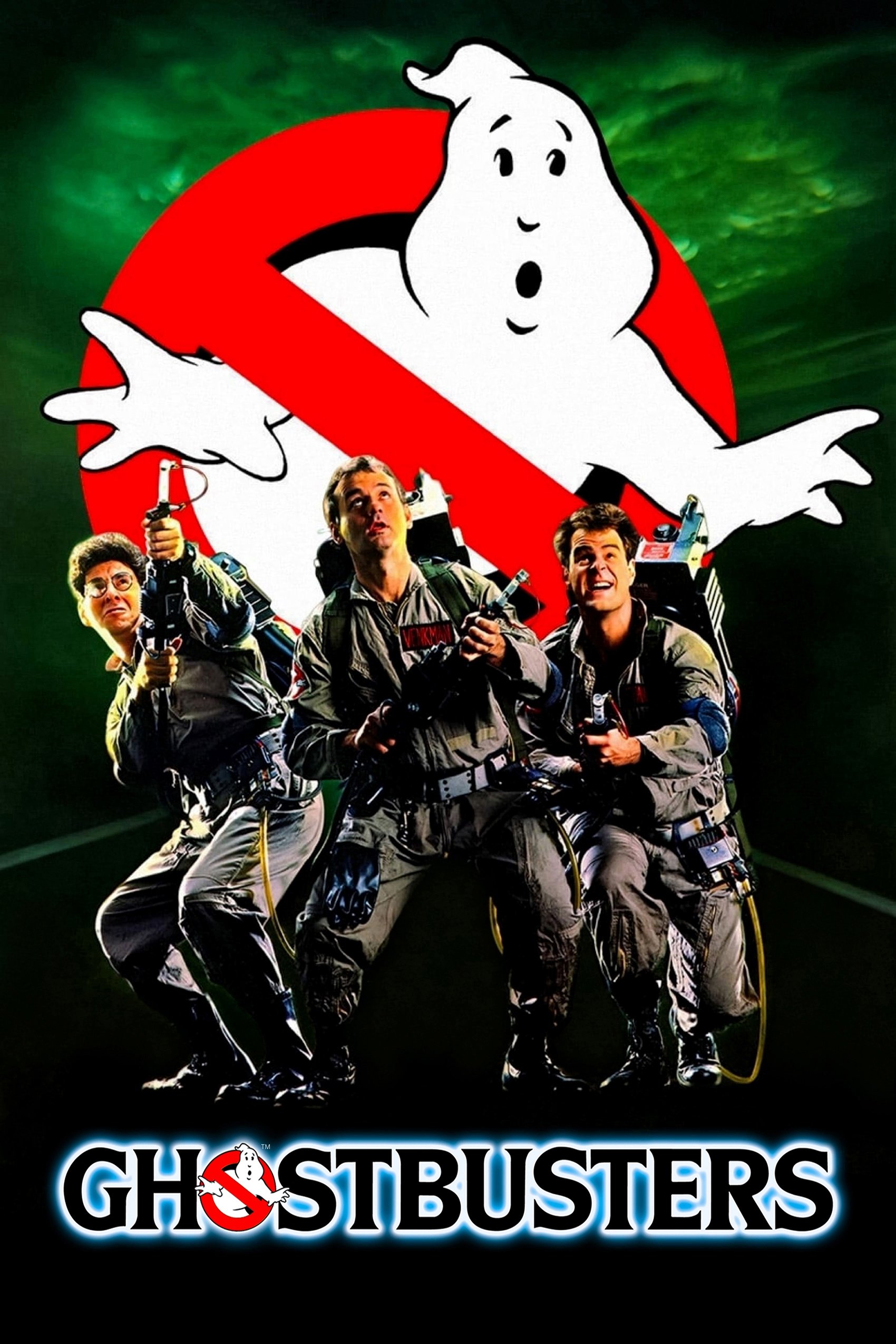
Ivan Reitman directs, starring Bill Murray, Dan Aykroyd, Harold Ramis, Ernie Hudson, Sigourney Weaver, and Rick Moranis. Richard Edlund’s Boss Film Studios handled the majority of effects work, from proton streams to the Stay Puft suit. Location filming in New York City provided exteriors for firehouse, library, and street sequences.
Prop designer Stephen Dane spearheaded the proton packs and neutrino wands, building lightweight and hero variants. Miniatures and matte paintings extended skyscraper vistas, while compositing layered puppeteered ghosts, stop-motion elements, and practical slime gags into live-action plates.
‘Time Bandits’ (1981)
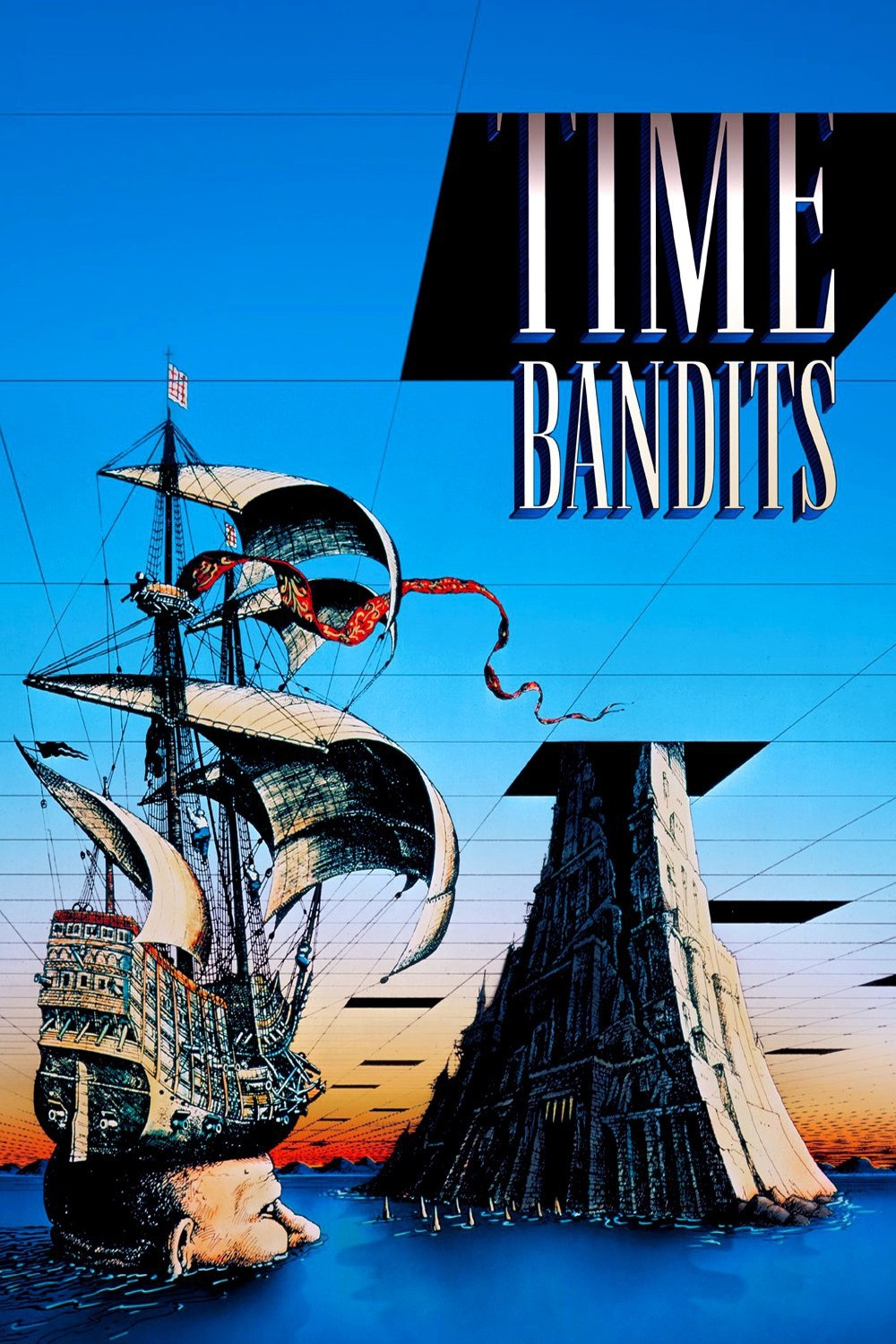
Terry Gilliam directs a tale of a boy swept through history by a group of time-hopping dwarfs. Handmade Films produced, with appearances by actors including David Rappaport, Craig Warnock, John Cleese, and Sean Connery. The shoot mixed UK stages with location work that doubled for eras from ancient civilizations to Napoleonic battlefields.
Production design emphasized oversized props and forced perspective to push a dreamlike scale. Practical effects, breakaway sets, and costume changes support rapid transitions between historical periods, while Gilliam later grouped this film with ‘Brazil’ and ‘The Adventures of Baron Munchausen’ as part of a loose thematic trilogy.
‘The Adventures of Baron Munchausen’ (1988)
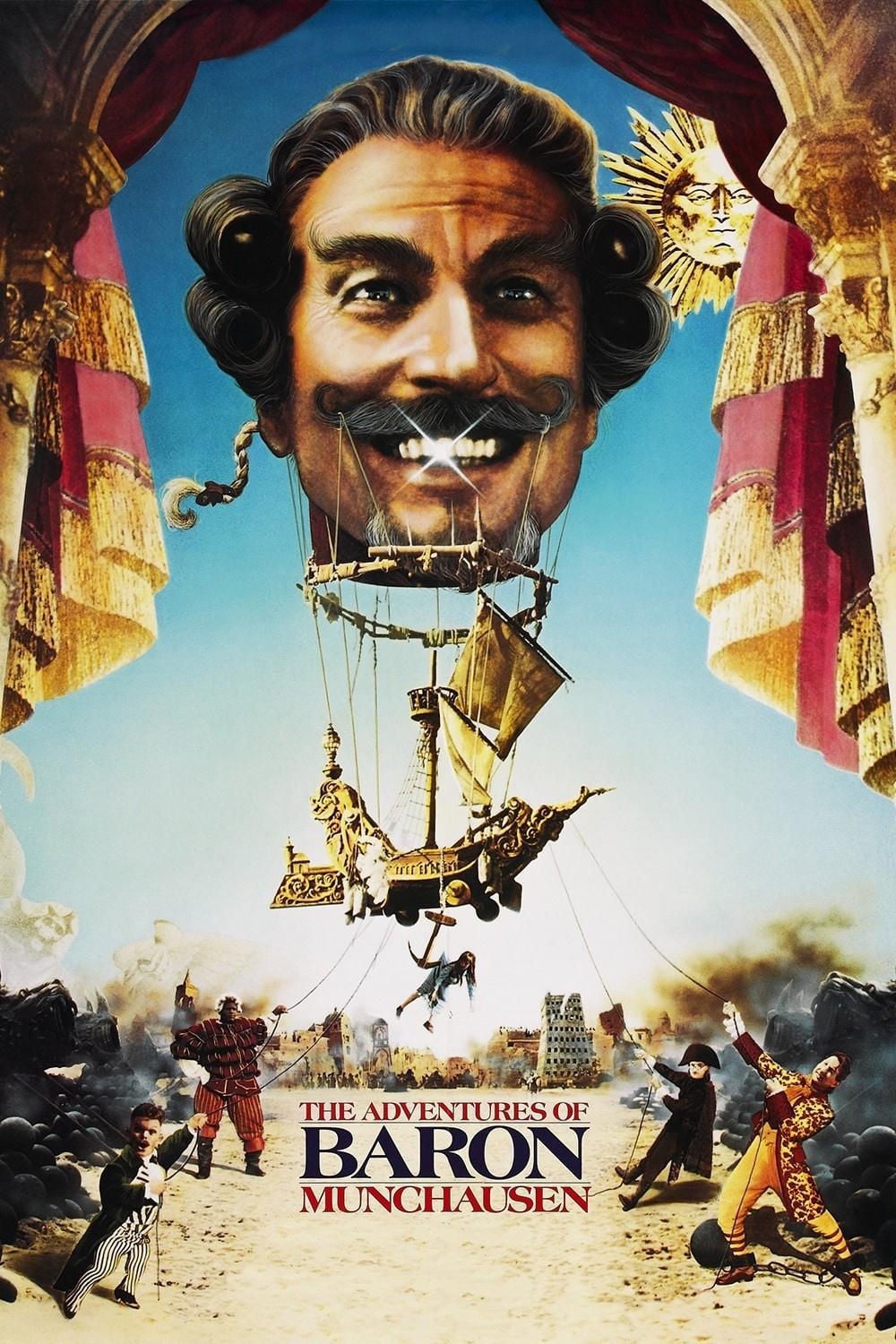
Terry Gilliam’s fantasy epic stars John Neville, Sarah Polley, Eric Idle, Uma Thurman, and Robin Williams under a playful pseudonym. Giuseppe Rotunno’s cinematography and Dante Ferretti’s production design deliver elaborate stagecraft, with large-scale miniatures and full-size sets built across European studios and locations.
Costume designer Gabriella Pescucci created ornate outfits for the Baron’s companions and adversaries, while effects teams used wire rigs, practical explosions, and optical composites for moon voyages and sea monsters. Editorial and production histories note an ambitious scale that involved complex international logistics.
‘The Secret of NIMH’ (1982)
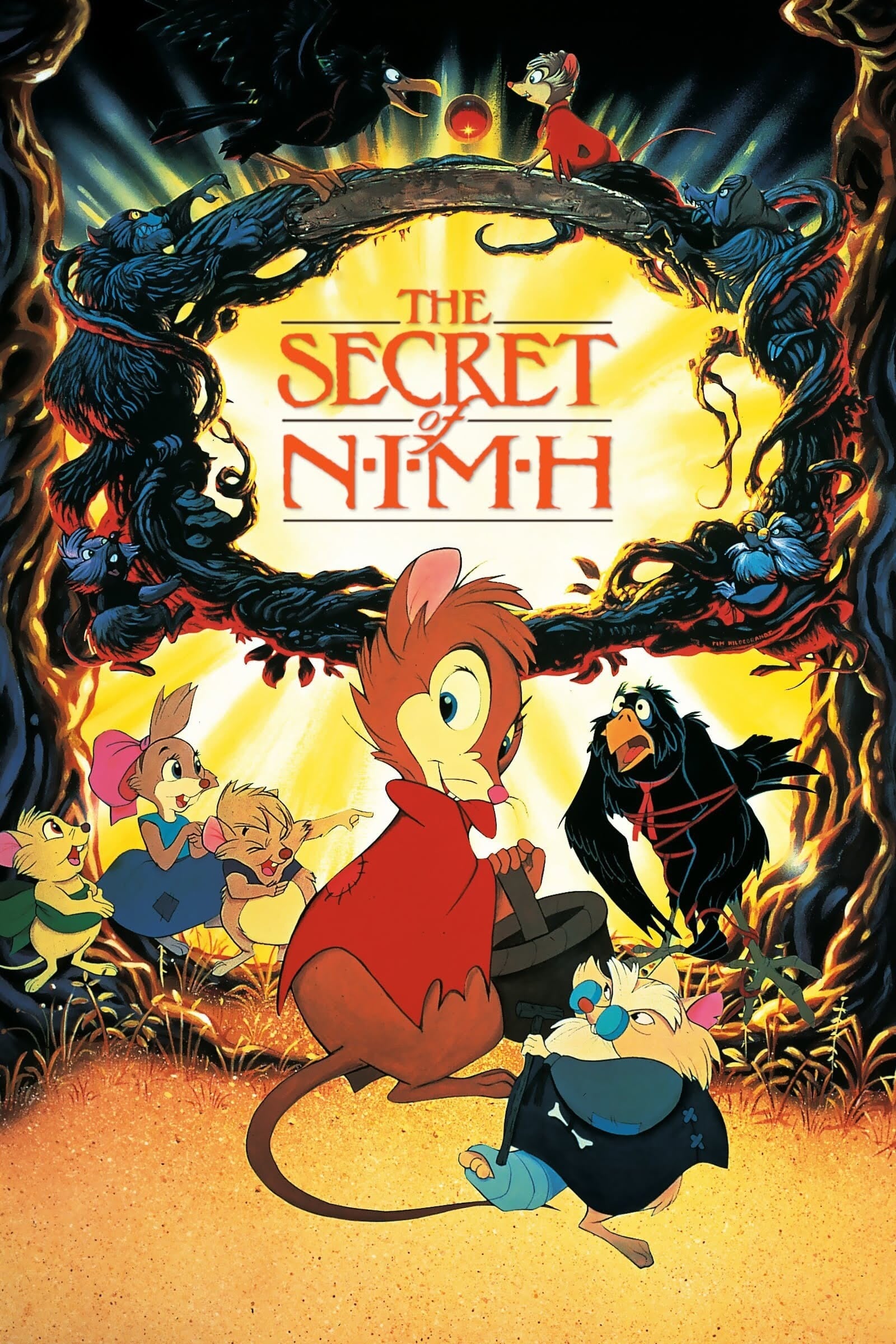
Don Bluth directs this adaptation of Robert C. O’Brien’s novel, featuring voice performances by Elizabeth Hartman, Derek Jacobi, and Dom DeLuise. The film uses richly painted backgrounds and meticulous character animation, with Jerry Goldsmith composing an orchestral score that supports the story’s dramatic beats.
Animation techniques included multiplane camera work for depth, backlit effects for glowing elements, and rotoscoped references for certain movements. The production marked a major project for Bluth’s studio after its split from Disney, demonstrating an emphasis on detailed drawing, darker tones, and complex lighting.
‘My Neighbor Totoro’ (1988)
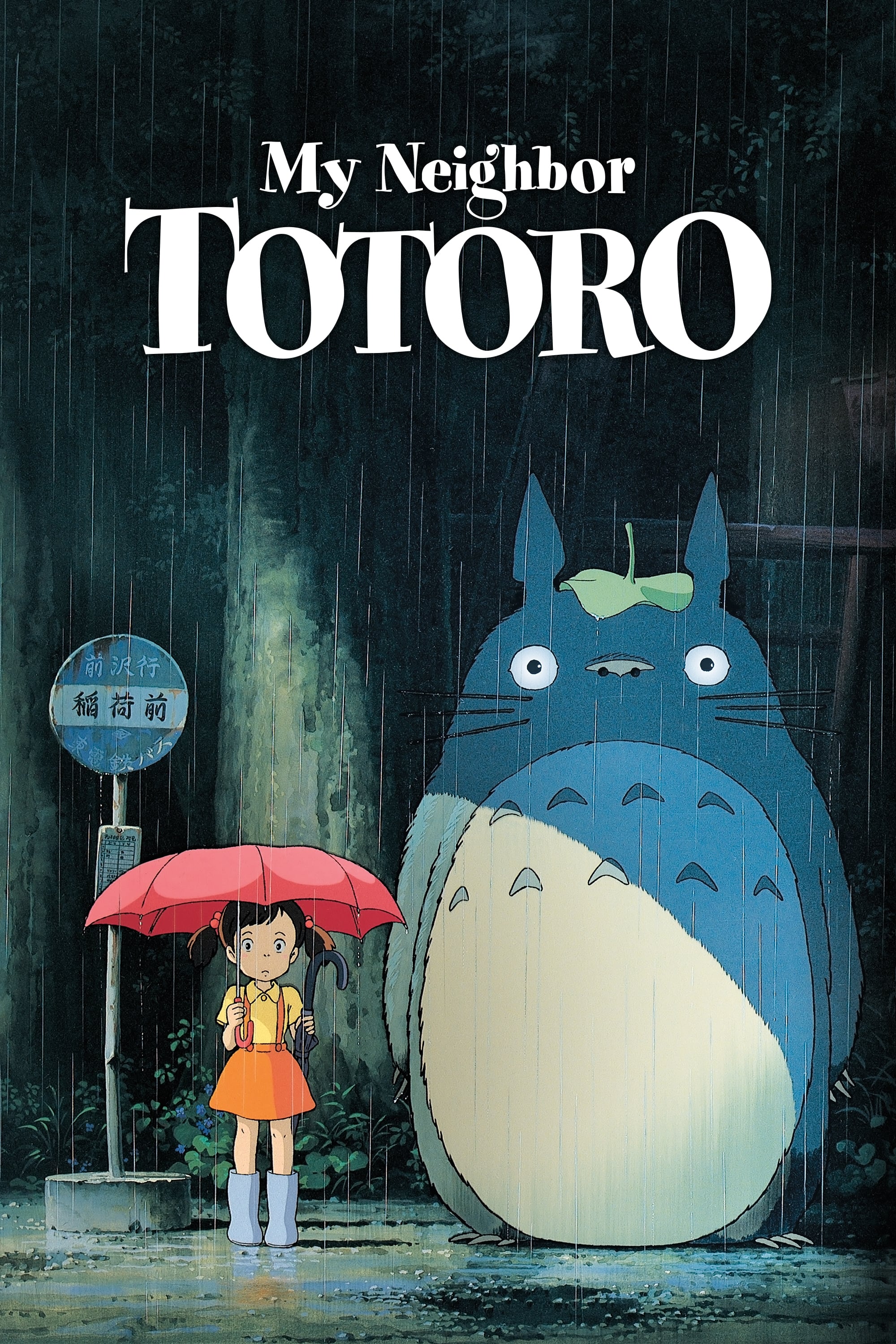
Hayao Miyazaki directs for Studio Ghibli, with a story set in rural Japan following two sisters and the forest spirits they encounter. Joe Hisaishi’s score uses repeating motifs and gentle instrumentation to match the countryside setting. The film’s mascot character later became an emblem for Studio Ghibli’s identity and branding.
Background artists painted expansive fields, houses, and wooded areas with soft color transitions, while animators emphasized natural movement for wind, trees, and rain. The production relied on traditional cel animation and careful sound design using everyday environmental recordings to capture cicadas, rainfall, and creaking wood.
‘Kiki’s Delivery Service’ (1989)
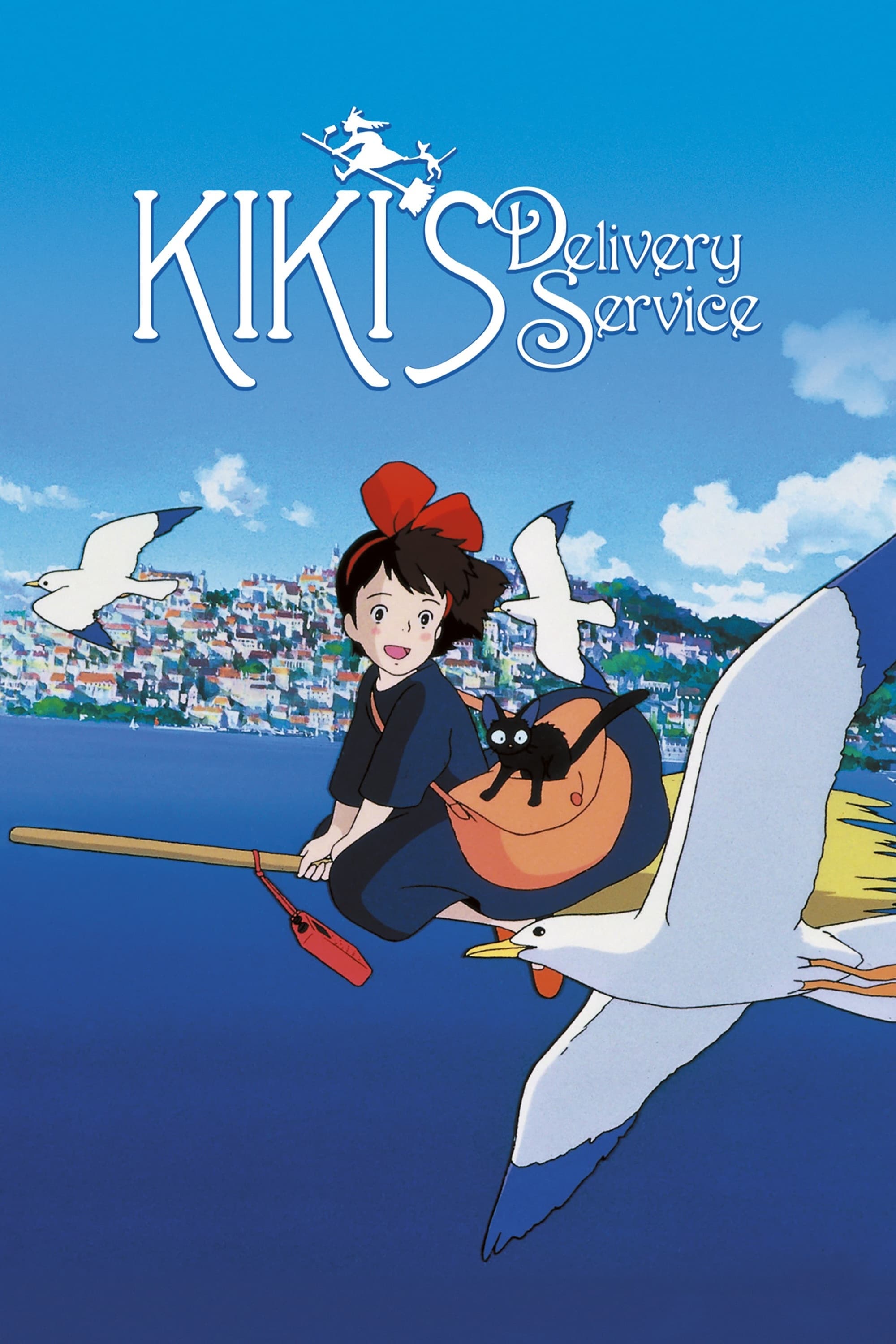
Hayao Miyazaki adapts Eiko Kadono’s novel about a young witch starting an independent courier service in a seaside city. Joe Hisaishi composed the music, and Studio Ghibli animators drew on European coastal architecture for the city’s design, with visual references that include Stockholm and Visby.
Layout and background teams mapped traffic patterns, tram lines, and narrow streets to choreograph aerial broom sequences. The film’s food, storefronts, and signage were researched to create a cohesive urban culture, and animators paid special attention to wind shear, cloud layers, and bird behavior to guide flight animation.
‘The Little Mermaid’ (1989)
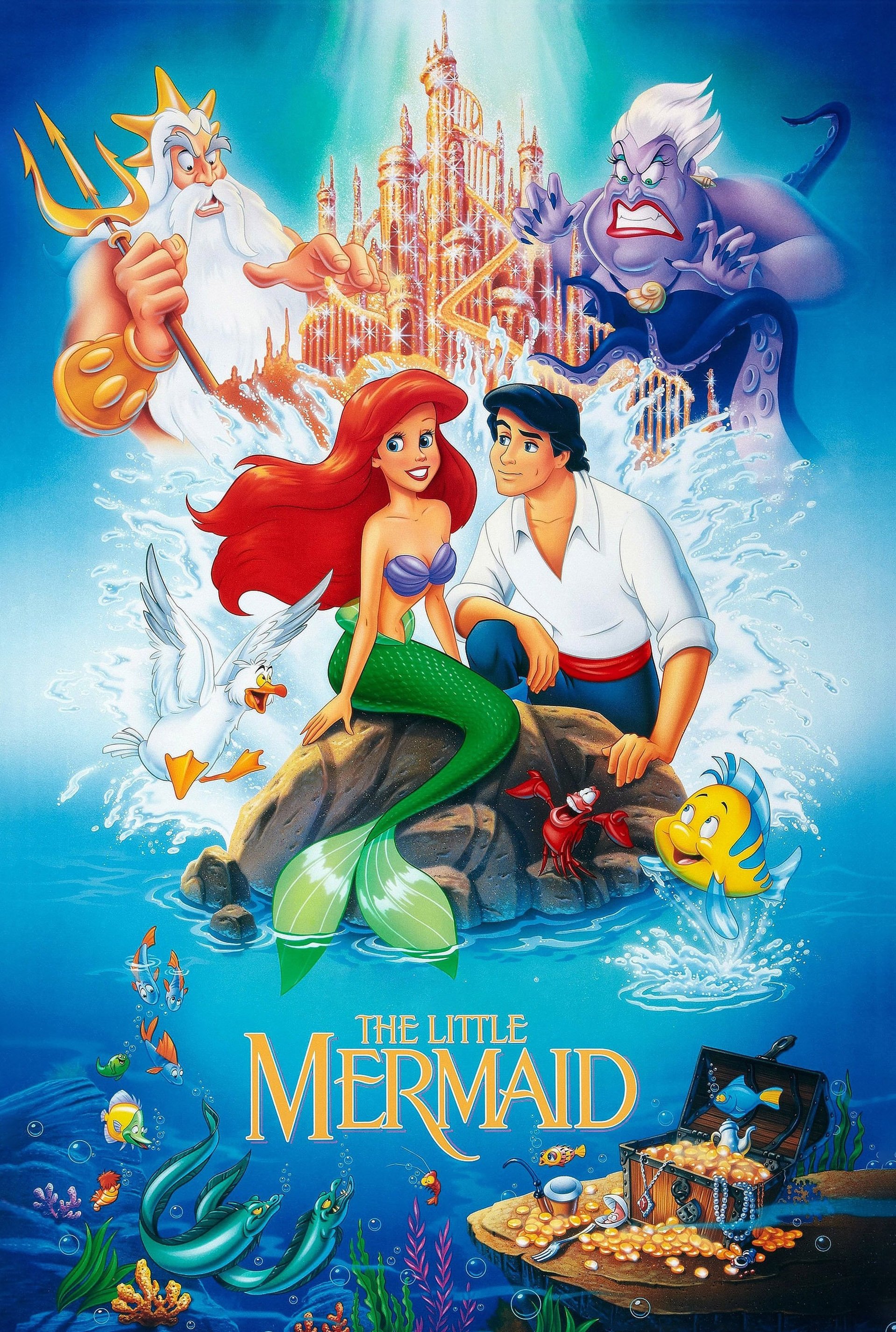
Directors Ron Clements and John Musker adapt Hans Christian Andersen’s tale, with music by Alan Menken and lyrics by Howard Ashman. The production returned Disney to Broadway-style storytelling, using recurring musical themes to carry character arcs and plot developments. Recording sessions emphasized vocal performance and ensemble timing.
Artists employed multiplane camera techniques and a mix of traditional and early digital tools for select effects. Story and visual development defined distinct undersea and surface worlds through palette and lighting choices, while the animation of water, hair, and fins drew on reference footage and specialized effects animation.
‘The Last Unicorn’ (1982)
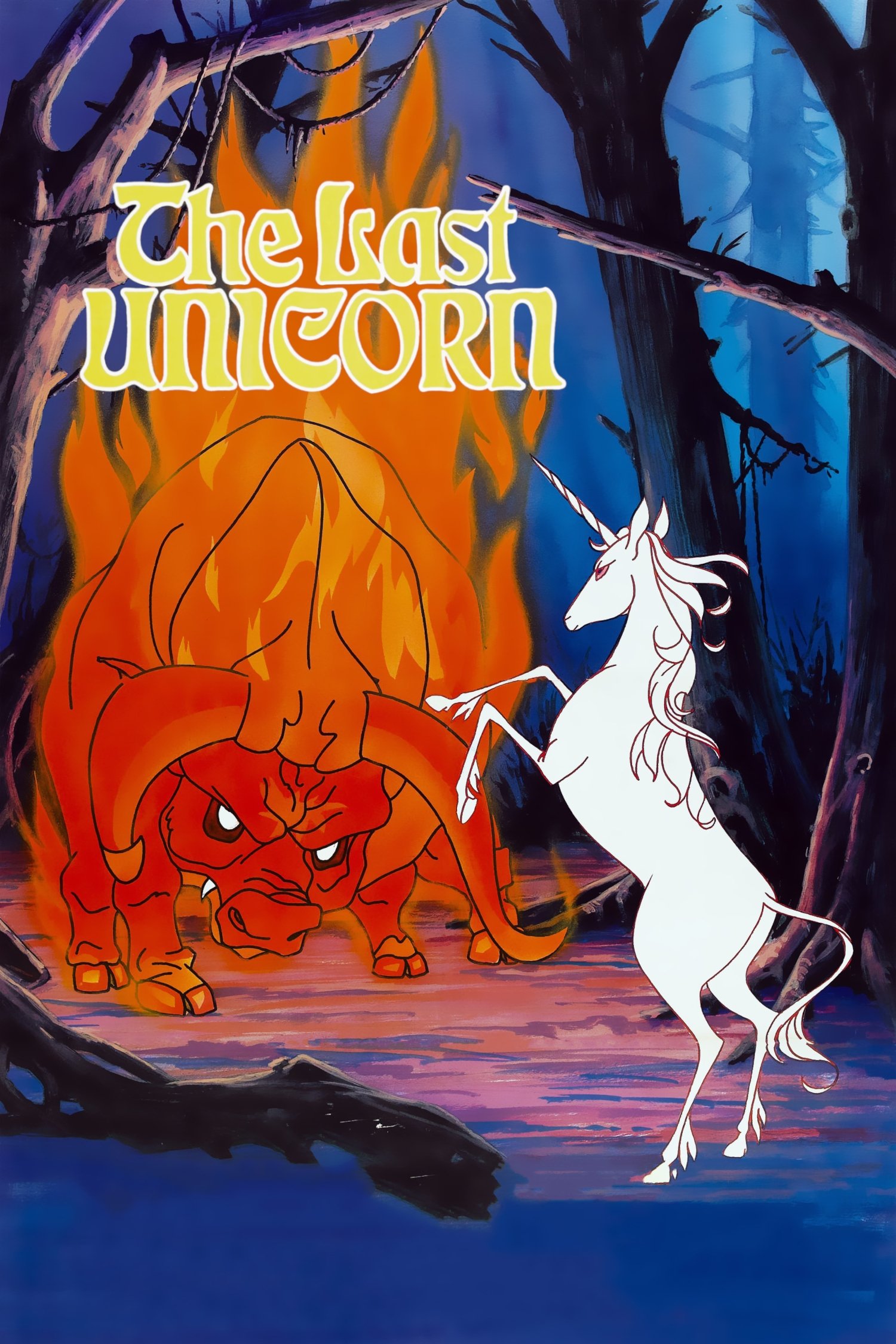
Jules Bass and Arthur Rankin Jr. direct, adapting Peter S. Beagle’s novel with animation by Topcraft, a studio whose artists later contributed to the formation of Studio Ghibli. The voice cast includes Mia Farrow, Jeff Bridges, Christopher Lee, and Alan Arkin, and Jimmy Webb collaborated with the band America on the songs.
Character designs leaned on slender, elongated forms and expressive eyes, with backgrounds painted in watercolor-influenced washes. Christopher Lee recorded dialogue with attention to the source text, and the production’s East–West pipeline combined American scripting and voice work with Japanese animation workflows.
‘Return to Oz’ (1985)
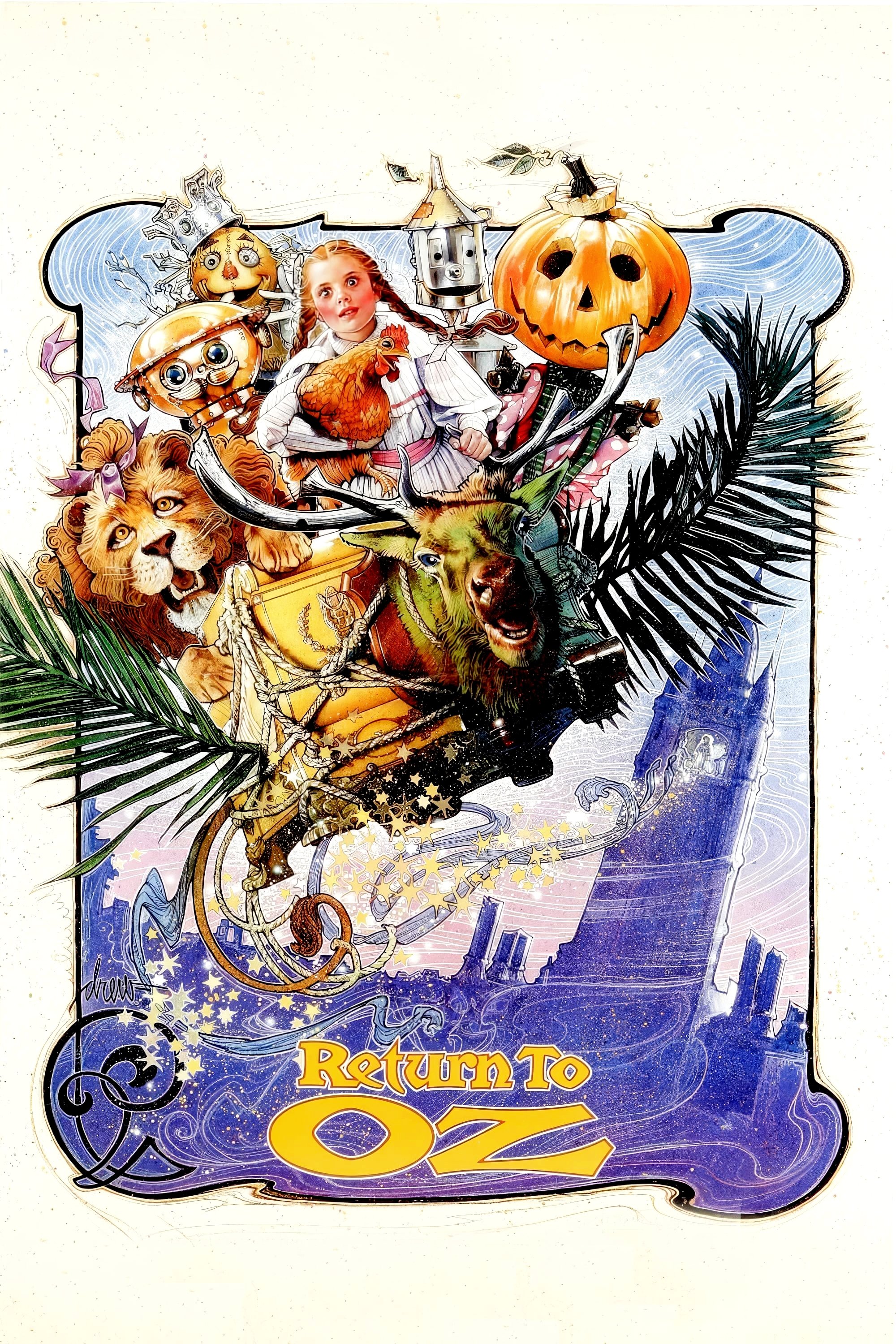
Walter Murch directs this follow-up to the Oz stories, starring Fairuza Balk and Nicol Williamson with Jean Marsh as the principal antagonist. Filming took place in the UK and on constructed sets that expanded the Yellow Brick Road into ruin, with clay and stone textures replacing the earlier porcelain aesthetic. Stop-motion, animatronics, and a mechanized Tik-Tok suit brought the new characters to life.
The effects team integrated matte paintings for the ruined Emerald City and used puppeteers for Jack Pumpkinhead and the Gump, coordinating internal supports and facial controls for dialogue scenes. The production drew on multiple L. Frank Baum books for its narrative, combining elements like the Wheelers and Princess Mombi into a coherent throughline.
‘The Black Cauldron’ (1985)

This Disney adaptation of Lloyd Alexander’s ‘The Chronicles of Prydain’ features backgrounds inspired by Welsh landscapes and Celtic motifs. The production explored darker imagery than the studio’s immediately prior features, building a villain ensemble that included the Horned King with skeletal minions and smoky, backlit effects.
Technical approaches included the use of photochemical glow effects and early digital tools for specific shots. The art direction emphasized desaturated earth tones and mist to differentiate its world from brighter fairy-tale palettes, while orchestration and sound design leaned into drums and low brass for an ominous atmosphere.
Share your favorite picks and the reasons they stand out to you in the comments below!

