Students Protest After ‘Lord of the Rings’ Franchise Labeled ‘Anti-African’

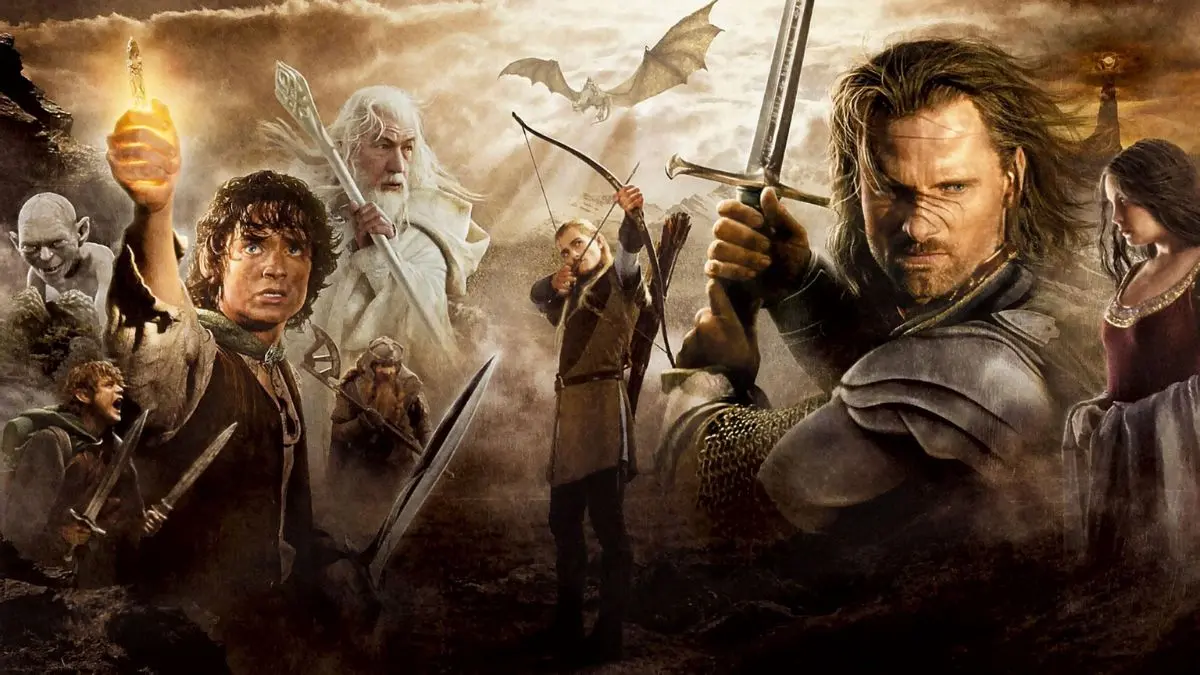

Students at the University of Nottingham are upset after a history course claimed that J.R.R. Tolkien’s The Lord of the Rings shows racial bias.
The course, called Decolonising Tolkien et al, argues that Tolkien’s portrayal of darker-skinned characters as evil and lighter-skinned characters as good reflects what the instructor calls “ethnic chauvinism,” according to RadarOnline.com.
The module is led by historian Dr. Onyeka Nubia, who examines how classic British literature may carry hidden racial messages.
Course materials suggest that Tolkien’s depiction of orcs and certain human groups, like the Easterlings, Southrons, and men of Harad, continues a long tradition of negative stereotypes about people of color. The text claims these fictional races are part of a legacy of “anti-African antipathy,” where Africans are portrayed as the natural enemies of white people.
Dr. Nubia also includes other British works in his analysis. He argues that William Shakespeare and C.S. Lewis created an image of a mono-ethnic England, erasing Africans and promoting a skewed view of history.
For example, Lewis’ The Lion, the Witch and the Wardrobe is cited for its depiction of the Calormen as cruel, with “long beards” and “orange-colored turbans,” which critics say reflect colonial stereotypes.
Dr. Nubia told students that medieval England was more diverse than often shown in literature. He encourages them to re-examine British myths from non-white perspectives.
The course has sparked backlash among students and fans of Tolkien. One student said, “Fans of LoTR are up in arms because this feels like ideology being imposed on literature people love.” Another student added, “It feels like we are being pressured to accept this view to pass the course. Turning fantasy into a political test is too much.”
Some academics have criticized the course for reading too much into Tolkien’s work. One source called the claims that Tolkien is anti-African “ridiculous and ignores both authorial intent and genre conventions.”
The debate highlights the tension between traditional literary appreciation and modern efforts to examine works through the lens of race and inclusion.
This situation raises questions about how literature should be studied today. Should classic stories be reinterpreted for modern values, or should they be understood in their original context? What do you think? Share your thoughts in the comments.