


LGBTQ+ Actresses Who Refuse to Play the Same Role Twice

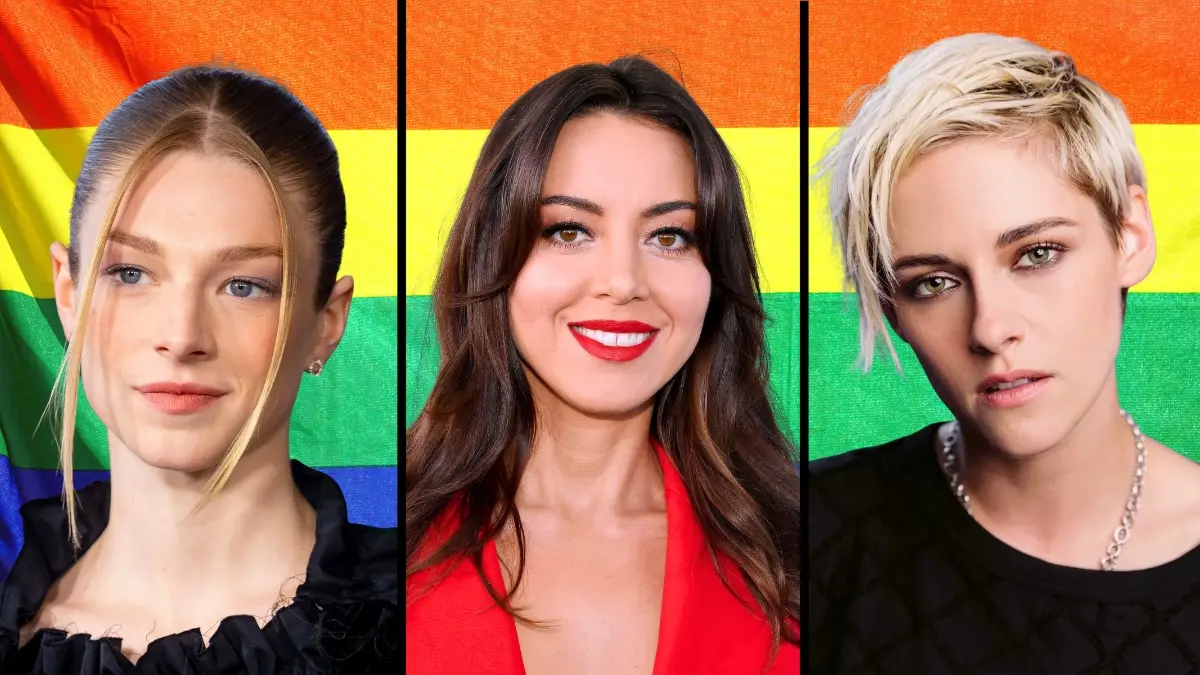


Diversity in performance is often the hallmark of a transformative career, particularly for actors who consciously avoid the trap of typecasting. Within the LGBTQ+ community, many actresses have made it a cornerstone of their professional identity to seek out roles that challenge expectations and span across vastly different genres. By rejecting the safety of repetitive archetypes, these performers demonstrate a commitment to artistic growth and a desire to represent a wide spectrum of human experiences. The following actresses are recognized for their intentionality in selecting projects that ensure no two roles in their filmographies are alike.
Kristen Stewart
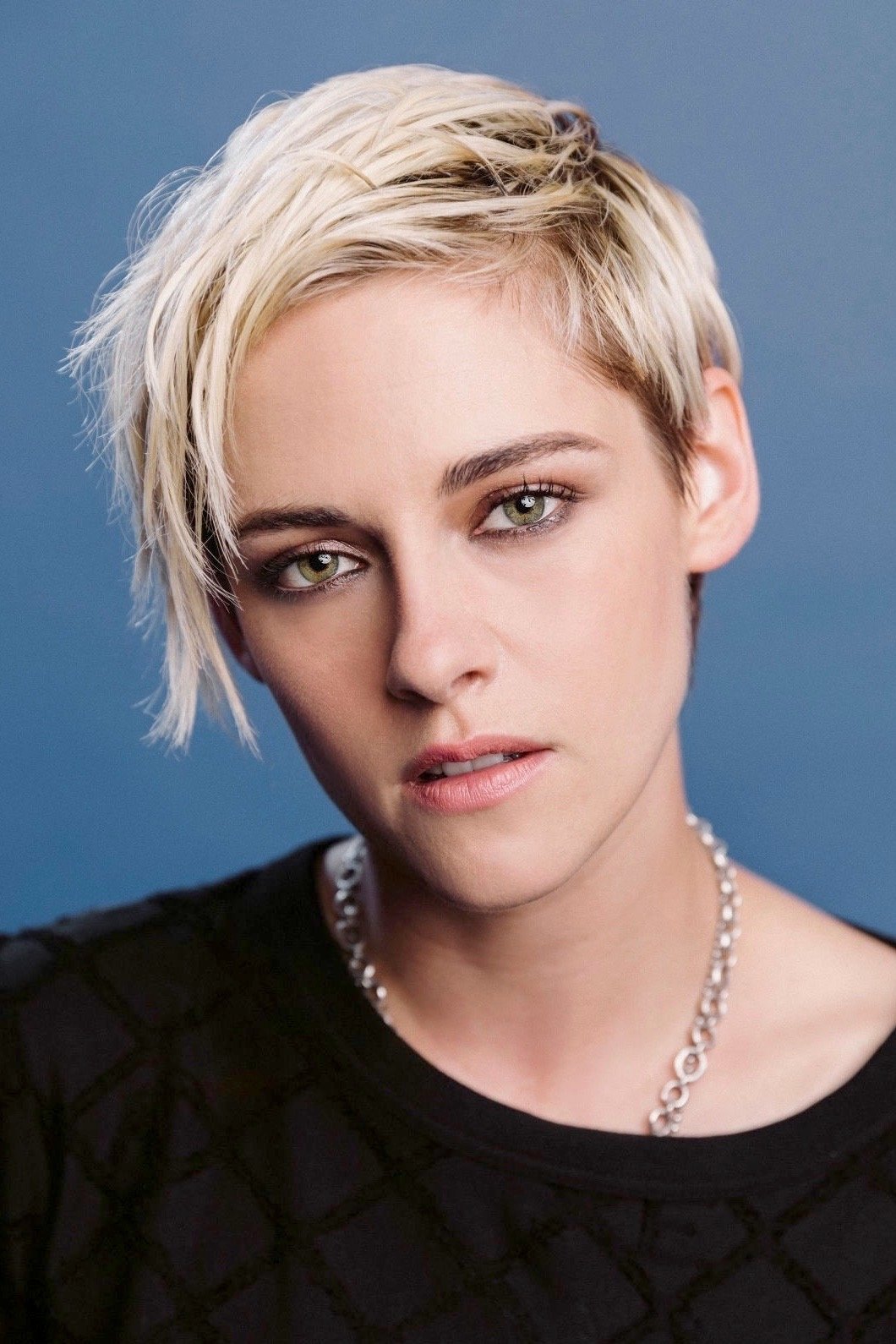
After the global success of the ‘Twilight’ saga, she pivoted toward independent films to escape the constraints of blockbuster fame. She earned critical acclaim for her nuanced performances in dramas such as ‘Personal Shopper’ and ‘Camp X-Ray’. Stewart has often remarked that she is drawn to characters who feel entirely new to her, resisting the urge to return to familiar ground. Her portrayal of historical figures like Princess Diana in ‘Spencer’ showcases her dedication to transformative and distinct storytelling.
Sarah Paulson
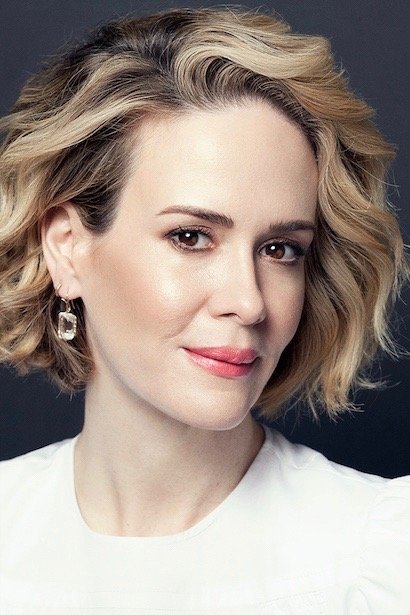
Known for her extraordinary range, she has utilized the anthology format of ‘American Horror Story’ to play a wide array of contrasting characters. In a single series, she has transitioned from a psychic to a conjoined twin, ensuring each performance is distinct in voice and physicality. Outside of television, she has taken on challenging roles in projects like ‘The People v. O. J. Simpson: American Crime Story’ and ‘Ratched’. Paulson consistently avoids playing the same archetype twice, prioritizing scripts that offer fresh psychological depth.
Aubrey Plaza

Following her breakout role in ‘Parks and Recreation’, she made a deliberate effort to prove her versatility beyond deadpan comedy. She shocked audiences with her intense dramatic performance in ‘Emily the Criminal’, playing a woman embroiled in a credit card scam. Plaza has also explored surrealist satire in ‘The White Lotus’ and voiced lead roles in animated projects like ‘Little Demon’. Her career choices reflect a specific desire to avoid being pigeonholed into any single genre or personality type.
Janelle Monáe
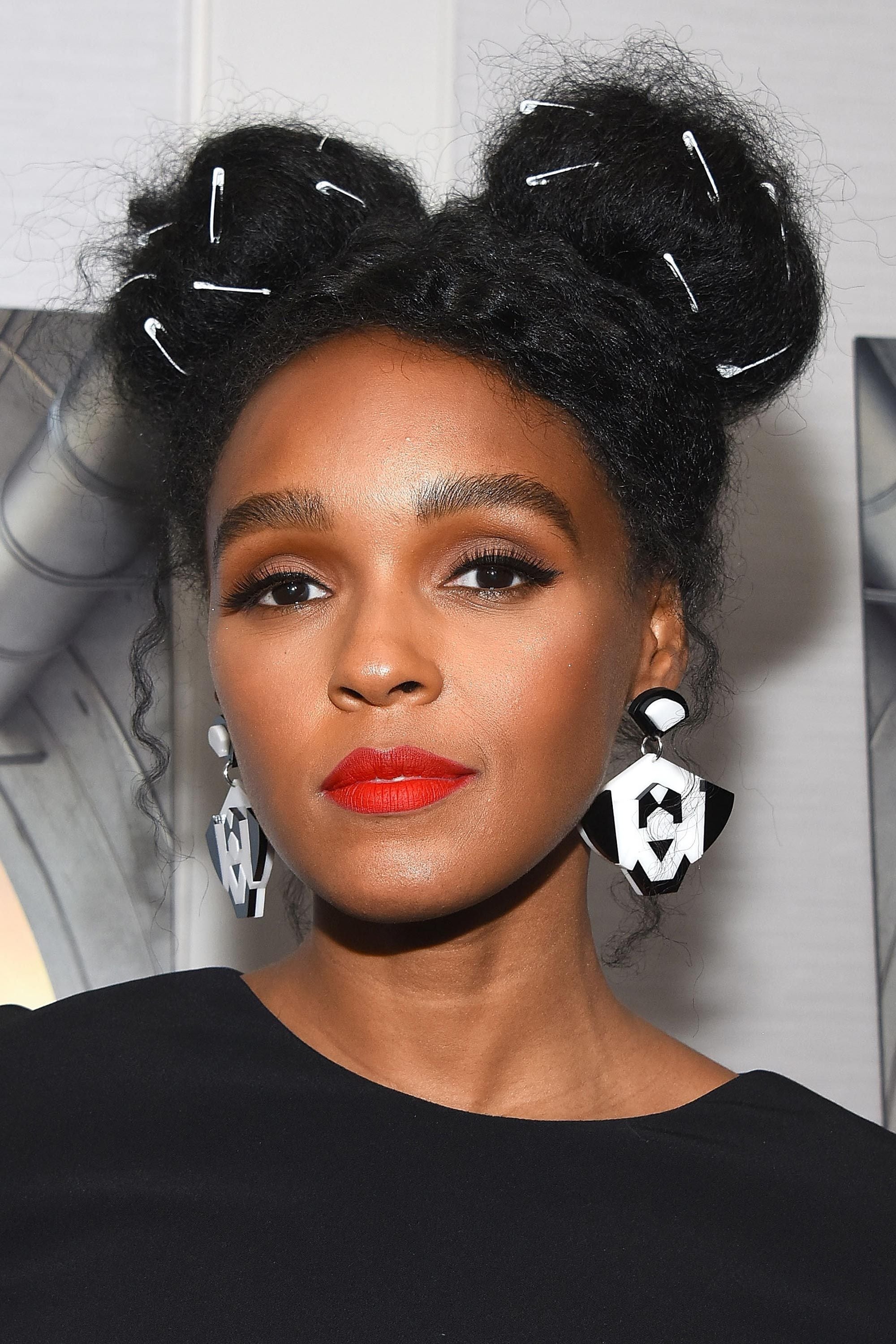
As an artist who works across multiple mediums, she brings a unique perspective to her role selection in film and television. She made a powerful debut in ‘Moonlight’ and ‘Hidden Figures’, playing characters in completely different socio-political environments. Monáe later starred in the high-concept thriller ‘Antebellum’ and the comedic mystery ‘Glass Onion: A Knives Out Mystery’. By alternating between period pieces, science fiction, and satire, she maintains a filmography defined by its variety.
Tessa Thompson
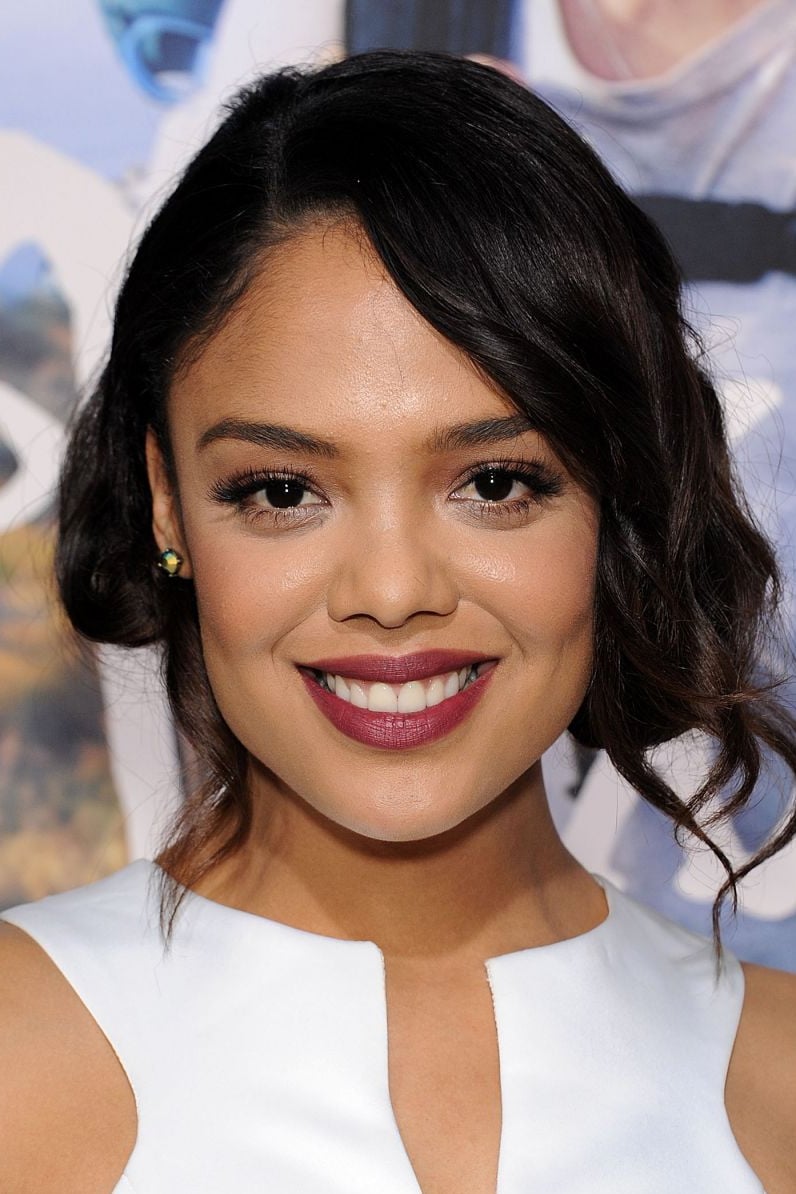
This actress has successfully balanced roles in massive cinematic universes with intimate, character-driven independent projects. She is well-known for her portrayal of the warrior Valkyrie in ‘Thor: Ragnarok’, yet she also led the cerebral narrative of ‘Westworld’. Thompson received widespread praise for her subtle work in the 1920s-set drama ‘Passing’, a role that differed significantly from her action-heavy work. She has stated that she looks for projects that allow her to subvert tropes and explore new facets of her craft.
Hunter Schafer
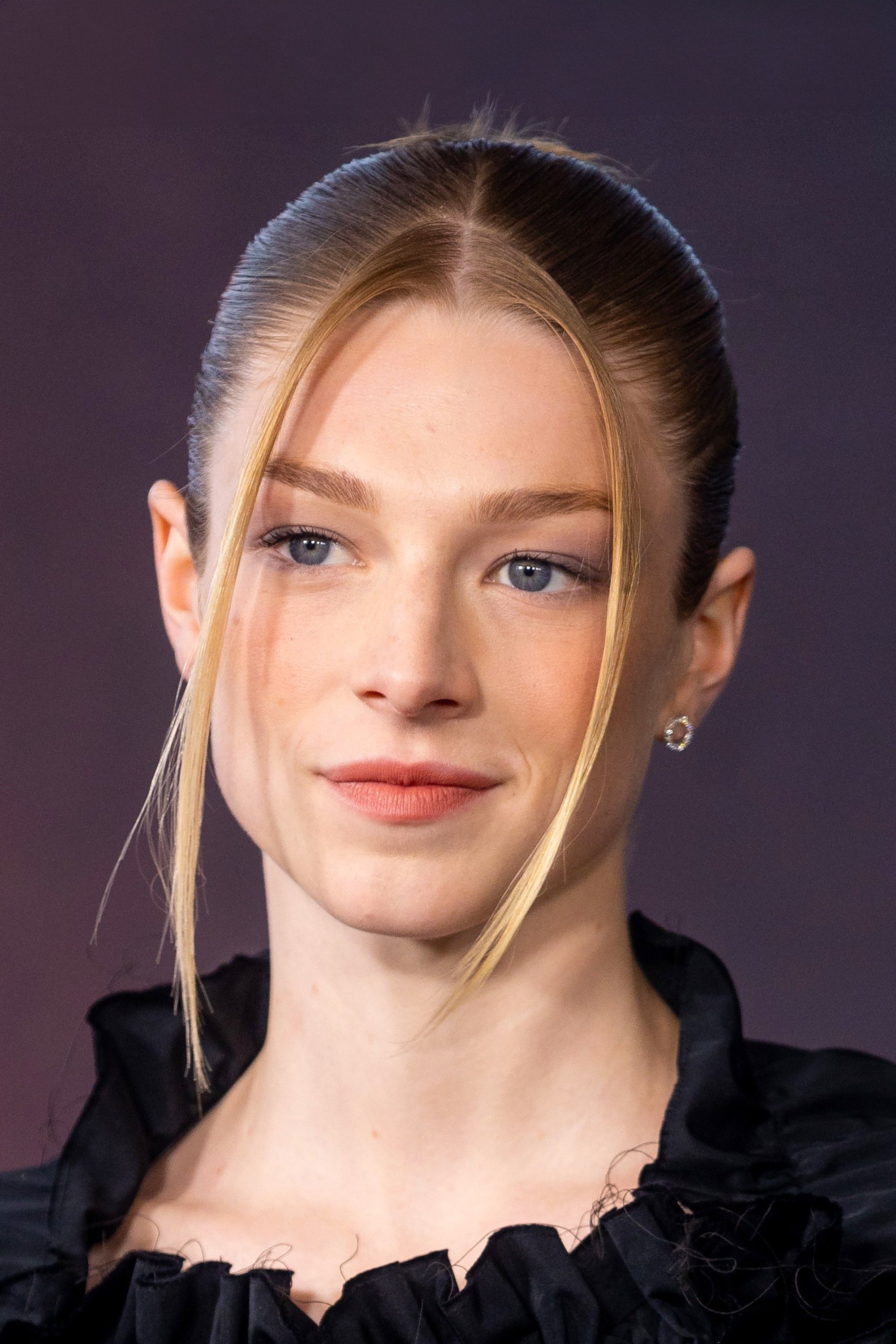
Since gaining fame for her role in the hit series ‘Euphoria’, she has focused on expanding her repertoire into different cinematic genres. She transitioned into the world of dystopian action with a role in ‘The Hunger Games: The Ballad of Songbirds and Snakes’. Schafer has expressed a keen interest in horror, leading to her performance in the psychological film ‘Cuckoo’. By moving from high school drama to genre-bending thrillers, she demonstrates a clear intent to avoid repetition early in her career.
Amandla Stenberg
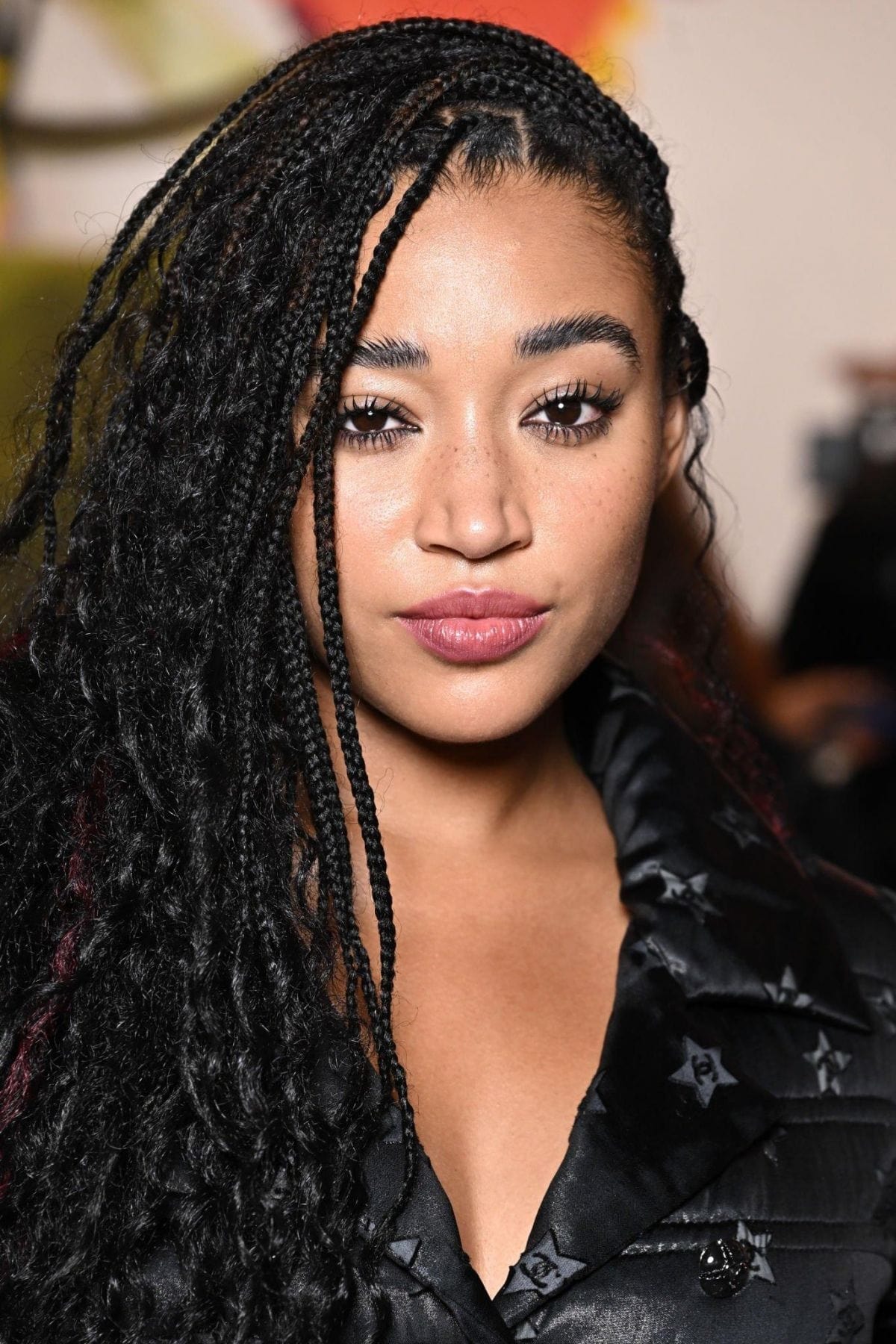
From a young age, they have sought out projects that offer significant narrative diversity and challenge artistic boundaries. After appearing in ‘The Hunger Games’, Stenberg took on a heavy dramatic lead in ‘The Hate U Give’ and a comedic role in ‘Bodies Bodies Bodies’. They recently joined the ‘Star Wars’ universe with a central role in the series ‘The Acolyte’. Stenberg’s choices reflect a commitment to navigating through various tones, from social commentary to space opera.
Lily Gladstone
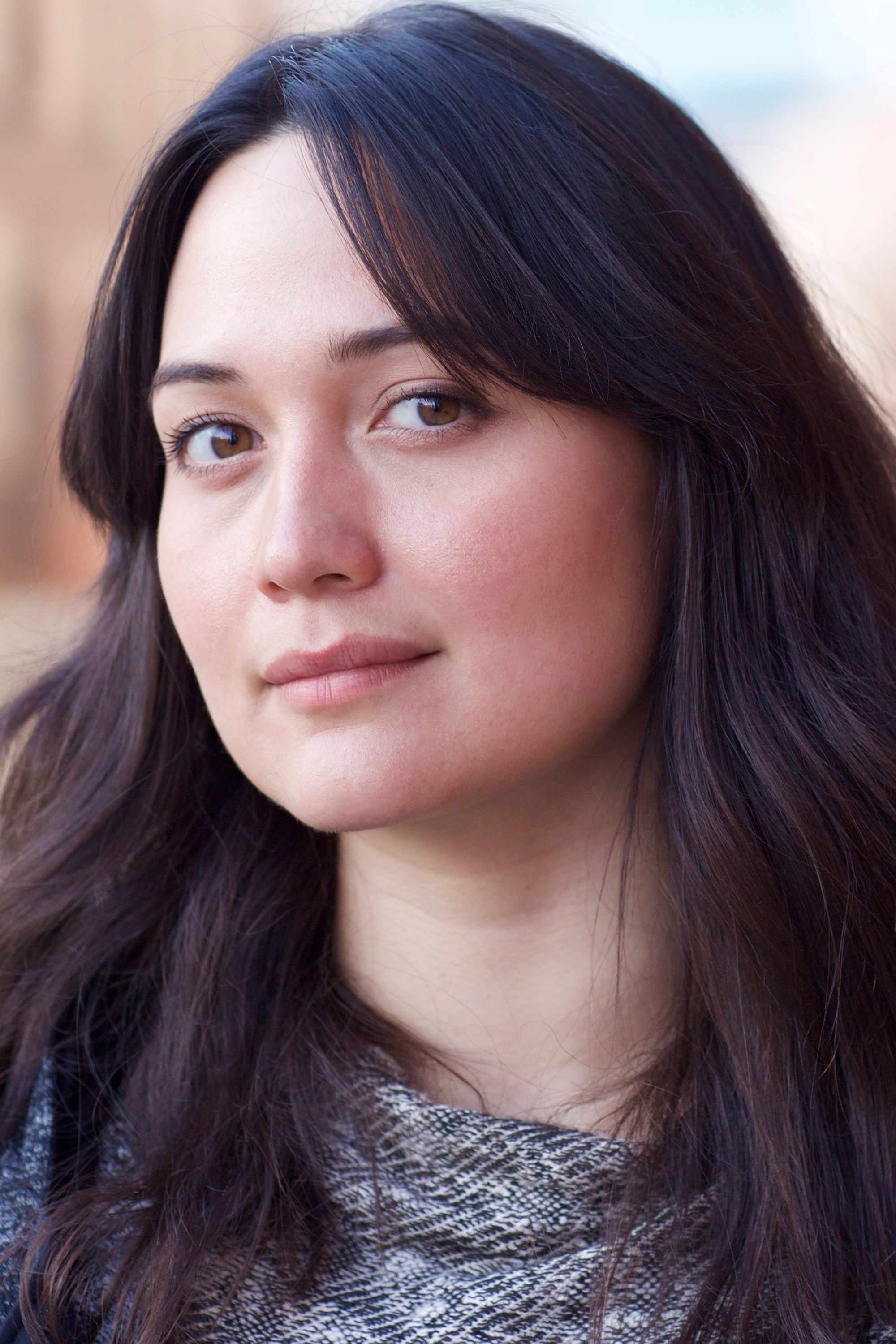
As a non-binary performer, they have built a career on quiet, impactful performances that span a wide range of human experiences. Following a breakout role in ‘Certain Women’, Gladstone gained international recognition for their work in ‘Killers of the Flower Moon’. They have also showcased their range in television series like the comedy ‘Reservation Dogs’ and the crime drama ‘Under the Bridge’. Gladstone actively seeks roles that provide a complex look at Indigenous identities while avoiding standard Hollywood clichés.
Cynthia Nixon
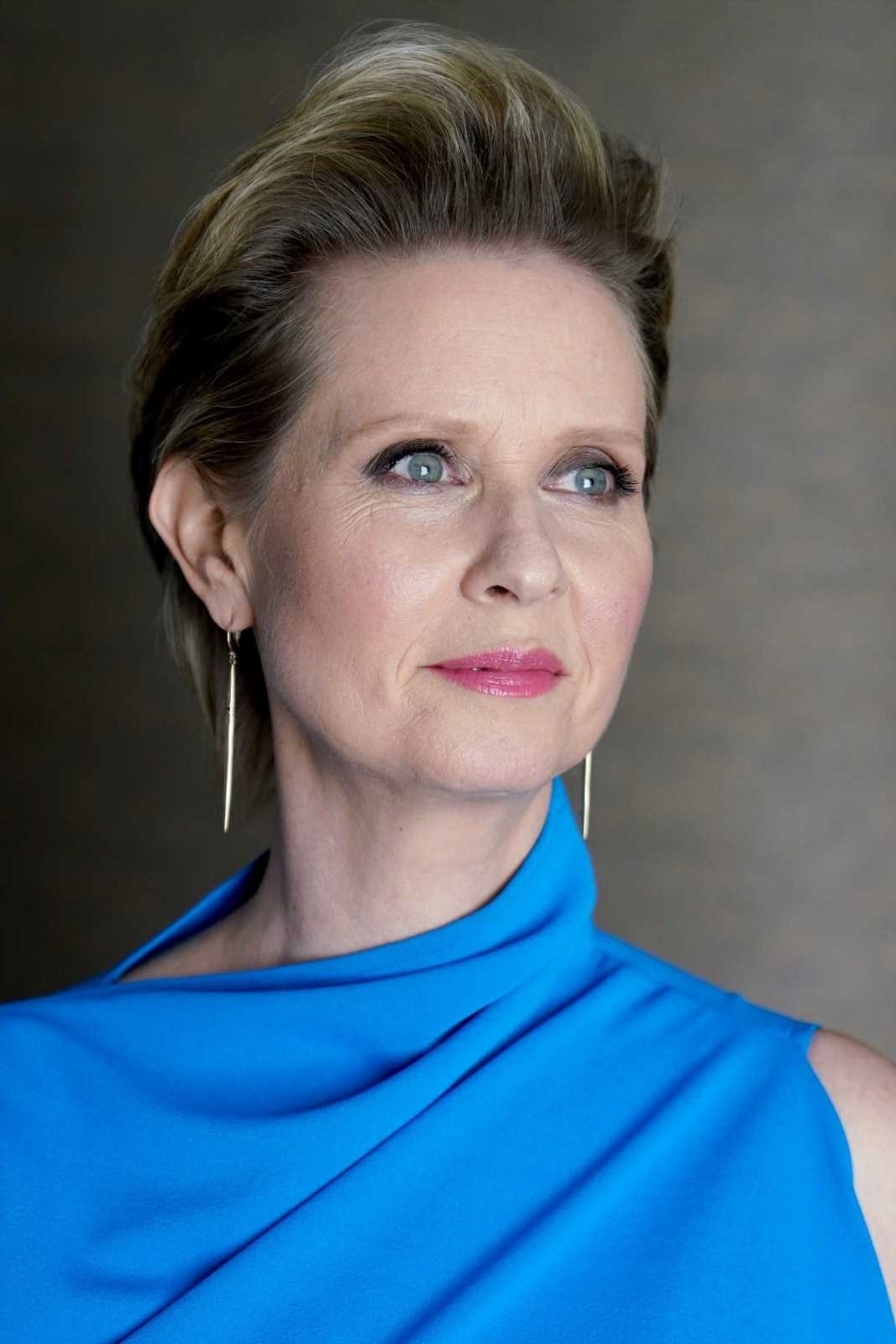
Best known for her iconic role in ‘Sex and the City’, she has spent the following years reinventing her screen image through diverse projects. She took on a stern, complicated character in ‘Ratched’ and moved into historical drama with ‘The Gilded Age’. Nixon has also maintained a strong presence on stage, earning accolades for her roles in productions like the television film ‘Wit’. Her career serves as a blueprint for an actor who refuses to let a single successful role define their entire body of work.
Jodie Foster
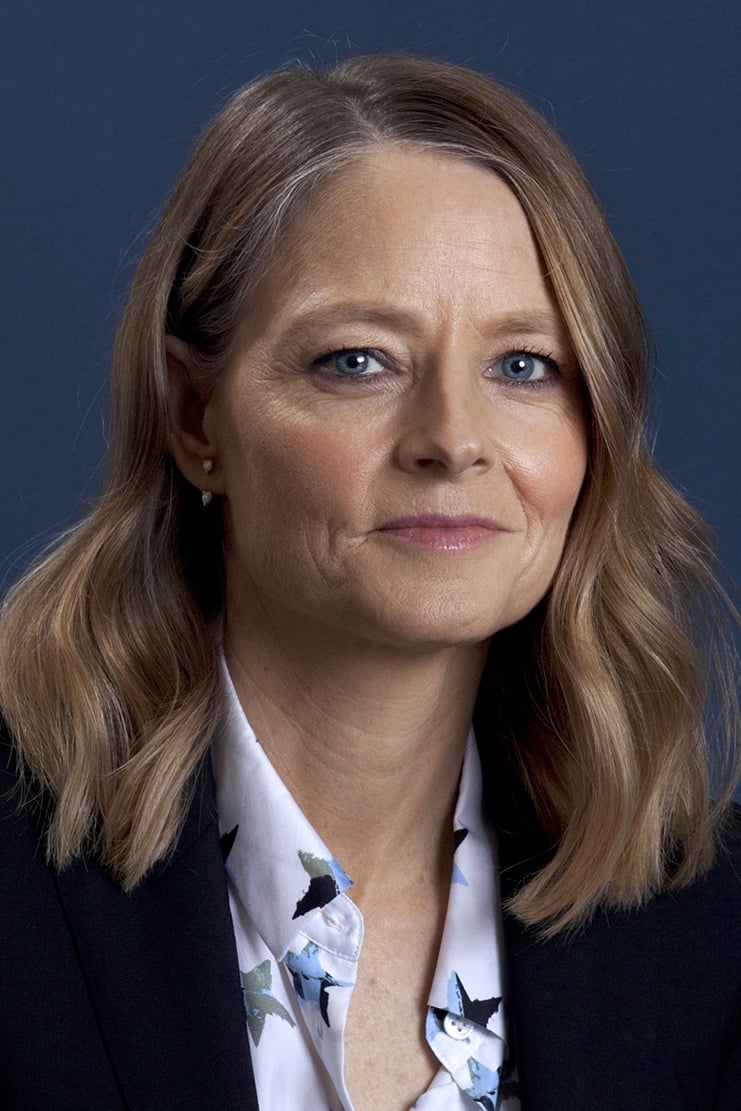
Throughout her decades-long career, this legendary actress has been notoriously selective to avoid any sense of professional repetition. She moved from the intense psychological thriller ‘The Silence of the Lambs’ to the domestic tension of ‘Panic Room’. More recently, she showcased her versatility in the biopic ‘Nyad’ and the procedural mystery ‘True Detective: Night Country’. Foster’s filmography is a testament to her philosophy of only accepting roles that present a brand-new creative challenge.
Share which of these versatile performers has surprised you the most with their range in the comments.

