


TV Shows Revivals That Ruined the Original Endings

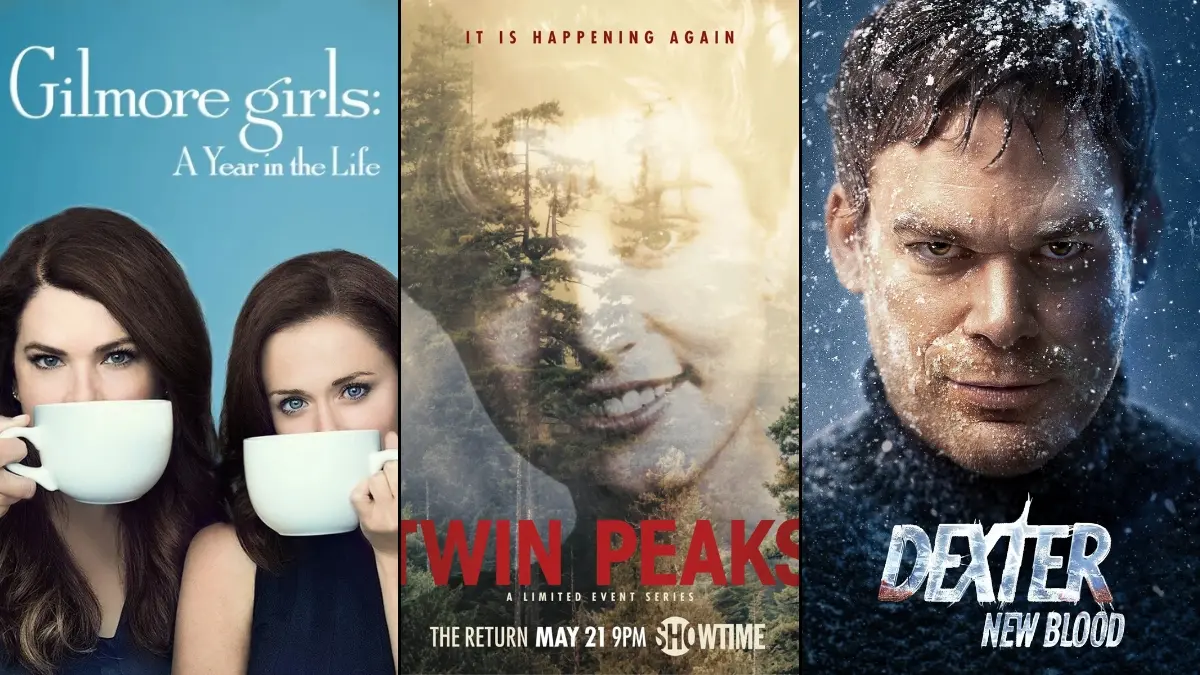


Nostalgia has a way of bringing shows back from the dead, but revivals can rewrite hard-won finales in unexpected ways. When a story once reached a clear endpoint, a continuation sometimes resets relationships, changes character fates, or even overhauls the central mystery. The result is a brand-new chapter that directly alters what the last episode once said was true.
This list looks at TV series that returned after ending and then changed the meaning or consequences of their original farewells. For each one, you’ll find what the original finale established and exactly how the revival revised, retconned, or reframed that closure.
‘Dexter: New Blood’ (2021–2022)
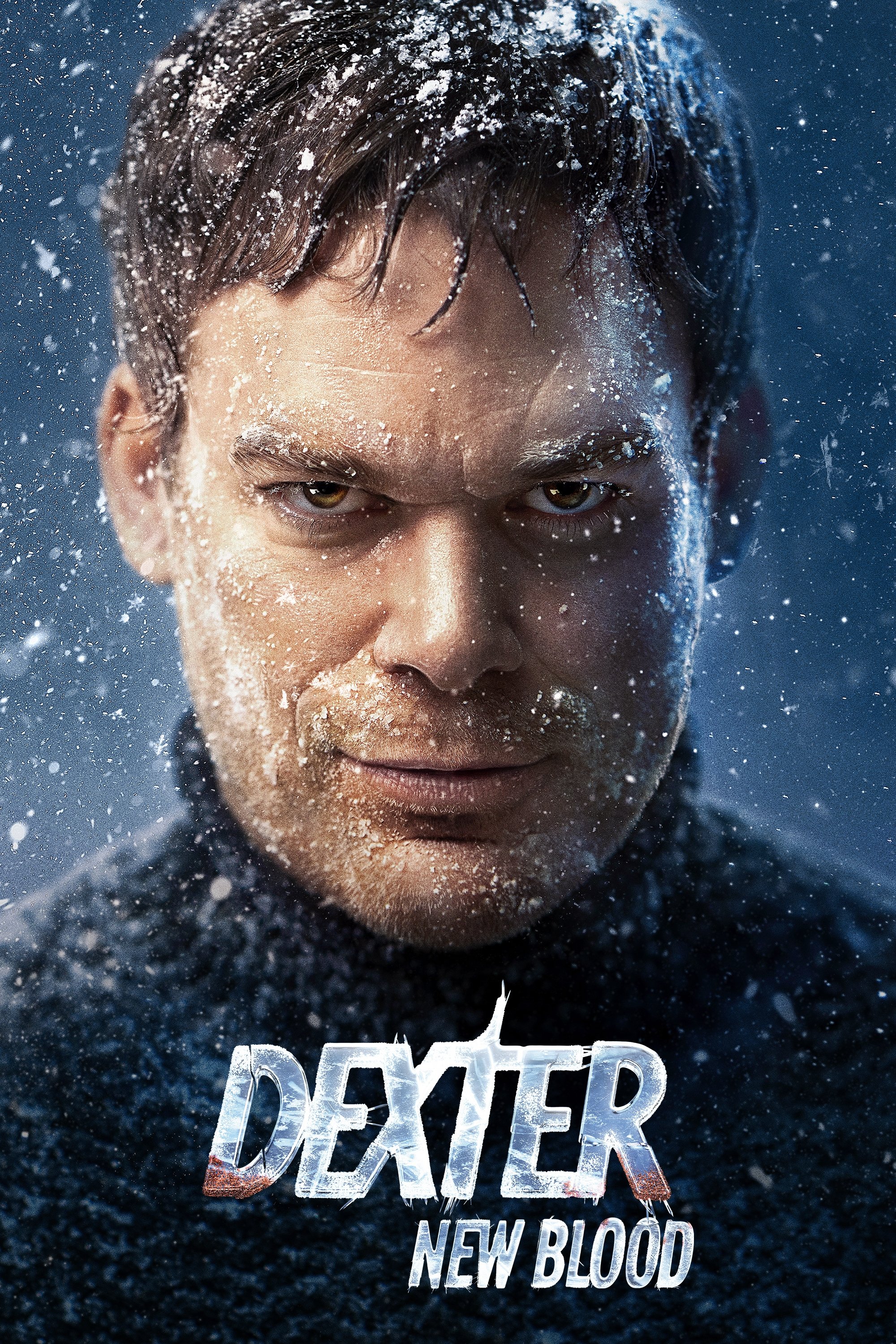
The original finale of ‘Dexter’, ‘Remember the Monsters?’, concluded with Dexter removing Debra from life support, steering his boat into a hurricane, and then appearing alive in a coda—isolated and working under an assumed identity as a lumberjack. The ending established that he vanished from Miami, severed ties with those he endangered, and chose a life of anonymity away from his son Harrison.
‘Dexter: New Blood’ relocated the character to Iron Lake under the name Jim Lindsay, reintroduced Harrison, and followed a string of killings that exposed Dexter to Police Chief Angela Bishop. The continuation confirmed his survival, made his secret life public within his community, and ended with Harrison shooting him after learning the full truth, replacing the earlier, open-ended self-exile with a definitive death.
‘The X-Files’ (2016–2018)
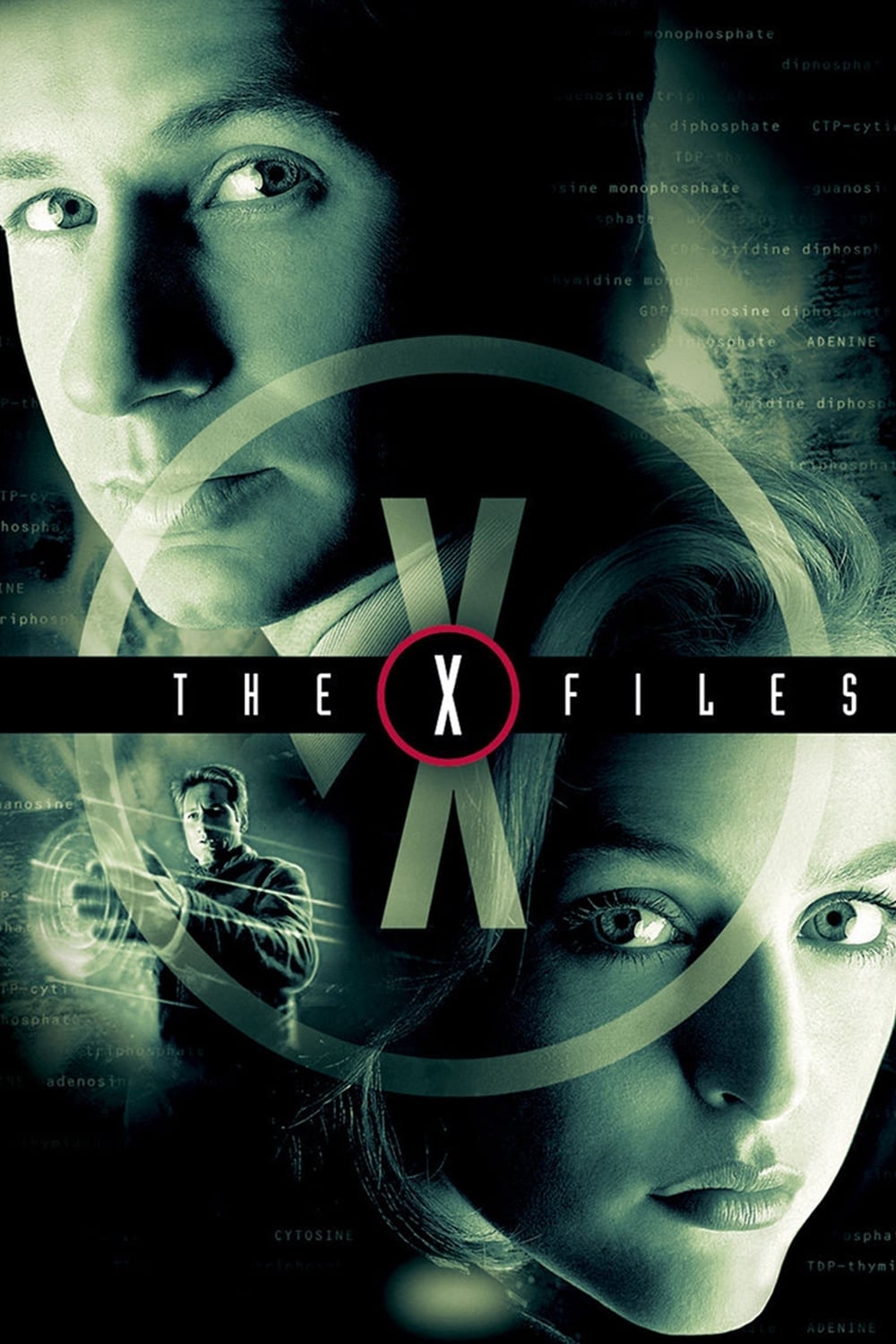
‘The X-Files’ wrapped with ‘The Truth’, which summarized the alien-conspiracy mythology, set a timetable for colonization, closed the X-Files unit, and left Fox Mulder and Dana Scully on the run. The finale also depicted the apparent death of the Cigarette Smoking Man during a missile strike and fixed the mystery within a largely extraterrestrial framework.
The event-series revival reopened the office and introduced the Spartan virus, a bio-weapon concept that reframed the conspiracy as human-driven genetic manipulation. It revealed the Cigarette Smoking Man alive with severe injuries, shifted key beats around Scully and her son William, and altered the myth arc’s premises through episodes titled ‘My Struggle’, effectively superseding the earlier endpoint and its terms.
‘Roseanne’ (2018)
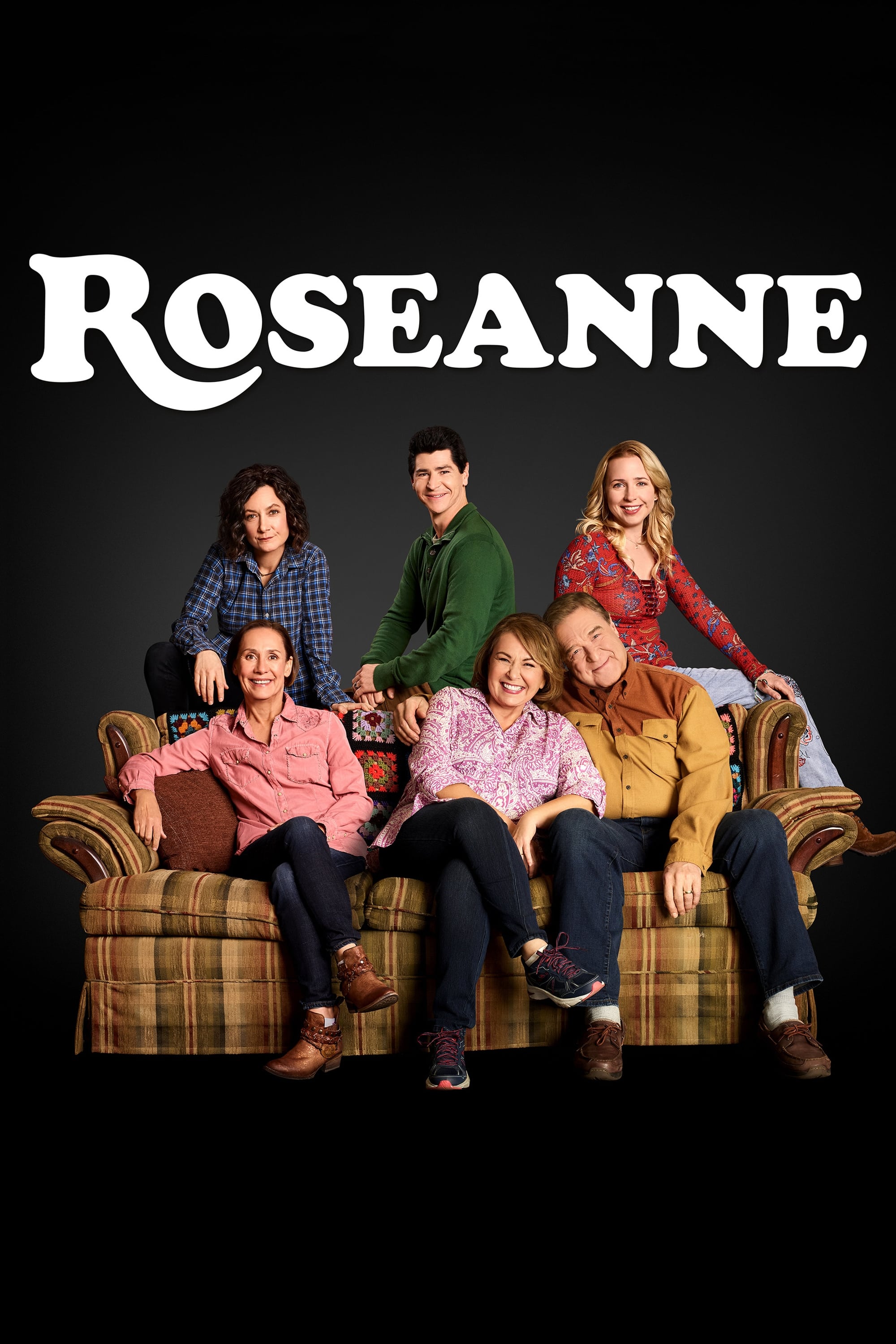
The last episode of ‘Roseanne’, ‘Into That Good Night’, revealed that much of the final season—including the lottery win—was presented in Roseanne’s writing and not “real.” It further stated that Dan had died from a heart attack and that certain relationships were different from how they appeared on screen.
The revival brought Dan back alive, explained away the book twist as Roseanne’s embellished account, and resumed everyday life in the Conner household. When ‘The Conners’ continued after the lead character’s exit, the franchise advanced with Dan central to the family’s future, eliminating the original series’ final assertion about his fate.
‘Will & Grace’ (2017–2020)
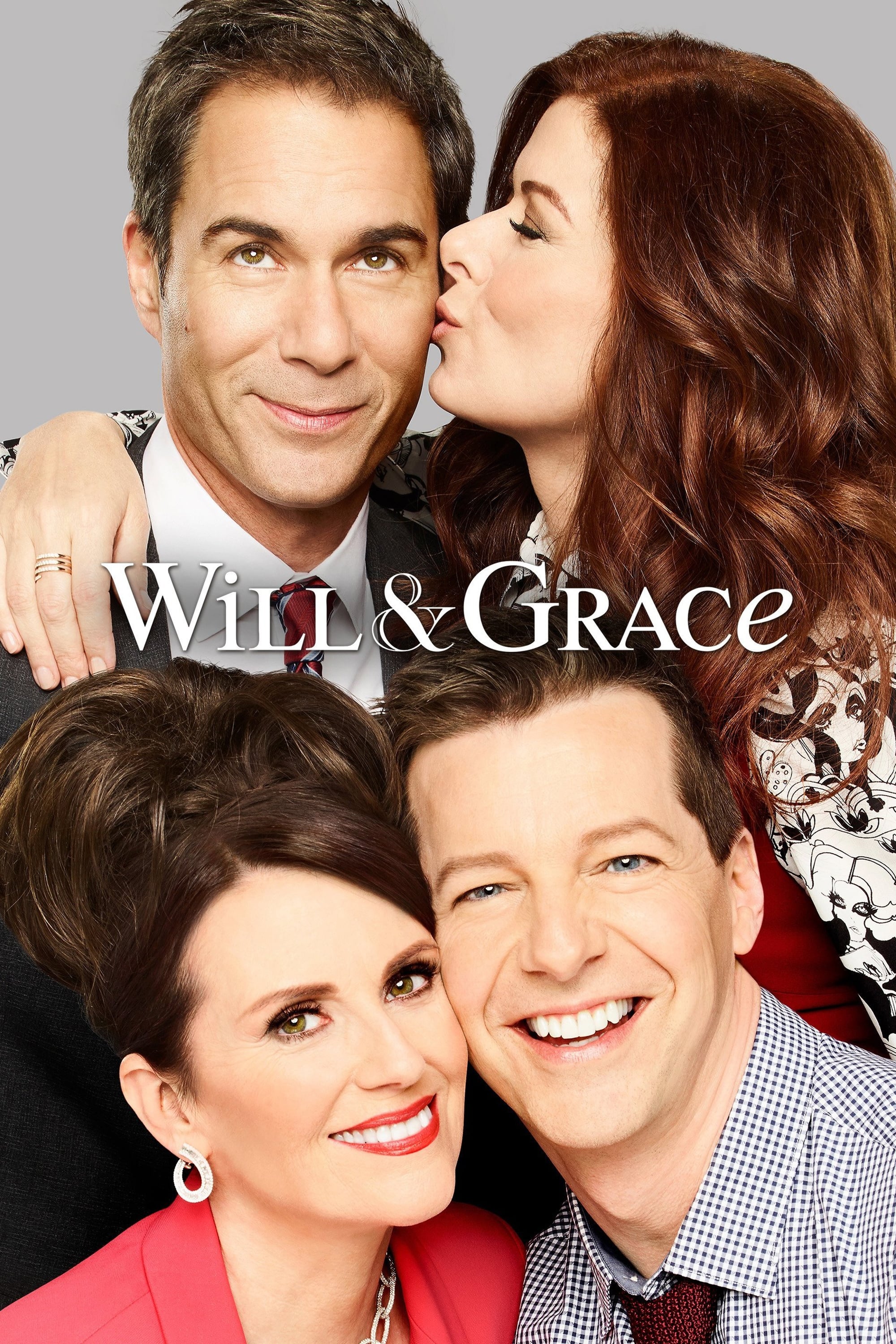
‘Will & Grace’ ended with a time-jump that showed Will and Grace estranged for years, then brought back together when their college-age children met and married. The finale established separate marriages and parenthood for both leads before their eventual reconnection.
The revival disregarded that future by restoring Will and Grace to single, roommate status and treating the old flash-forward as an imagined scenario introduced via Karen’s dream gag. It reset careers, friendships, and domestic arrangements, effectively overwriting the original blueprint of spouses and children that the finale had laid out.
‘Gilmore Girls: A Year in the Life’ (2016)
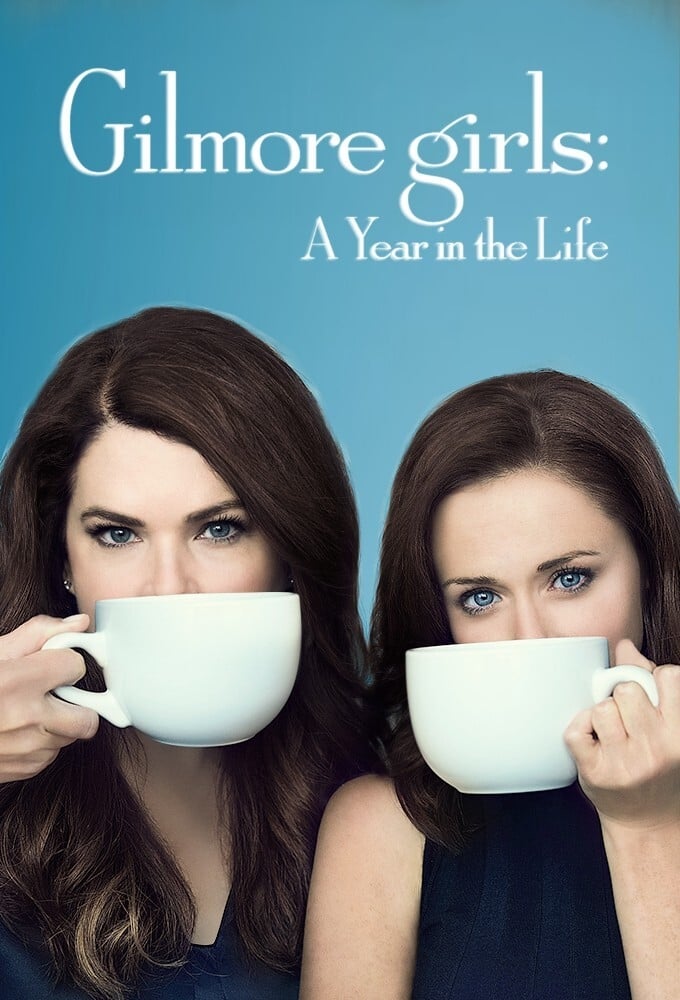
‘Gilmore Girls’ closed with Rory accepting a national campaign reporting job, Stars Hollow throwing her a farewell party, and Luke and Lorelai finding their way back together. The episode positioned Rory at the start of a high-profile journalism path and suggested renewed stability for Luke and Lorelai.
‘A Year in the Life’ revisited the characters across four seasonal chapters, showing Rory’s freelance struggles, a complicated tie to Logan, and a final reveal delivered through the creator’s long-teased ‘last four words’. The revival also formalized the Luke–Lorelai relationship with a wedding, changing the original send-off’s career trajectory and personal status quo by introducing a surprise pregnancy that would shape any path forward.
‘Heroes Reborn’ (2015–2016)
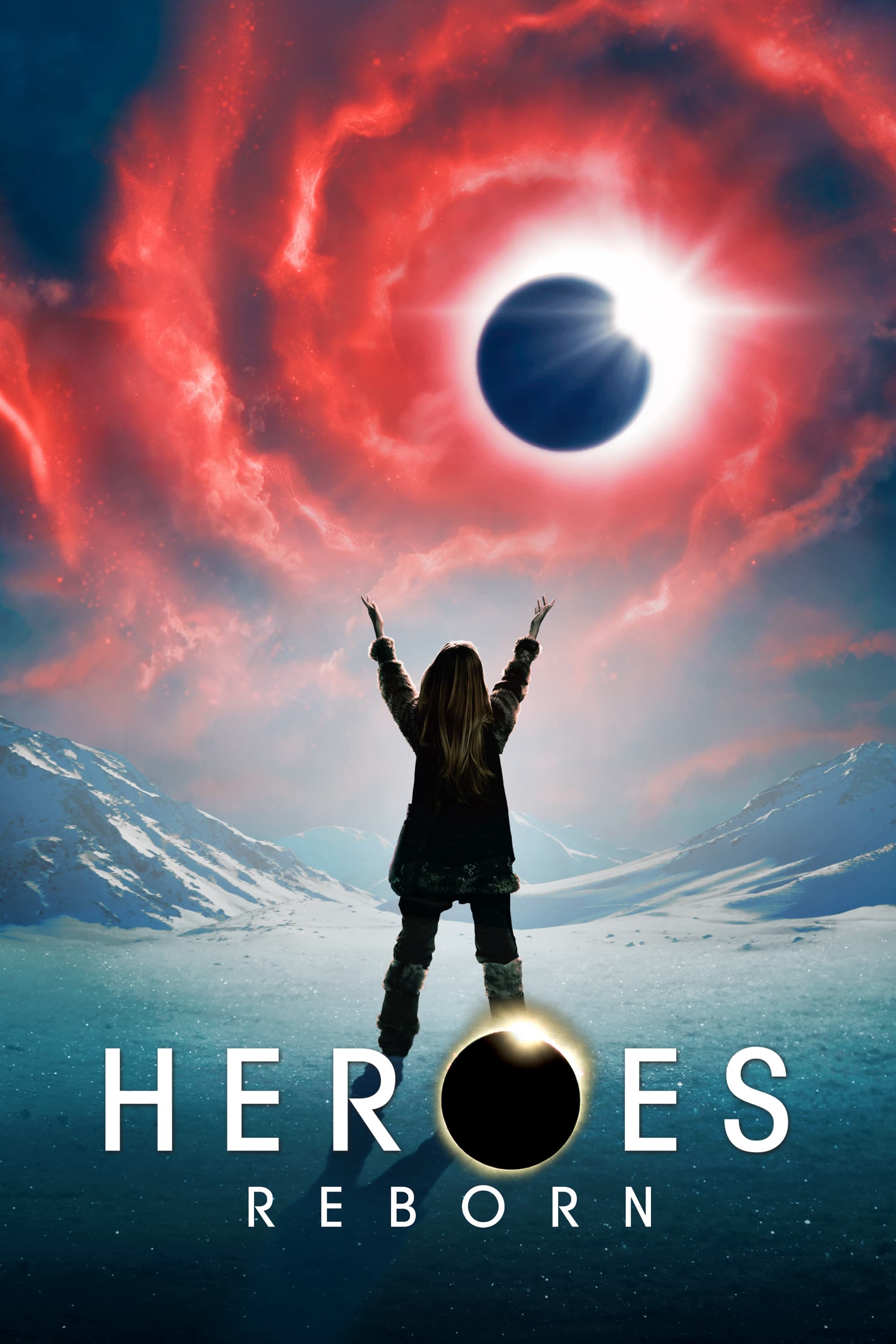
‘Heroes’ ended with Claire Bennet publicly revealing her regenerative ability to reporters by surviving a jump in front of cameras, establishing a world where powered individuals were no longer secret. That public act served as a pivot point for the show’s universe toward open acknowledgment.
‘Heroes Reborn’ picked up after a catastrophic attack in Odessa that led to crackdowns on powered people, with many hiding or being hunted. It established that Claire had died and centered the narrative on her children and a world that reversed the original finale’s path toward transparency with a climate of fear, surveillance, and blame.
‘Twin Peaks: The Return’ (2017)
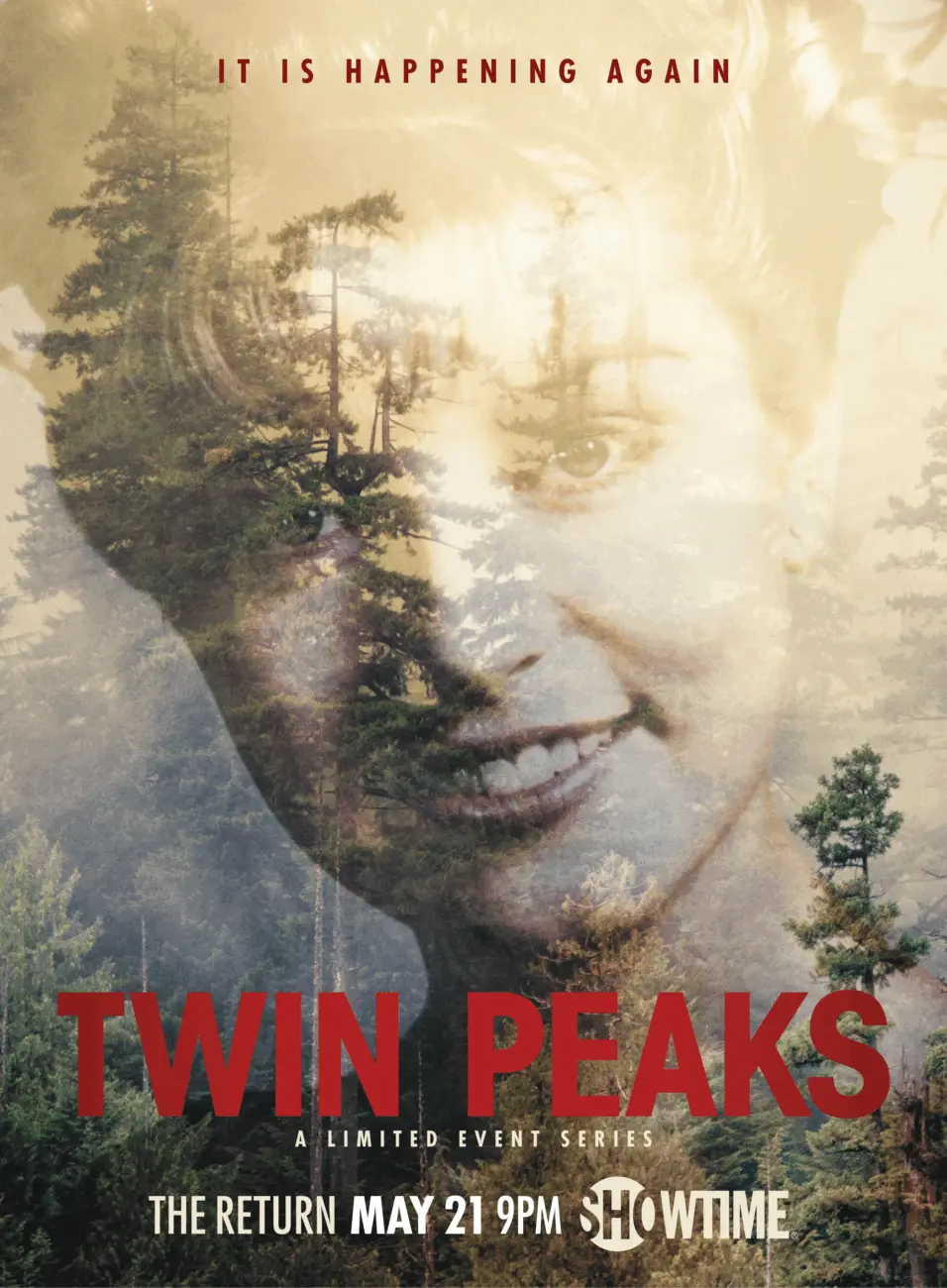
The original ‘Twin Peaks’ finale trapped Agent Dale Cooper’s doppelgänger in the real world while the real Cooper remained in the Black Lodge, ending on the “How’s Annie?” mirror scene. The story left the hero’s fate unresolved and the town’s central murder mystery closed but haunting.
‘Twin Peaks: The Return’ followed Cooper’s long absence, the creation of the tulpa Dougie Jones, and a belated escape from the Lodge, then sent him on a quest that attempted to prevent Laura Palmer’s murder. The season’s final moments shifted realities through a character named Carrie Page and posed a timeline-altering outcome, recasting the original ending’s implications and Laura’s story.
‘Veronica Mars’ (2019)
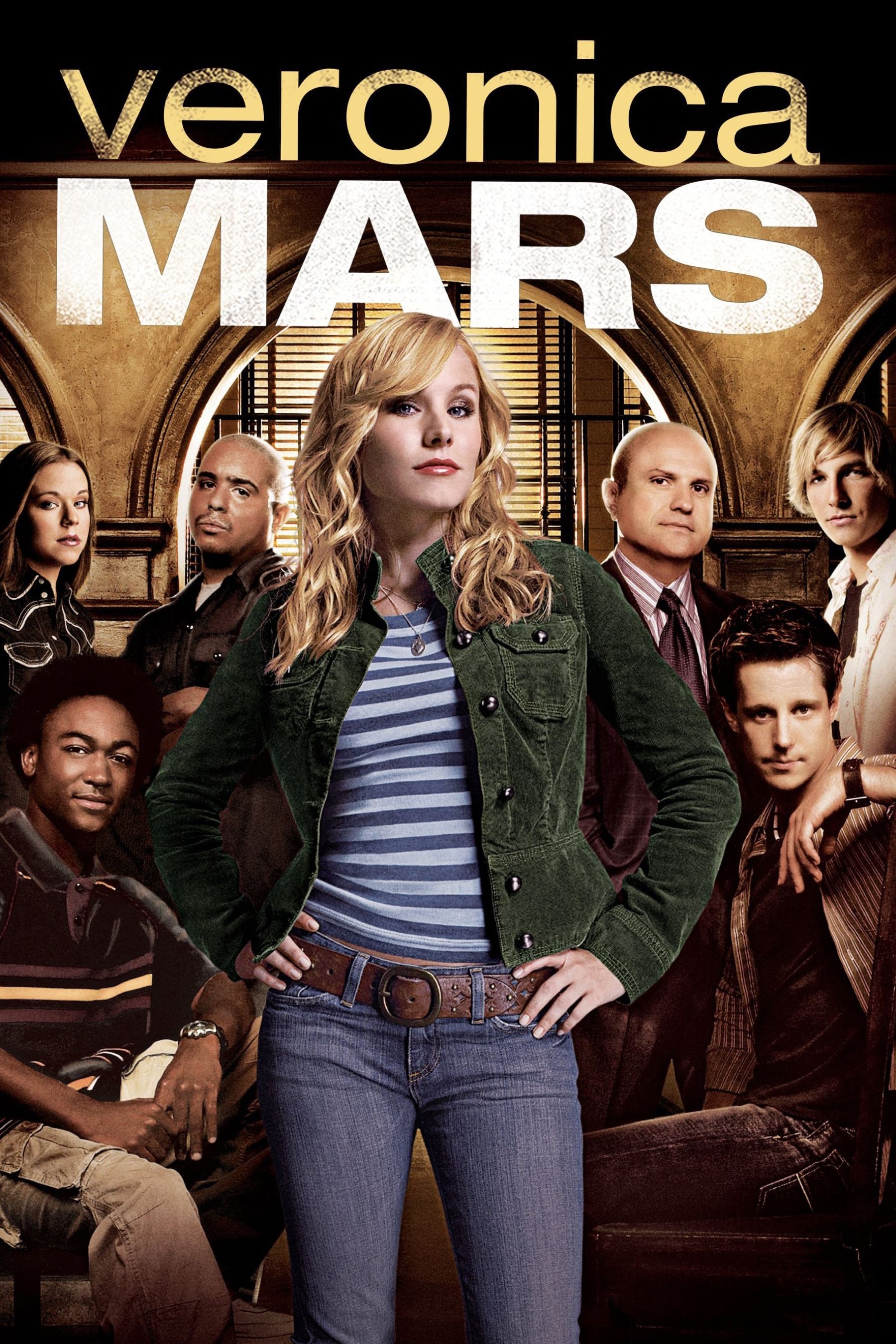
The series concluded without a formal on-screen resolution for its central romance, but the follow-up film ‘Veronica Mars’ brought the character back to Neptune, reunited her with Logan Echolls, and ended with them together and her recommitting to life as a private investigator. The film functioned as a capstone that set a shared future in motion.
The revival season returned to Neptune with Veronica and Logan preparing for marriage, then staged a bombing investigation that concluded with a ceremony followed by a car explosion that killed Logan. That ending rescinded the film’s settled future and re-positioned Veronica’s life and work without the partner the movie had restored.
’24: Live Another Day’ (2014)
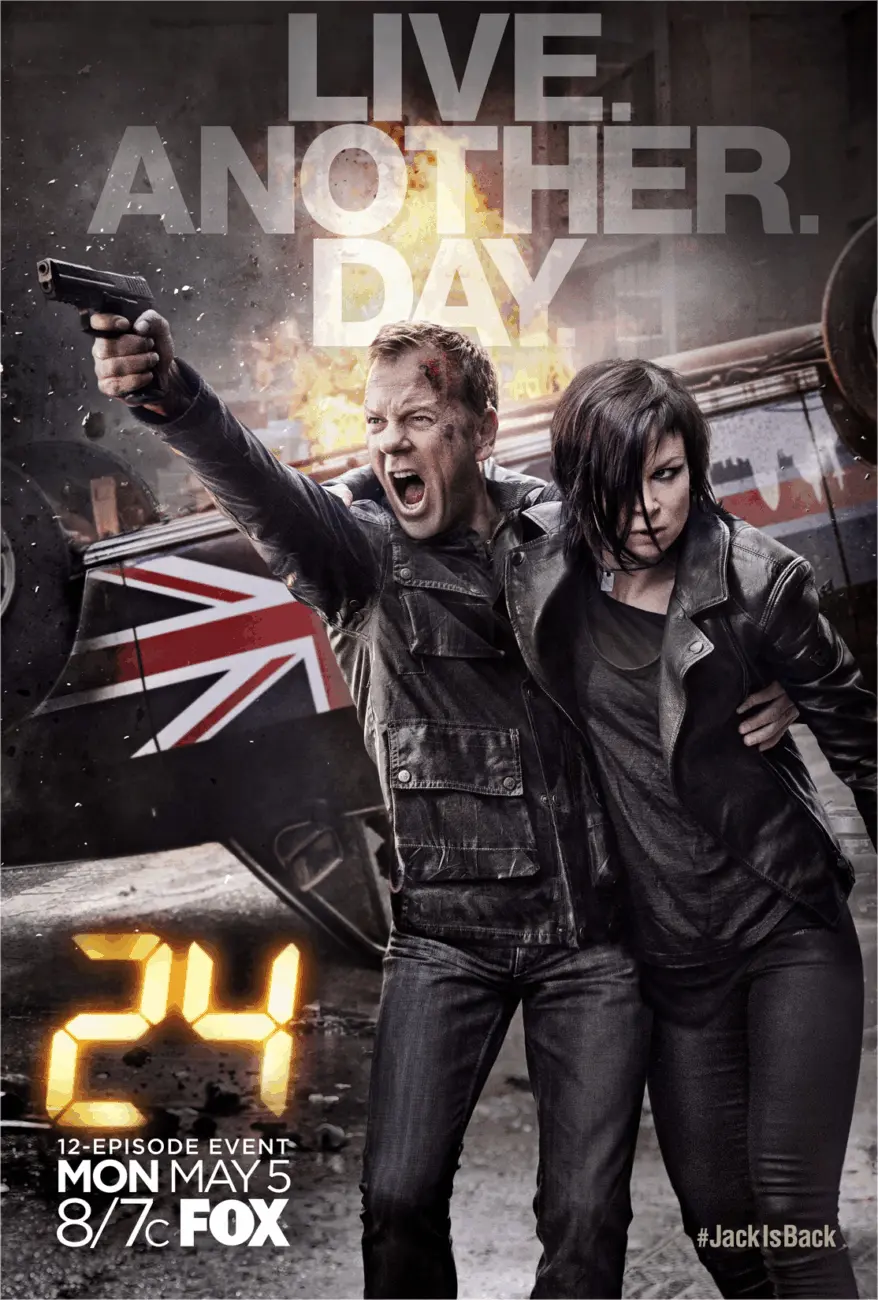
’24’ closed its original run with Jack Bauer saying goodbye to Chloe O’Brian over a satellite link before fleeing authorities, leaving his fate open and his status as a fugitive intact. The finale framed a permanent break from normal life and removed him from official agencies.
’24: Live Another Day’ brought Jack back to stop an international crisis in London and concluded with him surrendering in a prisoner swap, transferring him into Russian custody. The later ’24: Legacy’ referenced his capture, converting the original open-ended escape into a defined imprisonment that reoriented the character’s status.
‘Prison Break’ (2005)
‘Prison Break’ ended with ‘The Final Break’, which depicted Michael Scofield orchestrating Sara’s escape from custody by sacrificing himself, leaving a recorded message to explain his decision. The coda showed family and friends honoring him at a grave, fixing his death as the story’s endpoint.
The limited-series continuation revealed Michael alive under the identity Kaniel Outis after being coerced into covert work by a corrupt operative known as Poseidon. It rewrote the established death as a deception tied to black-ops manipulation, reuniting the core characters and redefining relationships and motivations that the original ending had closed.
‘Futurama’ (2013)
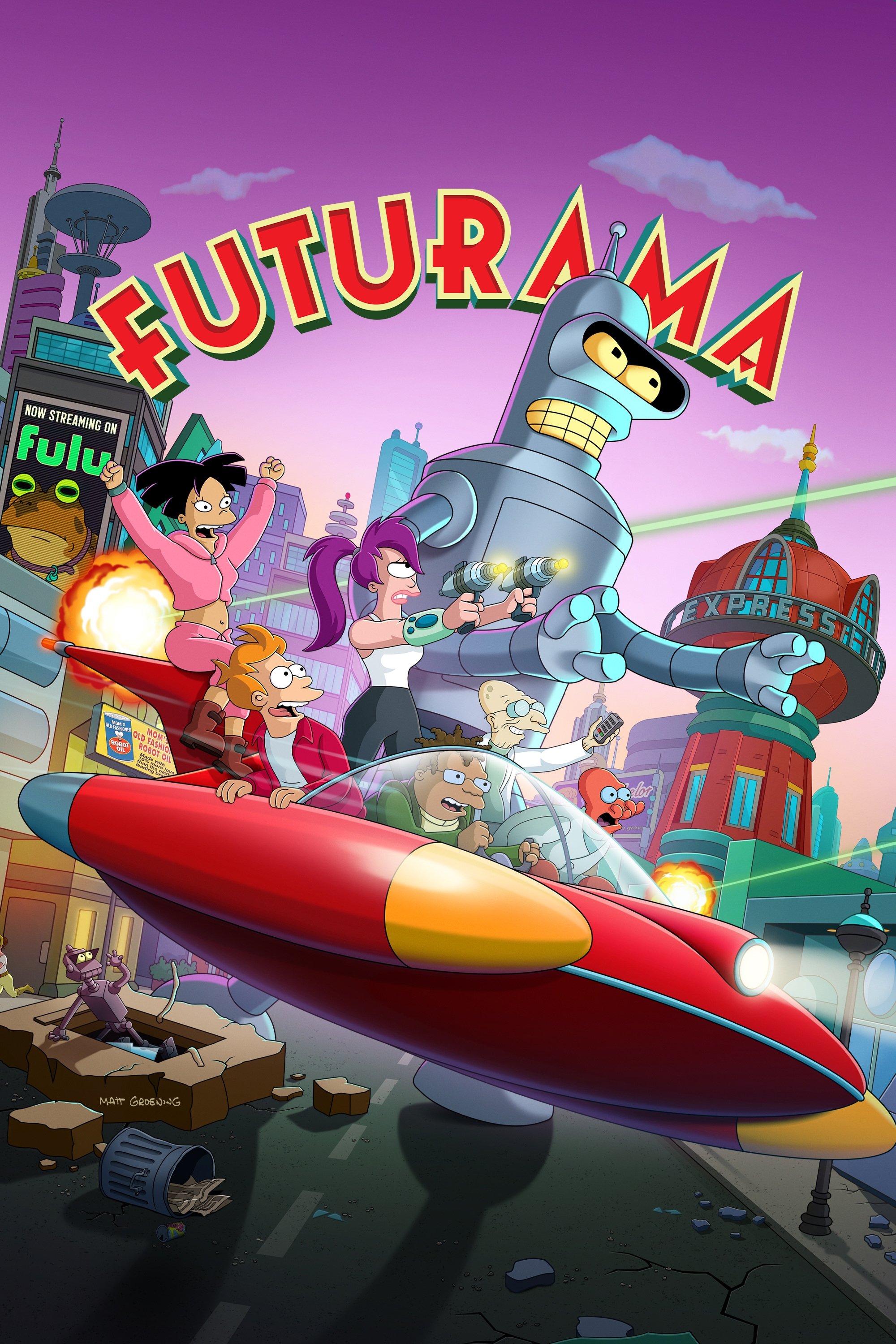
‘Futurama’ capped its final run with ‘Meanwhile’, in which Fry and Leela lived for decades together while time stood still, then accepted Professor Farnsworth’s offer to reset the timeline so their friends would live again. The episode framed a complete, intimate loop with a mutual decision to start over.
The subsequent return resumed Planet Express adventures in a normal flow of time, acknowledging the reset while proceeding with new arcs for the crew. By moving beyond the closed-loop finale and re-establishing day-to-day missions, the revival converted the prior endpoint into just one turn in an ongoing continuity.
‘Dallas’ (2012–2014)
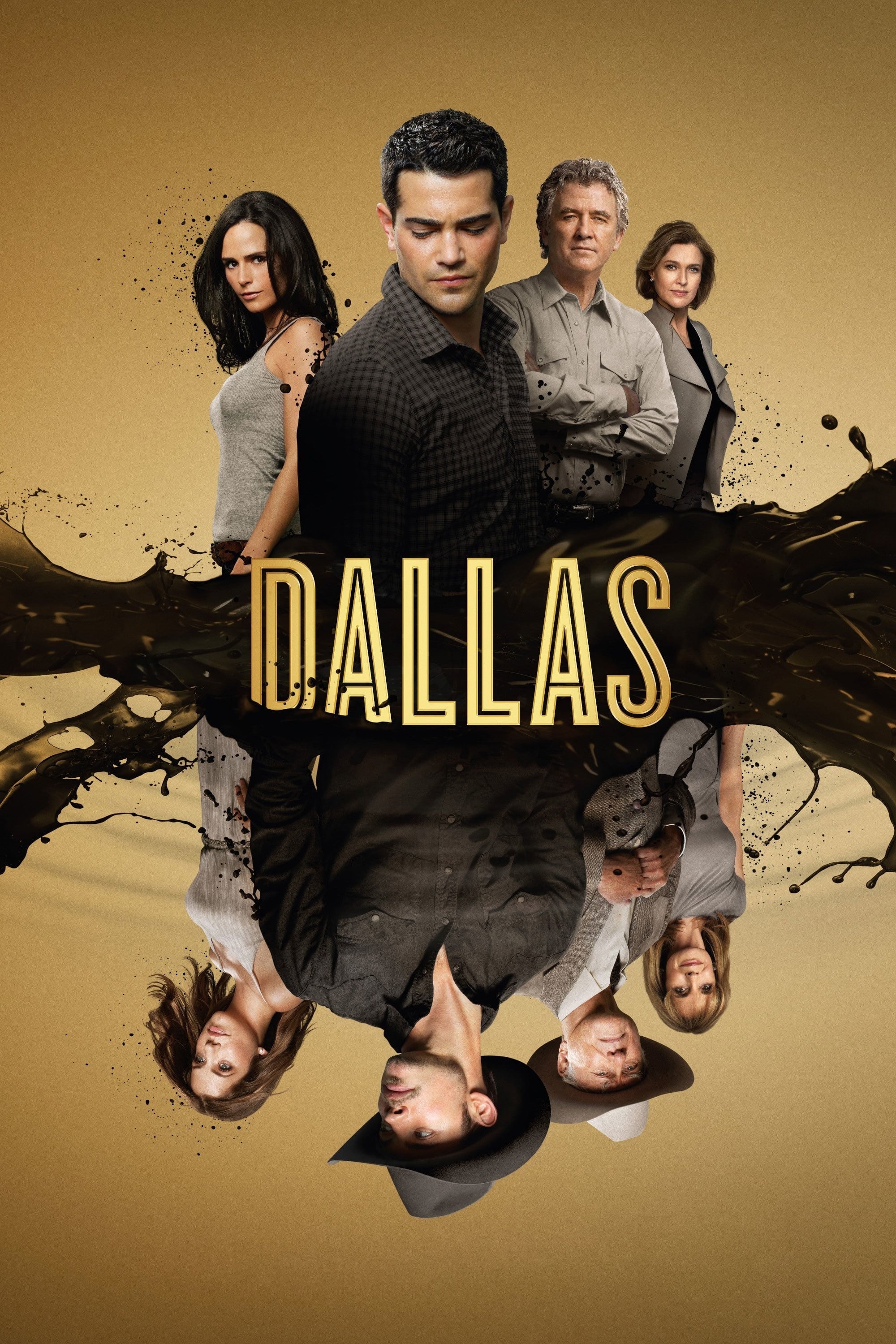
‘Dallas’ ended its original run with ‘Conundrum’, a vision-driven hour that culminated in a gunshot at J. R. Ewing off-screen, leaving his fate ambiguous. The episode used a “life-without-you” framework to test the character’s choices and then stopped short of confirmation.
The revival continued with J. R. alive, running schemes until the narrative incorporated his off-screen death via ‘J.R.’s Masterpiece’. The newer series reframed his last moves as part of a larger plan and reignited a mystery over responsibility, replacing the original finale’s uncertainty with a definitive conclusion and an extended aftermath.
‘CSI: Vegas’ (2021–2024)

‘CSI: Crime Scene Investigation’ signed off with ‘Immortality’, bringing Gil Grissom and Sara Sidle back together and sending them off on a boat, while Catherine Willows returned to lead the Las Vegas Crime Lab as director. The lab transitioned leadership under Catherine, and the longtime leads stepped away from day-to-day casework.
‘CSI: Vegas’ revived the franchise by pulling Sara and Grissom back to assist when the lab’s integrity was challenged, integrating them into investigations with a new team before writing them out again. The continuation revisited legacy evidence and procedures at the laboratory, turning the prior farewell into an ongoing institutional arc.
‘Justified: City Primeval’ (2023)
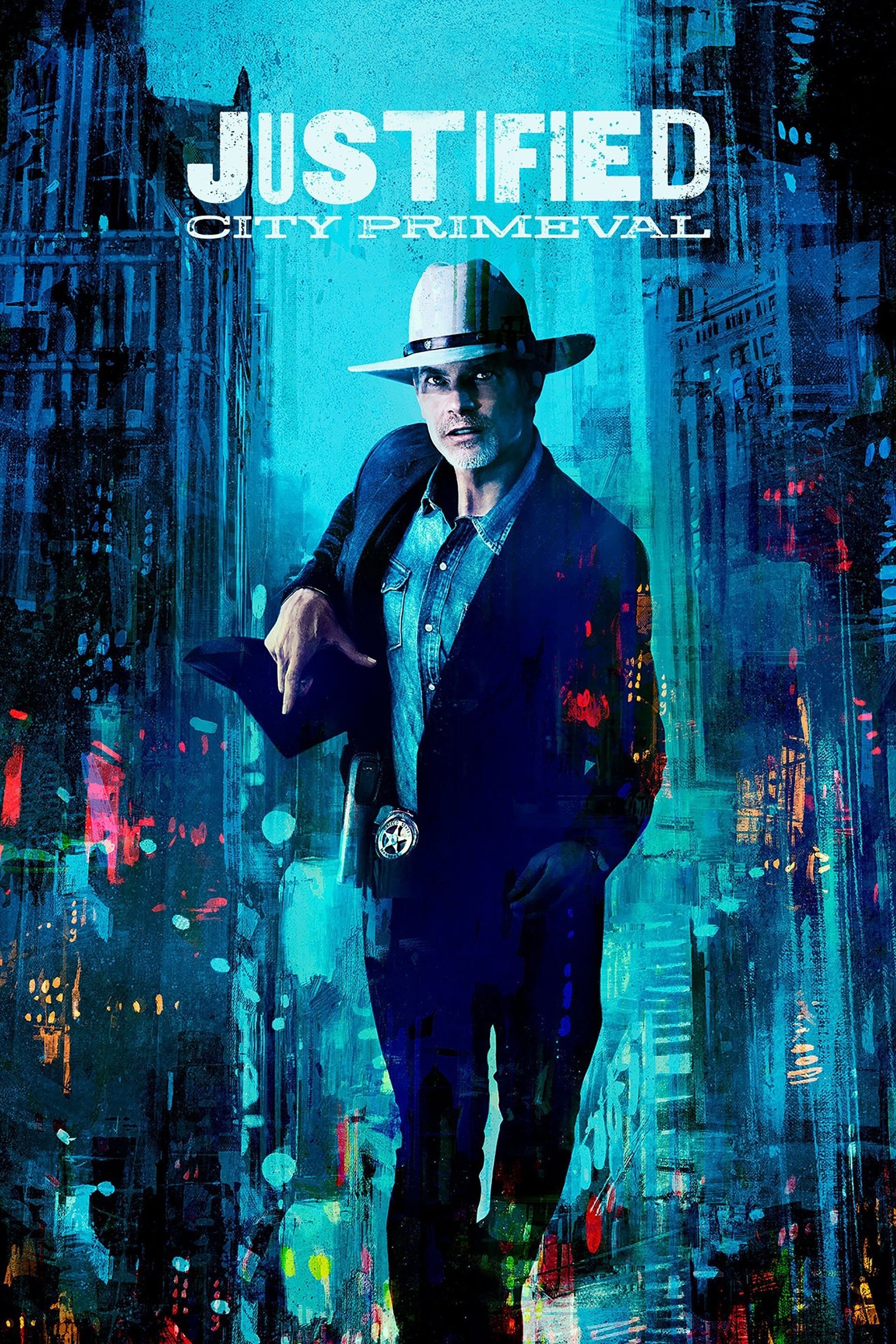
‘Justified’ closed with ‘The Promise’, where Raylan Givens returned to Florida to raise his daughter with Winona while Boyd Crowder served time in federal prison. The ending emphasized a long-sought de-escalation for Raylan and a secured fate for Boyd.
‘Justified: City Primeval’ put Raylan back on assignment during a Detroit case while he weighed leaving the badge behind for good. Its final stinger showed Boyd escaping transport, immediately reopening the pursuit dynamic that the original finale had put to rest and shifting Raylan’s presumed trajectory.
‘And Just Like That…’ (2021–2023)
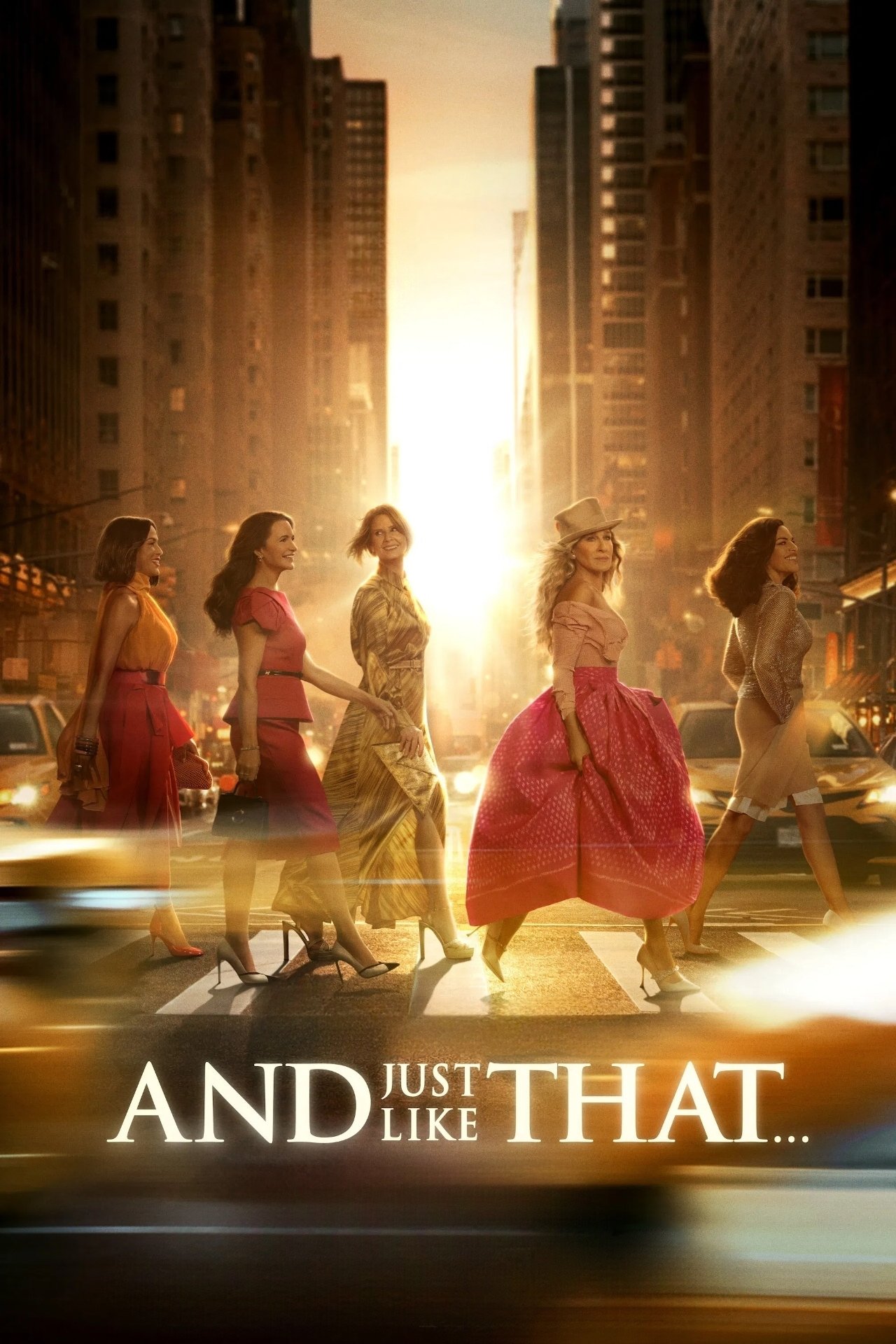
‘Sex and the City’ concluded with ‘An American Girl in Paris, Part Deux’, which reunited Carrie Bradshaw with Mr. Big and wrapped core friendships with renewed stability, later extended by films that depicted marriage and ongoing careers. The franchise placed the lead in a settled partnership with a defined home.
‘And Just Like That…’ restarted the story by depicting Mr. Big’s fatal heart attack in its opening chapter and charting Carrie’s return to single life, including a move, a new podcast role, and a gradual re-entry into dating. It also advanced developments for Charlotte and Miranda and used intermittent messages to keep Samantha present, redirecting the domestic equilibrium established by the earlier capstones.
Share which continuation you think most dramatically rewrote a once-settled finale in the comments.

