


10 Best MCU Movies Ranked by Rotten Tomatoes Score



The Marvel Cinematic Universe is a machine built on momentum: a decade-plus of crossovers, character arcs, and crowd-pleasing finales that somehow keep resetting the bar. But if you strip away the hype and measure by Tomatometer, a clear top tier emerges — a mix of seismic team-ups, sharp solo debuts, and one cultural earthquake.
Below, we’ve pulled the ten highest-rated MCU films by Rotten Tomatoes and presented them in ascending order by score. That means we start with “just” great and climb all the way to near-unanimous acclaim. Tiny differences separate many of these, but the throughline is consistent: confident filmmaking, memorable performances, and a knack for making the impossible feel inevitable.
The Avengers (2012) — 91%
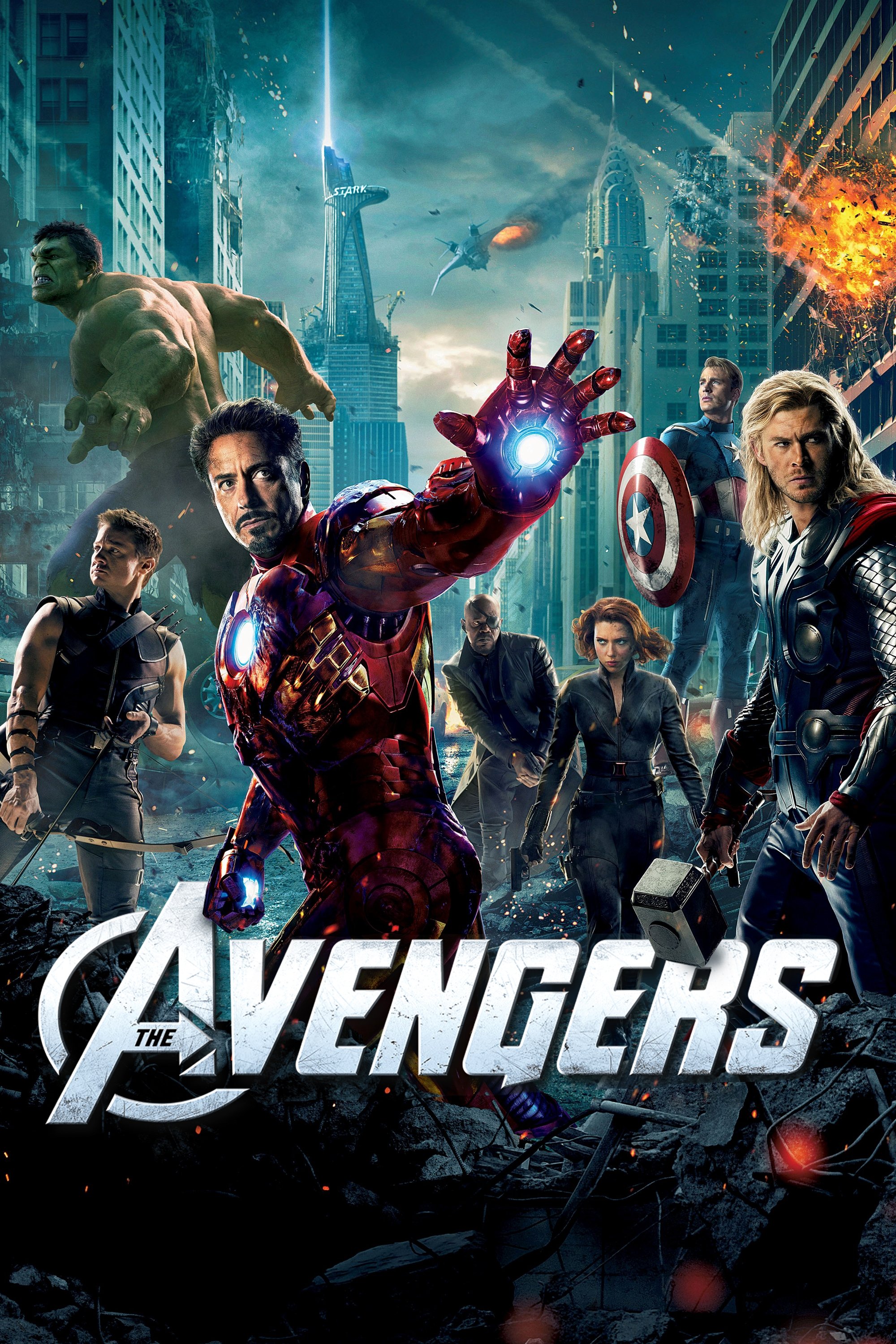
Before this, shared universes were a nerdy thought experiment. The Avengers made it a functioning blockbuster reality, paying off five films of setup with quippy chemistry, clean geography, and a third act that still hums like a well-oiled Quinjet.
It’s not the most stylistically daring entry, but it nails the basics with swagger: give every hero a moment, make the villain deliciously smug, and keep the camera wide enough so we can watch Earth’s Mightiest actually fight together. The shawarma was just victory laps.
Spider-Man: Far From Home (2019) — 91%
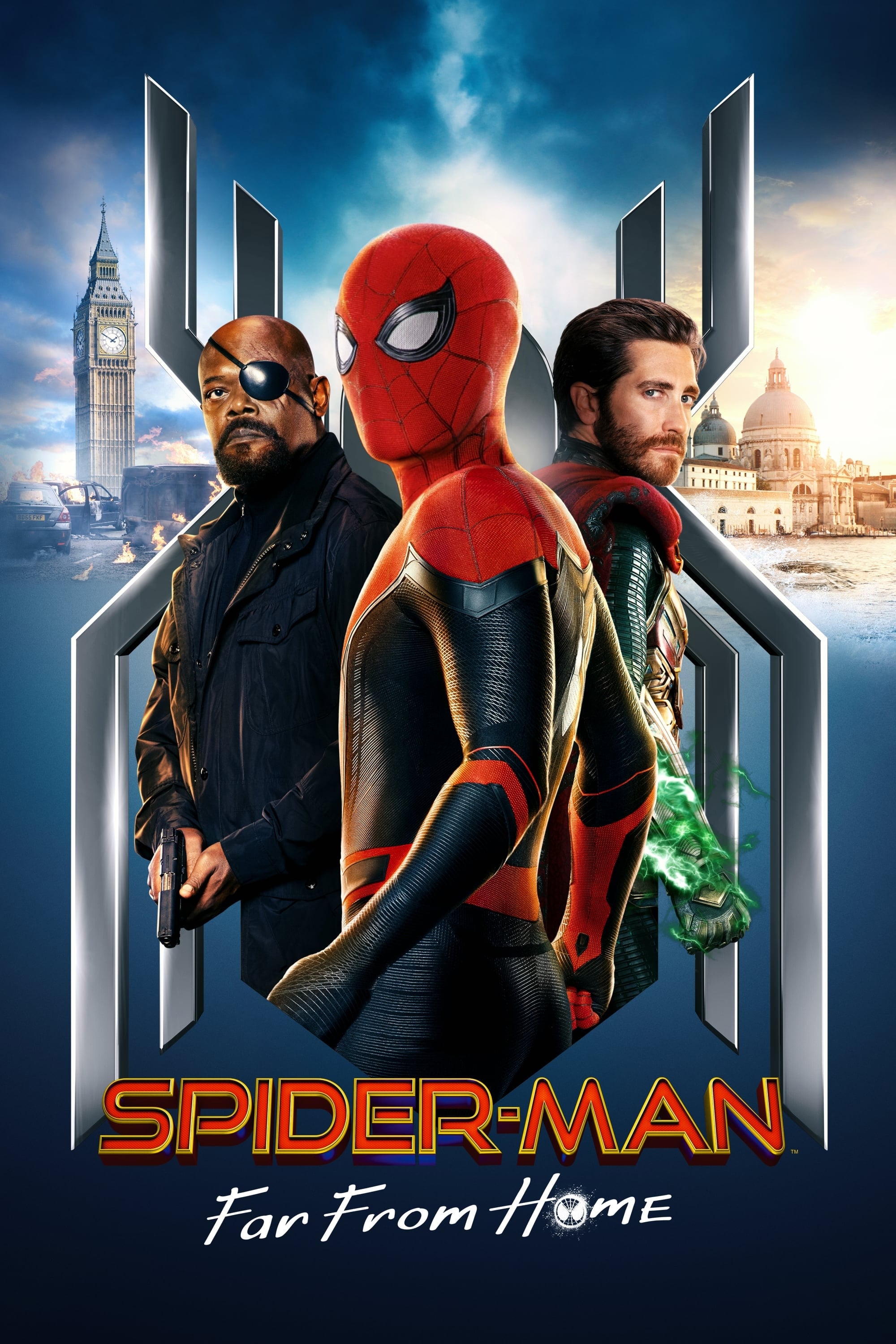
Peter Parker’s European field trip doubles as the MCU’s first real post-Endgame palate cleanser. Far From Home blends teen-rom-com awkwardness with illusion-driven action that lets Spidey’s agility shine and turns CG into something witty, not weightless.
It also sneaks in a sly epilogue about grief and legacy. Peter’s yearning to be a normal kid keeps smacking into the world’s need for a new Iron Man — and the movie’s final stinger weaponizes that pressure in a way only Spider-Man stories can.
Guardians of the Galaxy (2014) — 92%
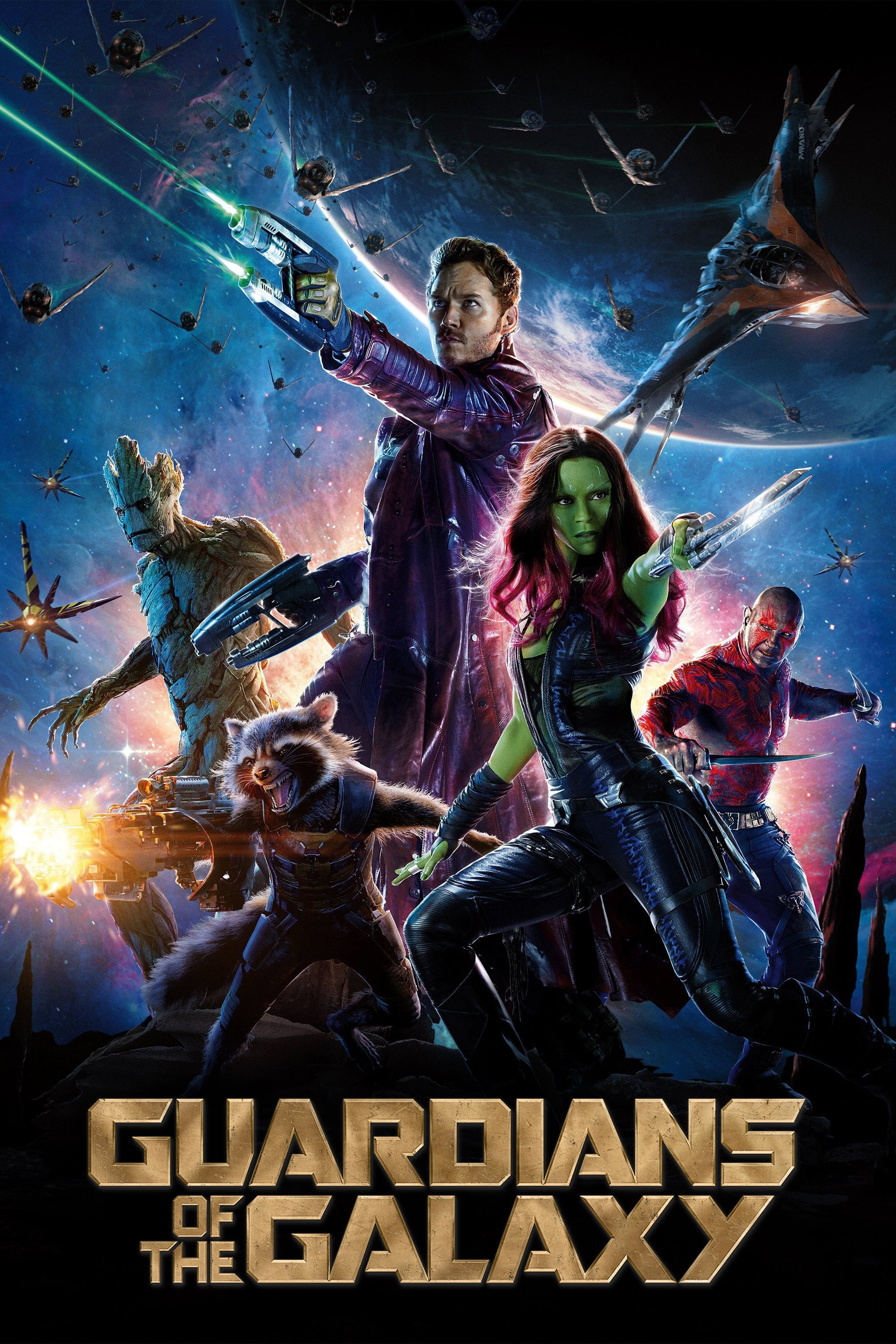
On paper: a talking raccoon, a tree, a mixtape. On screen: the moment Marvel proved it could sell anything if the vibe was right. James Gunn’s space hangout is raucous, colorful, and sincere, with needle drops that feel earned rather than algorithmic.
What sticks is the found-family core. Beneath the snark and neon is a story about broken people choosing each other — and somehow saving the galaxy in the process. Dance-off optional, catharsis guaranteed.
Shang-Chi and the Legend of the Ten Rings (2021) — 92%
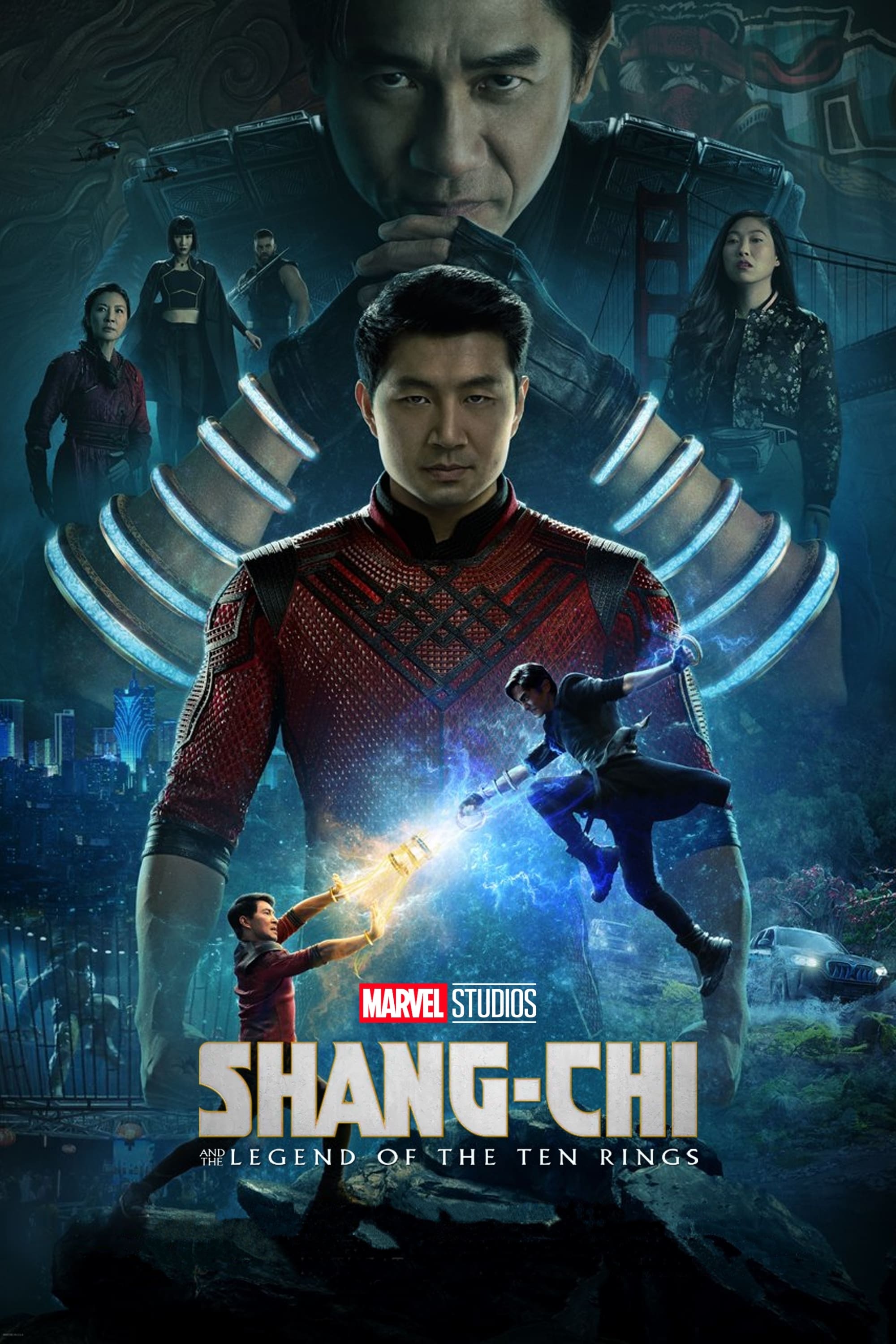
Shang-Chi announced a new star and a fresh flavor. The first act’s bus brawl is an instant-classic sequence — kinetic, readable, and character-driven — and the film keeps folding in wuxia grace notes and family melodrama without losing its blockbuster footing.
Tony Leung turns the antagonist into a tragic gravitational center, and the final act swaps CGI sludge for mythic grandeur. At its best, Shang-Chi feels like the MCU rediscovering elegance in motion.
Spider-Man: Homecoming (2017) — 92%
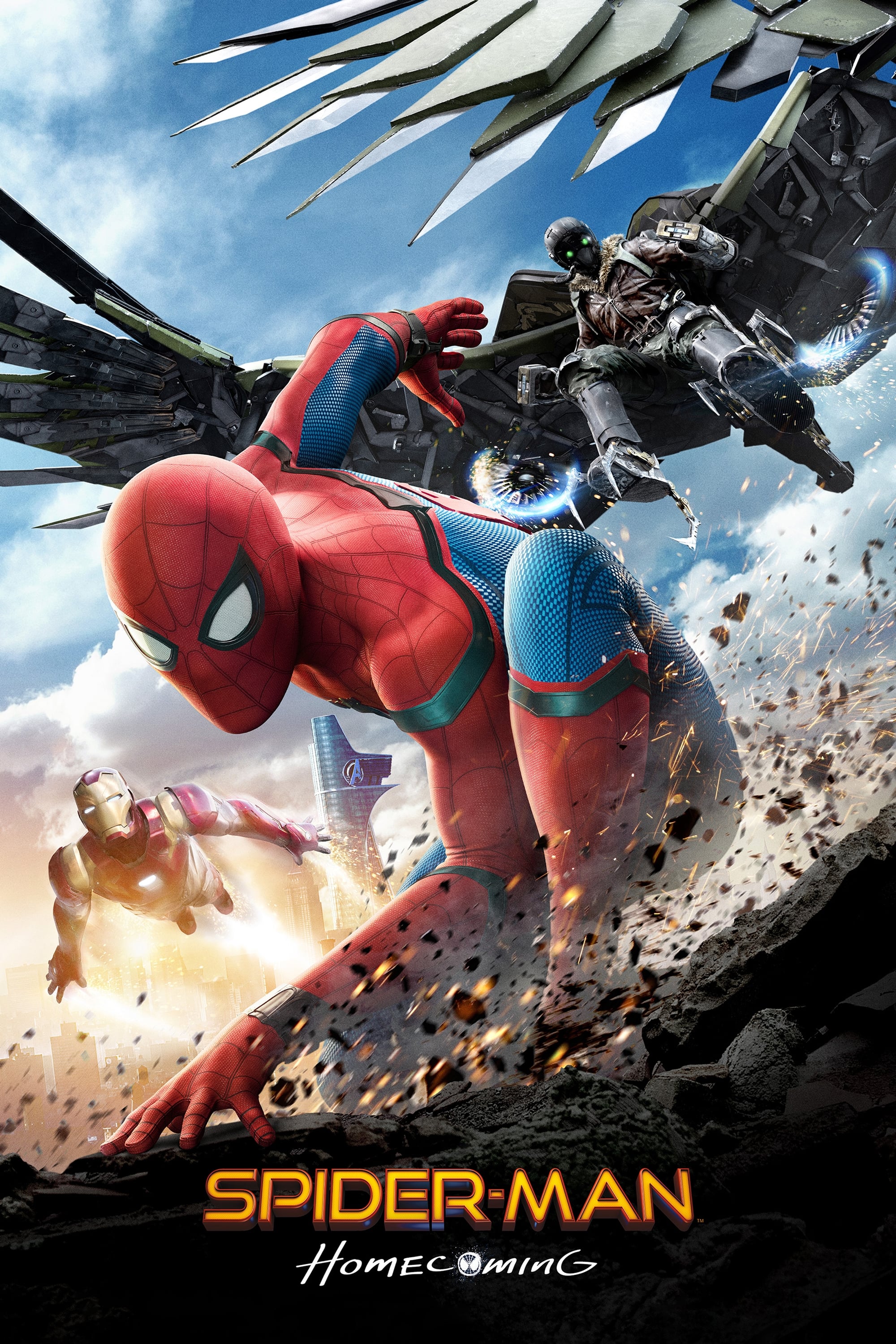
Homecoming shrinks the stakes and super-sizes the charm. By leaning into John Hughes textures, it lets a rookie Peter fumble, learn, and crack jokes that actually land, while Michael Keaton’s working-class Vulture keeps the conflict grounded and personal.
The ferry rescue and Washington Monument set piece are textbook Marvel spectacle, but it’s the quiet car ride — menace in a rearview mirror — that makes this sing. Friendly neighborhood, genuinely tense neighborhood dad.
Spider-Man: No Way Home (2021) — 93%
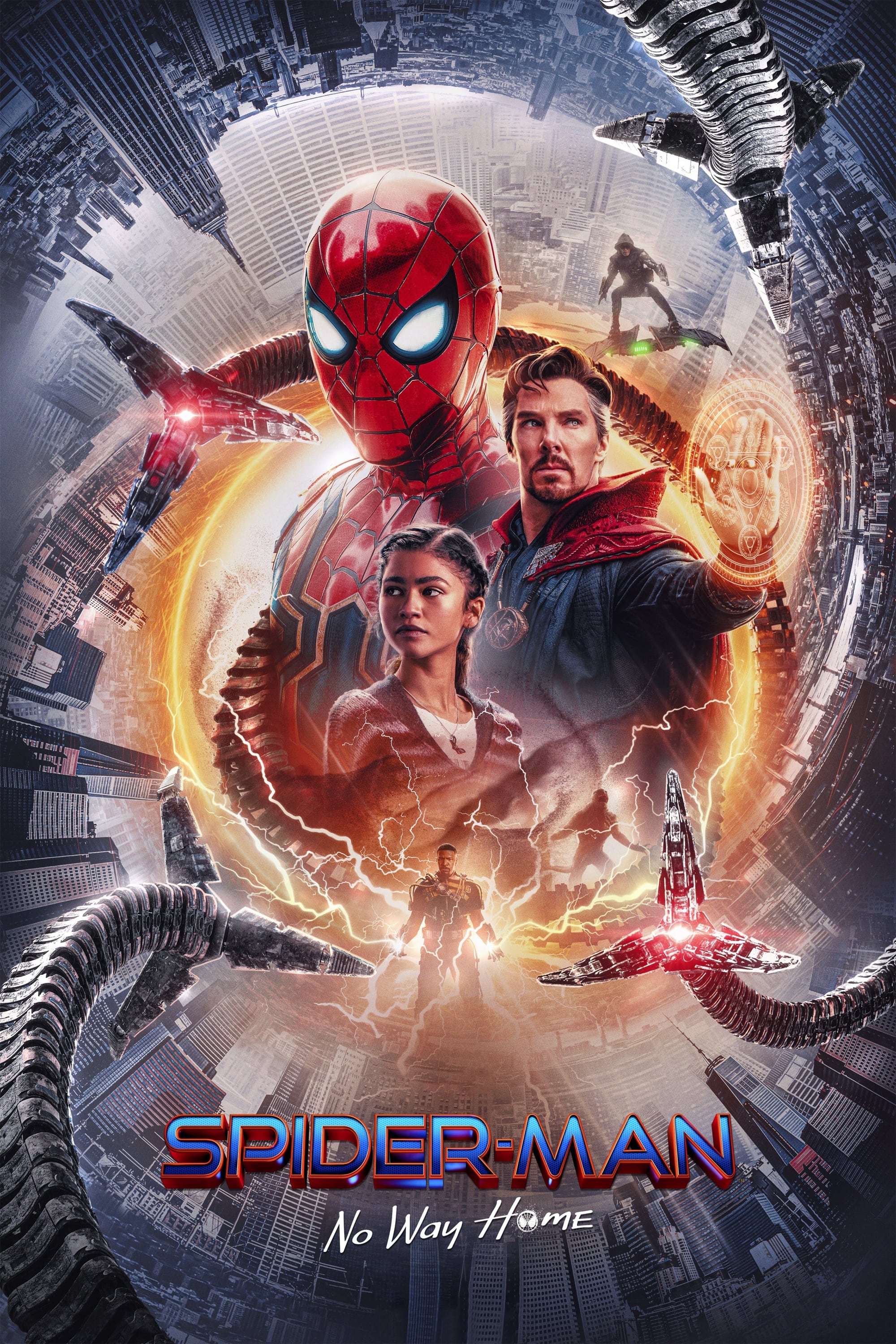
The multiverse mash-up that could’ve been pure fan service finds beating-heart sincerity. Yes, the portals deliver euphoric applause breaks, but the movie earns them by centering Peter’s compassion and consequences — with a middle stretch that’s surprisingly melancholy.
It’s also a celebration of Spider-Man’s cinematic legacy, reframing old villains and healing old wounds. By the time the snow settles, No Way Home resets the character to his scrappy essence without feeling like a retreat.
Thor: Ragnarok (2017) — 93%
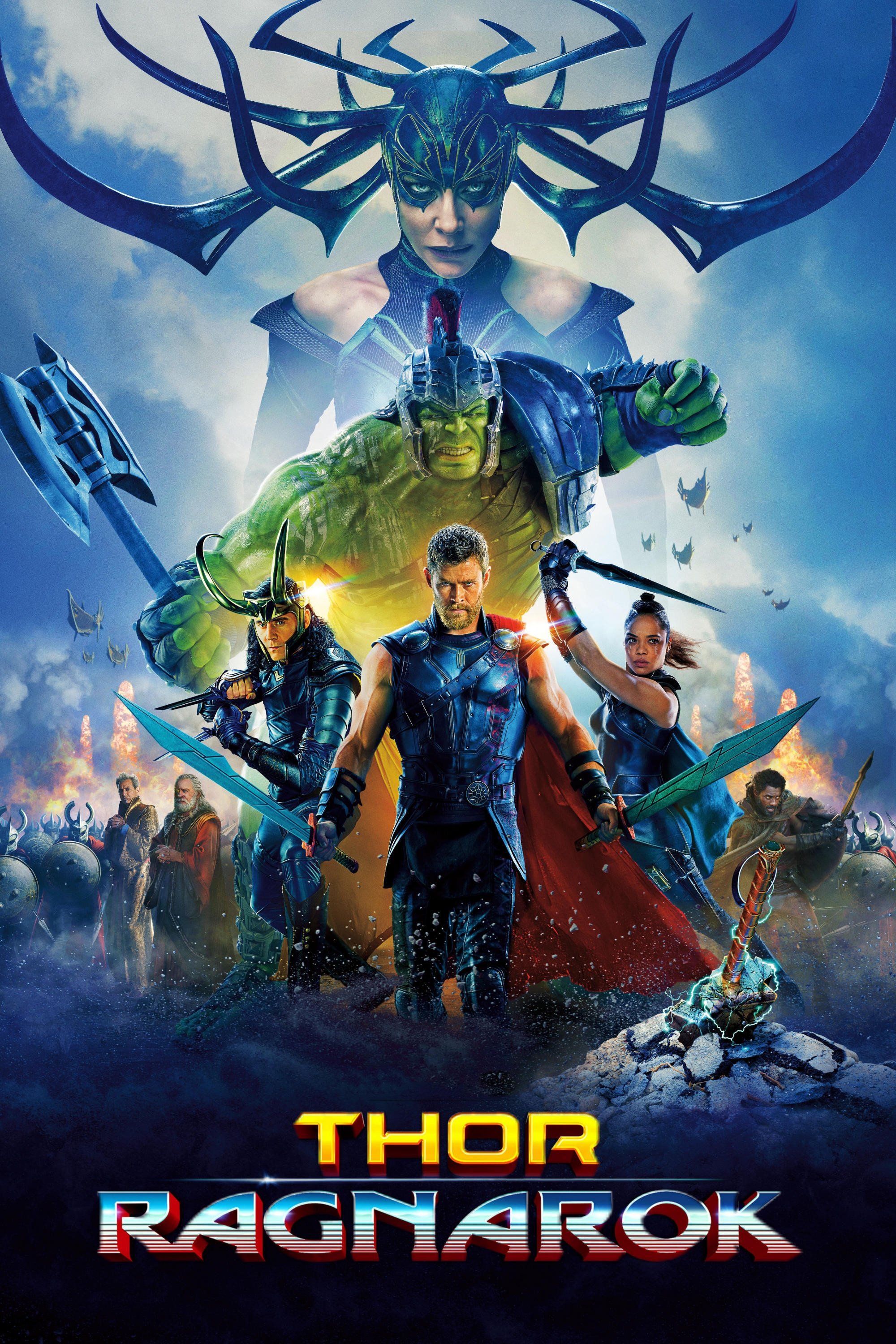
Taika Waititi takes a sledgehammer (and several jokes) to Thor’s self-seriousness, swapping out Shakespearean thunder for neon Jack Kirby chaos. The result is a cosmic romp that lets Chris Hemsworth be funny, gives Tessa Thompson instant-icon status, and finally makes Hulk talk.
Beneath the improv glow, Ragnarok still moves the Asgard story forward, confronting colonial rot and embracing apocalyptic change. Sometimes you have to burn the gold palace down to build a better movie.
Iron Man (2008) — 94%
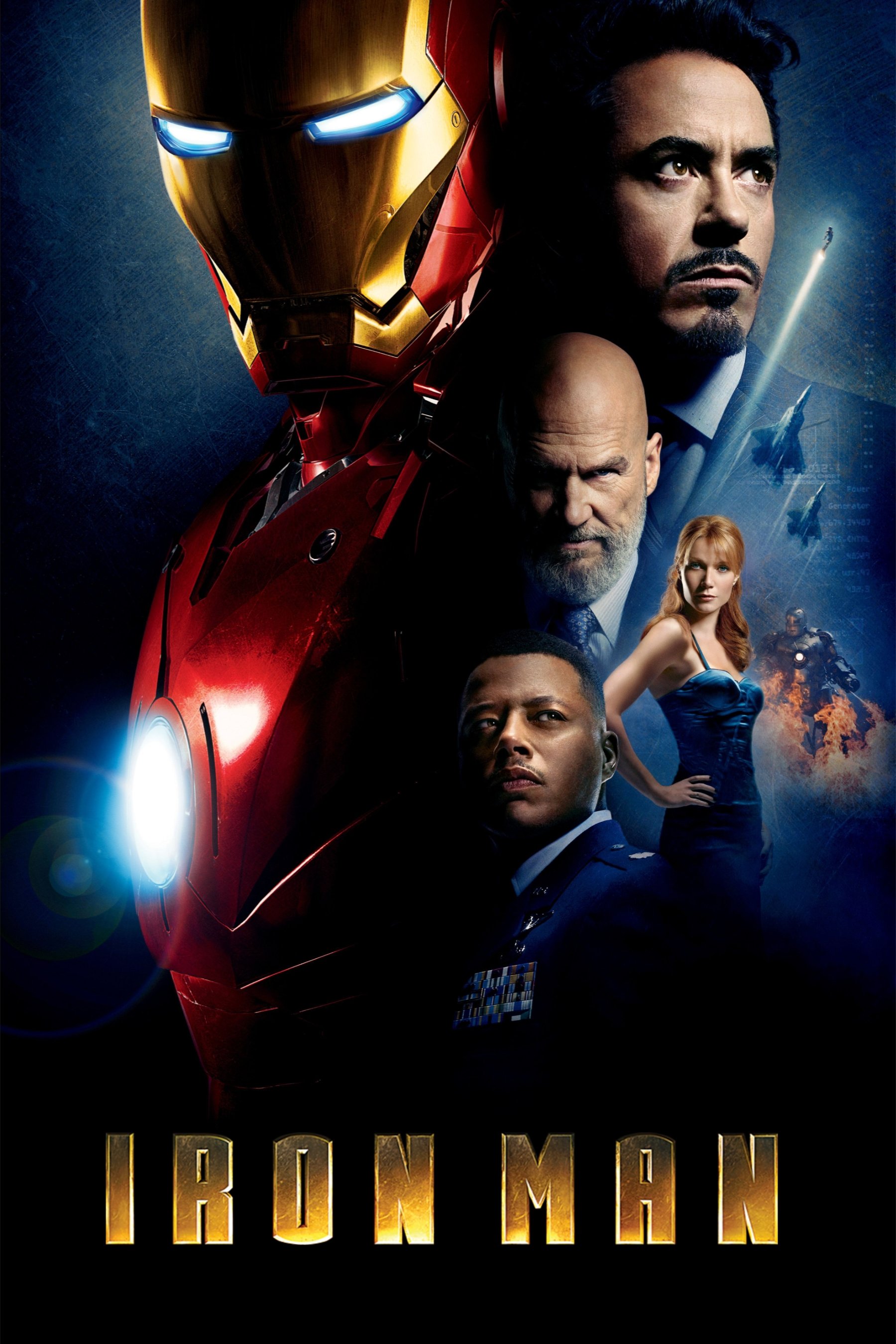
The one that started it all still crackles. Jon Favreau’s sleek, practical-minded origin story plays like a sharp techno-thriller with superhero garnish, anchored by Robert Downey Jr.’s career-resurrecting, motor-mouth charisma.
What’s aged best is the tactile sense of invention — you feel the weight of the suit, the trial-and-error of flight, the ethical whiplash of a weapons dealer waking up. The template wasn’t just quips; it was character first, spectacle second.
Avengers: Endgame (2019) — 94%
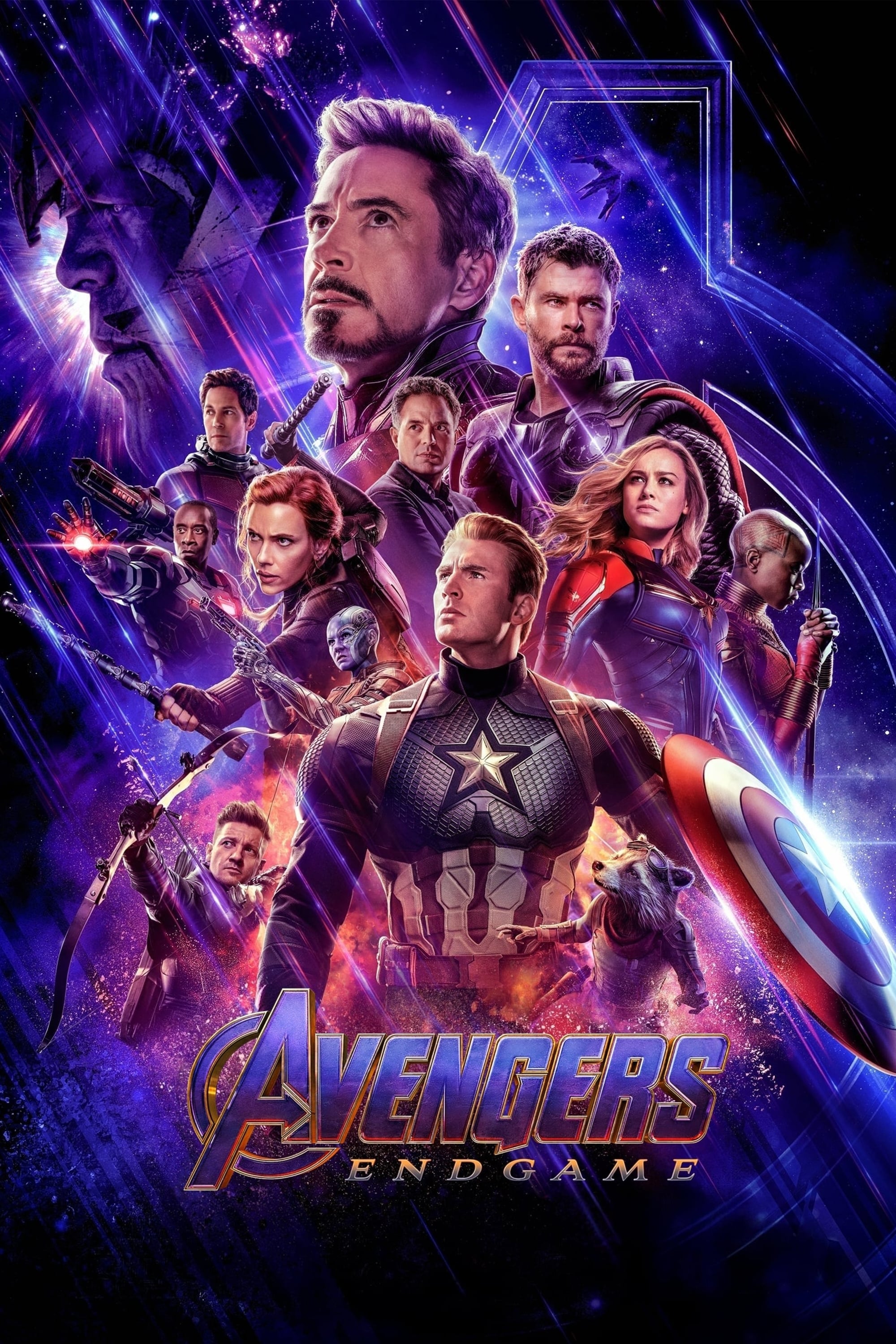
A three-hour victory lap that somehow sticks the landing. Endgame is part grief counseling, part time-heist caper, part operatic smackdown — and it juggles those tones with shocking finesse, finding grace notes for almost every Avenger on the board.
The final battle is colossal, but it’s the small choices — a dance, a circle of friends at a lake, a murmured “I am Iron Man” — that give the spectacle its soul. It’s rare for a cultural event to also be a movie; Endgame manages both.
Black Panther (2018) — 96%
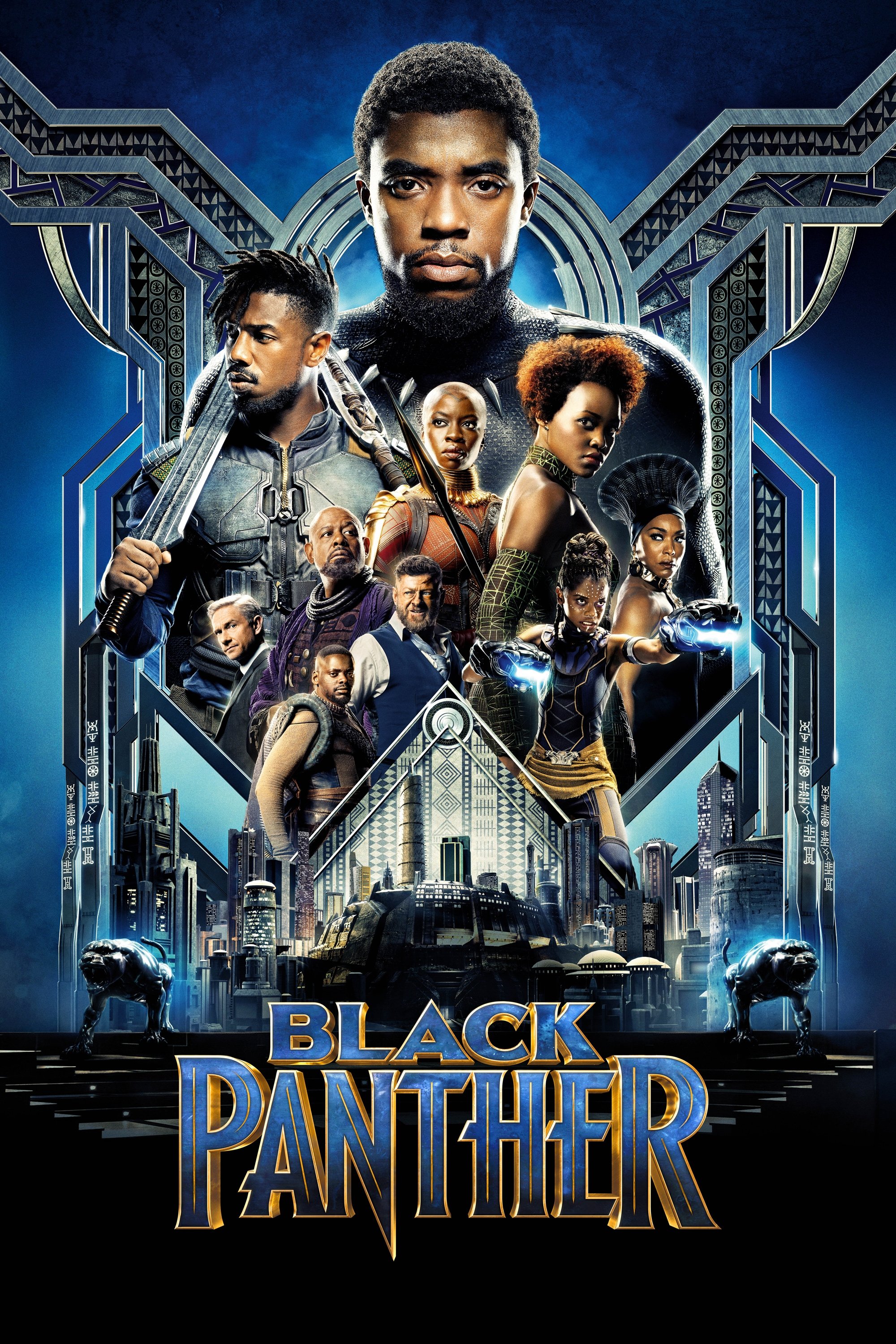
Wakanda forever wasn’t just a rallying cry; it was a cinematic sea change. Ryan Coogler crafts a richly imagined world, threads political text through superhero fabric, and stages action with clarity and purpose, all while giving us an all-timer antagonist in Erik Killmonger.
The film’s cultural impact is undeniable, but its craft is what keeps it towering: Ludwig Göransson’s score, Ruth E. Carter’s costuming, Hannah Beachler’s Afrofuturist production design — all in service of a story about heritage, responsibility, and the cost of isolation. The crown fits.

