


10 Glaring Mistakes in Tom Hanks Movies You Won’t Be Able to Unsee




Some Tom Hanks films are so polished you barely notice the seams. But even in the most carefully crafted productions, a few continuity slips, historical shortcuts, and science-fiction stretches can sneak through. Once you know where to look, these quirks pop out every time.
Below are ten specific, well-documented goofs or inaccuracies across a range of Hanks projects. Each entry explains the scene or element in question and why it doesn’t line up with real procedures, technology, or historical record—so you can spot them the next time they flash across the screen.
‘Forrest Gump’ (1994) – the “no-spin” ping-pong problem

In the hospital and exhibition sequences, Forrest uses a hardbat paddle with a smooth wood face, which is consistent with a no-rubber style of play. The dialogue insists he doesn’t use spin. However, the ball flight and audible strike patterns in several shots match rubberized paddles and spin-based strokes rather than true hardbat, which produces a flatter trajectory and different contact sound.
Additionally, closeups alternate between props that appear to change construction details across cuts. A hardbat without modern sandwich rubber won’t impart the kind of visible curve shown in some returns, and the table-level camera angles reveal bounce behavior more typical of grippy rubber—indicating the action was stitched from multiple takes using inconsistent equipment.
‘Saving Private Ryan’ (1998) – “Tigers” that aren’t Tigers
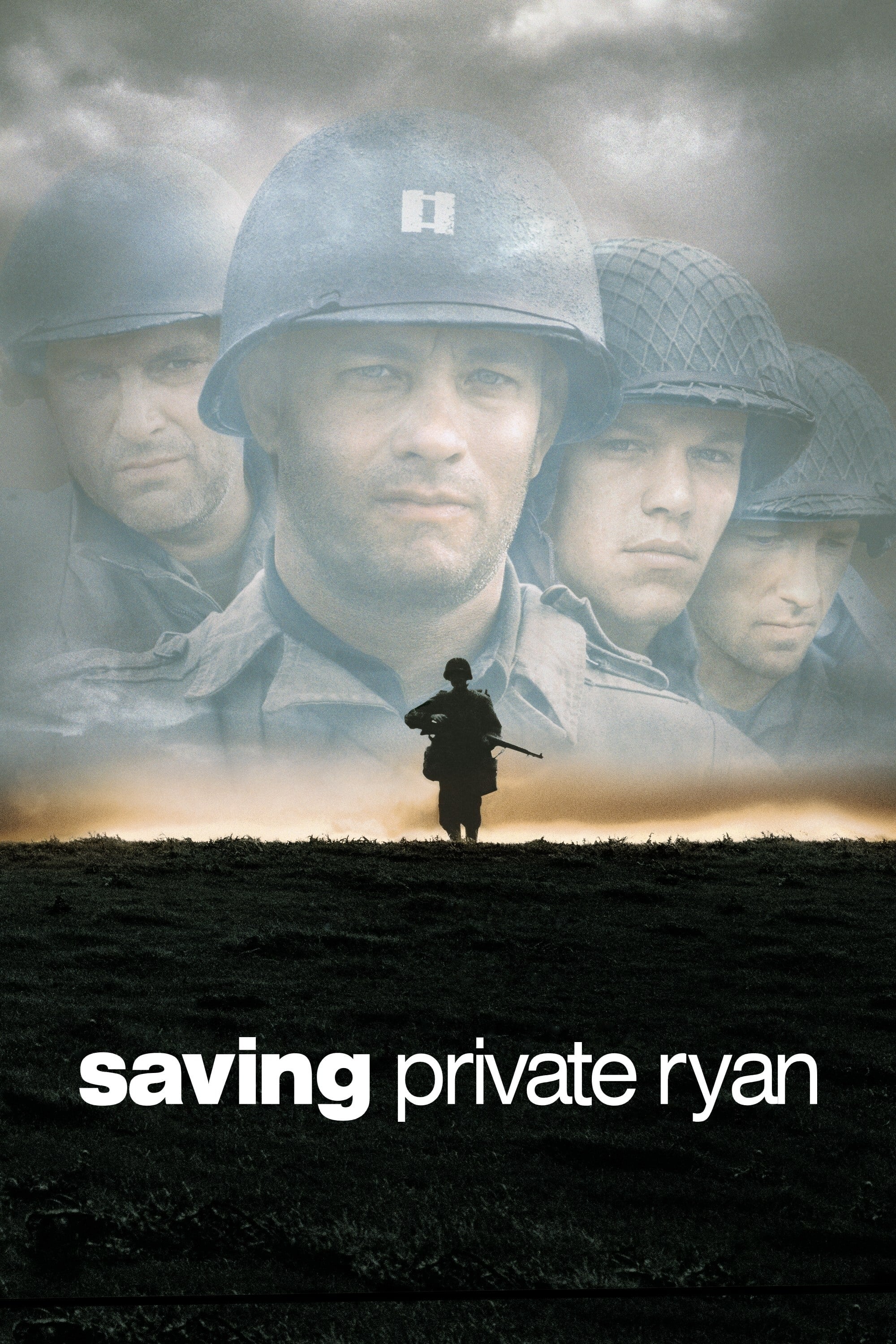
The production depicts German Tiger tanks using vehicles built on Soviet T-34 chassis with cosmetic armor plates and turret shells. On freeze-frames, you can pick out T-34 road-wheel spacing, track profile, and hatch geometry that don’t match Tiger specifications, even though the silhouette looks right at a glance.
This substitution was a practical solution—true Tigers are museum pieces—yet it creates technical tells in close combat scenes. For viewers familiar with armor layouts, the suspension arrangement, turret ring proportions, and exhaust setup give away the stand-ins, which don’t match the real vehicle’s engineering.
‘Apollo 13’ (1995) – reentry blackout stretched for drama

The communications blackout during reentry is portrayed as significantly longer than the real event. In reality, the loss-of-signal window for that mission was notably shorter than the extended silence you hear in the control room sequence, where tension is heightened by pushing the clock well past the expected reacquisition.
The film also streamlines and compresses procedural steps around power management and checklist work. Actual flight logs and post-mission reports show more distributed tasks and tighter timing, whereas the movie bunches actions together to create a clearer, single arc of “all or nothing” peril before the capsule’s drogue deployment.
‘Sully’ (2016) – the investigation’s tone and simulations

The inquiry board is depicted as combative and predisposed to blame, but public statements and professional accounts from the real investigation describe a cooperative, methodical process focused on human-factors analysis rather than adversarial cross-examination. The film frames the board as an antagonist to sharpen narrative stakes that didn’t mirror the documented working dynamic.
In the simulator sequences, early runs show pilots turning back immediately after engine failure, then later add a human-reaction delay to reflect real cockpit cognition time. In practice, investigators accounted for reaction latency from the outset when evaluating decision windows; the movie separates these steps to craft a reveal, not to replicate the original testing chronology.
‘Captain Phillips’ (2013) – route choices vs. crew accounts
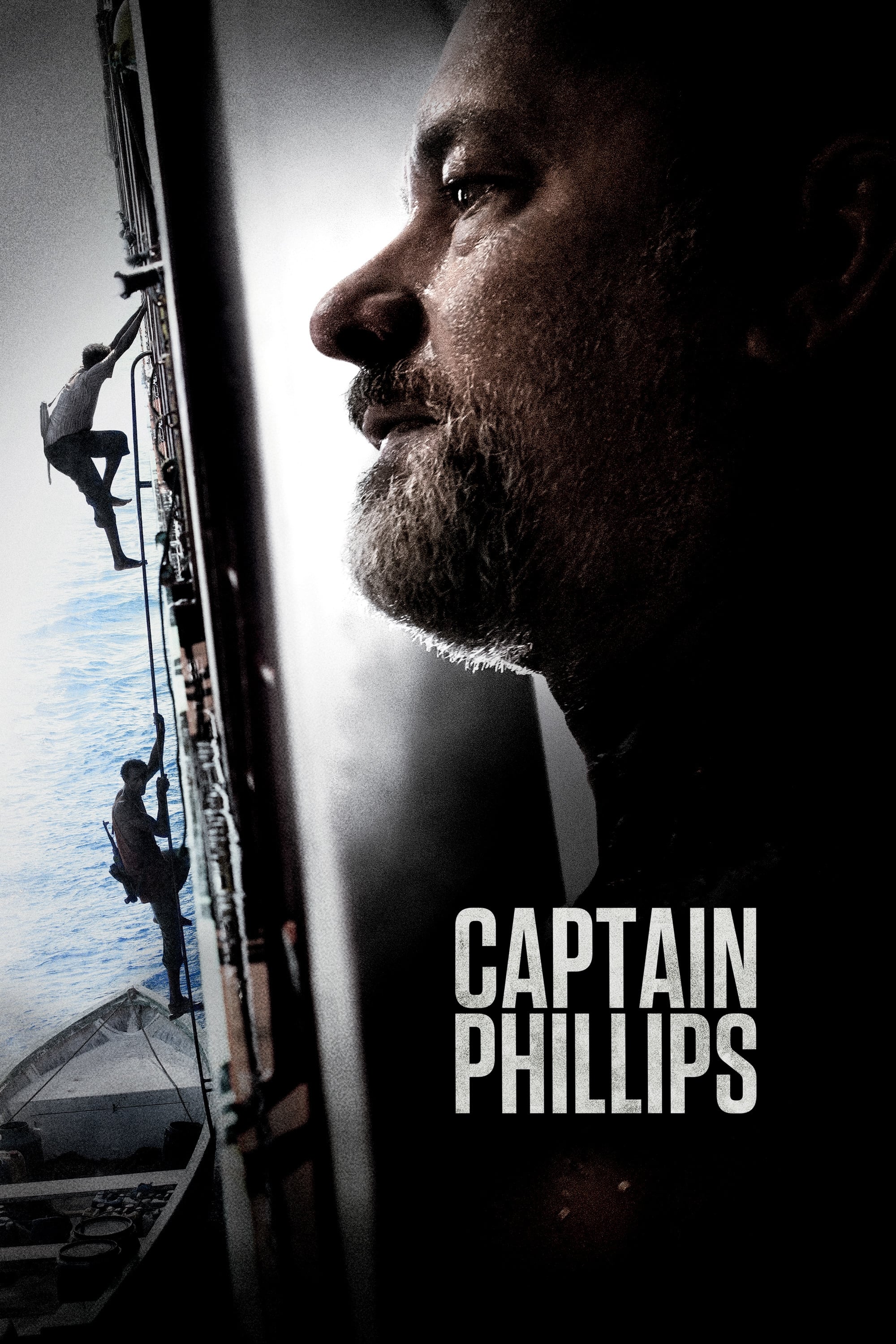
Ship logs and crew affidavits later filed in civil proceedings describe concerns about sailing proximity to the Somali coast at a time of high-risk advisories. The film emphasizes the surprise and speed of the hijacking but downplays the internal dispute over distance from the coastline and vessel speed, which crew members said reduced margin against fast-approaching skiffs.
Maritime security guidance in effect at the time emphasized wider stand-off distances and specific watch protocols. The on-screen timeline condenses multiple contacts and warnings into a cleaner, two-encounter arc, smoothing over the messier pattern of attempted approaches reported by personnel.
‘The Da Vinci Code’ (2006) – church history shortcuts

The exposition claims that a late-antique council settled core doctrines in a sudden, top-down vote, presenting a simplified narrative out of step with how those doctrines developed across centuries through debates, letters, and prior synods. The storyline also attributes certain texts and practices to groups and periods where the surviving record doesn’t support those associations.
Another plot pillar rests on the “Priory of Sion” as an ancient secret order. Historical investigation has shown that the modern organization by that name originated from twentieth-century fabrications and planted documents, not an unbroken medieval lineage. The movie treats it as authentic background to propel the mystery, which conflicts with documented provenance.
‘Angels & Demons’ (2009) – antimatter science that doesn’t add up
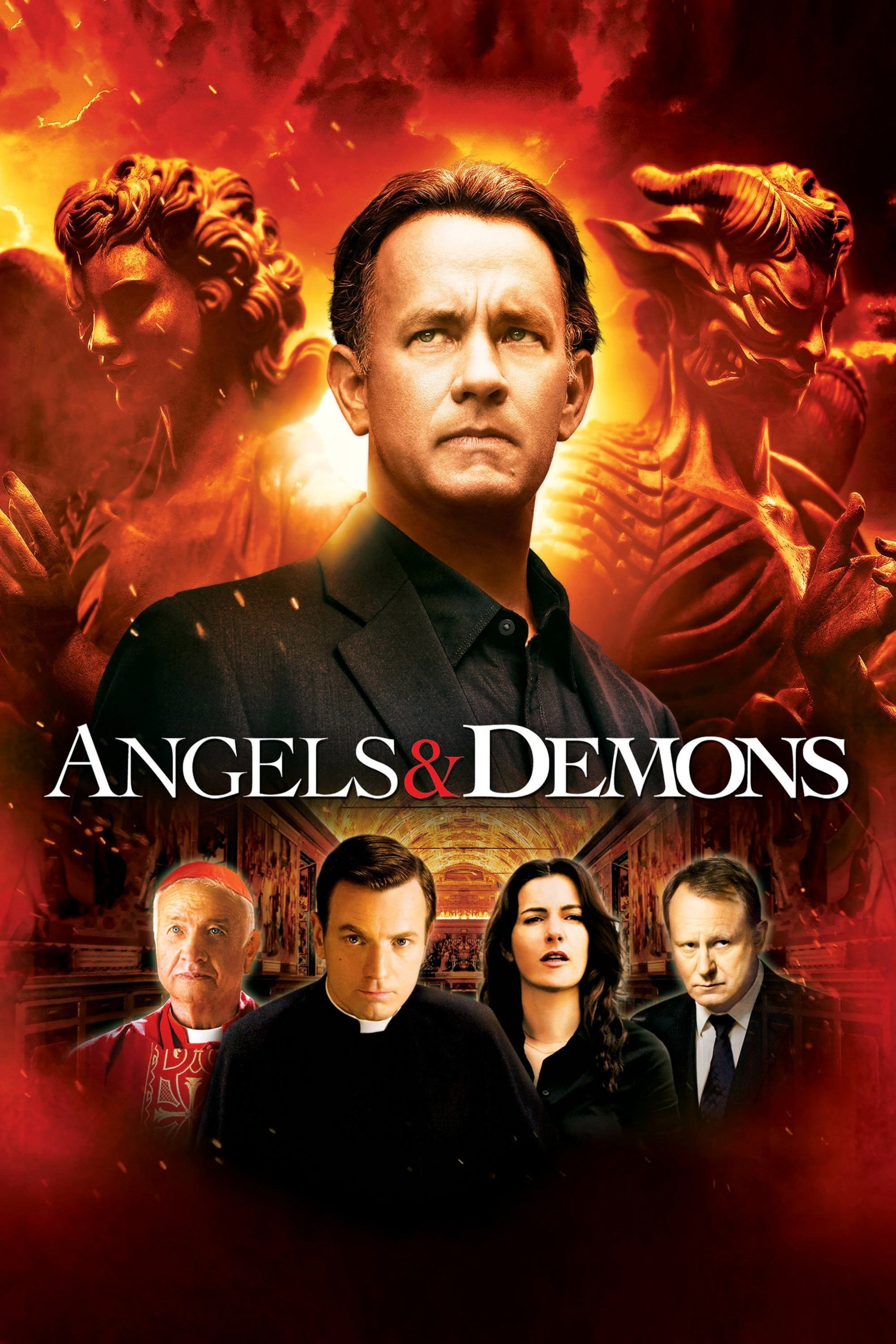
The portable containment device displays an amount of antimatter that would release energy orders of magnitude beyond what such a handheld system could plausibly store or stabilize with known technology. Magnetic confinement for antiparticles requires substantial power, cryogenics, and precisely engineered vacuum systems—the kind installed in large labs, not a palmable canister.
The depiction also shows long-duration, battery-backed containment without the thermal and field-stability issues real systems face. In research practice, even tiny antimatter quantities demand continuous, carefully monitored electromagnetic traps; stray fields, minor heating, or vibration can liberate particles and quench the setup, which the film’s device shrugs off for hours.
‘A League of Their Own’ (1992) – pitching style ahead of schedule

Game footage throughout the season frequently features overhand deliveries, but the women’s professional league at its start used underhand or sidearm styles and transitioned to full overhand later. That shift didn’t happen all at once across all teams; it rolled in with rule changes, mound distance adjustments, and phased retraining.
Uniform and equipment details also mix eras. Some glove patterns and bat profiles match later-period specs more than the ones used when the league launched. Historical photos and league manuals show different webbing styles and barrel tapers, indicating the production borrowed from what was available rather than strictly limiting props to inaugural-season designs.
‘Catch Me If You Can’ (2002) – a con story that outgrew the record

The narrative follows the subject’s own memoir claims about long stints as an airline pilot, doctor, and attorney, but archivists and journalists have since noted gaps between those claims and the paper trail. Several high-profile episodes either lack corroborating documents or conflict with employment, court, and school records uncovered later.
Airline procedures depicted—uniform acquisition, jumpseat access, and check-in security—are streamlined to fit the caper format. In reality, credential verification, scheduling control, and ID issuance used more cross-checks than the film shows, making some of the walk-throughs on screen cleaner than the period’s actual gatekeeping.
‘The Terminal’ (2004) – immigration rules bent into a premise

The film hinges on a traveler living airside indefinitely due to a sudden passport problem. In practice, border agencies have mechanisms such as deferred inspection, parole, refusal of admission with carrier return, and third-country transit that prevent indefinite limbo. Even when cases are complex, authorities route people to detention, supervised release, or repatriation rather than allowing open-ended residence in the concourse.
It also compresses the interplay between carrier liability, consular involvement, and port-of-entry discretion. Airlines face fines for transporting inadmissible passengers, so carriers and agencies coordinate to resolve status quickly. The story downplays those pressures to make room for the character’s long stay and community-building inside the terminal.
Share the biggest movie mistake you’ve spotted in a Tom Hanks film in the comments!

