10 Jimmy Kimmel Bits that Aged Poorly


Late-night TV changes fast, and material that once landed with an audience can feel jarringly out of step later on. Looking back at high-profile bits, recurring segments, and headline-making moments connected to Jimmy Kimmel shows how much comedy—and the culture around it—has shifted over the past couple of decades. Context matters, so the snapshots below focus on who was involved, what happened, and how networks and participants responded at the time.
From early cable sketches to viral pranks and awards-show gags, these entries outline the basic facts behind widely discussed moments. They note where apologies were issued, when formats were retired or revised, and how these segments were produced and distributed. If you’re revisiting these clips today, this timeline-style overview gives you the essentials without the hot takes.
Karl Malone impersonation in blackface on ‘The Man Show’
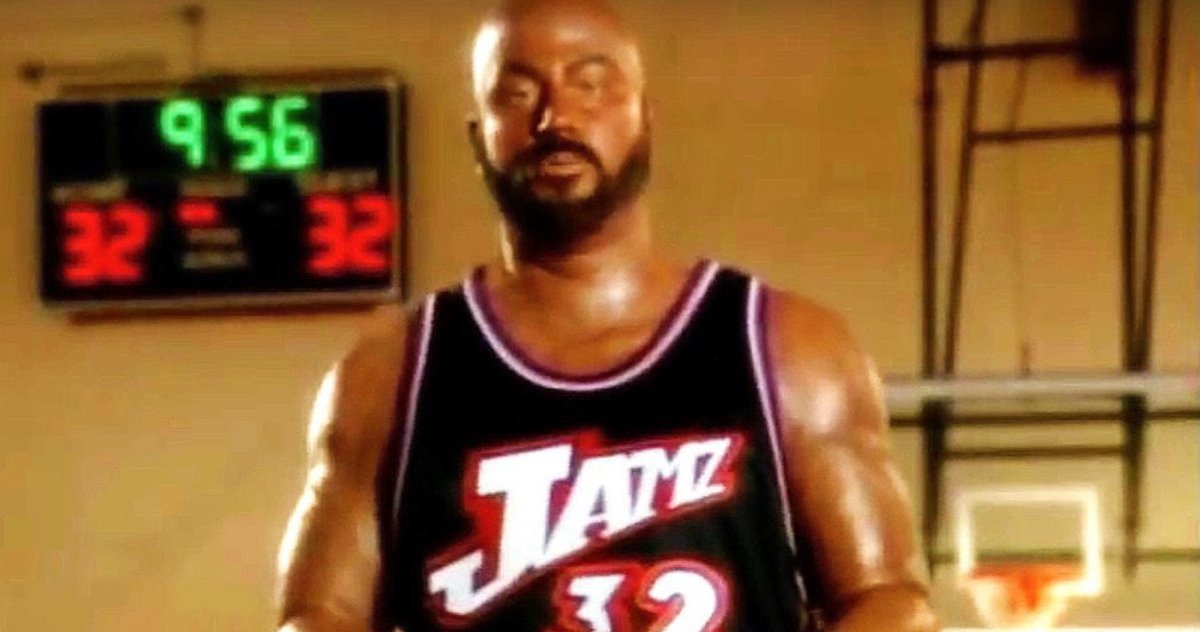
Kimmel performed multiple sketches impersonating NBA player Karl Malone while in blackface on ‘The Man Show’, a Comedy Central series he co-hosted with Adam Carolla. The bits framed him as “Karl Malone” delivering monologues in costume and makeup, and they aired during the show’s original run. The sketches circulated widely in reruns and online clip packages long after their first airings.
In 2020, Kimmel issued a public apology for using blackface in those sketches, acknowledging the offense caused and addressing additional old material raised in contemporaneous coverage. The apology followed renewed attention to past blackface portrayals across American entertainment and prompted compilations and reuploads of the original clips to trend again.
The “kill everyone in China” kids-table segment on ‘Jimmy Kimmel Live!’

A round-table segment with children on ‘Jimmy Kimmel Live!’ included a moment where a child suggested “kill everyone in China” while discussing U.S. debt. The line aired as part of a comedic panel format with kids responding off-the-cuff to current-events prompts. The broadcast led to immediate backlash from Chinese American groups and international viewers.
ABC later apologized, removed the line from subsequent airings and online versions, and stated that the network did not condone the remark. The incident also prompted organized protests and petitions, and it has been cited in media-studies discussions of how unscripted answers from minors are edited and presented in late-night comedy.
“Girls Jumping on Trampolines” closer on ‘The Man Show’

‘The Man Show’ often ended episodes with a recurring closer featuring women jumping on trampolines while the hosts rolled credits. The segment became a visual signature for the series and appeared in promotional montages across the run. It was part of a broader “guy-culture” framing that included beer-themed bits, bar-style sets, and audience participation games.
As the series entered syndication and clip circulation on the internet grew, the closer remained one of the most-shared elements from the show. It has since been referenced in retrospectives about early-2000s cable comedy formats and how those production choices reflected the gendered marketing strategies of that era.
Annual “I Told My Kids I Ate Their Halloween Candy” challenge
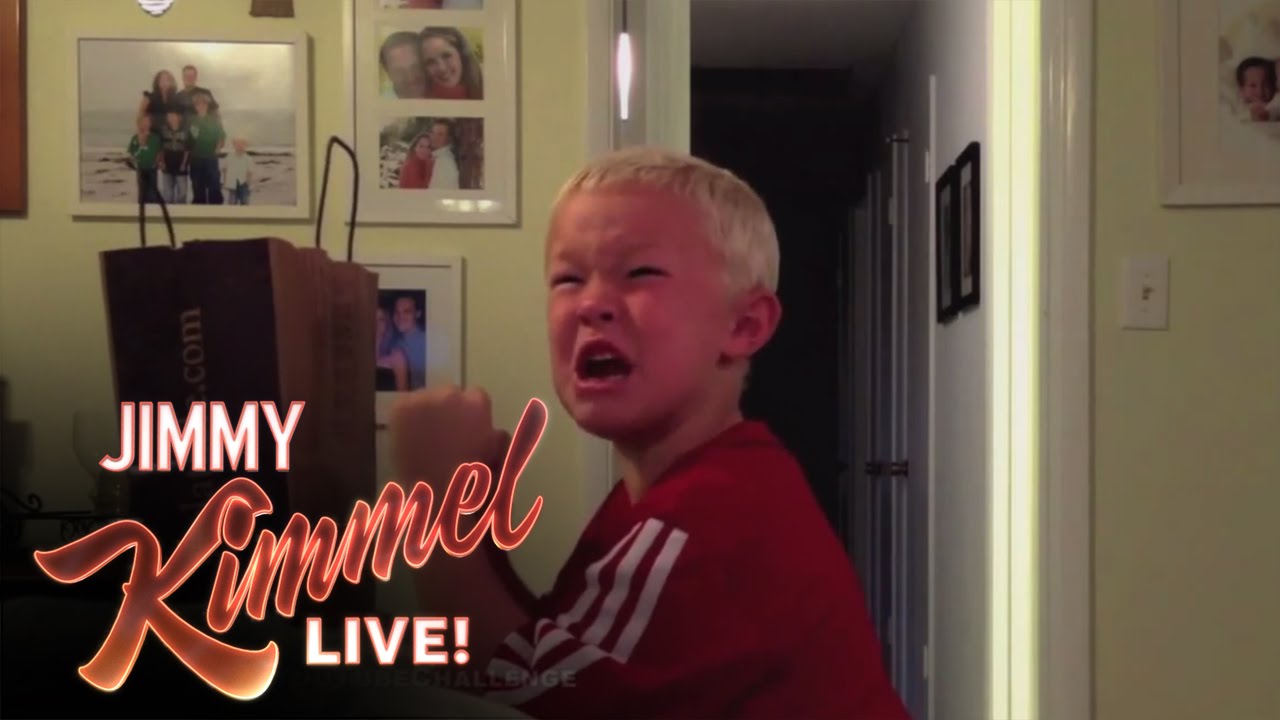
Beginning in the early 2010s, ‘Jimmy Kimmel Live!’ invited parents to film themselves telling their children they had eaten all the Halloween candy, then submit the reactions for an annual montage. The segment became a recurring post-Halloween tradition, routinely generating large YouTube view counts and social-media reposts within days.
The show sets up the premise each year, accepts viewer submissions, and edits the results into a studio-aired compilation and separate digital upload. Pediatric and parenting organizations have occasionally weighed in with guidance about pranks and children on camera, and the segment has sparked recurring discussions about consent and viral-video ethics whenever a new compilation is released.
“Lie Witness News” street interviews about made-up topics

“Lie Witness News” is a recurring ‘Jimmy Kimmel Live!’ segment in which producers ask passersby about fabricated news items, artists, or events, then air the most colorful answers. One widely shared example used invented band names while interviewing attendees near the Coachella Valley Music and Arts Festival, capturing on-camera claims of familiarity with acts that didn’t exist.
The production relies on standard man-on-the-street methods: field crews record many interviews, and the show edits down to a short montage. Media-literacy educators often cite these segments when teaching about social pressure and response bias, using them as examples of how leading prompts and selective editing can showcase confident but inaccurate answers.
The staged “twerking girl on fire” viral video reveal

A viral clip of a woman accidentally setting her pants on fire while twerking against a door became a top-trending video before Kimmel revealed on ‘Jimmy Kimmel Live!’ that his team had staged it with a stunt performer. The reveal included the uncut take showing Kimmel entering the room and using a fire extinguisher, confirming the setup.
The bit served as a case study in how professional teams can seed plausible “found footage” into social platforms, allowing it to gather organic shares prior to a broadcast-TV payoff. Digital-strategy write-ups have used the stunt to illustrate tactics for cross-platform virality and the blurred line between user-generated content and studio-produced pranks.
Onstage gag during Quinta Brunson’s Emmy acceptance

During the Primetime Emmys, Kimmel remained on the stage floor as part of an ongoing joke while Will Arnett announced the winner of Outstanding Writing for a Comedy Series, which went to Quinta Brunson. Photos and clips from the broadcast show Brunson delivering her speech near Kimmel as the bit continued into the live acceptance.
The following night on ‘Jimmy Kimmel Live!’, Brunson appeared as a guest, and the two addressed the moment directly on camera. Award-show recaps and industry news outlets documented the sequence, noting the staging, run-of-show timing, and the follow-up segment in which Kimmel acknowledged the situation.
Melania Trump accent jokes after the White House Easter event

Following the White House Easter Egg Roll, ‘Jimmy Kimmel Live!’ aired jokes that included clips of Melania Trump reading to children and riffed on her accent. The monologue triggered days of commentary across political talk shows and social media, with cable-news hosts debating late-night coverage of public-figure accents and immigration.
The exchange escalated into a media back-and-forth as other programs replayed the monologue and added their own commentary, creating a second-order news cycle. Transcripts, late-night highlight packages, and ratings roundups from that week document how the monologue’s sound bites were clipped, redistributed, and reframed across outlets.
“The Man Show Boy” hidden-camera errands with a child actor

“The Man Show Boy” was a recurring bit on ‘The Man Show’ featuring a child actor sent into adult situations—like asking strangers to buy beer or making cheeky requests—while hidden cameras captured reactions. The segments were structured as field pieces: producers set scenarios, the actor delivered lines, and the show edited responses into short packages.
As the clips migrated to video-sharing sites, they became a staple of early online humor playlists tied to the series. The format is frequently mentioned in discussions about hidden-camera ethics, including the role of parental consent, the responsibilities of producers when minors interact with strangers, and the protocols for releases and blurring faces.
Stereotype-driven puppet calls on ‘Crank Yankers’

Kimmel co-created ‘Crank Yankers’, a show built around recorded prank calls re-enacted by puppets. Several recurring characters leaned on broad stereotypes, and the show’s premise depended on unsuspecting recipients being recorded and later cleared for broadcast. Episodes originally aired on cable and were later revived, bringing older material back into circulation.
Production involved writing premises, having comedians place calls from a controlled studio setup, then matching the audio with puppet performances. Media historians often point to the series when mapping the persistence of prank-call comedy on television, the legal framework for recording calls across states, and how revivals can re-surface legacy bits for new audiences.
Share your thoughts below: which entries surprised you most, and what other moments do you remember?