


10 Most Influential Indie Directors of All Time

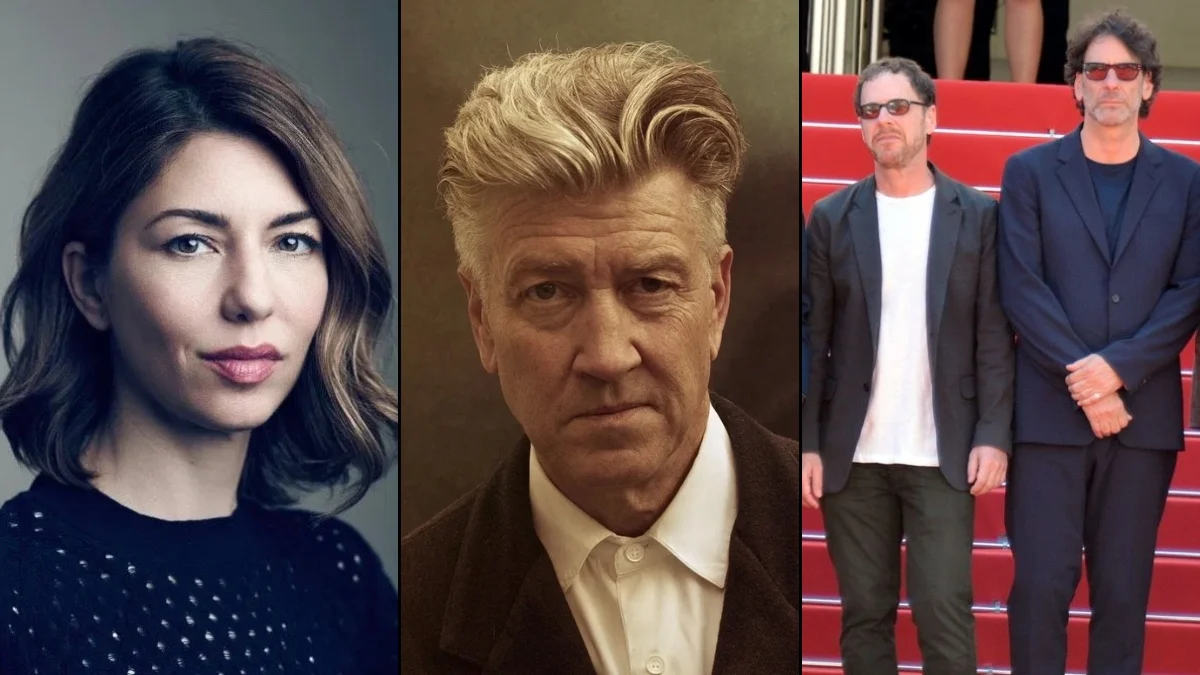


Independent filmmakers have long been the heartbeat of creative storytelling, pushing boundaries with limited budgets and boundless imagination. These directors craft films that challenge conventions, often working outside the Hollywood system to bring unique voices to the screen.
From raw character studies to bold experimental works, indie directors have shaped modern cinema with their fearless approaches. This article dives into the ten most influential indie directors of all time, whose work continues to inspire and redefine the art of filmmaking.
John Cassavetes

John Cassavetes is often hailed as the godfather of American independent cinema. His raw, emotional films like ‘Shadows’ (1959) and ‘A Woman Under the Influence’ (1974) captured real human struggles, using handheld cameras and improvised dialogue to create an intimate, gritty style.
Cassavetes financed his projects himself, rejecting studio control to maintain his vision. His focus on complex characters, especially in domestic dramas, influenced countless filmmakers, proving that low-budget films could carry deep emotional weight.
Jim Jarmusch
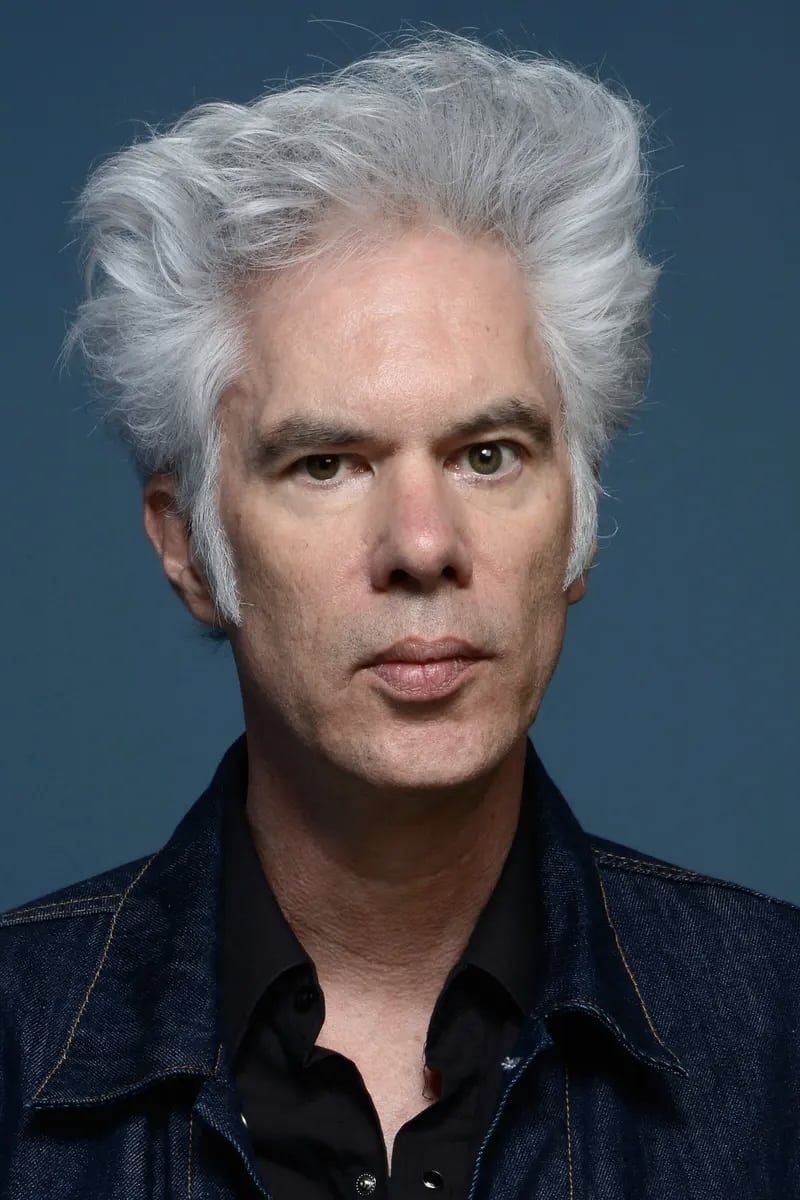
Jim Jarmusch brought a minimalist, poetic vibe to indie cinema with films like ‘Stranger Than Paradise’ (1984) and ‘Dead Man’ (1995). His work blends deadpan humor with philosophical undertones, often exploring outsiders and misfits in a distinctly cool, offbeat way.
His DIY approach and knack for turning small budgets into visually striking stories made him a trailblazer. Jarmusch’s influence is seen in the way modern indie films embrace quirky characters and unconventional pacing.
Sofia Coppola

Sofia Coppola carved her own path with introspective films like ‘The Virgin Suicides’ (1999) and ‘Lost in Translation’ (2003). Her dreamy visuals and focus on isolated characters, often women, brought a fresh perspective to indie storytelling.
Coppola’s ability to blend personal, quiet narratives with universal themes has made her a standout. Her films, shot with a delicate touch, continue to inspire directors aiming to capture raw emotion on a modest budget.
Richard Linklater
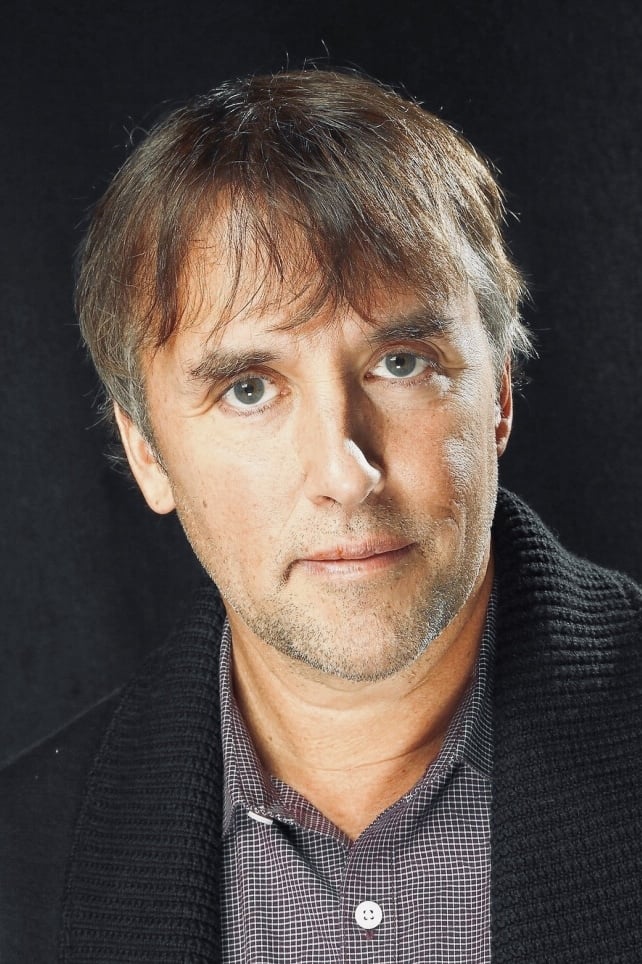
Richard Linklater’s conversational, character-driven films redefined indie storytelling. Works like ‘Slacker’ (1991) and the ‘Before’ trilogy (1995-2013) showcase his knack for capturing life’s fleeting moments with authenticity and warmth.
Linklater’s low-budget experiments, often rooted in real-time narratives, showed that indie films could be both accessible and profound. His influence shines in the way today’s directors prioritize dialogue and human connection over flashy production.
Gus Van Sant
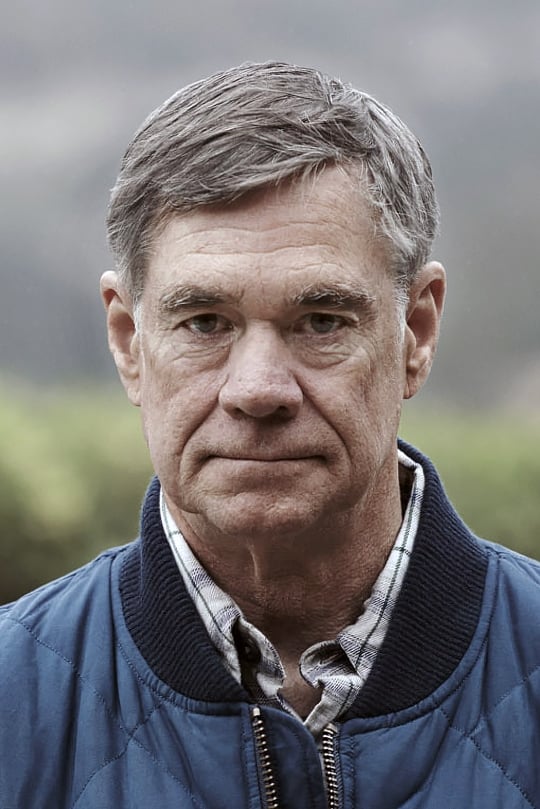
Gus Van Sant’s poetic take on marginalized lives set him apart in indie cinema. Films like ‘Drugstore Cowboy’ (1989) and ‘My Own Private Idaho’ (1991) explore the struggles of outsiders with empathy and visual flair.
His bold choices, like using non-actors or experimental techniques in ‘Elephant’ (2003), pushed indie boundaries. Van Sant’s work continues to inspire filmmakers who tackle tough subjects with heart and originality.
The Coen Brothers

Joel and Ethan Coen brought sharp wit and genre-bending storytelling to indie films. Their debut ‘Blood Simple’ (1984) and later works like ‘Fargo’ (1996) mix dark humor, crime, and quirky characters in a style all their own.
The Coens’ ability to craft polished, unpredictable stories on tight budgets made them indie icons. Their influence is clear in how modern filmmakers blend humor and drama with a distinct voice.
Michel Gondry

Michel Gondry turned music videos into an art form before bringing his whimsical style to films like ‘Eternal Sunshine of the Spotless Mind’ (2004). His handmade visuals and imaginative storytelling shine in low-budget projects like ‘The Science of Sleep’ (2006).
Gondry’s creative use of practical effects and emotional depth showed that indie films could be visually stunning without big budgets. His work inspires directors to think outside the box with limited resources.
Wes Anderson
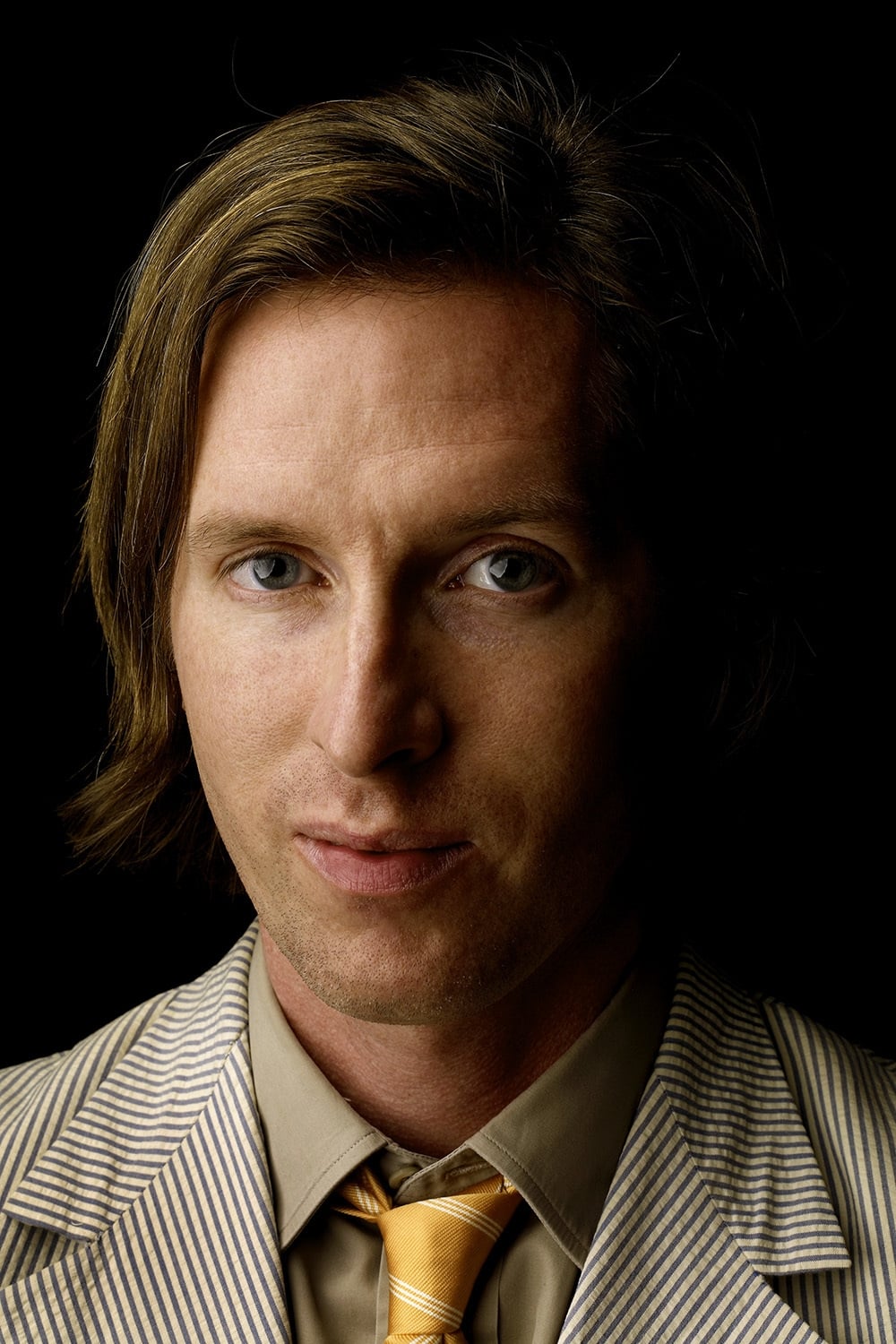
Wes Anderson’s meticulous, colorful style made him an indie darling. Films like ‘Rushmore’ (1998) and ‘The Royal Tenenbaums’ (2001) blend quirky humor with heartfelt stories, creating a unique visual and emotional world.
His focus on sentimental characters and detailed aesthetics has shaped a generation of filmmakers. Anderson’s ability to stay true to his vision while working on modest budgets remains a benchmark for indie success.
David Lynch
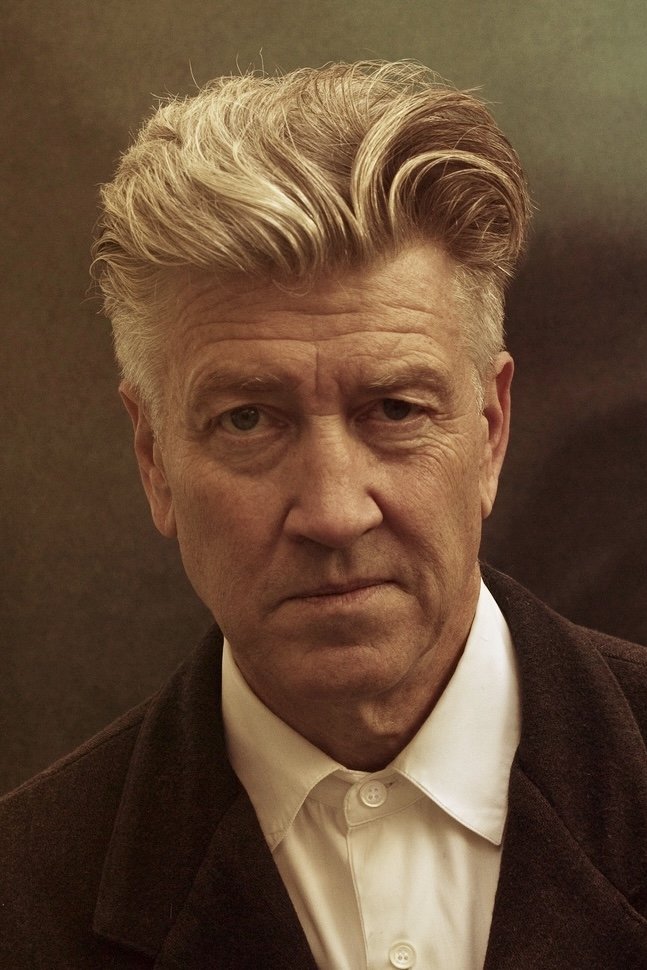
David Lynch’s surreal, unsettling films like ‘Eraserhead’ (1977) and ‘Blue Velvet’ (1986) brought a dark, dreamlike edge to indie cinema. His bold exploration of the bizarre and subconscious set him apart as a visionary.
Lynch’s low-budget masterpieces, often self-financed, proved that unconventional storytelling could captivate audiences. His influence is felt in how today’s indie directors embrace the strange and unexpected.
Quentin Tarantino
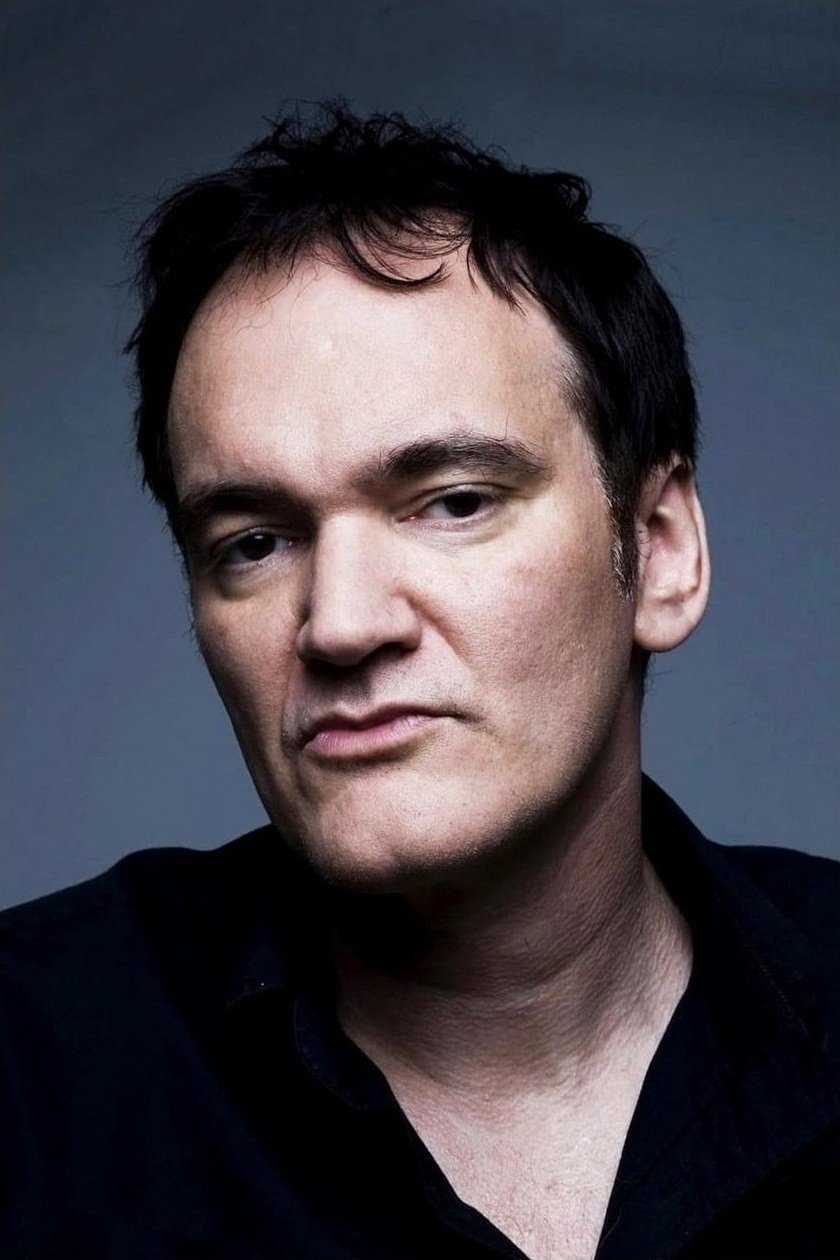
Quentin Tarantino burst onto the indie scene with ‘Reservoir Dogs’ (1992) and cemented his legacy with ‘Pulp Fiction’ (1994). His sharp dialogue, bold violence, and love for genre films reshaped indie cinema with mainstream appeal.
Tarantino’s knack for turning small budgets into cultural phenomena showed the power of a strong voice. His influence endures in how filmmakers mix pop culture, grit, and style to create unforgettable stories.
Which indie director’s vision resonates with you, or is there another maverick we should know about? Share your thoughts in the comments!

