


10 Must-Watch Alfred Hitchcock Movies

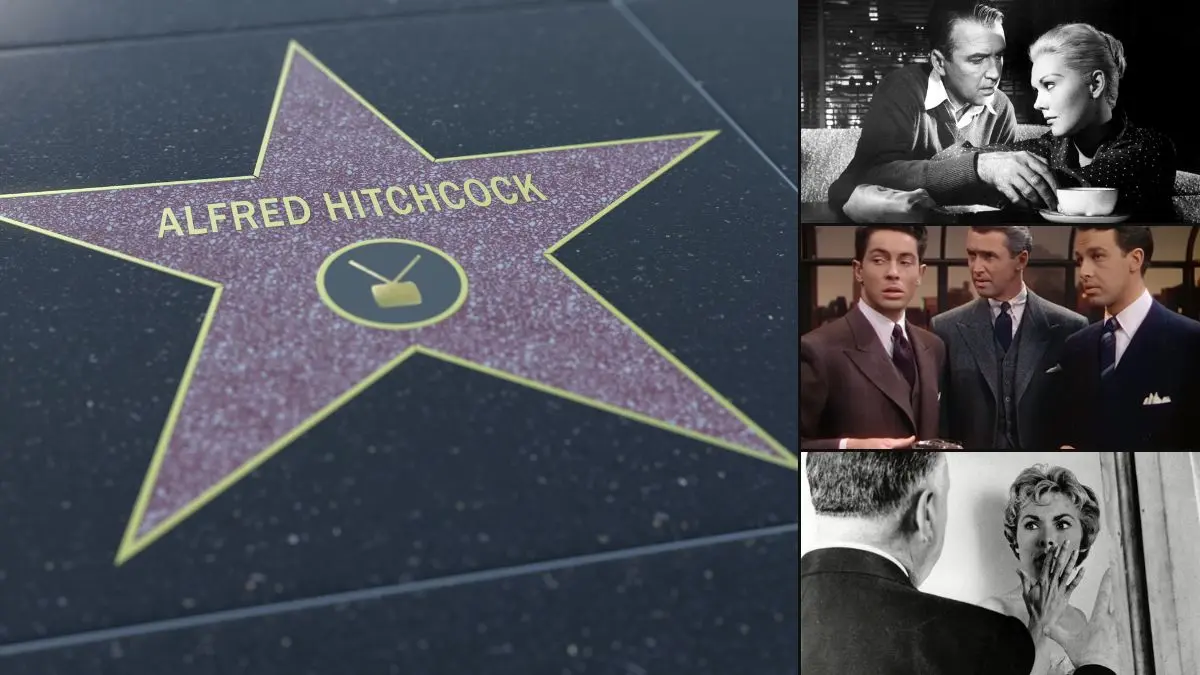


Alfred Hitchcock is a name that means suspense in cinema. For over fifty years, he directed movies that kept people on the edge of their seats. He was called the “Master of Suspense” because he knew how to build tension and make audiences feel anxious and excited. Hitchcock controlled every detail of his films, from the camera angles to the music, creating a unique and thrilling experience for viewers. His work has influenced many filmmakers and continues to be studied and celebrated today.
Hitchcock’s style was more about suspense than surprise. He liked to give the audience information that the characters in the movie did not have. This created a sense of worry and anticipation. He used innovative camera work, like the dolly zoom in Vertigo, to make the audience feel what the characters were feeling. Common themes in his movies include innocent people being wrongly accused, complex psychological states, and a dark sense of humor. These elements, combined with his memorable cameo appearances in his own films, made Hitchcock one of the most famous and recognizable directors in history.
Psycho (1960)
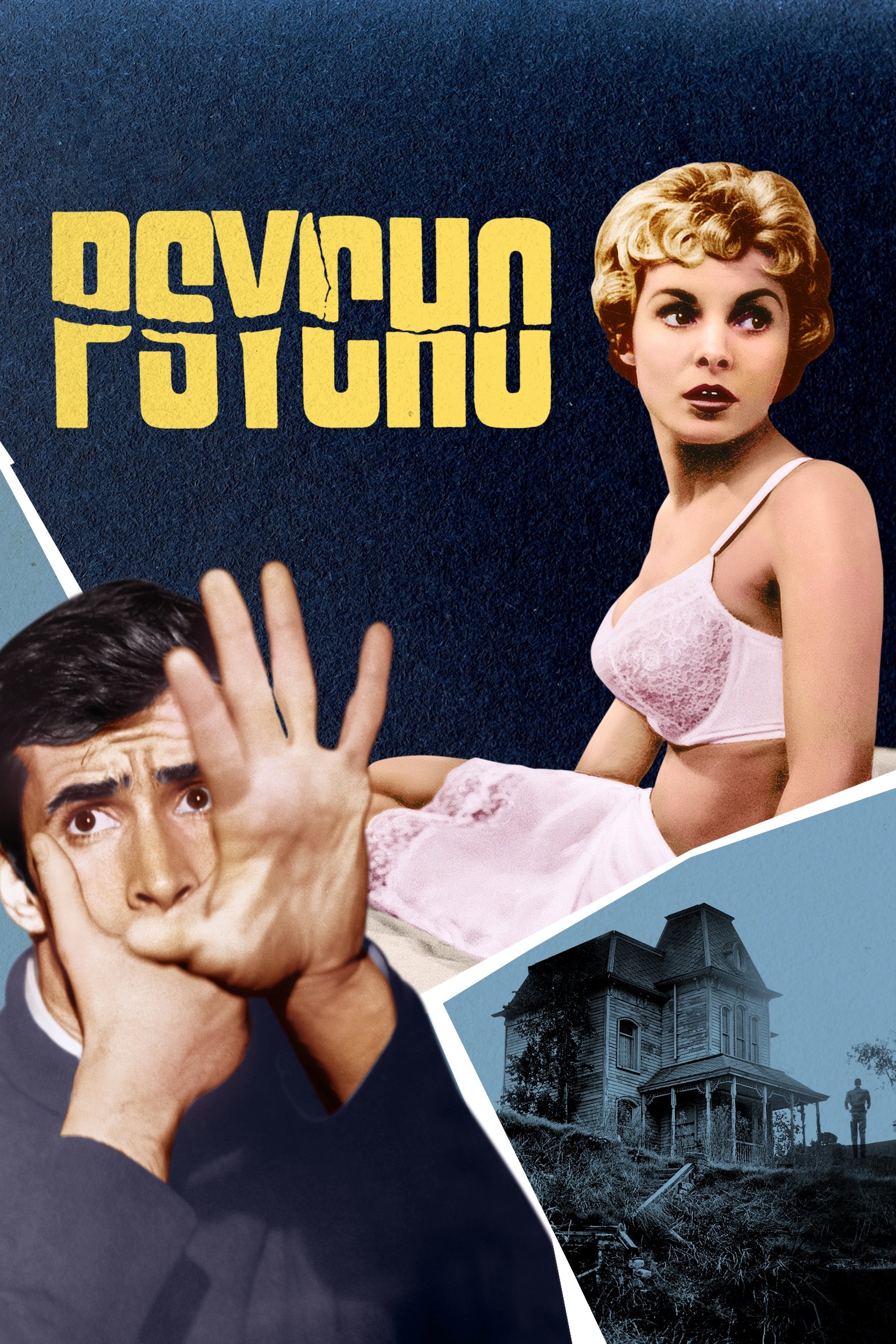
Psycho follows Marion Crane, a secretary who steals a large sum of money from her employer. She flees her hometown and, during a heavy storm, decides to stop for the night at the secluded Bates Motel. The motel is run by the shy and awkward Norman Bates, who seems to be under the control of his domineering mother. Marion’s decision to stay at the motel leads to a terrifying and shocking turn of events that changes the course of the story completely.
The film is famous for its suspenseful atmosphere and unexpected twists. The shower scene, where a major character is murdered early in the film, is one of the most iconic and studied scenes in movie history. Psycho broke many cinematic conventions of its time and played with the audience’s expectations. It delved into the disturbed mind of its antagonist, exploring themes of guilt, psychosis, and the dark side of human nature, leaving a lasting impact on the horror and thriller genres.
Rear Window (1954)
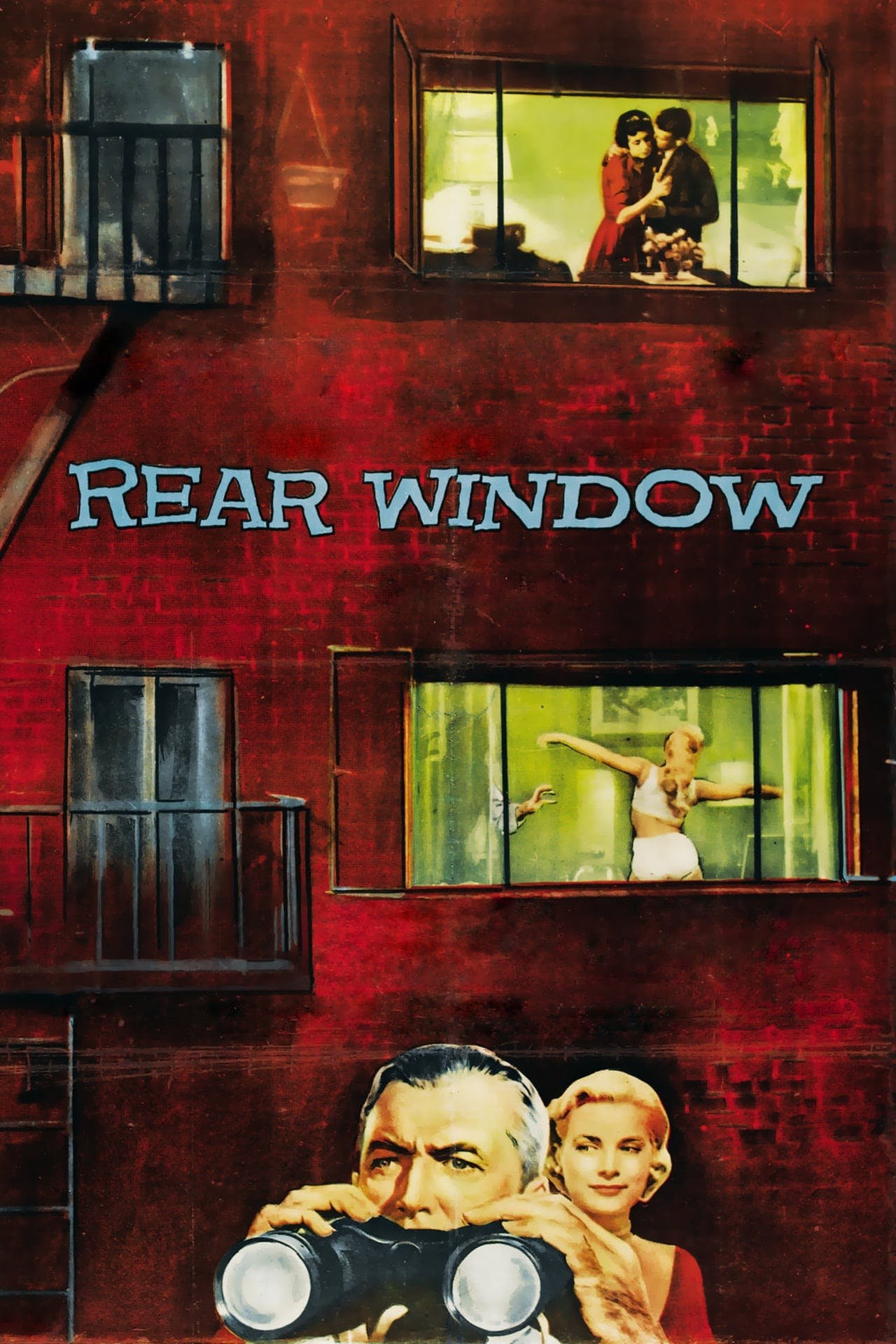
This film tells the story of L.B. “Jeff” Jefferies, a professional photographer who is confined to a wheelchair in his apartment after breaking his leg. To pass the time, he begins to watch his neighbors through his rear window, observing their daily lives. He gives them nicknames and creates stories about them. His girlfriend, Lisa Fremont, and his nurse, Stella, are initially amused by his new hobby.
Jeff’s casual spying takes a dark turn when he suspects that one of his neighbors, Lars Thorwald, has murdered his wife. He, along with Lisa and Stella, becomes obsessed with finding out the truth. The film builds suspense as Jeff becomes a helpless observer, unable to directly intervene as the danger gets closer. Rear Window is a masterful study of voyeurism, paranoia, and the thrill of observation, all set within the confines of a single apartment courtyard.
Vertigo (1958)
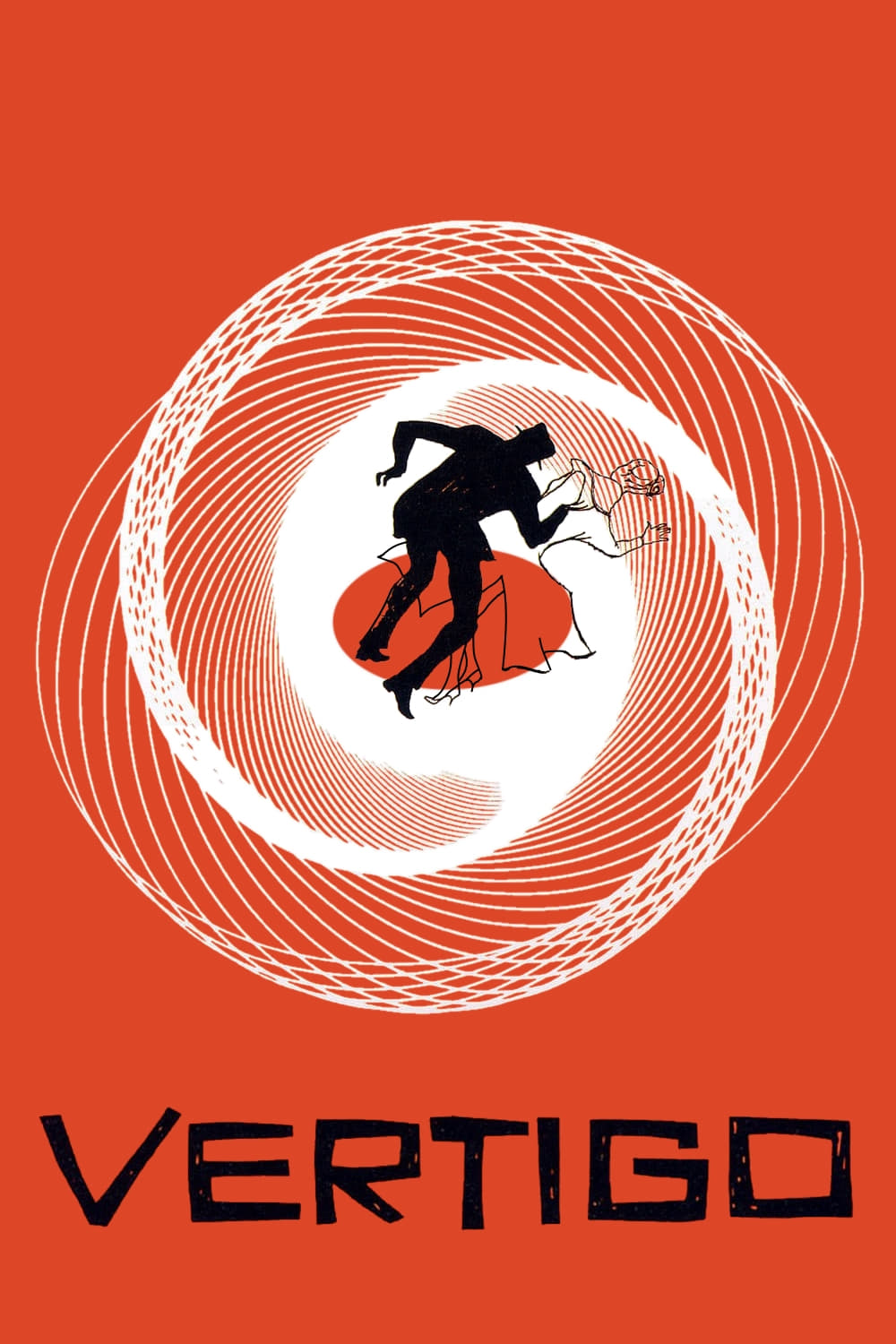
Vertigo is a story about a retired police detective, John “Scottie” Ferguson, who develops a severe fear of heights and vertigo after a traumatic incident. An old acquaintance hires him to follow his wife, Madeleine, who has been behaving strangely. Scottie becomes obsessed with the beautiful and mysterious Madeleine as he trails her through San Francisco. He saves her from a suicide attempt, and they fall in love.
The film is known for its dreamlike quality and deep psychological themes. Scottie’s obsession and vertigo are central to the plot, which takes several unexpected turns, leading to a tragic conclusion. Director Alfred Hitchcock used innovative camera techniques, including the famous dolly zoom, to visually represent Scottie’s disorienting condition. Vertigo explores themes of love, loss, and the destructive nature of obsession, and is considered one of Hitchcock’s most personal and complex films.
North by Northwest (1959)
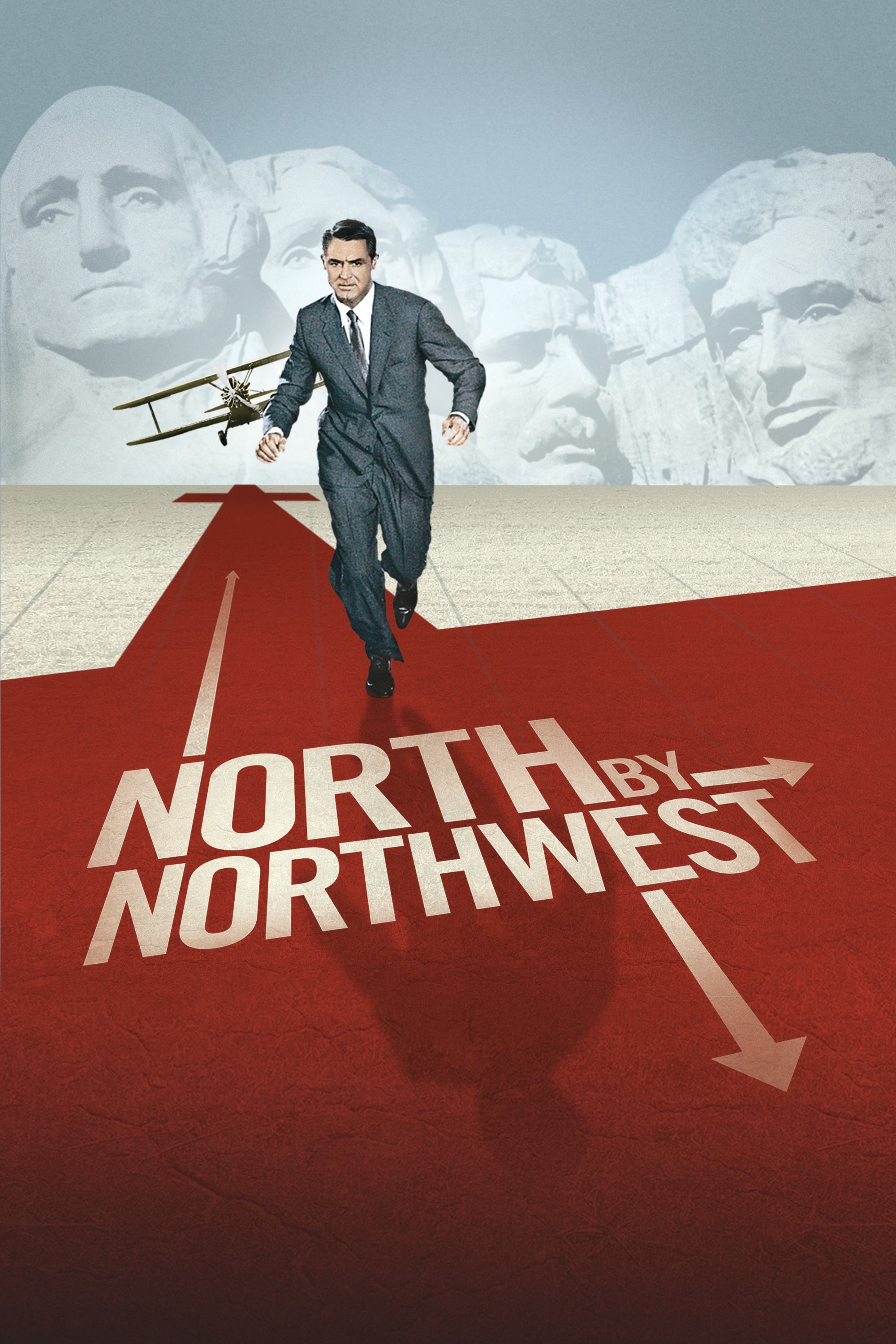
In North by Northwest, a successful advertising executive named Roger Thornhill is mistaken for a government agent by a group of foreign spies. He is kidnapped, framed for murder, and forced to go on the run across the country. As he tries to clear his name and uncover the spies’ plot, he meets the mysterious and charming Eve Kendall, who may or may not be on his side.
This film is a fun and exciting chase movie with many famous scenes, including a pursuit by a crop-duster plane and a climactic chase across the faces of Mount Rushmore. The story is full of suspense, humor, and romance, making it one of Hitchcock’s most entertaining films. It features a classic “wrong man” theme, where an ordinary person is thrown into extraordinary and dangerous circumstances.
The Birds (1963)
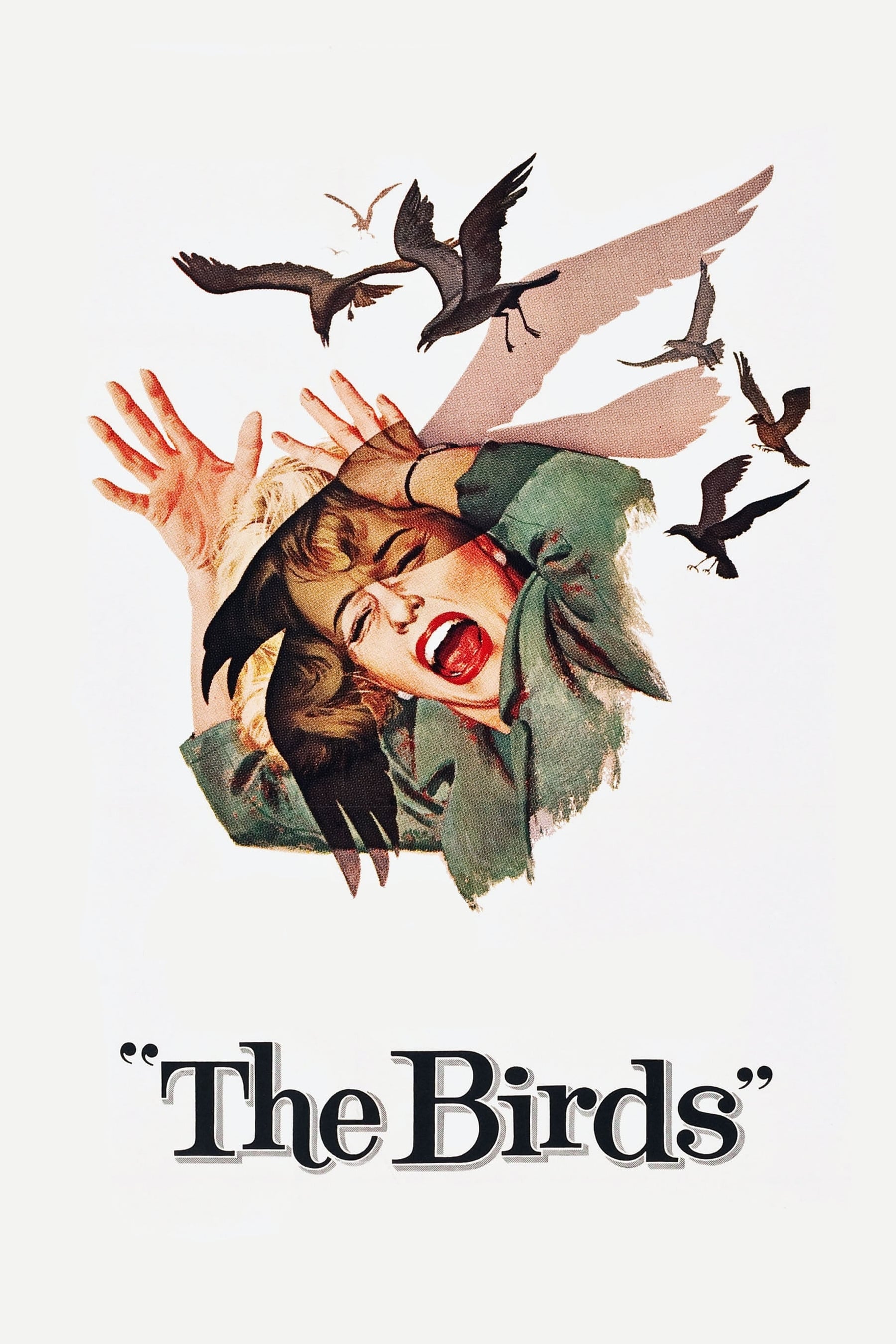
The Birds is a horror-thriller about a small coastal town in California that comes under a series of sudden and unexplained attacks by birds. The story begins when a wealthy socialite, Melanie Daniels, follows a potential love interest, Mitch Brenner, to his family’s home in Bodega Bay. Soon after her arrival, the birds in the area begin to act aggressively, attacking people in increasing numbers and with growing violence.
The film does not provide a clear reason for the birds’ behavior, which makes the situation even more frightening. Hitchcock builds a sense of dread slowly, starting with small, isolated incidents that escalate into a full-scale assault by nature. The movie uses a mix of real and animated birds to create its terrifying scenes and relies on sound and suspense to create a feeling of constant threat. The Birds is a chilling story about chaos and the breakdown of the natural order.
Strangers on a Train (1951)
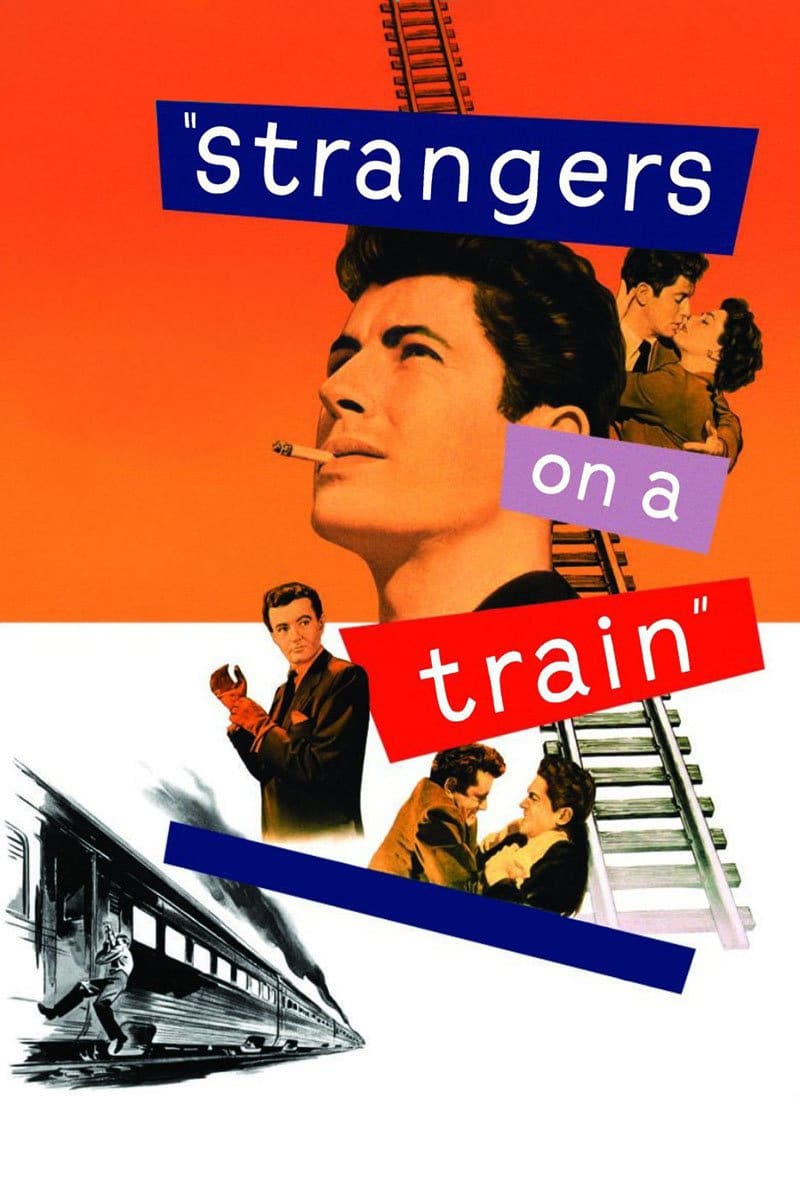
This film introduces two men who meet on a train: a famous tennis player, Guy Haines, and a charming but psychopathic man named Bruno Antony. Guy is unhappy in his marriage, while Bruno despises his father. Bruno proposes a “criss-cross” murder plot where they would swap murders, believing it would be the perfect crime since neither would have a motive for the other’s murder. Guy dismisses the idea as a joke.
However, Bruno takes the conversation seriously and proceeds to murder Guy’s wife. He then pressures Guy to fulfill his end of the bargain by killing Bruno’s father. Guy finds himself trapped in a web of suspicion and blackmail, forced to deal with the increasingly unstable Bruno. The film is a dark and suspenseful tale of psychological manipulation and the thin line between innocence and guilt.
Notorious (1946)
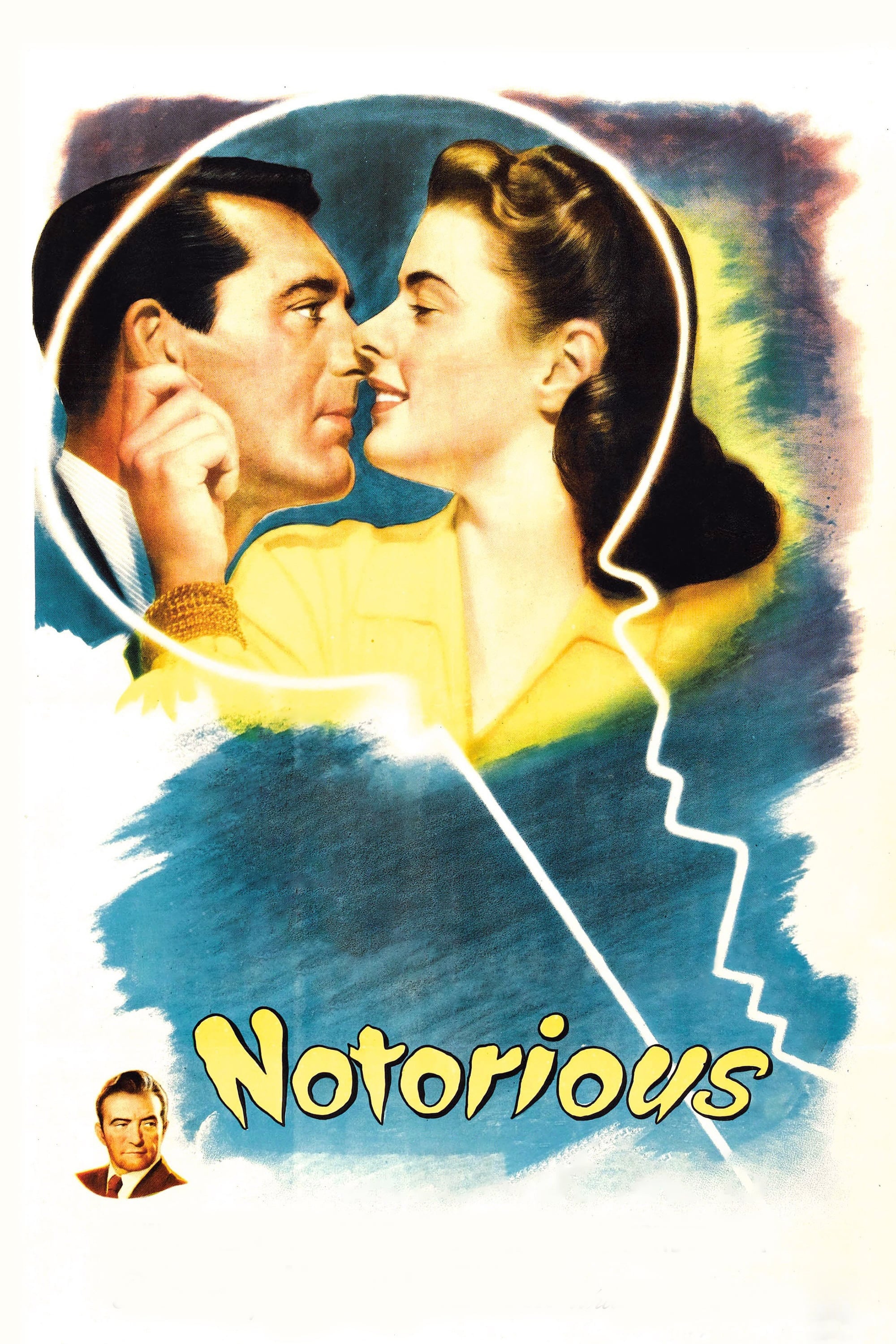
In Notorious, the daughter of a convicted Nazi spy, Alicia Huberman, is recruited by a U.S. government agent named T.R. Devlin. Her mission is to infiltrate a group of Nazis who have fled to Brazil after World War II. To do this, she must seduce Alex Sebastian, a leading member of the group who was once in love with her. As Alicia and Devlin work together, they fall in love.
The situation becomes complicated and dangerous as Alicia marries Sebastian to gain his trust and gather information. Devlin’s jealousy and his duty as an agent create a tense and emotional conflict. The film is a stylish spy thriller that combines romance, suspense, and espionage. It is known for its strong performances and its focus on the psychological and emotional toll of the characters’ dangerous mission.
Rebecca (1940)
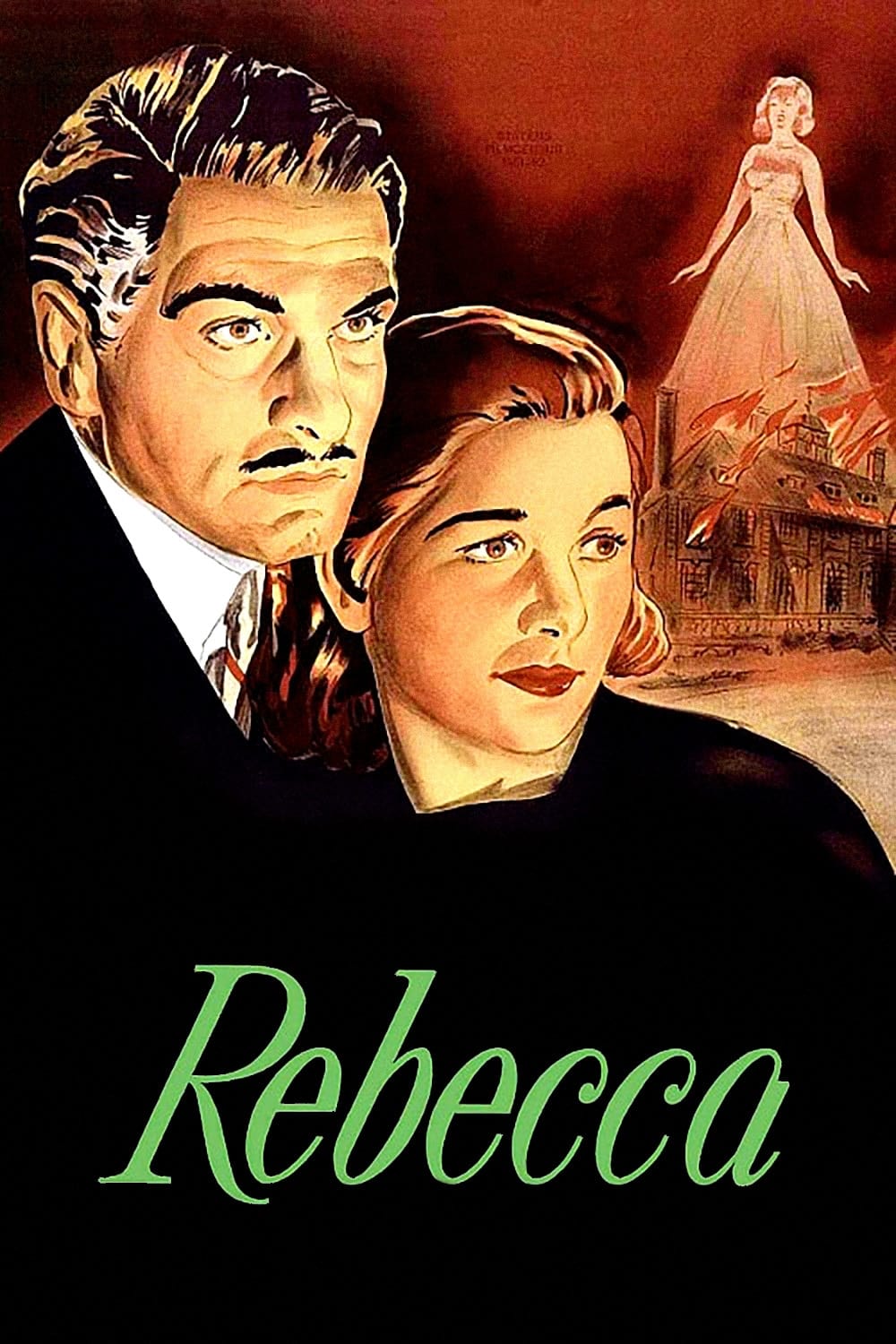
Rebecca was Alfred Hitchcock’s first American film and the only one to win the Academy Award for Best Picture. It tells the story of a shy, young woman who marries a wealthy and mysterious widower, Maxim de Winter. She moves into his grand country estate, Manderley, but finds that the memory of his first wife, Rebecca, dominates the house and everyone in it. The new Mrs. de Winter struggles to find her place and feels constantly compared to the seemingly perfect Rebecca.
The housekeeper, Mrs. Danvers, is fiercely devoted to the late Rebecca and takes an immediate dislike to her replacement. She subtly torments the new Mrs. de Winter, trying to drive her away. The film is a Gothic romance filled with suspense and psychological tension. The truth about Rebecca’s life and death is slowly revealed, leading to a dramatic and fiery climax that uncovers the dark secrets of Manderley.
Shadow of a Doubt (1943)
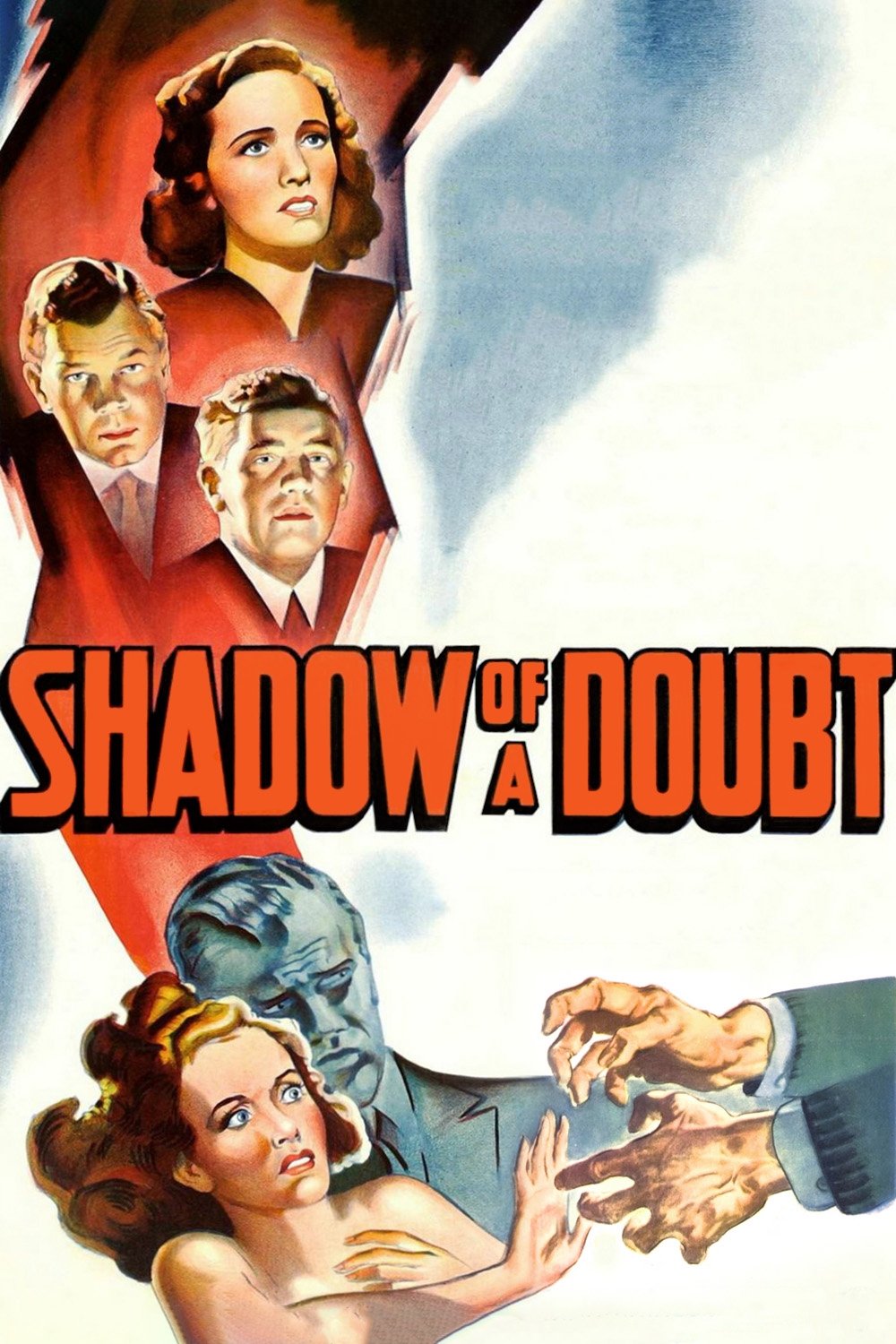
In this psychological thriller, a charming and worldly man, Charlie Oakley, pays a surprise visit to his unsuspecting relatives in a quiet small town. His niece, a young woman also named Charlie, is initially thrilled by her uncle’s arrival. However, her admiration soon turns to suspicion when she notices his strange behavior and discovers he may be the “Merry Widow Murderer,” a serial killer being pursued by detectives.
As young Charlie gets closer to the truth, her beloved uncle’s sinister nature is revealed, and her life is put in danger. The film creates a tense atmosphere by bringing a dark and menacing presence into the heart of an ordinary American family. Hitchcock himself stated that Shadow of a Doubt was his favorite of all his films, and it is praised for its complex characters and the suspenseful cat-and-mouse game between uncle and niece.
Rope (1948)
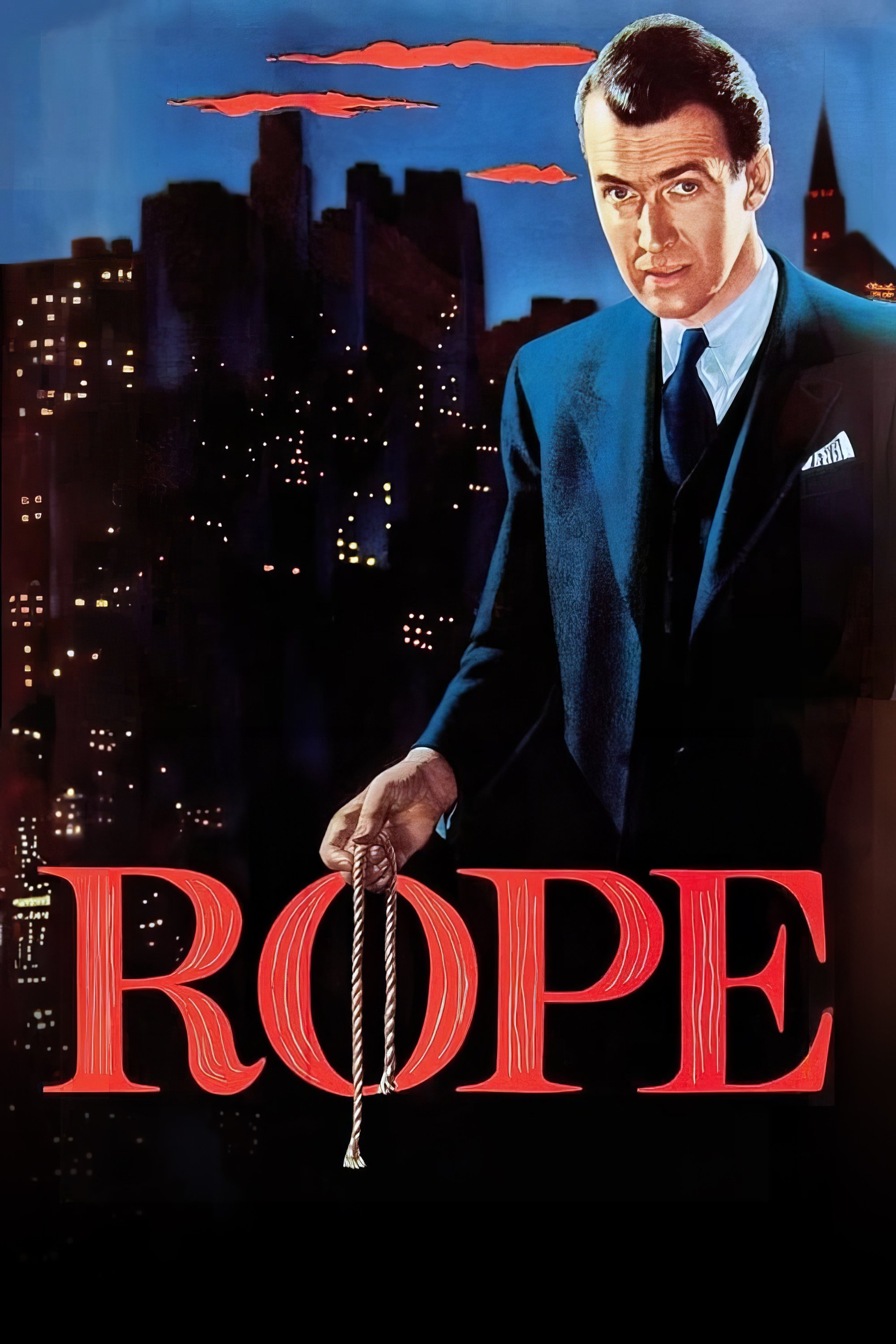
Rope is a unique and experimental film for its time, filmed to appear as if it were shot in one continuous take. The story is about two young, wealthy students, Brandon and Phillip, who murder their friend in their apartment simply for the intellectual thrill of committing the perfect crime. They hide the body in a large wooden chest and then proceed to host a dinner party in the same room.
The guests at the party include the victim’s father and fiancée, as well as the duo’s former prep school housemaster, Rupert Cadell. As the evening goes on, Brandon becomes more daring, dropping hints about their crime. Rupert grows increasingly suspicious of his former students’ strange behavior and the victim’s absence. The film creates a highly suspenseful and claustrophobic atmosphere as the truth slowly comes to light in a single setting.

