


10 Oscar-Winning Movies That Never Explain Their Big Twist

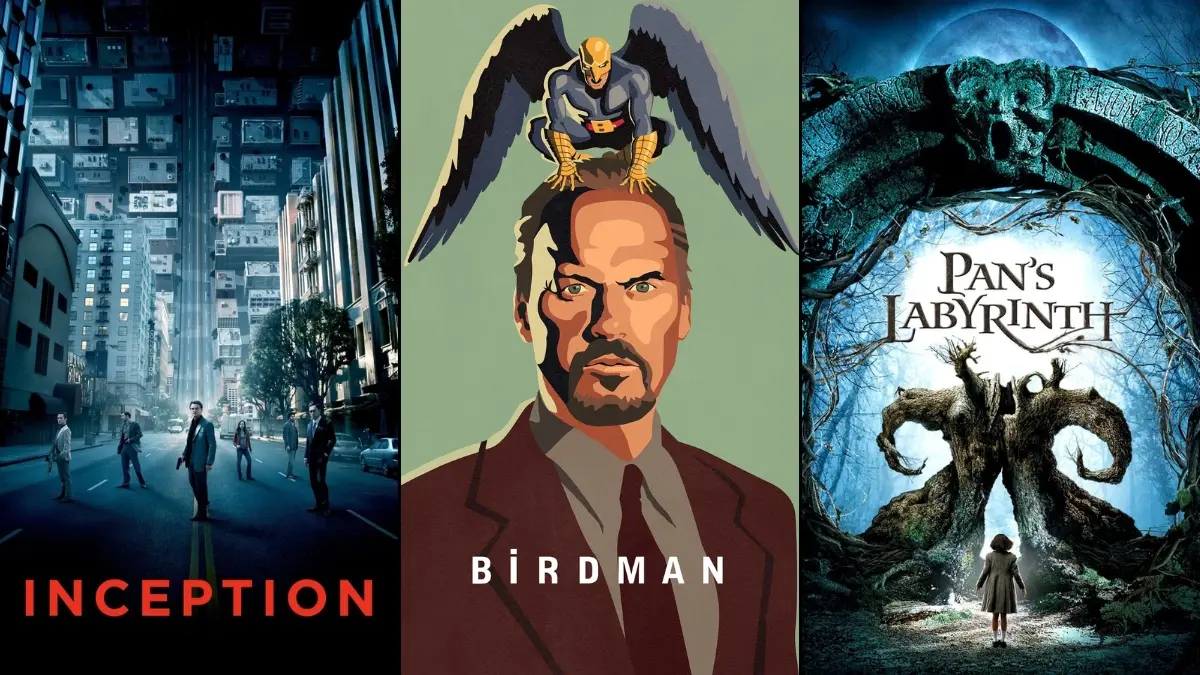


Some films pull back the curtain and walk you step by step through the mechanics of their big surprise. Others reveal something seismic and then move on without a tidy explanation, trusting the story’s clues and structure to carry the idea. This list focuses on Oscar-winning movies that introduce a major twist or ambiguity and deliberately leave it unresolved within the film.
Every title here won at least one Academy Award, whether for acting, writing, direction, technical craft, or Best Picture. Each example features a defining turn—an ending choice, a narrative reveal, or a reality-bending pivot—that the film never explicitly clarifies on-screen, leaving the text itself as the only evidence to parse.
‘Inception’ (2010)
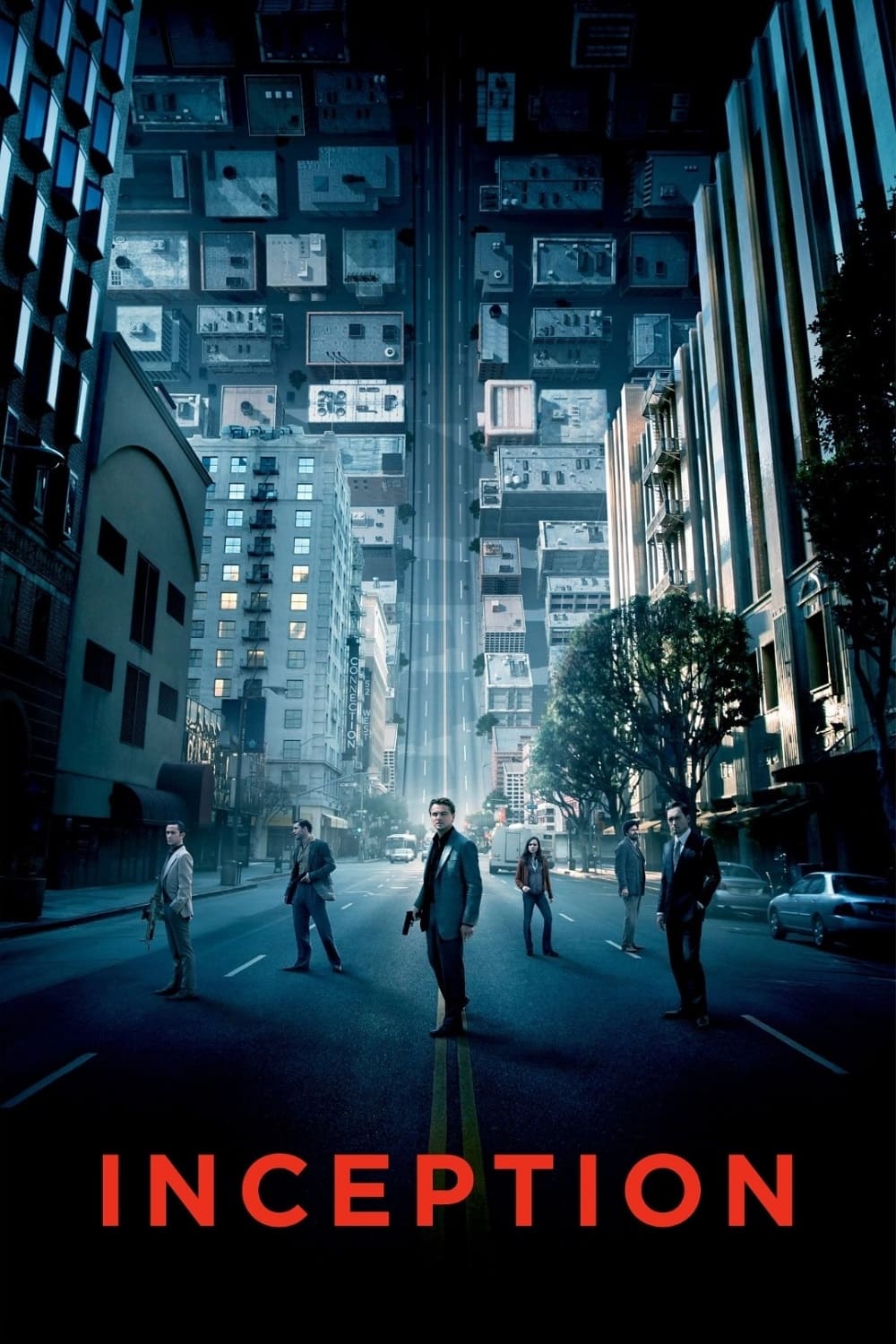
The closing image centers on a spinning top—Cobb’s totem—whose fate would confirm whether he is in a dream or not. The film presents rules for totems and layered dreaming, but it never shows the top conclusively stopping or continuing, and it does not state Cobb’s final state.
Christopher Nolan’s film won multiple Oscars across craft categories, including cinematography, sound, and visual effects, while keeping its central uncertainty intact. The screenplay supplies consistent internal logic for dream infiltration yet withholds a final explanation, ensuring the narrative’s key question remains unanswered within the text.
‘The Usual Suspects’ (1995)
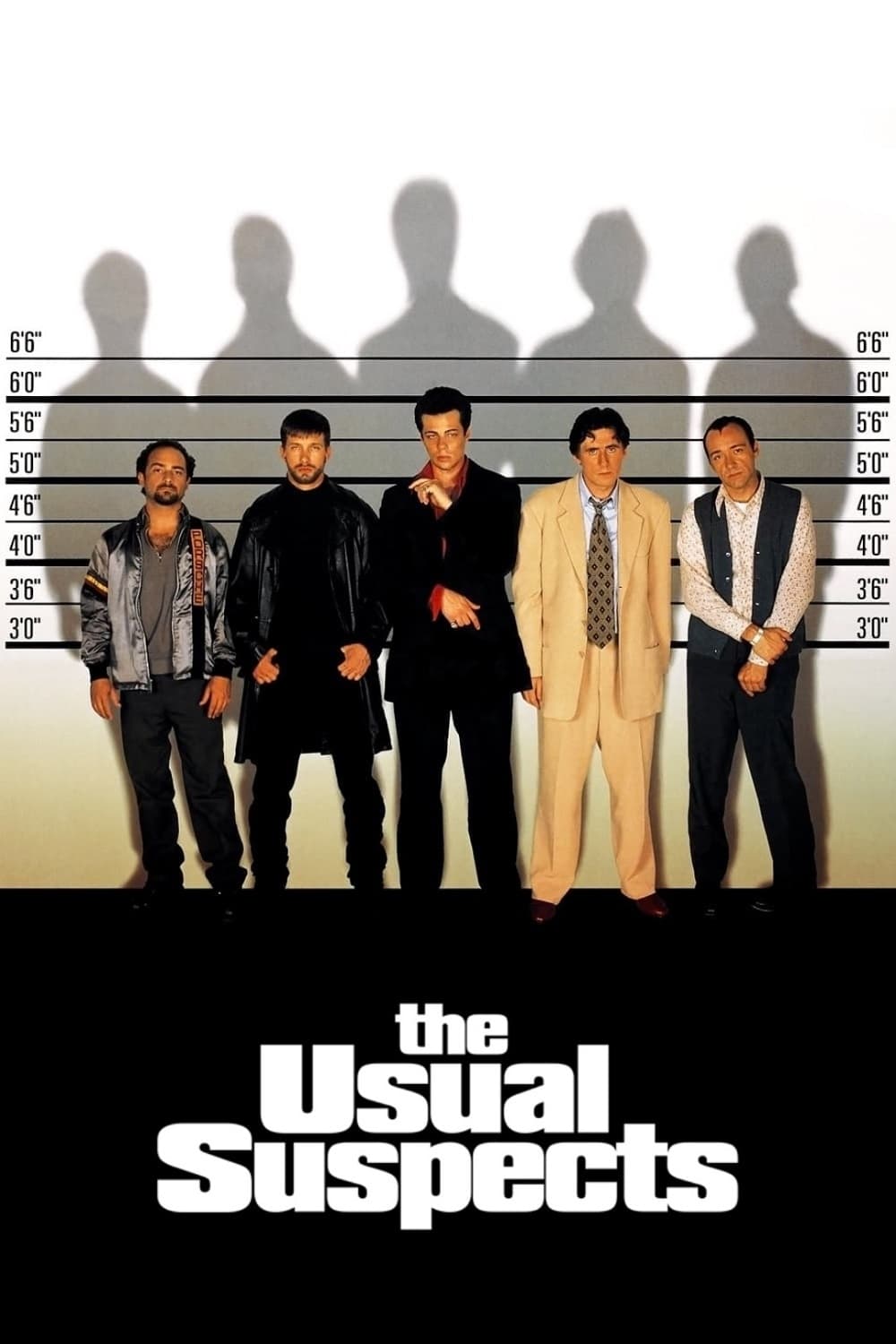
The story is framed by Verbal Kint’s testimony about the elusive Keyser Söze and a deadly heist. The twist suggests a shocking identity, but because the account is delivered by an admitted liar and the police evidence is contaminated by fabrication, the film never verifies which details are true.
The production received Oscars for supporting actor and original screenplay. Its structure relies on competing accounts and planted details, and the movie closes without an authoritative confirmation from the narrative itself, leaving the core revelation uncorroborated on-screen.
‘2001: A Space Odyssey’ (1968)
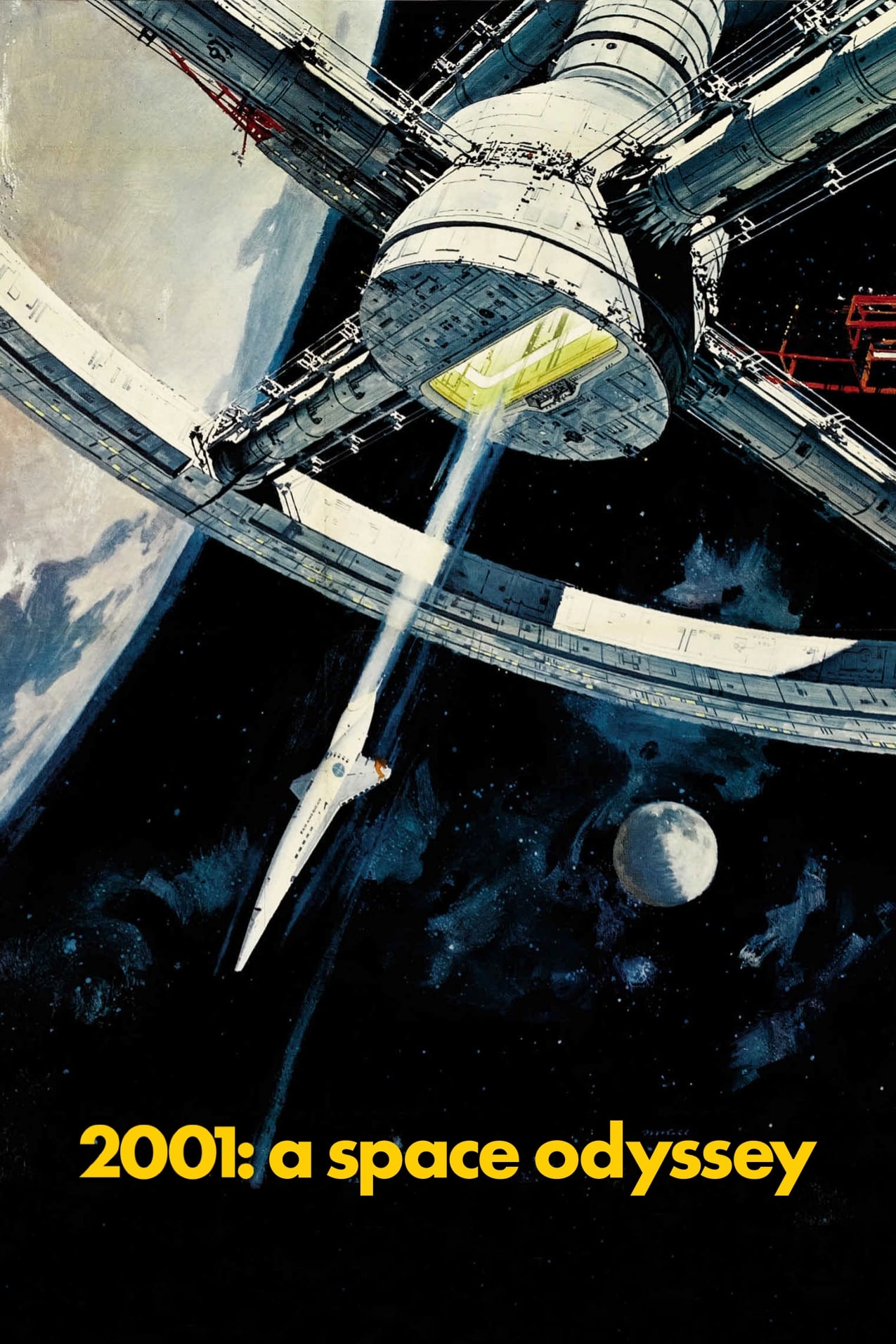
A series of encounters with monoliths culminates in an abstract transformation involving the astronaut Bowman and the Star Child. The film provides no verbal explanation for the monoliths’ origin, purpose, or the mechanics of the final metamorphosis.
The production earned an Academy Award for visual effects and is built around visual storytelling rather than exposition. Its ending presents imagery and progression that operate as evidence, but it does not supply an in-universe explanation, keeping the twist’s meaning unspoken within the film.
‘Birdman or (The Unexpected Virtue of Ignorance)’ (2014)

The final sequence shows Riggan’s daughter looking upward after he disappears from a hospital window. The film does not state whether this moment represents flight, death, or a subjective vision, and it offers no explicit clarifying detail afterward.
The movie won Best Picture, director, screenplay, and cinematography. It blends staged performance with offstage events and presents recurring visual motifs, yet it withholds any definitive on-screen explanation for the closing image, preserving the twist as an unresolved narrative choice.
‘Life of Pi’ (2012)
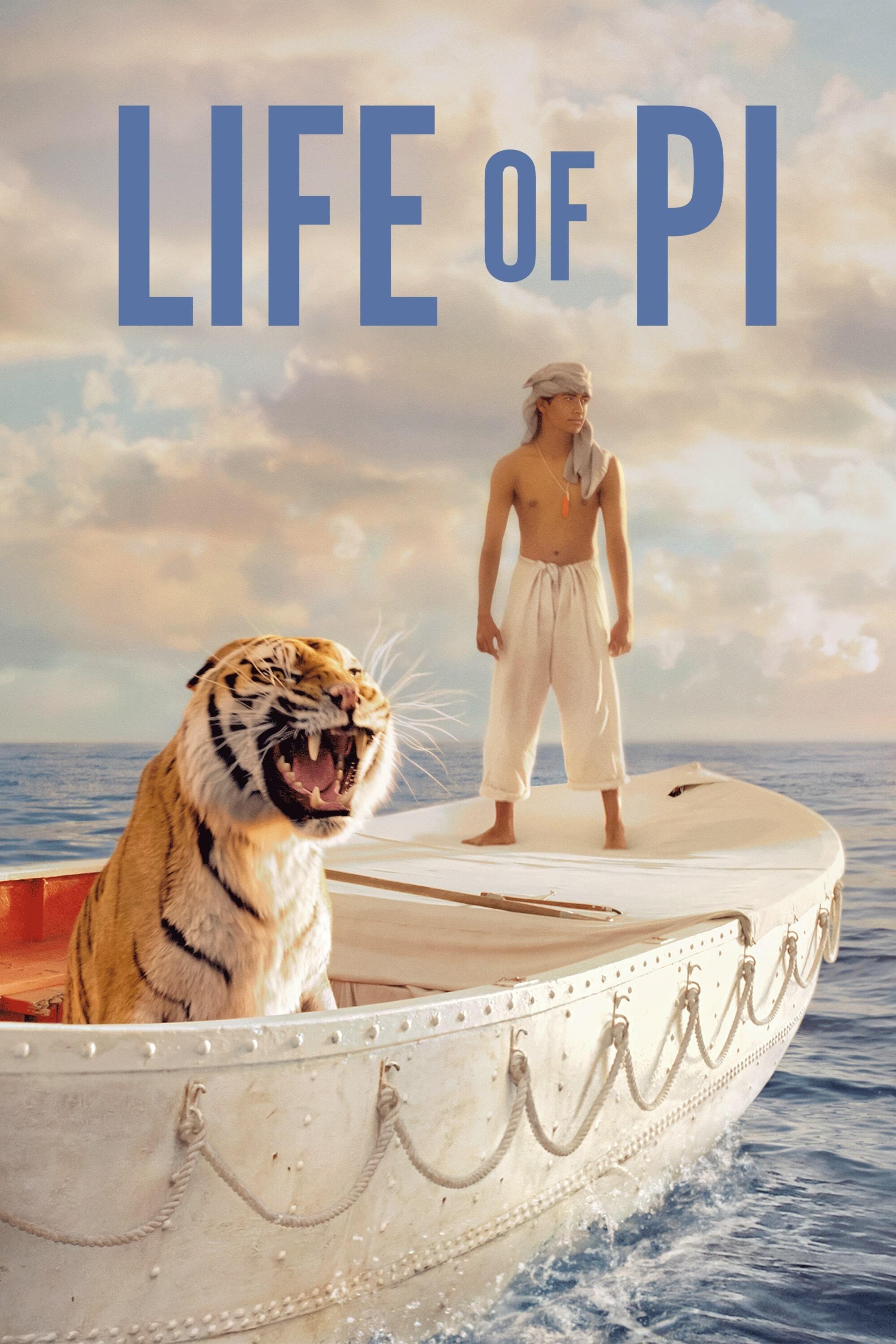
A survivor offers two mutually exclusive accounts of how he lived through a shipwreck—one involving animals on a lifeboat and another involving people. Authorities within the story select one version for their report, but the film does not declare which story is objectively true.
The production received multiple Oscars, including director, cinematography, score, and visual effects. Its narrative design foregrounds interpretation by presenting parallel accounts and documenting the official response, while stopping short of an explicit, canonical explanation in the film itself.
‘Joker’ (2019)
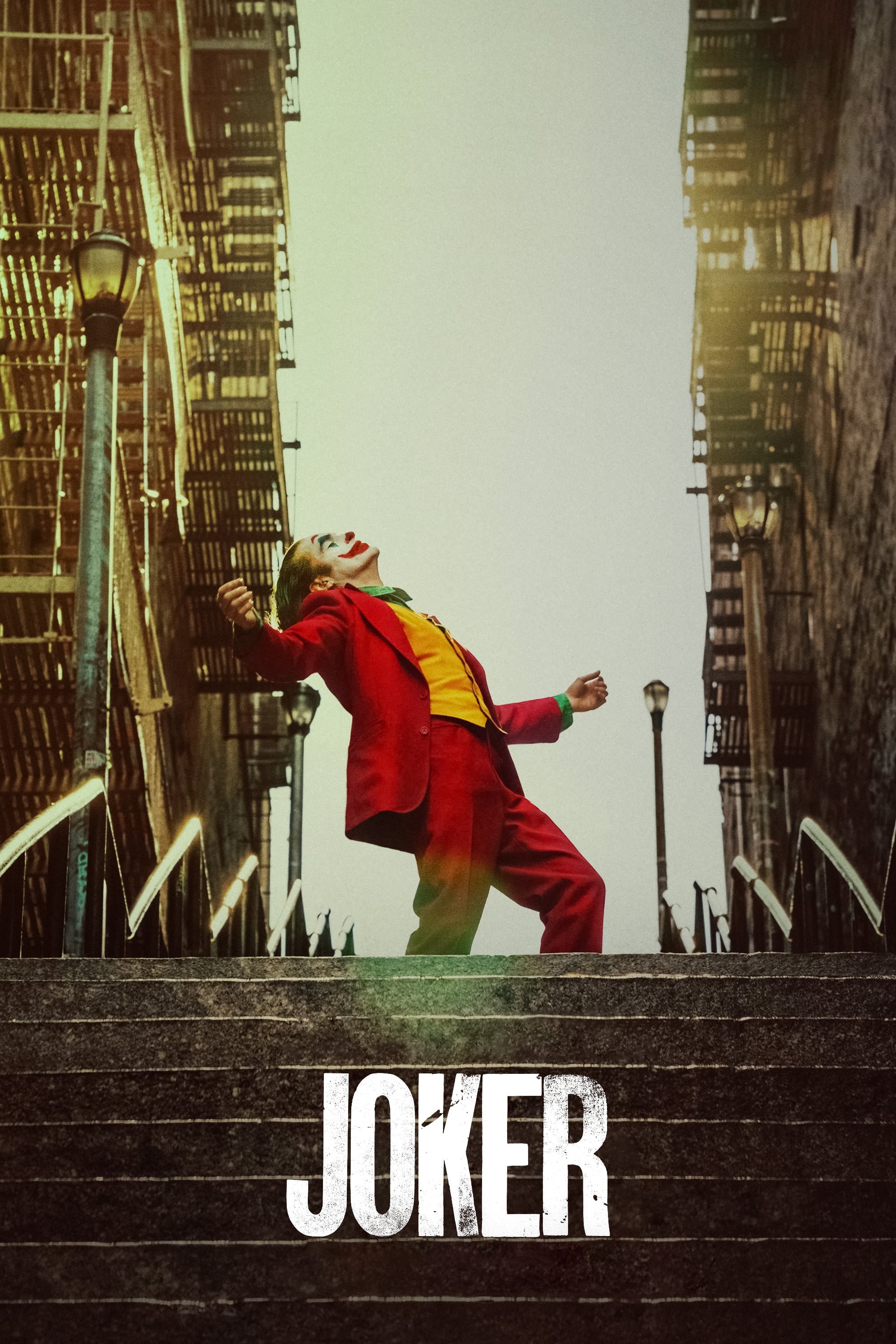
Several scenes rely on an unreliable point of view, including a relationship revealed as imagined and a final asylum sequence that raises questions about what occurred and when. The film never sorts these moments into confirmed reality versus delusion on-screen.
The production won Academy Awards for lead actor and original score. Its storytelling uses repeated images, mirrored situations, and abrupt transitions without adding expository confirmation, leaving the status of key events ambiguous within the narrative frame.
‘Pan’s Labyrinth’ (2006)
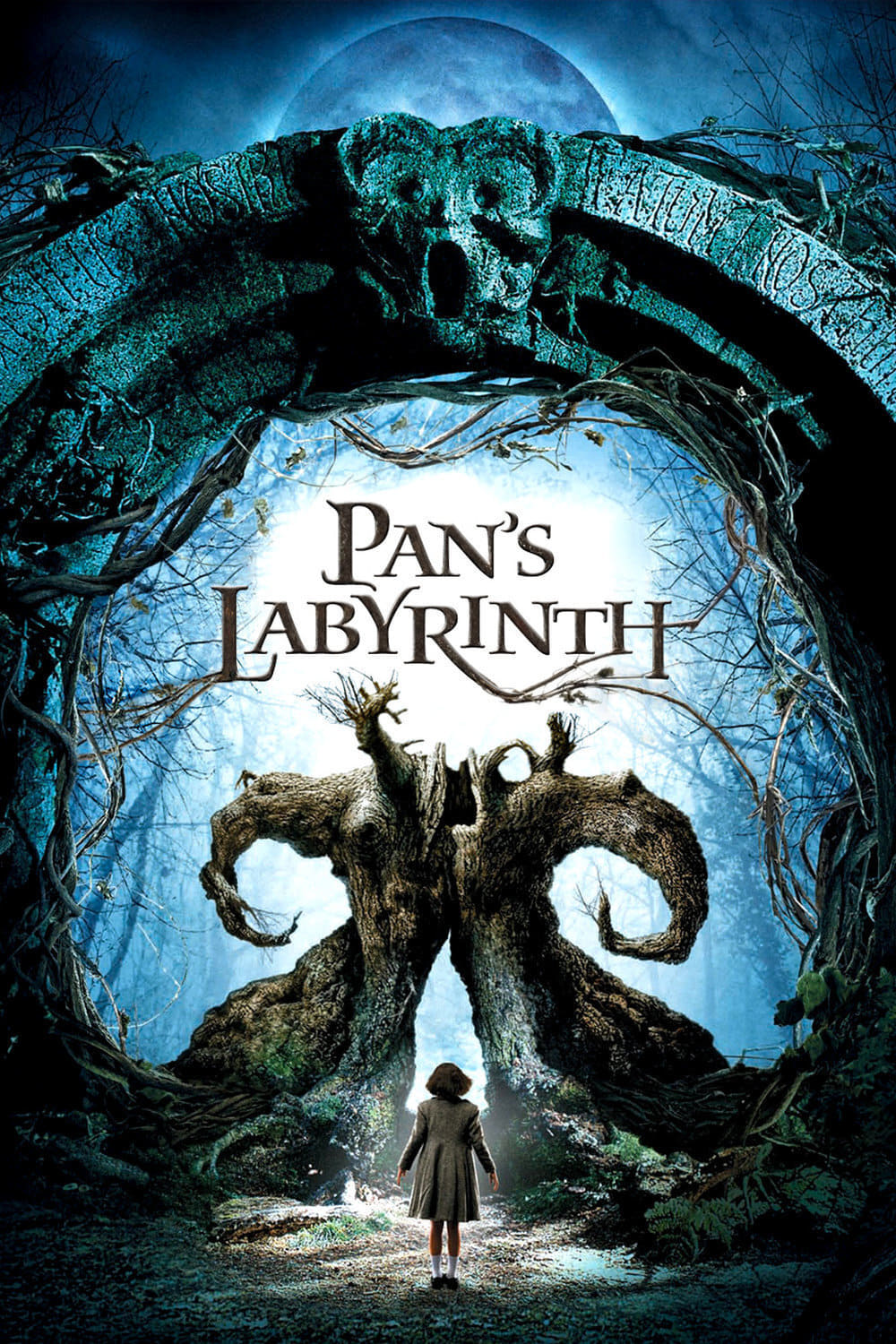
The plot follows a girl who encounters a faun and undertakes three tasks while living under a military outpost. The film never confirms whether the faun, the underworld, and the final transformation are literal or imagined, and it offers no definitive statement resolving that divide.
The movie won Oscars for art direction, cinematography, and makeup. It aligns fantasy sequences with real-world events and provides visual echoes between the two, but it maintains ambiguity by avoiding any explicit, on-screen explanation of the fantastical elements’ ontological status.
‘Rashomon’ (1950)
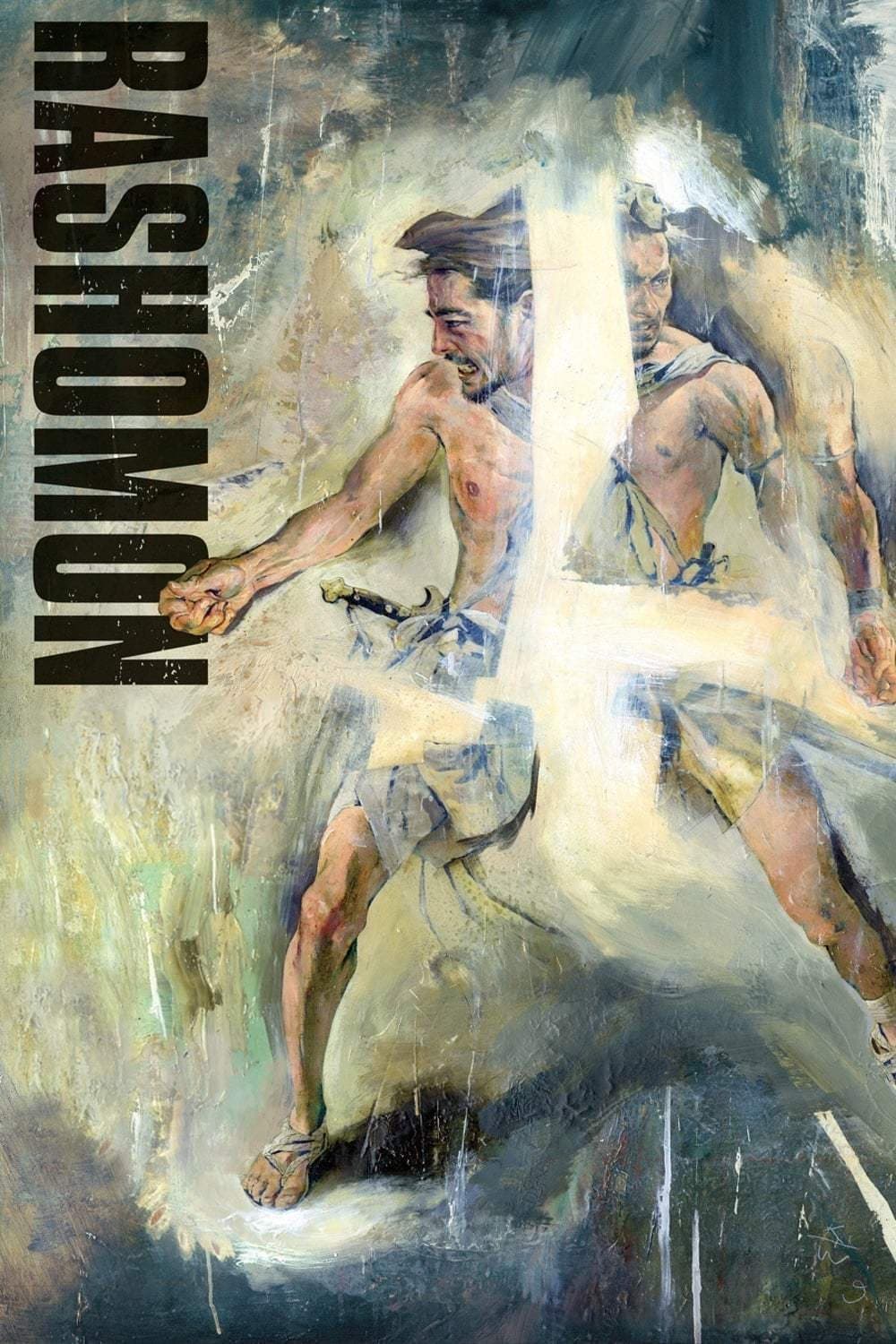
Four testimonies describe a crime in mutually contradictory ways, with each speaker offering a complete but incompatible account. The film never identifies a single authoritative version of events and provides no final arbiter to reconcile the differences.
The production received an Honorary Academy Award that recognized its achievement and helped introduce wider audiences to its storytelling approach. Its structure emphasizes perception and memory, and it concludes with the case unresolved by the narrative, keeping the central twist of “what really happened” unexplained.
‘The Shape of Water’ (2017)
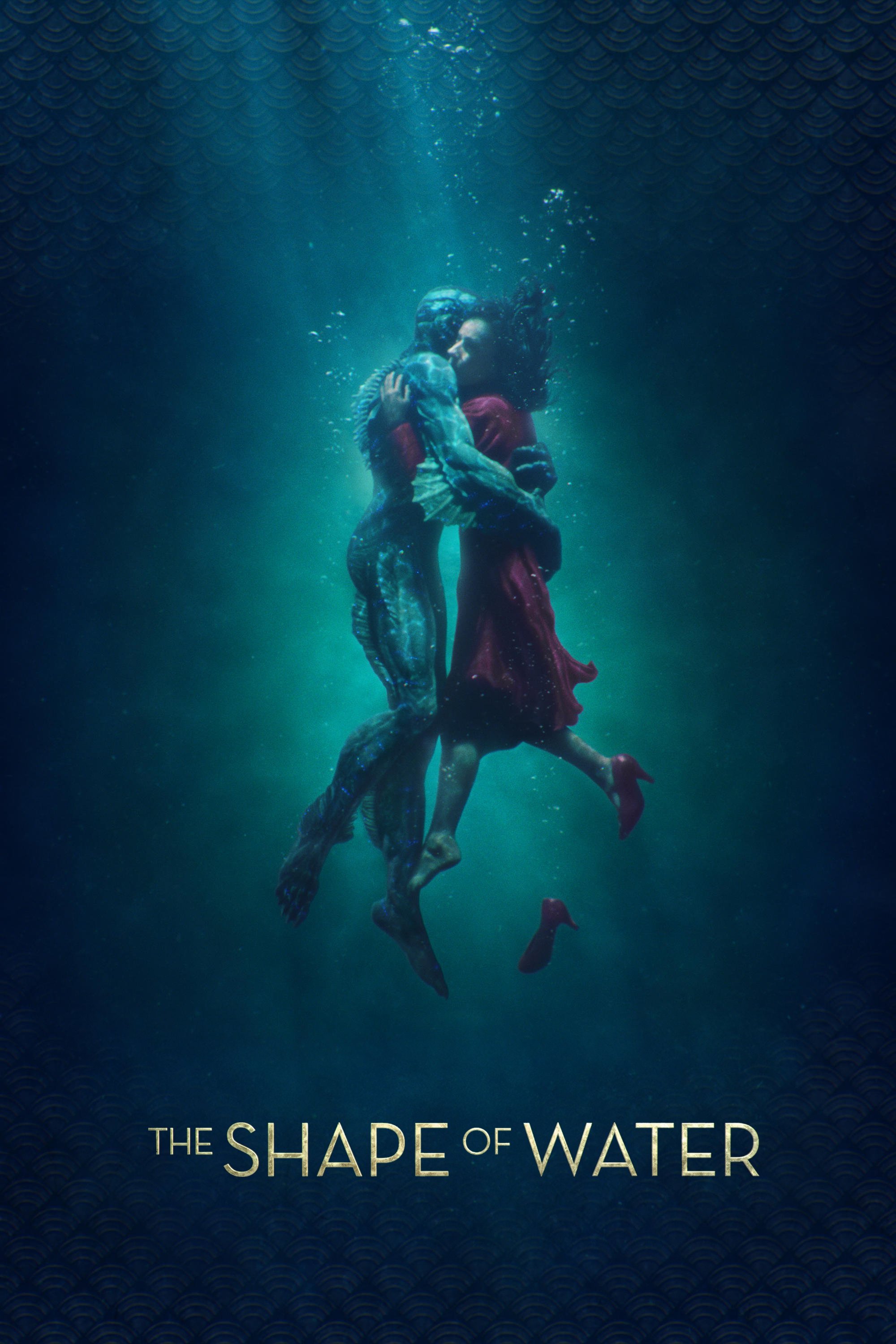
The ending places Elisa and the amphibian being underwater, with scars on her neck appearing as functional gills. The film does not supply an origin for these traits or a biological explanation for the transformation, and it leaves the precise nature of her connection to the creature undefined.
The production won Best Picture, director, production design, and score. It presents consistent visual cues and a fairy-tale framework while omitting any direct exposition that would explain the anatomical change or confirm a literal versus symbolic reading within the film.
‘The Power of the Dog’ (2021)
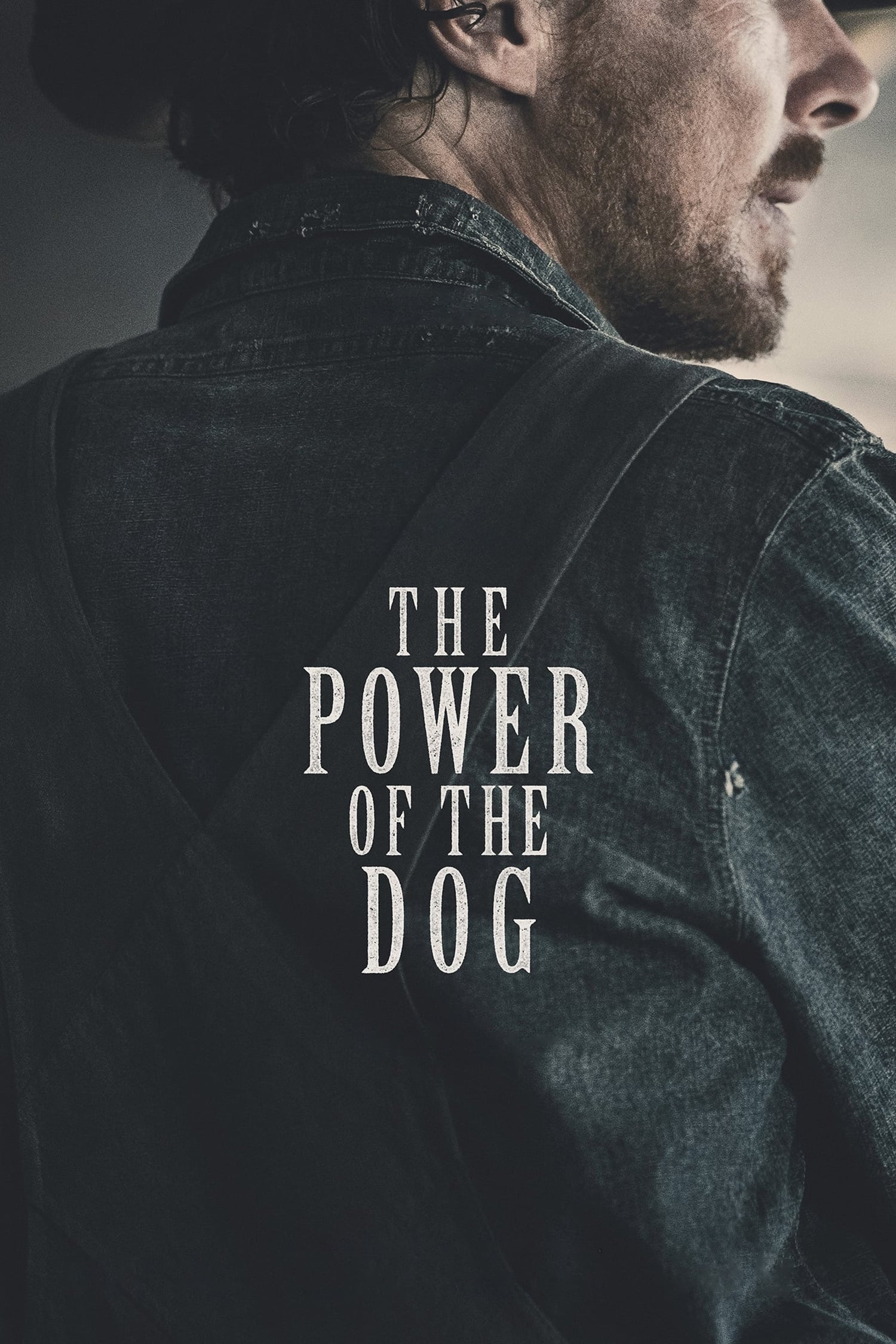
Clues involving diseased hides, careful ropework, and a sudden illness imply a concealed plan that leads to a death. The film assembles these elements in plain view but never has a character state the scheme aloud or detail its execution within the dialogue.
The production earned the Academy Award for director. Its storytelling places significant information in props, glances, and timing, and it ends without an explicit confession or explanatory scene, leaving the central twist to be inferred solely from what the camera shows.
Share your favorites in the comments and tell everyone which unresolved Oscar-winning twists you think work best.

