


10 Underrated Elvis Presley Movies You Must See

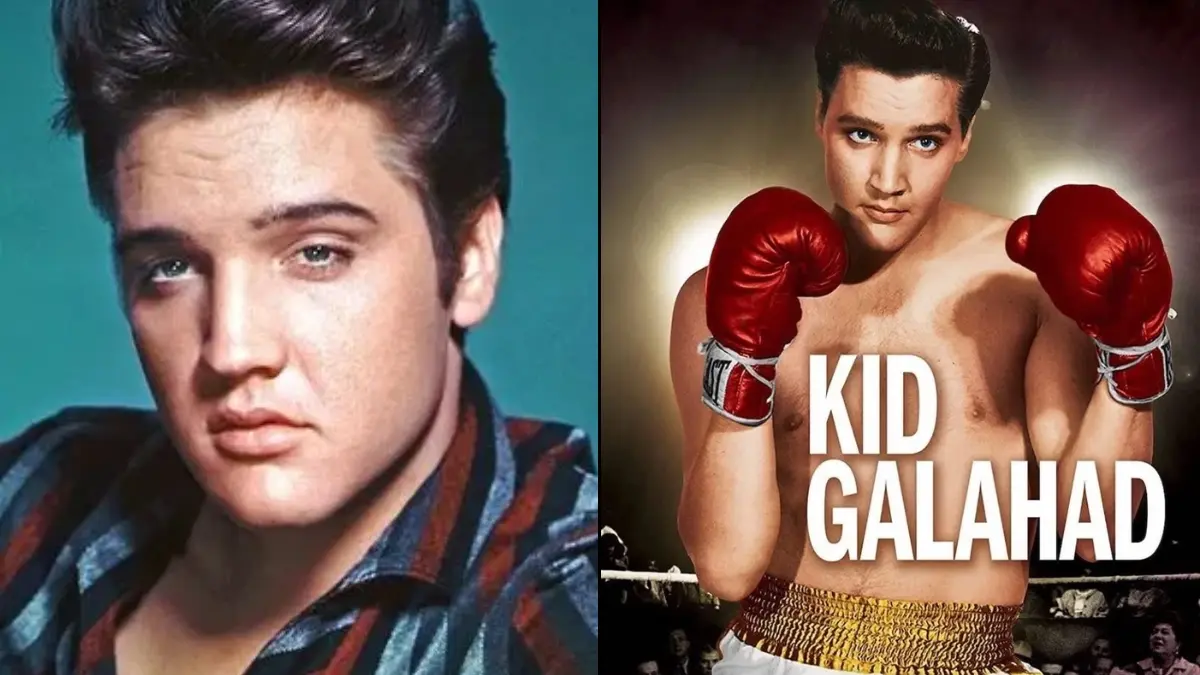


Elvis Presley made more than thirty features across a busy stretch of his career, working with major studios and directors while moving between musical comedies, westerns, and straight dramas. Beyond the chart hits and the headline roles, there is a deep bench of projects that show how varied his screen work really was, from serious storylines to experiments with genre and tone.
This list focuses on ten titles that often sit outside the usual conversation. Each entry notes the key players behind the camera, the co stars you will recognize, and the specific story beats and production choices that shaped the finished film. You will also find details on where they were shot, how the music was used, and what makes each project distinct within his body of work.
‘Flaming Star’ (1960)
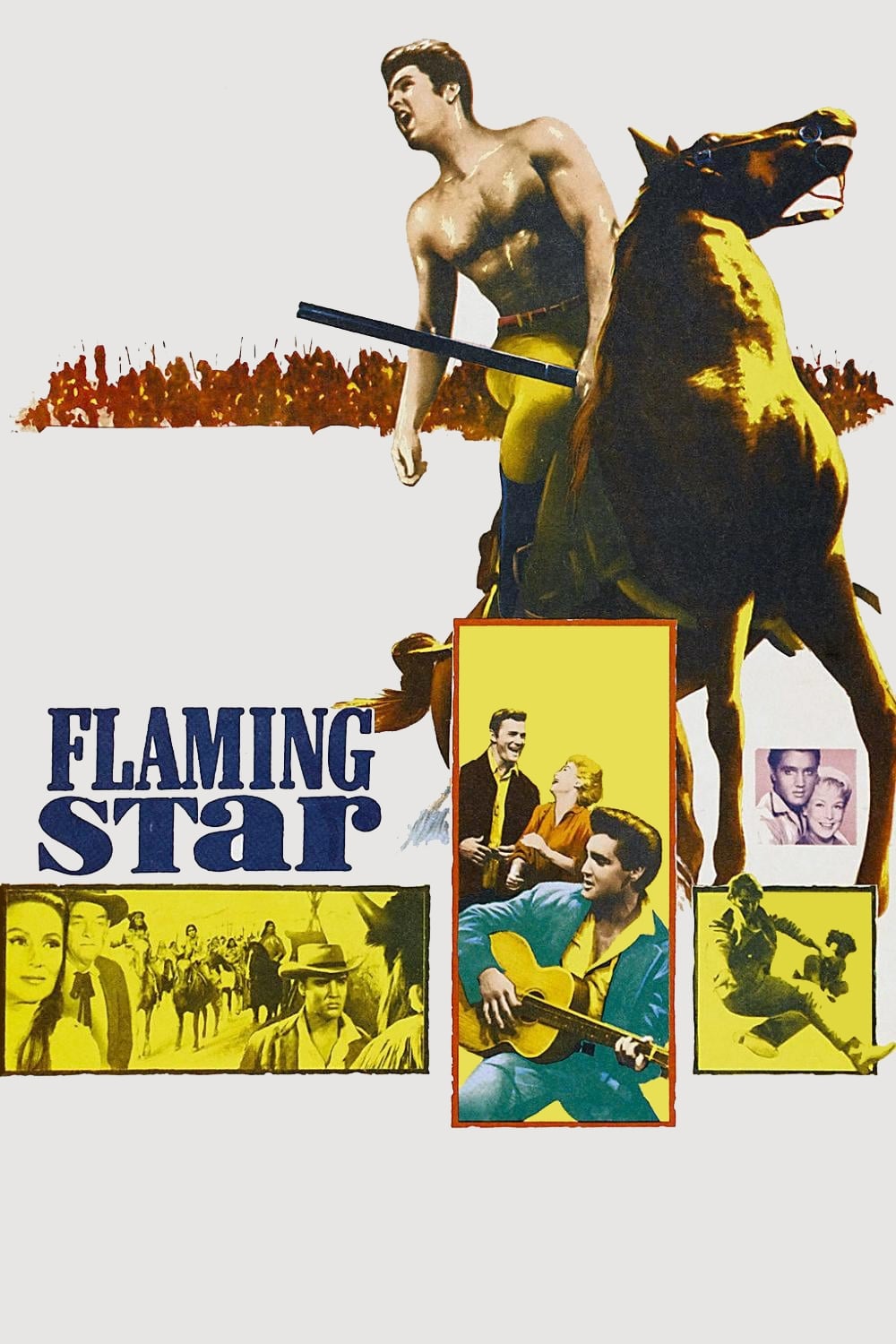
This western from 20th Century Fox pairs Elvis Presley with Dolores del Río under director Don Siegel. He plays Pacer Burton, a young man of mixed heritage caught between settlers and Kiowa people as conflict spreads across the frontier community. The cast includes Steve Forrest, Barbara Eden, and John McIntire, and the film centers on family ties and community pressures inside a borderlands setting.
The production limited musical numbers to keep the focus on the narrative, using the songs Flaming Star and A Cane and a High Starched Collar to support the story rather than steer it. Location work and practical sets anchor the period atmosphere, and studio records note Fox’s push to position the film as a serious western entry during a time when Presley was best known for musical leads.
‘Wild in the Country’ (1961)
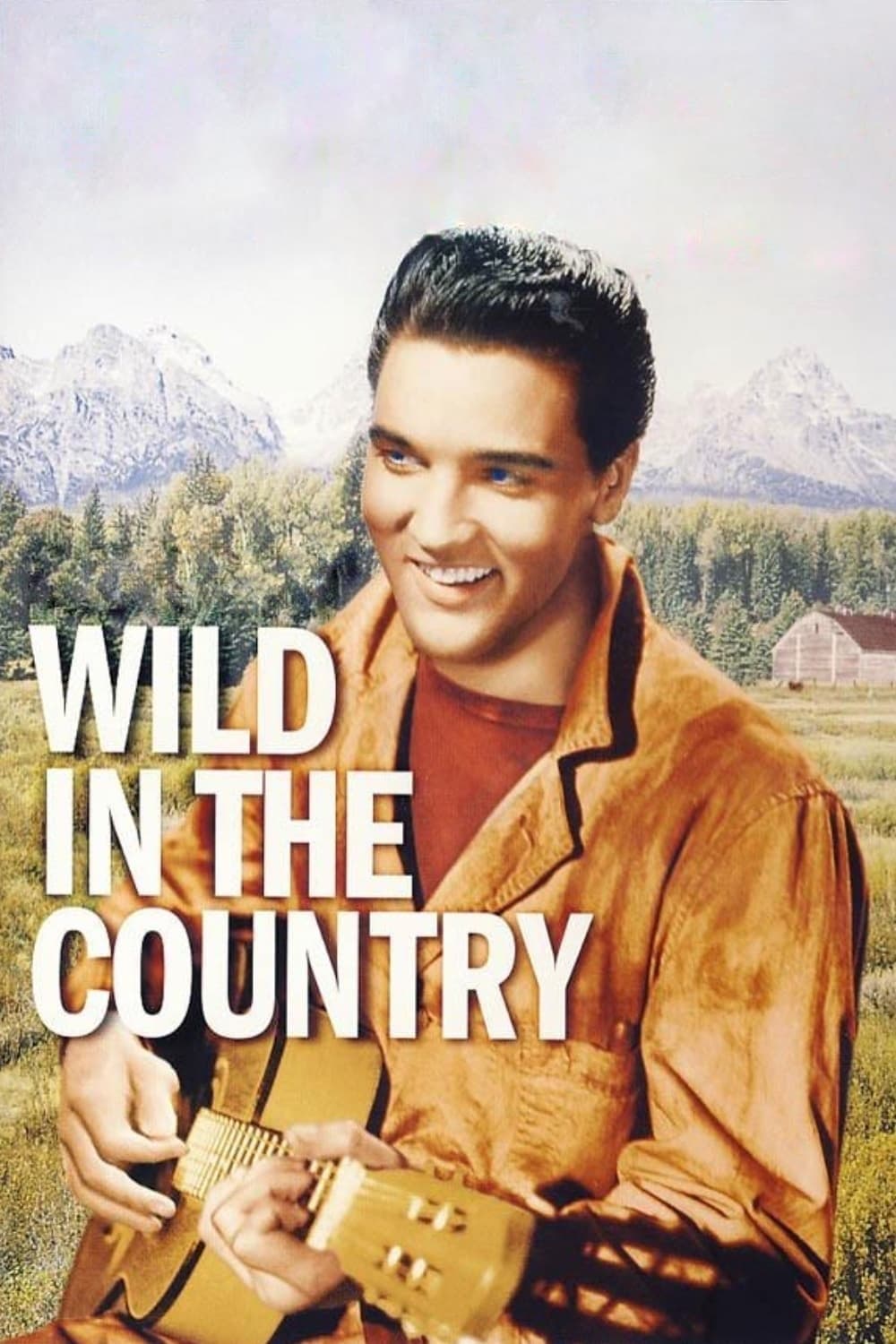
Produced by 20th Century Fox and directed by Philip Dunne, this drama adapts J R Salamanca’s novel The Lost Country. Presley plays Glenn Tyler, a troubled young man whose writing talent draws attention from a counselor played by Hope Lange. The story brings him into contact with characters played by Tuesday Weld and Millie Perkins as he tries to move past a violent family history.
The soundtrack includes Wild in the Country, I Slipped I Stumbled I Fell, and In My Way, all placed to serve character development rather than stage performance. Fox shot interiors on the lot and used rural locations to match the novel’s setting, and publicity materials emphasized the literary source and the author’s themes to frame the production for audiences.
‘Follow That Dream’ (1962)
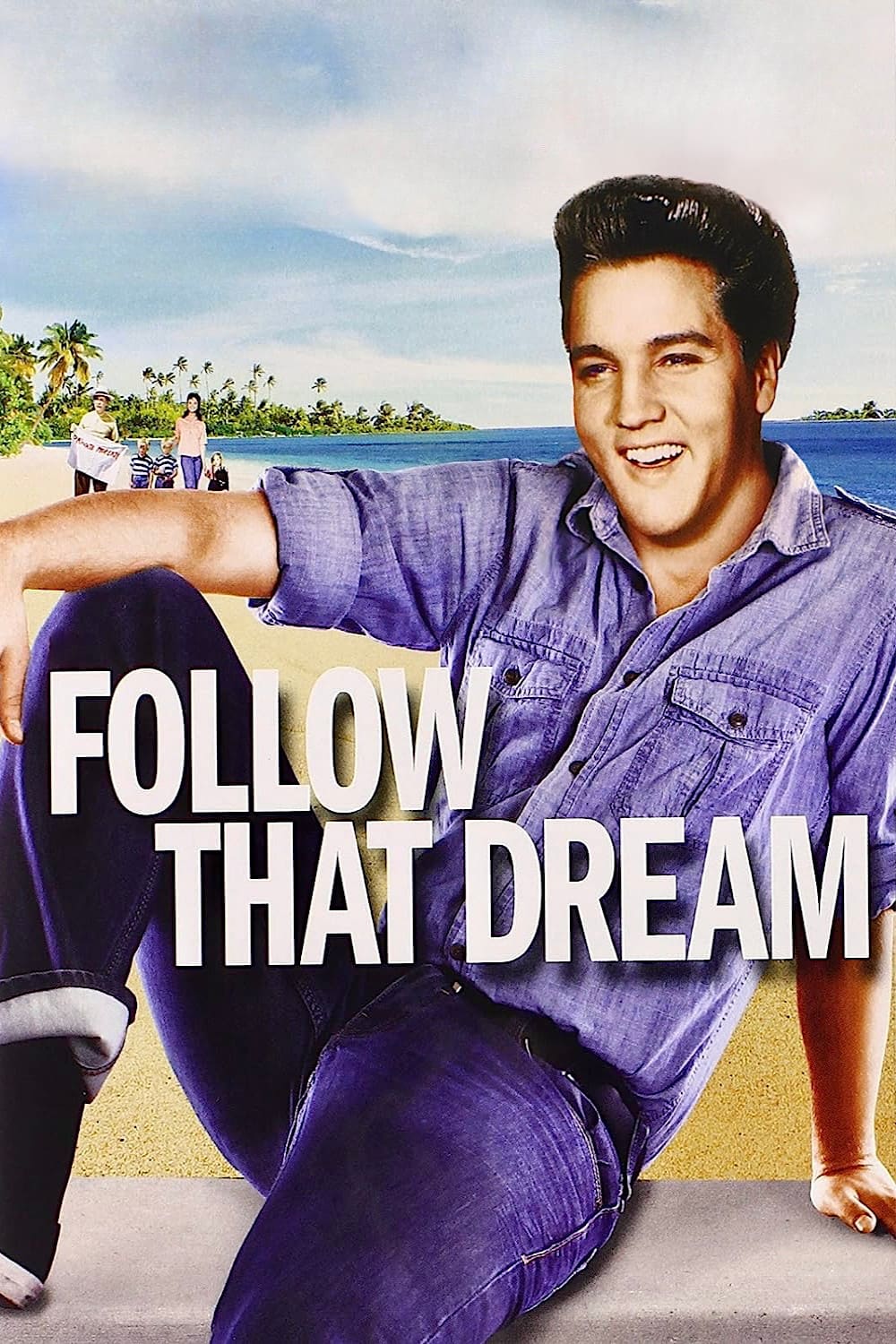
The Mirisch Company produced this United Artists release with Gordon Douglas directing. Presley stars as Toby Kwimper, whose family stakes a homestead claim along a new highway in Florida, creating friction with local officials and opportunists. The screenplay adapts Richard P Powell’s novel Pioneer Go Home and gives space to supporting turns from Anne Helm and Arthur O’Connell.
Filming took place along Florida’s Gulf Coast, where the crew used shoreline stretches and small town streets to depict the Kwimpers’ makeshift community. The companion EP gathered songs like Follow That Dream and Angel, and studio notes highlight the decision to pair light comedy with procedural details about permits, jurisdiction, and land claims to give the premise a grounded feel.
‘Kid Galahad’ (1962)
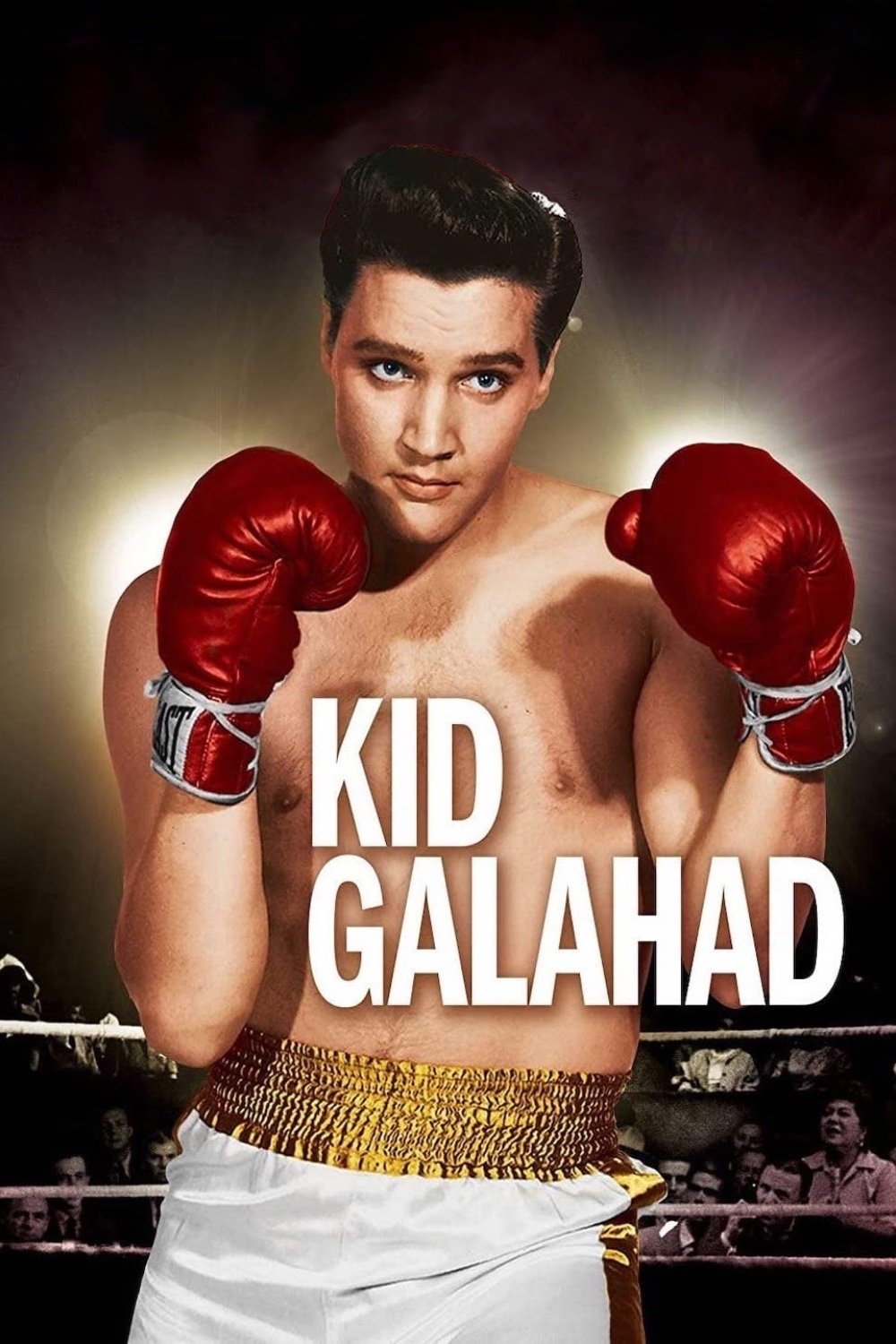
This Mirisch and United Artists production is a boxing remake that relocates the earlier story for a contemporary audience. Presley plays Walter Gulick, a former service mechanic who takes a job at a training camp and is discovered to have a natural punch. Gig Young and Lola Albright play the couple who run the operation, and Charles Bronson appears as a hard driving trainer.
The music set includes King of the Whole Wide World, I Got Lucky, and Home Is Where the Heart Is, recorded to fit around gym and camp settings rather than stage shows. Filming used mountain and resort areas in California to stand in for the training retreat, and production reports detail coordination with boxing consultants for sparring choreography and ring technique.
‘Roustabout’ (1964)
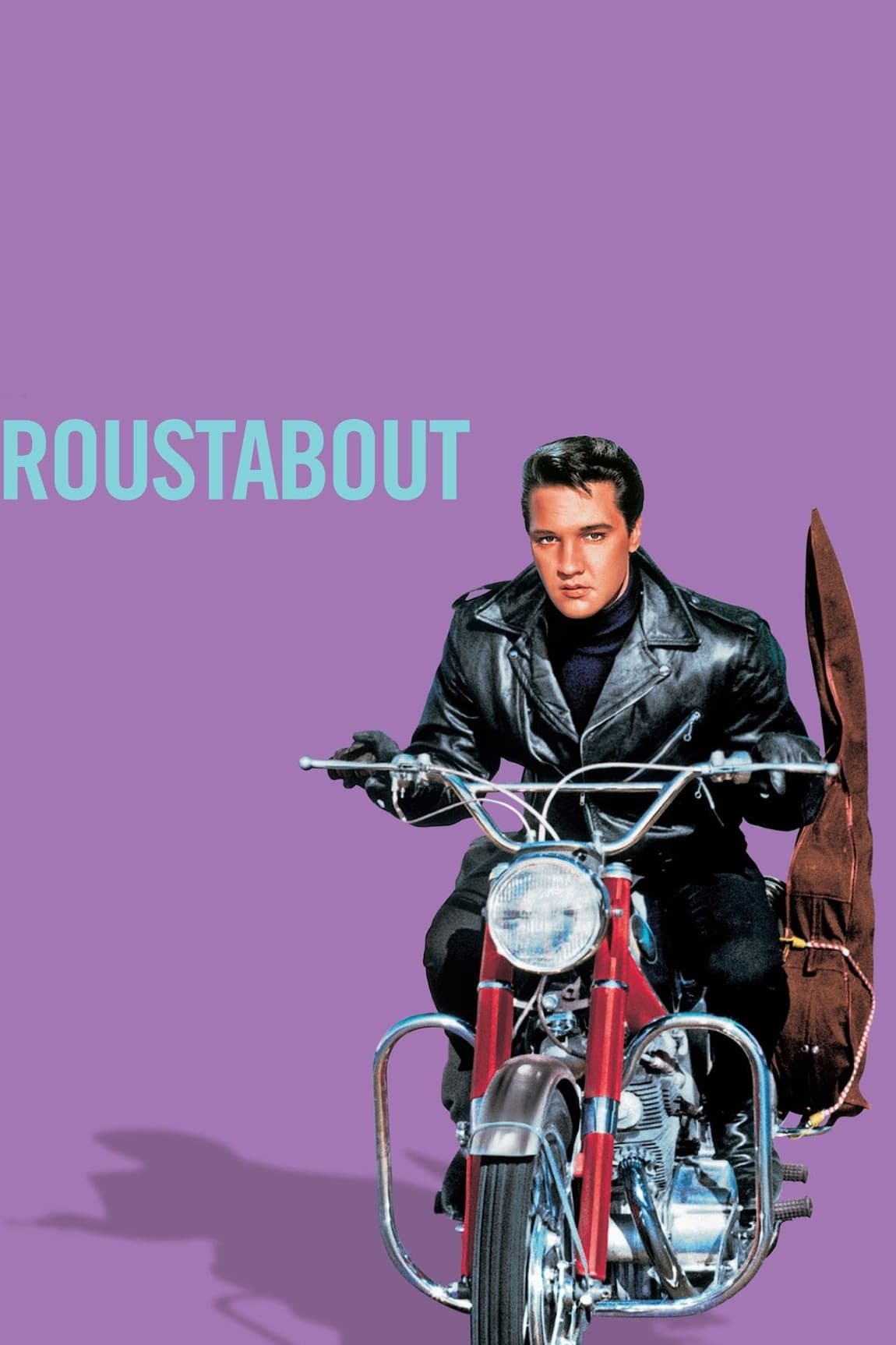
Paramount Pictures cast Presley as Charlie Rogers, a biker singer who joins a traveling carnival run by a character played by Barbara Stanwyck. The plot follows the show’s route as it rebuilds after setbacks, with Joan Freeman and Leif Erickson among the featured players. John Rich directed, using a mix of backlot builds and field locations to capture midway life.
The soundtrack features Roustabout, Little Egypt, and Big Love Big Heartache, arranged to integrate with carnival performances and rehearsal scenes. Paramount scheduled the shoot to coincide with an available carnival set and brought in midway consultants for ride operation and tent rigging, and the album release aligned closely with the film’s rollout to reinforce the theme across formats.
‘Tickle Me’ (1965)
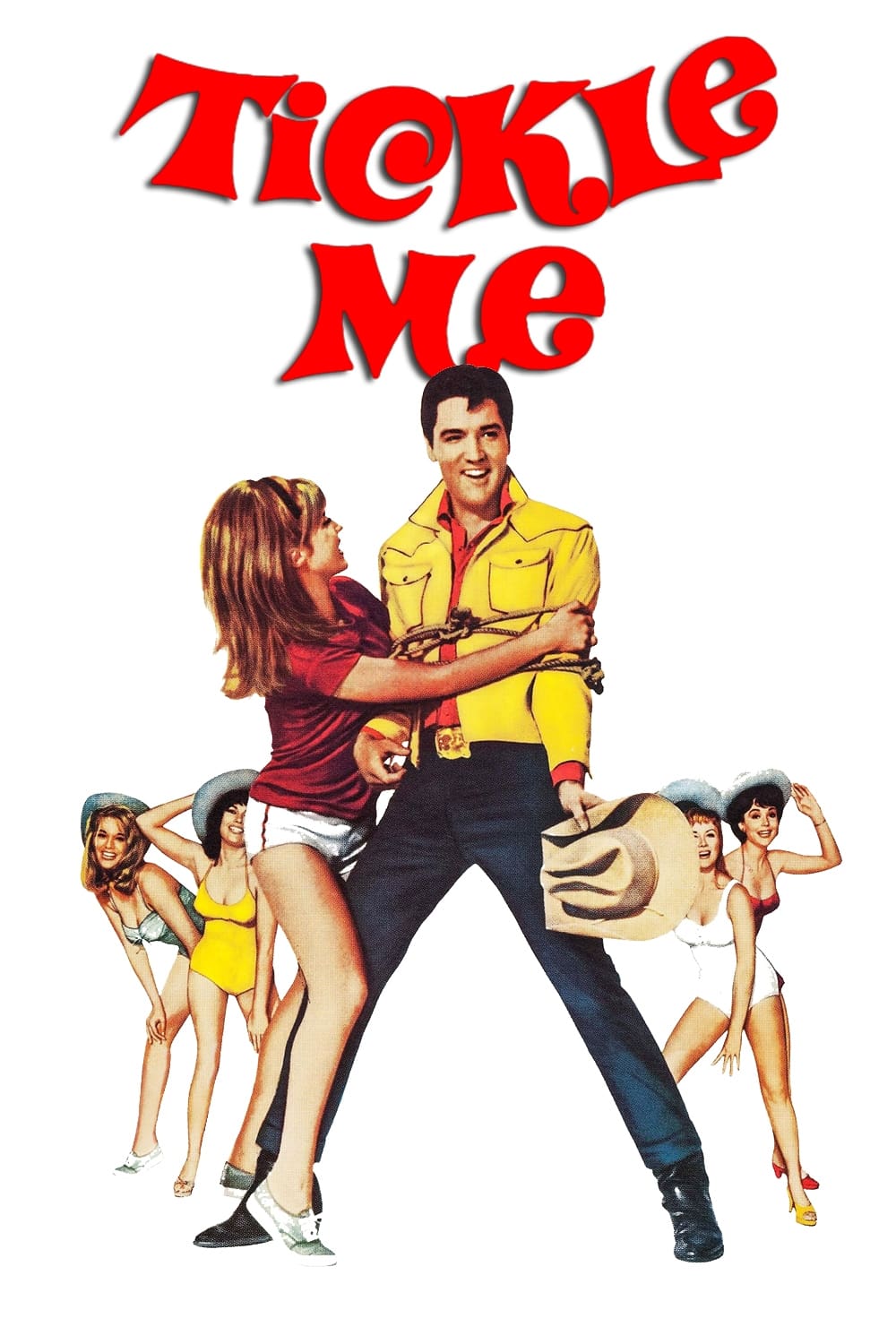
Allied Artists Pictures produced this comedy vehicle with Presley as Lonnie Beale, a rodeo hand who takes a job at a health ranch that sits near an old ghost town. Jocelyn Lane and Julie Adams co star as the operations team that gets drawn into a search for rumored treasure, with the plot shifting between spa routines and desert chases.
To manage costs, the studio licensed previously recorded tracks from RCA rather than commissioning all new sessions, which is why the film features It Feels So Right, I Need Your Love Tonight, and Such an Easy Question. The crew used standing western backlots and ranch locations around Los Angeles for the ghost town sequences, and stunt teams coordinated horseback and chase work across familiar movie streets.
‘Spinout’ (1966)
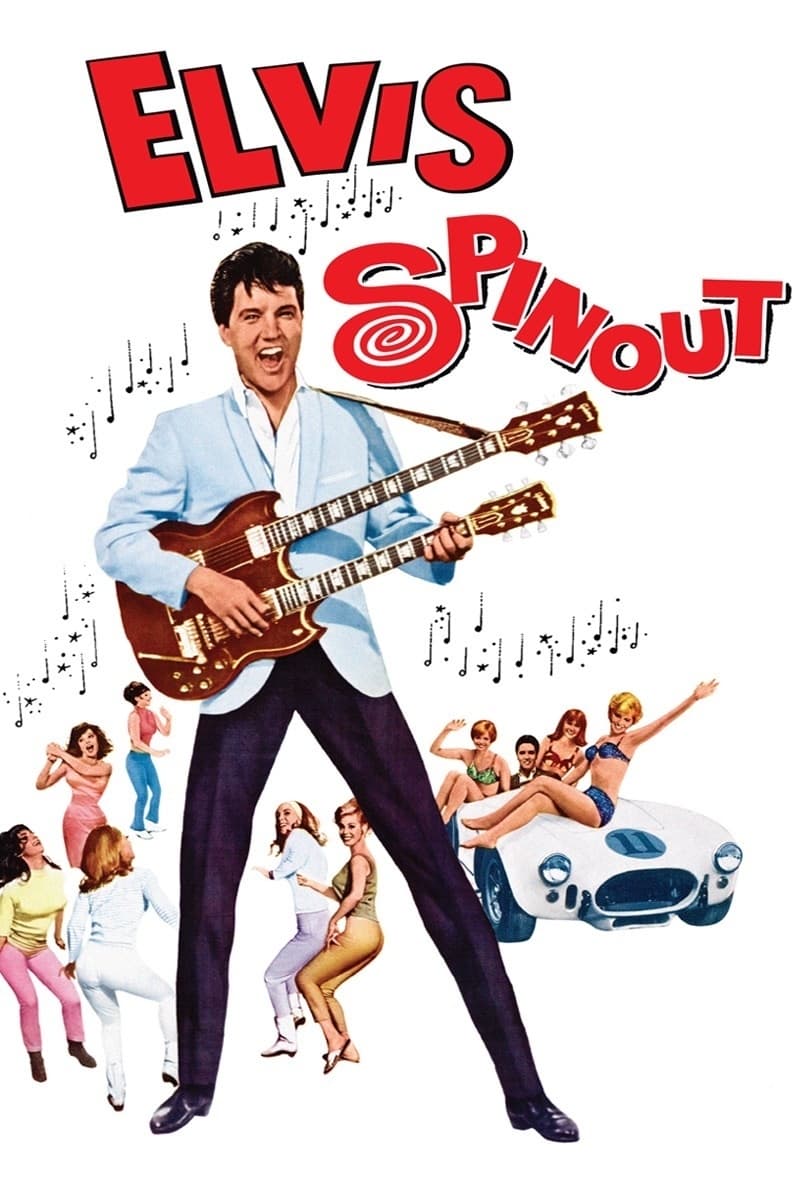
MGM cast Presley as Mike McCoy, a bandleader who also drives in sports car events, and built the story around his itinerant crew and a trio of determined admirers. Shelley Fabares, Diane McBain, and Deborah Walley form the central ensemble, and the plot threads together rehearsal scenes, tour dates, and race weekends under director Norman Taurog.
Songs like Spinout, Stop Look and Listen, and Adam and Evil appear during club sets and practice sessions that fit the band’s schedule. The production filmed driving footage on closed courses and included coordination with racing consultants for pit lane staging and safety gear, and the music team recorded cues to cut cleanly against engine noise and public address effects.
‘Live a Little, Love a Little’ (1968)
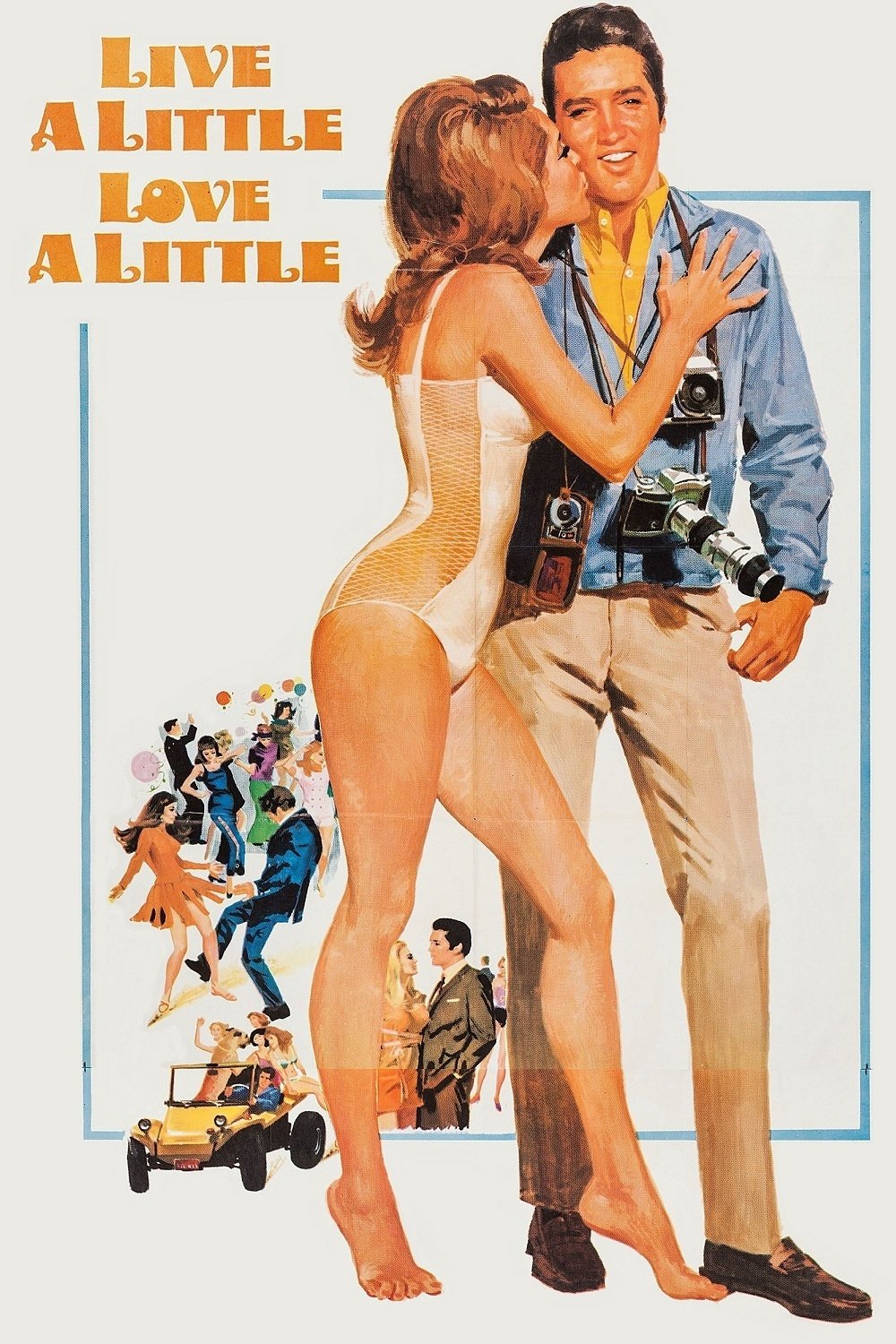
MGM’s production places Presley in Los Angeles as Greg Nolan, a fashion and advertising photographer who ends up working for two rival publications at the same time. Michele Carey plays a free spirited neighbor who repeatedly disrupts his routine, while Don Porter anchors the magazine side as an exacting editor character.
The film introduced A Little Less Conversation, used over a club performance and as a recurring theme, and Edge of Reality in a dream sequence that plays within the story. Location work uses coastal and high rise settings to mark Greg’s assignments around the city, and the production team alternates studio interiors with on the street photography to mirror the character’s schedule.
‘Charro!’ (1969)
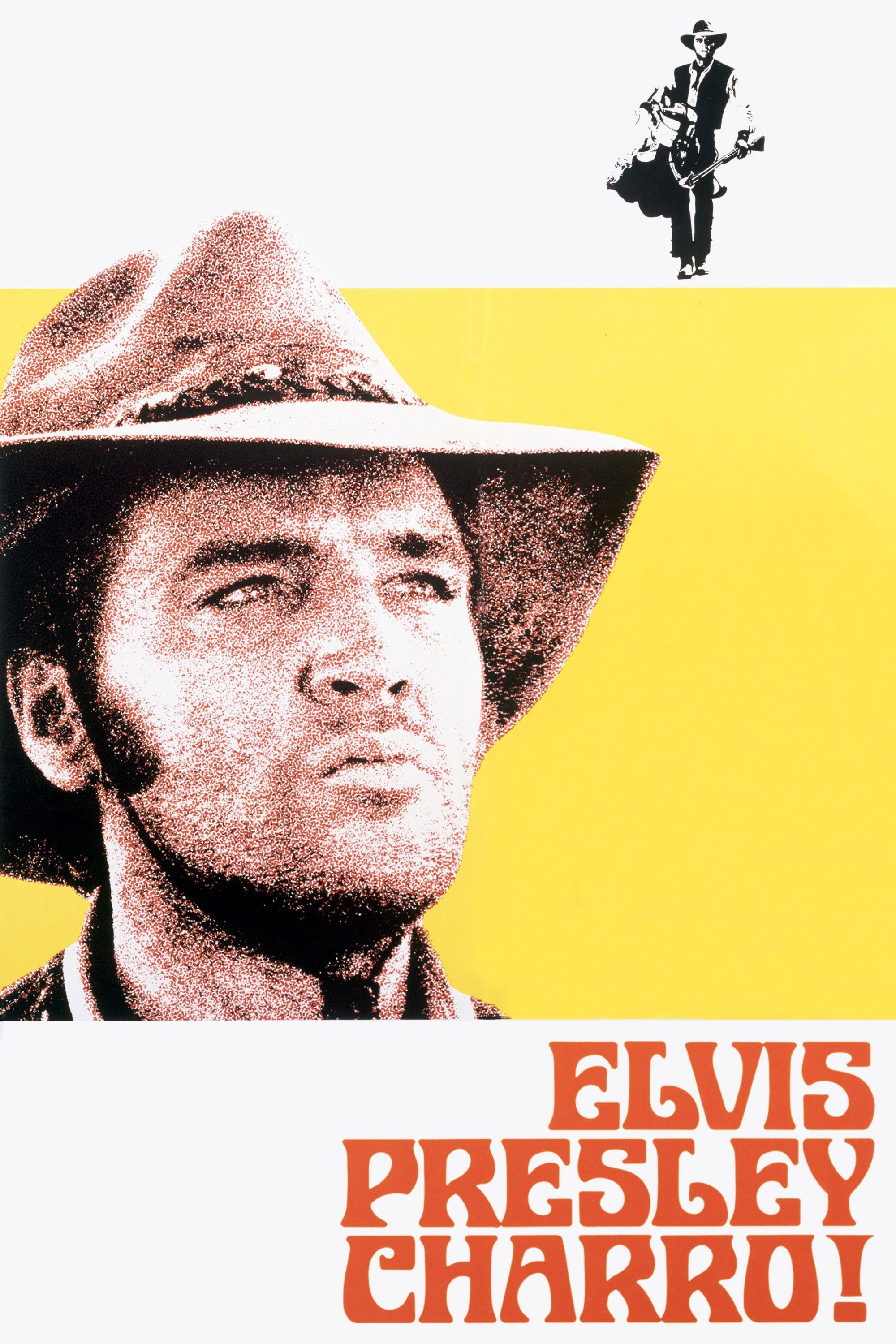
National General Pictures released this Charles Marquis Warren western with Presley as Jess Wade, a former outlaw trying to stop his old gang from using a stolen cannon to terrorize a border town. Ina Balin and Victor French co star, and the plot centers on attempts to defend the town while confronting past alliances.
The film departs from the usual format by placing only a single song over the titles and keeping music otherwise instrumental to support the western tone. Production took place at Old Tucson Studios and surrounding Arizona locations, giving the shoot access to established streets, saloons, and desert trails, and the wardrobe team added period beards and dusted gear to match the rugged setting.
‘The Trouble with Girls’ (1969)
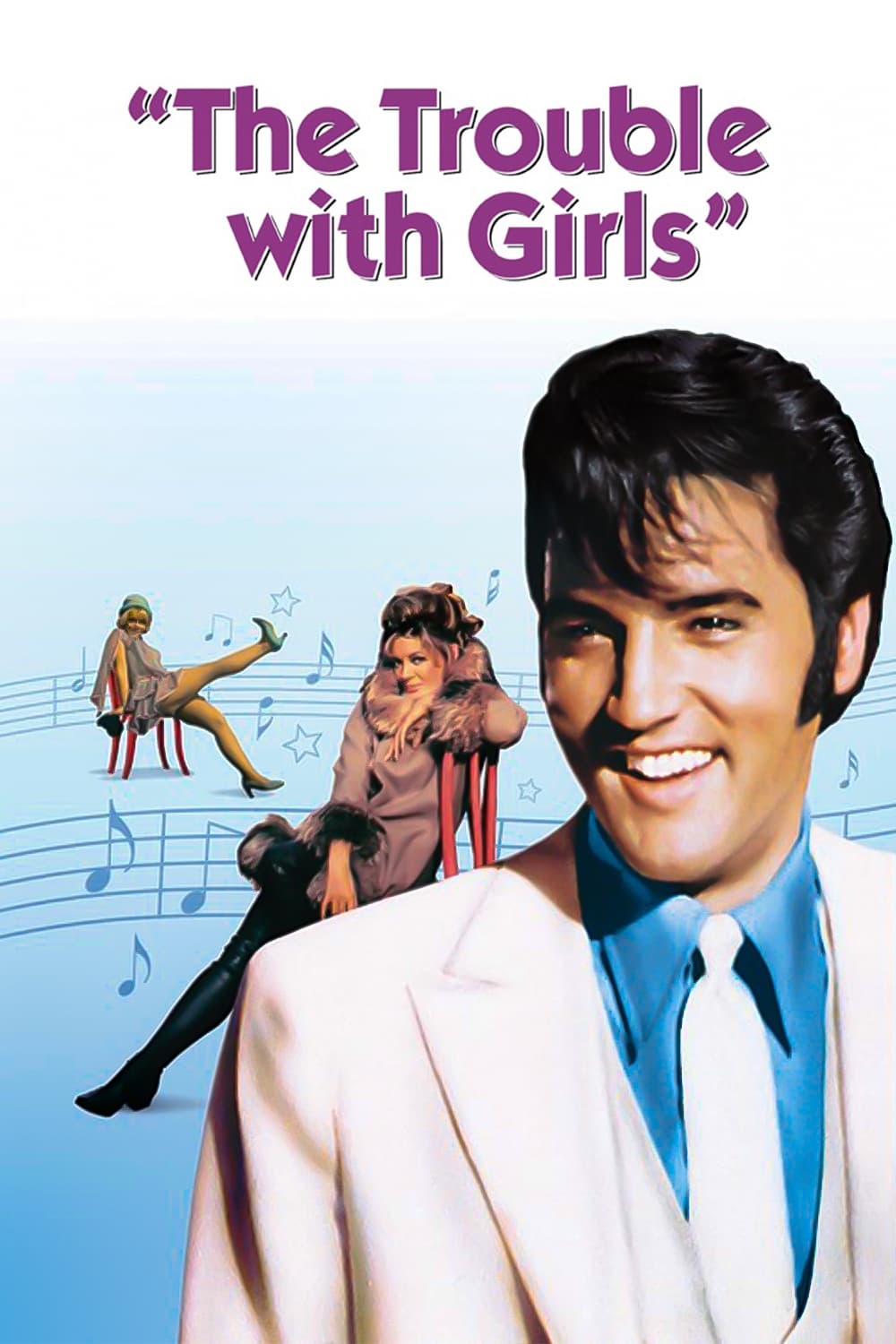
MGM set this story within a traveling Chautauqua troupe where Presley’s character Walter Hale manages a roster of lecturers, musicians, and performers. Marlyn Mason and Sheree North appear in key roles as the company brings a series of cultural programs to a small town and navigates local disputes and changing expectations.
Songs include Clean Up Your Own Backyard and Swing Down Sweet Chariot, folded into company events and rehearsal scenes that match the Chautauqua format. Sets and costumes recreate turn of the century tents, uniforms, and publicity banners, and the script weaves in a labor issue and a local investigation that affect the troupe’s itinerary and outreach plans.
Share your favorite lesser known Elvis screen pick in the comments and tell everyone which scene they should not miss.

