


10 Underrated Frank Sinatra Movies You Must See


Frank Sinatra’s screen career stretches from wartime musicals to gritty thrillers and war dramas. He won an Academy Award for ‘From Here to Eternity’ and earned a Best Actor nomination for ‘The Man with the Golden Arm’, yet his filmography contains many titles that do not appear as often in quick retrospectives. The range is broad, with roles built around comedians, detectives, soldiers, and ordinary men under pressure.
This list shines a light on projects that show his craft across different genres and production contexts. You will find literary adaptations, international collaborations, and films that introduced notable songs or characters that later echoed through popular culture. Each entry below gives you the essentials to help you track them down and appreciate where they fit in his body of work.
‘Suddenly’ (1954)
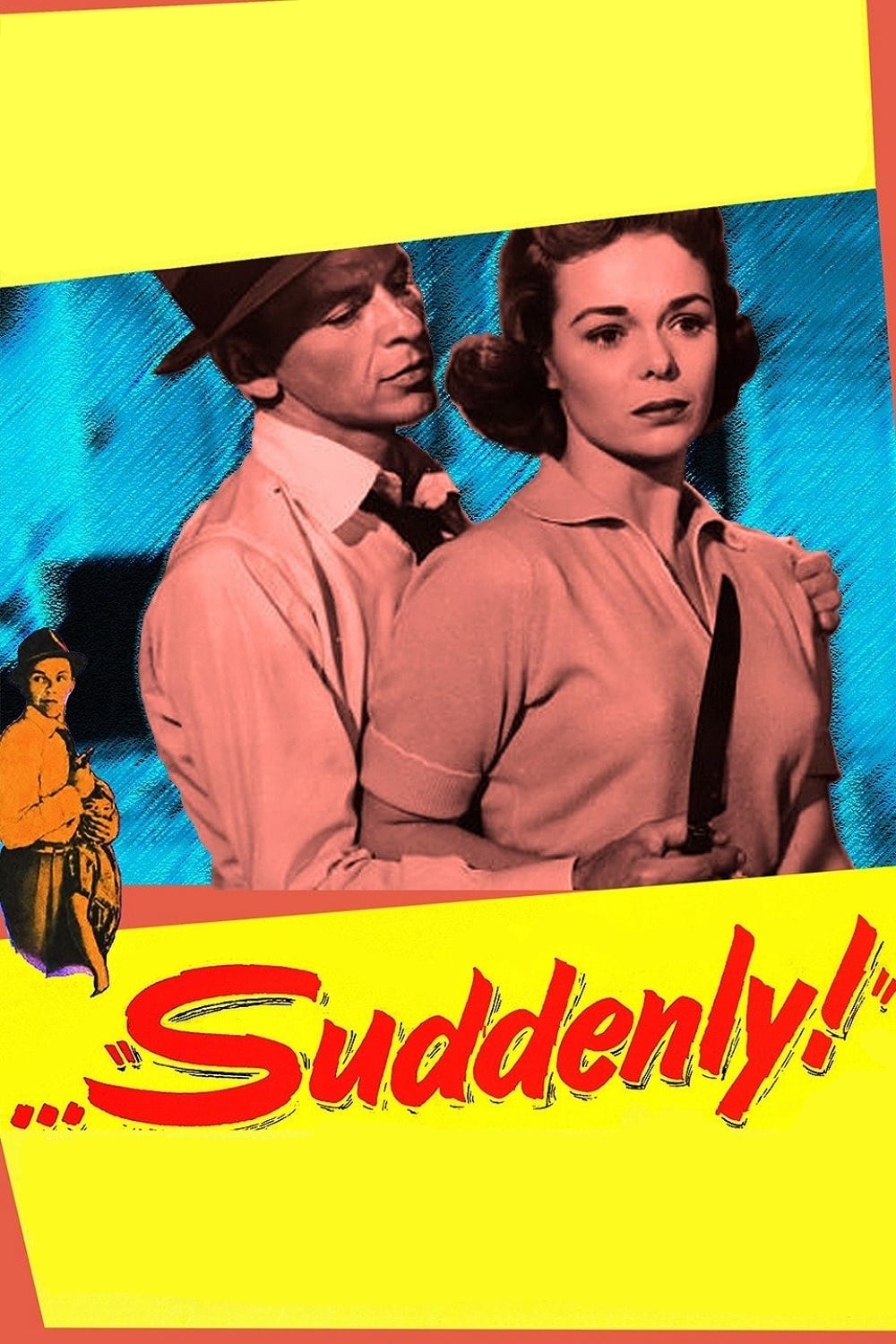
In ‘Suddenly’ Sinatra plays John Baron, a contract killer who seizes a family home above a small town train station as part of a plot to assassinate the President during a brief stopover. The story unfolds in near real time inside a single house as law enforcement led by Sterling Hayden’s character works to break the siege and protect the town. The film was directed by Lewis Allen and written by Richard Sale.
The production was an independent release that reached audiences widely through television and later home media. Nancy Gates and James Gleason round out the central ensemble, and the script makes tight use of confined space to build tension through standoffs and negotiations. The title refers to the California town where the action is set.
‘The Joker Is Wild’ (1957)
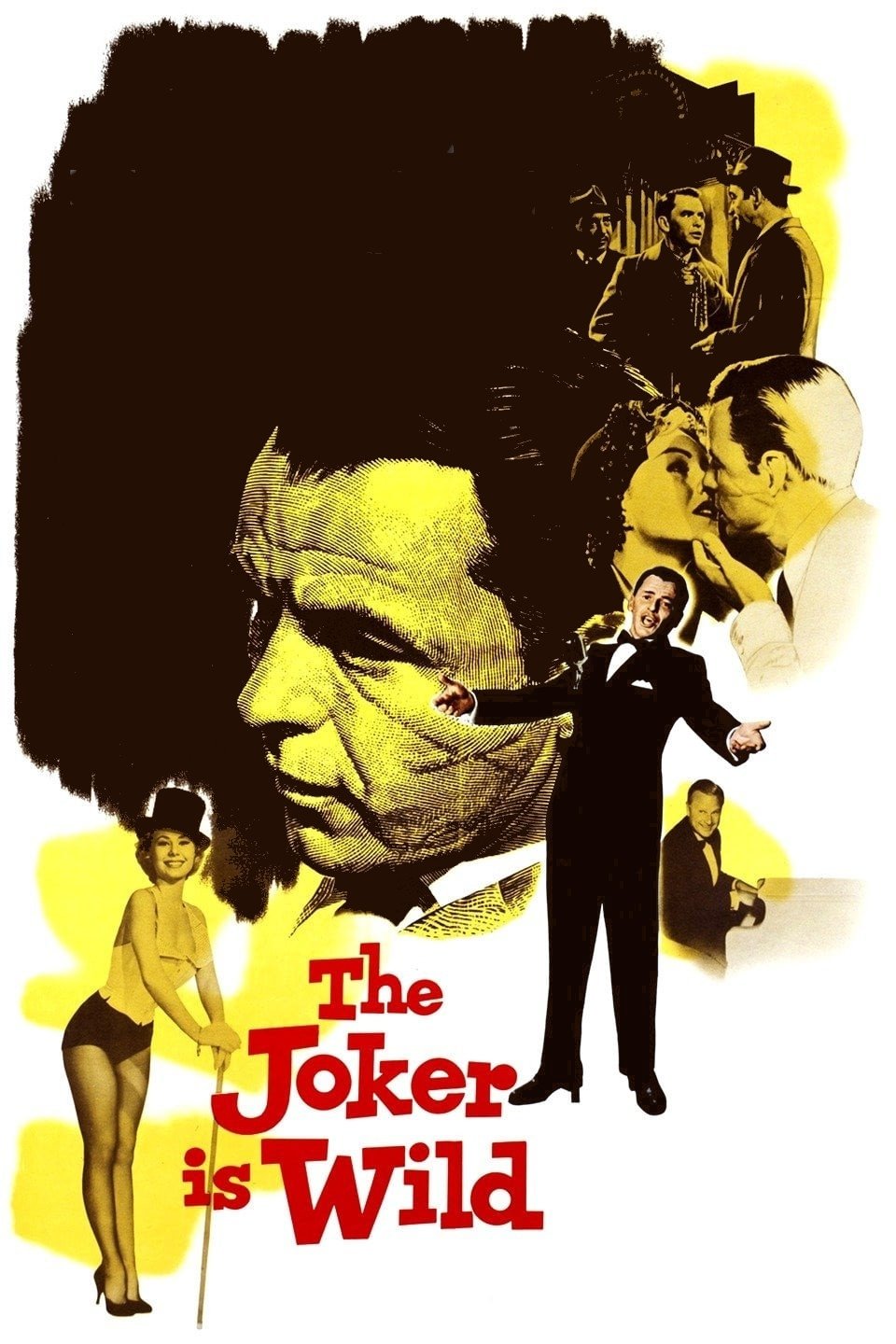
‘The Joker Is Wild’ is a biographical drama about nightclub entertainer Joe E. Lewis, portrayed by Sinatra, whose singing career is derailed after a mob attack damages his voice. The film follows his shift into comedy along with the professional and personal fallout that comes with life on the nightclub circuit. Charles Vidor directed and the cast includes Mitzi Gaynor, Jeanne Crain, and Eddie Albert.
The song ‘All the Way’ was introduced in this film and won the Academy Award for Best Original Song, with music by Jimmy Van Heusen and lyrics by Sammy Cahn. The screenplay draws from Art Cohn’s biography of Lewis and traces real venues and booking circuits that defined mid century American nightlife.
‘Kings Go Forth’ (1958)
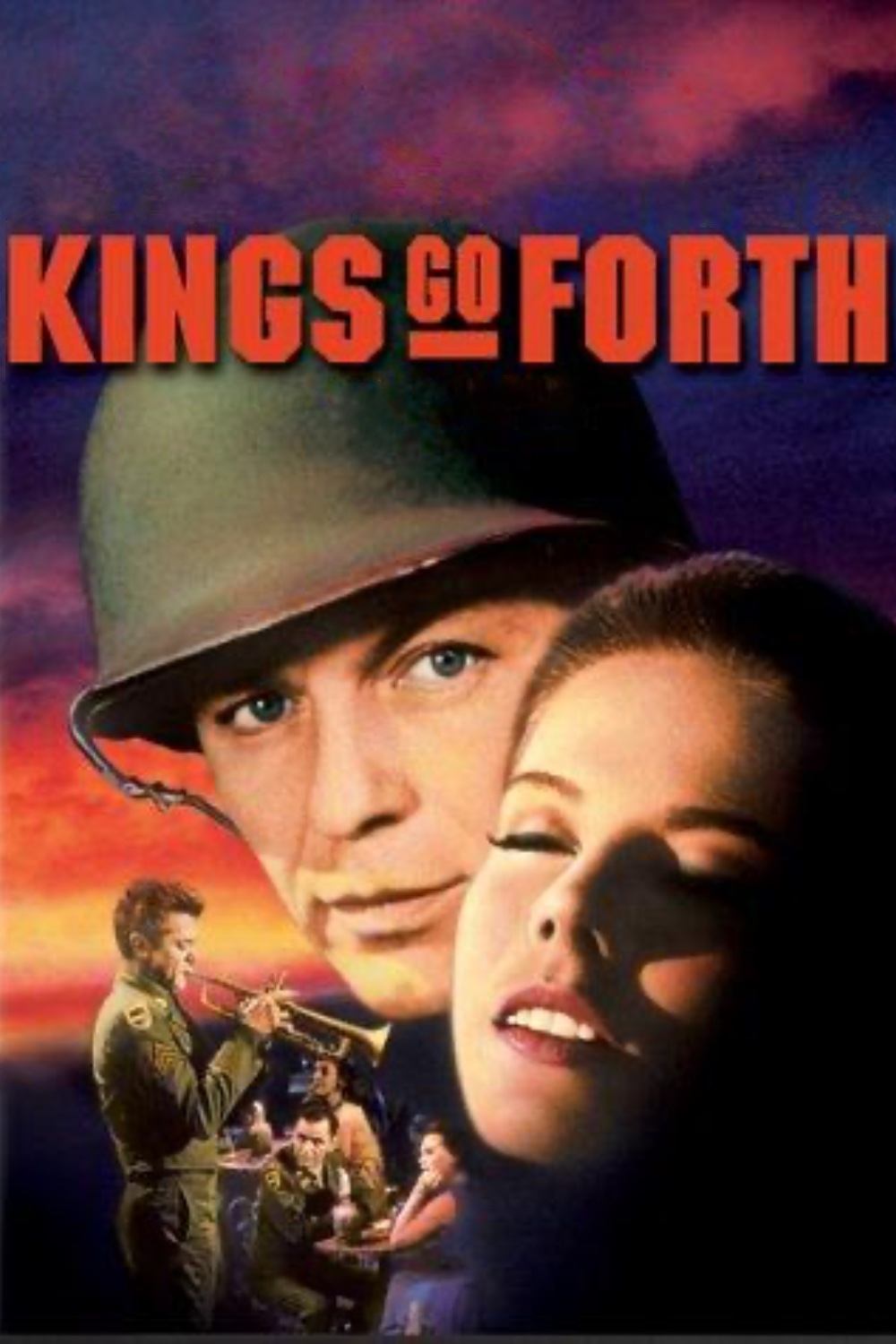
Set in wartime France, ‘Kings Go Forth’ pairs Sinatra with Tony Curtis as American soldiers undertaking reconnaissance missions while becoming involved with a young woman played by Natalie Wood. The plot addresses identity and prejudice as the characters navigate military duty alongside complicated personal histories. Delmer Daves directed from a novel by Joe David Brown.
The film blends combat operations with a romantic triangle to show how off duty relationships intersect with the realities of a combat zone. Location work and studio staging combine to depict towns and countryside under occupation, and the narrative uses command decisions and mission planning to move the story forward.
‘Never So Few’ (1959)
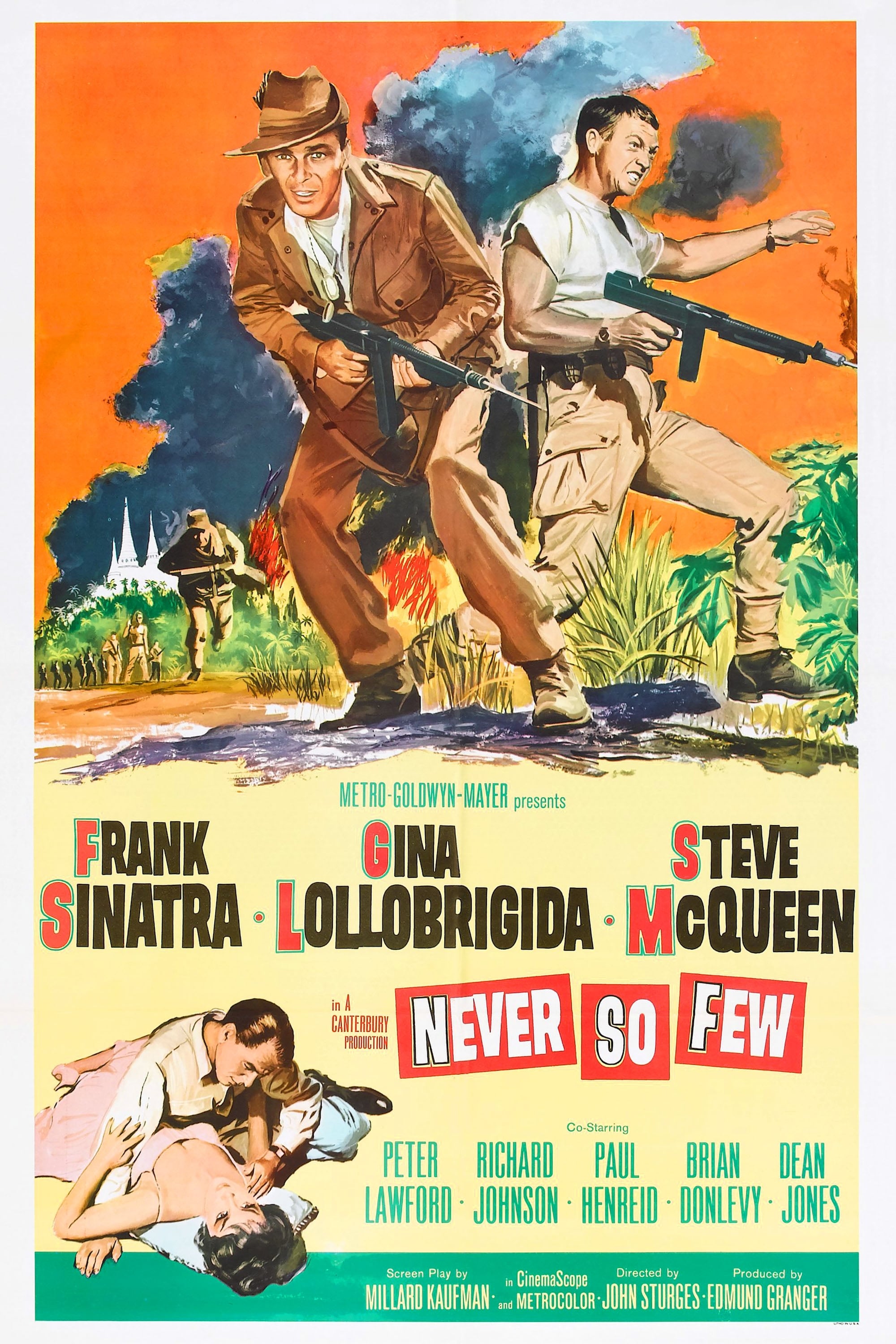
‘Never So Few’ follows an OSS unit operating in Burma with Kachin fighters during the later stages of the war. Sinatra plays the unit leader coordinating raids, supply runs, and uneasy alliances while dealing with enemy incursions across remote terrain. John Sturges directed and the ensemble features Gina Lollobrigida, Steve McQueen, Charles Bronson, and Peter Lawford.
The screenplay adapts Tom T. Chamales’s novel and incorporates small unit tactics, jungle logistics, and air support to frame its missions. Production emphasized on location exteriors along with large scale action pieces that Sturges staged with the same clarity he brought to later westerns, giving attention to aircraft, vehicles, and field communications.
‘None but the Brave’ (1965)
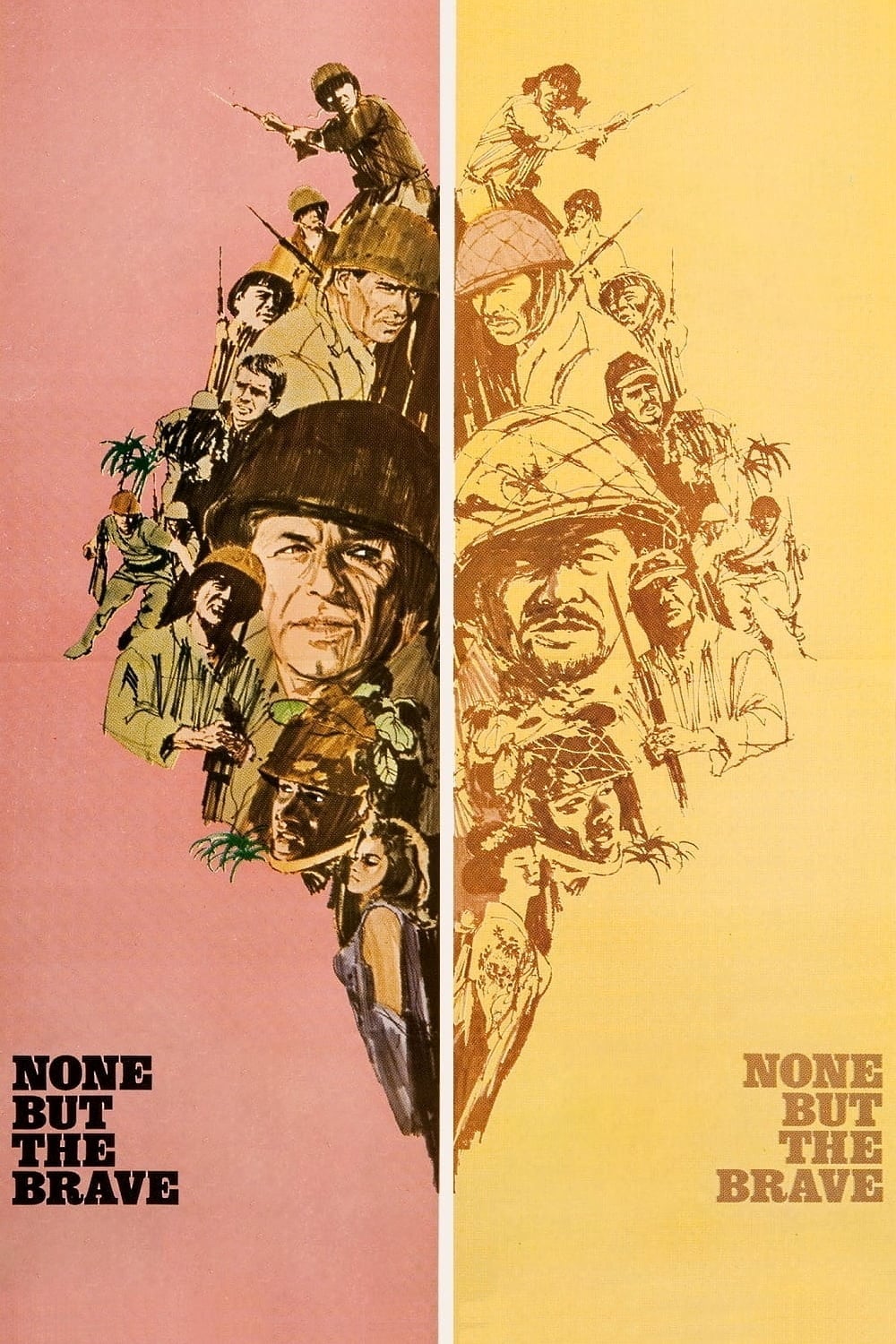
‘None but the Brave’ is notable as Sinatra’s only credited feature as director. The story centers on a group of American Marines and a stranded Japanese detachment forced to cooperate for survival on a remote Pacific island. The cast includes Clint Walker, Tatsuya Mihashi, and Tommy Sands, and the film was produced in partnership with Toho.
The picture features a score by John Williams, credited as Johnny Williams, and presents dialogue in both English and Japanese with subtitles to reflect the perspective of both units. The production highlights field medicine, rationing, and improvised signaling as the groups work through truces and confront the larger chain of command.
‘Assault on a Queen’ (1966)
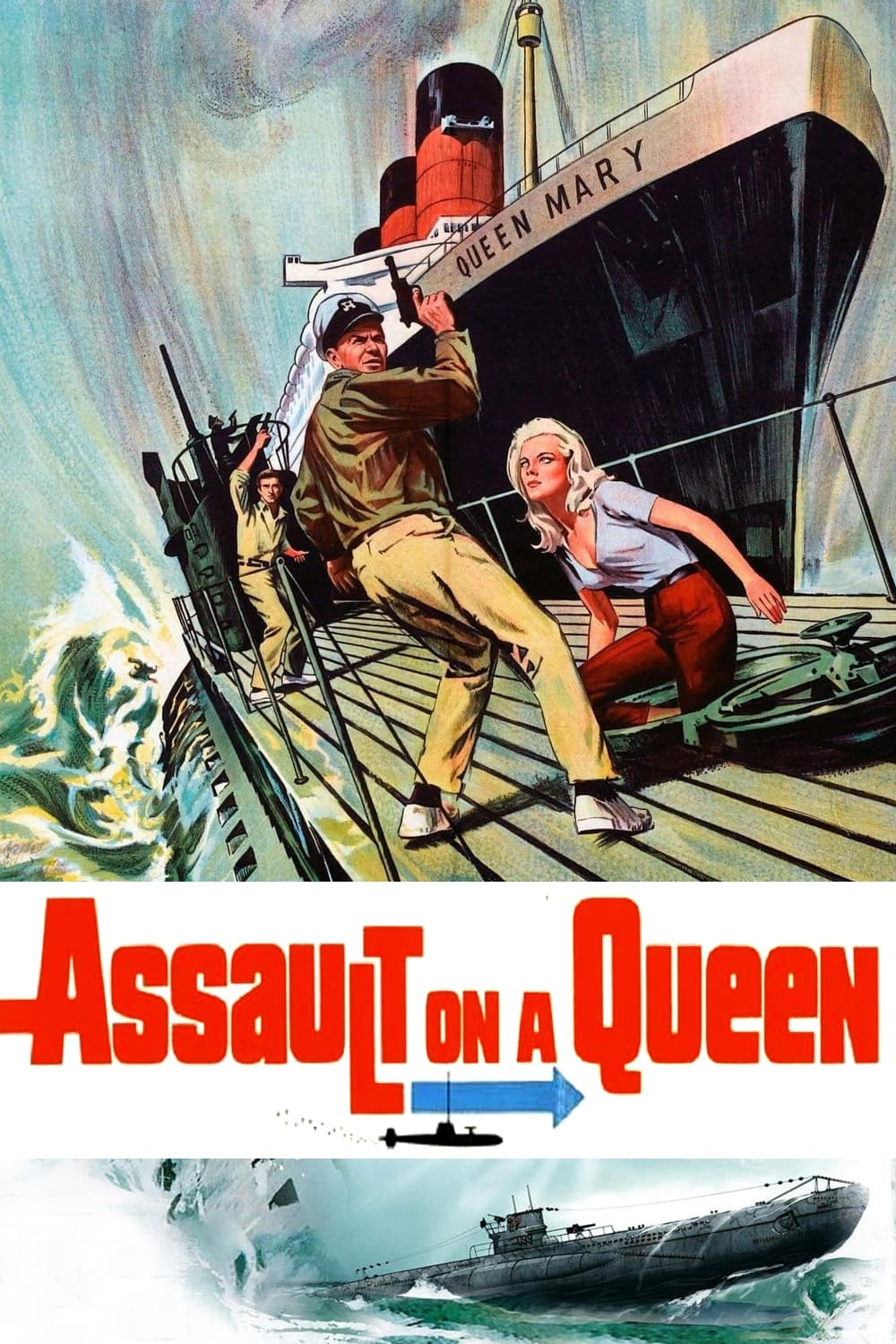
In ‘Assault on a Queen’ a team salvages a sunken U boat and outfits it for a high seas robbery of an ocean liner. Sinatra plays the diver and leader who assembles specialists for the operation while facing rival criminal interests and maritime patrols. Jack Donohue directed and the cast includes Virna Lisi, Anthony Franciosa, and Richard Conte.
The film adapts a novel by Jack Finney and pays close attention to the technical side of the heist with scenes that cover diving gear, ballast handling, and shipboard procedures. Model work and second unit footage support sequences at sea, and the story uses radio traffic and navigation timing to ratchet up pressure as the plan unfolds.
‘Tony Rome’ (1967)
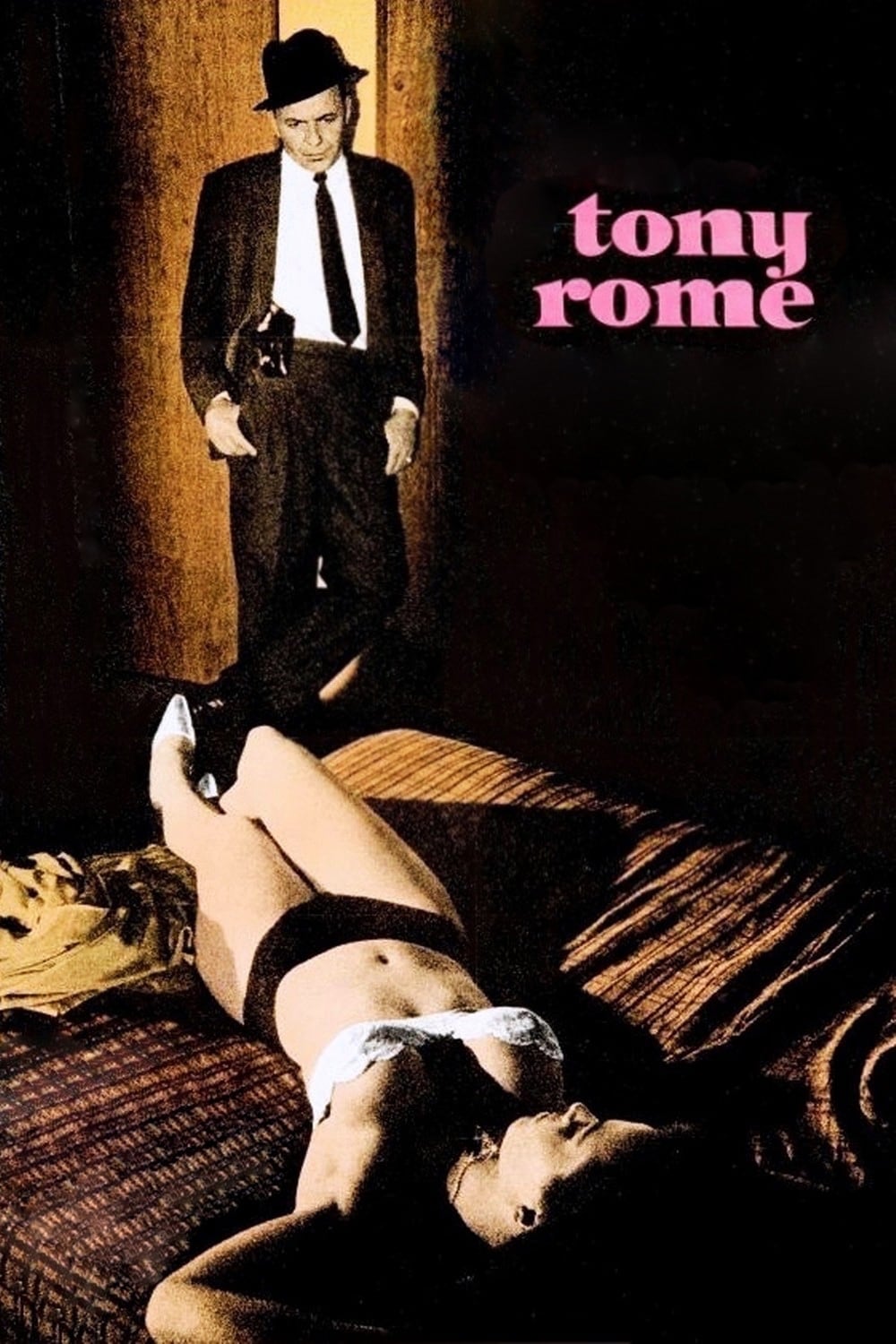
‘Tony Rome’ introduces Sinatra as a Miami private investigator hired to recover a missing item from a wealthy family’s orbit. The case branches into blackmail, stolen jewelry, and old scores, bringing in suspects and witnesses across hotels, marinas, and nightclubs. Gordon Douglas directed and the film is based on a novel by Marvin H. Albert.
Location shooting takes viewers through Miami Beach landmarks including the Fontainebleau, and the supporting cast features Jill St. John, Sue Lyon, and Gena Rowlands. The script details routine detective work such as interviews, tailing, and evidence handoffs, and it establishes a lead character who returned in a follow up feature.
‘Lady in Cement’ (1968)

‘Lady in Cement’ continues the story of private investigator Tony Rome as he discovers a woman encased in cement during a dive and is drawn into a web involving missing persons and organized crime. Gordon Douglas returned as director and the cast adds Raquel Welch and Dan Blocker to the Miami setting.
The film adapts another Marvin H. Albert novel and keeps the procedural rhythm with visits to docks, nightspots, and police precincts. Production again uses Miami locations and period interiors, and it shows the way a case file grows through interviews, informants, and evidence that links back to earlier leads from ‘Tony Rome’.
‘The Detective’ (1968)
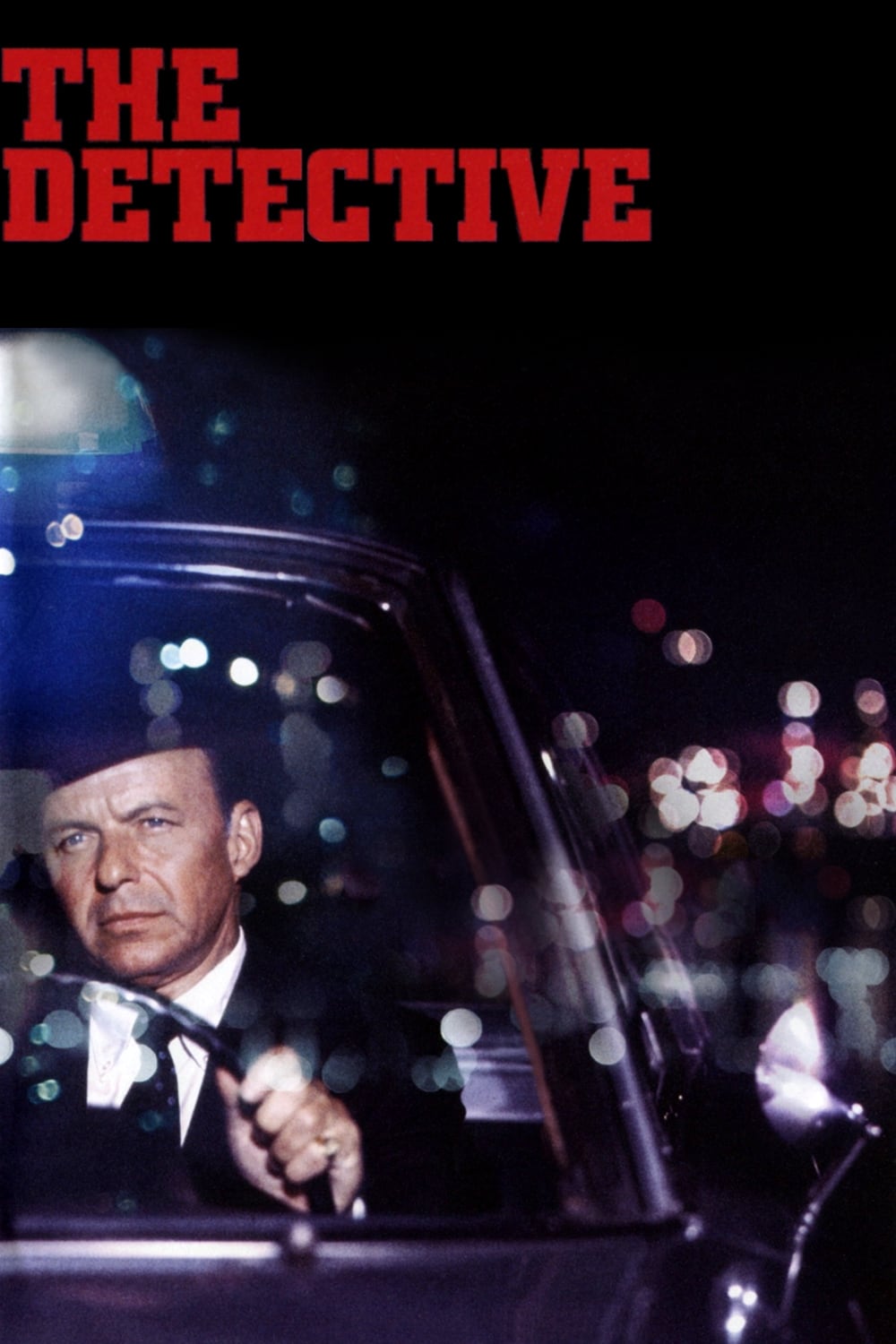
‘The Detective’ casts Sinatra as New York police officer Joe Leland investigating a death that opens onto city corruption and hidden networks. The story includes scenes that examine police procedure, political pressure, and the limits of official channels. Gordon Douglas directed and the ensemble includes Lee Remick, Jacqueline Bisset, Robert Duvall, and Jack Klugman.
The screenplay adapts Roderick Thorp’s novel and was known for addressing subjects that were uncommon in studio crime films at the time. Thorp later wrote ‘Nothing Lasts Forever’, which provided the basis for the film ‘Die Hard’, and both works share thematic links through the character history established with Joe Leland.
‘The First Deadly Sin’ (1980)
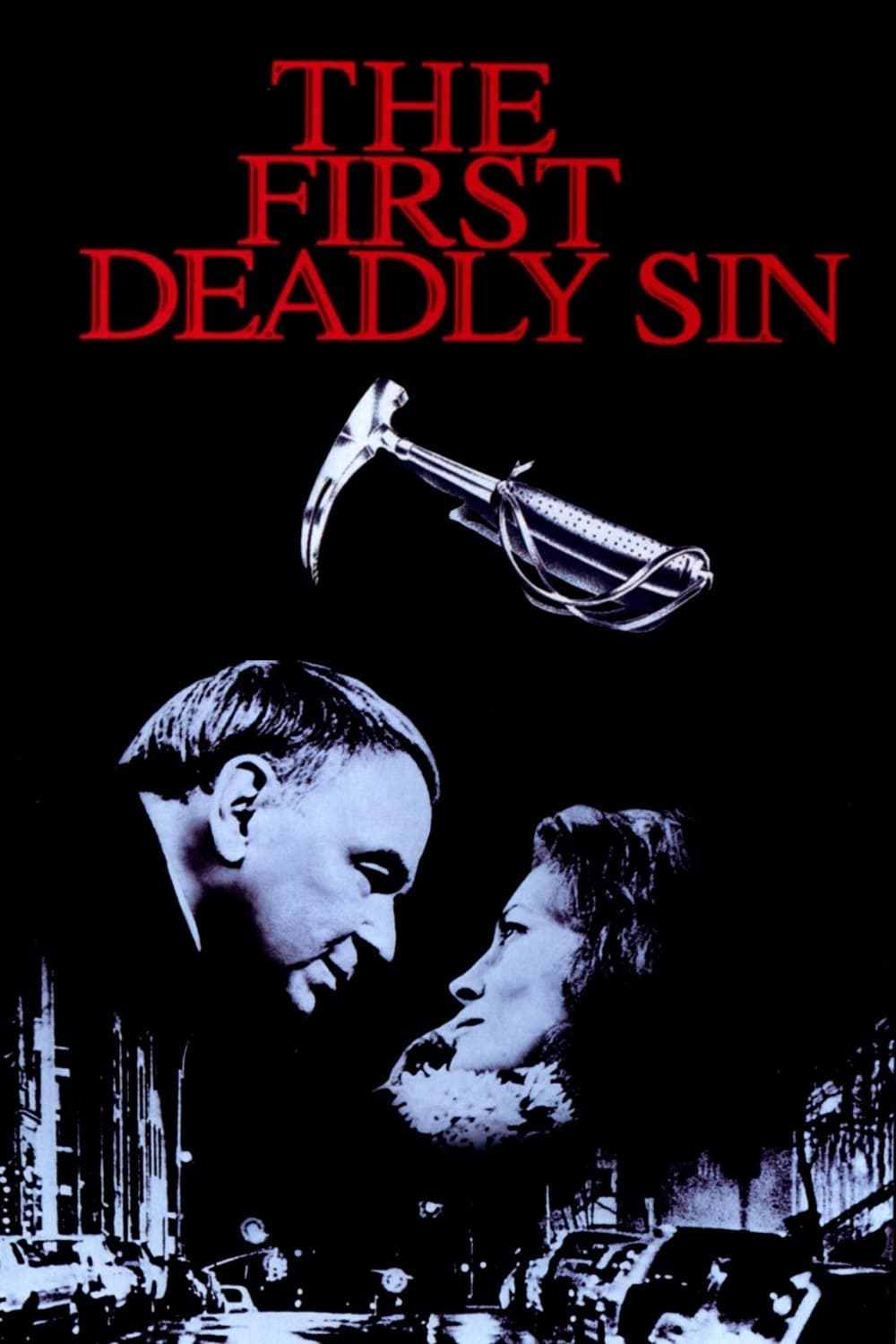
In ‘The First Deadly Sin’ Sinatra plays veteran NYPD sergeant Edward X. Delaney who pursues a series of killings while caring for his gravely ill wife. The investigation centers on forensic details that point to a unique weapon and a methodical offender who moves through the city with care. Brian G. Hutton directed and Faye Dunaway co stars.
The film adapts the bestselling novel by Lawrence Sanders and highlights painstaking casework that relies on lab findings, precinct coordination, and surveillance. The production uses New York locations for hospitals, apartment buildings, and streetscapes, and features an uncredited early screen appearance by Bruce Willis in a brief hospital doorway moment.
Share your favorite underappreciated Sinatra performance in the comments and tell us which hidden gem you think more people should watch.

