


10 Underrated Harold Ramis Movies You Must See


Harold Ramis shaped modern screen comedy as a director, writer, and performer whose work reached millions. He co-wrote hits like ‘Animal House’, ‘Stripes’, and ‘Ghostbusters’, directed audience favorites such as ‘Caddyshack’ and ‘Groundhog Day’, and guided ensembles of gifted comedians from stage and television into durable film careers. His projects drew on tight character setups, clean storytelling, and precise timing that let performers deliver big moments without losing the thread of the story.
Beyond the most famous titles, Ramis left a trail of films that show how he built stories around strong premises, memorable casts, and clear stakes. The selections below cover workplace chaos, family road trips, island getaways, therapy sessions, biblical misadventures, and icy crime. Each entry notes what Ramis did on the project, who anchored the cast, and what to look for in the filmmaking so you can appreciate the craft that keeps these movies worth finding.
‘Caddyshack’ (1980)
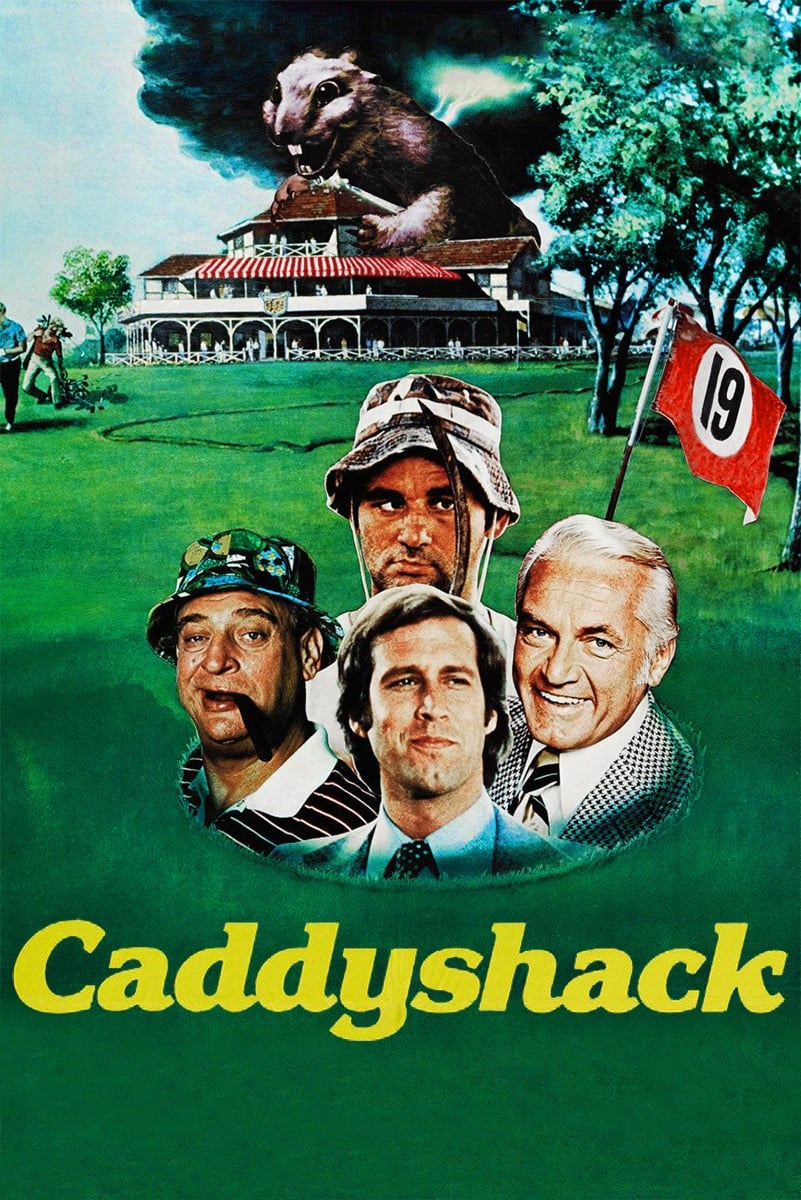
Ramis directed and co-wrote this country club comedy with Brian Doyle-Murray and Douglas Kenney, building the story around a teen caddie navigating class tensions at an exclusive golf course. The cast features Chevy Chase, Rodney Dangerfield, Bill Murray, and Ted Knight in roles that established running bits and character types that later comedies reused and remixed. The film’s structure threads multiple subplots across a single location so side characters can intersect in quick bursts that keep the pace brisk.
Production leaned into set pieces that combine physical gags with character reveals, like groundskeeping scenes that show the rivalry between a zen golfer and an anarchic greenskeeper. Ramis uses clear geography on the course to stage payoffs that tie together prank wars, tournament pressure, and status games inside the clubhouse. The approach turns a loose hangout premise into a unified finale that resolves the overlapping storylines.
‘National Lampoon’s Vacation’ (1983)
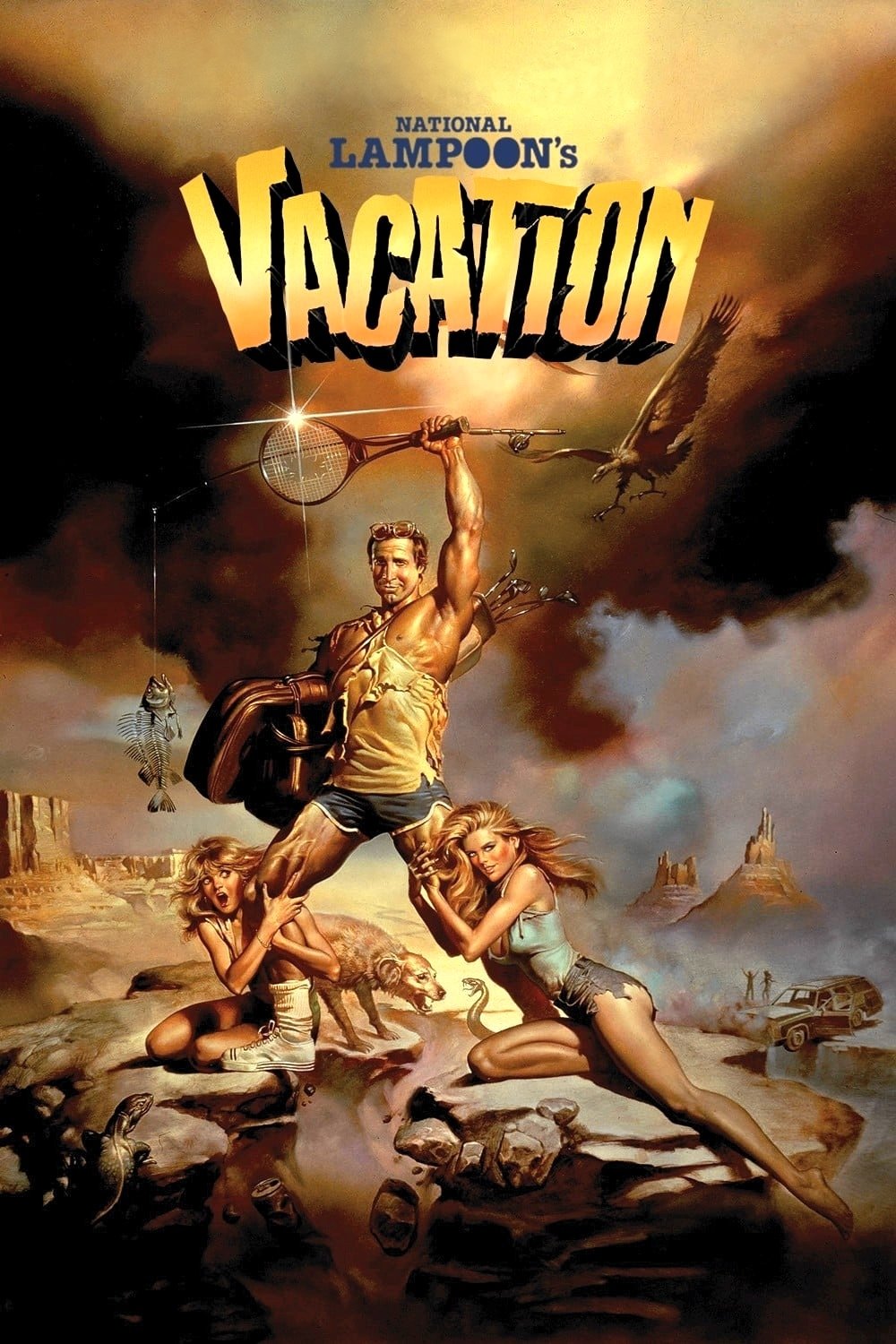
Ramis directed this road comedy from a screenplay by John Hughes based on the magazine story ‘Vacation 58’. The film follows the Griswold family on a cross country drive to a theme park, using roadside incidents and travel mishaps as a series of escalating obstacles. Chevy Chase and Beverly D’Angelo lead the ensemble with Anthony Michael Hall and Dana Barron as the kids, while Christie Brinkley appears in a recurring highway gag that becomes a running thread.
The production format lets Ramis vary comic rhythms with short episodic stops that still build toward a single destination. Highway scenes, motel interludes, and tourist traps are staged to highlight family dynamics under stress while keeping the camera work simple enough to read sight gags quickly. The film’s success launched sequels under the ‘Vacation’ banner and cemented the Griswolds as a recognizable American screen family.
‘Club Paradise’ (1986)

Ramis directed this island-set comedy starring Robin Williams as a retired firefighter who helps revitalize a small resort while local politics and tourism collide. Peter O’Toole plays the aristocratic owner trying to keep the business afloat as vacationers arrive with clashing expectations. The setting creates a backdrop for visiting characters to drop in and out, which gives the movie a sketchlike energy framed by a single resort storyline.
The film uses the resort as a hub that connects staff, tourists, and officials so conflicts can be staged in one compact environment. Musical interludes and beachside activities are used to transition between plot beats without breaking momentum. Ramis relies on clear goals for the resort and its workers, which keeps the ensemble scenes readable even as guest characters create fresh complications.
‘Stuart Saves His Family’ (1995)
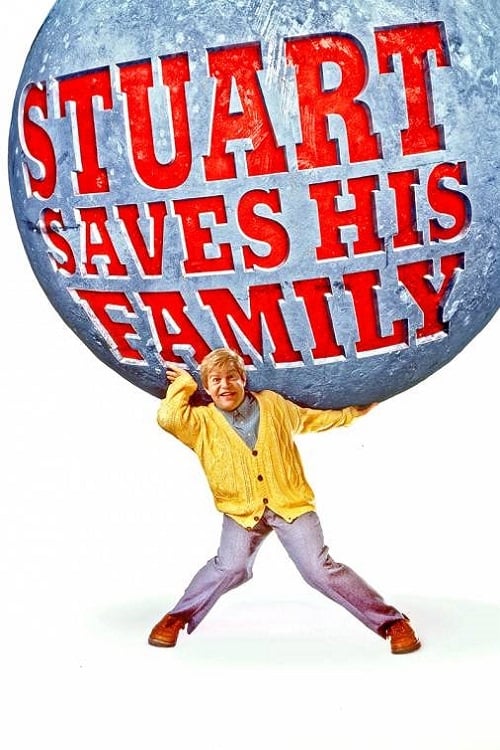
Ramis directed this adaptation of Al Franken’s ‘Saturday Night Live’ character, shaping the film around Stuart Smalley’s efforts to keep a job, maintain recovery routines, and mediate crises inside his extended family. The story expands a short recurring sketch into a character piece by giving Stuart specific tasks that link work, home, and therapy sessions, which provides a concrete spine for the gags.
The production balances support group sequences with family confrontations so the mantra driven humor stays grounded in situations with stakes. Ramis stages group scenes to show how Stuart’s self help language lands with people who do not share his outlook, then circles back to household challenges that force practical decisions. The result demonstrates how a sketch character can carry a feature when the goals are clear and the conflicts are organized scene by scene.
‘Multiplicity’ (1996)

Ramis directed this high concept comedy in which an overworked contractor clones himself to handle competing demands at home and on the job. Michael Keaton plays multiple versions of the same character, while Andie MacDowell anchors the family perspective as the spouse who begins noticing odd changes in behavior. The script gives each clone a distinct trait that drives specific problems, which keeps the plot advancing as the copies collide.
The production uses motion control photography and carefully planned blocking to place several Keatons in the same frame, which lets the film run dialogue scenes without overcutting. Ramis keeps the rules of the premise simple so the jokes pay off on repeated setups. Household scheduling, workplace deadlines, and romantic misunderstandings all feed into a final convergence that resolves the clone complications cleanly.
‘Analyze This’ (1999)
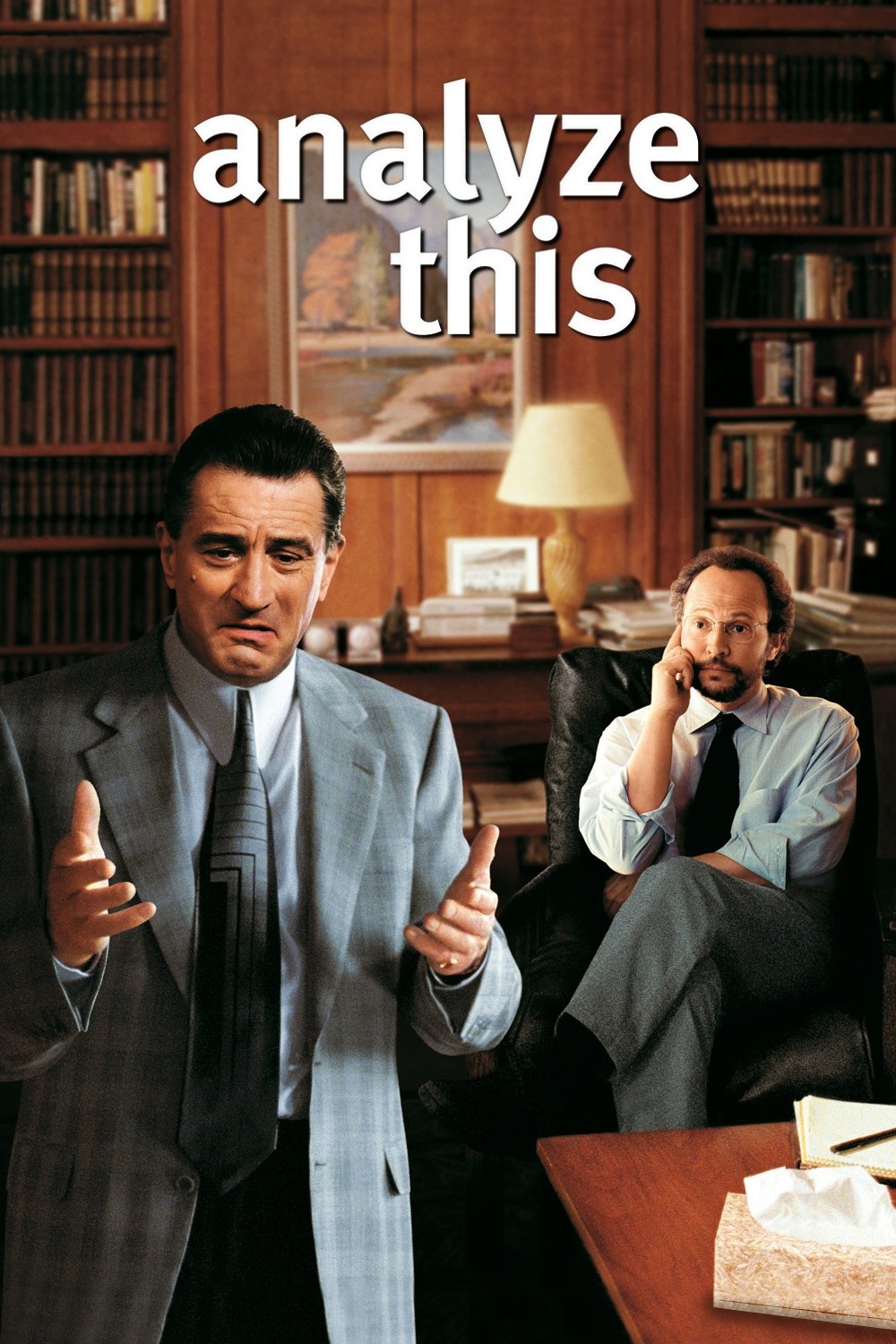
Ramis directed this crime comedy pairing Robert De Niro as a crime boss with Billy Crystal as a psychiatrist who gets pulled into mob business. The premise sets up regular therapy sessions where the mobster confronts panic attacks while outside pressures mount from rivals and law enforcement. Lisa Kudrow supports the domestic angle as the therapist’s fiancée, while Chazz Palminteri adds heat on the criminal side.
The film alternates office visits with street level moves so talk therapy can trigger action beats that change the stakes. Ramis uses straightforward coverage in session scenes to keep the dialogue sharp, then opens up the camera for surveillance and meeting sequences that show pressure gathering. The structure allows character progress to affect plot outcomes as trust forms and breaks across professional and criminal lines.
‘Bedazzled’ (2000)
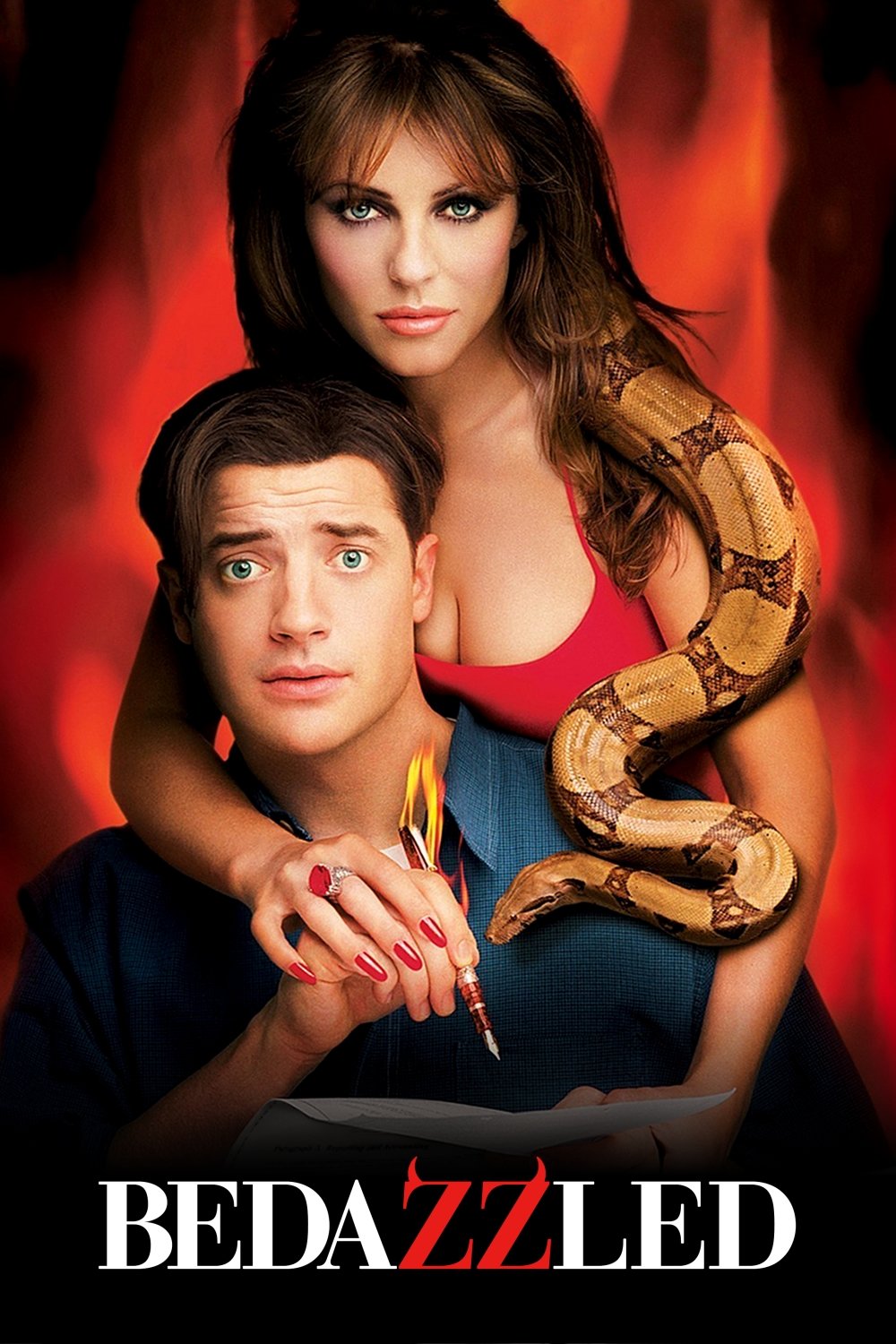
Ramis directed this remake of the British comedy ‘Bedazzled’, casting Brendan Fraser as a hapless office worker who trades seven wishes to the Devil. Elizabeth Hurley plays the tempter who grants each wish in a way that complicates the original intention, which sets up a series of self contained scenarios connected by a contract that drives the story forward. Each wish reframes the protagonist’s life with new status, skills, or relationships.
The production treats the wishes as short films that require costume, set, and performance shifts while preserving the throughline of a single bargain. Ramis keeps the rules of the deal explicit so audiences can track how language in the wishes produces unintended results. The modular design supports a final choice that addresses the contract terms and closes the loop on the earlier segments.
‘Analyze That’ (2002)
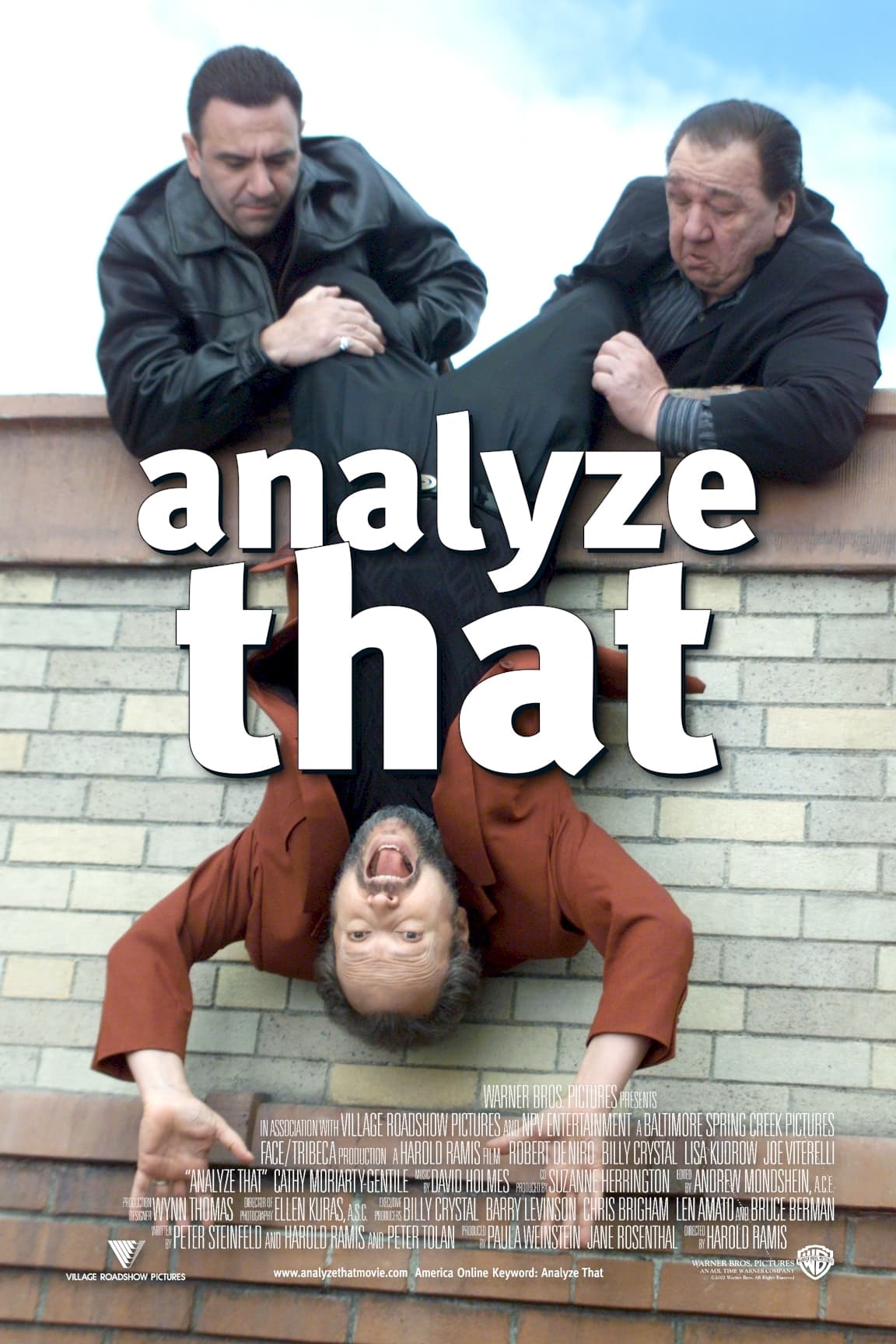
Ramis returned to direct the sequel with Robert De Niro and Billy Crystal continuing the uneasy alliance between patient and therapist. The follow up places the gangster under supervised release, which pushes the pair into daily contact and forces new boundaries. The story brings back familiar associates while adding workplace constraints that turn therapy into a practical management problem.
The film designs set pieces around rehearsal rooms, offices, and neighborhood spots where the patient tests new roles while old habits resurface. Ramis uses callback jokes as anchors while advancing the timeline of the relationship, which keeps the sequel aligned with the character arcs established earlier. The central idea remains consistent as clinical guidance meets criminal logistics in a way that drives the next round of conflicts.
‘The Ice Harvest’ (2005)
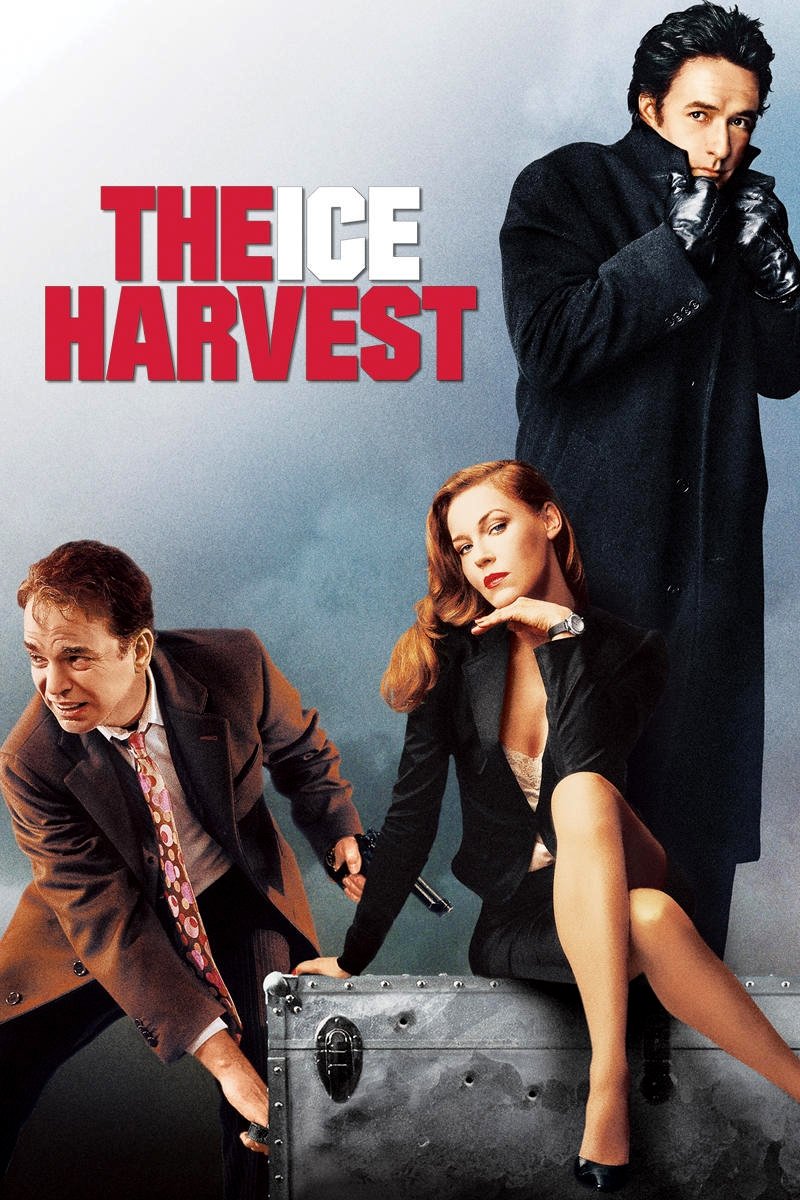
Ramis directed this darkly comic crime story adapted from Scott Phillips’s novel, with John Cusack and Billy Bob Thornton as partners navigating a dangerous payday. The plot unfolds over one long Christmas Eve in Wichita, which lets the film confine action to a tight window as plans unravel. Connie Nielsen and Randy Quaid add pressure from personal and criminal angles that complicate the escape.
The production uses cold weather settings, bars, and back roads to lock characters into choices with immediate consequences. Ramis maintains noir tension with simple coverage and careful reveals of who controls the money at each step. The time boxed structure gives the story a ticking engine that keeps reversals coming until the final exchange decides who gets out.
‘Year One’ (2009)

Ramis directed and co-wrote this ancient era comedy with Gene Stupnitsky and Lee Eisenberg, starring Jack Black and Michael Cera as villagers who wander into biblical settings and meet figures like Cain, Abel, and Abraham. The script builds a travel structure that moves from forest life to cities and camps, which allows different cultures and codes to create fresh conflicts. The supporting cast fills out court intrigue, clan disputes, and temple rituals that the leads stumble through.
The production mixes location work with sets that stage crowd scenes and ceremonial moments so jokes can play against large scale backdrops. Ramis uses the journey format to connect episodic encounters while keeping the protagonists focused on friendship, food, and survival. The approach supports a finale that ties personal stakes to a community rescue, closing the loop on the wanderers’ route.
Share your favorite lesser talked about Harold Ramis film in the comments and tell everyone what scene made it stick with you.

