


10 Underrated Julia Roberts Movies You Must See




Julia Roberts has covered a wide range of genres across a long career, from character driven dramas to sharp thrillers and nimble capers. She has earned major awards and nominations that highlight leading and supporting turns across studio projects and independent releases, with roles that span contemporary settings and period pieces.
Alongside blockbuster hits, her filmography includes smaller titles and mid budget projects that showcase different facets of her craft. The selections below gather features where she takes on journalists, professors, spies, and parents in stories shaped by strong directing and detailed writing, with production backgrounds that add context to how each film came together.
‘Mystic Pizza’ (1988)

In ‘Mystic Pizza’, Roberts plays Daisy Arujo, one of three friends working at a seaside pizzeria in Connecticut as they navigate family expectations and first serious relationships. The film was directed by Donald Petrie and written by Amy Holden Jones, with Annabeth Gish and Lili Taylor in central roles and with early appearances by Vincent D’Onofrio and Matt Damon.
The production was set and shot in and around the real town of Mystic, which helped ground its portrait of working life and local culture. The screenplay focuses on class, ambition, and sisterhood within a small business setting, and the film later gained a reputation for launching several notable careers from an ensemble cast.
‘Flatliners’ (1990)
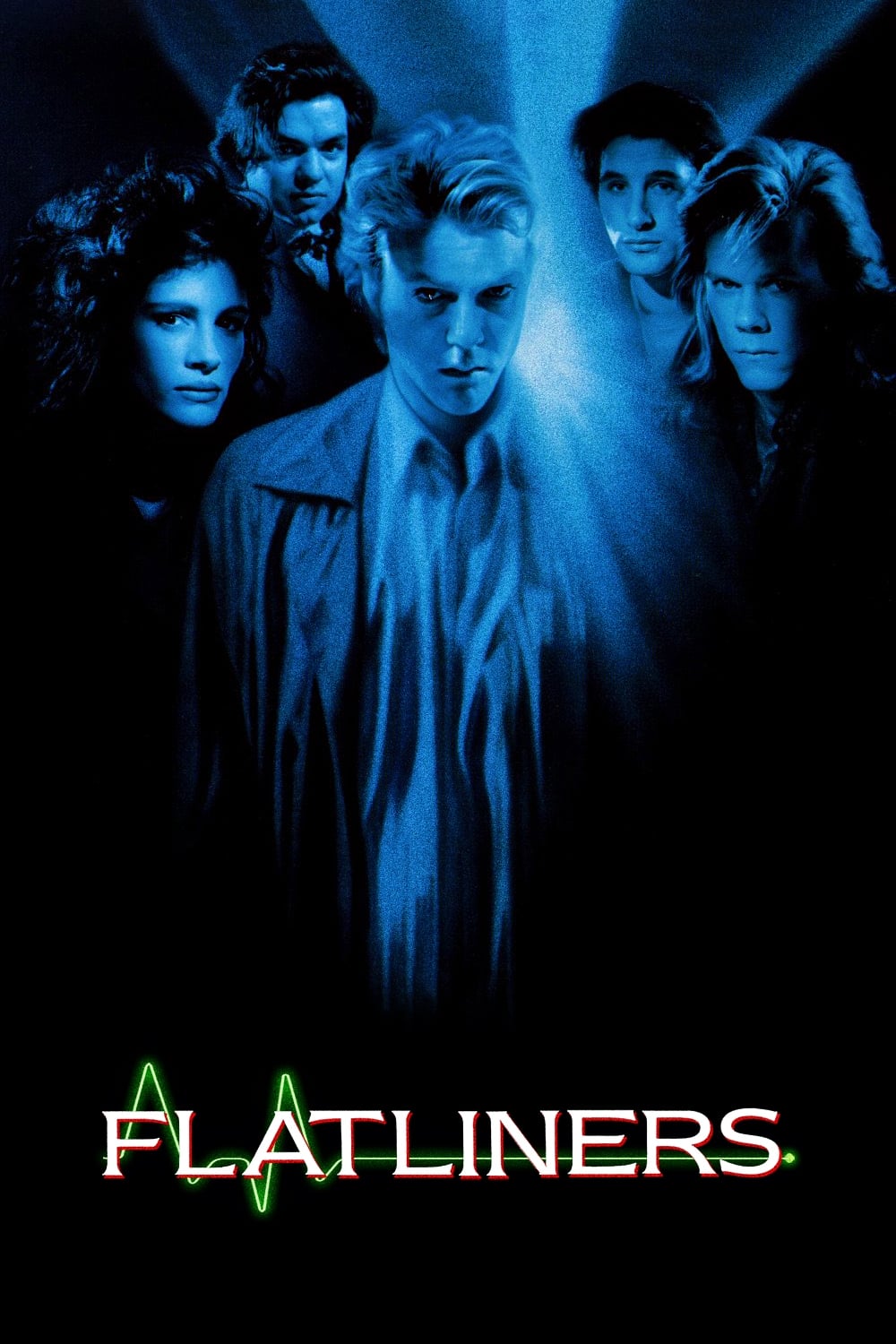
‘Flatliners’ follows a group of medical students who conduct risky experiments to experience clinical death and record what happens before resuscitation. Roberts appears alongside Kiefer Sutherland, Kevin Bacon, William Baldwin, and Oliver Platt, with direction by Joel Schumacher, and the story blends medical procedure with psychological fallout as the trials intensify.
Key sequences were staged in medical school labs and urban locations to emphasize the clandestine nature of the experiments. The film’s concept influenced later genre projects that explored memory and mortality in research settings, and it led to a separate remake years later that revisited the core premise with a new cast.
‘I Love Trouble’ (1994)
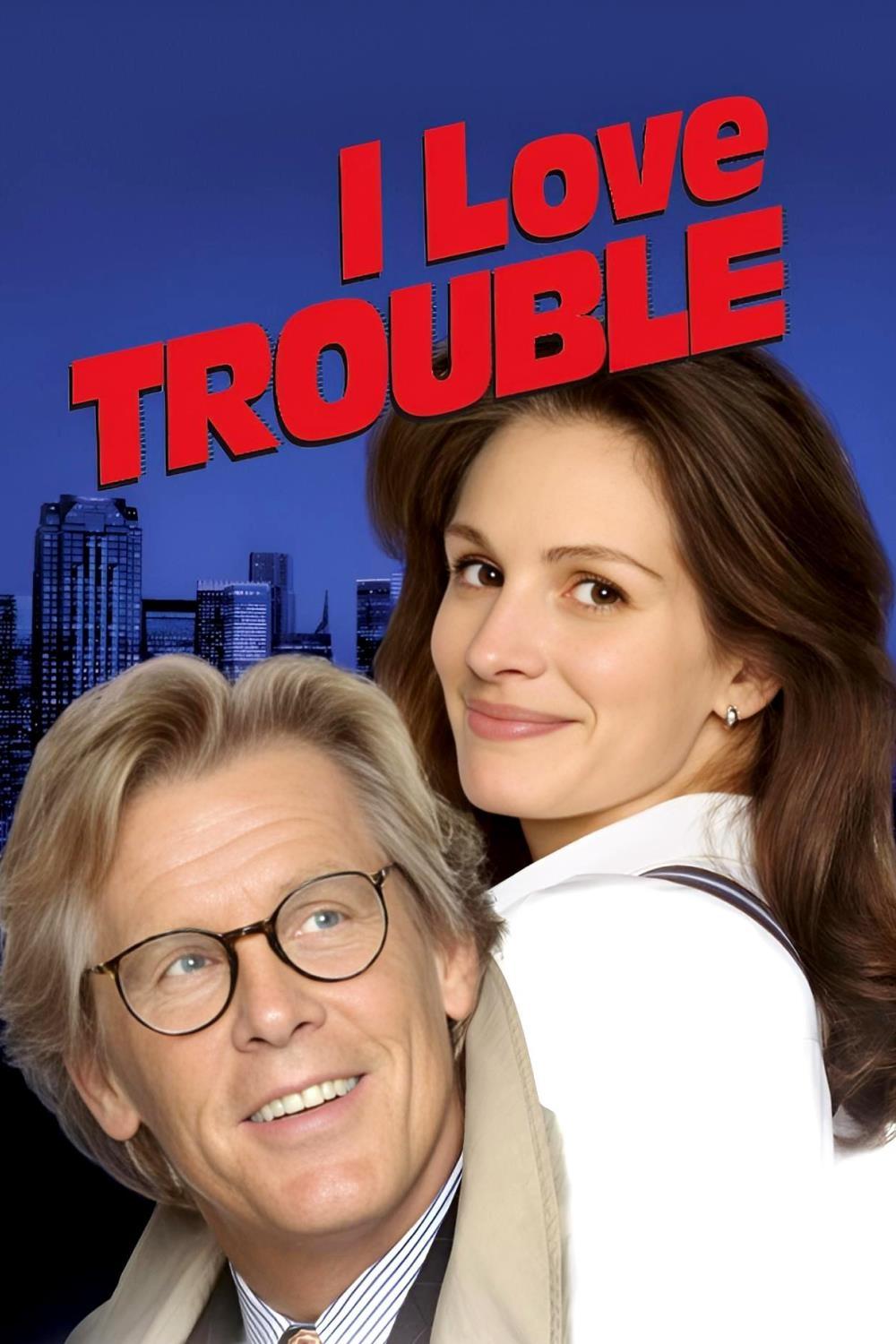
In ‘I Love Trouble’, Roberts and Nick Nolte play rival newspaper reporters who are forced to collaborate on a breaking story with dangerous implications. The film was directed by Charles Shyer and written by Nancy Meyers and Charles Shyer, with the narrative moving through newsrooms, field reporting, and investigative leads that broaden into corporate intrigue.
The production uses the rhythms of daily journalism to structure the plot, weaving interviews, source meetings, and deadline pressures into each development of the case. The screenplay draws on romantic screwball traditions within a contemporary media landscape, placing emphasis on professional rivalry, competitive scoops, and the ethics of reporting.
‘Something to Talk About’ (1995)
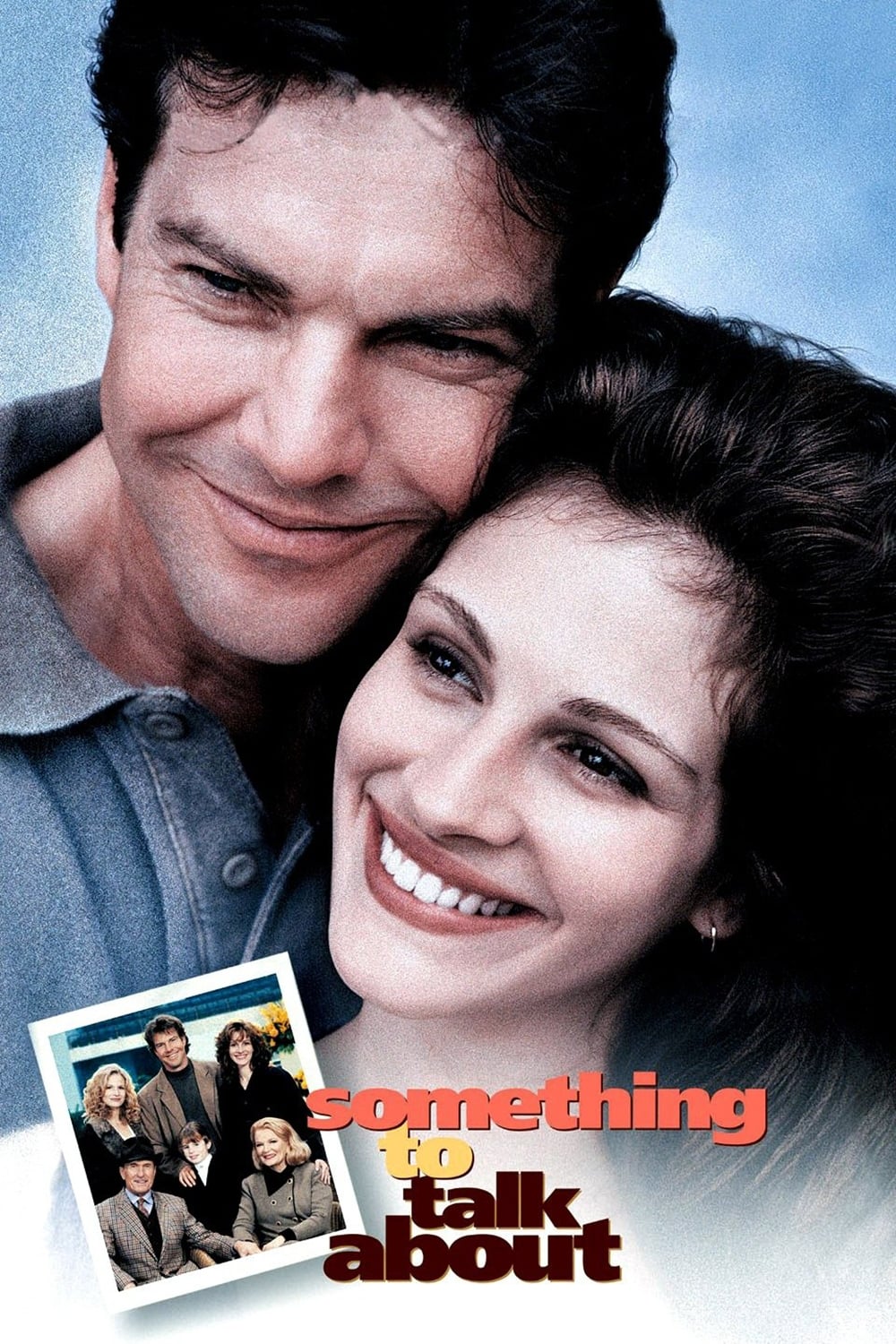
‘Something to Talk About’ centers on Grace King Bichon, played by Roberts, who reassesses her marriage and family ties after a public betrayal. The film was directed by Lasse Hallström and written by Callie Khouri, featuring Dennis Quaid, Kyra Sedgwick, Gena Rowlands, and Robert Duvall in a story set within the world of a Southern family and its equestrian business.
The narrative examines family governance of a small enterprise and the expectations placed on daughters within that structure, using horse shows and training schedules as recurring backdrops. Khouri’s script applies workplace and household logistics to pivotal scenes, showing how business decisions, childcare, and community reputation intersect in daily life.
‘Mary Reilly’ (1996)
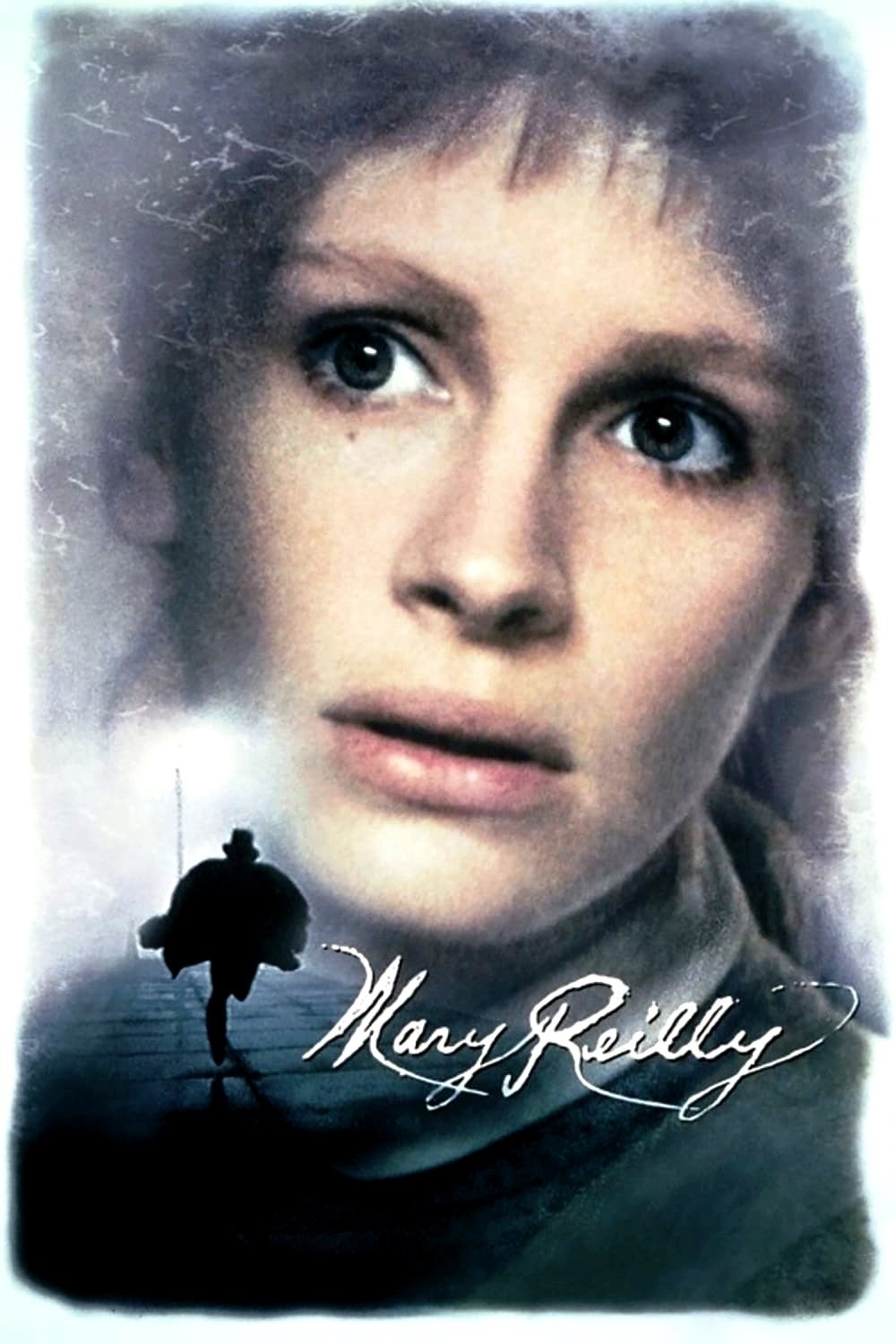
‘Mary Reilly’ retells the story of Dr Jekyll and Mr Hyde from the perspective of a young housemaid employed in the doctor’s home. Roberts plays the title character opposite John Malkovich as both Jekyll and Hyde, with Stephen Frears directing and the screenplay adapted from the novel by Valerie Martin.
The film builds its narrative through household routines, servant hierarchies, and the geography of the Victorian townhouse, linking each domestic task to the unfolding mystery. Production design focuses on gaslit corridors, laboratory apparatus, and London fog effects that reflect the split identities at the center of the plot, aligning visual details with the literary source.
‘Conspiracy Theory’ (1997)
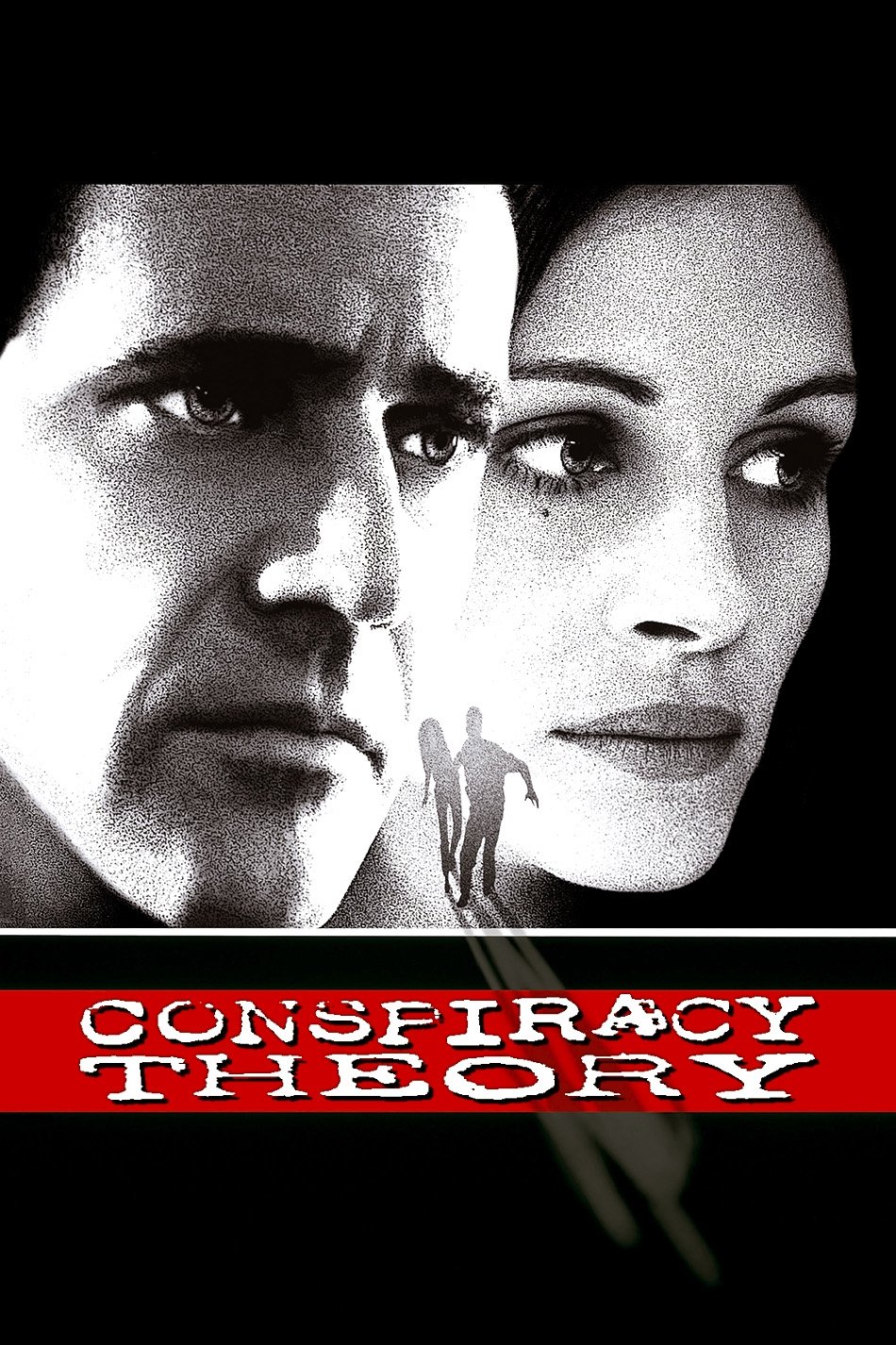
In ‘Conspiracy Theory’, Roberts portrays a Justice Department attorney who becomes entangled with a New York City taxi driver whose far fetched theories begin to intersect with real classified programs. Richard Donner directed the film, Brian Helgeland wrote the script, and the cast includes Mel Gibson and Patrick Stewart in key roles.
The story uses city streets, government buildings, and safe houses to map out the movement of its characters as surveillance and coded messages escalate. It draws on post Watergate themes, integrating public records, newspaper clippings, and courtroom procedures to frame how unverified claims can collide with official secrecy.
‘The Mexican’ (2001)
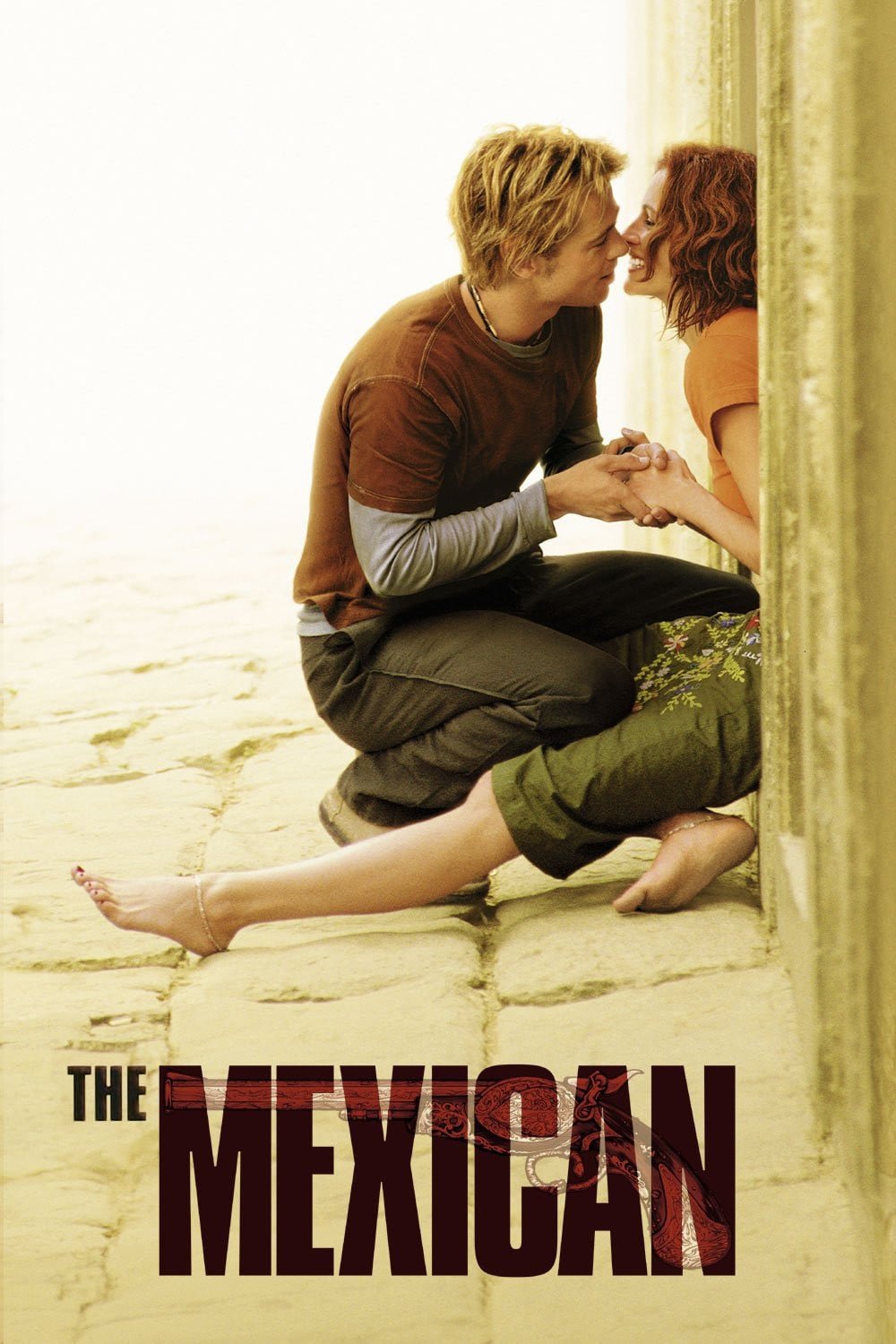
‘The Mexican’ pairs Roberts with Brad Pitt in a cross border story about retrieving a historic pistol linked to a curse that complicates every exchange. Gore Verbinski directed the film with supporting turns by James Gandolfini and Gene Hackman, and the plot moves between relationship disputes and criminal errands tied to the prized artifact.
The production blends road movie structure with crime elements, placing motels, highways, and desert towns alongside folklore surrounding the antique firearm. Verbinski uses repeated visual motifs connected to the pistol’s craftsmanship and legend, and the narrative alternates between negotiation scenes and chases that track competing interests.
‘Mona Lisa Smile’ (2003)
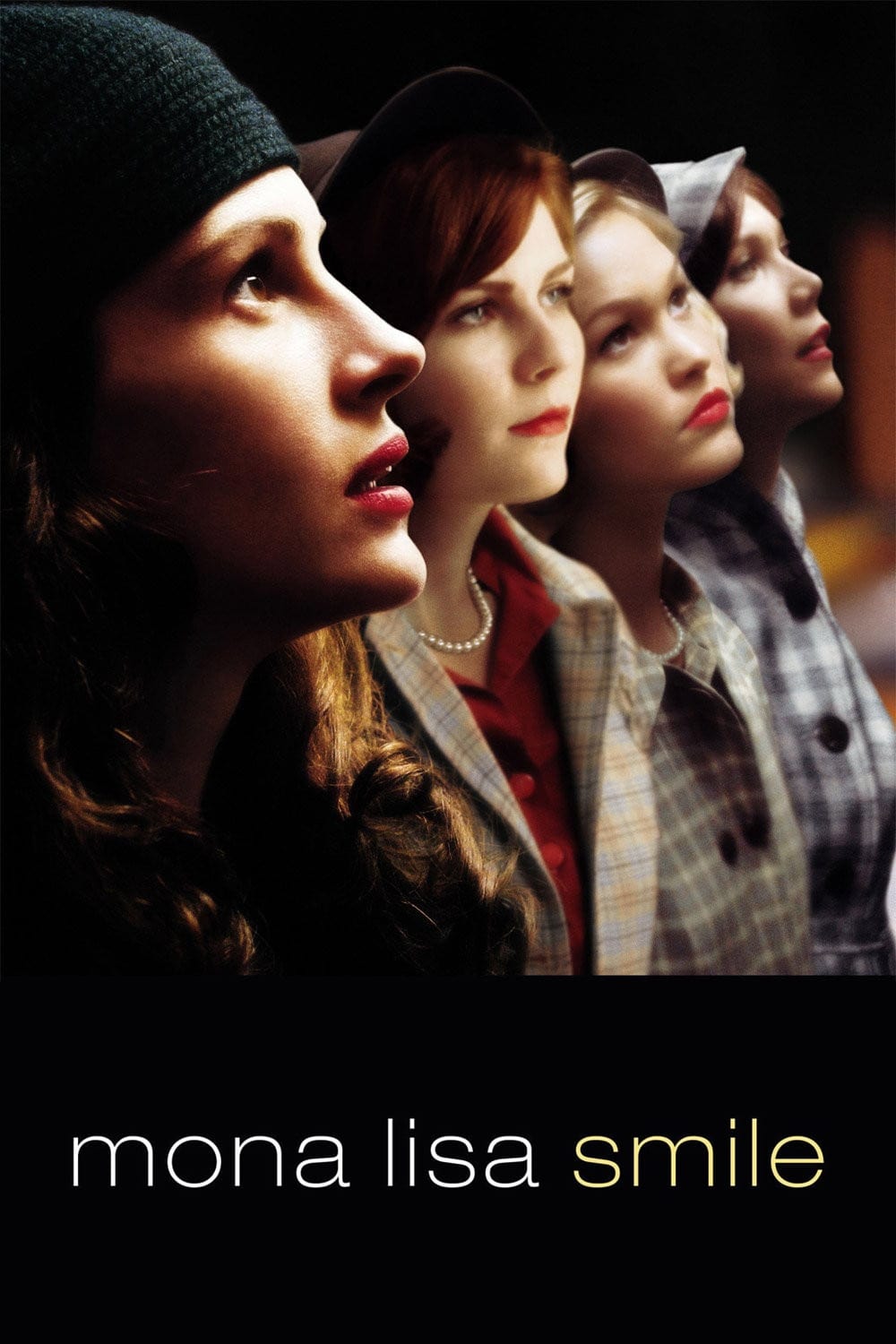
‘Mona Lisa Smile’ is set at Wellesley College where Roberts plays Katherine Watson, an art history instructor who introduces her students to modern art and broader possibilities for their futures. The cast features Kirsten Dunst, Julia Stiles, Maggie Gyllenhaal, and Ginnifer Goodwin, and the film was directed by Mike Newell.
Classroom lectures and museum visits structure the film, with lesson plans that reference movements from post impressionism to abstract expressionism. Location work at New England campuses recreates mid century academic life, and costume design and props document textbook editions, dormitory rules, and campus traditions that shape the characters’ choices.
‘Duplicity’ (2009)

In ‘Duplicity’, Roberts and Clive Owen play former intelligence officers who pivot to corporate espionage as they infiltrate rival consumer goods companies. Tony Gilroy wrote and directed the film, with Tom Wilkinson and Paul Giamatti as executives whose competition drives the central heist.
The screenplay uses nondisclosure agreements, secure labs, and product launch timelines to structure the plot, with flashbacks that reveal how the operatives coordinate travel, surveillance, and data theft. Business settings like boardrooms and trade shows provide the stage for countermeasures and double blinds, and the score and editing emphasize the mechanics of confidence operations.
‘Larry Crowne’ (2011)

‘Larry Crowne’ follows a retail worker who returns to community college after a corporate downsizing, where Roberts plays a speech professor whose class becomes a turning point for several students. Tom Hanks directed and co wrote the film with Nia Vardalos, and the ensemble includes Bryan Cranston and Gugu Mbatha Raw.
Campus scenes focus on course assignments, peer groups, and scooter commutes that track changes in schedule and income. The production highlights adult education resources, credit transfers, and classroom dynamics, showing how employment shifts can redirect academic paths and social networks across a single term.
‘Secret in Their Eyes’ (2015)
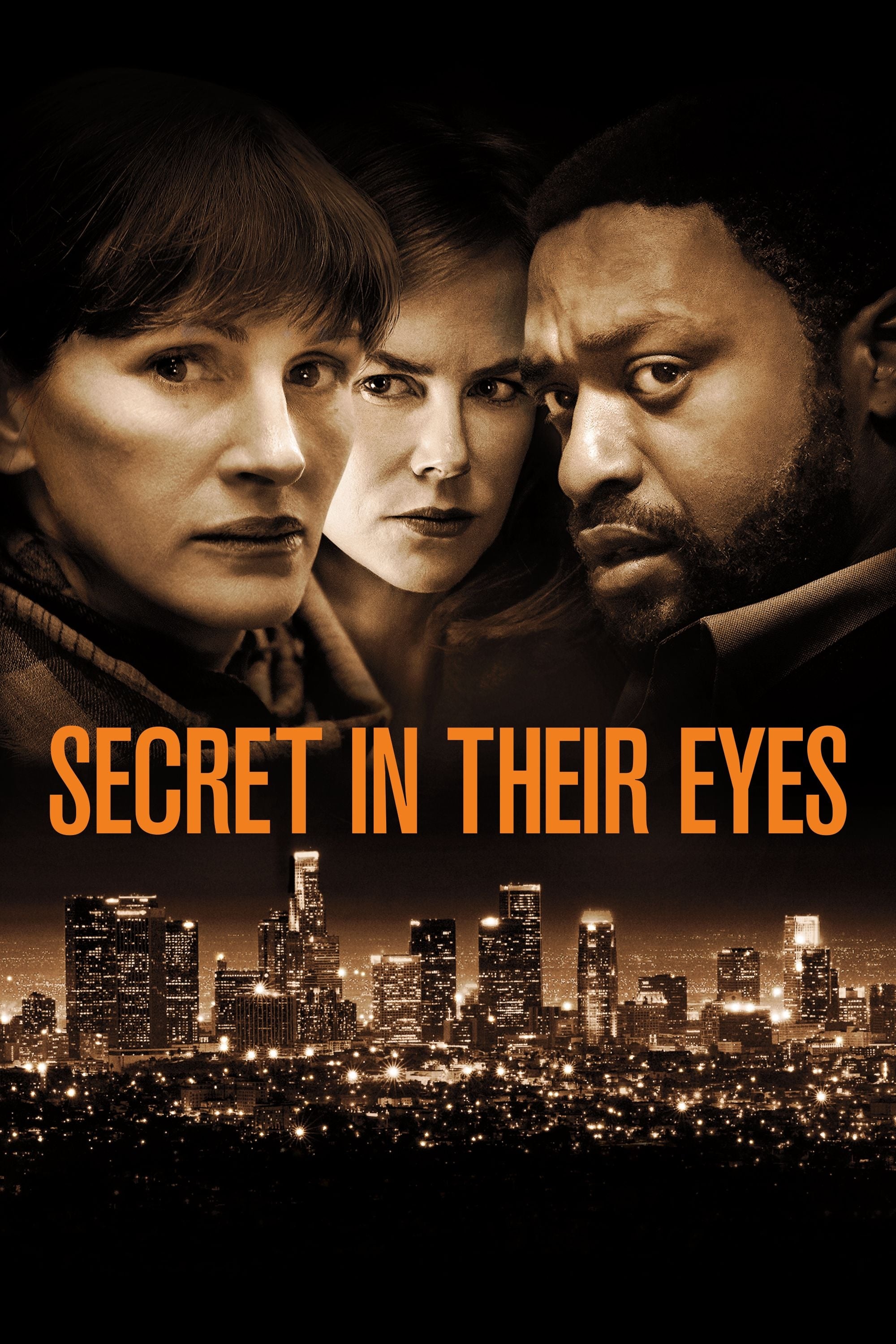
‘Secret in Their Eyes’ features Roberts as an investigator whose team reopens a cold case with personal stakes that reshape the relationships among colleagues. Billy Ray directed and wrote the adaptation, with Chiwetel Ejiofor and Nicole Kidman in principal roles, and the narrative reworks the structure of the Argentine film on which it is based.
The film intercuts parallel timelines that show the original investigation and the later pursuit, using color grading and location cues to separate each period. It examines evidence collection practices, interagency cooperation, and legal hurdles that define major case files, and it relocates the story to Los Angeles with settings that include stadiums and municipal offices.
‘Ben Is Back’ (2018)

In ‘Ben Is Back’, Roberts plays Holly Burns, a mother whose son returns home from rehab and sets off a tense twenty four hours of decisions for the family. Peter Hedges wrote and directed the film, and Lucas Hedges leads the cast alongside Courtney B Vance and Kathryn Newton.
The production concentrates on suburban neighborhoods, treatment meeting spaces, and late night searches that reveal the logistics of relapse risks and support systems. It depicts medication storage, sponsor contacts, and family safety plans, and it uses a compact timeline to track how each choice affects health, trust, and community ties.
Share your favorite under the radar Julia Roberts films in the comments and tell us which ones we should spotlight next.

