


10 Underrated Films by Miranda Richardson You Must See

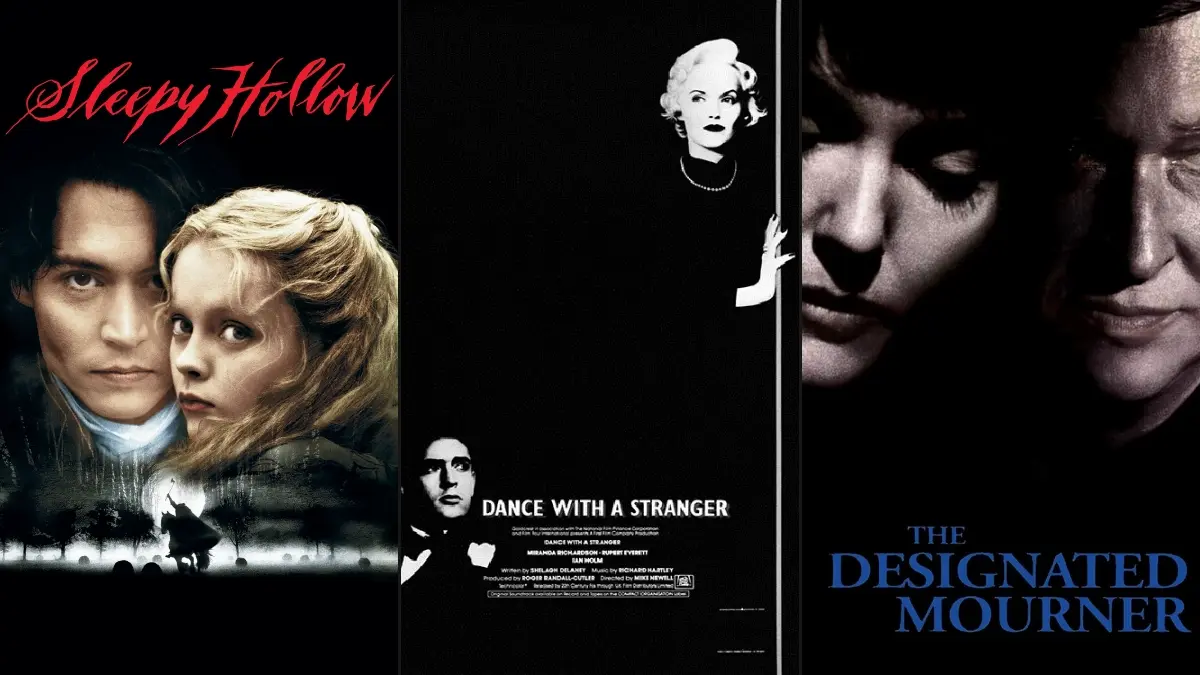


Miranda Richardson has built a remarkable screen career with roles that show range, intelligence, and a keen sense for complex stories. Her film work stretches across period dramas, literary adaptations, political tales, and psychological studies, and it often places her at the heart of weighty historical or cultural turning points. This list spotlights projects where her craft powers films that deserve fresh attention.
Each entry below gives you concrete details you can use to find and appreciate these titles. You will see the role she plays, the filmmakers behind the project, the source material when relevant, the historical or cultural backdrop, and production details that help you understand how each film came together.
‘Dance with a Stranger’ (1985)
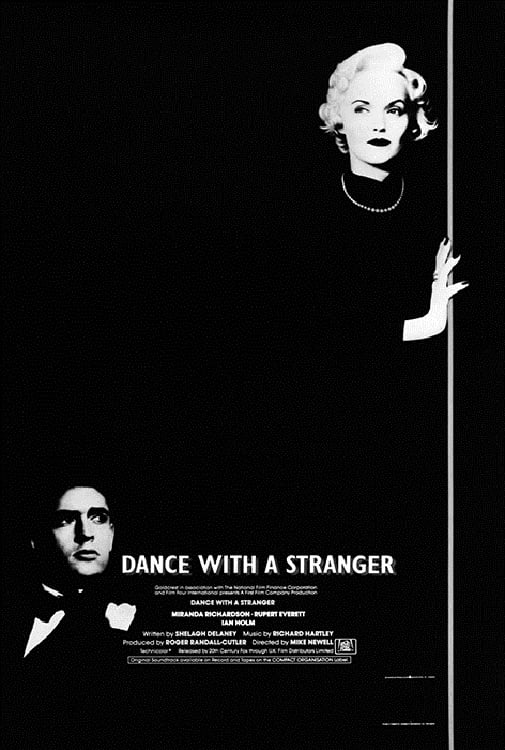
Mike Newell directs this British drama about Ruth Ellis, the final woman executed in Britain, with Miranda Richardson portraying Ellis and Rupert Everett and Ian Holm among the principal cast. The film traces Ellis’s relationships and the events that led to the murder of David Blakely, drawing on court records and widely reported biographical accounts.
The production was shot around London and other English locations to match the period setting, with design choices that recreate postwar nightclubs and working life. The story places Ellis’s case within debates over capital punishment that were active in the United Kingdom at the time.
‘Enchanted April’ (1991)
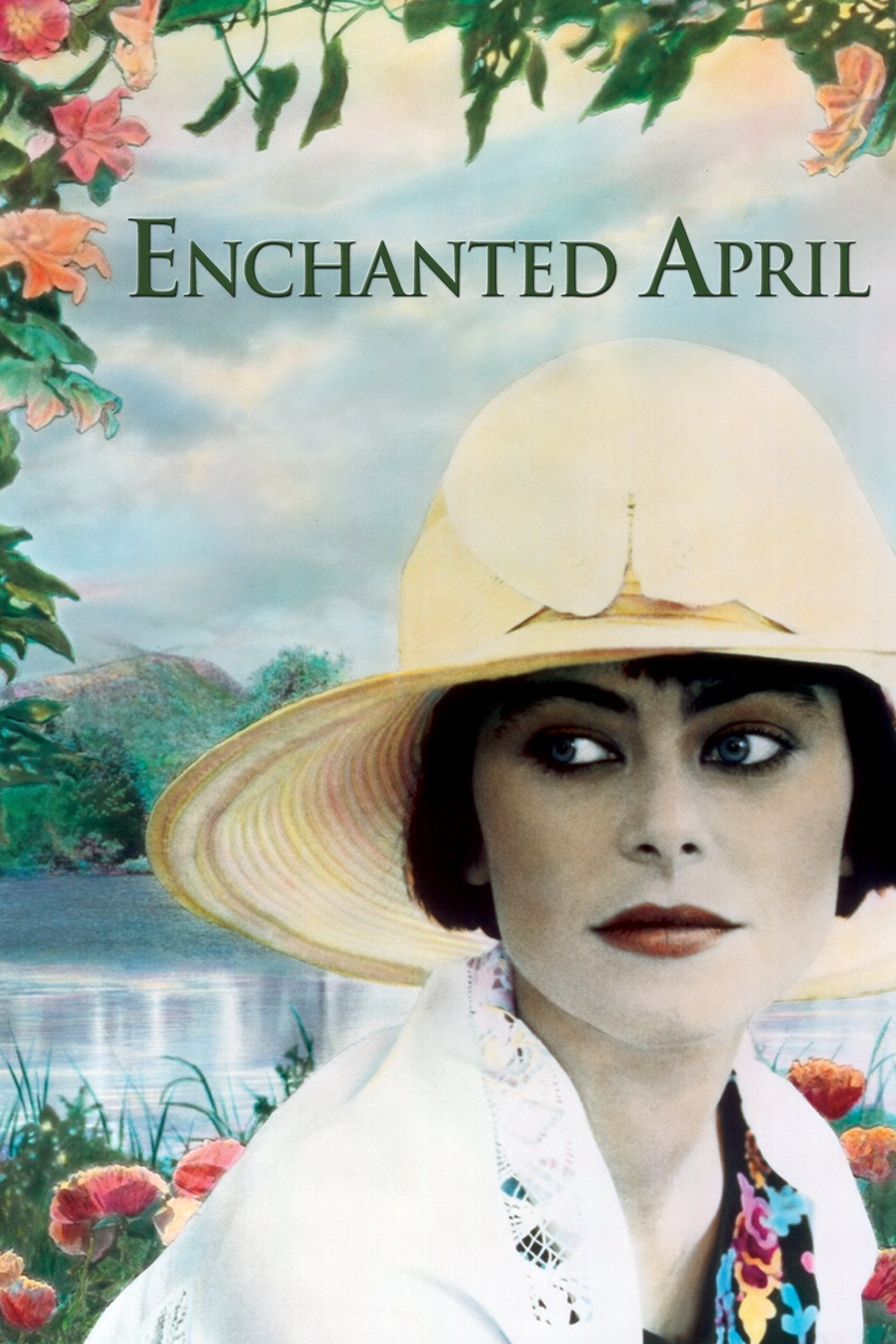
Mike Newell adapts Elizabeth von Arnim’s novel about four English women who rent an Italian villa to step away from their everyday routines, with Miranda Richardson playing Rose Arbuthnot alongside Josie Lawrence, Joan Plowright, and Polly Walker. The film follows the women as they travel from London to the Ligurian coast and gradually reorganize their lives in a new environment.
Production used real Italian locations including Portofino and the historic Castello Brown for the villa setting, while interiors and costumes underline early twentieth century detail. The screenplay keeps the book’s structure of letters and invitations while streamlining scenes for a compact running time.
‘Damage’ (1992)
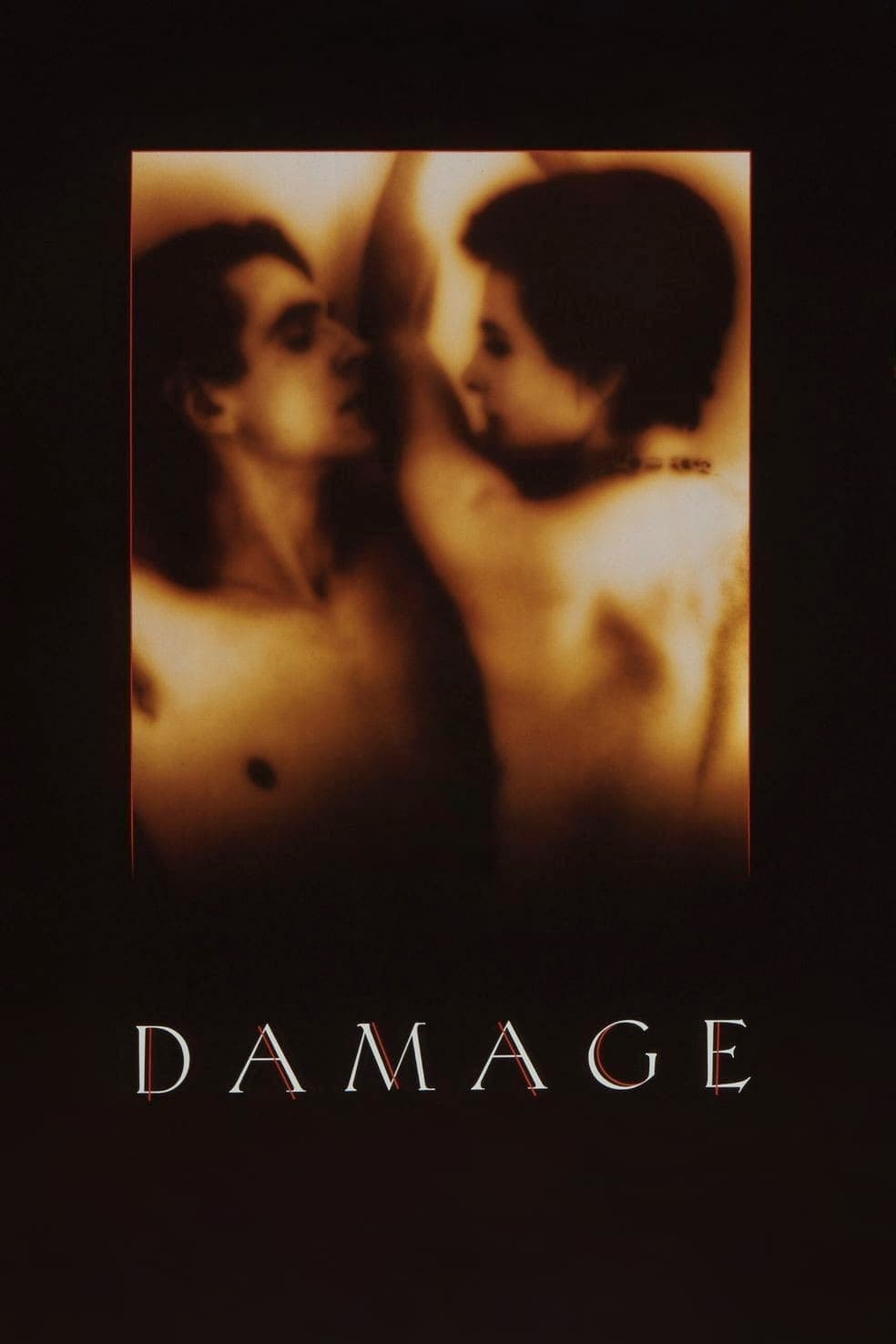
Louis Malle directs this adaptation of Josephine Hart’s novel, with Miranda Richardson as Ingrid Fleming and Jeremy Irons and Juliette Binoche in the central roles. The narrative follows a senior politician who begins an affair that intersects with his family life, and it maps the consequences across private and public spheres.
Christopher Hampton wrote the screenplay, retaining key scenes from the book such as family gatherings and parliamentary obligations. Miranda Richardson received an Academy Award nomination for Best Supporting Actress for this film, and the production uses London settings and interiors that mirror the character’s professional status.
‘The Crying Game’ (1992)
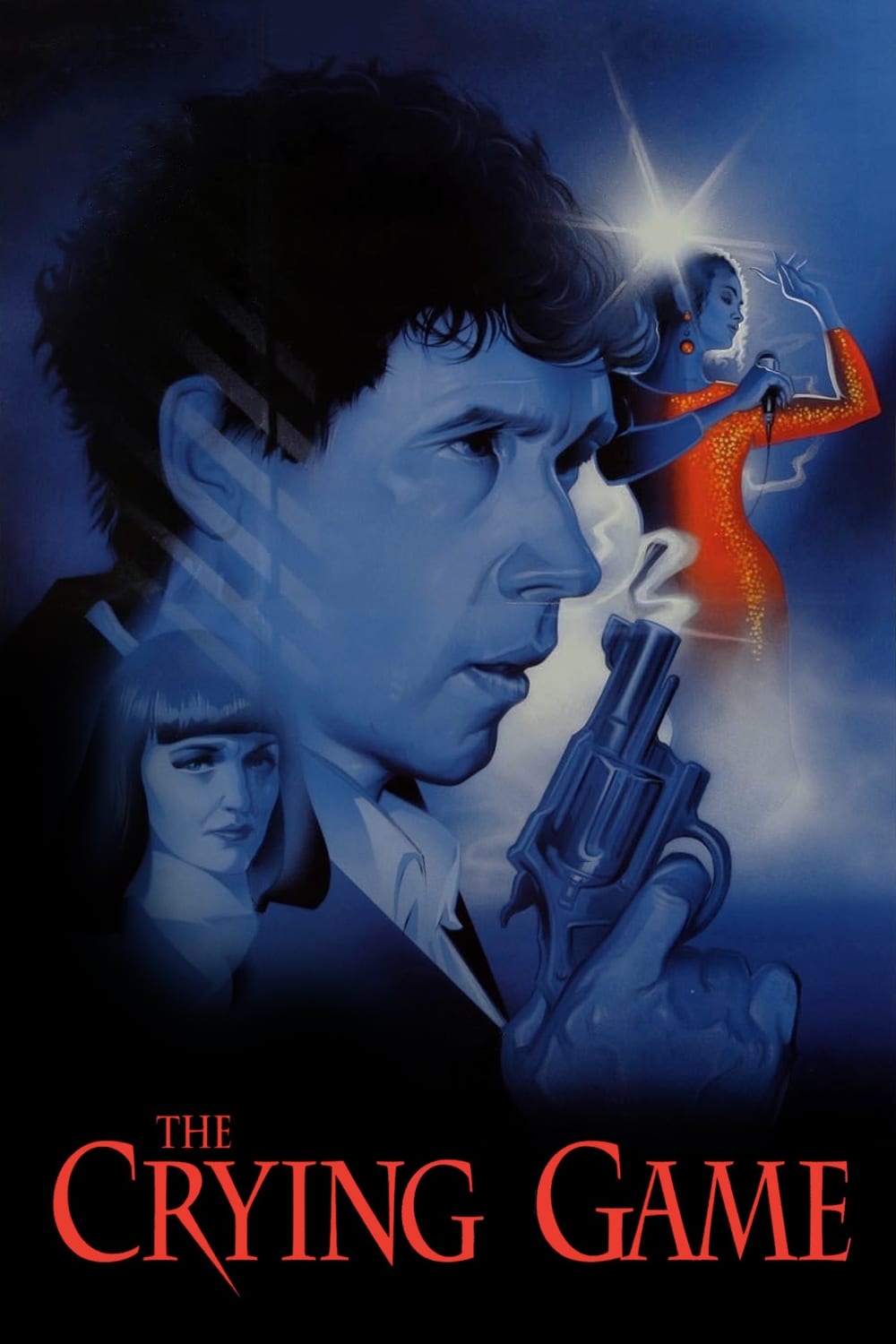
Neil Jordan’s thriller casts Miranda Richardson as Jude alongside Stephen Rea, Jaye Davidson, and Forest Whitaker. The story moves from a rural kidnapping to London nightlife and explores identity, trust, and political allegiance through shifting alliances.
The production combines Irish and British locations and uses practical sets for close interior work. The film received multiple Academy Award nominations and won for screenwriting, and its soundtrack features contemporary tracks that anchor the London sequences.
‘Tom & Viv’ (1994)
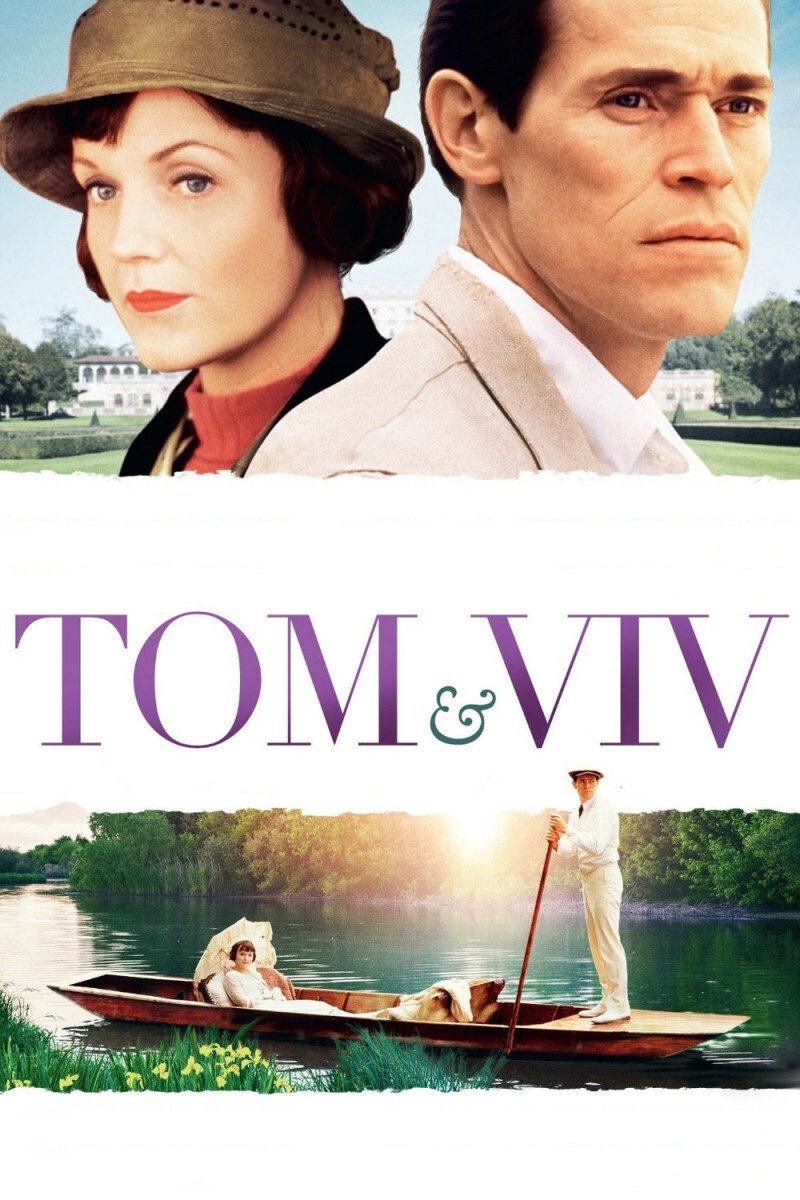
Brian Gilbert directs this biographical drama about the marriage of T. S. Eliot and Vivienne Haigh Wood, with Miranda Richardson as Vivienne and Willem Dafoe as Eliot. The film draws on Michael Hastings’s play and letters to follow their relationship through medical consultations, literary circles, and domestic strain.
Miranda Richardson earned an Academy Award nomination for Best Actress, and Rosemary Harris was nominated for Best Supporting Actress. The production recreates early twentieth century London and Oxford settings with period costumes and props, while the screenplay incorporates readings of poems and correspondence as narrative markers.
‘Kansas City’ (1996)
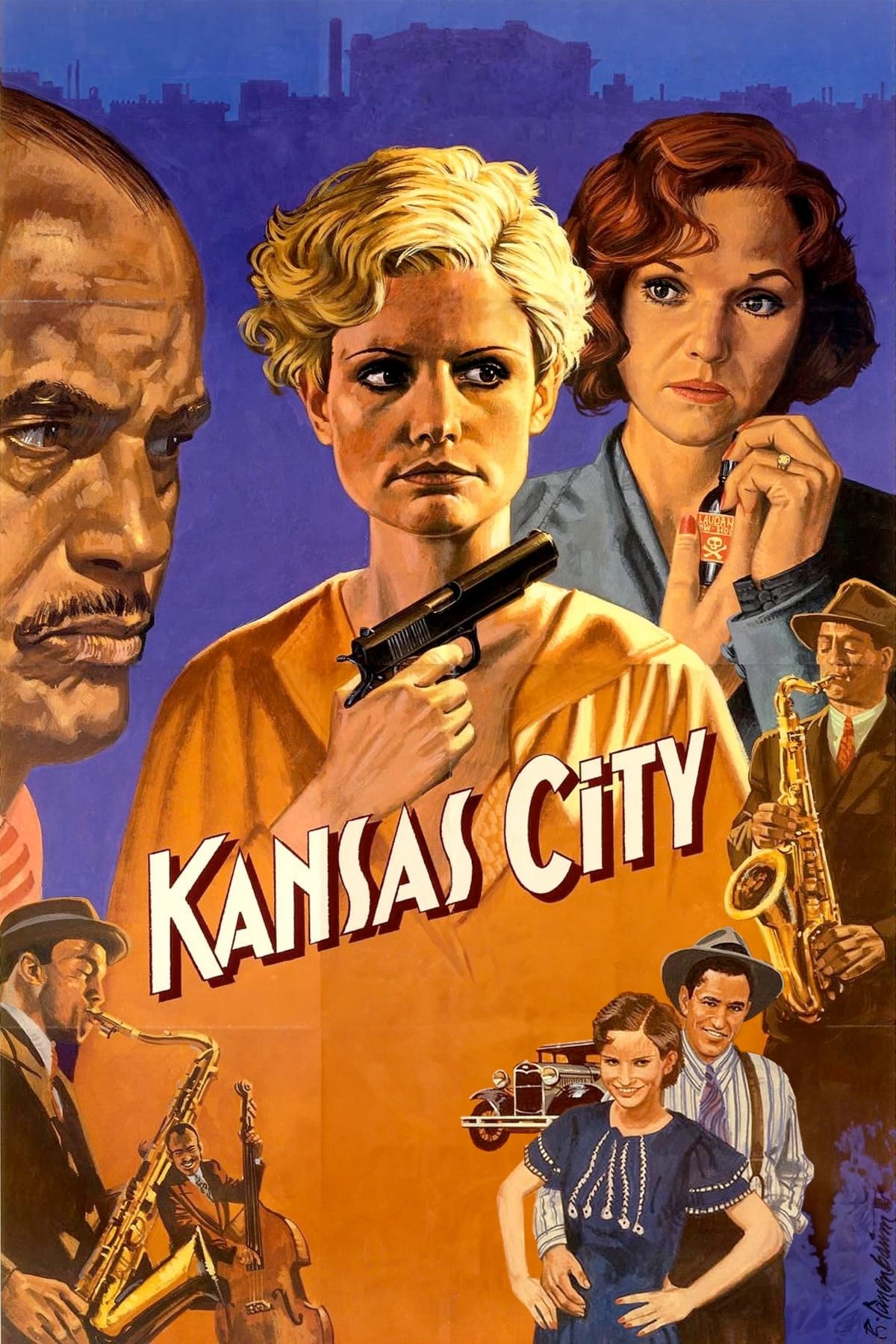
Robert Altman sets this crime drama during a municipal election in Kansas City, with Miranda Richardson as Carolyn Stilton, Jennifer Jason Leigh as Blondie O’Hara, and Harry Belafonte as Seldom Seen. The plot follows a kidnapping that plays out alongside the city’s vibrant jazz scene and local political maneuvering.
Altman staged live performances by noted jazz musicians including Joshua Redman to capture club energy on camera. Period cars, signage, and wardrobe were sourced to fit the mid thirties setting, and the film intercuts musical sets with scenes at Union Station and neighborhoods associated with the city’s political machine.
‘The Designated Mourner’ (1997)
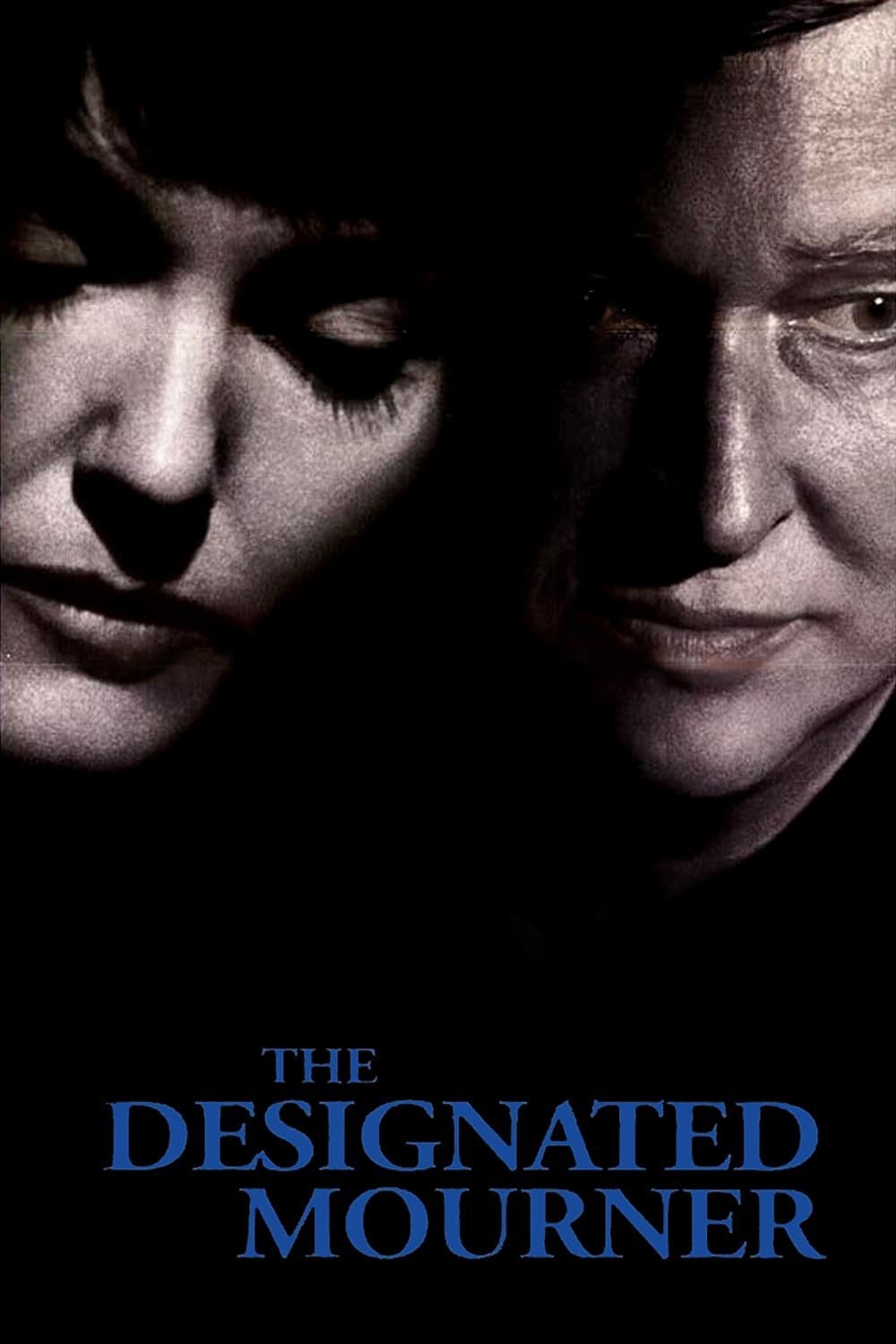
David Hare films his own play with a cast led by Mike Nichols as Jack and Miranda Richardson as Judy, with David de Keyser as her father Howard. The story unfolds in an unnamed country where cultural elites lose standing as the political climate shifts, and it is told through monologues and spare interactions.
The production uses a minimalist set and sustained single takes to preserve the rhythm of the stage text. Sound design focuses on voice clarity and room tone rather than score, and camera placement emphasizes the confessional nature of the material.
‘Sleepy Hollow’ (1999)
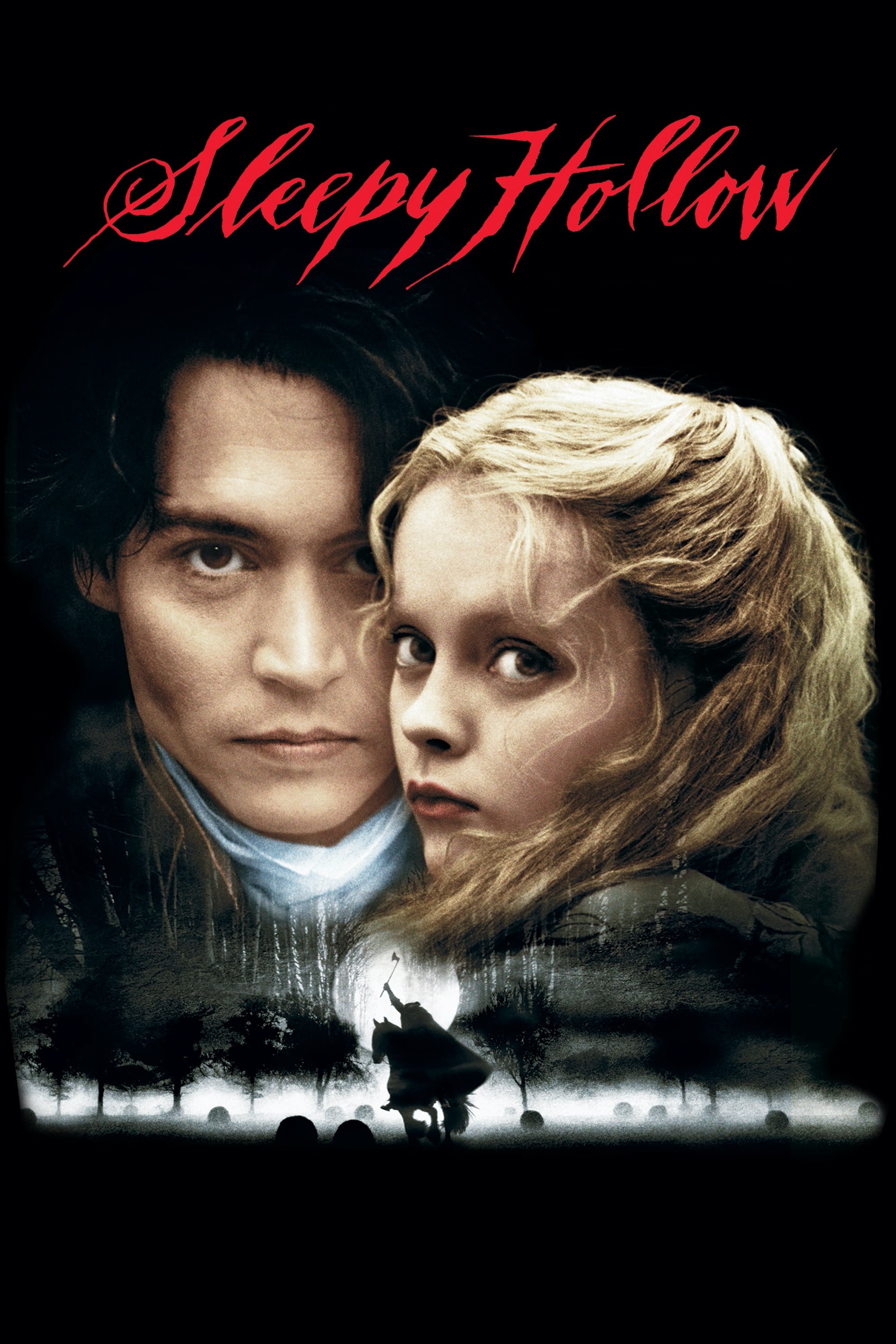
Tim Burton directs this gothic mystery inspired by Washington Irving’s story, with Miranda Richardson as Lady Van Tassel and a cast that includes Johnny Depp and Christina Ricci. The film follows a New York investigator who travels to a rural community to examine a series of decapitations linked to a legendary rider.
The production built large scale sets at Shepperton Studios with art direction that emphasizes fog, timbered architecture, and candlelit interiors. The film won the Academy Award for Art Direction and features costumes and props that align with late eighteenth century design, while action scenes combine practical effects with early digital work.
‘Spider’ (2002)
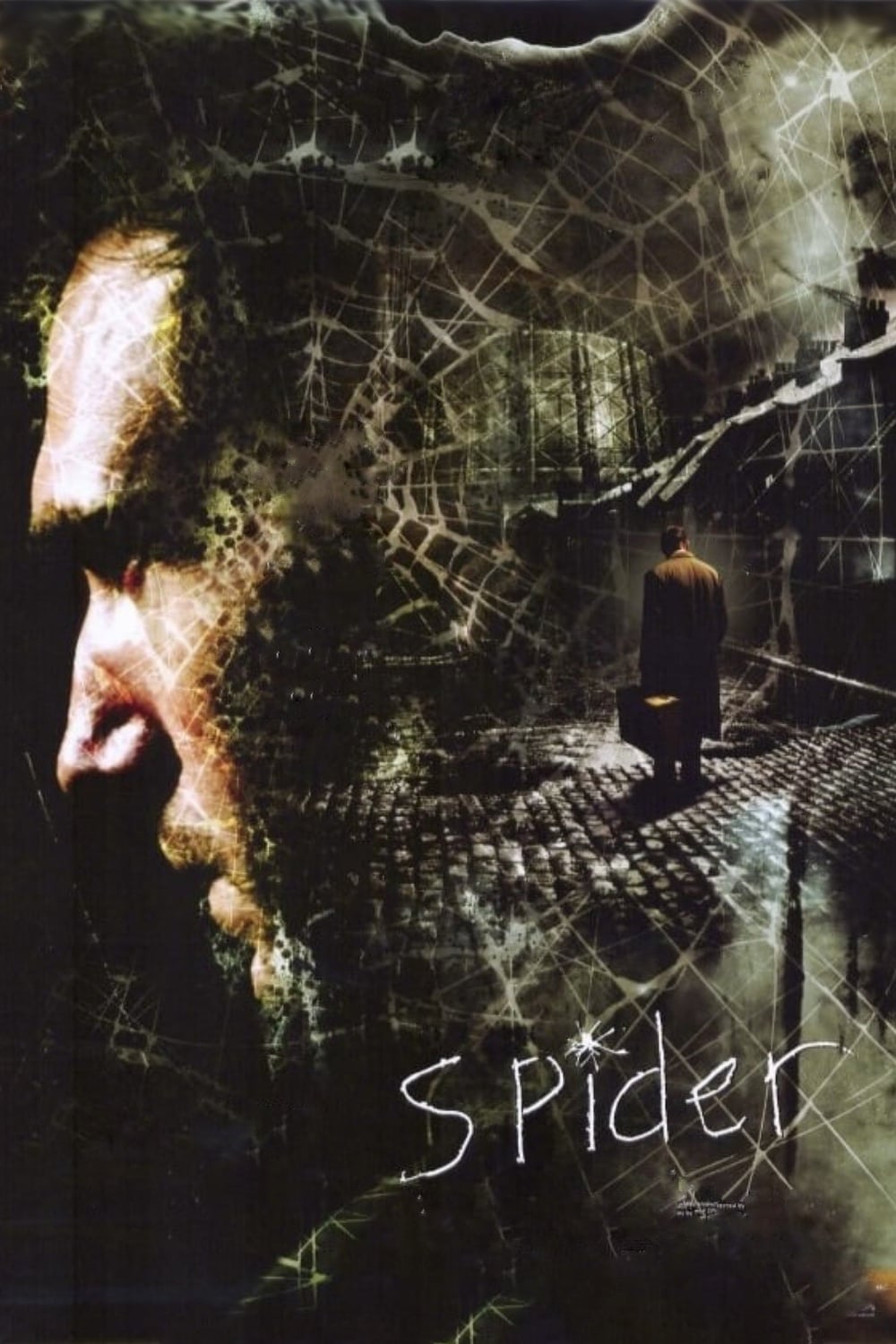
David Cronenberg adapts Patrick McGrath’s novel about Dennis Spider Cleg, with Ralph Fiennes in the title role and Miranda Richardson portraying multiple figures who intersect with the protagonist’s fragmented memories. The narrative follows Spider as he arrives at a halfway house and reconstructs childhood events through notebooks and routine walks.
Patrick McGrath wrote the screenplay, and the production uses East London locations with muted color palettes to match the character’s inner world. The film’s structure alternates present day observation with memory scenes, and camera work often frames reflections and windows to show how memory distorts perception.
‘Made in Dagenham’ (2010)
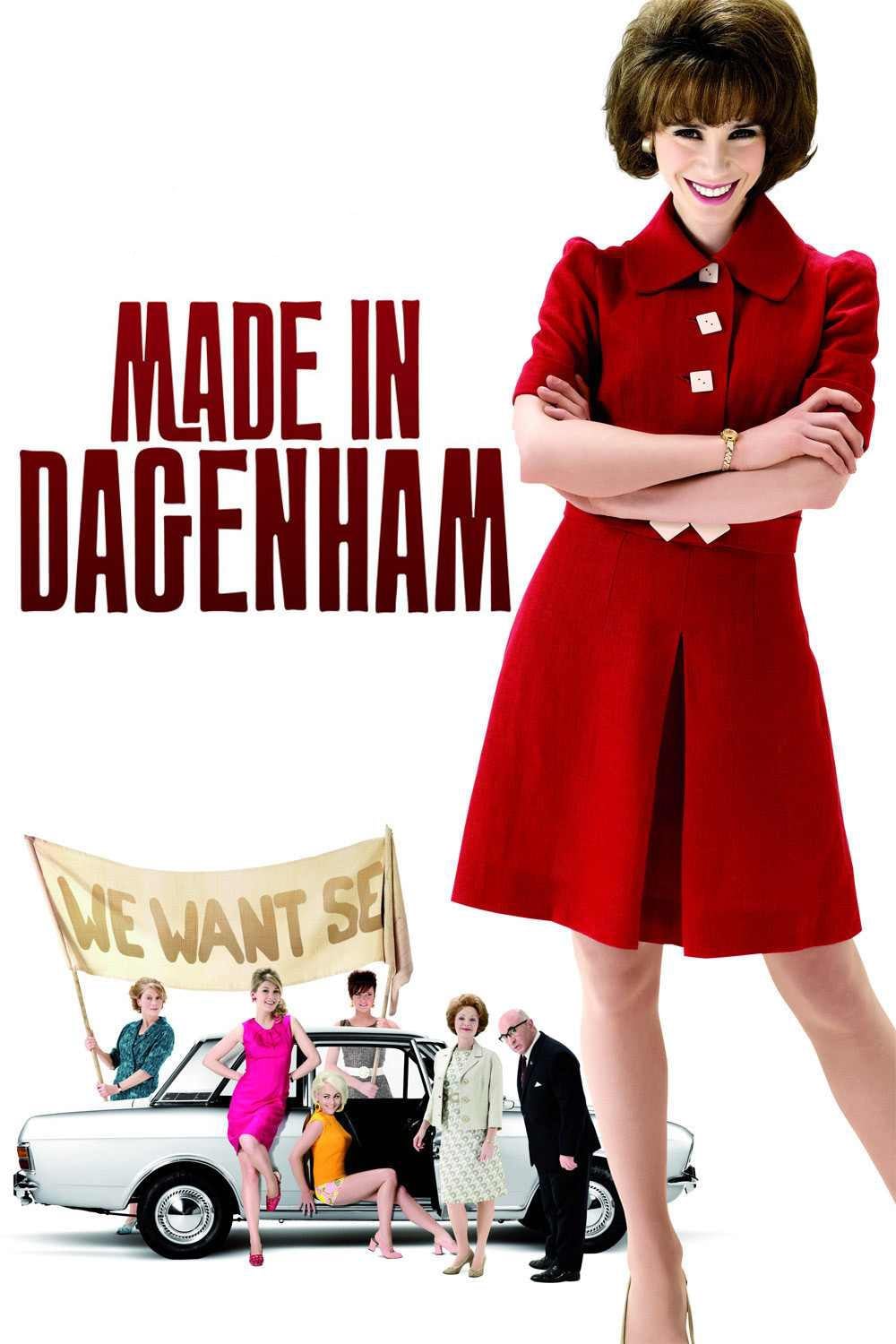
Nigel Cole directs this drama based on the Ford sewing machinists strike, with Miranda Richardson as Barbara Castle and a cast led by Sally Hawkins and Bob Hoskins. The story tracks organizers at the Dagenham plant as they press for pay parity and navigate union and government responses.
Production filmed at factories and civic buildings that match the late sixties setting, and costume design reflects both workplace uniforms and everyday clothing of the period. The film concludes with the legislative outcome that followed the dispute in Britain, and it includes archival style graphics to place the story in its political context.
Share your favorite Miranda Richardson performances from this list in the comments.

