


10 Underrated Robin Williams Movies You Must See

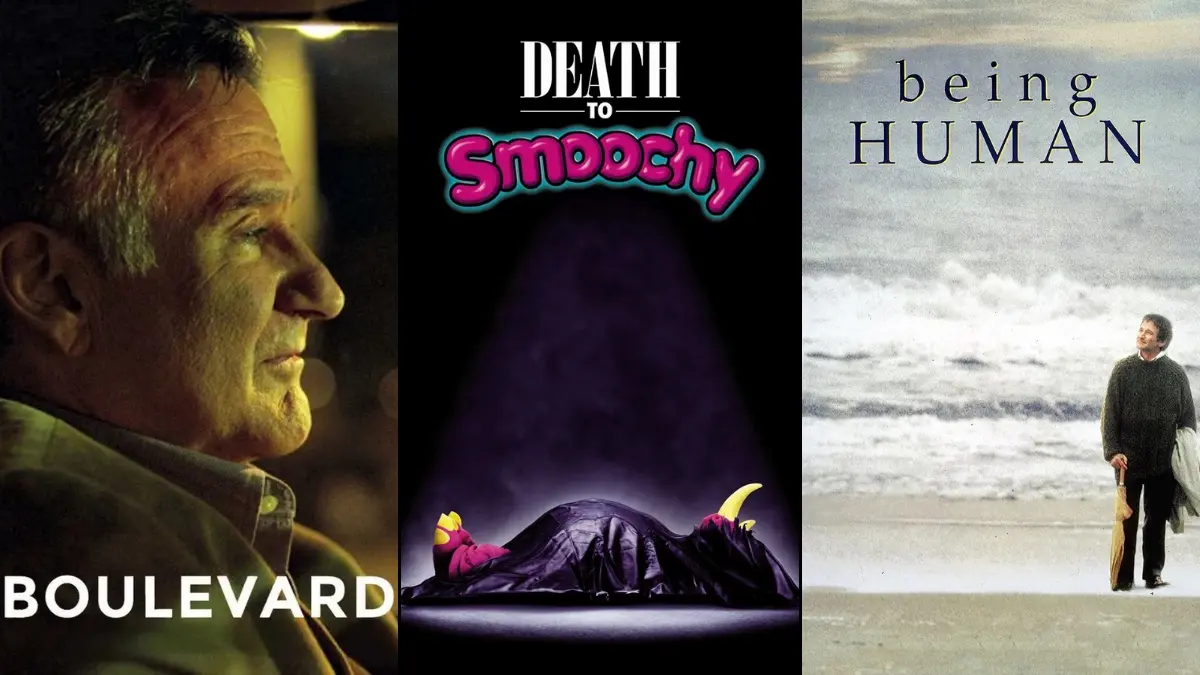


Robin Williams worked across stand up, television, and film for decades, building a body of work that spans broad comedy, intimate drama, and tense thrillers. Beyond the famous hits, he took on challenging roles with notable directors and writers, often learning new skills or accents and collaborating with respected ensembles.
This list spotlights feature films that are less frequently discussed in roundups of his career. They cover a wide range of genres and settings, from period drama and workplace satire to psychological mystery and indie dark comedy, and they show how he approached complex characters with detailed preparation and care for the craft.
‘The World According to Garp’ (1982)
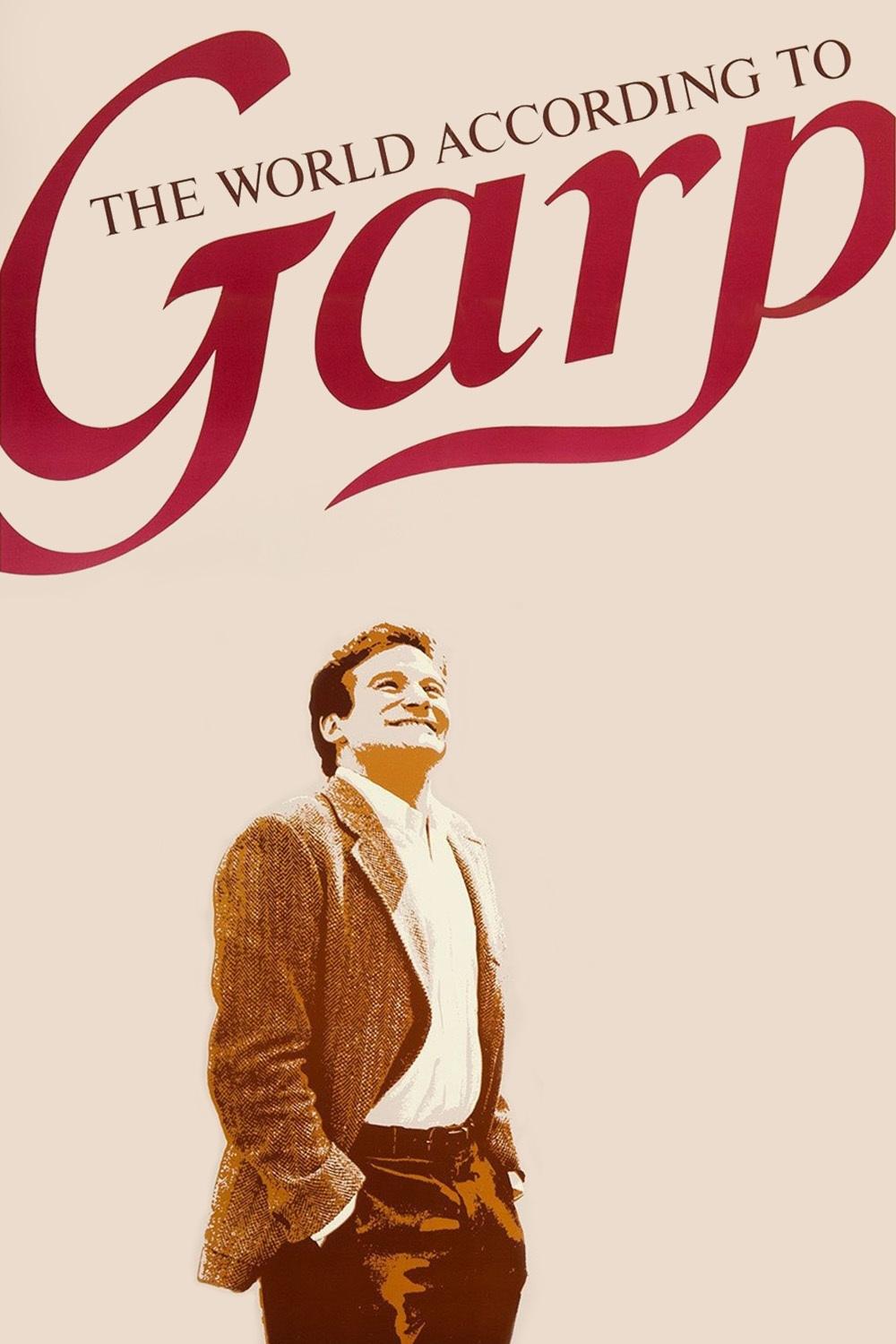
Robin Williams plays T S Garp in an adaptation of John Irving’s novel, directed by George Roy Hill. The story follows Garp from childhood into adulthood as he pursues writing and navigates family upheaval, with Glenn Close as his mother and John Lithgow in a key supporting role. The film explores publishing, identity, and family dynamics through Garp’s relationships and career.
Production drew on Irving’s episodic structure and compressed major plotlines to fit a feature format. Glenn Close and John Lithgow received Academy Award nominations for their performances, and the film helped Williams transition from television comedy into substantial dramatic roles with a respected director and literary source.
‘Moscow on the Hudson’ (1984)
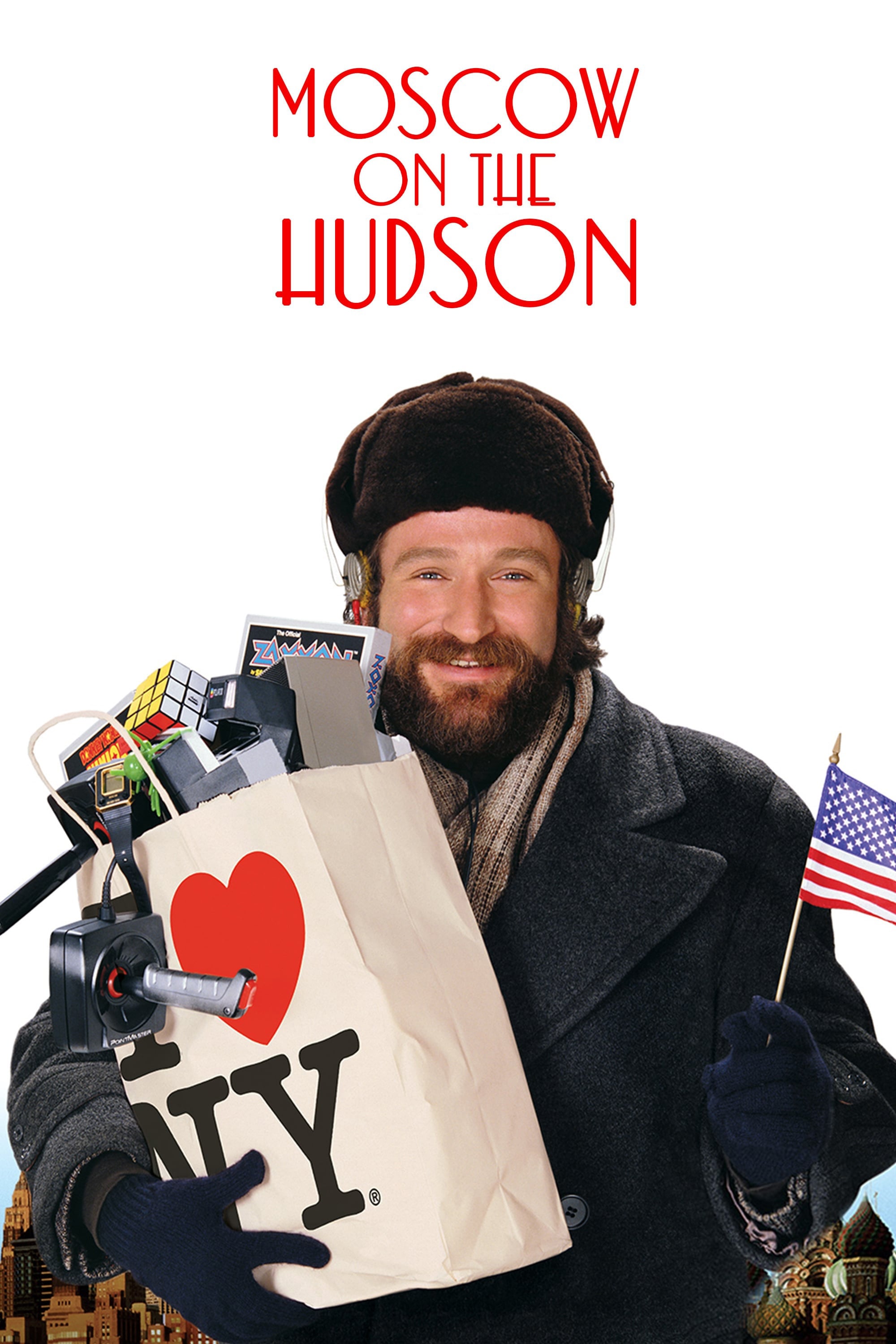
Williams portrays a Russian saxophonist who defects to the United States during a shopping trip to Bloomingdale’s in New York City. Directed by Paul Mazursky, the film follows his character as he adapts to life in the city, learns English in everyday situations, and builds a new community with help from characters played by Maria Conchita Alonso and Cleavant Derricks.
For authenticity Williams studied Russian language and saxophone performance and worked with dialect coaches to sustain long dialogue scenes. Mazursky staged the department store defection sequence on location with large crowds and store staff, and the film uses neighborhoods across the city to depict housing, work, and immigration processes in detail.
‘The Survivors’ (1983)
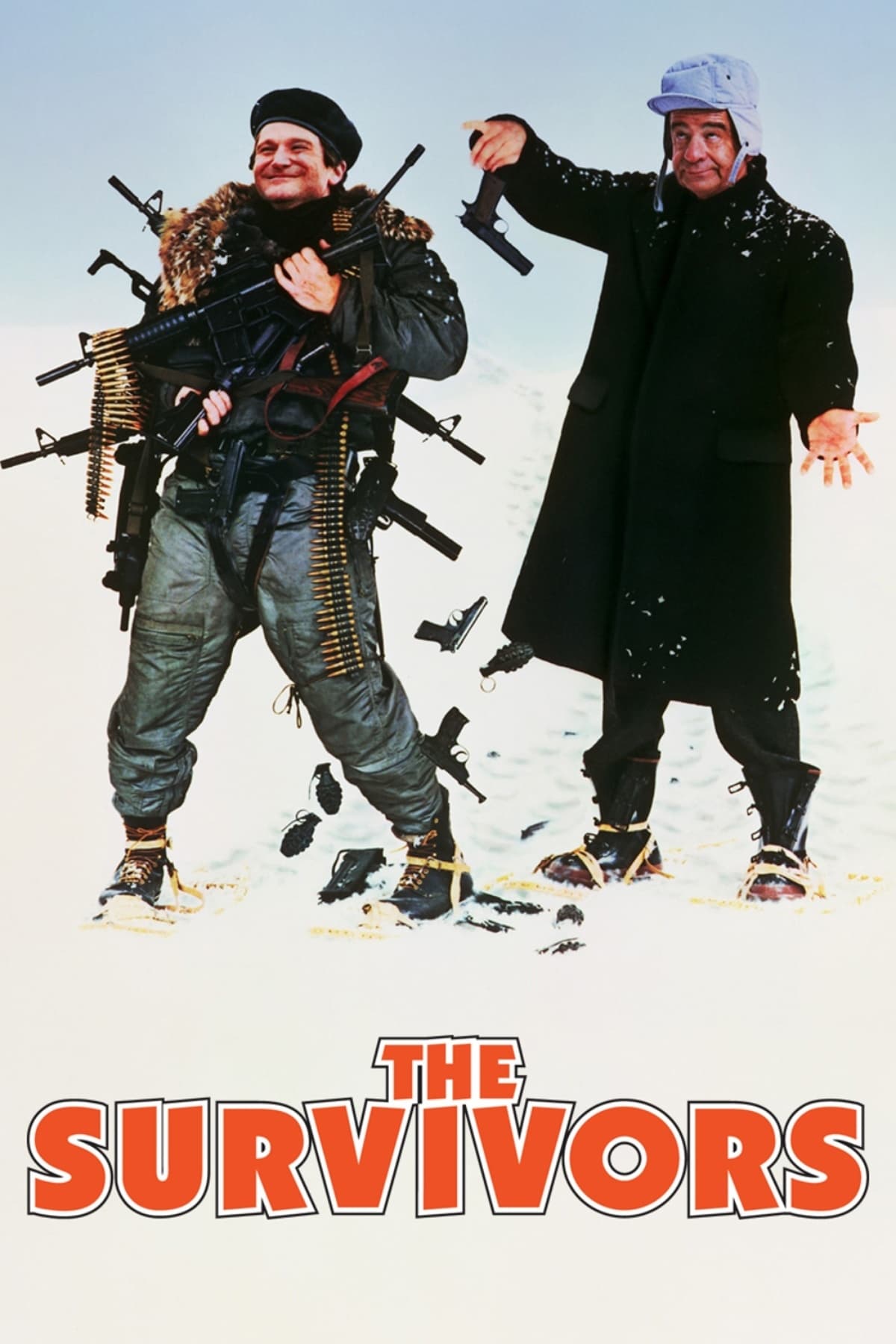
In this buddy comedy with crime elements, Williams appears alongside Walter Matthau as two down on their luck New Yorkers who cross paths with a contract killer played by Jerry Reed. The plot spins out from a robbery and a mistaken identity, moving from the city to a survivalist compound as the characters improvise to stay alive.
Director Michael Ritchie uses urban and rural settings to contrast the leads, and the screenplay sets up recurring gags around self help programs and gun culture. The film pairs performers from different comedy traditions and gives Williams room for fast dialogue work while anchoring scenes with Matthau’s deadpan timing.
‘The Best of Times’ (1986)
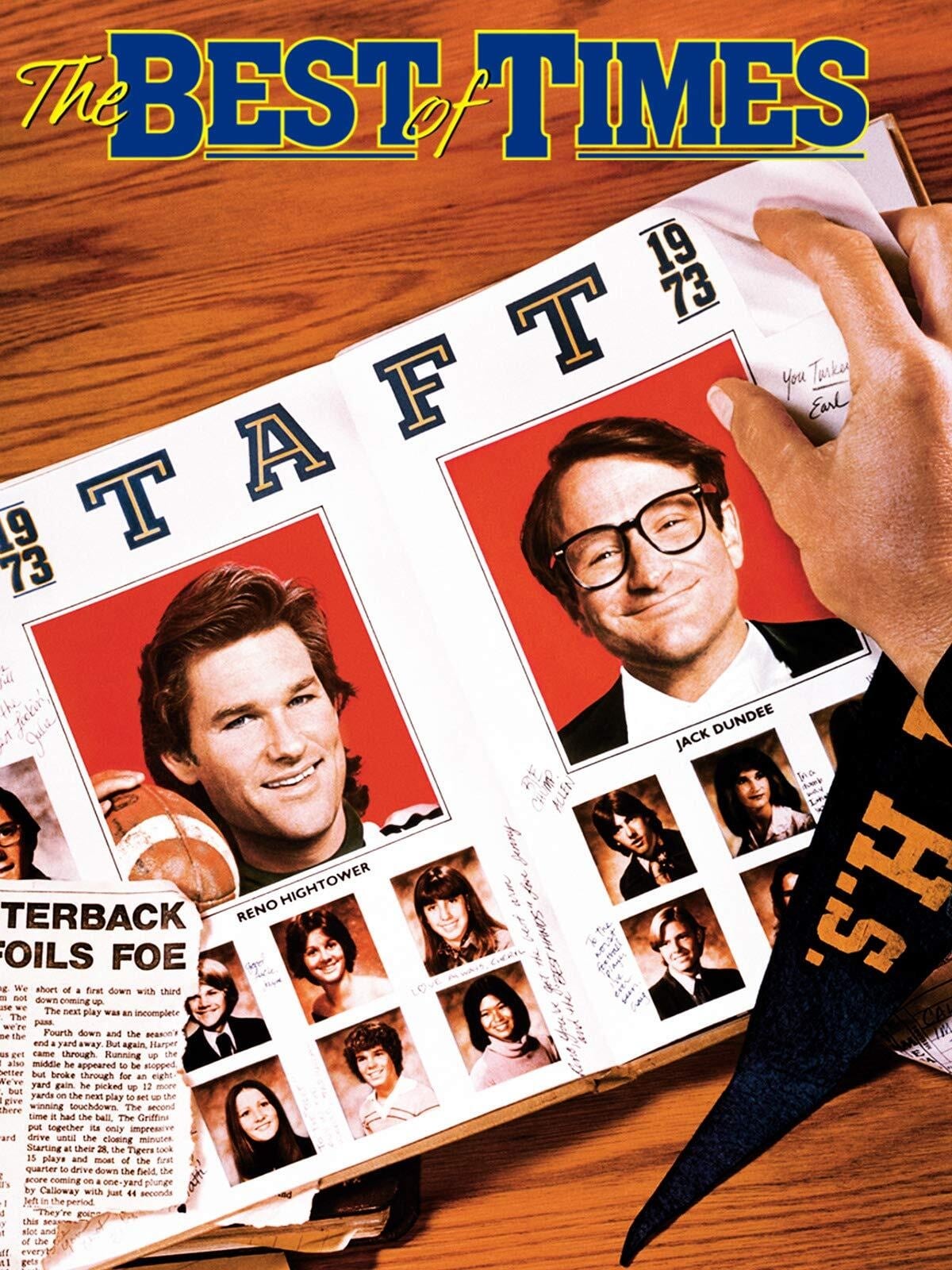
Williams co stars with Kurt Russell in a sports comedy about former high school classmates who organize a do over of a fumbled small town football game. The story centers on community pride, aging memories, and the logistics of rebuilding a team, with many scenes set around local businesses and the school field.
Written by Ron Shelton and directed by Roger Spottiswoode, the film was shot in Central Valley locations that match the fictional town’s look and routines. Football sequences were choreographed with former players and coaches to capture practice drills, game strategy, and the physical layout of a modest stadium.
‘Seize the Day’ (1986)
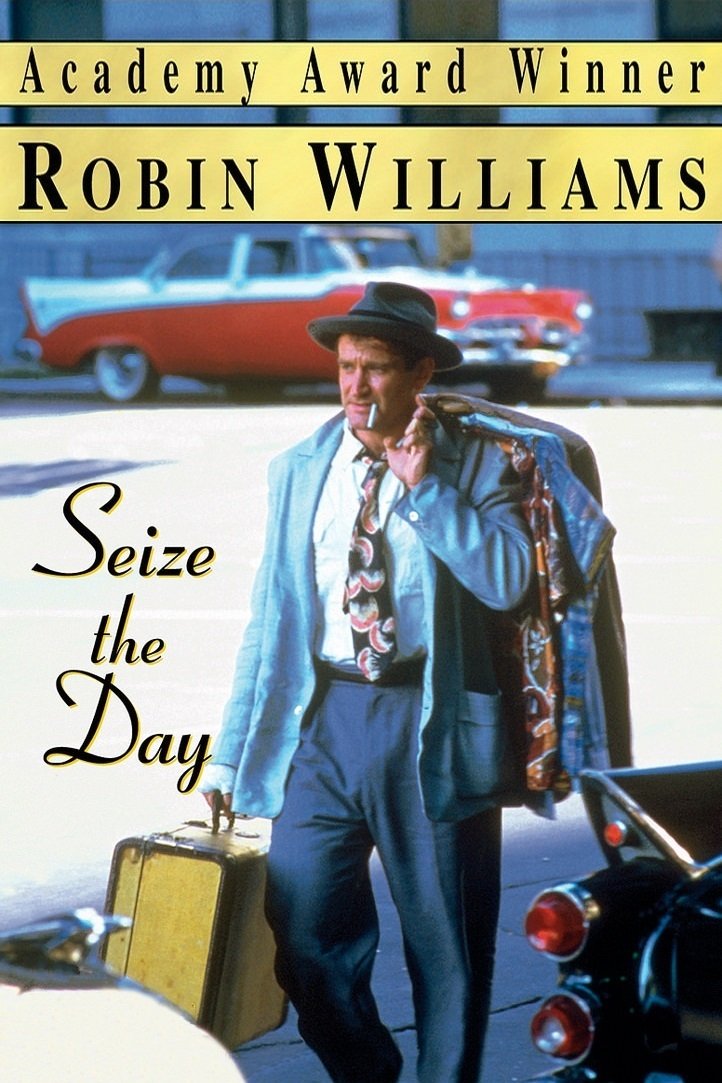
Williams plays Tommy Wilhelm, a struggling salesman drawn from Saul Bellow’s novella, in a quiet character study produced for American Playhouse. The film follows one difficult day as Wilhelm faces financial trouble, a tense relationship with his father, and pressure from a persuasive speculator played by Joseph Wiseman.
Director Fielder Cook keeps scenes intimate in apartments, hotel lobbies, and offices, reflecting the source material’s close focus on a single protagonist. The adaptation uses voiceover and dialogue to translate Bellow’s interior narration, and the release reached audiences through public television before limited theatrical play.
‘Cadillac Man’ (1990)
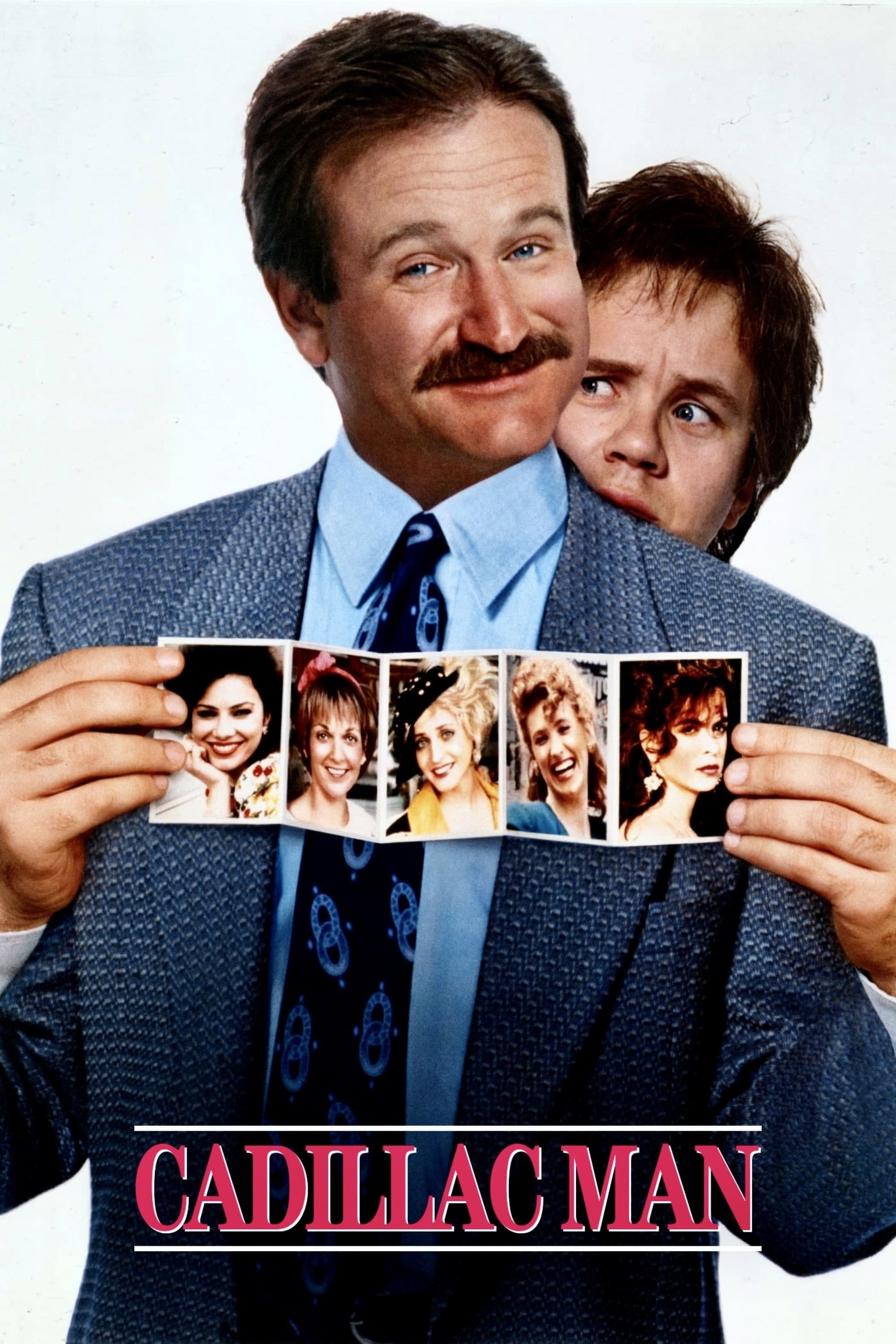
Set in a Queens car dealership, Williams plays a fast talking salesman who is caught in a hostage situation when a distraught motorcyclist, played by Tim Robbins, storms the showroom. The story unfolds over one hectic day as police negotiators, customers, and coworkers crowd the building and the lead character uses negotiation tactics learned on the sales floor.
Directed by Roger Donaldson, the production stages most of the action inside a real dealership space filled with vehicles, showroom glass, and service bays. The script integrates sales techniques, advertising pitches, and inventory quotas into the hostage plot, giving Williams a structure for rapid bargaining scenes and phone call sequences.
‘Being Human’ (1994)
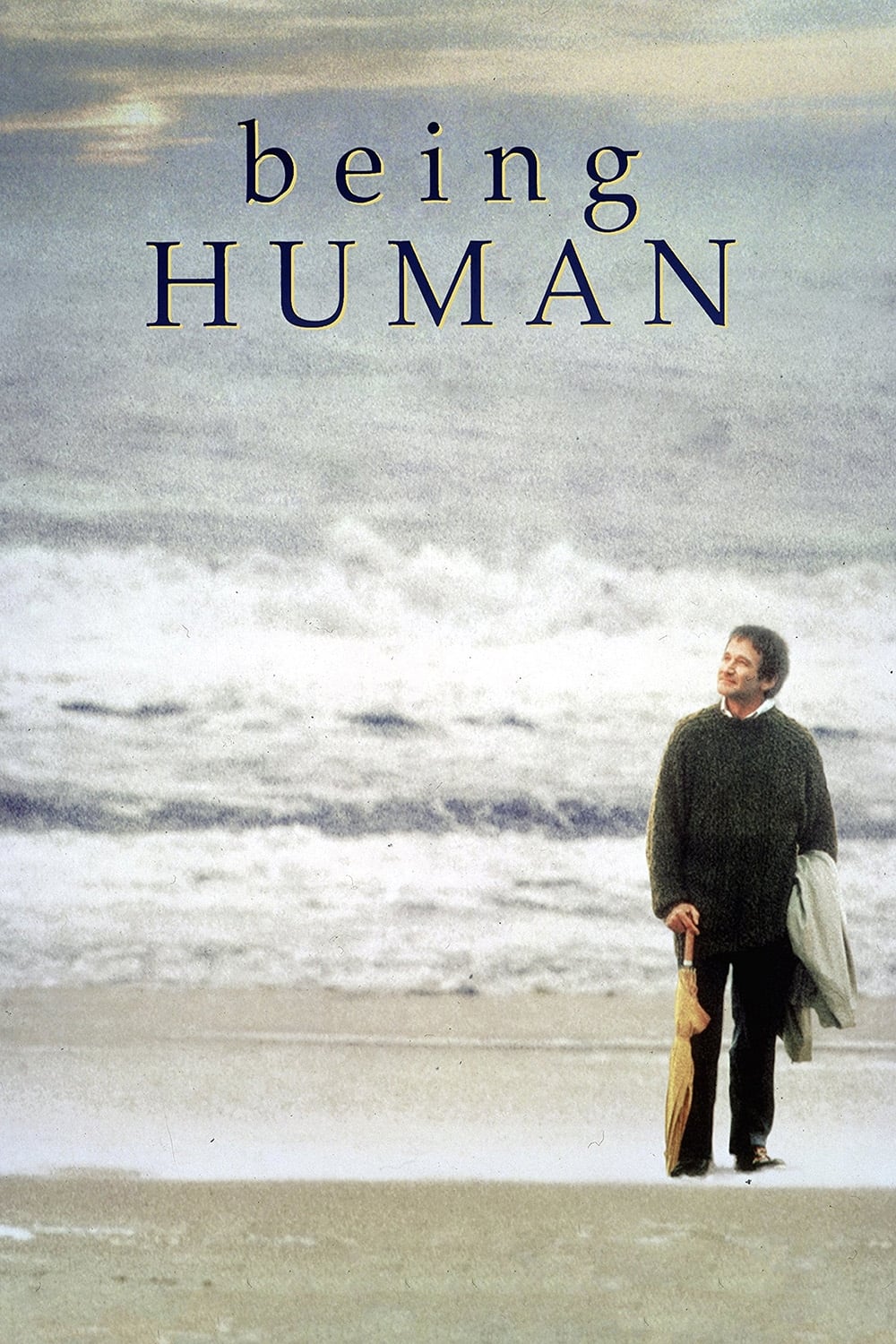
Williams appears as a man named Hector across several lifetimes, each segment set in a different era and place, including ancient times, the Middle Ages, and the modern world. Each vignette explores friendship, loss, and responsibility, with supporting performances from actors such as John Turturro and Stockard Channing.
Bill Forsyth wrote and directed the film and shaped it as a series of self contained stories connected by recurring themes and motifs. The production designed distinct visual palettes, costumes, and props for each time period, and the studio released an edited version that shortened several sequences to fit a wide audience runtime.
‘Death to Smoochy’ (2002)
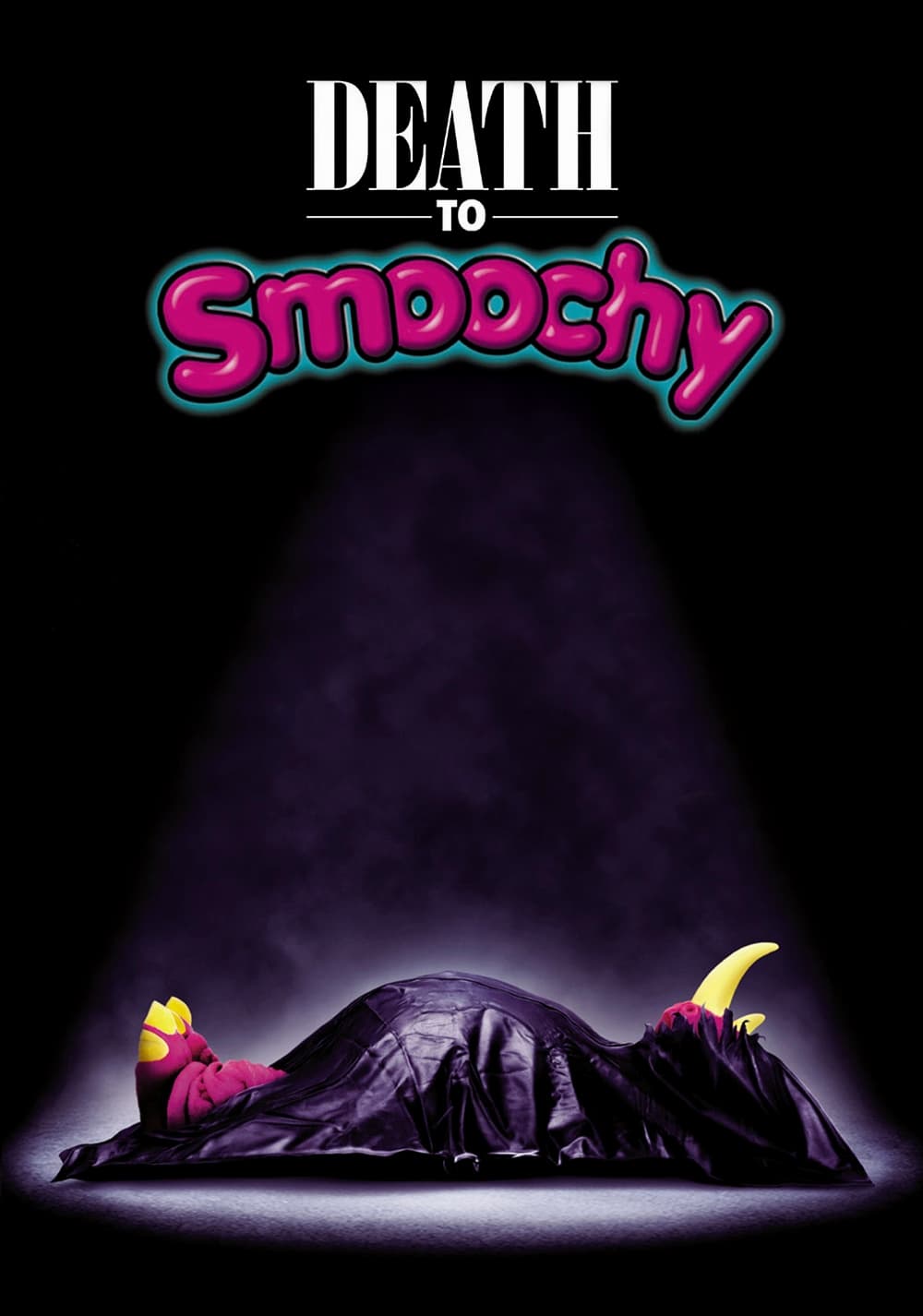
Williams plays a disgraced children’s television host who clashes with a rising performer played by Edward Norton. Directed by Danny DeVito, the plot examines sponsorship deals, charity events, and network politics behind a colorful kids show, with Catherine Keener as a producer who manages the chaos.
The film uses elaborate stage sets, mascot costumes, and choreographed musical numbers to depict the production environment. Location work in Toronto and New York supports the backstage storyline with studios, offices, and arenas, and the cast balances slapstick routines with scenes about contracts, ratings, and image rehabilitation.
‘The Night Listener’ (2006)
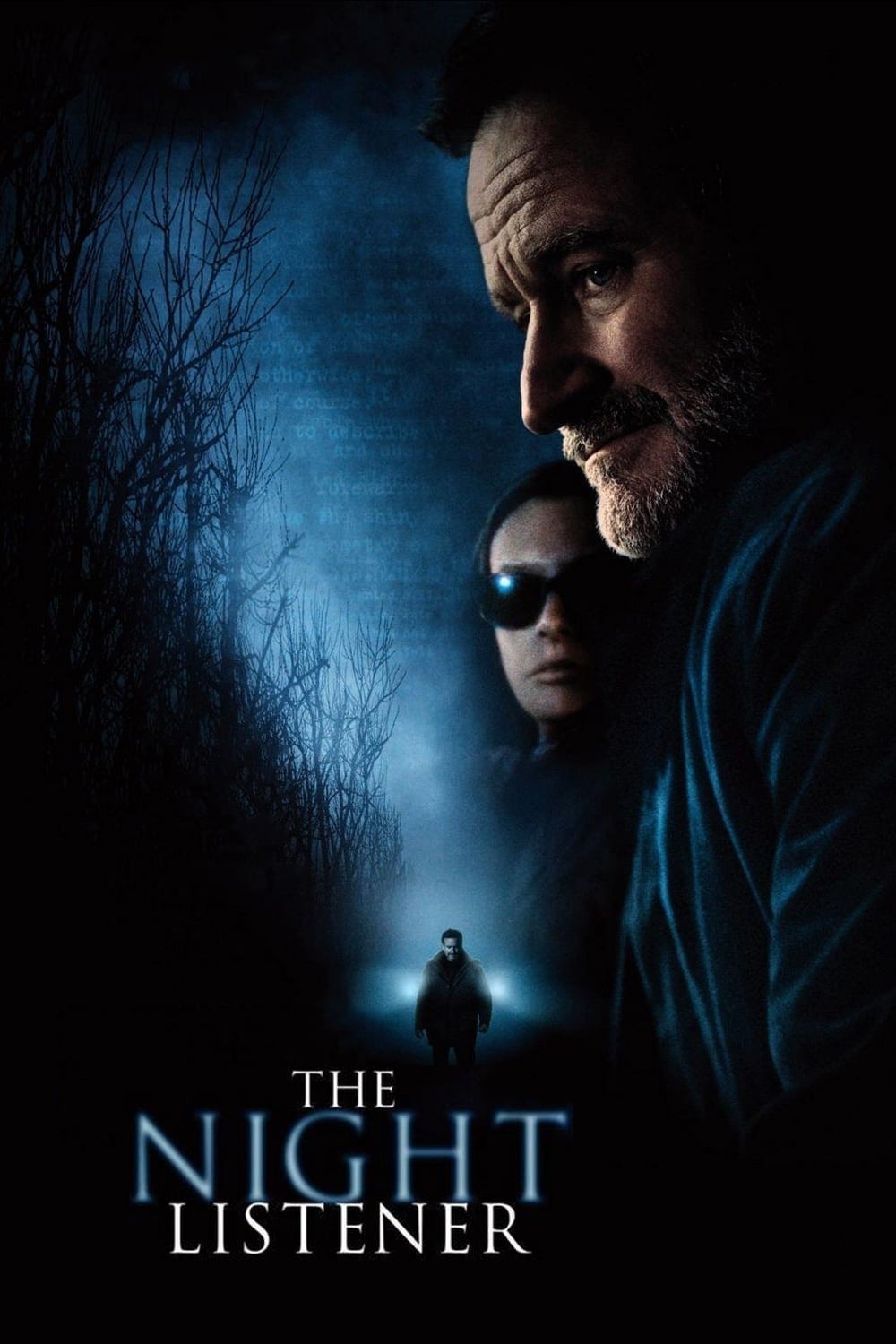
In this psychological drama based on Armistead Maupin’s novel, Williams plays a late night radio storyteller who builds a phone friendship with a teenager and begins to question the truth of what he hears. Toni Collette and Sandra Oh appear in key roles as the investigation moves from Manhattan to small town locations.
Director Patrick Stettner structures the film around calls, manuscripts, and taped conversations, using low light interiors and winter exteriors to mirror the uncertainty in the story. The production leans on practical locations for hospital rooms and suburban houses, and the adaptation keeps the focus on authorship, memory, and verification.
‘World’s Greatest Dad’ (2009)
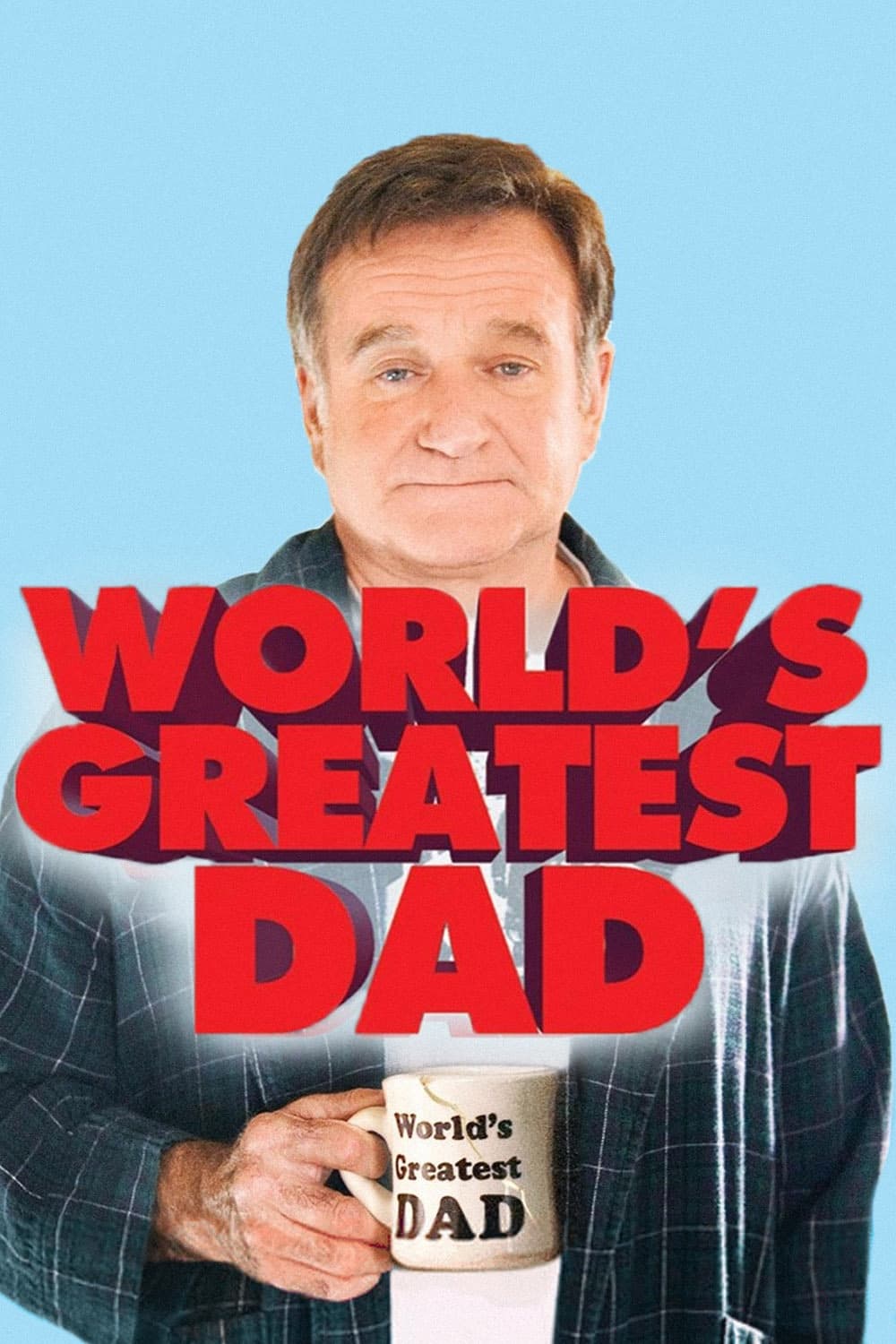
Williams plays a high school teacher who faces a sudden personal crisis involving his son, then attempts to manage the fallout through unexpected writing. The film tracks how the lie spreads through classmates, administrators, and local media, showing how public attention affects the school and the father’s job.
Writer director Bobcat Goldthwait shot the film on a modest budget with a small crew and a compact schedule. It premiered at a major film festival and later reached viewers through a limited theatrical run and video on demand, and it features a supporting cast that includes Daryl Sabara and Alexie Gilmore.
‘Boulevard’ (2014)
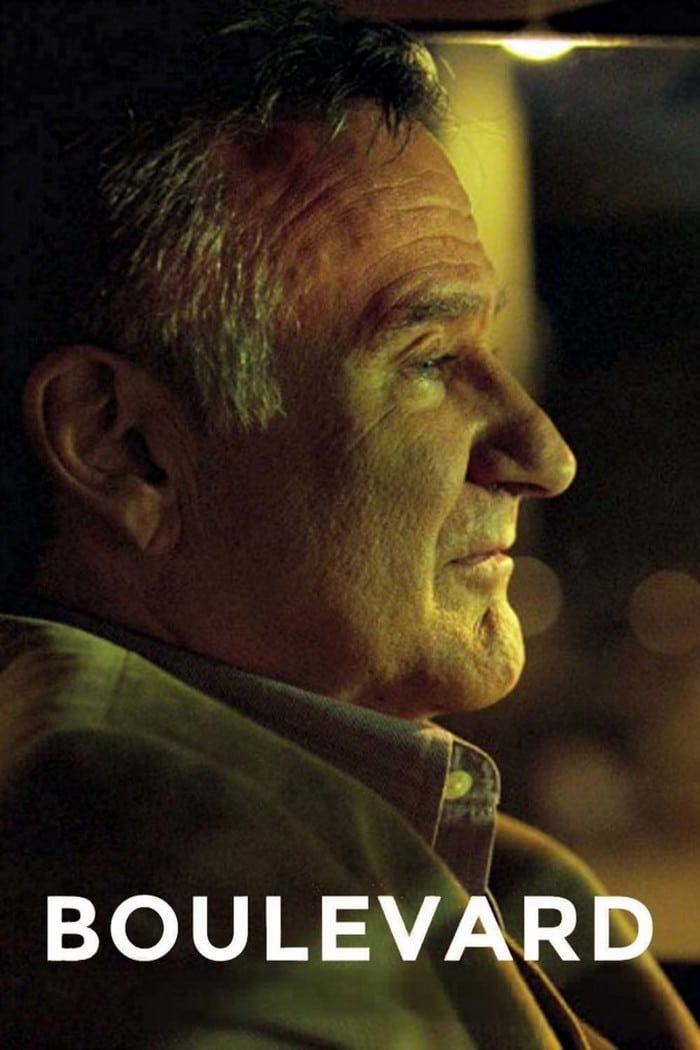
Williams portrays a long time bank employee who reexamines his life after an unexpected meeting on a late drive. The story follows his marriage, his work routine, and his private choices, set around a neighborhood of modest homes and a branch office with regular customers.
Directed by Dito Montiel, the film premiered at a prominent New York festival and later received a limited release in theaters and on digital platforms. The production keeps scenes grounded in real locations and focuses on conversations in cars, diners, and living rooms, with Kathy Baker and Roberto Aguire in key supporting roles.
Share your favorite lesser known Robin Williams performances in the comments and tell us which titles you would add to this list.

