


10 Underrated Films by Timothy Spall You Have to Watch


Timothy Spall has spent decades quietly redefining what a character actor can do, slipping between comedy, tragedy, and prickly moral gray zones with almost mischievous ease. While many viewers know him from scene-stealing roles in prestige hits, a surprising number of his sharpest, most generous performances live in films that never fully broke through.
This list spotlights those overlooked gems—projects where Spall’s choices are subtle, human, and occasionally devastating. From intimate British dramas to thorny political chamber pieces and moody period mysteries, these films show how he elevates every scene not by shouting the loudest, but by listening hardest.
10. ‘The Pale Blue Eye’ (2022)
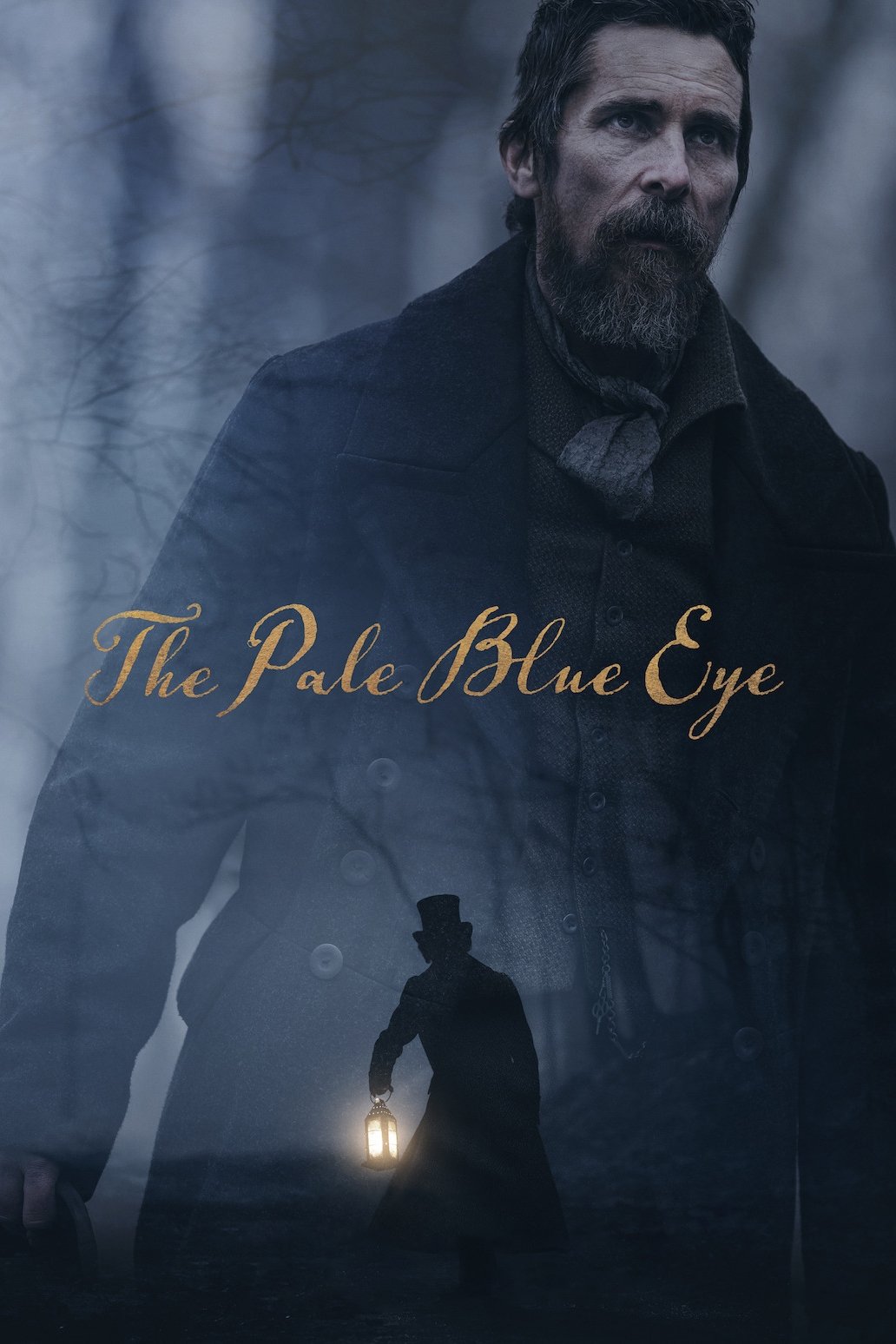
As a flinty, tight-lipped authority figure in this Gothic mystery, Spall threads the needle between institutional rigidity and flickers of uneasy curiosity. He builds a character who’s as much a locked room as the case itself, and the restraint makes every small reaction land.
Working opposite brooding leads, he functions like a tuning fork for tension—subtly altering the pitch of a scene with a glance or a pause. It’s a reminder that even in ornate period settings, Spall’s most potent tool is the quiet weight of credibility.
9. ‘Spencer’ (2021)

Amid the film’s fever-dream elegance, Spall’s equerry is the chill in the December air: courteous, unblinking, and impossible to read. He becomes the embodiment of institutional watchfulness, never outright cruel yet undeniably constricting.
What makes the performance special is the way he hints at private cost. Behind measured words and immaculate posture, he suggests a man who has survived by sanding down his own edges—a mirror held up to the story’s themes of performance and control.
8. ‘The Last Bus’ (2021)

As a widower on a cross-country odyssey, Spall shoulders a film of hushed stakes and everyday grace. He plays grief like a series of small, practical decisions—what to pack, where to sit, how to keep moving when the world feels too large.
Because he never forces pathos, the tenderness sneaks up on you. By the time the journey resolves, you’ve traveled not just across a map but through a soft, stubborn kind of hope that Spall renders without a single false note.
7. ‘It Snows in Benidorm’ (2020)

Here Spall leans into awkwardness as a retiring bank clerk who drifts into sunlit noir. He lets the character’s hesitations bloom into a peculiar charisma, making vulnerability feel almost adventurous.
The film’s dreamy tone could float away without ballast; Spall supplies it. His gentle curiosity anchors the story so that each coincidence feels like a door cracked open, inviting us to believe in late-life reinvention.
6. ‘The Party’ (2017)

In a brisk, barbed drawing-room satire, Spall turns silence into a weapon. Slumped, glass in hand, he lets other characters ricochet until a few carefully placed lines detonate the evening’s pretenses.
It’s comic timing by subtraction—every pause calibrated, every muttered aside heavy with history. He finds the bruised heart beneath the cynicism, giving the farce a melancholy aftertaste that lingers.
5. ‘The Journey’ (2016)

Playing a towering political figure, Spall avoids mimicry and chases temperament instead: pride, suspicion, and a begrudging appetite for understanding. He shapes a man armoured by conviction who learns to negotiate without surrendering himself.
The two-hander structure demands agility, and Spall delivers, shifting from flinty barbs to unexpected warmth. It’s diplomacy as drama, and he makes it feel thrillingly personal.
4. ‘Denial’ (2016)
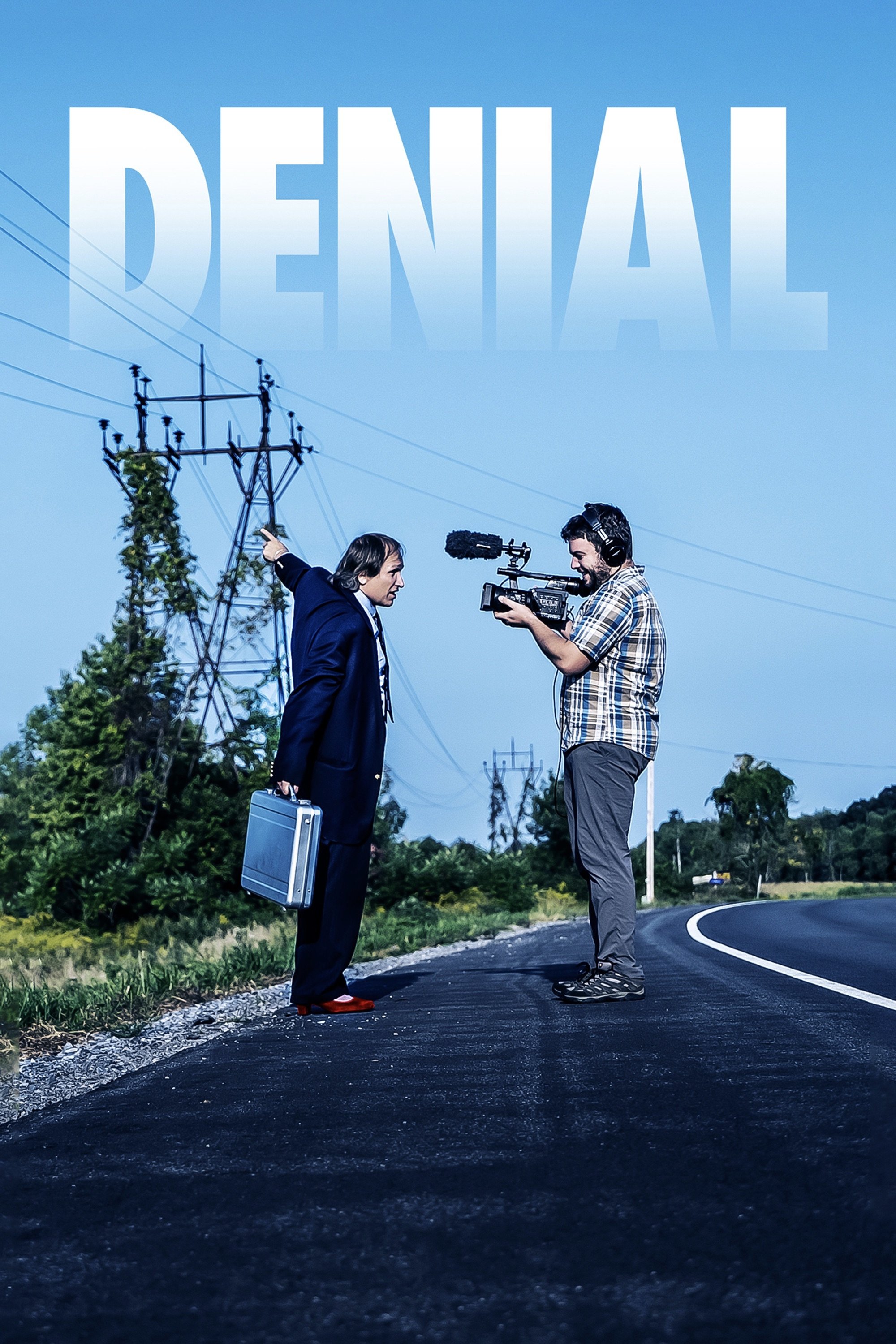
As a notorious public figure, Spall channels icy courtliness and a chilling sense of self-certainty. He never turns the role into caricature; the poise and polish make the character’s worldview more unsettling.
The performance is a masterclass in rhetorical menace. Spall shows how charm can be a mask and how confidence, unexamined, curdles into something far darker—an intellectual villain drawn with unnerving precision.
3. ‘Pierrepoint: The Last Hangman’ (2005)
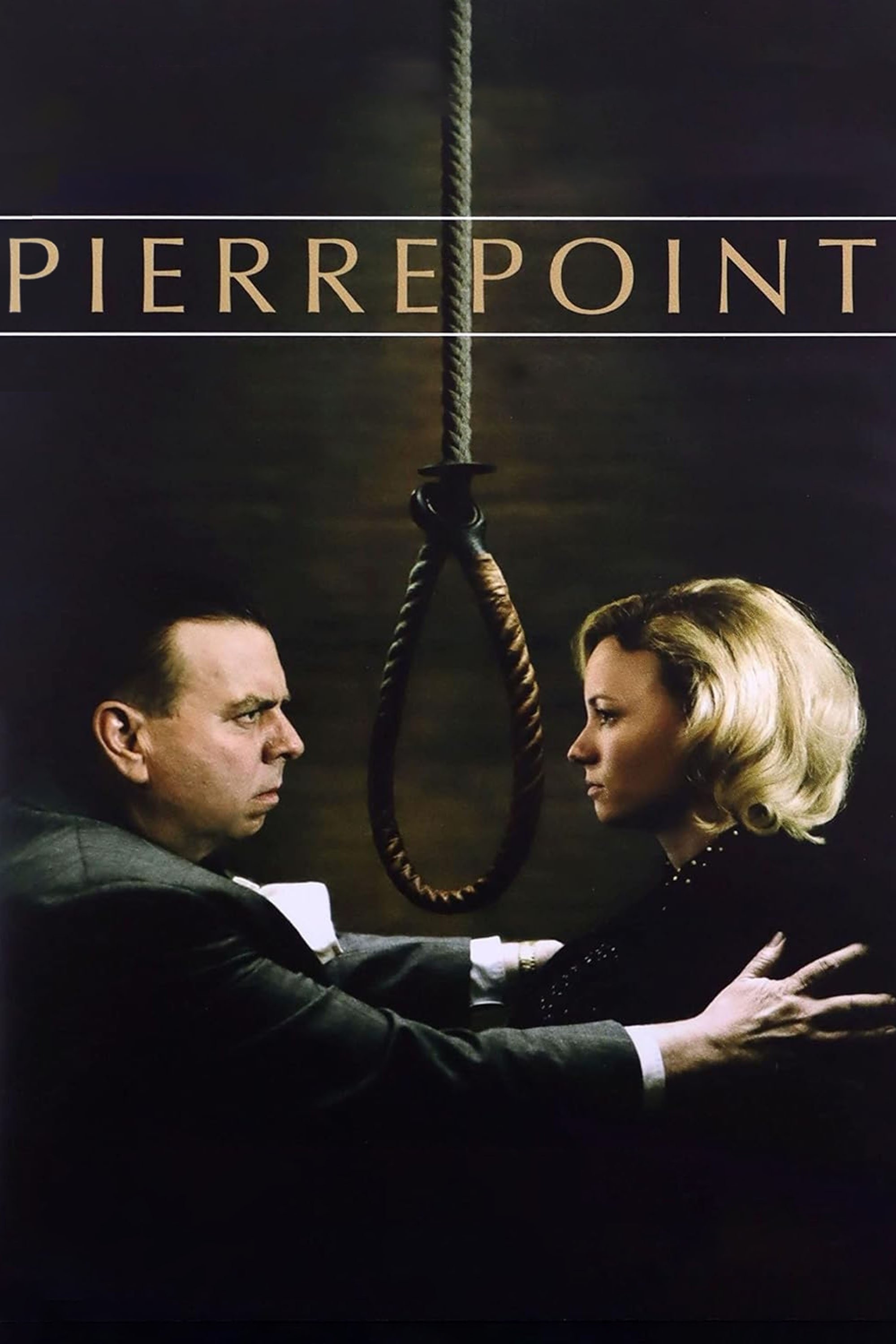
Spall gives a humane, deeply internalized portrait of a man whose profession demands emotional compartmentalization. He resists judgment, playing duty and doubt as two steady hands trying to hold the same rope.
What emerges is a meditation on routine and conscience. Spall’s quiet craft lets the film consider moral weight without moralizing, and the final stretch lands with a sorrow that feels earned, not engineered.
2. ‘All or Nothing’ (2002)
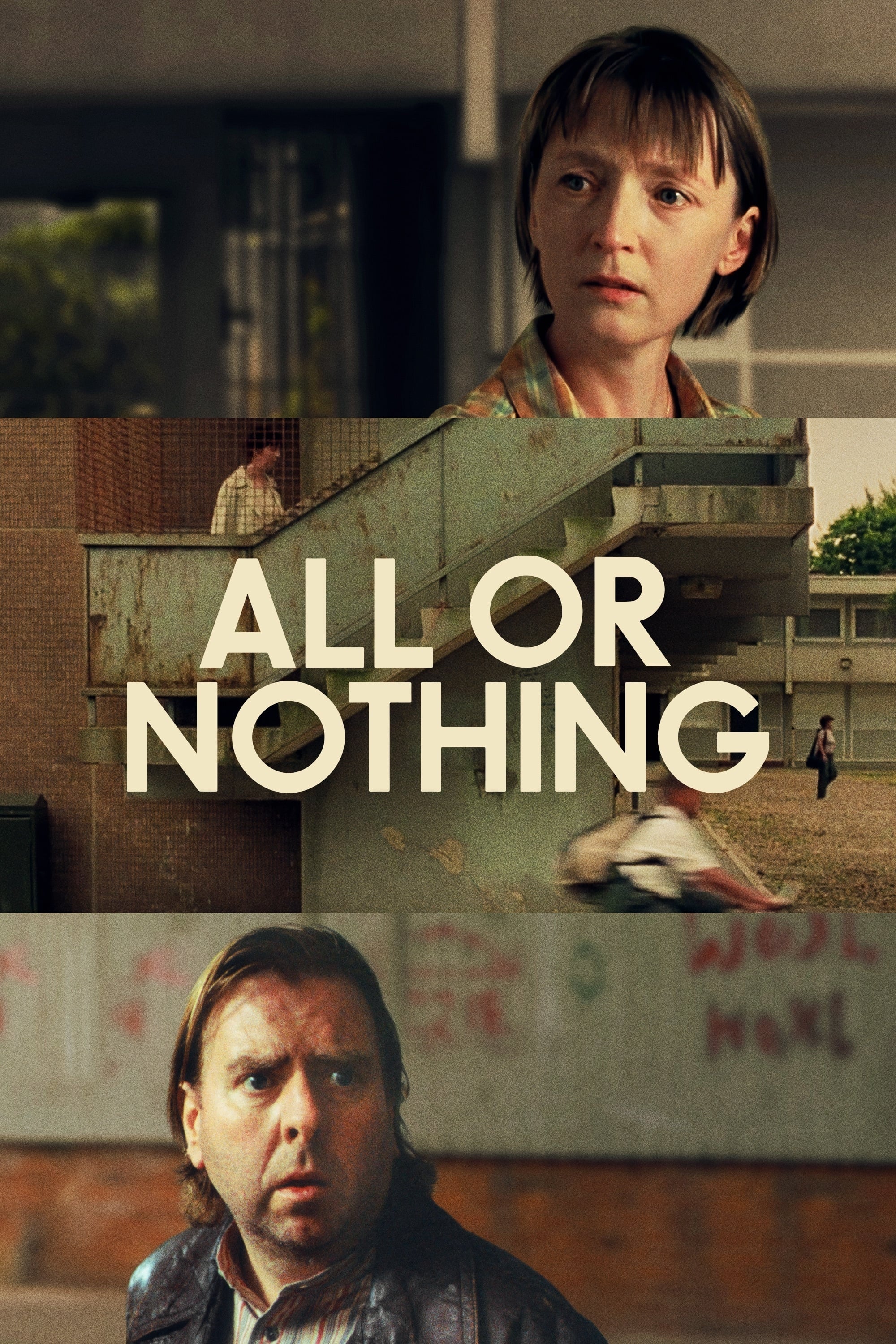
Reuniting with a longtime collaborator, Spall embodies a minicab driver whose gentleness has calcified into passivity. He finds poetry in small humiliations and even smaller mercies, turning ordinary days into a symphony of near-misses.
When the emotional dam finally cracks, it’s shattering precisely because he’s underplayed everything else. Few actors can map the fault lines of working-class life with such compassion and exactness.
1. ‘Life Is Sweet’ (1990)

Spall’s turn as a hapless restaurateur is all nervous energy and aching pride, a portrait of a man sprinting to keep up with his own dreams. He wrings laughter from disaster without ever punching down.
Beneath the calamity, he sketches a fundamentally kind soul out of his depth, letting warmth peek through the flop sweat. It’s early proof of a career-long gift: making flawed, ordinary people feel extraordinary.
Share your favorite overlooked Timothy Spall performances in the comments—what hidden gems would you add to this list?

