


10 Underrated Films by Werner Herzog You Must See


Werner Herzog has spent decades moving between fiction and nonfiction with the same restless curiosity. His films track explorers and artisans, pilots and monks, performers and entire communities as they face unusual places and problems. Across countries and languages he has built a body of work that mixes on location shooting, nonprofessional actors, and memorable collaborations with musicians and cinematographers.
This list highlights ten titles that sit a little outside the usual conversation while showing how wide his range really is. You will find early milestones, bold experiments, and later projects made with lean crews in remote locations. Each entry notes story essentials along with concrete details about how the film was made, where it was shot, and who appears on screen.
‘Signs of Life’ (1968)

This wartime drama follows a small German unit assigned to a quiet outpost on the Greek island of Kos. As the days pass the heat and isolation begin to reshape the men and one soldier drifts into a state of alarming instability that places the local population at risk.
Herzog shot the film on Kos with a young crew and limited resources while leaning on real island locations rather than sets. The film marked his first narrative feature and introduced creative partnerships that would recur in later projects, including work with cinematographer Thomas Mauch and a preference for natural light and practical effects.
‘Even Dwarfs Started Small’ (1970)
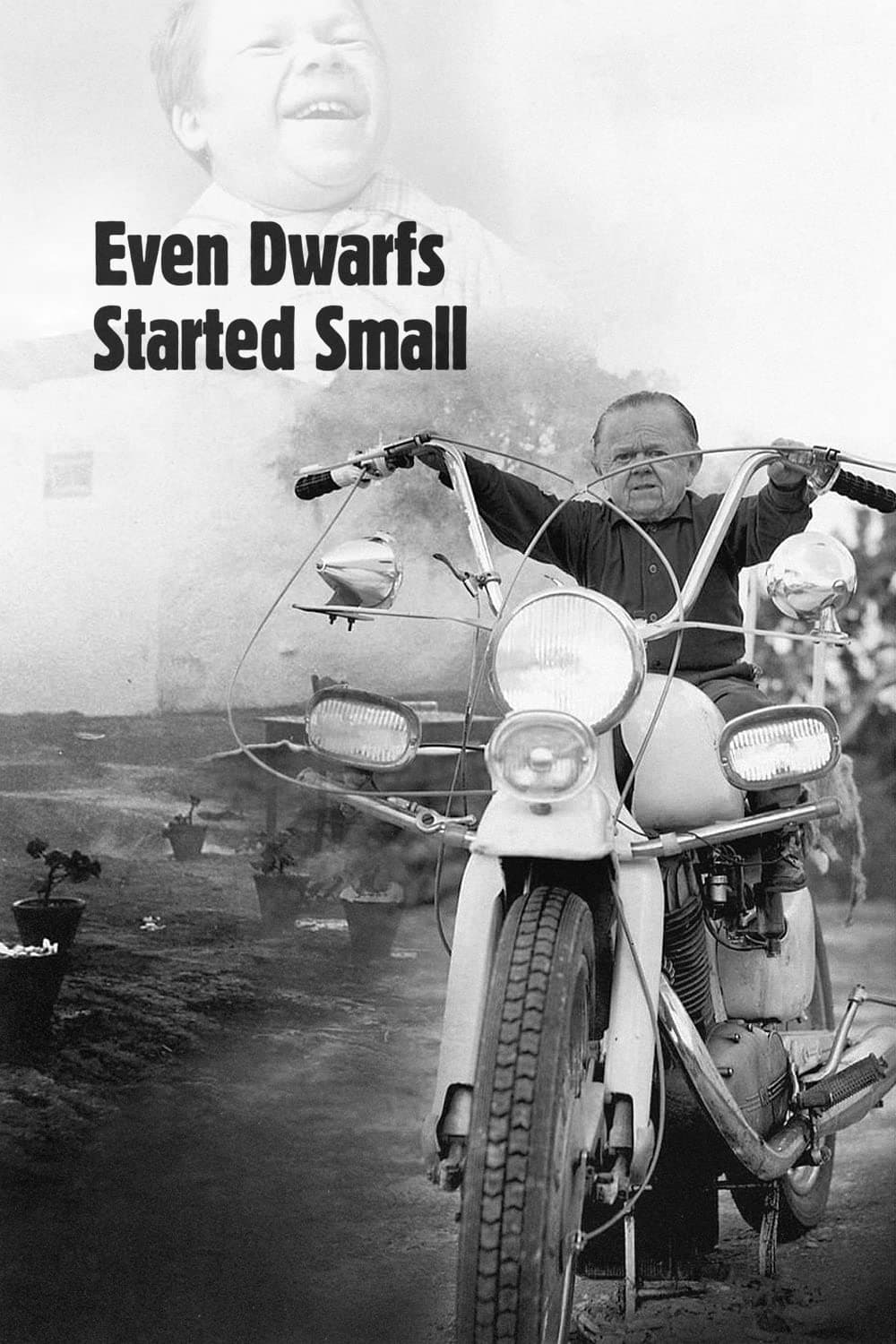
Set inside a remote institution, the story follows residents who stage an escalating revolt that spreads from pranks to full scale disorder. The film observes the uprising through a series of vignettes that record daily routines turning into chaotic acts across courtyards and rooms.
Production took place on Lanzarote in the Canary Islands with an ensemble of actors with dwarfism in every role. Herzog relied on found spaces and local landscapes, kept dialogue sparse, and built the shoot around physical action and improvised business that could be captured quickly with handheld cameras.
‘Fata Morgana’ (1971)

This nonfiction feature collects images from across the Sahara that show abandoned buildings, mirage like horizons, and traces of human settlement. A voiceover threads through sections that reference stages of creation while the camera records people and terrain with long takes.
The film was assembled from material shot during a difficult expedition through North Africa. Herzog pairs the images with a soundtrack that includes popular songs by Leonard Cohen and classical pieces, and he structures the result in chapters that were shaped in the edit suite rather than by a script written in advance.
‘Heart of Glass’ (1976)
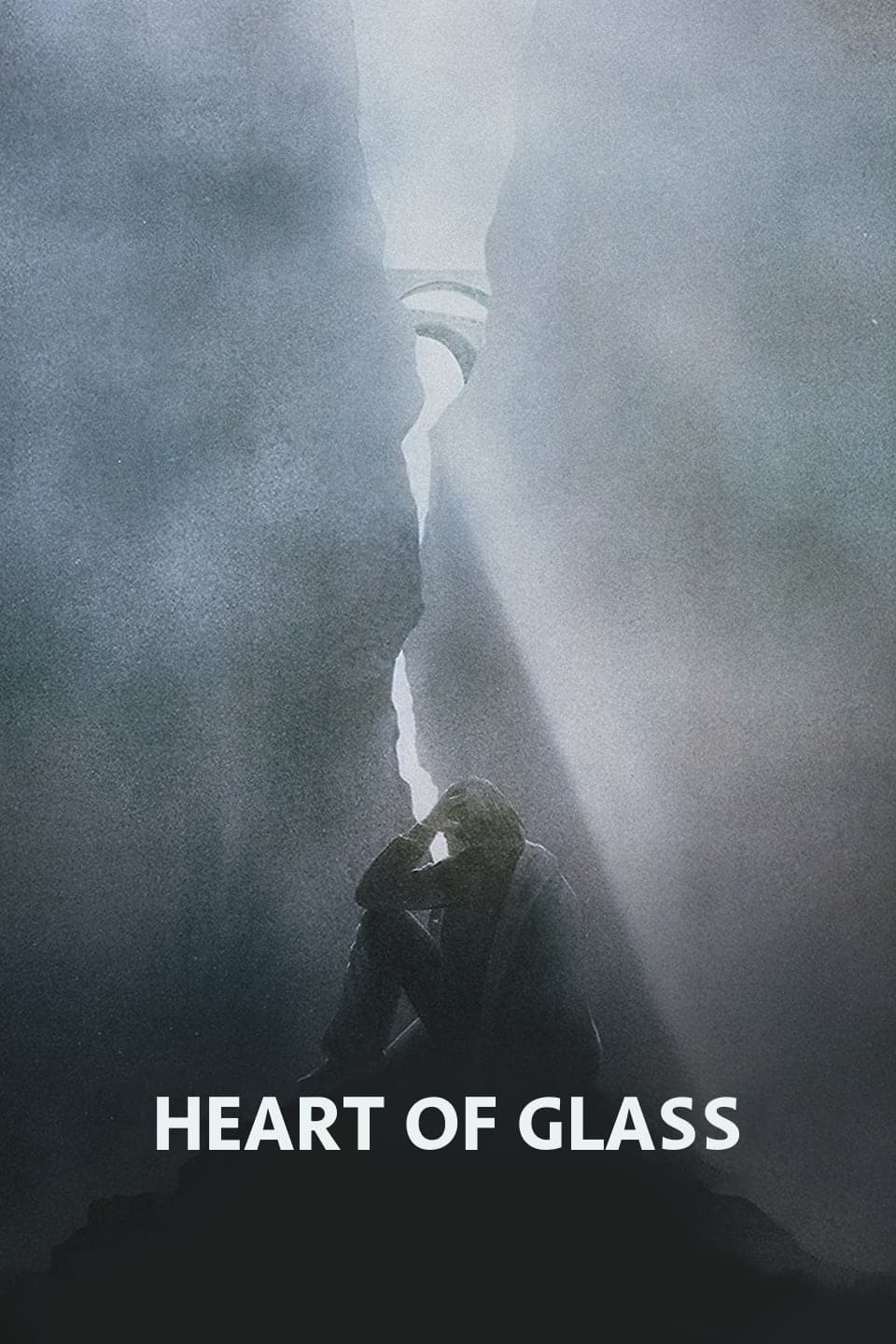
A Bavarian village loses the secret of its ruby glass and the community slides into fear as production halts. A seer moves among the townspeople while the glassworks stand silent and the workers and owners search for a way to restart the furnace.
Herzog filmed in villages and mountain regions and used a well known method on set where many actors performed while under hypnosis. The film features music by Popol Vuh and extensive landscape photography, and its scenes of glassmaking were staged with craftspeople so the factory procedures would be shown with practical detail.
‘Stroszek’ (1977)
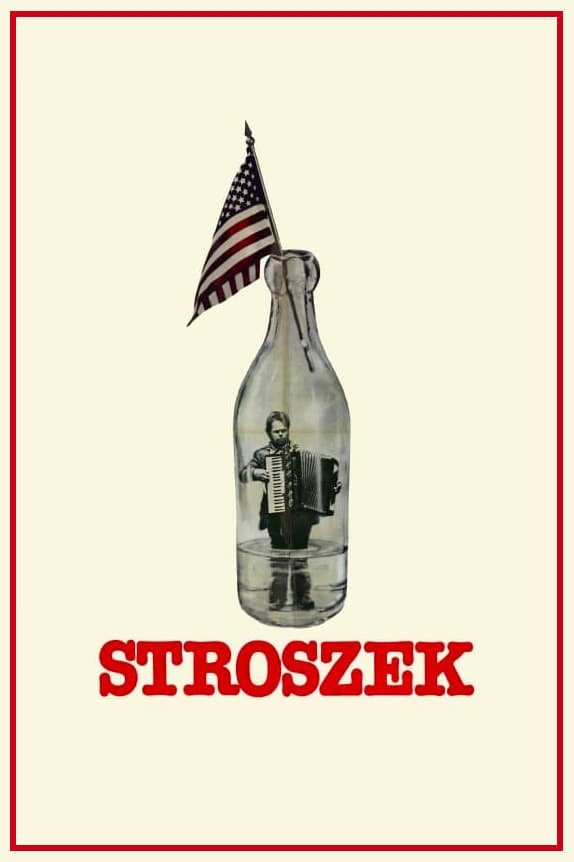
After release from prison in Berlin a street musician named Bruno leaves for the United States with a friend and a woman who has been working in prostitution. They settle in small town America and try to build a steady life with odd jobs and a modest home while bills and debts press in.
Herzog wrote the script quickly for actor Bruno S. and filmed on location in Berlin and in Wisconsin with a mix of professional and nonprofessional performers. English and German are both spoken, real spaces like diners and trailer lots were used, and the production folded local workplaces and auctions into the action without studio construction.
‘Where the Green Ants Dream’ (1984)
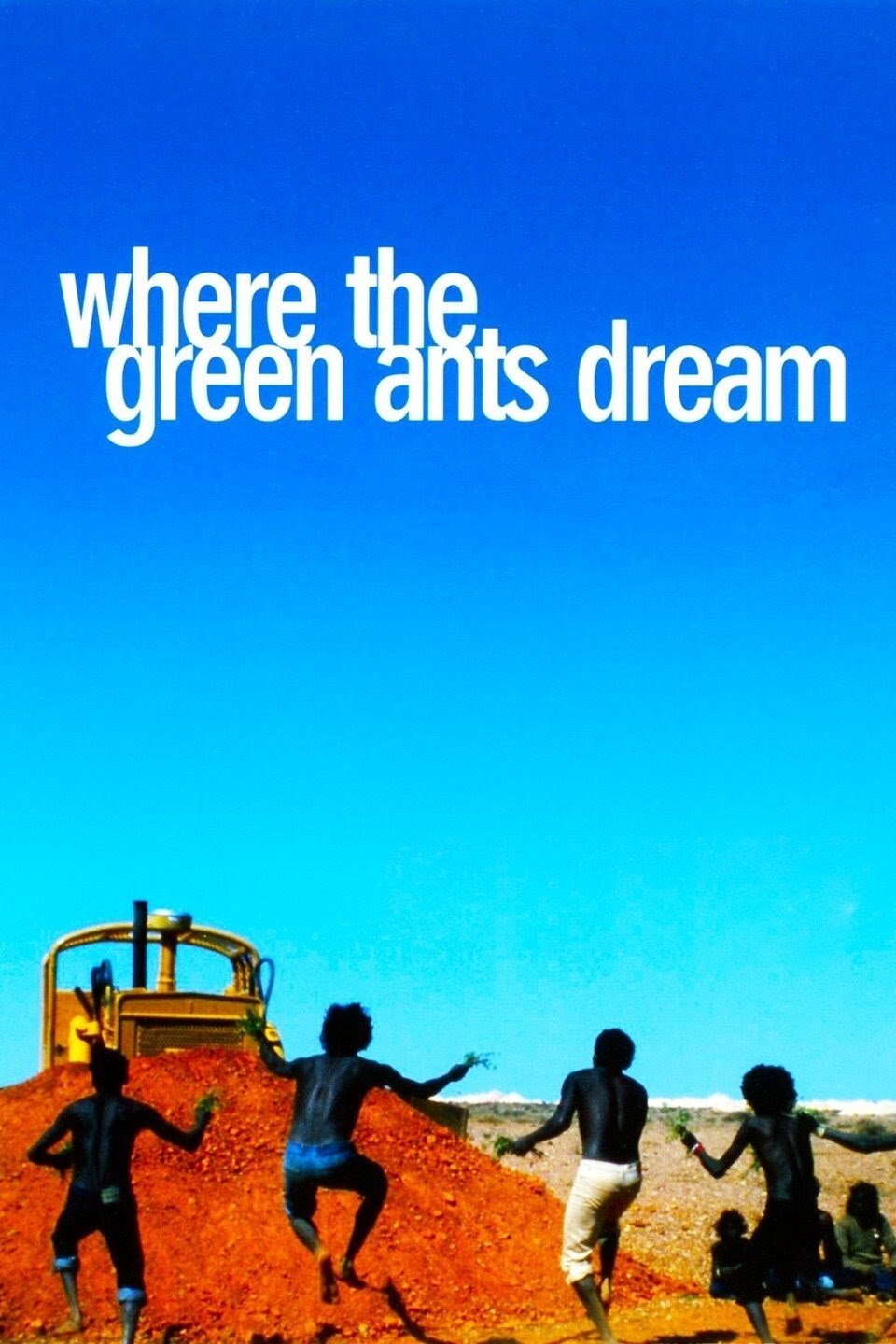
The plot centers on a team from a resource company that plans to drill on a site in the Australian interior. Local Aboriginal people oppose the work and explain that the land is part of a Dreaming story connected to the green ants, which places the survey team and the community in direct conflict.
Herzog shot in the Australian outback and cast Aboriginal performers from the region alongside Australian actors. The film incorporates research into land claims and mining surveys, shows field camps and airstrips that were set up for the production, and uses wide area sound recording to capture wind and open country without studio replacement.
‘Scream of Stone’ (1991)
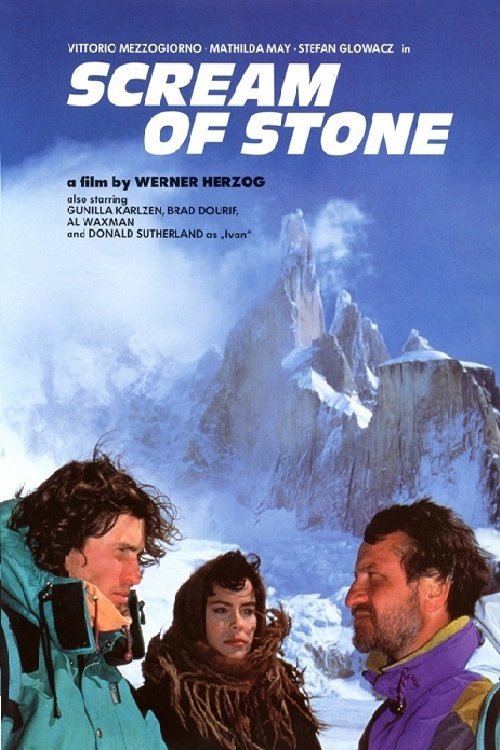
Two elite climbers become rivals during attempts on Cerro Torre in Patagonia. Their competition plays out across training walls, sponsorship events, and high altitude pushes that face storms and unstable ice while a film crew and backers track progress.
The drama was inspired by mountaineer Reinhold Messner and was filmed around the Fitz Roy and Cerro Torre massif with additional sequences staged on safer rock for close views. Herzog used professional climbers for key action, worked with guides and helicopter pilots to reach positions near the spires, and blended dialogue scenes with footage captured on actual routes.
‘Lessons of Darkness’ (1992)
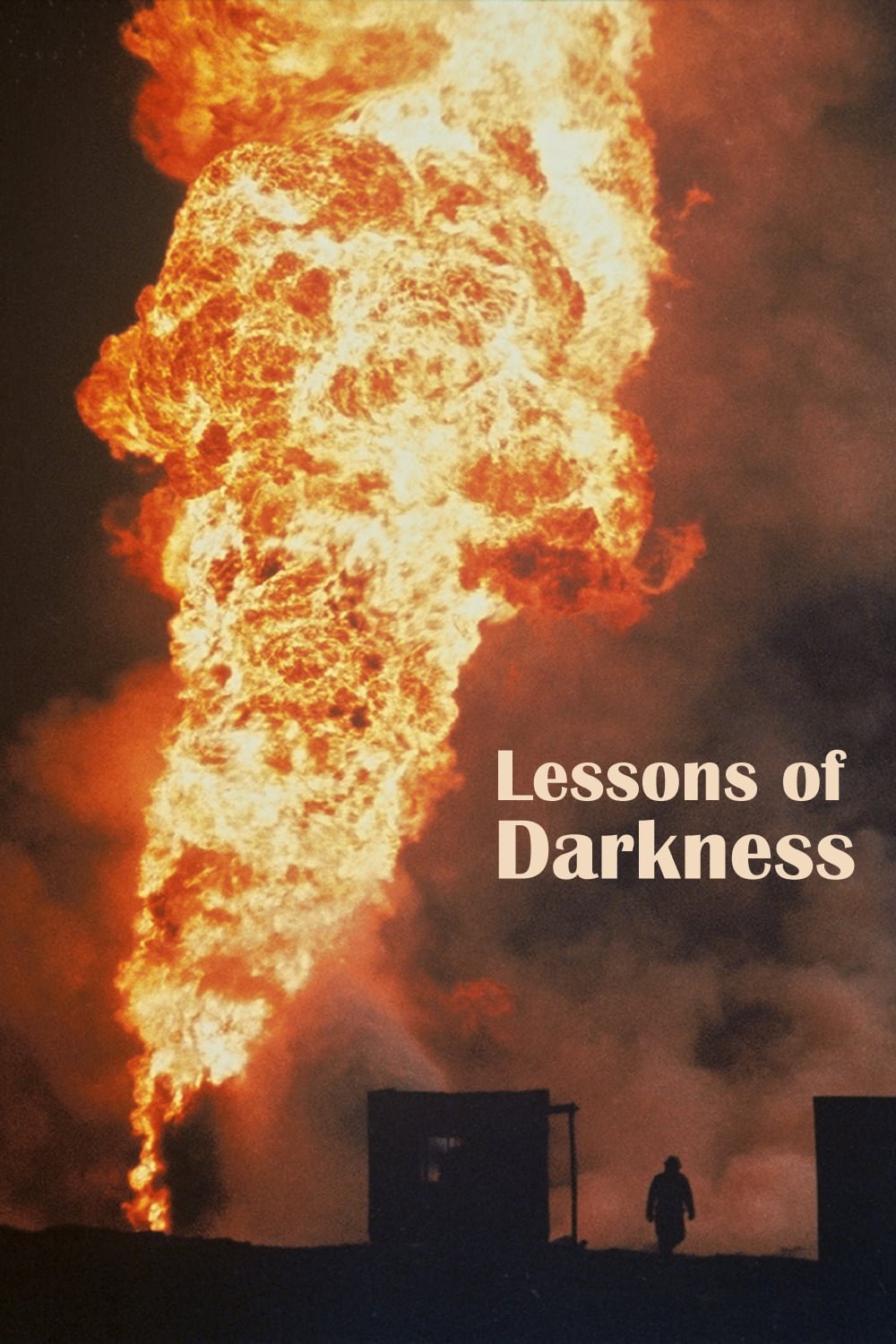
This documentary records the aftermath of the Gulf War in Kuwait as oil well fires burn across the desert. The camera surveys fields, pipelines, and firefighting teams while scenes show equipment at work and the scale of the damage from the air.
Herzog flew with helicopter crews to capture extended aerial shots and organized the film in titled chapters with minimal narration. The soundtrack draws on classical music and the production relied on local permissions to move within restricted zones, which allowed the team to film active fire suppression efforts and the terrain around them.
‘The White Diamond’ (2004)
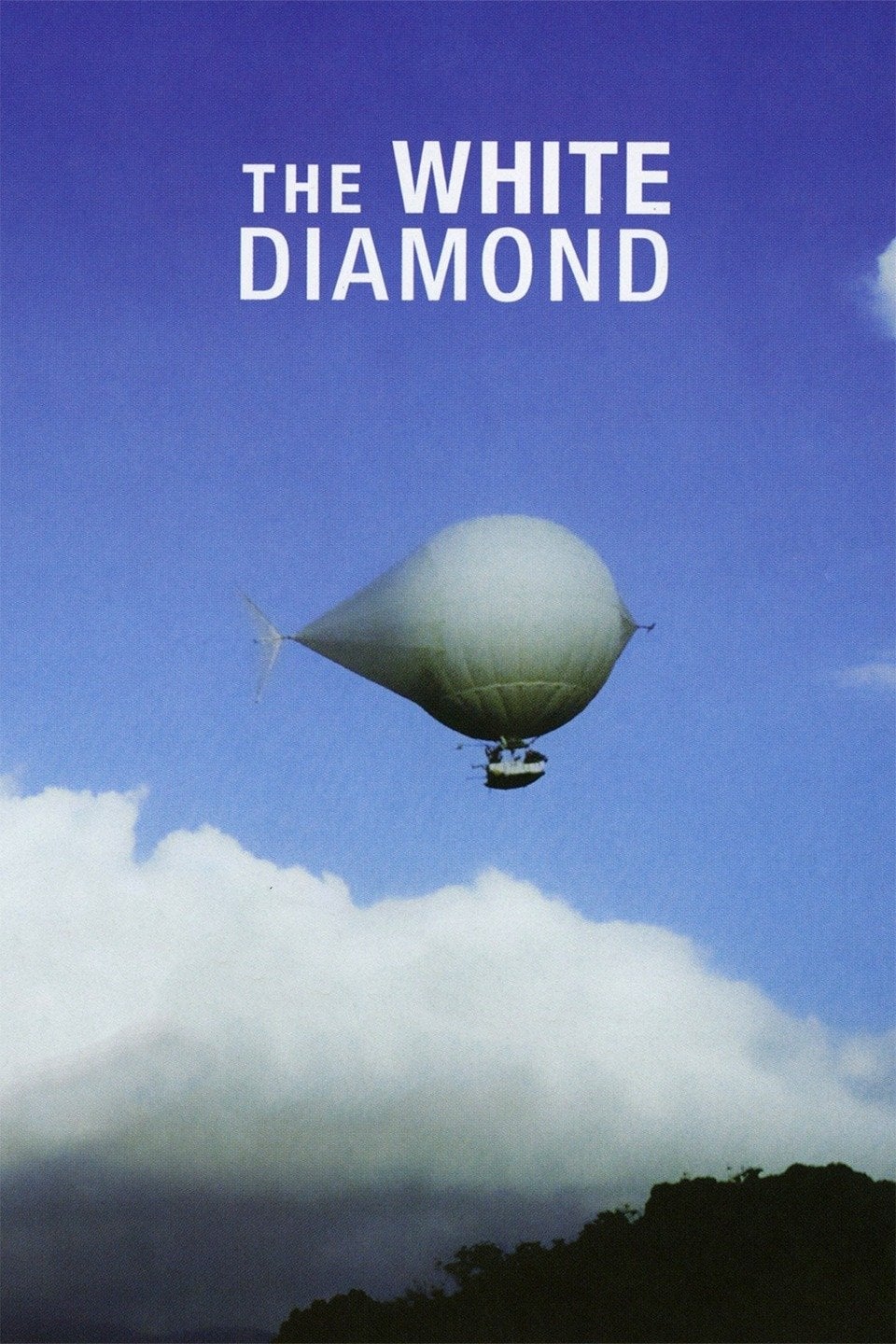
A British engineer named Graham Dorrington develops a small helium airship to explore the rainforest canopy in Guyana. The film follows preparations, flight tests, and the challenges of operating near one of the tallest single drop waterfalls in the world.
Herzog filmed with a compact crew at Kaieteur Falls and along the Potaro River and incorporated interviews with local residents and the project team. The production uses lightweight camera rigs that could be carried through the forest, and it documents the engineering choices behind the airship along with safety procedures for tethering and rescue.
‘Family Romance, LLC’ (2019)
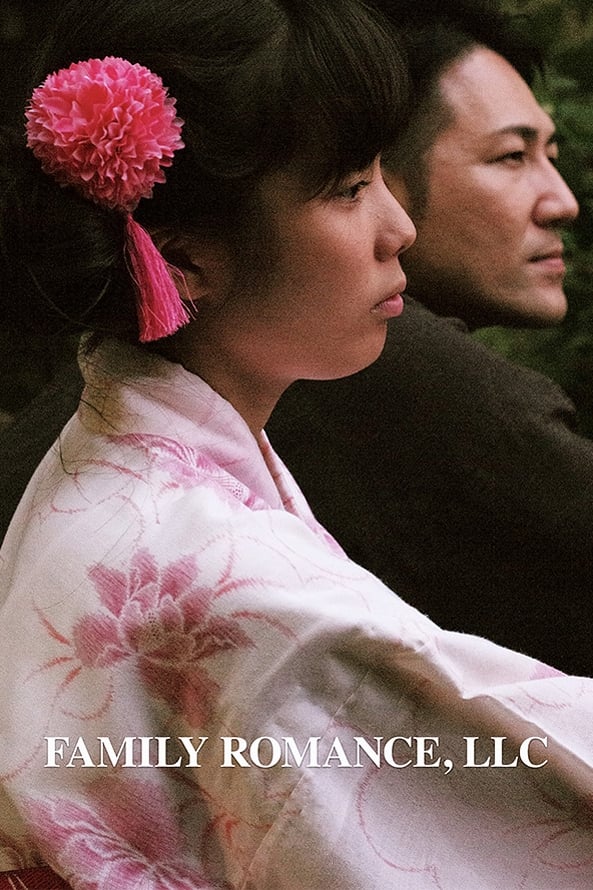
A Tokyo based service run by Yuichi Ishii provides hired stand ins who play relatives or acquaintances for clients in need of a specific social role. The story follows assignments that range from a father figure to a companion and traces the practical steps required to maintain the performance.
Herzog shot in Japan with a very small crew and worked largely without formal permits in public spaces. Dialogues are in Japanese, Yuichi Ishii plays a version of himself, and the film was made with compact digital equipment that allowed quick movement through streets, offices, and parks while keeping the focus on everyday settings.
Share your picks for overlooked Herzog films in the comments and tell everyone which titles you think deserve more attention.

