


10 Underrated Wesley Snipes Movies You Must See


Wesley Snipes built a career that spans action, drama, and sharp character work, with training in multiple martial arts and a filmography that reaches from studio blockbusters to smaller independent projects. He came up in New York theater, broke through on screen with early roles in Spike Lee collaborations, and later headlined franchise fare like ‘Blade’, while also taking challenging parts in intimate stories and ensemble thrillers. Across these projects he worked with directors such as Spike Lee, Walter Hill, Philip Kaufman, Antoine Fuqua, and Mike Figgis, and he often performed his own fight choreography and complex stunt work.
Beyond well known hits like ‘White Men Can’t Jump’, ‘New Jack City’, and ‘Demolition Man’, his catalog hides a run of films that showcase range, craft, and a willingness to take risks. The ten titles below highlight varied genres, notable collaborators, and production details, with each entry focusing on what the film does, who made it, and where it fits in his body of work.
‘One Night Stand’ (1997)

Mike Figgis directs this Los Angeles and New York set drama where Snipes plays a successful commercial director whose chance meeting turns into a complicated personal crossroads. The film features Nastassja Kinski, Ming Na Wen, and Robert Downey Jr., and it interweaves themes of fidelity and friendship with a jazz inflected score that Figgis composed himself. Scenes move between both coasts, using location shooting to mirror the split in the lead character’s life.
Snipes received the Volpi Cup for Best Actor at the Venice Film Festival for his performance, a rare festival honor for a Hollywood lead. The production came together at New Line, and Figgis used a flexible shooting style with long takes to capture unbroken conversations, giving the cast room to build relationships that drive the narrative.
‘Sugar Hill’ (1993)

Directed by Leon Ichaso, this Harlem crime story centers on two brothers navigating the heroin trade and a path out of generational violence. Snipes plays Roemello Skuggs opposite Michael Wright, with Theresa Randle, Clarence Williams III, and Abe Vigoda in key roles. The film uses actual Harlem locations and a moody score to ground its portrait of neighborhood loyalties and territorial pressures.
The script tracks family history, local power brokers, and the toll of the business on health and community ties. Production design leans into brownstones, clubs, and street corners that reflect the title’s neighborhood, and the soundtrack blends period soul and contemporary tracks to place the story in a specific New York cultural space.
‘Boiling Point’ (1993)
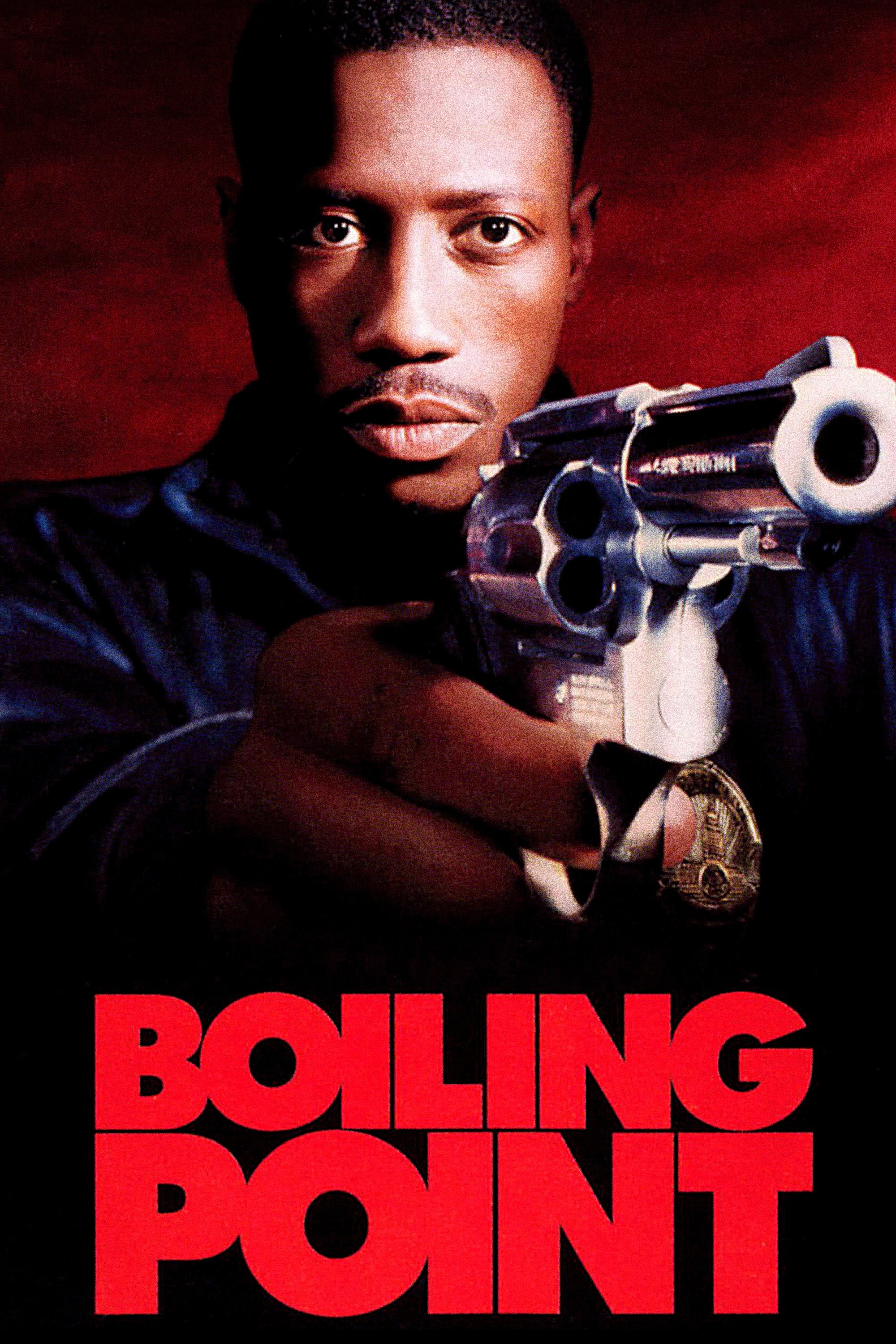
James B. Harris adapts former Secret Service agent Gerald Petievich’s novel ‘Money Men’ for this crime procedural that pairs Snipes as a Treasury agent with Dennis Hopper as a seasoned grifter. The plot follows a counterfeit currency investigation that spirals into intersecting cons, with supporting turns by Lolita Davidovich and Viggo Mortensen.
The film focuses on methods used in financial crimes, including paper stock, plate work, and street level distribution, and it traces how federal and local jurisdictions overlap during an operation. Harris, a longtime collaborator of Stanley Kubrick, favors measured pacing, and the production builds tension through stakeouts, informant handling, and the mechanics of a buy bust.
‘Murder at 1600’ (1997)
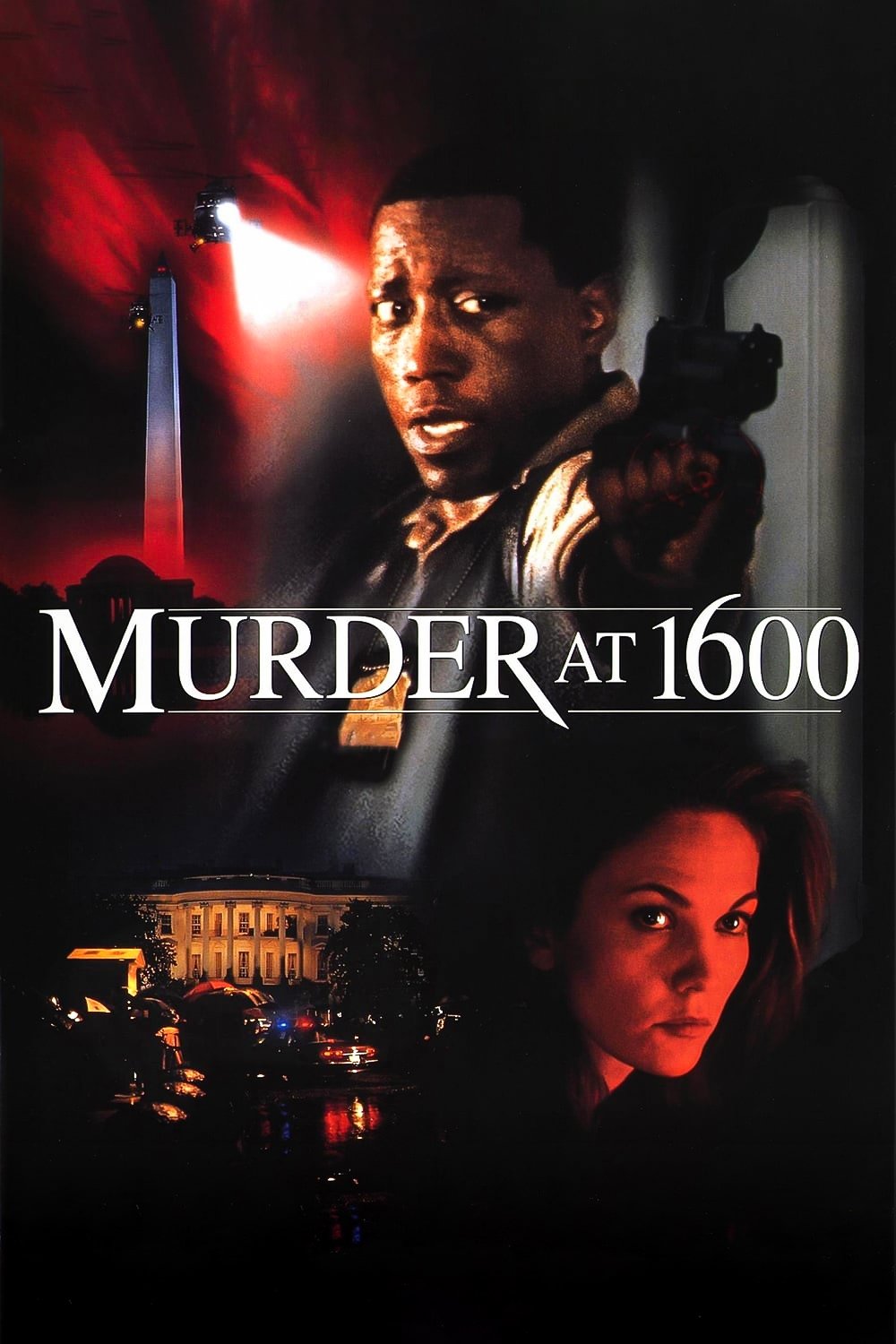
Dwight H. Little directs this Washington set thriller that opens with a homicide inside the White House, placing Snipes’s homicide detective alongside Diane Lane’s Secret Service agent. The investigation moves through secure facilities, staff procedures, and chain of command conflicts, with Alan Alda and Ronny Cox among the senior officials who complicate the search for answers.
The production uses detailed sets to re create executive residence interiors, press rooms, and security corridors, and it maps how evidence custody would work under high security conditions. The screenplay builds its timeline around command protocols, visitor logs, and surveillance gaps, and the action sequences rely on confined spaces that match the location constraints.
‘Rising Sun’ (1993)
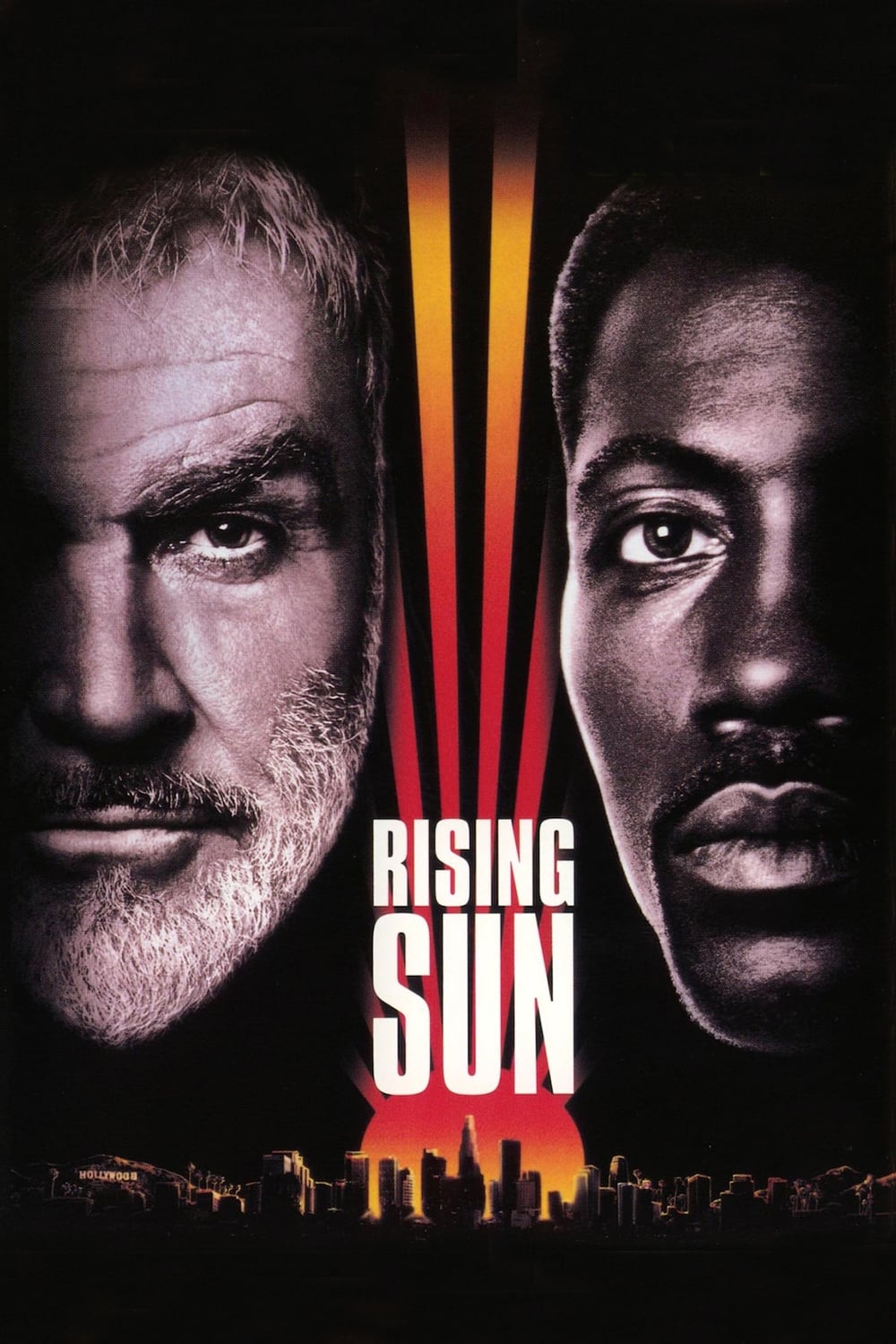
Philip Kaufman adapts Michael Crichton’s novel and pairs Snipes with Sean Connery as investigators called to a corporate party where an executive is found dead. The case unfolds inside a Japanese conglomerate’s Los Angeles tower, bringing in corporate diplomacy, translation issues, and competing agendas across law enforcement and business interests.
The movie spends time on video forensics, boardroom etiquette, and how interpreters and cultural advisors shape interviews, with Cary Hiroyuki Tagawa and Harvey Keitel in standout supporting roles. Kaufman stages much of the story in glass walled conference rooms and surveillance suites, using screens within screens to show how manipulated footage can steer an inquiry.
‘Drop Zone’ (1994)
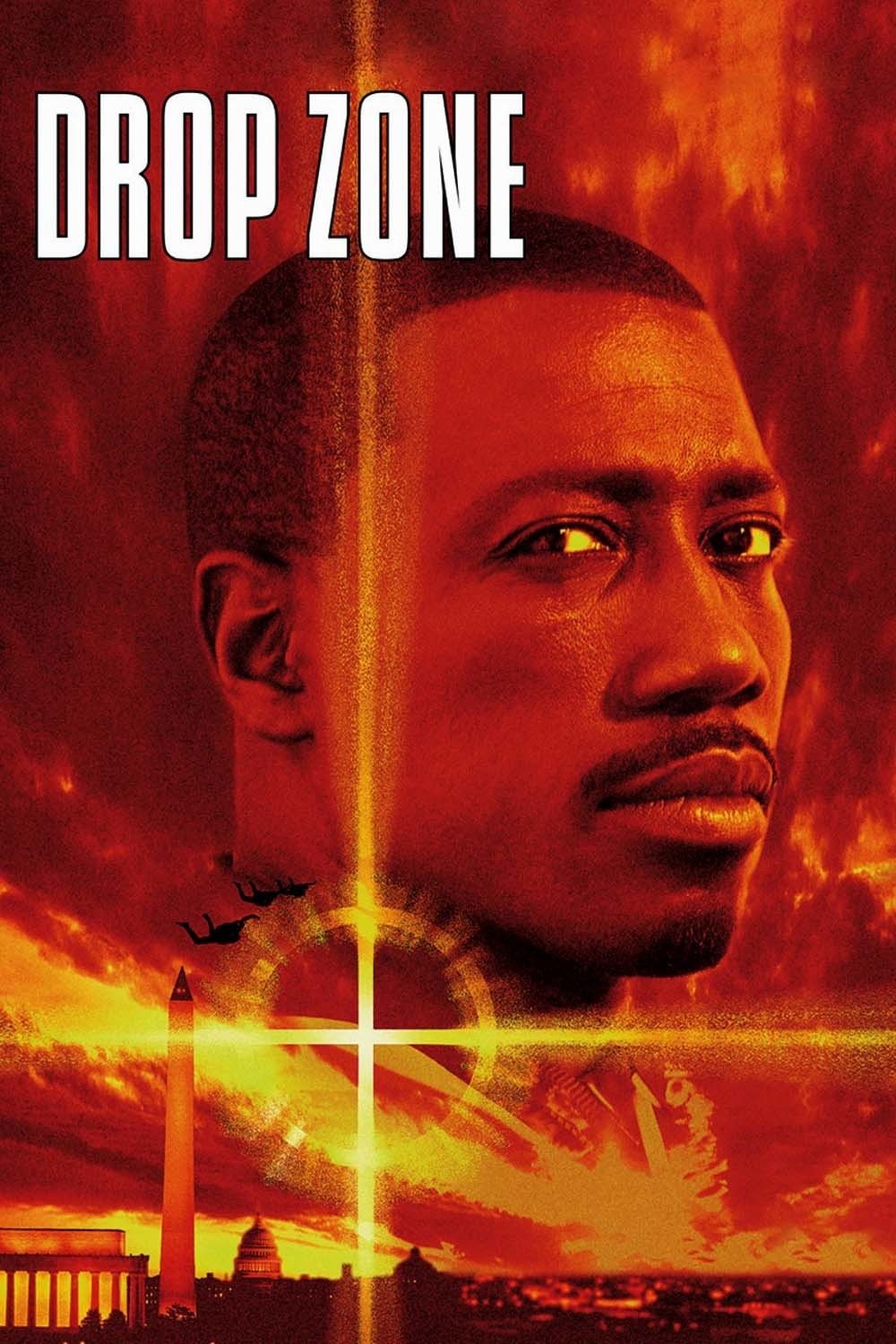
John Badham directs this action film that puts Snipes in the role of a U.S. Marshal tracking a crew that uses professional skydiving to execute robberies. The production features extensive practical skydiving sequences coordinated by veteran stunt teams, including formation flights, building approaches, and midair gear transfers.
Badham and the aerial unit shot with body mounted cameras and helicopter platforms, capturing exit separation, canopy control, and landing pattern tactics that drive the set pieces. The cast includes Gary Busey and Yancy Butler, and the script hinges on specialized skills like swoop landings and team choreography that inform how the villains stage extractions.
‘The Art of War’ (2000)
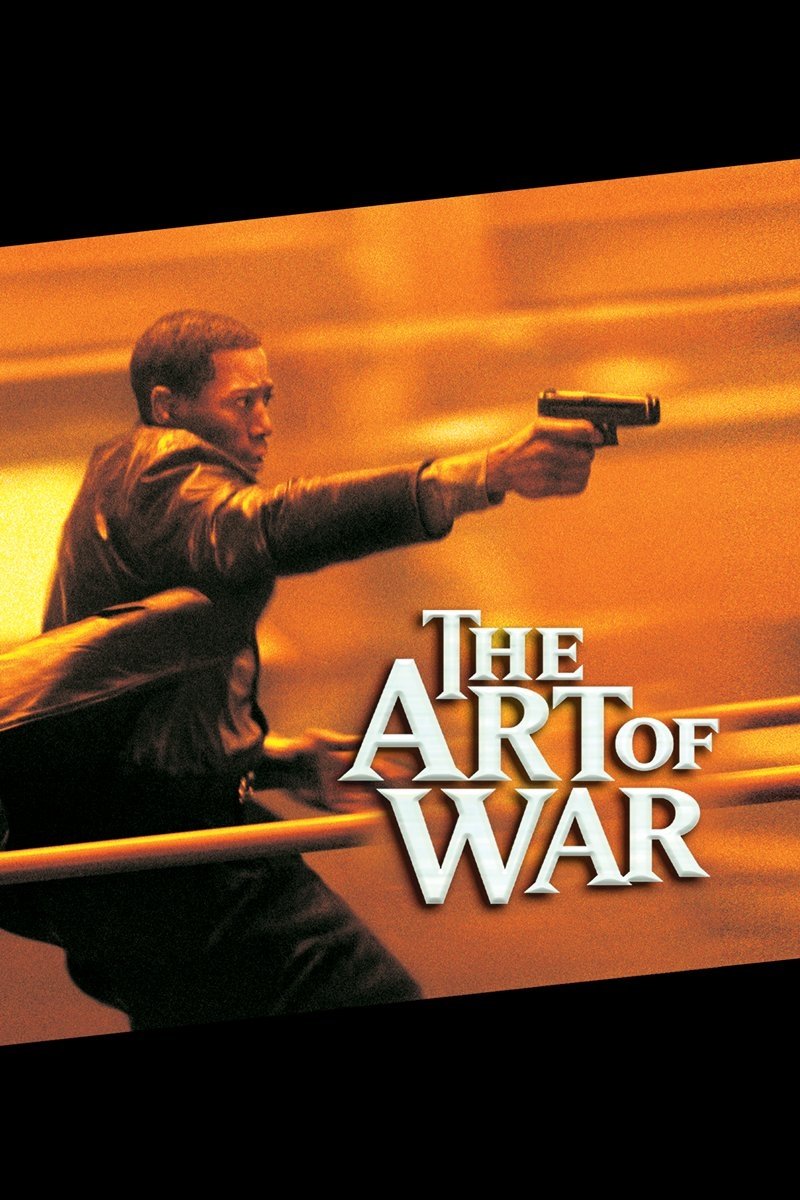
Directed by Christian Duguay, this espionage thriller casts Snipes as a covert operative attached to the United Nations who is framed after a diplomatic assassination. The story moves between New York and Montreal locations, with sequences set around international trade talks, secure convoys, and back channel meetings.
Tactics shown include dead drops, coded communications, and the use of event security to mask movement, with Donald Sutherland and Anne Archer appearing in pivotal roles. The production makes heavy use of night shoots, reflective surfaces, and urban canyons that allow surveillance and counter surveillance to play out in crowded settings.
‘Undisputed’ (2002)
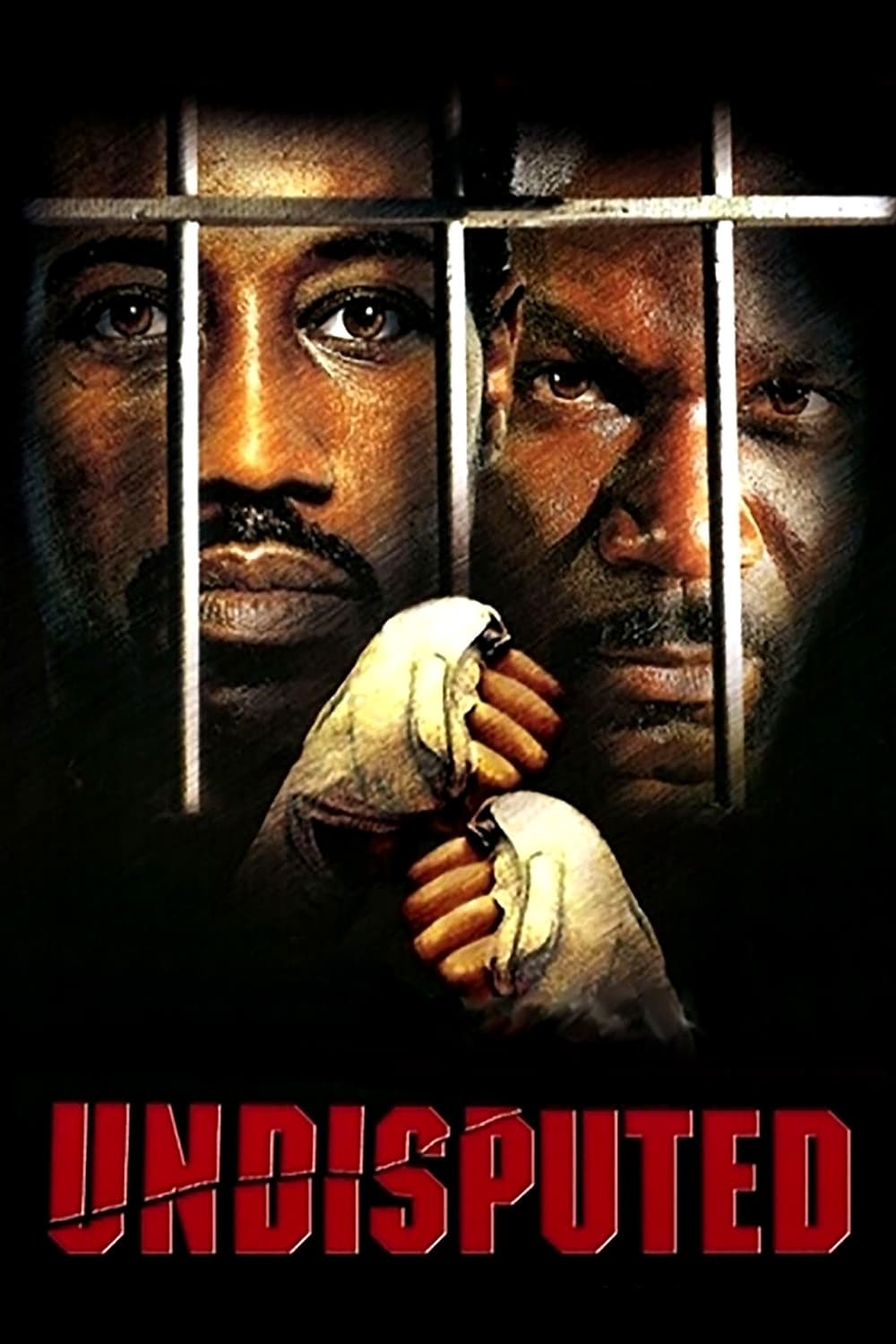
Walter Hill directs this prison boxing drama where Snipes plays Monroe Hutchen, the undefeated inmate champion challenged by a heavyweight titleholder played by Ving Rhames. The narrative tracks fight politics inside a maximum security facility and the informal economy that springs up around a high profile bout, with Peter Falk as a mob figure who bankrolls the event.
Training sequences focus on regimen, weight cuts, and improvised equipment, while fight scenes emphasize footwork and inside fighting suitable for a smaller ring. The film later sparked a series of sequels that carried the concept forward with new leads, and it remains a key reference point for modern prison fight choreography.
‘Brooklyn’s Finest’ (2009)
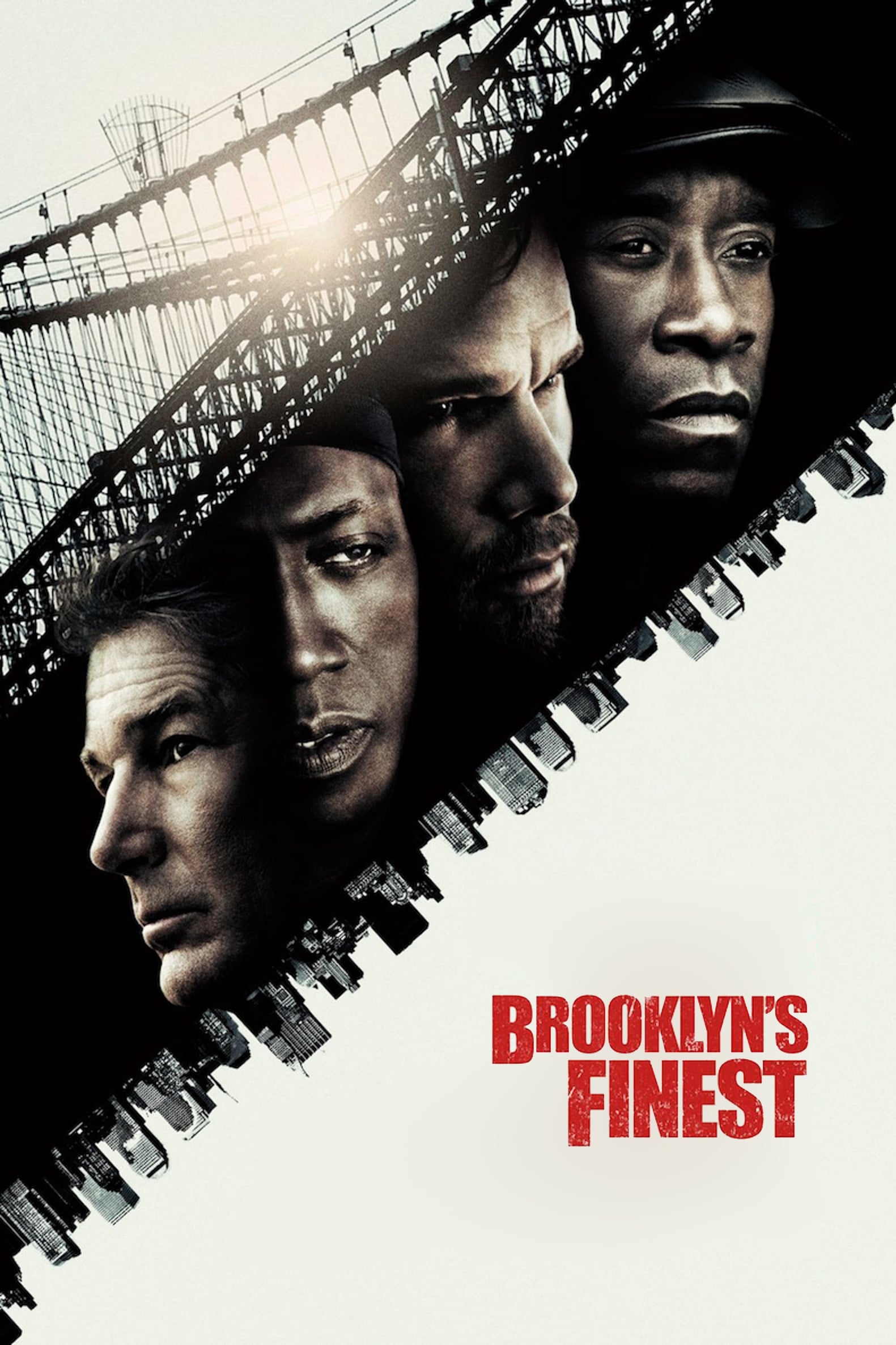
Antoine Fuqua returns to New York crime stories with an ensemble piece that follows three cops during a volatile week in Brownsville and East New York. Snipes plays Caz, a parolee whose return puts him at the center of an undercover operation led by Don Cheadle’s character, with Richard Gere and Ethan Hawke anchoring parallel threads.
Location shooting uses housing projects, storefront churches, and precinct interiors to ground the intersecting plots. The production coordinates multiple units to stage warrant services and corridor runs, and it uses overlapping timelines to show how distinct cases collide in a single operation.
‘The Waterdance’ (1992)
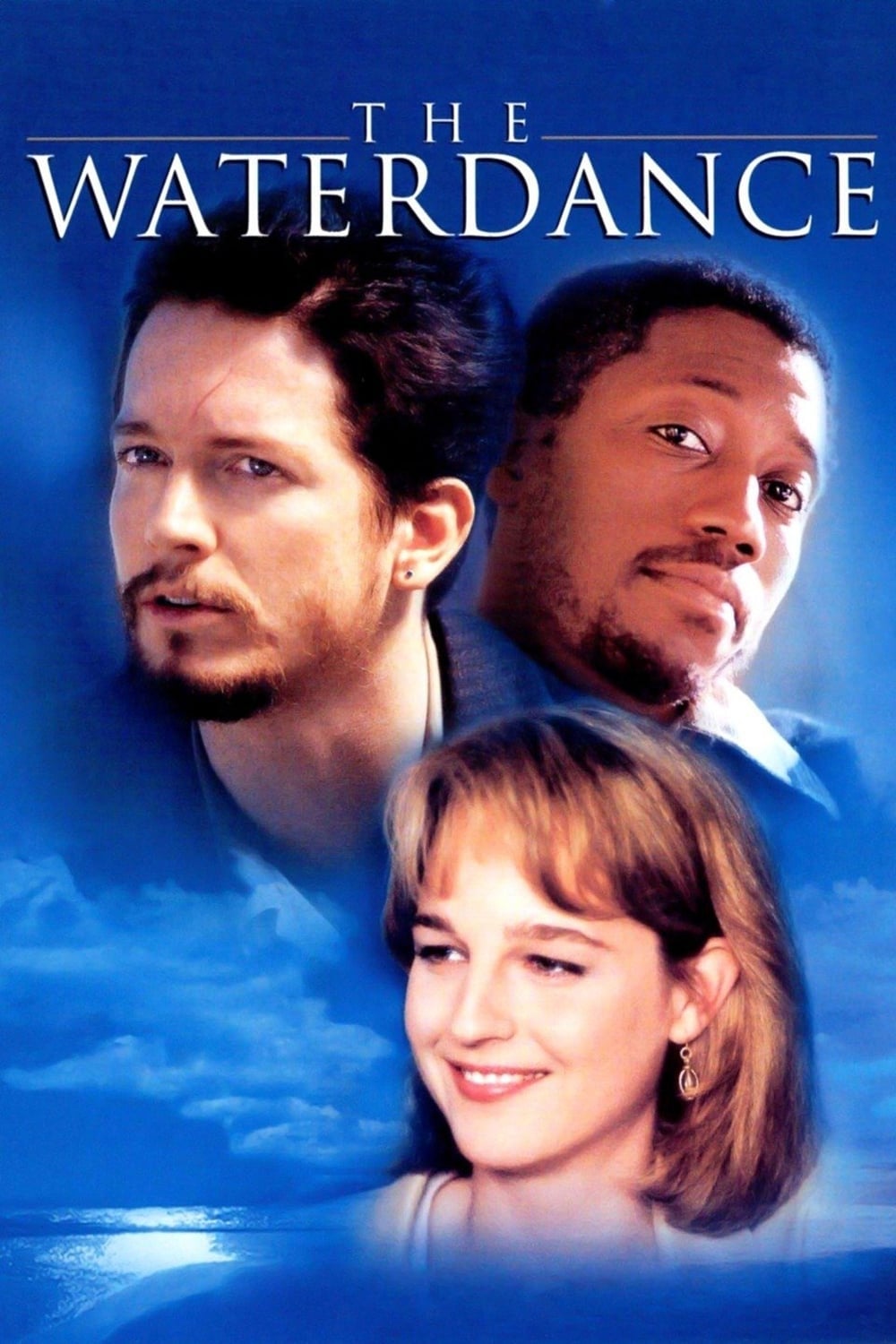
Co written and co directed by Neal Jimenez, this independent drama is set inside a rehabilitation ward where three men adapt to life after spinal cord injuries. Snipes co stars with Eric Stoltz and William Forsythe, and the script draws on Jimenez’s own medical experience, which lends detail to routines, therapy sessions, and social dynamics among patients and staff.
The film was produced on a modest budget with handheld camerawork and tight interiors that reflect clinical spaces such as therapy gyms and shared rooms. It earned festival recognition and Independent Spirit attention, and it remains a strong example of early 90s American indie filmmaking that emphasized character and process over spectacle.
Share your favorite lesser known Wesley Snipes titles in the comments so everyone can add them to their watchlists.

