


The Most Annoying Sitcom Characters of All Time


Sitcoms thrive on lovable characters, but every so often, one comes along who grates on your patience more than they entertain. Whether it’s their whining, selfish antics, or just plain annoying quirks, these characters can make even the best shows tough to watch at times.
I’ve put together a list of the most irritating sitcom characters. These are the folks who had me rolling my eyes more than laughing, drawn from classic and modern comedies.
Steve Urkel – Family Matters

Jaleel White’s suspenders-wearing neighbor became the series’ breakout character, but his high-pitched interjections and “Did I do that?” catchphrase often hijacked plots and grated on both characters and viewers. Introduced for a one-off appearance, Urkel quickly shifted the show’s focus around his clumsy mishaps and inventions.
Across nine seasons, Urkel’s meddling, property-wrecking antics—and even alter-ego arcs like Stefan Urquelle—regularly reset growth and dominated screen time, fueling long-standing debate about whether the character’s exaggerated quirks made Family Matters more irritating than endearing.
Alan Harper – Two and a Half Men
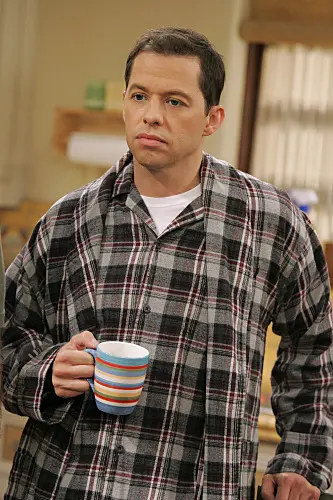
Jon Cryer’s Alan is written as a chronically freeloading divorcé who mooches off his brother, dodges bills, and rationalizes selfish choices. The “permanent houseguest” premise hardened over time into a running joke about stinginess and entitlement.
Later seasons doubled down on the gag—alimony scams, sponging off Walden, and endless justifications—cementing Alan as a by-design irritant whose parasitic habits often stalled other characters’ arcs.
Marie Barone – Everybody Loves Raymond
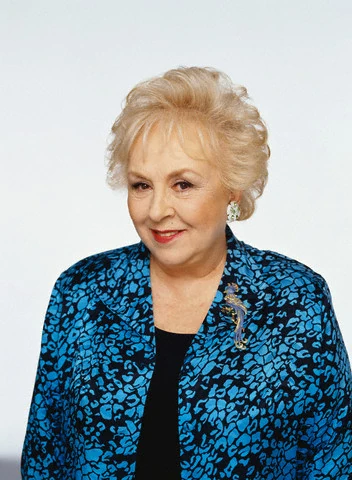
Doris Roberts’ Emmy-winning turn made Marie a definitive intrusive sitcom mother-in-law: hypercritical, boundary-less, and manipulative under the guise of “helping.” Episodes repeatedly hinge on her meddling derailing milestones and relationships.
From sabotaging wardrobes to hijacking weddings and reading journals, Marie’s pattern of passive-aggressive interference provides conflict—but also consistent aggravation—throughout the series.
Jessica Day – New Girl

Zooey Deschanel’s “adorkable” teacher leads with quirks that gradually calcify into intrusive problem-solving and arrested emotional growth. Critics and fans alike flagged mid-series slumps where Jess’s need to “fix” others created avoidable messes.
Storylines like forcing reconciliations or infantilized bits (e.g., ill-judged parent-trapping, boundary issues with friends’ relationships) turned charm into second-hand embarrassment, making Jess a polarizing lead.
Todd Packer – The Office
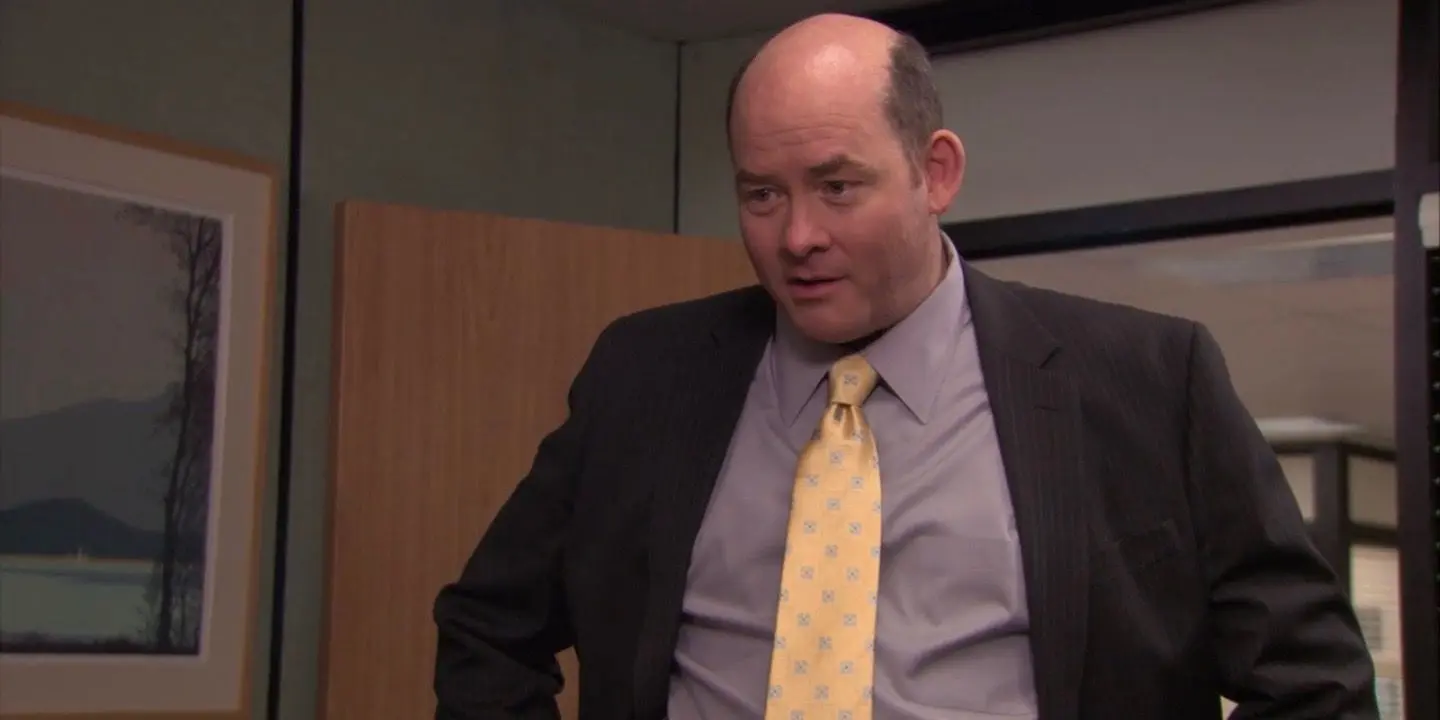
David Koechner’s traveling salesman is engineered to be intolerable: crude pranks, misogynistic “jokes,” and open hostility to coworkers. Within the show, nearly everyone despises him—and episodes centered on Packer routinely register as audience low points.
His returns (“Todd Packer,” “The Search Committee,” etc.) revive the same offensive beats—harassing colleagues, sowing chaos—deliberately testing viewers’ patience in ways that crowd out subtler workplace humor.
Mona-Lisa Saperstein – Parks and Recreation
Jenny Slate’s Mona-Lisa is a textbook agent of chaos: entitled, volatile, and proudly irresponsible, often arriving to detonate scenes with screaming demands or theft. Even in brief runs, she shifts plots toward tantrums and damage control.
Her recurring dynamic—being labeled “the worst,” exploiting indulgent parenting, and sabotaging Tom’s ventures—turns episodes into clean-up operations, a reliable annoyance lever by design.
Manny Delgado – Modern Family

Rico Rodriguez’s Manny starts as a precocious “old soul,” but aging up exposed traits fans found grating: pretension, moralizing, and incessant romantic brooding. The character’s self-serious monologues increasingly undercut comic rhythm.
Late-series arcs (e.g., lecturing relatives, wallowing over exes) became frequent speed bumps, with criticism that Manny’s storylines repeated the same elitist, self-pitying notes.
Howard Wolowitz – The Big Bang Theory
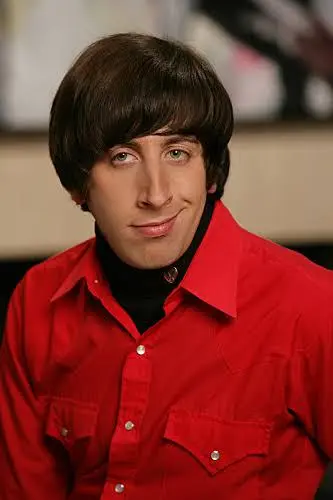
Simon Helberg’s Howard was framed early as a leering, try-hard ladies’ man whose behavior reads as sleazy and tone-deaf. Many viewers cite those seasons as his most off-putting stretch.
Although marriage softened him, recurring jokes—smarmy one-liners, belittling Raj, and stunt personas—kept the character near the top of “most annoying” lists, especially when contrasted with others’ clearer growth.
Kenny Bania – Seinfeld
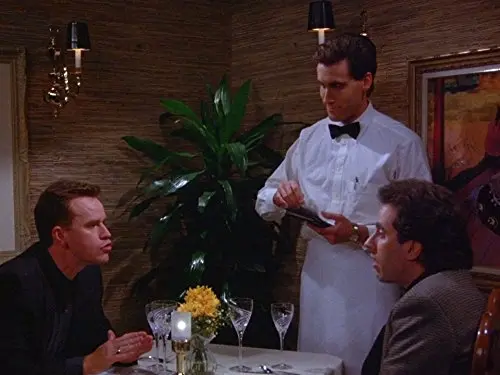
Steve Hytner’s Bania is persistently grating by design: a hack comic who latches onto Jerry, milks favors (“That’s gold, Jerry! Gold!”), and turns trivialities (soup, suits, “a meal is a meal”) into nagging demands.
As a recurring foil, Bania’s sycophancy and transactional pestering distill Seinfeld’s petty social frictions into one endlessly irritating package that fans routinely single out as the show’s most annoying presence.
Cousin Oliver – The Brady Bunch

Robbie Rist’s late-addition “cute kid” became a TV cautionary tale; his arrival in the final six episodes is widely blamed for desperation optics that coincided with cancellation. The trope now bears his name.
Within the show, Oliver’s jinx plots and oblivious antics clashed with an aging ensemble, embodying “Cousin Oliver syndrome”—the notorious last-minute injection of a precocious child to revive declining sitcoms.
Andy Bernard – The Office

Andy Bernard, played by Ed Helms, starts as a quirky regional manager but turns grating with his needy behavior and forced musical outbursts. His awkward attempts at humor, like his acapella obsession, often feel out of place in the Dunder Mifflin crew.
I found his constant need for approval exhausting, especially in later seasons. While he has funny moments, his over-the-top antics drag down the show’s charm.
Ted Mosby – How I Met Your Mother

Ted Mosby, played by Josh Radnor, is the romantic lead whose endless quest for love becomes tiresome. His sappy monologues and indecision, especially over Robin, drag out the story unnecessarily.
I found his self-righteous attitude and whining tough to stomach. While his heart is in the right place, Ted’s moping often overshadows the show’s humor.
Dee Reynolds – It’s Always Sunny in Philadelphia

Dee Reynolds, portrayed by Kaitlin Olson, is the gang’s punching bag, but her shrill yelling and desperate need for validation get old fast. Her schemes, like her stand-up comedy attempts, often fall flat.
I cringed at her over-the-top outbursts, which sometimes disrupt the show’s dark humor. Dee’s insecurity, while funny at first, wears thin over time.
Rory Gilmore – Gilmore Girls

Rory Gilmore, played by Alexis Bledel, starts as a sweet, bookish teen but grows entitled and whiny, especially in her Yale years. Her poor decisions, like dropping out or her love life drama, feel out of character.
I was annoyed by her shift from relatable to privileged. Her self-absorbed moments clash with the show’s cozy charm, making her grating.
Sheldon Cooper – The Big Bang Theory

Sheldon Cooper, portrayed by Jim Parsons, is a genius physicist whose rigid quirks and smug attitude dominate the show. His constant need to control everything, from roommate agreements to trivia nights, gets exhausting.
I found his lack of growth frustrating despite his funny lines. Sheldon’s arrogance often overshadows the ensemble, making him tough to root for.
Ross Geller – Friends

Ross Geller, played by David Schwimmer, is a lovable dork whose whining and jealousy wear thin. His obsession with Rachel and dramatic outbursts, like the infamous ‘pivot’ scene, feel overdone.
I got tired of his self-pity and bad decisions, especially in relationships. While his humor lands at times, Ross’s neediness drags down the group’s vibe.
Piper Chapman – Orange Is the New Black

Piper Chapman, portrayed by Taylor Schilling, starts as the fish-out-of-water in prison but quickly becomes self-absorbed. Her entitled attitude and reckless choices, like starting feuds, make her hard to like.
I found her whining and lack of growth irritating. Piper’s focus on herself often overshadows the show’s stronger, more diverse characters.
Sam Malone – Cheers

Sam Malone, played by Ted Danson, is the charming bar owner whose womanizing and ego can grate. His constant flirting and smug demeanor, especially in early seasons, feel outdated and repetitive.
I got annoyed by his self-centered antics, which clash with the show’s warm ensemble. While Sam has charisma, his arrogance often steals the spotlight.
Jerry Seinfeld – Seinfeld

Jerry Seinfeld, playing himself, is the neurotic comedian whose petty complaints and selfish behavior drive many episodes. His obsession with minor details, like cereal or dating quirks, gets old fast.
I found his smug attitude and lack of empathy tiring. While his humor defines the show, Jerry’s self-absorption makes him less likable than his friends.
Rachel Berry – Glee

Rachel Berry, portrayed by Lea Michele, is a talented singer whose diva attitude and constant whining dominate ‘Glee.’ Her need for the spotlight, like hogging solos, overshadows the glee club’s team spirit.
I cringed at her entitled meltdowns and lack of growth. Rachel’s relentless ambition makes her a draining presence, despite her vocal talent.
Nellie Bertram – The Office

Nellie Bertram, played by Catherine Tate, joins as a manager with an abrasive personality and bizarre decisions, like trying to steal Andy’s job. Her forced quirks and lack of likability disrupt the show’s dynamic.
I found her grating and out of place among the beloved cast. Nellie’s random storylines, like her adoption plan, feel like a misfit in the series.
Kimmy Gibbler – Full House

Kimmy Gibbler, portrayed by Andrea Barber, is the quirky neighbor whose loud personality and odd habits, like her smelly feet jokes, annoy the Tanner family. Her over-the-top antics often feel forced.
I got tired of her intrusive behavior, which rarely adds to the show’s heart. Kimmy’s one-note humor makes her a constant irritant.
Janice Litman – Friends

Janice, played by Maggie Wheeler, is Chandler’s on-again, off-again girlfriend with a nasal voice and overbearing personality. Her loud laugh and clingy behavior, like crashing Chandler’s life, get old quickly.
I found her exaggerated quirks unbearable, despite her comedic role. Janice’s in-your-face style makes her scenes tough to enjoy for long.
Screech Powers – Saved by the Bell

Screech Powers, portrayed by Dustin Diamond, is the nerdy sidekick whose clumsy antics and high-pitched voice dominate ‘Saved by the Bell.’ His over-the-top behavior, like his wild schemes, feels like a caricature.
I cringed at his relentless awkwardness, which overshadows the show’s charm. Screech’s lack of depth makes him the most annoying character on this list.
Charlie Wheeler – Friends
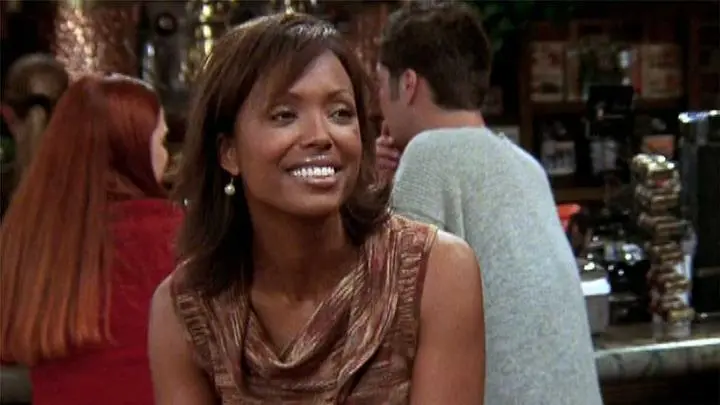
Aisha Tyler’s Charlie is a brilliant paleontology professor who briefly dates Joey before moving on to Ross. The love triangle strains group dynamics and replays Ross/Joey tension without adding lasting growth.
Her arc is short and plot-convenient: rapid partner swaps, an ex rekindling that ends things with Ross, and little characterization beyond “smart professor,” which makes her feel like a device rather than a person.
Zoey Pierson – How I Met Your Mother

Zoey (Jennifer Morrison) is an activist who opposes demolition of the Arcadian hotel—directly undermining Ted’s GNB project and, by extension, his career. The constant sabotage and “frenemy” dynamic turn episodes into combative back-and-forths.
Even when they date, the relationship remains adversarial and issue-driven, keeping Ted in prolonged stasis and rerunning the same conflict beats until a curt breakup.
Charles Miner – The Office
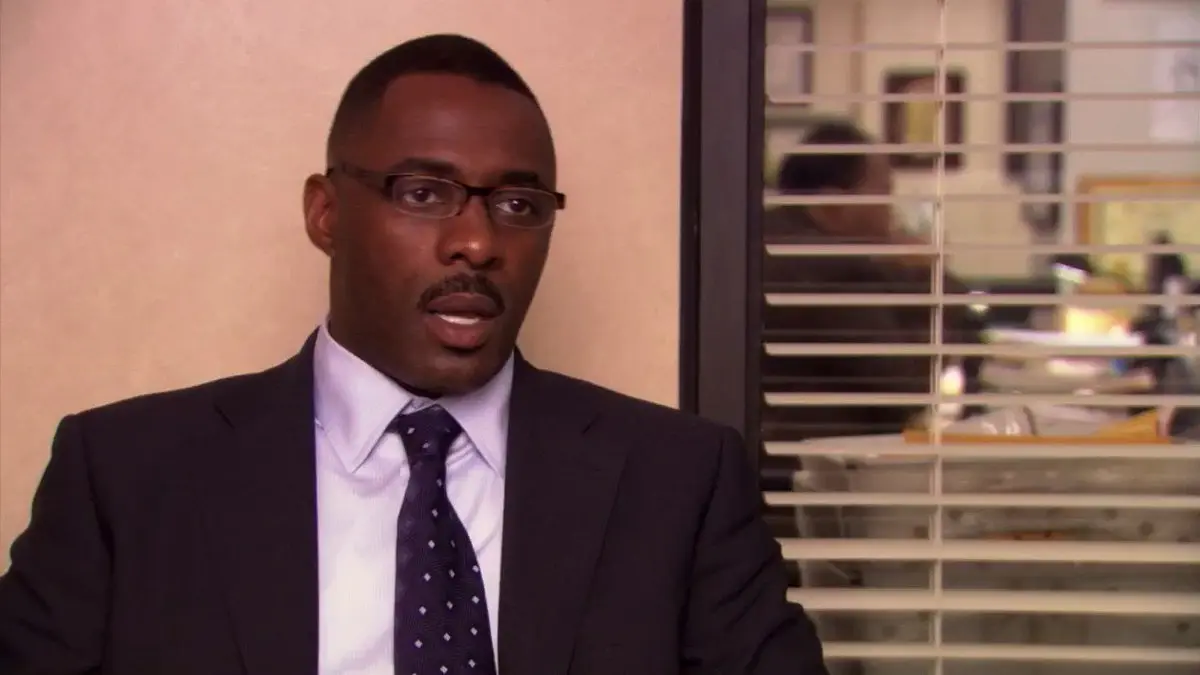
Idris Elba’s Charles enters as corporate oversight and immediately undercuts office rapport—canceling parties, micromanaging, and misreading Jim, which triggers Michael’s resignation and chaos.
Because he’s positioned as a brick wall rather than a foil, scenes become friction without wit; tension rises while humor dips.
Justin Anderson – Parks and Recreation
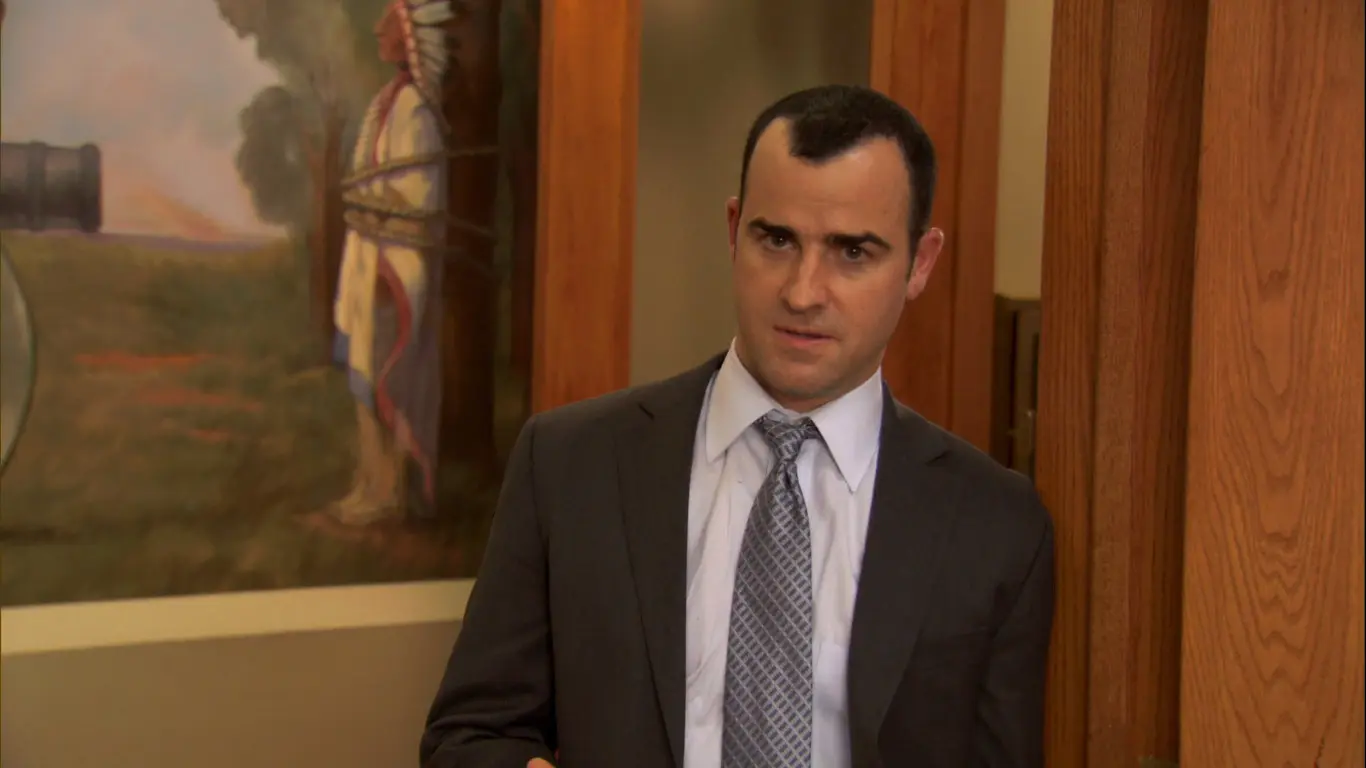
Justin (Justin Theroux) is charming but self-absorbed—a story-collector who treats relationships as fodder for anecdotes. With Leslie, that means adventures without commitment and dismissive behavior that undercuts her needs.
He stalls character momentum for Ann and Leslie across several episodes, functioning as a charismatic detour that yields little growth.
Randy Pearson – That ’70s Show

Introduced in the final season to replace departing leads, Randy (Josh Meyers) is an affable placeholder with forced ties to the group and a sudden romance with Donna.
His late arrival and generic “cool guy” traits flatten storylines, making the show feel like it’s propping up a newcomer instead of concluding established arcs.
Pierce Hawthorne – Community
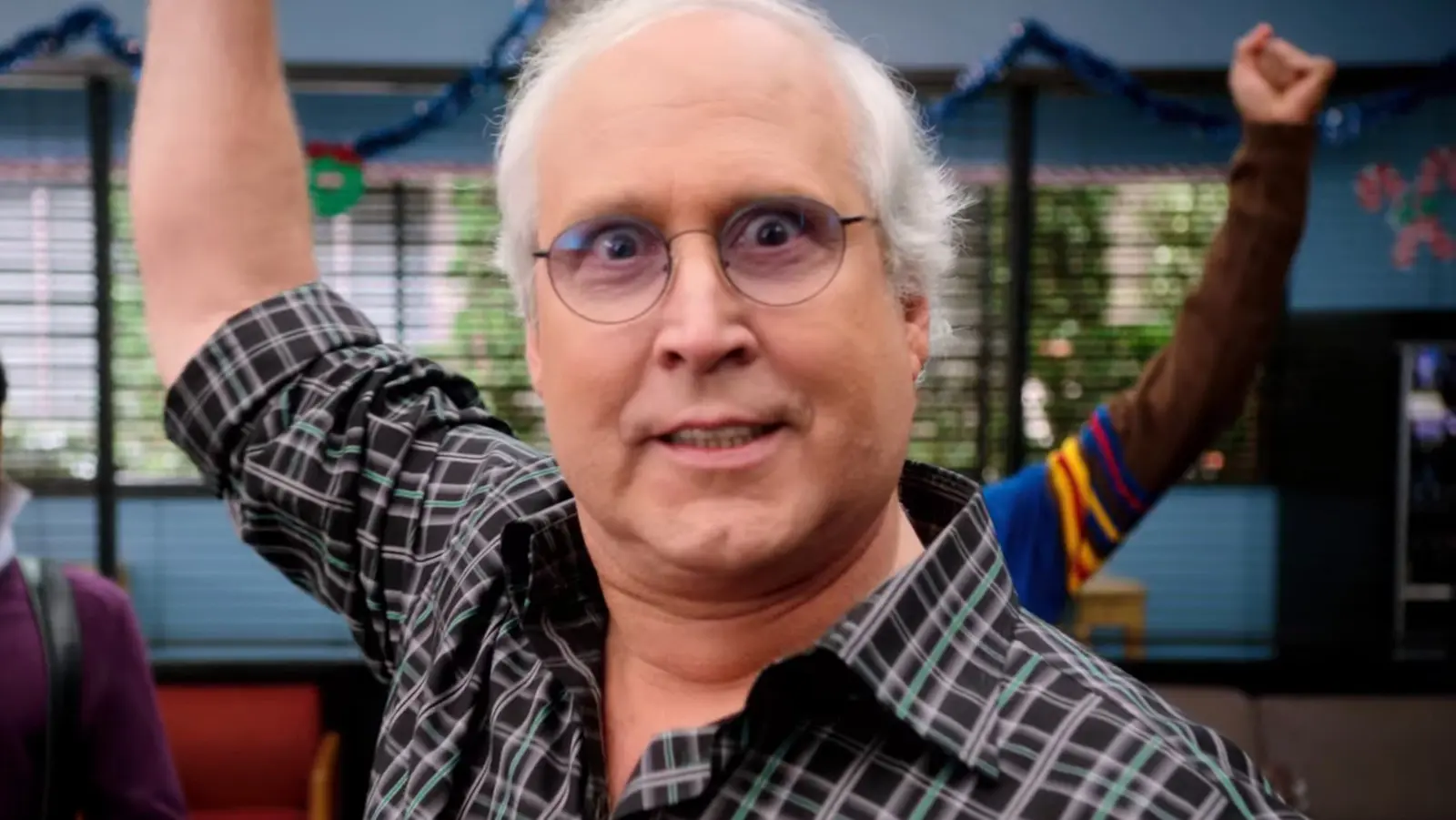
Chevy Chase’s Pierce is engineered as a provocateur—bigoted, petty, and frequently disruptive. His blow-ups hijack ensemble stories and force contrived cleanup.
The character’s antagonism often overwhelms the show’s nimble meta-comedy, turning inventive plots into patience tests when he’s centered.
Roger Peralta – Brooklyn Nine-Nine

Jake’s father (Bradley Whitford) is an airline captain whose flakiness, self-interest, and intermittent returns reopen old wounds for Jake.
Episodes with him rehash broken-promise beats: big entrances, bigger letdowns, and emotional resets that delay healthier development.
Craig Feldspar – Malcolm in the Middle
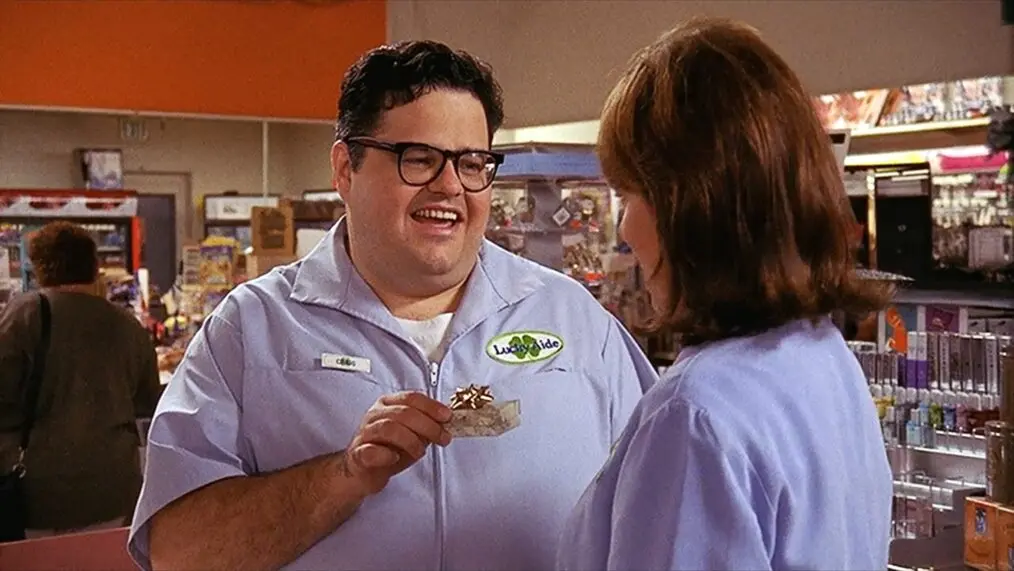
Craig (David Anthony Higgins) is Lois’s needy, boundary-poor coworker at Lucky Aide—perpetually meddling in the Wilkersons’ lives.
His obsessive crush on Lois and constant catastrophizing turn B-plots into cringe spirals that stall momentum.
Grace Adler – Will & Grace

Debra Messing’s Grace is talented but chronically indecisive, messy, and self-involved, ping-ponging through relationships and money problems that she often creates.
Her codependence with Will frequently resets progress, leading to repeat conflicts and sitcom circularity.
Hilary Banks – The Fresh Prince of Bel-Air
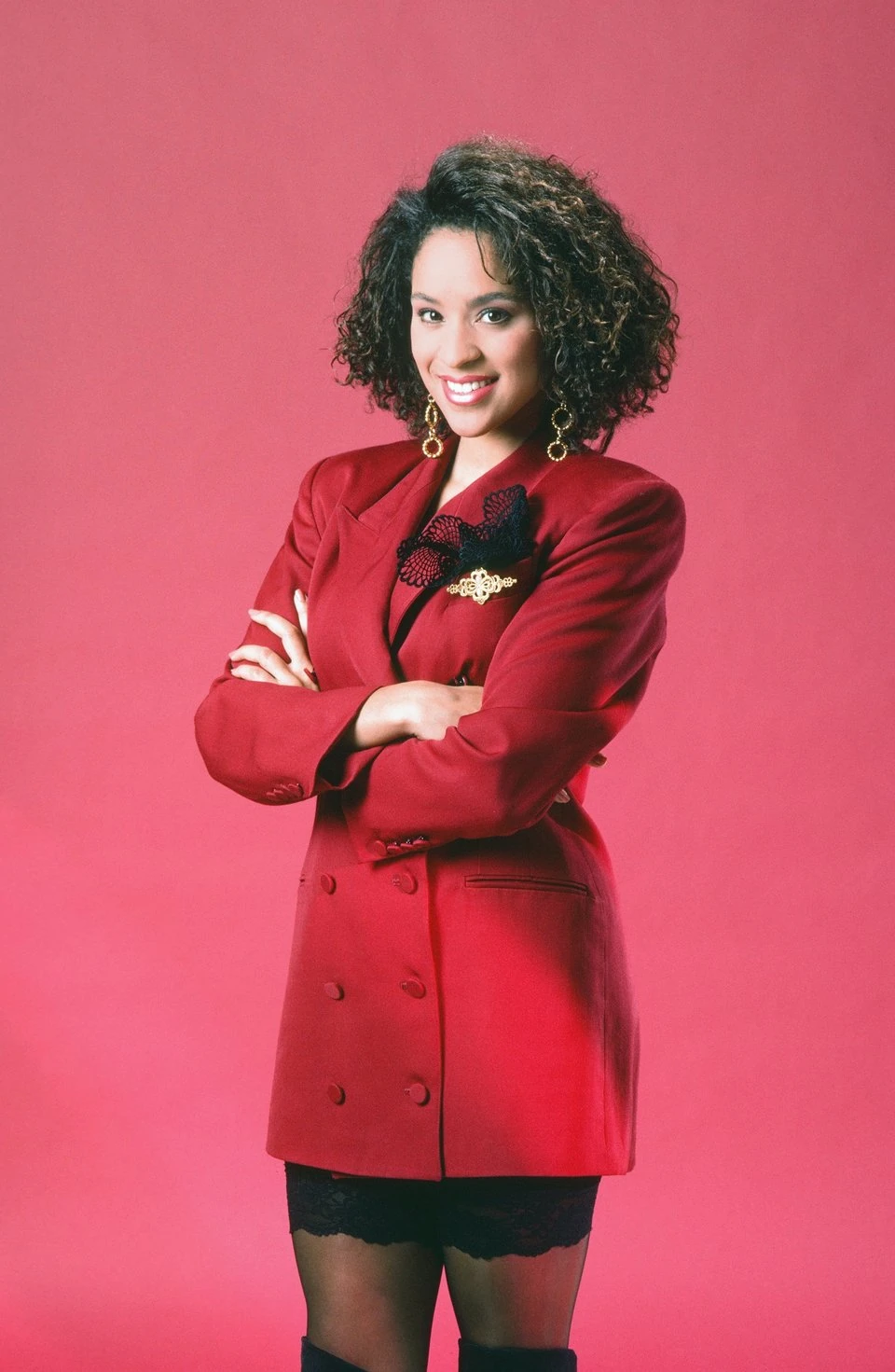
Hilary (Karyn Parsons) is the quintessential vain, status-obsessed socialite—endlessly self-centered and allergic to accountability.
Her scenes lean on one-note entitlement gags that can crowd out richer family dynamics.
Zack Morris – Saved by the Bell

Zack (Mark-Paul Gosselaar) is a schemer whose default is manipulation: scams, lies, and breaking the fourth wall to game everyone around him.
The show often shrugs off consequences, making his antics feel grating rather than roguish—hence the modern reassessment of him as “trash.”
Sue Heck – The Middle
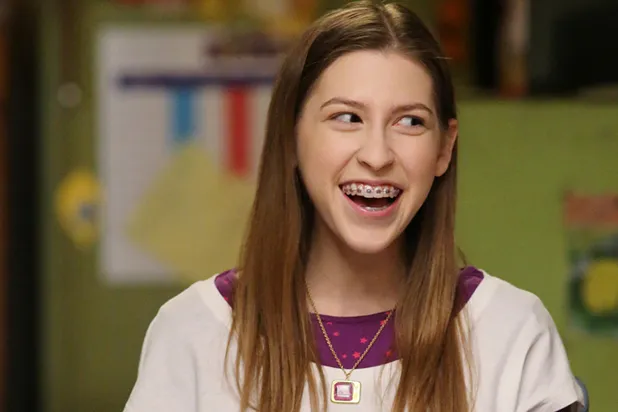
Sue (Eden Sher) is relentlessly upbeat but also relentlessly exhausting—overcommitted, loud, and perpetually in a crisis of her own making.
The running joke of enthusiastic failure plays well in doses; stretched across plots, it becomes noise that drowns subtler family humor.
Diane Chambers – Cheers

Shelley Long’s Diane is brilliant and pedantic, prone to lecturing and moralizing that derail simple situations into debates.
Her on-again/off-again with Sam is iconic but cyclical; the constant intellectual one-upmanship can wear thin.
Newman – Seinfeld
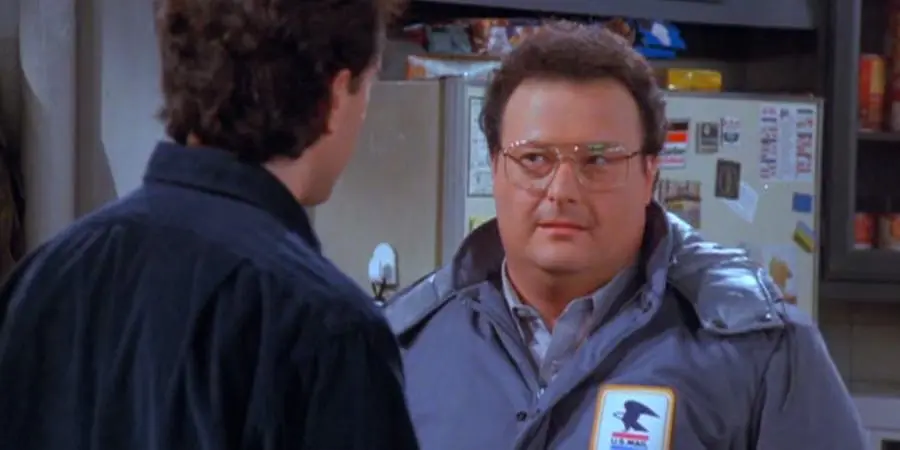
Wayne Knight’s Newman is engineered to irritate: a petty schemer and Jerry’s gleeful nemesis who weaponizes bureaucracy and neighborly proximity.
His appearances spike conflict with minimal payoff beyond “gotcha” hassles, making him perfect for brief bits—and tiresome when extended.
Ryan Howard – The Office
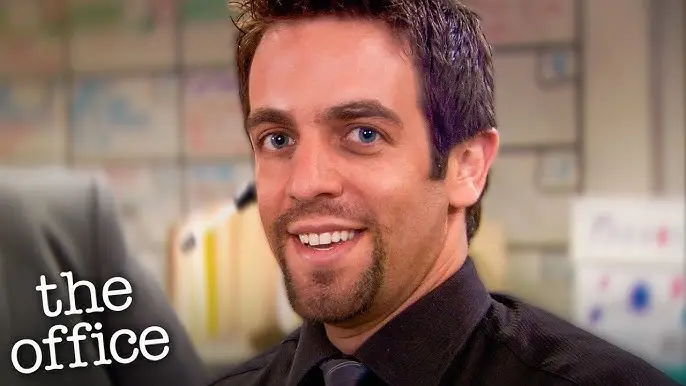
Ryan (B.J. Novak) evolves from temp to smug opportunist—fraud scandal, vanity startup (WUPHF), and chronic shirking.
His self-serving pivots are designed to needle the ensemble, but repeated flameouts can feel like the same joke in new packaging.
George Costanza – Seinfeld
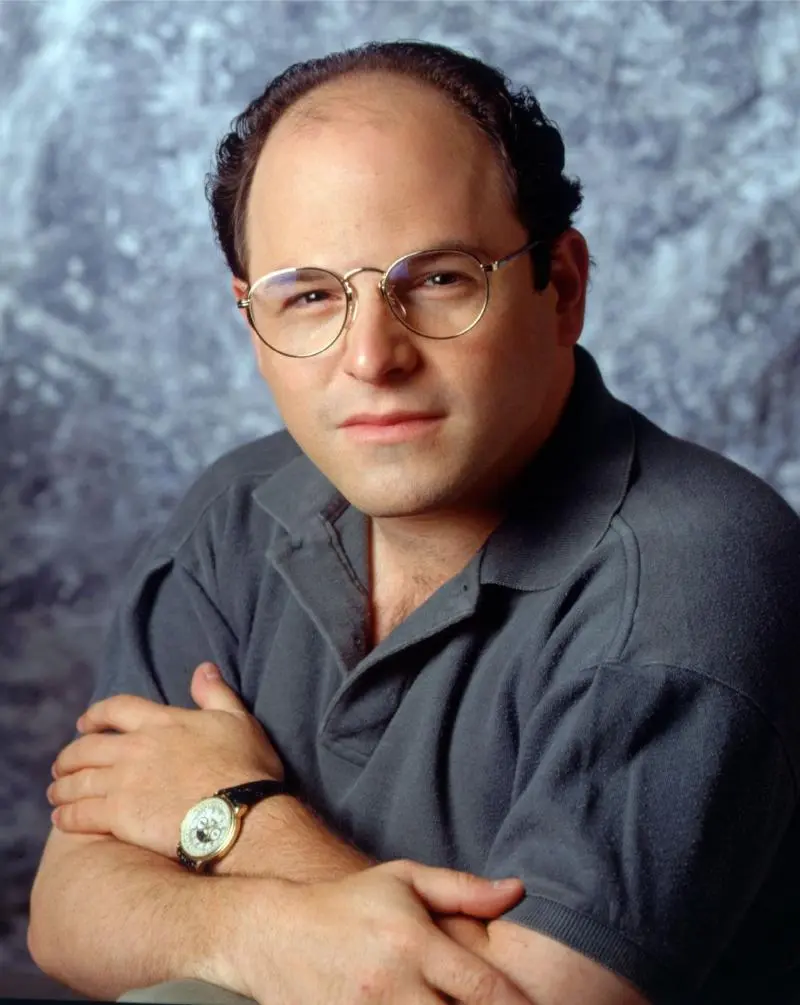
Jason Alexander’s George is a masterpiece of neurosis and selfishness—lying, cutting corners, and melting down over minutiae.
As hilarious as he is, his constant scheming and regression make him an avatar of aggravation who drags others into avoidable messes.
Becky Conner – Roseanne

Becky is uniquely destabilizing because the role switched between Lecy Goranson and Sarah Chalke, creating tone shifts and continuity hiccups.
Beyond the recast whiplash, Becky’s impulsive choices (e.g., elopement) repeatedly ignite family strife that resets hard-won progress.
Which sitcom character drives you up the wall, or did I miss one that grates on you? Share your thoughts in the comments!

