15 Movies Like Cristian Mungiu’s ‘Fjord’ You Have to See

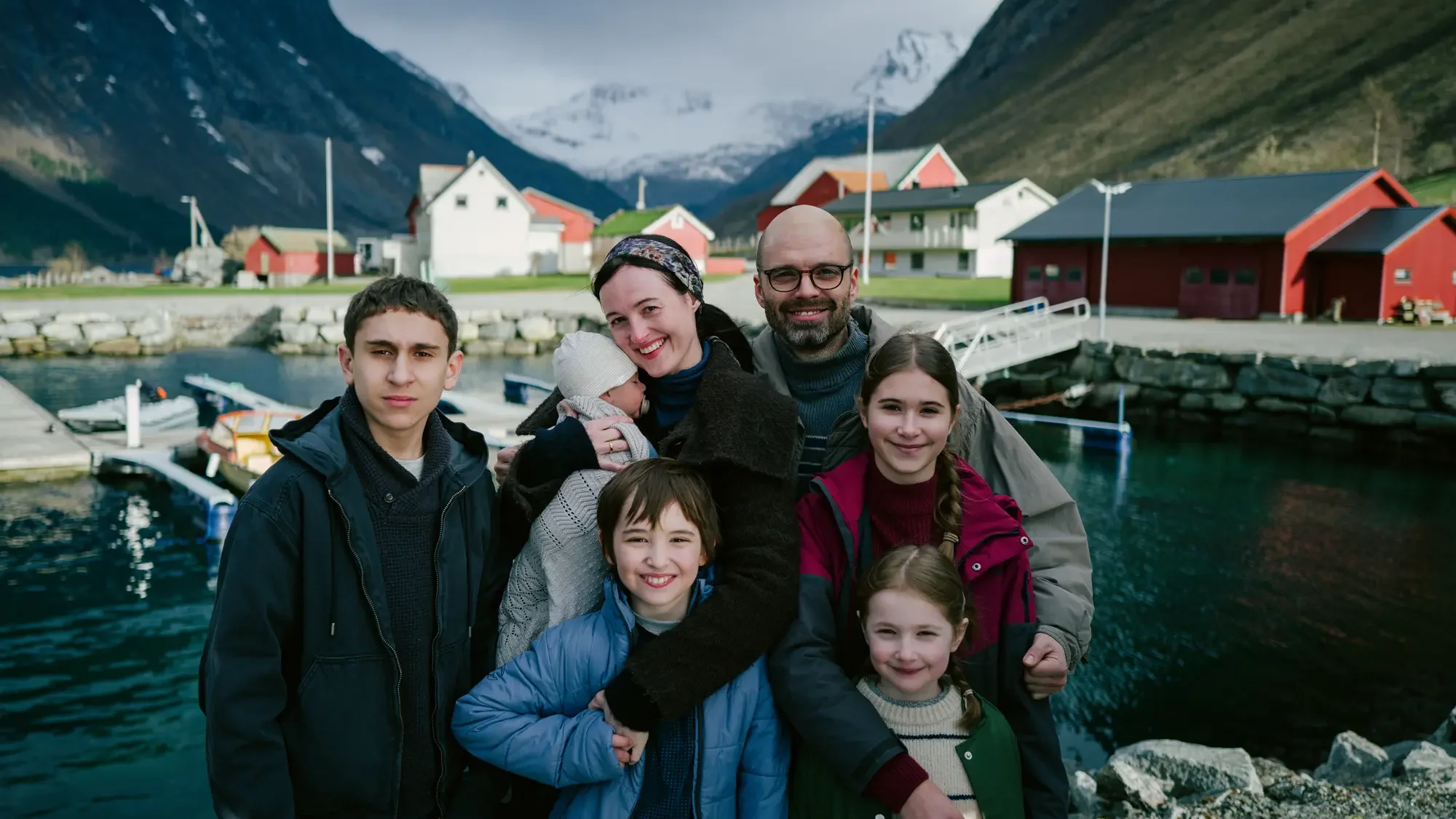

Cristian Mungiu’s 2026 drama ‘Fjord’ examines the volatile collision between private family life and state bureaucracy when a Romanian-Norwegian household comes under the scrutiny of Norway’s child welfare system. Grounded in social realism, the film explores how cultural differences, unyielding institutional mandates, and unverified allegations can upend a domestic unit.
Viewers drawn to the production’s moral ambiguity, procedural tension, and complex community dynamics will find similar thematic concerns across international cinema. The following selections explore the fraught intersections of child welfare, judicial scrutiny, and ideological clashes between individual autonomy and societal expectations.
‘The Hunt’ (2012)

Directed by Thomas Vinterberg, ‘The Hunt’ centers on Lucas, a kindergarten teacher in a tight-knit Danish community who becomes the target of collective hysteria after a young student makes an innocent yet misleading statement. The accusation quickly spirals, leading local authorities and Lucas’s lifelong friends to ostracize and condemn him without concrete proof. The narrative explores how communal panic and confirmation bias can dismantle an innocent individual’s reputation within a modern Nordic society. Much like ‘Fjord’, the drama examines the tension between protecting children and the catastrophic consequences of institutional overreach and unverified allegations.
‘Mrs. Chatterjee vs Norway’ (2023)
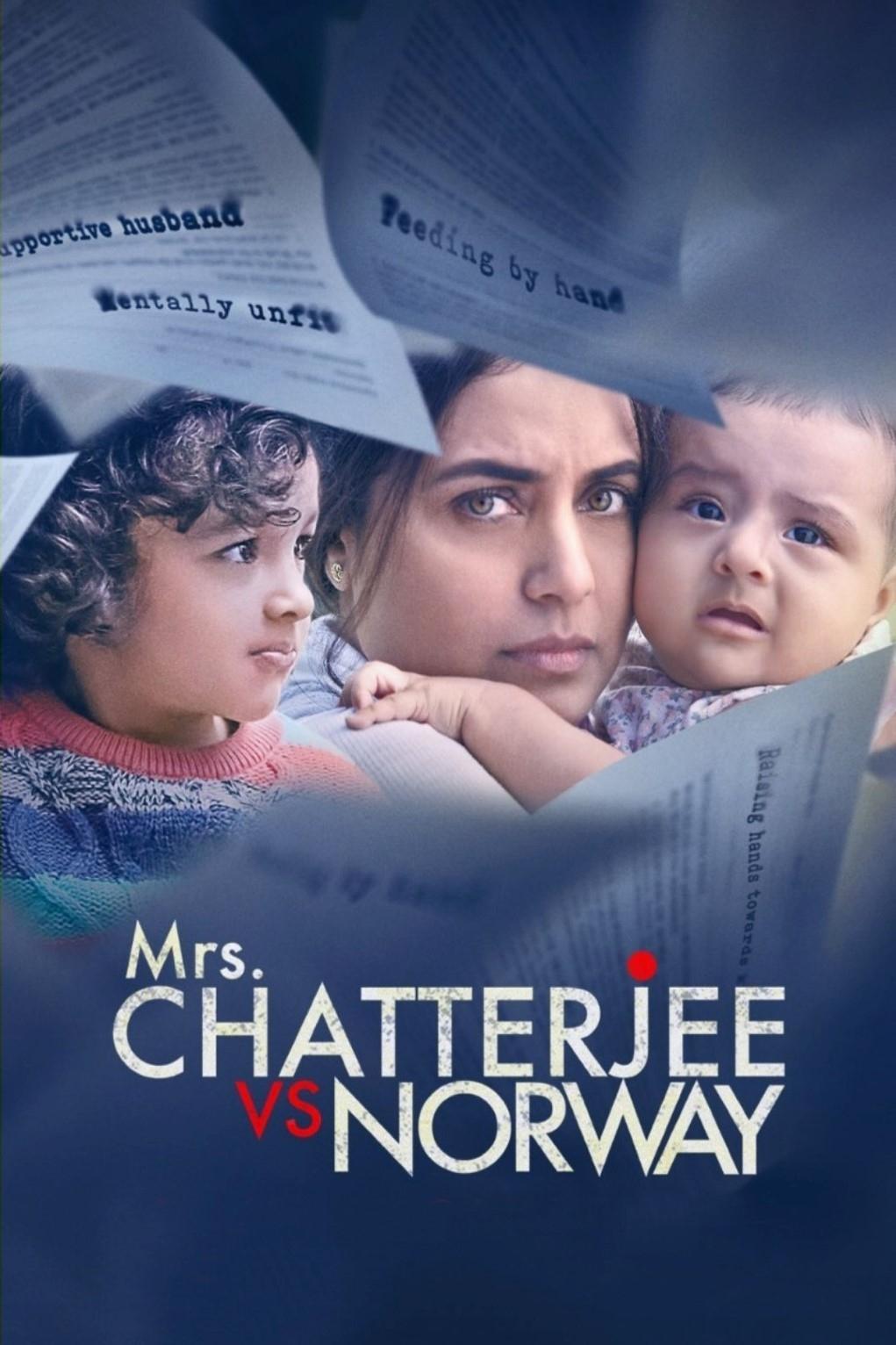
Directed by Ashima Chibber, ‘Mrs. Chatterjee vs Norway’ recounts the real-life struggle of an Indian immigrant mother fighting to regain custody of her children in Norway. When the Norwegian child welfare agency, Barnevernet, removes her children after misinterpreting standard cultural practices as parental neglect, she embarks on an arduous legal battle. The plot highlights the deep divide between traditional immigrant family customs and the rigid childcare standards enforced by Nordic social institutions. This legal conflict directly mirrors the real-world events that inspired ‘Fjord’, providing another perspective on Norway’s child protection policies.
‘Anatomy of a Fall’ (2023)
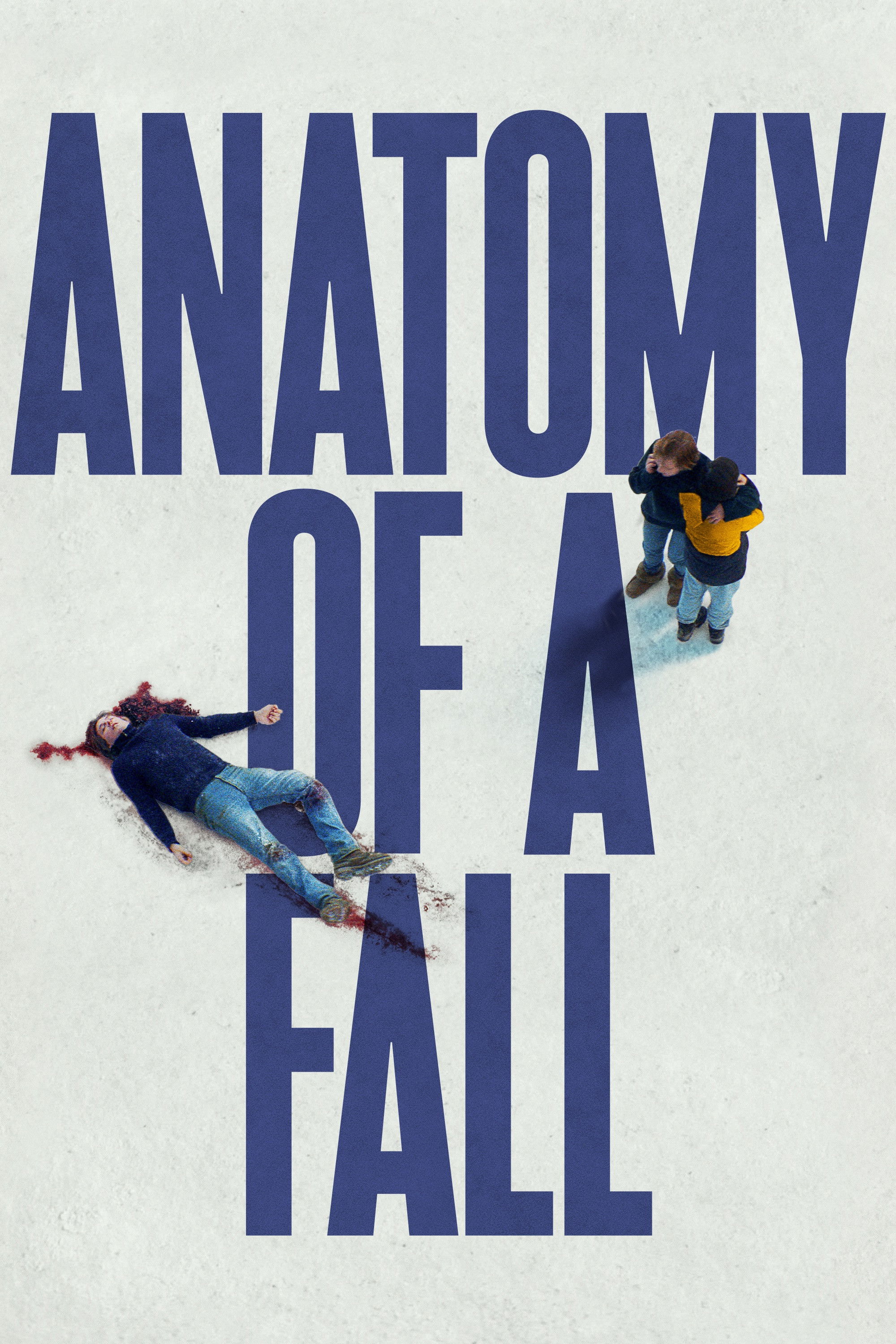
Justine Triet’s courtroom procedural ‘Anatomy of a Fall’ follows Sandra, a German writer residing in a secluded chalet in the French Alps who faces trial for the sudden death of her husband. As the judicial system probes their domestic life, private arguments and intimate marital friction are reconstructed and dissected in public. The couple’s visually impaired son becomes the key witness, forcing him to navigate conflicting testimonies and make a moral determination regarding his parents. The film shares with ‘Fjord’ a snowy, isolated European setting and an analytical approach to how institutional justice handles complex family dynamics.
‘R.M.N.’ (2022)
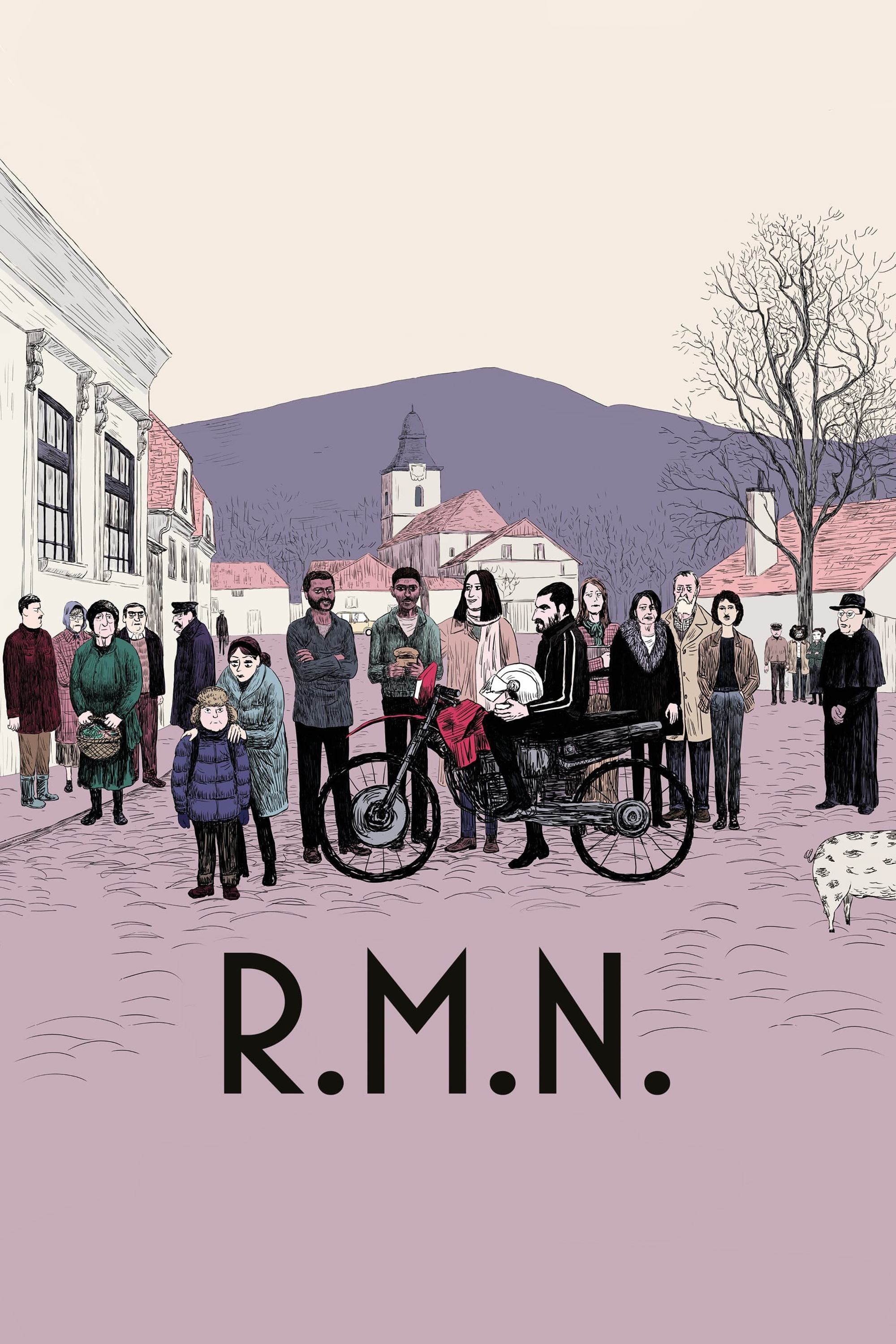
Directed by Cristian Mungiu, ‘R.M.N.’ observes the simmering ethnic and cultural hostility that erupts in a multi-ethnic Transylvanian town when a local bakery hires foreign workers. The narrative follows several townspeople as deep-seated xenophobia, personal grievances, and historical anxieties collide during a pivotal town hall meeting. Mungiu relies on long, unbroken takes and an objective camera perspective to capture the fracturing of community solidarity. For audiences drawn to the cultural polarization and anthropological observation in ‘Fjord’, this film serves as an essential thematic predecessor from the same auteur.
‘Graduation’ (2016)
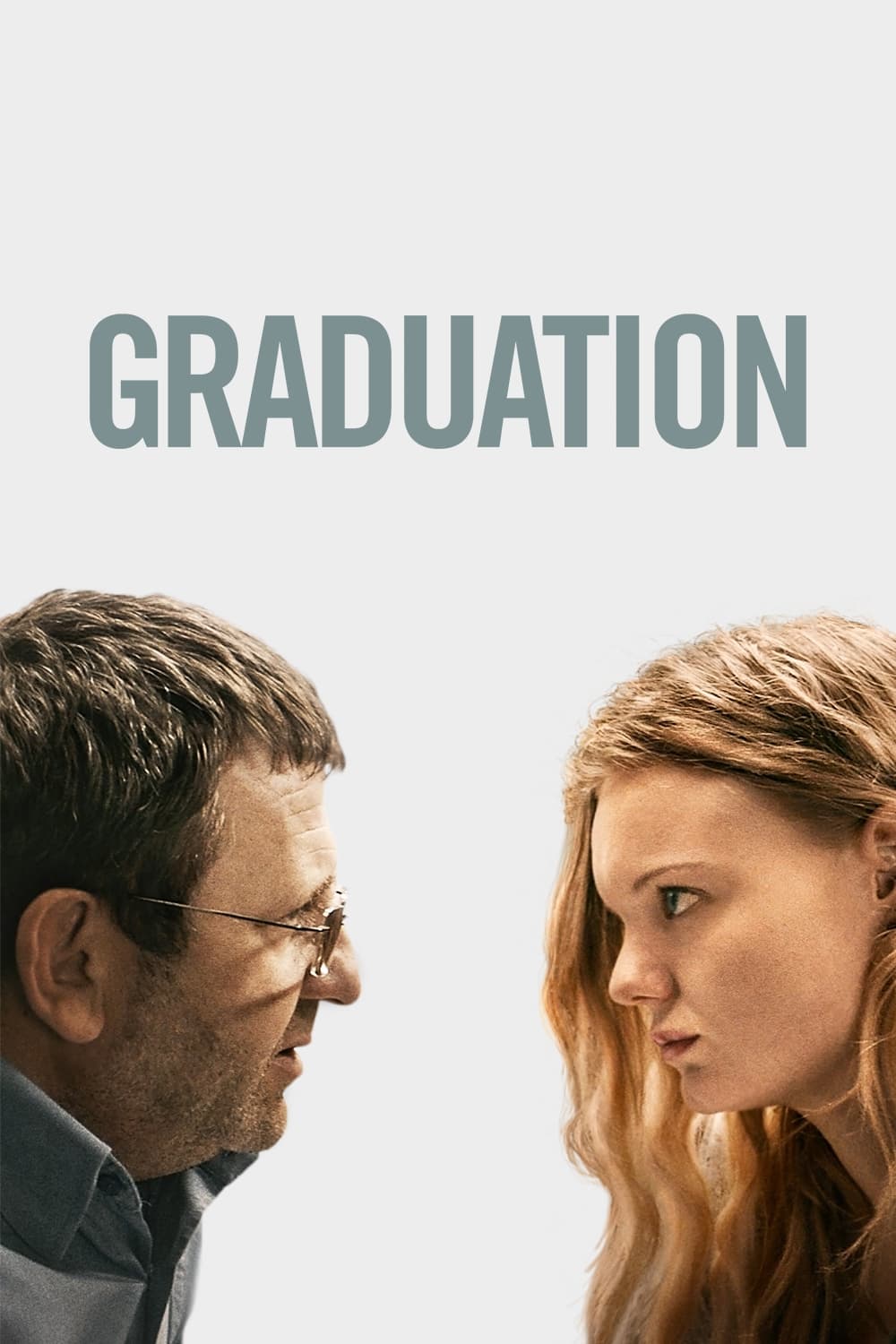
Cristian Mungiu’s drama ‘Graduation’ centers on Romeo, a small-town physician whose daughter is assaulted right before her final exams. Desperate to ensure her high scores to secure an academic scholarship abroad, Romeo initiates a chain of moral compromises involving school officials and local authorities. The story dissects the pervasive culture of reciprocity and bureaucratic corruption that compromises parental ethics in contemporary society. Like ‘Fjord’, the movie investigates how far parents will go to secure the welfare of their offspring when confronted with systemic obstacles.
‘A Separation’ (2011)
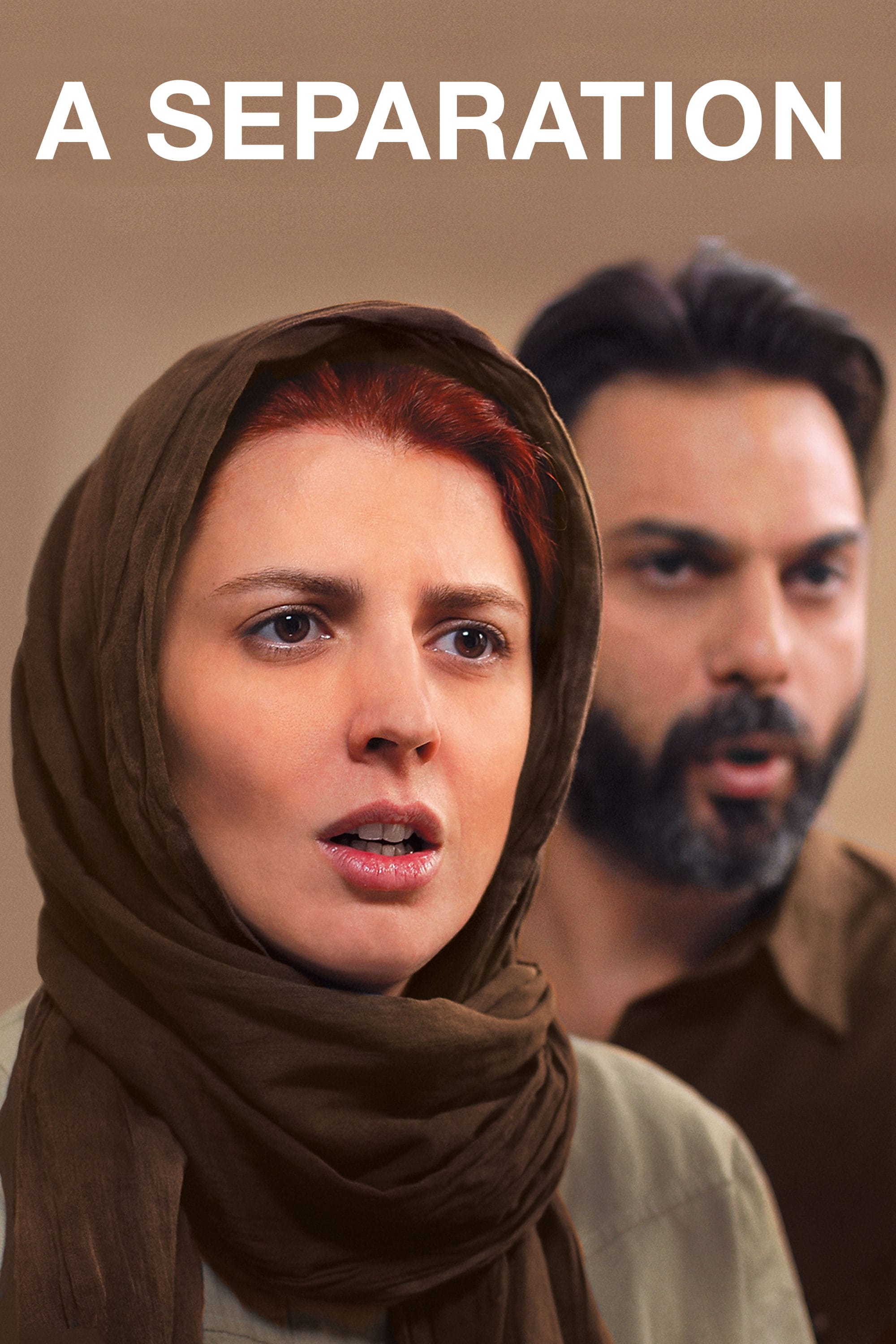
Asghar Farhadi’s drama ‘A Separation’ begins with a middle-class Iranian couple confronting divorce over whether to leave the country for their daughter’s future. The domestic crisis escalates into a complex legal and ethical dispute after the husband hires a devout lower-class caregiver to tend to his elderly father with dementia. An unfortunate domestic accident leads to accusations, investigations, and conflicting testimonies that pit secular and religious moral codes against each other. Much like ‘Fjord’, the film refuses to assign straightforward blame, opting instead to present multidimensional characters caught in an unyielding legal framework.
‘Custody’ (2017)

Directed by Xavier Legrand, ‘Custody’ depicts the harrowing aftermath of a divorce as Miriam and Antoine fight over the custody of their young son, Julien. Despite the mother’s claims of domestic abuse and the boy’s plea to remain solely with her, the family court judge orders shared custody due to ambiguous evidence. The narrative tracks how legal mandates and institutional determinations can unintentionally place vulnerable family members in escalating danger. Its realistic depiction of family arbitration and bureaucratic procedure shares significant common ground with the legal mechanisms portrayed in ‘Fjord’.
‘The Teachers’ Lounge’ (2023)

Directed by İlker Çatak, ‘The Teachers’ Lounge’ centers on Carla Nowak, an idealistic middle school teacher in Germany who investigates a series of thefts among faculty and students. Her covert attempt to uncover the truth triggers unintended consequences, setting off allegations, administrative scrutiny, and racial suspicions. The school environment rapidly becomes an arena of intense social conflict as parents, educators, and children turn against one another. Like ‘Fjord’, the film demonstrates how institutional procedures aimed at maintaining order can escalate minor suspicions into deep community division.
‘System Crasher’ (2019)
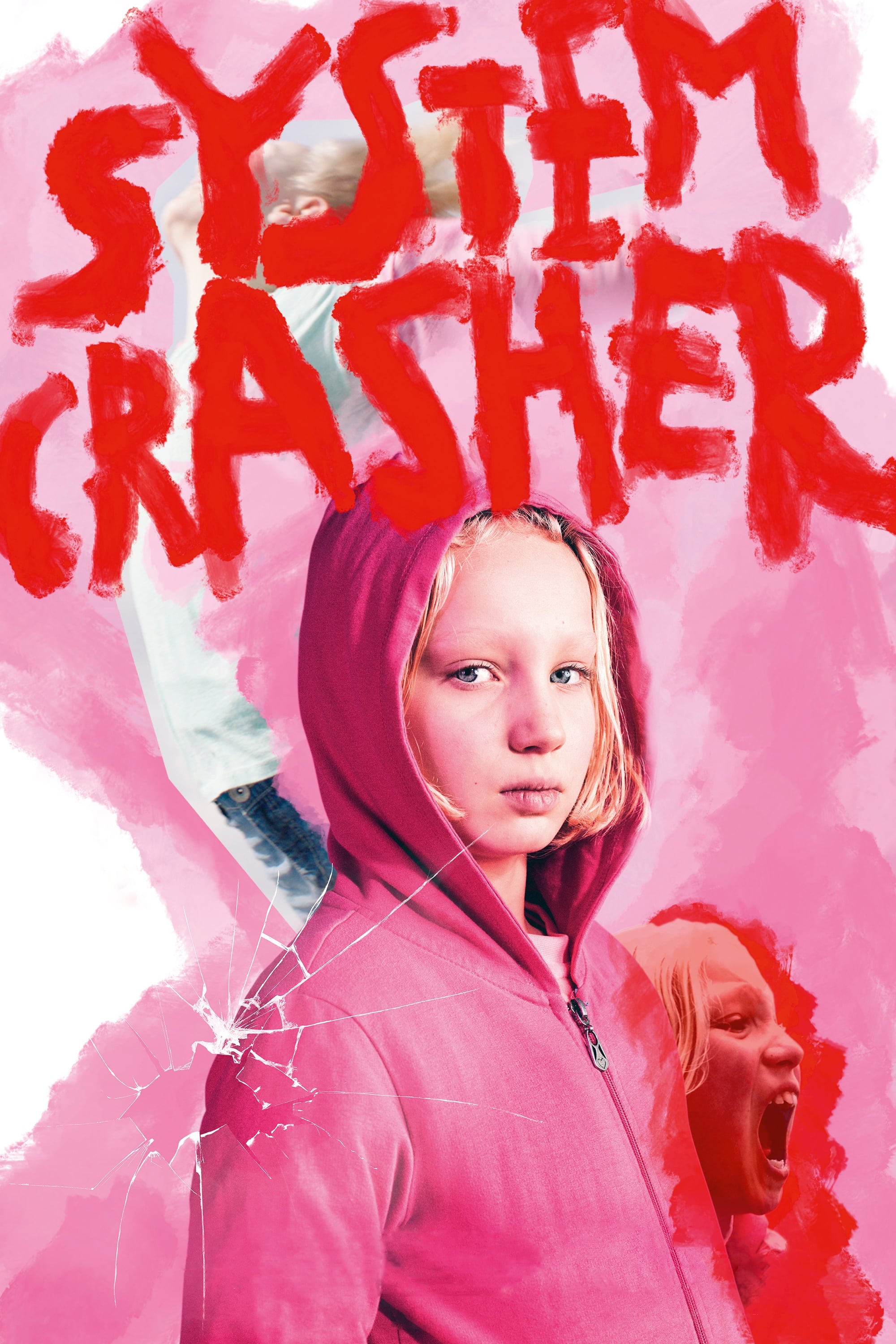
Nora Fingscheidt’s drama ‘System Crasher’ follows Benni, a traumatized nine-year-old girl whose unpredictable outbursts challenge Germany’s child welfare system. Social workers, foster families, and psychiatrists continually attempt to support her, but bureaucratic regulations prevent them from providing the permanent care she requires. The storyline documents the limitations of well-intentioned child protection institutions when dealing with individuals who do not fit administrative criteria. Viewers of ‘Fjord’ will recognize a similar institutional focus on how state agencies navigate child welfare, parental capability, and bureaucratic protocol.
‘Beyond the Hills’ (2012)
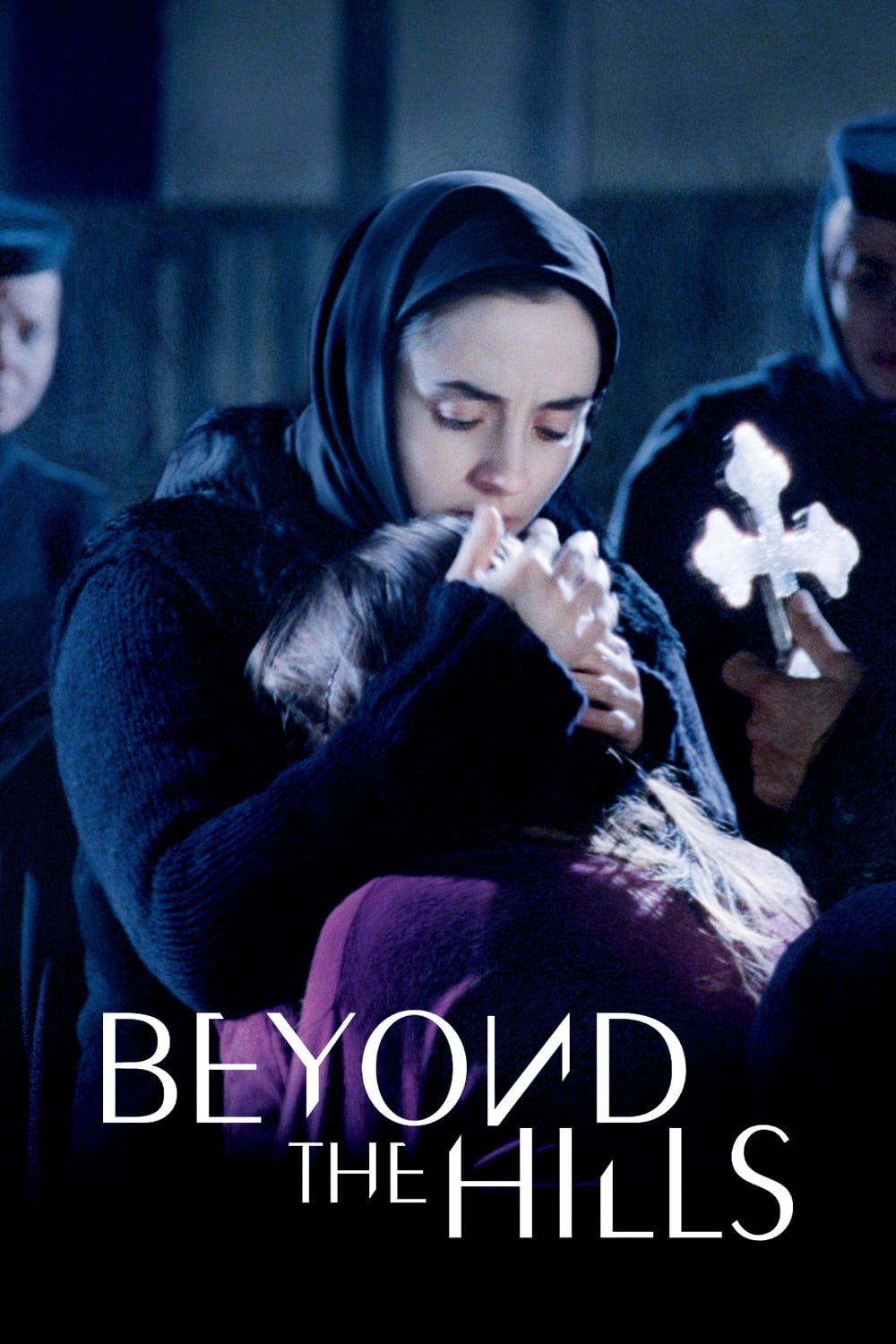
Cristian Mungiu’s ‘Beyond the Hills’ follows two young women, Alina and Voichița, who reunite at an isolated Orthodox monastery in Romania after growing up together in an orphanage. When Alina attempts to convince Voichița to leave the monastic life, her nonconformist behavior is interpreted by the priest and nuns as spiritual affliction. The situation deteriorates as the religious community attempts an exorcism, bringing them into fatal conflict with secular medical authorities. This work explores the devastating friction between institutional dogmatism and individual autonomy that Mungiu revisits with modern Nordic institutions in ‘Fjord’.
‘Monster’ (2023)

Directed by Hirokazu Kore-eda, ‘Monster’ investigates a disturbing change in behavior in a fifth-grade boy named Minato. After his mother discovers physical bruises and learns that a teacher allegedly assaulted him, she demands accountability from a defensive school administration. The narrative unfolds through three distinct viewpoints—the mother, the teacher, and the child—revealing that the initial accusations stemmed from complex social misunderstandings. In parallel to ‘Fjord’, the movie highlights how external observers and educational authorities often misjudge internal domestic realities when assessing child safety.
‘The Children Act’ (2017)

Adapted from Ian McEwan’s novel and directed by Richard Eyre, ‘The Children Act’ follows High Court judge Fiona Maye in London. She is assigned an urgent case concerning Adam, a seventeen-year-old with leukemia whose devout Jehovah’s Witness parents refuse life-saving blood transfusions on religious grounds. The narrative examines the judicial mandate to prioritize the welfare of a minor over parental religious convictions and family autonomy. The central philosophical dilemma directly echoes ‘Fjord’, exploring where the state’s protective authority begins and where parental rights must yield.
‘4 Months, 3 Weeks and 2 Days’ (2007)
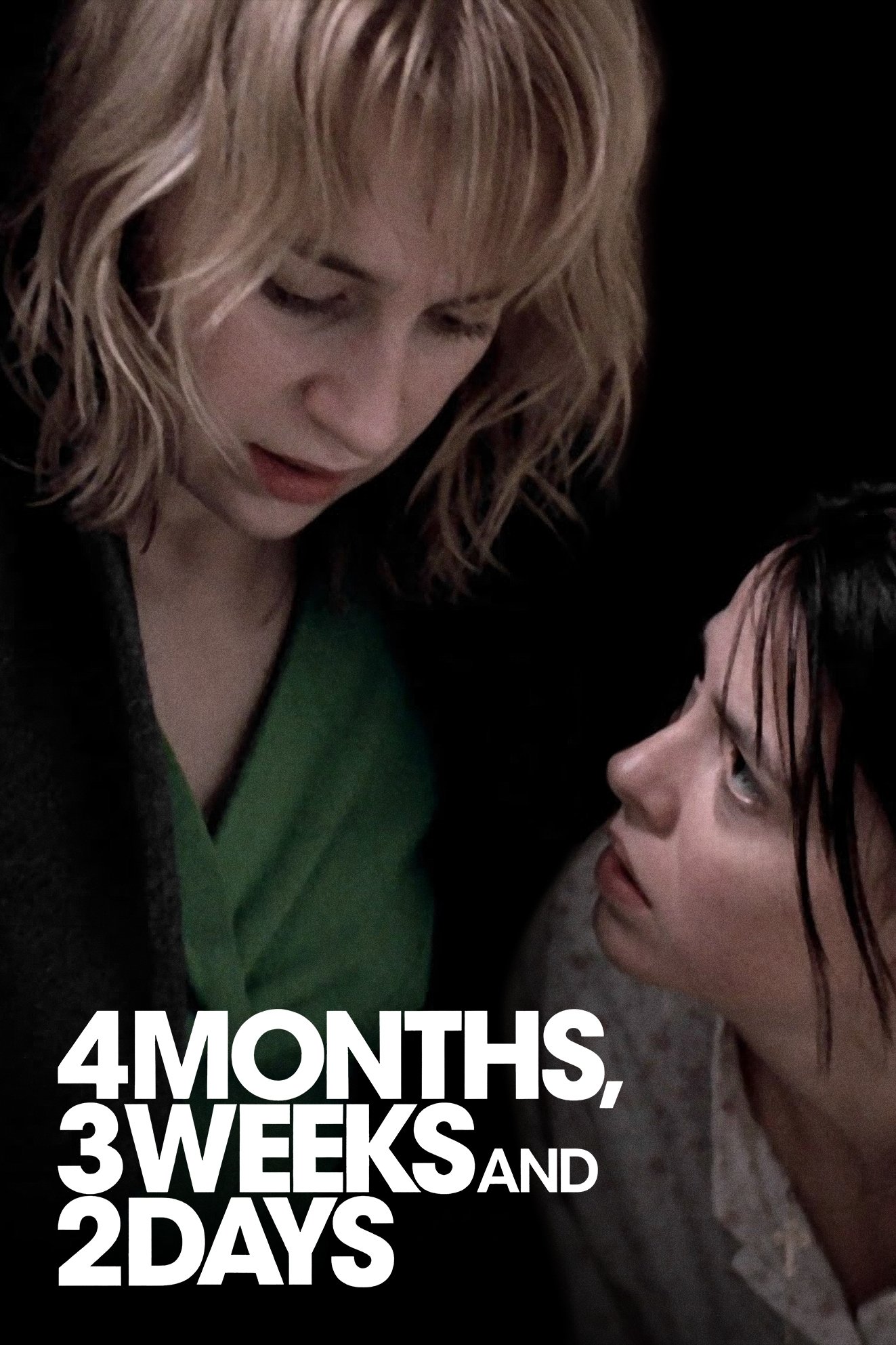
Directed by Cristian Mungiu, ‘4 Months, 3 Weeks and 2 Days’ chronicles the harrowing journey of two university students seeking an illegal abortion in 1980s communist Romania. The story details the logistical and physical dangers Otilia endures to assist her friend Găbița under the repressive regime of Nicolae Ceaușescu. Mungiu presents the narrative in real time with austere visual discipline, highlighting the pervasive intrusions of state control into personal human decisions. The film established Mungiu’s signature aesthetic of ethical ambiguity and institutional oppression that reaches new European contexts in ‘Fjord’.
‘Doubt’ (2008)
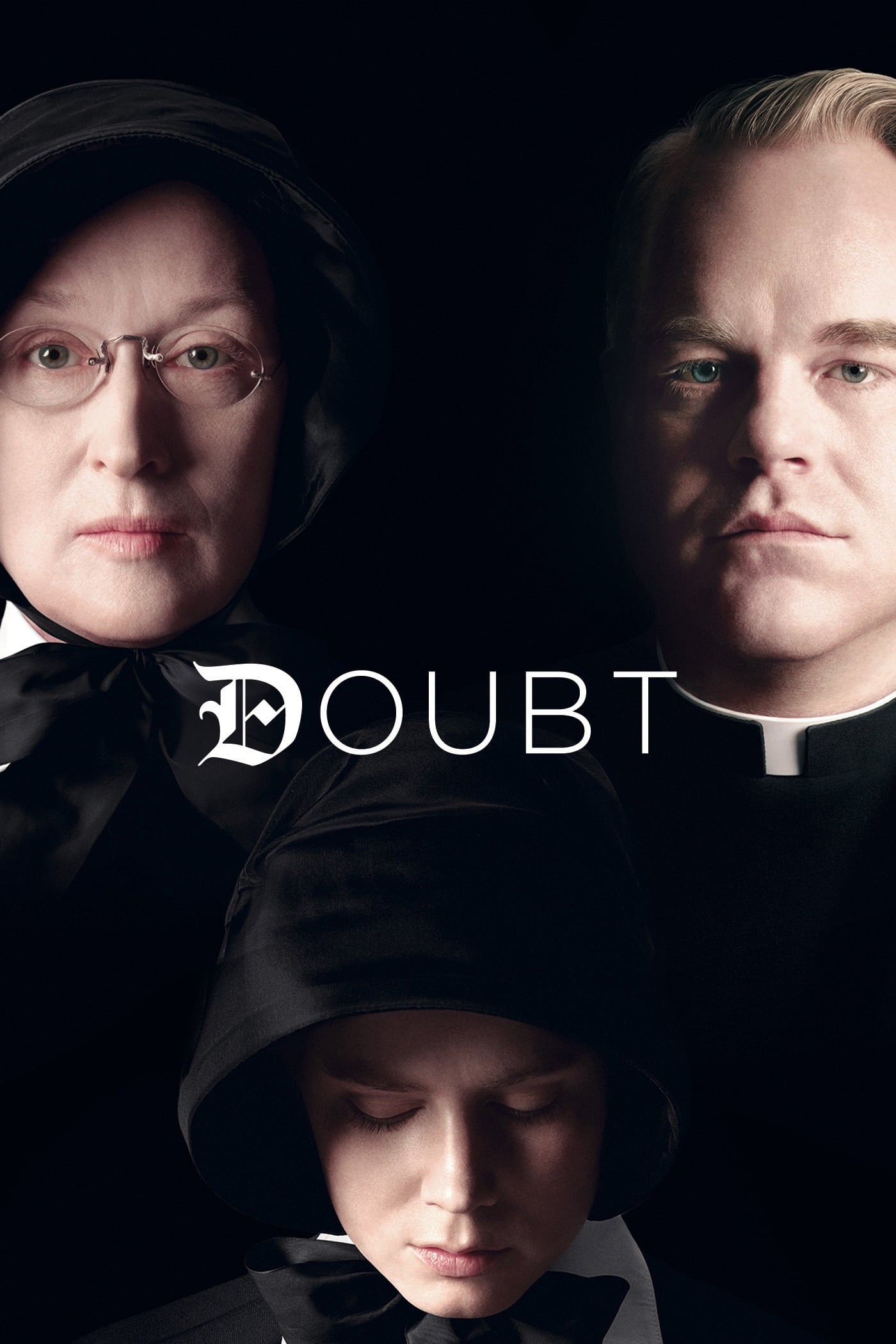
Written and directed by John Patrick Shanley, ‘Doubt’ is set at a Catholic school in the Bronx during the 1960s. The strict school principal, Sister Aloysius, suspects the charismatic parish priest, Father Flynn, of improper conduct with the school’s only Black student. Without physical proof or witness confirmation, a battle of wills unfolds between conservative institutional hierarchy and progressive educational reform. Much like ‘Fjord’, the plot hinges on whether deeply held moral convictions and unverified assumptions justify severe punitive intervention.
‘Saint Omer’ (2022)

Directed by Alice Diop, ‘Saint Omer’ dramatizes the real-life trial of Laurence Coly, a young Senegalese immigrant woman accused of infanticide in northern France. A pregnant novelist, Rama, attends the court proceedings, observing how the judicial system struggles to comprehend the cultural isolation and psychological unraveling of the defendant. The film uses static courtroom compositions and extensive witness testimony to challenge Western legal preconceptions regarding maternal instinct and cultural displacement. This clinical dissection of institutional justice and cross-cultural estrangement makes it a compelling companion piece to ‘Fjord’.
Share your thoughts on which of these films best captures the ethical dilemmas and institutional scrutiny explored in ‘Fjord’ in the comments.