15 Movies Like ‘Godzilla Minus One’ You Must See

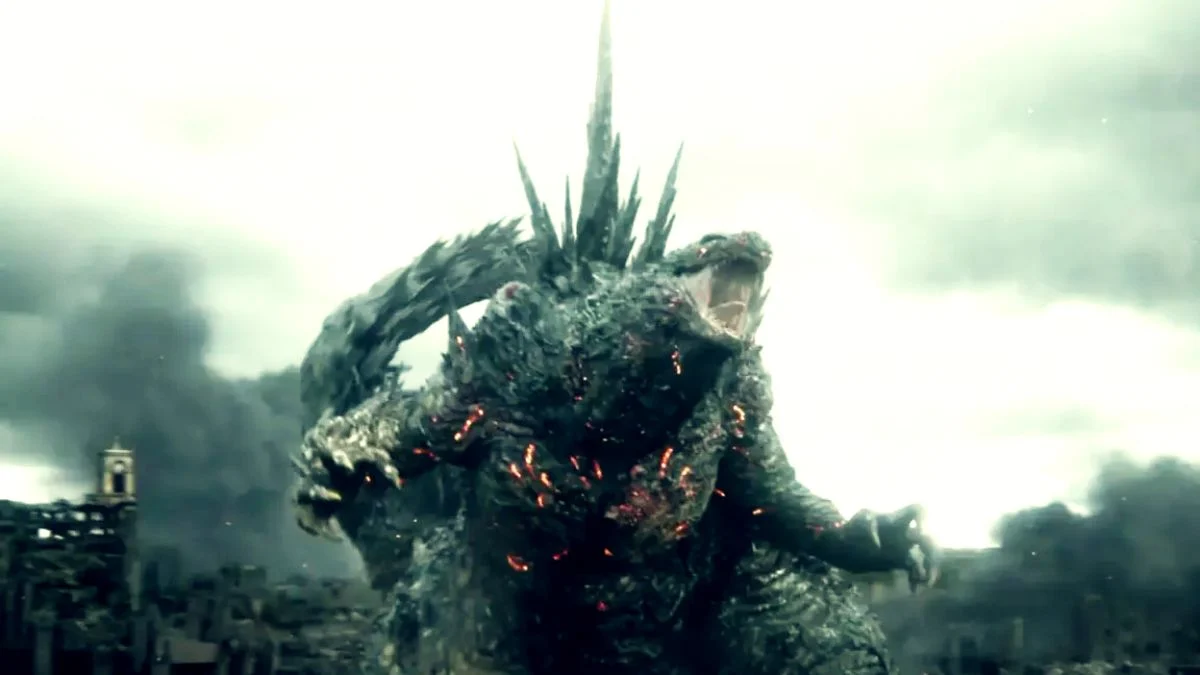
Takashi Yamazaki’s ‘Godzilla Minus One‘ captivated audiences worldwide by pairing catastrophic monster destruction with an intimate, emotionally devastating human drama set in post-World War II Japan.
The Academy Award-winning film proved that creature features achieve their greatest power when audiences care deeply about the people fighting to survive on the ground. Viewers seeking similar cinematic experiences will appreciate stories that blend high-stakes survival, psychological trauma, and monumental threats. From classic kaiju cinema to character-driven disaster epics, these films capture the heart and terror of monster storytelling.
‘Shin Godzilla’ (2016)
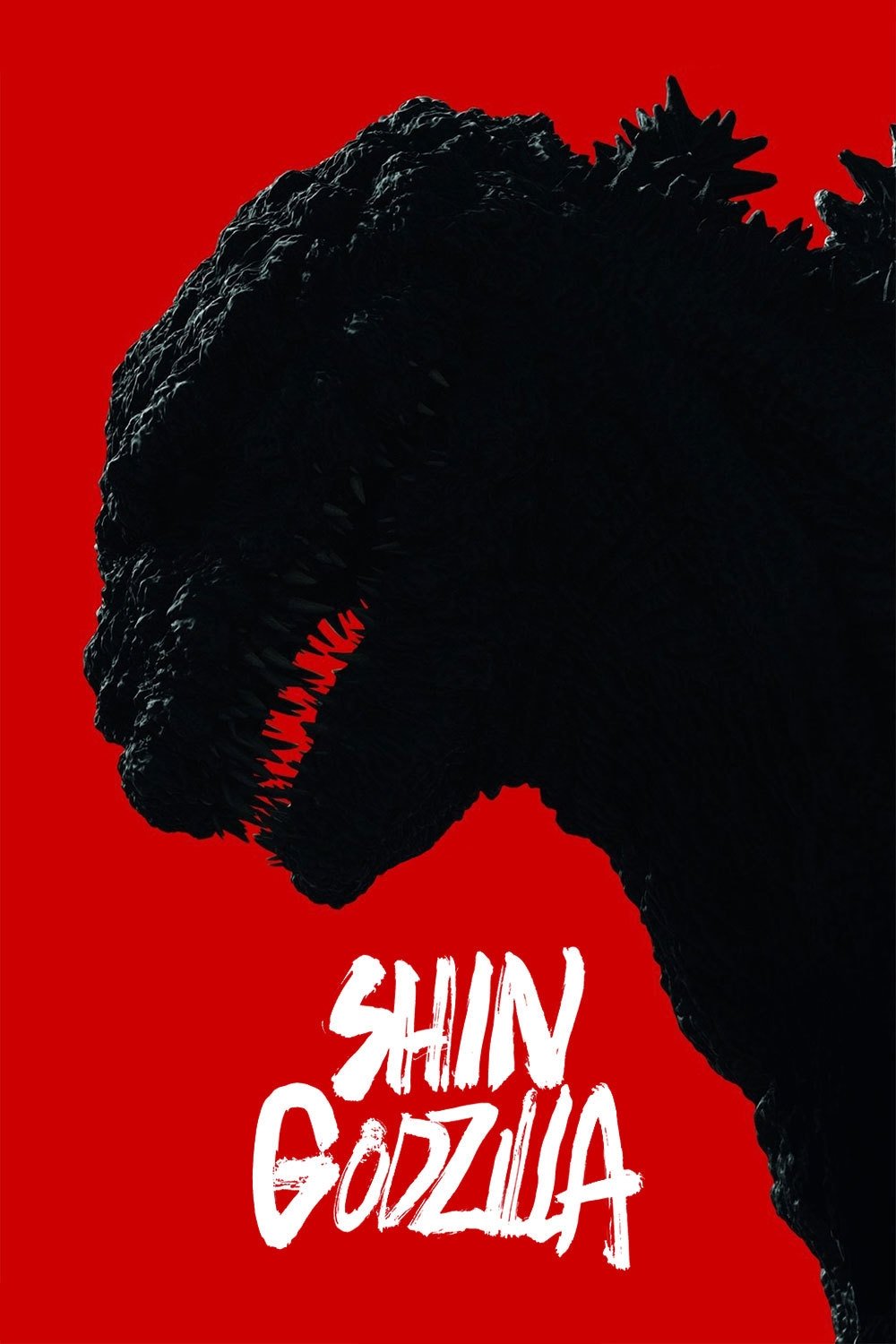
Directed by Hideaki Anno and Shinji Higuchi, ‘Shin Godzilla’ delivers a modern political reboot that depicts a rapidly evolving atomic beast emerging into Tokyo Bay. The narrative bypasses traditional melodrama in favor of sharp bureaucratic satire, tracking government officials and scientists desperately cutting through red tape to coordinate a national defense strategy. Much like ‘Godzilla Minus One’, the production reimagines the titular titan as an unrelenting, godlike force of nature that exposes the vulnerabilities of modern Japan. Its groundbreaking visual effects and chilling urban devastation earned the film seven Japan Academy Film Prizes, including Picture of the Year.
‘Godzilla’ (1954)
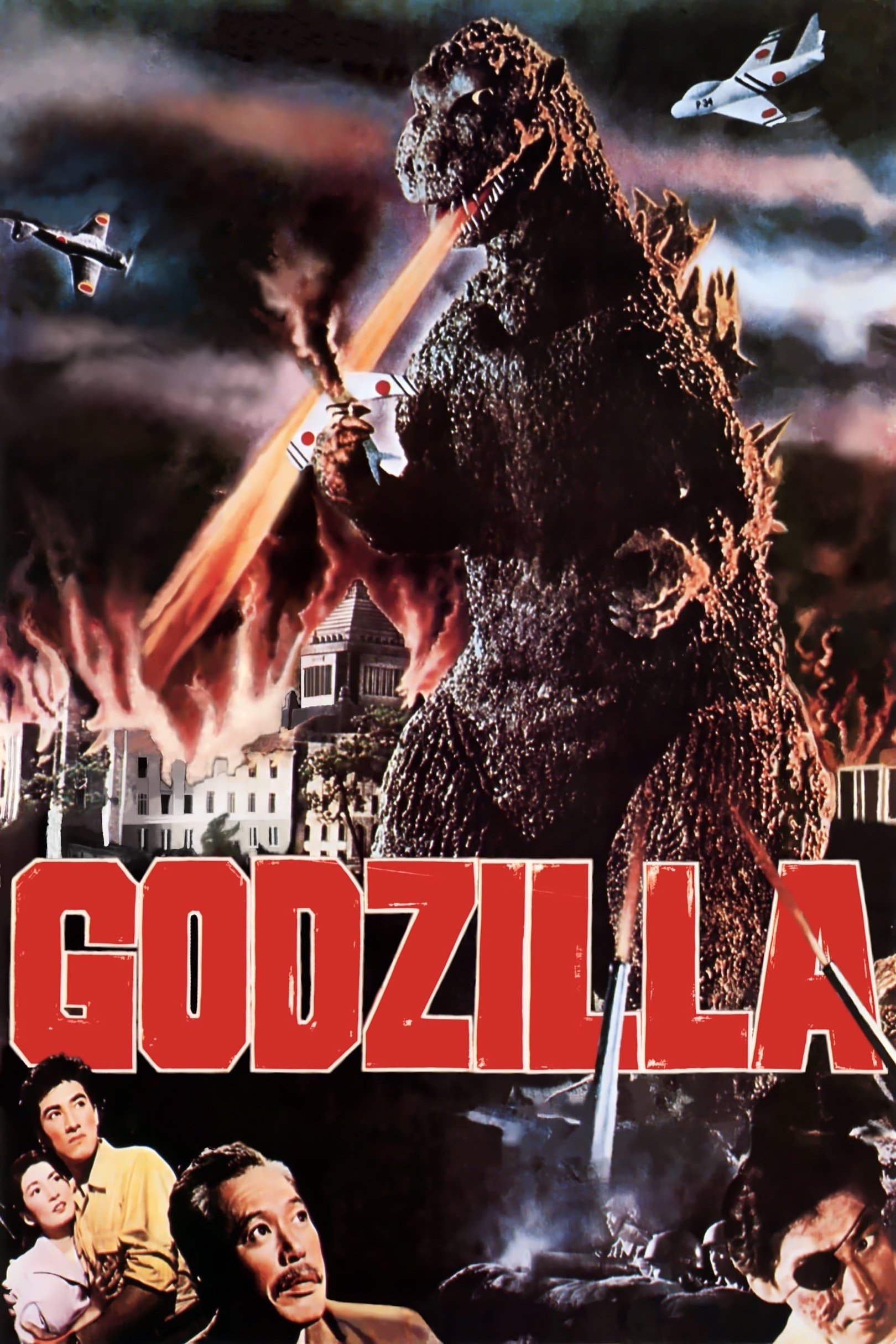
Ishiro Honda’s foundational masterpiece introduces the legendary prehistoric leviathan as a somber manifestation of nuclear devastation following World War II. The story centers on paleontologist Kyohei Yamane and tormented scientist Daisuke Serizawa, who wrestles with the moral dilemma of deploying an apocalyptic superweapon known as the Oxygen Destroyer. The film balances tragic human drama with grim, documentary-style imagery evoking the atomic bombings of Hiroshima and Nagasaki. ‘Godzilla Minus One’ drew direct inspiration from this 1954 classic, honoring its somber atmospheric tone and thematic focus on national reconstruction after wartime tragedy.
‘The Host’ (2006)
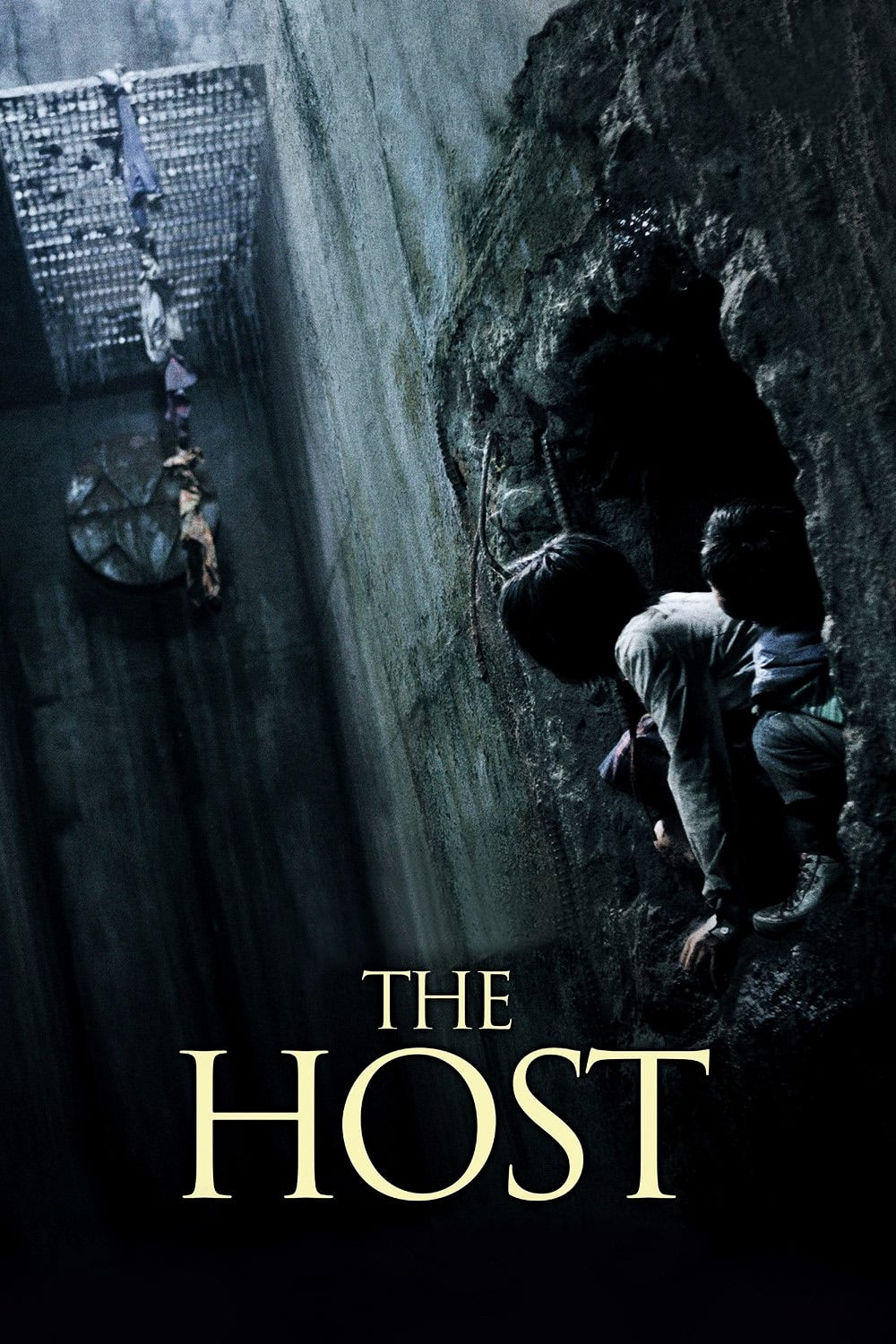
Directed by Bong Joon-ho, ‘The Host’ centers on an eccentric dysfunctional family struggling to rescue their young daughter after a mutated amphibious creature emerges from Seoul’s Han River. The production balances gripping creature horror with satirical commentary on government incompetence, foreign military intervention, and widespread public hysteria. Similar to the civilian coalition in ‘Godzilla Minus One’, the protagonists are ordinary citizens forced to rely on their own wits and familial bonds rather than official authorities. The creature feature earned widespread acclaim for seamlessly weaving genuine tragedy, humor, and spectacular special effects into a deeply emotional rescue mission.
‘The Eternal Zero’ (2013)
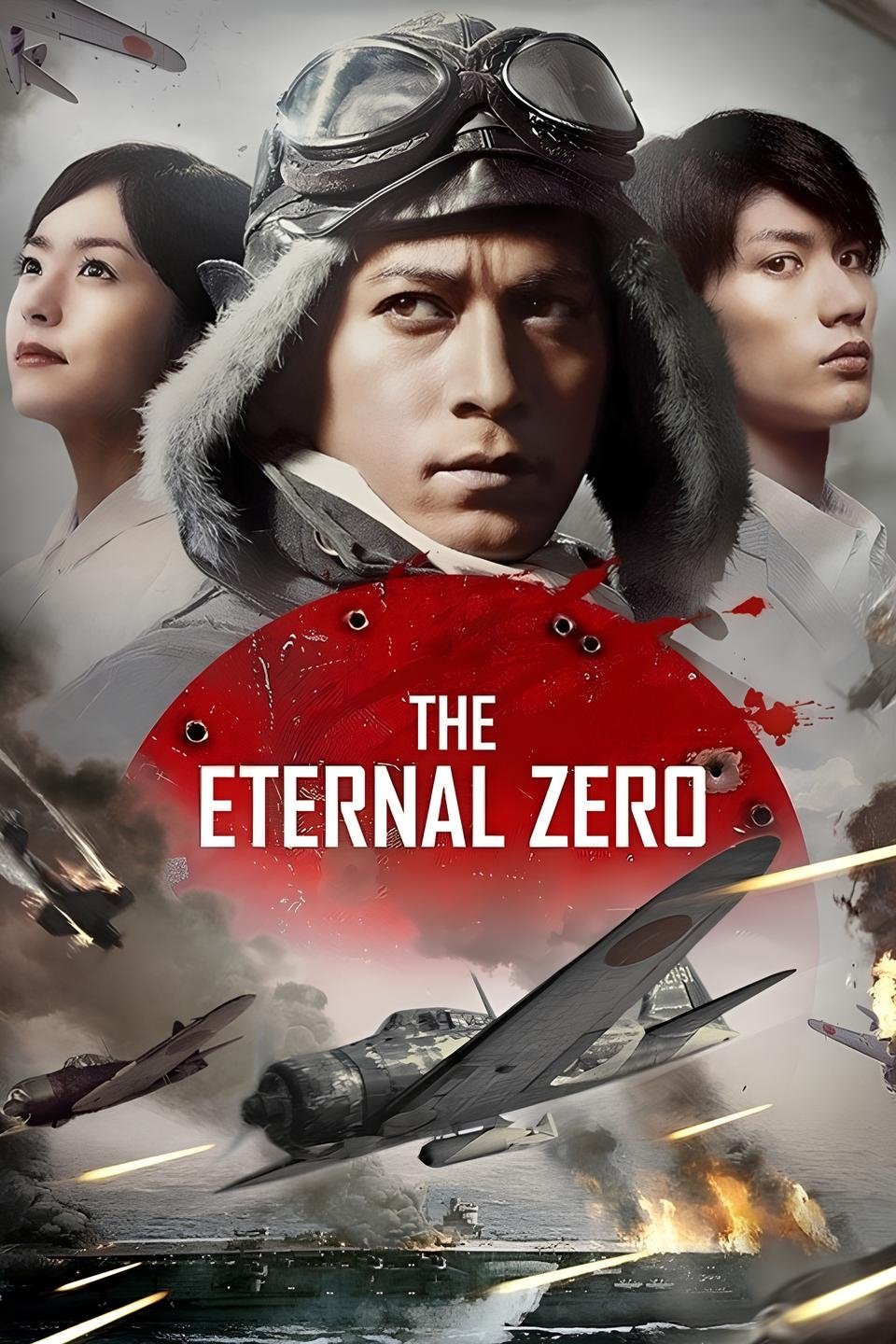
Before directing ‘Godzilla Minus One’, filmmaker Takashi Yamazaki helmed ‘The Eternal Zero’, a wartime historical drama exploring the legacy of Japanese kamikaze pilots during World War II. The plot follows two modern siblings investigating the military career of their grandfather, an exceptionally gifted aviator who prioritized returning home to his family over suicidal military tradition. The film shares key narrative themes with ‘Godzilla Minus One’, specifically survivor’s guilt, post-traumatic stress, and the moral duty of living through conflict. Both productions highlight Yamazaki’s technical mastery of vintage aerial dogfights and his empathetic storytelling regarding wartime trauma.
‘Jaws’ (1975)
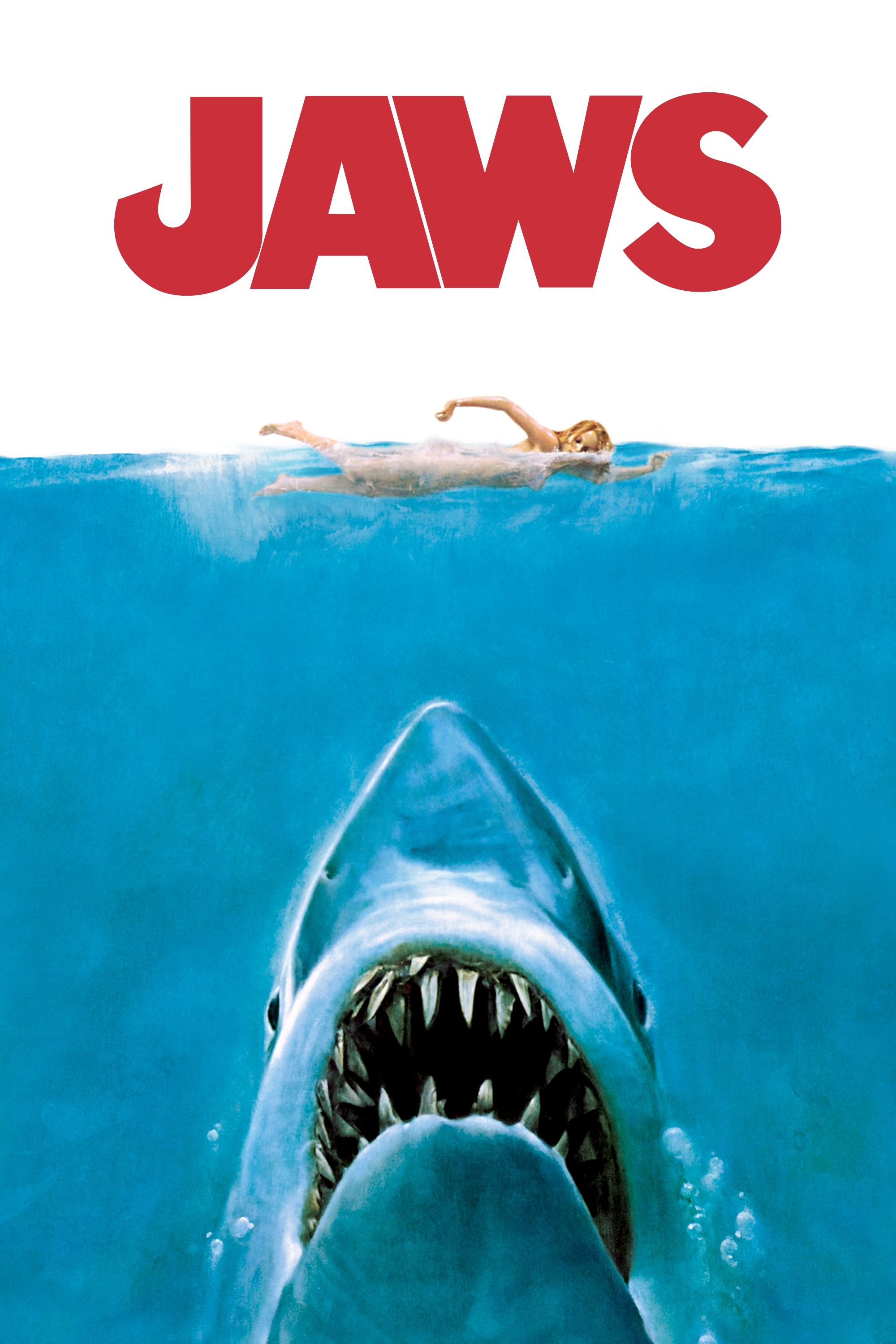
Steven Spielberg’s seminal thriller depicts a small seaside resort town terrorized by a predatory great white shark during the peak summer tourist season. Police Chief Martin Brody joins forces with an eccentric marine biologist and a grizzled naval veteran to hunt the aquatic apex predator aboard a fragile fishing boat. The film’s suspenseful open-water tension and tactical confrontation heavily influenced the climactic minesweeper battle aboard the wooden vessel in ‘Godzilla Minus One’. With its character-driven pacing and masterclass in building dread, ‘Jaws’ set the foundational benchmark for creature-driven survival cinema.
‘Godzilla, Mothra and King Ghidorah: Giant Monsters All-Out Attack’ (2001)
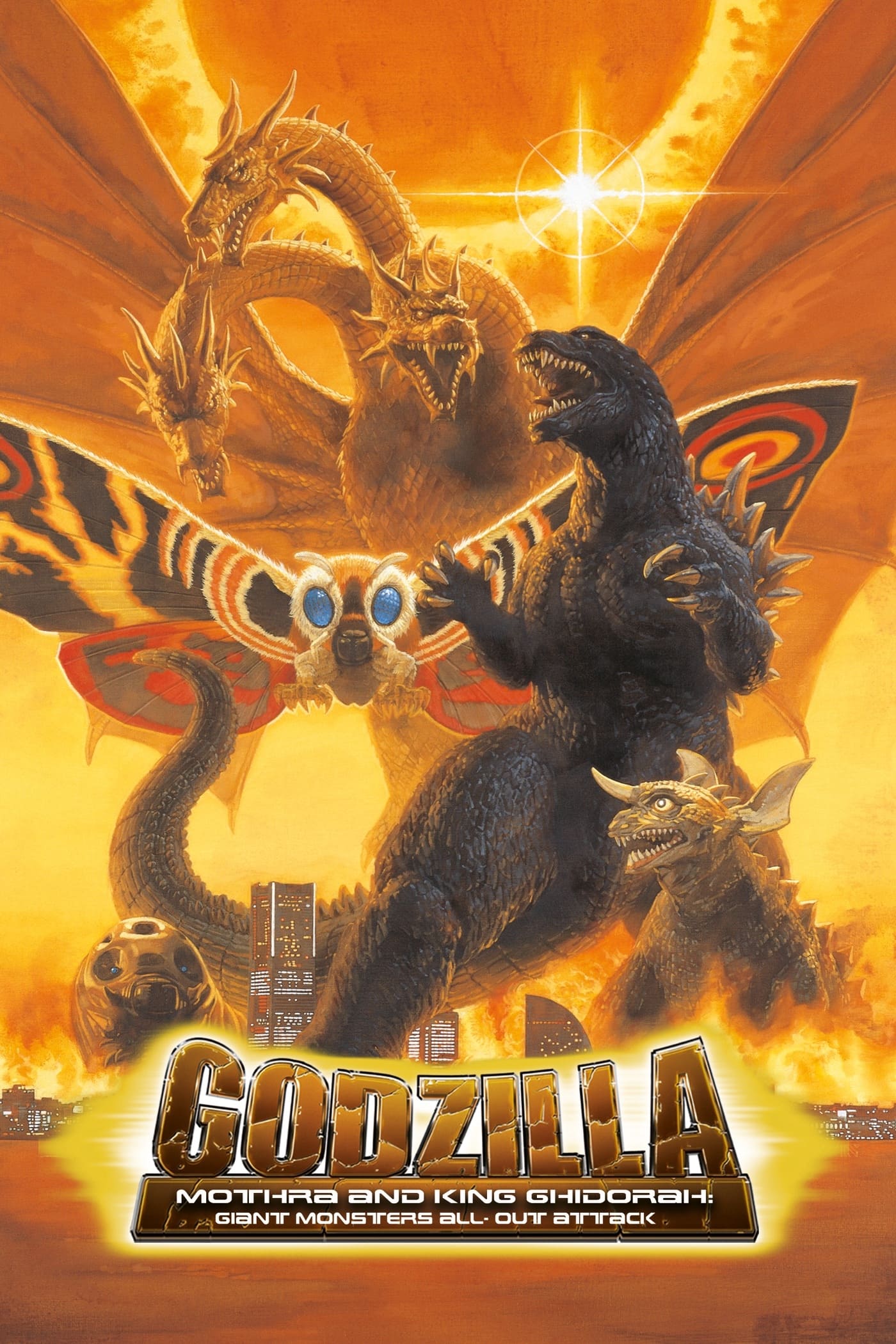
Directed by Shusuke Kaneko, this millennium-era entry presents Godzilla as a supernatural force fueled by the vengeful, restless souls of victims from the Pacific War. A dedicated documentary journalist investigates ancient legends as three guardian monsters awaken to defend the Japanese mainland from annihilation. The narrative directly tackles wartime accountability and historical amnesia, establishing the antagonist as an unrepentant, malevolent threat rather than an antihero. Director Takashi Yamazaki openly cited Kaneko’s dark, morally charged vision as one of the primary creative influences behind ‘Godzilla Minus One’.
‘Cloverfield’ (2008)
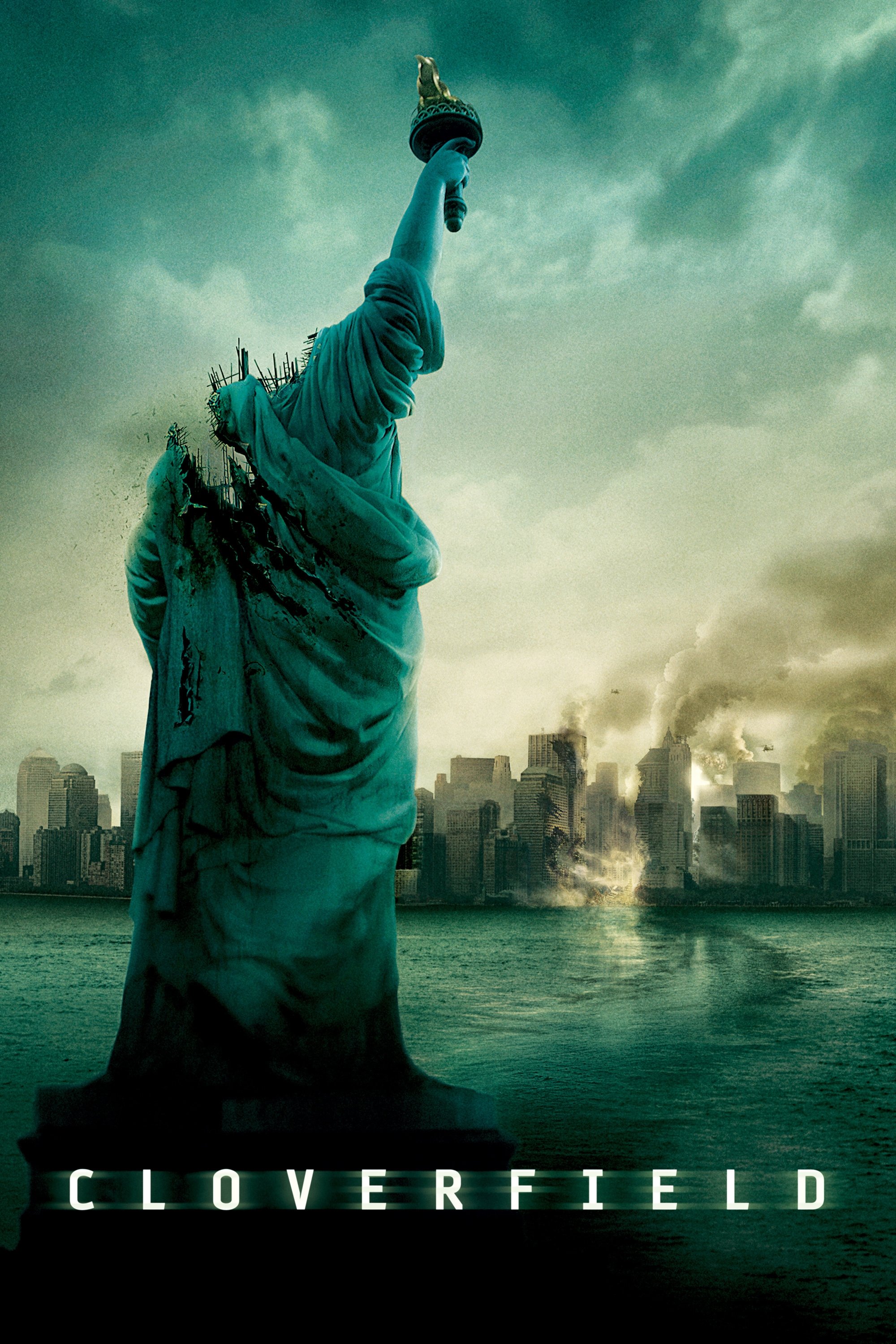
Matt Reeves directed this found-footage disaster film, which documents a massive, unidentified behemoth tearing through New York City through the lens of a personal camcorder. The narrative follows a small group of ordinary friends attempting to cross Manhattan during a chaotic military evacuation to rescue a trapped loved one. By maintaining a strict ground-level point of view, the movie immerses the audience in the disorienting dread and helplessness of civilian survival amidst towering catastrophe. This intense focus on ordinary individuals navigating cataclysmic monster attacks mirrors the civilian perspective central to ‘Godzilla Minus One’.
‘Gamera 3: Revenge of Iris’ (1999)
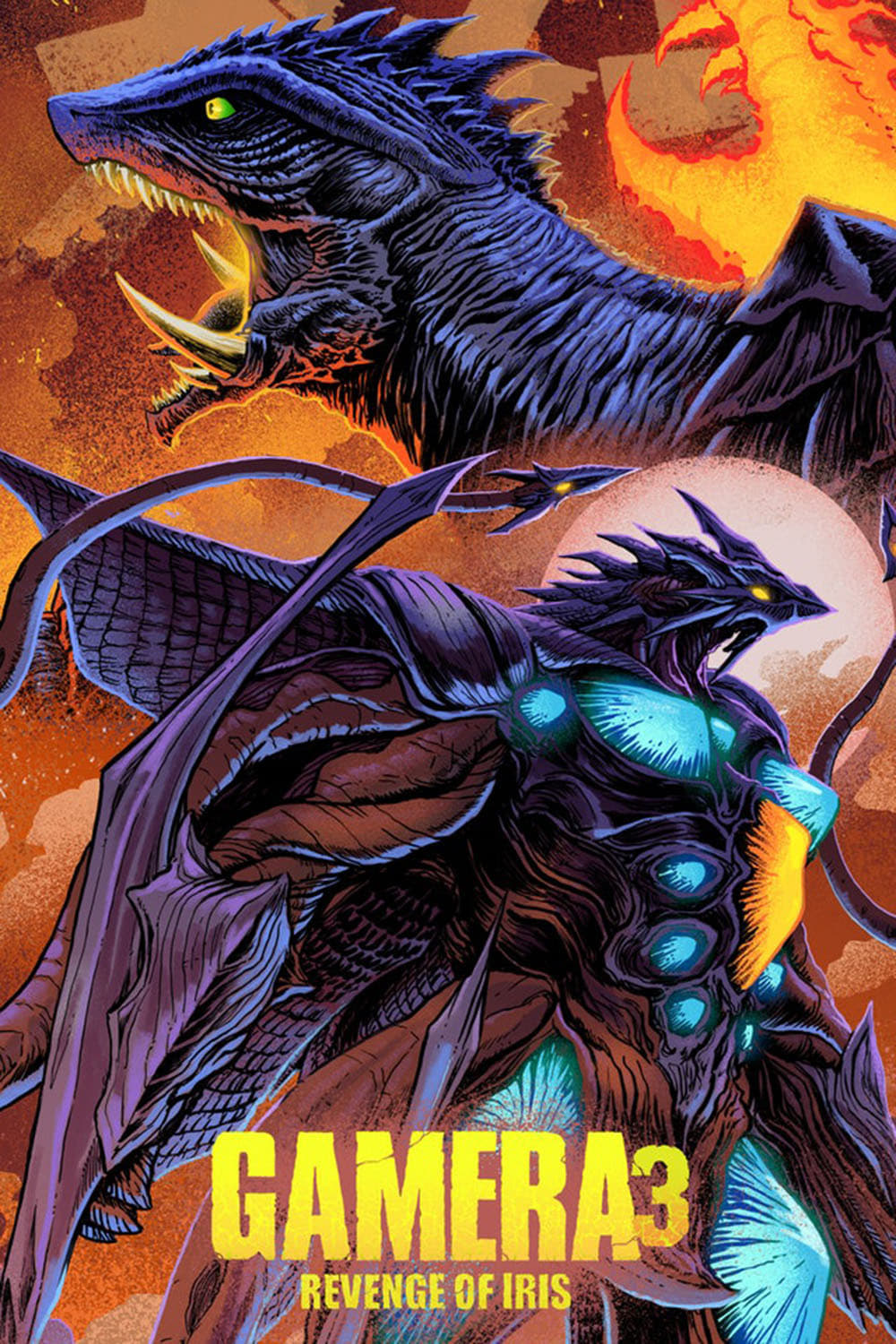
Serving as the climax to Shusuke Kaneko’s celebrated Heisei trilogy, ‘Gamera 3: Revenge of Iris’ explores the traumatic collateral damage caused by giant monster battles. The story follows Ayana Hirasaka, an orphaned schoolgirl consumed by vengeance after her parents were killed during a previous monster conflict in Tokyo. Ayana forms a dark psychic bond with a sinister tentacled creature named Iris, fueling a catastrophic clash that threatens to destroy Kyoto. The production explores the psychological scars of survivors with a narrative maturity that directly anticipated the human drama of ‘Godzilla Minus One’.
‘Dunkirk’ (2017)
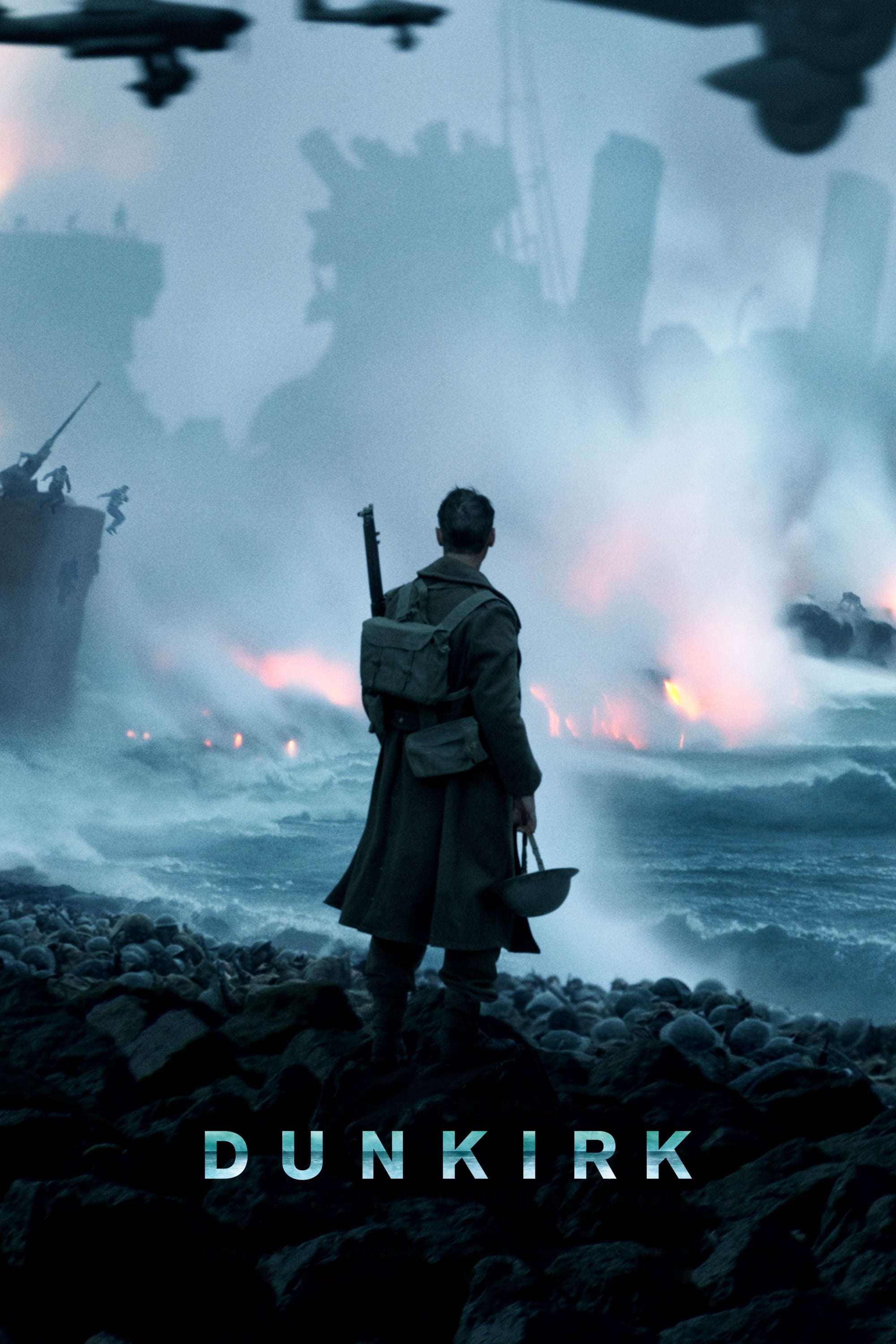
Christopher Nolan’s historical epic chronicles the desperate Allied evacuation from the beaches of France during the early stages of World War II. Unfolding across land, sea, and air, the narrative focuses on the survival instincts of young soldiers, Royal Air Force pilots, and civilian sailors navigating hostile waters. The maritime mobilization of civilian watercraft in ‘Dunkirk’ shares strong thematic parallels with the improvised civilian armada assembled in ‘Godzilla Minus One’. Both films celebrate community resilience, ordinary heroism, and the collective will to preserve human life amidst overwhelming wartime catastrophe.
‘Monsters’ (2010)
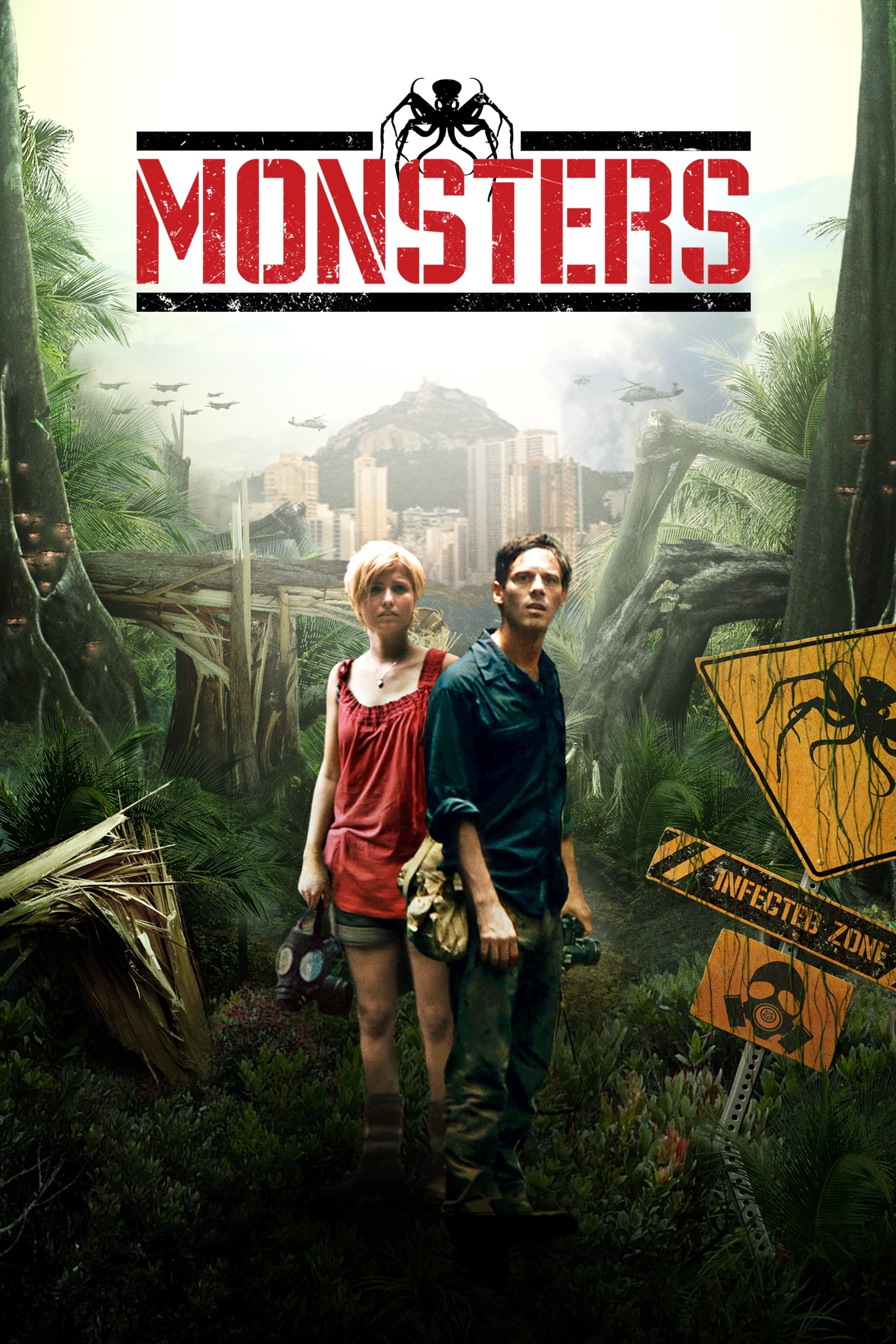
Written and directed by Gareth Edwards, ‘Monsters’ unfolds several years after a NASA probe crash releases extraterrestrial life across northern Mexico. The film chronicles the perilous journey of an American photojournalist tasked with escorting his employer’s daughter through an infected quarantine zone back to the United States. Rather than relying solely on grand action set pieces, the narrative prioritizes character interaction, atmospheric world-building, and the psychological impact of living near titanic entities. Like ‘Godzilla Minus One’, Edwards’ independent debut treats massive creatures as an atmospheric backdrop to explore human connection and emotional vulnerability.
‘Godzilla’ (2014)
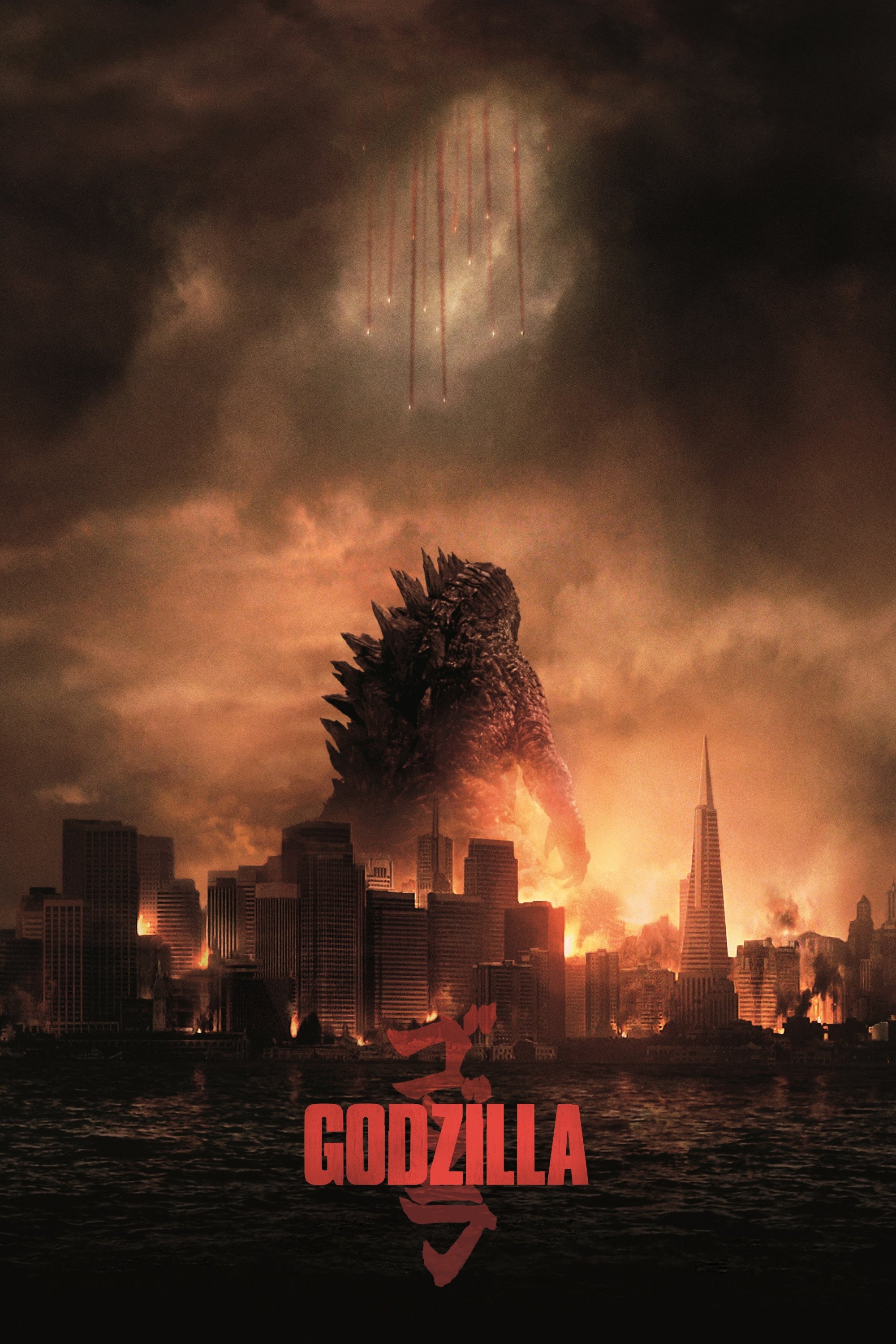
Gareth Edwards launched the modern Monsterverse franchise by returning the iconic radioactive beast to a grounded, ominous cinematic scale. The story follows an explosive ordnance disposal officer who becomes separated from his family while attempting to neutralize ancient parasitic creatures known as MUTOs. Edwards deliberately emphasizes human perspectives through low-angle camera shots, framing the towering titans from rooftops, train cars, and civilian viewpoints. This visual strategy emphasizes the terrifying vastness of the monsters, providing a similar sense of grounded dread experienced throughout ‘Godzilla Minus One’.
‘War of the Worlds’ (2005)
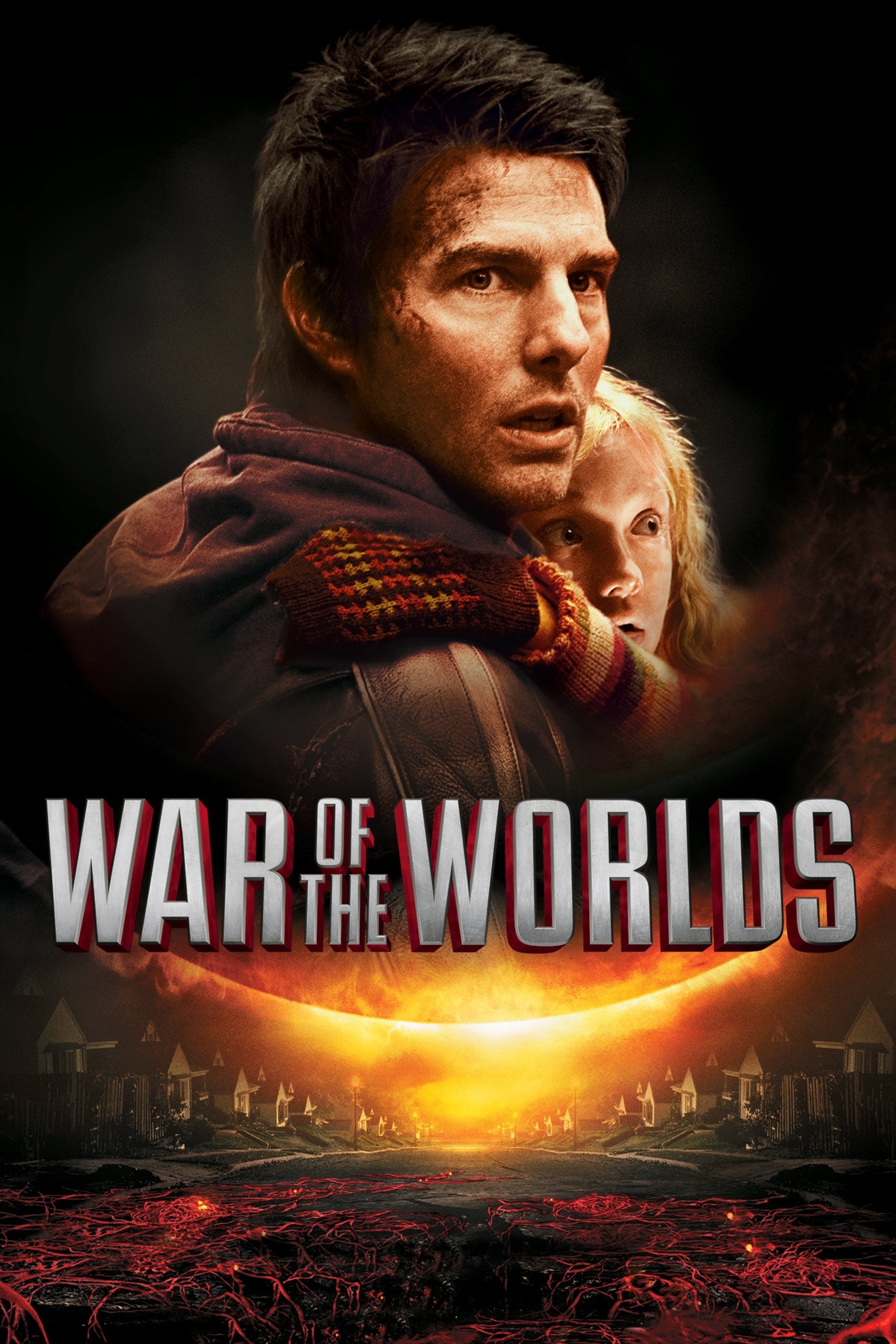
Steven Spielberg adapts classic science fiction into a harrowing portrait of civilian survival during an extraterrestrial invasion. The narrative follows dockworker Ray Ferrier as he desperately navigates a collapsing society to shepherd his estranged children across the northeastern United States. The film focuses on the sheer panic of civilian refugees confronted with towering, mechanical tripods executing indiscriminate destruction. Its raw depiction of post-crisis trauma and familial protection strongly echoes the domestic struggles depicted throughout ‘Godzilla Minus One’.
‘The Mist’ (2007)
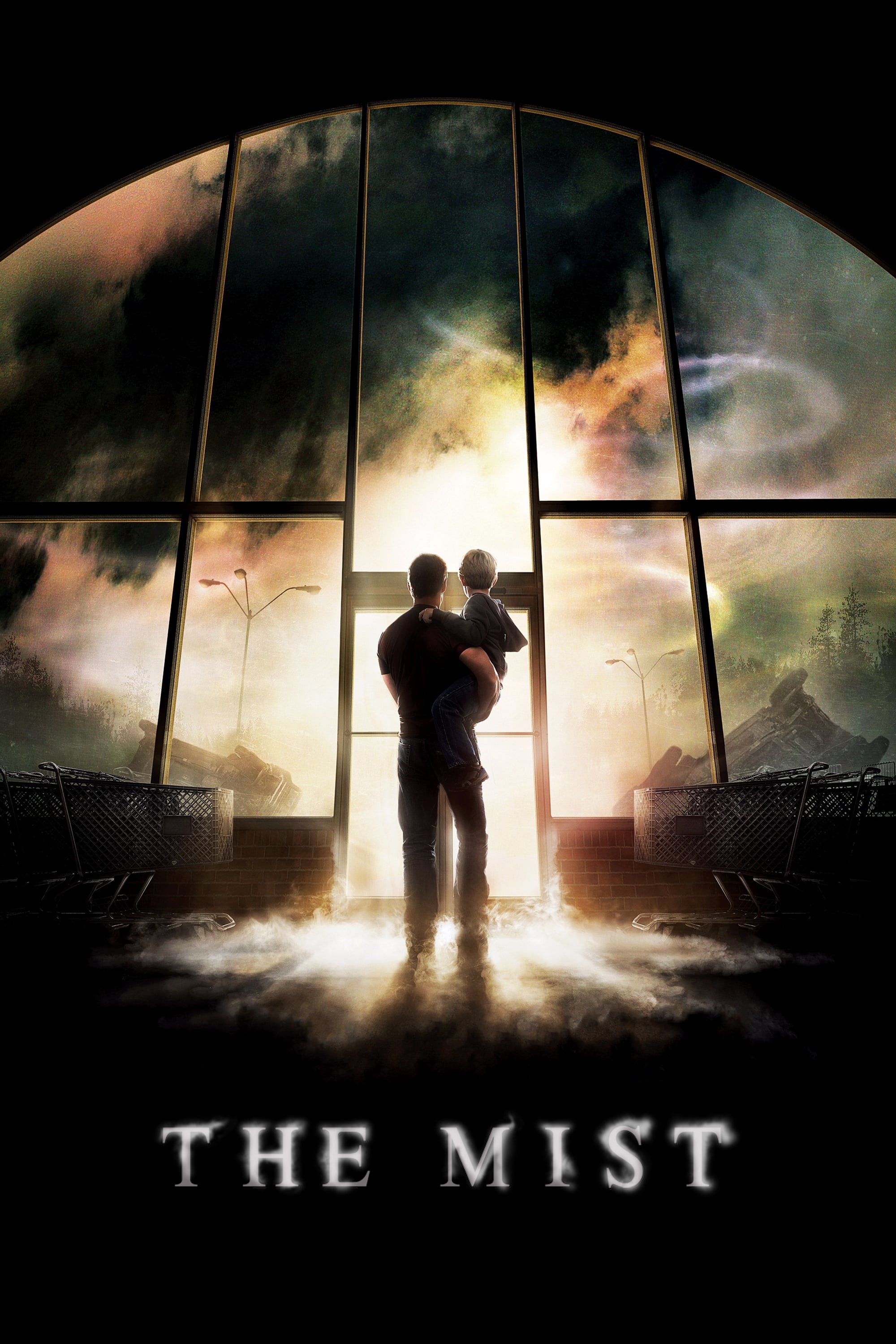
Adapted from Stephen King’s novella by director Frank Darabont, ‘The Mist’ follows a small group of Maine residents trapped inside a supermarket by an unnatural fog harboring lethal creatures. Commercial artist David Drayton struggles to protect his young son not only from the unseen monstrosities lurking outside, but also from the religious zealotry and hysteria dividing the survivors inside. The film crafts relentless psychological tension as fear pushes ordinary citizens to their moral limits in the face of an existential threat. Its uncompromising emotional weight and exploration of human despair align with the darker dramatic moments found in ‘Godzilla Minus One’.
‘King Kong’ (2005)
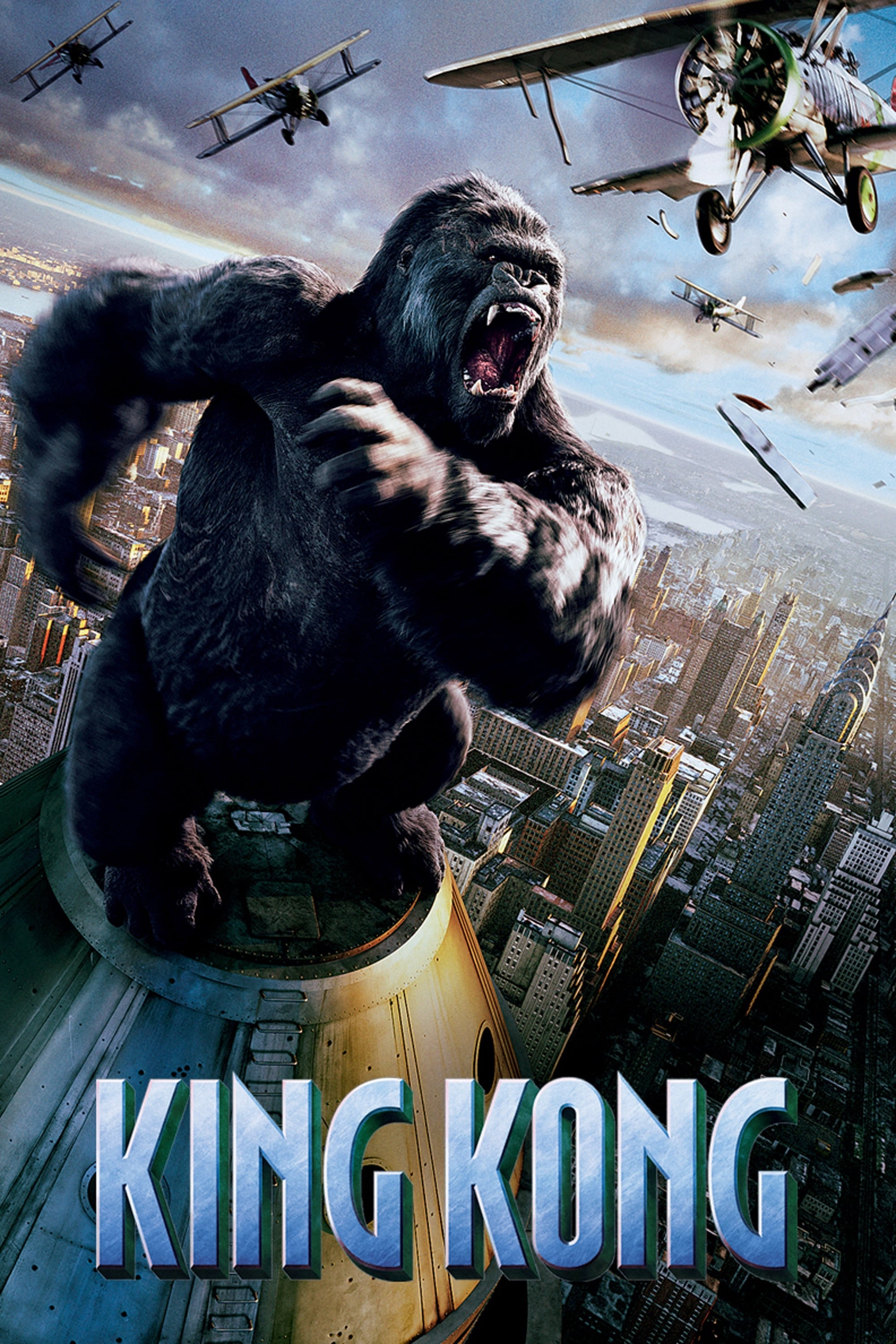
Peter Jackson’s period adaptation of ‘King Kong’ transports a 1930s film crew to the uncharted Skull Island, where prehistoric perils and a giant ape await them. The narrative centers on the unexpected bond forged between actress Ann Darrow and the colossal primate, contrasting their empathy against the greed of commercial exploitation. When the creature is captured and transported to New York City, the resulting urban rampage delivers tragic spectacle alongside colossal destruction. The film parallels ‘Godzilla Minus One’ through its faithful period setting, emotional character stakes, and breathtaking visual effects depicting an ancient giant in a bustling metropolis.
‘Pacific Rim’ (2013)
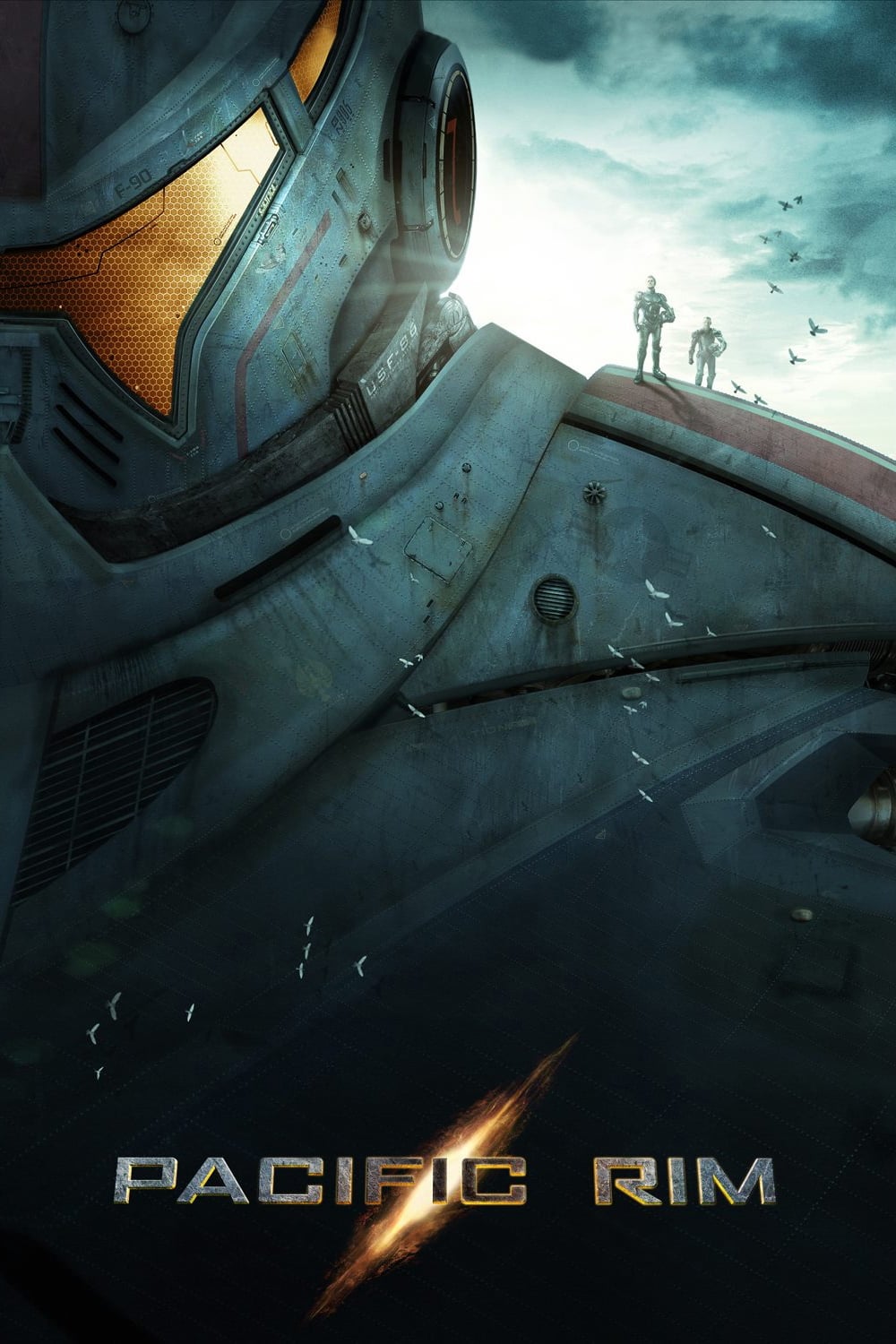
Guillermo del Toro’s sci-fi epic envisions a future where humanity builds giant mechanized Jaeger robots to combat colossal alien kaiju emerging from a Pacific Ocean fissure. The story focuses on a washed-up former pilot who must partner with an unproven trainee to operate an obsolete machine, requiring them to bridge their shared grief and traumatic memories through a neural link. Alongside vibrant creature battles, the screenplay centers on themes of survivor’s guilt, overcoming individual trauma, and international cooperation to defend civilian life. Fans of ‘Godzilla Minus One’ will appreciate the high-concept creature warfare paired with an earnest exploration of human resilience against monstrous devastation.
Share your thoughts in the comments on which movie like ‘Godzilla Minus One’ resonated with you the most.