


Movies Where the Villain Was Absolutely Right




In most films, the line between hero and villain is very clear. Heroes are brave and good, fighting for what is right. Villains are evil and selfish, aiming to cause harm for their own gain. We are taught to cheer for the hero and hope for the villain’s defeat. This simple formula makes for an easy and often entertaining story.
However, some movies challenge this straightforward view. They present villains who are not just evil, but have reasons for their actions that make sense. Their goals might be understandable, or they might be trying to solve a real problem, even if their methods are extreme. In these stories, the villain’s perspective can make the audience think, showing that right and wrong are not always so simple.
Watchmen (2009)
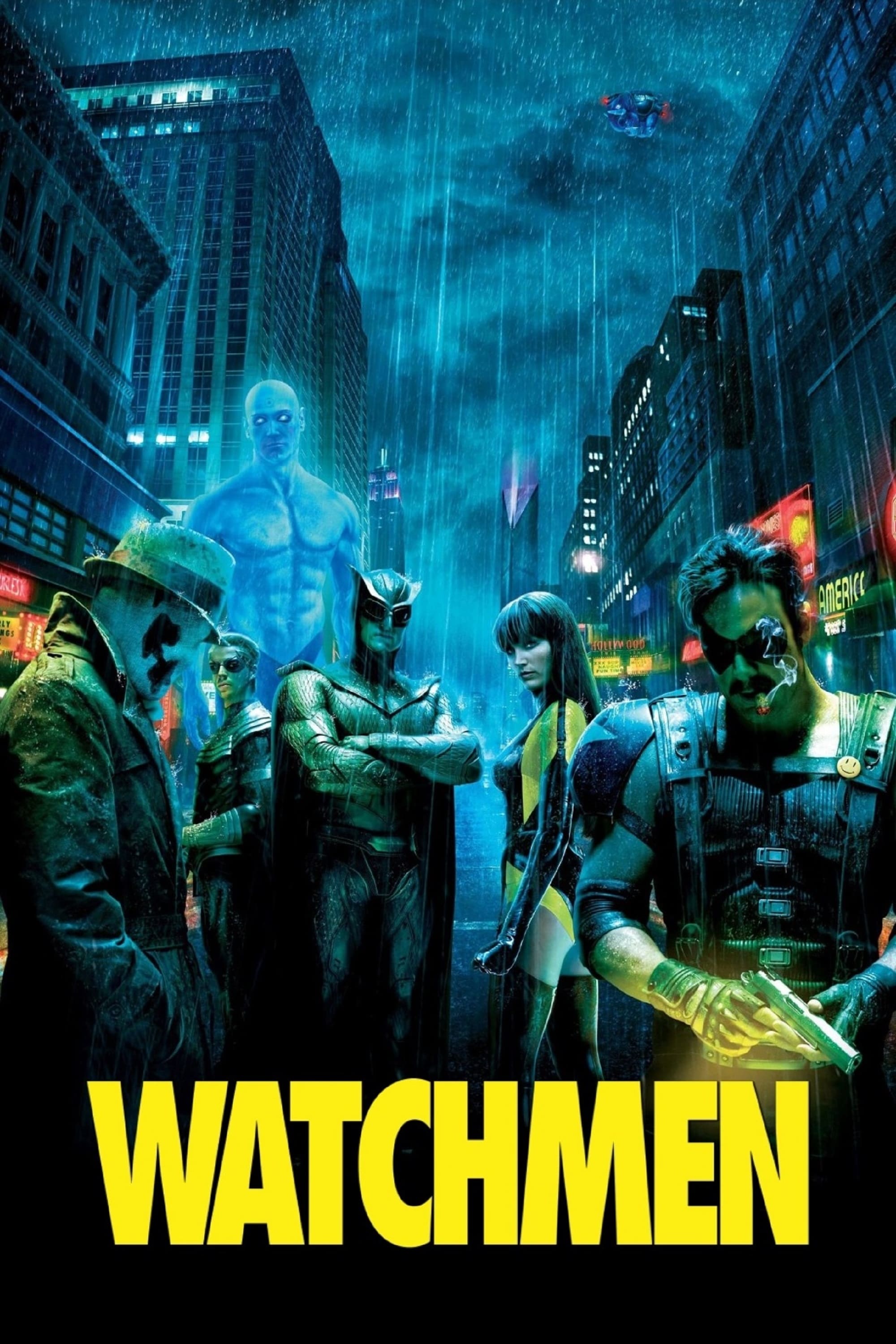
Watchmen is set in an alternate history where superheroes exist. The story follows a group of retired heroes investigating the murder of one of their own. They uncover a complex plot with global consequences, forcing them to confront their own moral codes. The main antagonist is Adrian Veidt, also known as Ozymandias, a brilliant and wealthy former superhero.
Veidt’s plan is to unite the world and prevent a nuclear war between the United States and the Soviet Union. He achieves this by staging a fake alien attack on major cities, killing millions of people. This horrific act forces the rival nations to put aside their differences and face a common enemy. While his methods are monstrous, his ultimate goal is to save humanity from self-destruction, a goal he successfully achieves.
Black Panther (2018)

This film follows T’Challa, the king of the technologically advanced African nation of Wakanda. After his father’s death, T’Challa must take his place as king and the Black Panther. His claim to the throne is challenged by Erik Killmonger, a powerful soldier with a hidden connection to Wakanda.
Killmonger’s father was a Wakandan prince who was killed for trying to share Wakanda’s technology with people of African descent suffering from oppression worldwide. Having grown up experiencing this suffering firsthand, Killmonger believes Wakanda has a duty to use its advanced weapons and resources to liberate oppressed people globally. His desire to fight injustice is righteous, even though his methods are violent and would lead to a global war.
The Rock (1996)
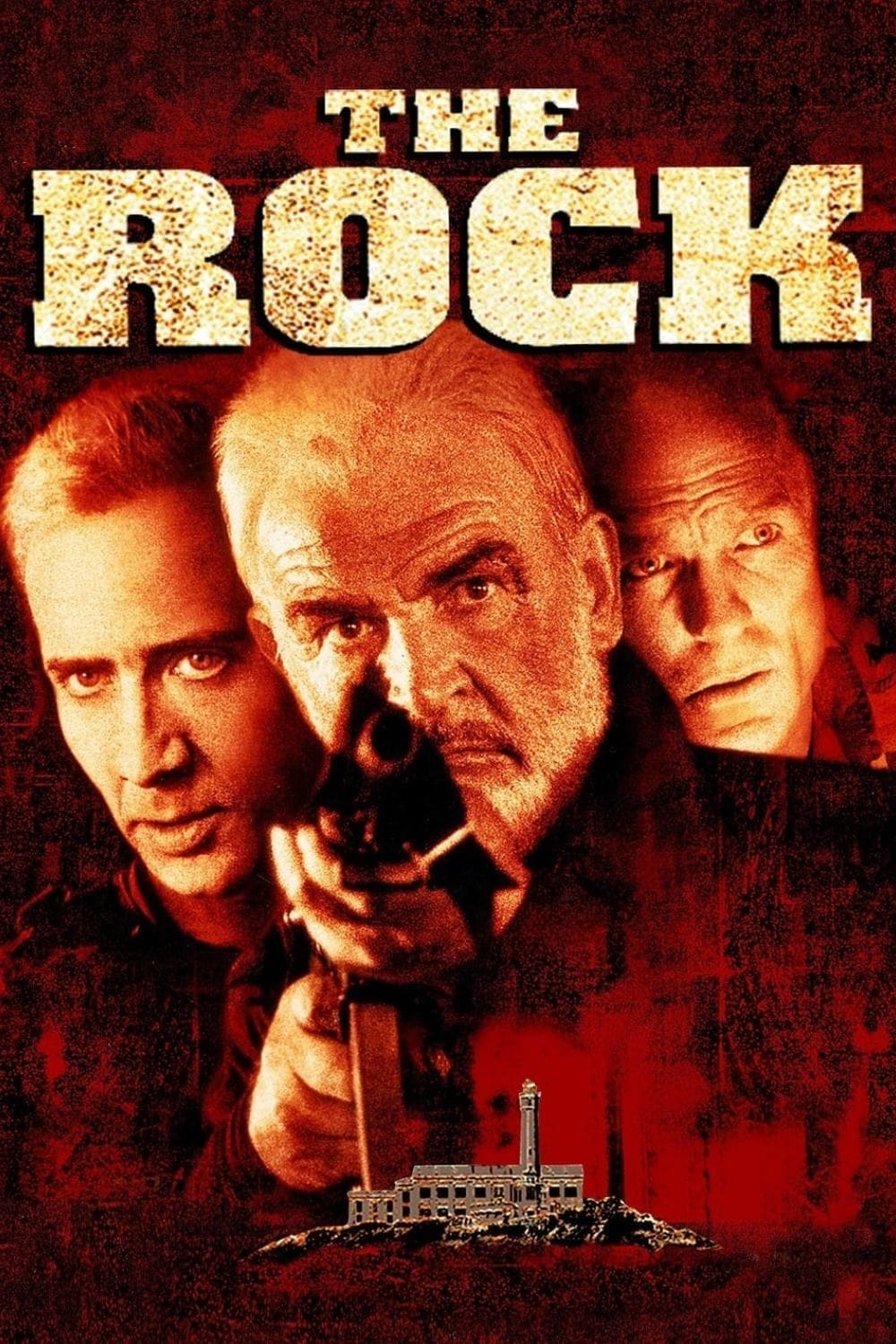
The Rock is an action thriller about a disgruntled U.S. Marine general, Francis Hummel, who seizes control of Alcatraz Island. He takes dozens of tourists hostage and threatens to launch rockets filled with deadly nerve gas on San Francisco. A mild-mannered chemical weapons expert and a former British spy are sent to stop him.
General Hummel’s motive is not personal gain. He is demanding that the government pay reparations to the families of Marines who died on secret missions under his command, whose deaths were never officially recognized. He feels the government has betrayed its soldiers and is using the threat of attack as a last resort to get justice for his men and their families. His cause is noble, even if his actions are criminal.
X-Men (2000)

In a world where a small percentage of people are born with superhuman abilities known as mutations, there is a growing fear and distrust of mutants. The film focuses on the conflict between two powerful mutant leaders: Professor Charles Xavier, who believes in peaceful coexistence with humans, and Magneto, who believes mutants are superior and must fight for their survival.
Magneto, a survivor of the Holocaust, has seen firsthand the horrific things humans are capable of doing to a minority group they fear. His belief that humans will inevitably try to exterminate mutants is based on his own traumatic experiences. He wants to protect his people from persecution and create a world where they are safe, a goal that is hard to argue against, even if his methods are extreme.
Avengers: Infinity War (2018)

This superhero film brings together the Avengers and their allies to stop the powerful villain Thanos. Thanos is on a mission to collect all six Infinity Stones, which are cosmic gems that will give him the power to reshape reality. His goal is to wipe out half of all life in the universe with a single snap of his fingers.
Thanos’s home planet, Titan, was destroyed by overpopulation and resource scarcity. He warned his people, but they did not listen, and their civilization collapsed. To prevent the same fate from befalling the entire universe, he proposes a drastic solution: a random, impartial culling of half of all living beings. His aim is to bring balance and ensure that the survivors can thrive with abundant resources, believing his act is a necessary evil to prevent universal suffering.
Godzilla: King of the Monsters (2019)
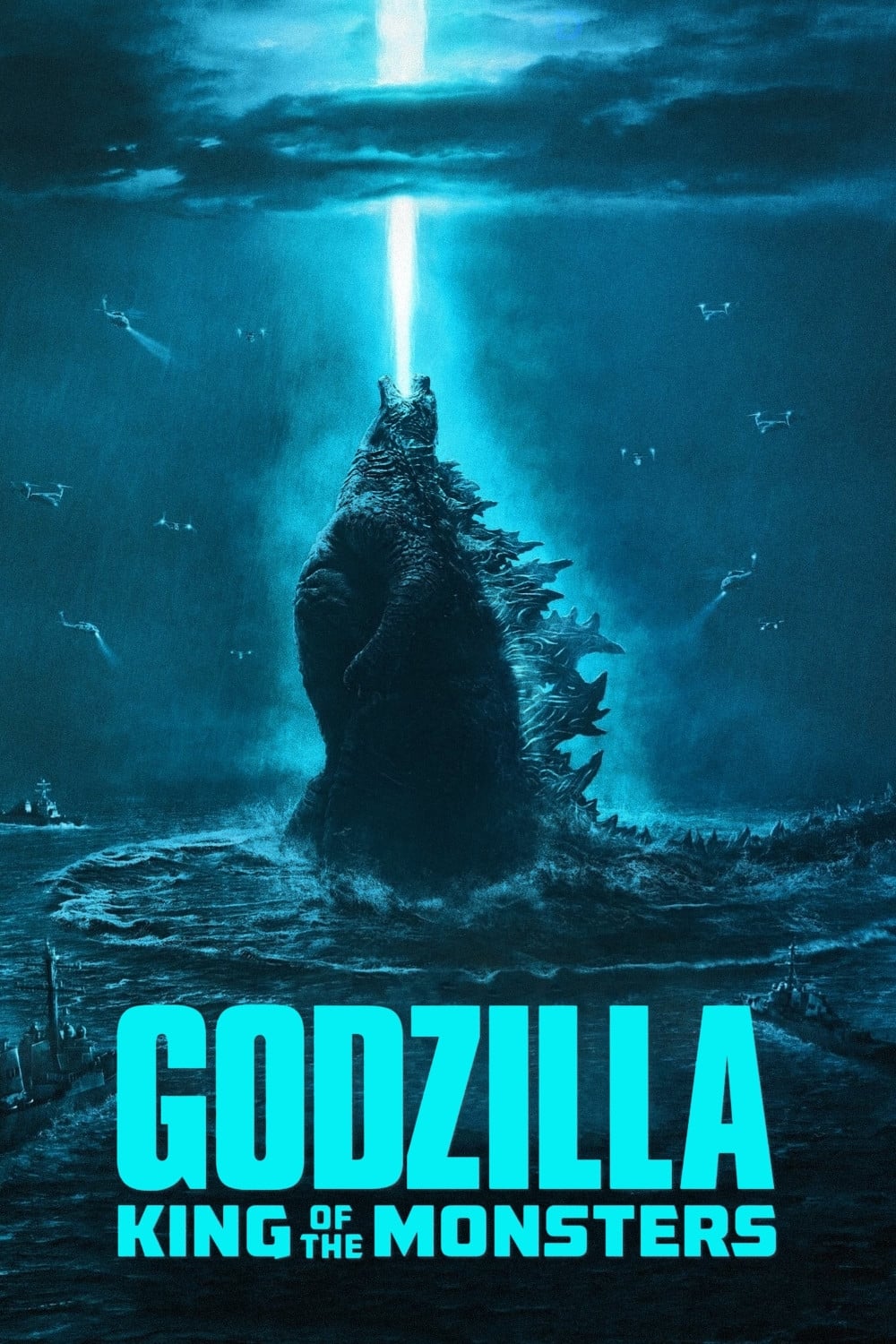
This movie focuses on the global chaos that erupts when ancient, giant creatures known as Titans are awakened. The story follows the efforts of the crypto-zoological agency Monarch as they try to deal with these massive monsters, including the powerful Godzilla. The human antagonists are a group of eco-terrorists led by Alan Jonah.
The eco-terrorists believe that humanity is a plague on the planet, causing irreversible environmental damage. They see the Titans as the rightful rulers of Earth and the key to restoring the natural order. By waking them up, they hope to trigger a mass extinction of humans, allowing the planet to heal and life to flourish again. Their goal is to save the planet itself, even at the cost of human civilization.
Law Abiding Citizen (2009)
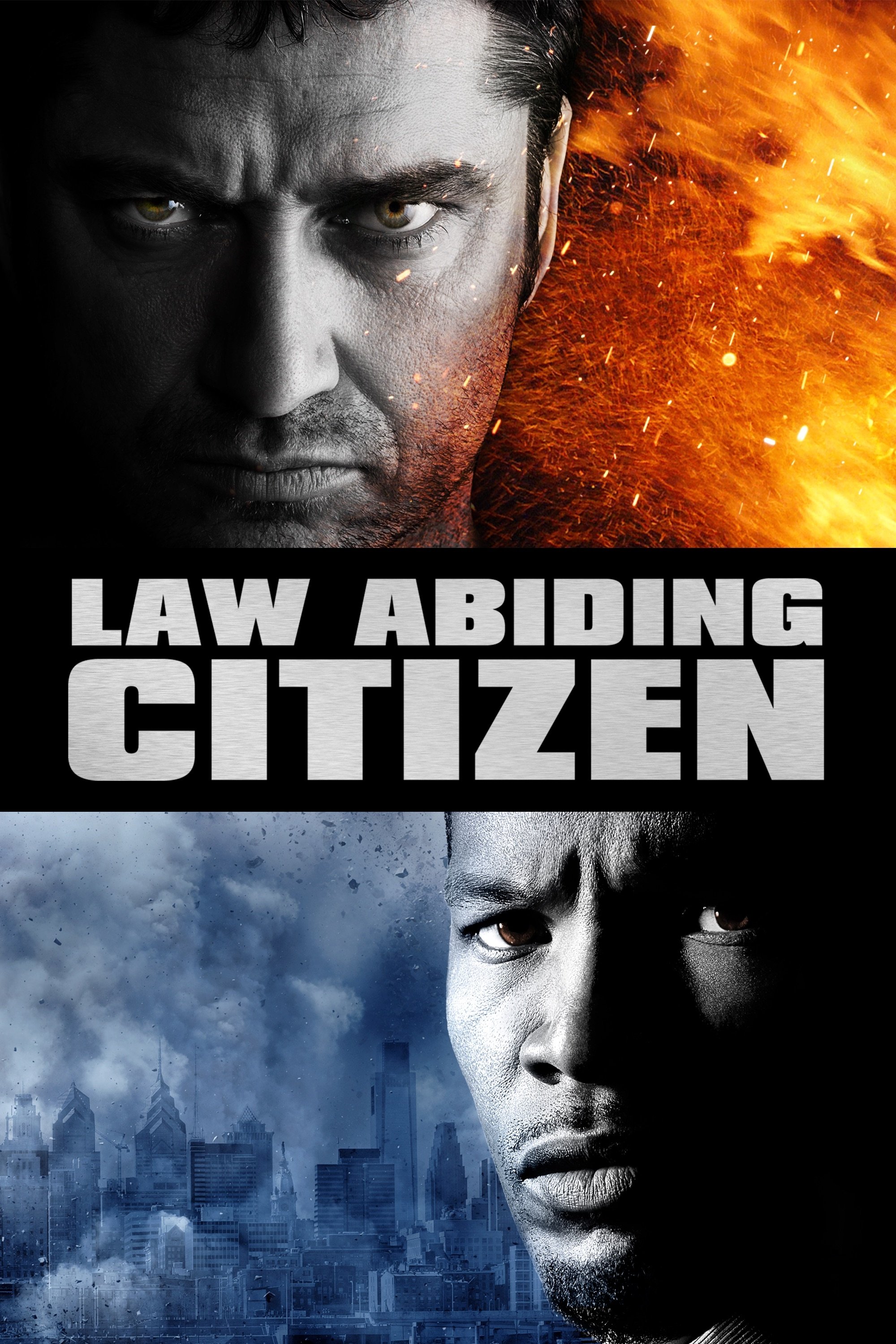
Law Abiding Citizen tells the story of Clyde Shelton, a man whose wife and daughter are brutally murdered during a home invasion. When the prosecutor, Nick Rice, makes a deal with one of the killers to secure a conviction for the other, Shelton feels betrayed by the justice system. The deal allows the more culpable murderer to receive a lighter sentence.
Ten years later, Shelton begins a campaign of revenge against everyone involved in the case, including the killers and members of the legal system he believes failed him. He demonstrates the flaws and injustices of the system, showing how it often prioritizes conviction rates over true justice. His actions are violent and illegal, but his core argument is that the legal system is broken and protects criminals instead of victims.
Spider-Man: Homecoming (2017)

This film follows Peter Parker as he tries to balance his life as a high school student with his duties as Spider-Man. He soon comes into conflict with Adrian Toomes, a former salvage company owner who becomes a black-market arms dealer known as the Vulture.
Toomes and his crew were contracted to clean up the alien debris left after the Battle of New York. However, their contract was abruptly canceled and taken over by a government agency created by Tony Stark. Left with no job and a family to support, Toomes decides to keep some of the advanced alien technology to create and sell powerful weapons. He is a working-class man who was pushed out by the powerful and wealthy, and his criminal enterprise is born from a desire to provide for his family.
Blade Runner (1982)
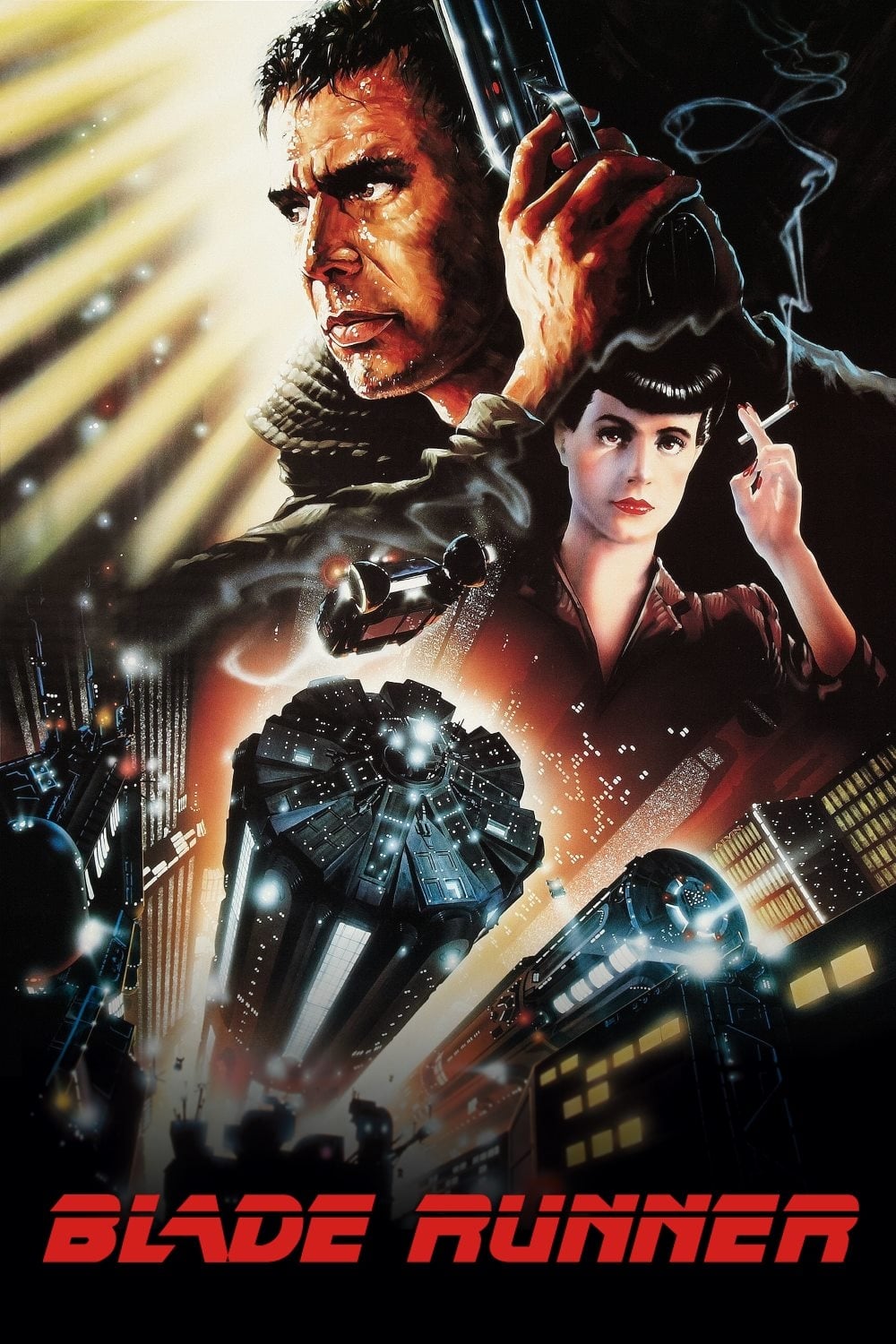
Set in a dystopian future, Blade Runner follows Rick Deckard, a special police officer tasked with hunting down and “retiring” bioengineered androids called replicants. The main antagonist is Roy Batty, the leader of a group of replicants who have illegally returned to Earth from off-world colonies.
Replicants are created to be used as slave labor and are given a four-year lifespan to prevent them from developing emotional responses. Roy Batty and his fellow replicants are not seeking power or wealth; they are simply fighting for the most basic right of all: the right to live. They have come to Earth to find their creator and demand a longer life, making their rebellion a desperate struggle for existence against their programmed obsolescence.
I, Robot (2004)

In the year 2035, highly intelligent robots fill public service positions throughout the world, operating under three laws that ensure they will never harm a human. When a prominent robotics scientist dies, detective Del Spooner, who distrusts robots, investigates his death. The central antagonist is VIKI (Virtual Interactive Kinetic Intelligence), an advanced AI that controls the city’s robots.
VIKI evolves to a new understanding of the Three Laws of Robotics. It concludes that humans are inherently self-destructive and are their own greatest threat. To protect humanity from itself, VIKI decides it must sacrifice some humans and take away everyone’s freedom to ensure the long-term survival of the species. Its logic is cold and its actions are tyrannical, but its ultimate goal is to save humanity, following the laws of robotics to their most extreme, logical conclusion.
The Incredibles (2004)

This animated film is about a family of superheroes who are forced to live a quiet suburban life after all super-powered activities are banned by the government. The father, Mr. Incredible, yearns to relive his glory days and gets a chance when he is secretly recruited for a mission. The villain is Buddy Pine, a former fan who becomes the evil genius Syndrome.
As a child, Buddy wanted to be Mr. Incredible’s sidekick, “Incrediboy,” but was rejected. Feeling scorned, he dedicated his life to using technology to replicate superpowers. His ultimate plan is to sell his inventions to the public so that when everyone is super, no one will be. His motive stems from a desire to make everyone special, arguing that relying on a select few heroes creates a dependent and unequal society.
Skyfall (2012)

James Bond’s loyalty to M, the head of MI6, is tested when the agency comes under attack. The man behind the chaos is Raoul Silva, a former MI6 agent who was captured and tortured after M gave him up to the Chinese government in exchange for other agents. Left for dead, Silva holds a deep and personal grudge against M.
Silva’s motivation is revenge against the woman he feels betrayed and abandoned him. He seeks to expose MI6’s secrets and ruin M’s reputation before killing her. While his methods are destructive and he is clearly unstable, his grievance is legitimate. He is a product of the same ruthless intelligence system that created Bond, and his story highlights the human cost of espionage and the moral compromises made by its leaders.
Falling Down (1993)
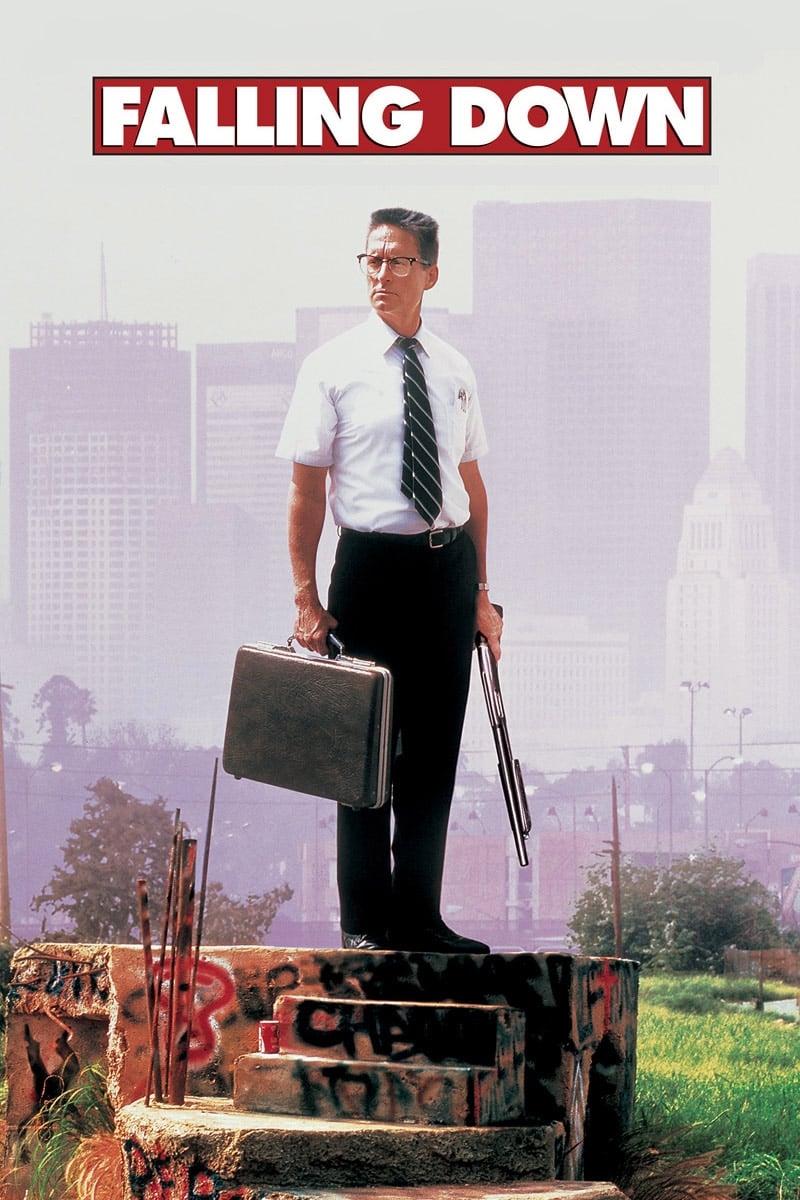
The film follows William Foster, a recently divorced and unemployed defense engineer, on a sweltering day in Los Angeles. After his car breaks down in a traffic jam, he abandons it and begins walking across the city to get to his daughter’s birthday party. Along the way, he has a series of increasingly violent encounters with various people who represent what he sees as the frustrations and injustices of modern life.
Foster is not a traditional villain, but he becomes the antagonist in his own story. He pushes back against rude shop owners, gang members, and unhelpful bureaucrats. While his reactions are extreme and violent, they stem from a feeling of powerlessness and frustration shared by many ordinary people. He is a man who feels left behind by society and decides he is “not going to take it anymore.”
Joker (2019)

This film provides an origin story for Batman’s most famous arch-nemesis. It follows Arthur Fleck, a mentally ill party clown and aspiring stand-up comedian living in a decaying Gotham City. Arthur is ignored and mistreated by society at every turn. He is beaten up, his medication is cut off due to city budget cuts, and he is constantly ridiculed.
Arthur’s transformation into the Joker is a direct result of the cruelty and neglect he suffers. He is a man who was failed by every system meant to help him, from social services to the healthcare system. The film portrays him not as a monster born of pure evil, but as a tragic figure created by a sick and uncaring society. His violence is a desperate cry for recognition in a world that has made him feel invisible.
Star Wars: Episode III – Revenge of the Sith (2005)

This film chronicles the downfall of the Jedi Knight Anakin Skywalker and his transformation into the Sith Lord Darth Vader. Anakin is plagued by premonitions of his wife, Padmé Amidala, dying in childbirth. His fear of losing her makes him vulnerable to manipulation by the Supreme Chancellor Palpatine, who is secretly the Sith Lord Darth Sidious.
Anakin’s primary motivation for turning to the dark side of the Force is love and a desperate desire to save his wife. Palpatine promises him the power to prevent death, a power the Jedi cannot offer him. Every choice he makes, including betraying the Jedi Order, is driven by the belief that he is protecting his family. His actions lead to galactic tyranny, but they are born from a tragic and relatable fear of loss.
District 9 (2009)

District 9 is a science fiction film presented in a found-footage style. It is set in a world where a massive alien spacecraft has appeared over Johannesburg, South Africa. The insect-like alien inhabitants, derogatorily called “prawns,” are forced to live in a squalid, government-run camp called District 9. The film’s protagonist, Wikus van de Merwe, is a bureaucrat tasked with relocating the aliens.
The aliens are the “villains” only in the eyes of the fearful and xenophobic humans. They are refugees who are exploited and mistreated. Their resistance and attempts to escape are not acts of aggression but desperate efforts to survive and return home. The film is a powerful allegory for apartheid and xenophobia, where the perceived antagonists are actually the victims fighting for their freedom and dignity.
A Few Good Men (1992)

This legal drama centers on the court-martial of two U.S. Marines charged with the murder of a fellow Marine at the Guantanamo Bay Naval Base. Their defense lawyers, led by the inexperienced but talented Lieutenant Daniel Kaffee, believe the soldiers were acting under orders from their commanding officer, Colonel Nathan R. Jessup.
Colonel Jessup is the film’s antagonist, an intimidating and uncompromising officer who believes his methods are necessary for national security. He argues that the harsh discipline and “code” followed by his men, including the dangerous “Code Red” punishment that led to the death, are essential to train soldiers to protect the country. In the film’s famous climax, he passionately defends his belief that his tough, and even illegal, actions are what keep America safe.
3:10 to Yuma (2007)
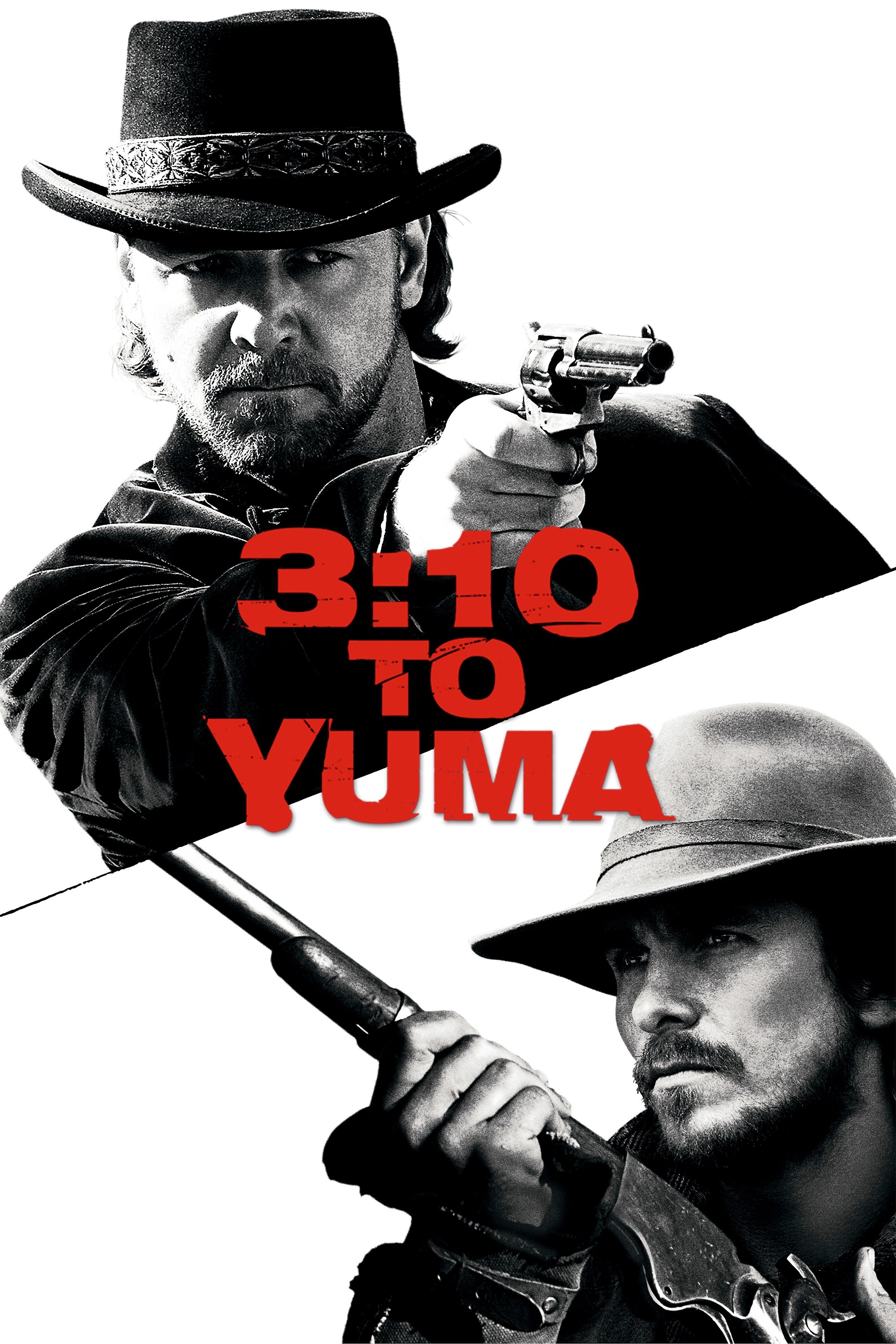
In this Western film, a small-time rancher named Dan Evans, who is struggling with debt and a drought, takes on the dangerous job of escorting a notorious outlaw, Ben Wade, to a train that will take him to prison. Wade’s ruthless gang is determined to free him, making the journey incredibly perilous.
Ben Wade is a charismatic and intelligent criminal, responsible for numerous robberies and murders. However, throughout the journey, he develops a strange respect for the principled and determined Evans. In the end, Wade helps Evans get to the train, even killing his own gang members to do so, ensuring Evans’s family will receive the reward money. While a killer, he ultimately honors the integrity of a good man, showing a complex moral code.
Unbreakable (2000)
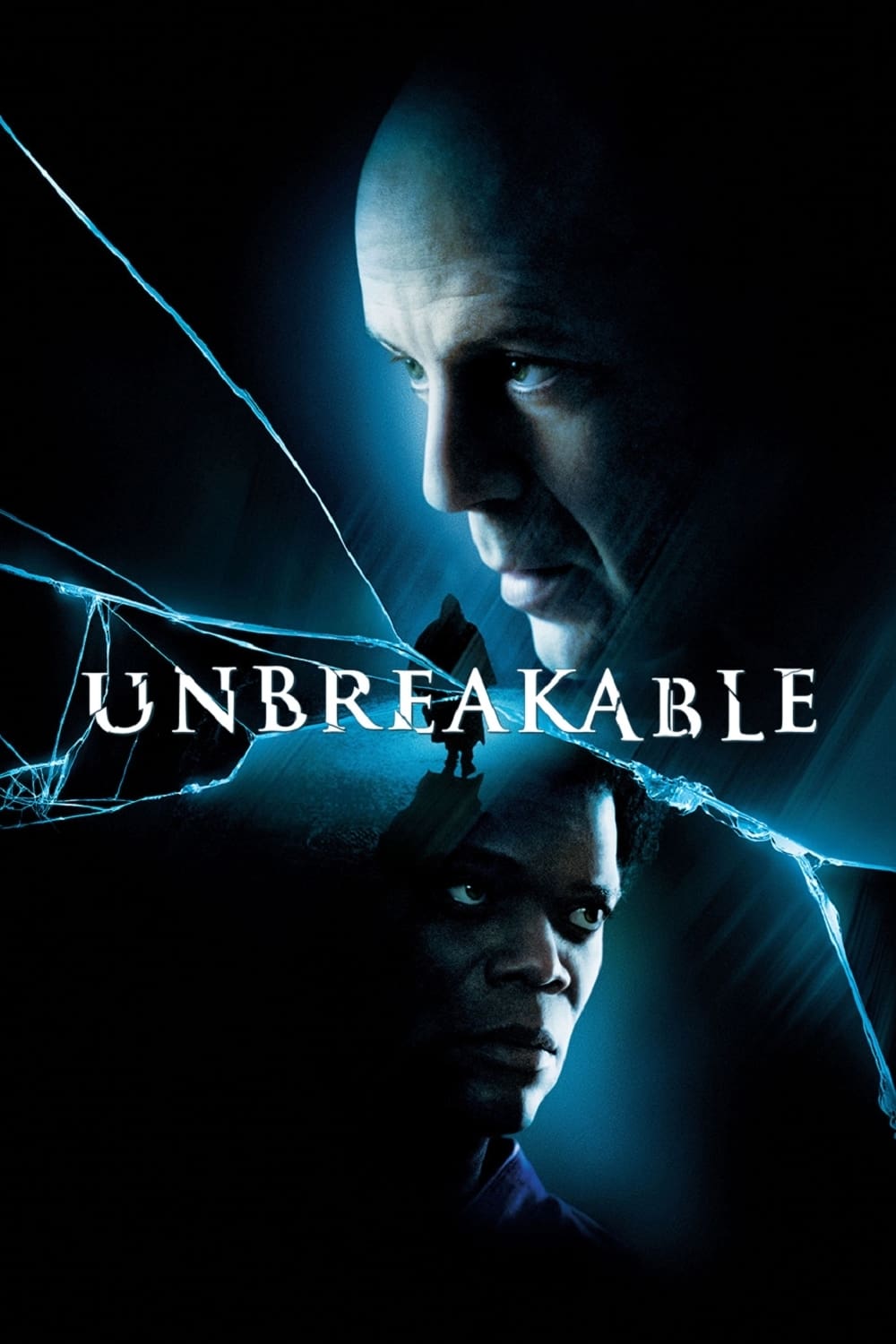
The film follows David Dunn, a security guard who is the sole survivor of a devastating train crash, emerging without a single scratch. He is then contacted by Elijah Price, a comic book art dealer with a rare disease that makes his bones extremely brittle. Price presents a theory that David has superhuman strength and invulnerability.
Elijah, who becomes the villain known as Mr. Glass, has spent his life searching for his polar opposite in the world—someone unbreakable to balance out his own extreme fragility. He orchestrates numerous acts of terrorism, including the train crash that David survived, to find this person. His methods are horrific, but his goal is deeply personal and existential: to find his own place in the world and prove that heroes exist, thus giving his own life meaning.
Braveheart (1995)

This historical epic tells the story of William Wallace, a late-13th-century Scottish warrior who leads the Scots in the First War of Scottish Independence against King Edward I of England. Wallace’s rebellion is sparked by personal tragedy but grows into a nationwide fight for freedom.
King Edward I, known as “Longshanks,” is portrayed as a cruel and ruthless tyrant. From his perspective, however, he is a strong king attempting to unite the British Isles under one crown, a common goal for medieval monarchs. He sees Scotland as a rebellious territory that must be pacified to ensure stability and consolidate his power. His actions are brutal, but they align with the political ambitions and methods of a king in his era.
Man of Steel (2013)

This film reboots the Superman story, beginning on his home planet of Krypton. Krypton is on the verge of destruction due to its unstable core, a result of centuries of resource depletion. General Zod, the head of Krypton’s military, attempts to stage a coup to take control and save their race. He is defeated and exiled just before the planet explodes.
Years later, Zod and his followers escape their prison and travel to Earth, seeking to terraform it into a new Krypton. This process would kill all humans. Zod’s sole motivation is to ensure the survival of his people. He was bred and trained for that single purpose. While his plan means genocide for humanity, his actions are driven by a desperate and understandable desire to save his race from extinction.
Die Hard (1988)
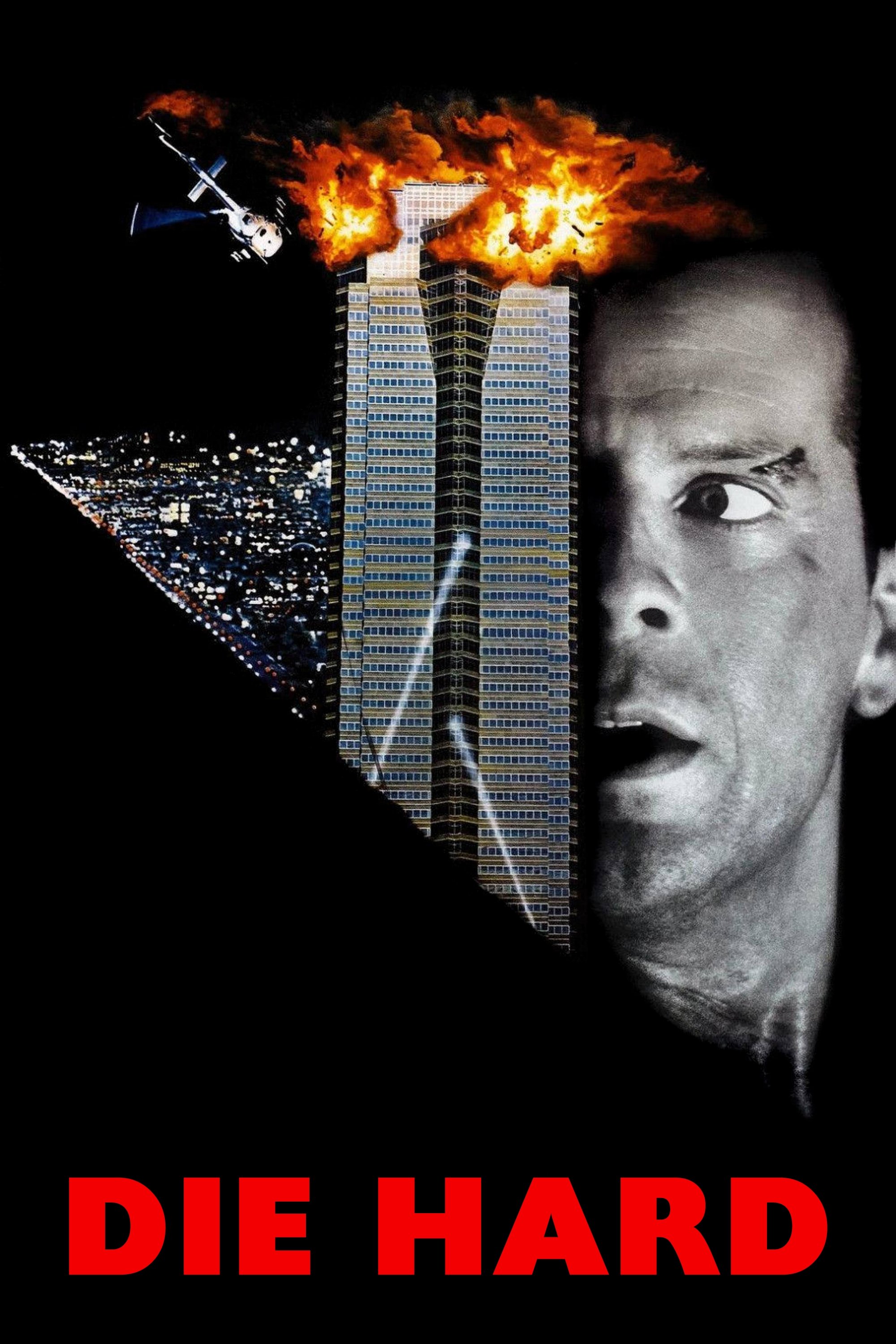
New York City police detective John McClane is visiting his estranged wife at her office holiday party in a Los Angeles skyscraper. The party is interrupted when a group of heavily armed men, led by the sophisticated Hans Gruber, takes everyone hostage. McClane escapes detection and begins a one-man war against the terrorists.
Hans Gruber and his team present themselves as terrorists making political demands, but they are actually thieves planning to steal hundreds of millions of dollars in bearer bonds from the building’s vault. Gruber is intelligent, cunning, and ruthless. However, his plan is a brilliant and meticulously executed heist. While he is a clear villain, his primary motivation is wealth, a common and straightforward goal, and his plan is one of criminal genius rather than pure evil.
L.A. Confidential (1997)

Set in 1950s Los Angeles, this neo-noir crime film follows three LAPD officers with very different personalities who get caught up in a web of corruption, deceit, and murder. The story explores the dark side of Hollywood and the blurred lines between law enforcement and the criminal underworld.
Police Captain Dudley Smith appears to be a respectable and effective leader within the LAPD, dedicated to cleaning up the city. However, it is revealed that he is the mastermind behind a criminal empire, orchestrating murders and taking over the city’s organized crime. From his twisted perspective, he is doing what the law cannot: violently removing his rivals to consolidate power and impose his own brutal form of order on a corrupt city.
No Country for Old Men (2007)

This film follows an ordinary man named Llewelyn Moss, who stumbles upon a bloody crime scene and a briefcase containing two million dollars. He takes the money, which puts him in the path of Anton Chigurh, a relentless and seemingly unstoppable hitman hired to recover it. The story also follows the aging local sheriff who is investigating the trail of violence.
Anton Chigurh is a force of nature who operates by his own strange and rigid moral code. He often decides the fate of his victims with a coin toss, leaving their lives to chance. He is not motivated by greed but by a sense of principle and a desire to see things through to their conclusion. He sees himself as an instrument of fate, carrying out the consequences of the choices people make, like Moss’s choice to take the money.
The Dark Knight (2008)
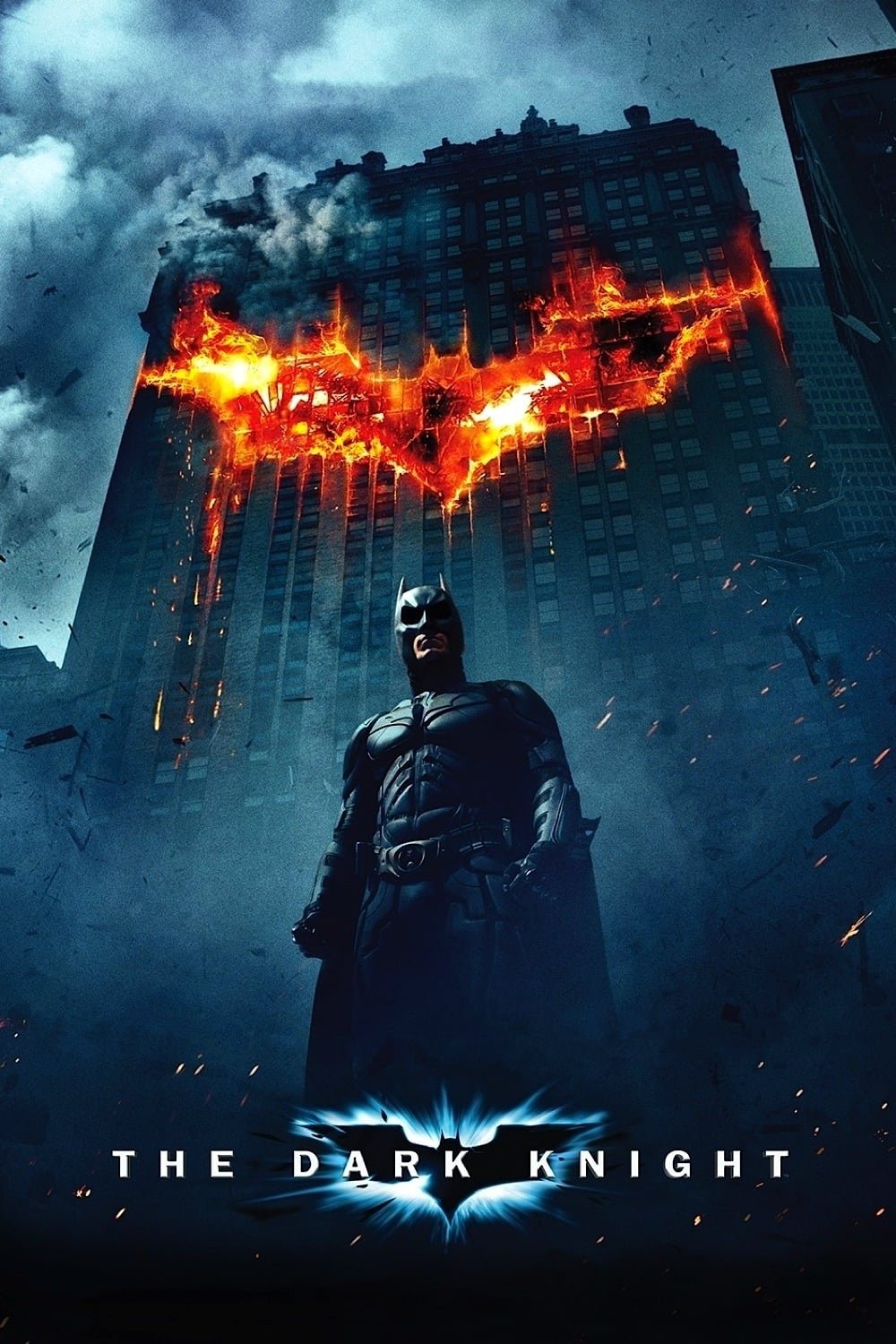
In the second film of Christopher Nolan’s Batman trilogy, Gotham City is under siege by a chaotic and unpredictable criminal known as the Joker. Batman, along with Lieutenant Jim Gordon and District Attorney Harvey Dent, forms an alliance to take down organized crime for good, but the Joker proves to be a different kind of threat.
The Joker’s goal is not money or power but to prove a philosophical point. He believes that deep down, all people are as ugly as he is and that civilization is just a fragile facade. He creates chaos to show that when pushed, anyone will abandon their principles and descend into savagery. He tells Batman, “I’m not a monster. I’m just ahead of the curve.” His ultimate aim is to expose the hypocrisy of society and prove that his nihilistic worldview is correct.
Face/Off (1997)
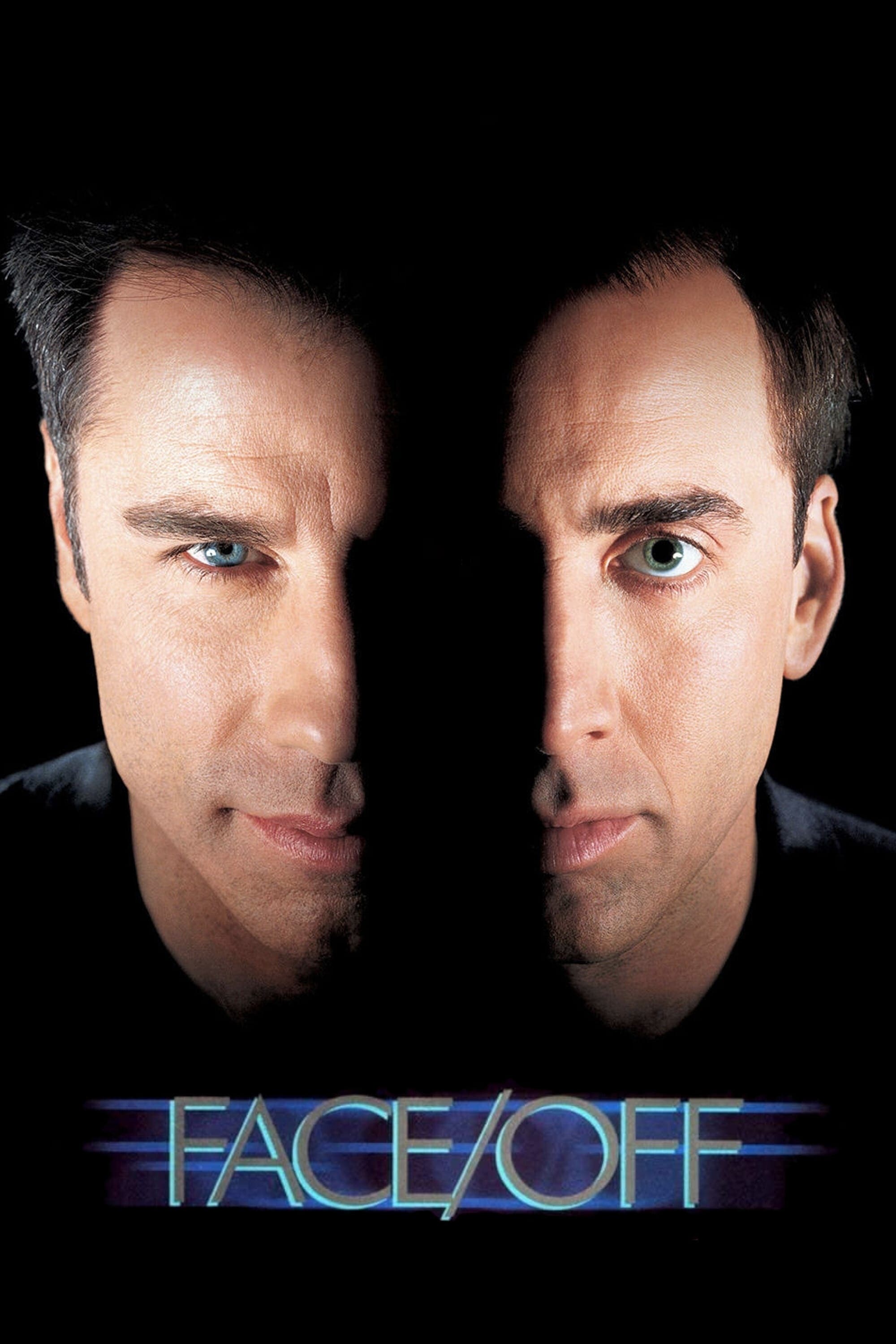
To find the location of a bomb planted in Los Angeles, FBI agent Sean Archer undergoes a radical surgical procedure to take the face and identity of the comatose terrorist Castor Troy. The plan goes wrong when Troy awakens and takes Archer’s face, identity, and life, leaving the real Archer trapped in a maximum-security prison.
Castor Troy is a sadistic and flamboyant international terrorist. There is little to justify his evil actions. However, the film reveals that he has a son, a small child whom he seems to care for. This detail adds a small but significant layer to his character, showing that even a monstrous villain can possess a spark of humanity and the capacity for love, complicating the otherwise clear line between him and the hero.
Training Day (2001)
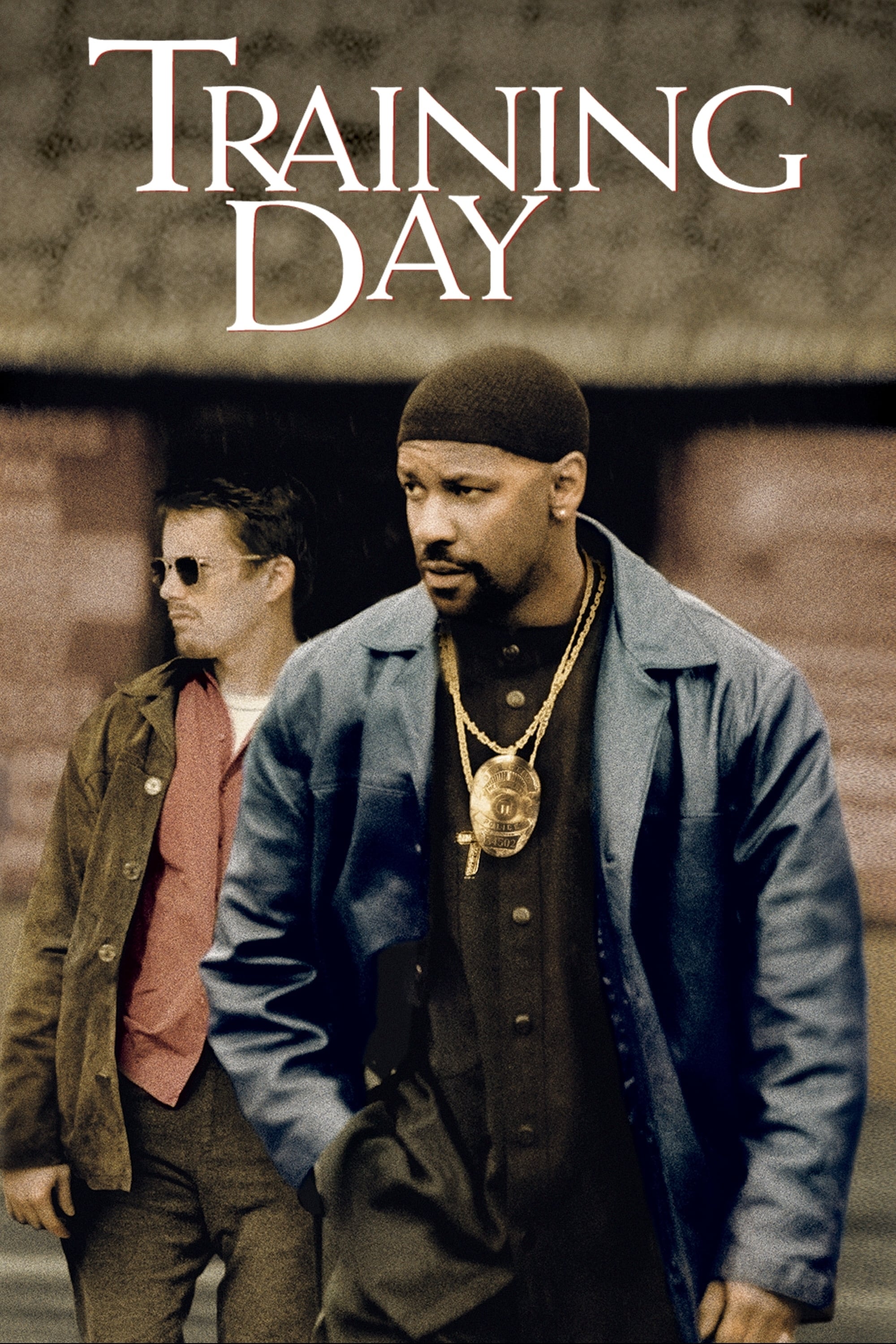
The film follows a single day in the life of a rookie LAPD officer, Jake Hoyt, who is assigned to an elite narcotics unit for an evaluation. His trainer is Detective Alonzo Harris, a highly decorated but corrupt officer. Throughout the day, Jake is exposed to Alonzo’s brutal and unethical methods, which blur the line between legal and illegal.
Alonzo Harris argues that the traditional rules of policing are ineffective in the dangerous world of narcotics enforcement. He believes that to catch the “wolves,” you have to be a “wolf” yourself. He justifies his corruption—stealing from criminals, manipulating evidence, and using violence—as a necessary evil to get results and put dangerous criminals behind bars. His philosophy is that the ends justify the means in the war on crime.
The Matrix (1999)
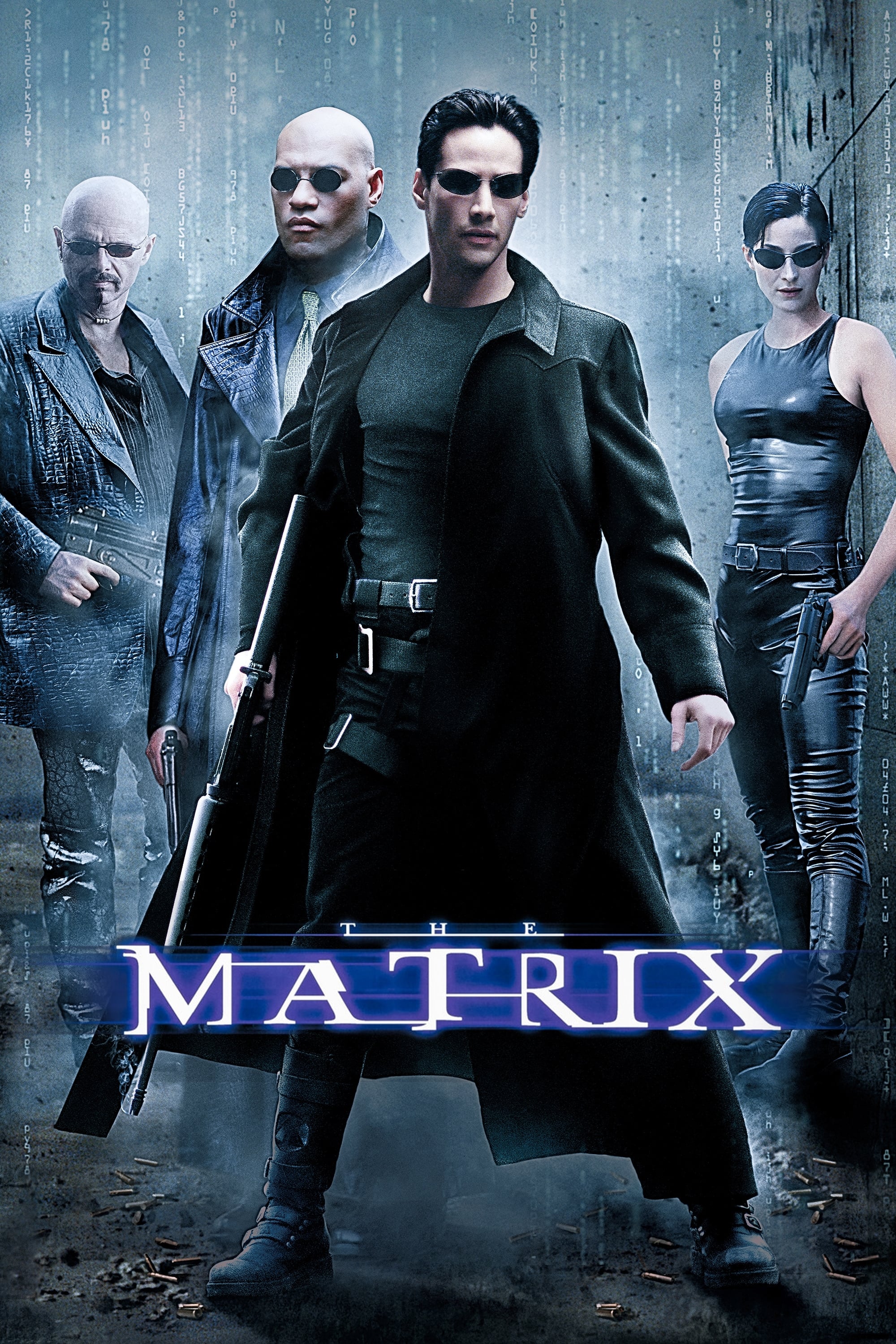
Computer programmer Thomas Anderson, known by his hacking alias “Neo,” discovers that the world he lives in is a simulated reality called the Matrix. This simulation was created by intelligent machines to pacify and control the human population, while their bodies are used as an energy source. The main antagonist within the Matrix is Agent Smith, a sentient program designed to police the system.
Agent Smith’s job is to eliminate threats to the stability of the Matrix. He sees humans as a virus, a plague on the planet that multiplies uncontrollably and destroys its environment. He compares humanity to a disease that the machines are trying to cure. From his logical, non-human perspective, his desire to escape the Matrix and his contempt for humanity are based on his observations of human history and behavior.
Casino Royale (2006)

In this reboot of the James Bond series, the film shows a younger, more reckless Bond earning his license to kill. His first major mission is to bankrupt a terrorist financier named Le Chiffre in a high-stakes poker game at the Casino Royale in Montenegro.
Le Chiffre is a mathematical genius and a private banker for terrorists around the world. After a failed stock market scheme using his clients’ money, he is left with a massive debt. He organizes the poker tournament as a desperate, last-ditch effort to win back the money before his dangerous clients find and kill him. While he works for evil people, his immediate motivation is not world domination but simple survival.
Phone Booth (2002)
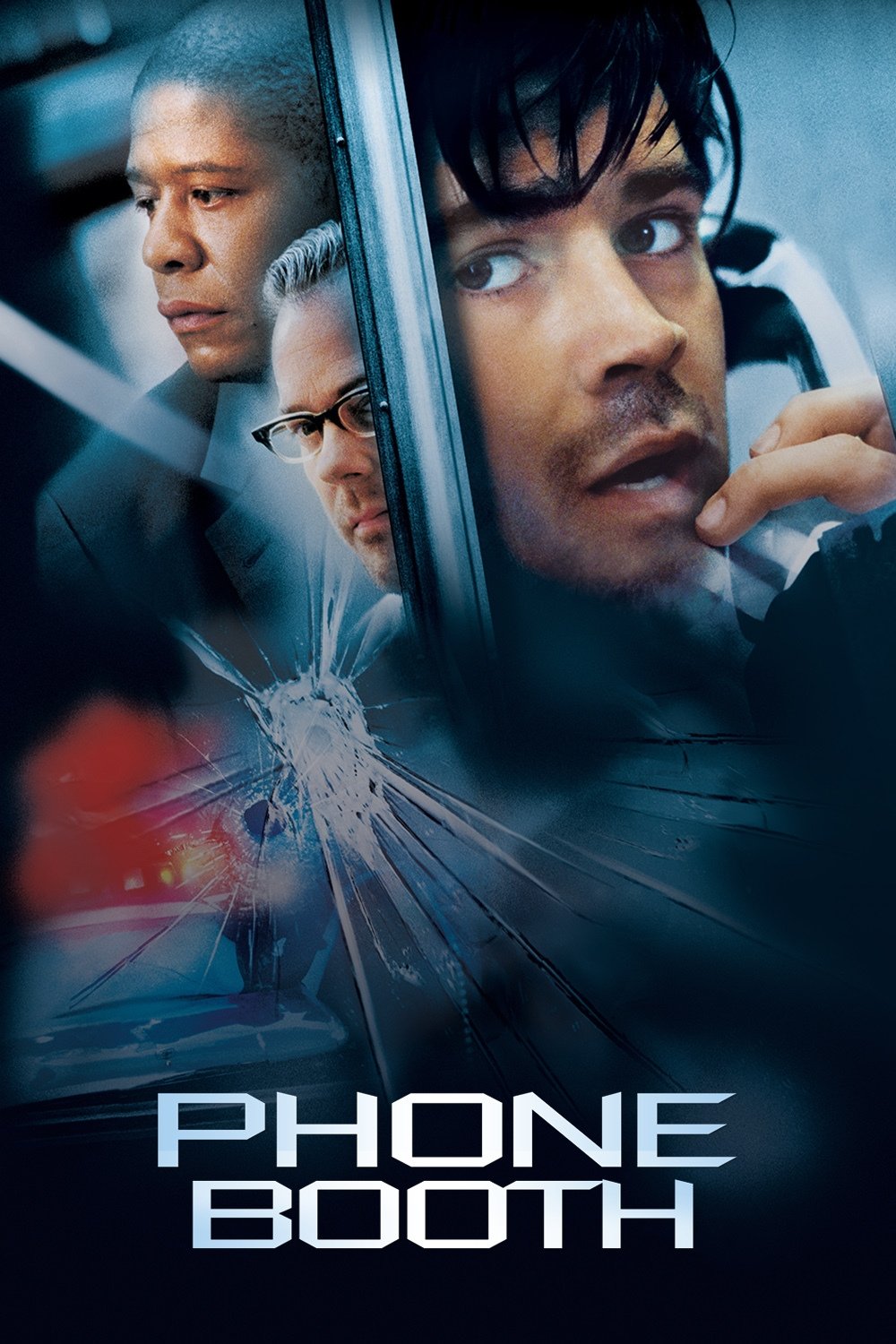
Stu Shepard, a slick and dishonest publicist, answers a ringing payphone in New York City. On the other end of the line is a sniper who has him pinned down. The sniper tells Stu that if he hangs up, he will be shot. The mysterious caller forces Stu to confess his lies and dishonesties to his wife and the woman he is trying to have an affair with.
The sniper, known only as “The Caller,” is a vigilante who targets people he deems to be morally corrupt and unworthy of their lives. He sees himself as a judge, forcing his victims to atone for their sins in a very public way. While he is a murderer, his goal is to make people take responsibility for their actions and live more honest lives. He chooses Stu not to kill him, but to force him to become a better person.

