15 Powerful Family Dramas and Legal Thrillers Like ‘Fjord’

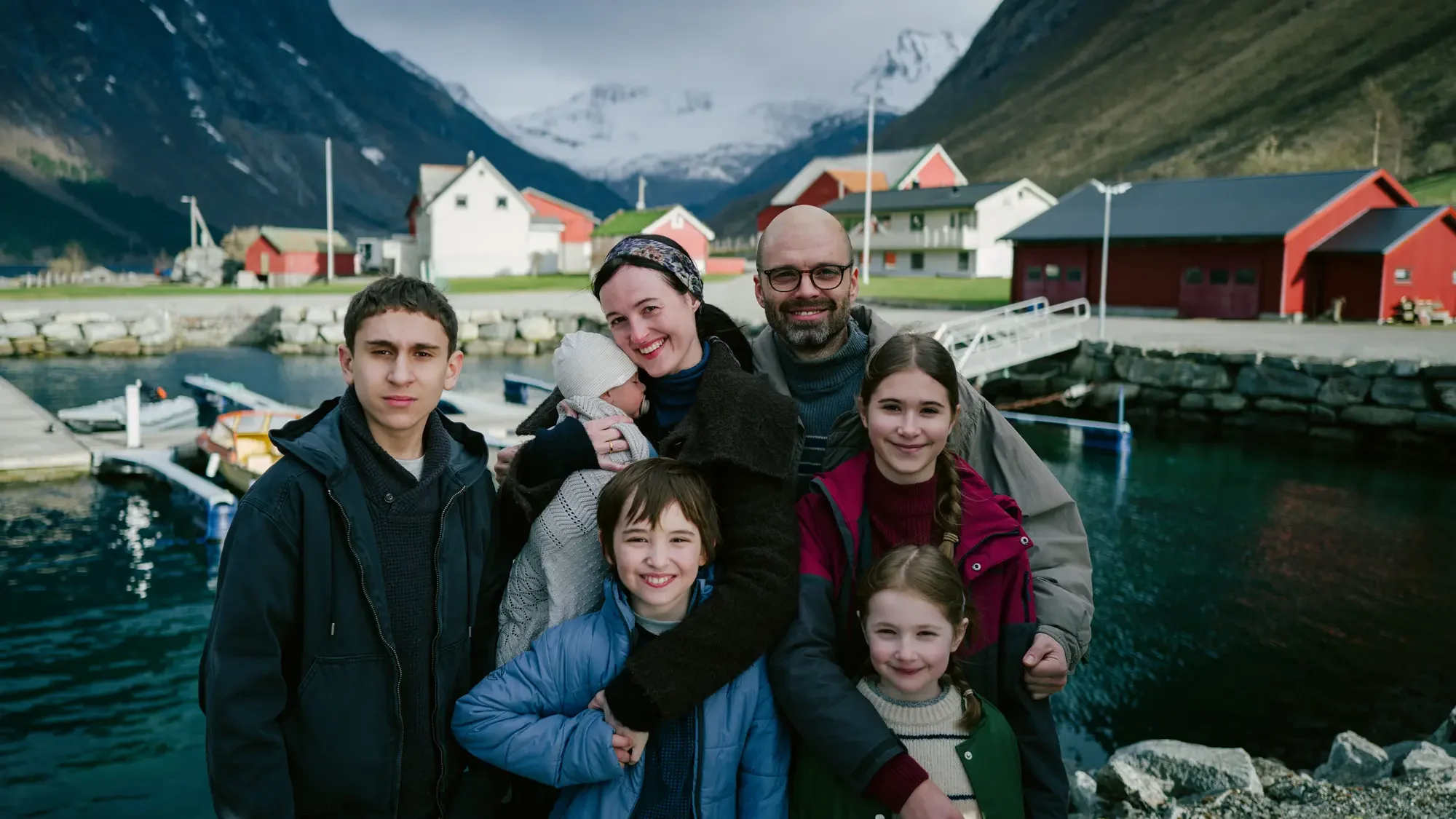

Cristian Mungiu’s legal drama ‘Fjord’ explores the harrowing intersection of parental rights, cultural friction, and institutional intervention when a conservative Romanian-Norwegian family comes under the scrutiny of child protection authorities in a remote Scandinavian town.
Cinema has frequently turned its lens toward the agonizing struggles of families caught within rigid state bureaucracies, cultural misunderstandings, and high-stakes legal battles. For viewers drawn to the realistic tension, social realism, and moral complexity depicted in ‘Fjord’, numerous acclaimed international films explore similar thematic territory. These cinematic works examine the intense friction between private domestic life and public institutional systems across the globe.
‘Mrs. Chatterjee vs Norway’ (2023)
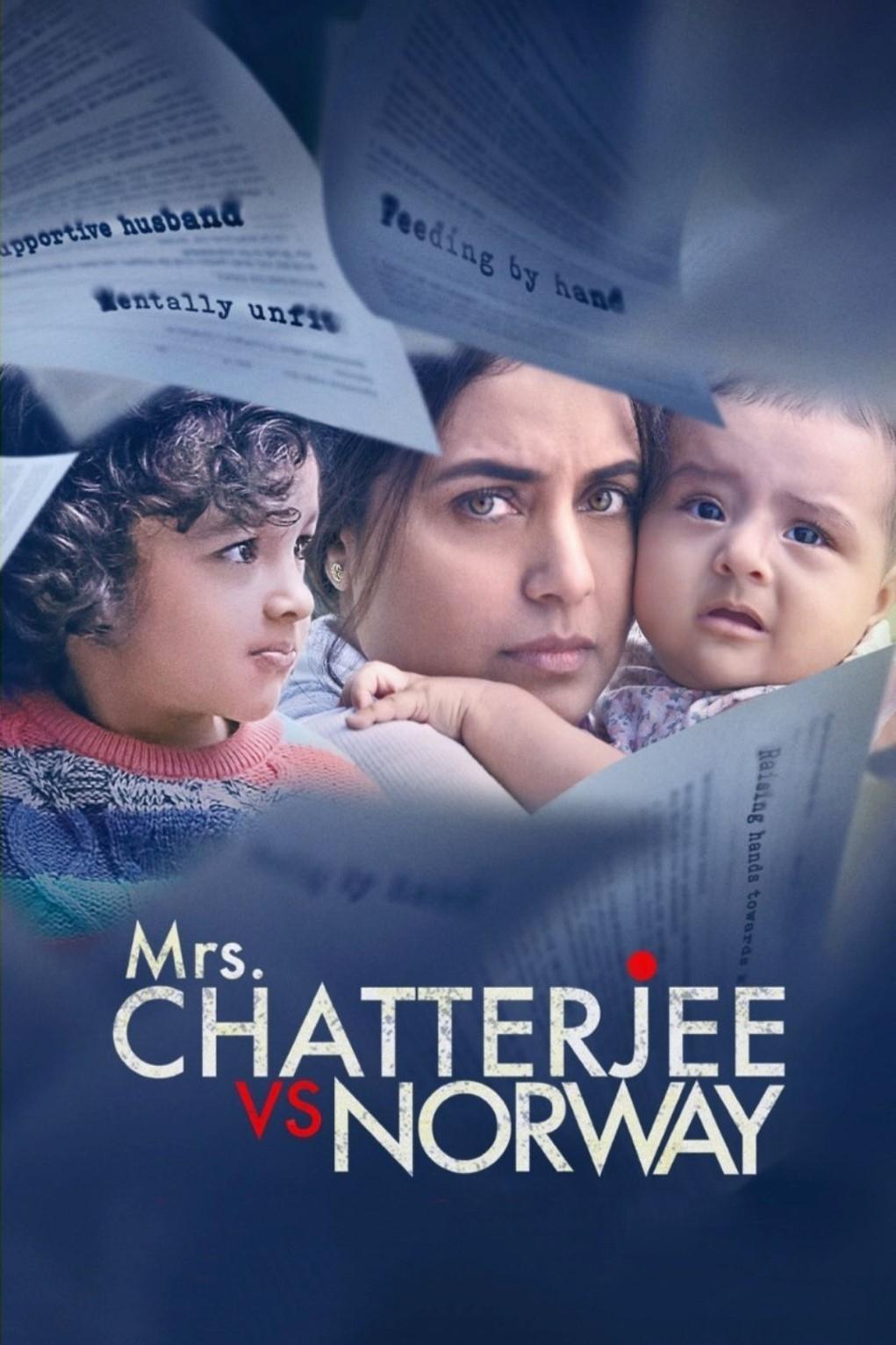
Directed by Ashima Chibber, ‘Mrs. Chatterjee vs Norway’ dramatizes the real-life custody dispute between an immigrant Indian couple and the Norwegian Child Welfare Services, known as Barnevernet. The narrative follows an immigrant mother fighting an uphill legal battle against severe institutional bureaucracy after authorities seize her two young children over perceived cultural parenting differences. The film stars Rani Mukerji as she challenges foreign social care standards and mobilizes diplomatic support between India and Norway. Like ‘Fjord’, the film directly addresses international child custody policies and the cultural friction that arises between conservative immigrant parents and rigid Scandinavian welfare systems.
‘The Hunt’ (2012)

Directed by Thomas Vinterberg, ‘The Hunt’ portrays the devastating collapse of a small Danish community when a well-liked kindergarten teacher is falsely accused of child misconduct. Mads Mikkelsen stars as Lucas, an innocent man who finds himself completely ostracized and targeted by his lifelong friends and local institutions. The psychological drama details how mass hysteria and institutional overreach can swiftly dismantle an individual’s personal and domestic life in a Nordic setting. The film shares the intense Scandinavian social pressure, pervasive scrutiny, and communal isolation that characterize ‘Fjord’.
‘Custody’ (2017)

Xavier Legrand’s French legal thriller ‘Custody’ tracks a contentious divorce and the resulting custody battle over a young son caught between his estranged parents. The film begins in the stark, procedural atmosphere of a family court hearing before escalating into a harrowing domestic crisis. Denis Ménochet and Léa Drucker deliver intense performances as parents manipulating legal frameworks and social caseworkers during a bitter separation. The production earned critical acclaim for its claustrophobic tension and realistic examination of family protection systems.
‘Graduation’ (2016)
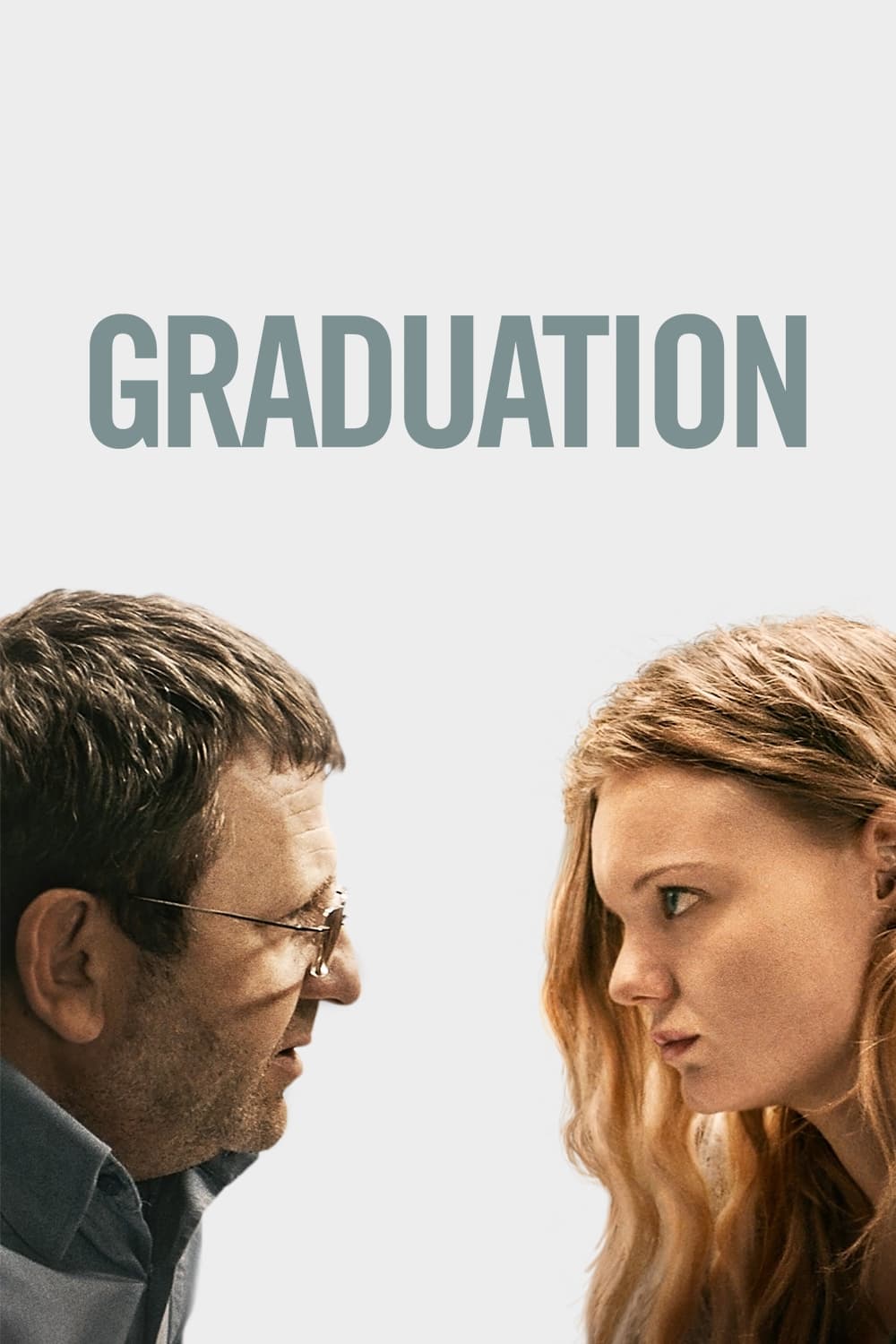
Written and directed by Cristian Mungiu, ‘Graduation’ examines the ethical compromises made by a Romanian doctor desperate to secure his daughter’s educational future abroad. Following an assault that threatens his daughter’s exam performance, the protagonist becomes entangled in a web of institutional corruption and moral ambiguity. The film earned Mungiu the Best Director Award at the Cannes Film Festival for its precise, naturalistic observation of familial duty and systemic pressure. Audiences drawn to the signature social realism, complex ethics, and Romanian cultural perspective in ‘Fjord’ will recognize Mungiu’s directorial approach throughout the story.
‘R.M.N.’ (2022)
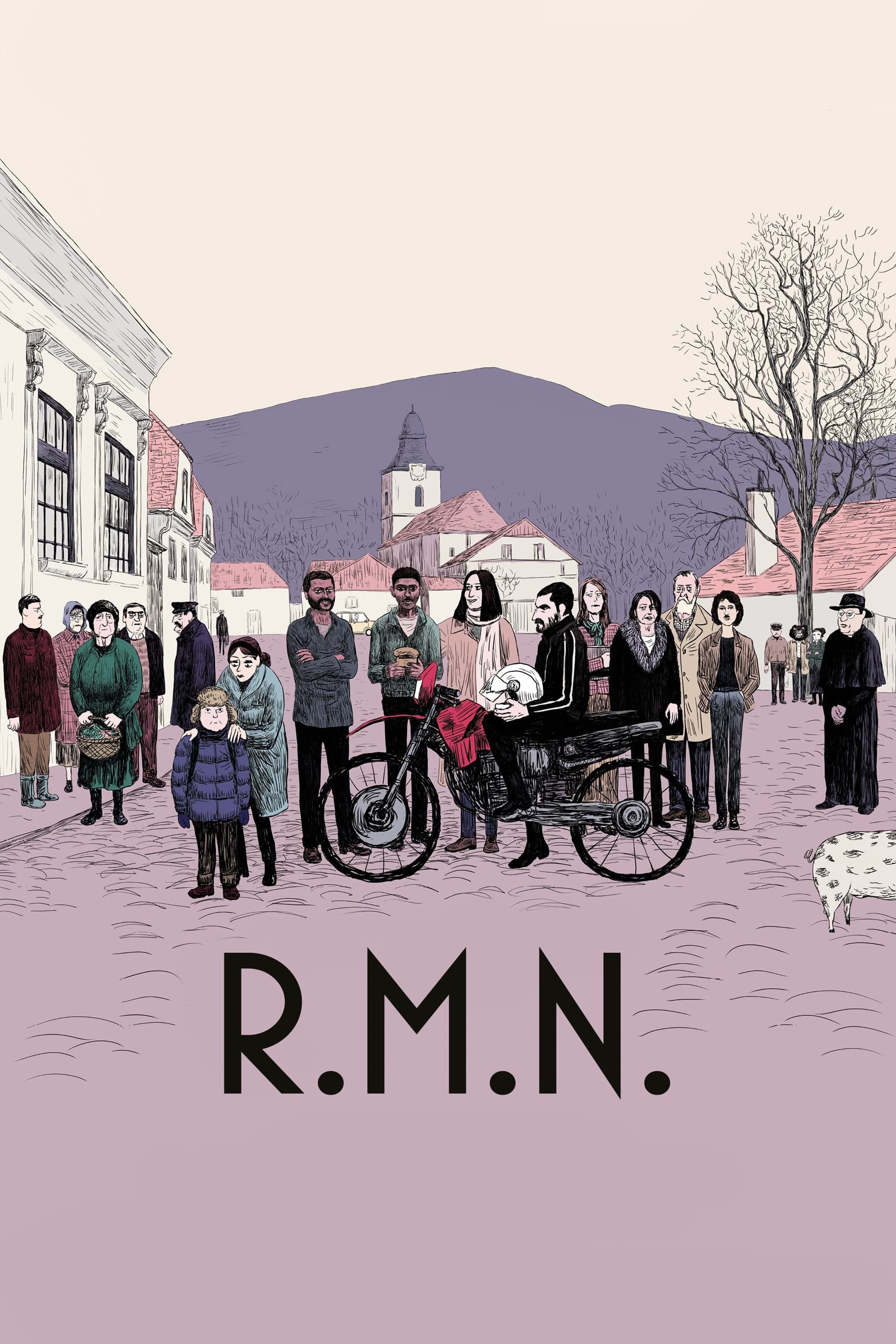
Cristian Mungiu’s drama ‘R.M.N.’ explores ethnic tension, xenophobia, and collective panic within a multi-ethnic Transylvanian village. The plot unfolds as the arrival of foreign workers at a local industrial bakery ignites underlying prejudice among the conservative villagers. Through long, unbroken takes and nuanced dialogue, the film exposes how external influences destabilize insular rural communities in contemporary Europe. This work mirrors ‘Fjord’ through its director, its Romanian cultural lens, and its exploration of how progressive and traditional values collide in isolated towns.
‘Ladybird, Ladybird’ (1994)
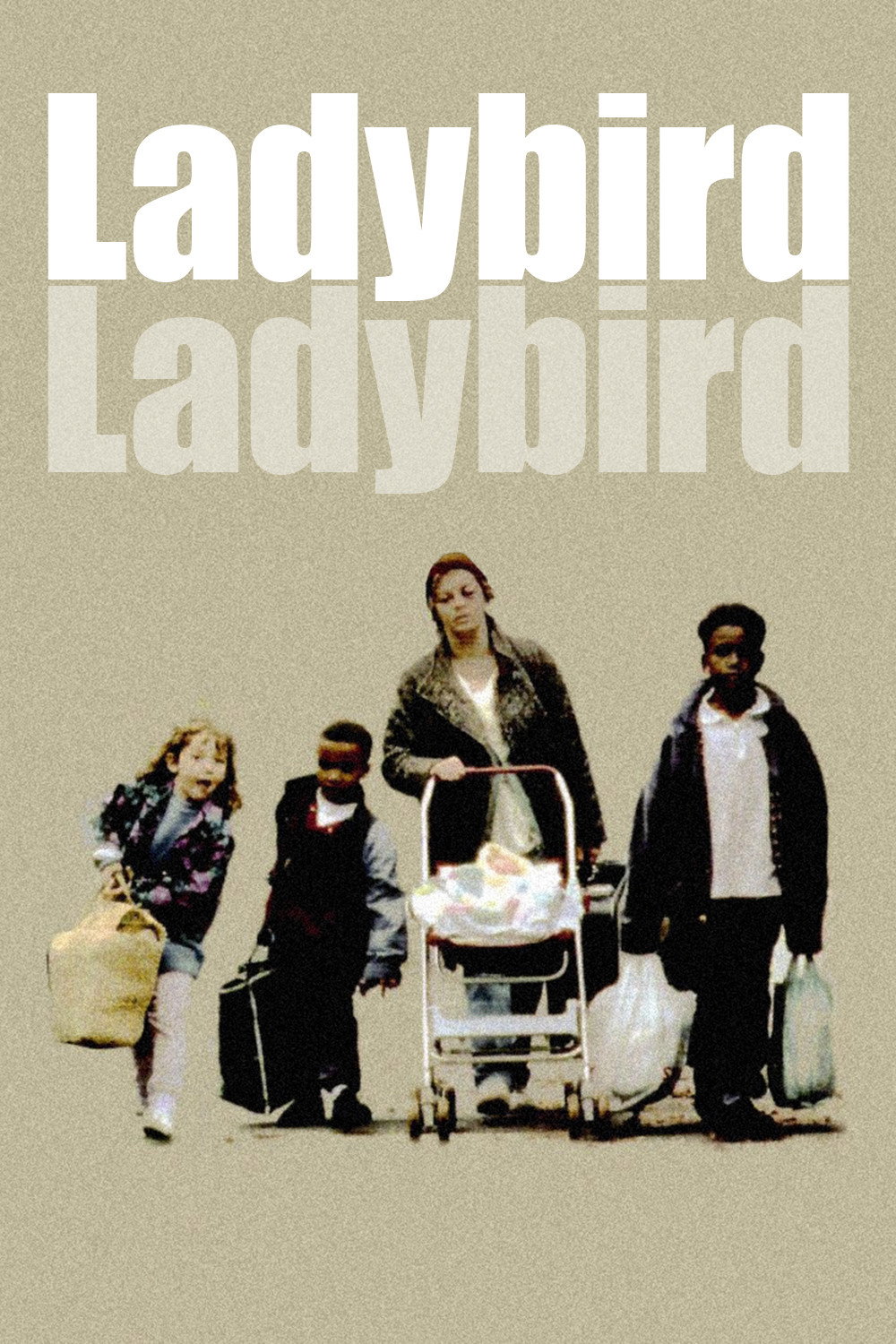
Directed by British filmmaker Ken Loach, ‘Ladybird, Ladybird’ tells the fact-based story of a working-class mother whose children are taken into state care by social services. The narrative follows Maggie Conlan as she attempts to build a stable life with a Paraguayan political refugee while battling persistent interventions from child welfare agencies. Crissy Rock won the Silver Bear for Best Actress at the Berlin International Film Festival for her raw and emotionally intense central performance. The film presents an uncompromising examination of the bureaucratic coldness that often separates vulnerable families from institutional protection systems.
‘A Separation’ (2011)
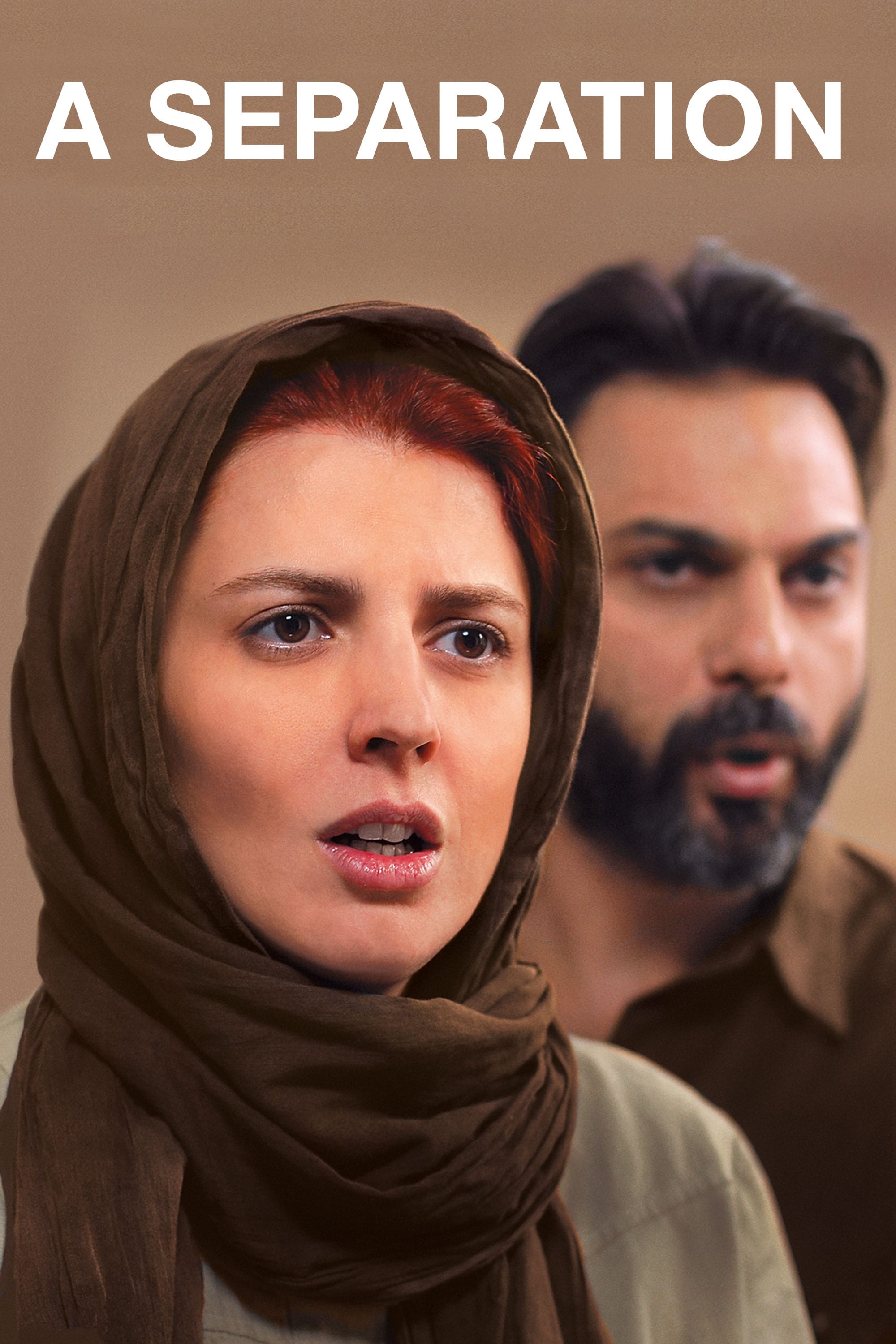
Asghar Farhadi’s Iranian masterpiece ‘A Separation’ follows a middle-class couple whose decision to divorce triggers an escalating legal and moral conflict. When the husband hires a devout lower-class caregiver to tend to his elderly father, an unexpected domestic tragedy lands both families in a complex judicial labyrinth. The film won the Academy Award for Best Foreign Language Film and received widespread praise for its unbiased depiction of conflicting social classes, religious codes, and legal systems. Much like ‘Fjord’, the film excels at demonstrating how cultural differences and rigid institutional standards can trap well-intentioned individuals in devastating legal disputes.
‘System Crasher’ (2019)
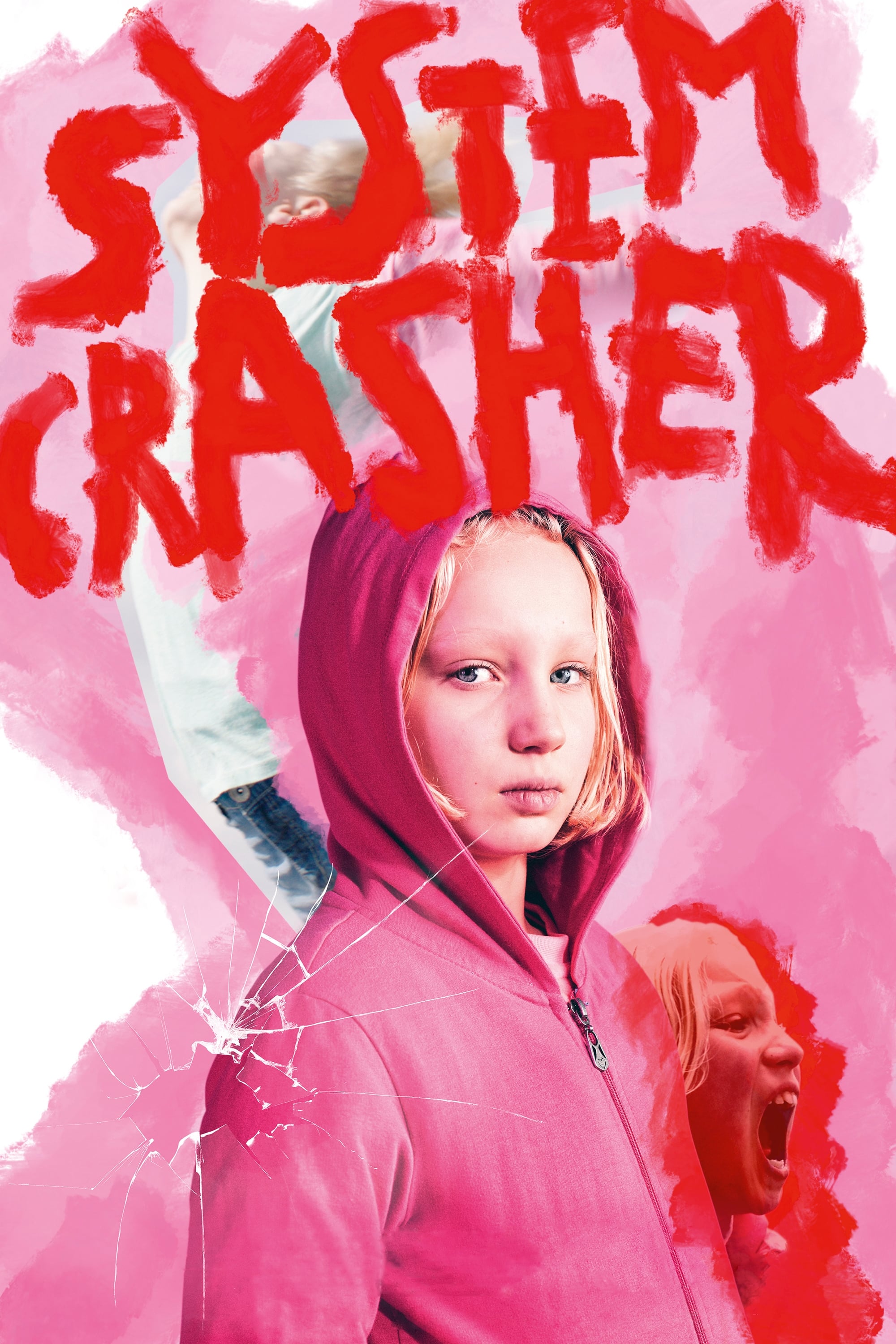
Written and directed by Nora Fingscheidt, ‘System Crasher’ follows a traumatized nine-year-old girl whose aggressive outbursts overwhelm Germany’s child welfare system. Helena Zengel portrays Benni, a child desperately seeking to return to her overwhelmed mother while social workers and foster homes struggle to find a safe placement. The drama won the Silver Bear Alfred Bauer Prize at the Berlin International Film Festival for its empathetic look at state care limitations. The film offers a grounded perspective on the friction between institutional child protection rules and the emotional complexities of parental care.
‘Loveless’ (2017)

Directed by Andrey Zvyagintsev, ‘Loveless’ depicts the sudden disappearance of a twelve-year-old boy in Moscow during his parents’ bitter divorce proceedings. As the self-absorbed parents search for their son, they encounter indifferent government agencies and must rely on a civilian volunteer rescue group. The film won the Jury Prize at the Cannes Film Festival and earned an Academy Award nomination for Best Foreign Language Film. Its chilling examination of parental negligence, community detachment, and bureaucratic inertia aligns closely with the serious domestic themes found in ‘Fjord’.
‘Beyond the Hills’ (2012)
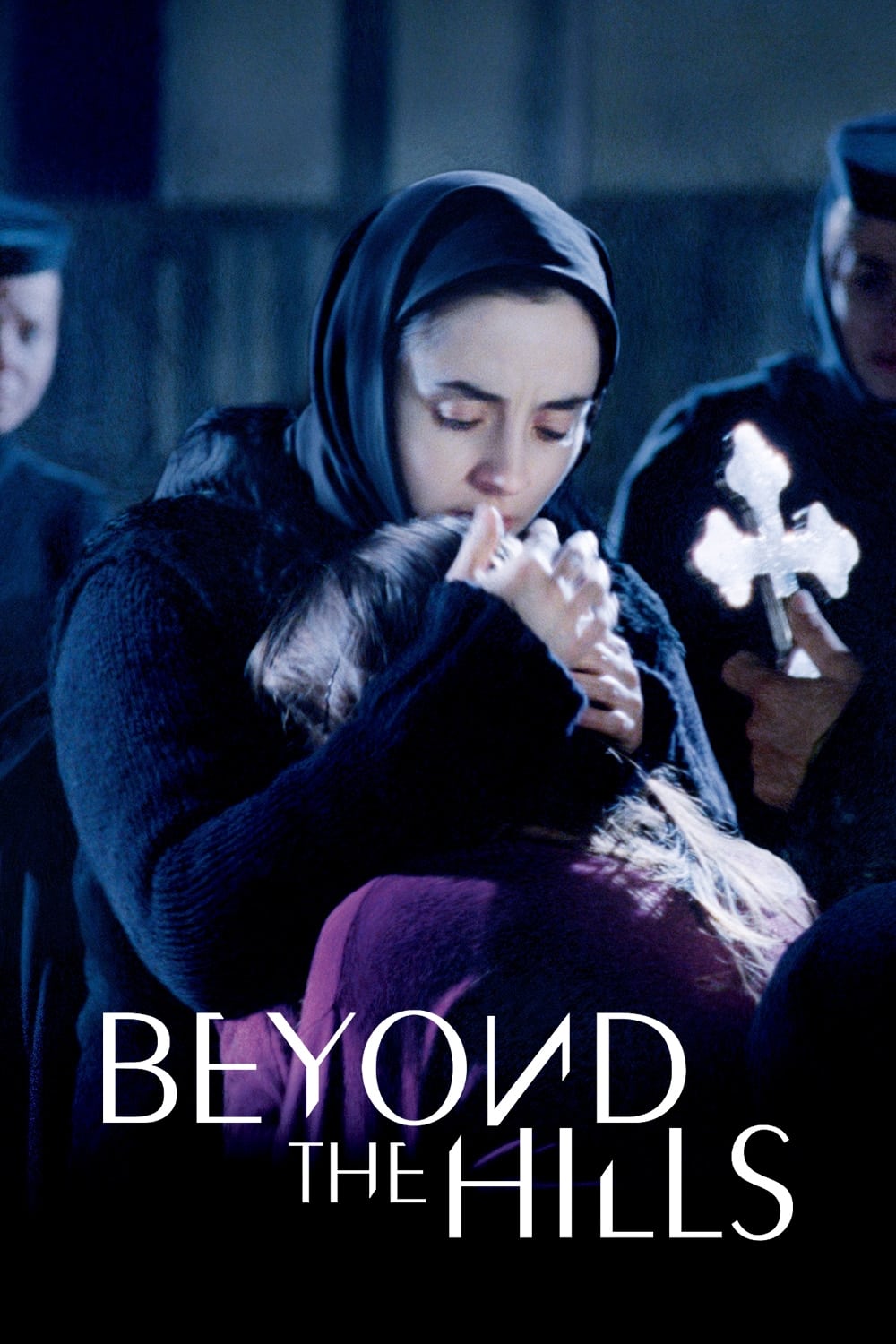
Cristian Mungiu’s ‘Beyond the Hills’ dramatizes the true story of a tragic conflict between a conservative Orthodox monastery and the modern medical establishment in Romania. The narrative centers on two young women who grew up in an orphanage, one of whom seeks refuge in a remote monastery while the other tries to bring her back to secular life. The production won both the Best Screenplay Award and the Best Actress Award for its two leads at the Cannes Film Festival. The film shares Mungiu’s rigorous examination of ideological dogmatism, social isolation, and the devastating clash between conservative belief systems and community institutions.
‘Leave No Trace’ (2018)

Directed by Debra Granik, ‘Leave No Trace’ follows an affectionate military veteran suffering from post-traumatic stress and his teenage daughter living off the grid in a public park. When social services discover their illegal encampment, the state forces the pair to assimilate into conventional housing and public schooling. Ben Foster and Thomasin McKenzie deliver acclaimed performances exploring the tension between autonomous family choices and mandated state welfare norms. The film presents an empathetic look at how government agencies evaluate child welfare against non-conforming, unconventional family lifestyles.
‘Captain Fantastic’ (2016)
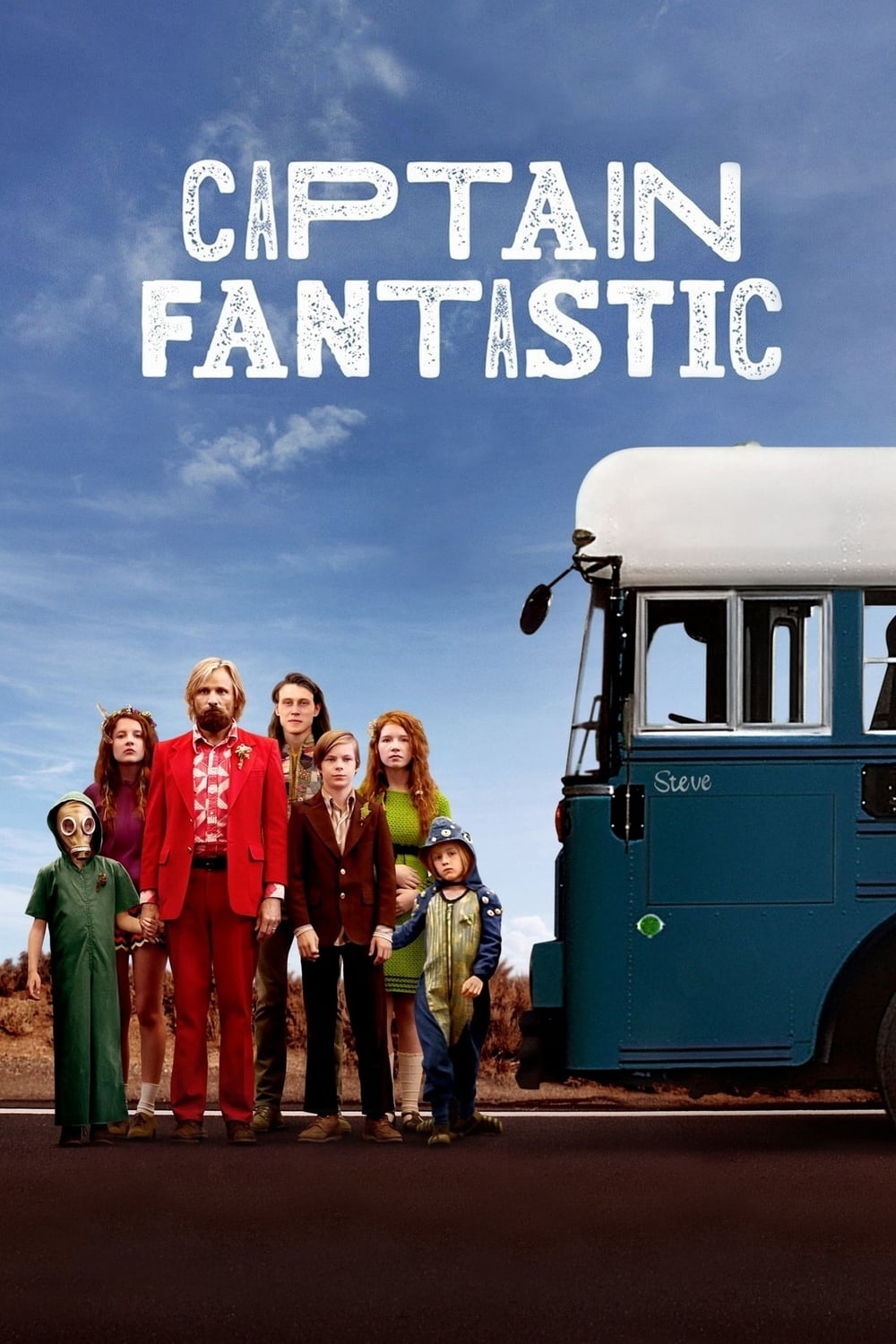
Written and directed by Matt Ross, ‘Captain Fantastic’ stars Viggo Mortensen as a dedicated father raising his six children deep in the wilderness of the Pacific Northwest. Following a family tragedy, the father must re-enter conventional society and face severe legal and custody threats from his conservative in-laws. The film earned Mortensen an Academy Award nomination for Best Actor and won the Best Director prize in the Un Certain Regard section at the Cannes Film Festival. Like ‘Fjord’, the story questions societal standards of proper parenting and examines the external pressures placed on families who live outside mainstream cultural norms.
‘4 Months, 3 Weeks and 2 Days’ (2007)

Cristian Mungiu’s Palme d’Or-winning masterpiece ‘4 Months, 3 Weeks and 2 Days’ is set in late-communist Romania during the Ceaușescu regime. The film chronicles the harrowing journey of a university student helping her roommate procure an illegal abortion amid oppressive state surveillance. Mungiu’s austere cinematography and real-time pacing highlight the extreme lengths individuals must go to navigate authoritarian legal frameworks. This hallmark of the Romanian New Wave demonstrates the director’s foundational approach to depicting individuals entrapped by punitive institutional systems.
‘Kramer vs. Kramer’ (1979)
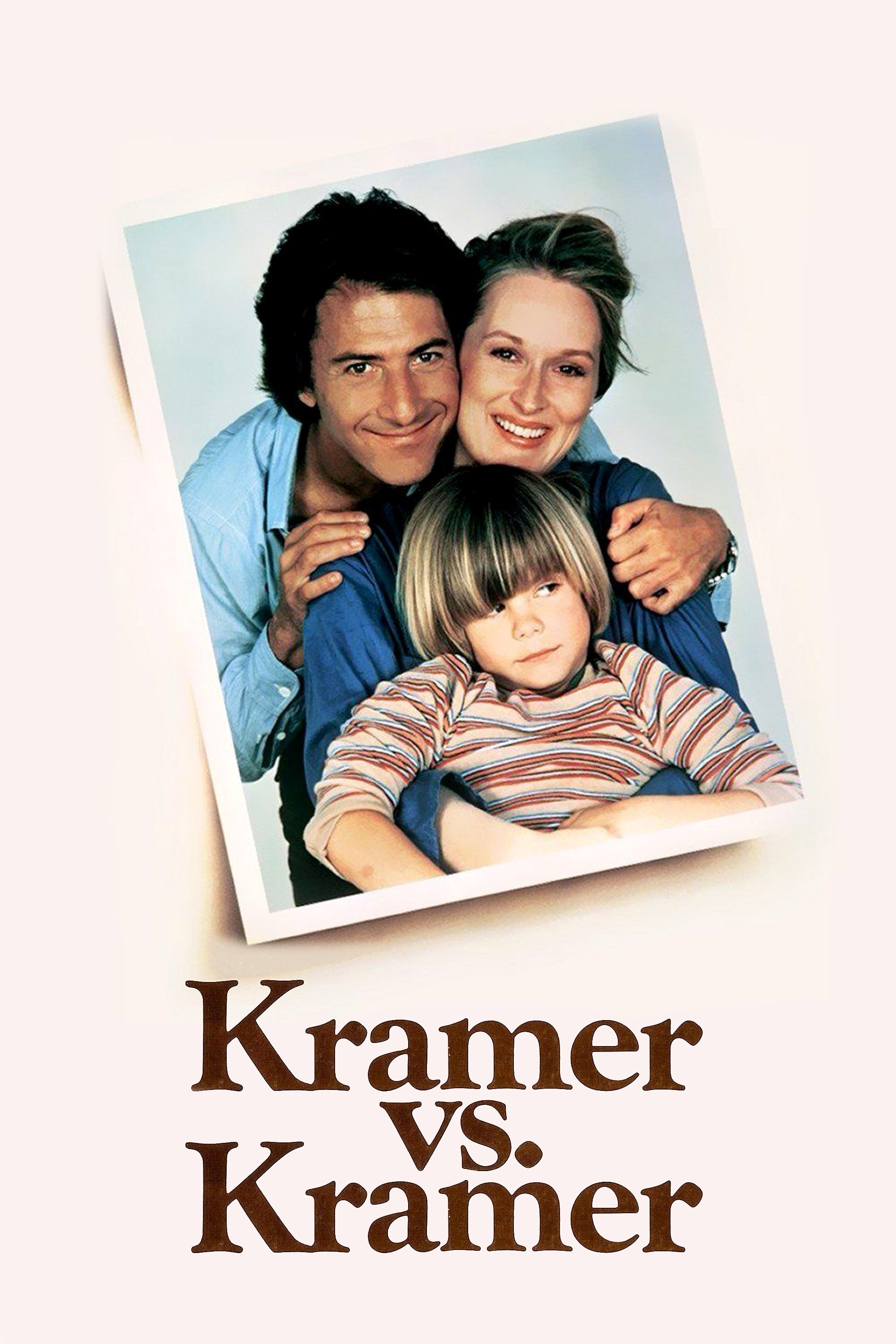
Written and directed by Robert Benton, ‘Kramer vs. Kramer’ is a definitive legal drama focusing on a contentious child custody suit between divorced parents. Dustin Hoffman and Meryl Streep star as parents navigating the emotional trauma and legal maneuvers of family court over their young son. The film won five Academy Awards, including Best Picture, Best Director, Best Actor, and Best Supporting Actress. The drama remains a touchstone for its accurate depiction of courtroom cross-examinations, parental fitness evaluations, and child welfare debates.
‘The Kid with a Bike’ (2011)
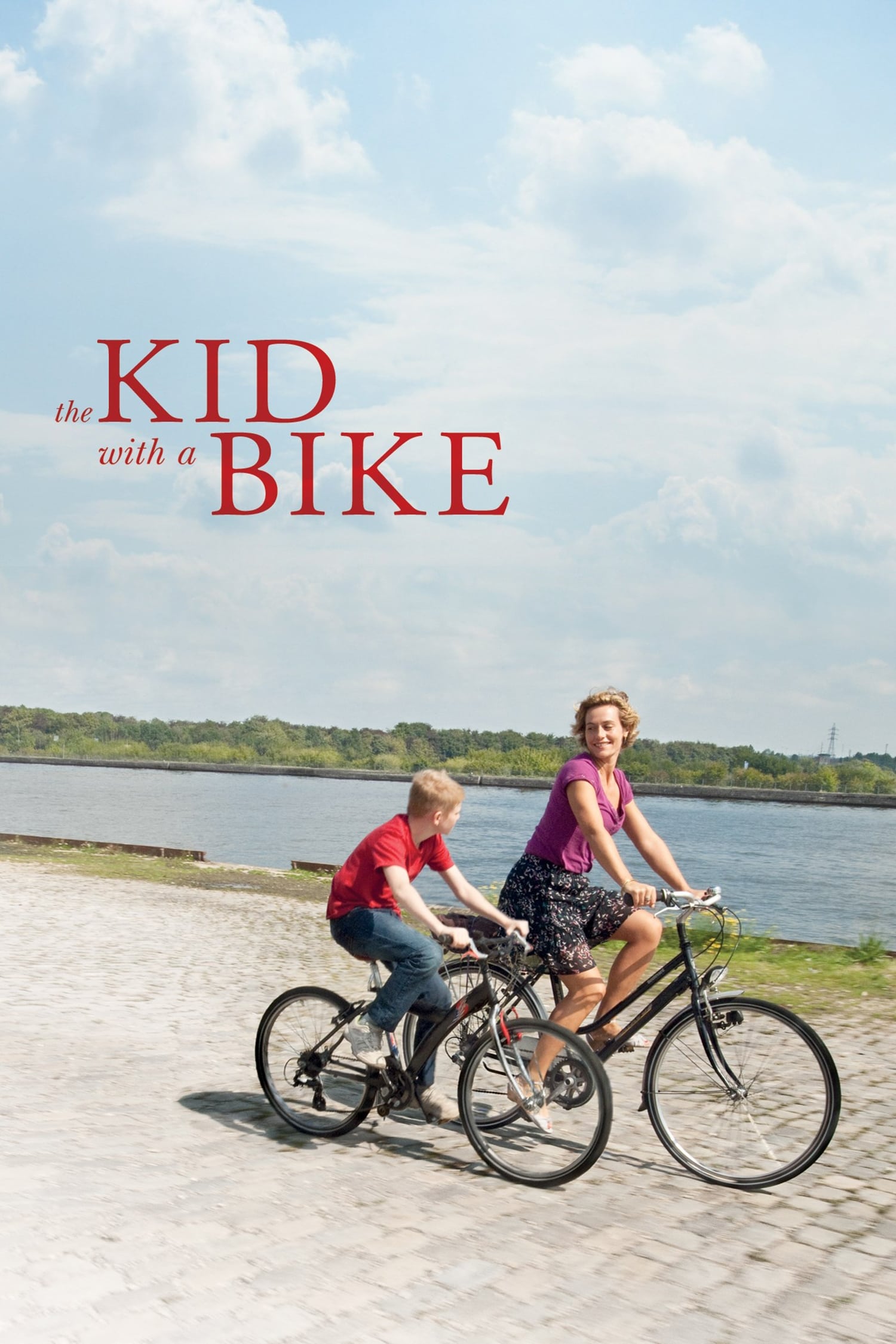
Directed by Jean-Pierre and Luc Dardenne, ‘The Kid with a Bike’ follows an abandoned eleven-year-old boy living in a state-run children’s home in Belgium. The young protagonist forms an unexpected bond with a compassionate local hairdresser who agrees to foster him on weekends despite his volatile behavior. The film shared the Grand Prix at the Cannes Film Festival and received widespread critical praise for its compassionate social realism. Similar to ‘Fjord’, the production investigates the psychological impact of institutional foster care and the fragile bonds between vulnerable children and their caretakers.
Share your favorite legal thrillers and family conflict dramas in the comments.