


15 TV Series That Were Awesome (Until the End)

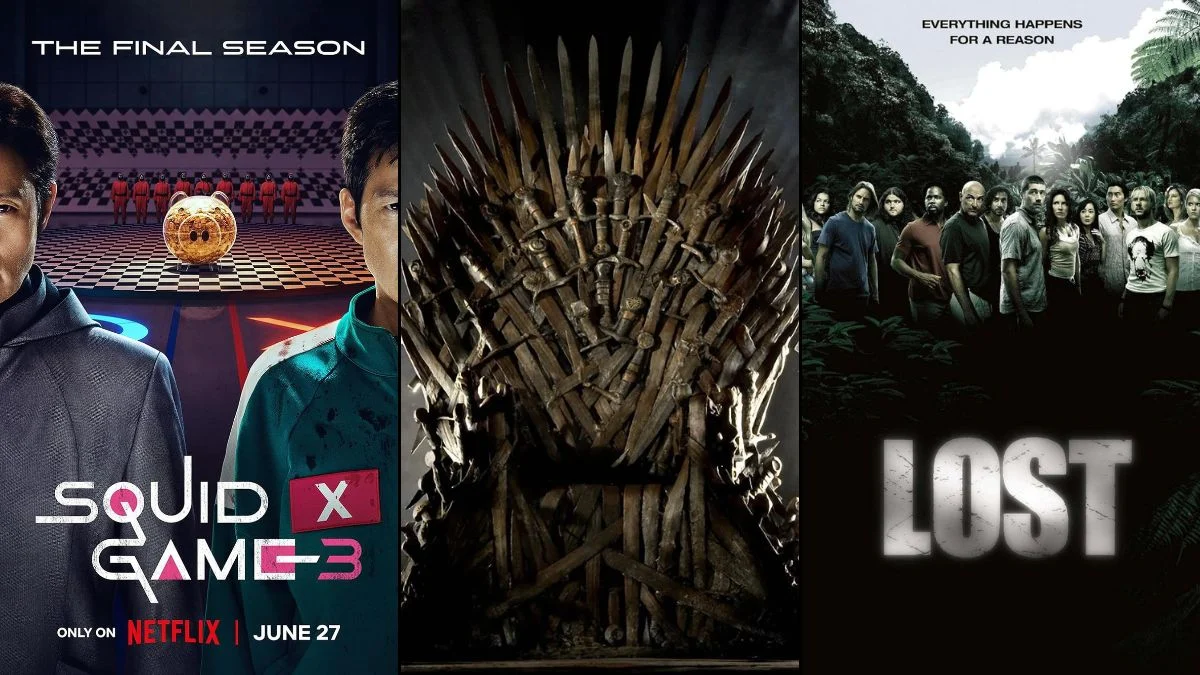


Some television shows grab your attention from the first episode. They build fascinating worlds, create compelling characters, and keep you hooked with intriguing storylines. You invest hours of your time, eagerly awaiting the next installment and discussing theories with friends. The show becomes a significant part of your entertainment life, and you can’t wait to see how the creators will wrap everything up in a satisfying conclusion.
Unfortunately, not all great shows stick the landing. Most recently, ‘Squid Game 3’ was such an example (for some folks). This list looks at 15 shows that started strong but stumbled at the finish line, ultimately leaving fans wishing for a different outcome.
Game of Thrones (2011-2019)
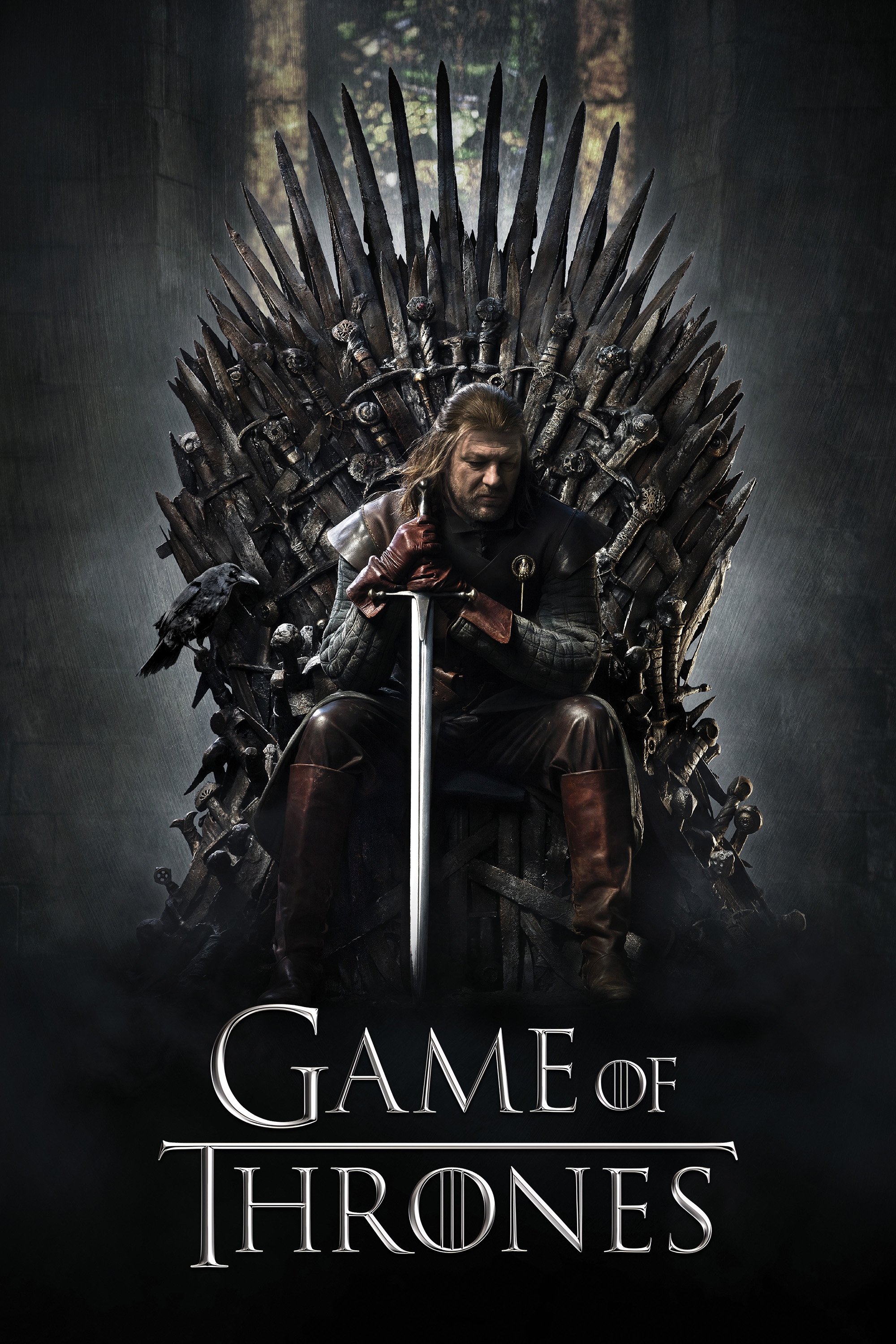
Based on George R.R. Martin’s fantasy novels, Game of Thrones was a cultural phenomenon. The show was celebrated for its complex characters, intricate political plotlines, and shocking twists. For seven seasons, viewers were immersed in the power struggles of Westeros, captivated by the intricate storytelling and high production values that brought the world to life.
However, the final season was met with widespread criticism from both fans and critics. Many felt that the conclusion was rushed, with character arcs that had been carefully developed over many years being resolved in unsatisfying ways. Key plot points were abandoned or hastily concluded, leading to an ending that felt disconnected from the rest of the series. The finale left many wondering what could have been if the show had taken more time to develop its conclusion.
Lost (2004-2010)
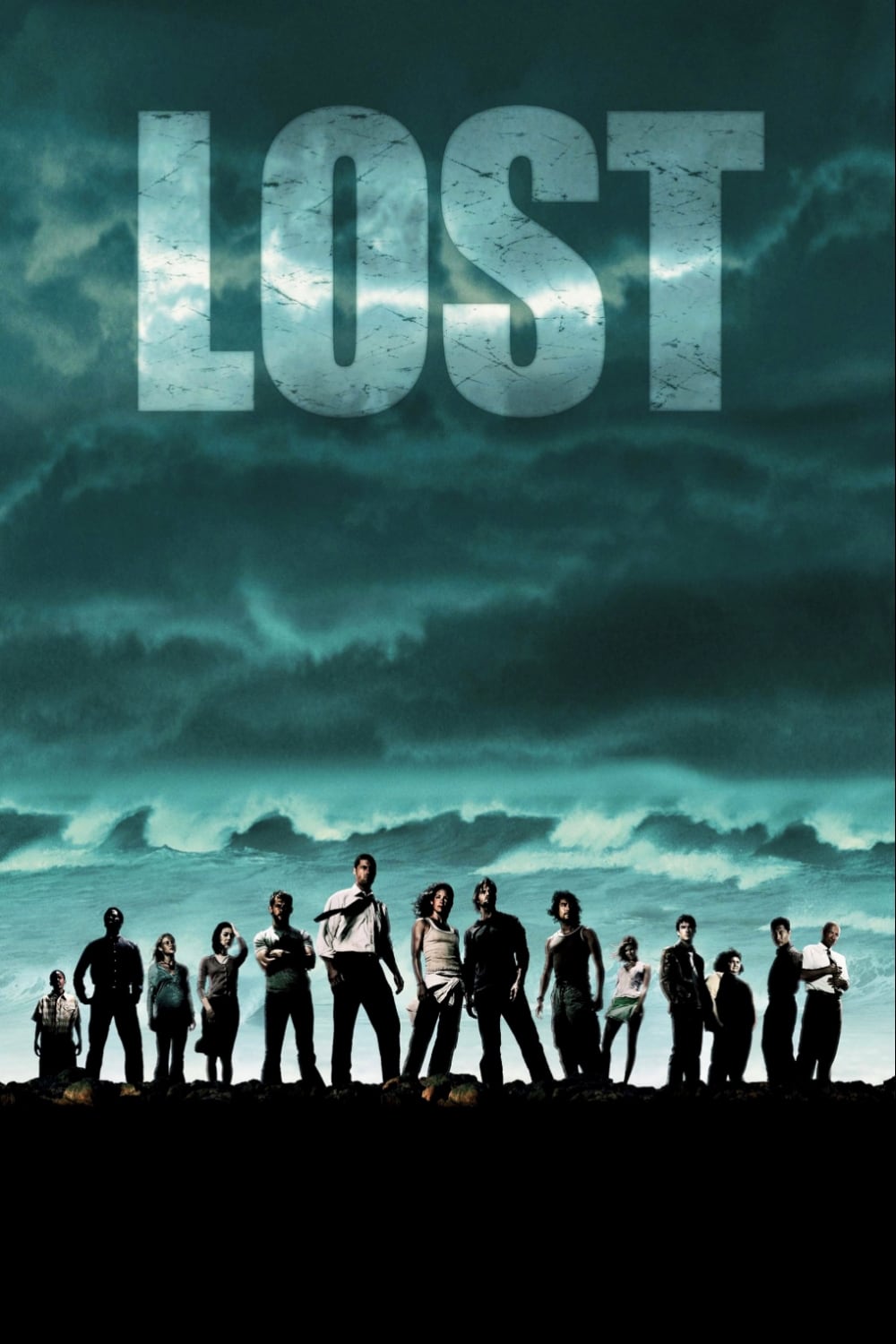
When Lost premiered, it was a groundbreaking series that blended mystery, science fiction, and character-driven drama. The story of a group of plane crash survivors on a mysterious island was filled with suspense and intrigue, and each episode seemed to introduce new questions and puzzles for the audience to solve. The show’s use of flashbacks and, later, flash-forwards and flash-sideways provided deep insights into its characters’ lives.
The series finale, however, proved to be highly divisive. While some viewers found the spiritual and emotional resolution to be a fitting end for the characters, others were frustrated by the many unanswered questions. The show had built up a complex mythology with smoke monsters, hatches, and a mysterious series of numbers, but the ending provided few concrete answers, leaving a significant portion of the audience feeling let down.
How I Met Your Mother (2005-2014)
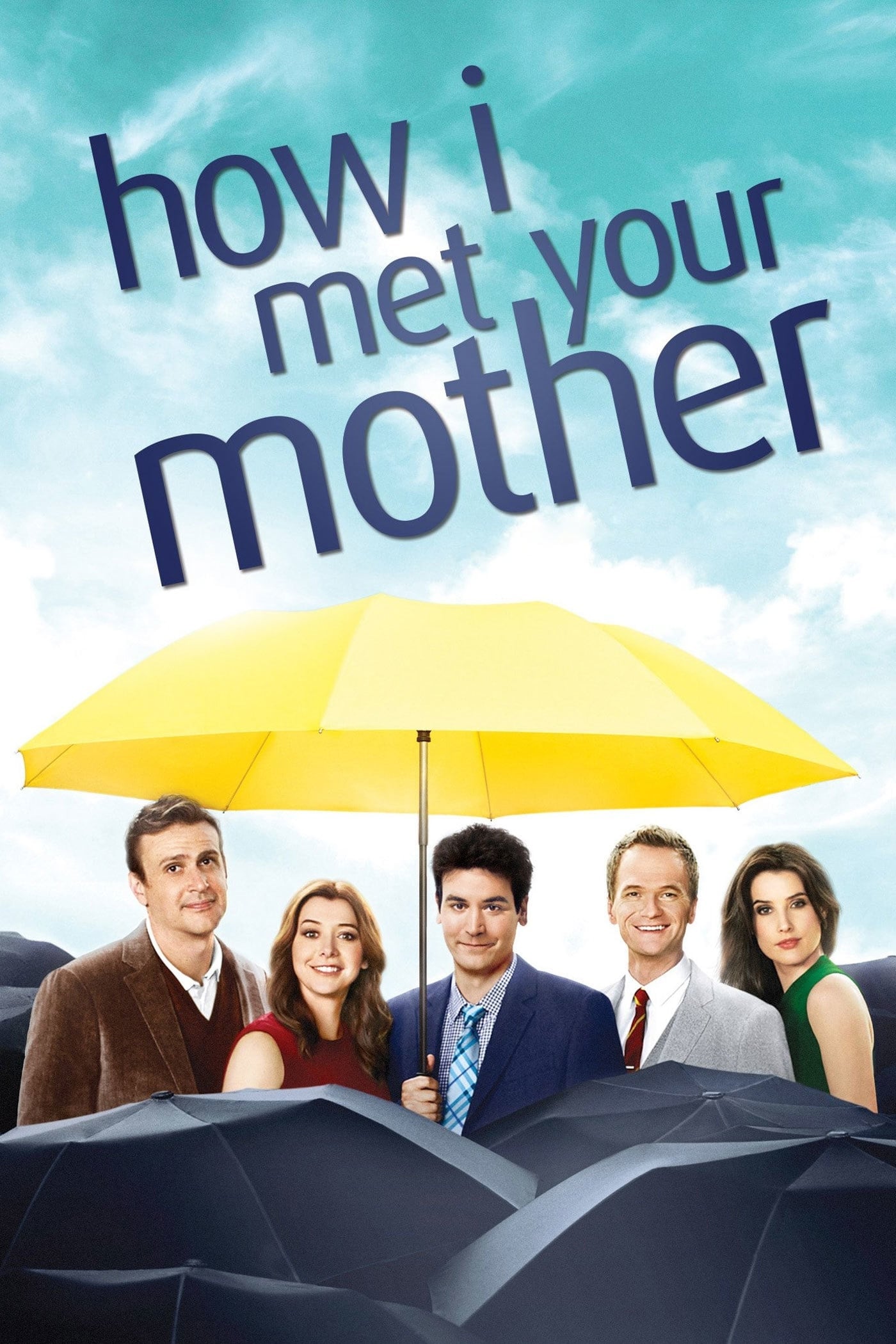
For nine seasons, How I Met Your Mother was a beloved sitcom that followed Ted Mosby’s long and winding journey to find his soulmate. The show was known for its clever humor, running gags, and heartfelt moments, as Ted and his friends navigated life and love in New York City. The central mystery of who the “mother” was kept viewers engaged year after year.
The final episode, however, undid much of what the show had built. After finally introducing the mother, Tracy McConnell, in the last season and showing her to be a perfect match for Ted, the finale revealed that she had passed away. Ted then ended up with Robin, a resolution that many fans felt was unearned and went against the spirit of the show. The ending was so unpopular that an alternate, happier ending was later released.
Dexter (2006-2013)
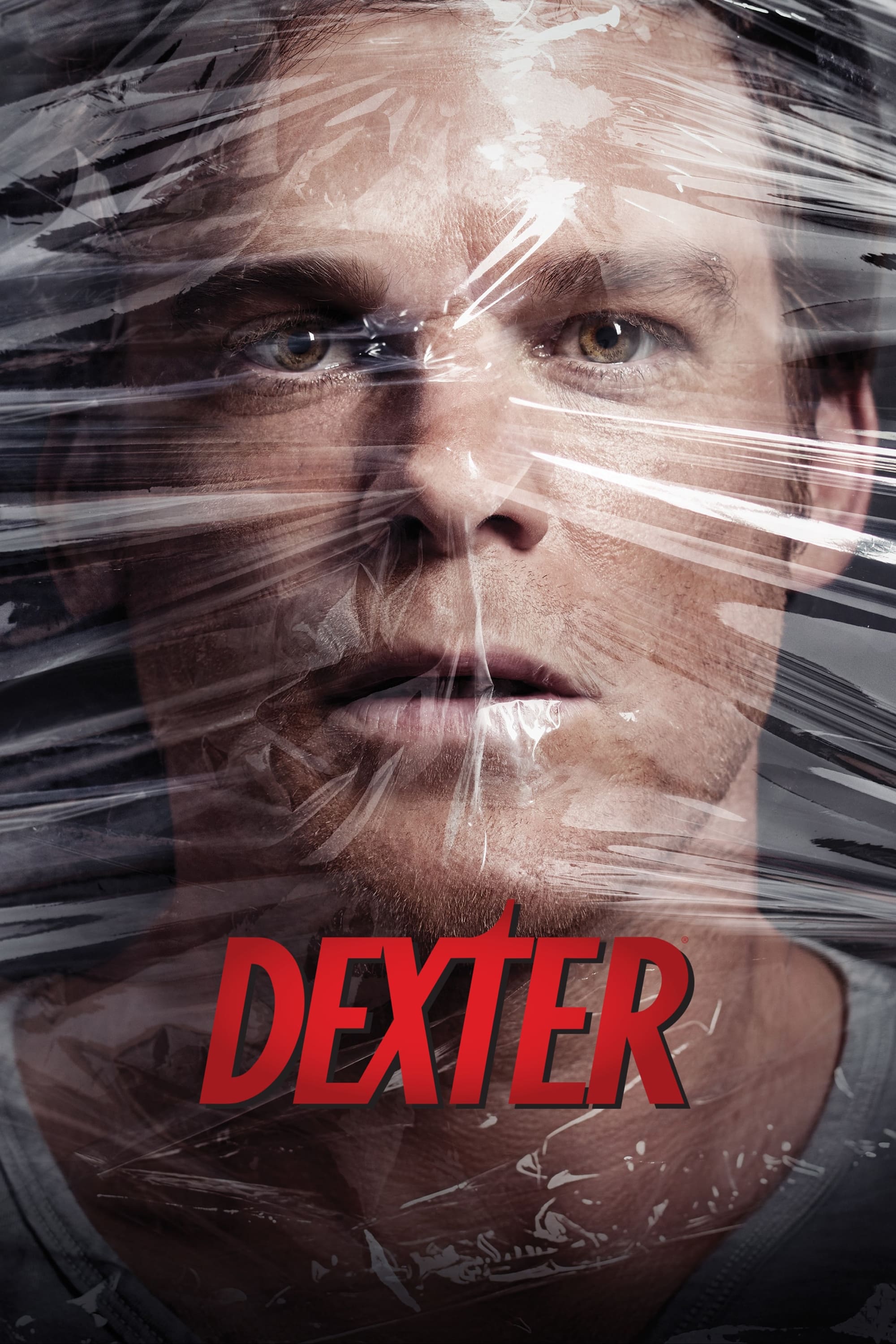
Dexter was a gripping psychological thriller about a blood-spatter analyst who secretly moonlighted as a vigilante serial killer, targeting other murderers who had escaped justice. The show was praised for its dark humor, suspenseful plot, and the compelling performance of its lead actor. The first few seasons, in particular, were lauded for their tight writing and thrilling cat-and-mouse games.
The show’s original run came to a widely panned conclusion, with Dexter faking his own death and becoming a lumberjack. This ending was seen as anticlimactic and out of character, leaving many fans deeply dissatisfied. A revival series, Dexter: New Blood, was later created to provide a more definitive and satisfying end for the character, but the original finale remains a sore point for many viewers.
Scrubs (2001-2010)
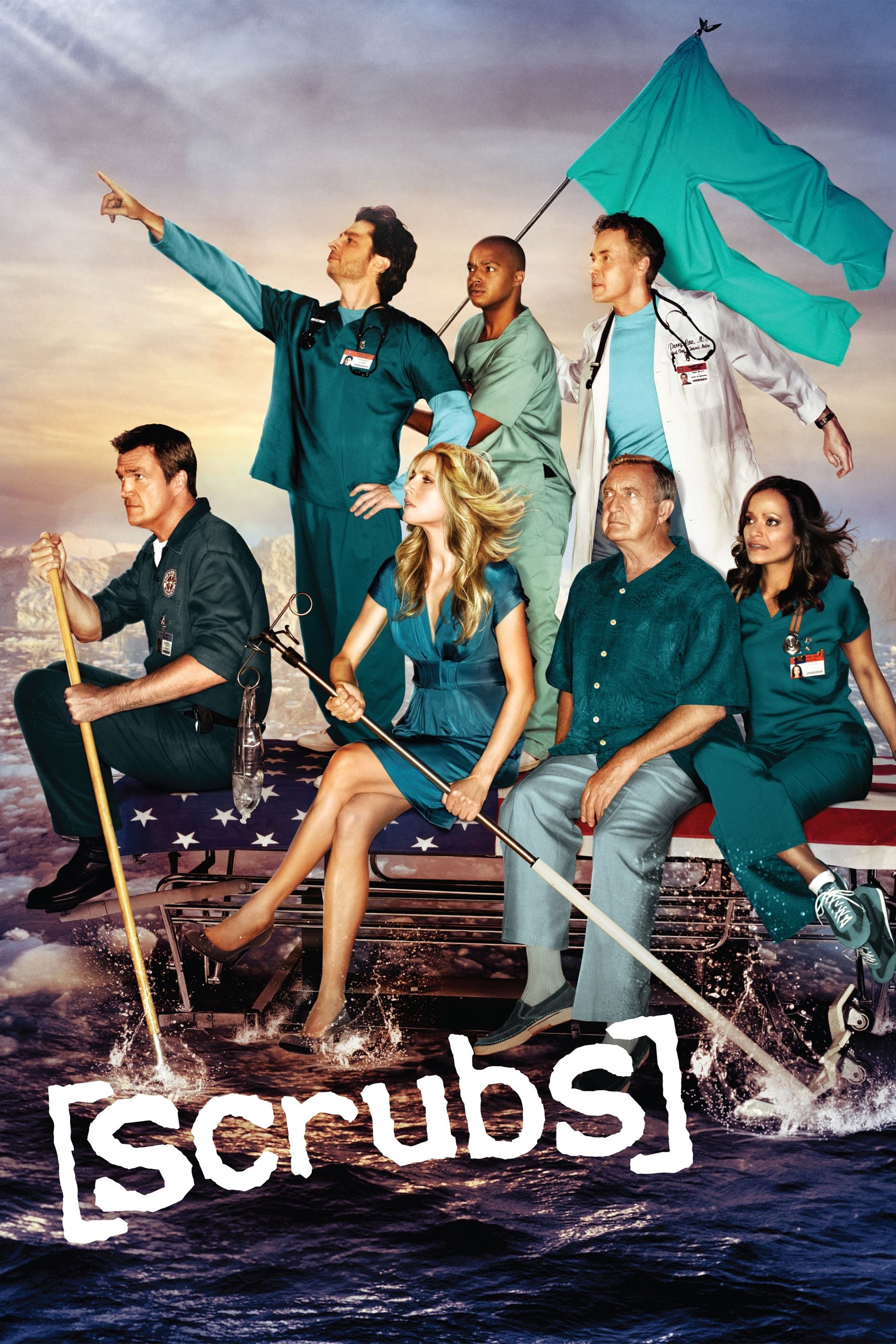
Scrubs was a unique medical comedy-drama that blended humor and pathos in a way that few shows have managed to replicate. Set in a teaching hospital, the series followed the lives of a group of medical interns as they dealt with the challenges of their profession and personal lives. The show was praised for its quirky humor, emotional depth, and realistic portrayal of the medical field.
While the eighth season finale was seen as a perfect ending for the series, a ninth season was produced with a largely new cast. This final season felt disconnected from the rest of the show, as it shifted focus to a new set of characters that viewers had not grown attached to. Many fans choose to consider the eighth season finale as the true conclusion of the series.
Sherlock (2010-2017)
A modern reimagining of the classic Arthur Conan Doyle stories, Sherlock was a stylish and intelligent series that captivated audiences worldwide. The show was praised for its clever writing, intricate plots, and the stellar performances of its lead actors. The first few seasons were a masterclass in adapting a beloved literary character for a contemporary audience.
However, the later seasons of the show were criticized for becoming overly convoluted and self-indulgent. The final season, in particular, was seen as a departure from the show’s strengths, with a plot that many found to be confusing and unbelievable. The finale was considered by many to be a disappointing end to what had once been a brilliant series.
True Blood (2008-2014)

Based on a series of novels, True Blood was a gothic fantasy drama set in a world where vampires and humans co-exist. The show was known for its steamy romance, supernatural mysteries, and campy humor. The early seasons were a hit, drawing viewers in with its unique take on vampire lore and its exploration of themes like prejudice and civil rights.
As the series progressed, the plot became increasingly convoluted with the introduction of numerous supernatural creatures, and many of the main characters’ storylines took bizarre and unsatisfying turns. The final season was particularly criticized for its lackluster resolutions and for failing to provide a fitting end for its central characters.
Merlin (2008-2012)
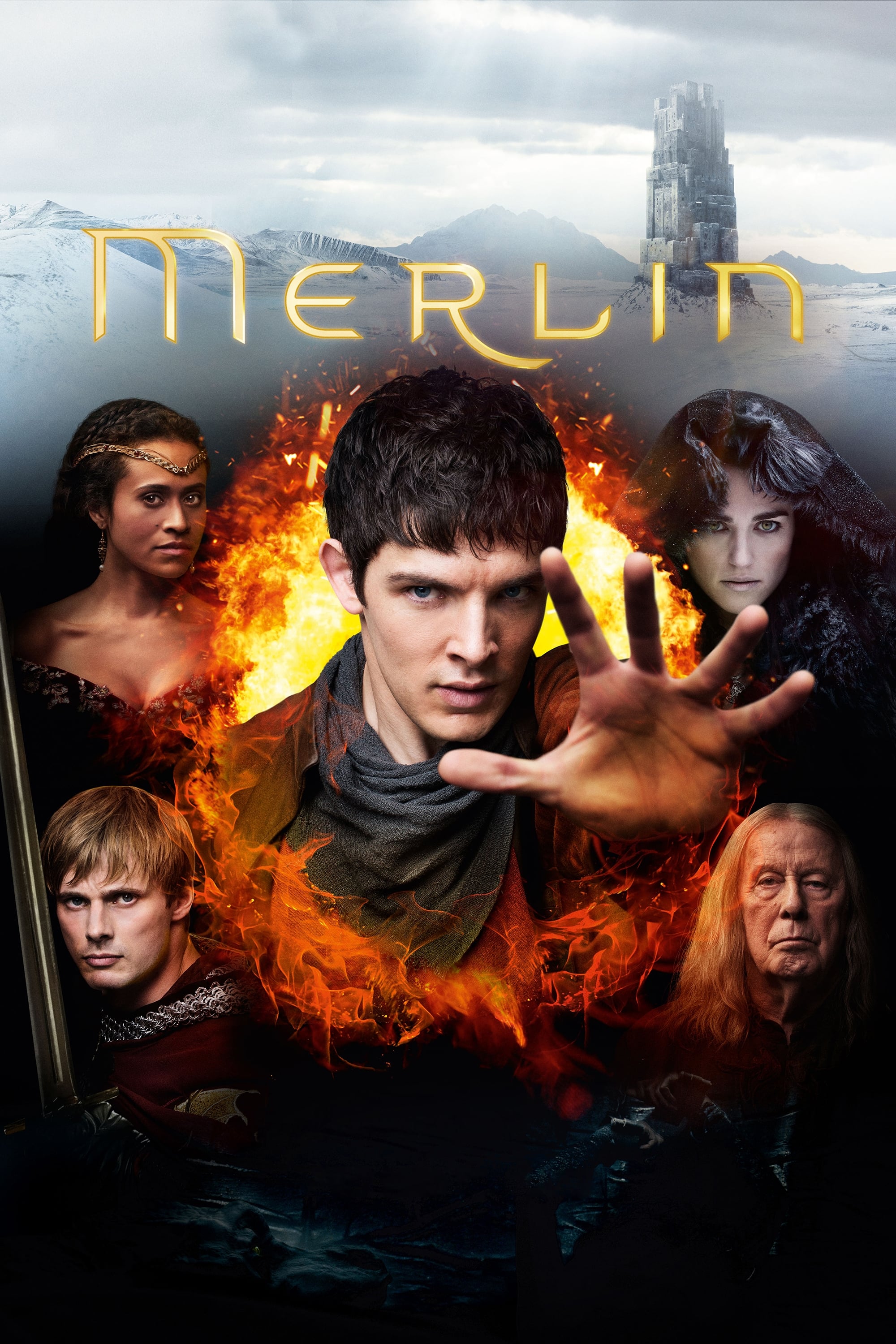
Merlin was a popular fantasy series that offered a fresh take on the Arthurian legend. The show followed a young Merlin as he developed his magical abilities while serving as Prince Arthur’s manservant, all in secret. The dynamic between Merlin and Arthur was a central part of the show’s appeal, and viewers enjoyed watching their friendship grow over five seasons.
The finale, however, left many fans heartbroken and disappointed. The long-awaited reveal of Merlin’s magic to Arthur happened too late, and Arthur’s subsequent death felt anticlimactic. The ending provided little hope for a better future for magical people in Albion and was seen as a bleak and unsatisfying conclusion to the epic tale.
Pretty Little Liars (2010-2017)
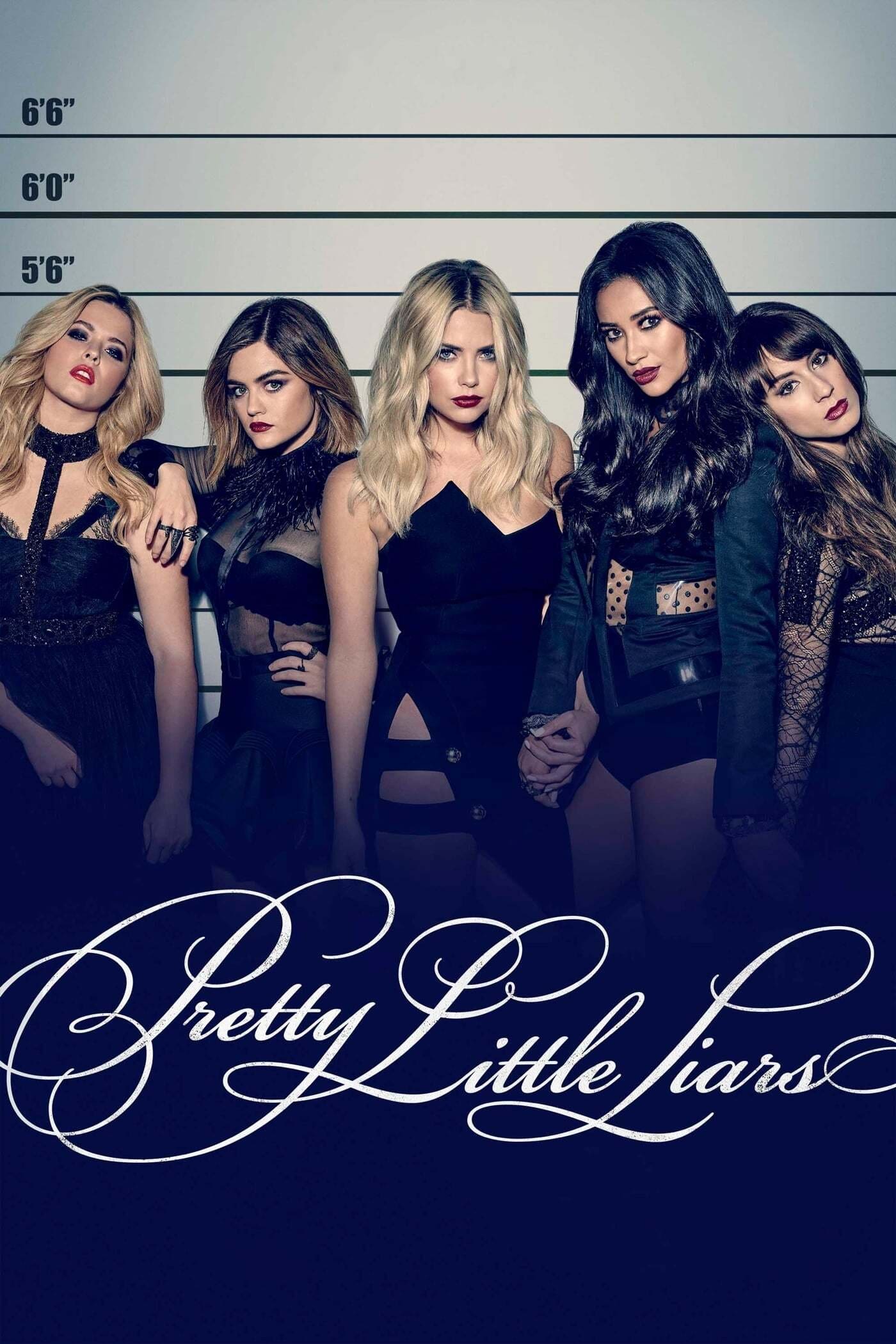
Pretty Little Liars was a teen mystery thriller that kept audiences on the edge of their seats for seven seasons. The show followed four high school friends who are tormented by a mysterious figure known as “A” after the disappearance of their group’s leader. The series was known for its constant twists and turns, which kept viewers guessing until the very end.
While the show was always a bit over-the-top, the final reveal of “A’s” identity was seen by many as a step too far. The convoluted explanation and the introduction of a previously unknown character as the ultimate villain left many fans feeling confused and cheated. The ending was widely regarded as a letdown after years of suspense.
Supernatural (2005-2020)
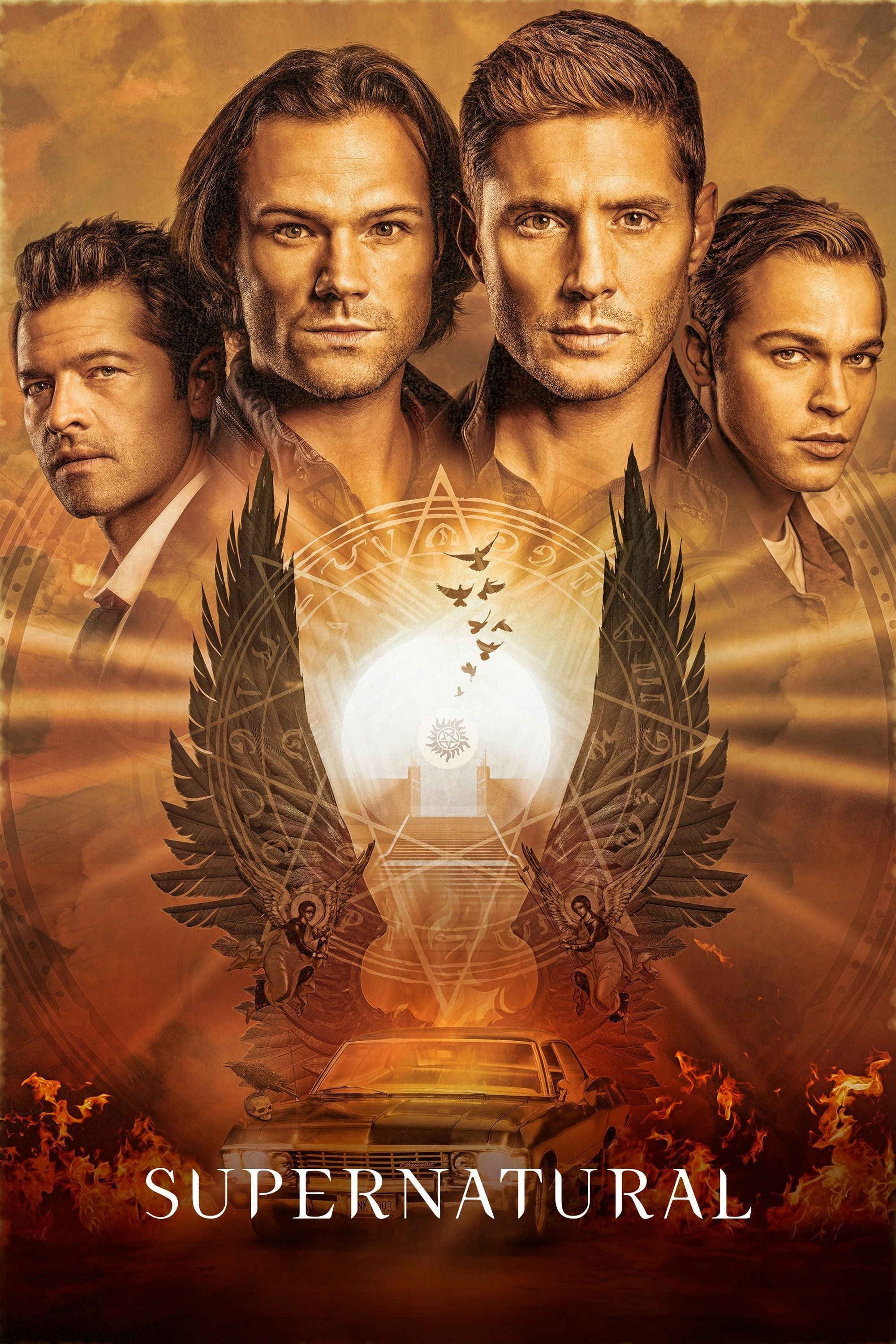
For 15 seasons, Supernatural followed the adventures of two brothers who hunt demons, ghosts, monsters, and other supernatural beings. The show developed a dedicated fanbase over its long run, thanks to its compelling characters, intricate mythology, and the strong bond between the two leads.
The series finale, however, was met with a mixed reception. While some fans found the emotional conclusion to be a fitting end for the brothers’ journey, others were disappointed by the way it was handled. One of the main characters’ deaths was seen as underwhelming and accidental, and the final montage of the other’s life felt rushed.
Heroes (2006-2010)
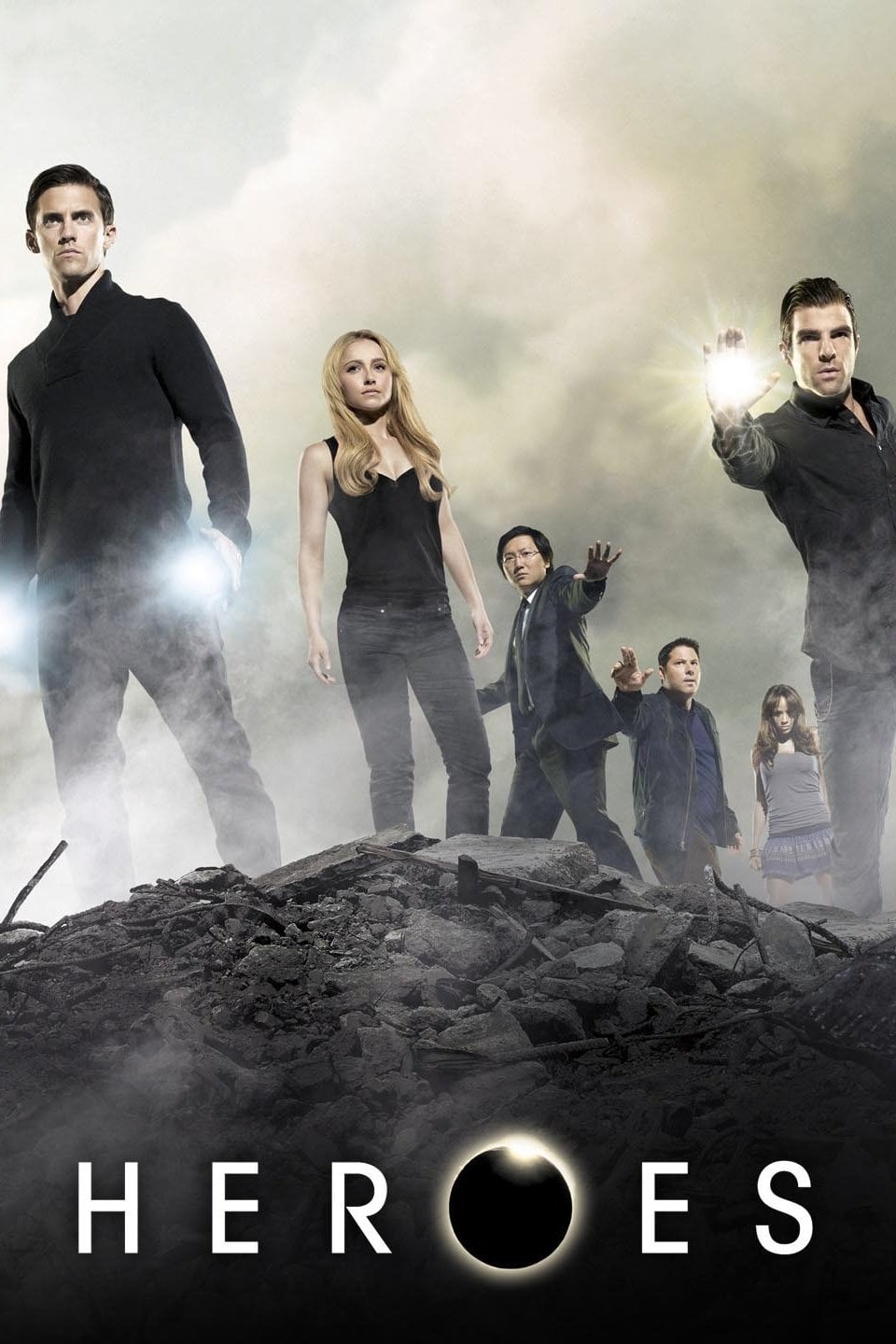
The first season of Heroes was a television event. The show, which followed a group of ordinary people who discover they have superhuman abilities, was praised for its compelling characters and serialized storytelling. The “Save the cheerleader, save the world” storyline captured the public’s imagination and made the show a massive hit.
Unfortunately, the series was unable to maintain the quality of its first season. A writers’ strike and creative missteps led to a decline in viewership and critical acclaim. The show was canceled after four seasons, ending on a cliffhanger that left many of the characters’ fates unresolved.
Roseanne (1988-1997)
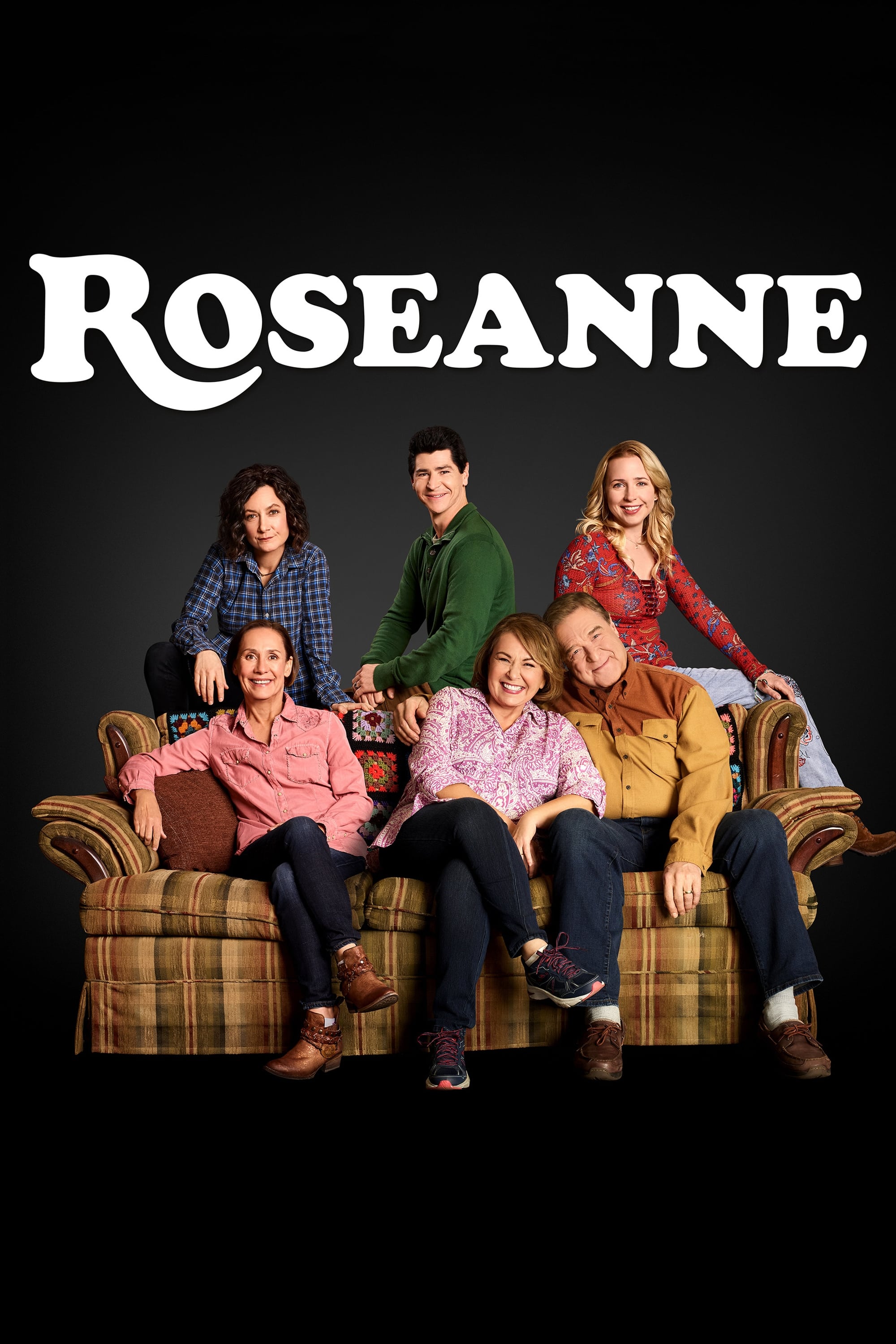
Roseanne was a groundbreaking sitcom that was praised for its realistic portrayal of a working-class American family. The show was known for its sharp writing, relatable characters, and willingness to tackle serious issues. For eight seasons, it was one of the most popular and acclaimed comedies on television.
The ninth and final season, however, took a bizarre turn when the Conner family won the lottery. This development was a stark departure from the show’s grounded reality and alienated many viewers. In a final twist, the series finale revealed that the entire season had been a fantasy, a creative choice that was widely criticized and is often cited as one of the worst endings in sitcom history.
Seinfeld (1989-1998)
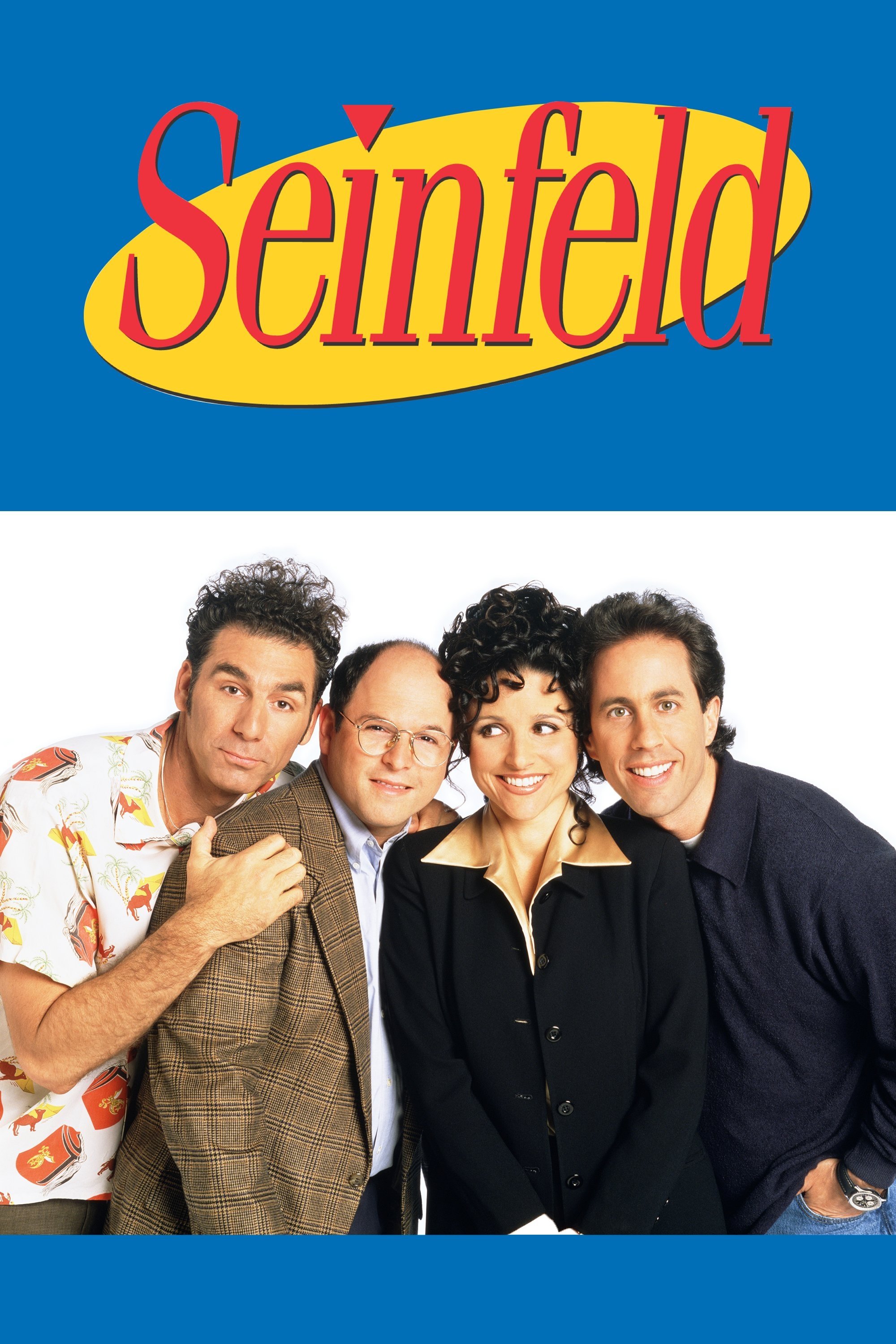
Often described as “the show about nothing,” Seinfeld was a cultural phenomenon that changed the face of television comedy. The series followed the everyday lives of a group of friends in New York City, finding humor in the minutiae of daily life. Its observational humor and “no hugs, no learning” philosophy made it one of the most beloved sitcoms of all time.
The series finale, however, was a departure from the show’s usual format. It brought back a host of memorable guest characters to testify against the main foursome in a trial that ultimately landed them in jail. Many viewers found the finale to be mean-spirited and unsatisfying, a sour note on which to end a legendary show.
Battlestar Galactica (2004-2009)
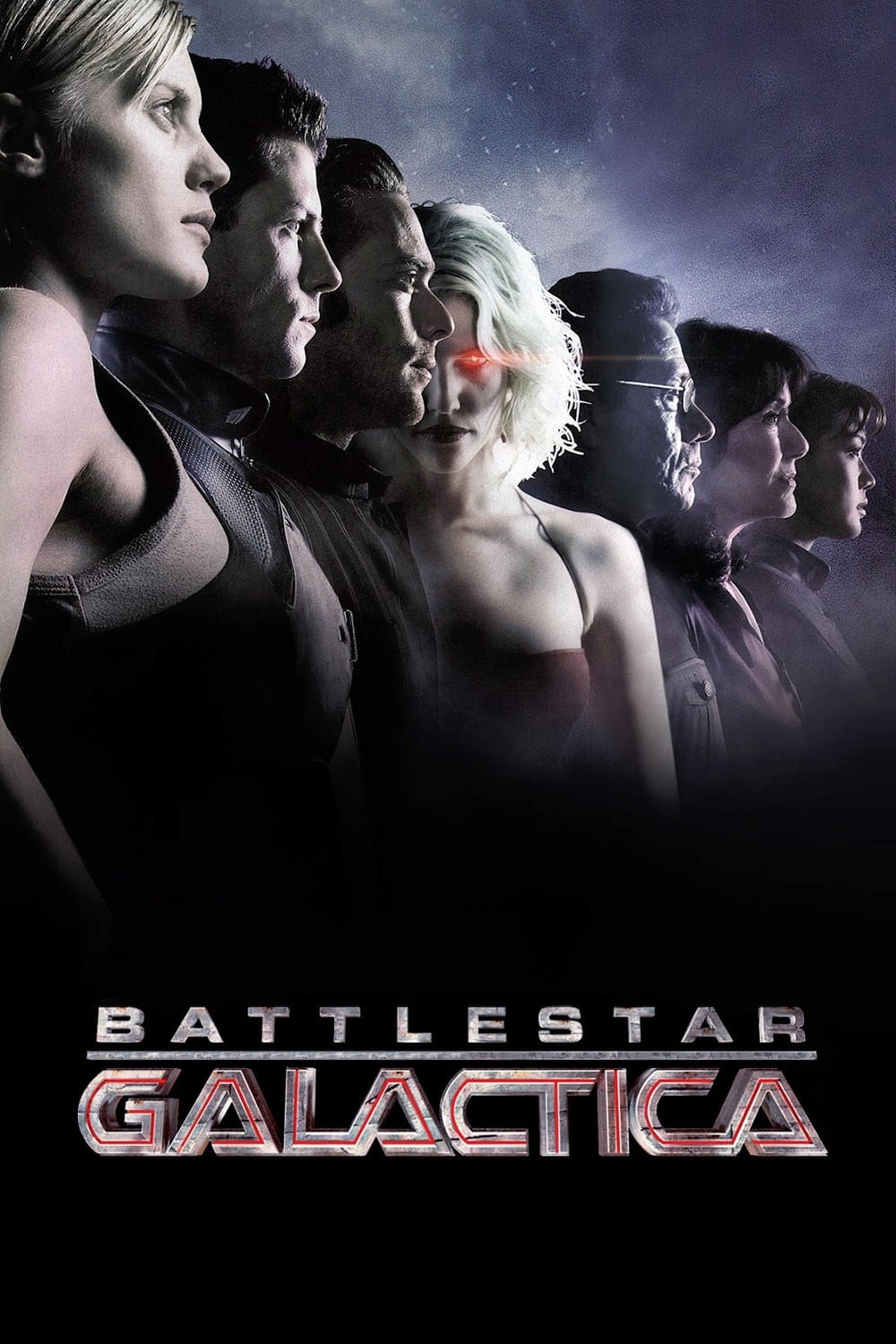
The reimagined Battlestar Galactica was a critically acclaimed science fiction series that was praised for its dark, complex storytelling and political commentary. The show followed the last remnants of humanity as they fled from a cybernetic race known as the Cylons and searched for a mythical new home called Earth.
While the series was lauded for its character development and thought-provoking themes, the finale was a source of frustration for many viewers. The introduction of religious and metaphysical elements in the final episodes felt like a departure from the show’s more grounded tone. Many of the series’ long-running mysteries were left unanswered, leaving some fans to feel that the ending was a cop-out.
The X-Files (1993-2002, 2016-2018)
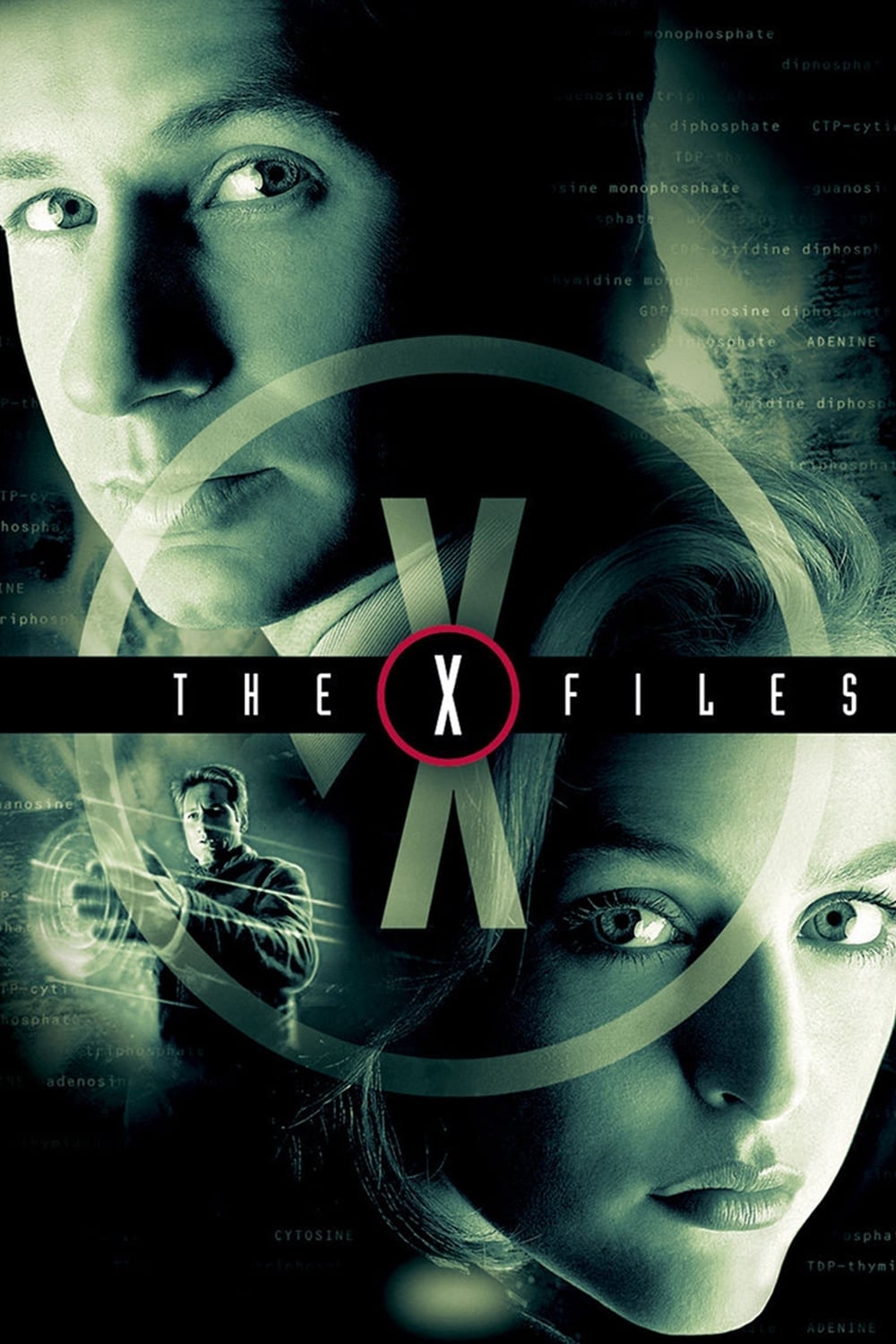
The X-Files was a landmark science fiction series that followed two FBI agents as they investigated unsolved cases involving paranormal phenomena. The show’s mix of standalone “monster-of-the-week” episodes and a complex overarching mythology made it a massive hit. The chemistry between the two lead characters was also a major draw for viewers.
The show’s original run ended on a disappointing note, with one of the main characters absent for much of the final seasons. The series finale failed to provide a satisfying resolution to the show’s central conspiracy. A revival series was produced years later, but it also struggled to provide a coherent and satisfying conclusion to the long-running saga, leaving many fans with more questions than answers.

