


15 TV Series With Troubled Productions That Turned Out Excellent


Creating a television series is a difficult process. Many things can go wrong, from problems with the script to issues with the cast and crew. Sometimes, these problems can be so big that they threaten to stop the show from ever being made. It takes a lot of hard work and sometimes a little bit of luck to overcome these challenges. When a show with a troubled production becomes successful, it is a major achievement for everyone involved.
This article looks at 15 TV series that faced major production problems but still turned out to be excellent. These shows dealt with everything from budget cuts and network rejections to on-set conflicts and last-minute changes. Despite the difficulties, they managed to become popular and critically acclaimed. Their stories show that even when things go wrong behind the scenes, a great show can still be made.
Game of Thrones (2011)
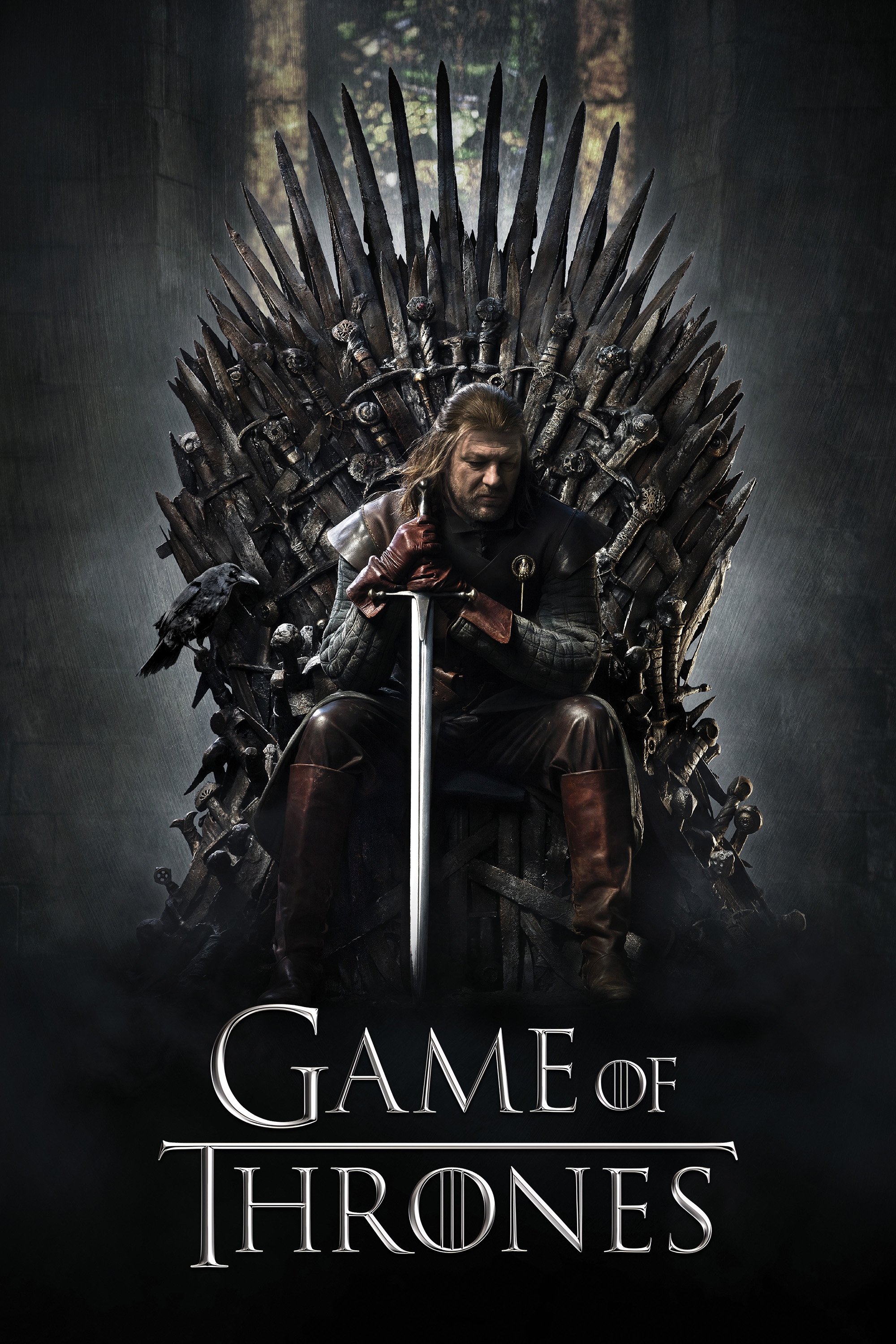
The fantasy series Game of Thrones became a worldwide sensation, but it almost didn’t make it to the screen. The original pilot episode was a disaster, with creators David Benioff and D.B. Weiss admitting that they made “every possible mistake.” Test audiences were confused by the story and couldn’t keep track of the characters. HBO was close to canceling the entire project after spending around $10 million on the failed pilot.
Despite the initial failure, the creators were given a second chance to fix the problems. They reshot most of the pilot, making significant changes to the script, costumes, and tone. These changes worked, and the show went on to become one of the most popular and expensive series ever made, known for its grand scale and epic storytelling.
Stranger Things (2016)
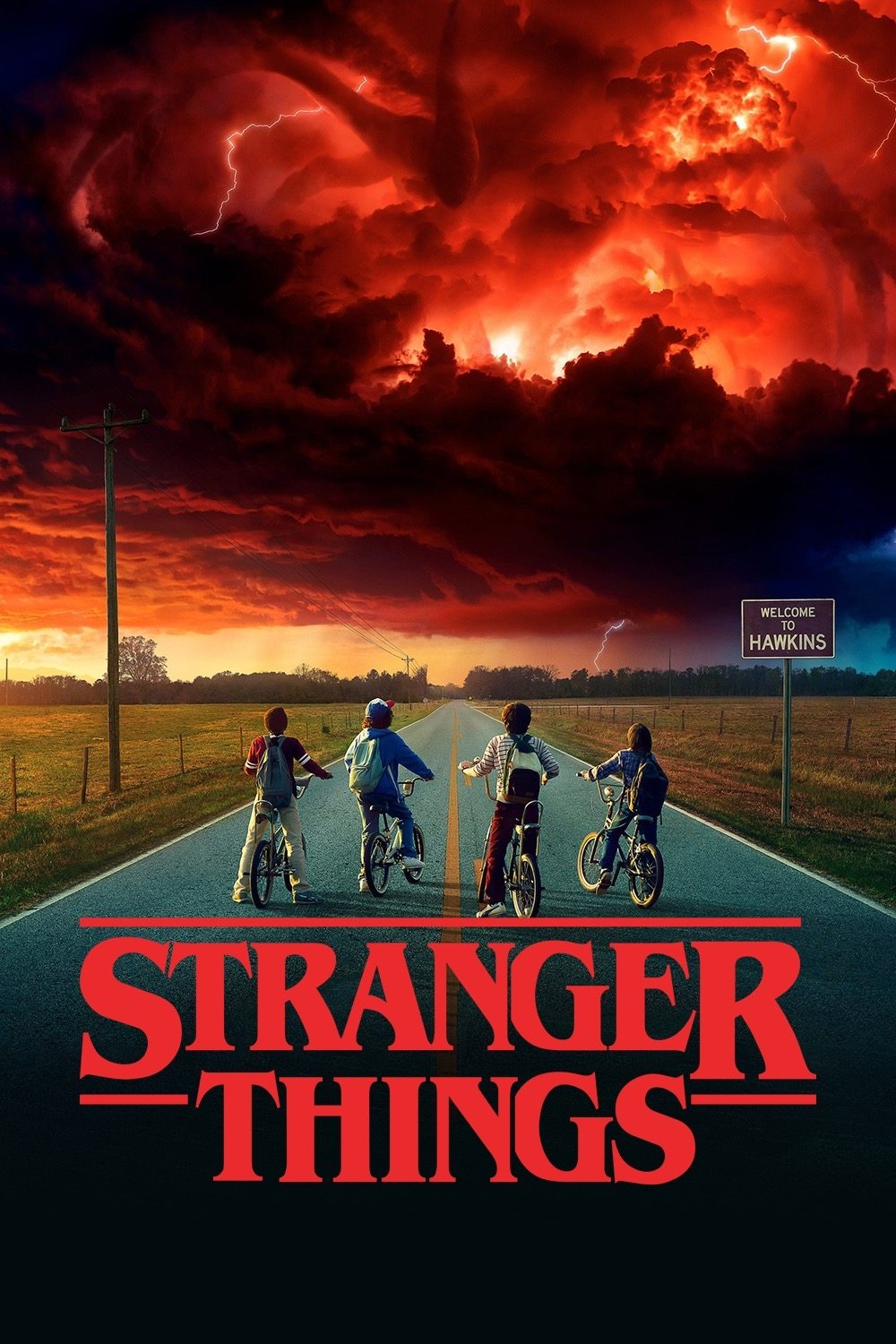
Before it became a massive hit on Netflix, Stranger Things was rejected by about 20 different networks. The creators, the Duffer Brothers, struggled to find a studio that believed in their idea for a sci-fi series that featured kids but was also aimed at adults. Network executives were reportedly not interested in a show that didn’t fit into a clear category.
Netflix eventually picked up the series, and it quickly became one of their most-watched original shows. The show’s budget grew over time, with the first season costing around $6 million per episode and later seasons costing even more. The success of Stranger Things proved that a show that breaks the mold can find a huge audience.
The Walking Dead (2010)
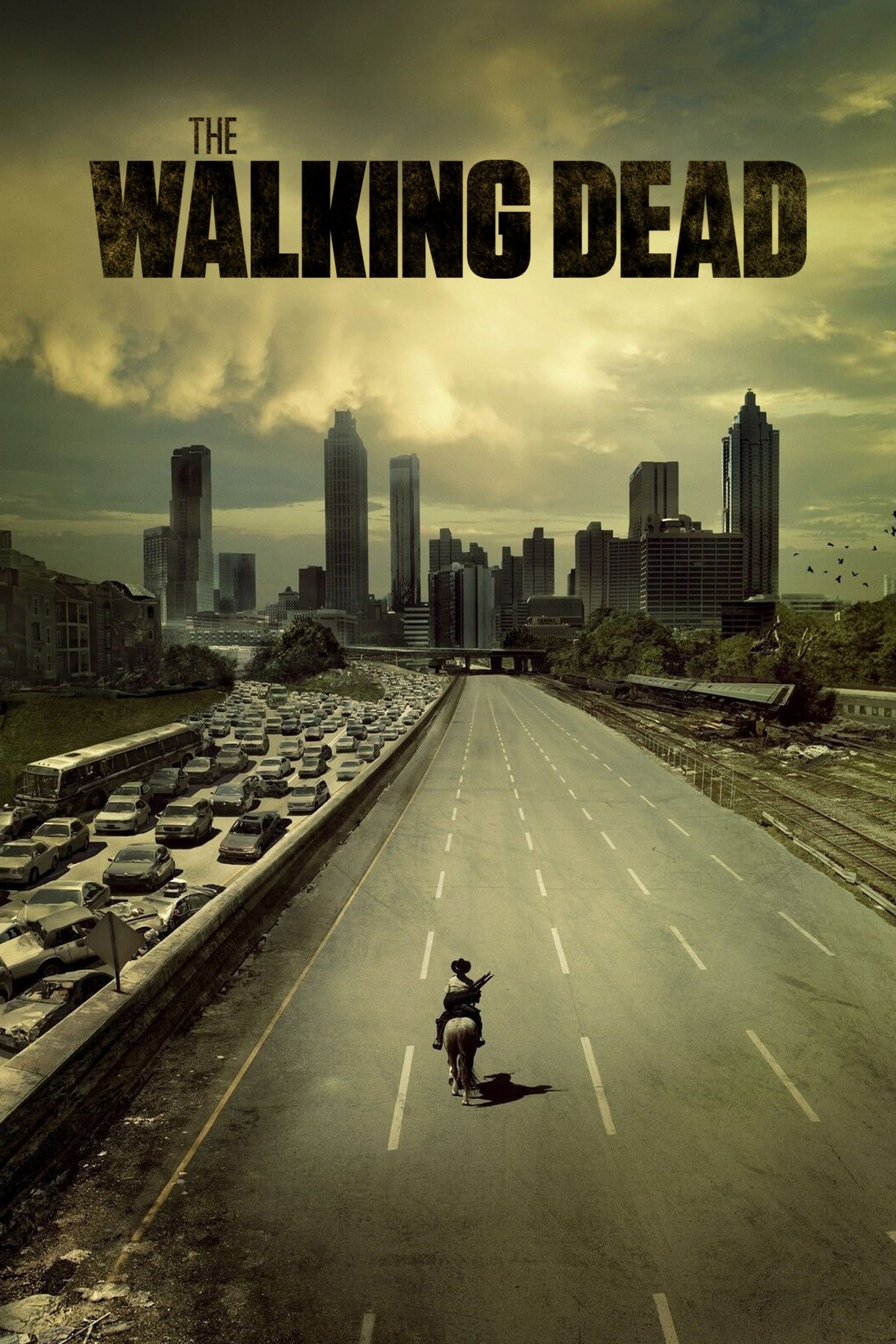
The popular zombie series The Walking Dead was turned down by both NBC and HBO before it found a home on AMC. The main reason for the rejections was the show’s level of violence, which the networks wanted to tone down. There were also doubts about adapting a comic book that wasn’t from a major publisher like Marvel or DC.
AMC decided to take a chance on the show, and it went on to run for 11 seasons with several spin-offs. However, the series continued to face challenges, including numerous cast departures throughout its run. Despite these issues, the show maintained a large and dedicated fanbase.
Friends (1994)
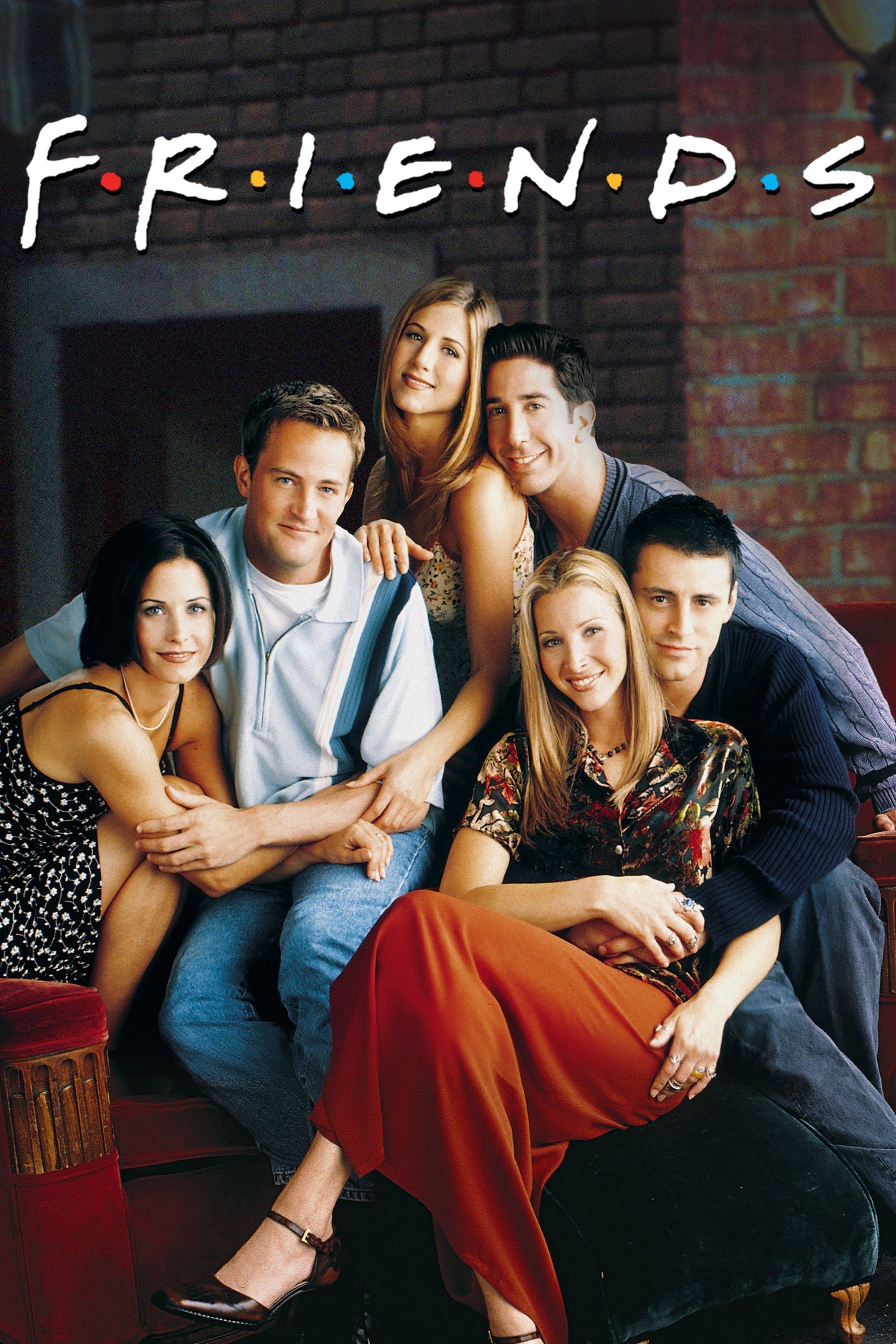
The beloved sitcom Friends was a huge success, but it almost ended after its fourth season due to rising costs. The show was incredibly expensive to produce, not because of special effects or elaborate sets, but because of the salaries of its six main actors. As the show’s popularity grew, so did the cast’s paychecks, with each of the six stars eventually earning $1 million per episode.
The network had to decide if the high cost of the show was worth it. Ultimately, they agreed to the cast’s salary demands to keep the highly-rated series on the air. The show continued for a total of 10 seasons and remains one of the most popular sitcoms of all time.
Star Trek: The Original Series (1966)
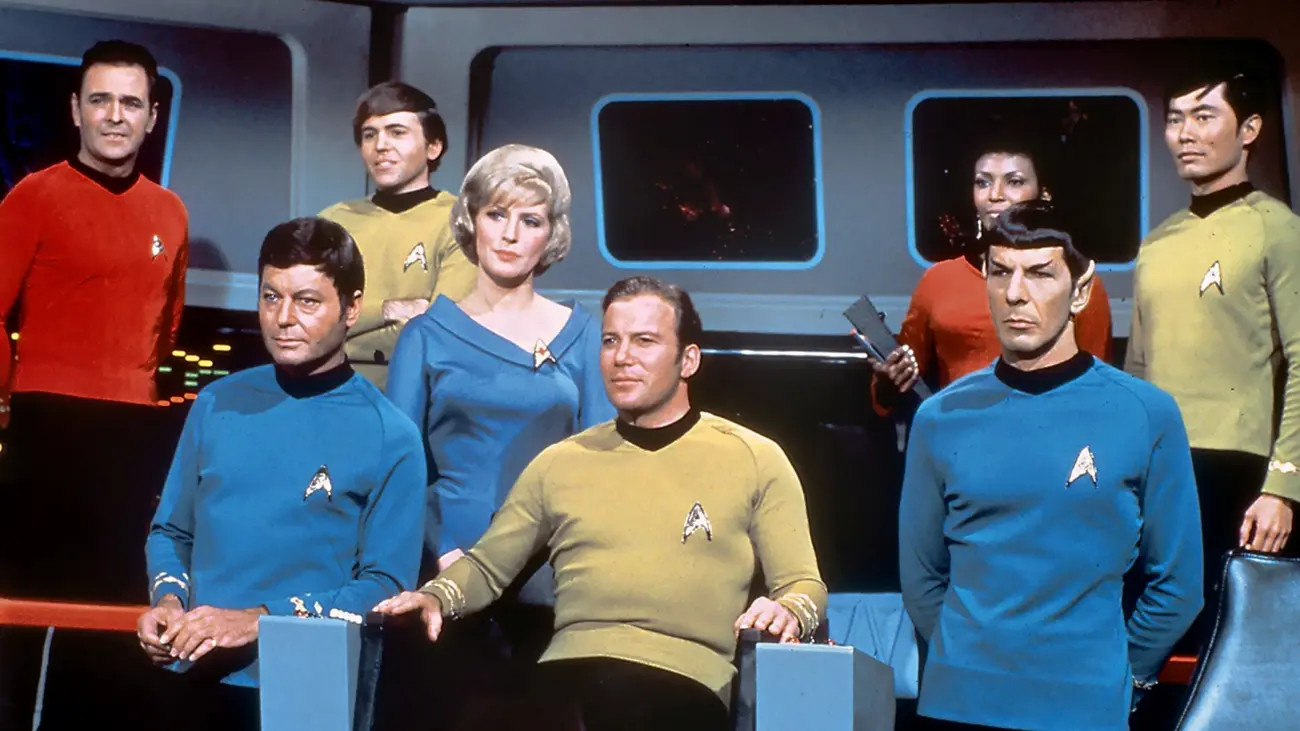
The iconic science fiction series Star Trek almost never made it to air. The original pilot episode, titled “The Cage,” was rejected by NBC for being “too cerebral” for audiences. The network was also concerned about the show’s massive budget, which was around $190,000 per episode, a huge amount for the time.
In a rare move, NBC ordered a second pilot, “Where No Man Has Gone Before,” with a mostly new cast. This version was approved, and Star Trek went on to become one of the most influential TV franchises in history. The show’s diverse cast was also groundbreaking for its time, featuring one of the first racially integrated crews on television.
Breaking Bad (2008)
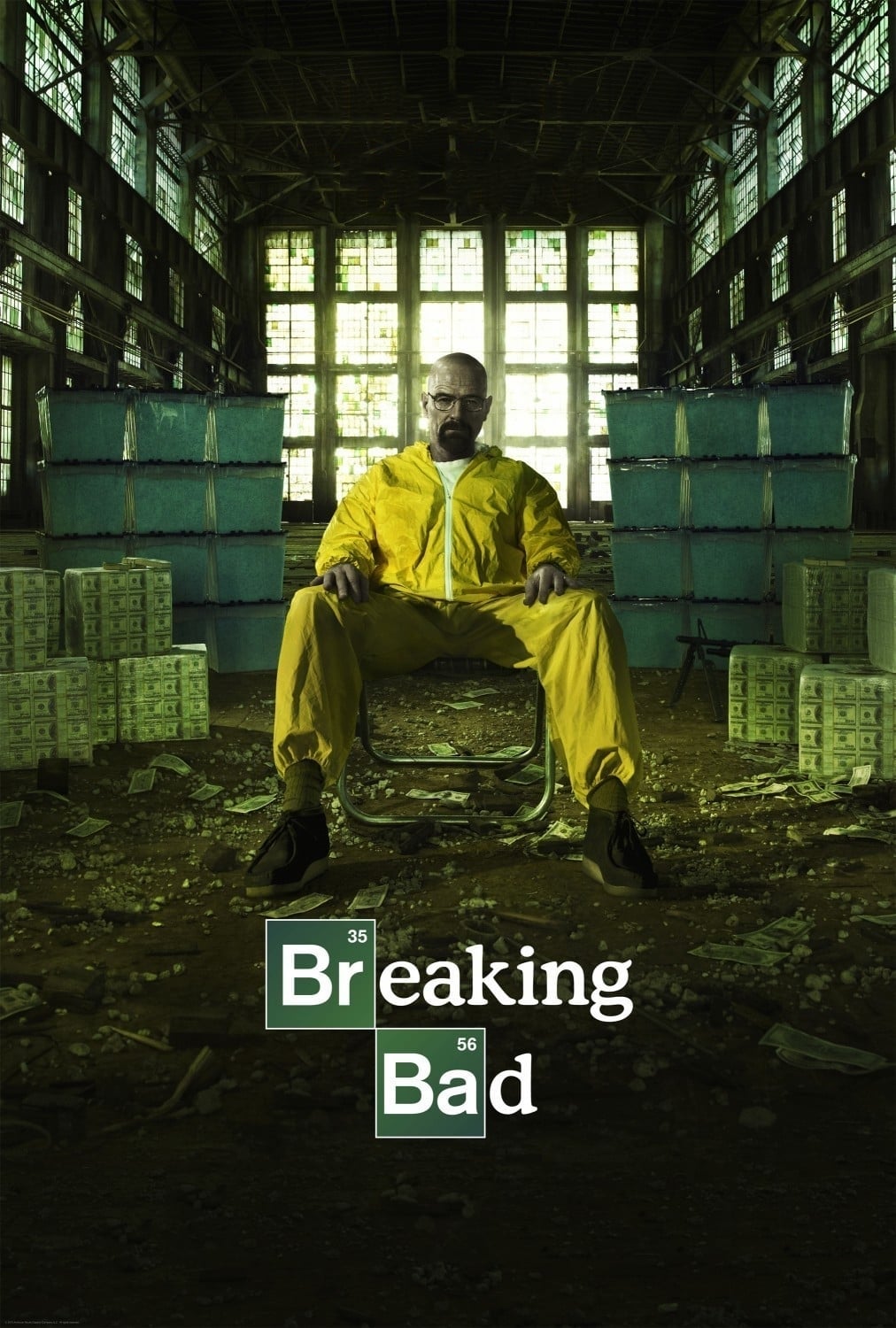
The critically acclaimed drama Breaking Bad was rejected by several networks, including HBO, FX, and TNT, before it was picked up by AMC. FX initially bought the show but then changed its mind. Early on, the series also faced the risk of cancellation due to low viewership before it found a larger audience through streaming on Netflix.
The show’s creator, Vince Gilligan, also had to fight to keep certain scenes in the show that the network deemed too violent. Despite these early struggles, Breaking Bad went on to have a successful five-season run and is now considered one of the greatest television shows ever made.
The Sopranos (1999)
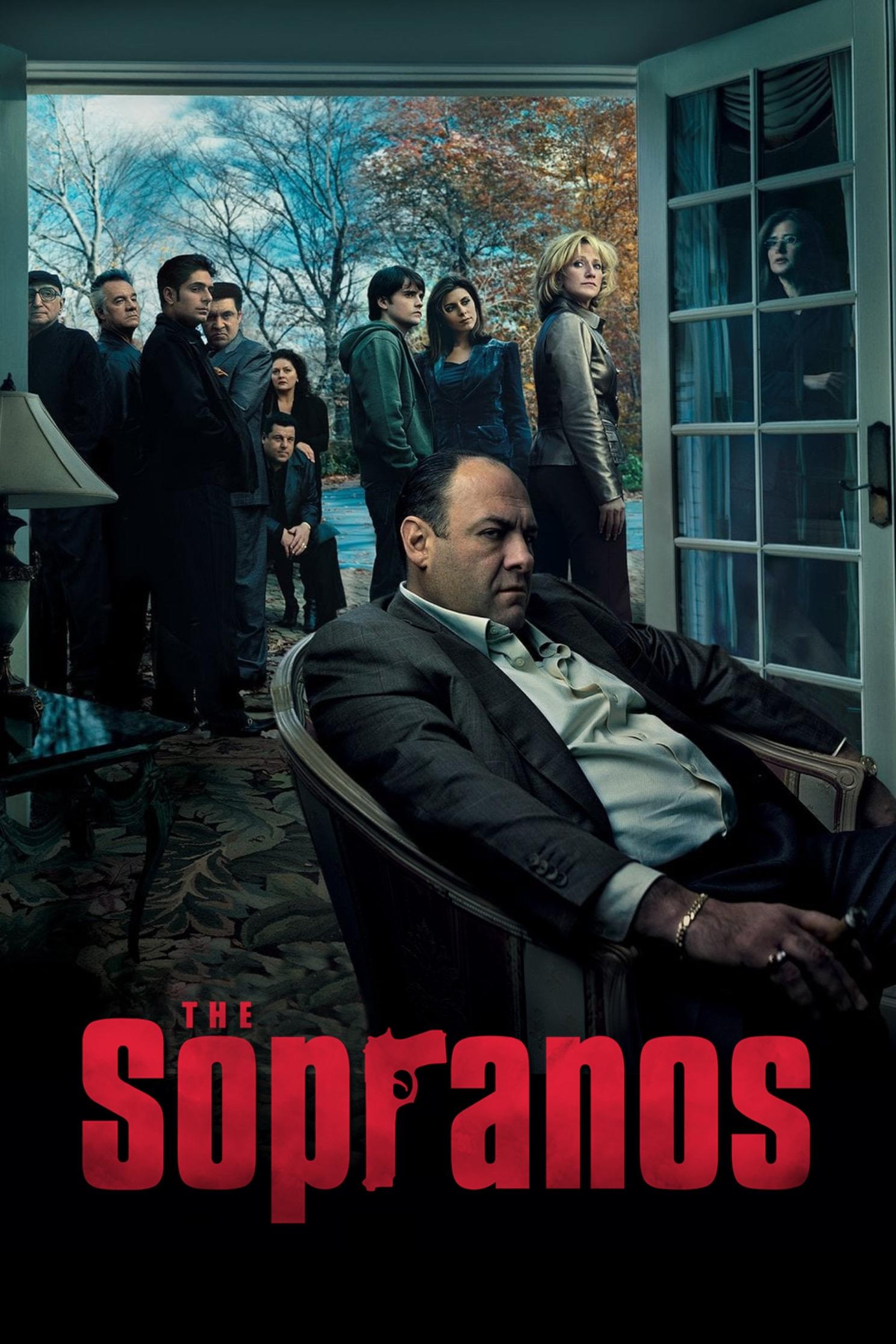
Widely regarded as one of the best TV shows of all time, The Sopranos was initially turned down by Fox. The network rejected the original script because it didn’t feature enough violence or murder, which they expected from a show about mobsters. Creator David Chase then rewrote the script for HBO, adding the elements that would make the show a hit.
Even with its success, the show was expensive to produce, with a budget of around $2 to $6 million per episode. The show’s groundbreaking approach to storytelling and complex characters set a new standard for television drama.
Mad Men (2007)
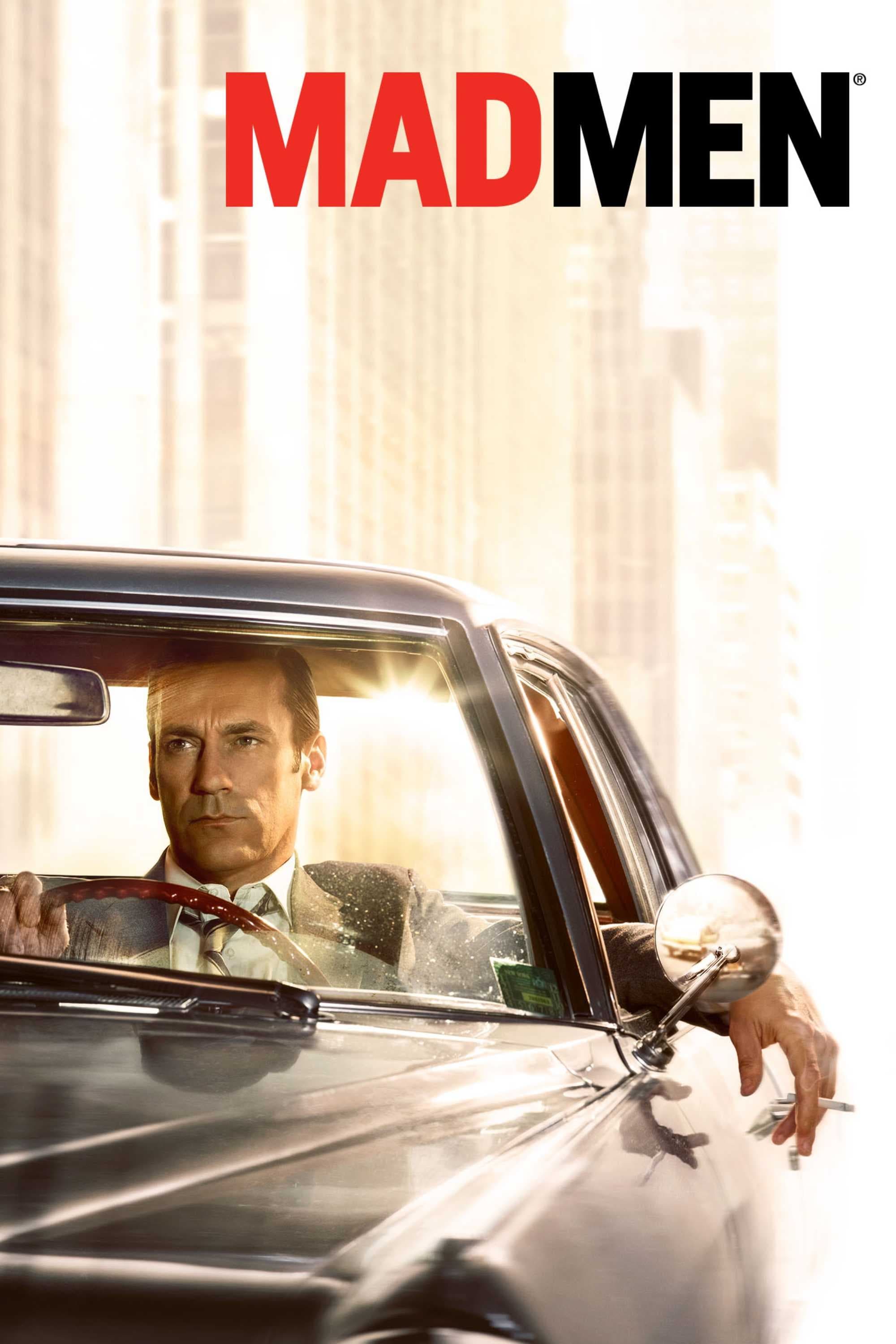
The stylish period drama Mad Men was rejected by both HBO and Showtime before it was picked up by AMC. HBO’s CEO later called the decision to pass on the show “inexcusable.” The series, which followed the lives of advertising executives in the 1960s, was a critical success for AMC and ran for seven seasons.
The show’s success helped establish AMC as a network for original programming. The detailed recreation of the 1960s and its compelling characters earned the show numerous awards and a loyal fanbase.
Money Heist (2017)
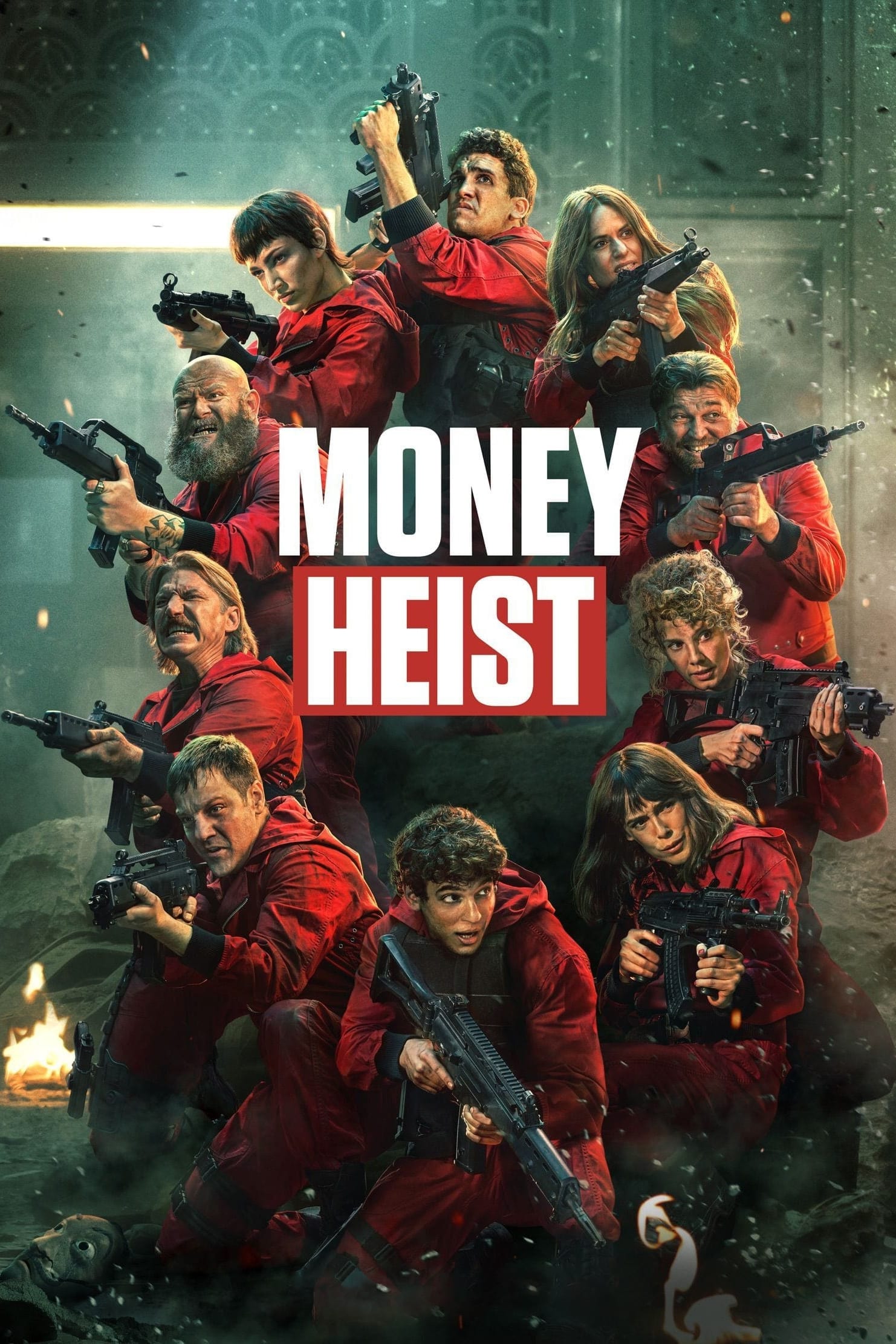
The Spanish series Money Heist, originally titled La Casa de Papel, was on the verge of cancellation after its first season. The show aired on a Spanish channel and initially had good ratings, but viewership declined as the season progressed. It seemed like the show would not be renewed for a second season.
Fortunately, Netflix acquired the global streaming rights and retitled it Money Heist. The series quickly became a massive international success, becoming one of the most-watched non-English series worldwide. This new popularity led to the show being renewed and concluding with a total of five seasons.
Community (2009)
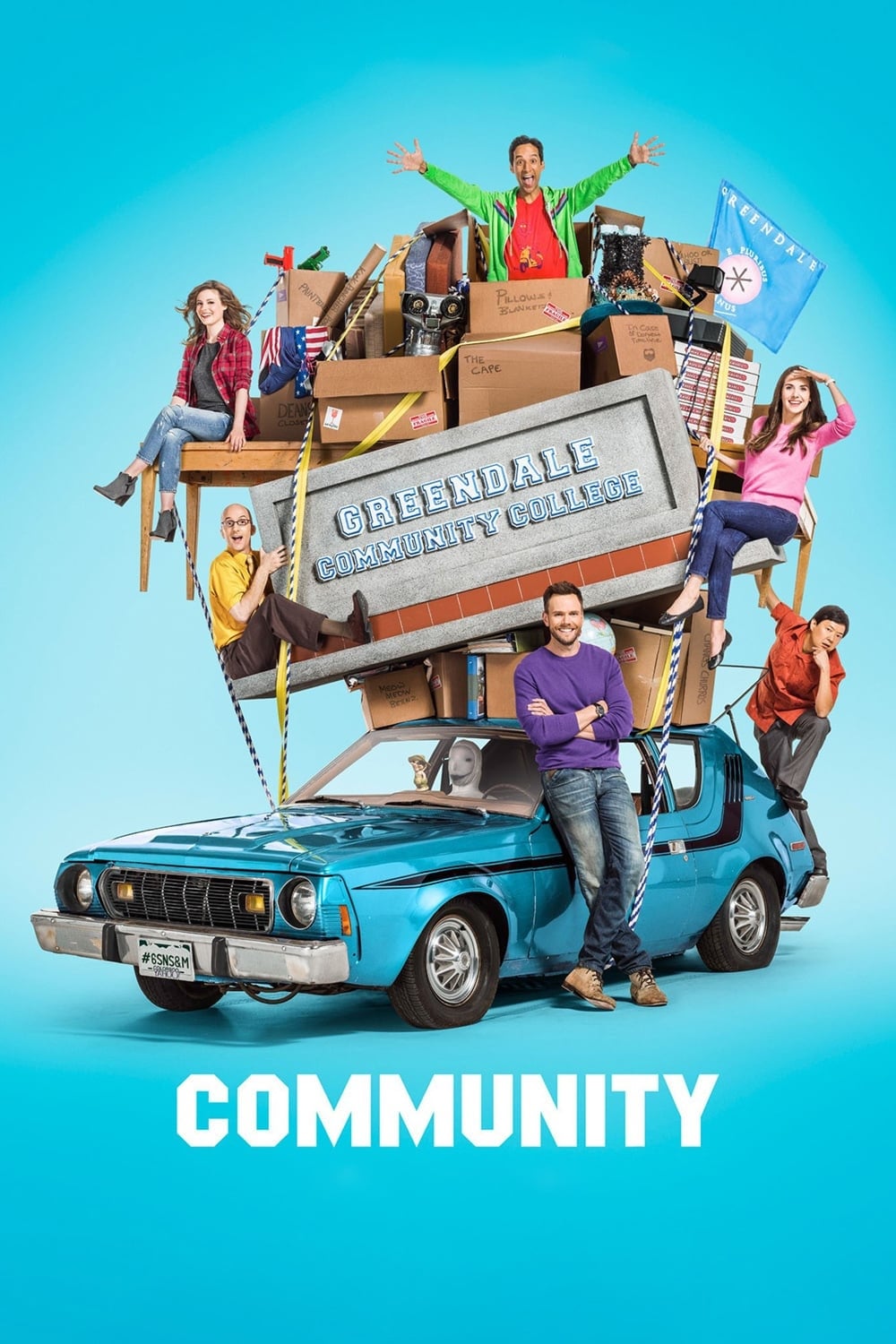
The cult-favorite comedy Community faced numerous challenges during its six-season run. The show consistently struggled with low ratings and was always on the brink of being canceled. The biggest turmoil came when creator Dan Harmon was fired as showrunner after the third season, reportedly due to his erratic behavior.
The fourth season was produced without him and was poorly received by many fans and critics. Harmon was eventually rehired for the fifth season, but the show was still canceled by NBC. It was then picked up for a final season by Yahoo! Screen, allowing the creators to give the show a proper conclusion.
Baywatch (1989)
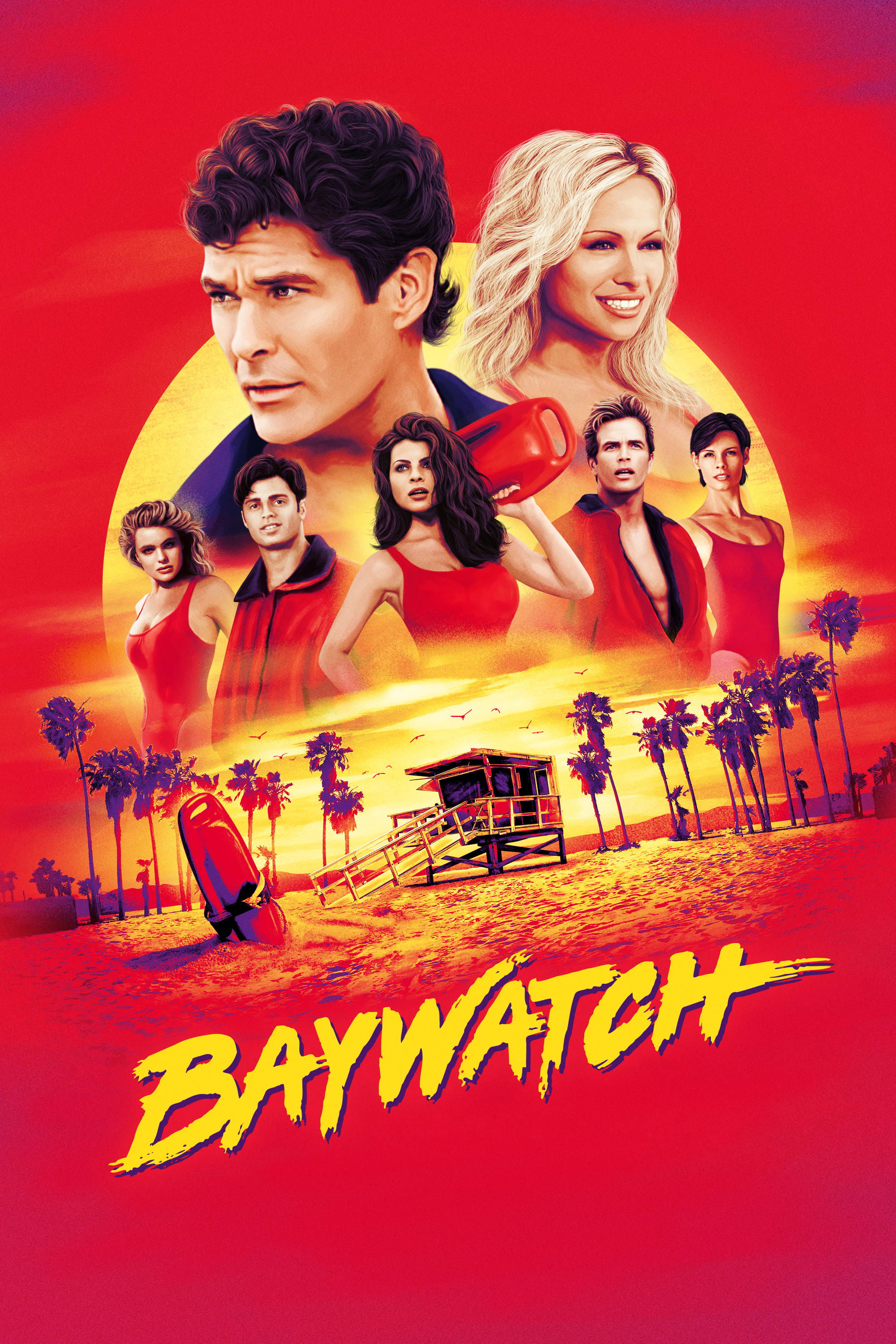
The action-drama Baywatch was canceled by NBC after just one season due to low ratings. However, star David Hasselhoff and the show’s creators believed in its potential and took a significant financial risk to bring it back. They bought the rights to the show and revived it for the first-run syndication market.
The move paid off spectacularly, and Baywatch became a global phenomenon with a massive international audience. The show ran for a total of 11 seasons and became a cultural touchstone of the 1990s, all thanks to the cast and creators’ belief in the project.
MAS*H (1972)

The classic series MASH* faced a significant production crisis during the filming of its record-breaking final episode, “Goodbye, Farewell and Amen.” A real brush fire destroyed a large part of the show’s outdoor set in Malibu. Instead of halting production, the writers creatively incorporated the fire into the episode’s storyline.
The finale also faced pushback from the network due to its movie-length runtime and serious tone. Despite these challenges, the episode aired as planned and became the most-watched television episode in U.S. history at the time, with over 105 million viewers.
The Crown (2016)
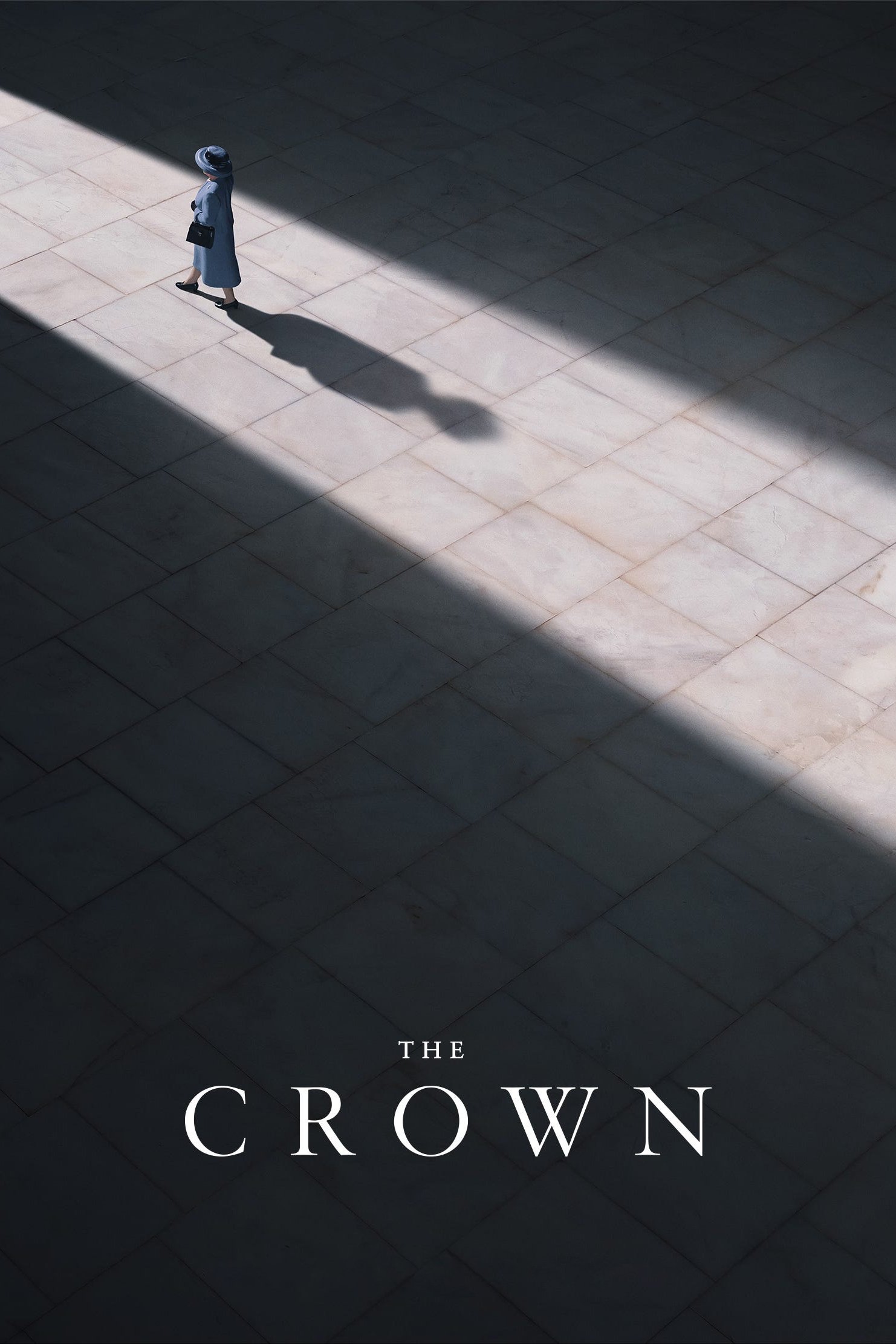
Netflix’s historical drama The Crown is known for its lavish production, which also made it one of the most expensive TV shows ever created. The first season alone reportedly cost over $130 million, with a significant portion of the budget going toward elaborate sets, thousands of detailed costumes, and filming on location. This massive financial investment was a big gamble for the streaming service.
The high production costs were a constant challenge, but the series was a huge success with both critics and audiences. The show’s commitment to historical detail and strong performances earned it numerous awards and proved that a big-budget television series could rival the scale of a feature film.
Rome (2005)
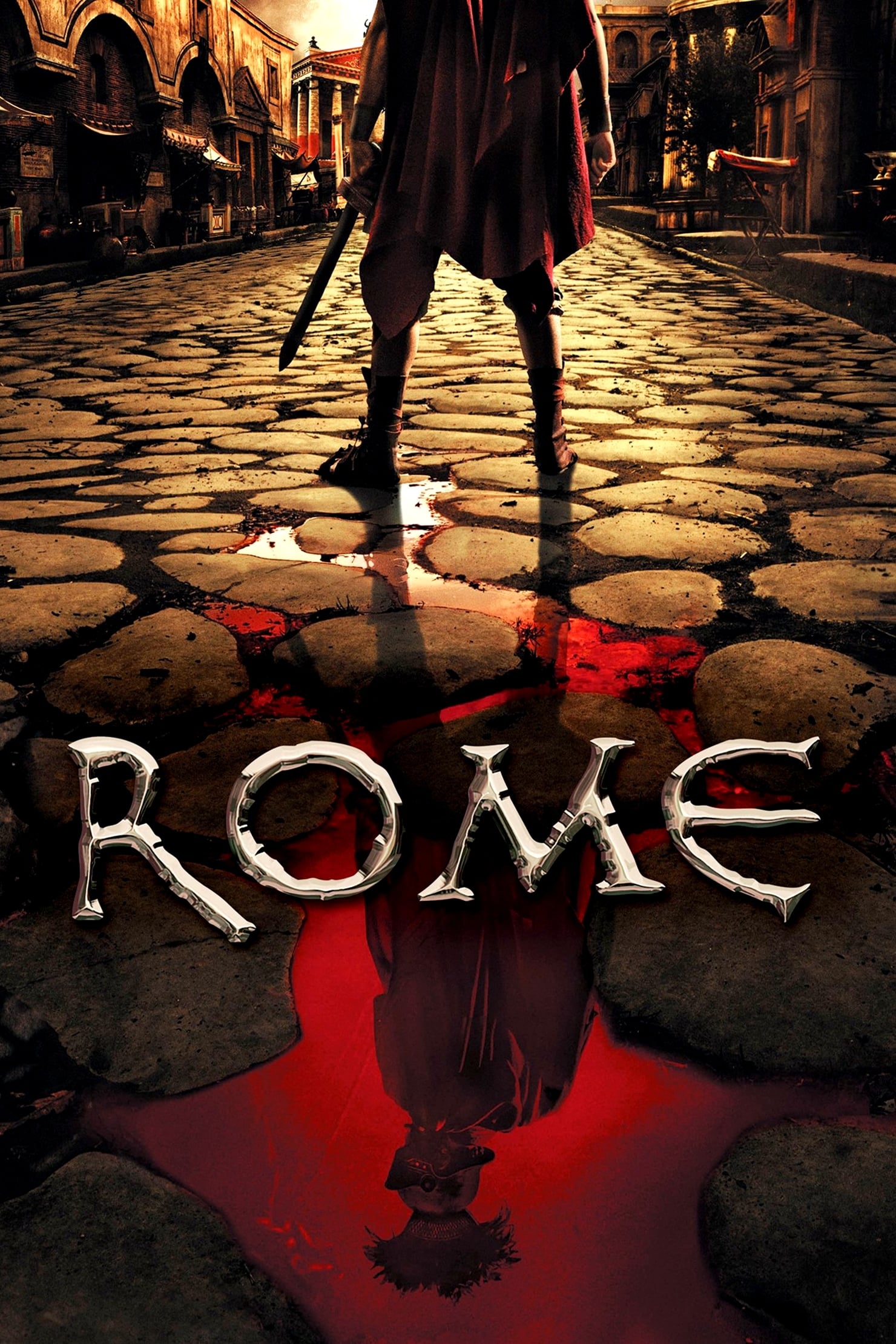
HBO’s historical drama Rome was a massive and expensive undertaking. The first season had an estimated budget of $100 million, with huge, detailed sets built in Italy to recreate ancient Rome. The show’s high costs were a major factor in its eventual cancellation after only two seasons.
Despite its short run, Rome was praised for its historical accuracy and high production values. The lessons HBO learned from the financial challenges of Rome helped pave the way for the network to better manage the large-scale production of its later hit, Game of Thrones.
Severance (2022)
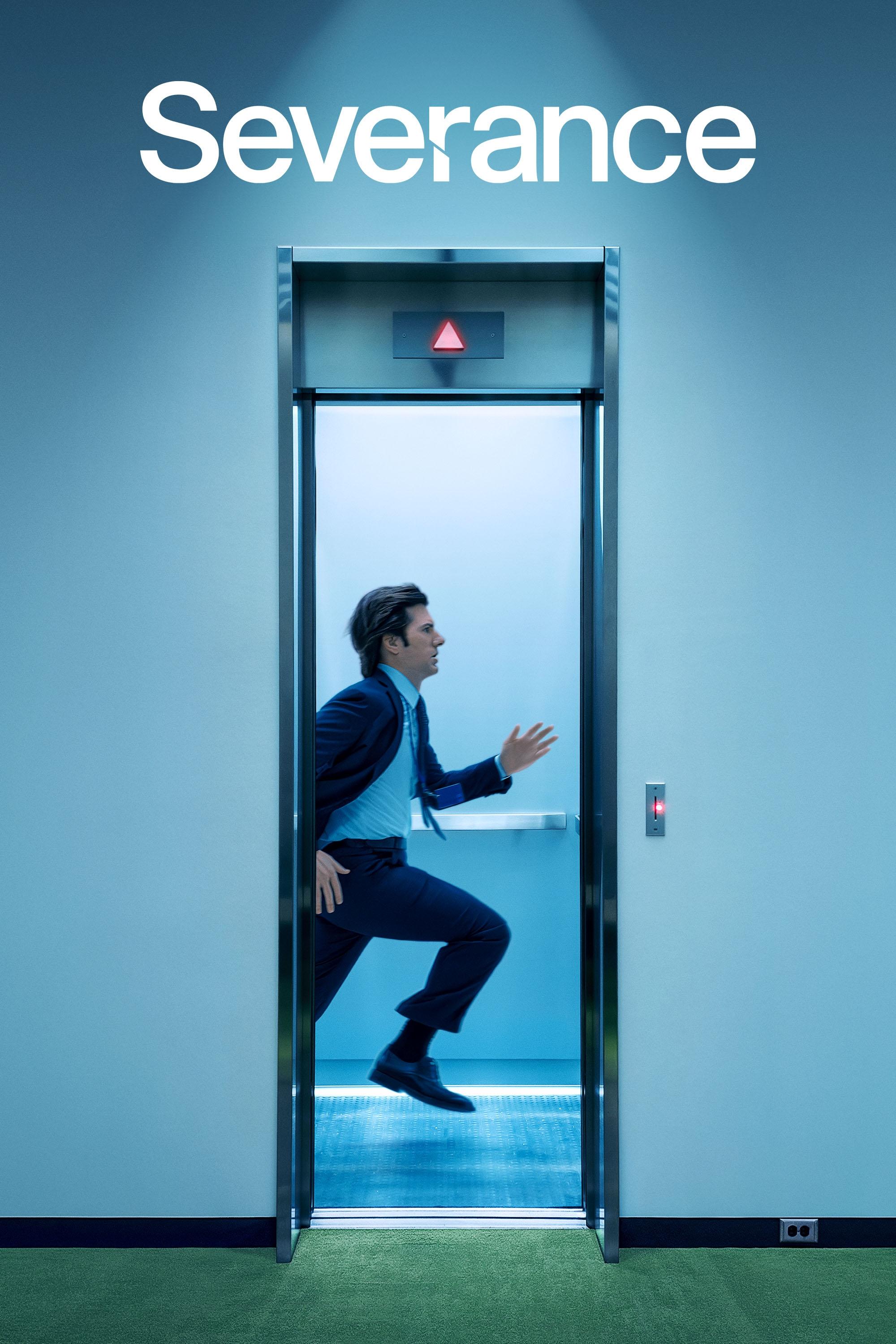
The acclaimed sci-fi thriller Severance faced a troubled production for its second season. Reports emerged of significant delays and creative disagreements between the show’s writers. The long three-year wait between the first and second seasons, combined with these reports, created concern among fans about the show’s future.
However, the creative team, including creator Dan Erickson and director Ben Stiller, managed to overcome these issues. The second season was released to critical acclaim, successfully living up to the high expectations set by the first season.

