


15 TV Shows That Changed Their Premise Mid-Series


TV shows can be a big commitment. Audiences invest hours into following characters and their storylines. So, it can be a shock when a show completely changes its core idea. Sometimes this happens because a character becomes unexpectedly popular. Other times, the original concept has run its course, and a change is needed to keep things fresh.
These shifts can be risky. A show might lose the viewers it originally attracted. But a successful change can give a series new life and even improve it. From sitcoms that become dramas to procedural shows that dive into science fiction, a change in premise can happen in any genre. It’s a bold move that can redefine a show for the better.
Blackadder (1983)

Blackadder is a unique comedy because each series is set in a different historical period. The first series, The Black Adder, takes place in 1485 and presents an alternate history where Richard III wins the Battle of Bosworth Field. The main character, Edmund Blackadder, is a bumbling and unintelligent member of the royal family.
Subsequent series moved through time, with each installment featuring a descendant of the original Blackadder. In Blackadder II, the setting is Elizabethan England, and the title character is a clever and witty nobleman. This became the formula for the rest of the show, with later series set during the late 18th century and World War I. The character of Blackadder evolved from a fool to a sharp-witted antihero, a change that defined the show’s enduring popularity.
Happy Days (1974)

Happy Days initially centered on the life of teenager Richie Cunningham and his experiences at Jefferson High School in 1950s Milwaukee. The show was designed to be a nostalgic look at teenage life, with Richie and his friend Potsie at the forefront. The character of Arthur “Fonzie” Fonzarelli was originally a minor, supporting role.
However, Fonzie, the cool, leather-clad biker, quickly became a fan favorite. His popularity grew so much that the show began to focus more on his character. After Ron Howard, who played Richie, left the series, the show’s premise shifted to revolve almost entirely around Fonzie and his younger cousin, Chachi. This change kept the show on the air for a total of 11 seasons.
Doctor Who (1963)

Doctor Who has been reinventing itself for decades. The basic premise of a time-traveling alien known as the Doctor has remained, but the storytelling and tone have shifted many times. The show began in 1963 with the goal of being an educational family series, with historical stories alongside science fiction adventures.
One of the most significant changes came with the concept of regeneration, allowing a new actor to take on the lead role. This device has enabled the show to change its style and tone with each new Doctor. The 2005 revival, for example, introduced a more character-driven and emotionally complex narrative. While the core idea of traveling through time and space remains, the focus and execution have evolved, allowing Doctor Who to stay fresh for new generations.
Lost (2004)
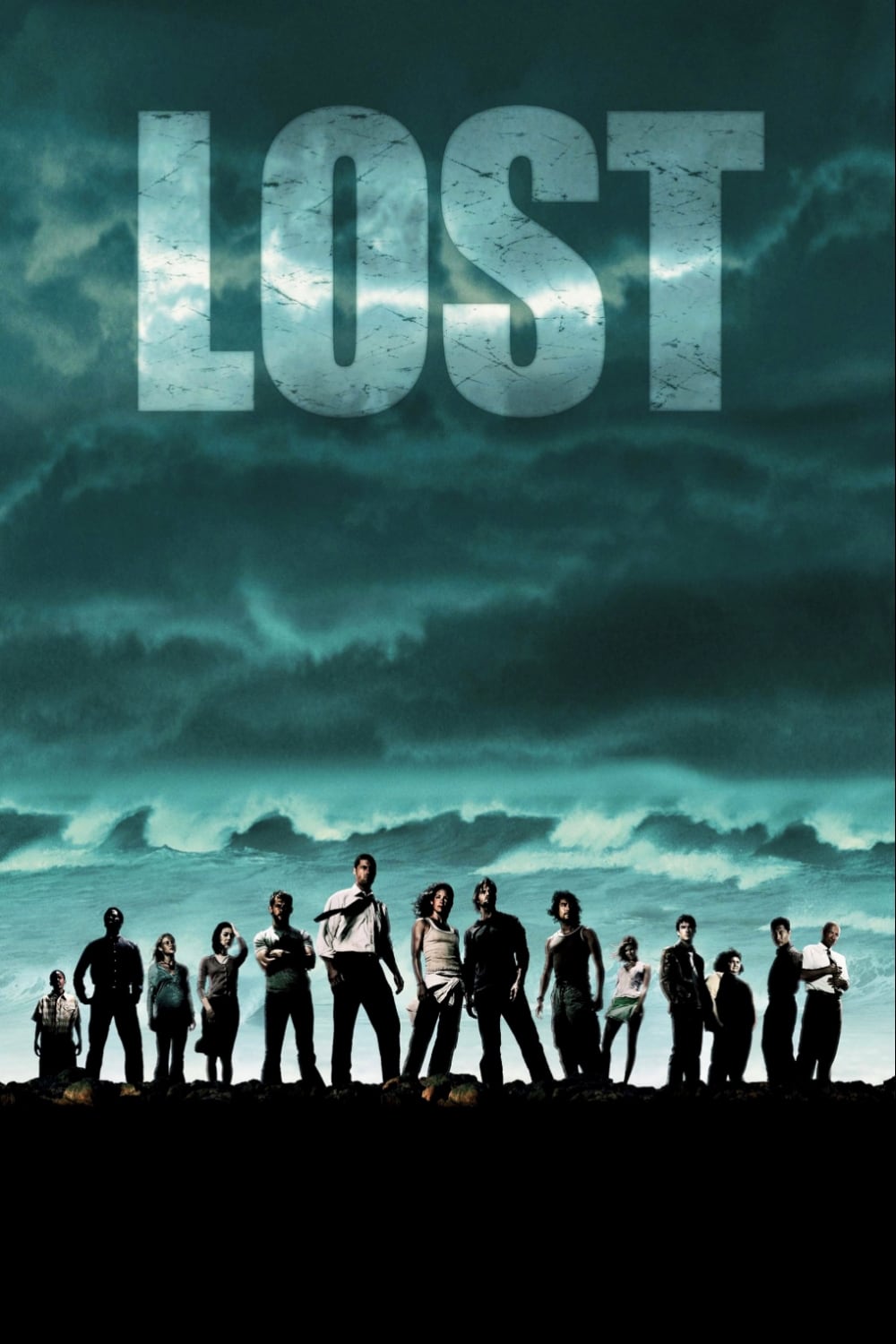
Lost started as a survival drama about the passengers of a crashed plane on a mysterious island. The original plan was for each episode to be a self-contained story, with a “mystery of the week” format. The show’s creators also initially intended for all the island’s strange occurrences to have logical, scientific explanations.
As the series progressed, it moved away from this episodic structure and became heavily serialized, with complex, long-term story arcs. The supernatural and mythological elements of the island also became much more prominent, introducing concepts like time travel and a god-like smoke monster. The final season even introduced a “flash-sideways” timeline, showing an alternate reality where the plane never crashed.
Supernatural (2005)
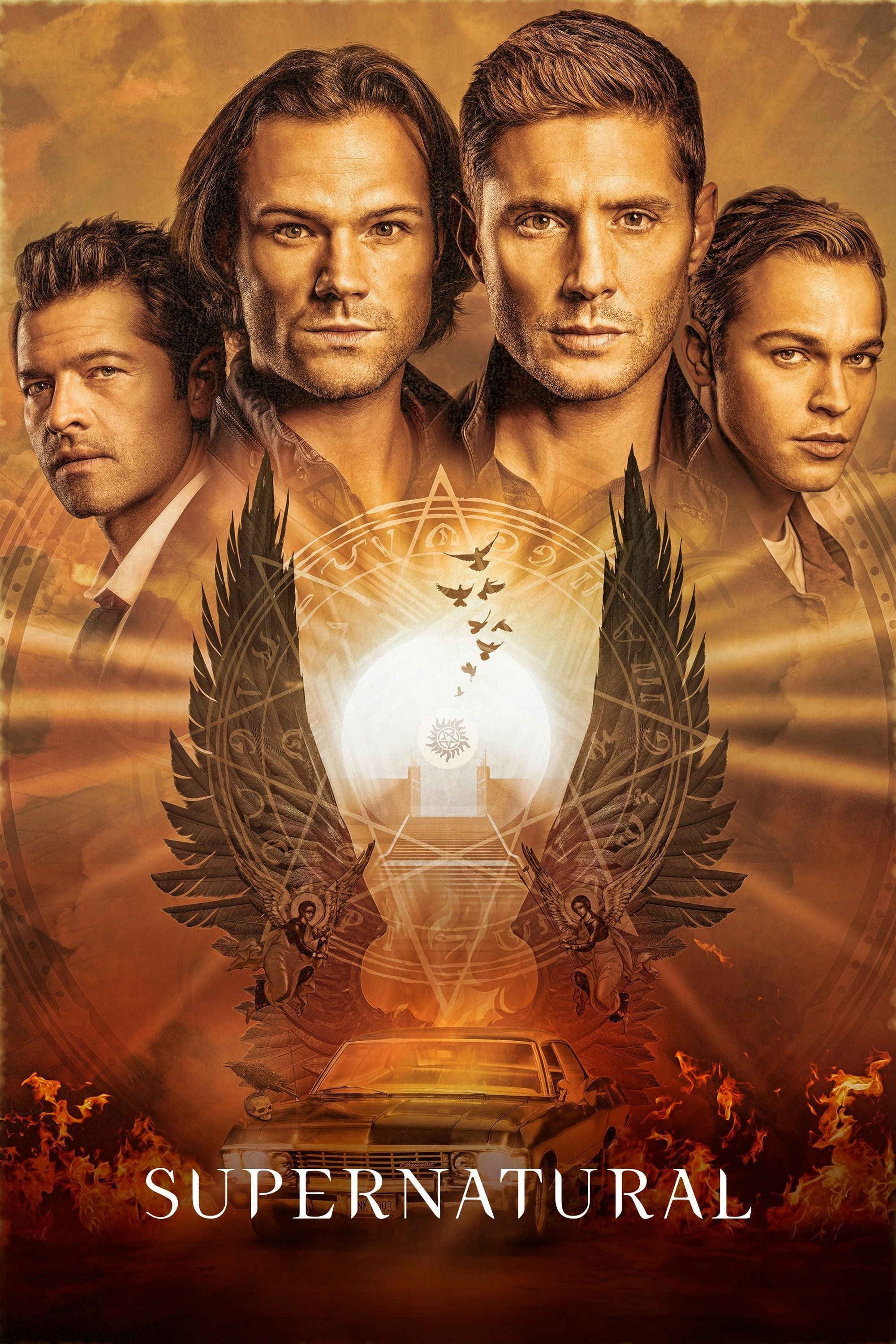
When Supernatural began, it was a horror show focused on brothers Sam and Dean Winchester hunting different monsters each week. The initial idea was for the brothers to be a way to explore various horror movie scenarios. The first season largely followed this “monster of the week” format, with the overarching story being the search for their missing father.
However, the creators soon noticed the strong chemistry between the lead actors and shifted the show’s focus to the relationship between the brothers. The series became more about their story, with the weekly monster hunts often tying into the larger narrative of their family and destiny. This change led to long, overarching storylines involving angels, demons, and a cosmic battle between good and evil, moving the show from a simple horror series to a complex dark fantasy.
Angel (1999)
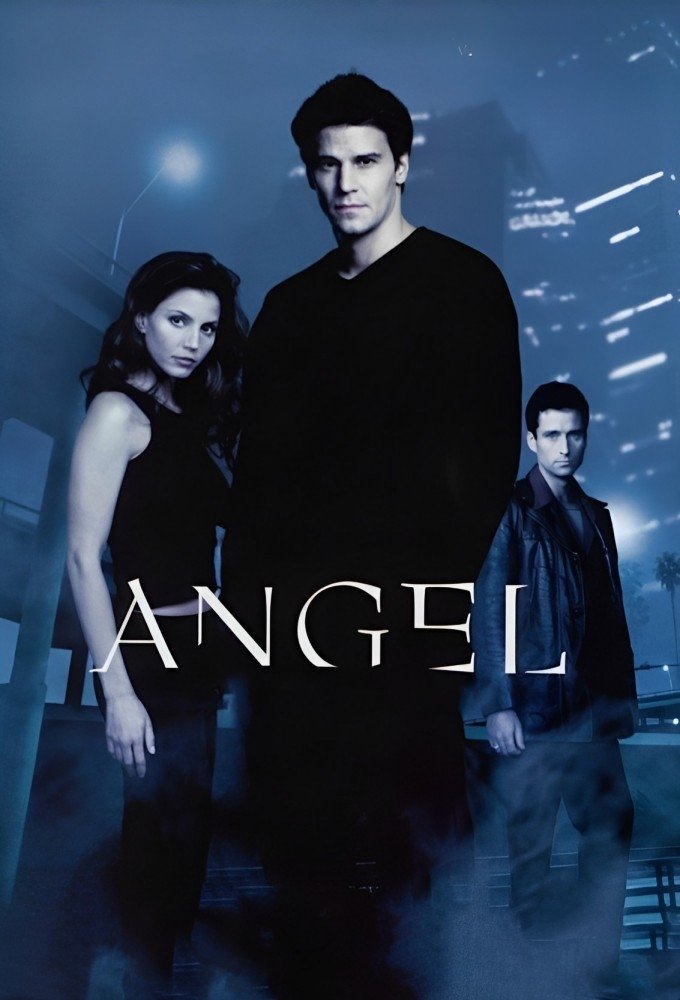
A spinoff of Buffy the Vampire Slayer, Angel began as a supernatural detective show. The vampire with a soul, Angel, moves to Los Angeles to “help the helpless,” working as a private investigator. The first season followed a “case of the week” format, with Angel and his team tackling a new supernatural problem in each episode, often with a noir feel.
Over time, the show became a more serialized dark fantasy. The central antagonist became the evil law firm Wolfram & Hart, representing demonic forces on Earth. By the fifth season, the premise changed dramatically when Angel and his team took over the Los Angeles branch of Wolfram & Hart, trying to fight evil from within.
Parks and Recreation (2009)
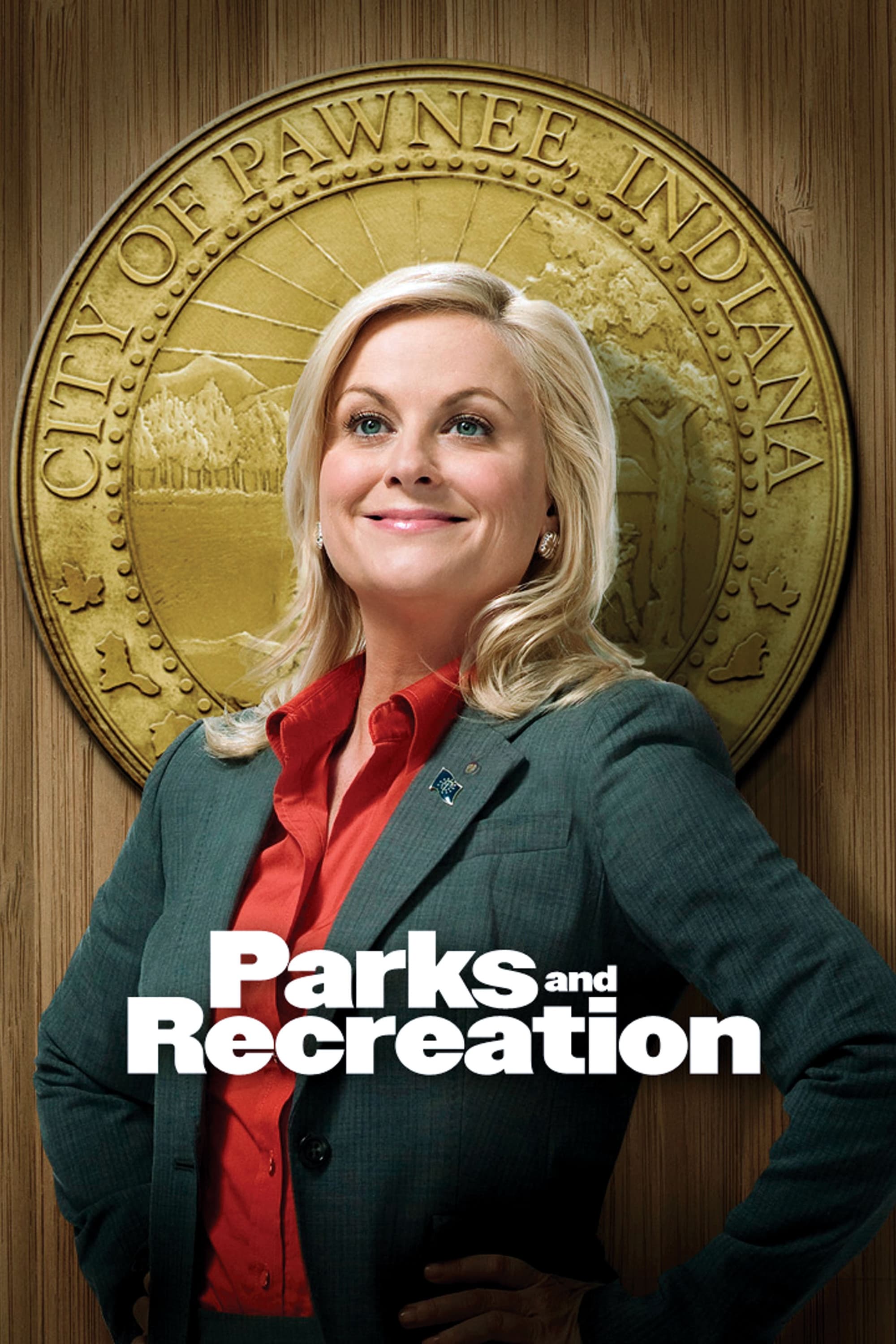
The first season of Parks and Recreation was not well-received by critics or audiences. It was initially conceived as a spinoff of The Office and shared a similar mockumentary style and cynical tone. The main character, Leslie Knope, was portrayed as an incompetent and somewhat delusional government employee.
After the first season, the show underwent a significant overhaul. The writers made Leslie a more capable and likable character, while still keeping her optimistic personality. The show also shifted to a more optimistic and hopeful tone, focusing on the quirky characters in the ensemble cast and their positive relationships. This change in premise and tone is credited with saving the show and turning it into a beloved sitcom.
Blackadder Goes Forth (1989)
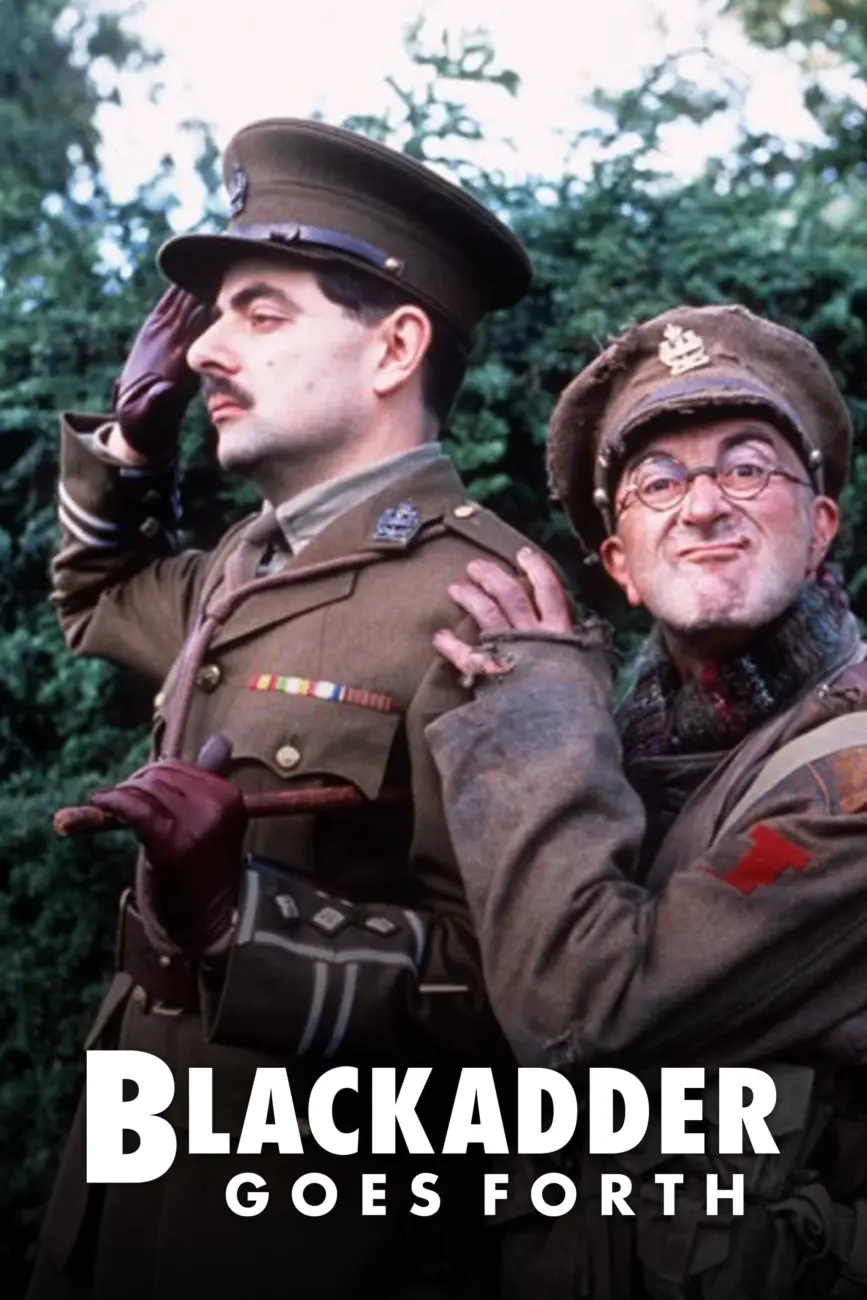
While each series of Blackadder changed its setting, Blackadder Goes Forth marked a significant tonal shift. The series is set in 1917 in the trenches of World War I. Captain Blackadder’s main goal is no longer to gain power or wealth, but simply to survive.
This final series moved away from the more lighthearted historical satire of its predecessors. It blended comedy with the grim reality of trench warfare. The show’s famous final scene, where the main characters go “over the top” into battle, is a poignant and somber moment that stands in stark contrast to the purely comedic nature of the earlier series.
Archer (2009)
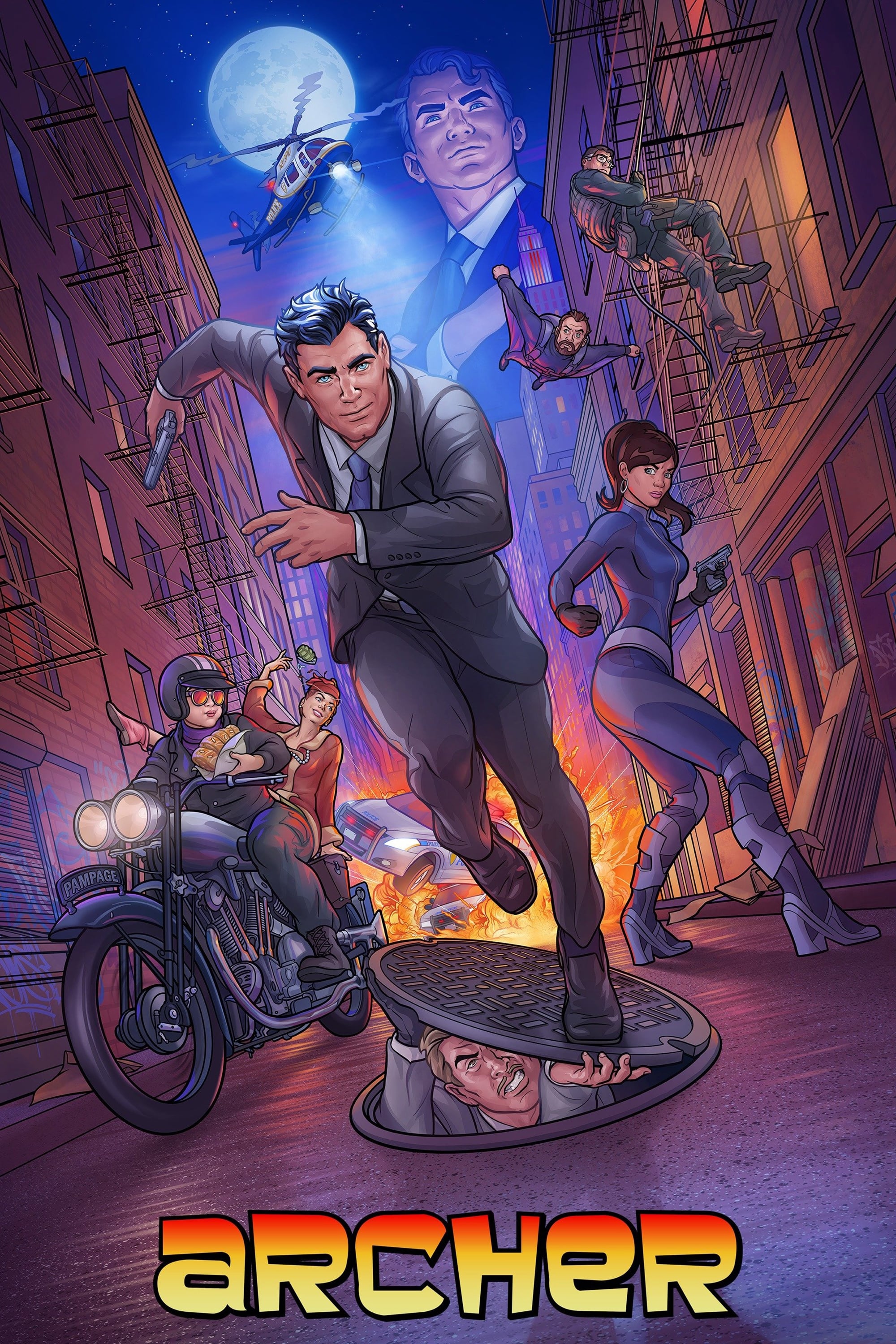
Archer started as a workplace comedy set at a spy agency. The show centered on the egocentric and womanizing secret agent, Sterling Archer, and his dysfunctional colleagues. The humor was based on spy movie tropes and the absurd interactions between the characters.
To keep the show from becoming repetitive, the creators made a bold move in season five, rebranding the show as Archer Vice. The characters left the spy business and tried to sell a large amount of cocaine. Subsequent seasons continued to experiment with the format, with storylines taking place in Archer’s coma-induced dreams, which allowed the show to become a 1940s noir, a space adventure, and an island adventure.
Agents of S.H.I.E.L.D. (2013)
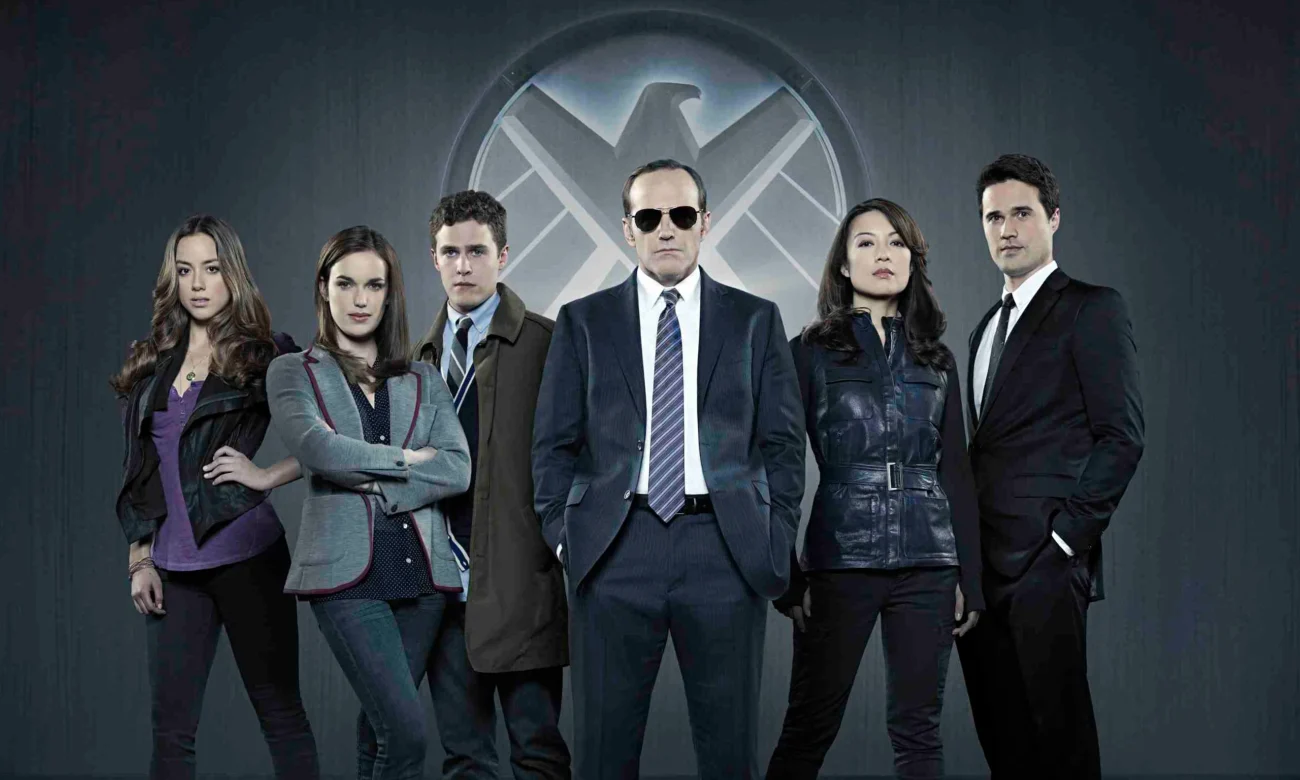
Agents of S.H.I.E.L.D. began as a procedural show set in the Marvel Cinematic Universe. The first season followed a team of S.H.I.E.L.D. agents as they investigated strange cases on a week-to-week basis. The show was a straightforward action-adventure series tied to the events of the Marvel films.
A major turning point came late in the first season, tying in with the film Captain America: The Winter Soldier. It was revealed that the evil organization Hydra had infiltrated S.H.I.E.L.D., destroying it from within. This event completely changed the show’s premise. The characters became fugitives, and the series transformed into a serialized story about rebuilding the organization and fighting a hidden war, exploring themes of trust and betrayal.
The Good Place (2016)

The Good Place started with a simple and clear premise: a woman named Eleanor Shellstrop mistakenly ends up in a heaven-like afterlife. The first season focused on her efforts to hide her past mistakes and learn how to be a good person to earn her spot. The show was a quirky comedy about ethics and personal improvement.
The end of the first season revealed a massive twist: the characters were actually in “The Bad Place,” part of an elaborate torture experiment. This revelation completely changed the show’s direction. Subsequent seasons saw the characters trying to prove that humans can improve, attempting to redesign the afterlife system, and exploring deep philosophical questions about what it means to be good.
Happy Endings (2011)
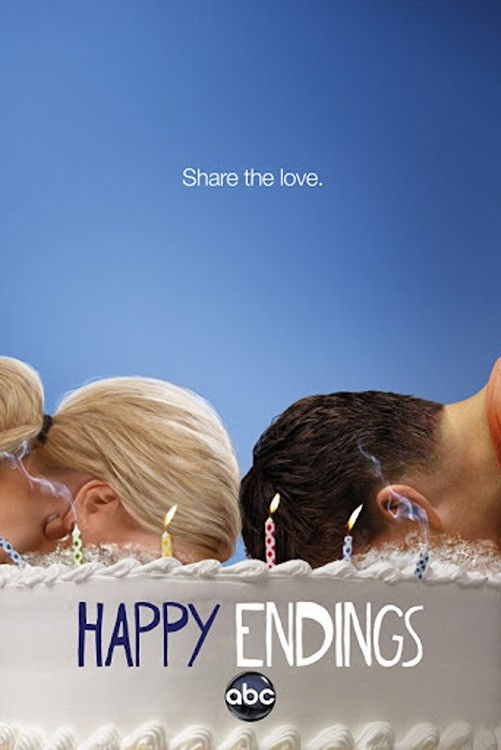
The pilot episode of Happy Endings set up a clear premise: a woman leaves her fiancé at the altar, and their group of friends must navigate the awkward aftermath. The first few episodes focused on the fallout of this event and how the friend group would stay together.
However, the show quickly realized that its strength was the comedic chemistry of its ensemble cast. It soon abandoned the initial premise and became a hangout comedy in the vein of Friends. The focus shifted to the hilarious and absurd daily lives of the six friends, with the aborted wedding becoming more of a backstory than the central plot.
Boy Meets World (1993)
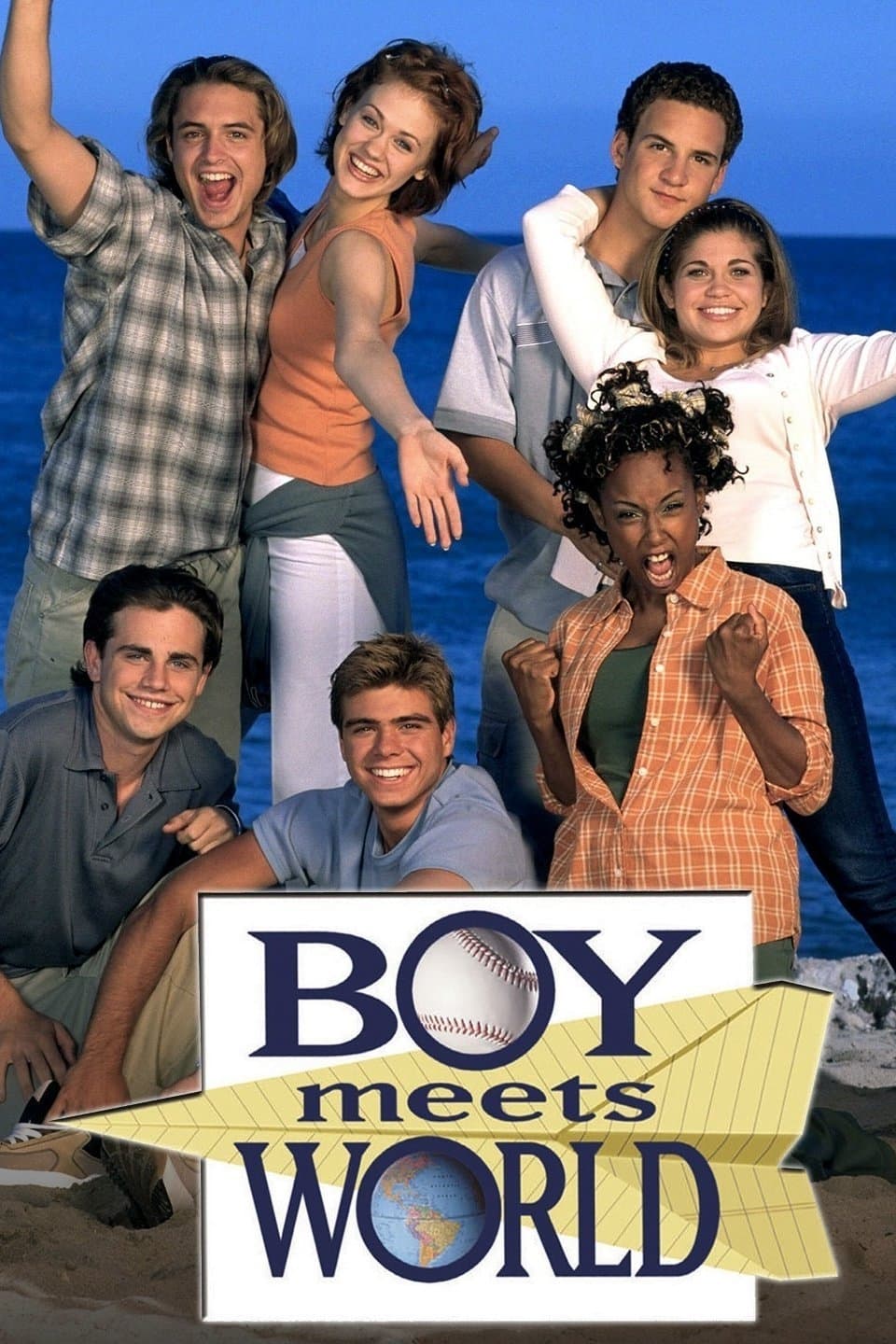
Boy Meets World began as a family-friendly sitcom centered on the life of a young Cory Matthews. The early seasons focused on Cory’s experiences in middle school, dealing with typical childhood problems and learning life lessons in a lighthearted, comedic way.
As the characters grew older, the show’s tone and premise evolved with them. It transitioned from a kids’ show to a young adult drama, tackling more serious and mature storylines. The focus shifted to Cory’s relationships, particularly his long-term romance with Topanga, and dealt with issues like marriage, loss, and the challenges of adulthood.
Riverdale (2017)
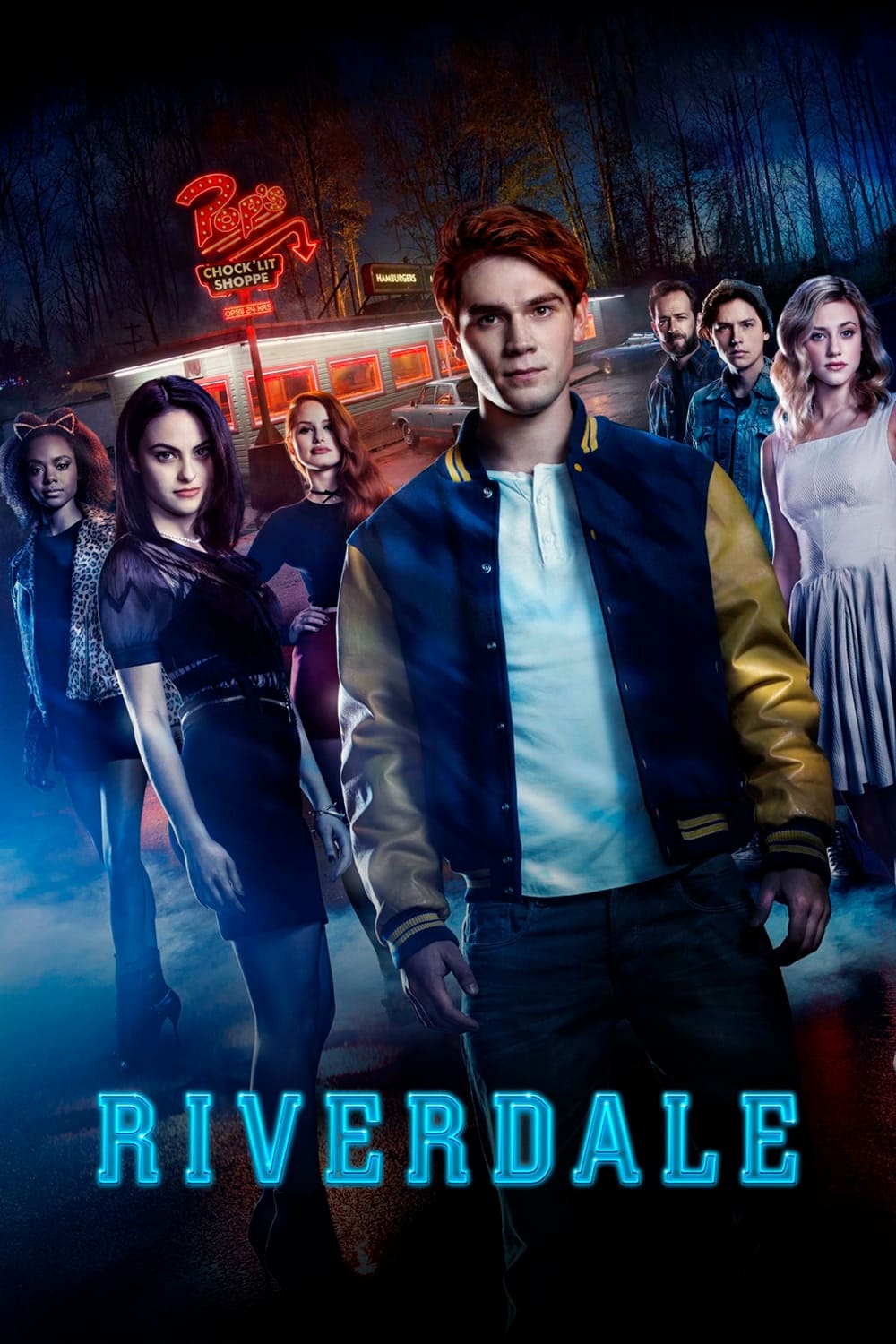
Riverdale started as a dark teen drama based on the characters from Archie Comics. The first season was a murder mystery, following a group of high school students as they tried to solve the murder of a classmate. The show was a blend of teenage angst and a crime thriller.
In later seasons, Riverdale became known for its increasingly bizarre and genre-bending plotlines. The show has incorporated supernatural elements, musical episodes, cults, and even superheroes. A major shift occurred at the start of the sixth season when a bomb explosion sent the characters to an alternate universe called “Rivervale,” completely changing the reality of the show.
Community (2009)

Community began with a straightforward premise: a disbarred lawyer enrolls in a community college and forms a study group with a diverse set of classmates. The initial focus was on the lawyer, Jeff Winger, and his attempts to get his degree and get close to a female classmate.
The show quickly evolved into a highly meta and experimental sitcom. While the community college setting remained, the series became known for its parody episodes, referencing various film and television genres. The focus shifted from Jeff’s initial goals to the strange and hilarious adventures of the study group as a whole.

