


15 Worst TV Spinoffs the World Would be Better Without

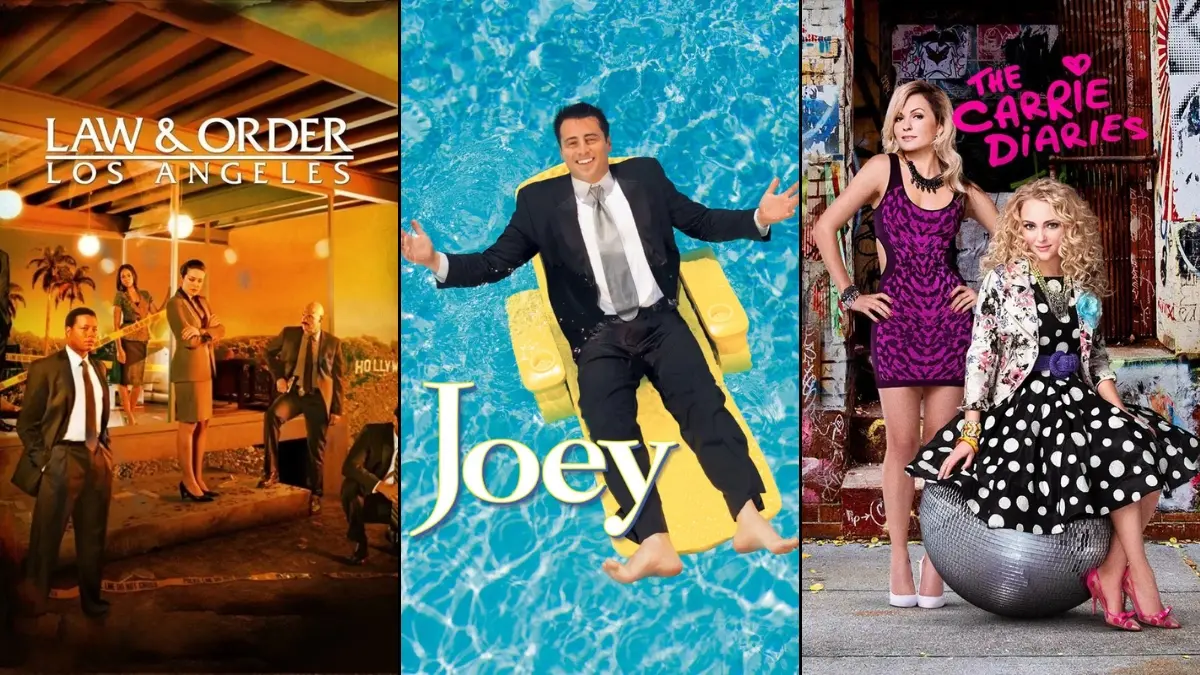


Spinoffs promise more time with familiar worlds—new corners to explore, side characters to follow, and fresh stories built on proven foundations. From sitcom families to crime labs and sci-fi fleets, television has tried just about every way to extend a hit, sometimes by shifting settings, sometimes by centering a breakout character, and sometimes by jumping backward or forward in a timeline.
This list gathers TV offshoots that expanded well-known universes in notable ways. Each entry focuses on what the show actually did—its premise, cast, and creative team—so you can see how these series connected to the originals they came from and what they put on screen.
‘Joey’ (2004–2006)
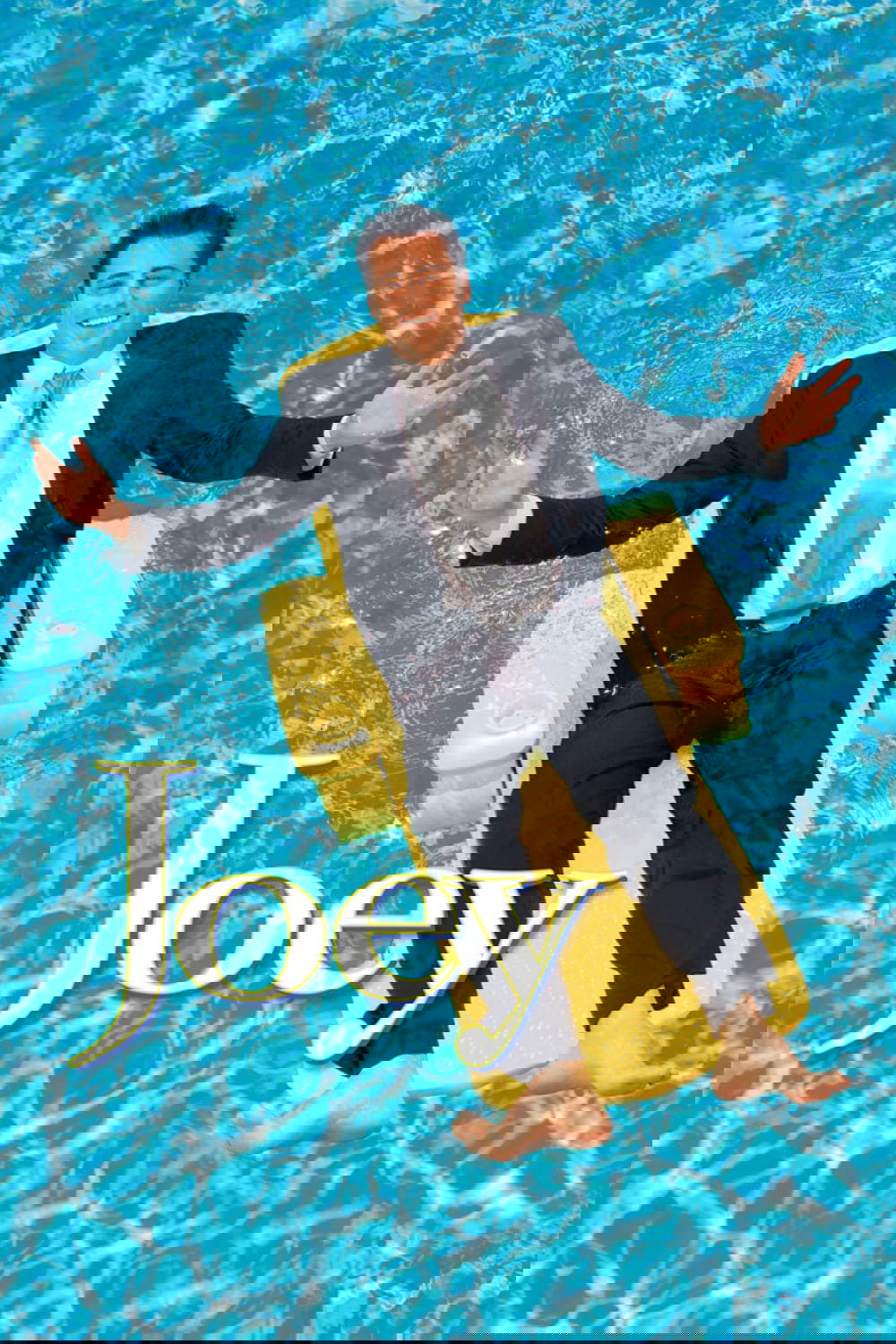
A direct continuation of ‘Friends’ built around actor Matt LeBlanc, ‘Joey’ follows Joey Tribbiani as he moves to Los Angeles to pursue acting, reconnects with his sister Gina (Drea de Matteo), and mentors his nephew Michael (Paulo Costanzo). Storylines lean on show-business plots—auditions, soap operas, and sitcom gigs—while keeping Joey’s industry friendships and family dynamics at the center.
Created by Scott Silveri and Shana Goldberg-Meehan, the series aired on NBC and featured Andrea Anders as neighbor Alex Garrett, with recurring appearances from Jennifer Coolidge as Joey’s agent. Kevin S. Bright executive-produced, continuing his long association with the ‘Friends’ universe, and the production kept the familiar multi-camera format across two seasons.
‘That ’80s Show’ (2002)
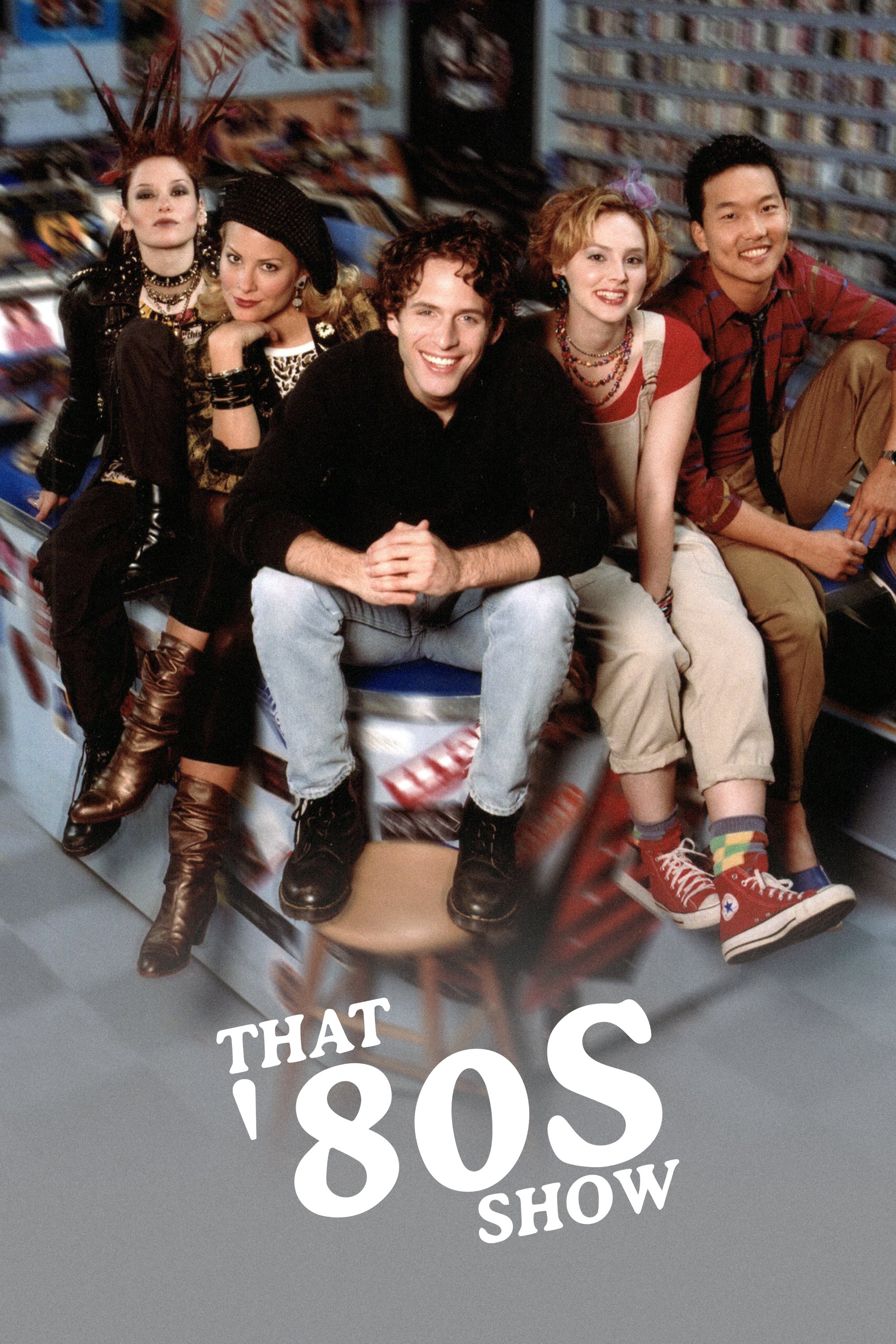
Set in San Diego and styled around music stores, new wave clubs, and early-computer culture, ‘That ’80s Show’ centers on musician Corey Howard (Glenn Howerton) and his circle, including Tuesday (Chyler Leigh) and Brittany (Brittany Daniel). Plots weave workplace comedy with relationships, using period signifiers like cassette demos, corporate office culture, and mall hangouts.
Developed by Mark Brazill, Terry Turner, and Linda Wallem from the creative lineage of ‘That ’70s Show’, the Fox series uses a single-camera approach with a pop-heavy soundtrack. Produced by Carsey-Werner-Mandabach, it also features Tinsley Grimes, Eddie Shin, and Margaret Smith among the ensemble.
‘AfterMASH’ (1983–1985)
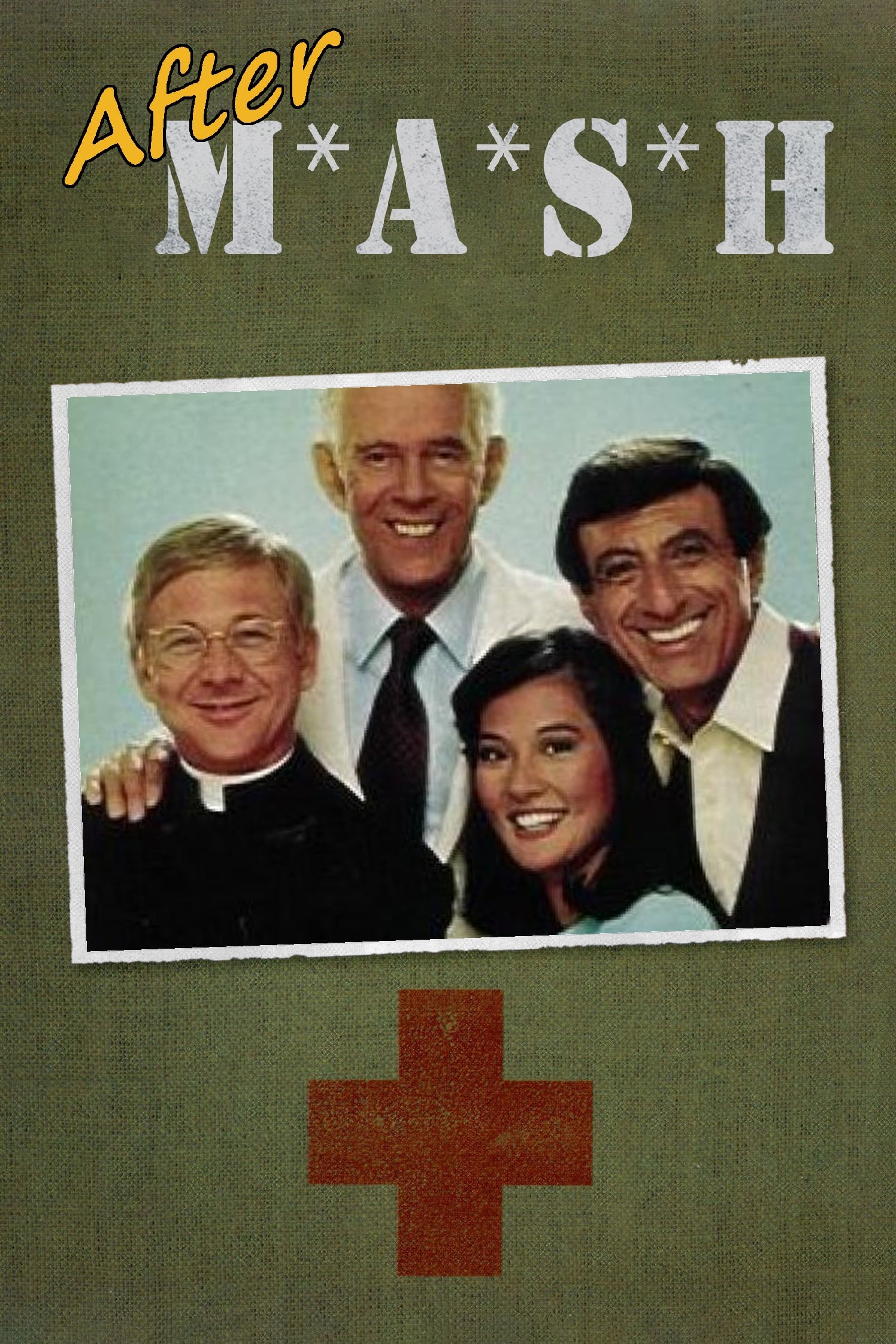
‘AfterMASH’ follows Colonel Sherman T. Potter (Harry Morgan), Maxwell Klinger (Jamie Farr), and Father Francis Mulcahy (William Christopher) as they reunite at General Pershing Veterans’ Hospital, relocating the franchise from a mobile army unit to a stateside medical facility. The show blends administrative challenges and patient-of-the-week cases with the characters’ attempts to settle into post-war life.
Developed from ‘MAS*H’ by Larry Gelbart and Gene Reynolds, the CBS series included Rosalind Chao as Soon-Lee and featured guest appearances from figures tied to the original. The production retained a traditional multi-camera setup and studio staging while translating the ensemble structure to a hospital workplace.
‘Baywatch Nights’ (1995–1997)
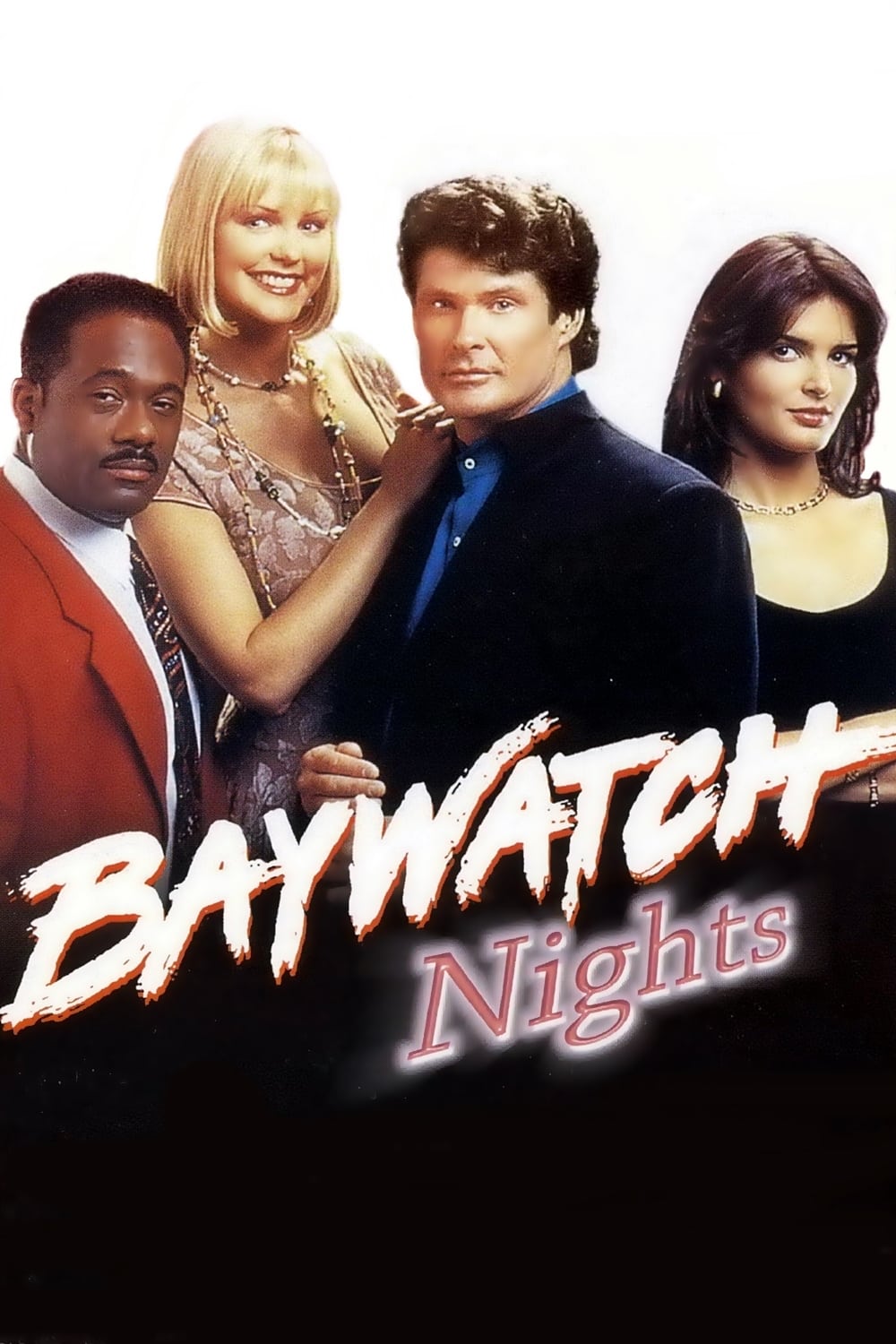
A spinoff of ‘Baywatch’, ‘Baywatch Nights’ tracks lifeguard-turned-private investigator Mitch Buchannon (David Hasselhoff) as he teams with Ryan McBride (Angie Harmon) and Garner Ellerbee (Gregory Alan Williams) on Los Angeles cases. Early episodes follow detective plots—missing persons, shady businesses, and stakeouts—intercut with the character’s lifeguard connections.
Produced by the team behind ‘Baywatch’—Michael Berk, Douglas Schwartz, and Gregory J. Bonann—the syndicated series later shifted toward paranormal investigations, expanding the case-of-the-week template. The ensemble featured Eddie Cibrian in a key role, with David Hasselhoff also serving as an executive producer.
‘The Brady Brides’ (1981)
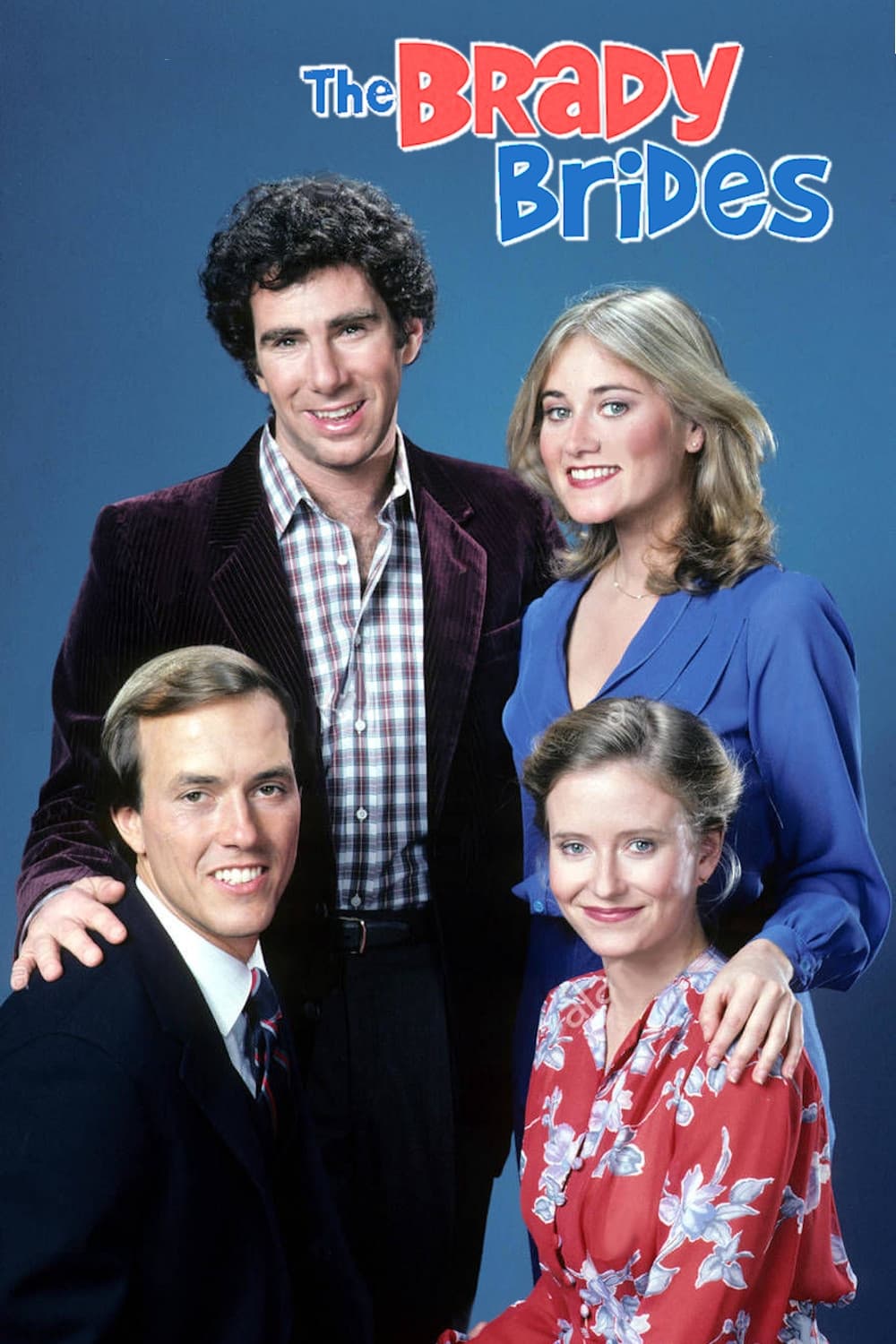
Spun from ‘The Brady Bunch’, ‘The Brady Brides’ reunites sisters Marcia (Maureen McCormick) and Jan (Eve Plumb) as newlyweds sharing a home with their husbands and juggling careers, home projects, and extended-family drop-ins. Episodes revolve around domestic mishaps, neighborly squabbles, and the sisters’ efforts to merge differing personalities under one roof.
Developed for NBC by Sherwood Schwartz and Lloyd J. Schwartz, the series extends characters and continuity from the original family sitcom. Jerry Houser and Ron Kuhlman co-star as Wally Logan and Phillip Covington III, and returning Brady cast members appear in guest spots to tie the new premise to the established ensemble.
‘The Ropers’ (1979–1980)
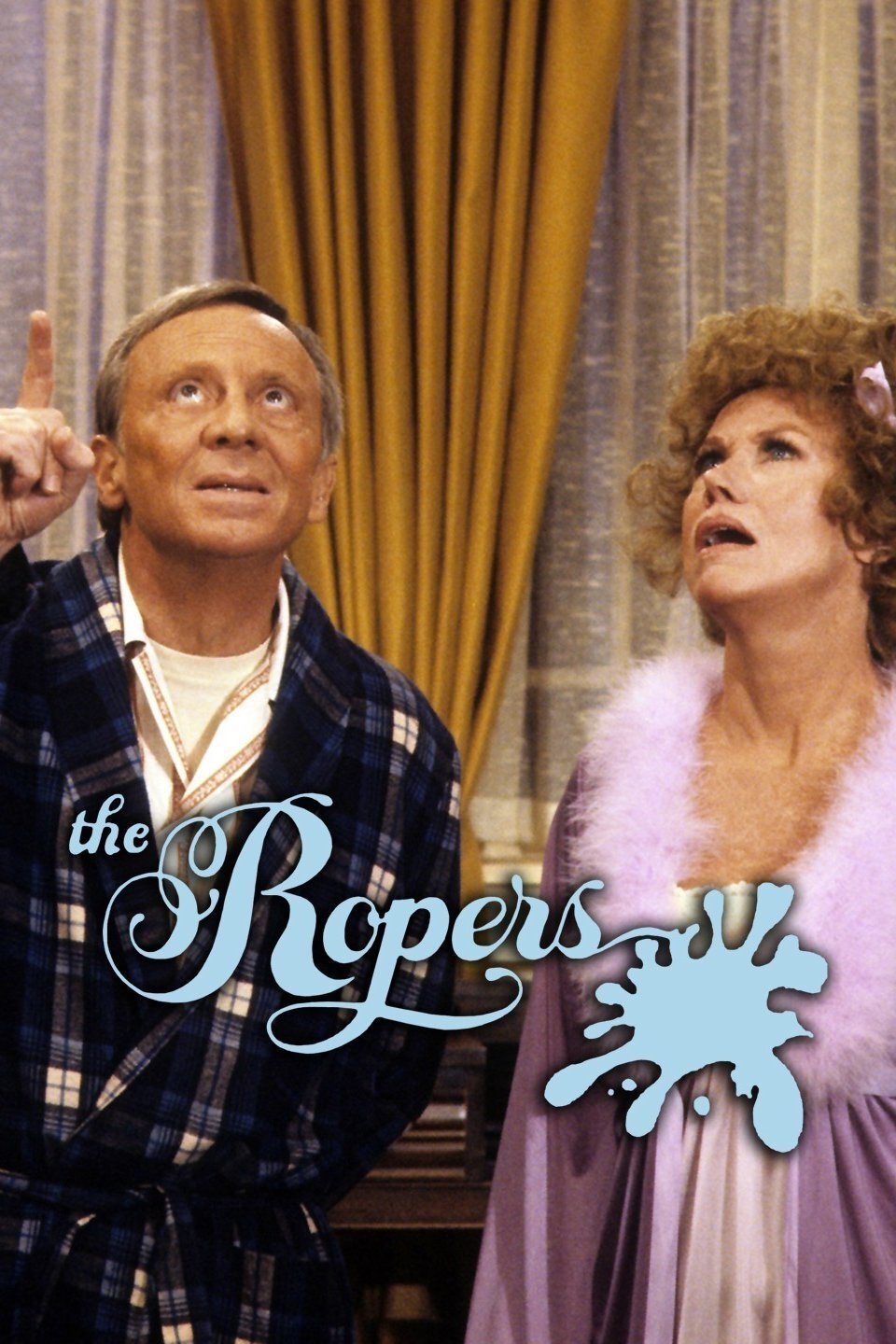
‘The Ropers’ expands the world of ‘Three’s Company’ by following Stanley (Norman Fell) and Helen (Audra Lindley) after they move from property management to life in a suburban townhouse community. Plots put the couple into homeowners-association politics, neighbor misunderstandings, and home-improvement schemes, contrasting Stanley’s thrift with Helen’s social ambitions.
Developed for ABC by Don Nicholl, Michael Ross, and Bernie West, the series adapts the British ‘George and Mildred’ format to American suburbia. Jeffrey Tambor and Patricia McCormack play the upscale Brookes neighbors, anchoring recurring social-class friction within a multi-camera sitcom setup.
‘The Tortellis’ (1987)
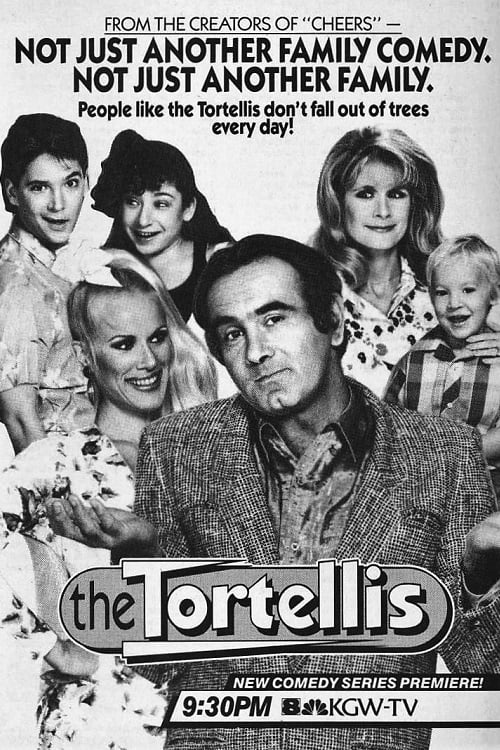
Drawn from ‘Cheers’, ‘The Tortellis’ spotlights Nick Tortelli (Dan Hedaya) and Loretta (Jean Kasem) in Las Vegas, where Nick hustles as a small-time operator while trying to keep a fractious family together. Stories involve household reshuffles, local business angles, and the couple’s show-biz aspirations on the casino fringe.
Created by Ken Levine and David Isaacs for NBC, the series features a supporting cast built around the Tortelli family, with occasional guest appearances by ‘Cheers’ regulars to maintain continuity. The show retains the multi-camera presentation and bar-adjacent settings while shifting the action from Boston to Vegas.
‘Joanie Loves Chachi’ (1982–1983)
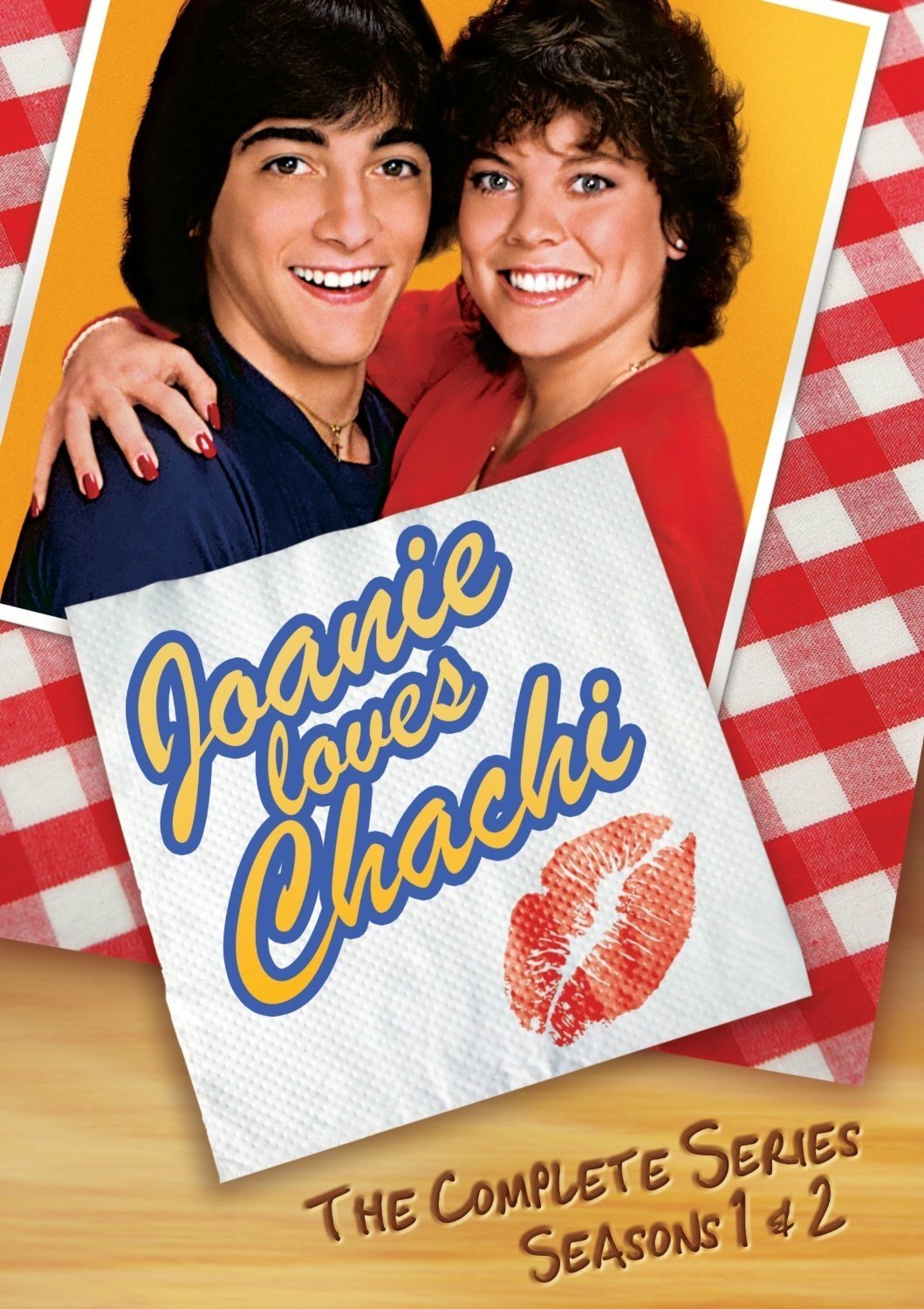
A ‘Happy Days’ offshoot, ‘Joanie Loves Chachi’ follows Joanie Cunningham (Erin Moran) and Chachi Arcola (Scott Baio) as they move to Chicago to form a band and work within a family-run Italian restaurant. Storylines center on rehearsals, small-venue gigs, and balancing young romance with performance schedules and family expectations.
Executive-produced by Garry Marshall, the ABC series brings over characters and creatives from the parent show, with Al Molinaro and Ellen Travolta among the supporting players. Musical performance numbers are integral to the format, linking the spinoff’s plotlines to the characters’ onstage ambitions.
‘Saved by the Bell: The College Years’ (1993–1994)
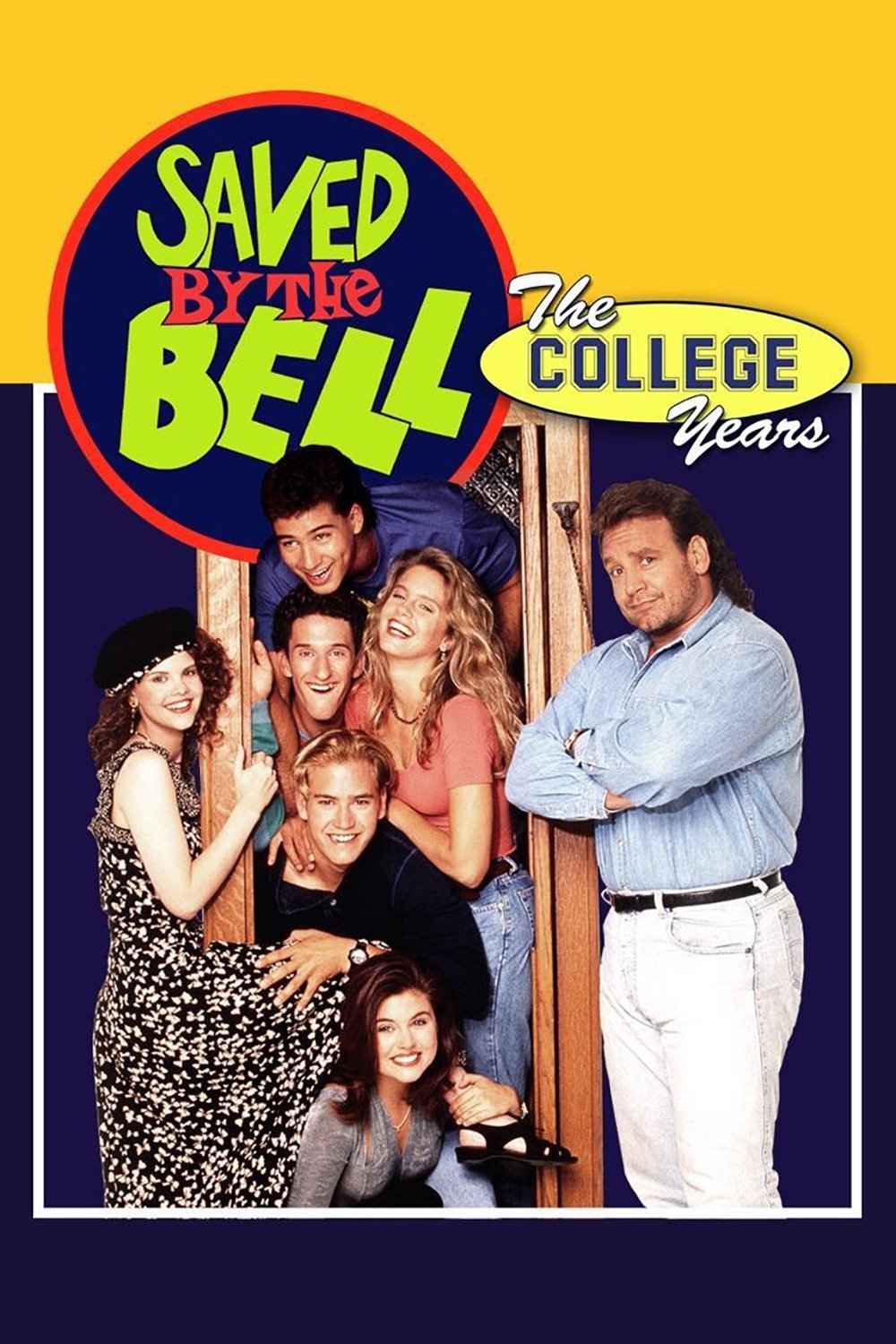
Continuing from ‘Saved by the Bell’, this series sends Zack Morris (Mark-Paul Gosselaar), A.C. Slater (Mario Lopez), and Screech Powers (Dustin Diamond) to the fictional California University, where dorm life, athletics culture, and lecture-hall routines drive episodic plots. Kelly Kapowski (Tiffani-Amber Thiessen) joins partway through, folding familiar relationships into campus settings.
Produced for NBC with executive producer Peter Engel, the show introduces Anne Tremko and Kiersten Warren as new roommates and features Bob Golic as resident adviser Mike Rogers. Season arcs use class assignments, student media, and campus events to reframe the high-school dynamics within a collegiate structure.
‘CSI: Cyber’ (2015–2016)
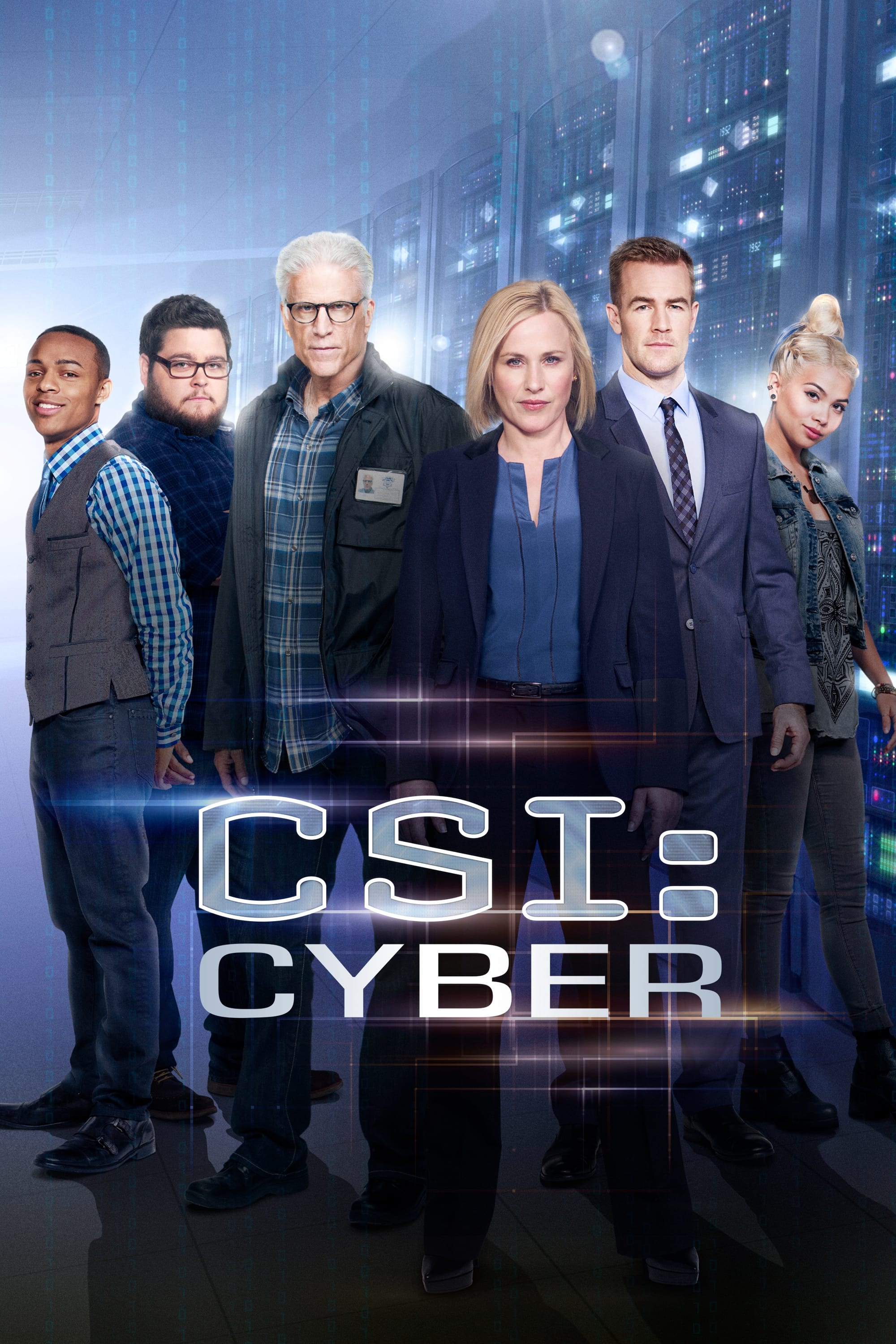
Part of the ‘CSI’ franchise, ‘CSI: Cyber’ centers on Special Agent Avery Ryan (Patricia Arquette) and a team tackling crimes involving digital forensics, from identity theft and ransomware to social-engineering schemes and network intrusions. The ensemble includes Elijah Mundo (James Van Der Beek), Brody Nelson (Shad Moss), Raven Ramirez (Hayley Kiyoko), and Simon Sifter (Peter MacNicol).
Created by Anthony E. Zuiker, Ann Donahue, and Carol Mendelsohn, the CBS series was run by Pam Veasey and later integrated franchise crossover elements with Ted Danson’s D.B. Russell joining the cast. The production emphasizes procedural elements—crime-scene analysis, lab work, and field interviews—focused on devices, logs, and data trails.
‘Law & Order: LA’ (2010–2011)
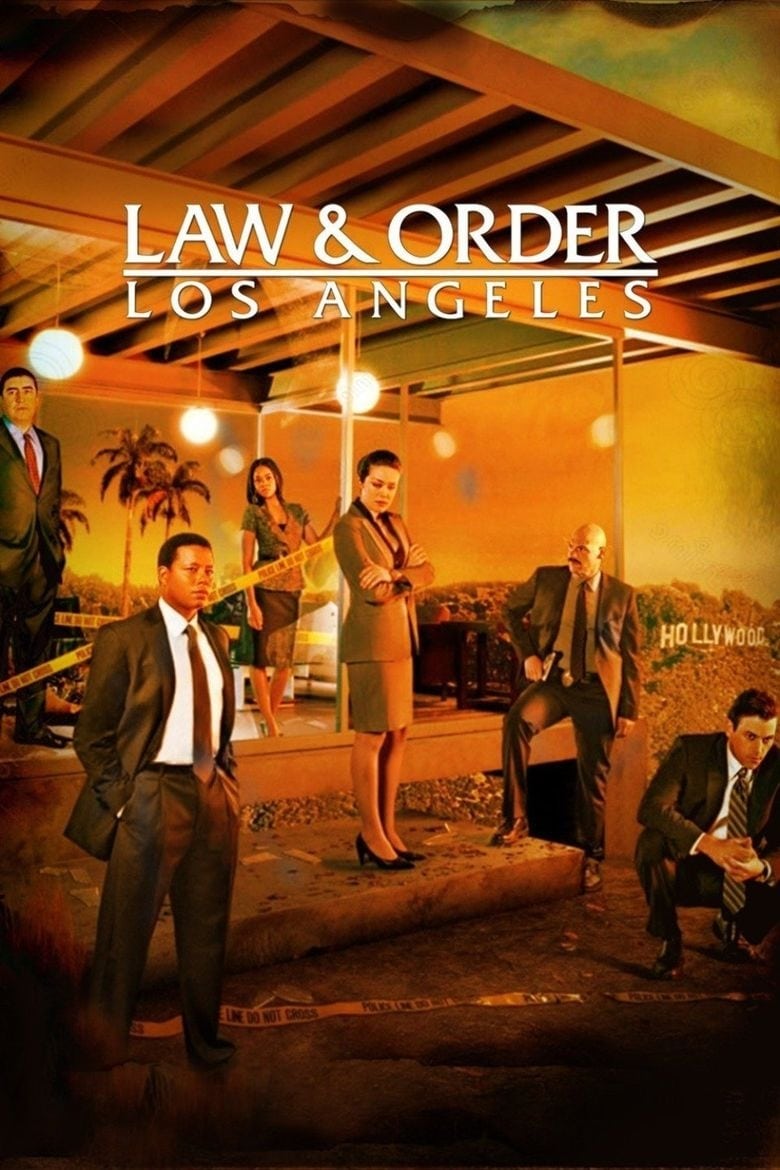
Transplanting the ‘Law & Order’ template to Los Angeles, ‘Law & Order: LA’ divides each episode between LAPD investigations and the District Attorney’s office, following cases rooted in Hollywood, real-estate, and neighborhood crime. The initial cast includes Skeet Ulrich and Corey Stoll on the police side, with Alfred Molina and Terrence Howard leading the prosecution.
Created by Dick Wolf for NBC, the series retains the franchise’s cold-open structure and alternating cop-and-court format. Behind the scenes, René Balcer guided early showrunning, and the production underwent midseason casting and structural adjustments while maintaining the core procedural design.
‘The Lone Gunmen’ (2001)
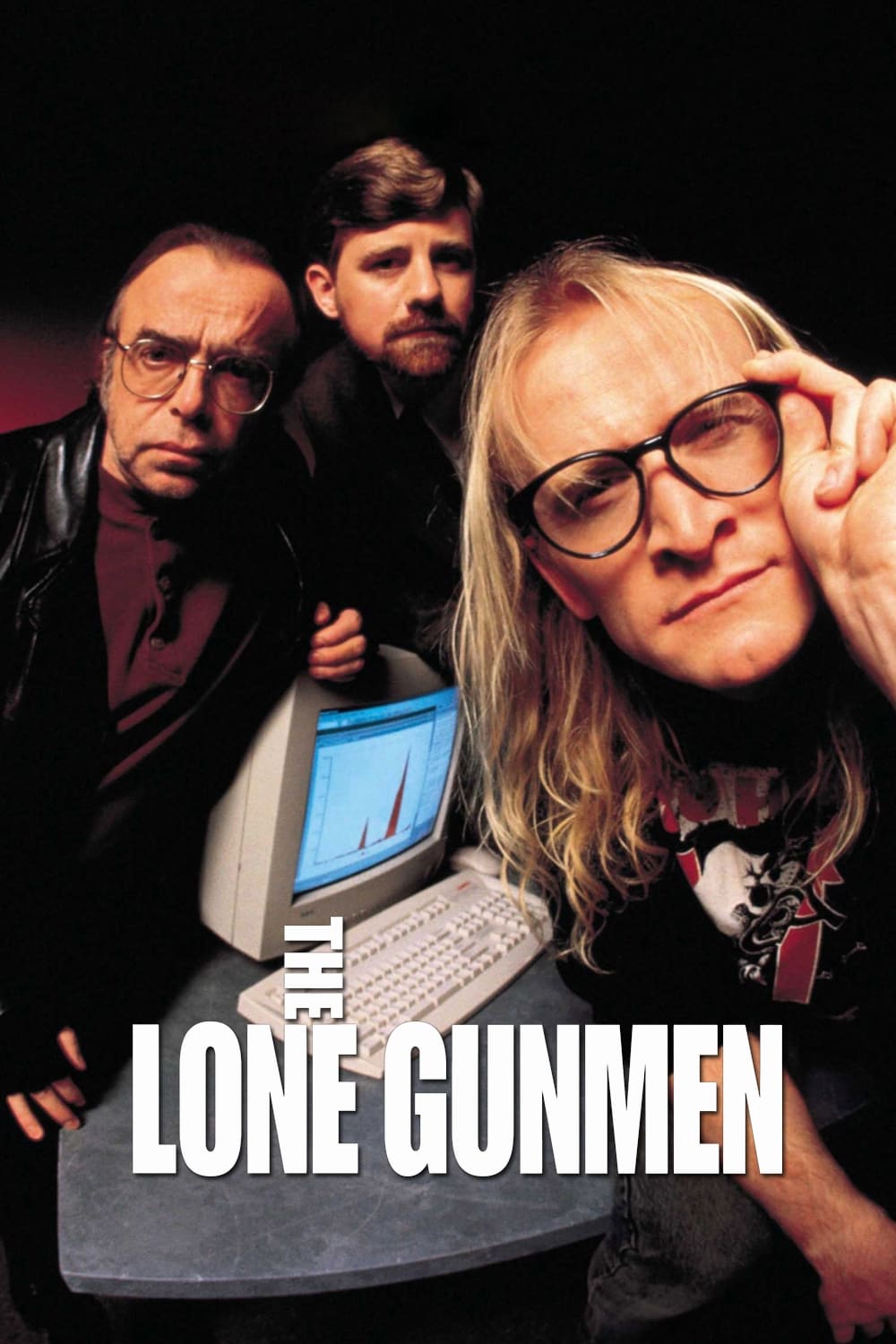
Spun from ‘The X-Files’, ‘The Lone Gunmen’ follows the conspiracy-hunting trio of John Fitzgerald Byers (Bruce Harwood), Melvin Frohike (Tom Braidwood), and Richard “Ringo” Langly (Dean Haglund) as they publish their newspaper and dig into government and corporate intrigue. Jimmy Bond (Stephen Snedden) and Yves Adele Harlow (Zuleikha Robinson) round out the investigative team.
Developed by Chris Carter with writers Vince Gilligan, John Shiban, and Frank Spotnitz, the Fox series keeps the parent show’s toolkit of tech tinkering, informants, and covert stakeouts. Episodes emphasize investigative capers with gadget-driven sleuthing and occasional crossovers with ‘The X-Files’.
‘Galactica 1980’ (1980)
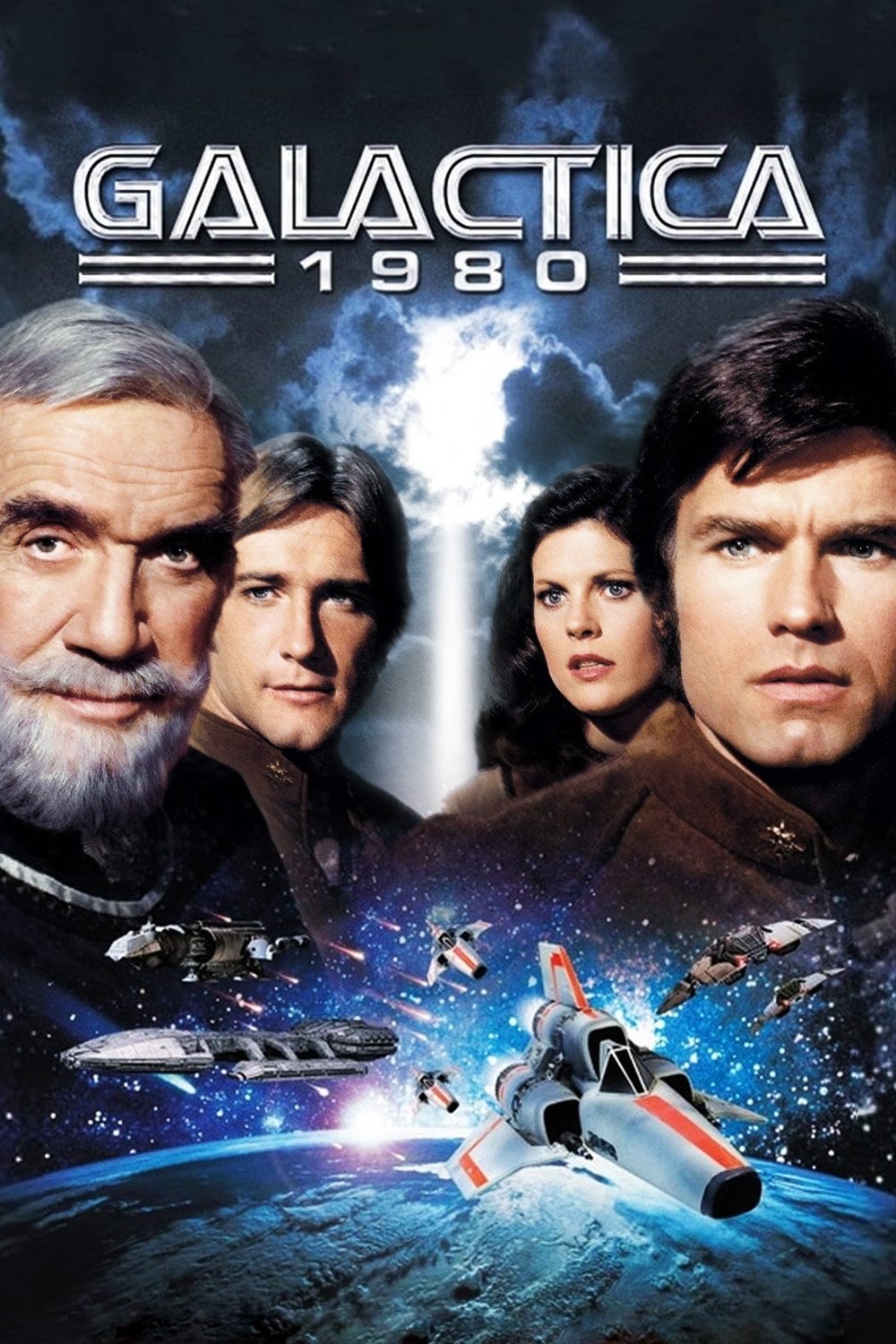
A follow-up to ‘Battlestar Galactica’, ‘Galactica 1980’ depicts the fleet’s arrival at Earth and assigns pilots Troy (Kent McCord) and Dillon (Barry Van Dyke) to low-profile missions protecting the planet. Storylines involve cultural acclimation, scientific advisors, and Dr. Zee guiding strategy and technology for the fugitives from the Twelve Colonies.
Created by Glen A. Larson for ABC, the series repurposes space-battle footage and introduces devices like personal flight units and cloaking mechanisms to stage on-Earth set pieces. Lorne Greene reprises his role to bridge continuity, and the production emphasizes contemporary locations and guest players over shipboard drama.
‘The Golden Palace’ (1992–1993)
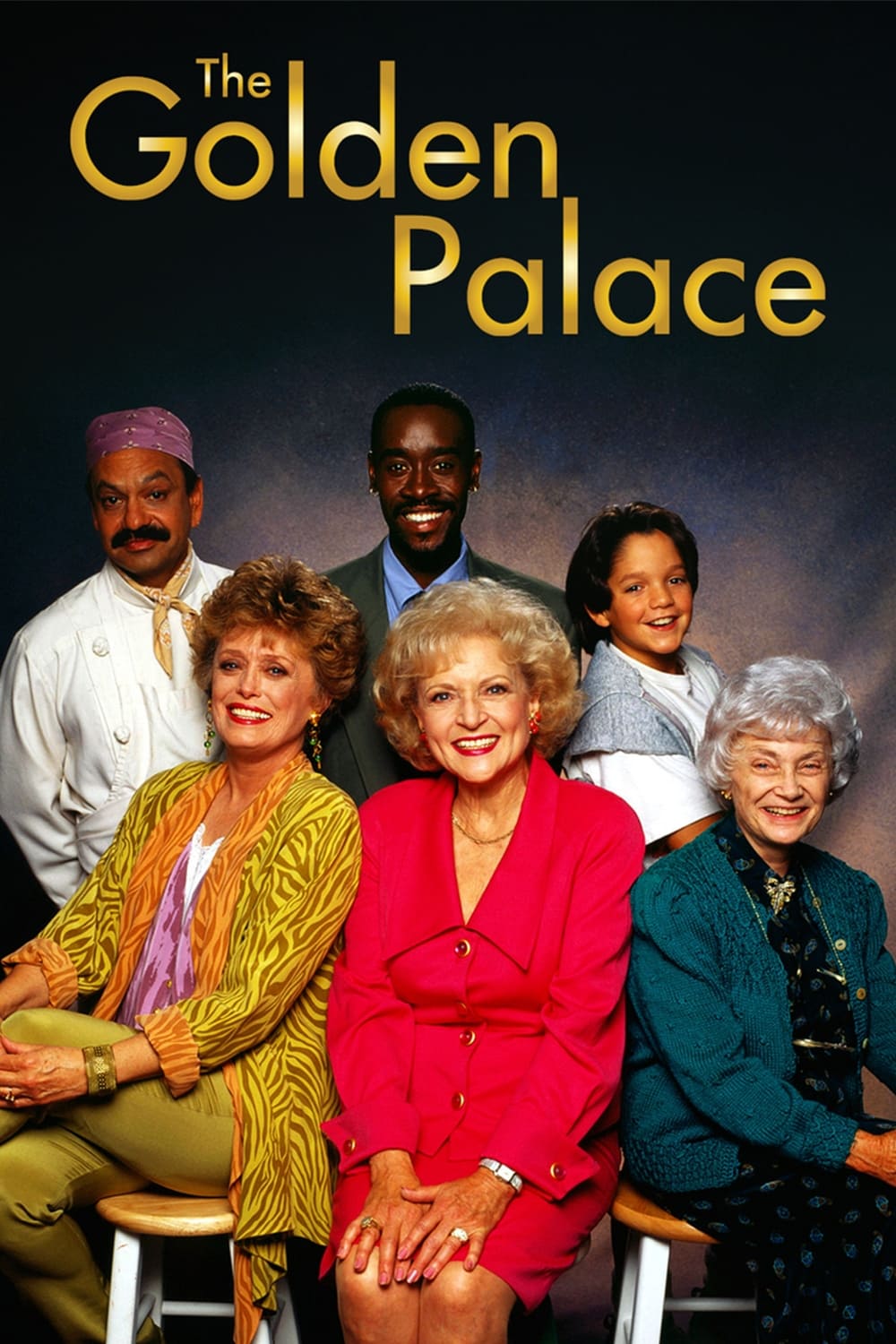
Continuing from ‘The Golden Girls’, ‘The Golden Palace’ follows Rose Nylund (Betty White), Blanche Devereaux (Rue McClanahan), and Sophia Petrillo (Estelle Getty) as they purchase and operate a Miami hotel. Plots revolve around front-desk duties, kitchen operations, bookings, and the trio’s interactions with staff and guests.
Created by Susan Harris with producers Paul Junger Witt and Tony Thomas, the CBS series adds Don Cheadle as hotel manager Roland Wilson and Cheech Marin as chef Chuy Castillos. The show uses a multi-camera setup taped before a live audience, maintaining the performers’ timing and character rhythms established in ‘The Golden Girls’.
‘The Carrie Diaries’ (2013–2014)
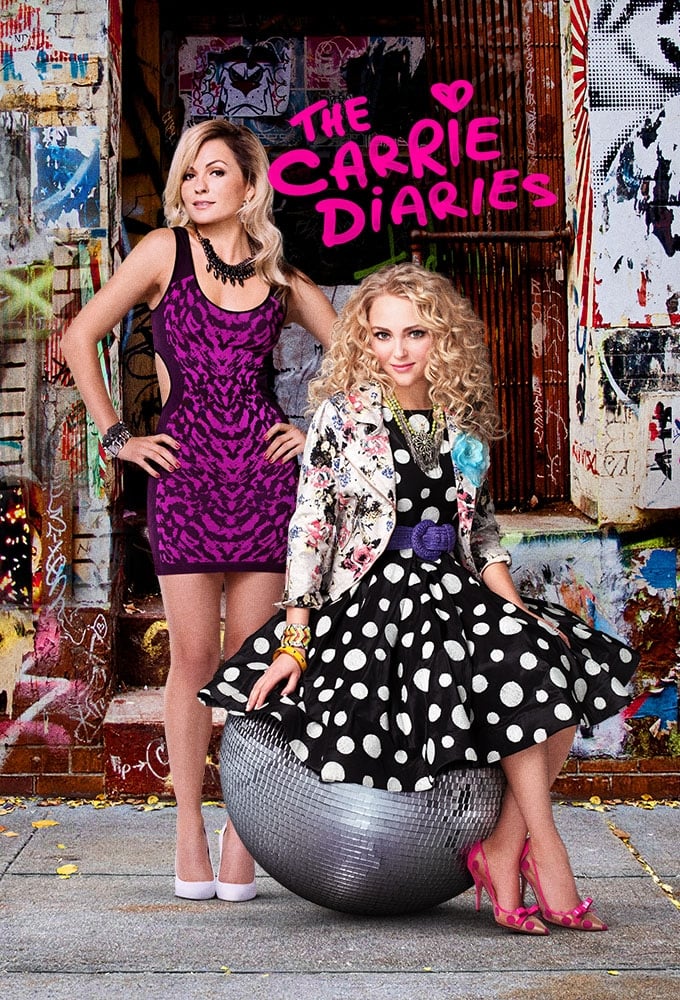
A prequel to ‘Sex and the City’, ‘The Carrie Diaries’ introduces Carrie Bradshaw (AnnaSophia Robb) as a high-school student navigating internships, fashion publishing, and friendships that hint at connections to her future New York life. Episodes trace early writing ambitions, first loves, and trips into the city’s creative scenes.
Developed by Amy B. Harris for The CW and based on Candace Bushnell’s novels, the series features Austin Butler, Ellen Wong, and Stefania LaVie Owen in the ensemble. The production leans on period style elements, editorial-office storylines, and teen-drama arcs that align the character’s formative years with traits known from ‘Sex and the City’.
Tell us which spinoffs you’d add to this list—share your picks in the comments.

