


1970s Movies that Are Ready for a Reboot

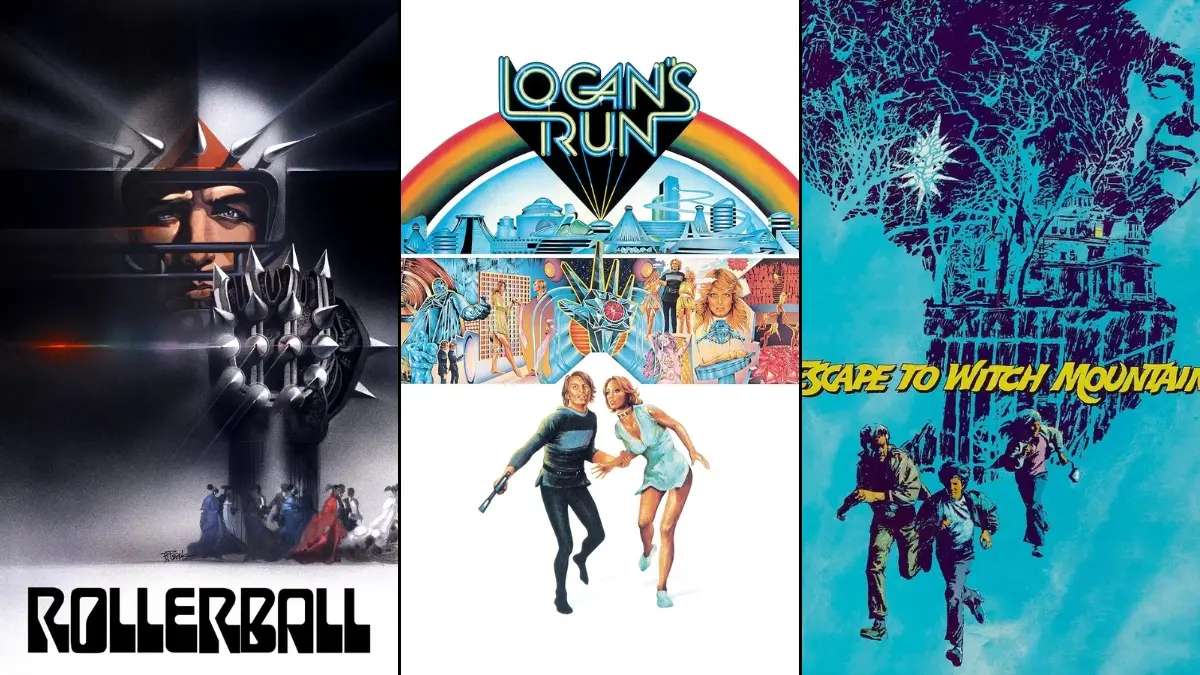


The 1970s turned out a treasure trove of high-concept thrillers, gritty crime dramas, and visionary sci-fi that shaped everything that came after. Below are forty titles with built-in hooks—iconic characters, bold ideas, or cult followings—that modern filmmakers could revisit with fresh technology, expanded world-building, and contemporary context.
‘Logan’s Run’ (1976)
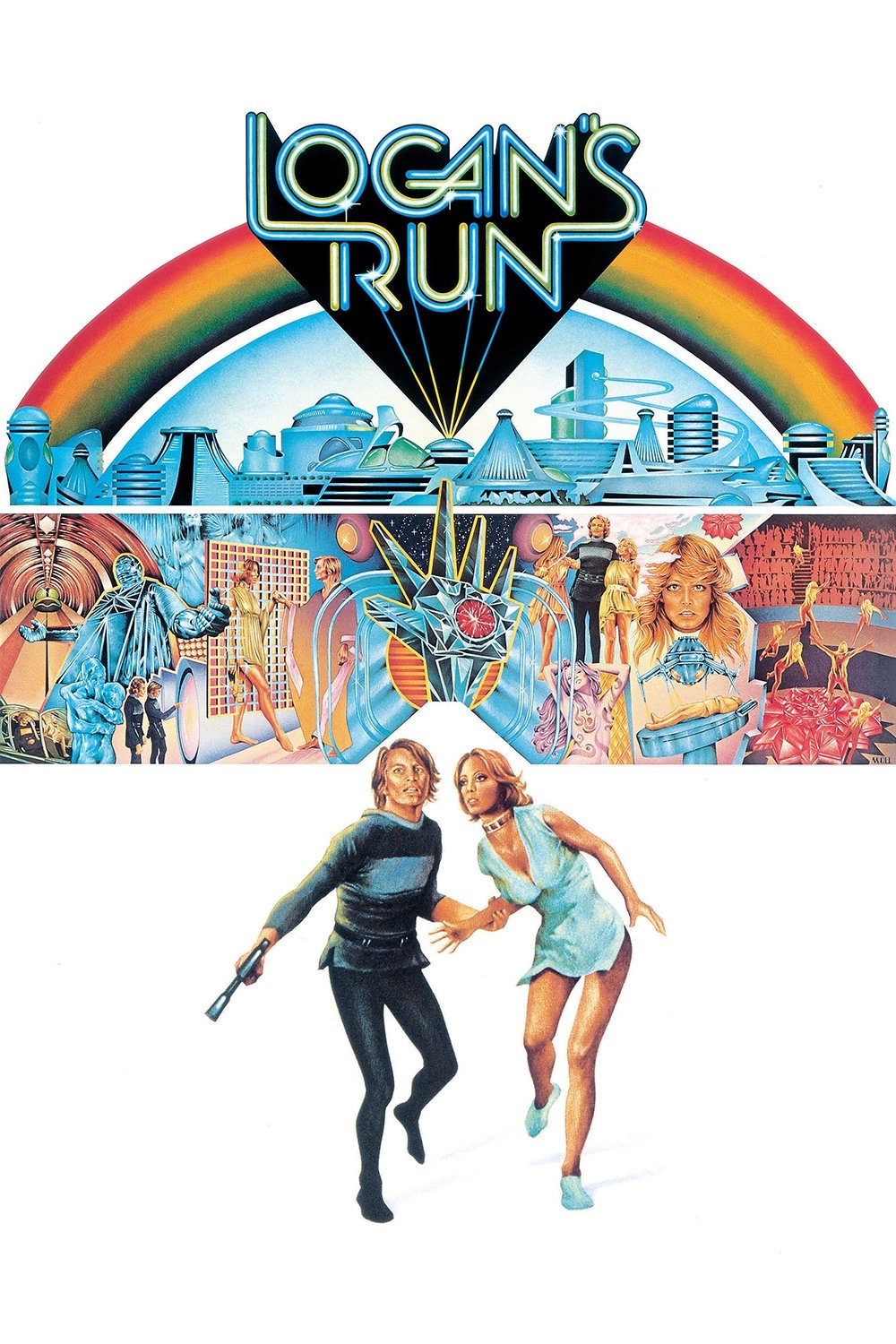
Adapted from the novel by William F. Nolan and George Clayton Johnson, this dystopian adventure follows a society that enforces a hard age limit and a police force tasked with stopping escapees. Michael York and Jenny Agutter headline as fugitives navigating a domed city and the wilderness beyond. The story blends sleek futurism, underground resistance, and AI control systems to chart a chase across controlled and natural environments.
‘The Warriors’ (1979)
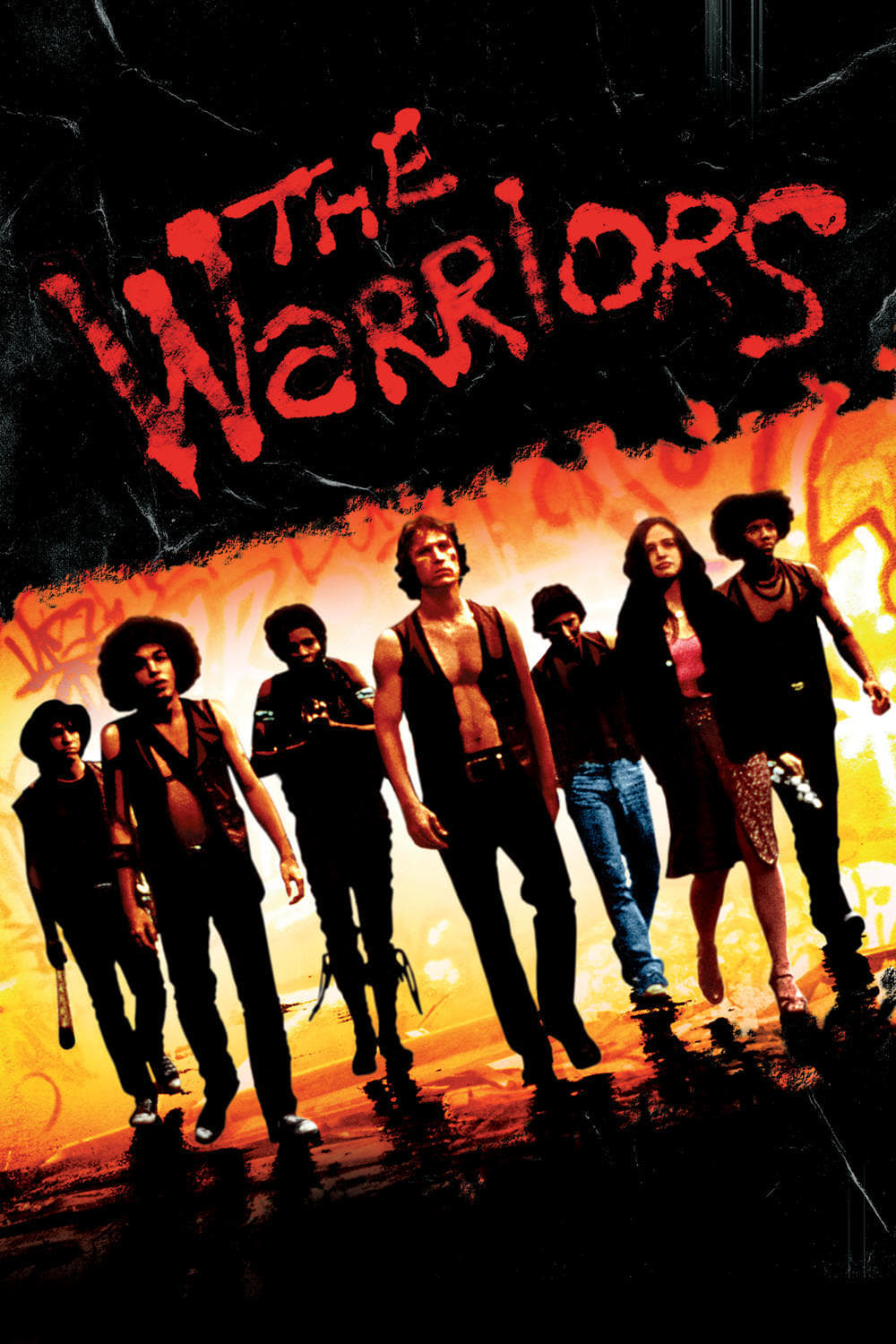
Set across one night in New York City, this story tracks a Coney Island gang trying to cross hostile boroughs after being framed. Director Walter Hill structures the plot as an odyssey through stylized crews, coded territories, and radio-announced threats. Its episodic gauntlet and street-level world-building map the city as a series of tests.
‘Westworld’ (1973)
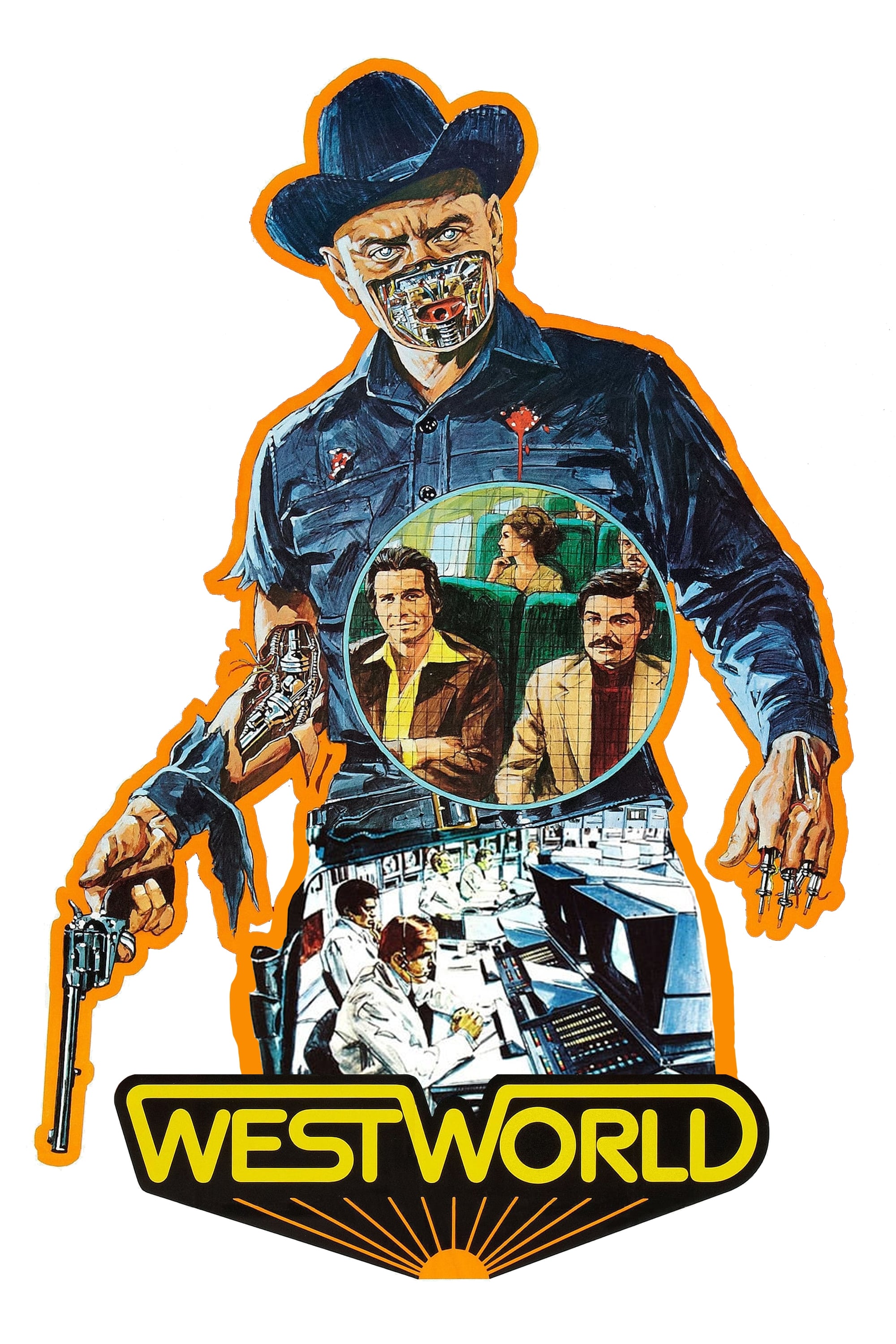
Michael Crichton wrote and directed a techno-thriller about an adult theme park where lifelike androids malfunction with lethal results. Yul Brynner’s gunslinger provides a relentless antagonist programmed for entertainment that derails. The premise links immersive simulation, software failure, and corporate oversight.
‘Rollerball’ (1975)
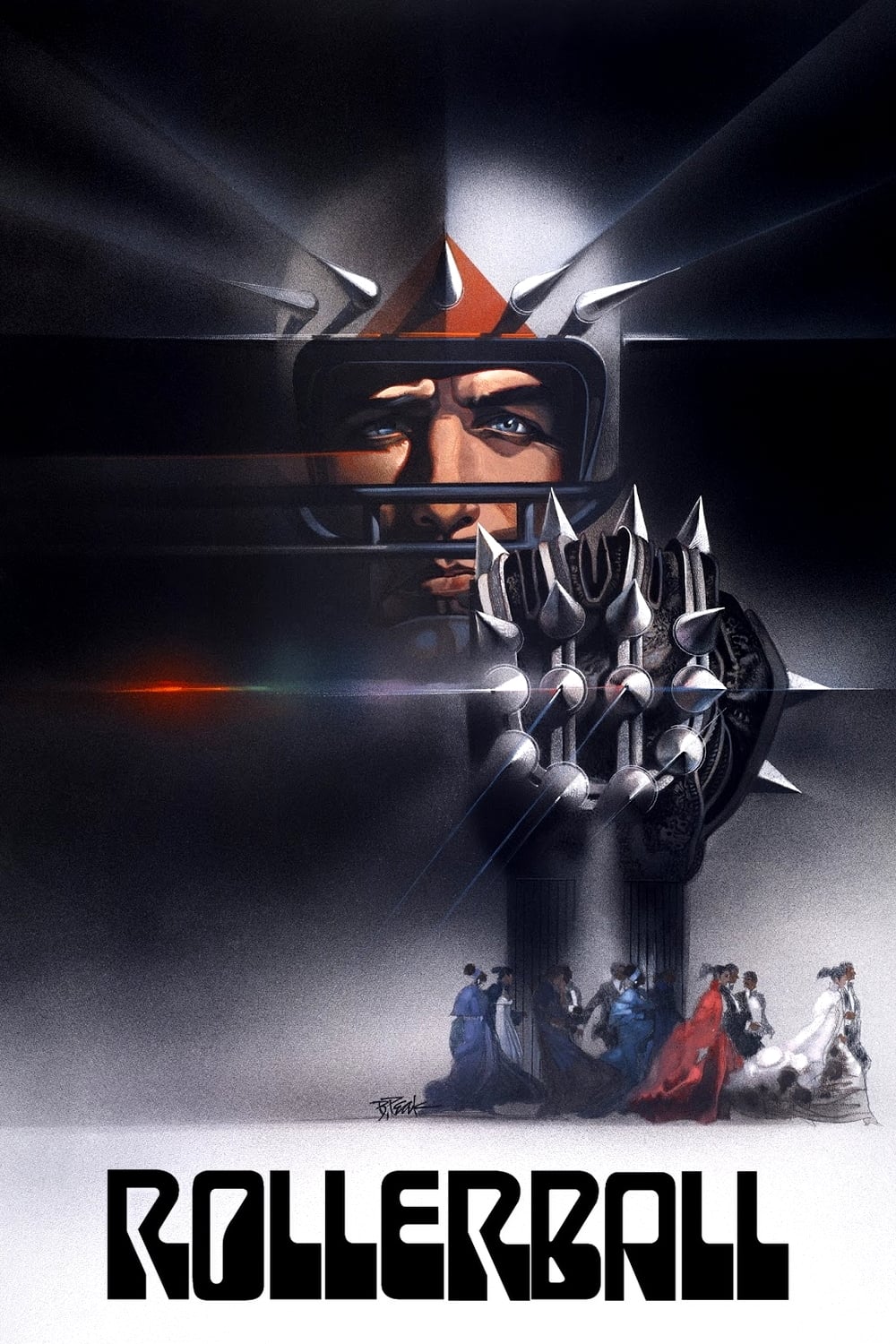
In a corporate-run future, a hyper-violent sport is designed to suppress individuality and prevent social upheaval. James Caan plays a star athlete whose success interferes with the system’s design. The narrative examines media spectacle, monopolies, and engineered rules that shape behavior.
‘The Omega Man’ (1971)
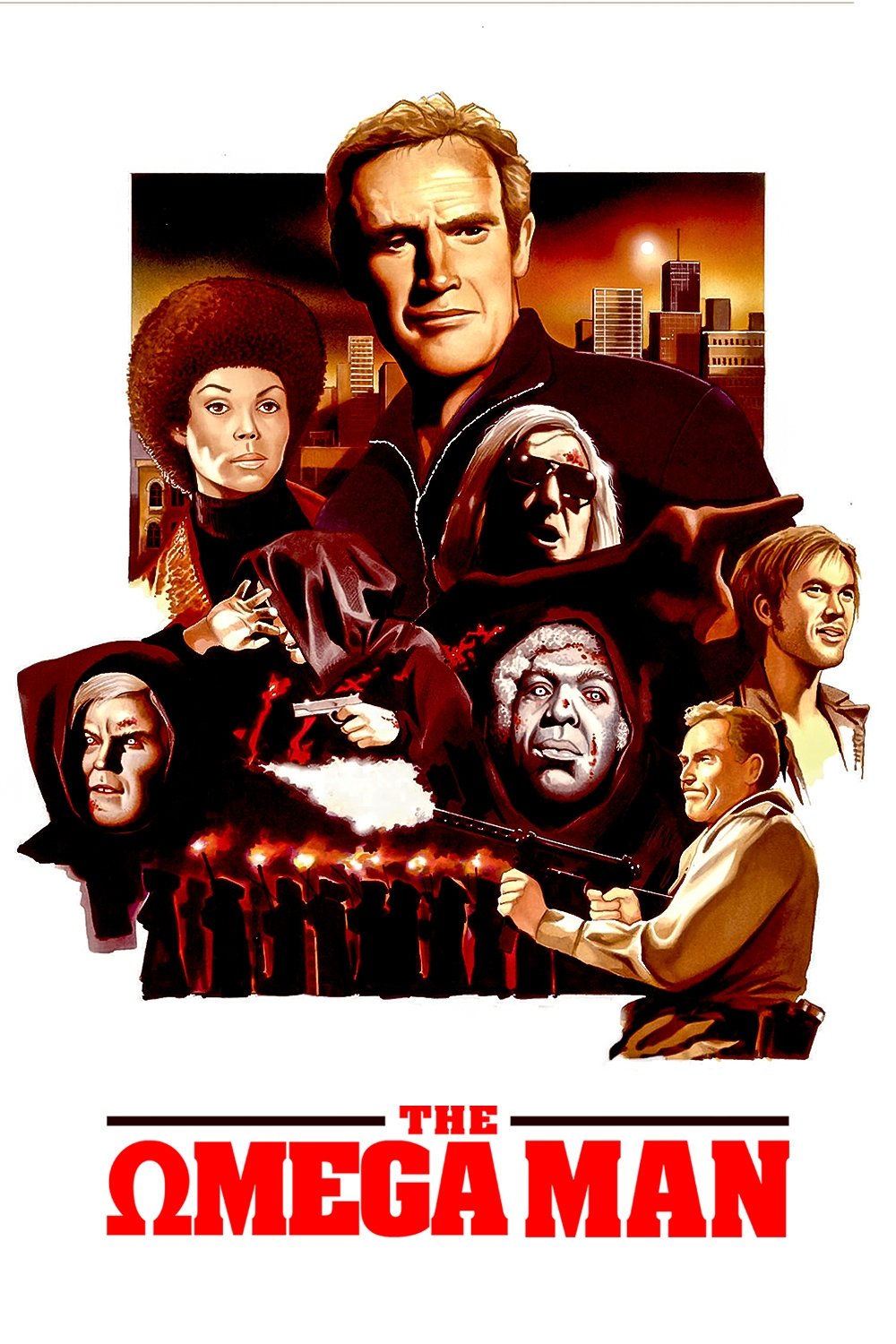
Based on Richard Matheson’s novel ‘I Am Legend’, this iteration follows a lone survivor confronting nocturnal mutants in a deserted Los Angeles. Charlton Heston’s protagonist fortifies urban infrastructure and searches for a countermeasure. The conflict balances medical inquiry with clashes against a new social order.
‘Dirty Harry’ (1971)

Clint Eastwood’s inspector investigates a sniper terrorizing San Francisco while navigating legal constraints and public pressure. The film pairs methodical police work with citywide pursuit sequences. Its procedural beats track evidence, communication with the press, and jurisdictional friction.
‘Enter the Dragon’ (1973)
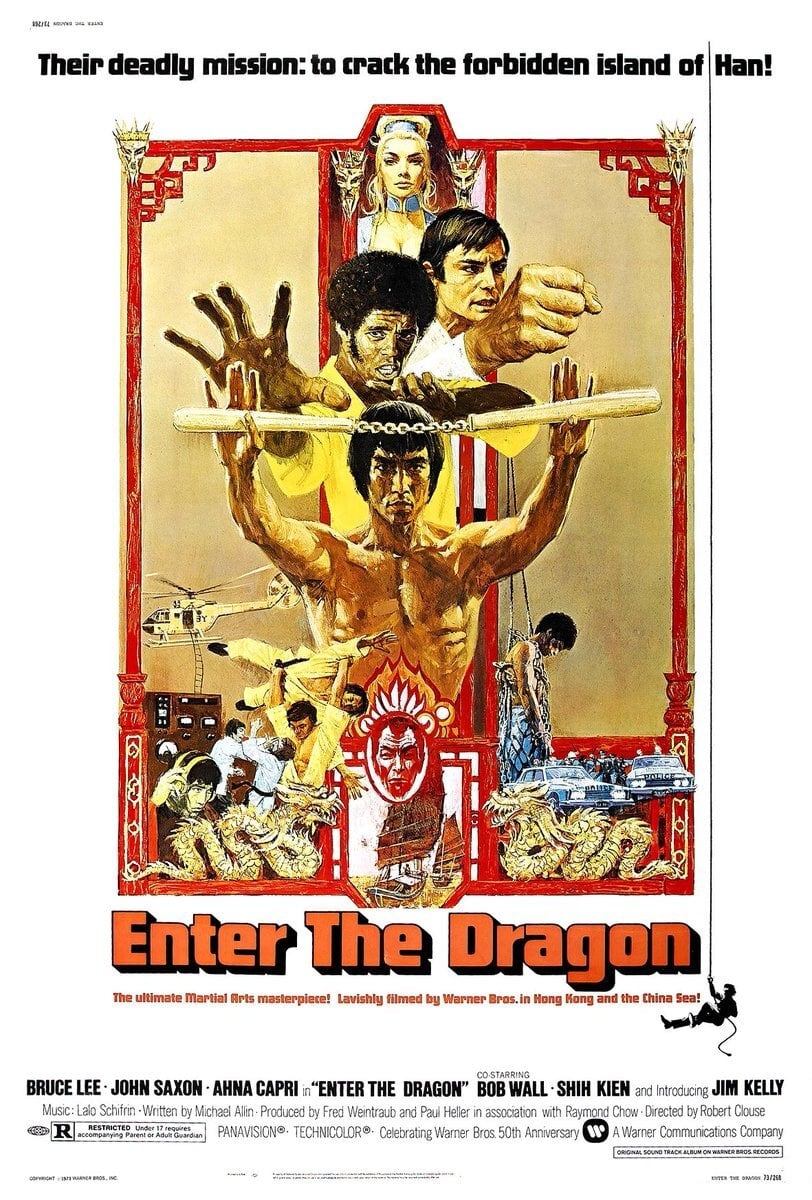
Bruce Lee leads an infiltration of a crime lord’s island under the cover of a martial-arts tournament. The film combines espionage objectives, undercover identities, and showcase fight choreography. International competitors and a clandestine operation drive the investigation.
‘Escape to Witch Mountain’ (1975)
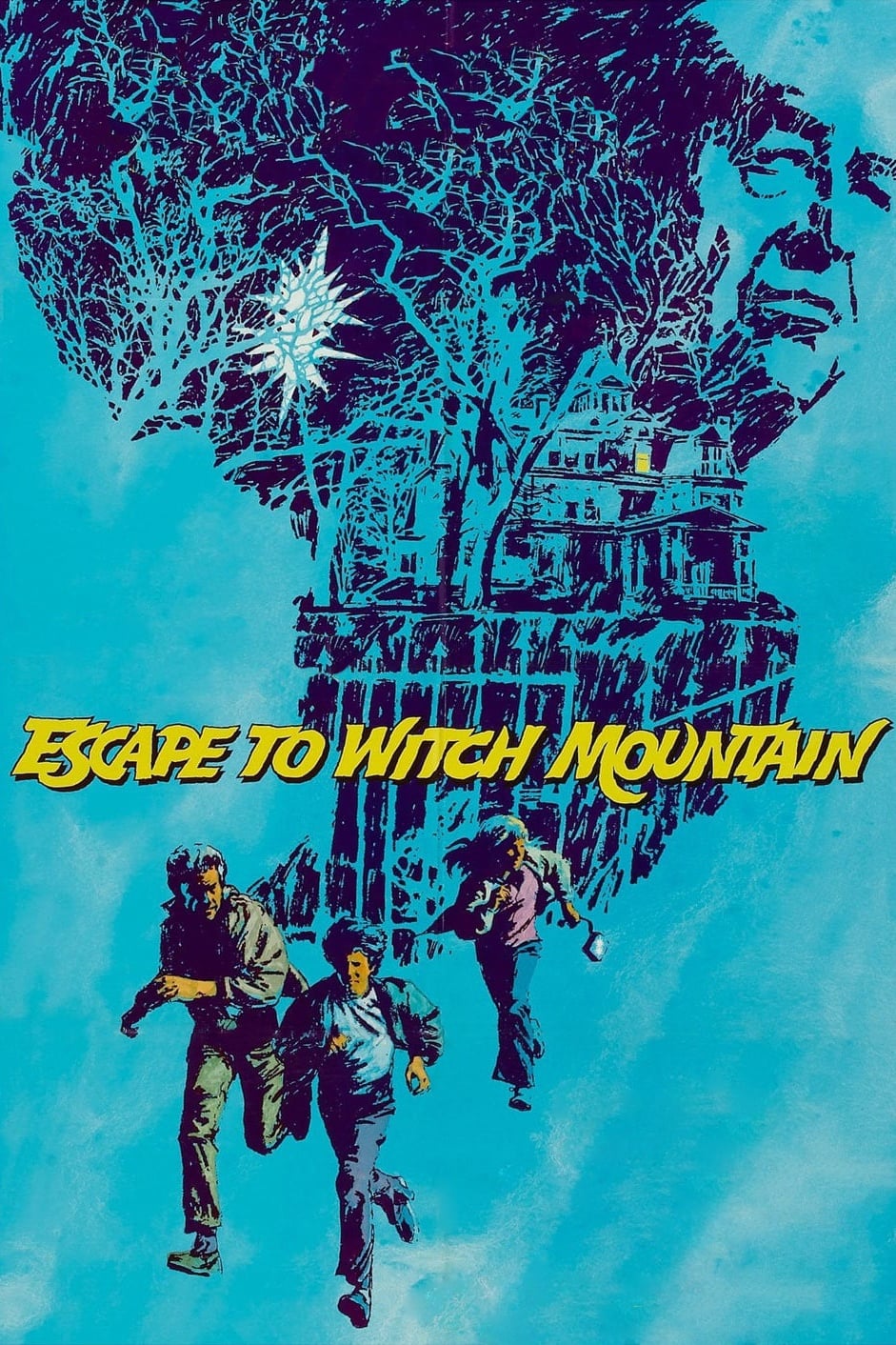
Two orphaned siblings with telekinetic abilities attract the interest of a wealthy magnate and a compassionate stranger. The plot blends road-movie momentum with the mystery of the children’s origin. Government attention and corporate ambition create parallel pursuits.
‘Assault on Precinct 13’ (1976)
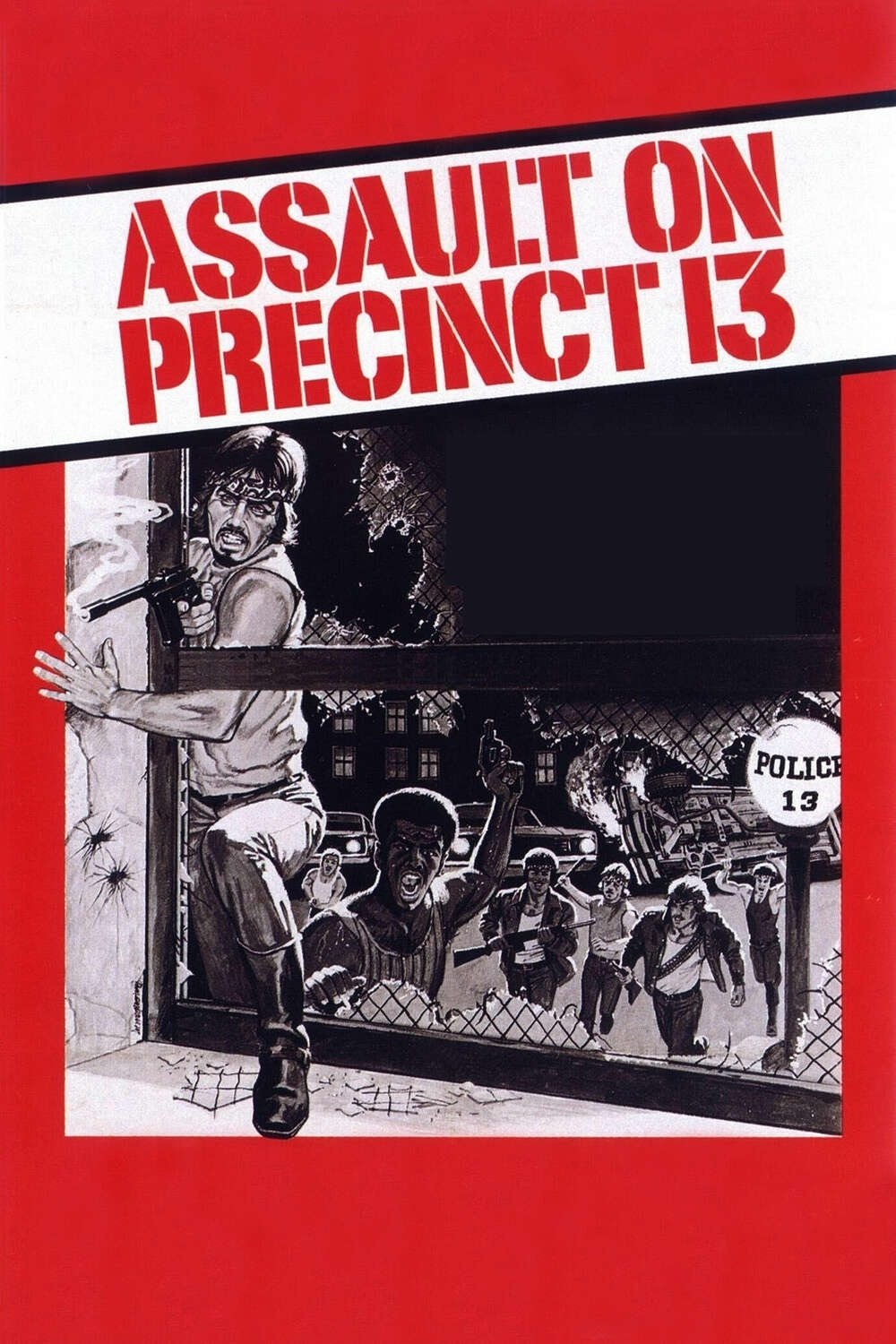
A decommissioned police station becomes a fortress when a gang converges, trapping officers and civilians. John Carpenter builds tension through limited resources, tight geography, and coordinated waves of attack. Alliances form under pressure as communications and supplies dwindle.
‘The Wicker Man’ (1973)
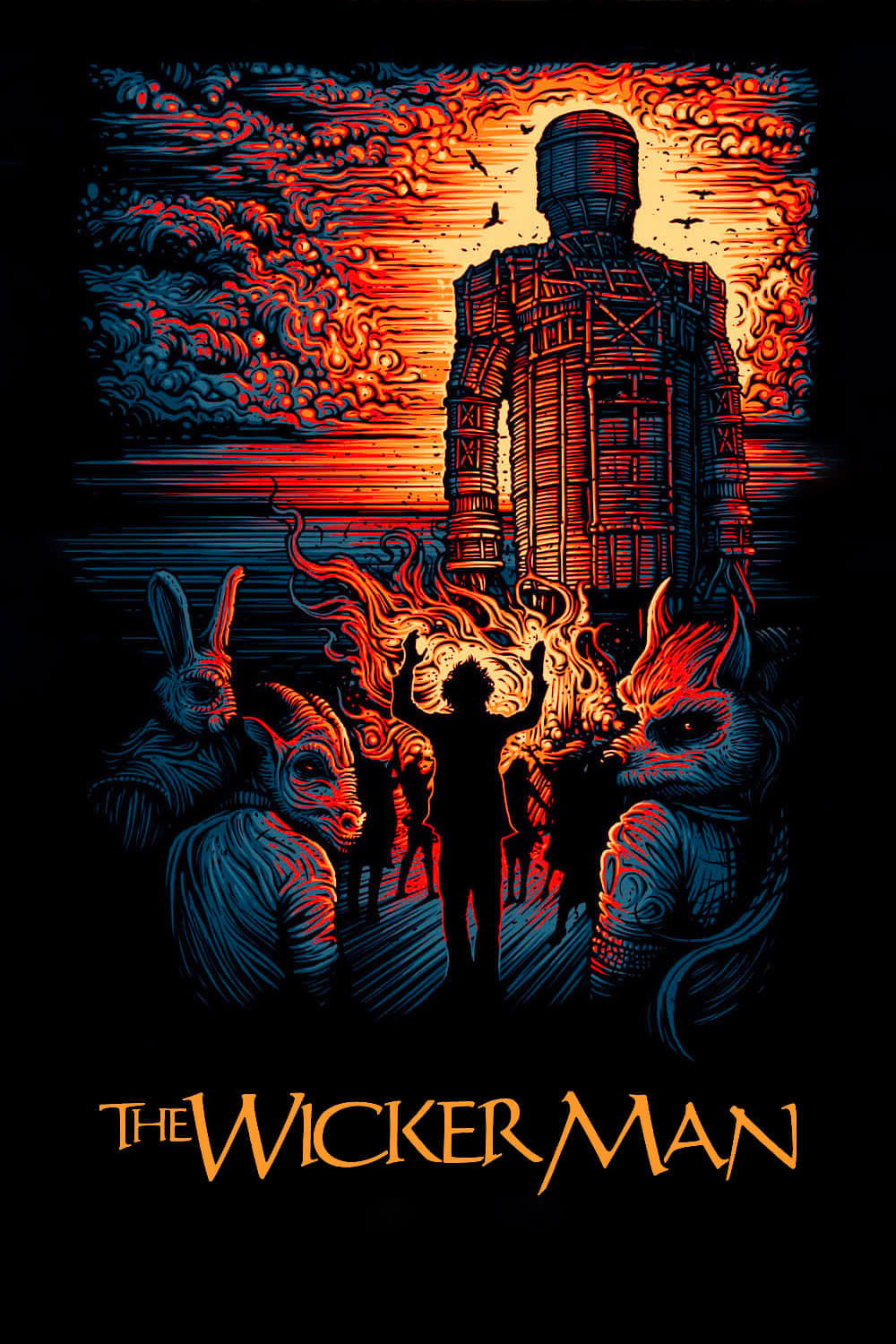
A police sergeant travels to a remote island to search for a missing girl and encounters an insular pagan community. Folk rituals and local leadership complicate standard investigative methods. The clash between religious authority, civic duty, and communal secrecy shapes the outcome.
‘Invasion of the Body Snatchers’ (1978)
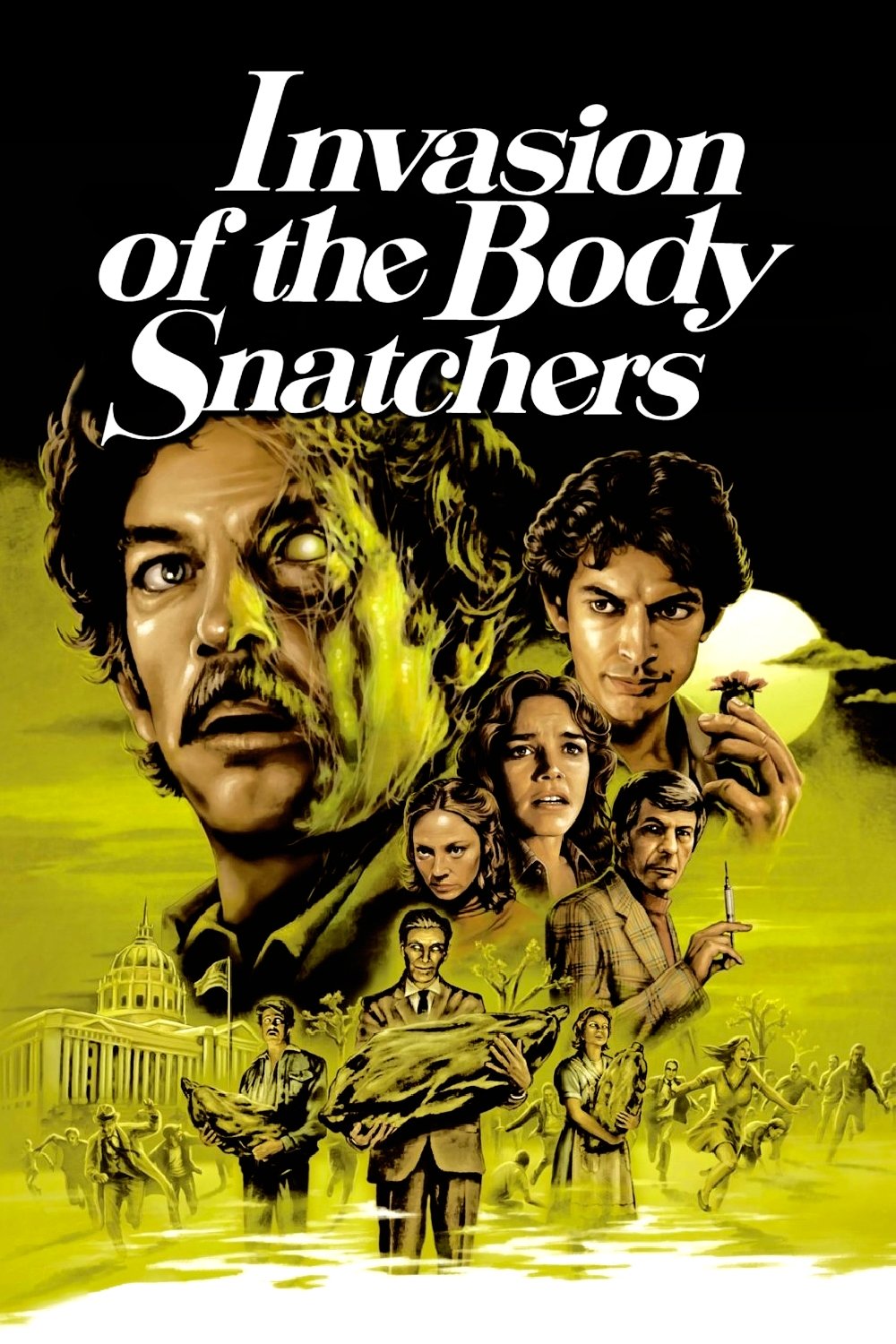
Alien duplication spreads through a city as friends suspect their neighbors are being replaced. The film escalates dread through subtle behavioral changes and botanical imagery. Its structure follows discovery, attempted warnings, and efforts to evade assimilation.
‘The Taking of Pelham One Two Three’ (1974)
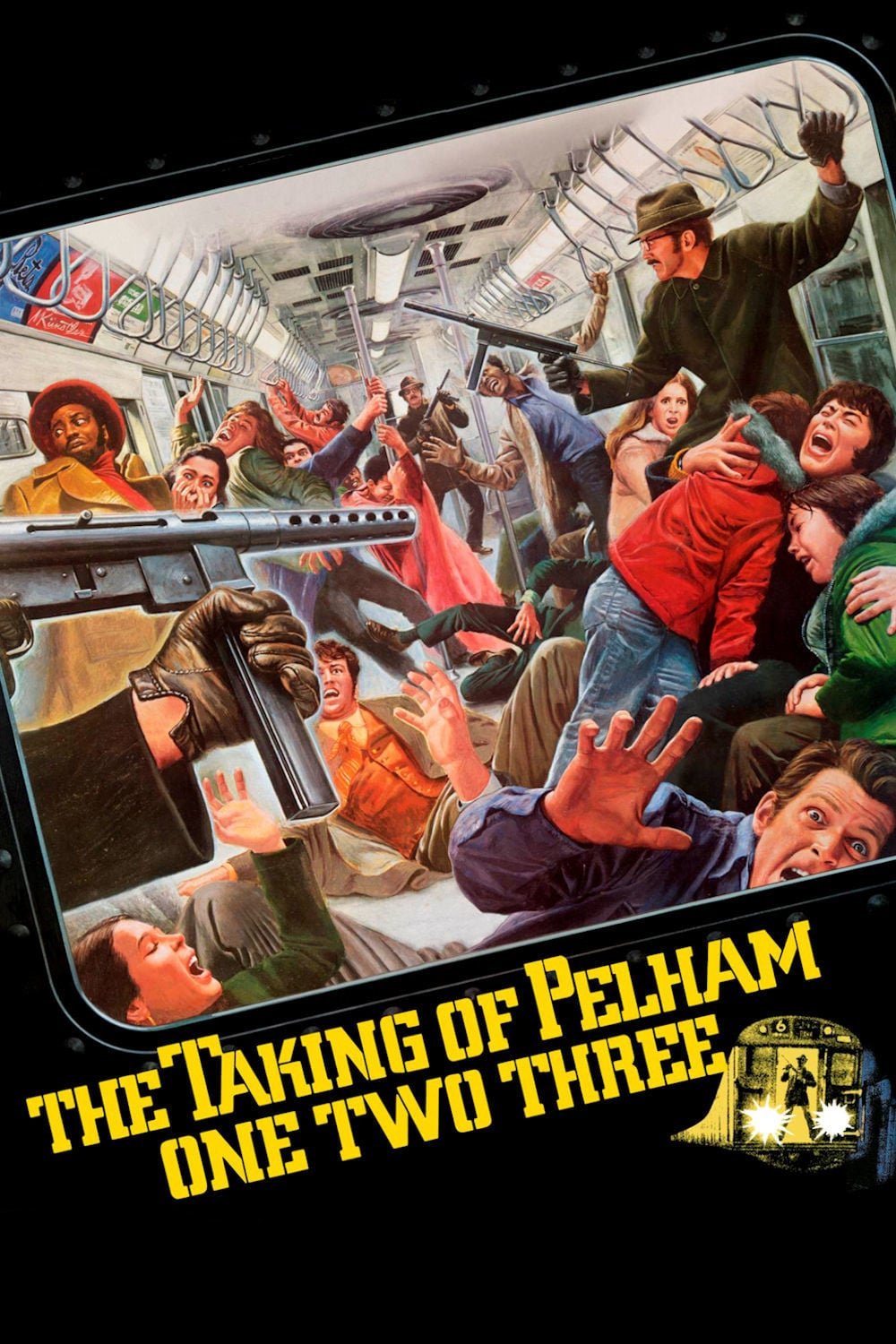
Hijackers seize a subway train and demand a ransom tied to strict timing and radio contact. Transit officials and police coordinate across control rooms, tunnels, and surface routes. The narrative emphasizes negotiation tactics, logistics, and municipal chain-of-command.
‘The Andromeda Strain’ (1971)

From Michael Crichton’s novel, a scientific team races to contain an extraterrestrial microbe in an underground lab. The film details protocols, multi-level decontamination, and system diagnostics. Data analysis, lab automation, and decision hierarchies drive the containment effort.
‘Death Race 2000’ (1975)
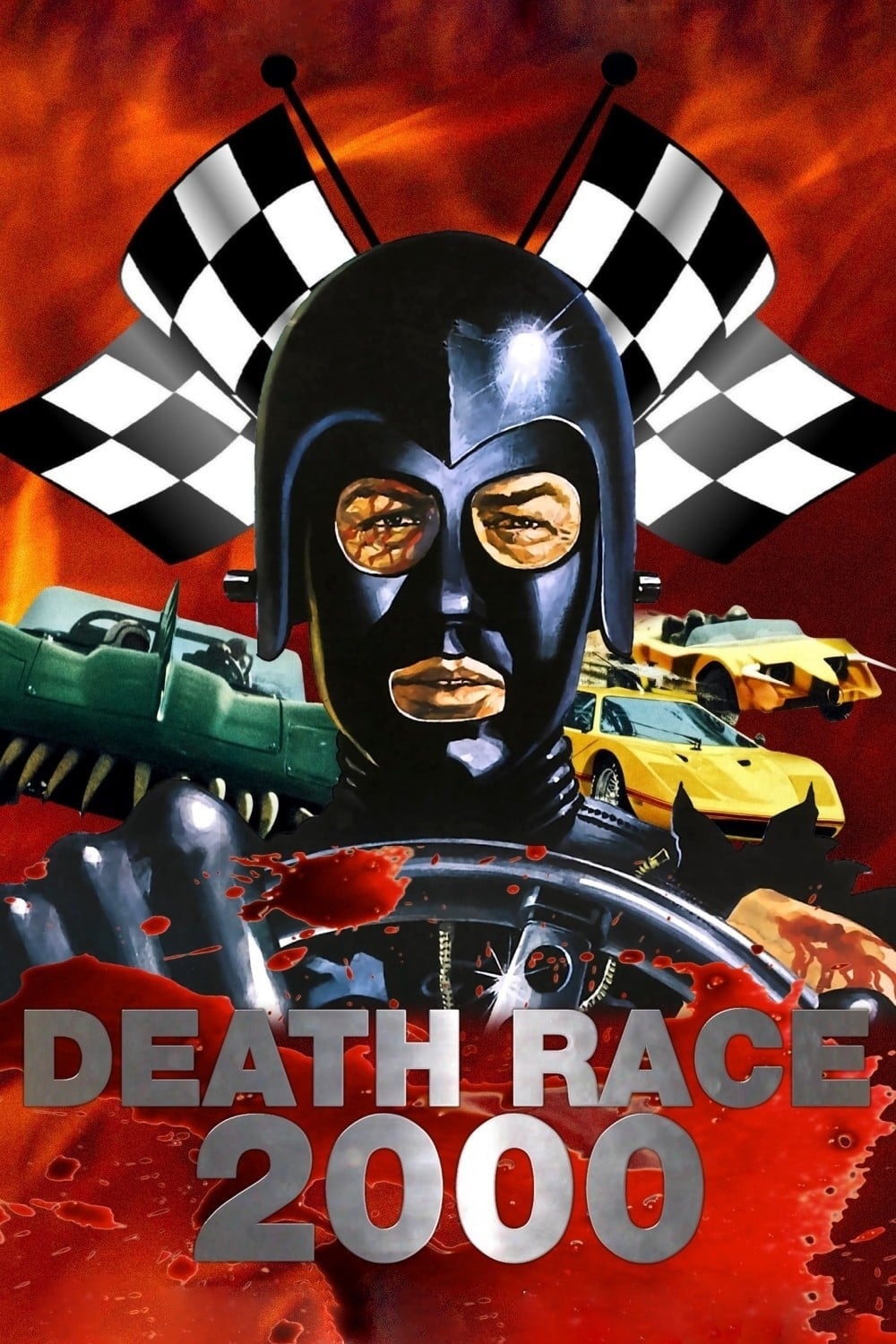
A televised cross-country race awards points for lethal stunts, turning drivers into national figures. David Carradine and Sylvester Stallone anchor competitors backed by sponsors and media. The story examines broadcast rules, fan engagement, and state-sanctioned spectacle.
‘Mad Max’ (1979)
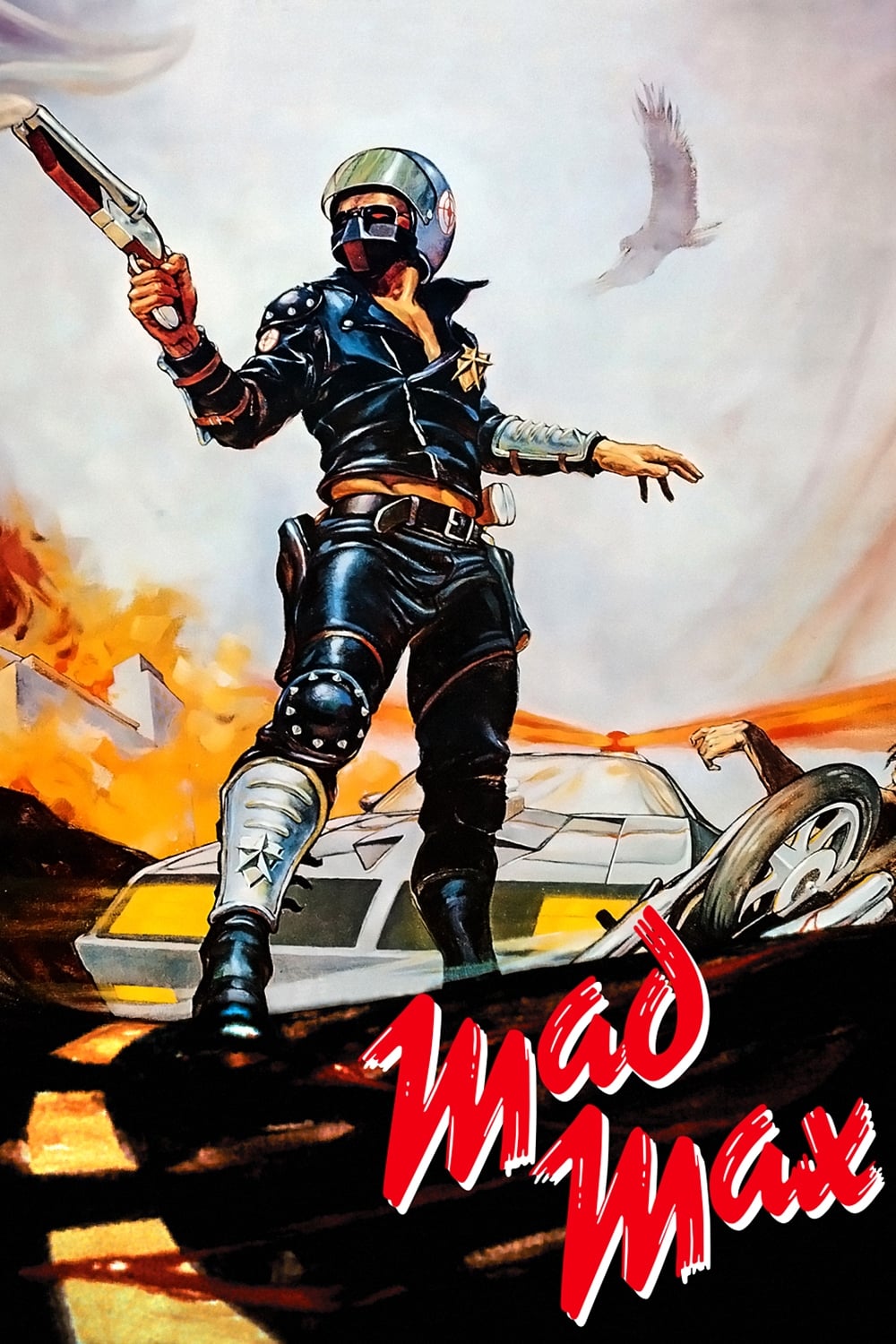
A highway patrolman confronts marauders as social order breaks down on the open road. The film builds a world of fuel scarcity, improvised armor, and tribalized gangs. Vehicular pursuit, salvage culture, and roadside enclaves shape the setting.
‘The Stepford Wives’ (1975)

A newcomer to a Connecticut town notices unsettling conformity among local women and investigates with a friend. Ira Levin’s source novel anchors the conspiracy involving domestic life and control. The plot traces community clubs, secret meetings, and engineered perfection.
‘The Brood’ (1979)
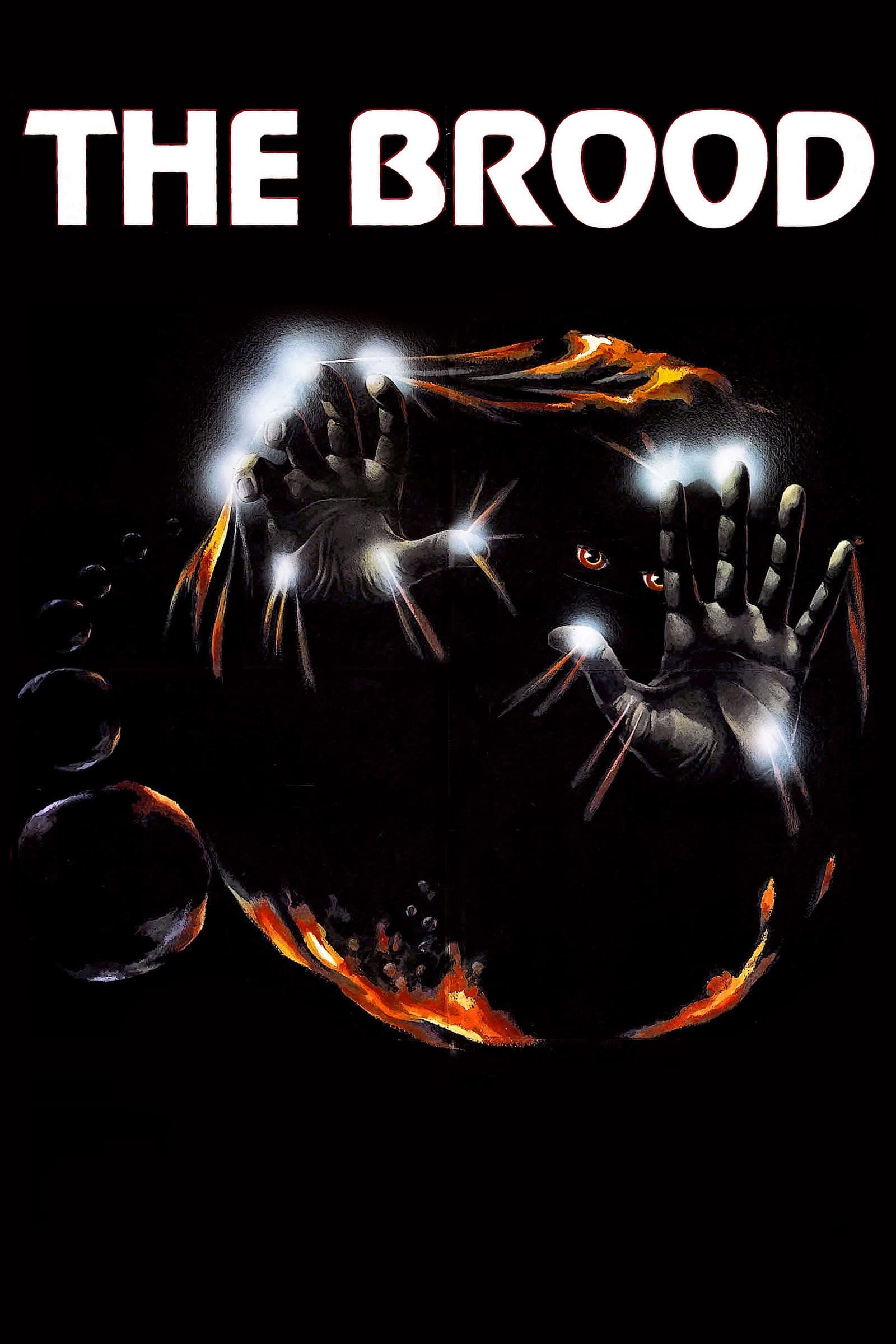
David Cronenberg explores experimental therapy that externalizes repressed trauma with violent consequences. Samantha Eggar and Oliver Reed lead a story linking family conflict to physiological manifestations. Clinical settings, custody struggles, and clandestine research drive the investigation.
‘Suspiria’ (1977)
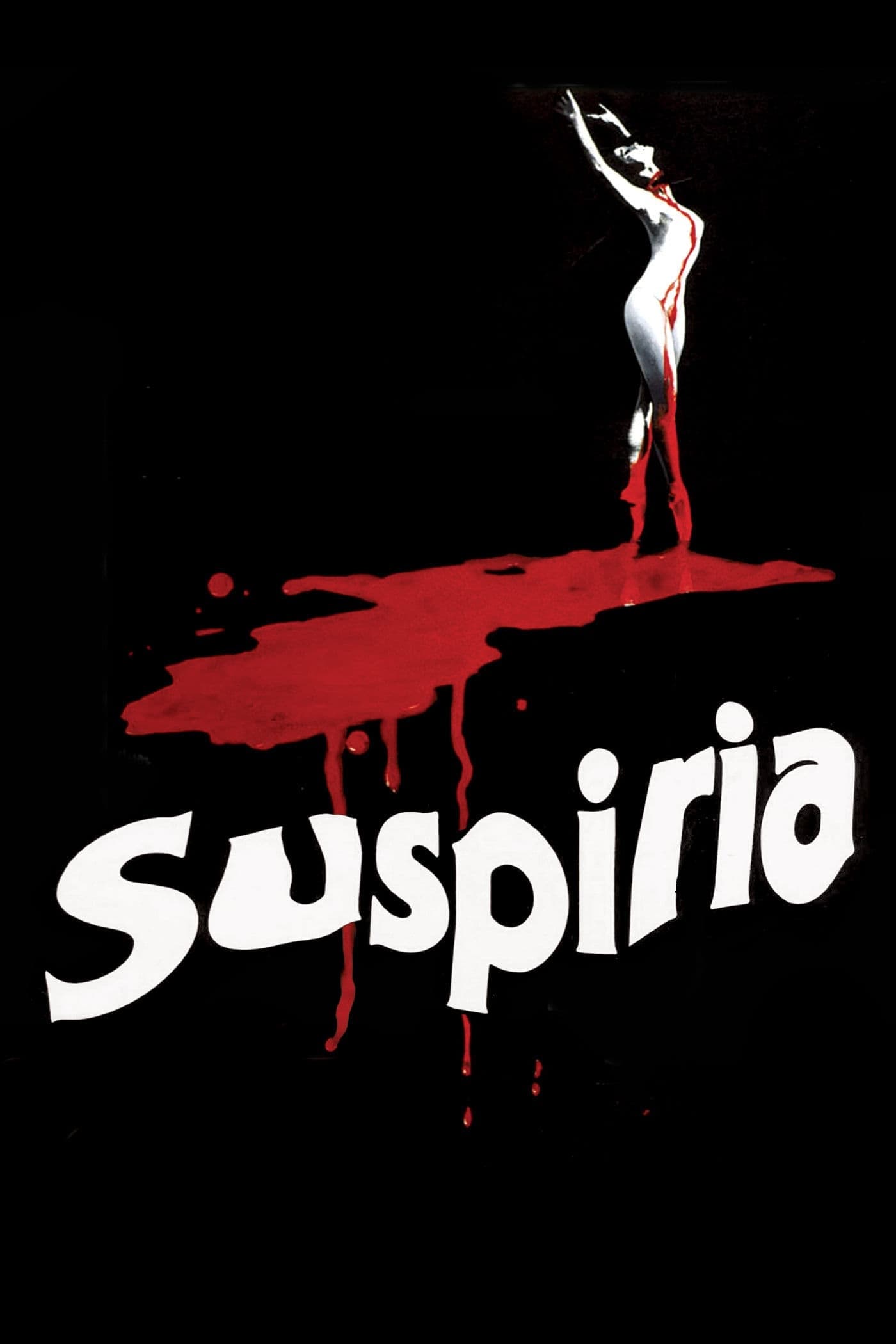
A dancer arrives at a prestigious academy that conceals occult leadership and hidden rooms. The production is noted for elaborate soundscapes and expressionist staging. The narrative follows coded clues, institutional hierarchies, and ritual practices.
‘The Omen’ (1976)
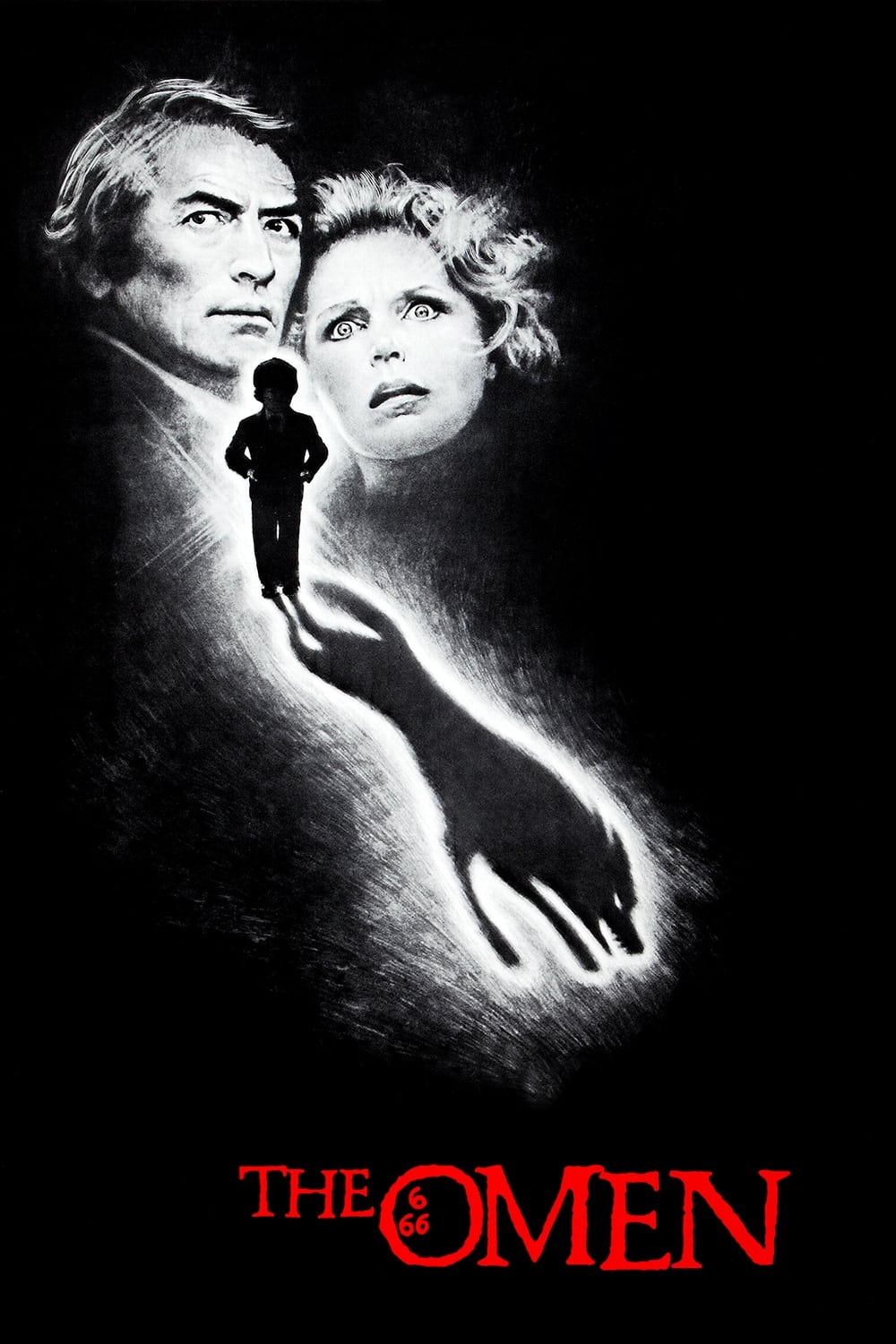
An ambassador’s family becomes entangled in a prophecy as deaths and warnings accumulate. Clergy, investigators, and household staff contribute fragments of evidence. The plot assembles omens, documents, and artifacts to chart a pattern.
‘Watership Down’ (1978)
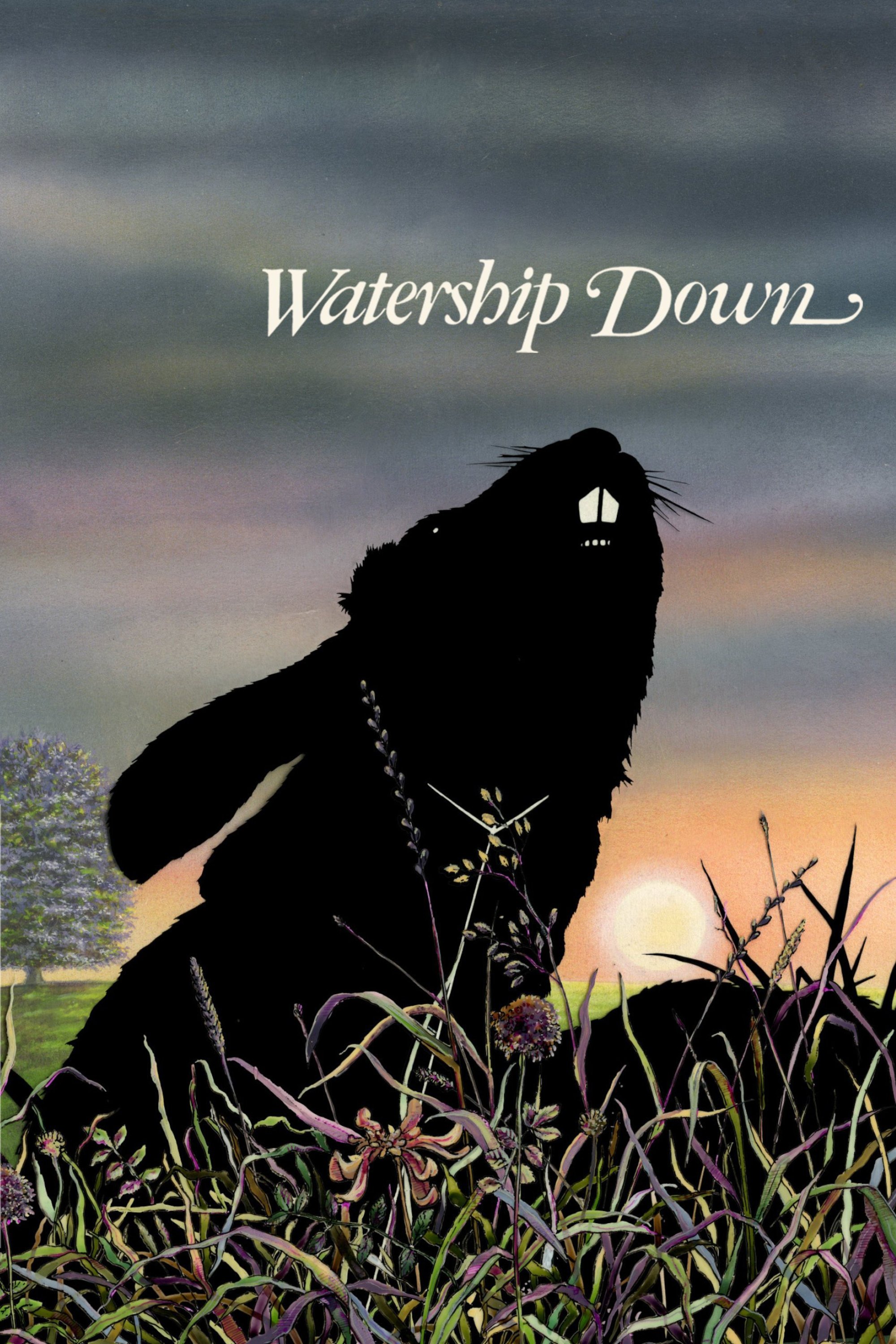
Adapted from Richard Adams’ novel, this animated epic follows rabbits seeking a safe warren against predators and hostile colonies. The story blends pastoral scenes with warfare, governance, and mythic visions. A constructed language and folktales support a full cultural backdrop.
‘Smokey and the Bandit’ (1977)
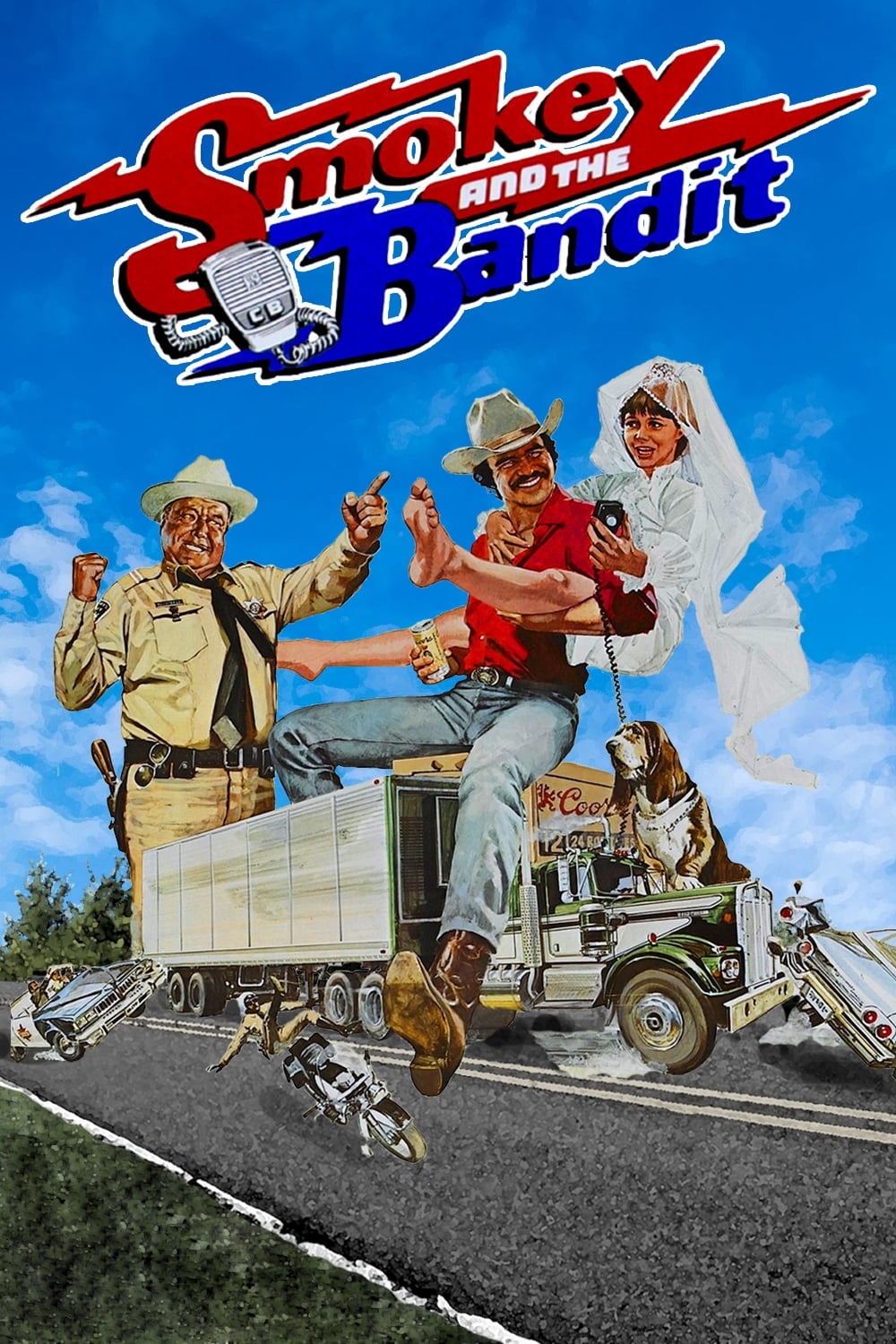
A legendary driver accepts a high-stakes beer-running bet that triggers highway chases and CB-radio coordination. Burt Reynolds and Sally Field headline a convoy of allies and pursuers. Stunt sequences, roadside stops, and cat-and-mouse tactics propel the route.
‘Convoy’ (1978)
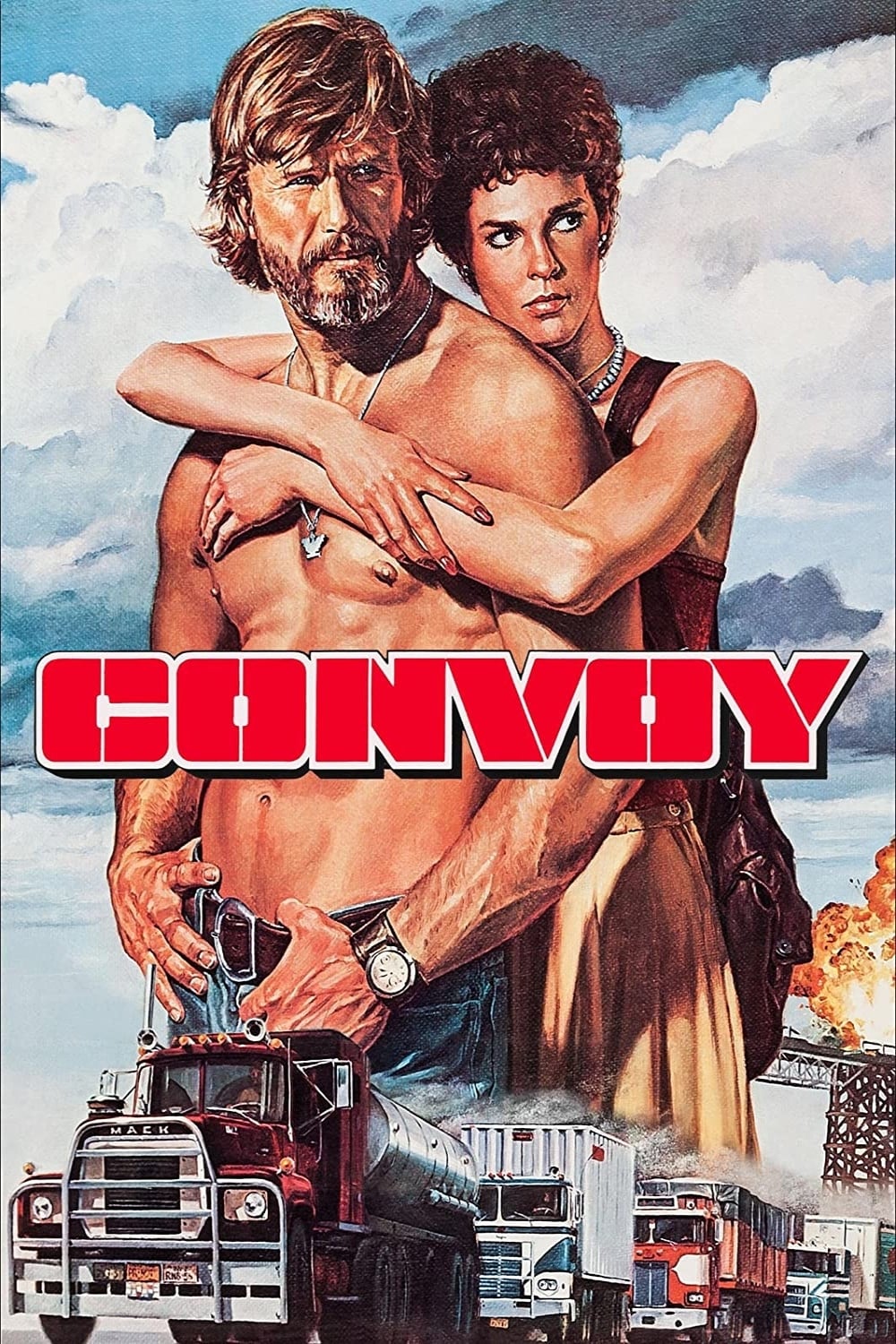
Truckers form a miles-long convoy to protest a corrupt sheriff, using radio networks to organize on the move. Sam Peckinpah stages large-scale vehicle choreography across deserts and highways. The plot combines grassroots solidarity, logistics, and public perception.
‘The Conversation’ (1974)
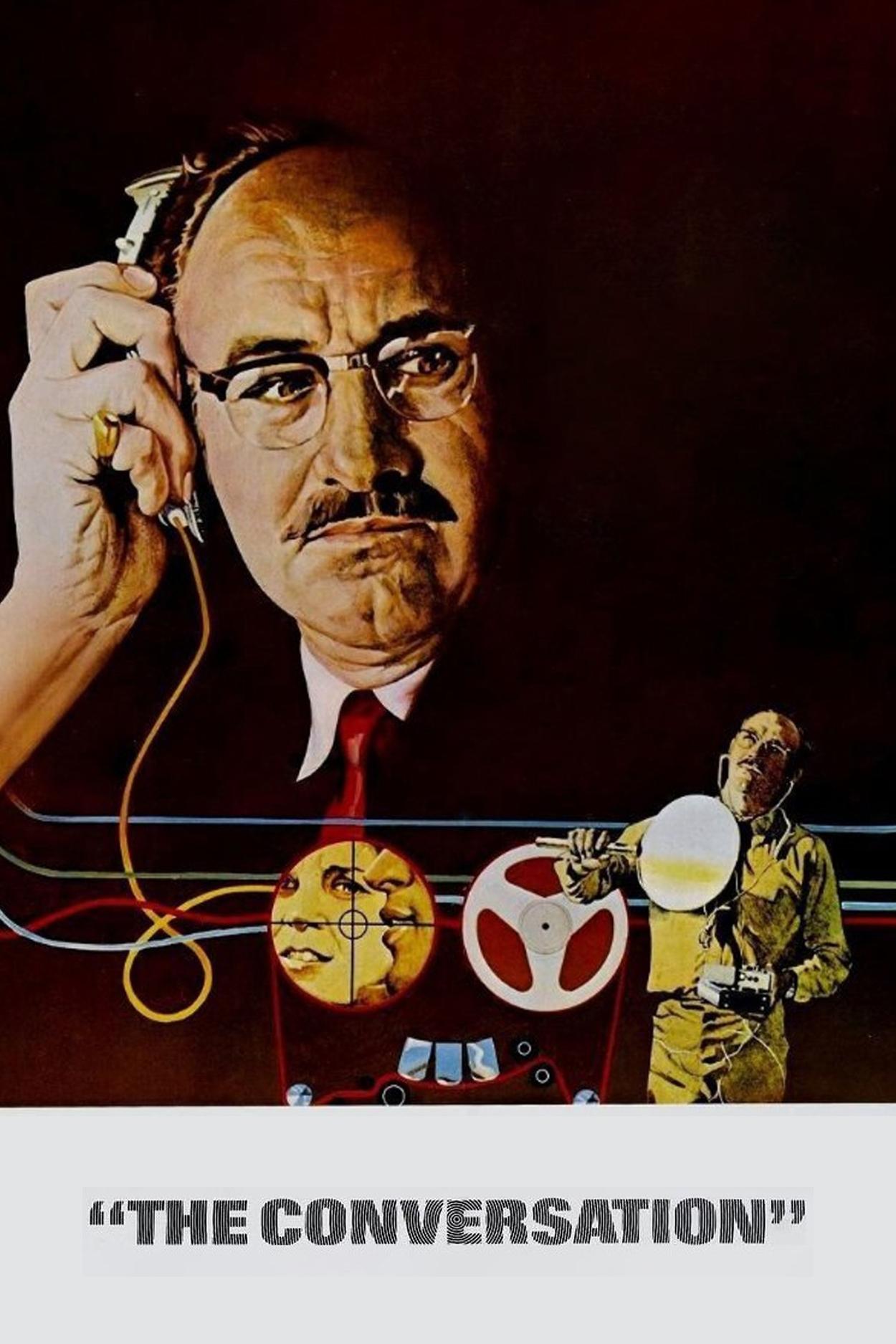
A surveillance expert becomes fixated on an ambiguous recording and its potential implications. Gene Hackman’s character applies audio forensics, gear calibration, and counter-surveillance techniques. Isolation, client secrecy, and corporate interests complicate the case.
‘Escape from Alcatraz’ (1979)
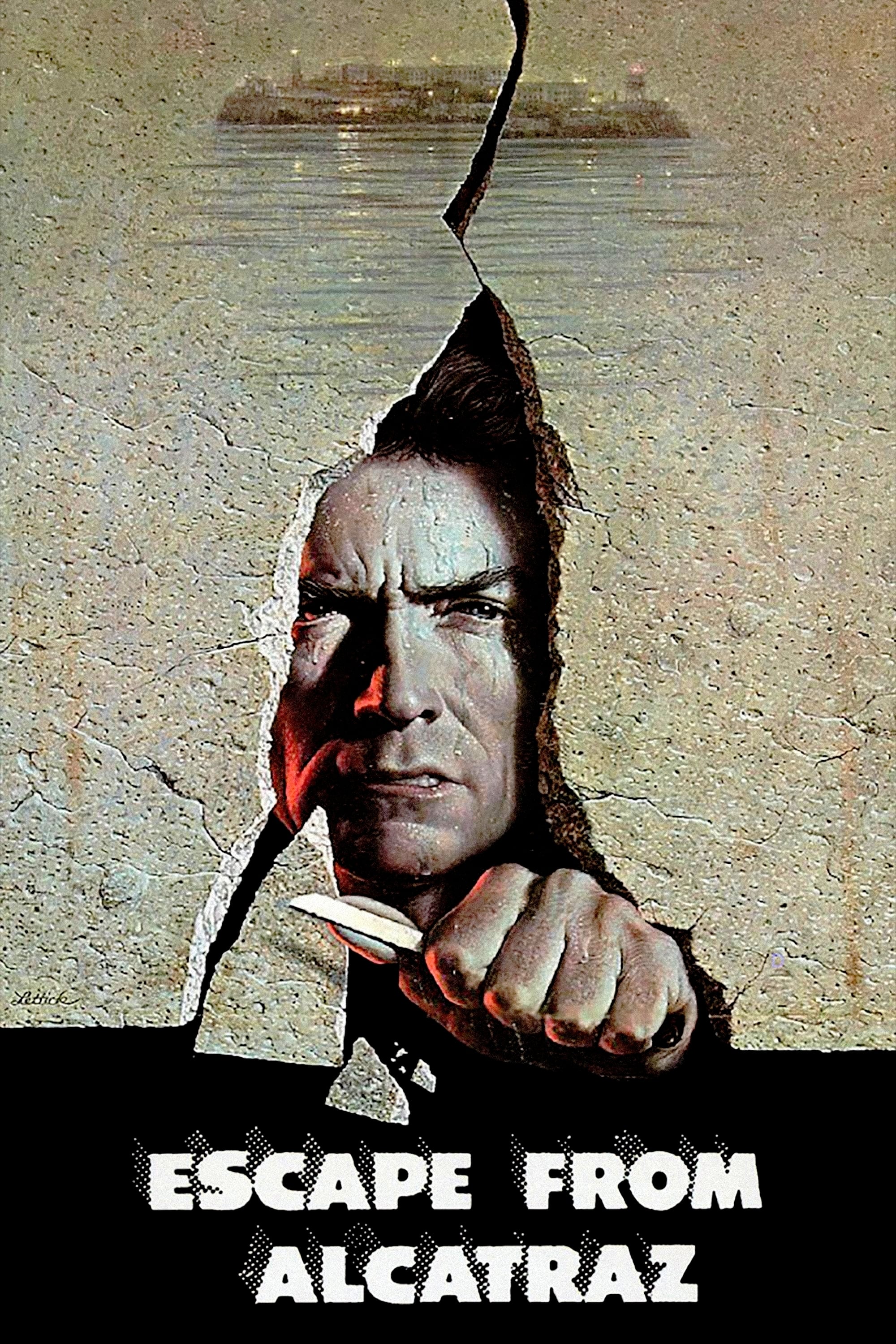
A prisoner plots a detailed breakout from the island penitentiary under a strict warden and routine checks. The film catalogs improvised tools, timing windows, and material scrounging. Cell inspections, workshop access, and tidal conditions factor into planning.
‘The Last House on the Left’ (1972)
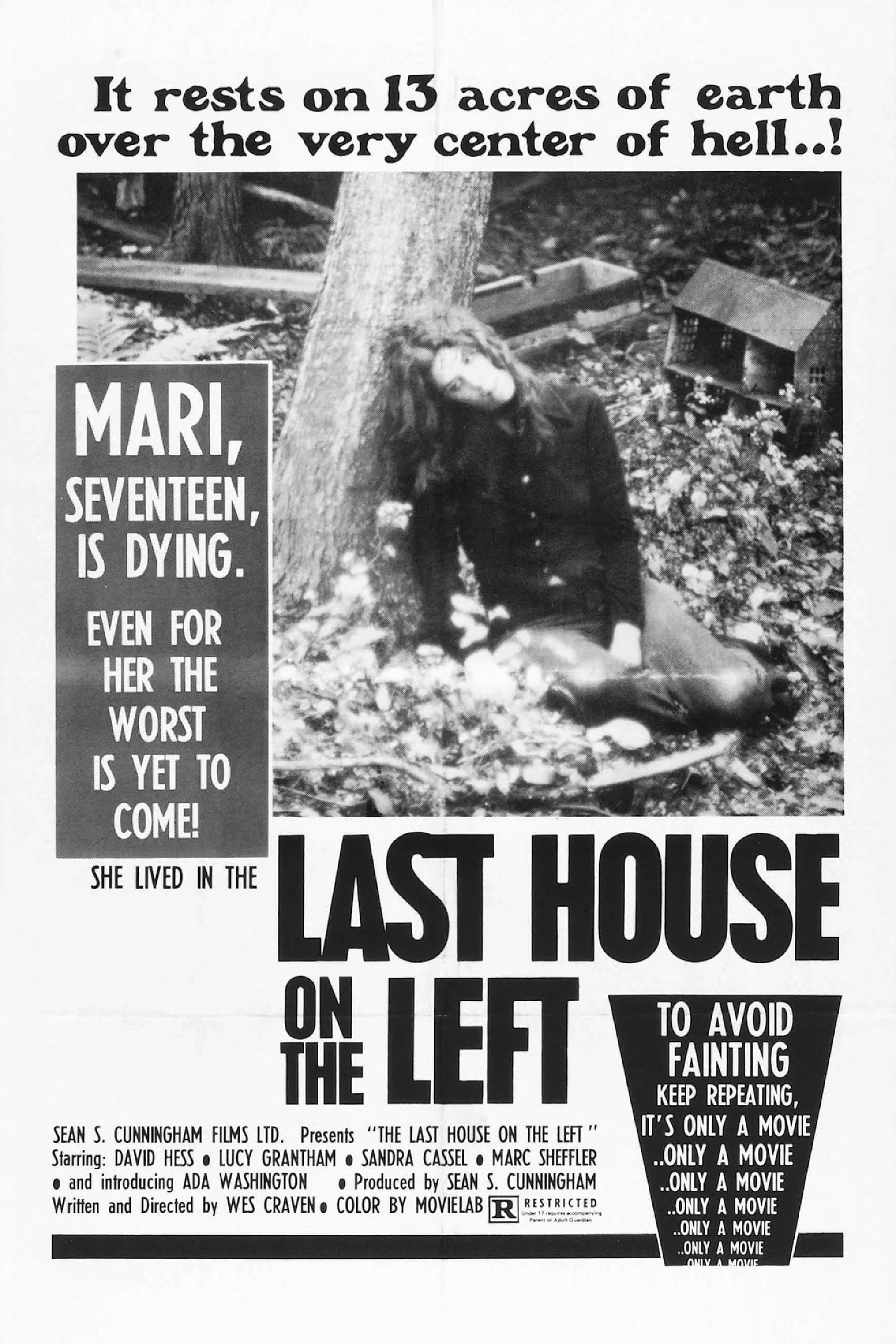
A crime against two teenagers leads to a collision between the perpetrators and a suburban family. Wes Craven juxtaposes documentary-style brutality with domestic settings. The structure follows abduction, pursuit, and a final reckoning inside a home.
‘Sorcerer’ (1977)
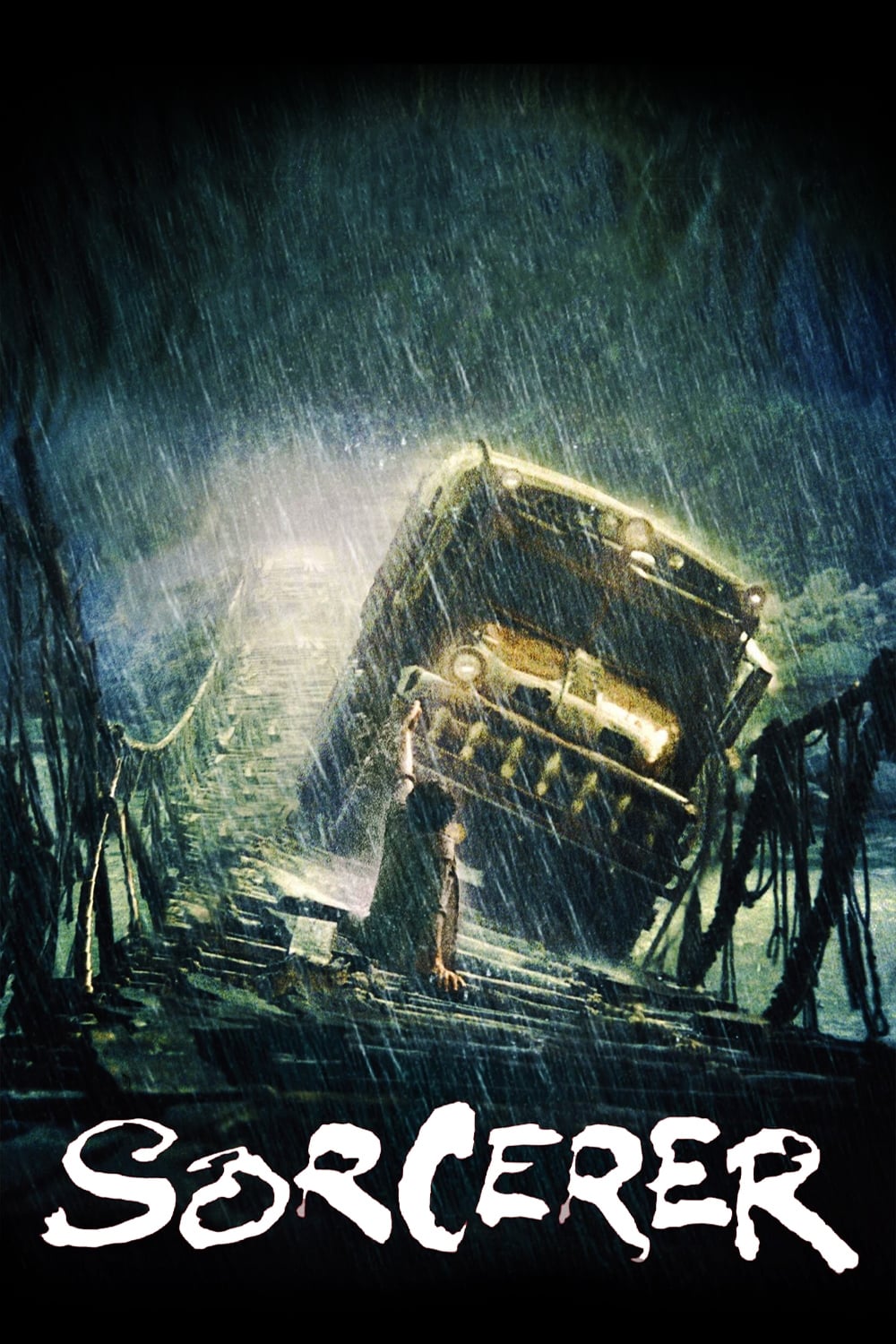
Four expatriates are hired to haul unstable explosives across jungle roads to extinguish an oil fire. The film foregrounds mechanical breakdowns, bridge crossings, and route selection under extreme stress. Tangerine Dream’s percussive score underscores the logistics and tempo of the journey.
‘Three Days of the Condor’ (1975)
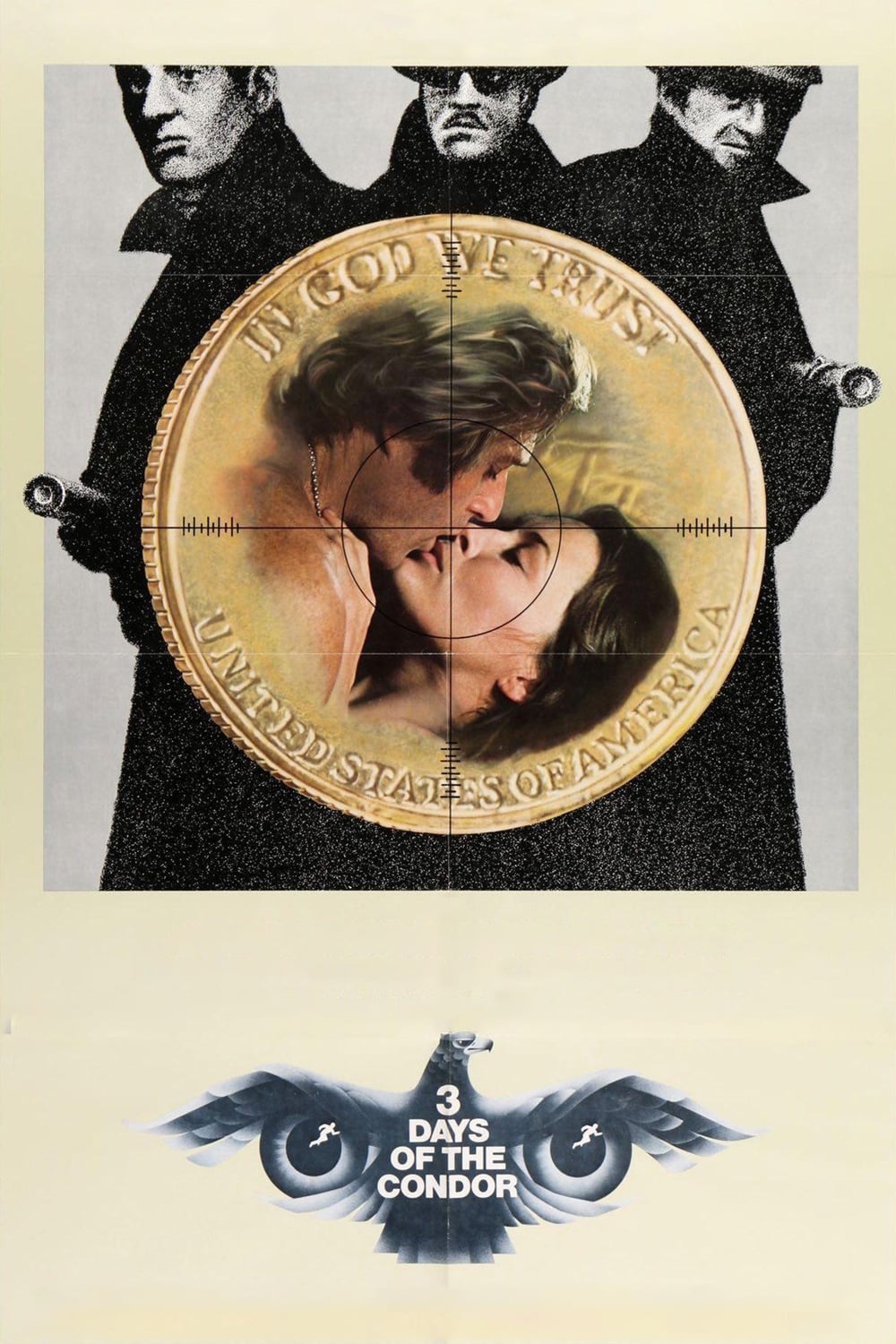
A low-level analyst returns to find his office wiped out and goes on the run from unknown handlers. Based on James Grady’s novel, the story threads payphone tradecraft, dead drops, and coded reporting. Shifting safe houses and contested loyalties frame every contact.
‘The Parallax View’ (1974)

A reporter investigates a political assassination and uncovers a recruitment pipeline for specialized operatives. The narrative uses psychological testing, falsified dossiers, and staged accidents to reveal the apparatus. Corporate shells and cross-country travel mask training and deployment.
‘Dog Day Afternoon’ (1975)
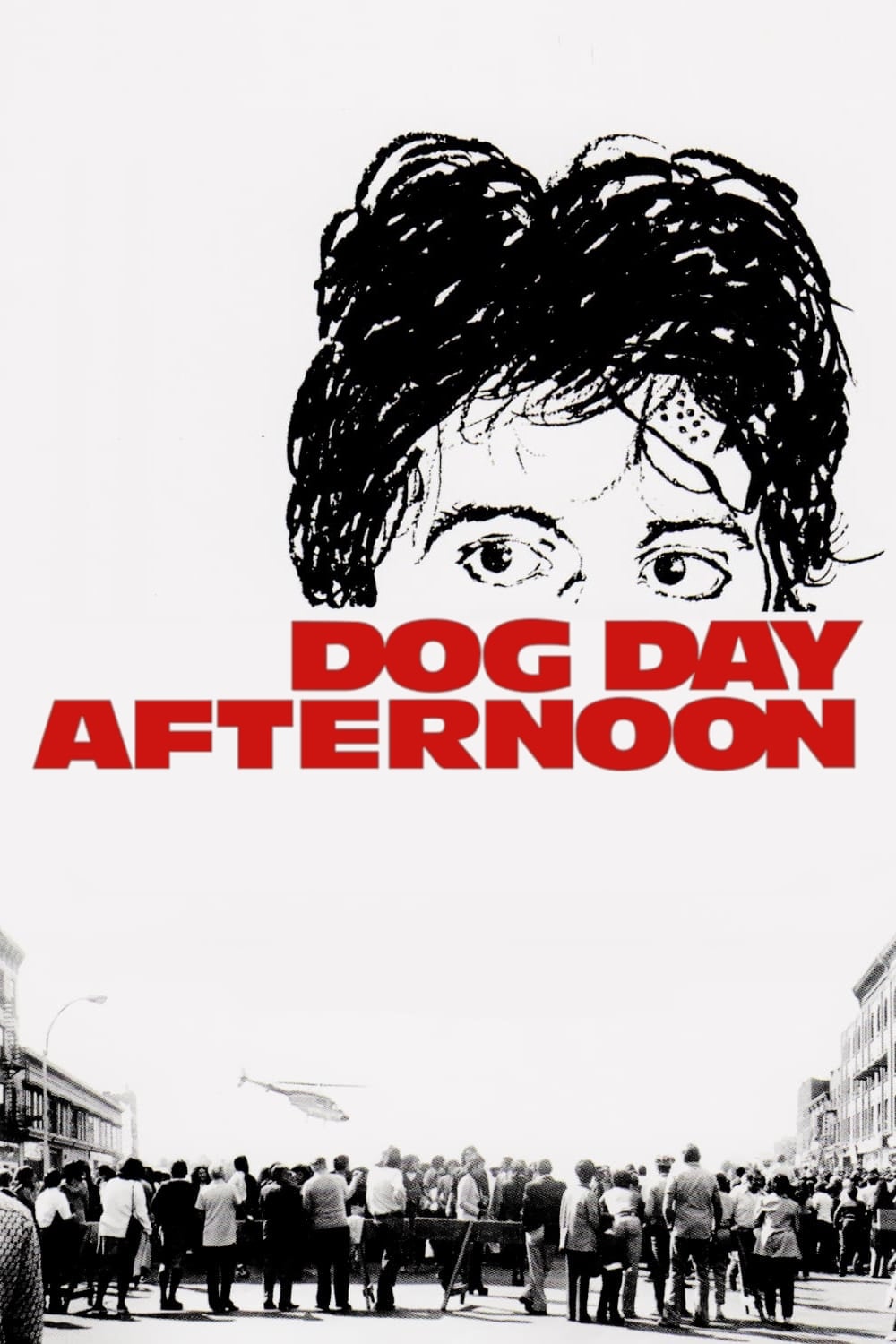
A Brooklyn bank robbery becomes a hostage crisis as crowds gather and live coverage intensifies. Negotiations evolve with changing demands, shifts in public sentiment, and tactical adjustments. Command posts, perimeter control, and timed decisions structure the standoff.
‘Chinatown’ (1974)
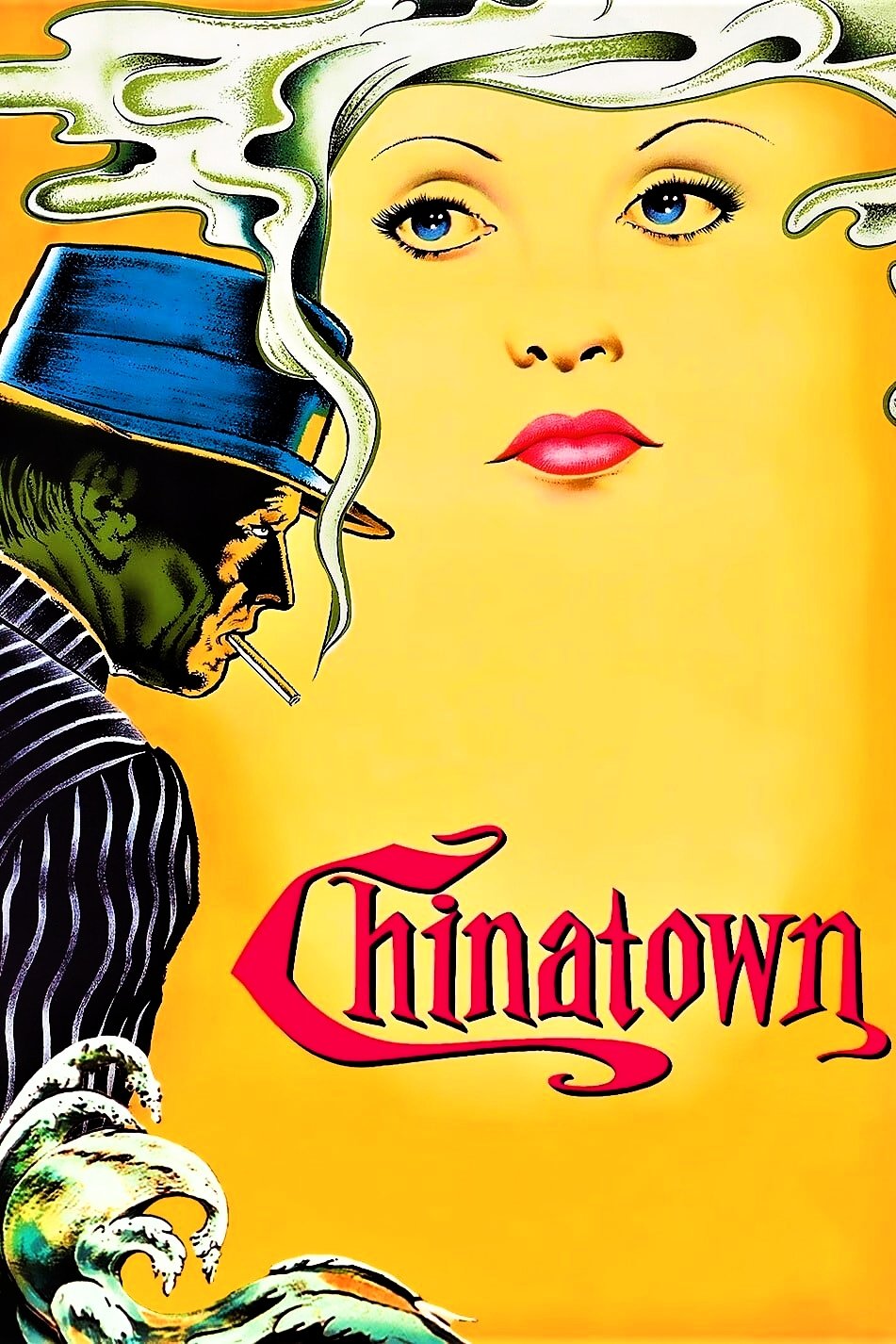
A private investigator hired for an adultery case exposes a scheme involving water rights and real estate. The plot threads forged documents, shell companies, and utility flows. Fieldwork, public hearings, and property records map a web of municipal corruption.
‘The Driver’ (1978)
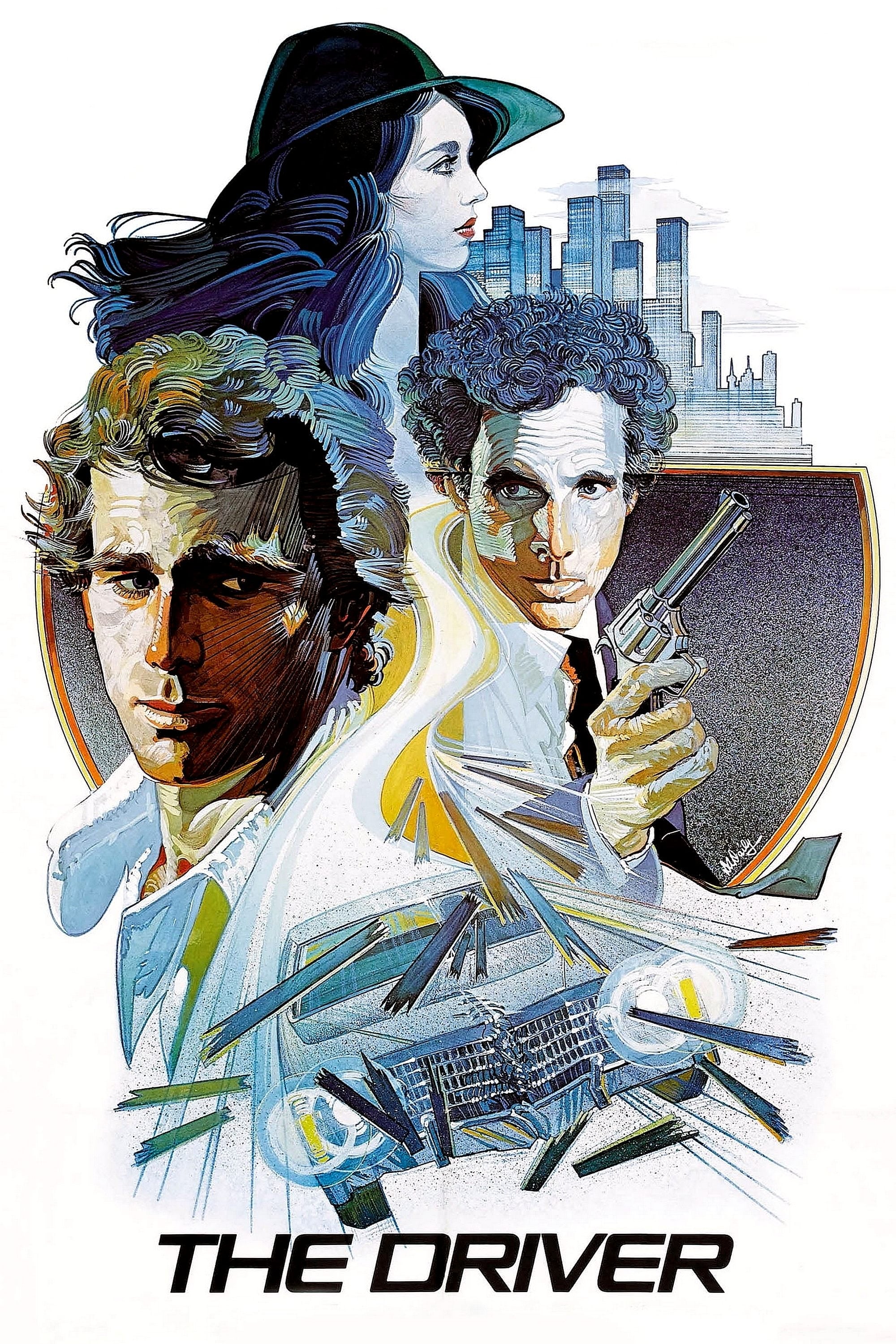
A professional wheelman faces an ambitious detective who orchestrates a sting using a decoy crew. The film highlights stakeouts, switch cars, and nocturnal routes through a gridded city. Cash drops, terse negotiations, and professional codes define interactions.
‘The Black Hole’ (1979)
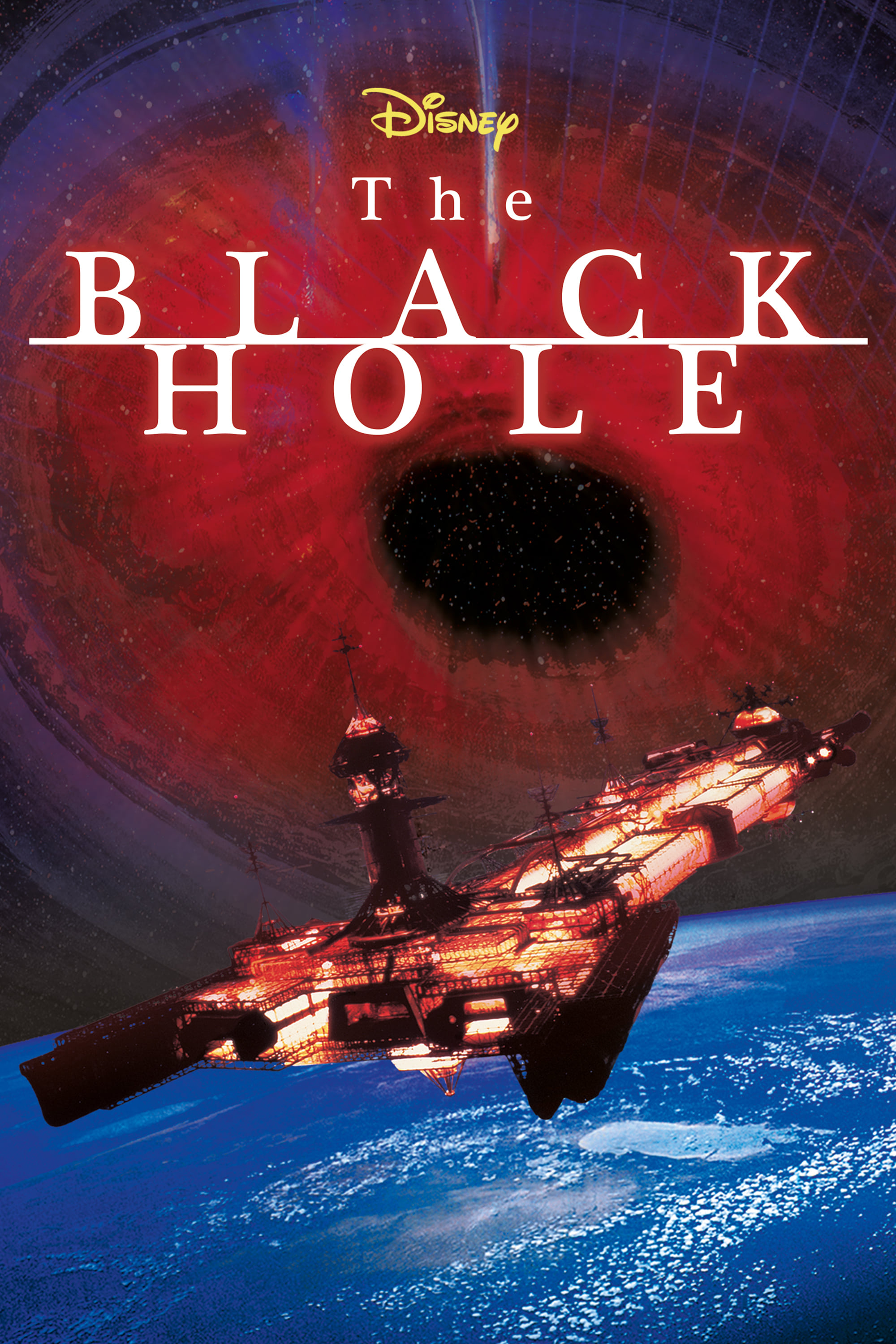
A deep-space crew finds a missing ship poised at the edge of a gravitational anomaly under a brilliant commander. The story incorporates autonomous robots, mutiny, and high-risk navigation beyond conventional physics. Miniatures, detailed interiors, and speculative astrophysics shape the voyage.
‘Soylent Green’ (1973)
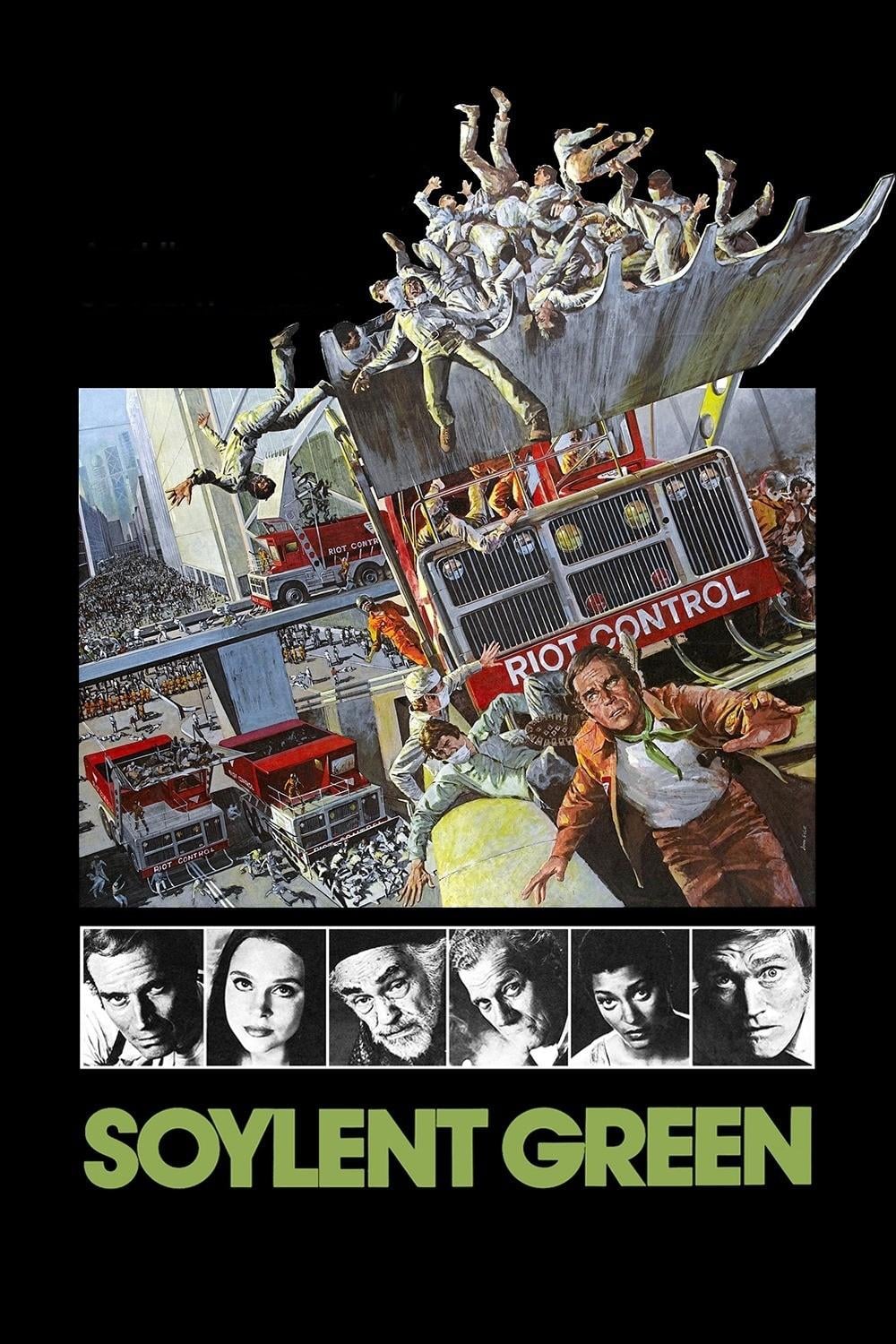
An overpopulated metropolis relies on a monopolistic supplier that controls food distribution. A homicide case draws a detective into corporate secrets linked to resource scarcity. Ration systems, black-market trades, and policy cover-ups frame the investigation.
‘Capricorn One’ (1977)
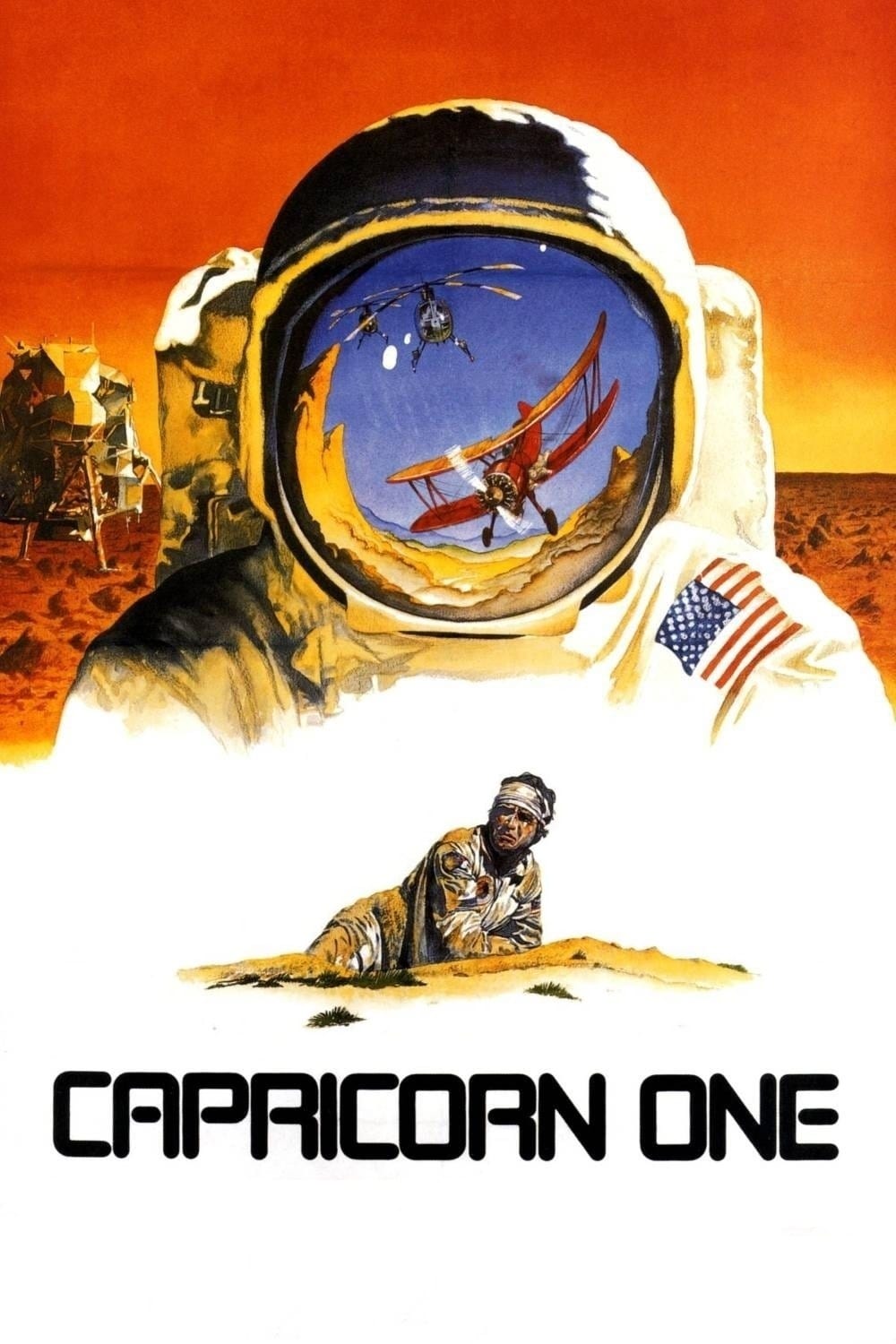
A crewed mission is secretly scrubbed and staged for broadcast, while the astronauts are hidden from the public. An investigative journalist follows telemetry anomalies and discrepancies in imagery. The plot examines signal spoofing, media management, and risk containment.
‘Coma’ (1978)
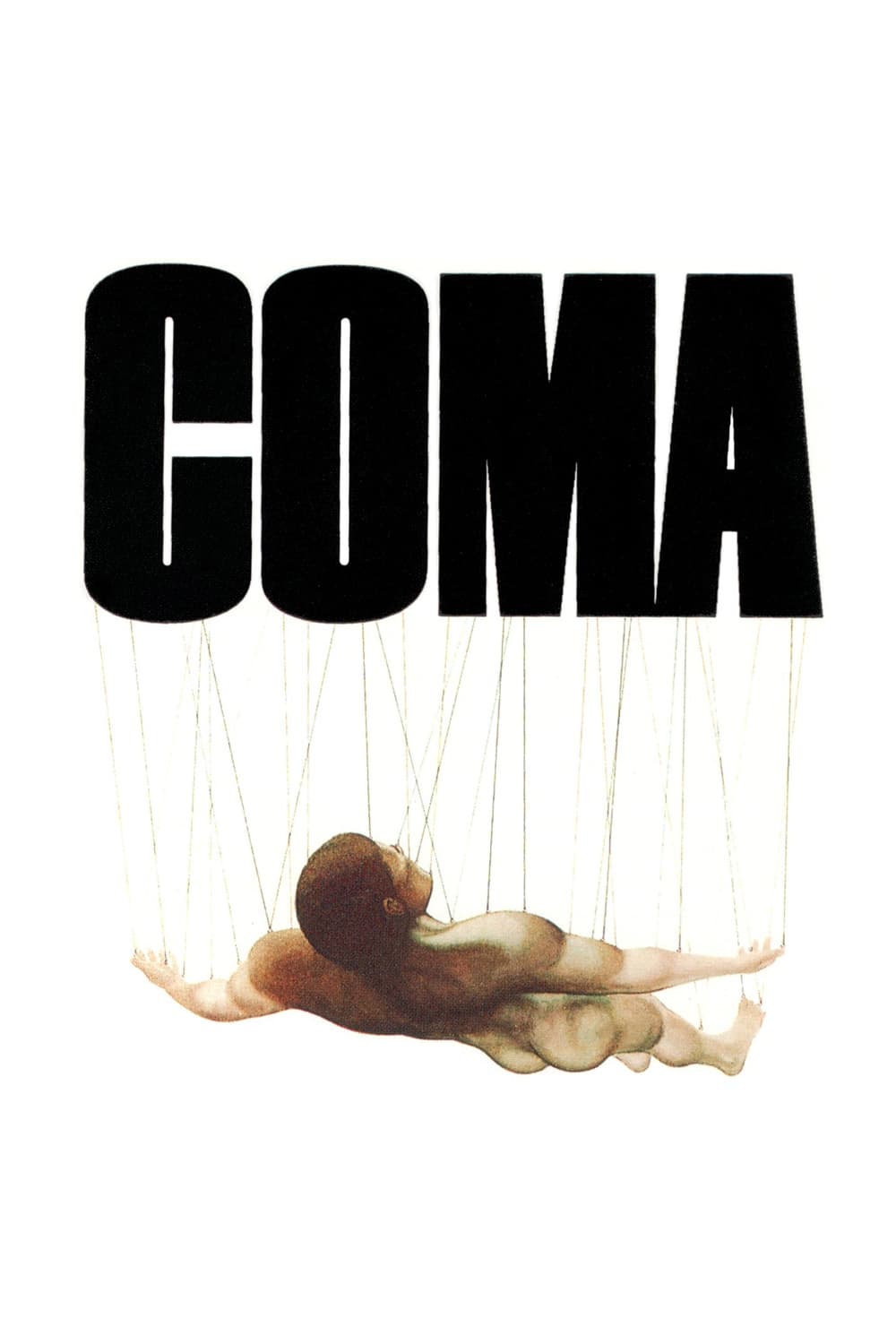
A surgical resident notices a pattern of patients entering unexplained comas and traces it to a private facility. The investigation navigates procurement chains, floor-plan anomalies, and access-controlled spaces. Medical records, operating schedules, and corporate partnerships link the scheme.
‘The French Connection’ (1971)
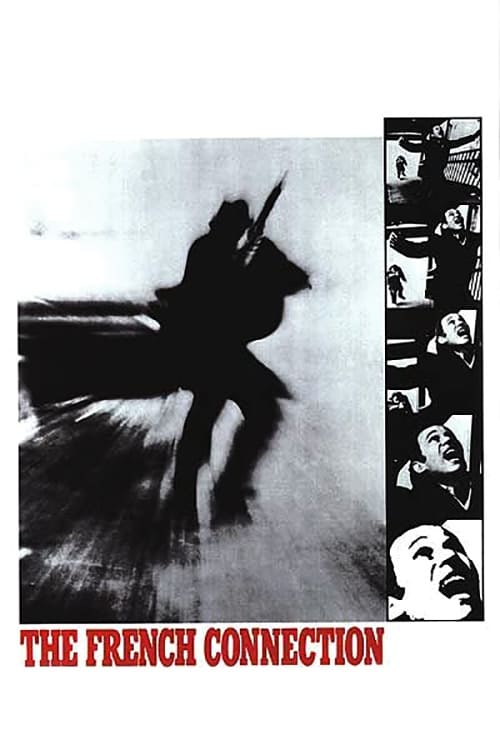
Two narcotics detectives track an international heroin pipeline moving through fronts and maritime shipping. Surveillance, tailing couriers, and paperwork connect cargo across jurisdictions. A notable chase sequence ties urban infrastructure to enforcement and evasion.
‘Black Christmas’ (1974)
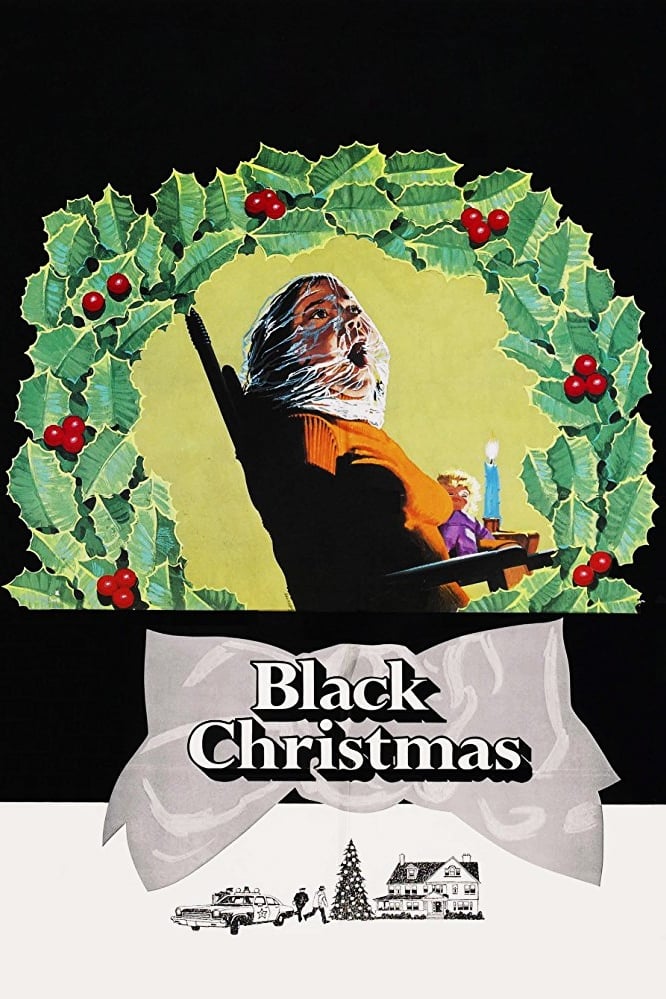
A sorority house is targeted by an unseen intruder as obscene calls escalate during winter break. Police tracing efforts, campus security limits, and house architecture shape the response. Attic access points and misdirection complicate the search.
‘Don’t Look Now’ (1973)

A grieving couple in Venice encounters warnings linked to their loss while navigating canals and alleys. Visual motifs and mirrored scenes guide the mystery’s signals. Mistaken identity and chance meetings funnel the story toward a fatal misunderstanding.
‘THX 1138’ (1971)

In an underground society, sedation, surveillance, and enforced routines regulate citizens. A worker’s resistance triggers biometric tracking, budget-limited pursuit teams, and system overrides. Centralized procurement and automated policing define institutional control.
‘Lady Snowblood’ (1973)

Trained from childhood, a woman hunts the criminals who destroyed her family, advancing target by target. Based on the manga by Kazuo Koike and Kazuo Kamimura, the plot uses reconnaissance, disguises, and planned timing. Court intrigues, grifter networks, and regional power brokers shape each confrontation.
Share which titles you’d most like to see rebooted in the comments!

