


1970s Sitcoms That Are Completely Unwatchable Today



The 1970s were packed with sitcoms that defined prime-time schedules, launched major stars, and spun off entire TV universes. Below is a tour of notable shows from that decade—who created them, where they aired, the core premise, and the performers who made them click. You’ll find which series connected to others, which picked up awards, and which became syndication staples, all in one handy list.
‘All in the Family’ (1971–1979)
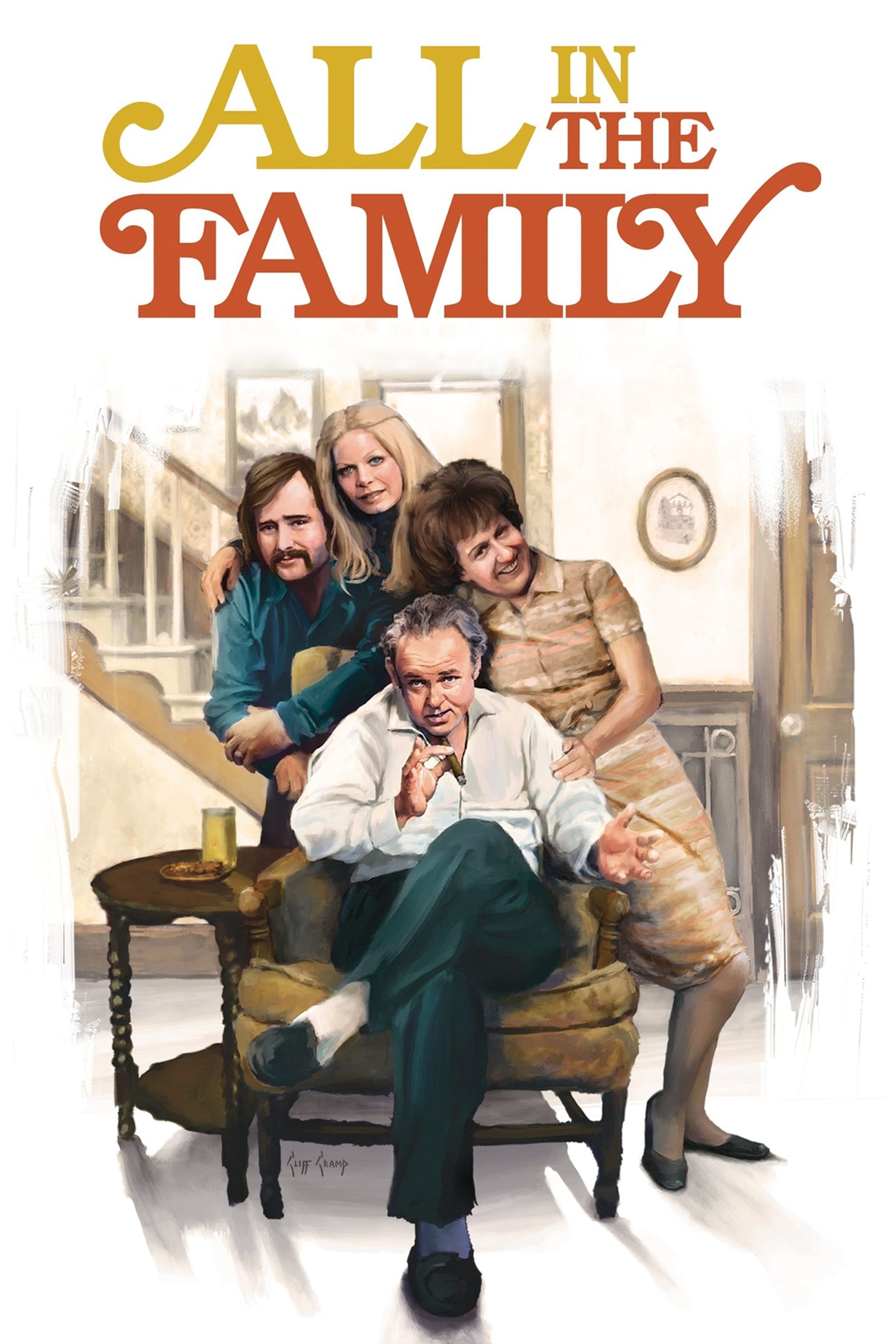
Developed by Norman Lear for CBS, this series centers on Archie Bunker, a working-class Queens dad whose blunt views clash with his family. Carroll O’Connor, Jean Stapleton, Sally Struthers, and Rob Reiner led the cast. The sitcom tackled politics, gender roles, and race through domestic arguments and living-room showdowns. It launched multiple spinoffs, including ‘Maude’ and ‘The Jeffersons’, and collected a large shelf of Emmys.
‘Sanford and Son’ (1972–1977)
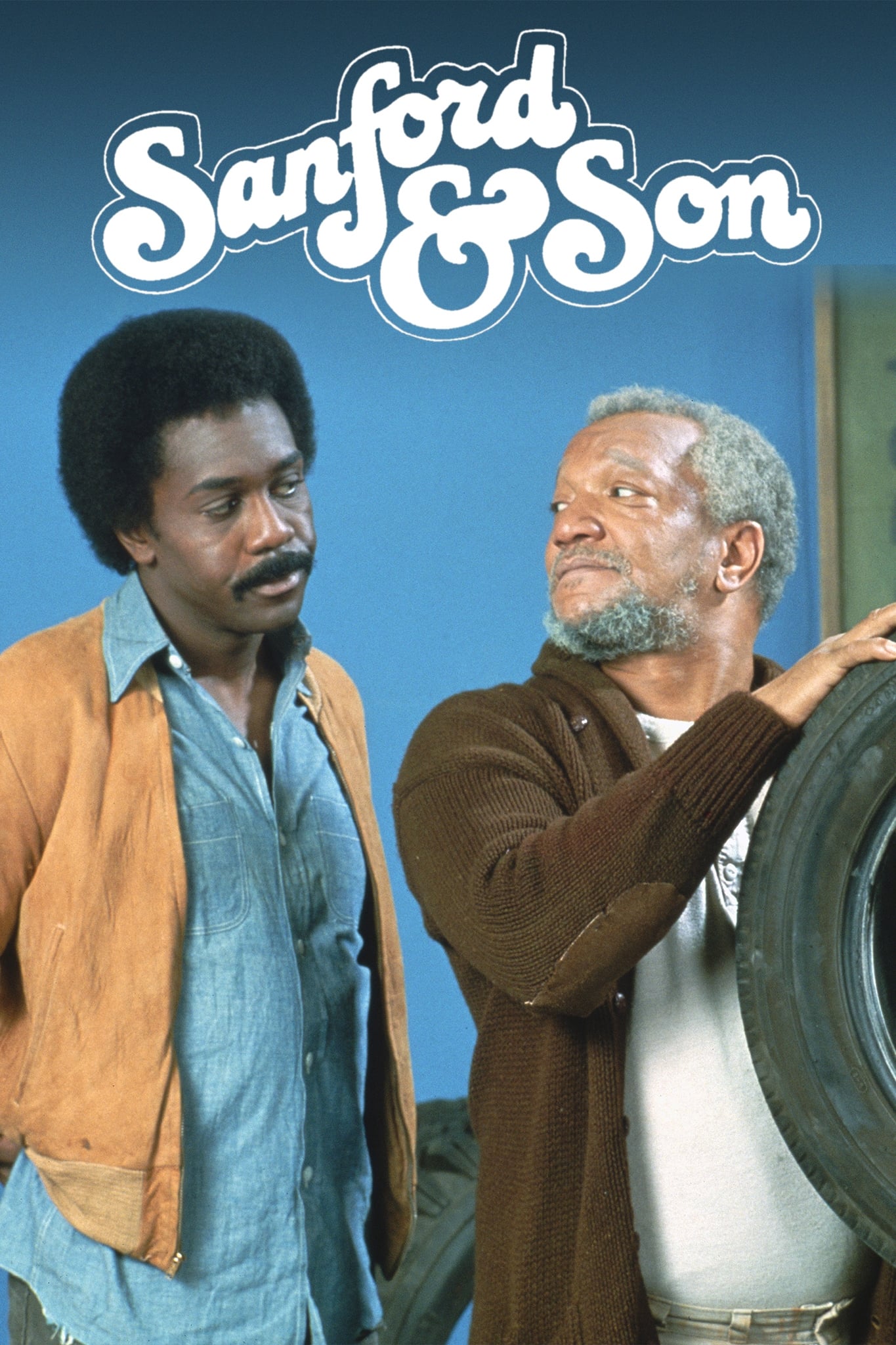
A hit on NBC from executive producer Norman Lear, the show follows a father-and-son junk business run by Fred Sanford and Lamont in Los Angeles. Redd Foxx’s insult-zinger persona anchors the premise, with Demond Wilson playing the exasperated straight man. Recurring characters like Aunt Esther and Grady became audience favorites. The series adapted the British format ‘Steptoe and Son’ for American viewers.
‘Good Times’ (1974–1979)
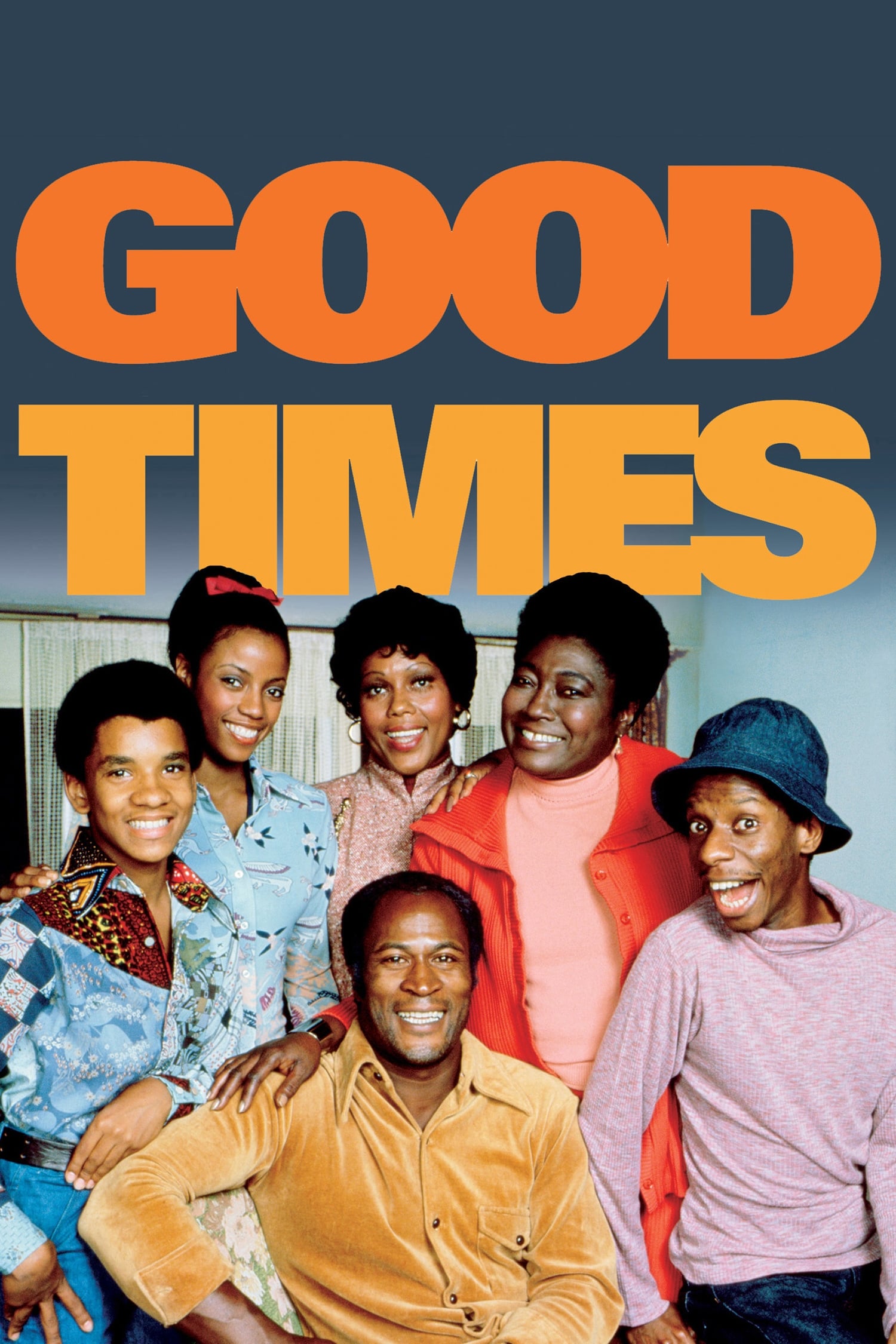
Set in a Chicago housing project, this CBS sitcom revolves around the Evans family navigating work, school, and neighborhood challenges. It starred Esther Rolle, John Amos, Jimmie Walker, BernNadette Stanis, and Ralph Carter. The show blended topical issues with broad humor—often through J.J.’s catchphrases and artistic ambitions. It originated as a spinoff from ‘Maude’ within the Norman Lear TV universe.
‘Maude’ (1972–1978)
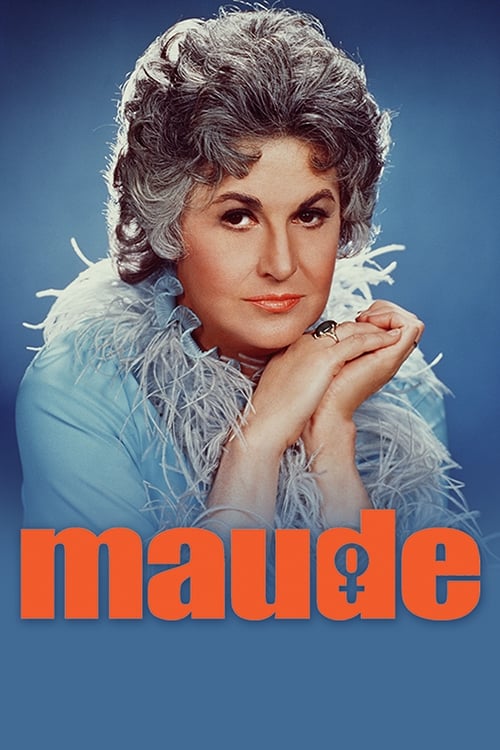
A direct spinoff of ‘All in the Family’ on CBS, the show features Bea Arthur as Maude Findlay, a sharp-tongued suburban liberal. The ensemble included Bill Macy, Adrienne Barbeau, and Rue McClanahan. Storylines frequently engaged with contemporary politics and social change through domestic scenarios. Its success later helped springboard ‘The Golden Girls’ alumnae.
‘The Jeffersons’ (1975–1985)
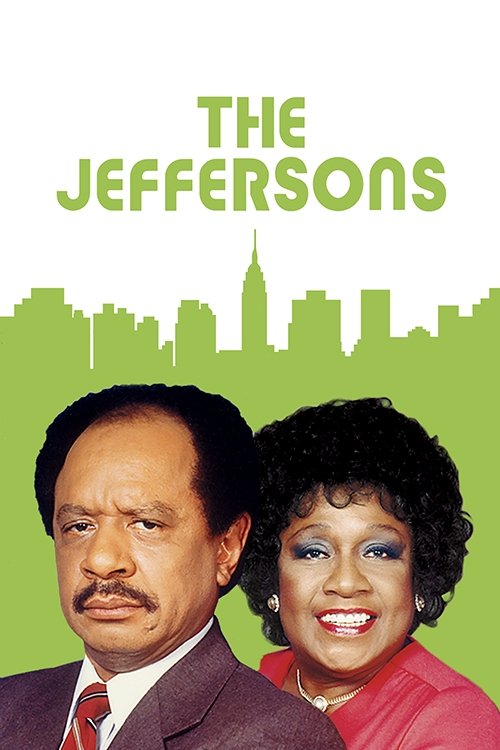
Moving the Bunkers’ former neighbors to a deluxe Manhattan high-rise, this CBS spinoff spotlights George and Louise Jefferson’s family and business life. Sherman Hemsley and Isabel Sanford headline, with a supporting cast that includes Marla Gibbs and Roxie Roker. The series explored class mobility and inter-apartment dynamics. Its theme song and crossovers kept it tied to the larger Lear ecosystem, including ‘All in the Family’.
‘The Mary Tyler Moore Show’ (1970–1977)
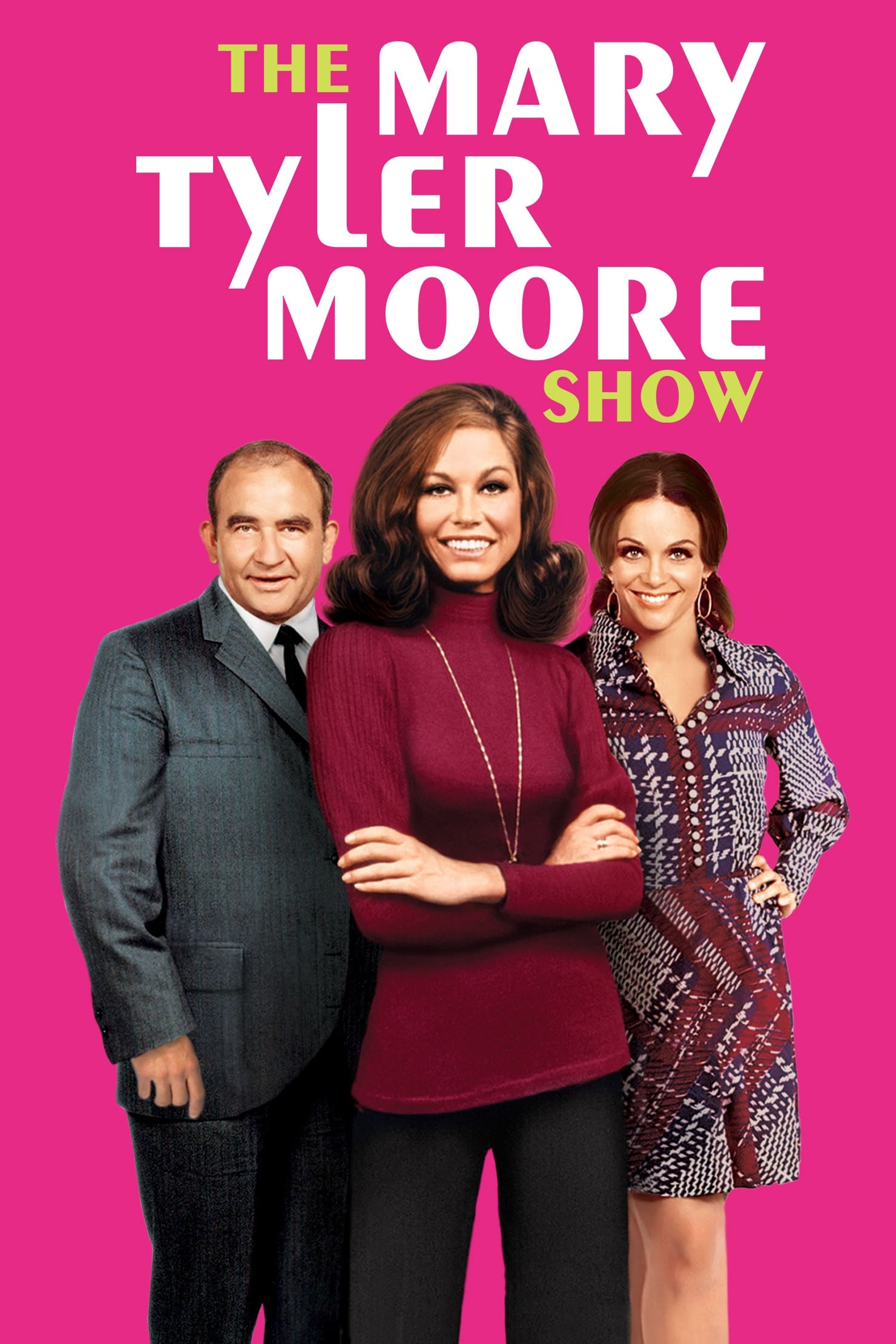
This CBS newsroom comedy follows producer Mary Richards at WJM-TV, balancing deadlines, friends, and workplace foibles. The ensemble—Ed Asner, Ted Knight, Valerie Harper, Gavin MacLeod, and Betty White—became iconic. Episodes leaned on character-driven humor and evolving workplace norms. The show spun off ‘Rhoda’ and ‘Phyllis’ and earned a significant run of awards.
‘Rhoda’ (1974–1978)

A spinoff from ‘The Mary Tyler Moore Show’, this CBS sitcom centers on Rhoda Morgenstern’s return to New York. Valerie Harper leads, with Julie Kavner and David Groh in key roles. Story arcs cover marriage, career shifts, and family relationships in a bustling urban setting. Its crossover roots kept connections with ‘The Mary Tyler Moore Show’ fanbase.
‘Phyllis’ (1975–1977)
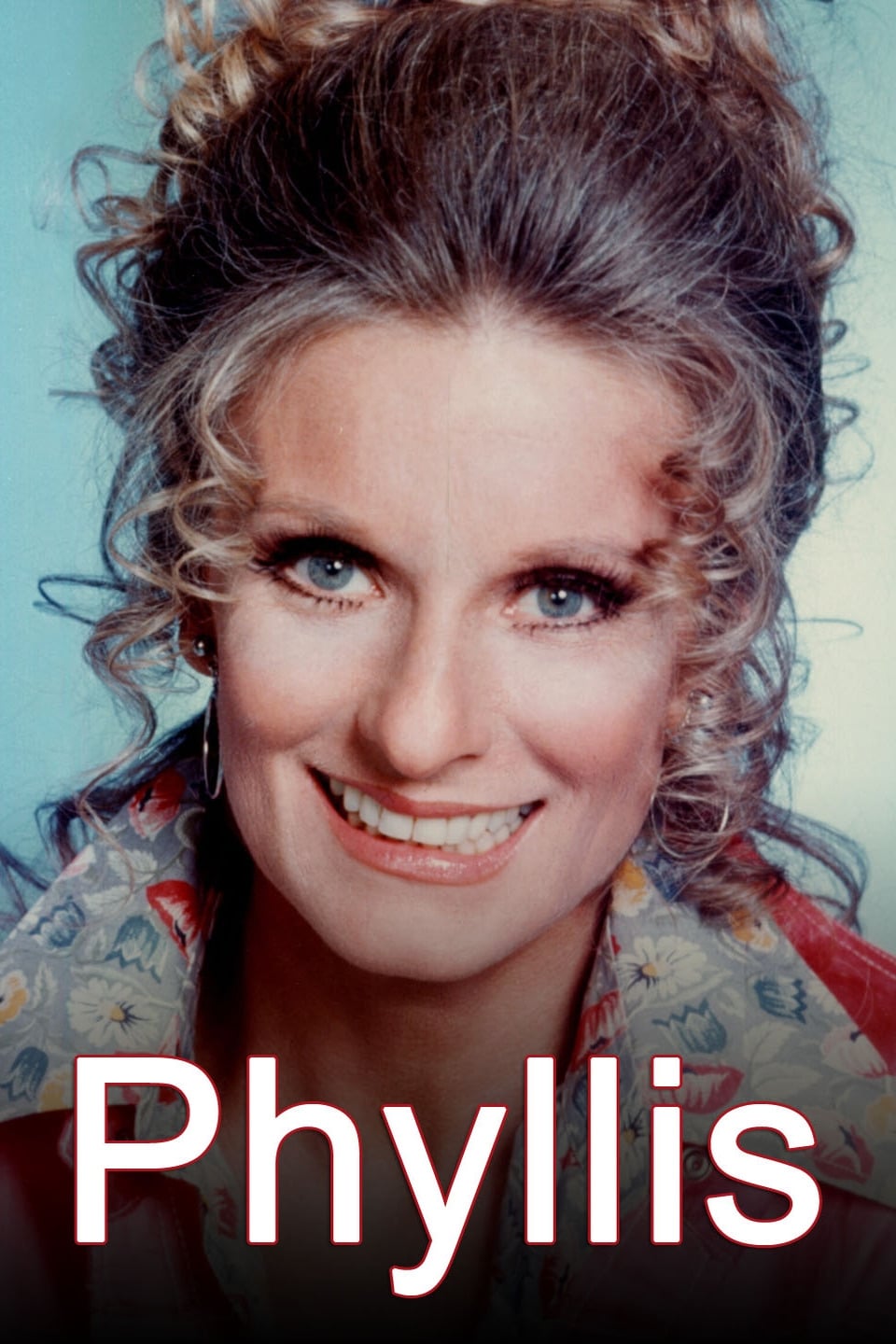
Another branch from ‘The Mary Tyler Moore Show’, this CBS series follows Phyllis Lindstrom adapting to life in San Francisco. Cloris Leachman navigates social climbing, work, and parenting in a new city. The show features workplace and domestic storylines with recurring oddballs. It complements the ‘Rhoda’ offshoot to complete the Minneapolis-to-elsewhere trilogy.
‘The Bob Newhart Show’ (1972–1978)
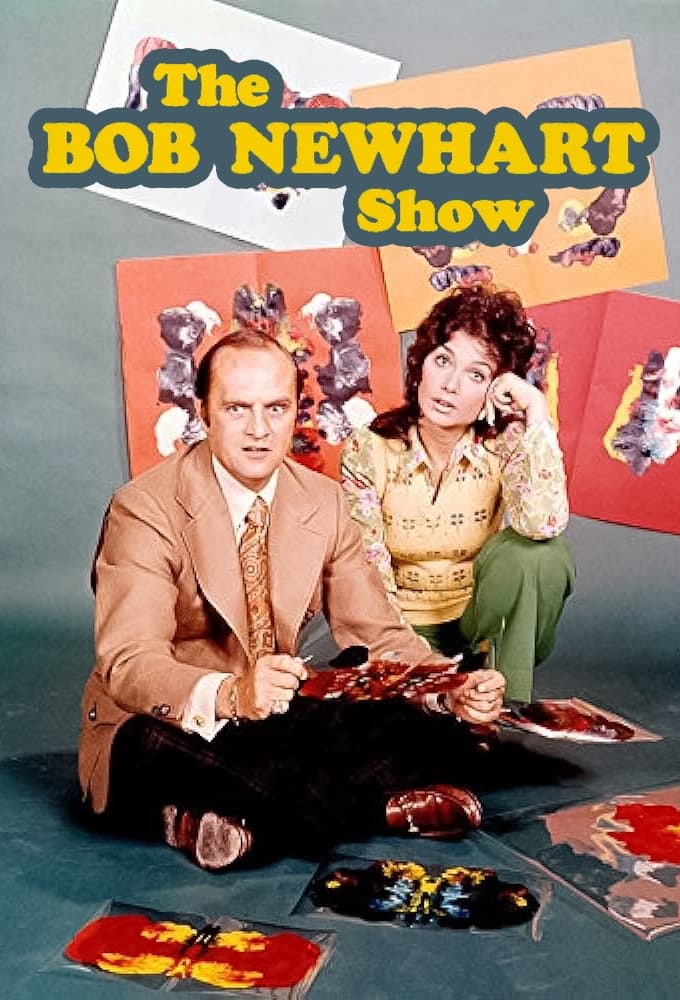
A CBS staple, the series casts Bob Newhart as Chicago psychologist Dr. Robert Hartley juggling therapy sessions and neighborly antics. Suzanne Pleshette plays his schoolteacher wife, with Bill Daily and Marcia Wallace rounding out the ensemble. Deadpan exchanges and office-home crosscuts structure the humor. The show later paired nicely in syndication blocks with ‘The Mary Tyler Moore Show’.
‘M*A*S*H’ (1972–1983)
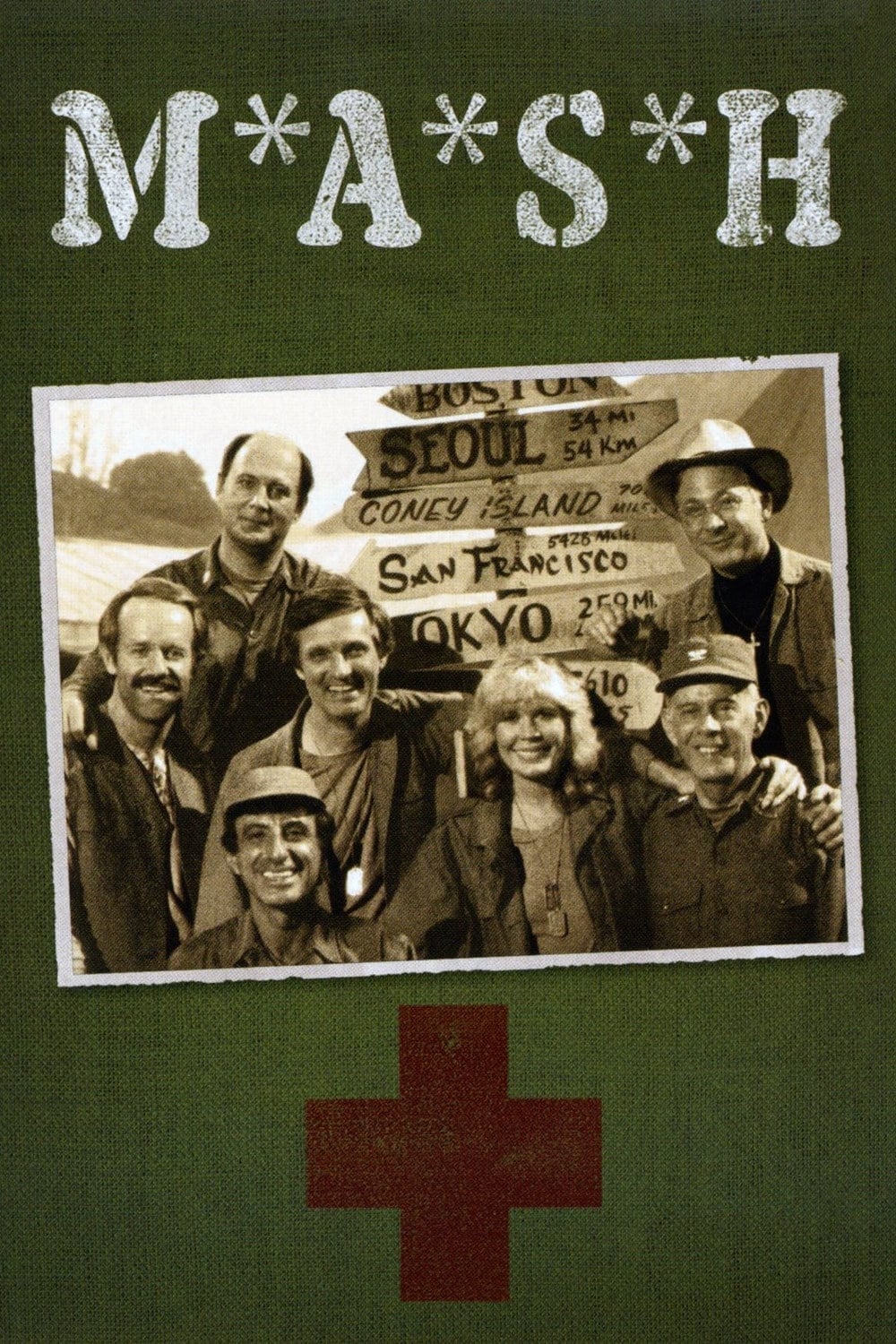
Adapted for CBS from the film and earlier novel, this ensemble comedy follows medical staff at a mobile army surgical hospital. Alan Alda, Loretta Swit, Jamie Farr, and others anchor a rotating cast. Episodes mix slapstick with character studies under extreme conditions. The series finale set a viewership benchmark and reshaped expectations for sitcom-drama blends.
‘Happy Days’ (1974–1984)

This ABC nostalgia piece follows the Cunningham family and their circle in Milwaukee, with Fonzie evolving into a breakout star. Ron Howard, Henry Winkler, Marion Ross, and Tom Bosley headline. Episodes revolve around teen life, family dinners, and diner hangouts. The show generated a spinoff network that includes ‘Laverne & Shirley’ and ‘Mork & Mindy’.
‘Laverne & Shirley’ (1976–1983)
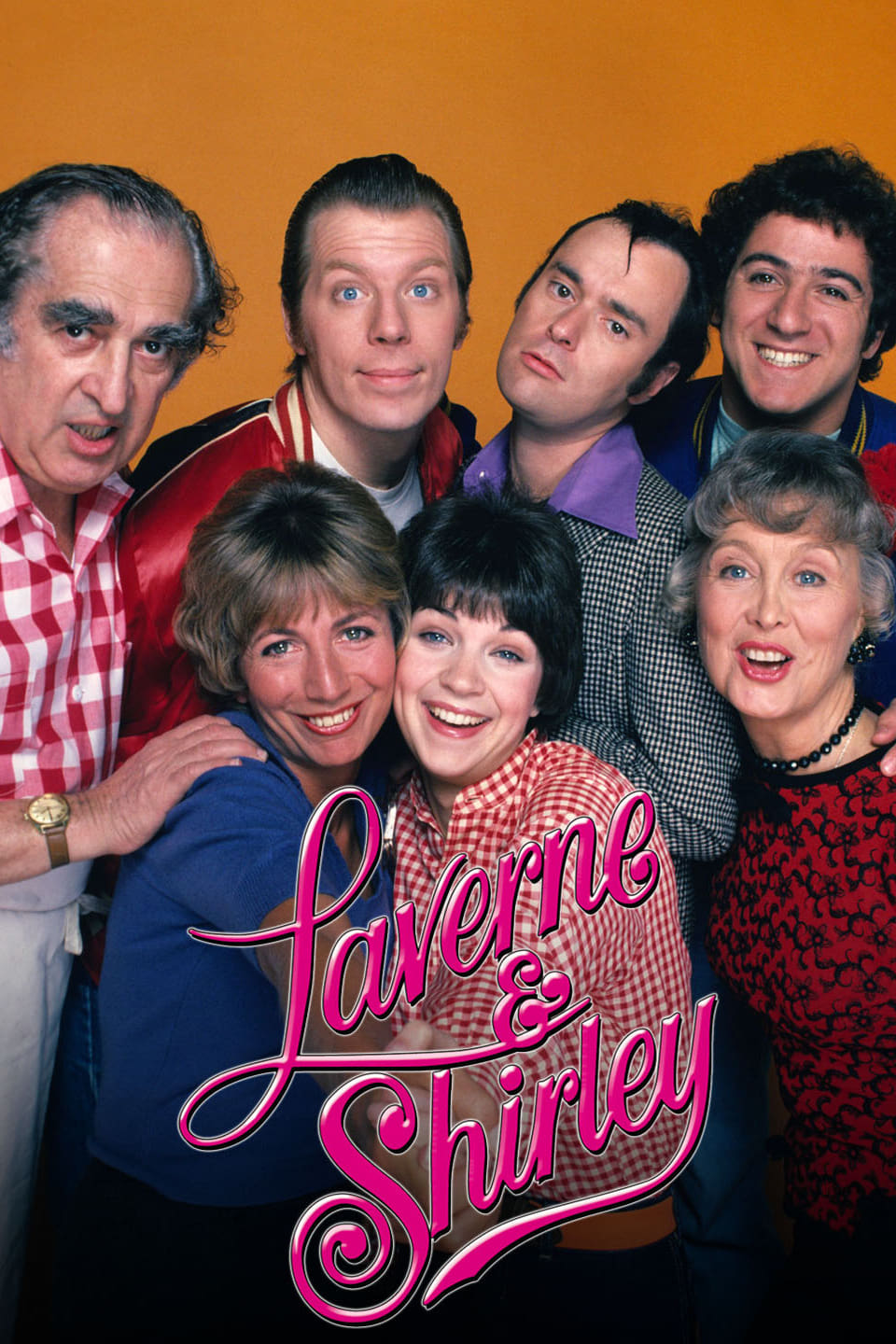
A direct ‘Happy Days’ spinoff on ABC, the series tracks two bottle-cappers sharing an apartment and aiming for better gigs. Penny Marshall and Cindy Williams play the roommates, with slapstick set-pieces and workplace misadventures. Supporting players like Lenny and Squiggy added recurring chaos. The show became one of ABC’s reliable comedy anchors.
‘Three’s Company’ (1977–1984)

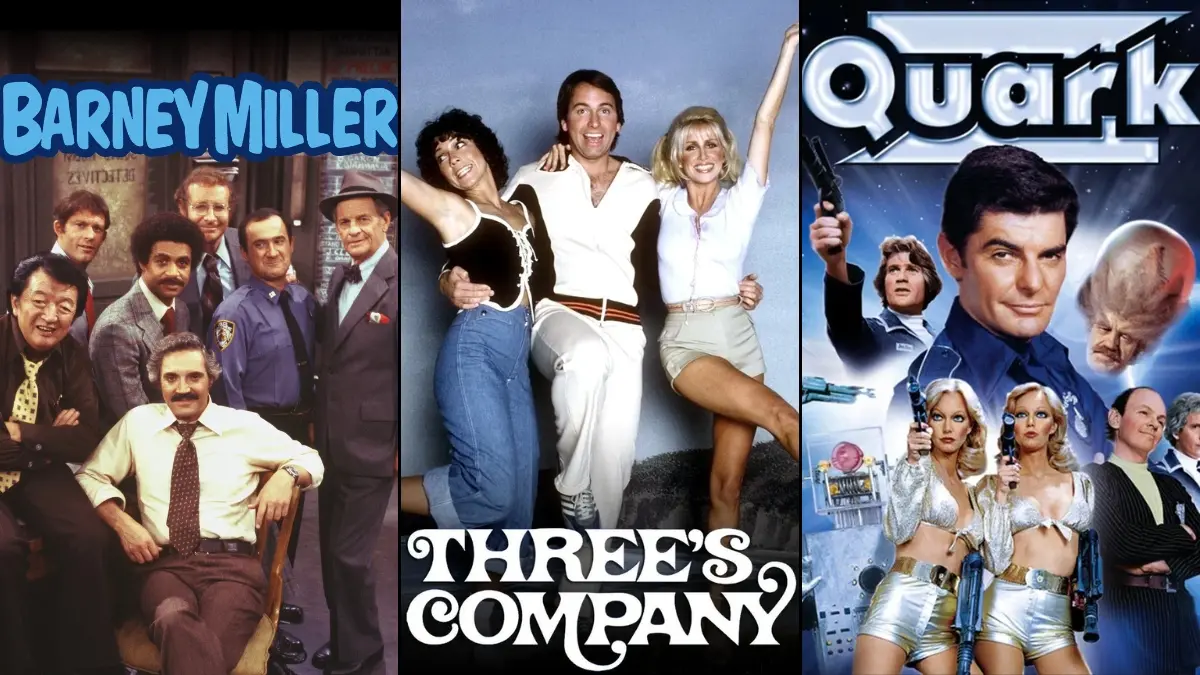
Set in Santa Monica, this ABC farce follows Jack Tripper sharing an apartment with two roommates under a misunderstanding-based arrangement. John Ritter, Joyce DeWitt, and Suzanne Somers lead the early ensemble, with Don Knotts and Audra Lindley as scene-stealers. Plots hinge on misheard conversations and door-slamming mix-ups. The show inspired two spinoffs, ‘The Ropers’ and ‘Three’s a Crowd’.
‘The Ropers’ (1979–1980)
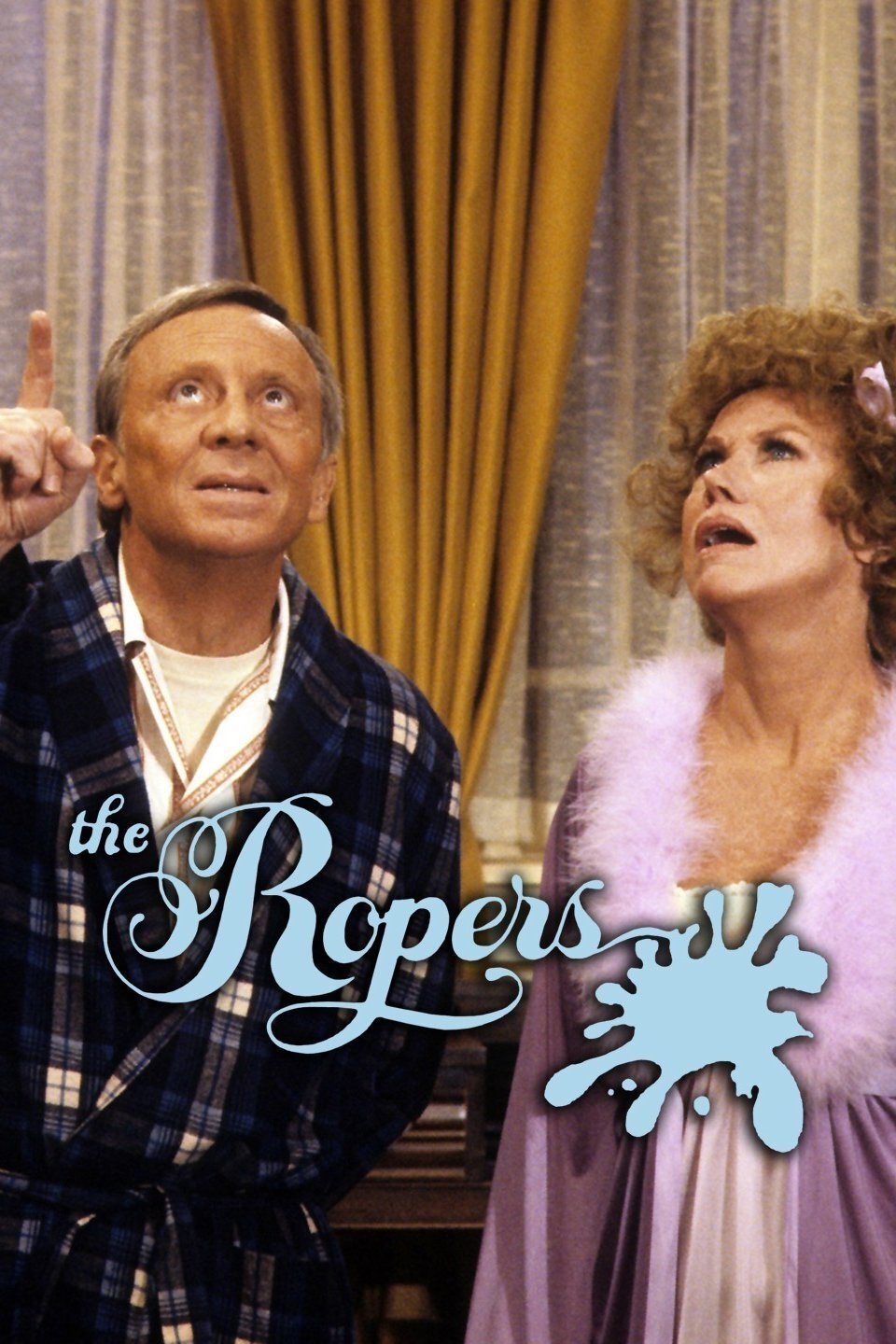
A short-lived ABC spinoff from ‘Three’s Company’, this series follows Stanley and Helen Roper after they move to a new neighborhood. Norman Fell and Audra Lindley reprise their landlord duo. Episodes draw humor from suburban status games and marital barbs. Despite the built-in audience, it struggled to match the parent show’s momentum.
‘Taxi’ (1978–1983)
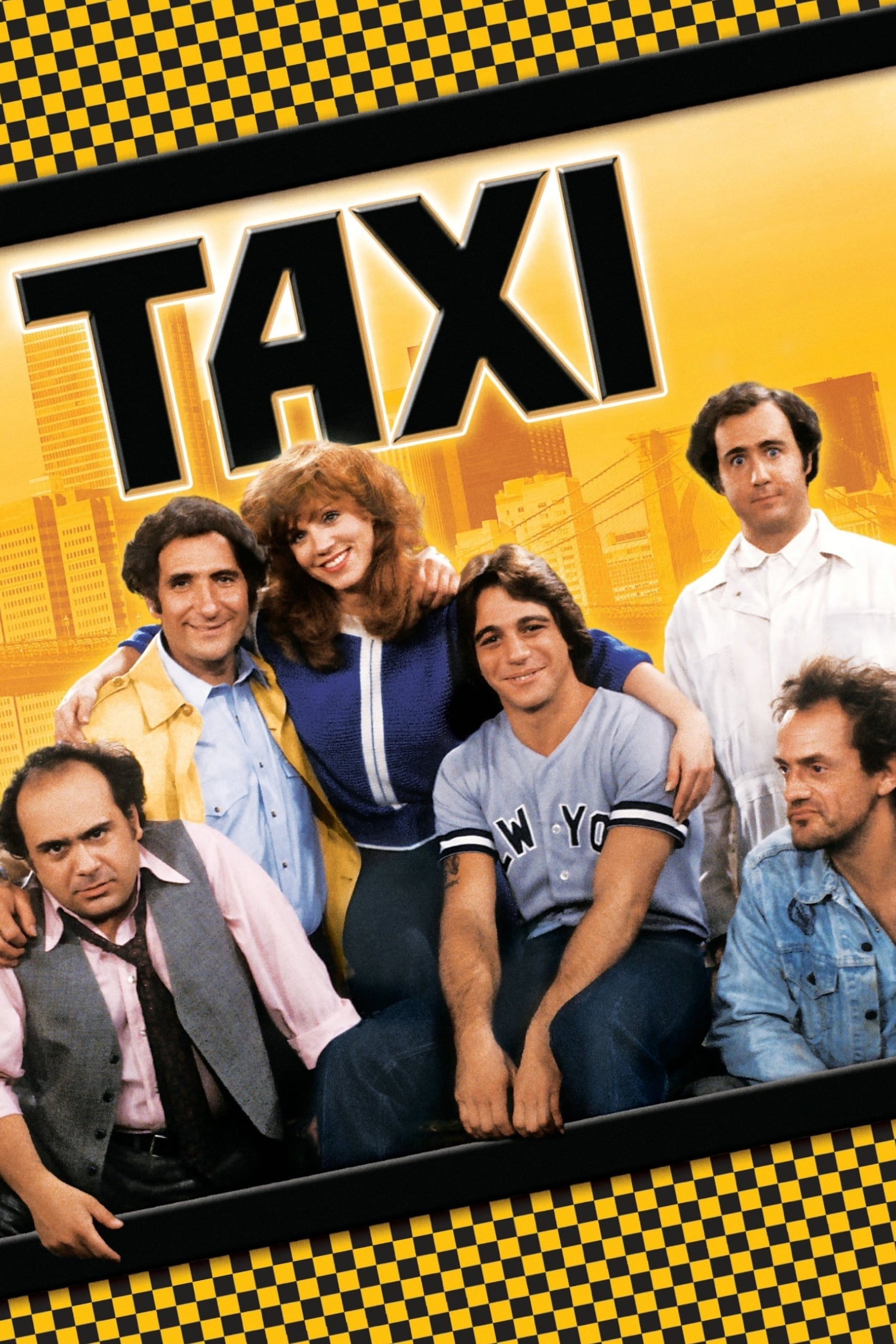
This ensemble sitcom, first on ABC and later on NBC, revolves around a New York cab garage and its drivers’ side hustles. Judd Hirsch, Danny DeVito, Marilu Henner, Tony Danza, Christopher Lloyd, and Andy Kaufman headline. The show balances workplace stories with character arcs about aspirations beyond the garage. It earned strong critical praise and collected industry awards.
‘Mork & Mindy’ (1978–1982)
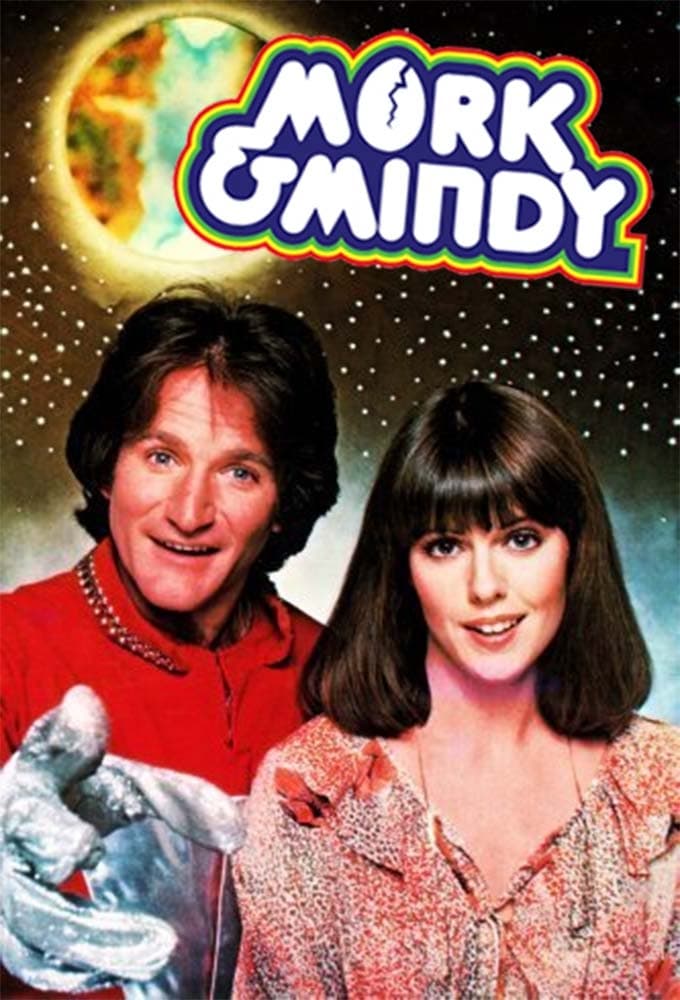
Spun off from ‘Happy Days’ on ABC, this sitcom pairs an alien visitor with a human roommate in Boulder. Robin Williams and Pam Dawber play the central duo. The premise allows fish-out-of-water gags, late-night riffing, and occasional sci-fi twists. Its rapid-fire energy made it a showcase for Williams’s improvisational style.
‘Welcome Back, Kotter’ (1975–1979)
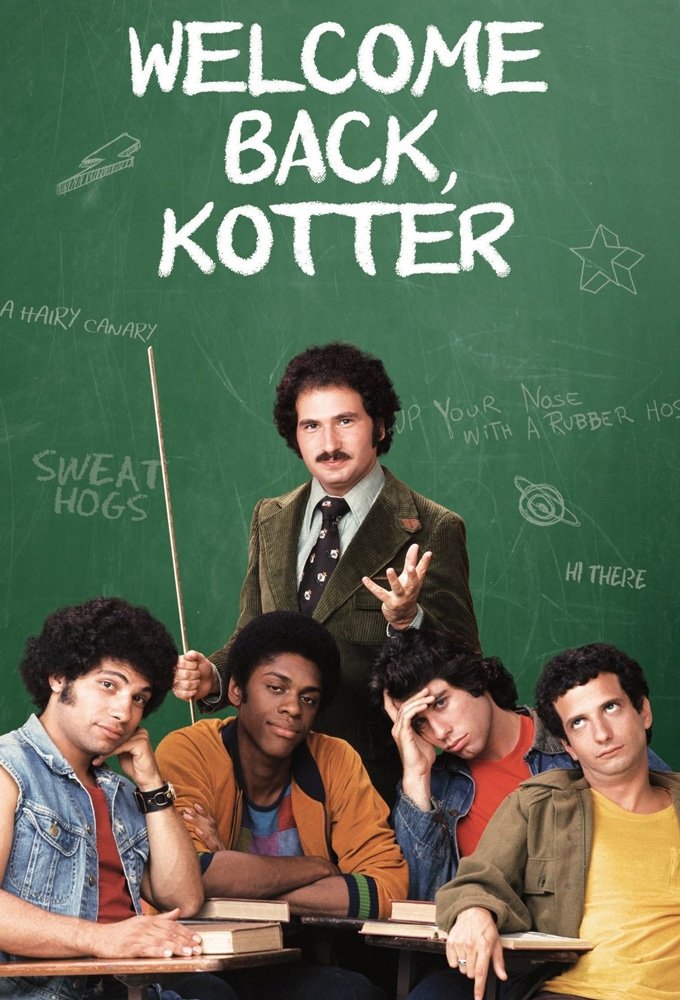
An ABC classroom comedy, the show follows teacher Gabe Kotter returning to mentor a remedial group known as the Sweathogs. Gabe Kaplan stars alongside John Travolta, Ron Palillo, Lawrence Hilton-Jacobs, and Robert Hegyes. Episodes feature school pranks, family scenes, and staff room dynamics. Catchphrases and character bits fueled its pop-culture profile.
‘Barney Miller’ (1975–1982)
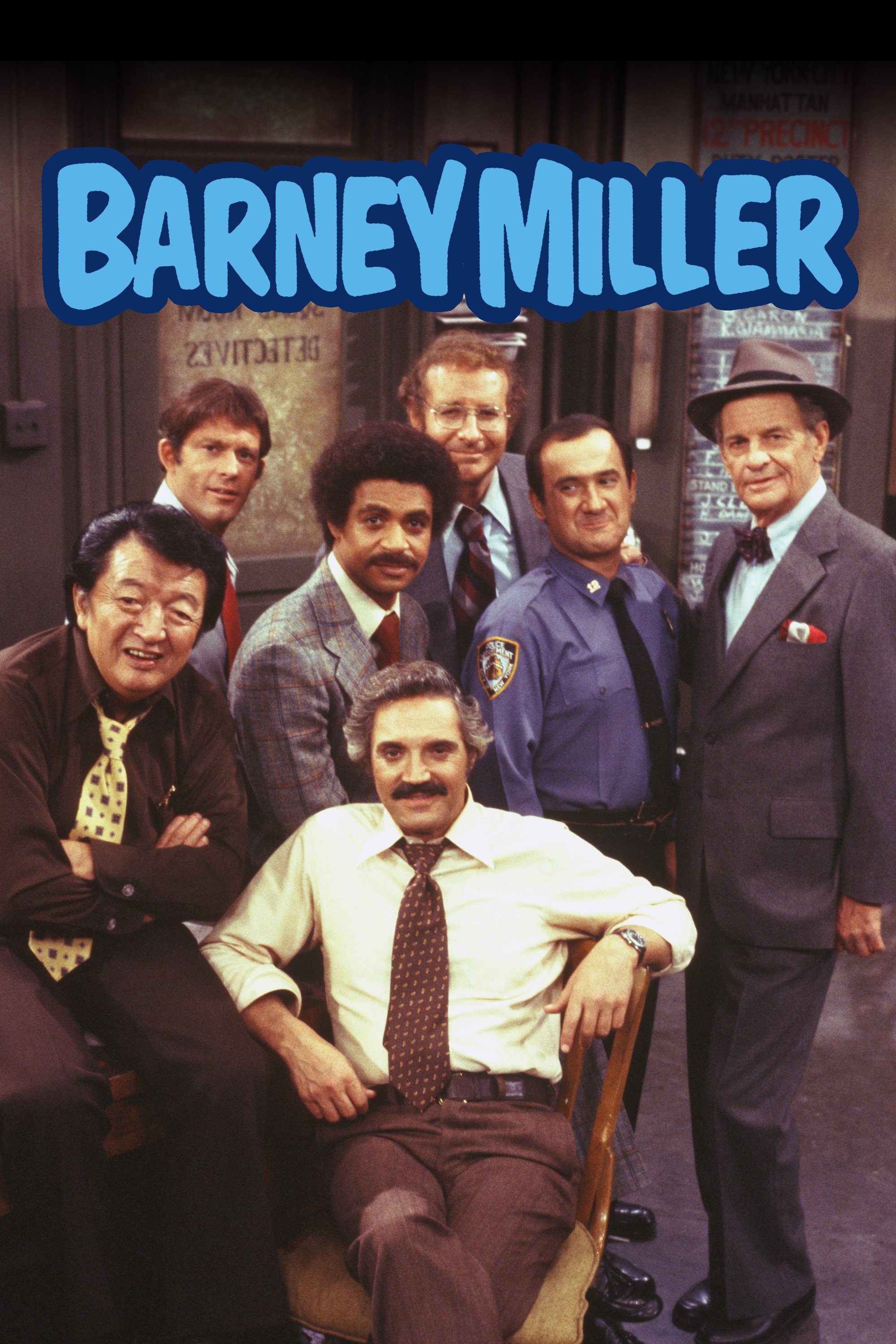
Set almost entirely inside a New York precinct squad room, this ABC series focuses on detectives juggling cases and paperwork. Hal Linden leads, with Abe Vigoda, Max Gail, Ron Glass, and Jack Soo among the ensemble. The humor leans on dialogue, bureaucracy, and offbeat visitors. Its bottle-episode feel made it distinctive among workplace comedies.
‘Chico and the Man’ (1974–1978)
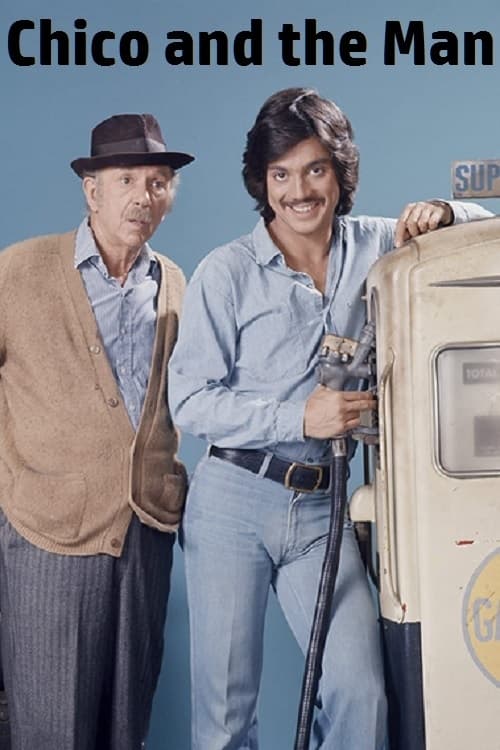
This NBC sitcom centers on the relationship between an older garage owner and a young mechanic in East Los Angeles. Jack Albertson and Freddie Prinze headline, with scenes set around the repair shop and neighborhood. The show blends intergenerational banter with community-based stories. It remained a signature role for Prinze.
‘What’s Happening!!’ (1976–1979)

A teen-centric ABC sitcom, it follows three friends in Los Angeles navigating school, family, and hangout spots. Ernest Thomas, Haywood Nelson, and Fred Berry anchor the trio, with Danielle Spencer and Shirley Hemphill in key supporting roles. Storylines revolve around part-time jobs, dance parties, and small-stakes schemes. The show later returned as ‘What’s Happening Now!!’.
‘WKRP in Cincinnati’ (1978–1982)
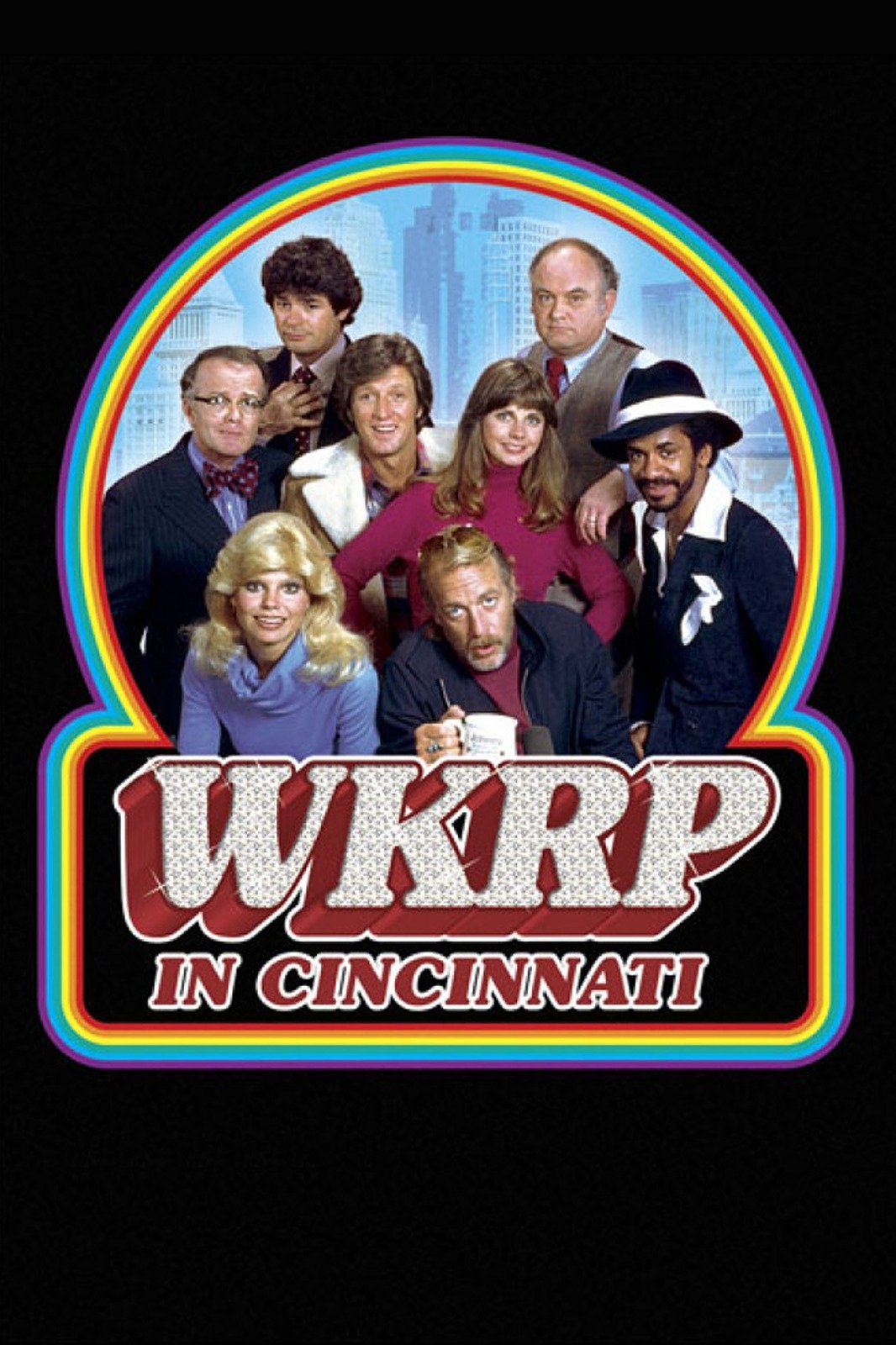
This CBS workplace comedy tracks a struggling AM radio station’s staff as they experiment with formats and promotions. Gary Sandy, Howard Hesseman, Loni Anderson, Tim Reid, and others form the ensemble. Episodes mine humor from on-air mishaps, sales calls, and management-DJ clashes. Memorable set pieces kept it strong in syndication.
‘The Partridge Family’ (1970–1974)
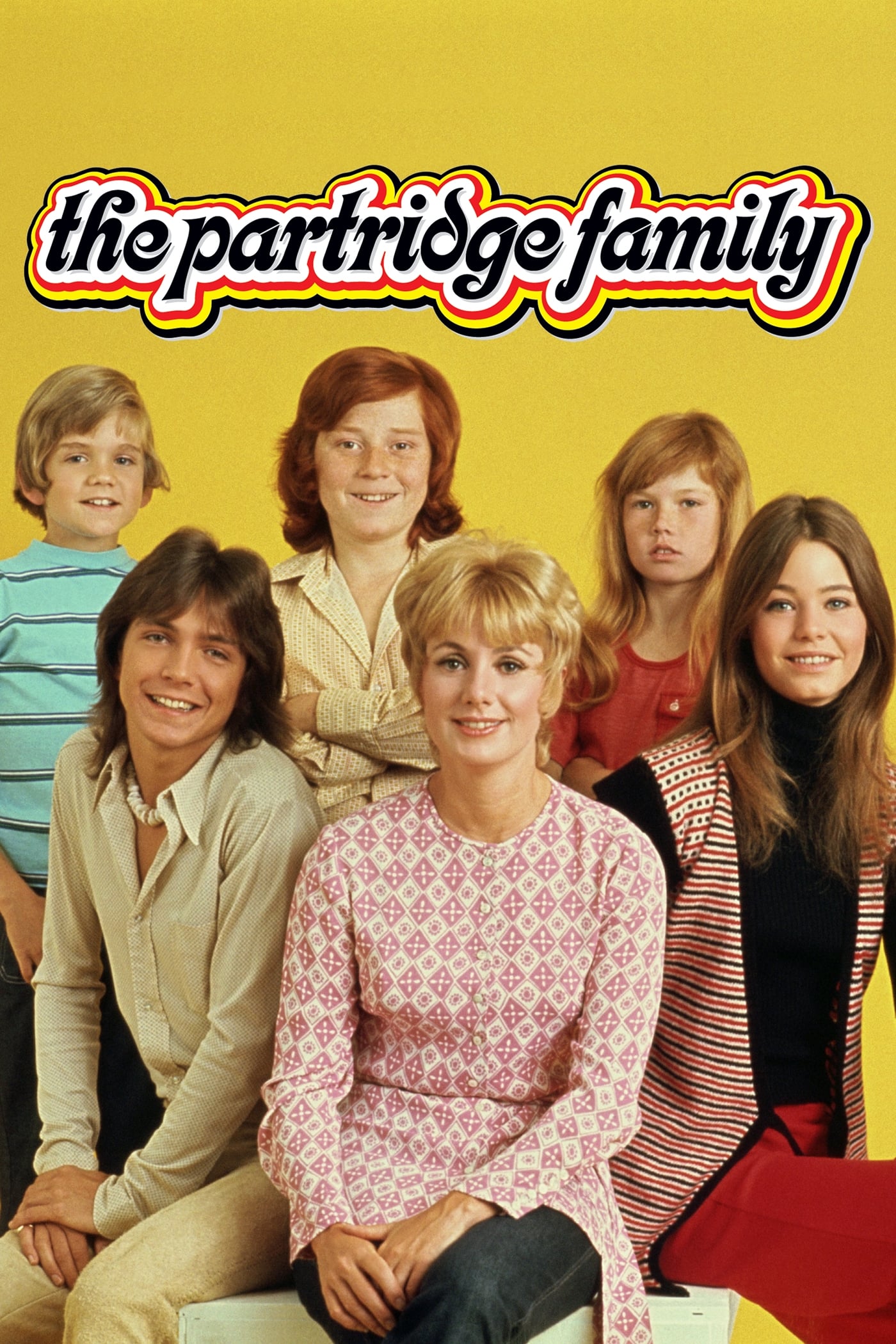
An ABC musical sitcom, it follows a widowed mom and her kids forming a pop band that tours while handling school and sibling dynamics. Shirley Jones and David Cassidy lead the cast. The bright tour bus, catchy songs, and family rehearsals frame the stories. The show produced charting singles and extensive merchandise.
‘The Brady Bunch’ (1969–1974)
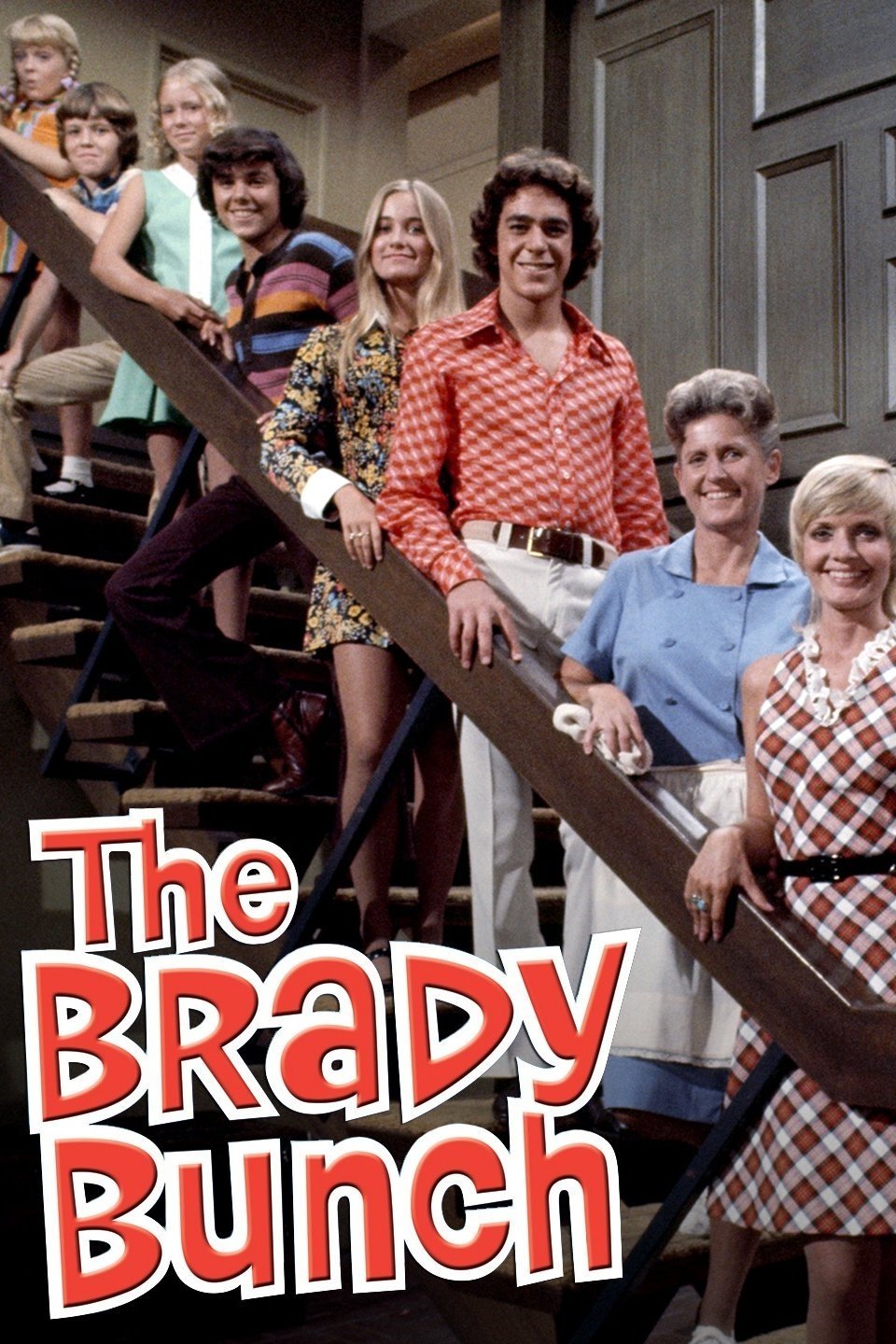
This ABC blended-family sitcom brings together six kids, two parents, and a beloved housekeeper under one roof. Robert Reed, Florence Henderson, Ann B. Davis, and the young ensemble became household names. Plots revolve around sibling rivalries, school events, and backyard projects. The franchise later expanded through TV movies and reunion specials.
‘The Odd Couple’ (1970–1975)
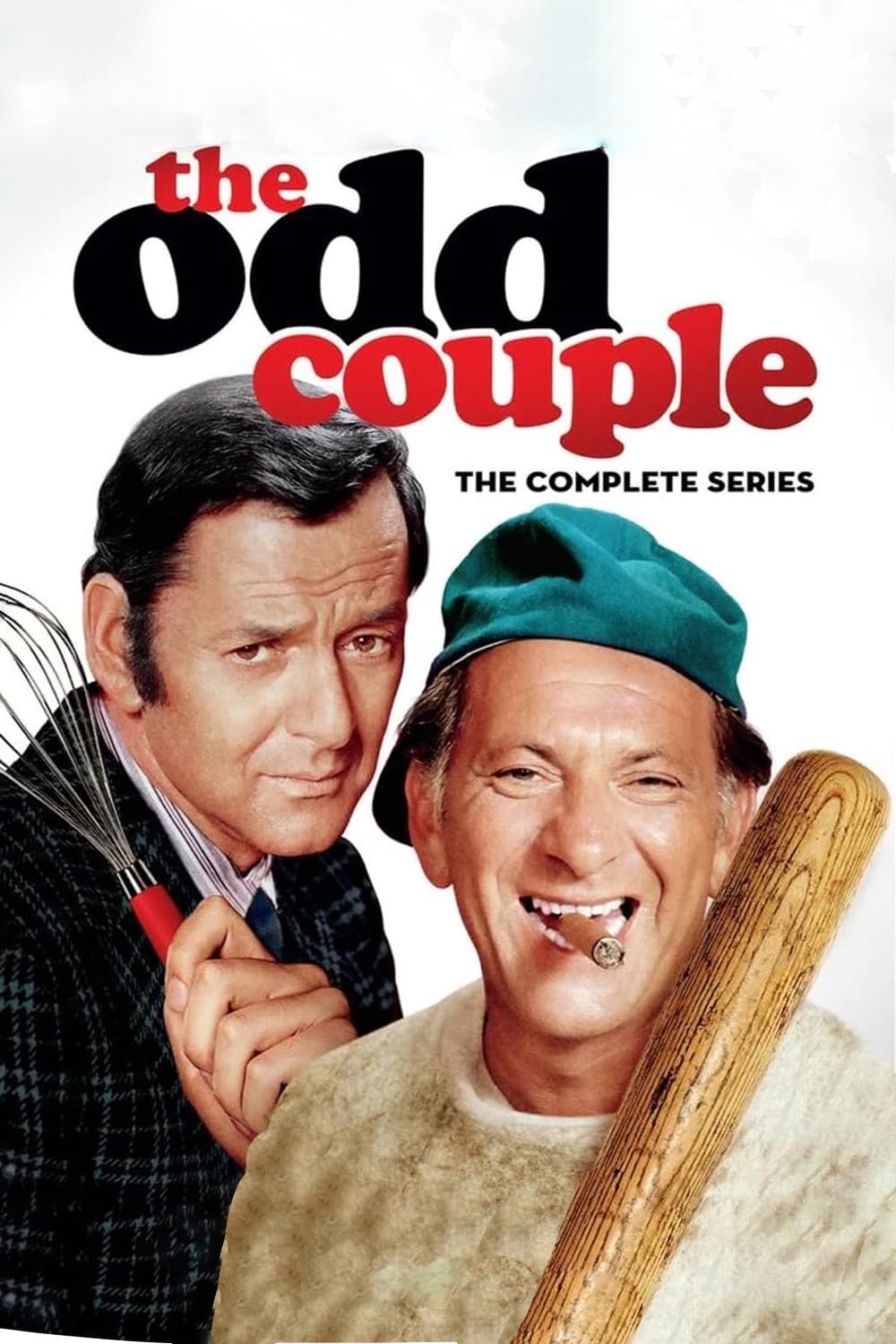
Based on Neil Simon’s stage comedy, this ABC series pairs neat-freak Felix Unger with slobby sportswriter Oscar Madison as mismatched roommates. Tony Randall and Jack Klugman deliver tightly paced two-hander scenes. Recurring gags include poker nights, newsroom deadlines, and apartment reorganizations. The property continued to inspire later TV remakes.
‘One Day at a Time’ (1975–1984)
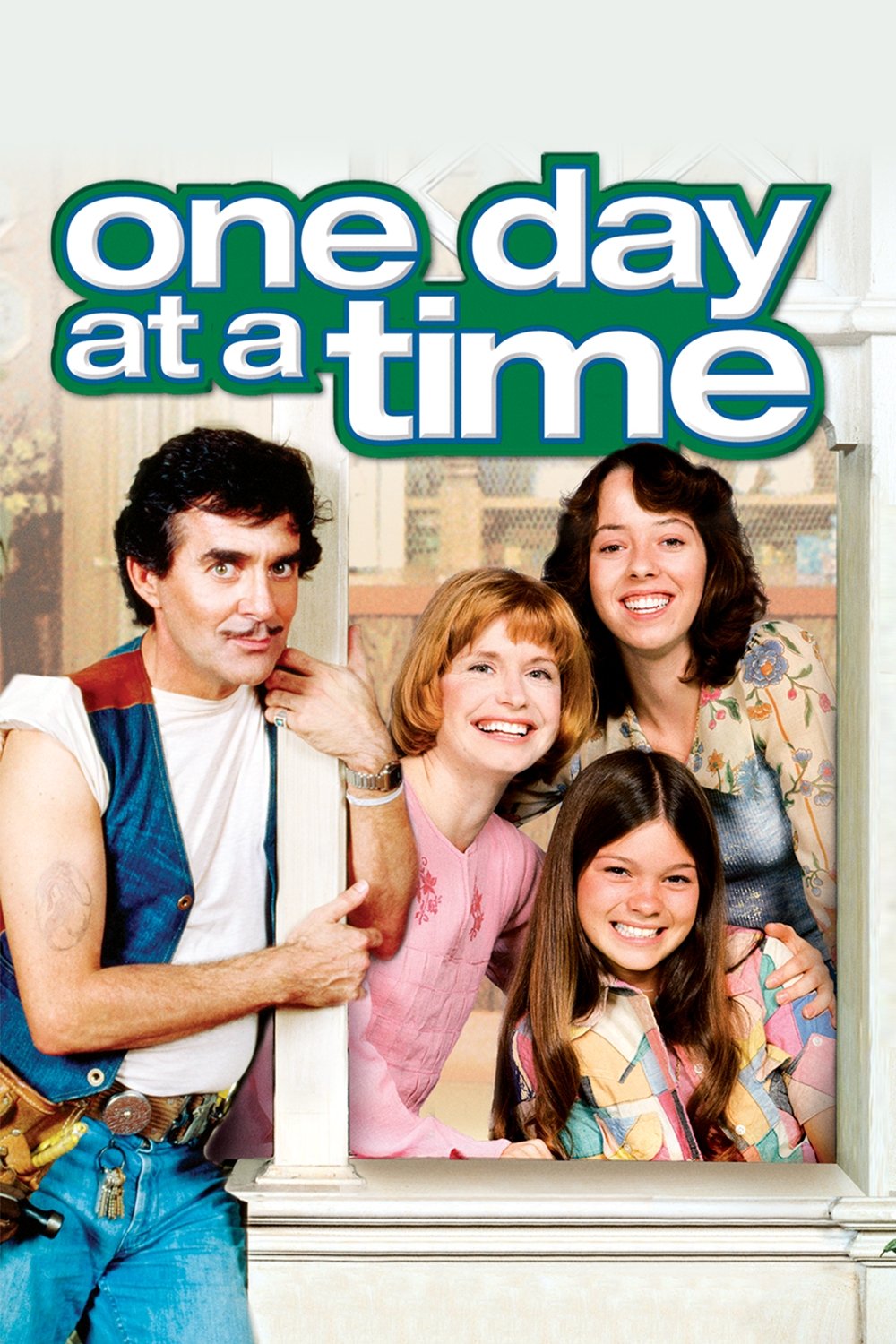
A CBS domestic sitcom created by Whitney Blake and Allan Manings, it follows a divorced mother raising two daughters in an Indianapolis apartment building. Bonnie Franklin stars, with Mackenzie Phillips, Valerie Bertinelli, and Pat Harrington Jr. as regulars. The stories cover work, school, neighbors, and evolving parent-teen dynamics. It later inspired a modern reimagining on streaming.
‘Diff’rent Strokes’ (1978–1986)
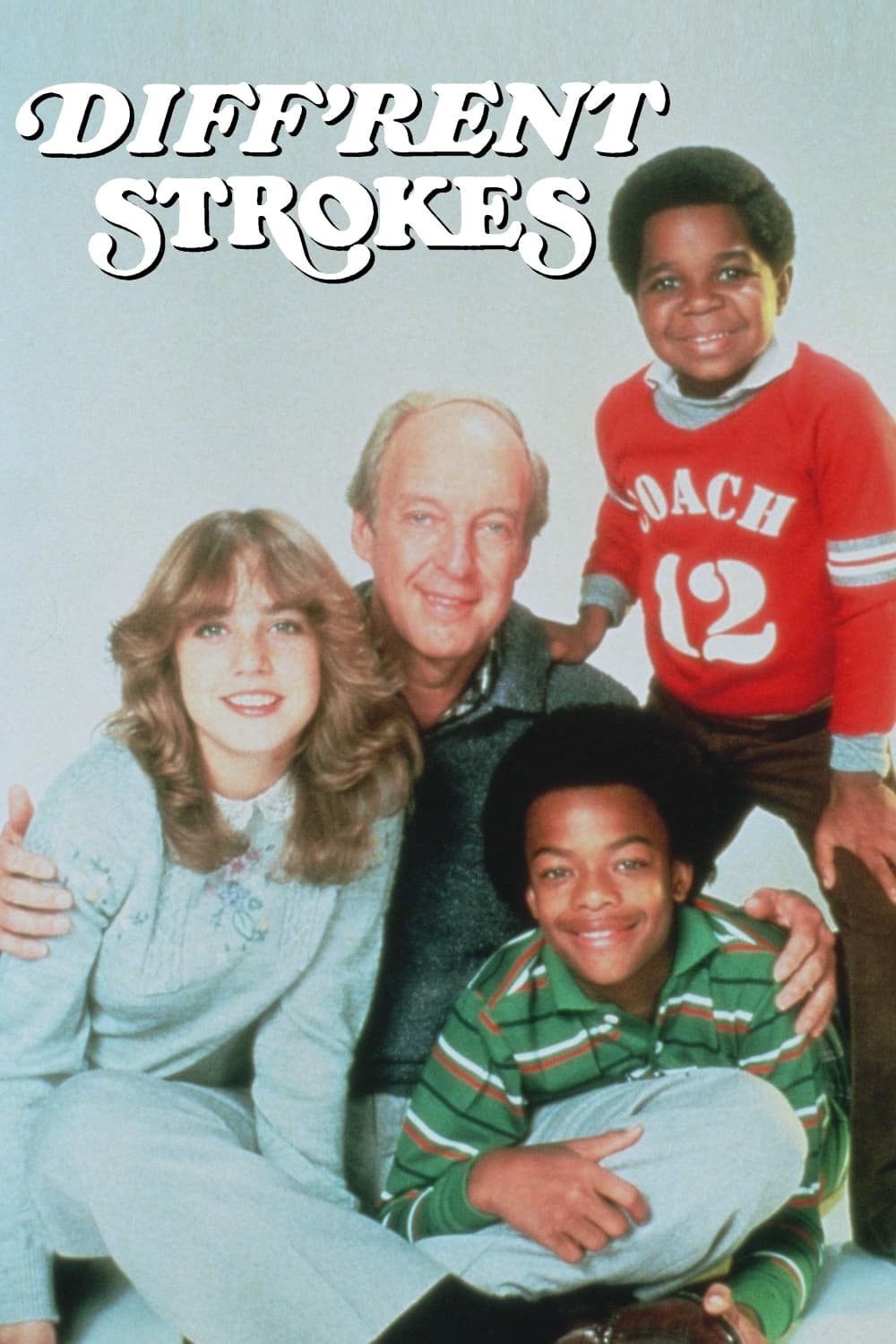
This NBC-to-ABC series follows wealthy widower Philip Drummond, who adopts brothers Arnold and Willis from Harlem and raises them on Park Avenue. Gary Coleman, Todd Bridges, Conrad Bain, and Dana Plato anchor the core family dynamic. The show frequently used school, friendship, and sibling storylines to frame its plots. It launched the housekeeper character who would headline the spinoff ‘The Facts of Life’.
‘C.P.O. Sharkey’ (1976–1978)

Set at a Navy training command, this NBC sitcom centers on a sharp-tongued chief petty officer wrangling new recruits. Don Rickles leads the ensemble with rapid-fire barracks humor and parade-ground set pieces. Episodes revolve around inspections, off-duty scrapes, and clashing personalities under military rules. The single-camera setups keep most action on base with occasional dives into local hangouts.
‘Quark’ (1977–1978)
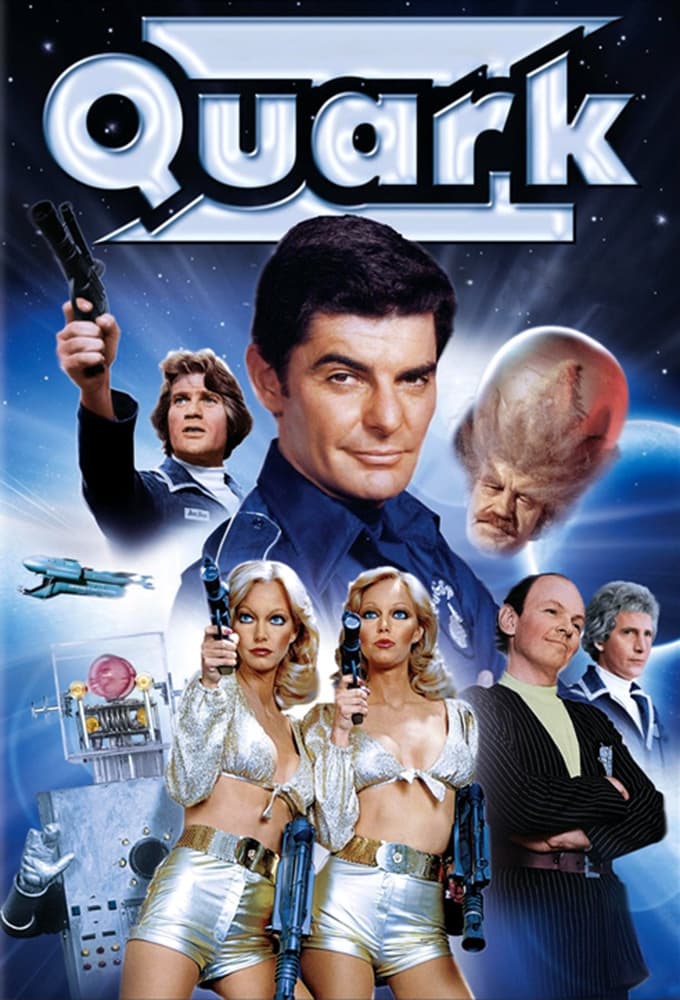
Created by Buck Henry for NBC, this science-fiction spoof follows a sanitation spaceship crew cleaning up cosmic debris. Richard Benjamin plays Captain Adam Quark alongside an android and a pair of clone crewmates. The series parodies space operas with bureaucratic missions, rogue aliens, and malfunctioning tech. Visual gags and spaceship bottle episodes shape most adventures.
‘Holmes & Yo-Yo’ (1976–1977)
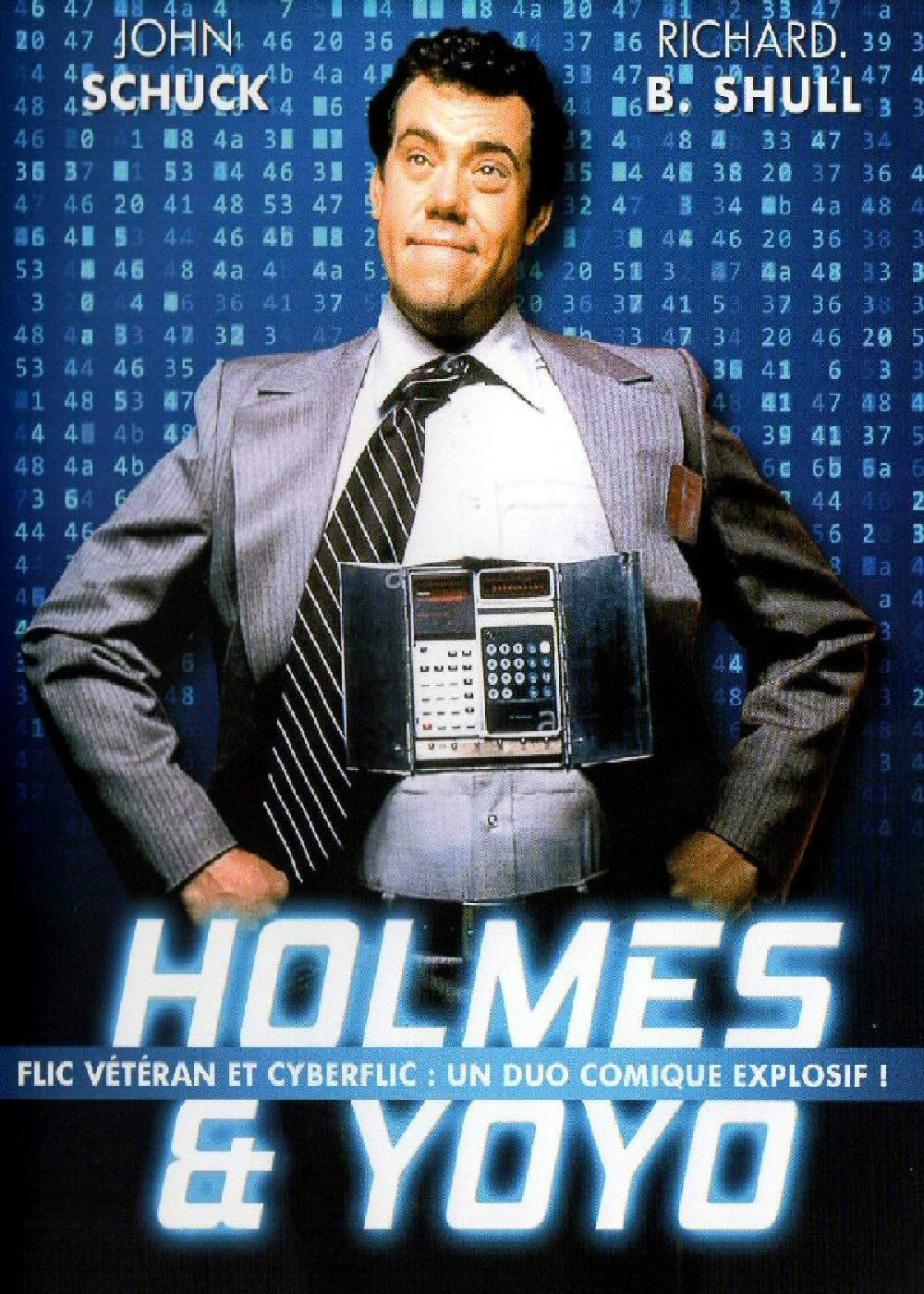
This ABC buddy-comedy pairs a veteran detective with an android partner whose glitches complicate open-and-shut cases. Richard B. Shull and John Schuck play the mismatched duo. Plots hinge on police-procedural setups—stakeouts, interviews, and evidence runs—undercut by robotic quirks. Physical comedy and gadget mishaps drive the case-of-the-week format.
‘Operation Petticoat’ (1977–1979)
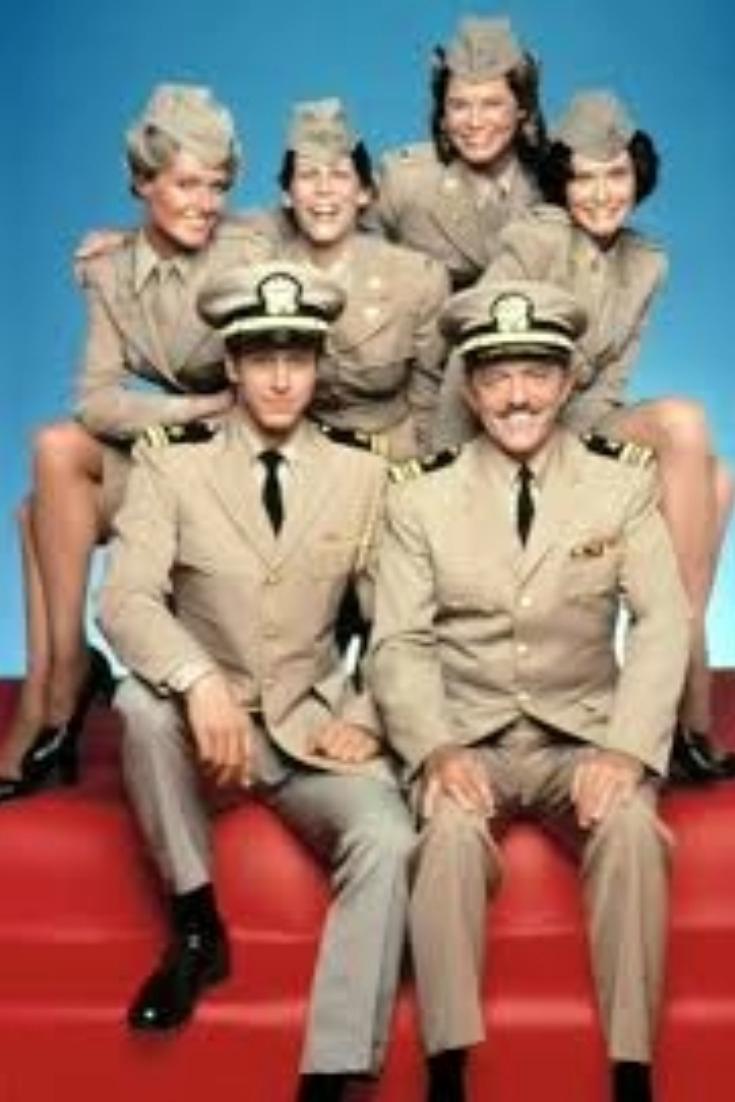
Adapted for ABC from the earlier film, the show follows a submarine crew that ends up ferrying nurses and improvising repairs aboard a famously pink vessel. Stories mix naval routines with supply scrounges, shore leaves, and medical emergencies. The ensemble emphasizes chain-of-command friction and cramped-quarters comedy. Settings shift between the boat, docks, and makeshift island outposts.
‘Me and the Chimp’ (1972)
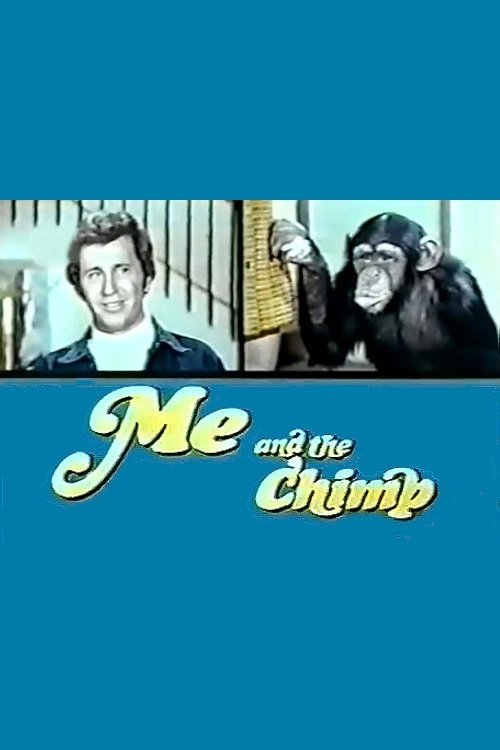
Created by Garry Marshall for CBS, this family sitcom stars a mild-mannered dad who brings home a chimpanzee with a talent for chaos. Ted Bessell headlines as the household straight man. Episodes rely on domestic mishaps—school days, home repairs, and neighborhood visits—with an animal-trick twist. The laugh track and compact living-room sets keep the action brisk.
‘Dusty’s Trail’ (1973–1974)
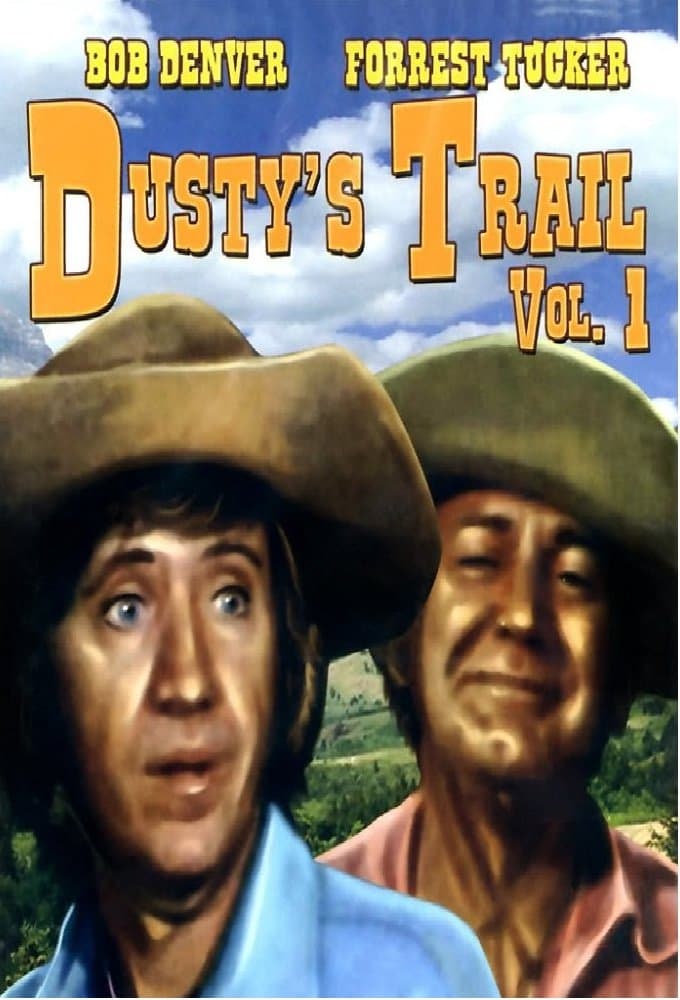
From Sherwood Schwartz, this syndicated western sitcom follows a wagon train that gets separated and bumbles across the frontier. Bob Denver and Forrest Tucker lead a band of archetypal travelers in weekly misadventures. The show uses campsite problems, supply shortages, and mistaken-identity plots to structure episodes. Outdoor locations and studio backlots alternate for trail action.
‘The Paul Lynde Show’ (1972–1973)
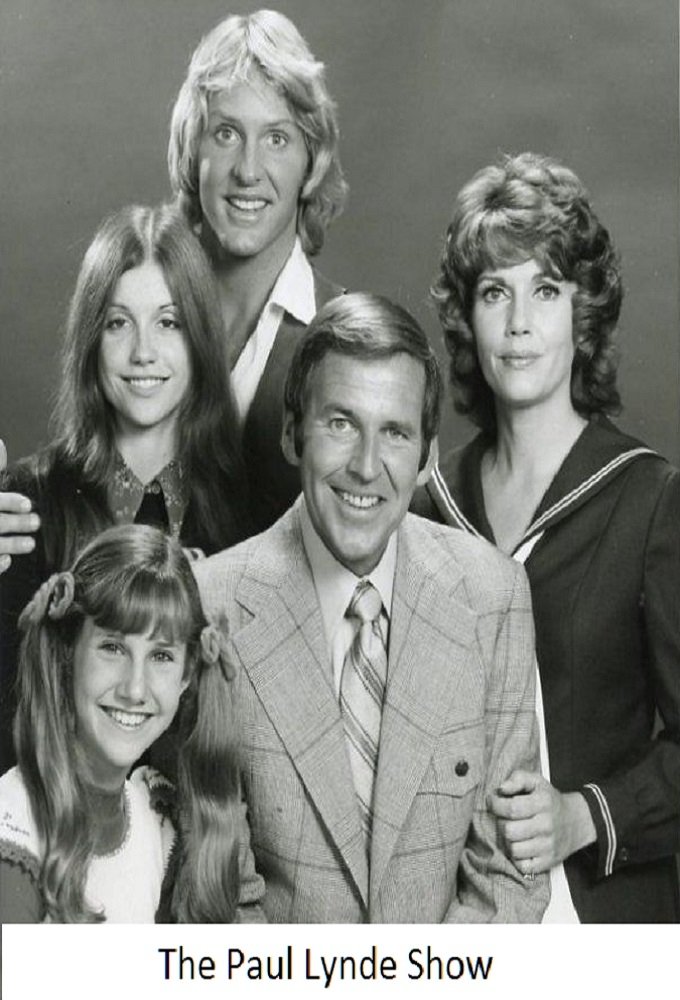
This ABC vehicle centers on an uptight attorney whose home life is upended by a free-spirited son-in-law. Paul Lynde delivers rapid put-downs while domestic conflicts power the A and B plots. Workplace scenes at the law office add client mix-ups and courtroom delays. The show leans on door-slams, dinner-table debates, and suburban etiquette gaffes.
‘Baby, I’m Back’ (1978–1978)
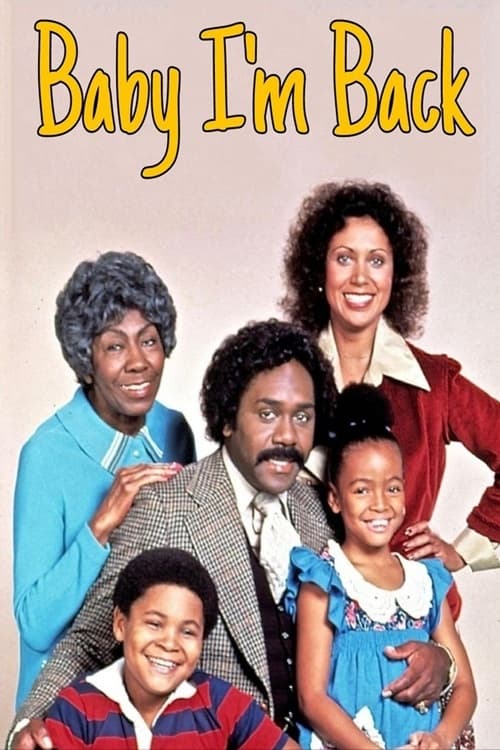
This CBS comedy features a father who returns to reconnect with his family after being long presumed gone. Demond Wilson and Denise Nicholas lead the ensemble. Episodes tackle co-parenting hurdles, new relationships, and school-day complications for the kids. Much of the action plays out across home interiors, offices, and neighborhood spots in Washington, D.C.
‘Carter Country’ (1977–1979)
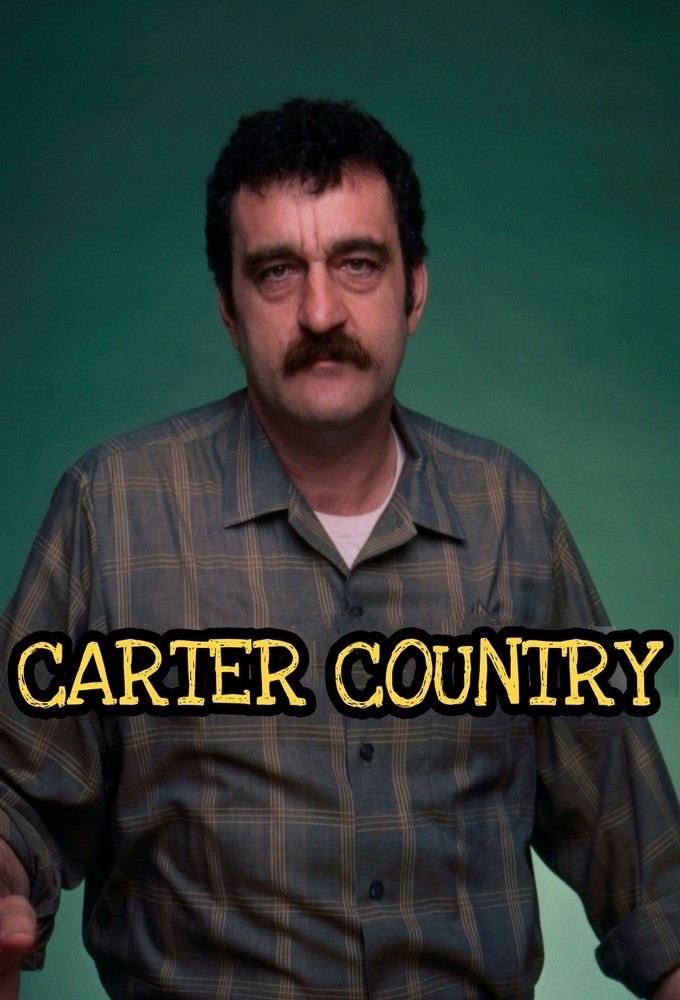
Set in a small Southern town, this ABC sitcom focuses on a police department juggling local politics and everyday complaints. The ensemble pits the chief, officers, and city officials in ongoing turf battles. Plots feature council meetings, courthouse mix-ups, and station-house routines. Running jokes center on rank, procedure, and community gossip.
‘On the Rocks’ (1975–1976)
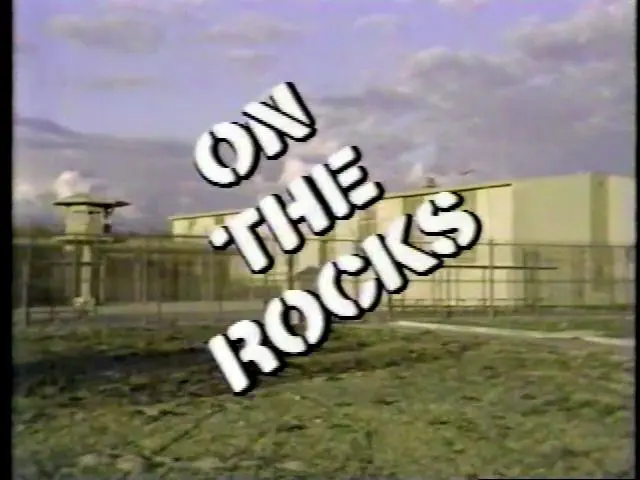
An ABC adaptation of the British ‘Porridge’, the series takes place inside a state prison where inmates and staff form uneasy alliances. Episodes balance cellblock chores, visiting hours, and warden directives. The humor often comes from institutional workarounds and inmate ingenuity. Limited sets—dorms, corridors, and offices—keep the staging tight.
‘Hot l Baltimore’ (1975)
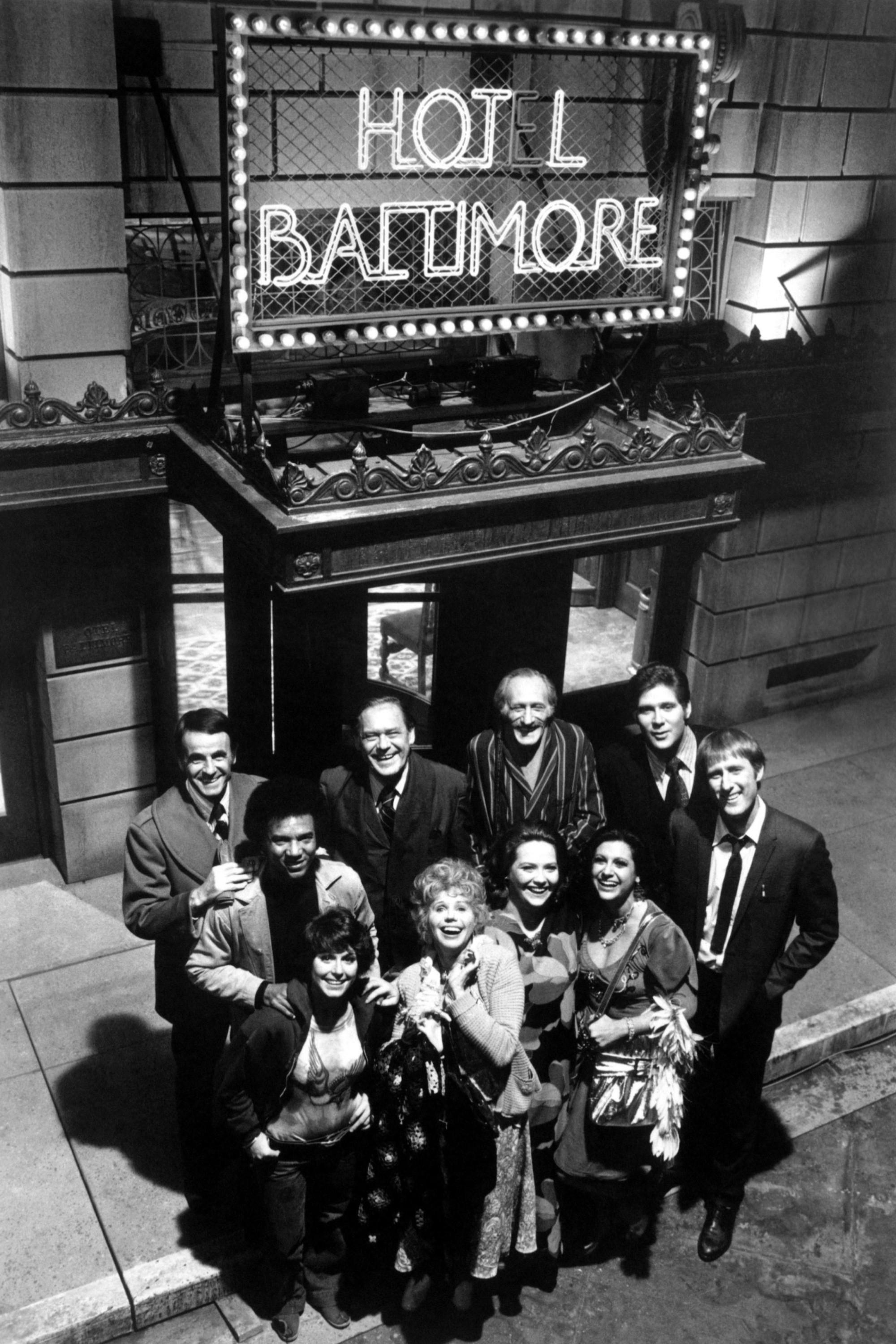
Based on Lanford Wilson’s stage play and adapted for ABC, this series follows staff and residents of a fading hotel. The ensemble includes desk clerks, long-term tenants, and a hands-on manager navigating constant crises. Stories explore late-night arrivals, maintenance disasters, and city inspectors. The lobby, front desk, and corridors provide most of the action.
‘Blansky’s Beauties’ (1977)

From Garry Marshall on ABC, this Vegas-set sitcom follows a den mother-manager shepherding a troupe of showgirls through rehearsals and bookings. Nancy Walker leads a cast of performers and backstage fixers. Episodes revolve around auditions, publicity stunts, and casino-floor entanglements. The show connects loosely to the ‘Happy Days’ universe through shared creative DNA and crossover cameos.
‘Angie’ (1979–1980)
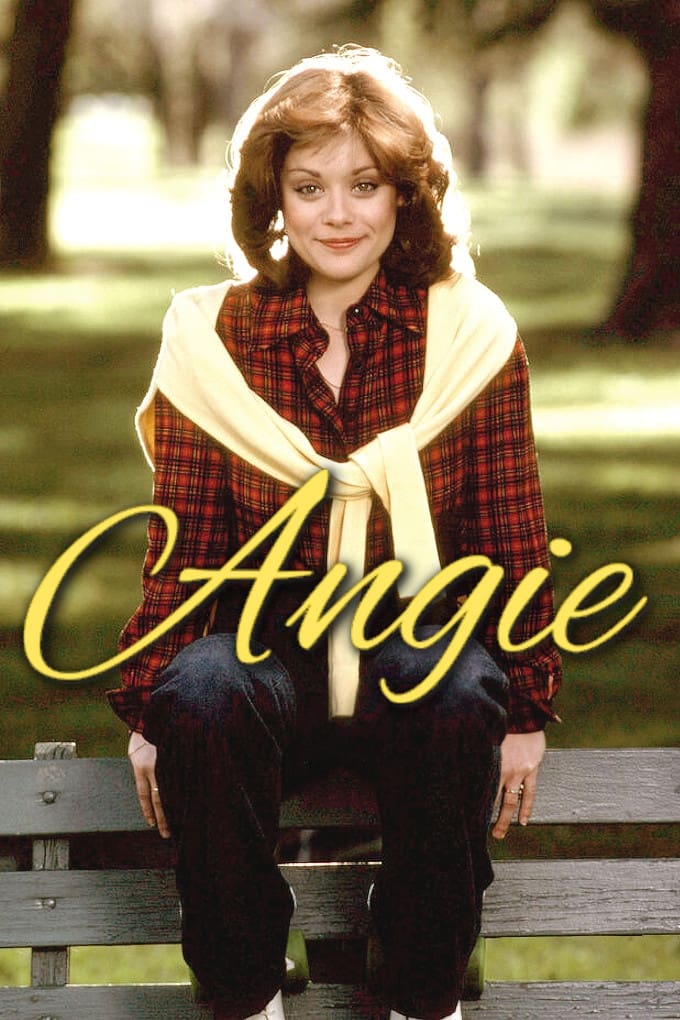
Set in Philadelphia, this ABC sitcom tracks a coffee-shop waitress who falls for a doctor from a prominent family. Donna Pescow and Robert Hays headline the romantic core. The series mines culture-clash comedy from neighborhood roots meeting high-society expectations. Family dinners, workplace scenes, and honeymoon-phase hiccups shape the weekly arcs.
Share the other titles you think belong on this list in the comments!

