


1970s TV Shows That Are Completely Unwatchable Today

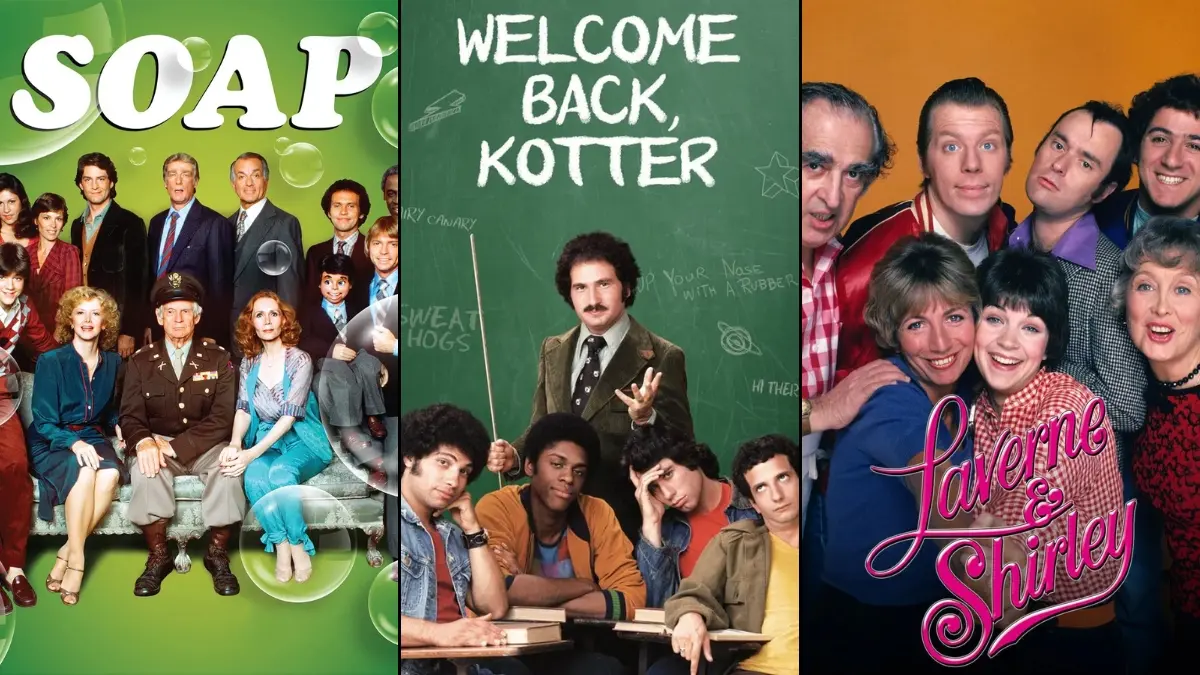


The 1970s delivered a flood of TV series across every genre—family sitcoms, glossy dramas, police procedurals, and high-concept adventures—many of which became staples in syndication for decades. Below is a tour through 40 notable shows from that era, with quick snapshots on who made them, who starred in them, and what each one was all about. You’ll find creators, networks, formats, and spin-offs sprinkled in so you can place each title in its proper context without wading through trivia. Think of it as a handy refresher on what filled prime time back then and how these series fit into the larger TV landscape.
‘The Brady Bunch’ (1969–1974)
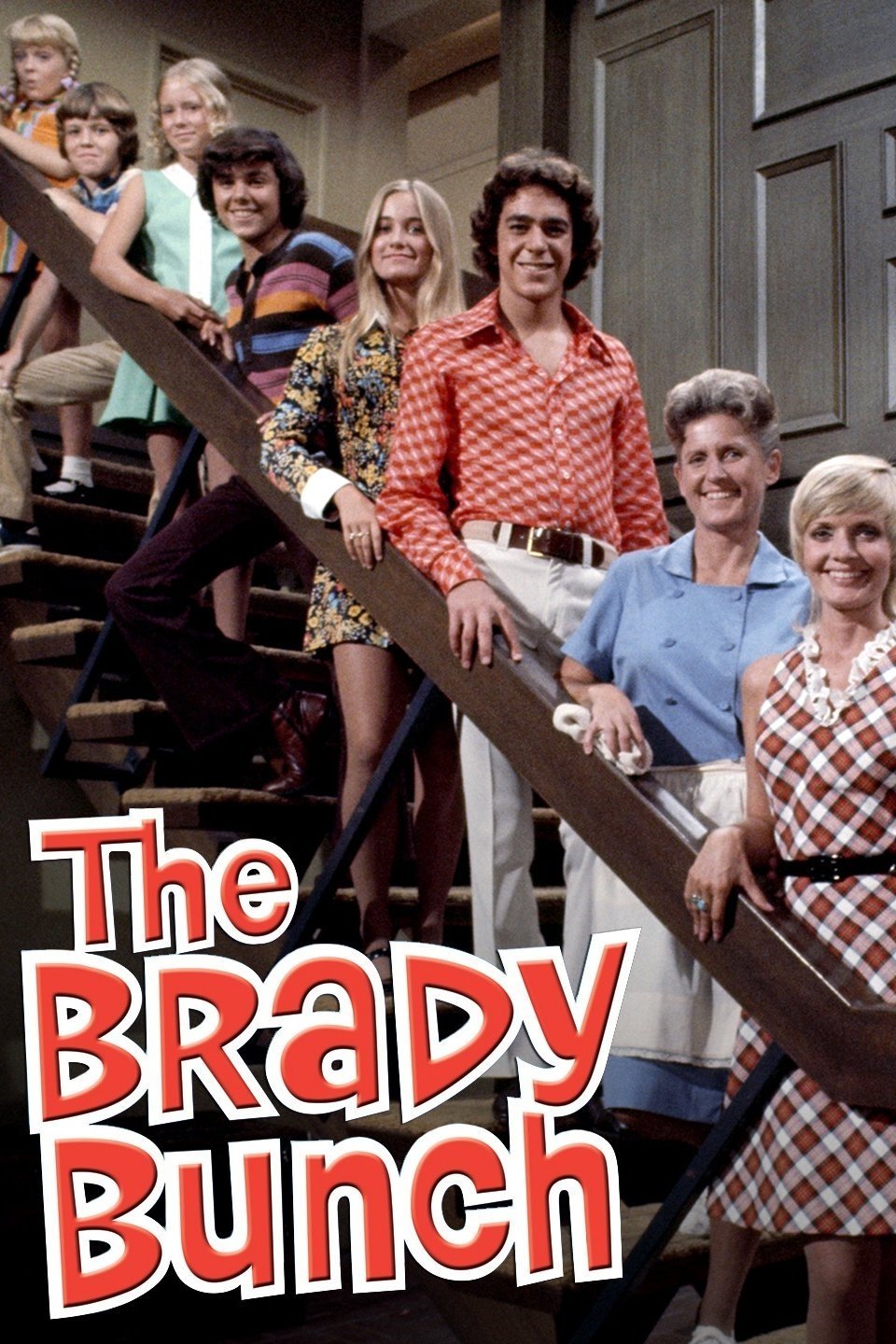
This ABC sitcom from creator Sherwood Schwartz centers on a blended family of six kids, their parents, and a housekeeper named Alice. Robert Reed and Florence Henderson led the ensemble, with Ann B. Davis as the beloved domestic anchor. The single-camera half-hour leaned on school, sibling squabbles, and light domestic plots. It spawned reunions, TV movies, and later meta-revivals that kept the brand active long after its initial run.
‘The Partridge Family’ (1970–1974)
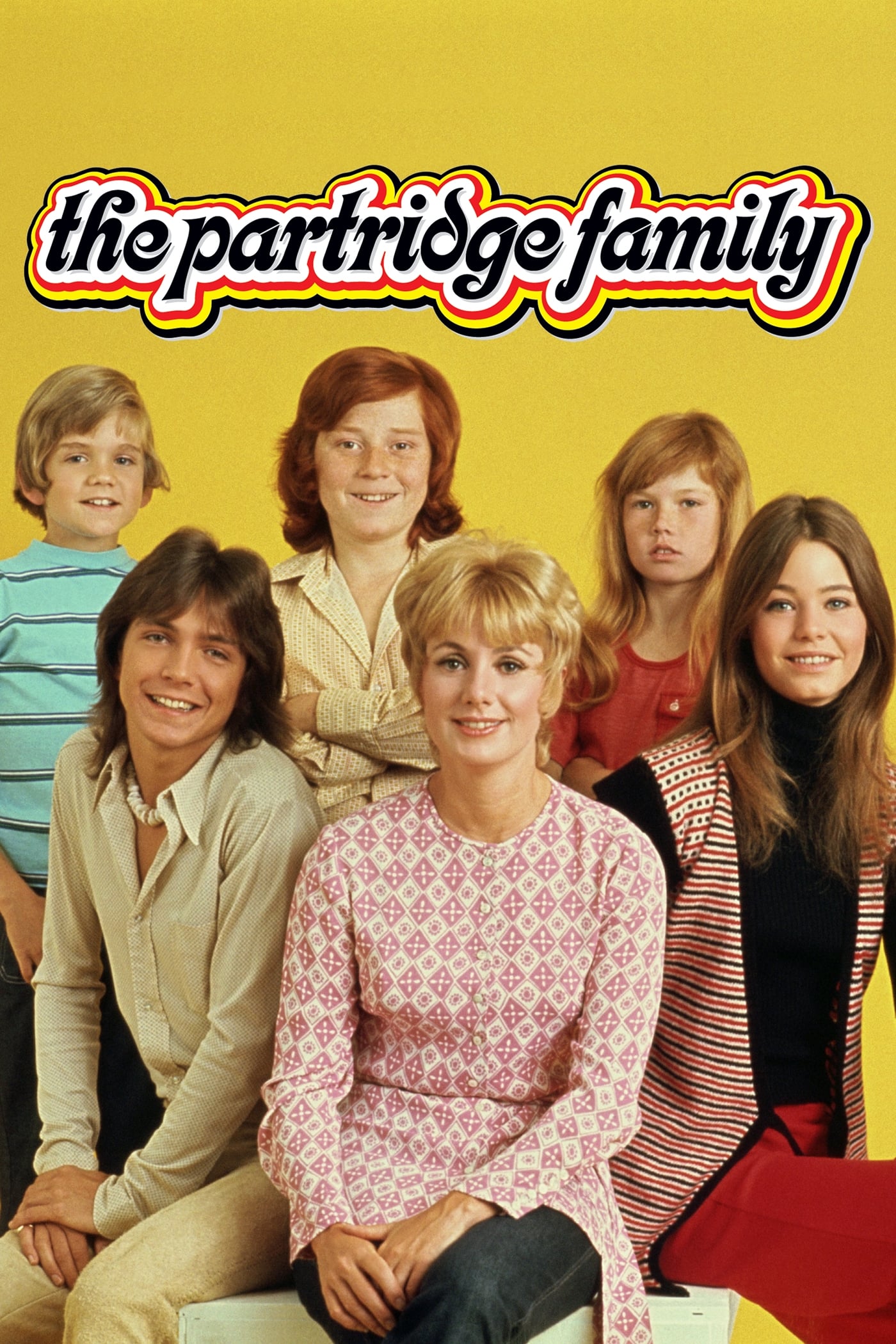
A musical sitcom on ABC, this series follows a widowed mother who forms a pop band with her five children. Shirley Jones starred alongside David Cassidy, whose on-screen popularity fueled real-world recording success. Episodes typically paired family hijinks with performance numbers and touring storylines. The show’s merchandising and charting singles turned it into a cross-media phenomenon.
‘Love, American Style’ (1969–1974)
This ABC anthology comedy stitched together multiple romantic sketches per episode, often featuring well-known guest stars. Its segmented format made room for broad premises and quick resolutions. The series became a launching pad for other properties, famously connecting to the origin of ‘Happy Days’. Rotating casts and directors kept production nimble across hundreds of vignettes.
‘McCloud’ (1970–1977)
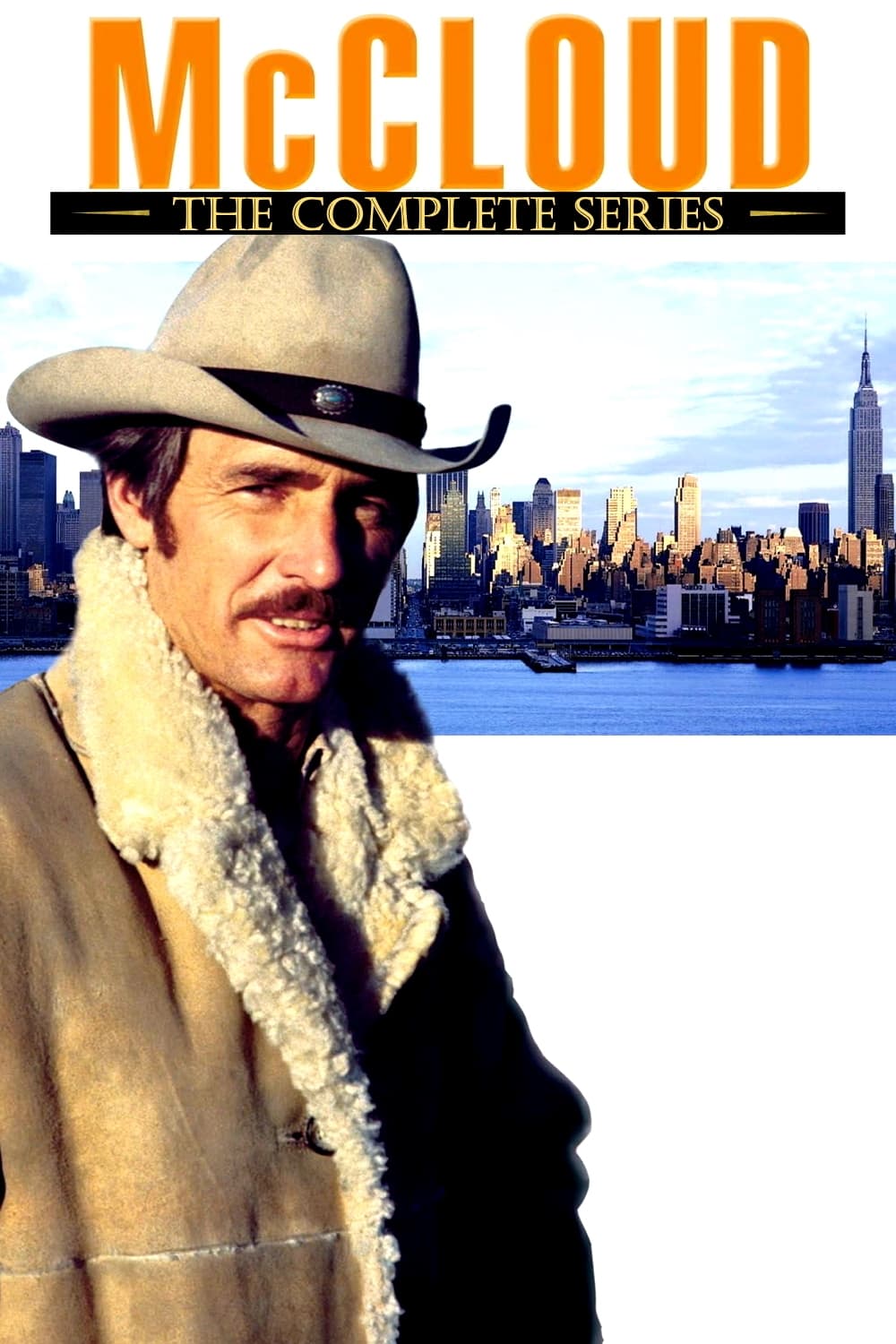
Part of NBC’s wheel series, this police drama features a New Mexico lawman working cases in New York City. Dennis Weaver headlined as the fish-out-of-water marshal whose Western instincts aided urban investigations. The show rotated within a larger mystery-movie block that also included companion titles. Its format emphasized feature-length episodes and stylized location shooting.
‘McMillan & Wife’ (1971–1977)
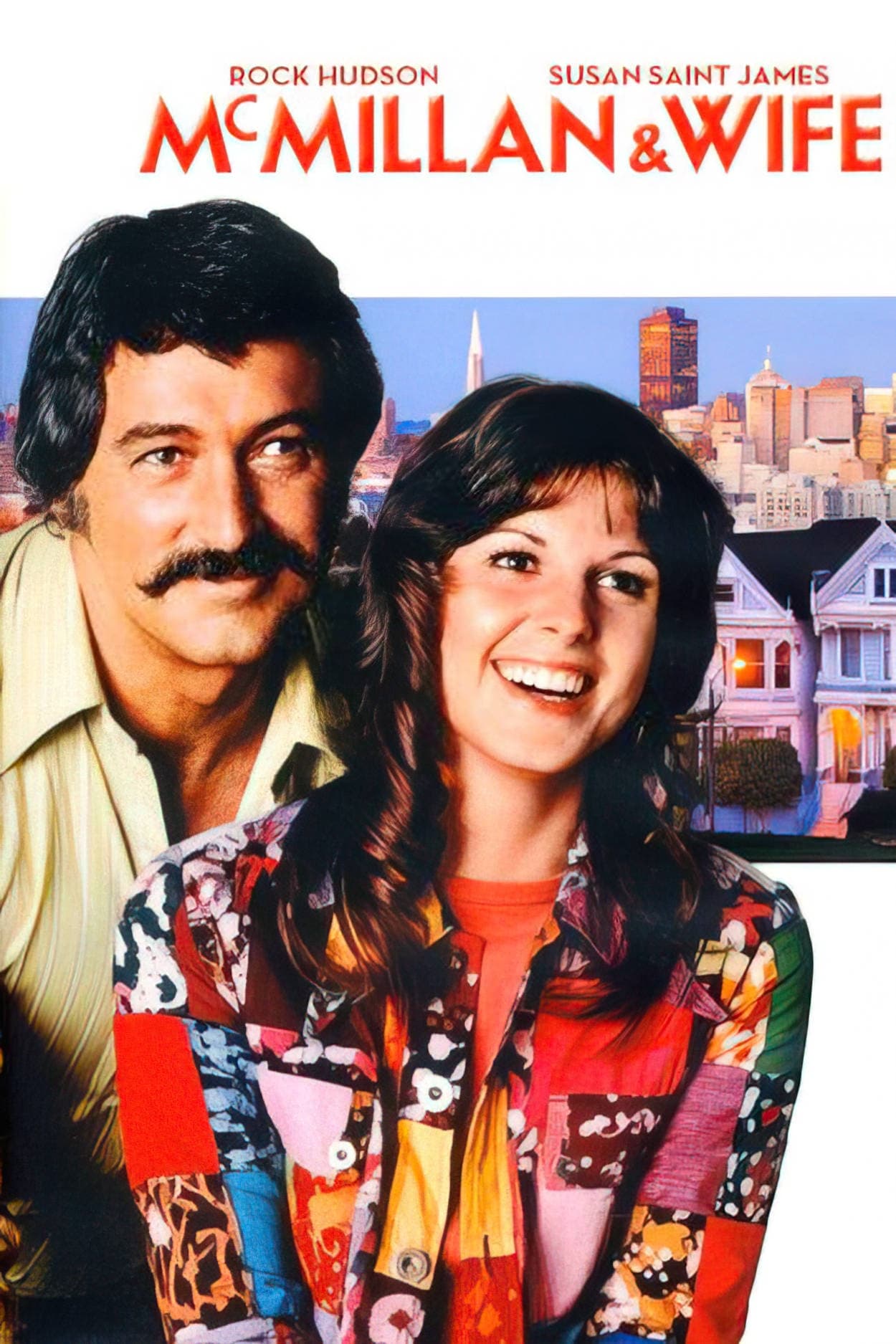
Another NBC wheel entry, this light mystery stars Rock Hudson as a San Francisco police commissioner and Susan Saint James as his quick-witted spouse. Cases blended domestic banter with crime-of-the-week storytelling. The series leaned on chemistry between leads and frequent guest-star turns. Its final stretch retooled the title as ‘McMillan’ with cast changes.
‘Emergency!’ (1972–1977)
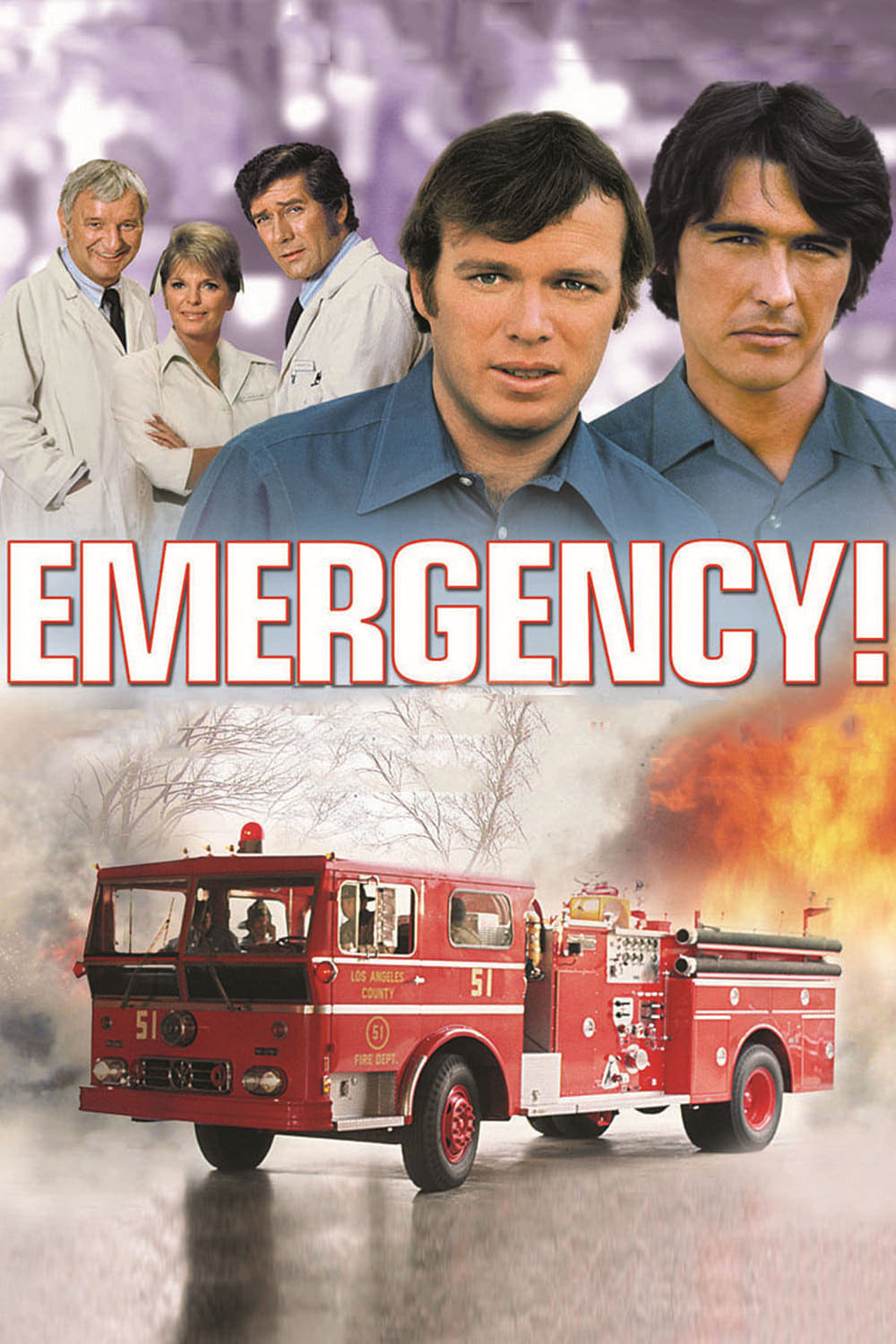
Produced by Jack Webb’s Mark VII Limited for NBC, this procedural follows paramedics and hospital staff coordinating rescue and treatment. Randolph Mantooth and Kevin Tighe portray first-response partners whose calls frame each episode. The show collaborated closely with real agencies and public-safety messaging. Post-series telefilms extended the format beyond the original run.
‘The Six Million Dollar Man’ (1973–1978)
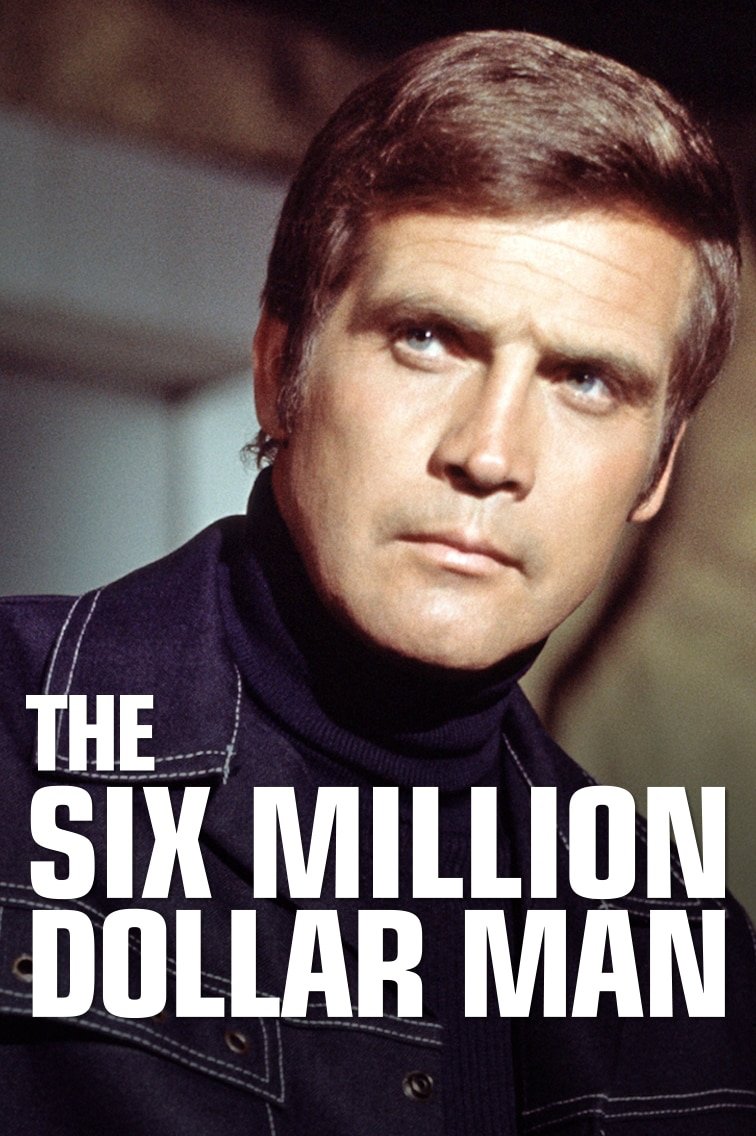
Based on Martin Caidin’s novel ‘Cyborg’, this ABC action series stars Lee Majors as a test pilot rebuilt with bionic implants after a catastrophic crash. Government missions, undercover work, and gadget-assisted feats formed the backbone of its stories. The series introduced recurring antagonists and crossover characters. It generated the popular spin-off ‘The Bionic Woman’.
‘Barnaby Jones’ (1973–1980)
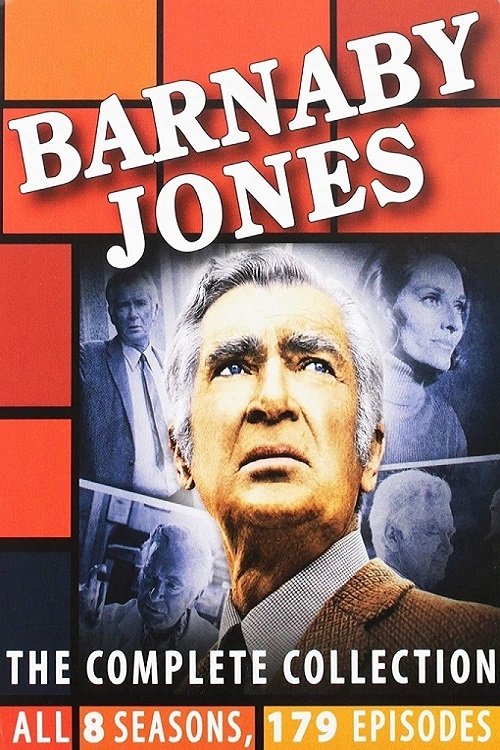
This CBS detective drama casts Buddy Ebsen as a retired private investigator who returns to the job after a family tragedy. Lee Meriwether co-stars as his capable partner in the agency. Episodes follow classic client-of-the-week structures with methodical clue-gathering. The tone fits alongside other Quinn Martin Productions with strong narrator tags and procedural rhythms.
‘Good Times’ (1974–1979)
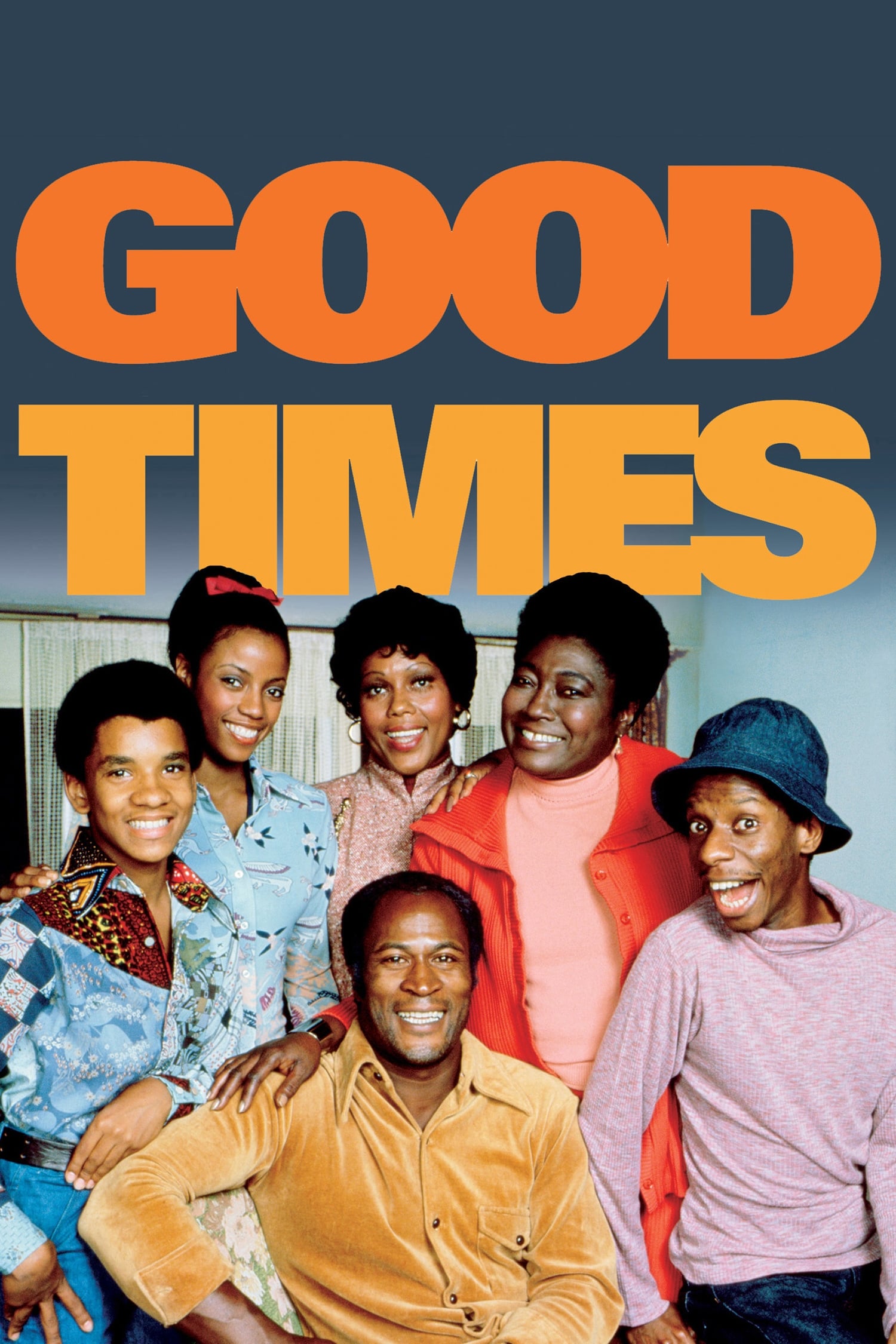
A Norman Lear–produced sitcom for CBS, it centers on a tight-knit family living in a public-housing apartment in Chicago. Esther Rolle and John Amos led the cast, with Jimmie Walker’s breakout catchphrase becoming a pop-culture marker. Stories balanced working-class struggles with humor and community ties. The show connected directly to the larger ‘All in the Family’ universe through ‘Maude’.
‘Welcome Back, Kotter’ (1975–1979)
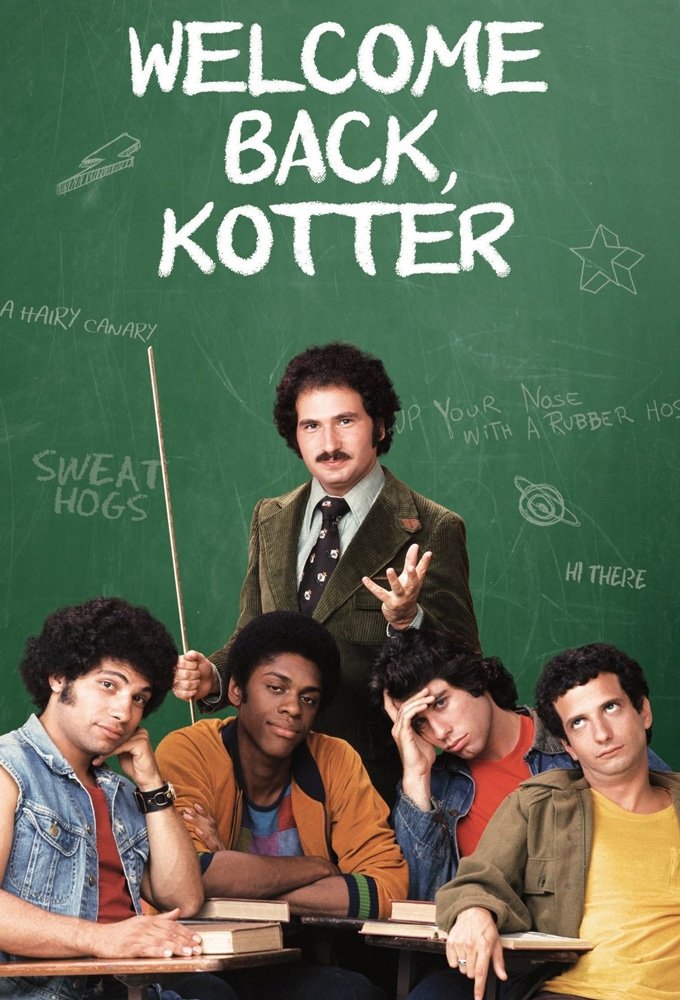
A classroom comedy on ABC, this series stars Gabe Kaplan as a teacher returning to his old Brooklyn high school. The ensemble of remedial students known as the Sweathogs powered its episodic setup. John Travolta’s early role helped the show gain broad visibility. School-based antics, staff dynamics, and family subplots rounded out each half-hour.
‘Starsky & Hutch’ (1975–1979)
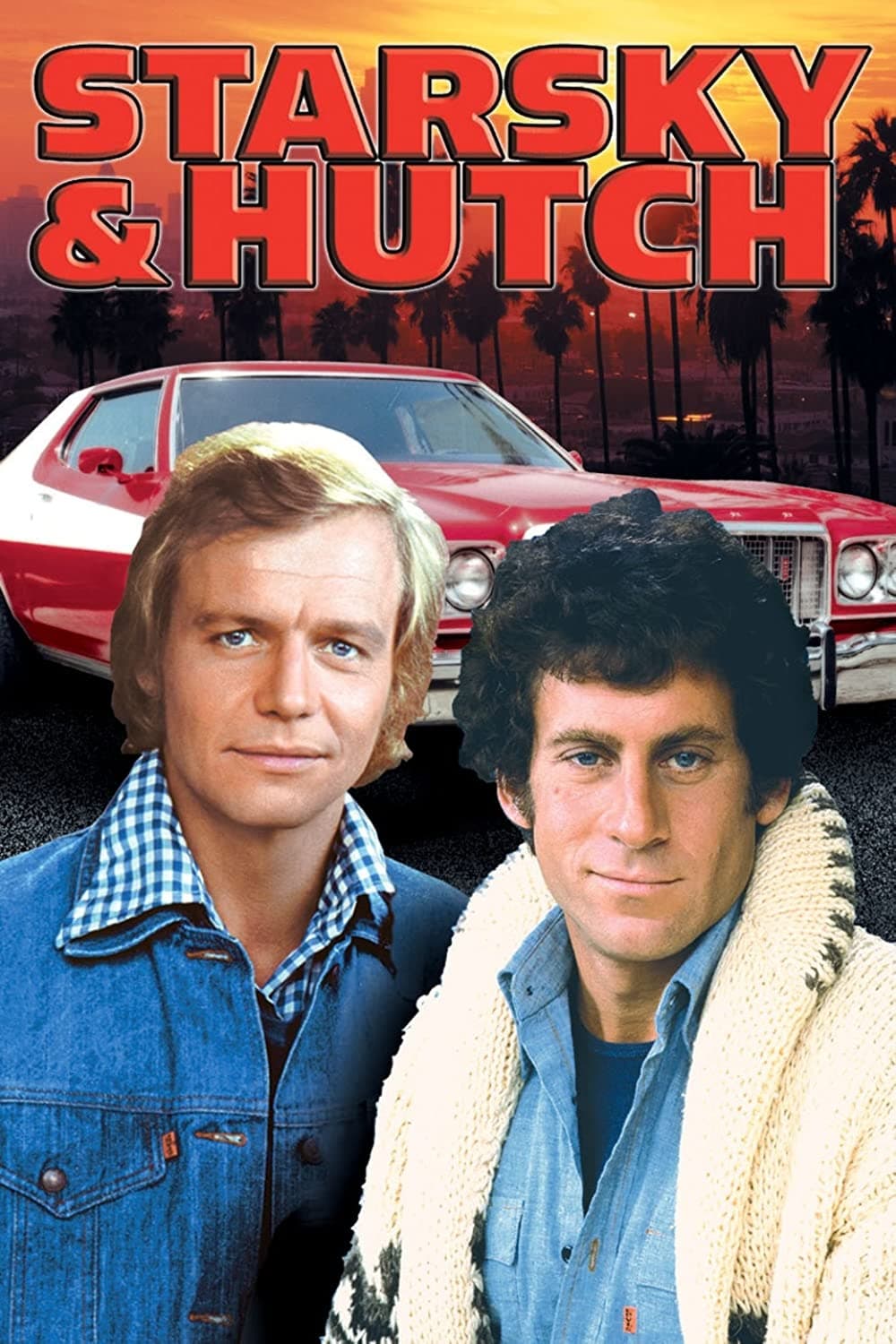
This buddy-cop drama on ABC pairs David Soul and Paul Michael Glaser as streetwise detectives working fictional Bay City. The red-and-white Ford Gran Torino became an icon of the show’s identity. Plots mixed undercover work, informant networks, and precinct politics. A memorable supporting presence came from Antonio Fargas as the smooth-talking Huggy Bear.
‘Charlie’s Angels’ (1976–1981)
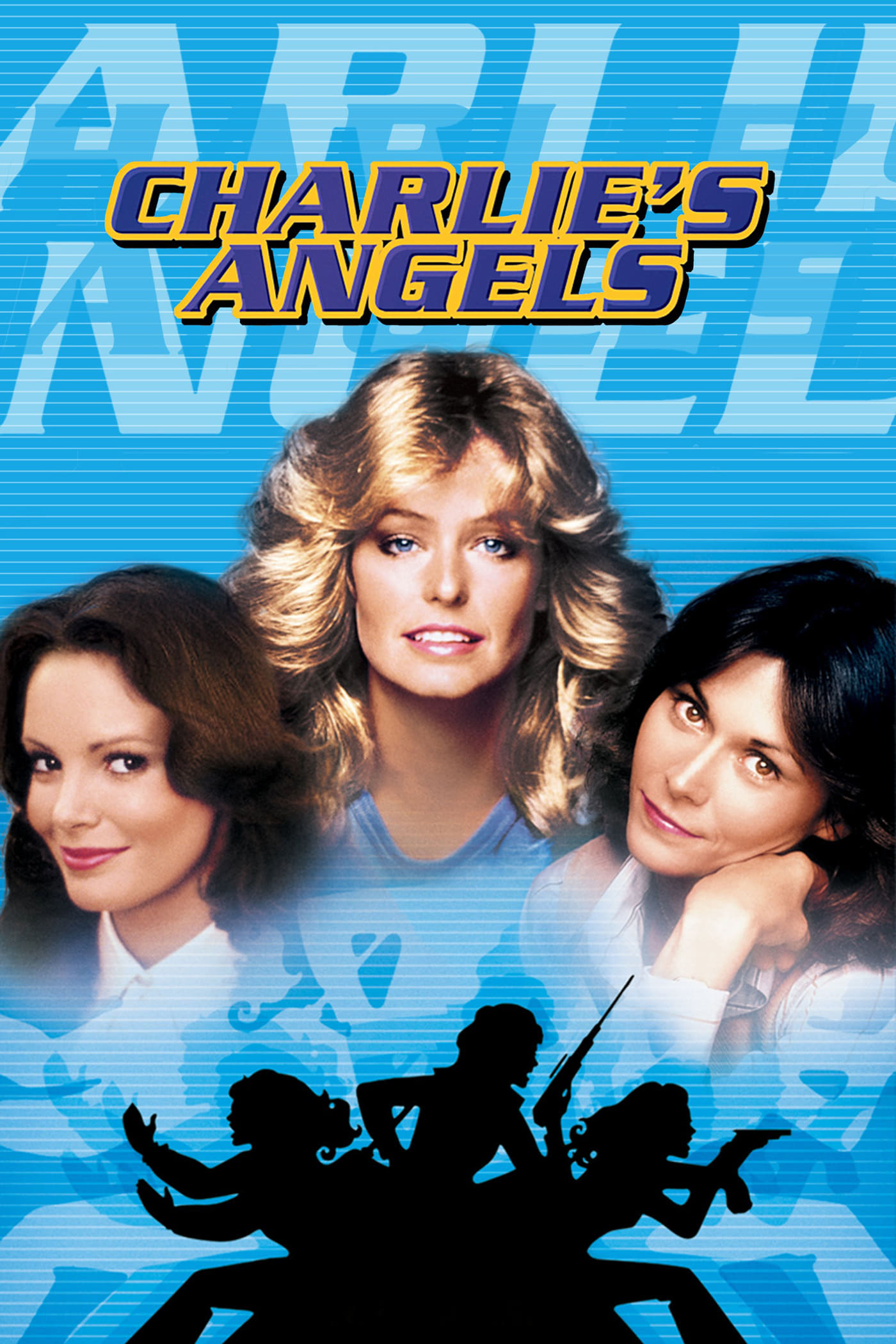
Aaron Spelling and Leonard Goldberg produced this ABC hit about three private investigators hired by an unseen boss. Farrah Fawcett, Kate Jackson, and Jaclyn Smith formed the initial trio, with later cast changes maintaining the template. Cases covered infiltrations, decoys, and sting operations across glamorous settings. The show’s brand extended to later films and reboots.
‘Laverne & Shirley’ (1976–1983)
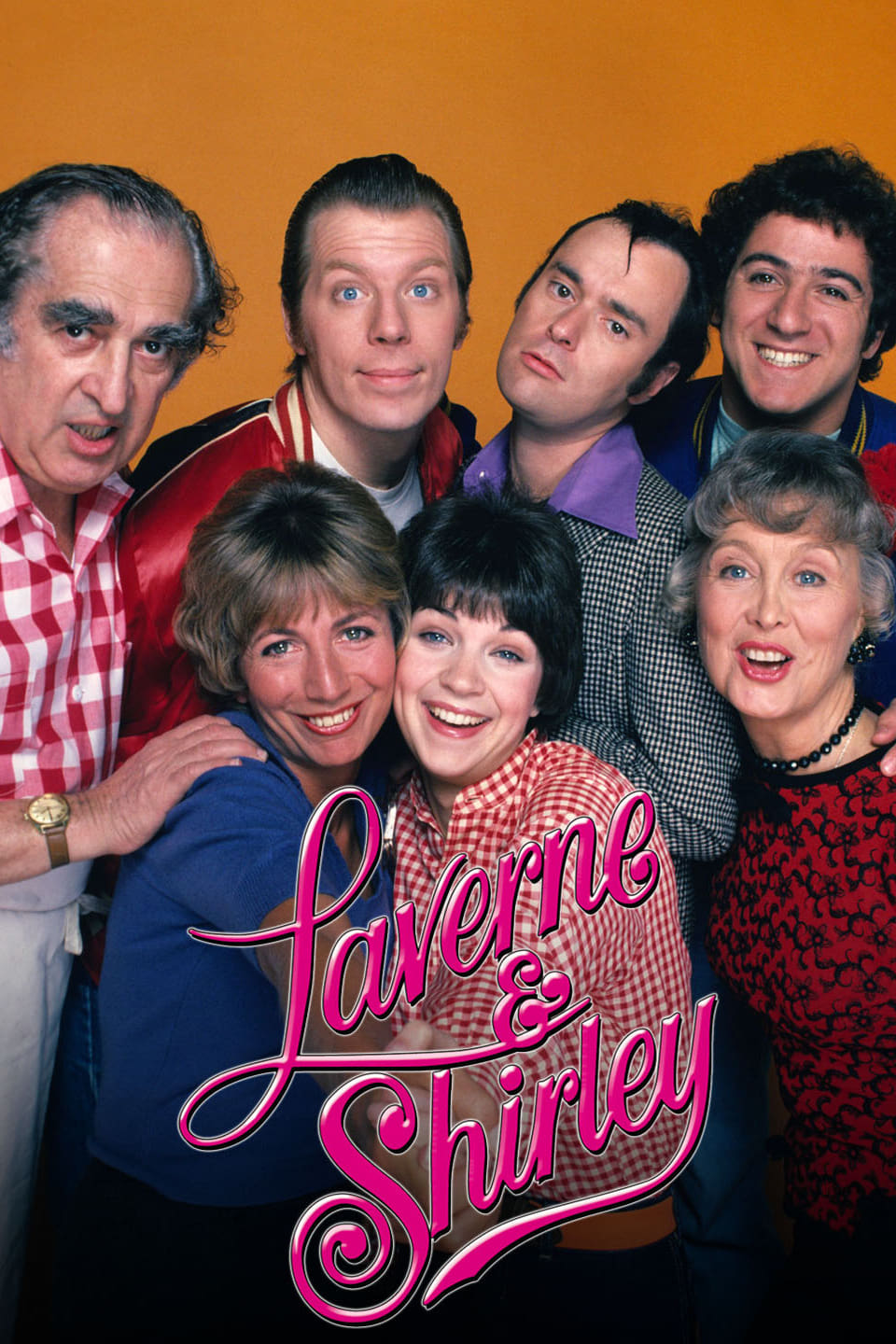
A spin-off from ‘Happy Days’, this ABC sitcom follows two blue-collar roommates working at a Milwaukee brewery. Penny Marshall and Cindy Williams starred as the central duo, whose friendship drives workplace and home misadventures. Physical comedy and recurring side characters created a reliable formula. Later seasons shifted the setting and expanded the ensemble.
‘The Bionic Woman’ (1976–1978)
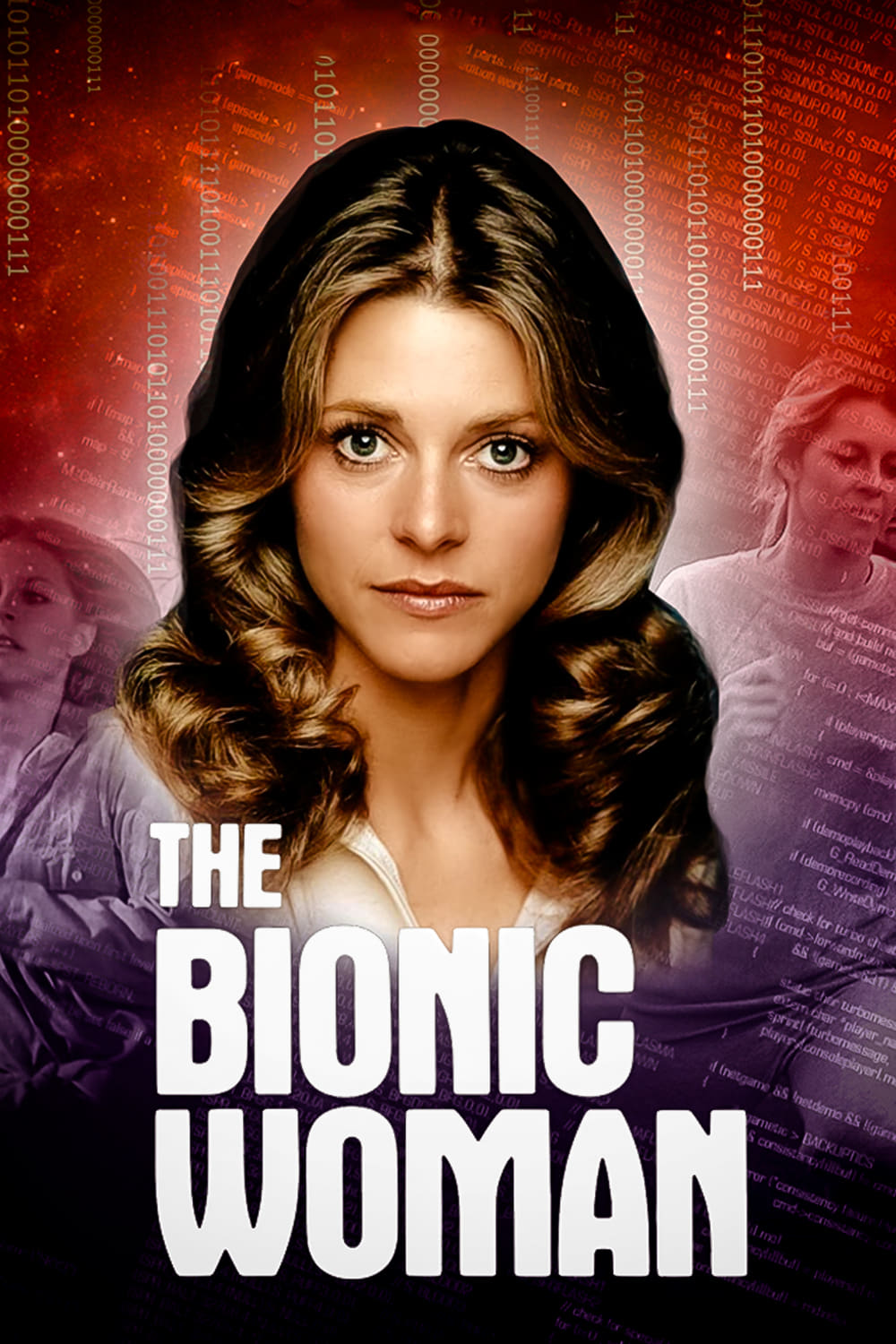
Starring Lindsay Wagner as Jaime Sommers, this action-adventure centers on a former athlete granted bionic enhancements after an accident. Missions from a government agency structure the episodic narrative. Crossovers with ‘The Six Million Dollar Man’ reinforced a shared universe. The character returned in reunion projects and a later reimagining.
‘Alice’ (1976–1985)
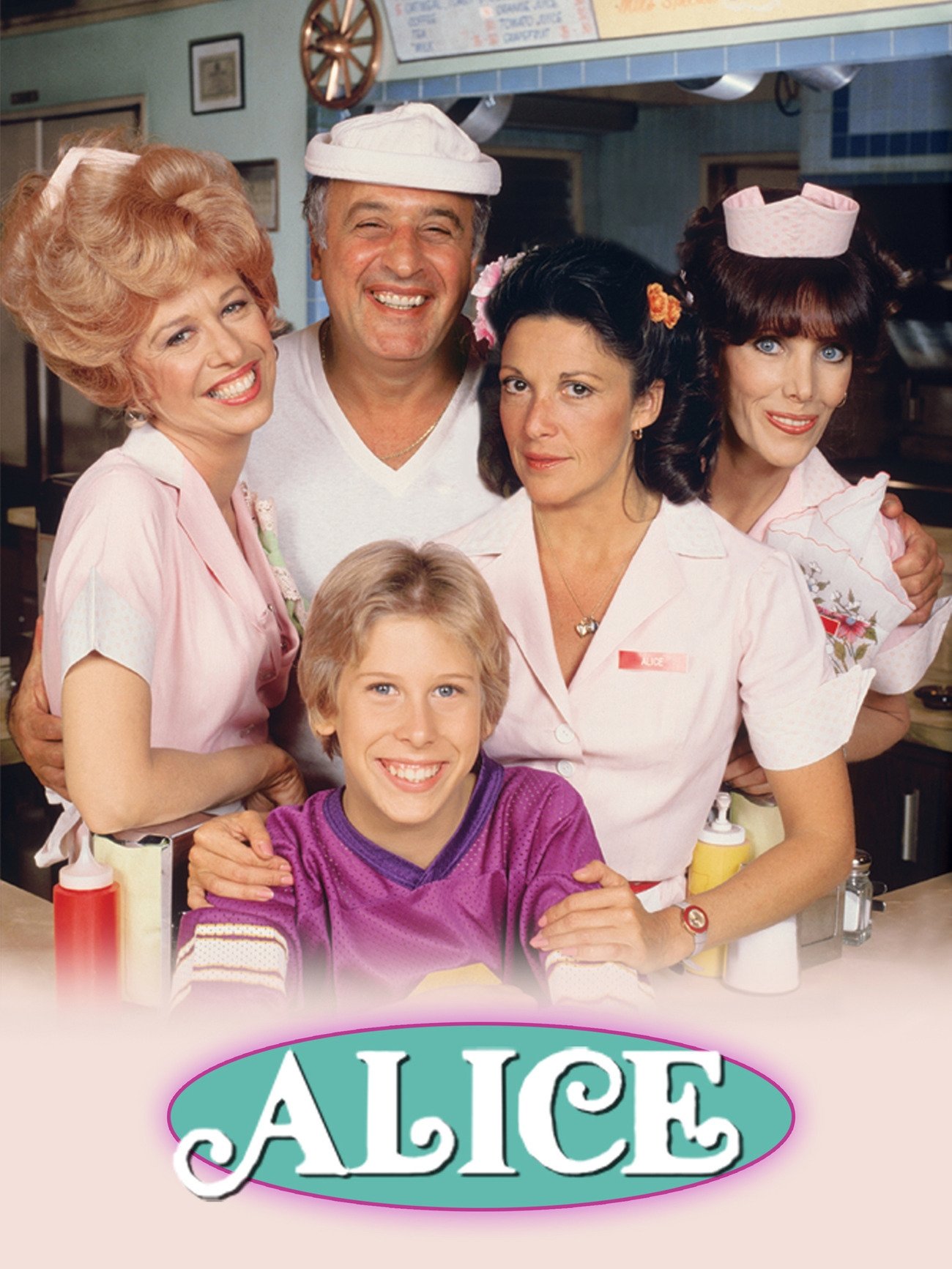
Based on the film ‘Alice Doesn’t Live Here Anymore’, this CBS sitcom follows a widow working at Mel’s Diner while pursuing a singing career. Linda Lavin headlines, with Polly Holliday and Beth Howland among the ensemble. Stories hinge on diner customers, co-worker banter, and family moments. Catchphrases and rotating guest appearances gave it a long afterlife in syndication.
‘Three’s Company’ (1977–1984)

An ABC farce adapted from the British series ‘Man About the House’, this show centers on roommates navigating misunderstandings and strict landlord rules. John Ritter, Joyce DeWitt, and Suzanne Somers formed the initial trio, later joined by new characters as the cast evolved. Physical humor, door-slam timing, and mistaken identities defined its style. The series produced spin-offs ‘The Ropers’ and ‘Three’s a Crowd’.
‘CHiPs’ (1977–1983)
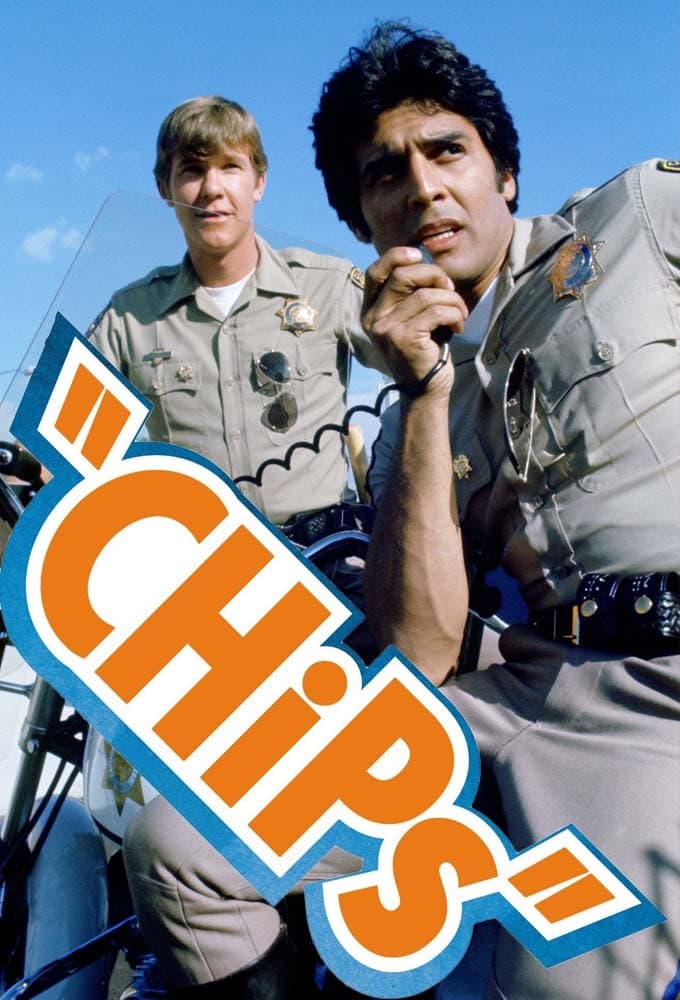
This NBC action-drama follows two motorcycle officers of the California Highway Patrol patrolling Los Angeles freeways. Erik Estrada and Larry Wilcox star as partners whose episodes blend traffic incidents with broader cases. The production used extensive on-location shooting and stunt coordination. Guest stars and recurring CHP colleagues rounded out the roster.
‘The Love Boat’ (1977–1986)

An ABC anthology set aboard a cruise ship, it hosted multiple storylines each episode with rotating guest stars. Gavin MacLeod captains the ensemble, supported by a consistent crew across seasons. Romance, misunderstandings, and last-minute reconciliations anchor the format. The show’s structure made it a showcase for familiar faces from across television.
‘Fantasy Island’ (1977–1984)
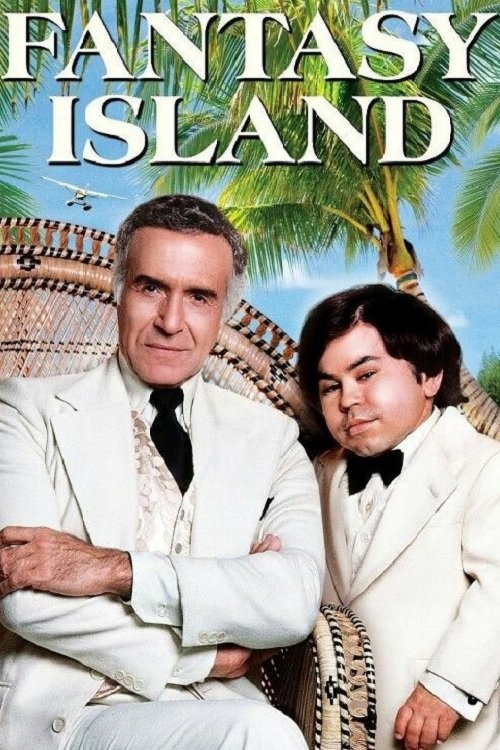
Also from Aaron Spelling, this ABC anthology brings visitors to an island where a mysterious host grants personal fantasies. Ricardo Montalbán and Hervé Villechaize lead the cast, introducing guests and guiding outcomes. Episodes combine wish-fulfillment with moral turns and occasional suspense. The format lent itself to reboots and reimaginings in later decades.
‘The Hardy Boys / Nancy Drew Mysteries’ (1977–1979)
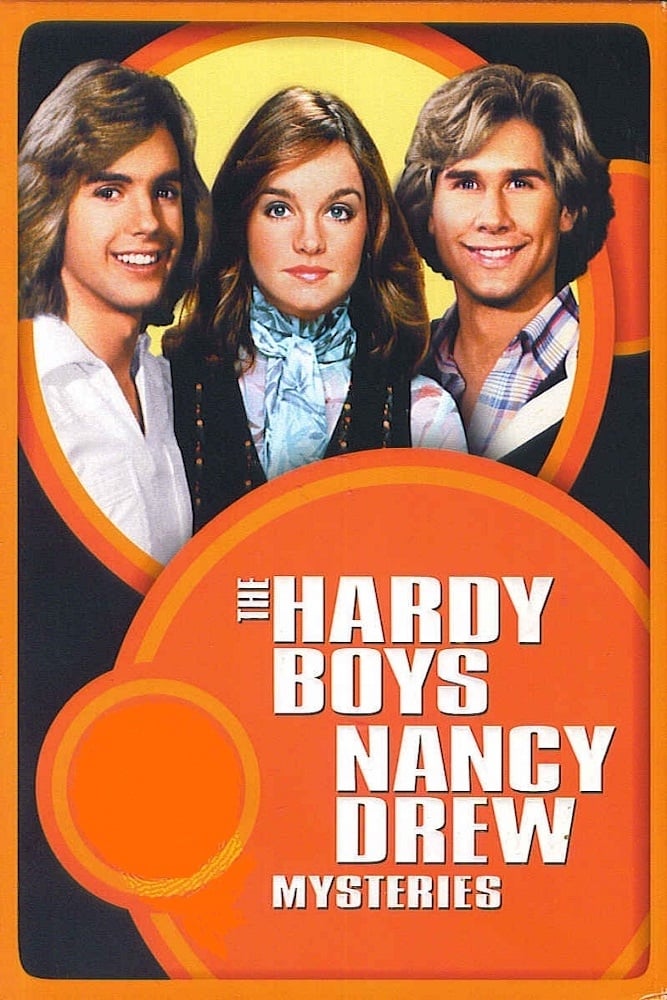
This ABC series alternates adventures featuring the literary teen detectives. Parker Stevenson and Shaun Cassidy portray the Hardy brothers, while the Nancy Drew segment features Pamela Sue Martin and later Janet Louise Johnson. Cases draw from classic sleuth setup—clues, disguises, and location hopping. The show folded the two tracks together in crossover installments.
‘Diff’rent Strokes’ (1978–1986)
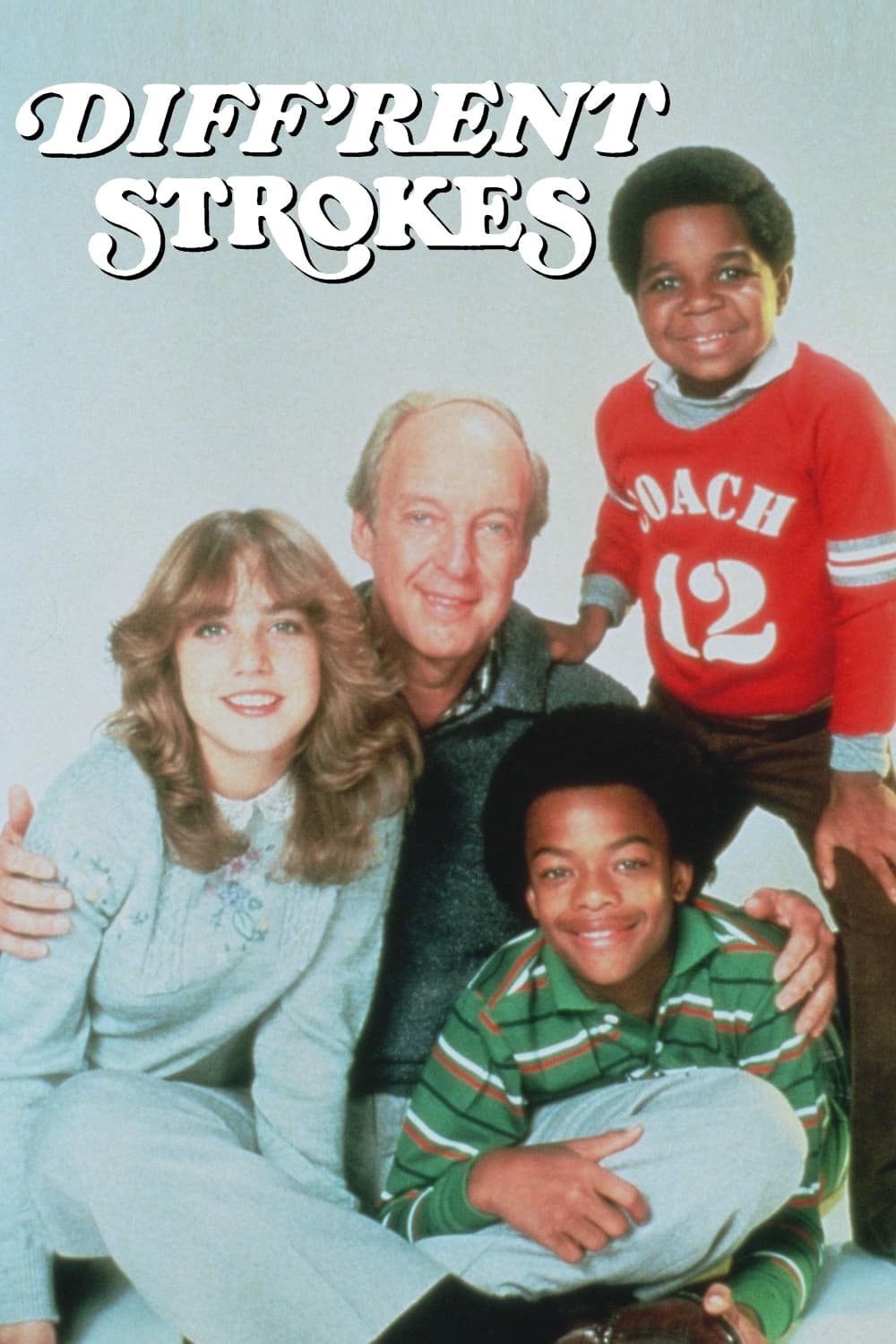
Premiering on NBC before moving networks, this sitcom follows two brothers from Harlem adopted by a wealthy Park Avenue widower. Conrad Bain, Gary Coleman, and Todd Bridges headline the ensemble with Dana Plato as the daughter. The series balances broad humor with special-episode topics. Its success generated crossovers with ‘The Facts of Life’ and other contemporaries.
‘Mork & Mindy’ (1978–1982)
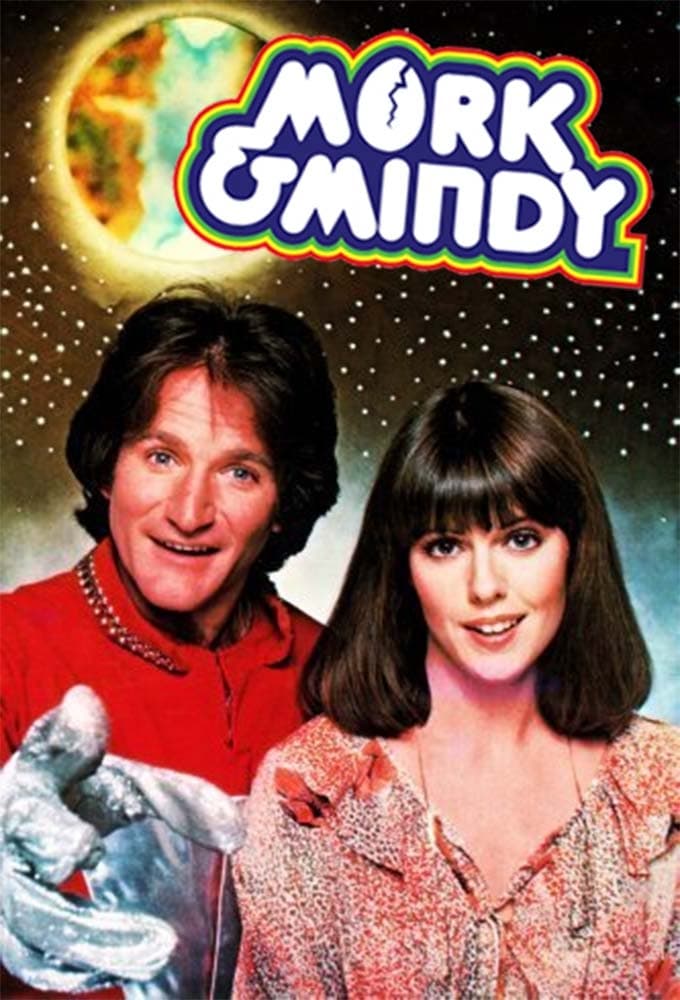
A ‘Happy Days’ spin-off, this ABC sitcom introduces an alien visitor who boards with a human roommate in Boulder, Colorado. Robin Williams’ improvisational energy drove much of the show’s identity. The premise juxtaposes observational comedy with fish-out-of-water misunderstandings. Recurring sci-fi elements and guest appearances kept the concept lively across seasons.
‘The Dukes of Hazzard’ (1979–1985)
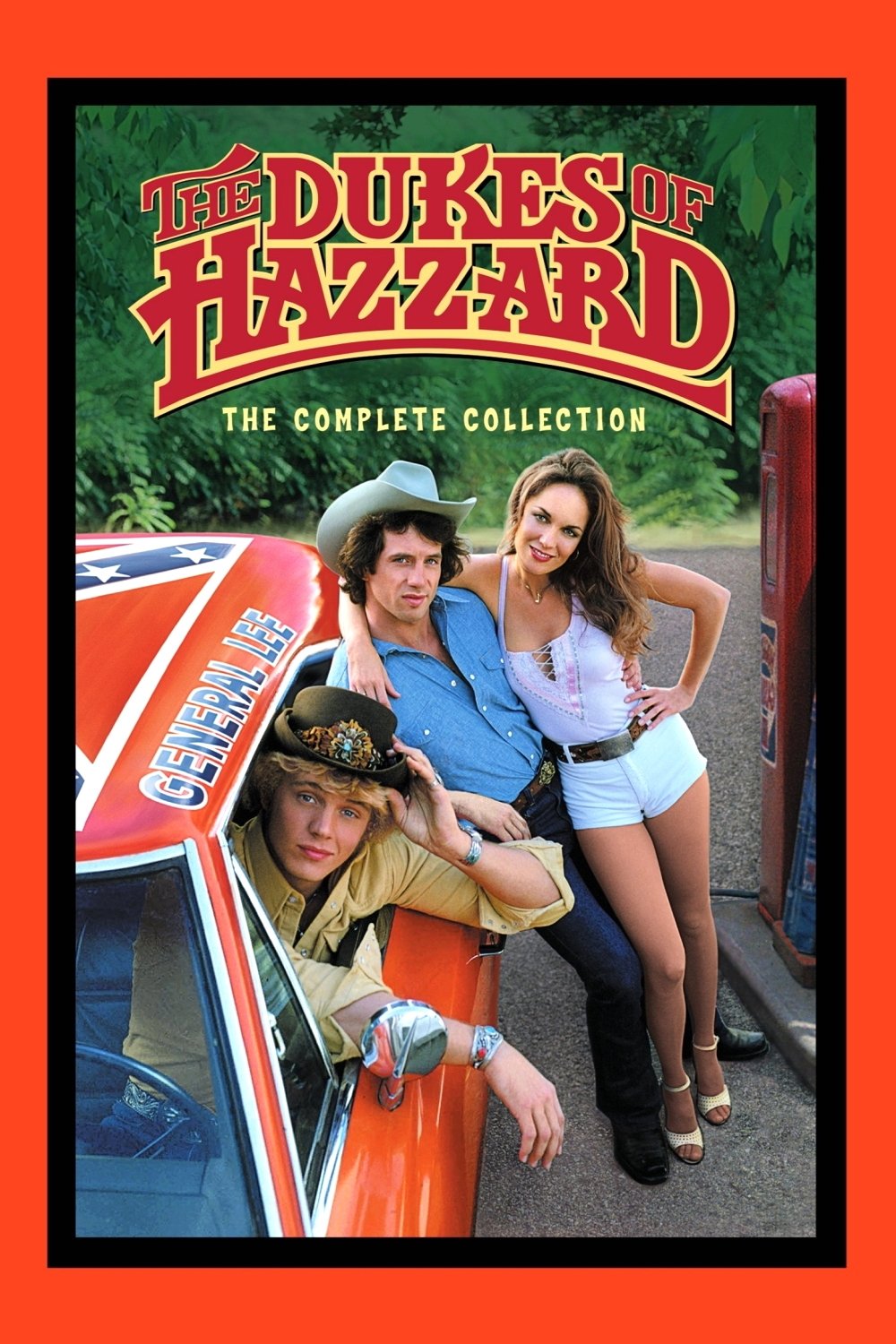
This CBS action-comedy tracks cousins in a rural county evading a corrupt official while performing daring car stunts. Tom Wopat and John Schneider star alongside Catherine Bach and a memorable supporting ensemble. The General Lee’s chases and elaborate jumps became weekly highlights. The show’s formula blended light crime plots with high-speed set pieces.
‘The Ropers’ (1979–1980)
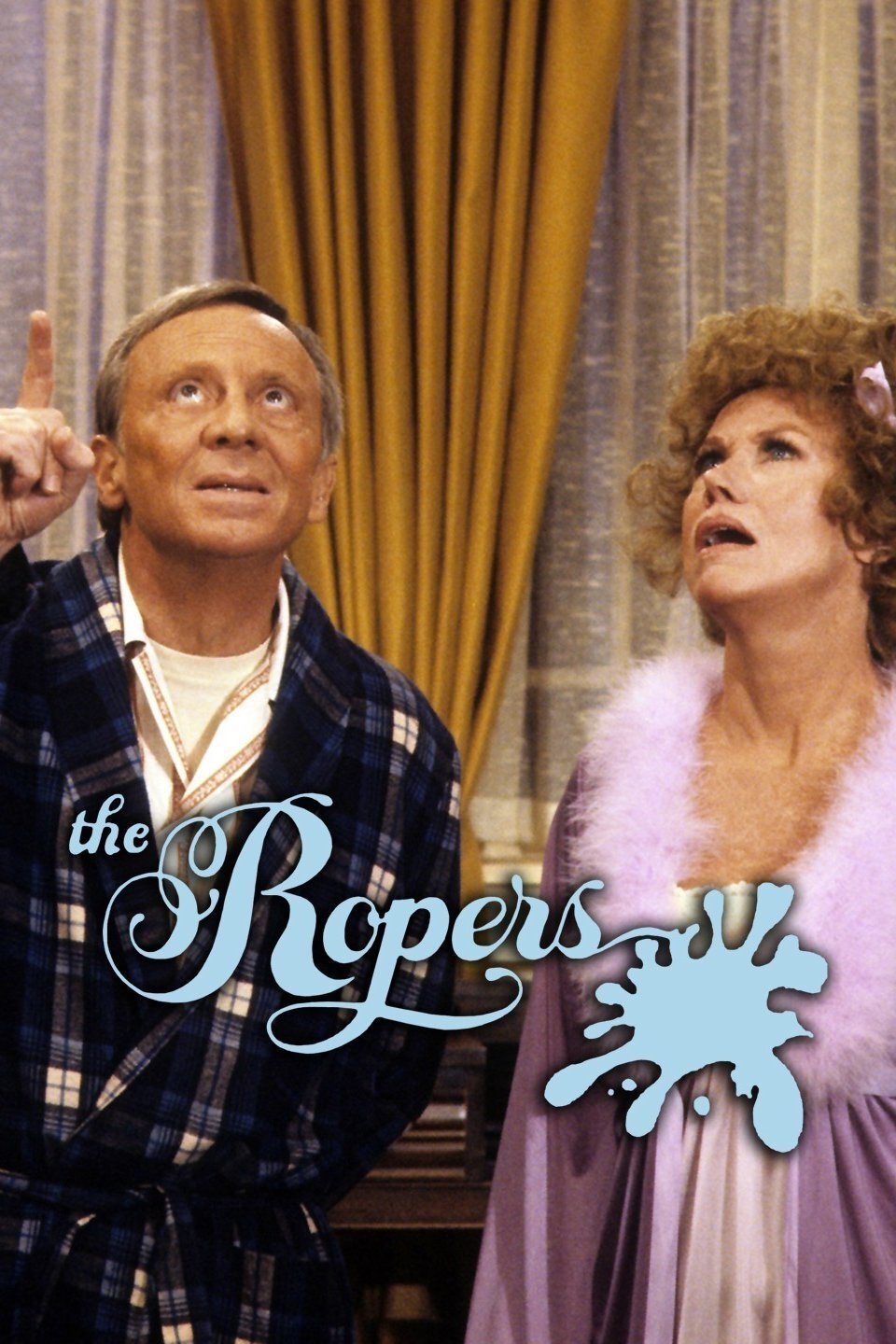
A spin-off from ‘Three’s Company’, this ABC sitcom follows landlords Stanley and Helen Roper after they move to a new neighborhood. Norman Fell and Audra Lindley reprise their roles, shifting the setting and supporting cast. Storylines revolve around marital bickering, suburban status anxieties, and neighborly mix-ups. The series retained the farce elements of its parent show with a different focal point.
‘Quincy, M.E.’ (1976–1983)
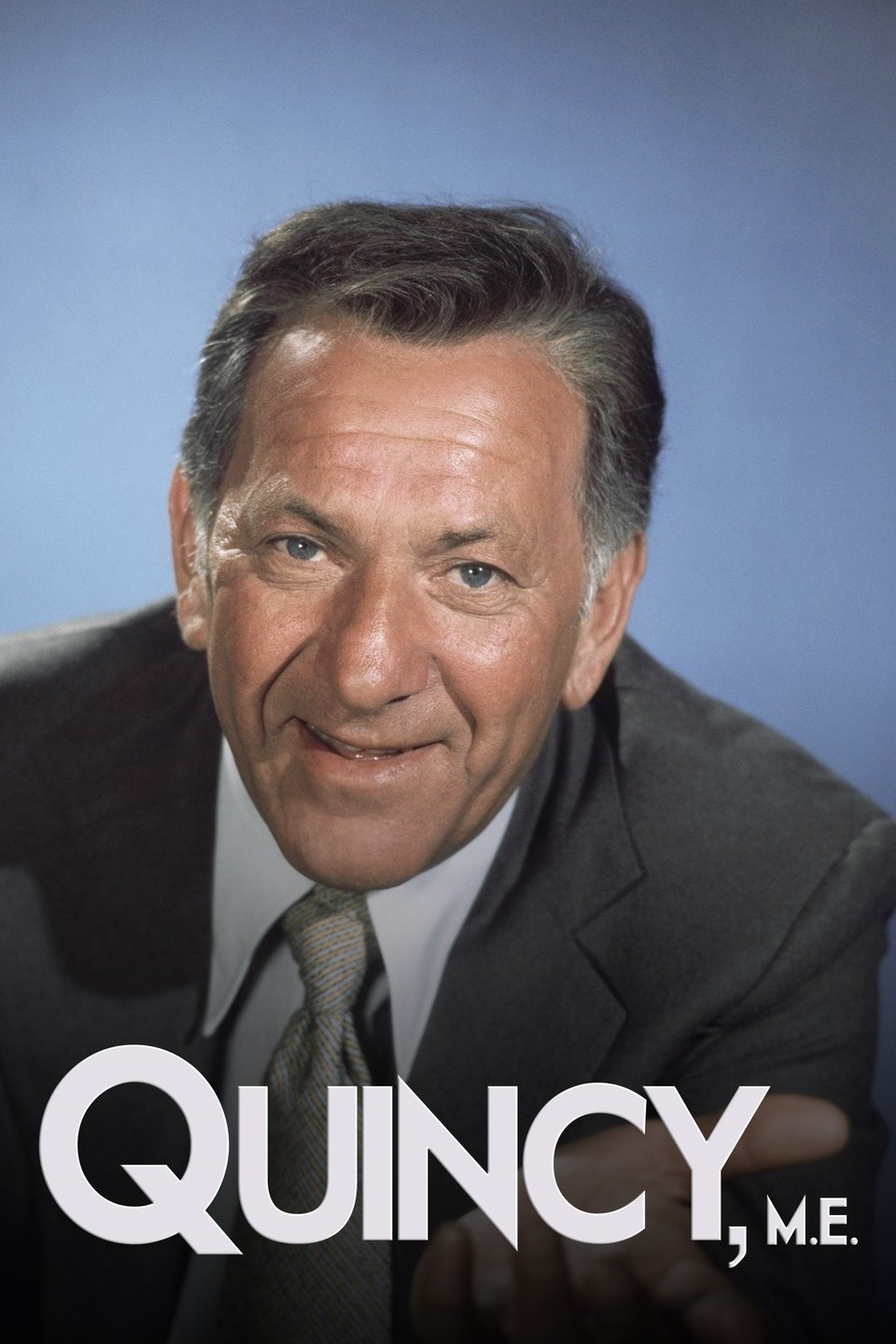
This NBC crime drama stars Jack Klugman as a medical examiner who pushes investigations beyond the autopsy table. Episodes often begin in the lab and expand into field work and courtroom friction. The character challenges bureaucratic obstacles while advocating for victims. Its procedural spine helped popularize forensic-driven storytelling on network television.
‘Happy Days’ (1974–1984)

This ABC sitcom from Garry Marshall centers on the Cunningham family in Milwaukee, with stories orbiting high school life, local hangouts, and neighborhood friendships. Ron Howard and Henry Winkler headlined an ensemble that expanded as supporting characters gained traction. The show’s success launched multiple spin-offs, including ‘Laverne & Shirley’, ‘Mork & Mindy’, and ‘Joanie Loves Chachi’. Period details, live-audience energy, and multi-camera staging defined its production style.
‘All in the Family’ (1971–1979)
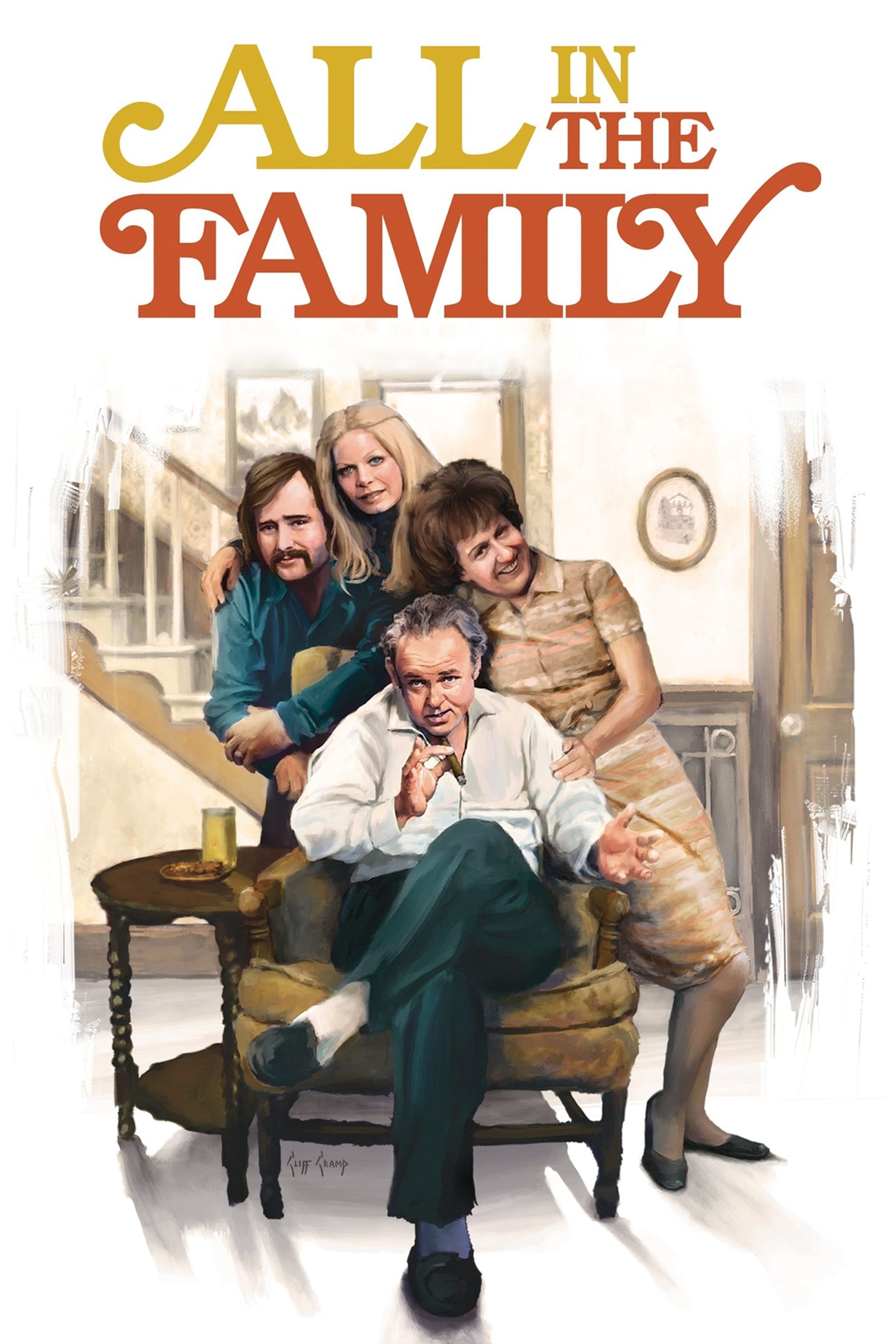
Developed by Norman Lear, this CBS series focuses on the Bunker household in Queens and their intergenerational, often contentious conversations at home. Carroll O’Connor, Jean Stapleton, Sally Struthers, and Rob Reiner led a studio-audience ensemble built around domestic and workplace settings. The show generated a landmark franchise tree with ‘Maude’, ‘The Jeffersons’, and later ‘Archie Bunker’s Place’. Its format blended living-room debates with workplace and neighborhood side plots.
‘Sanford and Son’ (1972–1977)
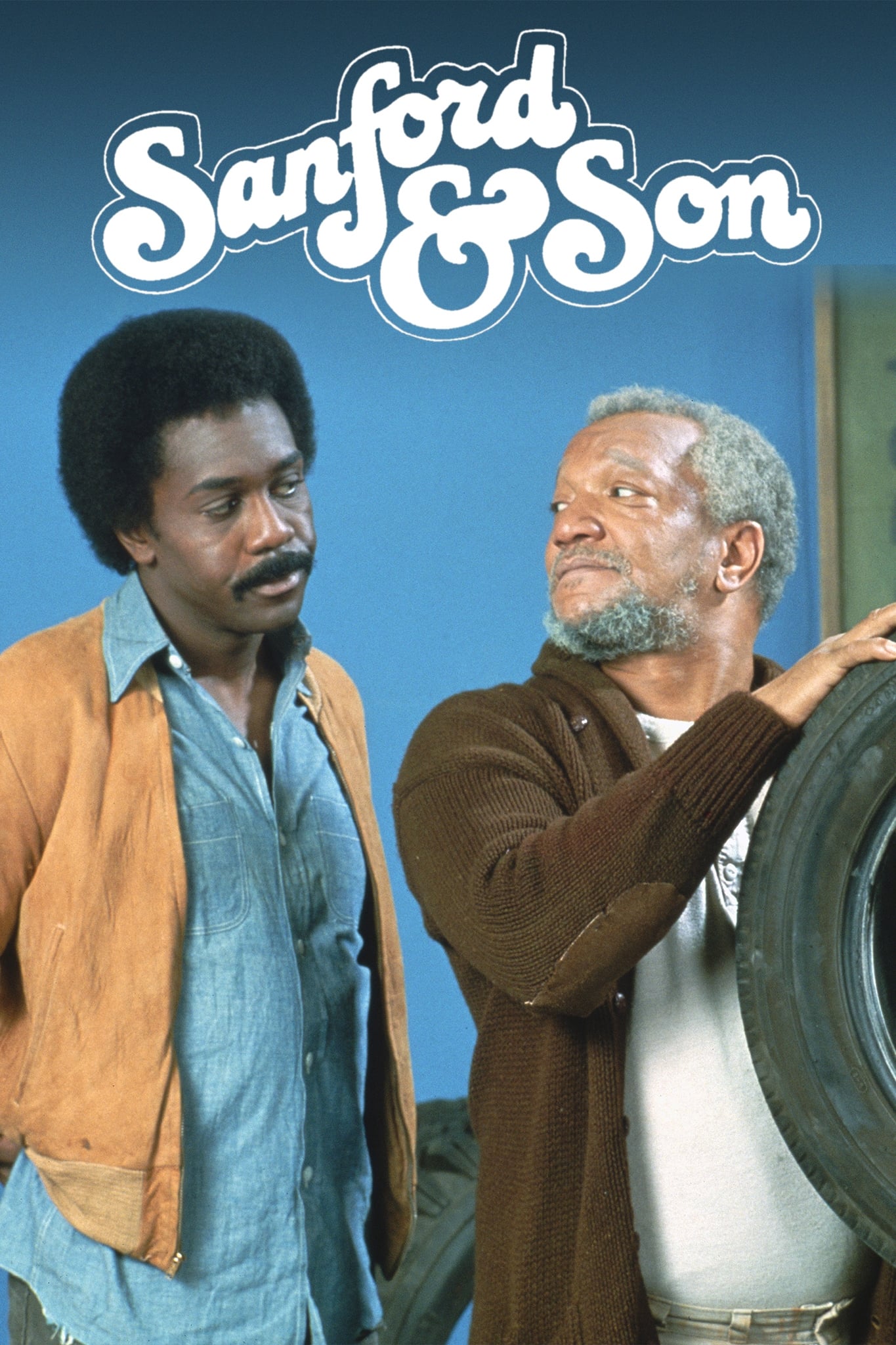
This NBC sitcom, adapted from the British ‘Steptoe and Son’, follows a father-and-son junkyard business in Los Angeles. Redd Foxx and Demond Wilson starred, supported by recurring neighbors and friends who cycled through the yard and nearby homes. The series used a two-set structure heavily—living room and salvage lot—for quick scene turns. It spawned related projects and maintained strong syndicated visibility after its run.
‘The Mary Tyler Moore Show’ (1970–1977)
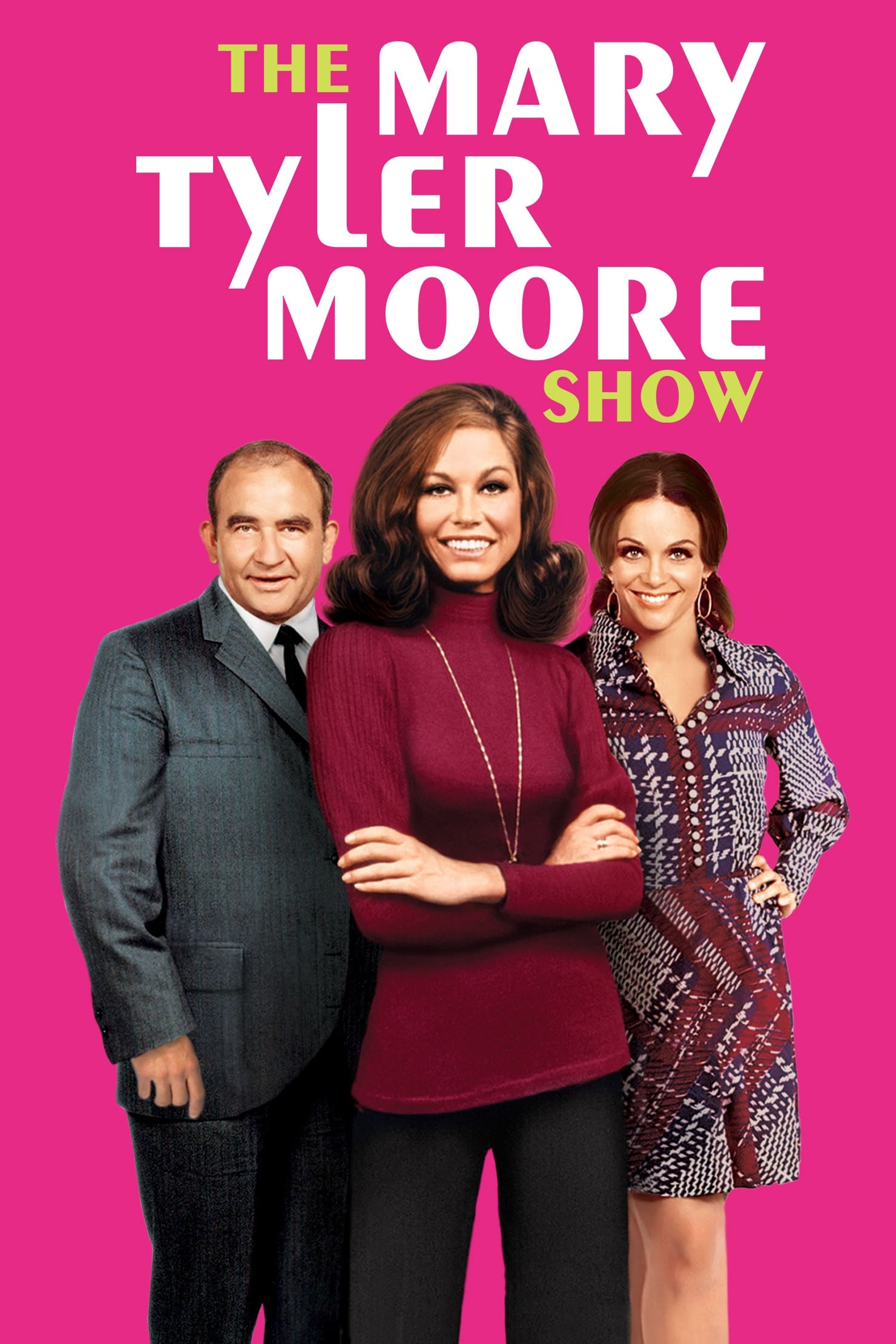
Set in a Minneapolis newsroom, this CBS ensemble centers on a single associate producer balancing work and home life. Mary Tyler Moore, Edward Asner, Valerie Harper, and Ted Knight anchored a cast that interwove office stories with apartment-set scenes. The series spun off ‘Rhoda’, ‘Phyllis’, and ‘Lou Grant’, extending its characters into new formats. Its production leaned on multi-camera setups, sharp scripts, and a distinctive opening theme.
‘Columbo’ (1971–1978)
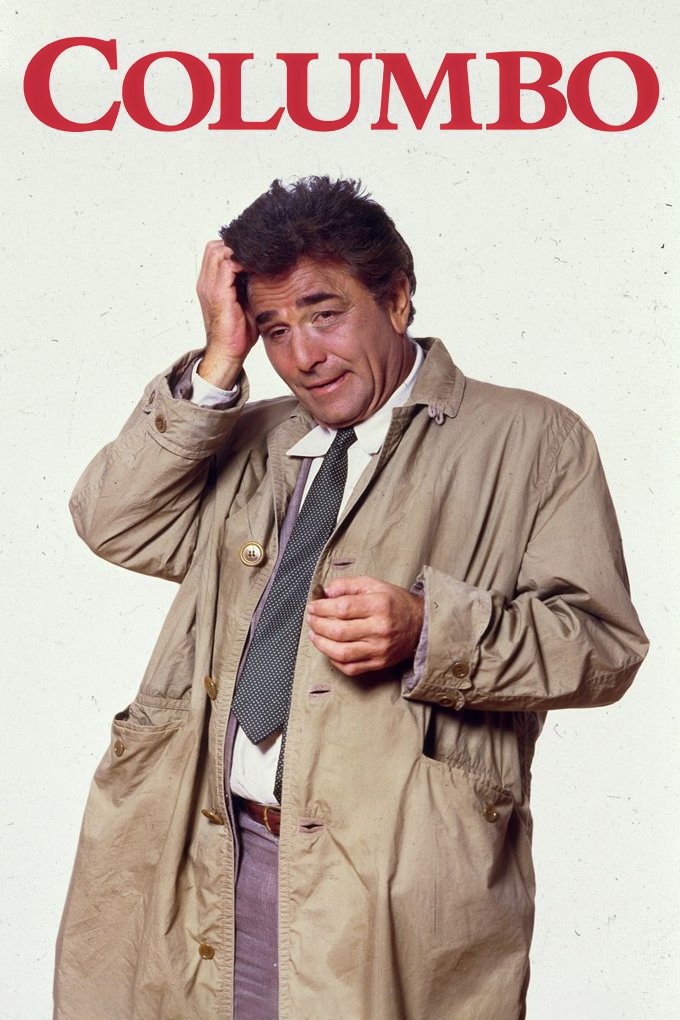
Part of NBC’s rotating mystery wheel, this detective drama stars Peter Falk as a tenacious lieutenant who unravels meticulously planned crimes. Episodes often used an inverted-mystery structure, showing the culprit and method early before the investigation unfolds. High-profile guest stars and feature-length runtimes gave each case a standalone feel. Location shooting and recurring department figures added texture to its police-procedural backbone.
‘Kojak’ (1973–1978)
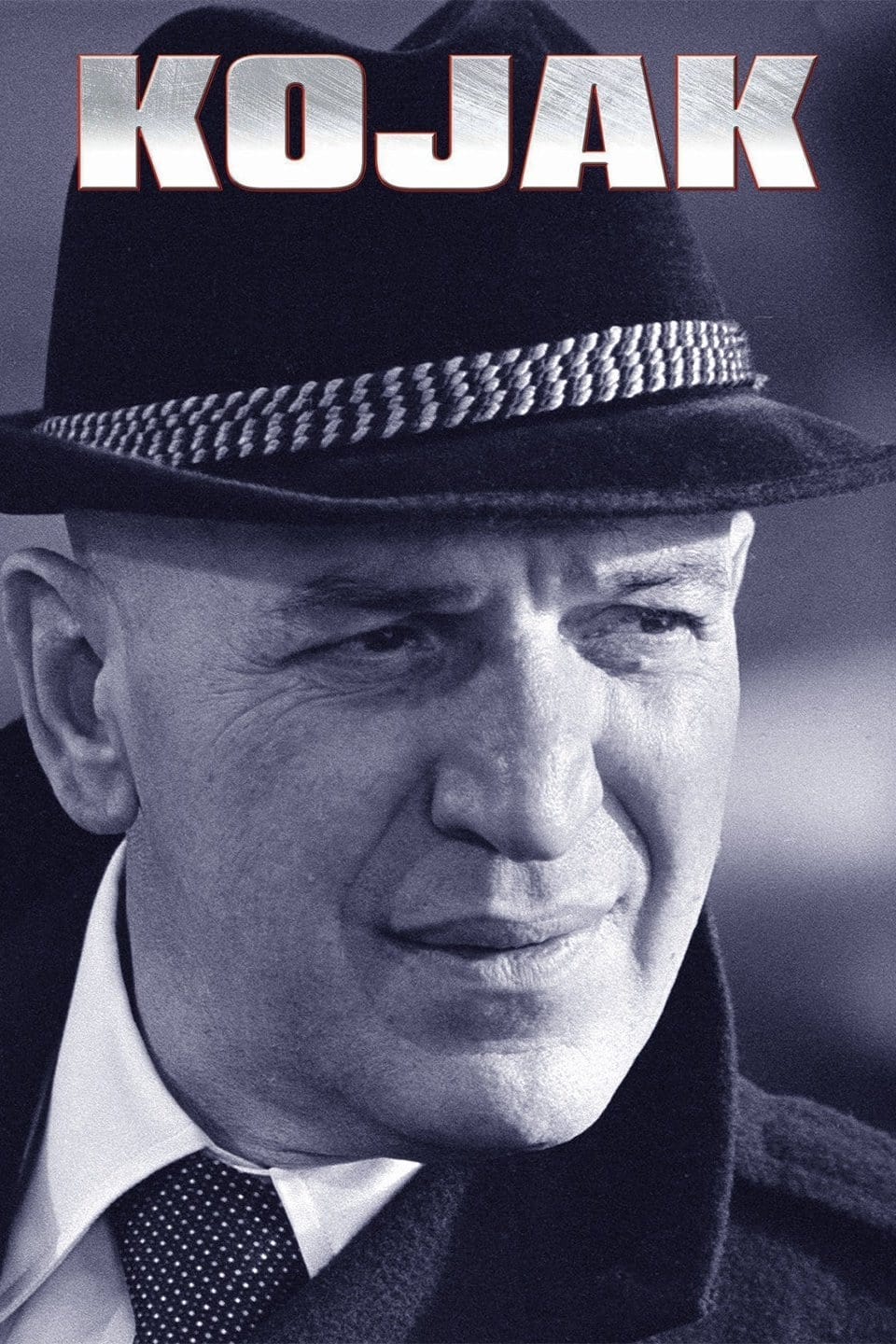
Telly Savalas leads this CBS police drama as a Manhattan detective navigating precinct politics and street-level cases. The series emphasizes squad-room dynamics, informant networks, and targeted investigations across New York locations. Its production returned for post-series TV movies that continued the character’s career. Directors alternated across episodes, giving the show a consistent but flexible visual approach.
‘The Rockford Files’ (1974–1980)
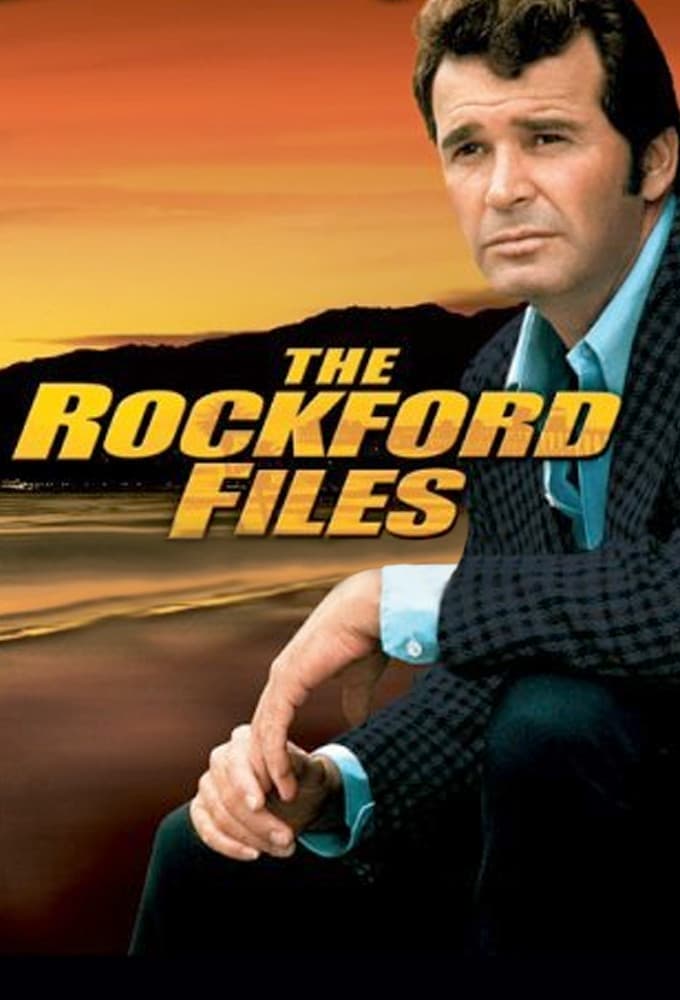
Created by Roy Huggins and Stephen J. Cannell for NBC, this private-eye series follows Jim Rockford, an ex-con turned investigator working out of a beachside trailer. James Garner’s character tackles missing persons, small-time grifts, and corporate entanglements. Cold-open answering-machine gags and car chases in a Pontiac Firebird became recurring signatures. The franchise later expanded with reunion telefilms.
‘Little House on the Prairie’ (1974–1983)
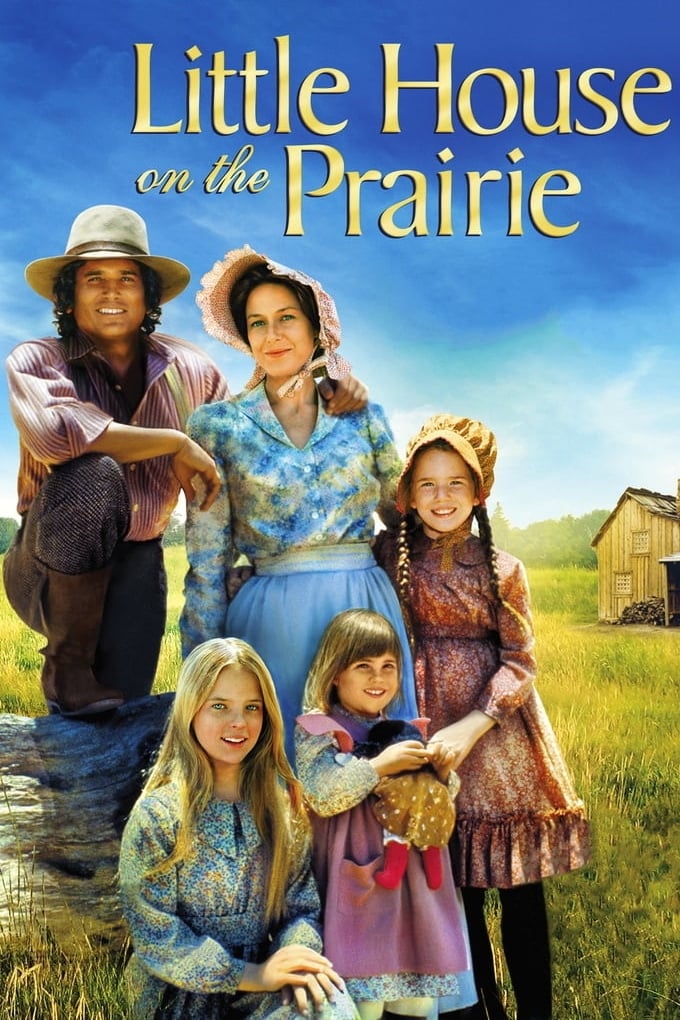
Adapted from Laura Ingalls Wilder’s books, this NBC drama depicts a frontier family’s daily life, community ties, and seasonal challenges. Michael Landon both starred and took on producing and directing duties across the run. Production regularly used outdoor filming and period costuming to recreate rural settings. Post-series specials and TV movies extended storylines beyond the final season.
‘Barney Miller’ (1975–1982)
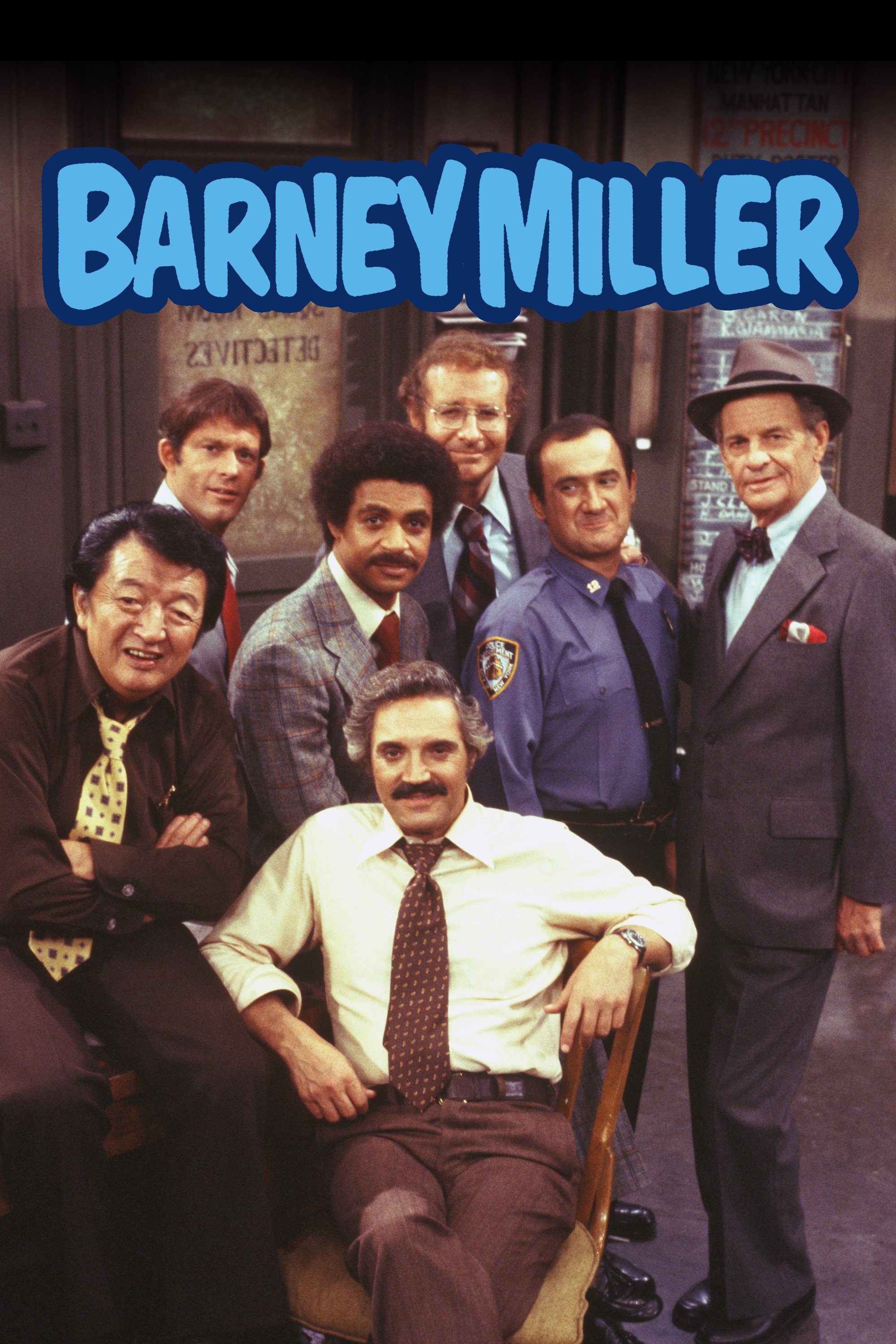
Set almost entirely inside a New York precinct’s squad room, this ABC workplace comedy focuses on detectives juggling paperwork and walk-in cases. Hal Linden, Abe Vigoda, Max Gail, and a rotating ensemble anchored the show’s dialogue-driven structure. Its tight set design emphasized character interplay over location work. The spin-off ‘Fish’ emerged from a popular supporting character.
‘Taxi’ (1978–1983)
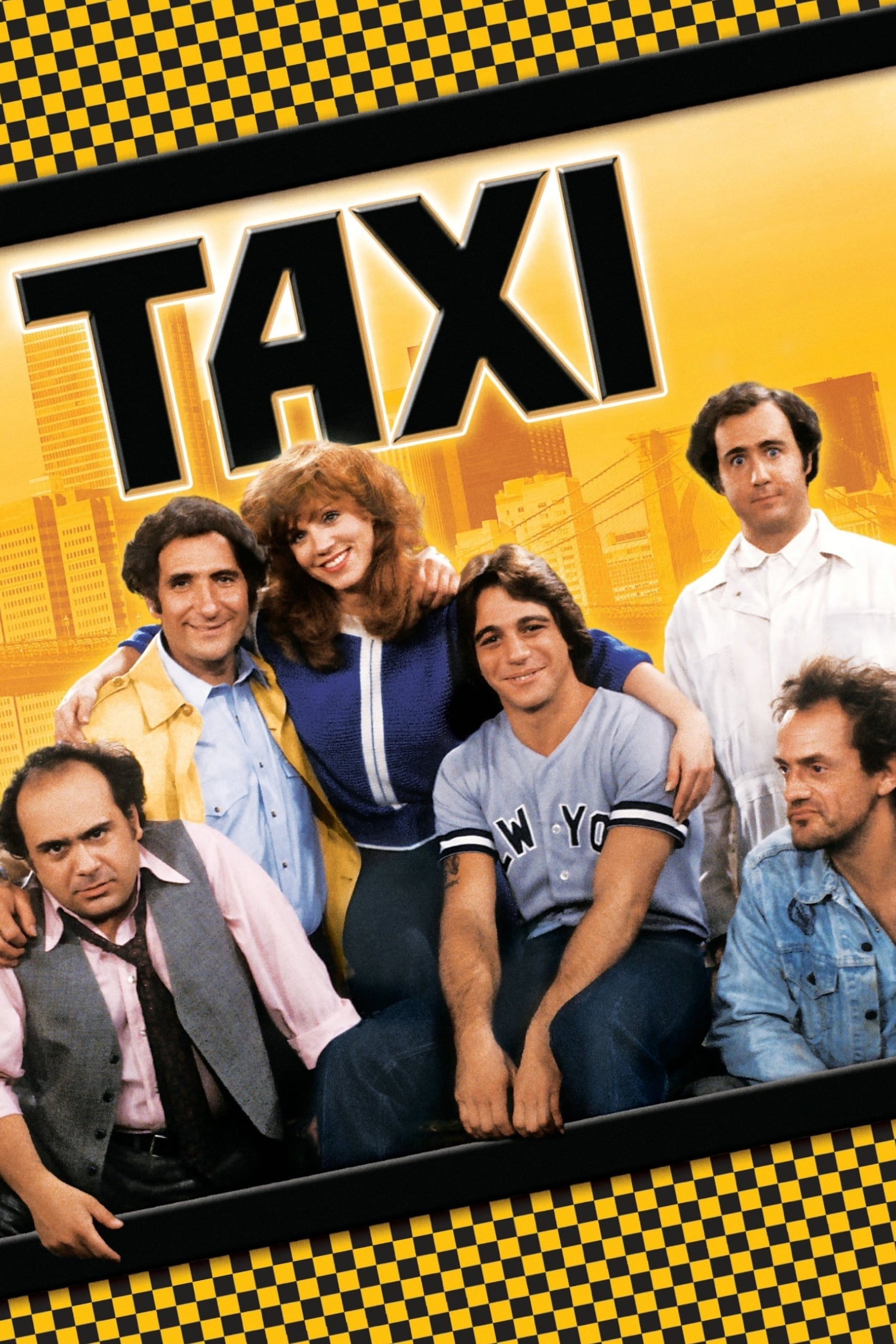
This ensemble sitcom from ABC, later NBC, centers on drivers and staff at a New York cab company. Judd Hirsch, Danny DeVito, Marilu Henner, Tony Danza, Christopher Lloyd, and Andy Kaufman formed a core cast with distinct workplace arcs. Episodes often split time between the garage, dispatch office, and character apartments. The production is noted for character-focused scripts and a memorable piano theme.
‘WKRP in Cincinnati’ (1978–1982)
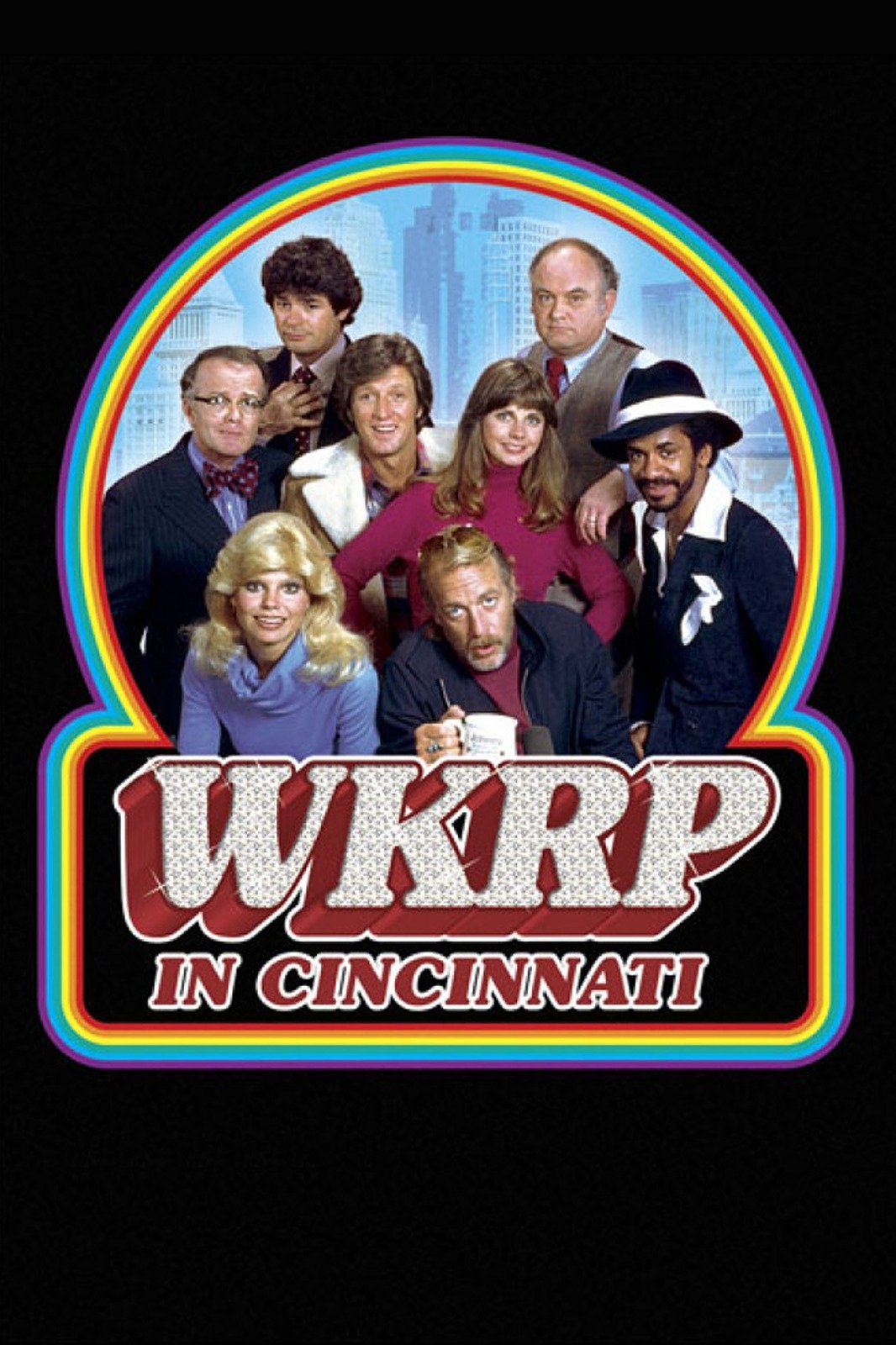
Created by Hugh Wilson for CBS, this sitcom takes place inside a struggling radio station undergoing a format shake-up. Gary Sandy, Howard Hesseman, Loni Anderson, and Tim Reid headlined an ensemble that mixed on-air gags with office politics. Stories drew on promotions, playlists, and sponsor relationships to shape weekly plots. The series later returned in a syndicated revival with overlapping characters.
‘The Incredible Hulk’ (1977–1982)
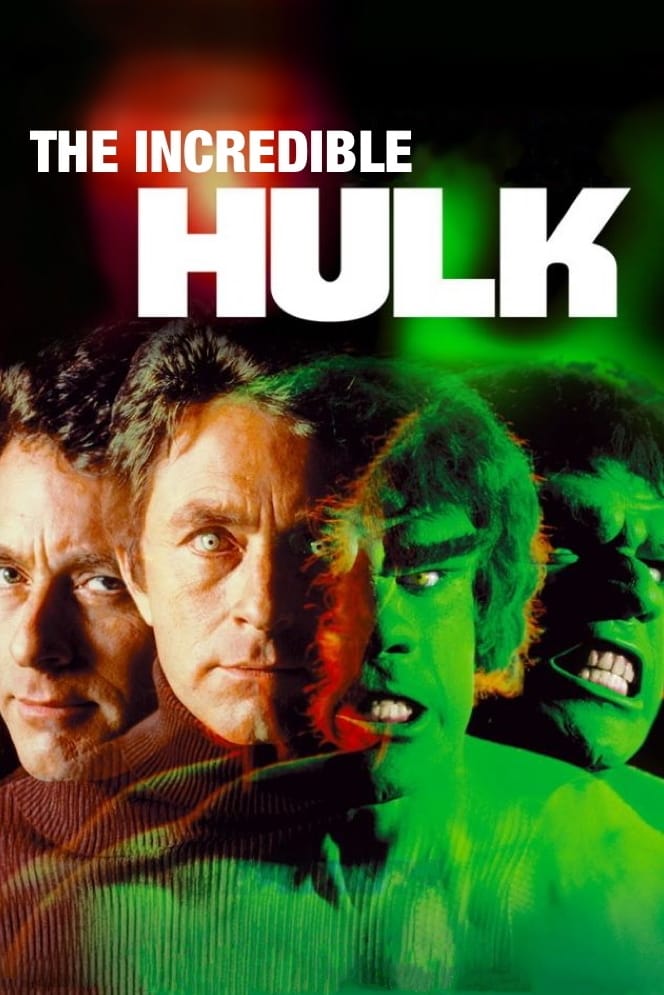
Developed for television by Kenneth Johnson, this CBS drama follows a scientist whose exposure to a lab accident causes episodic transformations. Bill Bixby and Lou Ferrigno split the protagonist across human and altered forms, with Jack Colvin as a pursuing journalist. The show used a traveling, town-to-town structure to create self-contained stories. Subsequent TV movies revisited the character after the regular run.
‘Wonder Woman’ (1975–1979)
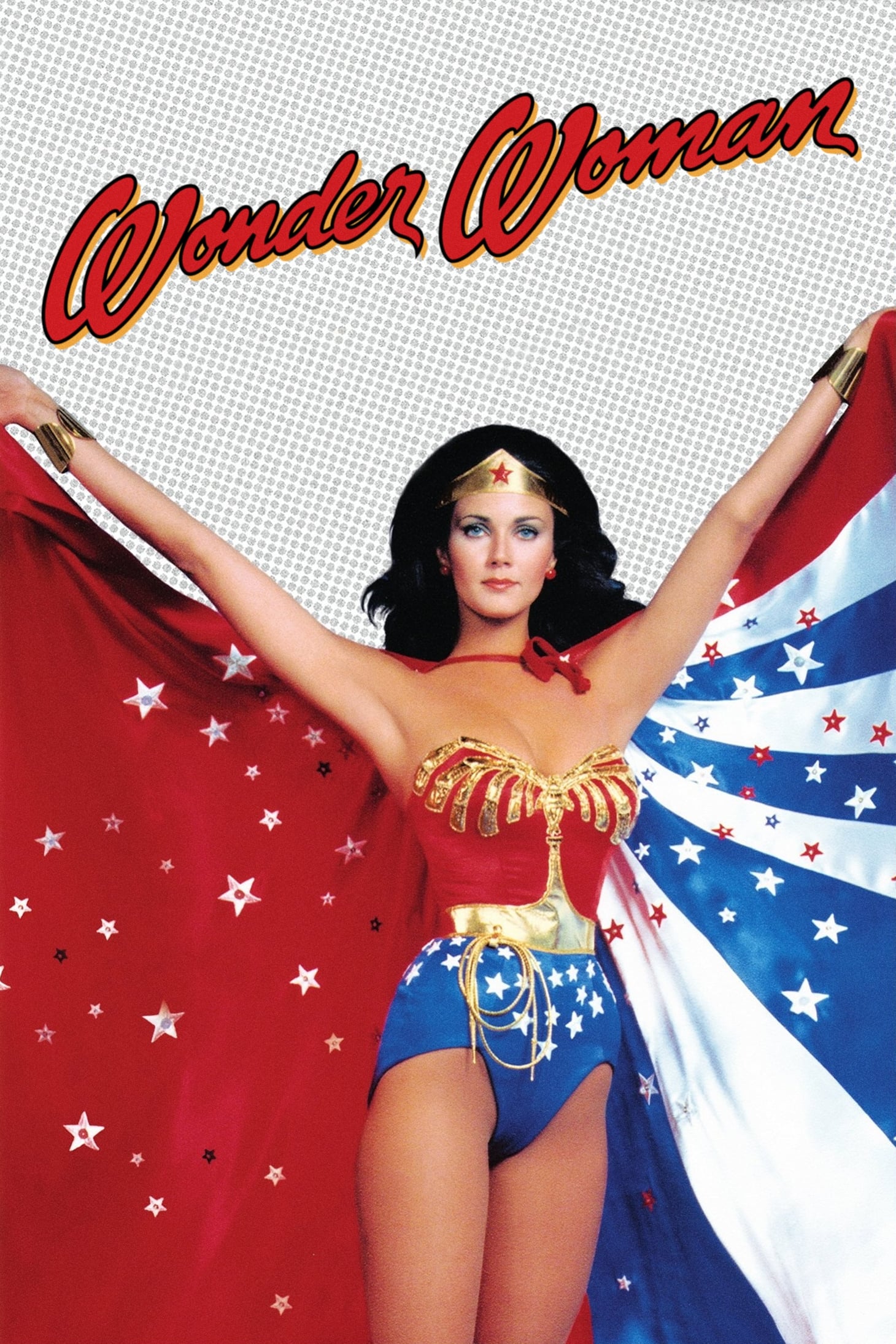
Starring Lynda Carter, this superhero series aired on ABC before continuing on CBS with a refreshed setting. Early episodes embraced a period backdrop before shifting to contemporary storylines and government assignments. Lyle Waggoner co-starred, anchoring workplace and mission briefings. The production mixed stunt work with practical effects and stylized action staging.
‘Eight Is Enough’ (1977–1981)

Based on Tom Braden’s memoir, this ABC family drama follows a large household navigating school years, careers, and personal milestones. Dick Van Patten led an ensemble of young actors whose arcs evolved across seasons. The series employed suburban locations, school sets, and newsroom scenes to frame weekly developments. Made-for-TV follow-ups revisited the family after the series concluded.
‘Soap’ (1977–1981)
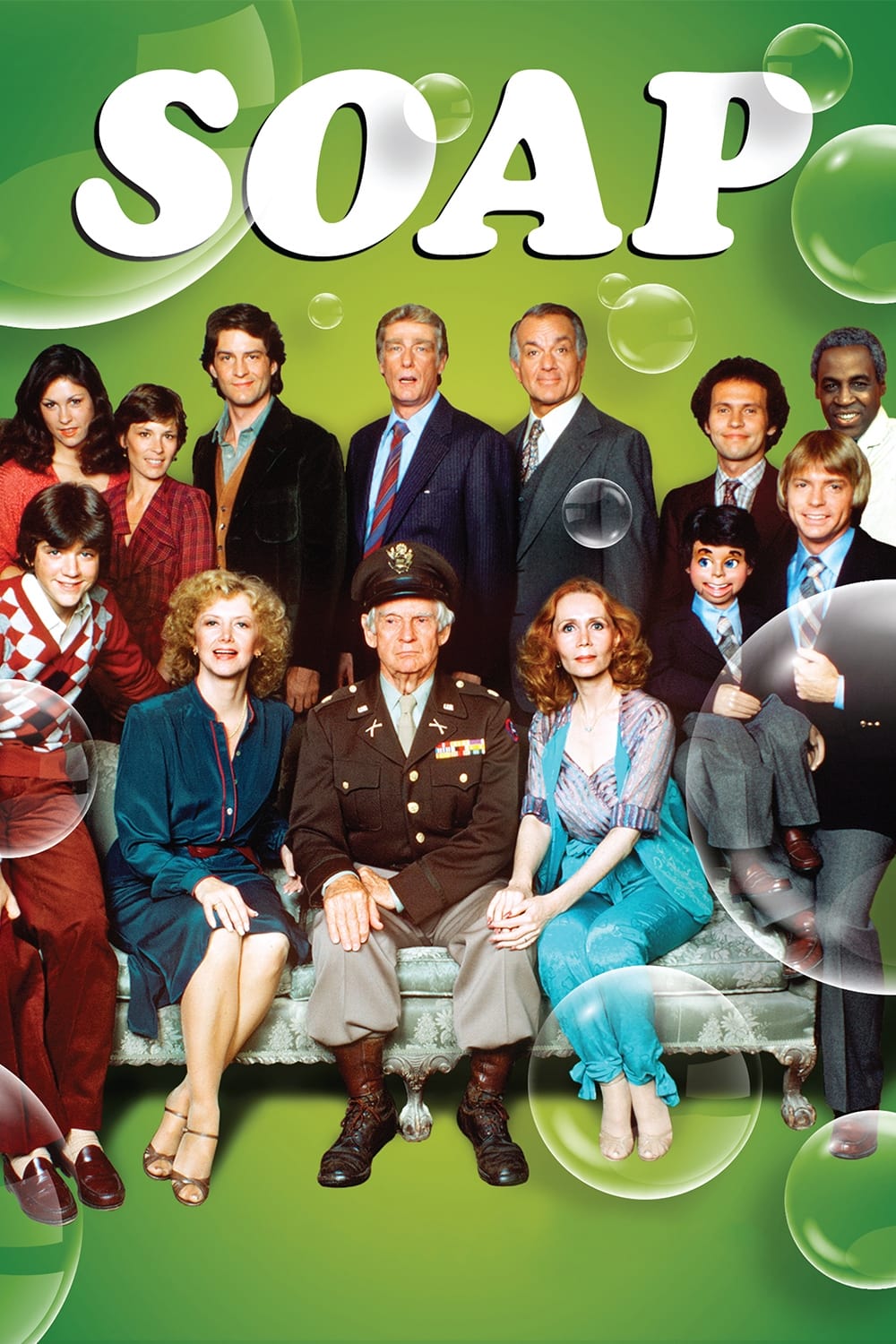
A serialized ABC sitcom parodying daytime melodramas, it tracks interconnected families through long-running plotlines. The ensemble includes Katherine Helmond, Robert Mandan, Billy Crystal, and an array of recurring characters tied to tangled relationships. Episodes rely on continuing arcs, cliffhangers, and a narrative voice-over that recaps developments. Its structure paved the way for later single-camera and serialized comedies.
Share your own picks and memories in the comments—what would you add to this list?

