


1980s Action Movies that Aged Incredibly Well

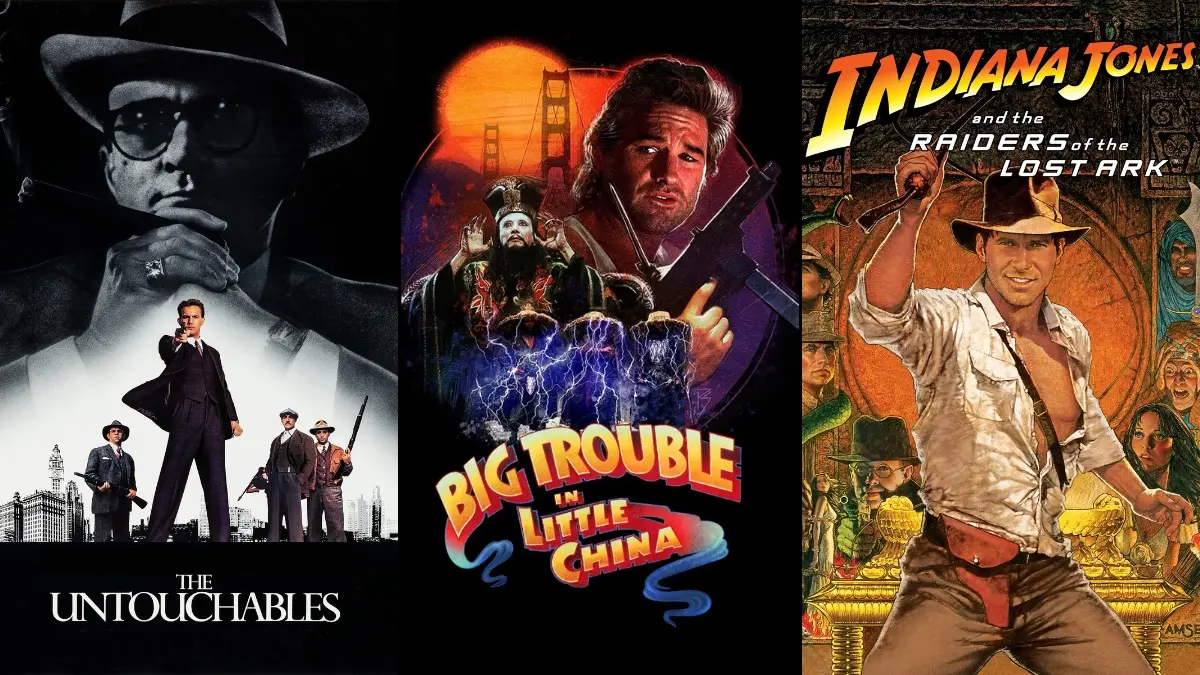


The 1980s turned action cinema into a global phenomenon, blending practical stunt work, larger-than-life heroes, and memorable one-liners with craftsmanship that still shines. It was the decade when directors, stunt teams, and effects wizards pushed techniques on location and in-camera, laying down templates that later blockbusters still follow.
This list highlights twenty titles that continue to play with energy thanks to meticulous stunt coordination, clever production choices, and standout craft across editing, music, and design. You’ll find franchise starters, crossover hits, and international classics whose influence shows up in everything from modern superhero spectacles to today’s streaming thrillers.
‘Die Hard’ (1988)
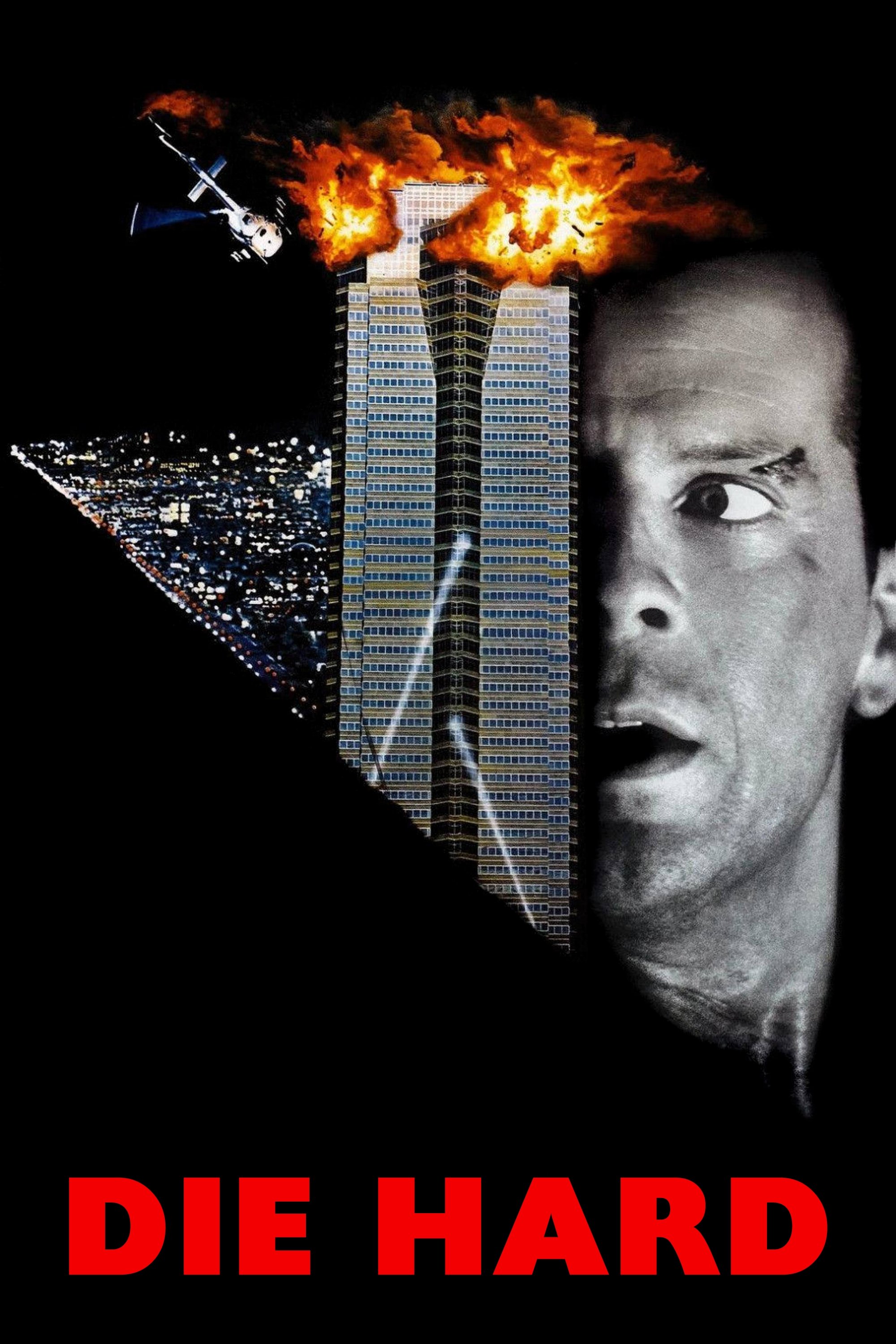
Directed by John McTiernan and adapted from Roderick Thorp’s novel ‘Nothing Lasts Forever,’ the film centers on a lone NYPD detective trapped in a Los Angeles high-rise during a meticulously planned heist. It stars Bruce Willis as John McClane and Alan Rickman in his breakout screen role as Hans Gruber, with cinematography by Jan de Bont and a score by Michael Kamen that mixes orchestral cues with holiday motifs. The primary location was Fox Plaza in Century City, which doubled as the fictional Nakatomi Plaza.
The production emphasized practical effects and vertical stunt work, including controlled explosions across multiple floors and carefully rigged falls by veteran stunt performers. Its screenplay by Jeb Stuart and Steven E. de Souza created a confined-space blueprint repeated by later action films, and it launched a long-running series that expanded McClane’s story in sequels like ‘Die Hard 2’ and ‘Die Hard with a Vengeance.’
‘Aliens’ (1986)
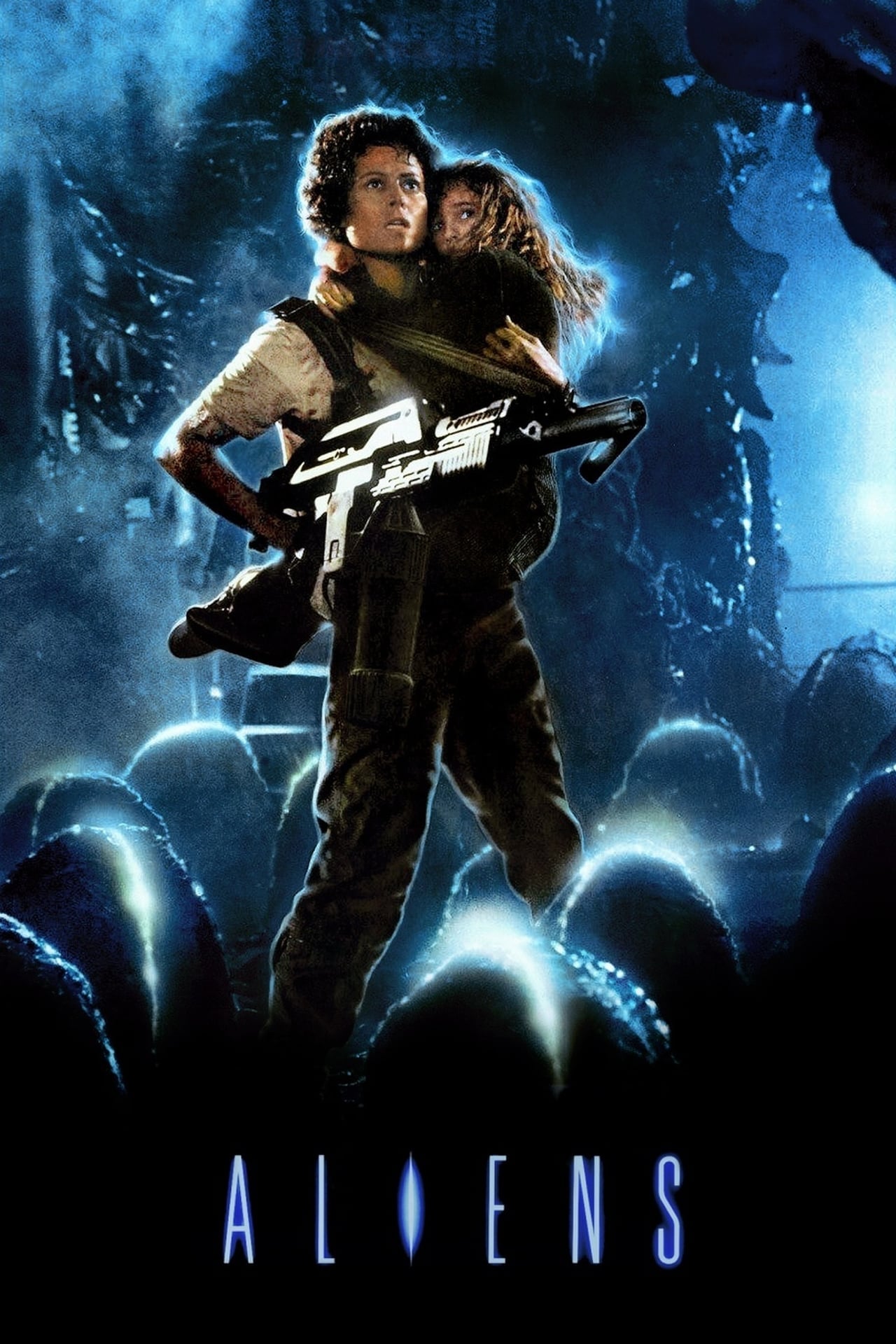
James Cameron’s sequel to ‘Alien’ shifts to a military-sci-fi framework with Sigourney Weaver returning as Ellen Ripley alongside the Colonial Marines. The film’s creature work, overseen by Stan Winston’s team, introduced the Alien Queen animatronic, while James Horner’s percussive score became a go-to temp track in trailers for years. Interiors were shot at Pinewood Studios, with industrial settings augmenting the colony atmosphere.
‘Aliens’ earned Academy Awards for visual effects and sound and secured additional nominations for acting, editing, and production design. Its hardware-heavy worldbuilding—pulse rifles, power loaders, dropships—and squad tactics influenced game design, comics, and subsequent military-sci-fi films, while also deepening the franchise’s themes through Ripley’s bond with Newt.
‘Predator’ (1987)
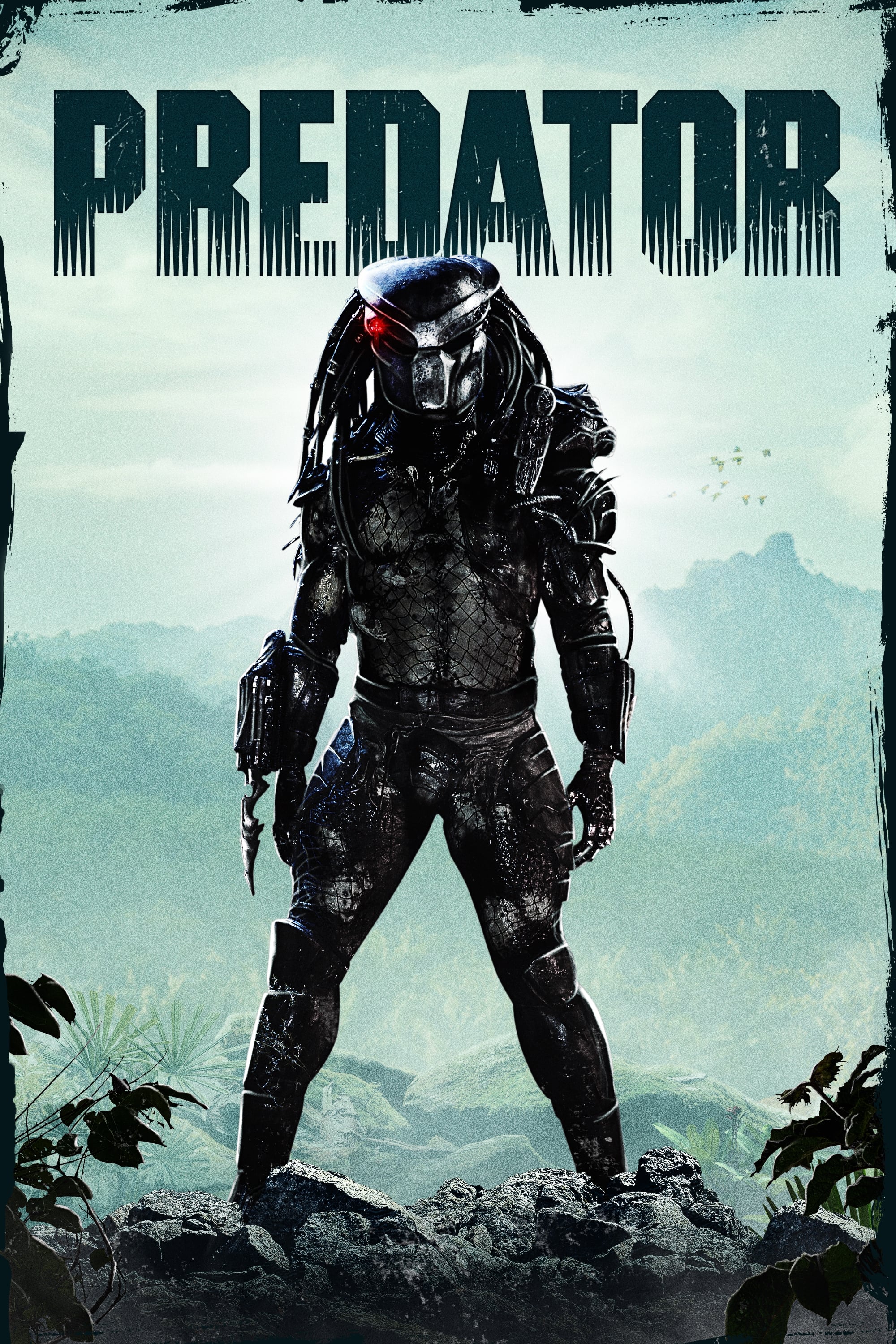
John McTiernan’s jungle hunter thriller pairs Arnold Schwarzenegger with a special-forces team pursued by an extraterrestrial trophy seeker. The production filmed in Mexico’s tropical locations, employing heat, humidity, and dense foliage as texture, with Alan Silvestri’s score driving a percussion-led momentum. Creature design came from Stan Winston, whose mandibles and thermal-vision concept gave the title character a distinct identity.
Innovative optical and practical methods sold the alien’s cloaking effect, while large-scale pyrotechnics and hand-built sets supported the third-act showdown. The film’s balletic firefights, trap-building sequences, and mud-caked one-on-one duel established a template expanded in follow-ups like ‘Predator 2’ and crossovers that brought the creature into new mythologies.
‘The Terminator’ (1984)
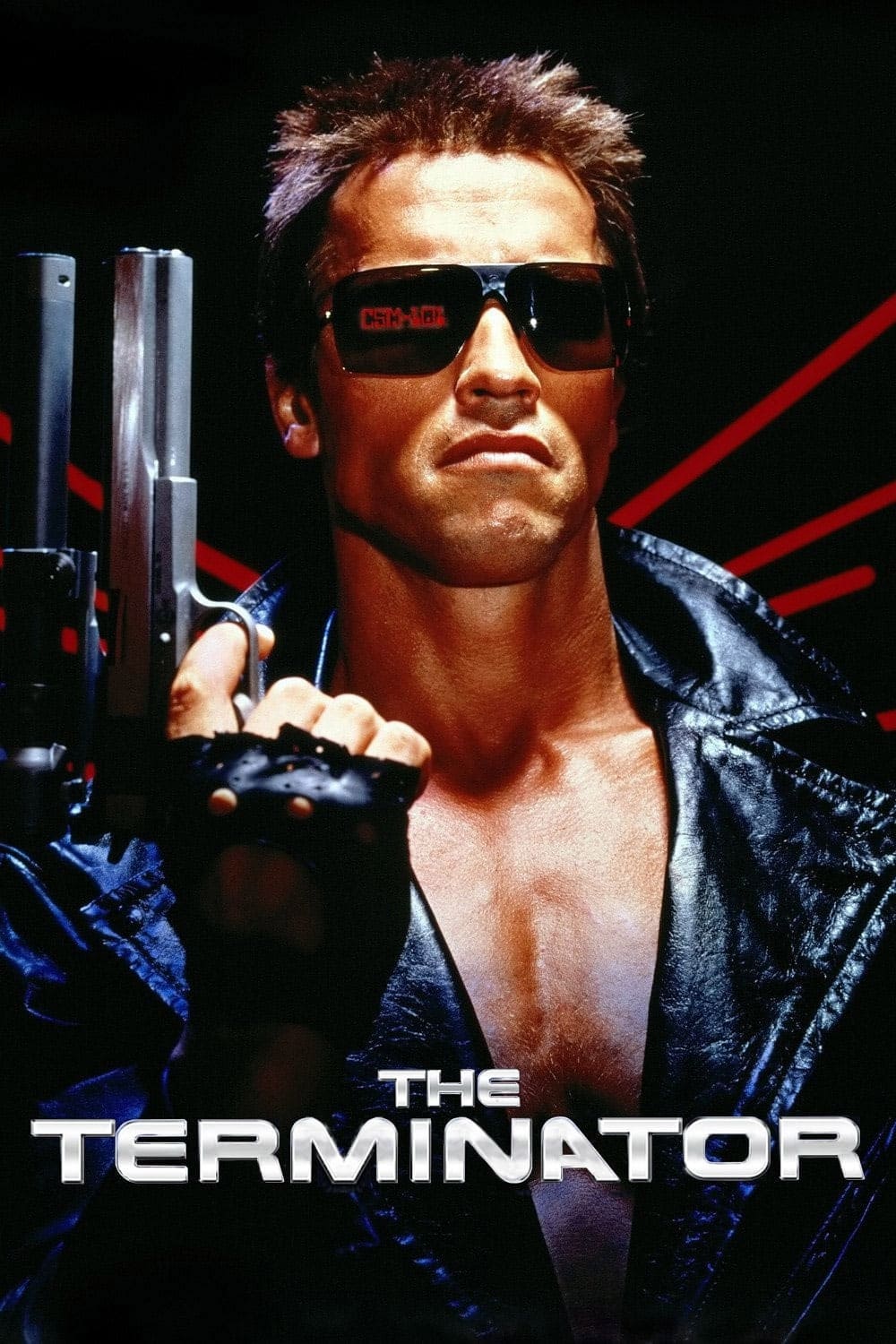
Written and directed by James Cameron, the story tracks a relentless cybernetic assassin targeting a woman whose unborn child will shape humanity’s future. Arnold Schwarzenegger, Linda Hamilton, and Michael Biehn anchor a lean narrative elevated by Stan Winston’s makeup effects and stop-motion inserts by Fantasy II Film Effects. Brad Fiedel’s synthesizer score and the film’s nocturnal Los Angeles photography define its industrial mood.
The production leveraged guerrilla-style shooting and miniatures to stage car chases, explosions, and endoskeleton reveals on a tight budget. Its success launched the ‘Terminator’ franchise, expanded the character of Sarah Connor across multiple installments, and influenced time-loop storytelling across film, television, and games.
‘Raiders of the Lost Ark’ (1981)
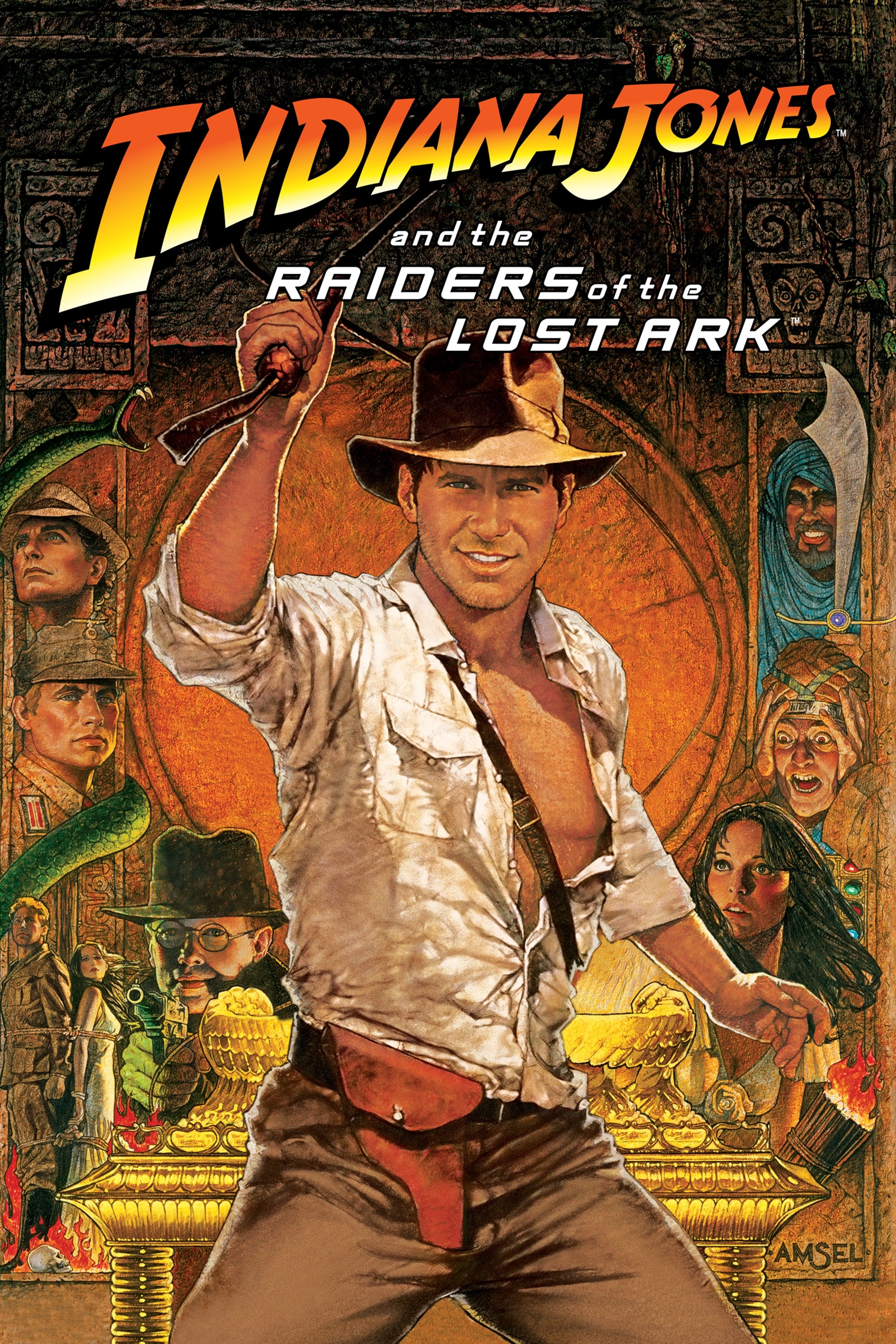
Steven Spielberg directed this globe-trotting adventure conceived with George Lucas, introducing Harrison Ford as archaeologist-adventurer Indiana Jones. The film’s locations ranged from Tunisia to Hawaii and the U.K., with second-unit set pieces coordinated by stunt legend Vic Armstrong. John Williams composed the instantly recognizable march that became synonymous with ‘Indiana Jones.’
Practical set pieces—including a rolling boulder, a truck chase with under-carriage drag work, and a desert airfield fight—were staged with intricate stunt rigging and exacting camera coverage. The film won multiple Academy Awards across craft categories and opened the door to sequels like ‘Indiana Jones and the Temple of Doom’ and ‘Indiana Jones and the Last Crusade.’
‘Mad Max 2’ (1981)
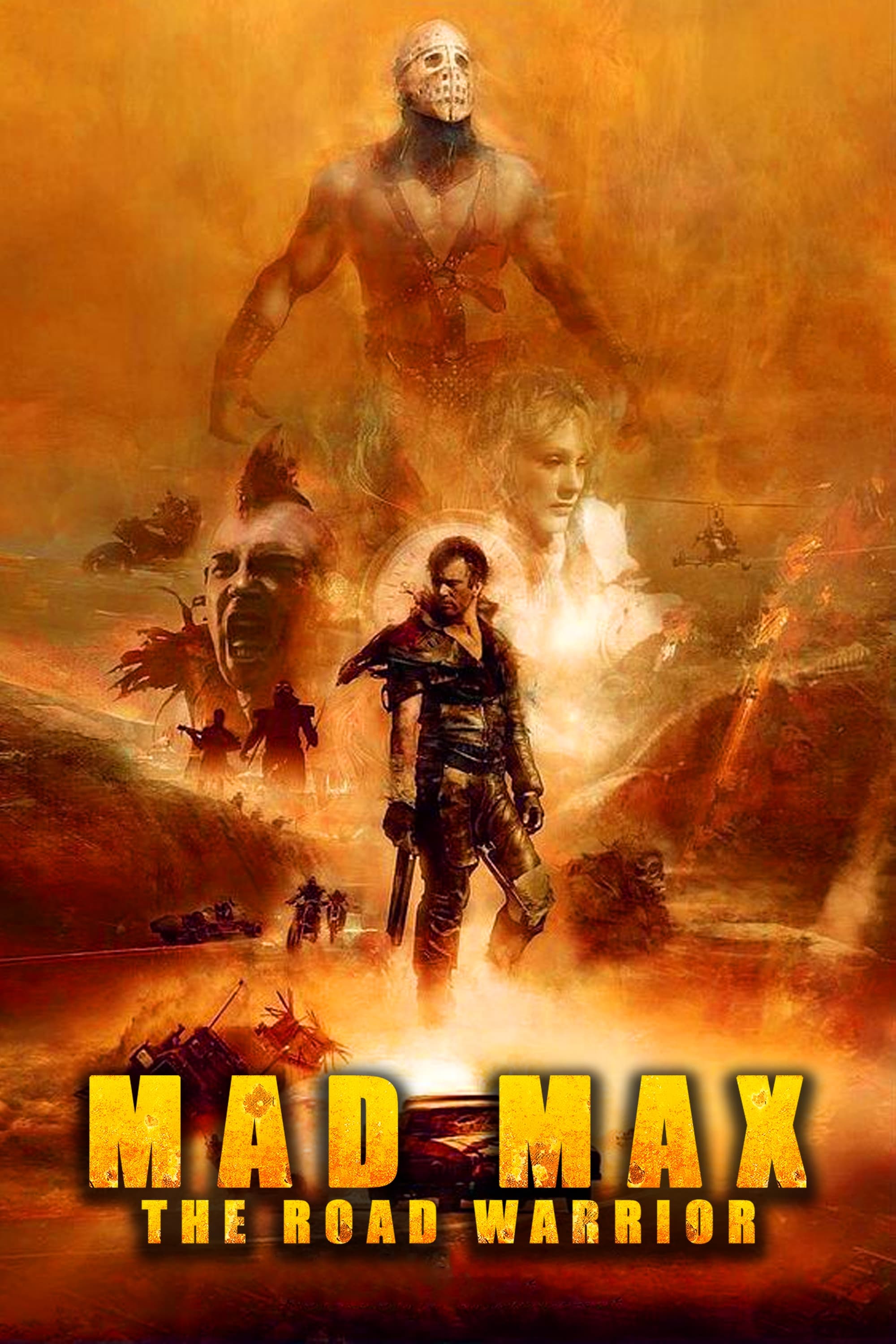
George Miller’s follow-up to ‘Mad Max’ pushed post-apocalyptic vehicular action to new extremes with elaborate car-to-car stunts in the Australian outback. Mel Gibson’s laconic road warrior navigates fuel-starved warbands and fortified compounds, while Dean Semler’s cinematography captures dust-choked chases with long-lens clarity. Production relied on modified muscle cars and custom rigs engineered to withstand repeated high-speed collisions.
The climactic tanker run involved precision driving, rollovers, and carefully choreographed bike impacts, all managed by seasoned stunt teams under strict safety protocols. Costume and production design set a leather-and-metal aesthetic that shaped future wasteland storytelling and later entries like ‘Mad Max Beyond Thunderdome’ and ‘Mad Max: Fury Road.’
‘Lethal Weapon’ (1987)
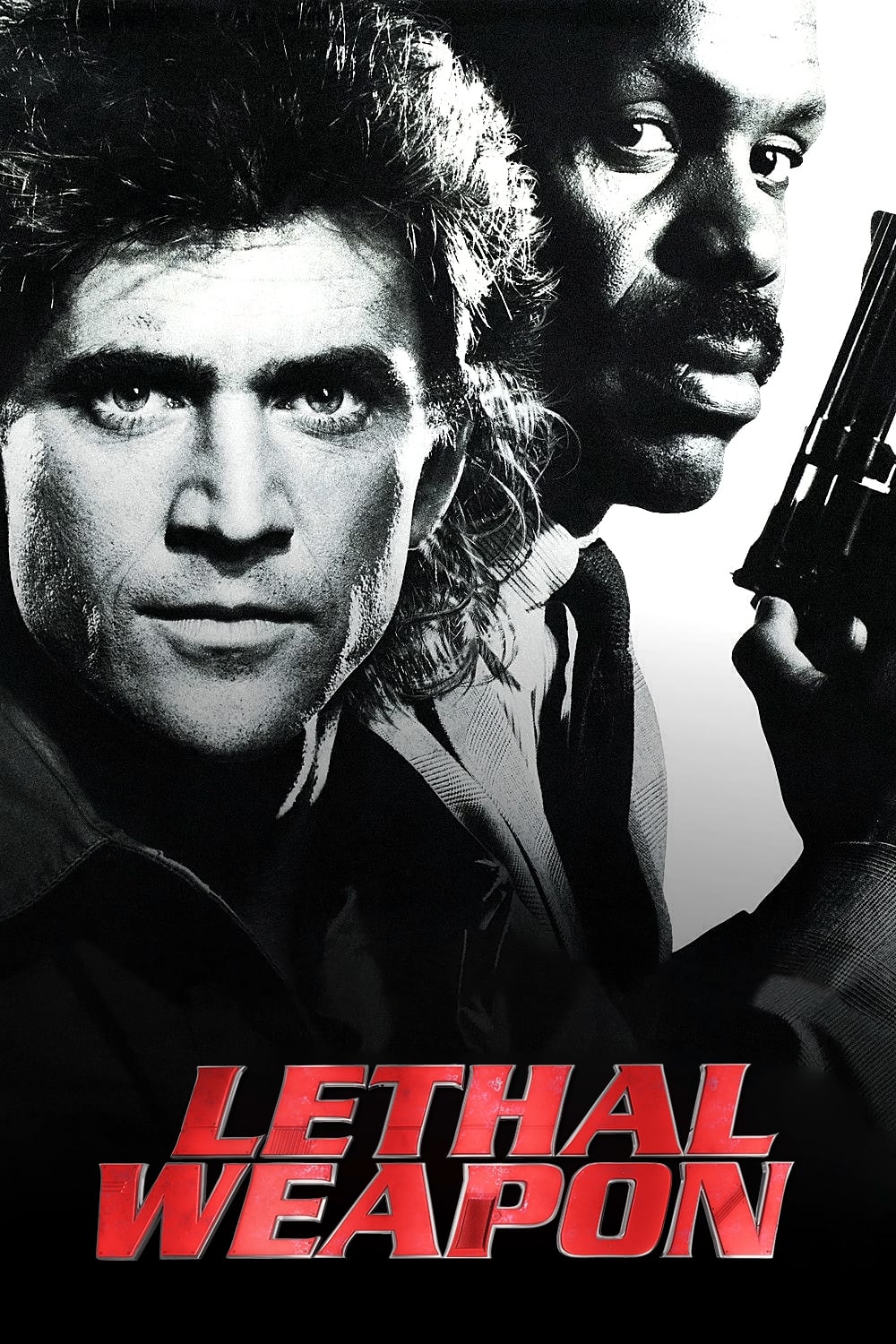
Richard Donner directed this buddy-cop thriller from a screenplay by Shane Black, pairing Mel Gibson and Danny Glover as mismatched Los Angeles detectives. Michael Kamen’s score, featuring Eric Clapton and David Sanborn, blended orchestral, blues, and saxophone textures. The film balances urban stakeouts, freeway chases, and suburban showdowns with tightly edited action beats.
Shot across Los Angeles neighborhoods and the desert outskirts, the production emphasized practical car work and hand-to-hand choreography. Its success led to multiple sequels and a television adaptation titled ‘Lethal Weapon,’ helping to codify genre elements like holiday-timed plots, gallows humor, and escalating partner camaraderie.
‘RoboCop’ (1987)
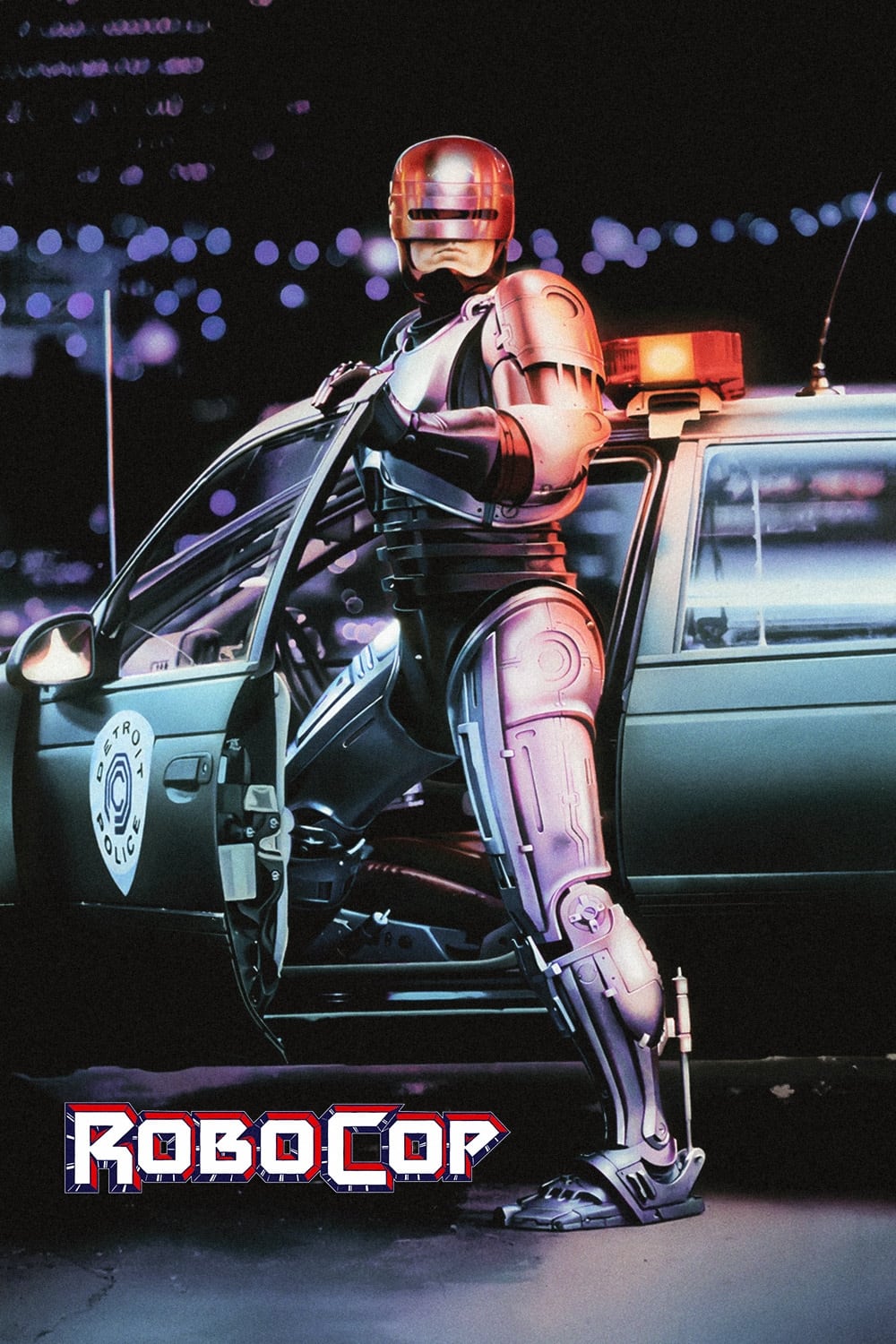
Paul Verhoeven’s dystopian action film stars Peter Weller as a fallen Detroit officer reborn as a cybernetic law enforcer. Rob Bottin designed the suit with layered plates that balanced mobility and armored presence, while Basil Poledouris composed a muscular orchestral theme. Although set in Detroit, principal photography used Dallas architecture to portray corporate-futurist skylines.
The film’s blend of newsbreak interludes, advertising satire, and kinetic shootouts was anchored by practical squib work and animatronics for ED-209. Its “Prime Directives” concept and urban privatization storyline branched into sequels like ‘RoboCop 2,’ remakes, and games, while also influencing real-world debates about policing technology in media.
‘First Blood’ (1982)
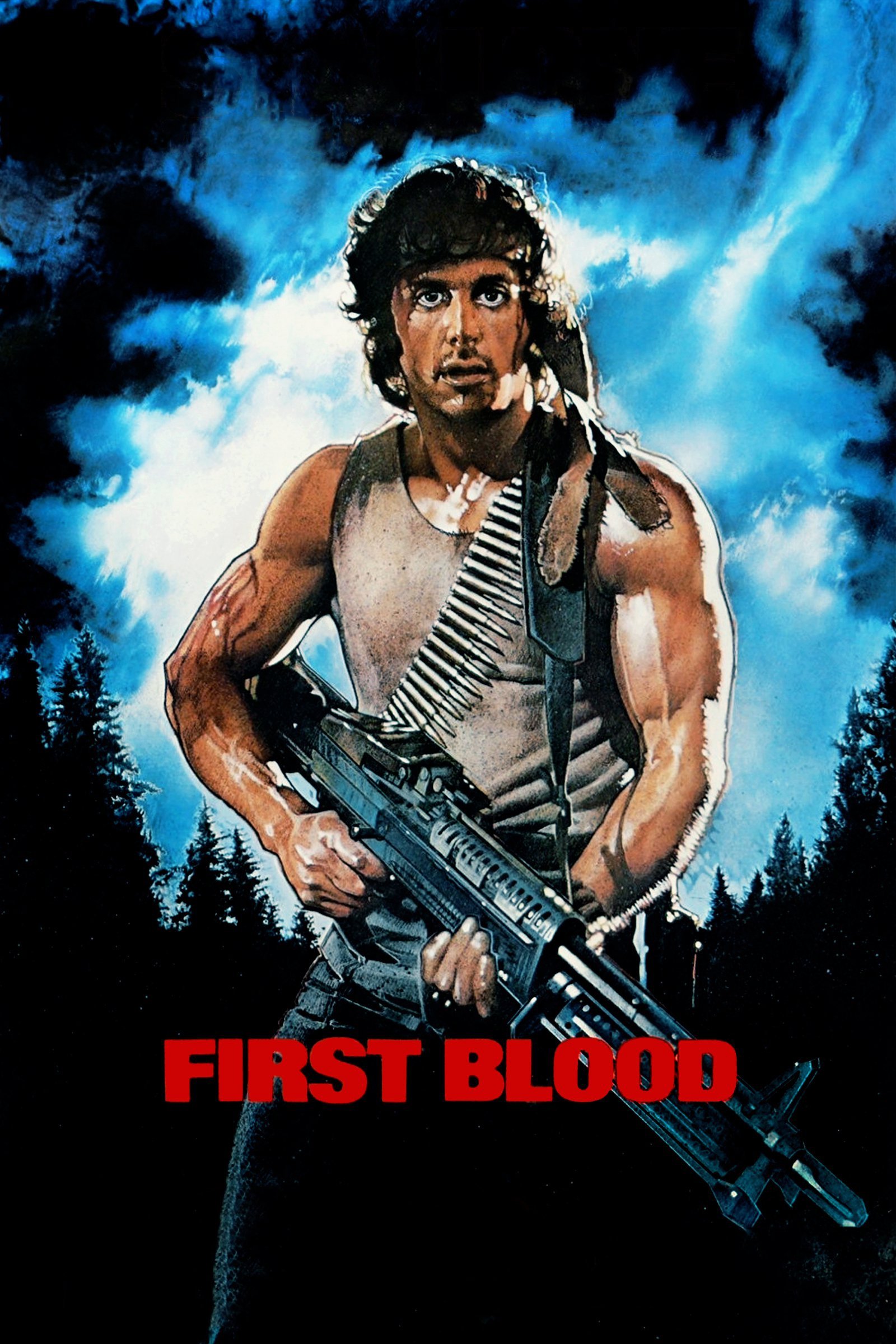
Based on David Morrell’s novel, Ted Kotcheff’s film introduces Sylvester Stallone as John Rambo, a former Green Beret pushed into a survival conflict with small-town law enforcement. Jerry Goldsmith’s score emphasizes melancholic themes alongside percussion for chase sequences. Filming took place in and around Hope, British Columbia, whose mountainous terrain facilitated steep-slope foot chases and bridge stunts.
The production foregrounds fieldcraft—improvised shelter, tracking, and camouflage—over large-scale gunplay until a controlled urban finale. Its portrayal of a veteran’s isolation and tactical skill launched a long-running series that evolved into larger combat missions, continuing through entries like ‘Rambo: First Blood Part II’ and ‘Rambo III.’
‘Beverly Hills Cop’ (1984)

Directed by Martin Brest, this action-comedy stars Eddie Murphy as Detroit detective Axel Foley navigating a high-society case in Southern California. The film features the electronic theme ‘Axel F’ by Harold Faltermeyer, which became a charting hit and a pop-culture staple. Location work split between Detroit and Beverly Hills, including Rodeo Drive exteriors and studio-lot stages.
Chase scenes and shootouts were staged with practical car work and carefully timed comedic beats, balancing investigative momentum with set-piece action. Originally developed with a different lead and tone, the project evolved during production into a showcase that sustained two sequels, with ‘Beverly Hills Cop II’ reuniting key cast and crew.
‘Escape from New York’ (1981)
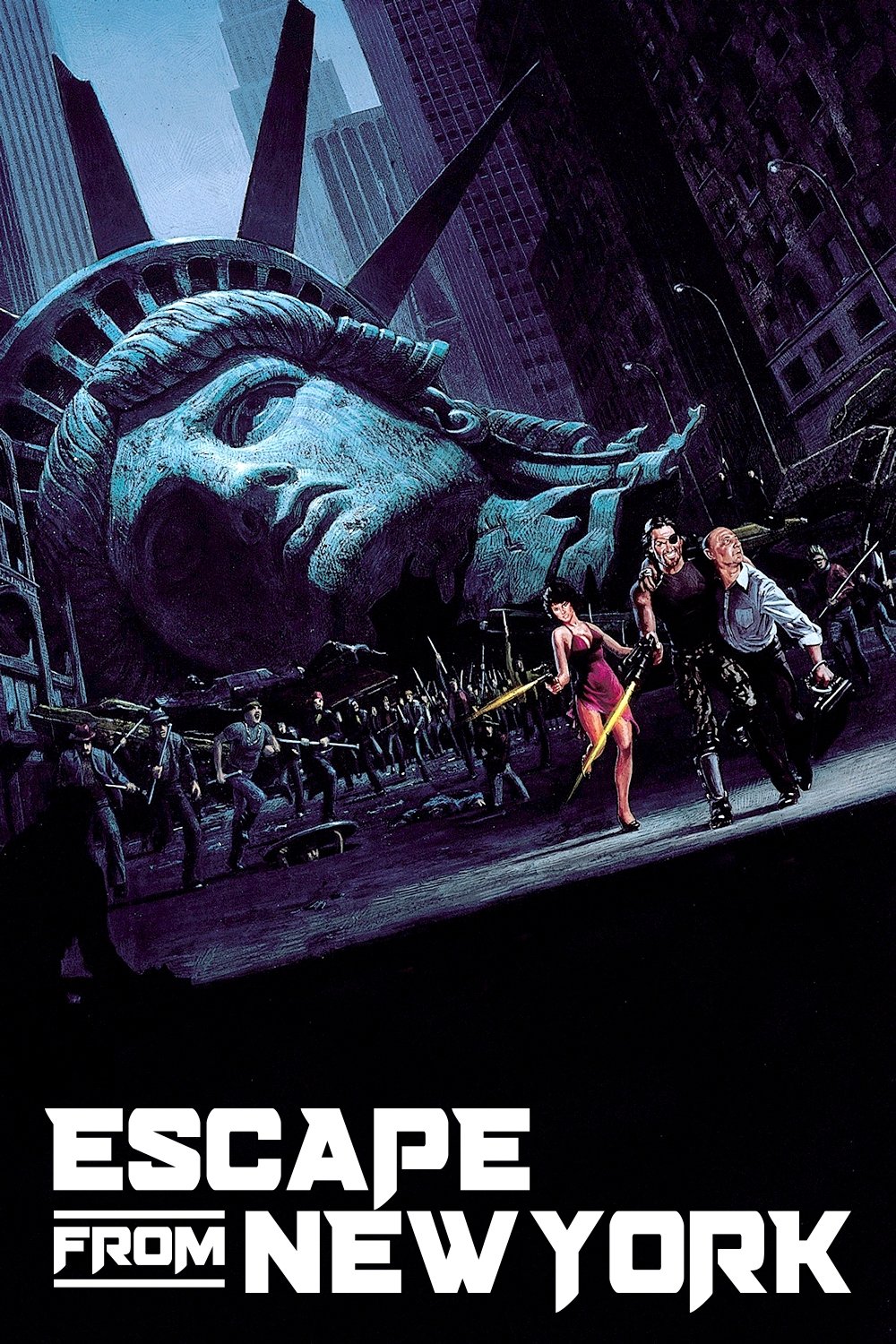
John Carpenter’s dystopian action film casts Kurt Russell as Snake Plissken, tasked with rescuing a kidnapped leader from a walled-off Manhattan. Carpenter collaborated with Alan Howarth on a minimalist synth score, while production famously used derelict blocks in St. Louis to stand in for decayed New York streets. Matte paintings and miniature shots expanded the cityscape.
The film’s low-light photography and practical effects accentuate street-level pursuits, rooftop escapes, and glider inserts. Its anti-hero lead and worldbuilding paved the way for ‘Escape from L.A.’ and influenced game and comic depictions of lawless urban zones populated by factional gangs and improvised fortifications.
‘The Untouchables’ (1987)
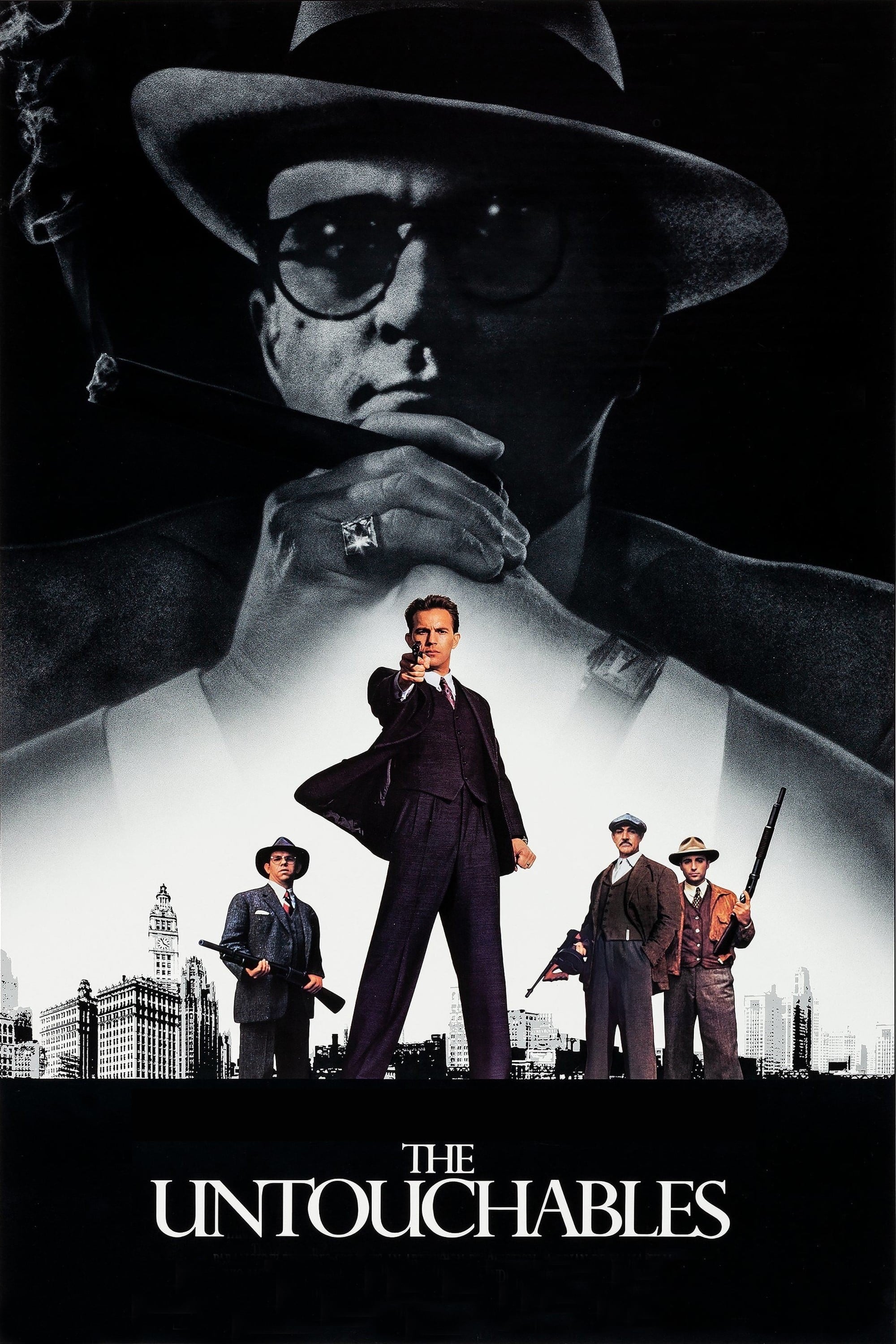
Brian De Palma’s Prohibition-era crime saga stars Kevin Costner as Eliot Ness, with Sean Connery, Robert De Niro, and Andy Garcia rounding out the ensemble. Ennio Morricone’s score alternates between menacing ostinatos and lyrical themes, while Chicago landmarks and Union Station interiors ground the period setting. Patricia Clarkson and Charles Martin Smith add procedural texture to the task-force dynamic.
Set pieces include a Canadian border raid and a Union Station staircase shootout that nods to ‘Battleship Potemkin.’ The film earned multiple award nominations, with Connery winning for supporting actor, and it helped reintroduce studio-scale period action to a new audience, preceding television and stage adaptations under ‘The Untouchables’ banner.
‘The Killer’ (1989)

John Woo’s heroic-bloodshed milestone stars Chow Yun-fat as a remorseful hitman and Danny Lee as the detective drawn into his orbit. The film’s signature gun-fu style mixes dual-wield choreography, slow motion, and geometric blocking, photographed with gliding camera moves that keep spatial clarity during sustained firefights. Locations range from neon-lit clubs to waterfront churches.
Practical pyrotechnics and squib-heavy effects sell the balletic violence without relying on digital tools. ‘The Killer’ accelerated the international visibility of Hong Kong action cinema, directly inspiring Hollywood filmmakers and paving the way for Woo’s later American projects like ‘Hard Target’ and ‘Face/Off.’
‘Police Story’ (1985)

Jackie Chan directed and headlined this Hong Kong action showcase, supported by Maggie Cheung and Brigitte Lin. The film integrates comedic beats with high-risk stunt design, including a mall sequence that culminates in a multi-story pole slide through glass and festoon lighting. Fight choreography was executed by Chan’s stunt team with unusually long takes to highlight timing and technique.
Location work across Hong Kong’s dense urban environments enabled bus gags, hillside slaloms, and escalator fights captured with wide-angle lenses for clarity. ‘Police Story’ launched a durable series that continued with ‘Police Story 2’ and ‘Police Story 3: Supercop,’ influencing action-comedy hybrids across global cinema.
‘Bloodsport’ (1988)
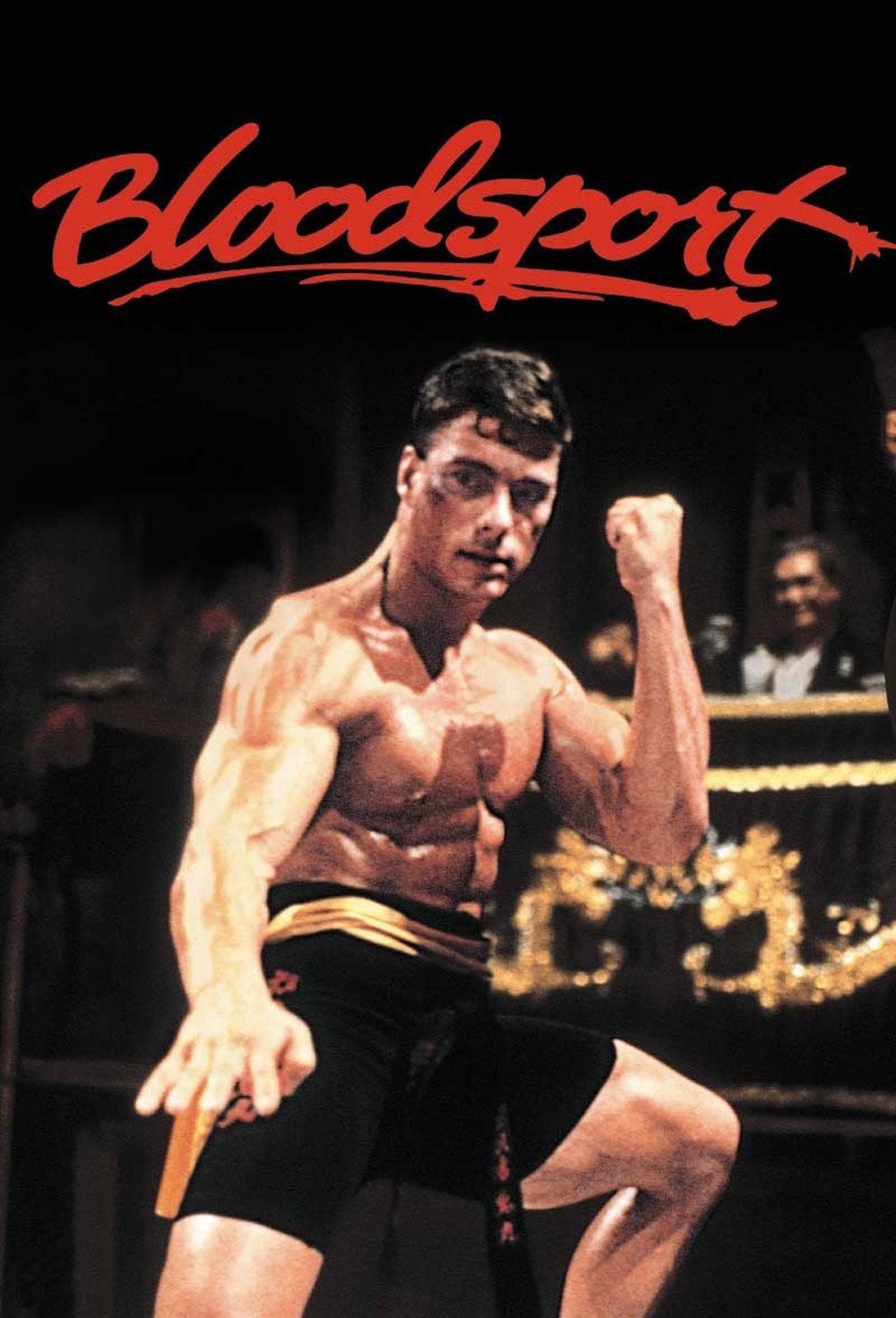
Directed by Newt Arnold and starring Jean-Claude Van Damme, the film dramatizes Frank Dux’s underground tournament run through the fictional kumite. Shot largely in Hong Kong, it uses tight interiors, warehouse arenas, and Kowloon backdrops to frame a bracketed set of matches with distinct fighting styles. Music by Paul Hertzog underscores training montages and climactic bouts.
The production emphasized contact-style choreography and slow-motion inserts to showcase Van Damme’s flexibility and striking. ‘Bloodsport’ sparked multiple sequels and broadened Western exposure to full-contact tournament narratives, feeding interest that later surfaced in mixed-martial-arts coverage and reality-competition formats.
‘Top Gun’ (1986)
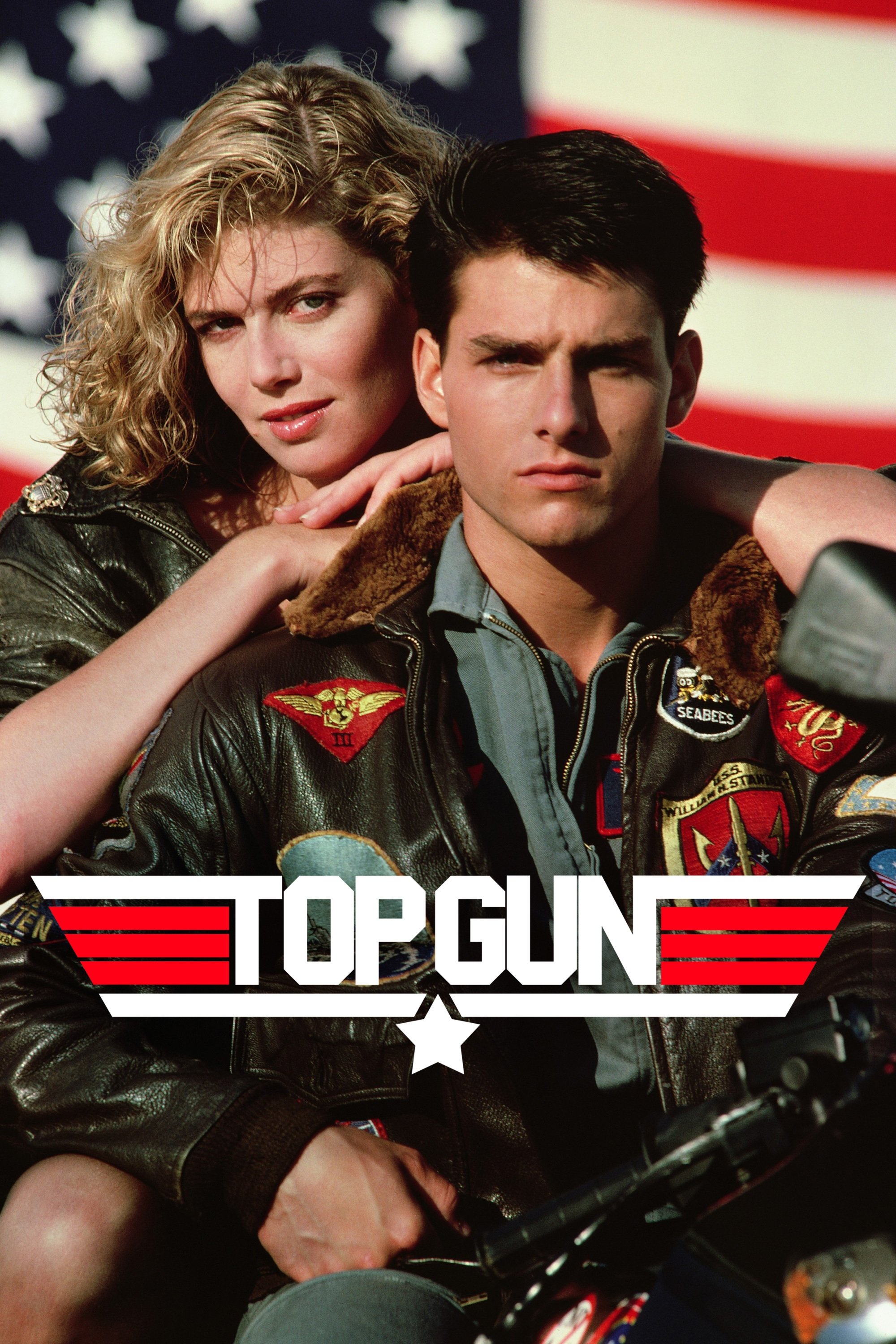
Tony Scott’s aviation action drama stars Tom Cruise as a hotshot Naval aviator training at an elite fighter school. Working closely with the U.S. Navy, the production captured aerial photography with real aircraft, using camera mounts on jets and helicopter platforms for dogfight sequences. Jeffrey Kimball’s cinematography and kinetic cutting emphasized speed and altitude changes.
The soundtrack, featuring artists like Kenny Loggins and Berlin, achieved multi-platinum sales and reinforced the film’s pop-cultural reach. Its depiction of pilot culture and carrier operations led to a sequel, ‘Top Gun: Maverick,’ which revisited practical aerial techniques with upgraded camera rigs and high-G training.
‘Commando’ (1985)
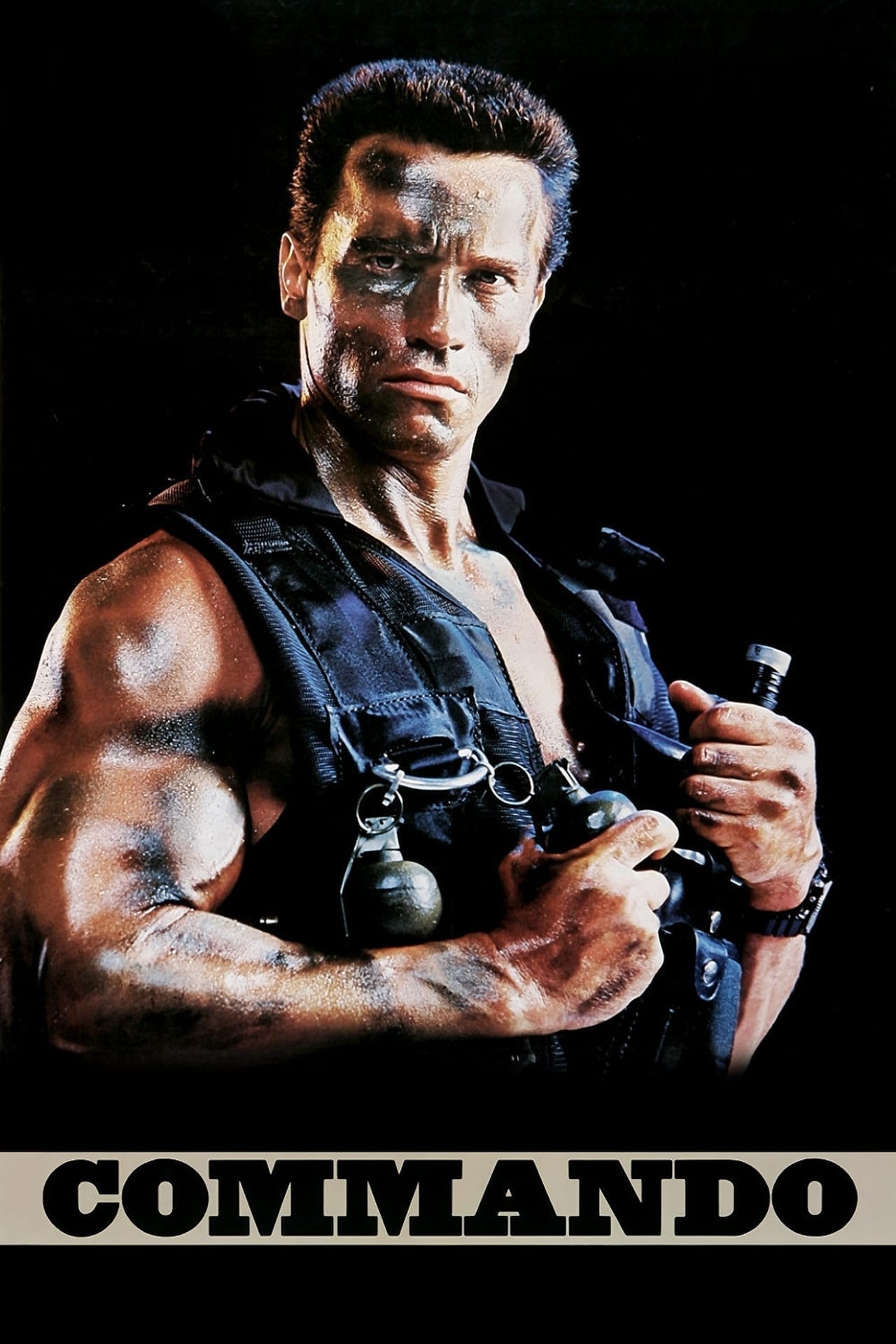
Directed by Mark L. Lester and starring Arnold Schwarzenegger, the film follows a retired special-forces colonel on a rescue mission that escalates into a one-man assault. Rae Dawn Chong, Dan Hedaya, and Alyssa Milano co-star, while James Horner’s score mixes synth and steel drums for an off-kilter action texture. Filming utilized Southern California locations, including a coastal mansion for the finale.
Weapons choreography, explosions, and hand-to-hand beats were staged with an emphasis on clear geography and practical pyrotechnics. ‘Commando’ became a calling-card title in the lead’s filmography and influenced later solo-operative narratives, including spiritual successors and homages that echoed its mall fight and tool-shed sequence.
‘Big Trouble in Little China’ (1986)
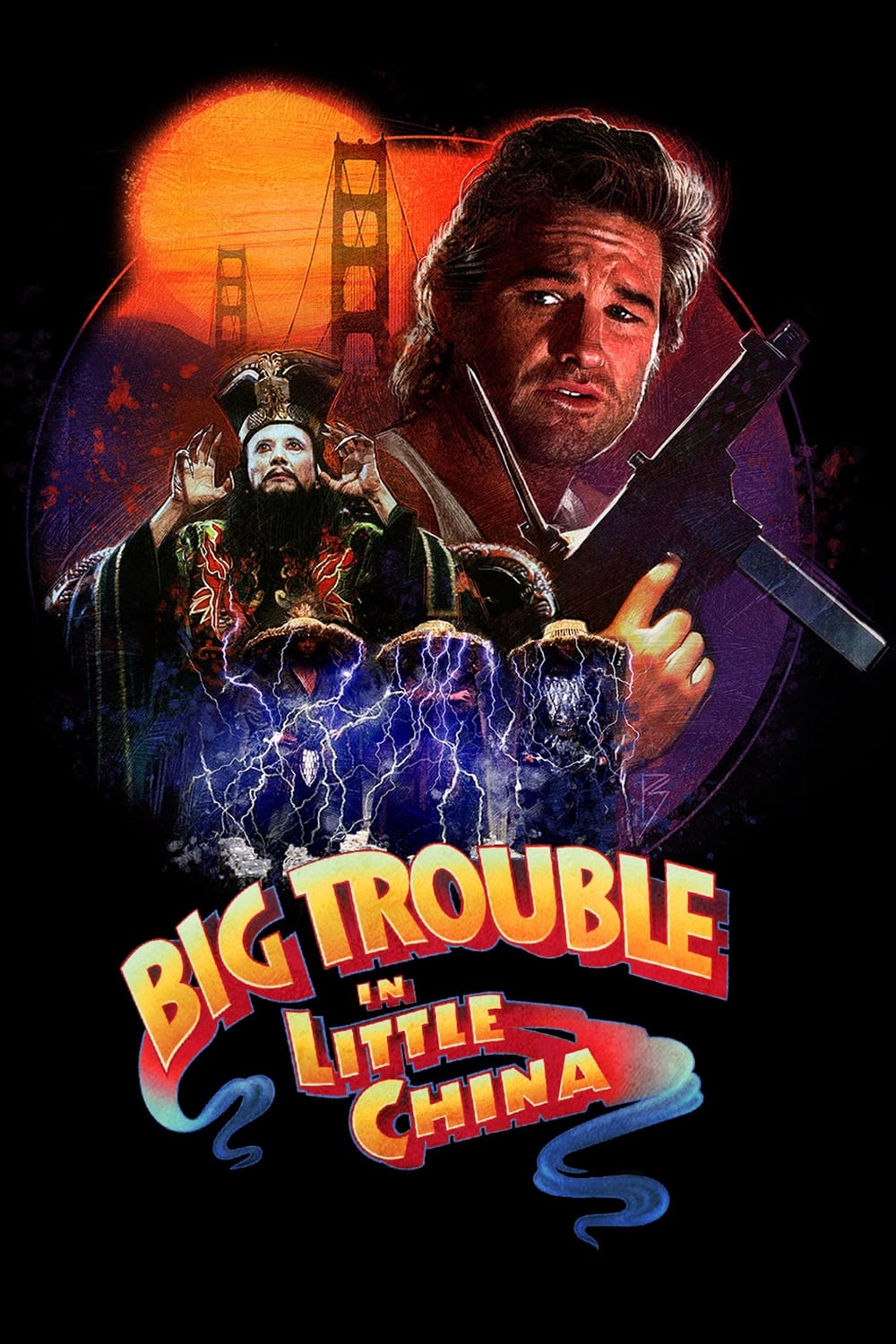
John Carpenter’s fantasy-action hybrid stars Kurt Russell, Kim Cattrall, and Dennis Dun in a San Francisco Chinatown adventure involving sorcery and martial-arts clans. Dean Cundey’s cinematography and Carpenter’s synth score support a playful tone as the film moves through alleys, neon-lit parlors, and underground lairs. Practical creature effects and elaborate sets deliver a pulp serial atmosphere.
Fight choreography and stunt coordination, with key contributions from Jeff Imada and veteran Hong Kong performers, bridge East-West action styles on a Hollywood scale. The film later found a dedicated audience on home video, influencing cross-genre projects and inspiring comics and games under the ‘Big Trouble in Little China’ umbrella.
‘The Running Man’ (1987)
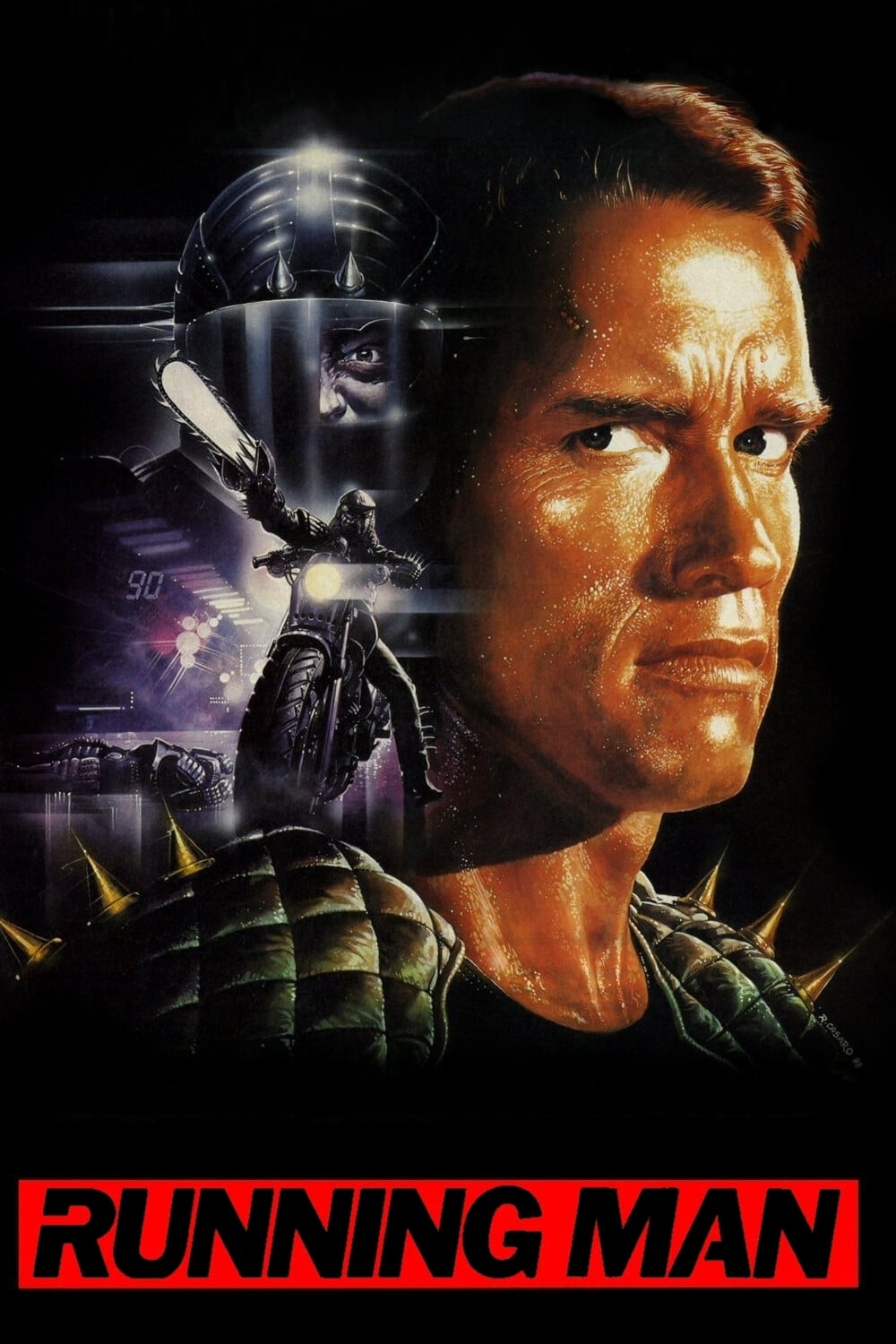
Based on the Richard Bachman novel by Stephen King, this dystopian action film pairs Arnold Schwarzenegger with a deadly game show overseen by Richard Dawson. Production design created themed “stalker” arenas, each with distinctive hazards and costumes, while handheld video inserts and broadcast graphics built a live-TV aesthetic. The score by Harold Faltermeyer amplified the satirical showmanship.
Filming used Los Angeles stages and industrial sites to construct tunnels, ice zones, and electrical gauntlets for contestant pursuits. The movie’s media-satire framework anticipated reality-competition tropes and informed later arena-style action stories, while also generating tie-in games and ongoing cultural references to its catchphrases.
‘Akira’ (1988)
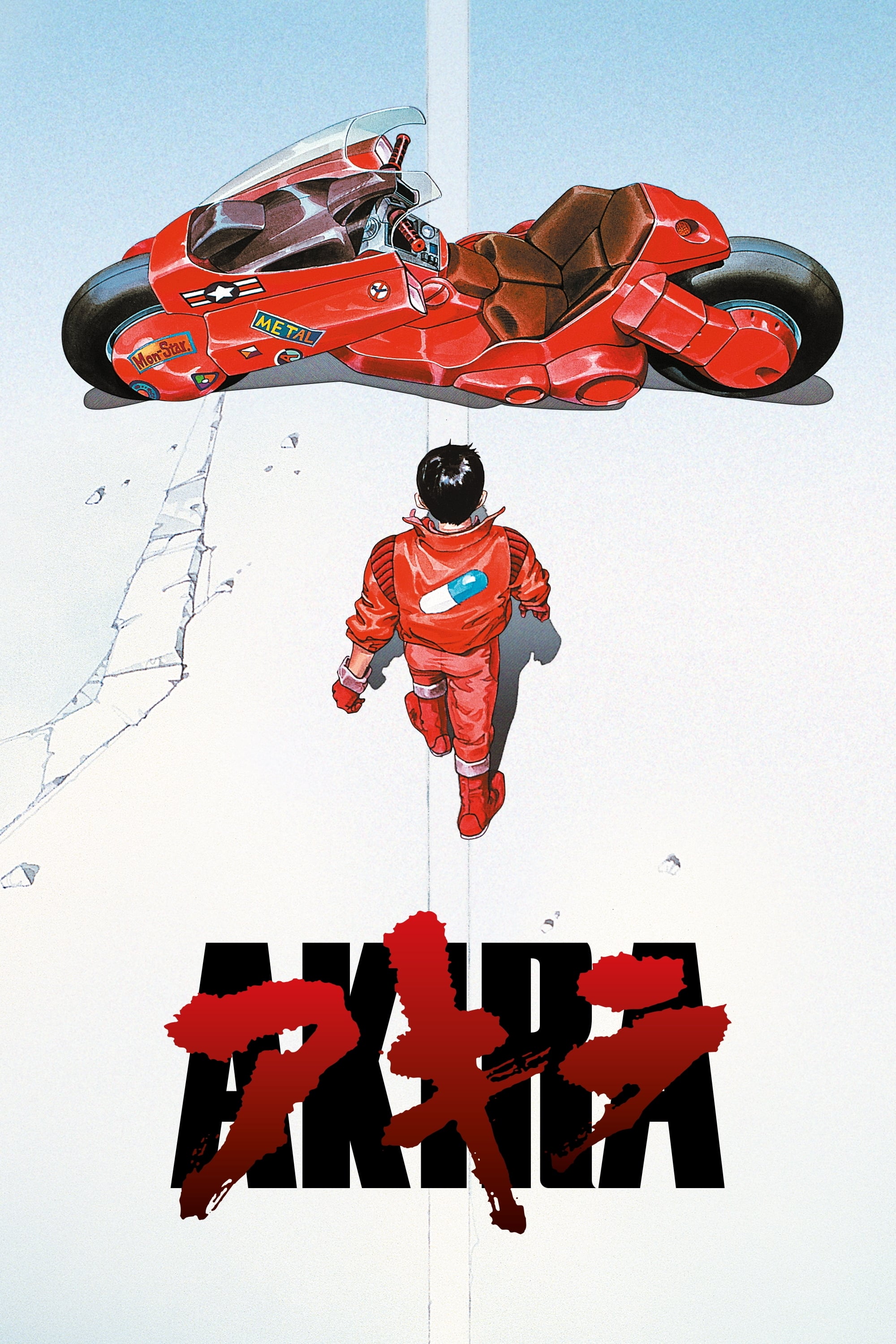
Katsuhiro Otomo directed this landmark anime adaptation of his own manga, set in the sprawling urban sprawl of Neo-Tokyo. The production used an unusually large number of animation cels and implemented pre-recorded dialogue so mouth movements would match performances more precisely. Geometric motorcycle chases, telekinetic set pieces, and luminous cityscapes became signature images.
‘Akira’ accelerated international interest in mature animation, influencing cyberpunk visuals across film, television, comics, and games. Its sound design and synth-percussion score by Geinoh Yamashirogumi helped establish an immersive sonic identity, and the film’s success broadened the global market for Japanese animated features.
Share your favorites and the scenes you revisit most in the comments!

