


1980s Comedy Movies that Aged Incredibly Well



The 1980s packed theaters with comedies that mixed high-concept premises, sharp writing, and star-making performances. Many of these films kicked off franchises, reshaped careers, or even nudged real-world culture, from catchphrases entering everyday speech to rules changing on trading floors. Below is a curated tour through twenty standout titles from that decade, with practical context about who made them, where they were filmed, how they were put together, and what legacies they left.
Each entry includes key production details, cast and crew highlights, influences, and noteworthy afterlives such as sequels, TV spinoffs, and awards. Whenever another film or series is mentioned, you’ll see it in single quotes so it’s easy to spot. Use this as a reference list for what to watch next, or as a quick primer on how these comedies came to be and why they continue to show up in pop culture conversations.
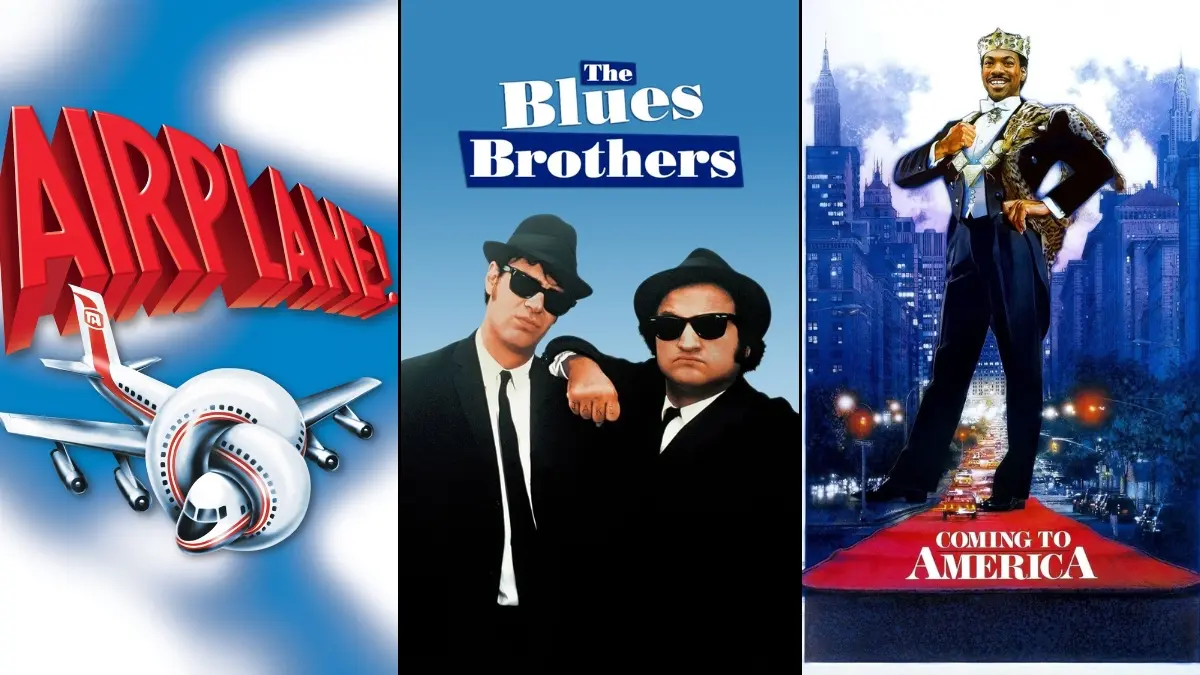
‘Airplane!’ (1980)
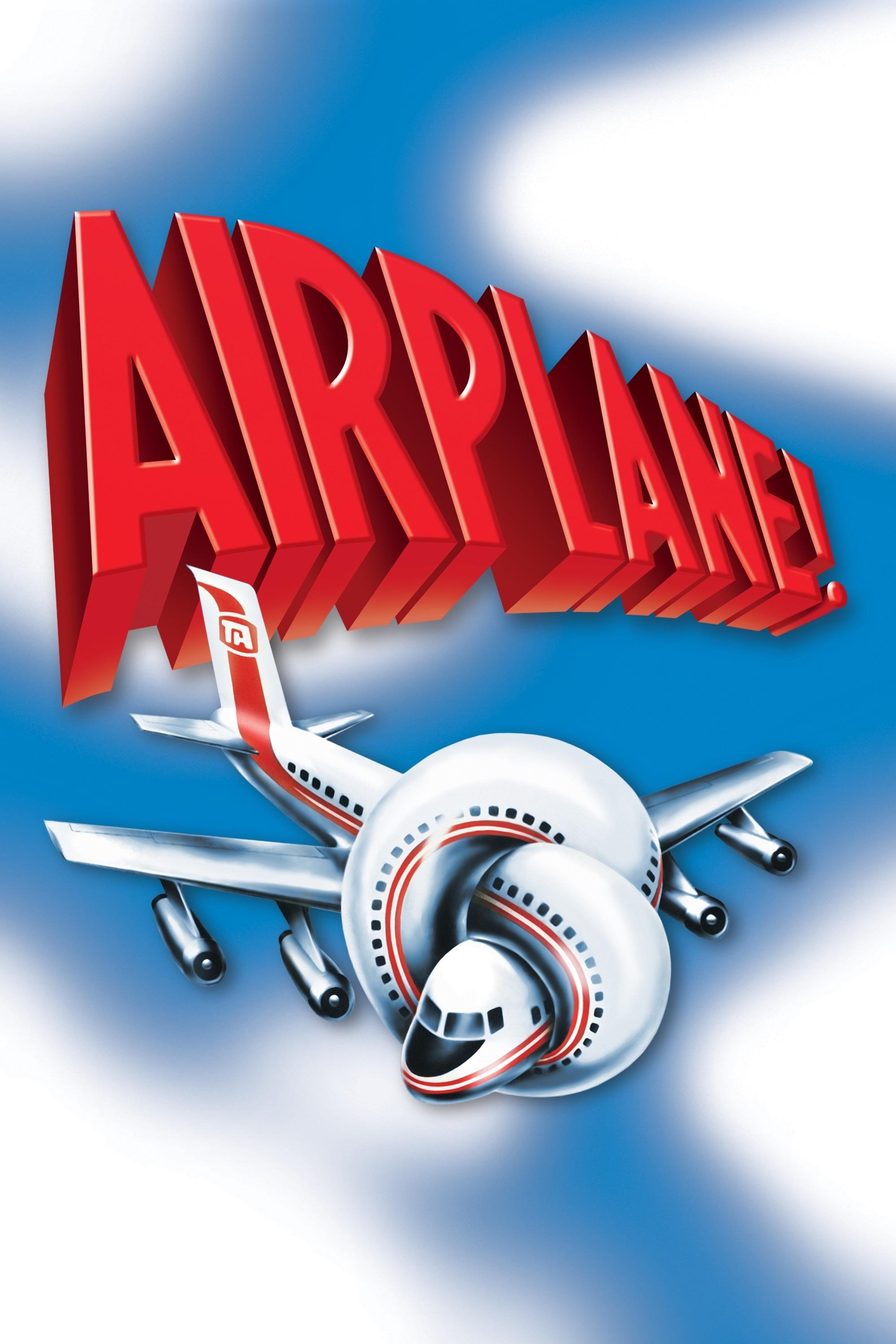
Created by the team of Jim Abrahams, David Zucker, and Jerry Zucker, this spoof acquired the rights to the disaster drama ‘Zero Hour!’ and transformed its plot into a rapid-fire comedy built on deadpan delivery. Paramount Pictures released it with a cast that included Robert Hays, Julie Hagerty, and Leslie Nielsen, whose straight-faced turn reoriented his career toward comedy. The production leaned heavily on practical cockpit sets and miniatures for airplane exteriors, pairing them with dialogue that mirrored the source film’s structure.
The movie’s template influenced a run of genre send-ups, including later ZAZ projects like ‘Top Secret!’ and the ‘Naked Gun’ series. Its script structure—borrowing a serious narrative spine and loading it with gags—became a playbook for subsequent parodies, while Nielsen’s casting approach inspired similar rebrandings for dramatic actors in comedic roles.
‘Caddyshack’ (1980)
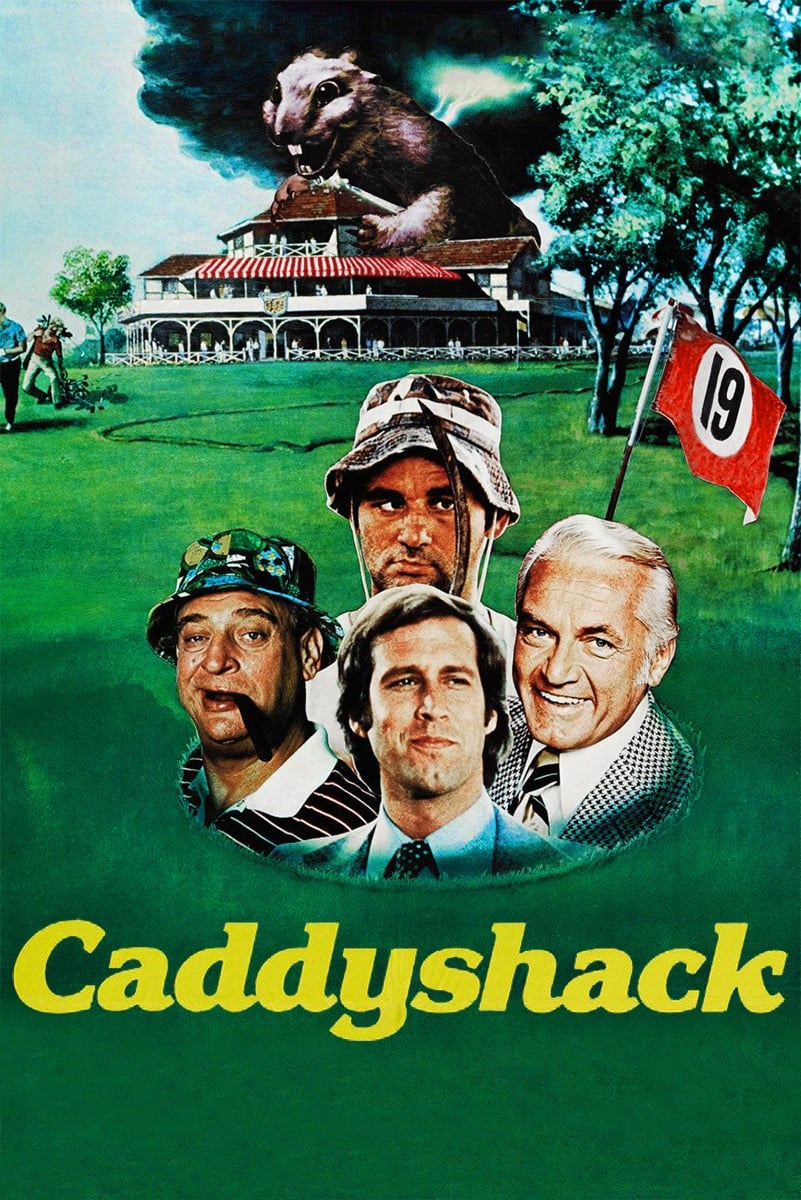
Directed by Harold Ramis and written with Brian Doyle-Murray and Doug Kenney, this golf-club farce starred Chevy Chase, Rodney Dangerfield, Bill Murray, and Ted Knight. Much of Murray’s material was developed on set, and the production featured a mechanized gopher built for recurring sight gags. The fictional Bushwood Country Club was assembled from real courses, with location shooting giving the tournament sequences scale.
The soundtrack prominently featured Kenny Loggins, whose ‘I’m Alright’ became linked to the film’s finale. The movie strengthened the screen personas of its ensemble and influenced later sports comedies, while its free-wheeling approach to set-piece humor helped define the tone of Ramis’s subsequent work.
‘The Blues Brothers’ (1980)
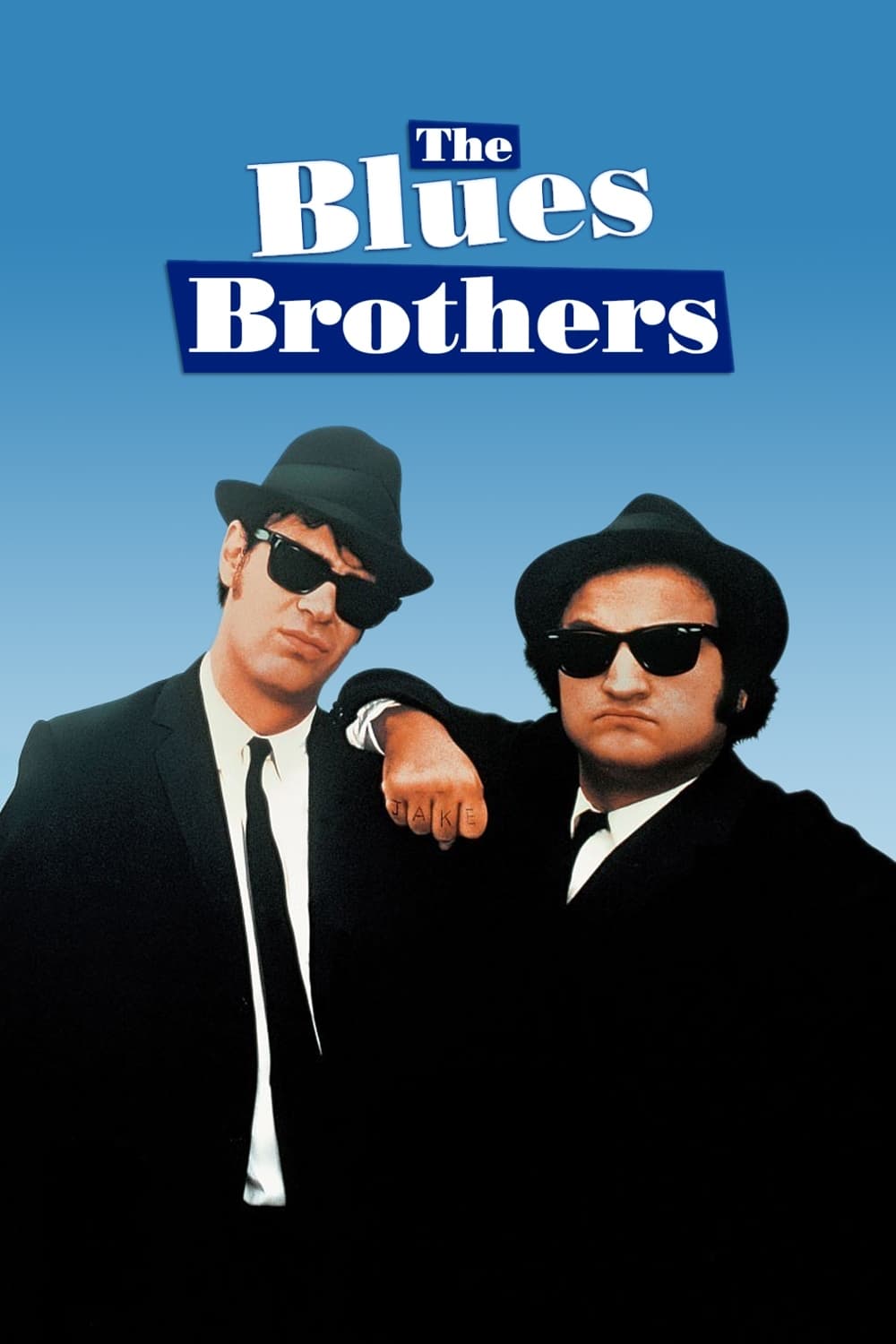
Spun out of ‘Saturday Night Live’ characters, this John Landis film paired Dan Aykroyd and John Belushi with musical icons such as Aretha Franklin, Ray Charles, James Brown, and Cab Calloway. The production shot across Chicago with extensive city cooperation, staging elaborate chases that required large-scale street closures and an enormous number of stunt vehicles.
The movie functions as both a comedy and a showcase of classic American music, integrating full performances into the plot. Its on-location approach helped cement Chicago as a film city, and its band-on-a-mission structure influenced later music-centric comedies and live tours under the ‘Blues Brothers’ banner.
‘Stripes’ (1981)
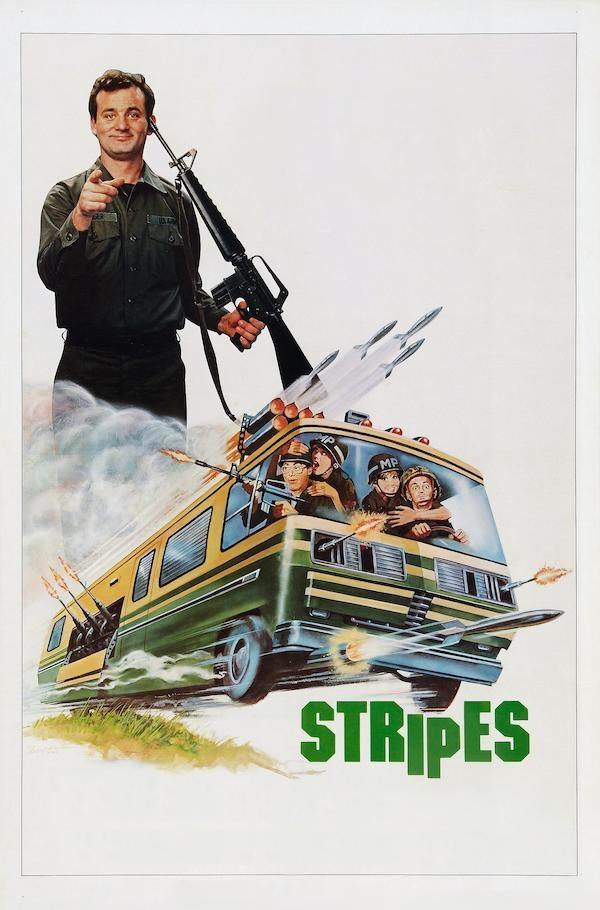
Ivan Reitman directed this Army comedy starring Bill Murray, Harold Ramis, John Candy, and Warren Oates. The film secured access to Fort Knox, using real training grounds and equipment to stage boot-camp sequences and the EM-50 Urban Assault Vehicle set-piece. Casting mixed seasoned comedians with military film stalwart Oates to balance irreverence with a drill-sergeant foil.
Its success paved the way for Reitman’s later collaborations with Murray and Ramis. The production’s cooperation with the military became a model for subsequent service-branch comedies, and the EM-50 sequence influenced the design of later action-comedy vehicles on screen.
‘Tootsie’ (1982)
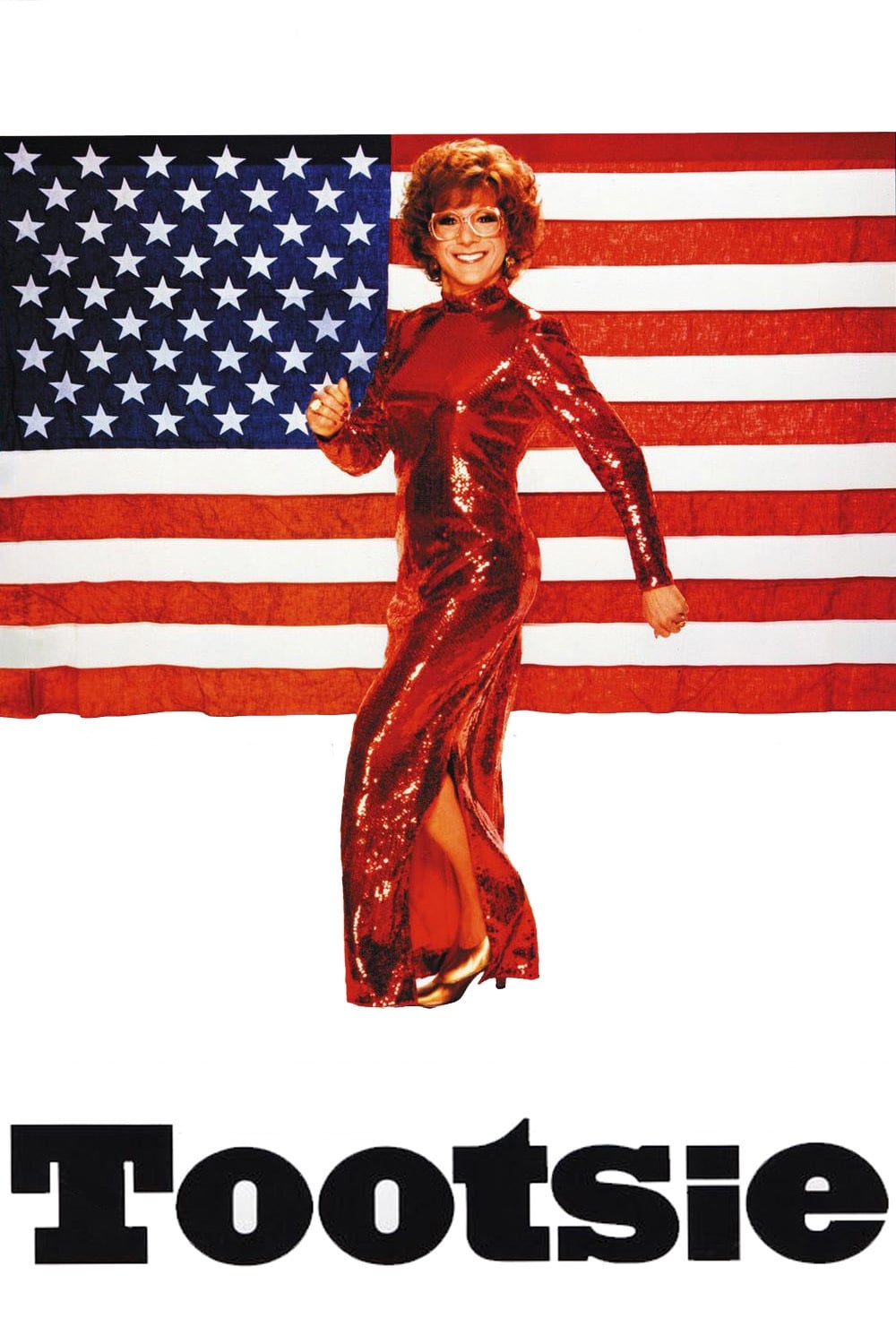
Directed by Sydney Pollack and written by a team that included Larry Gelbart and Murray Schisgal, this industry satire follows a struggling actor who lands a soap-opera role by presenting as a woman. Dustin Hoffman led an ensemble featuring Jessica Lange, Teri Garr, Dabney Coleman, and Bill Murray, with Pollack also appearing as the actor’s agent. The production used real soap-opera studios and incorporated backstage processes to ground its television world.
The film earned multiple Academy Award nominations, with Jessica Lange winning for Supporting Actress. Its depiction of on-set dynamics, contract negotiations, and daytime-TV workflow is frequently cited in discussions of entertainment-industry comedies, and it has been referenced across later screen and stage works.
‘Fast Times at Ridgemont High’ (1982)
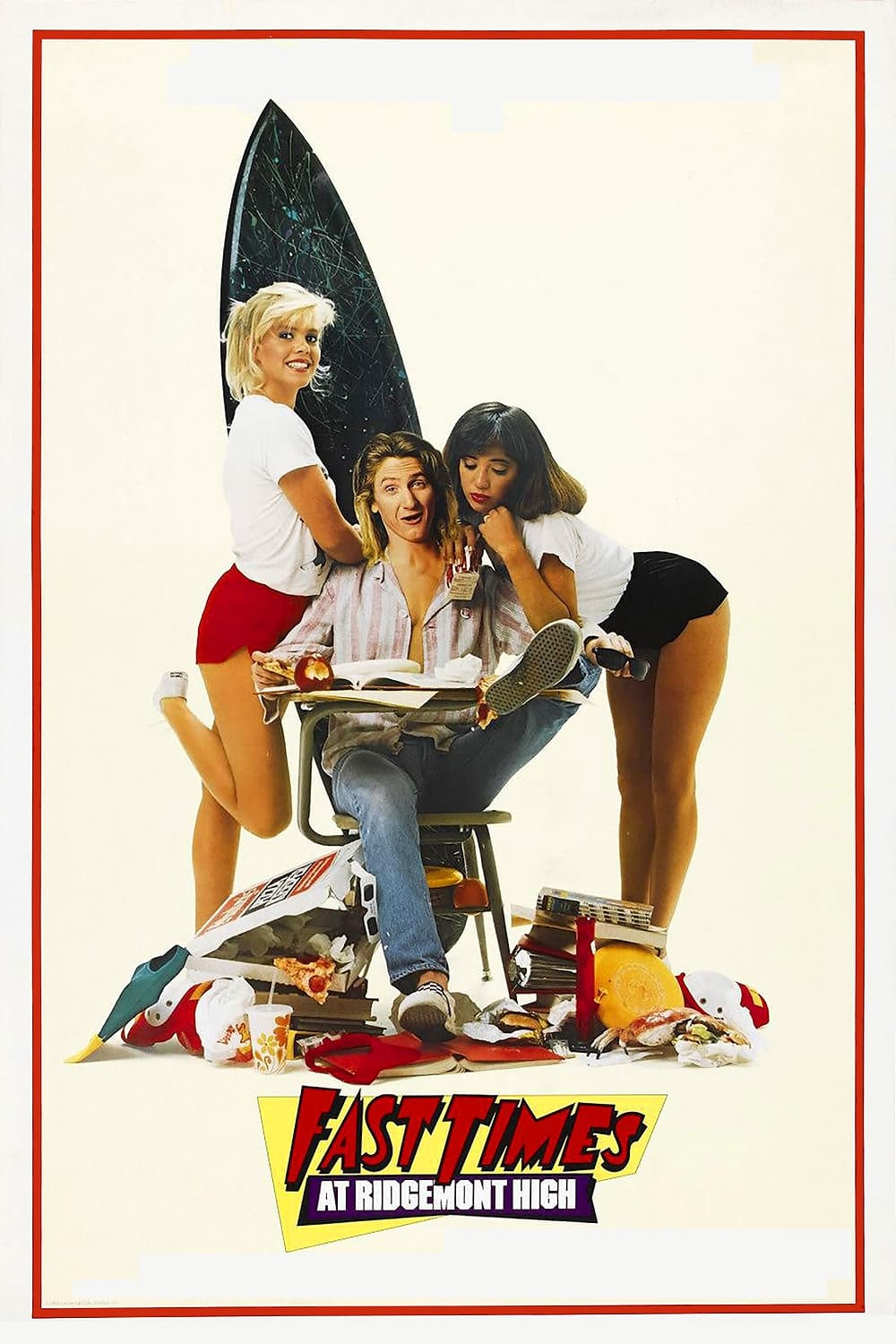
Adapted from Cameron Crowe’s nonfiction book about undercover reporting at a Southern California high school, the film was directed by Amy Heckerling. It introduced audiences to Sean Penn’s stoner surfer Jeff Spicoli while featuring early appearances by Jennifer Jason Leigh, Judge Reinhold, Phoebe Cates, Forest Whitaker, and Nicolas Cage. Mall locations and a real high-school campus anchored the setting.
The soundtrack mixed new wave and rock tracks curated to match teen hangouts, with needle-drops timed to character beats. The movie’s ensemble-story structure informed later teen comedies, and Heckerling’s approach influenced her subsequent work on ‘Clueless’ and other youth-centered projects.
‘Trading Places’ (1983)
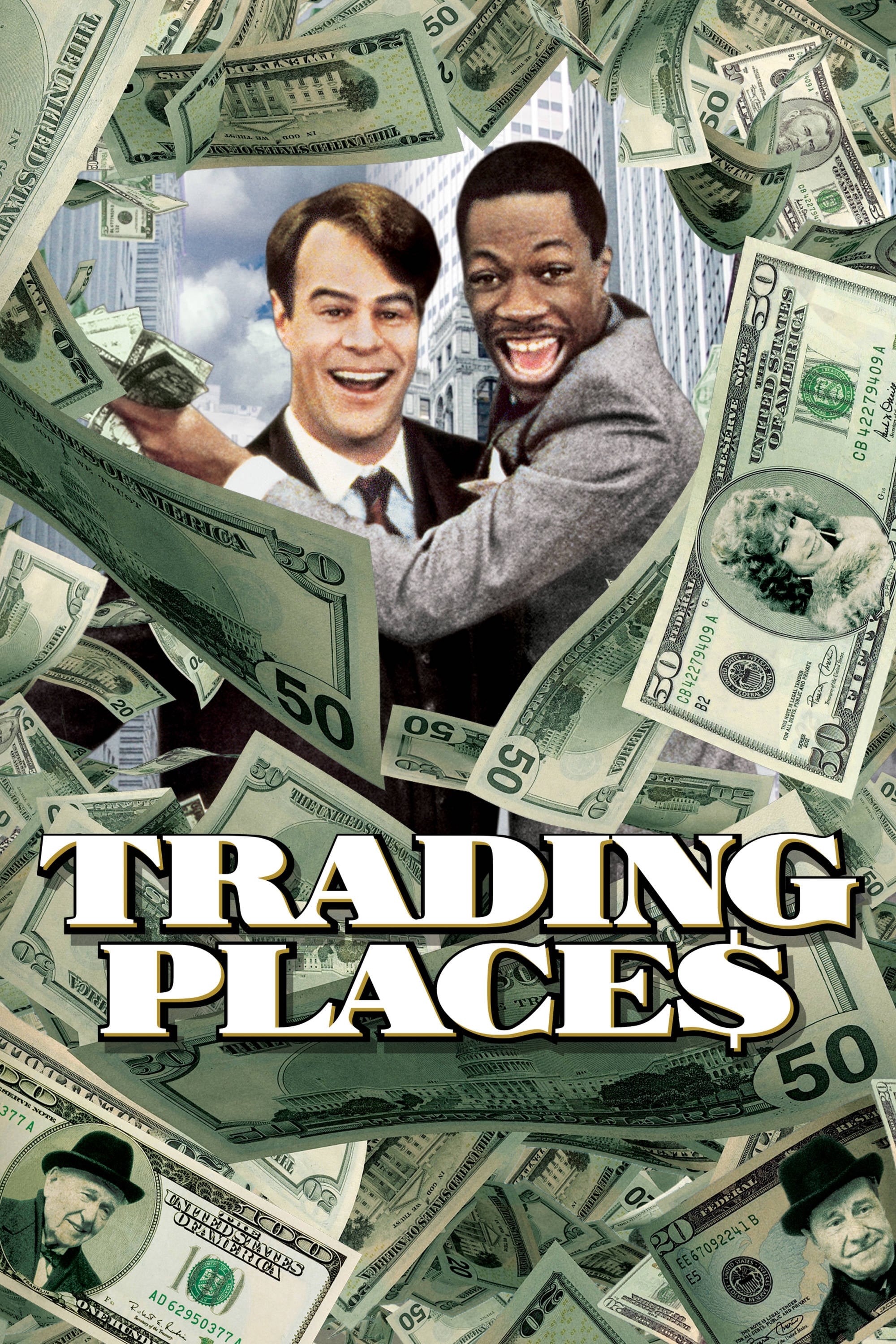
John Landis directed this social-switch comedy starring Eddie Murphy, Dan Aykroyd, Jamie Lee Curtis, Denholm Elliott, and Ralph Bellamy. The plot revolves around commodities markets, with the climactic sequence staged on a trading floor and structured around futures contracts. Production design recreated brokerage interiors with detailed prop tickers and order slips.
The film’s depiction of orange-juice futures and short-selling became a favorite teaching example in finance and economics courses. It also inspired a colloquial “Eddie Murphy rule” nickname for later regulations addressing the misuse of government information in commodities trading, and the characters Randolph and Mortimer Duke were referenced again in ‘Coming to America’.
‘Ghostbusters’ (1984)
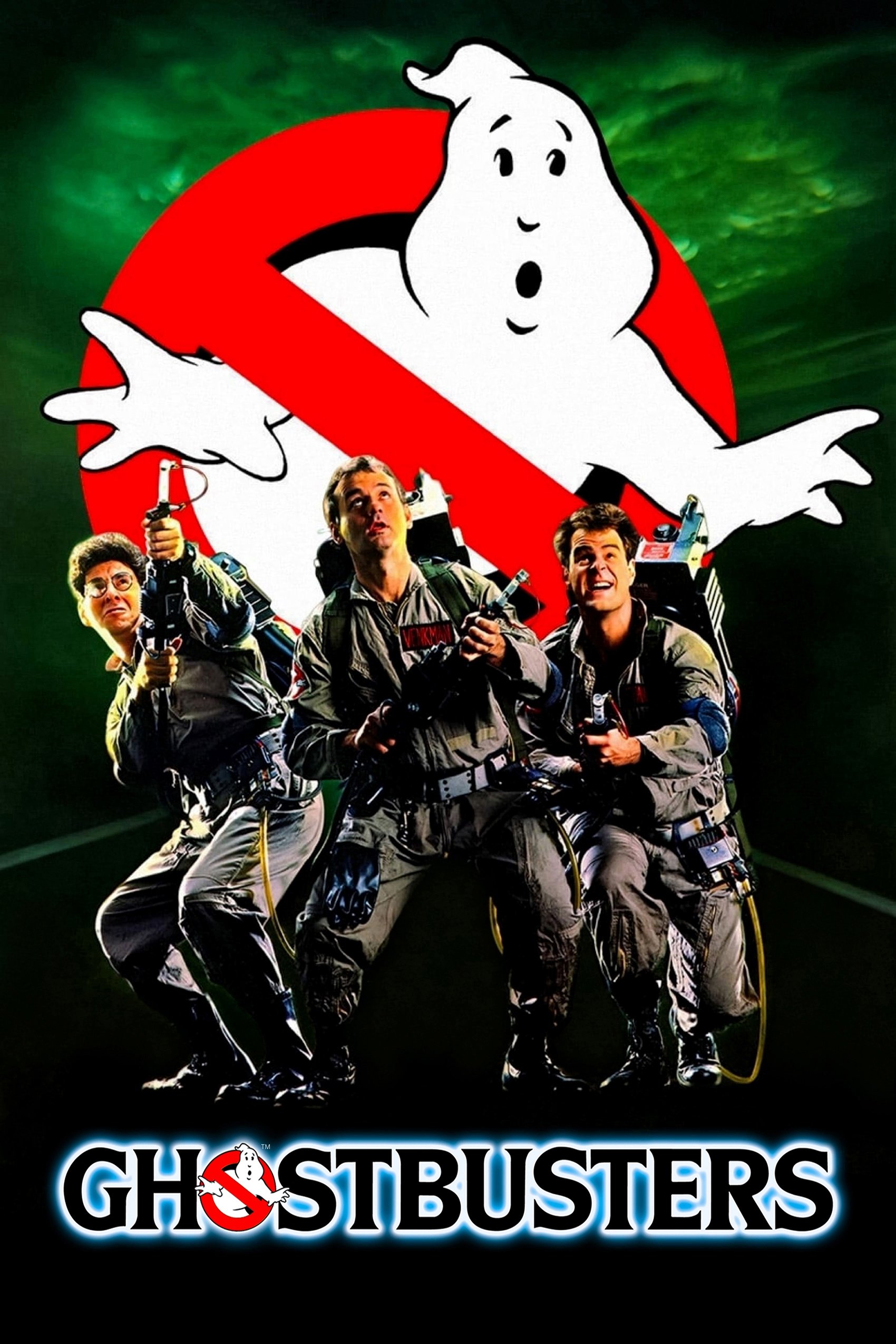
Ivan Reitman directed a cast led by Bill Murray, Dan Aykroyd, Harold Ramis, Sigourney Weaver, Rick Moranis, and Ernie Hudson. Boss Film Studios and practical-effects teams built miniatures and animatronics, including the Stay-Puft Marshmallow Man and library ghost, while New York City landmarks were used extensively for on-location scenes. Ray Parker Jr.’s theme song charted widely and became part of the brand’s identity.
The movie launched a multiformat franchise with ‘Ghostbusters II’, the animated series ‘The Real Ghostbusters’, multiple video games, and further sequels. Its mix of paranormal elements with workplace comedy influenced later genre hybrids and shaped the careers of its creative team.
‘This Is Spinal Tap’ (1984)
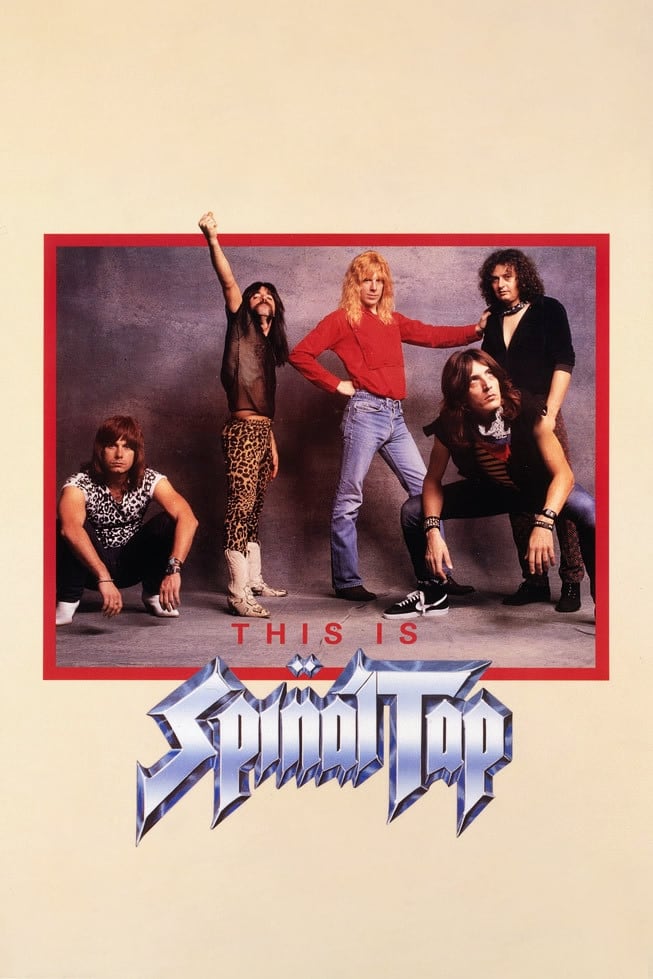
Rob Reiner’s mockumentary features Christopher Guest, Michael McKean, and Harry Shearer as members of a fictional British rock band. The cast developed the characters through extensive improvisation, with songs written and performed by the actors. Production used documentary techniques—handheld cameras, backstage interviews, and concert footage—to sell the illusion.
The film set a benchmark for the mockumentary format that later informed ‘Best in Show’, ‘Waiting for Guffman’, and television series like ‘The Office’. The band continued to appear in real-world performances, blurring the line between fiction and reality and making ‘Spinal Tap’ a continuing cultural reference point.
‘Beverly Hills Cop’ (1984)

Directed by Martin Brest, this action-comedy stars Eddie Murphy as Detroit detective Axel Foley, with Judge Reinhold, John Ashton, and Lisa Eilbacher supporting. Harold Faltermeyer composed the synth-driven score anchored by ‘Axel F’, and the production split shooting between Detroit and Southern California. The film’s action sequences combined practical stunts with location work on Rodeo Drive and studio backlots.
It became a major box-office success for Paramount and led to multiple sequels. The character of Axel Foley became one of Murphy’s signature roles, and the theme’s electronic sound helped define the musical palette of action comedies that followed.
‘Fletch’ (1985)
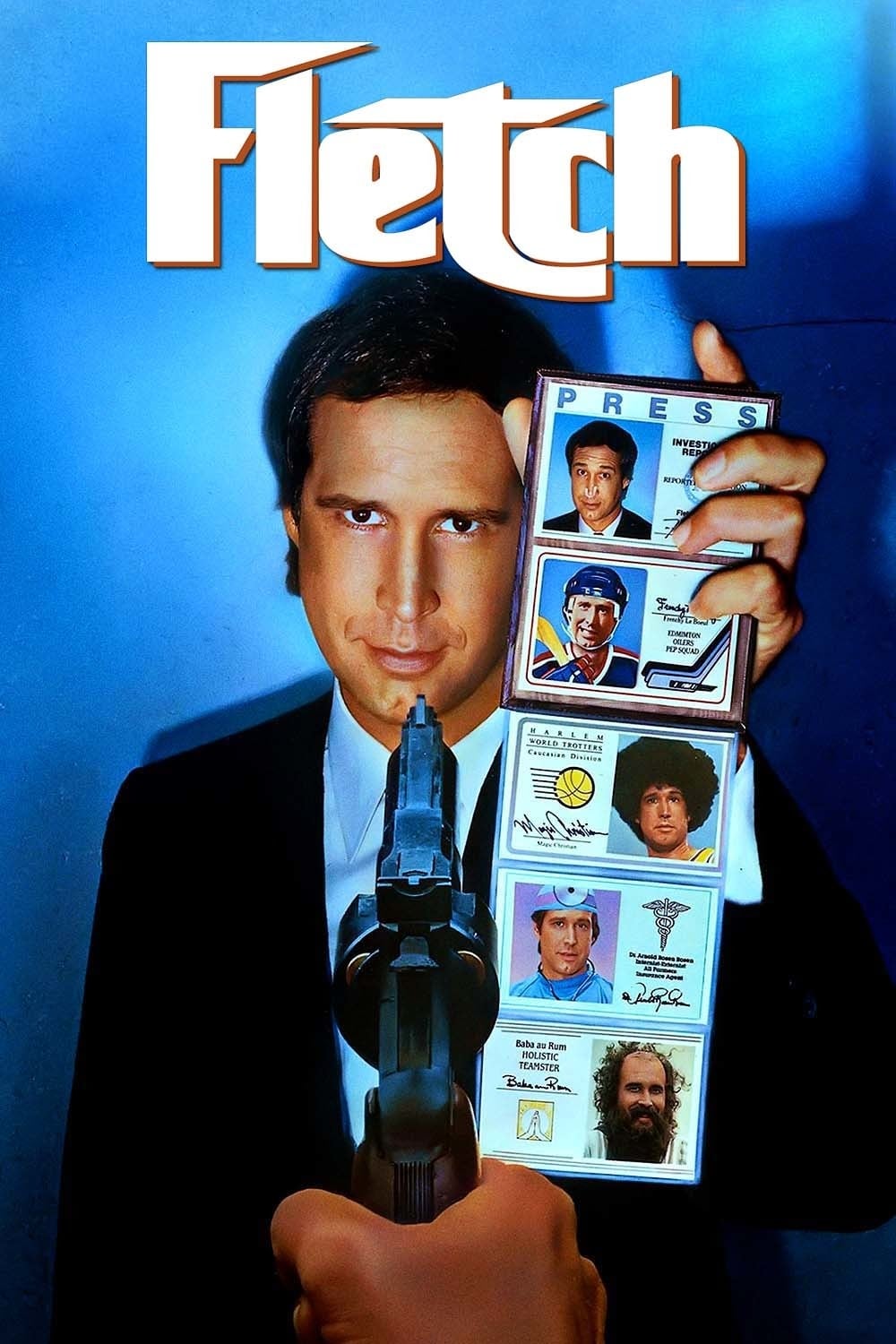
Based on Gregory Mcdonald’s mystery novels, Michael Ritchie’s film casts Chevy Chase as investigative reporter Irwin M. Fletcher. The plot moves between beach encampments and country-club settings as Fletch uncovers an insurance scheme, with the protagonist’s disguises providing an engine for undercover sequences. Harold Faltermeyer contributed the score, complementing a soundtrack of era-appropriate tracks.
The movie spawned ‘Fletch Lives’ and, much later, a separate screen continuation of the character in ‘Confess, Fletch’. Its blend of mystery plotting with newsroom detail has made it a reference point for journalists-as-sleuths stories, and it helped keep Mcdonald’s book series in circulation with new readers.
‘Back to the Future’ (1985)
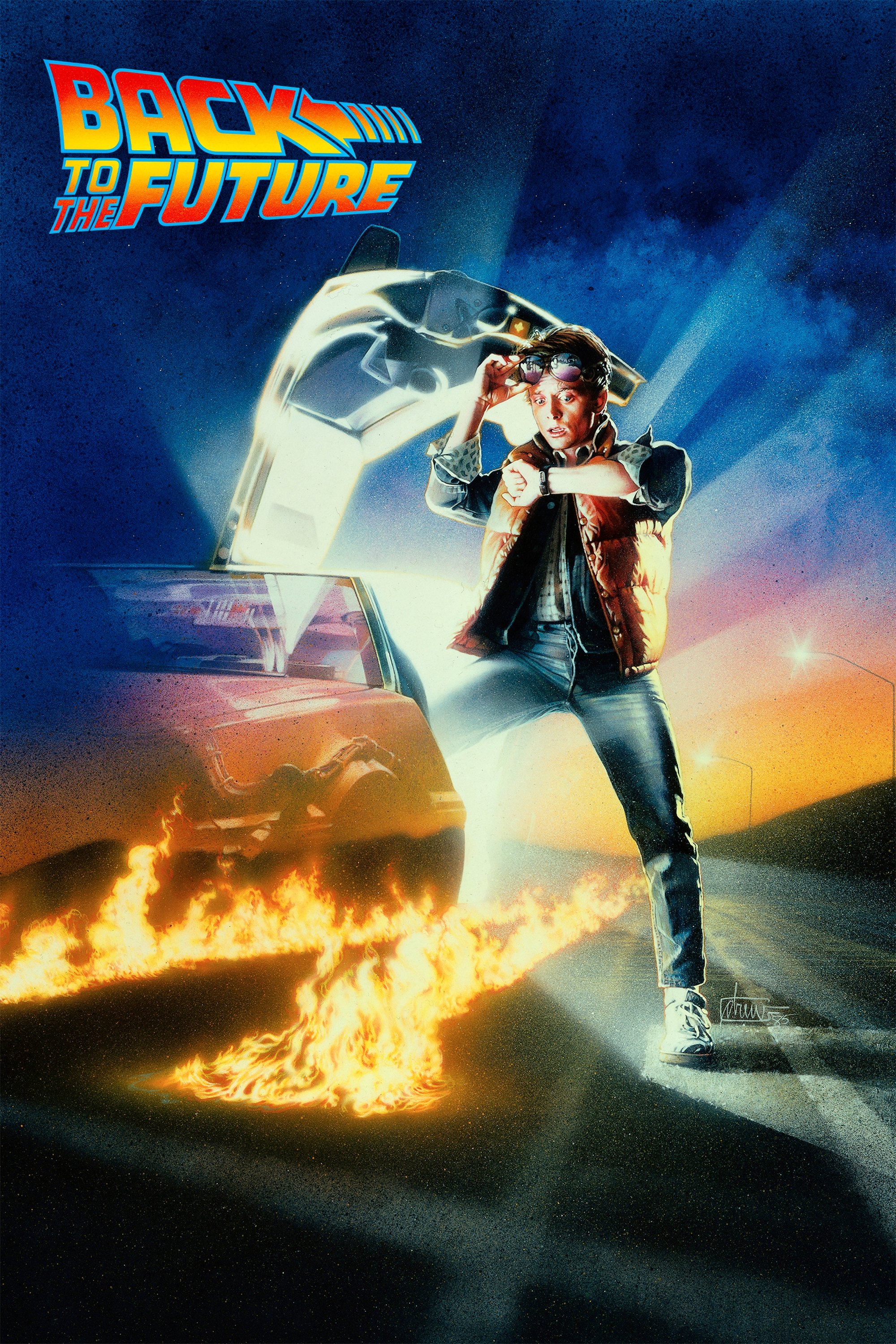
Robert Zemeckis directed this time-travel comedy starring Michael J. Fox and Christopher Lloyd, with Lea Thompson and Crispin Glover. The DeLorean time machine was built from a stainless-steel sports car modified with practical props and lighting, and Industrial Light & Magic contributed effects work that combined optical compositing with live-action plates. Alan Silvestri composed the orchestral score, and Huey Lewis and the News provided hit songs used diegetically.
Universal Pictures and Amblin produced the film and two sequels, plus an animated series and a stage musical adaptation. The production schedule famously overlapped with television commitments for its lead, requiring night shoots and logistical juggling that shaped how the movie was filmed.
‘The Goonies’ (1985)
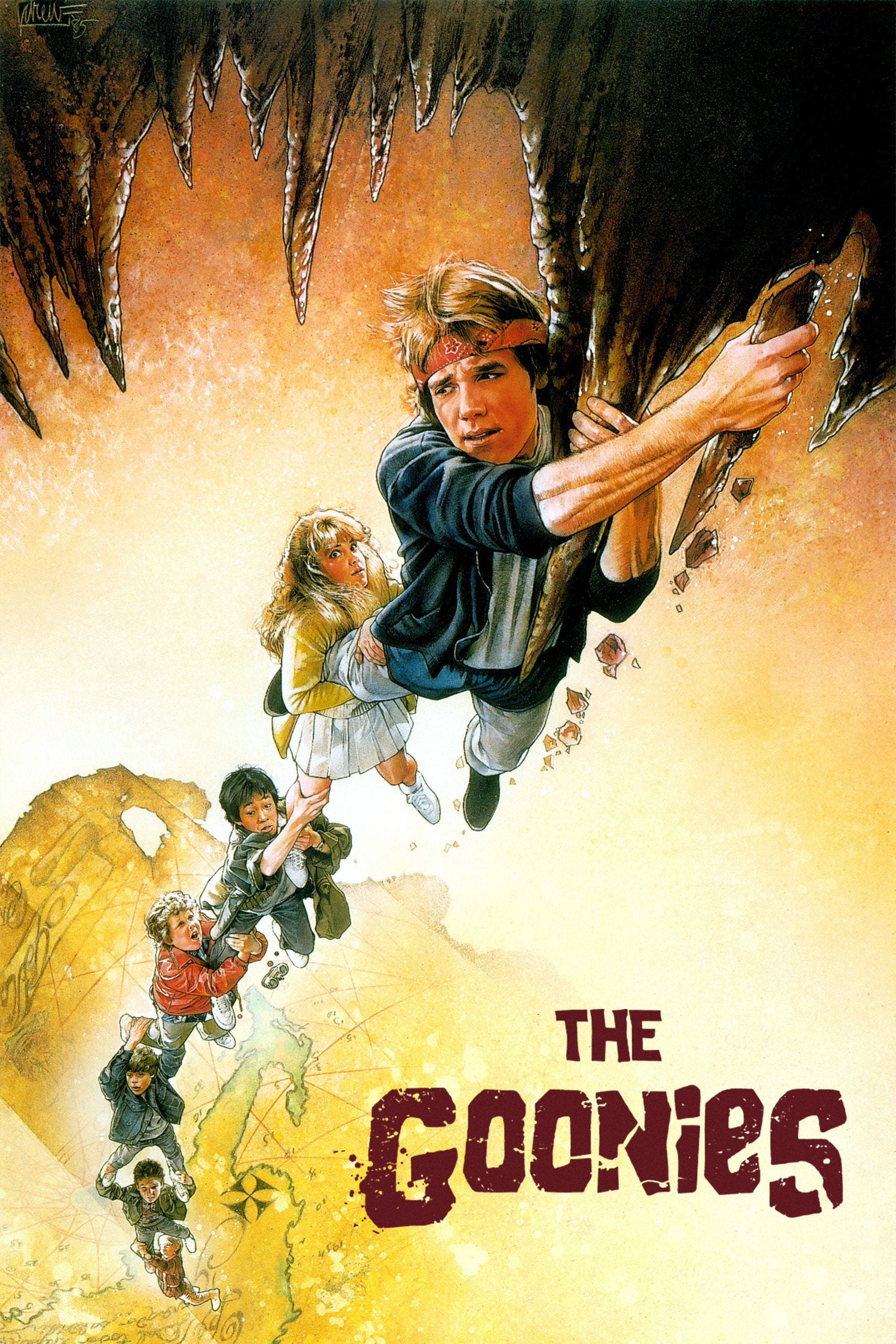
Directed by Richard Donner and produced by Steven Spielberg, this adventure-comedy follows a group of kids searching for pirate treasure. The production built a full-scale pirate ship for interior and exterior scenes, using large water tanks for stunts and practical set pieces for trap sequences. Location filming in Astoria, Oregon, provided the coastal town backdrop.
The ensemble launched or accelerated several young actors’ careers, including Sean Astin, Josh Brolin, and Corey Feldman. Music tie-ins, including a Cyndi Lauper single and a themed music video with cast appearances, supported the release and kept the movie in rotation on music television alongside its theatrical run.
‘Ferris Bueller’s Day Off’ (1986)

John Hughes wrote and directed this Chicago-set comedy starring Matthew Broderick, Mia Sara, and Alan Ruck. The production shot at landmarks such as the Art Institute of Chicago, Wrigley Field, and the Sears Tower’s observation deck, and it staged a downtown parade sequence choreographed to ‘Twist and Shout’. The Ferrari seen on screen was represented by replicas to protect an original collector vehicle during stunt work.
The film’s direct-address narration and fourth-wall breaks influenced later teen and workplace comedies. Its needle-drop soundtrack and city-as-character approach helped boost Chicago’s profile as a filming location and cemented Hughes’s association with the region.
‘Real Genius’ (1985)
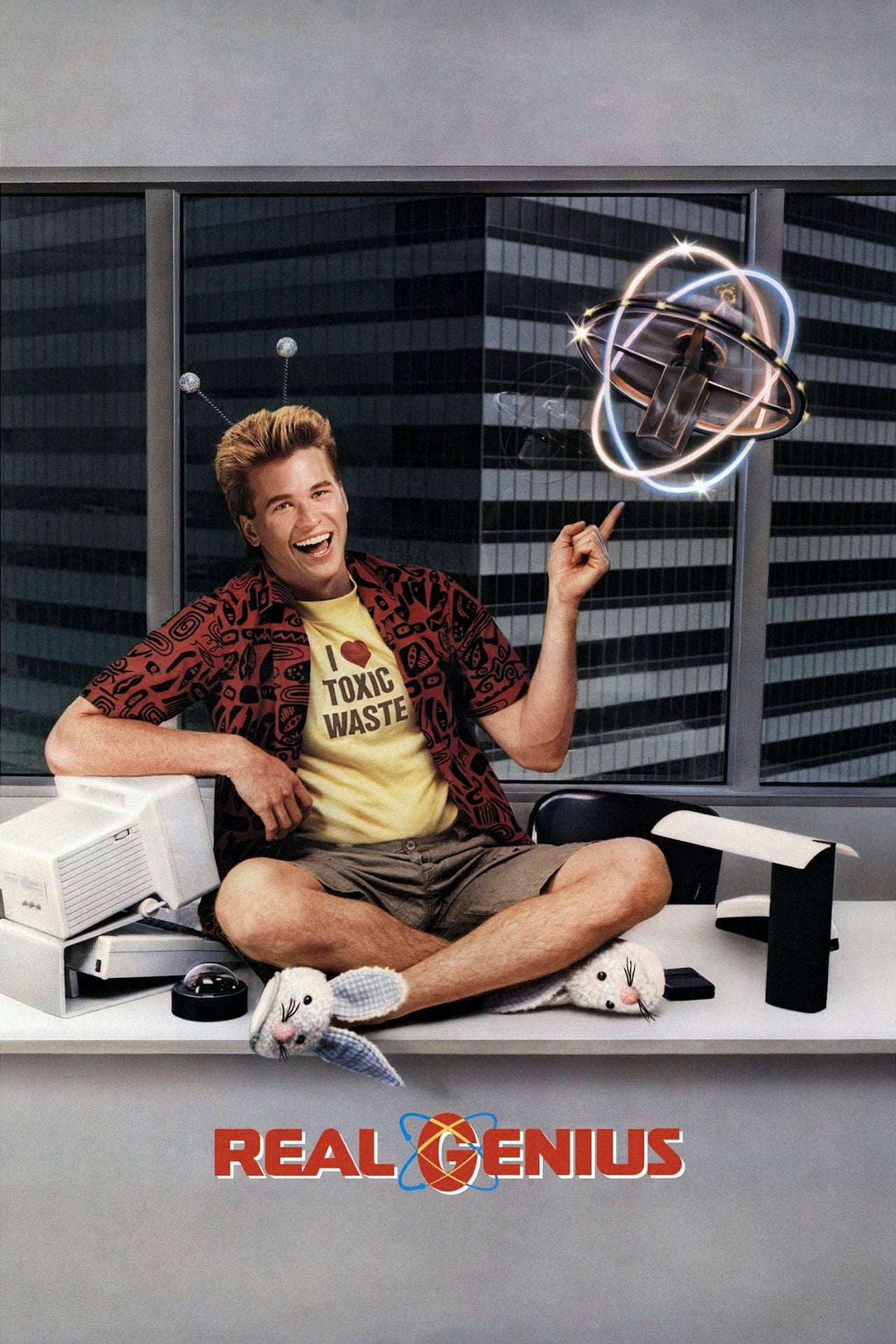
Martha Coolidge directed this campus-comedy about prodigy researchers developing a high-powered laser at a technical university. The production consulted scientific advisors to design believable lab equipment, and it built functional props to stage beam tests and optical experiments. Val Kilmer and Gabriel Jarret led the cast, with filming on Southern California campuses standing in for the fictional school.
The finale’s popcorn sequence employed large-scale practical effects and precise miniature work to simulate a house fill with corn. The film is frequently cited in discussions of STEM portrayals on screen, and its soundtrack features period-defining tracks, including the end-credits use of ‘Everybody Wants to Rule the World’.
‘The Princess Bride’ (1987)
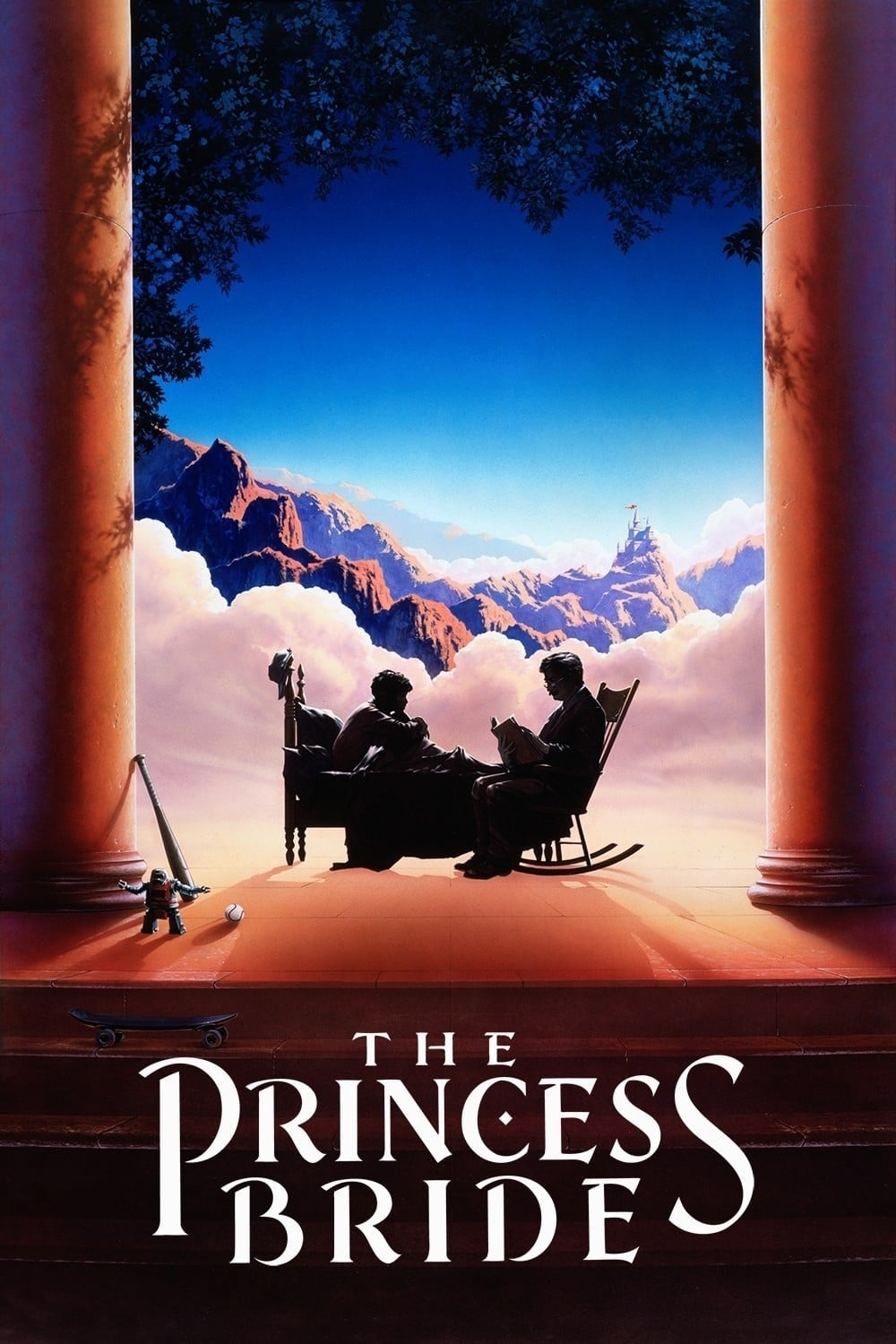
Adapted by William Goldman from his own novel and directed by Rob Reiner, this fantasy-adventure comedy stars Cary Elwes, Robin Wright, Mandy Patinkin, Wallace Shawn, and André the Giant. Swordplay sequences were choreographed by fencing master Bob Anderson, whose work emphasized different styles for each character. The production filmed in the United Kingdom and Ireland, using real cliffs, forests, and castle exteriors for texture.
The movie’s frame narrative, with Peter Falk and Fred Savage, structures the story as a tale read aloud, allowing for commentary during the action. It has been widely quoted and referenced, and the mixture of romance, adventure, and dry humor influenced later genre-blending films and stage adaptations.
‘Planes, Trains and Automobiles’ (1987)
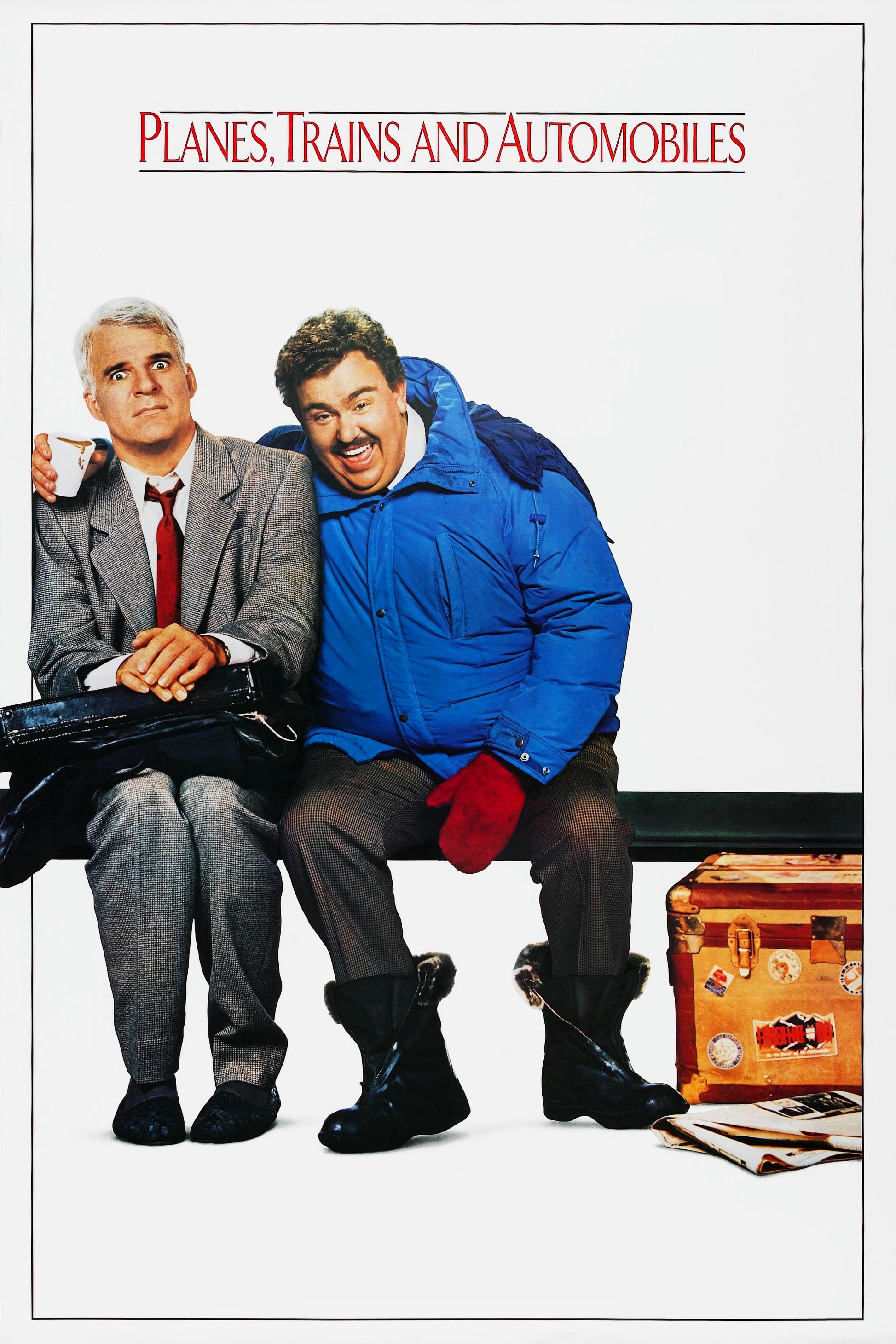
Written and directed by John Hughes, this road-trip comedy pairs Steve Martin and John Candy as mismatched travelers trying to get home for the holidays. The production shot across multiple states to capture airports, highways, and small-town motels, and it built a burned-out car version of the pair’s rental for continuity in later scenes. Casting placed Martin’s uptight executive opposite Candy’s chatty shower-curtain-ring salesman to structure the film’s odd-couple rhythm.
The movie is frequently broadcast during late-autumn holidays, and its travel mishaps have been used in airline and hospitality case studies about service breakdowns and passenger experiences. Hughes’s script balances set-piece gags with dialogue-driven scenes that showcase both stars.
‘Coming to America’ (1988)
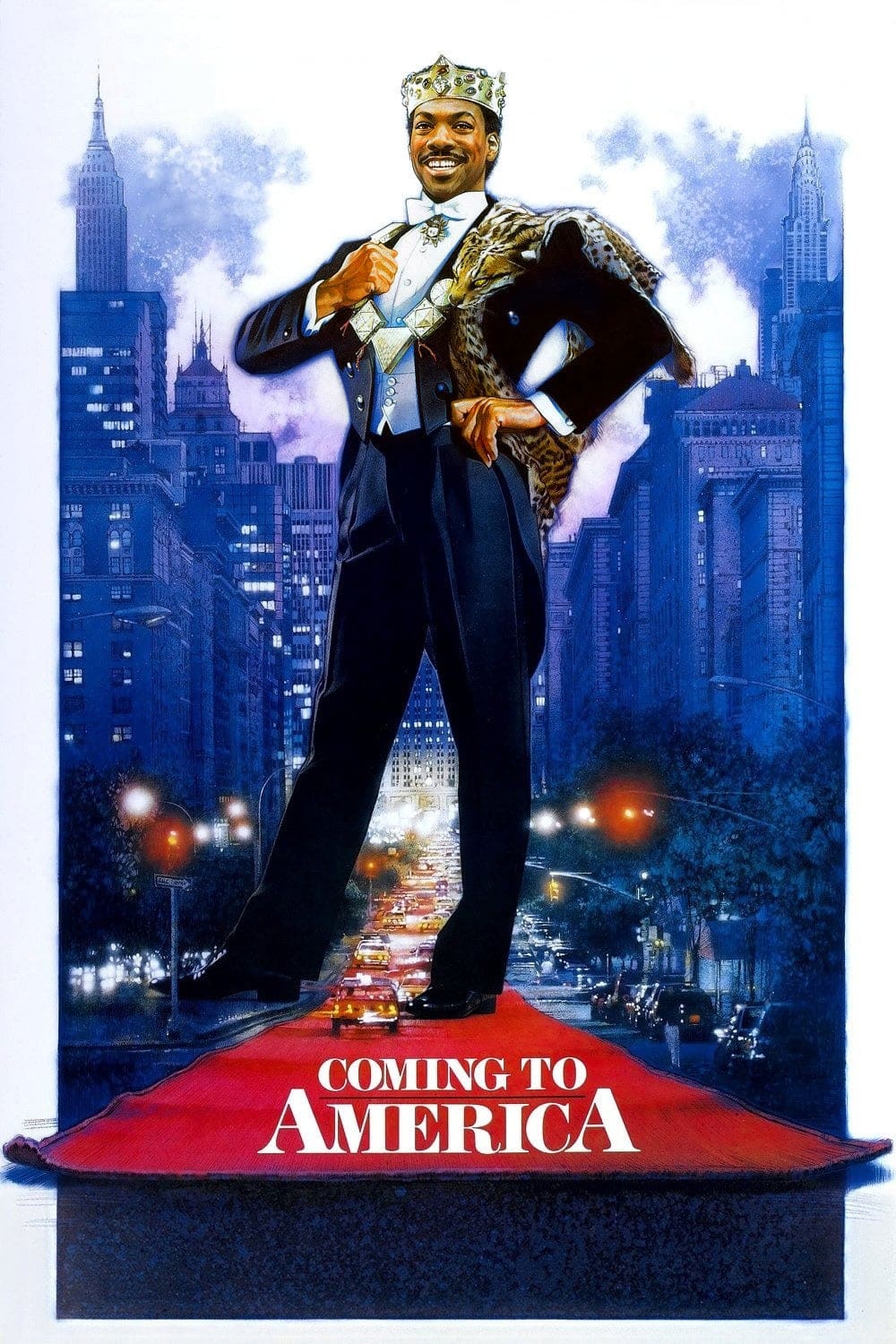
John Landis directed this culture-clash comedy starring Eddie Murphy and Arsenio Hall, who each played multiple characters with the help of makeup artist Rick Baker. Queens, New York locations were used alongside sets for the fictional kingdom of Zamunda, and costuming blended regal African aesthetics with New York streetwear to emphasize contrast. The cast included James Earl Jones, John Amos, and Shari Headley.
The film’s box-office performance led to a sequel and continued interest in the Zamunda setting across promotional tie-ins. Its barbershop and fast-food sequences became recurring sketches for Murphy and Hall, and the film reconnected the director with actors from ‘Trading Places’ through character-based cameos.
‘A Fish Called Wanda’ (1988)
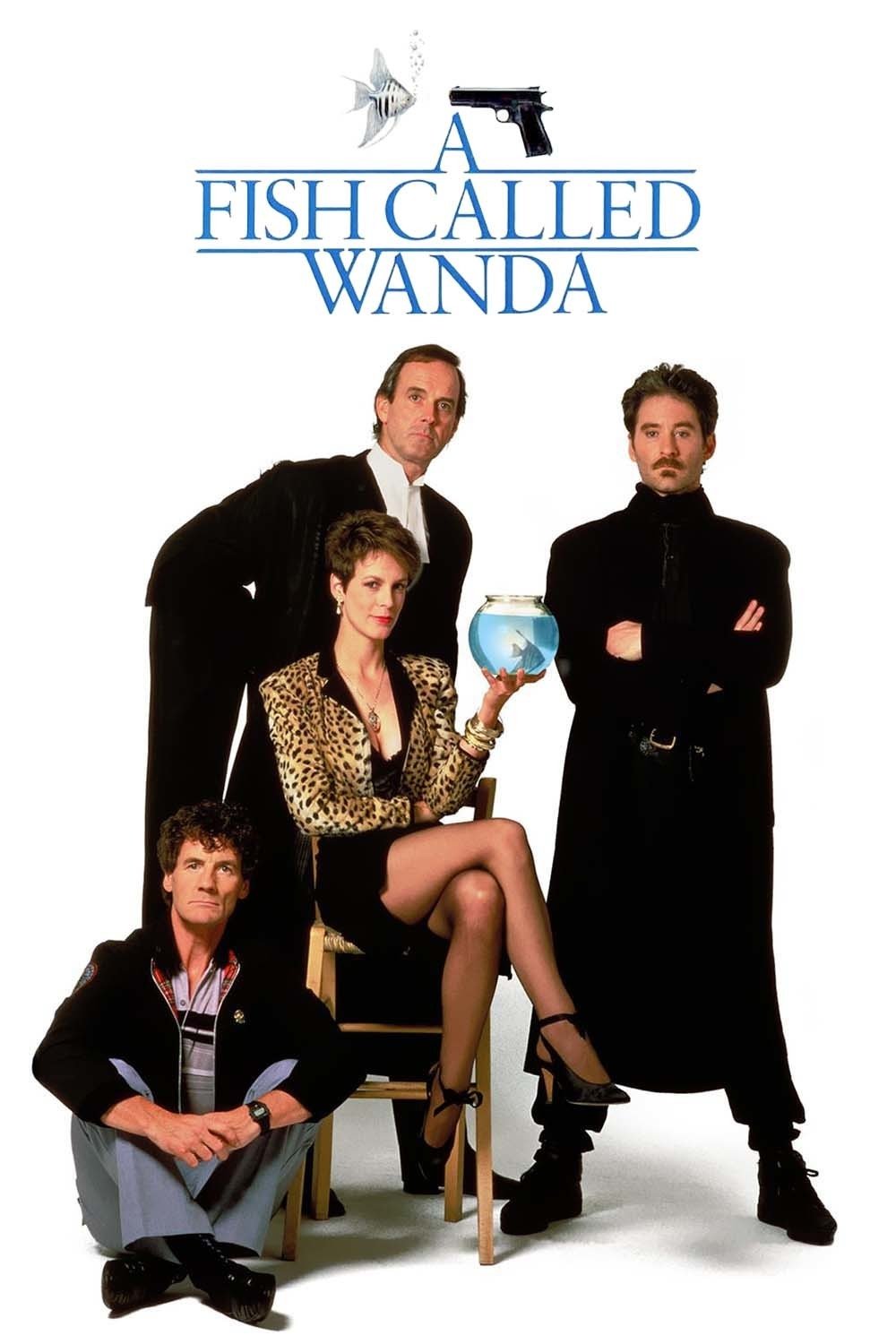
Directed by Charles Crichton with John Cleese as co-writer, this heist-comedy stars Jamie Lee Curtis, Kevin Kline, Michael Palin, and Cleese. London locations and courtroom sets ground the caper, with Kline’s performance earning an Academy Award for Supporting Actor. The movie balances an ensemble of cross-purposed criminals with a barrister drawn into their orbit.
The presence of multiple Monty Python veterans drew attention to the project while distinguishing it from official Python productions. Its blend of legal farce and crime plotting has been a touchpoint for later ensemble comedies, and it led to the spiritual follow-up ‘Fierce Creatures’ with much of the same team.
‘When Harry Met Sally…’ (1989)

Rob Reiner directed and Nora Ephron wrote this New York-set romantic comedy starring Billy Crystal and Meg Ryan. The production used real city locations—Washington Square Park, Katz’s Delicatessen, and Central Park—to track the evolving relationship across chance meetings and planned outings. Carrie Fisher and Bruno Kirby rounded out the principal cast.
The film earned awards attention, including an Academy Award nomination for Original Screenplay. The restaurant scene became one of the most referenced moments in modern romantic comedies, and the movie shaped the structure and dialogue style of later Ephron projects as well as subsequent entries in the genre.
Share your own favorites and the titles you think belong on this list in the comments!

