


1980s Movies that Are Impossible to Remake Today

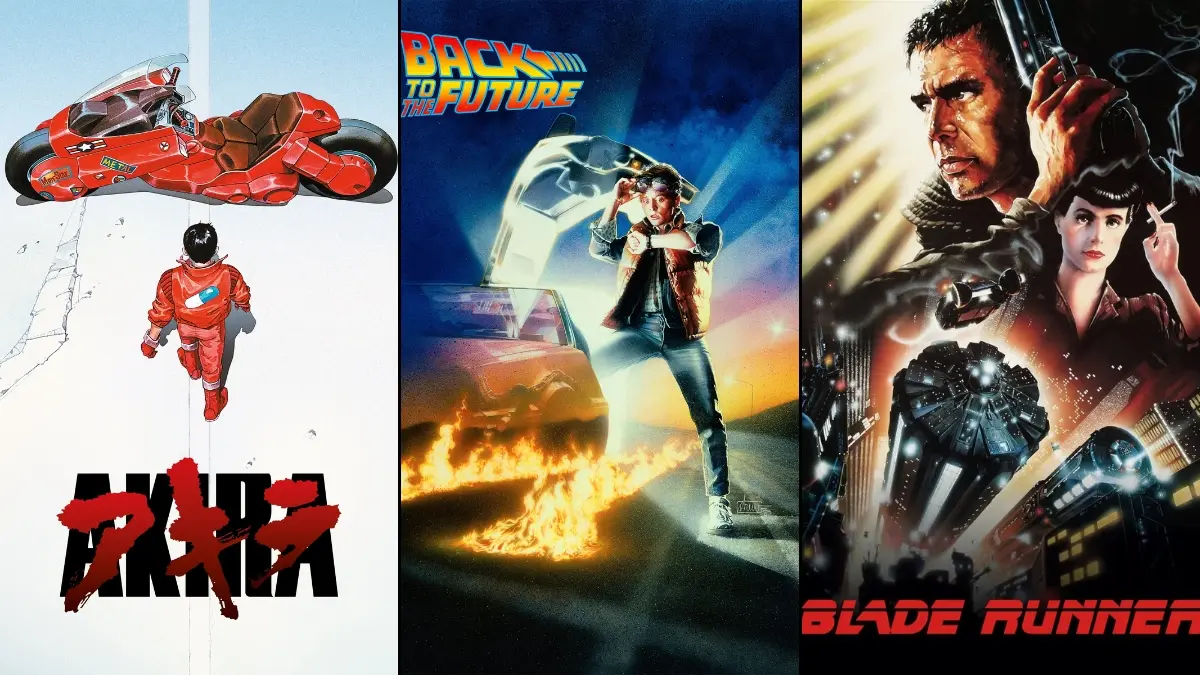


Some films are built from production choices so specific—locations, formats, craftspeople, and workflows—that recreating them would change the result entirely. The 1980s packed the decade with projects whose identities were forged by practical effects, unusual financing paths, and crews who devised custom solutions before digital pipelines existed.
Below is a focused look at the behind-the-scenes ingredients that shaped these titles: where they were shot, how they were designed, who built the effects, how the music was recorded, and which editorial or studio decisions locked in their final forms.
‘Blade Runner’ (1982)
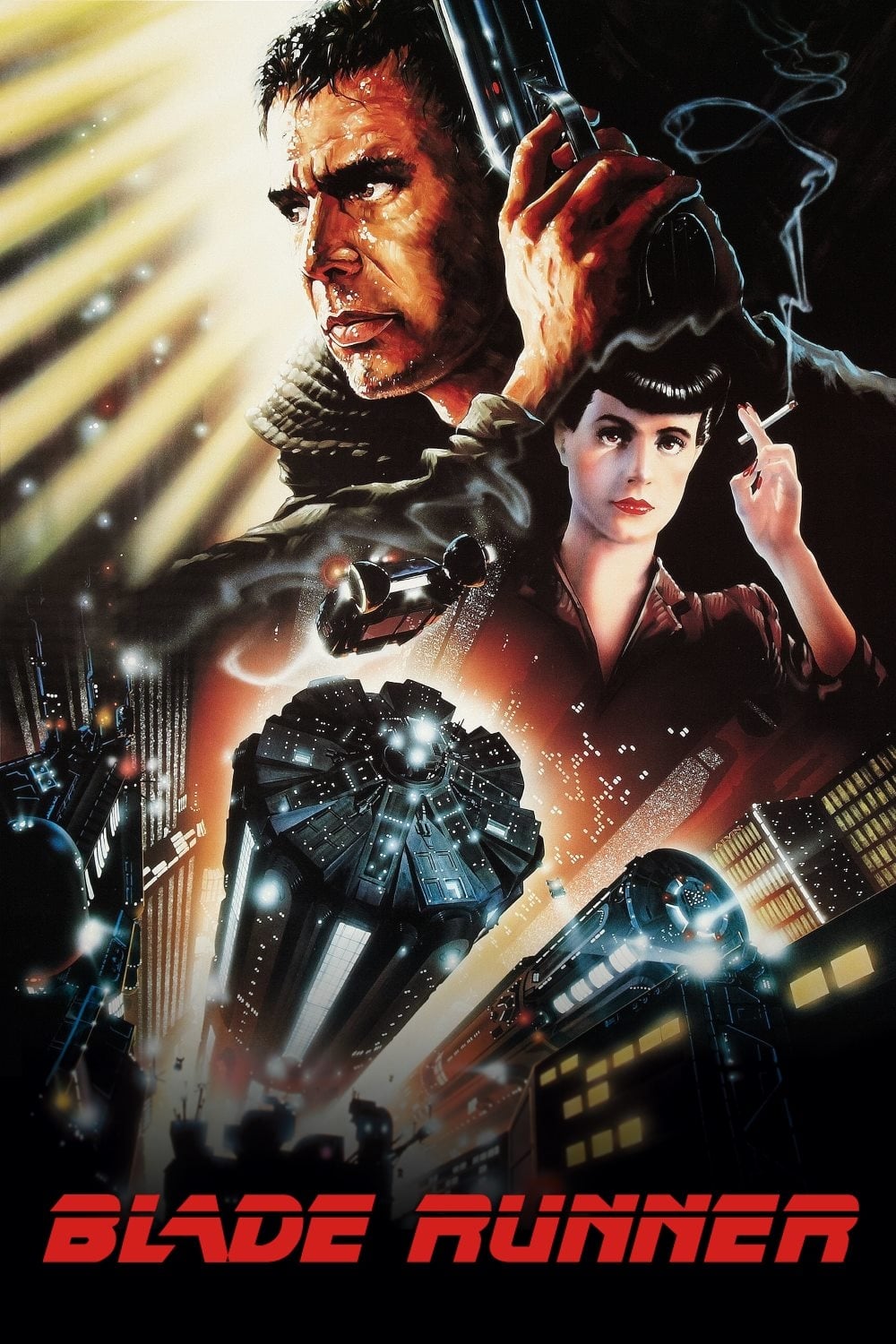
Ridley Scott directed an adaptation of a Philip K. Dick novel with production design by Lawrence G. Paull and art direction by David L. Snyder, building dense urban sets on a studio backlot with rain rigs, neon signage, and extensive miniature photography supervised by Douglas Trumbull. Cinematographer Jordan Cronenweth’s high-contrast lighting and Vangelis’s electronic score anchored the film’s look and sound, with Warner Bros. handling distribution.
Industrial Light & Magic and practical in-camera effects were combined through optical printing to integrate miniatures, matte paintings, and live-action plates. Multiple studio-mandated edits resulted in several distinct cuts, and costume designers Michael Kaplan and Charles Knode created a noir-futurist wardrobe that became integral to the visual design.
‘Back to the Future’ (1985)
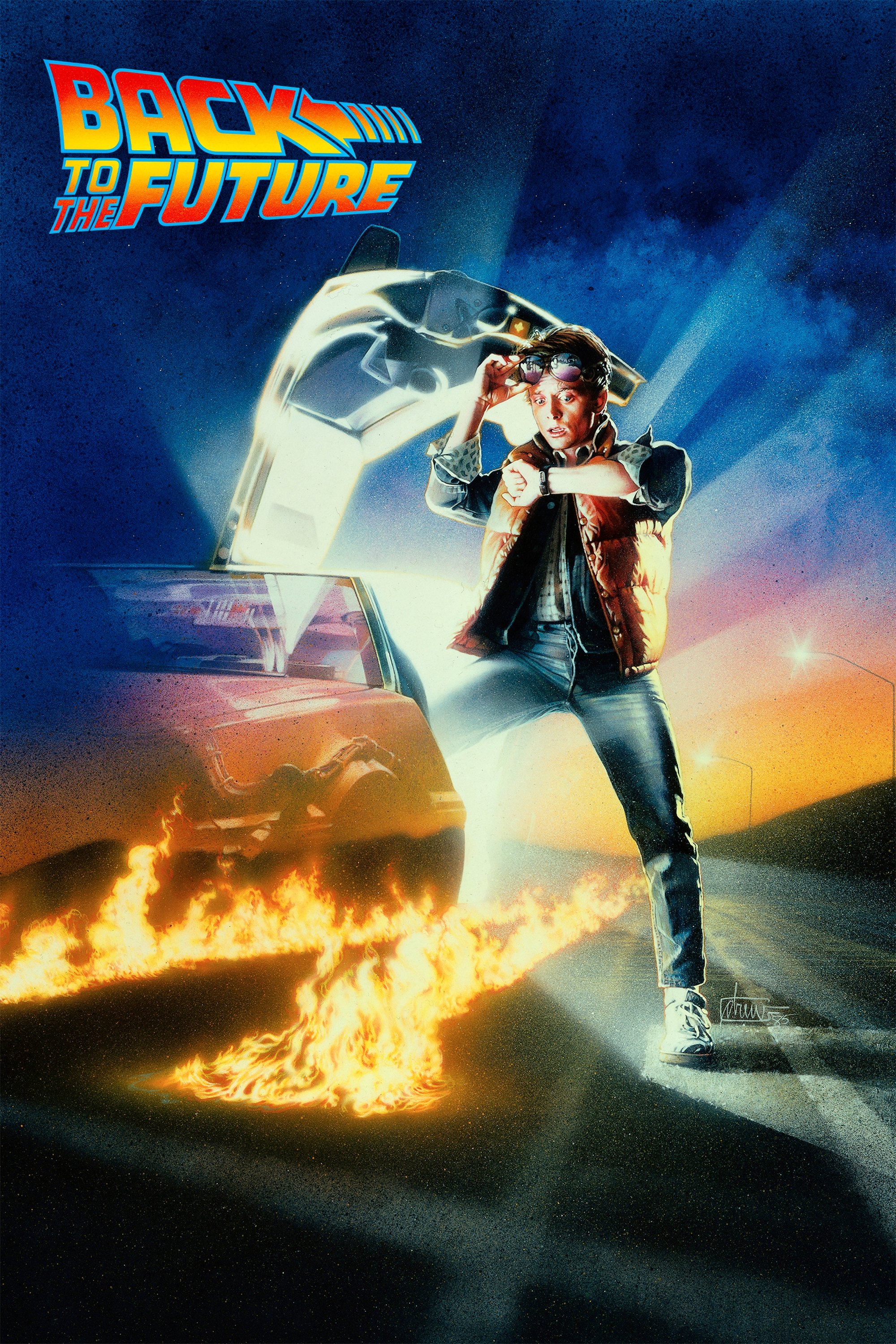
Robert Zemeckis directed and co-wrote the screenplay with Bob Gale, with Steven Spielberg executive producing through Amblin and Universal overseeing release. The Hill Valley town square was staged on Universal’s Courthouse Square set, and the hero DeLorean was engineered with practical rigging for on-camera effects, while Alan Silvestri recorded a symphonic score that supported the film’s pacing.
Industrial Light & Magic supplied optical composites for time-travel imagery, and Dean Cundey’s cinematography favored bright key lighting to support sight gags and practical stunts. Location work included suburban neighborhoods and a real high school campus, with editorial completed on a tight schedule after a lead-actor change early in production.
‘E.T. the Extra-Terrestrial’ (1982)
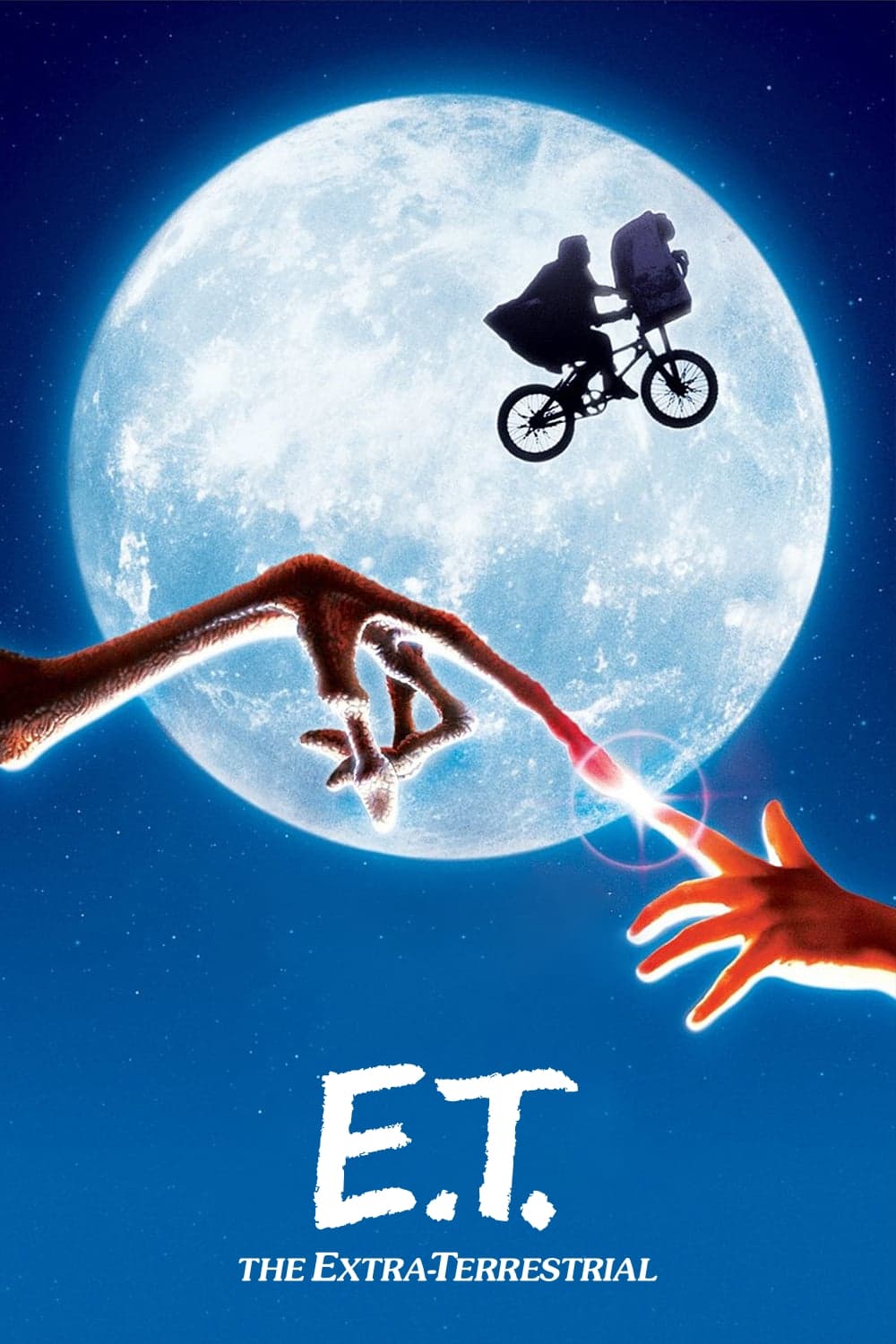
Steven Spielberg worked from Melissa Mathison’s screenplay for Universal, aligning story structure closely with John Williams’s orchestral cues recorded against near-final picture. Carlo Rambaldi’s workshop produced multiple animatronic and puppet units for the title character, each specialized for walking, facial nuance, or hand articulation, coordinated by on-set puppeteers.
Allen Daviau’s cinematography used smoke, bounce light, and controlled night exteriors to ground the suburban setting. Practical neighborhood locations in Southern California provided interiors and streets, and Industrial Light & Magic delivered optical composites for flight and spacecraft elements to integrate with second-unit aerial plates.
‘The Breakfast Club’ (1985)

John Hughes wrote and directed for A&M Films and Universal, repurposing an out-of-use high school into a functioning library set with removable walls and working ceilings to accommodate complex blocking. The production schedule emphasized long rehearsal and coverage inside the same environment to maximize performance continuity.
Editor Dede Allen shaped extended dialogue scenes into a tight cut, and music supervision selected needle-drops consistent with youth-market radio of the period. Casting centered on a small ensemble drawn from Hughes’s recurring collaborators, while art and wardrobe departments maintained a consistent visual language across the single-location structure.
‘Ferris Bueller’s Day Off’ (1986)
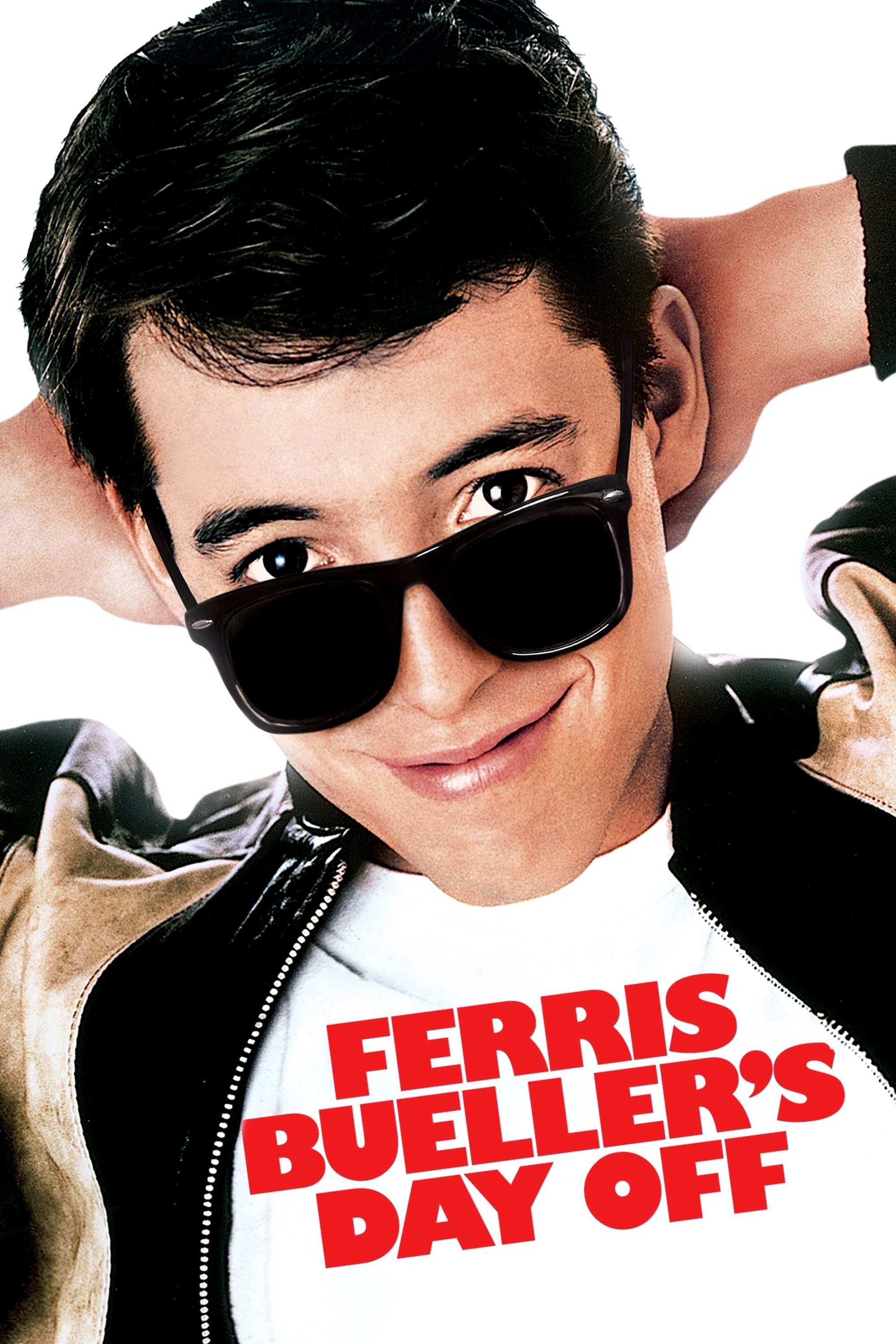
John Hughes wrote and directed for Paramount, executing a city-wide company move across Chicago that included the Art Institute of Chicago, Wrigley Field, and a real downtown parade staged with choreographed performers and large extras calls. Tak Fujimoto’s cinematography captured bright daylight exteriors and stylized interiors without sacrificing schedule efficiency.
Production designer John W. Corso balanced controlled sets with practical homes and streets selected for continuity along the characters’ route. The editorial plan incorporated fourth-wall addresses and tightly timed musical cues requiring early rights clearances and close collaboration between cutting rooms and the music team.
‘Die Hard’ (1988)
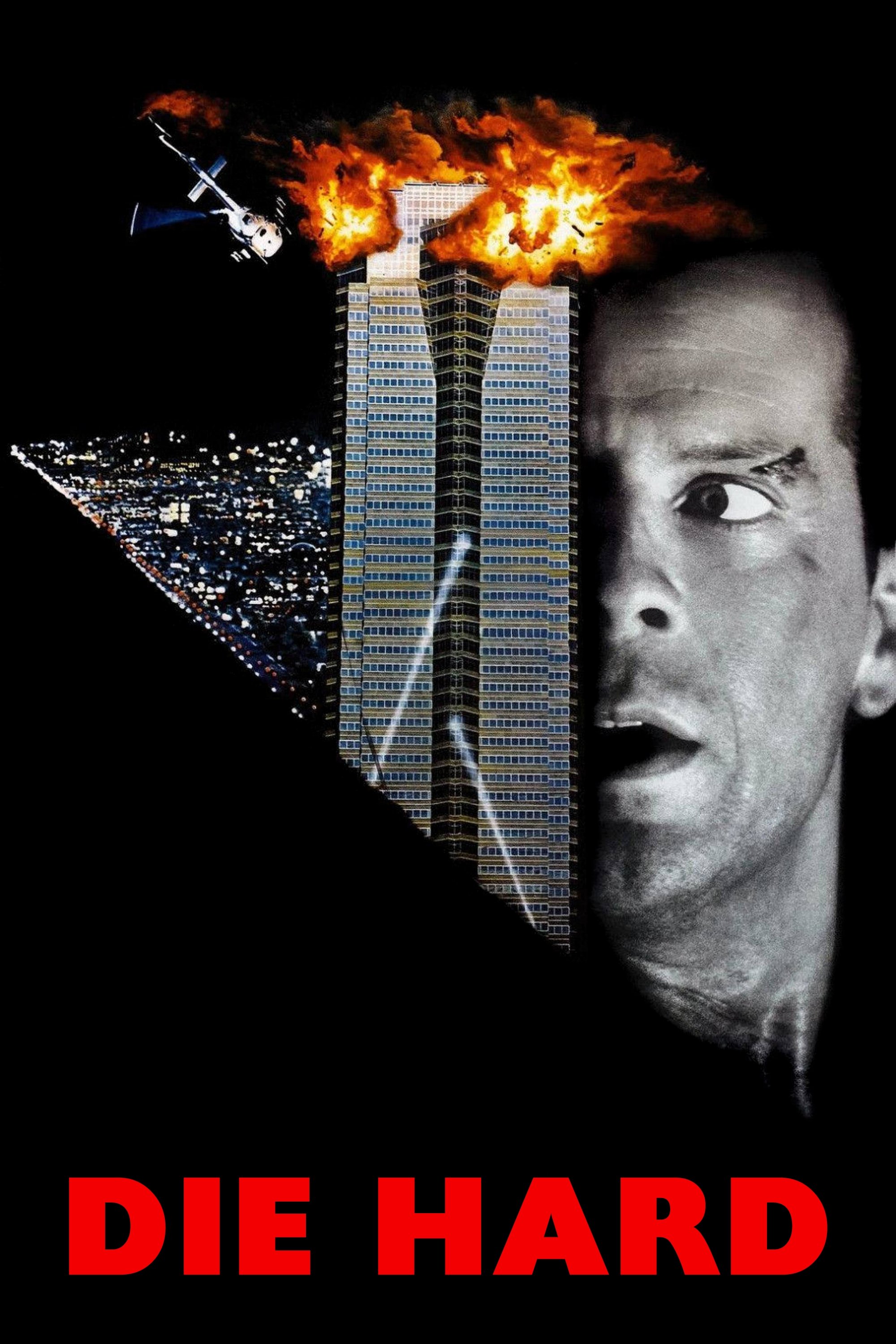
John McTiernan directed for 20th Century Fox, using Fox Plaza as a primary location and designing multi-floor action geography around elevators, stairwells, and office interiors. Jan de Bont’s cinematography, Michael Kamen’s score, and practical pyrotechnics supported a plan that combined on-location work with stage-built sections for destructive gags.
The screenplay by Jeb Stuart and Steven E. de Souza adapted Roderick Thorp’s novel, with editor Frank J. Urioste managing cross-cutting among simultaneous storylines on different floors. Miniatures handled exterior destruction, and the sound mix balanced English and German dialogue with gunfire recorded and sweetened for theatrical formats.
‘The Thing’ (1982)
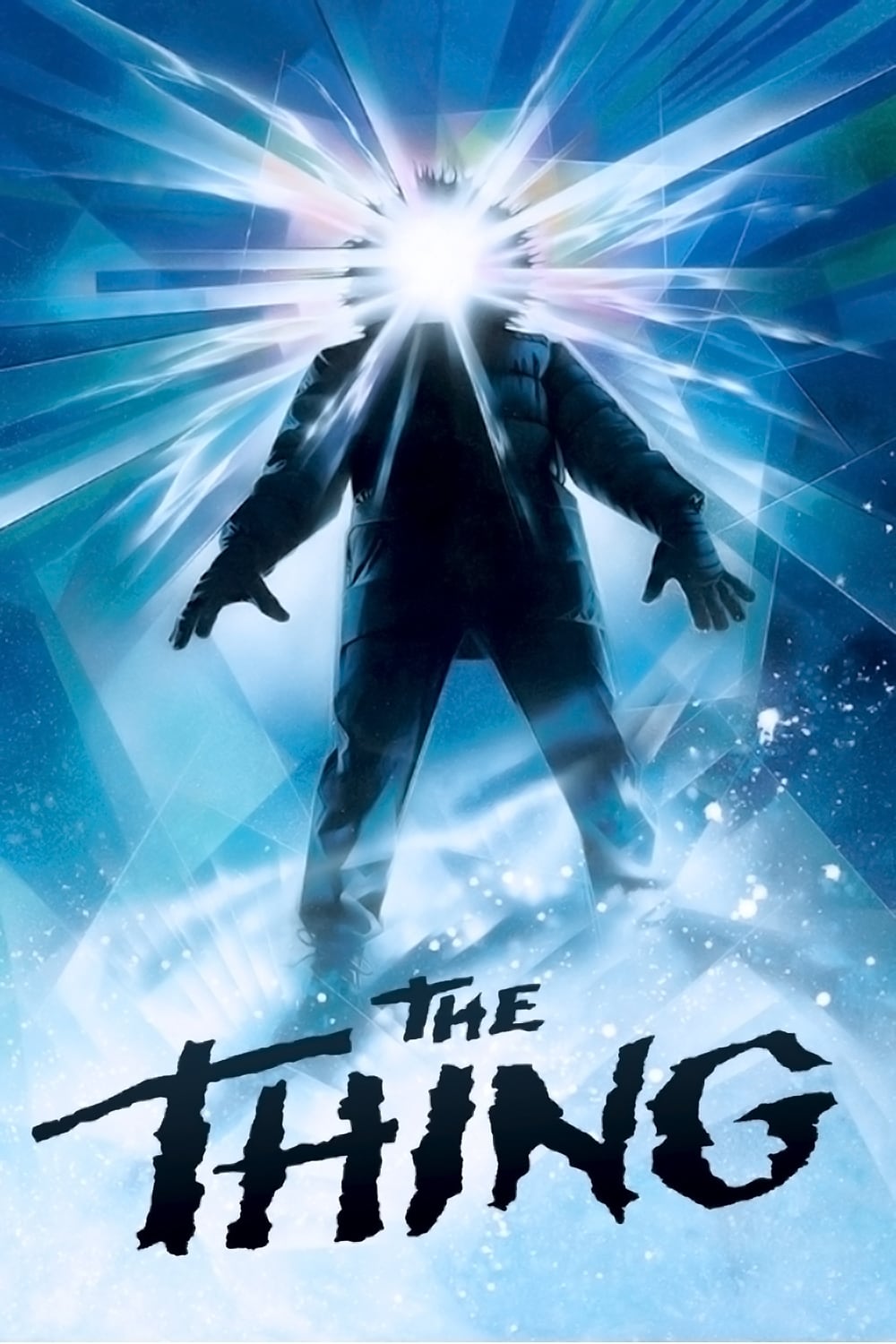
John Carpenter directed for Universal, staging principal photography in remote snowbound locations and on soundstages dressed as an isolated research outpost. Dean Cundey’s cinematography used low-key lighting and gels to control visibility within cold interiors, while Ennio Morricone provided spare, rhythmic music cues recorded to final picture.
Rob Bottin supervised practical creature effects, creating transformation rigs, articulated puppets, and viscous on-set elements integrated during production rather than as post-only solutions. The art department constructed a full exterior camp designed to be demolished on camera, and editor Todd Ramsay cut sequences around effects timing and suspense beats.
‘Aliens’ (1986)
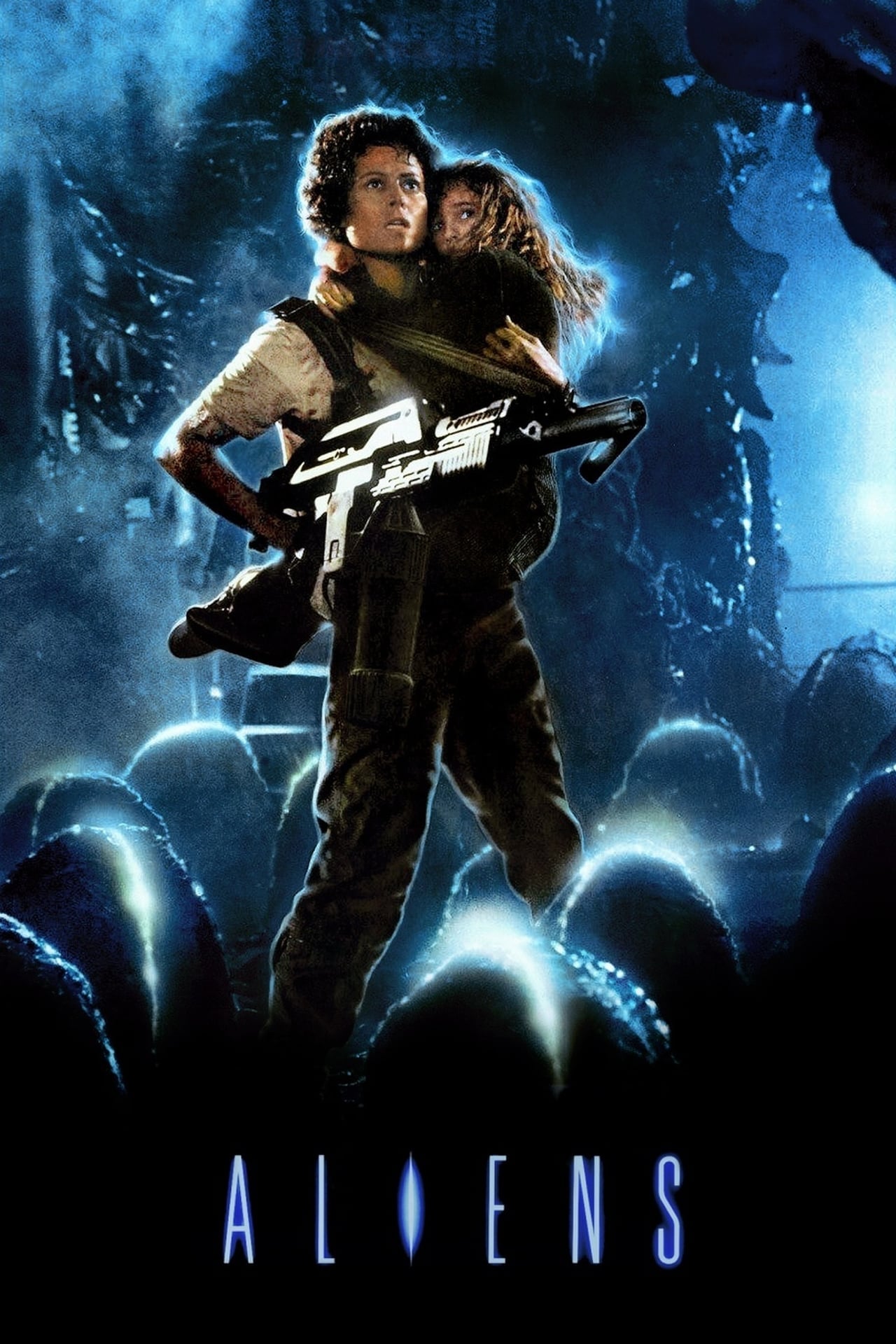
James Cameron directed for 20th Century Fox with Gale Anne Hurd producing, basing production at Pinewood Studios with large corridor sets built for long takes and handheld movement. Stan Winston’s shop fabricated creature suits and a full-scale queen rig operated by multiple puppeteers, and Adrian Biddle’s cinematography favored haze and practical backlights.
The cast underwent unit-style training to standardize on-screen tactics, and armorers adapted blank-fire weapons with distinctive muzzle effects. Editor Ray Lovejoy structured extended action passages around practical explosions, and the sound team layered mechanical ambience and radio chatter into a dense mix.
‘The Shining’ (1980)
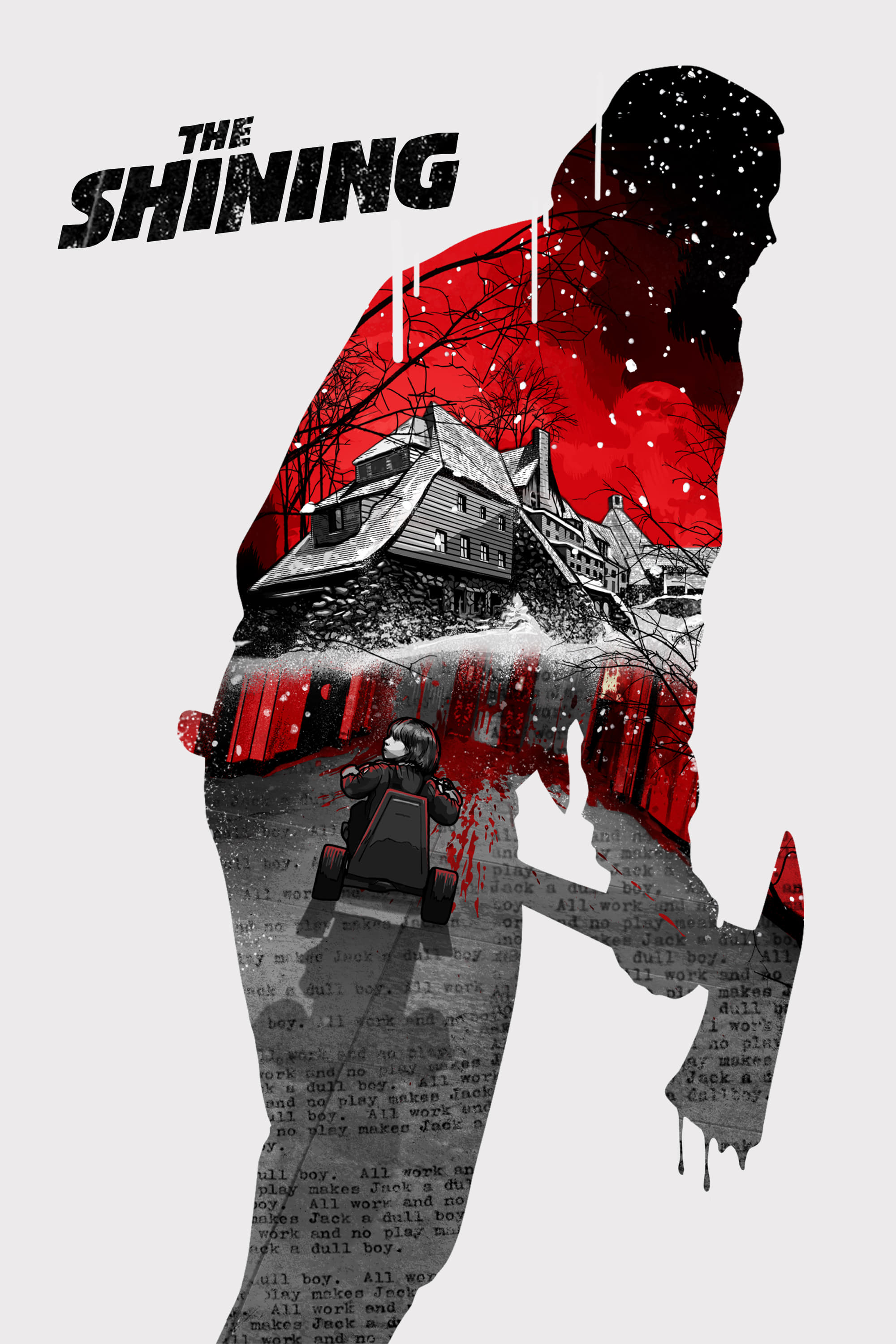
Stanley Kubrick directed and co-wrote with Diane Johnson for Warner Bros., constructing expansive hotel interiors at Elstree Studios with working ceilings to enable Steadicam moves. Garrett Brown operated the Steadicam extensively, and John Alcott’s lighting plan supported long, continuous takes across interconnected sets.
Exteriors were sourced from a real lodge used only for establishing imagery, while miniatures and matte work covered wide exterior views. Wendy Carlos and Rachel Elkind contributed electronic score elements, and editor Ray Lovejoy shaped the final structure according to Kubrick’s precise continuity requirements.
‘Full Metal Jacket’ (1987)
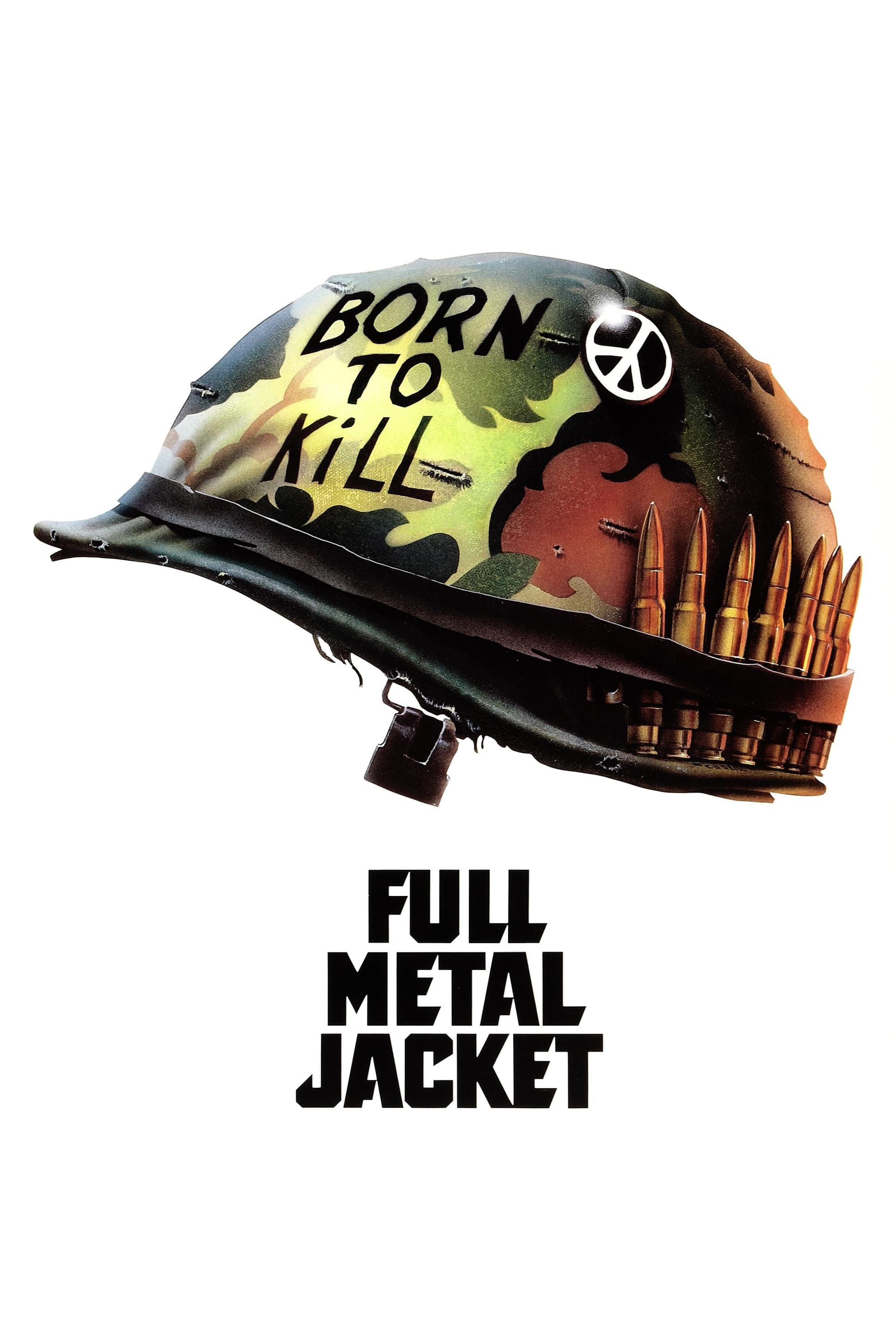
Stanley Kubrick staged boot-camp sequences on built sets and urban combat material in London’s Docklands, which were re-dressed to represent battle-damaged cityscapes. Douglas Milsome’s cinematography leaned on naturalistic lighting, and practical pyrotechnics were planned to be repeatable for multiple camera angles.
Technical adviser R. Lee Ermey was cast after demonstrating on-set authority, bringing authentic training procedures to the production. Editor Martin Hunter maintained a bifurcated structure that mirrors the screenplay’s two halves, and music supervision blended period tracks with original score cues.
‘Raging Bull’ (1980)
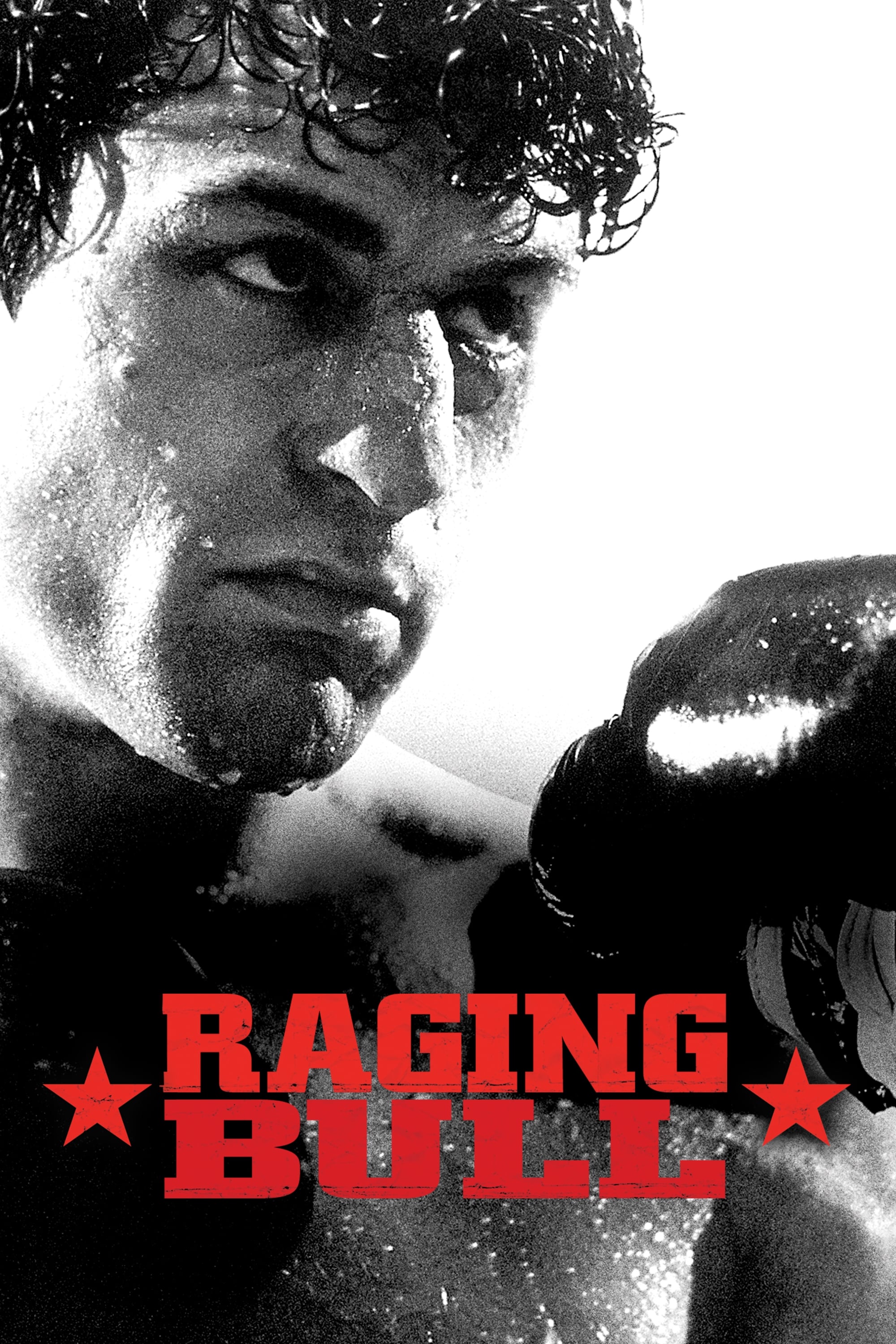
Martin Scorsese directed for United Artists from a screenplay by Paul Schrader and Mardik Martin, with Michael Chapman photographing primarily in black and white to control highlights and grain. Boxing sequences were storyboarded with specific visual strategies per bout, and large-format slow motion was used for selected moments.
Robert De Niro altered his physique between shoot blocks to represent different life stages, requiring wardrobe and makeup continuity planning. Thelma Schoonmaker’s editing emphasized in-ring choreography alongside domestic scenes, and the sound team built stylized punch effects and crowd beds to heighten impact.
‘Do the Right Thing’ (1989)
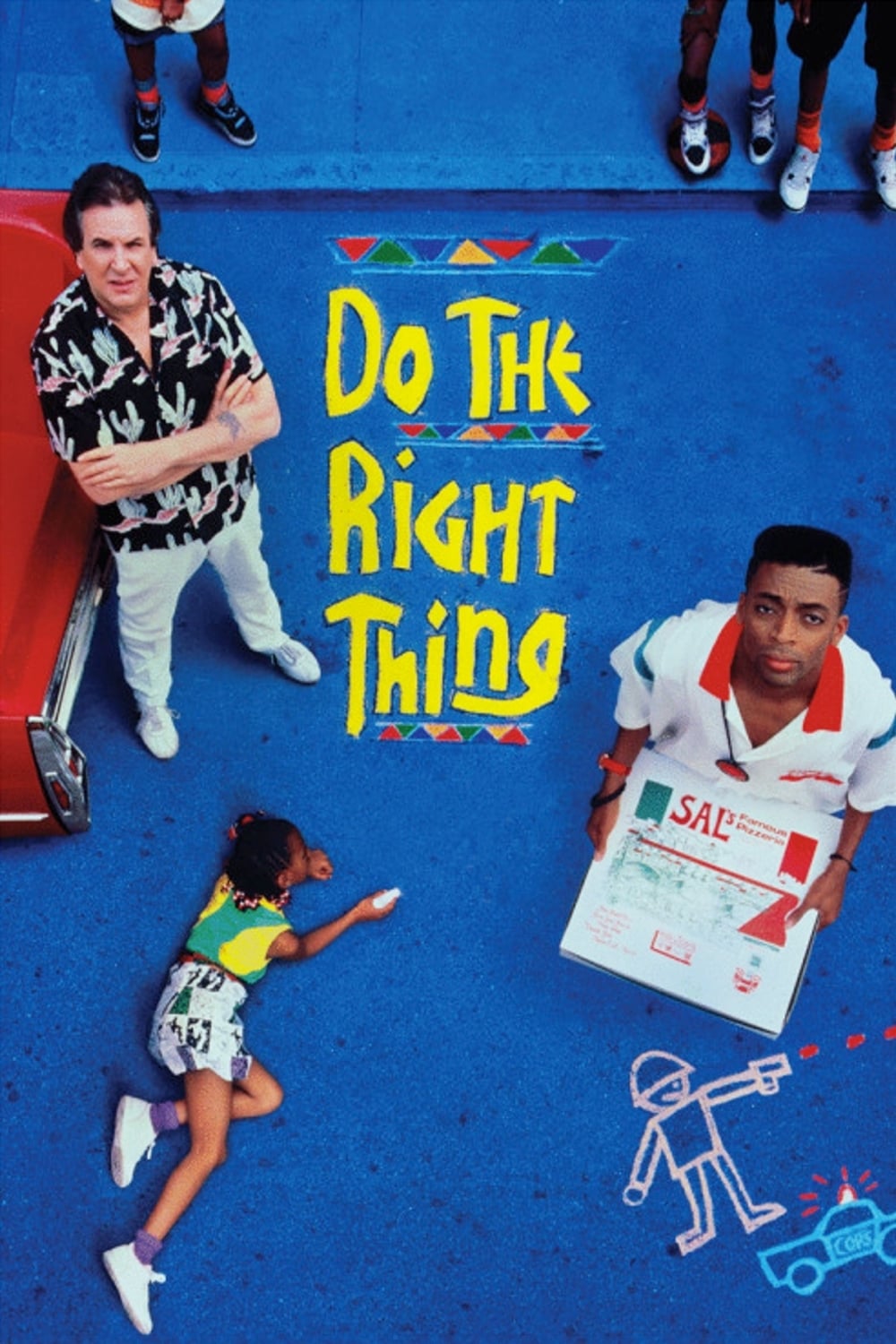
Spike Lee produced through 40 Acres and a Mule Filmworks with Universal distributing, constructing façades and signage along a real Brooklyn block to control color and geography. Ernest Dickerson’s cinematography emphasized saturated palettes and long-lens heat-wave imagery, while production sound captured dense street ambience.
The ensemble cast worked primarily on a single street, allowing for consistent community coordination and night-shoot logistics. Barry Alexander Brown’s editing balanced dialogue exchanges with choreographed crowd movement, and Public Enemy’s music was integrated as a recurring motif through supervised cues.
‘Blue Velvet’ (1986)
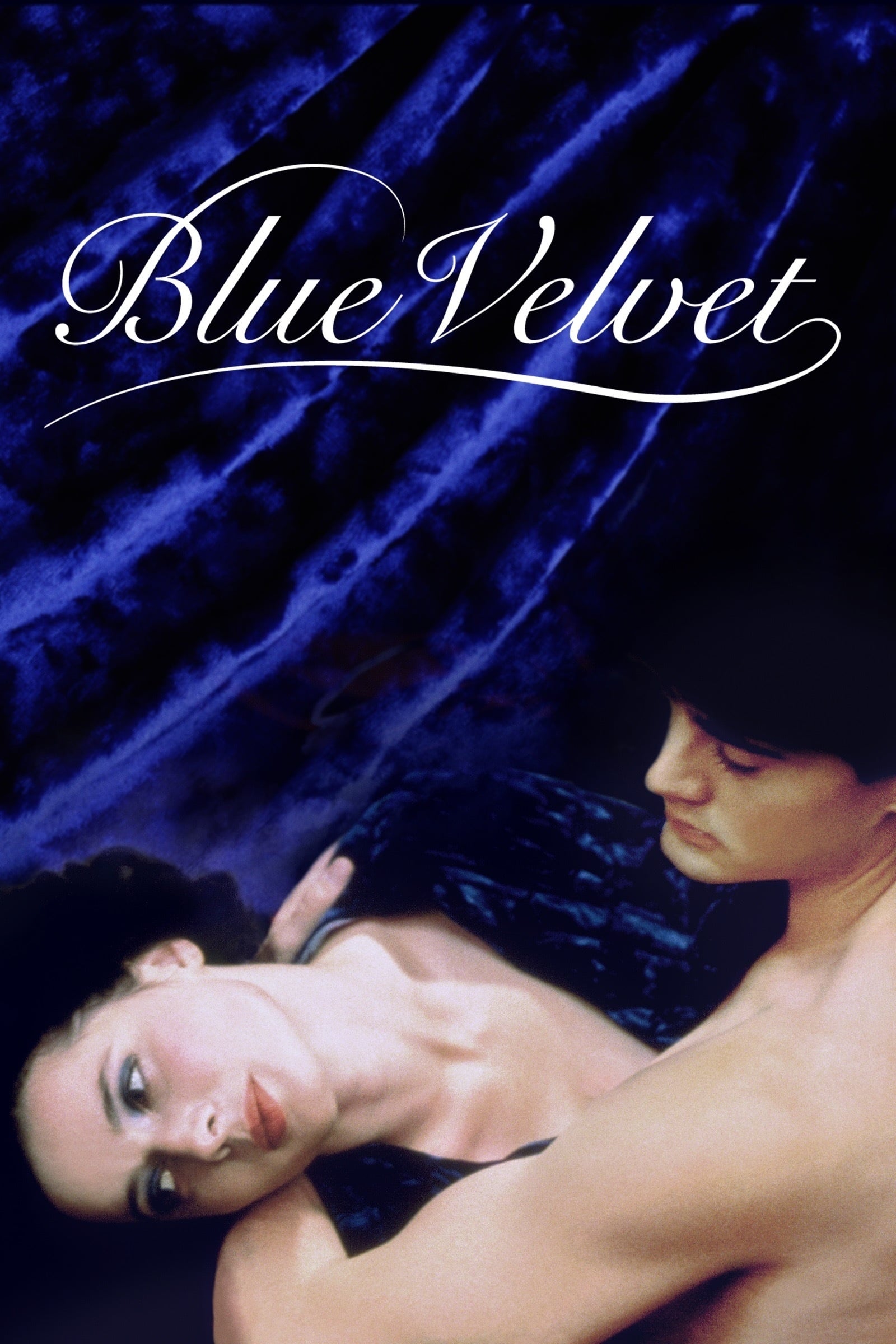
David Lynch worked with De Laurentiis Entertainment Group, shooting primarily in North Carolina with Patricia Norris overseeing production design that juxtaposed suburban interiors and industrial spaces. Frederick Elmes’s cinematography used controlled color design and careful key-to-fill ratios to maintain tonal contrasts.
Angelo Badalamenti composed themes that were interwoven with licensed period songs selected during editing. The picture was cut by Duwayne Dunham with an emphasis on held takes and precise sound design, layering insect drones and mechanical hums into the background track.
‘The Untouchables’ (1987)
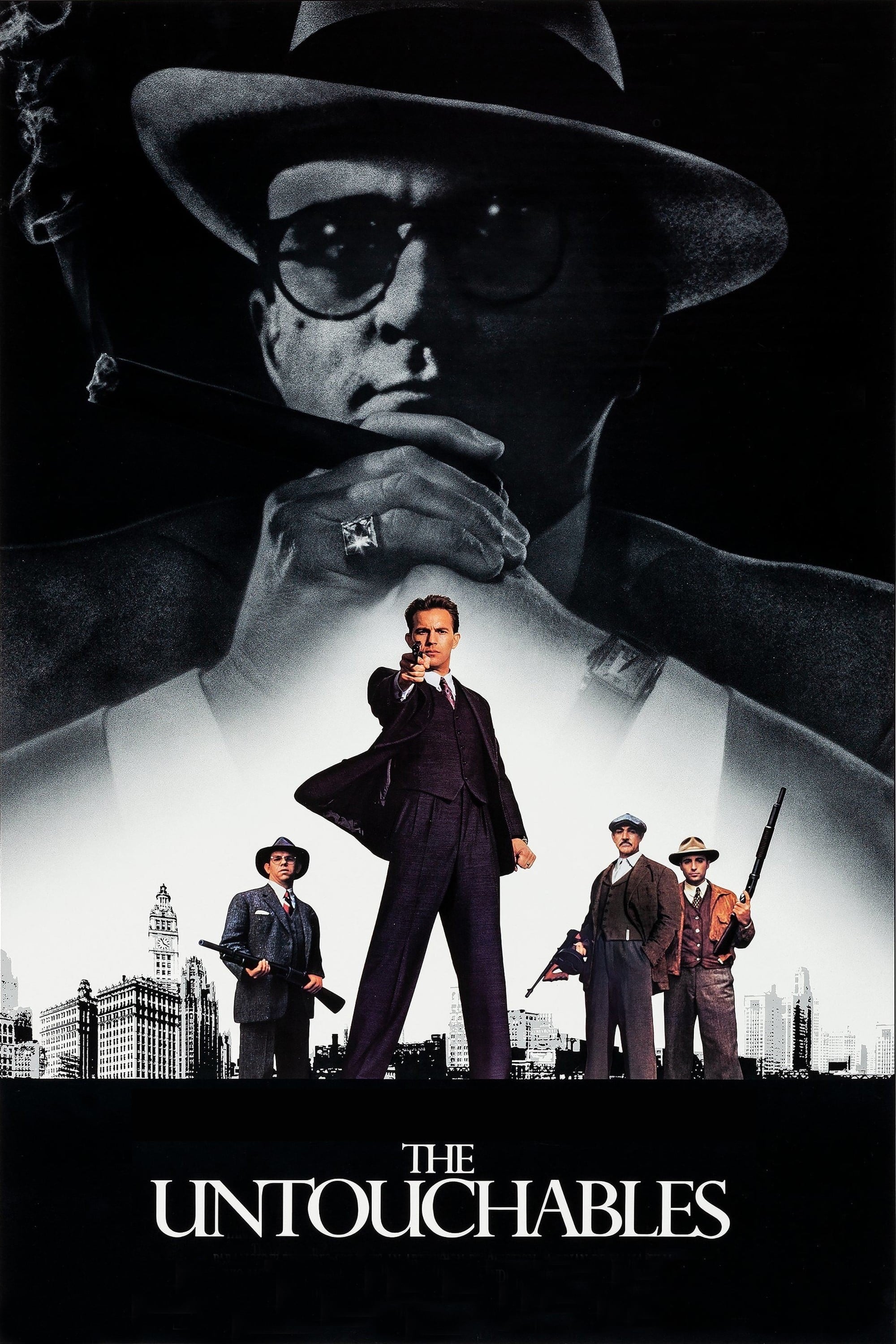
Brian De Palma directed from a David Mamet script for Paramount, combining Chicago location work—such as Union Station—with backlot and stage builds for controlled set-pieces. Patrizia von Brandenstein’s production design coordinated period vehicles, signage, and interiors sourced from multiple vendors.
Stephen H. Burum’s cinematography employed classical framing and deliberate camera moves, while Jerry Greenberg’s editing shaped dialogue-heavy confrontations into tense crescendos. Ennio Morricone recorded a score that alternates lyrical themes with driving percussion, matched carefully to scene rhythms.
‘To Live and Die in L.A.’ (1985)
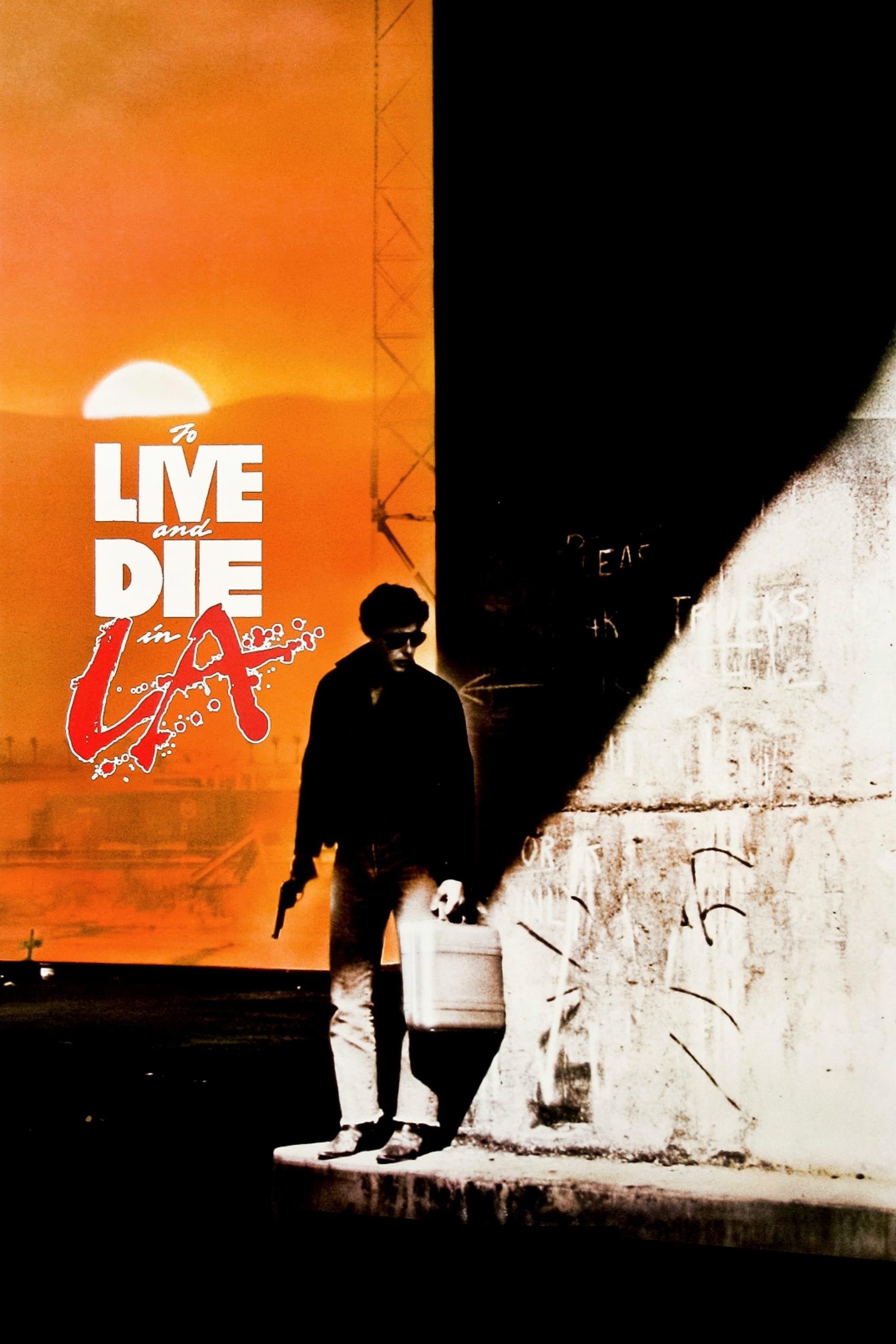
William Friedkin adapted Gerald Petievich’s novel, shooting extensively across freeways, industrial zones, and federal facilities with real-world permits and traffic control. Robby Müller’s cinematography emphasized natural light and dusk coverage, capturing long stretches of roadway and urban edges.
The production designed highly detailed counterfeiting props with custom plates and paper-aging techniques supervised by technical consultants. Wang Chung composed a score constructed around rhythmic patterns timed to editorial beats, with M. Scott Smith cutting multi-camera chase footage into coherent geography.
‘RoboCop’ (1987)
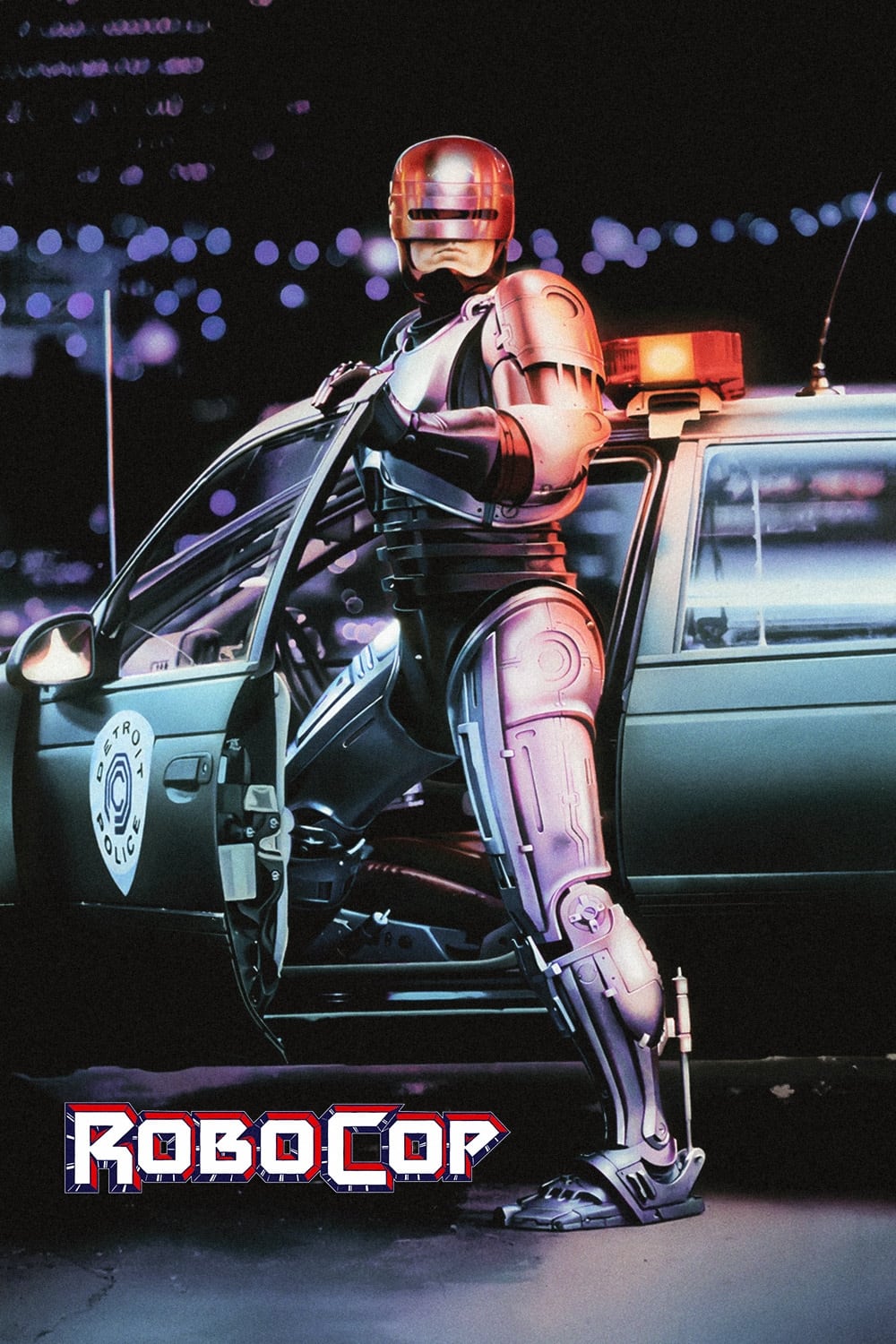
Paul Verhoeven directed for Orion from a screenplay by Edward Neumeier and Michael Miner, using Dallas locations as a stand-in for a futuristic Detroit. Jost Vacano’s cinematography relied on wide-angle lenses and handheld work to integrate suit performance with action blocking.
Rob Bottin engineered the hero suit and prosthetic gags, while Phil Tippett supervised stop-motion animation for ED-209, later integrated via optical composites. Basil Poledouris recorded a brass-forward score, and editor Frank J. Urioste balanced corporate interiors with street-level set-pieces.
‘Akira’ (1988)
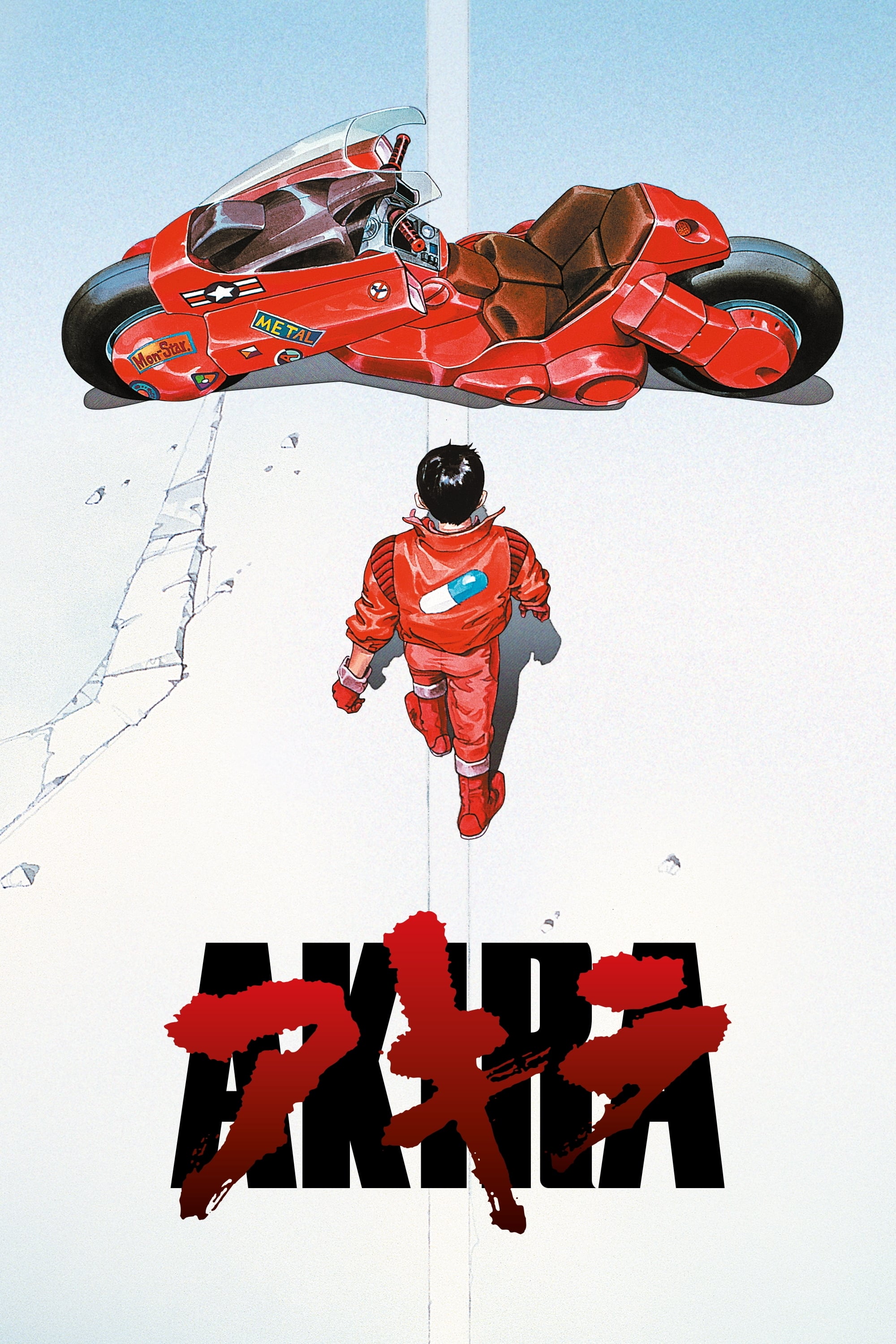
Katsuhiro Otomo directed and co-wrote for a consortium of animation studios under Tokyo Movie Shinsha, coordinating unusually high cel counts and complex lighting effects achieved through layered photography. Dialogue was recorded before animation, enabling precise mouth-sync in both Japanese and later language tracks.
Background design packs specified street grids, signage, and building systems for dense urban panoramas. The score by Geinoh Yamashirogumi combined choral and percussion elements recorded with large ensembles, and composite photography handled lens-flare, neon glow, and motion-smear effects on the camera stand.
‘Once Upon a Time in America’ (1984)
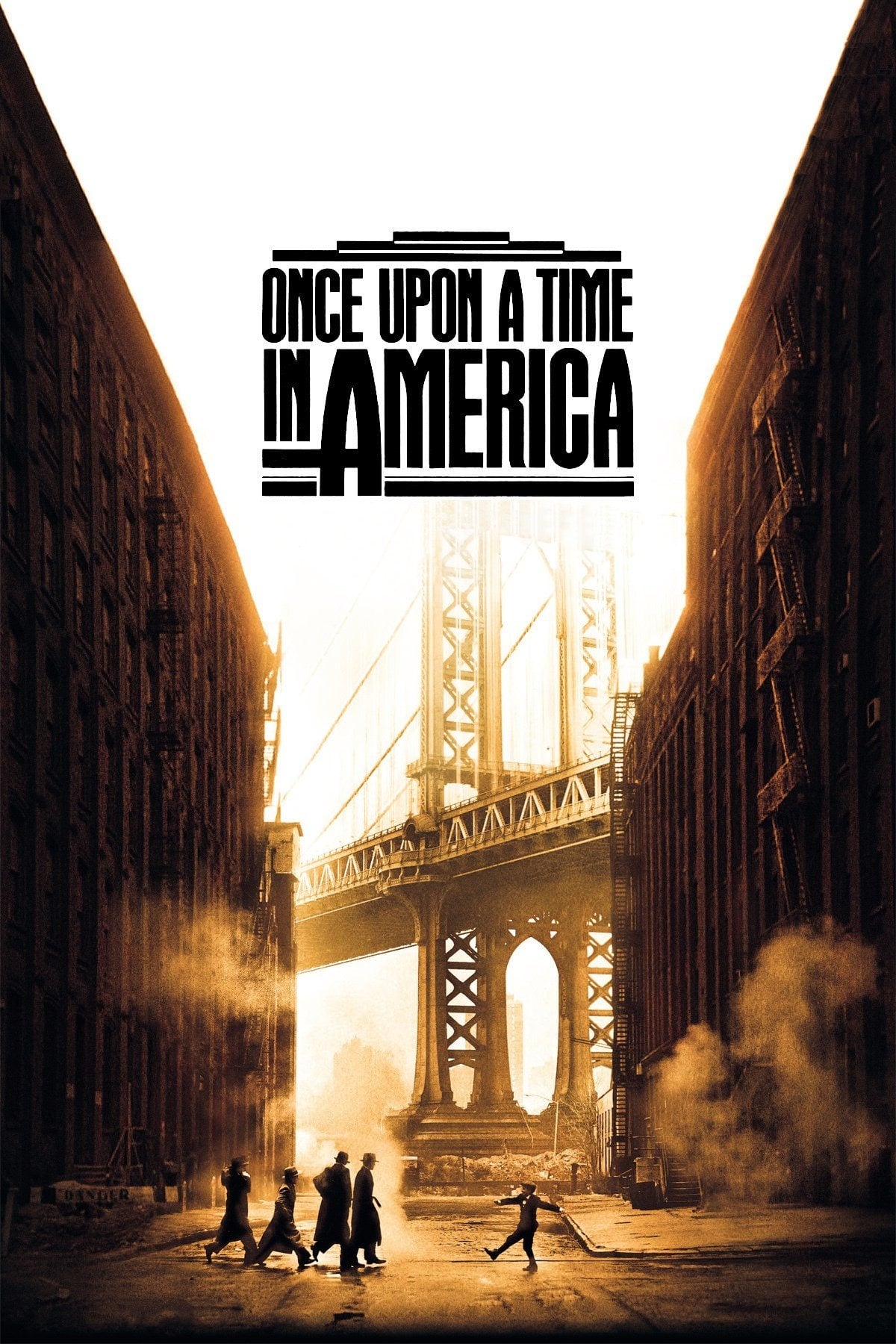
Sergio Leone developed the project across a long preproduction period, commissioning themes from Ennio Morricone early so that music could be used on set and in editorial. Production split between New York locations and studio stages in Italy, with elaborate period street builds and interiors.
Multiple edits were produced for different markets, requiring extensive restructuring by Nino Baragli and colleagues to maintain a non-linear narrative. Wardrobe and art departments coordinated cross-decade continuity, while camera crews used long dissolves and carefully planned transitions to bridge time jumps.
‘Scarface’ (1983)

Brian De Palma directed from an Oliver Stone script for Universal, staging principal work in Los Angeles while doubling for Miami due to permitting and community constraints. John A. Alonzo photographed nightclub interiors and sun-drenched exteriors, and Ferdinando Scarfiotti led design on mansion and office sets.
Giorgio Moroder supplied a synthesizer-driven score that aligned with the picture’s editorial rhythm. Large extras calls populated club sequences, practical squibs and prosthetics executed action beats, and the final mix emphasized small-arms fire, crowd textures, and ambient city noise.
‘Platoon’ (1986)
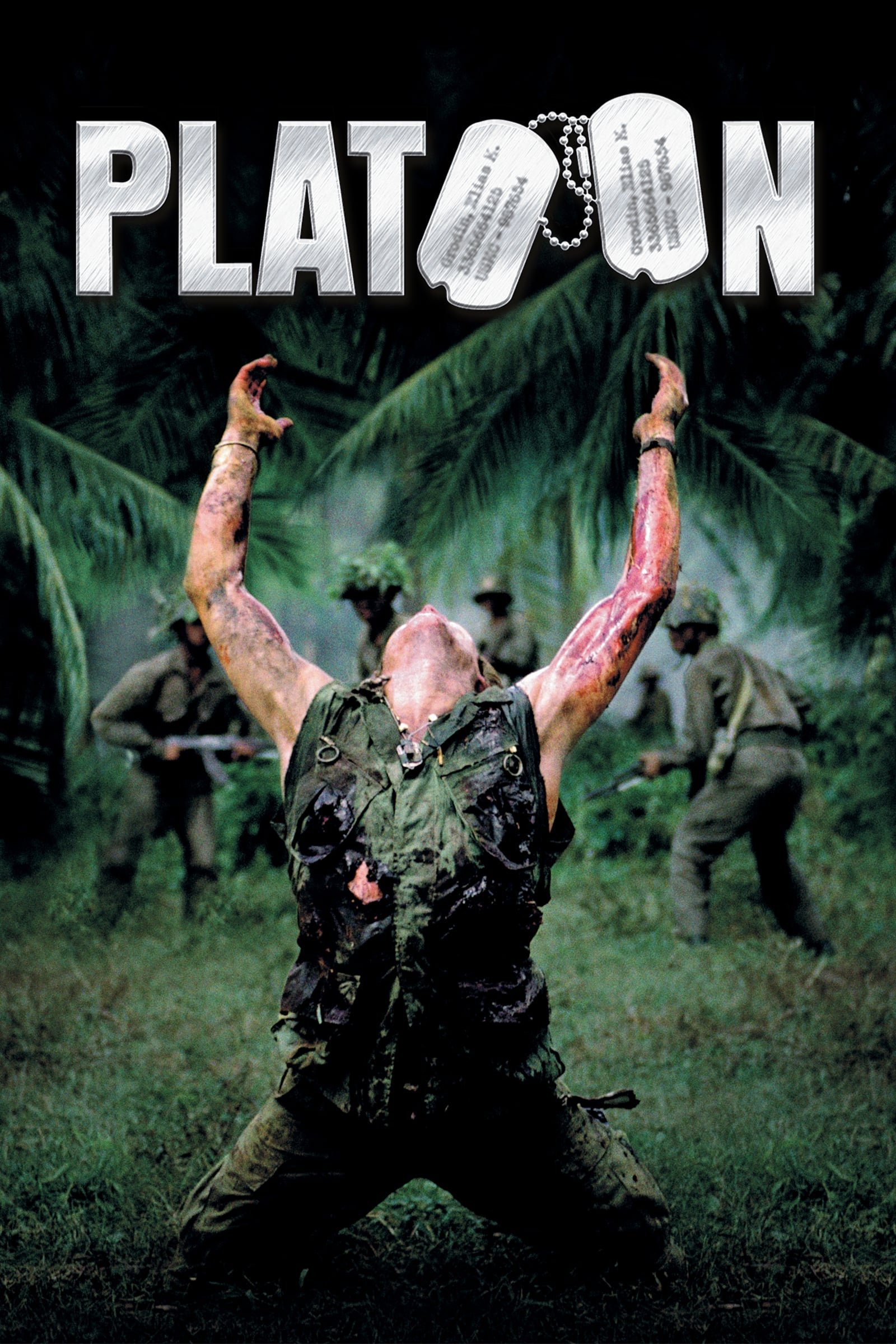
Oliver Stone produced with Hemdale and Orion, selecting Philippine jungle locations for dense foliage and variable weather that shaped scheduling. Robert Richardson’s cinematography incorporated handheld movement and available-light strategies, supported by practical pyrotechnics planned for repeatable coverage.
Cast underwent field training supervised by military advisers to standardize movement and communication protocols. Editor Claire Simpson structured patrols and engagements around quiet camp interludes, while music supervision combined licensed tracks with Georges Delerue’s orchestral cues.
‘The Empire Strikes Back’ (1980)
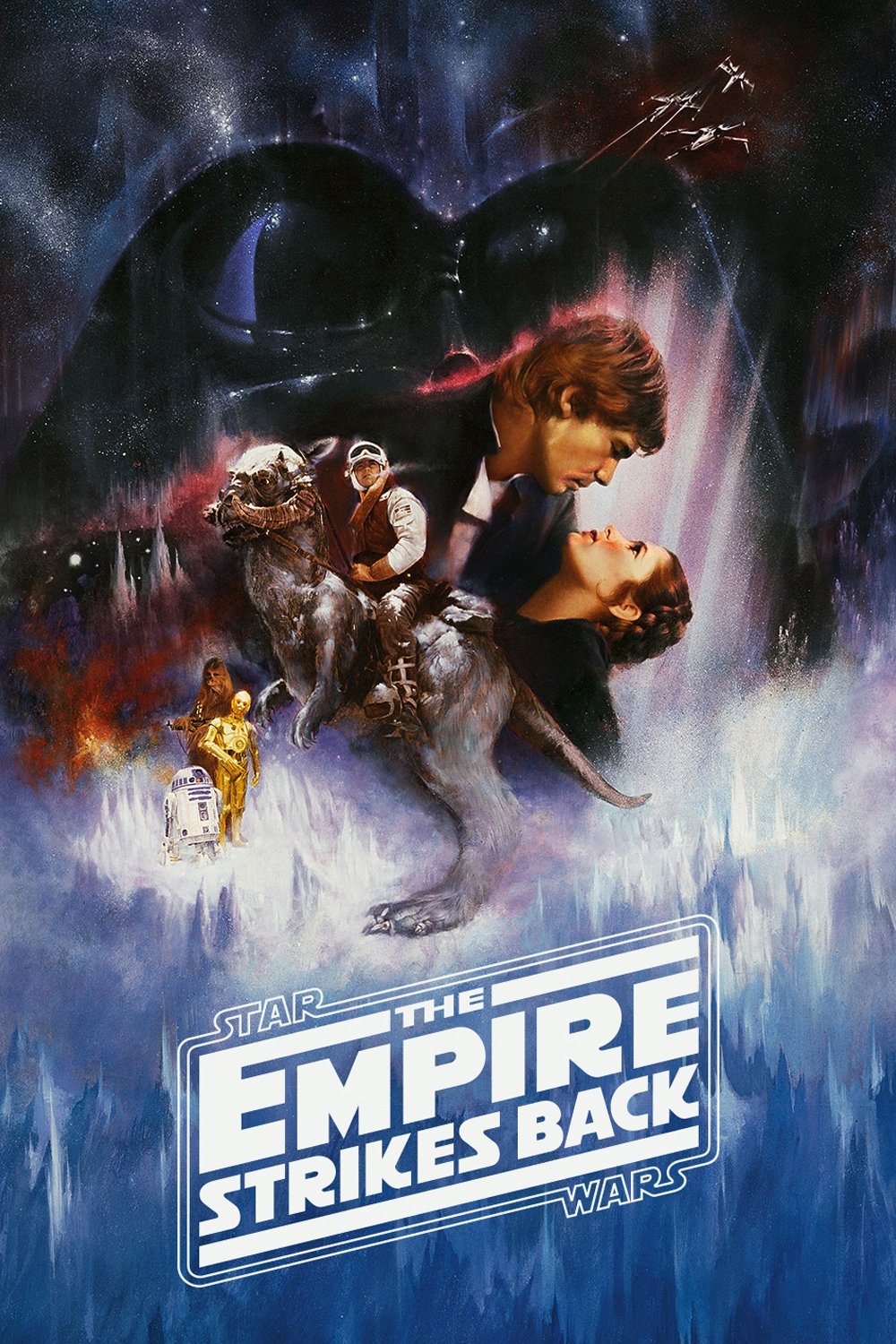
Irvin Kershner directed for Lucasfilm with 20th Century Fox distributing, dividing production between soundstages and a remote snow location that demanded cold-weather camera and lighting solutions. Industrial Light & Magic delivered motion-control miniature passes, stop-motion character work, and optical composites.
Peter Suschitzky shot cockpit and creature-effects scenes with careful key placement to preserve depth for later overlaps. Paul Hirsch led editorial across multiple parallel storylines, and Ben Burtt’s sound design integrated mechanical effects and creature vocals with a newly recorded orchestral score by John Williams.
‘Return of the Jedi’ (1983)
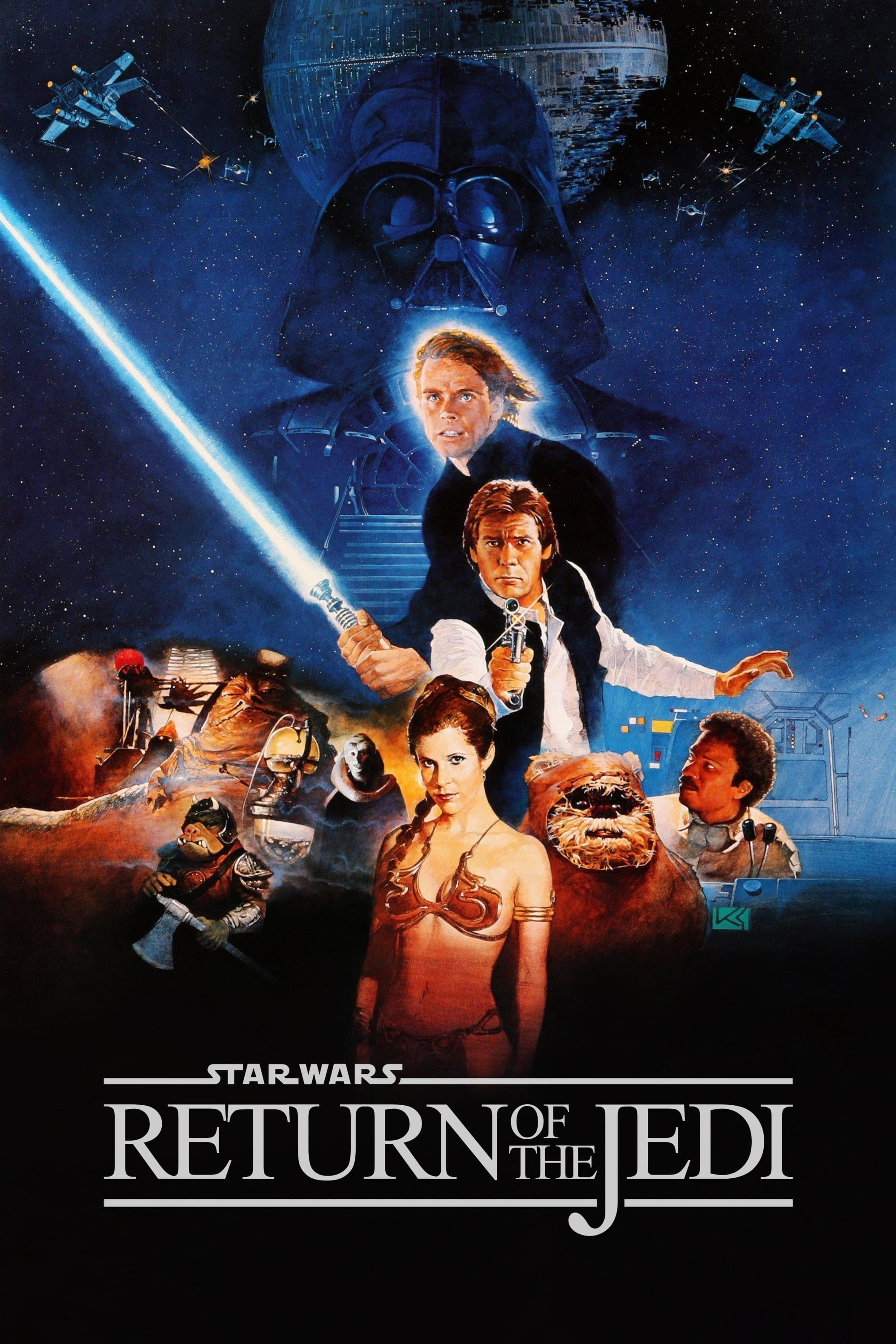
Richard Marquand directed for Lucasfilm, coordinating desert, forest, and stage work with large-scale creature costumes and puppetry. Industrial Light & Magic executed extensive space-battle miniature photography using motion-control to manage complex fleet shots.
Northern California forests provided exterior locations, while desert work near dune fields required sand-resistant equipment plans. Editor Sean Barton and team cross-cut multiple action fronts, and John Williams recorded new choral and dance cues alongside returning themes.
‘The Terminator’ (1984)
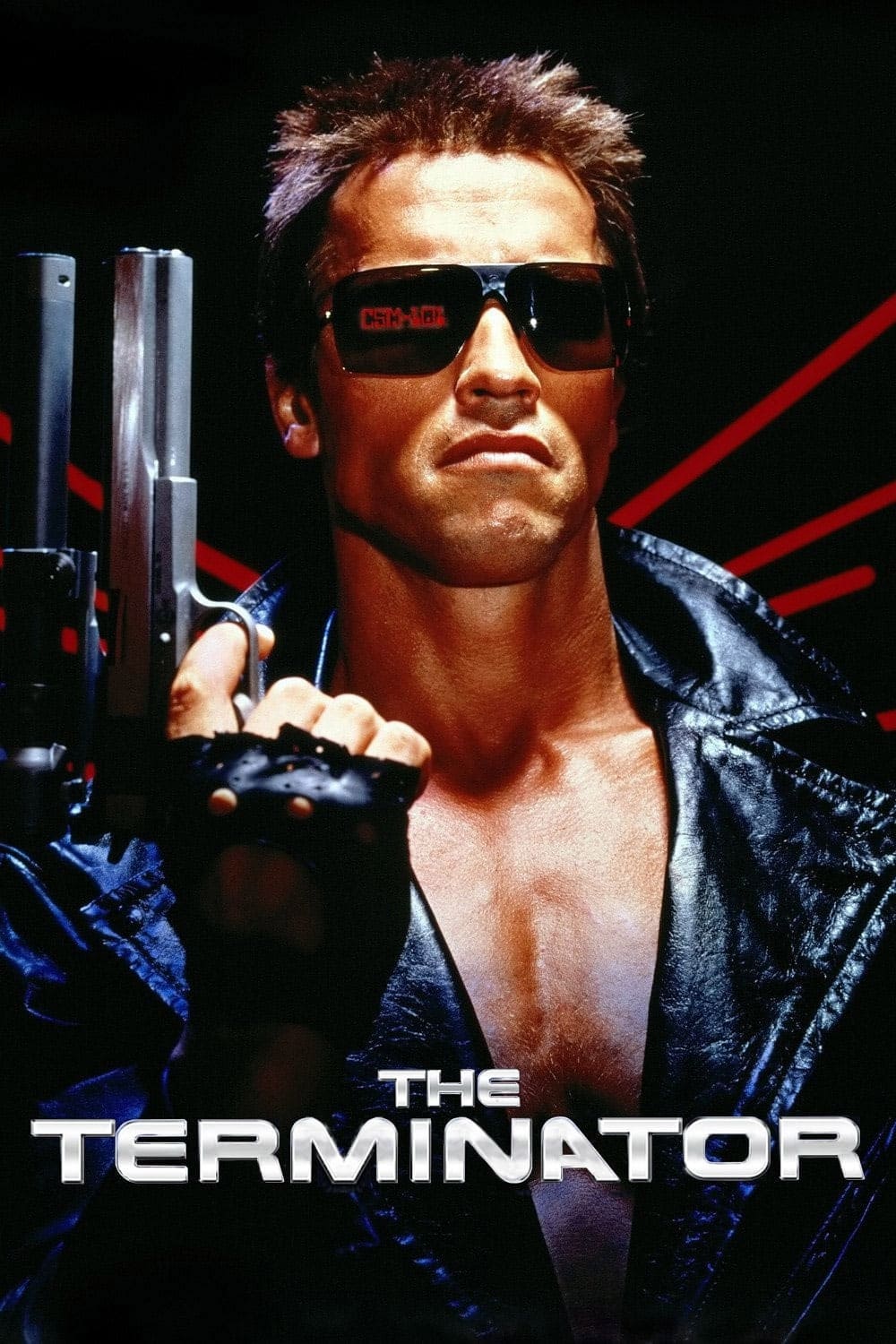
James Cameron wrote and directed with Gale Anne Hurd producing, scheduling predominantly night shoots on real streets to capture chase sequences under practical lighting. Adam Greenberg’s cinematography used fast lenses and minimal units to maintain mobility while recording clean plates for later effects.
Stan Winston’s workshop built animatronic endoskeleton elements and progressive makeup gags, with stop-motion inserts aligned through careful plate photography. Editor Mark Goldblatt’s tight structure intercut police-station interiors, car chases, and motel scenes, supported by Brad Fiedel’s sequenced synthesizer score.
‘Predator’ (1987)
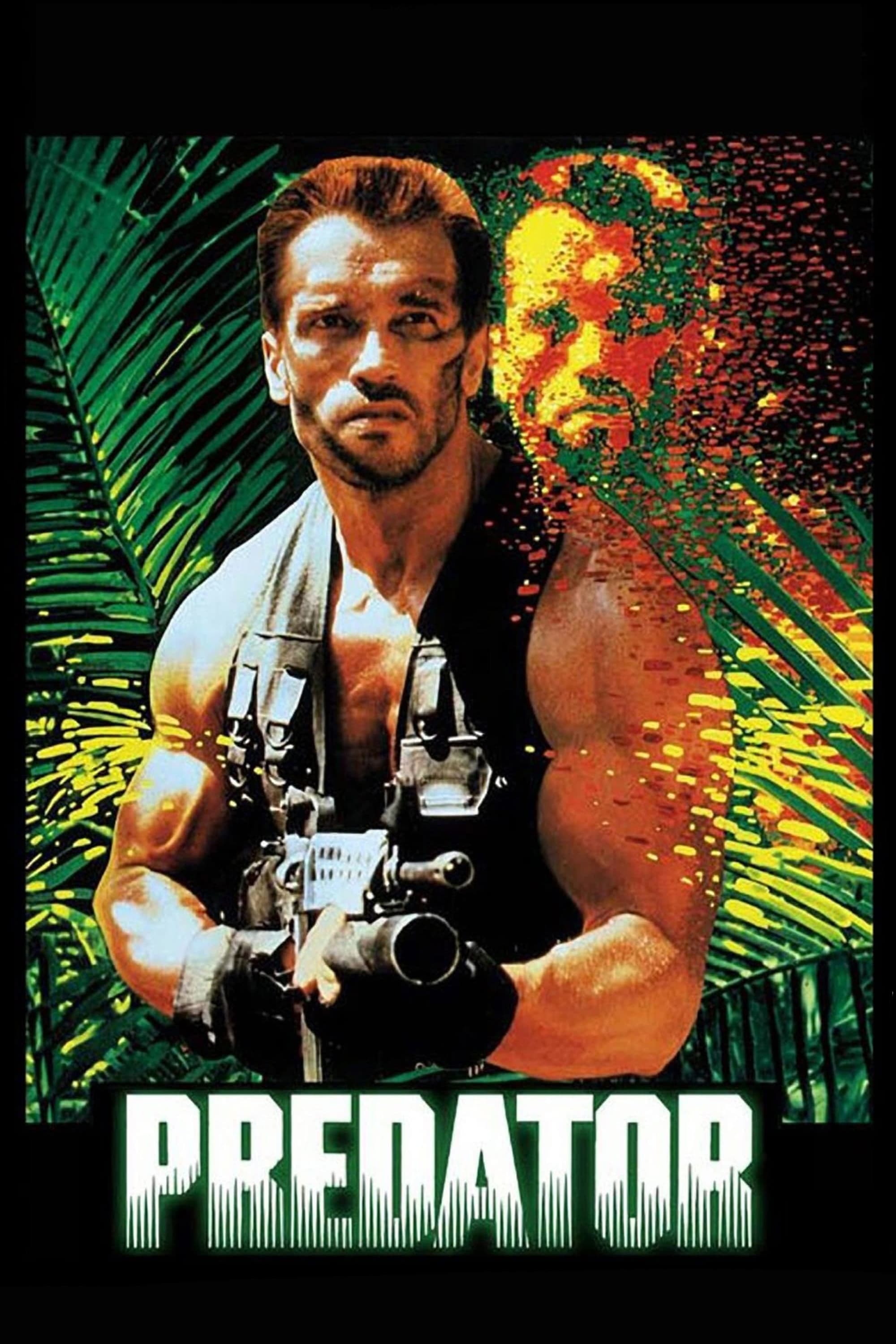
John McTiernan directed for 20th Century Fox, filming in humid jungle terrain that required frequent weather-based adjustments to lighting and schedule. Donald McAlpine photographed with attention to foliage density and natural light, while practical pyrotechnics and wire gags were staged for repeatable safety.
Stan Winston’s team created the creature suit with mandible mechanics, and the invisibility effect used suit-based matte passes combined through optical compositing. Editor John F. Link cut to preserve action geography in dense vegetation, and Alan Silvestri composed percussion-heavy cues recorded to picture.
‘This Is Spinal Tap’ (1984)
Rob Reiner directed for Embassy Pictures from a screenplay credited to Christopher Guest, Michael McKean, Harry Shearer, and Rob Reiner, built from structured outlines and extensive improvisation. Concert material was captured with real audiences and practical stage rigs, and the cast performed original songs.
Cinematographer Peter Smokler employed handheld documentary coverage, and editor Robert Leighton shaped hours of footage into a concise narrative. The production designed fictional band ephemera—backline gear, tour laminates, and stage props—and coordinated an accompanying soundtrack release to extend the project beyond the feature.
Share your thoughts below and tell us which other ’80s titles—built on irreplaceable crews, techniques, and locations—you’d add to this list.

