


1980s Sci-Fi Movies that Aged Incredibly Well



The 1980s delivered a surge of science fiction that combined practical craftsmanship with bold ideas. Studios leaned on miniature photography, animatronics, matte paintings, and early computer imagery while sound teams pushed multichannel mixes that filled theaters and later living rooms. The decade also saw global talent converge on the genre, with filmmakers, designers, and composers building worlds that kept expanding through sequels, spin offs, and restorations.
Home video and cable helped these films reach massive new audiences after their theatrical runs. Many have since been restored in high resolution with upgraded audio, which means the production detail is easier to appreciate than ever. What follows spotlights twenty sci fi standouts from the decade, with concrete details on how each one was made and the creative teams who brought them to life.
‘Blade Runner’ (1982)
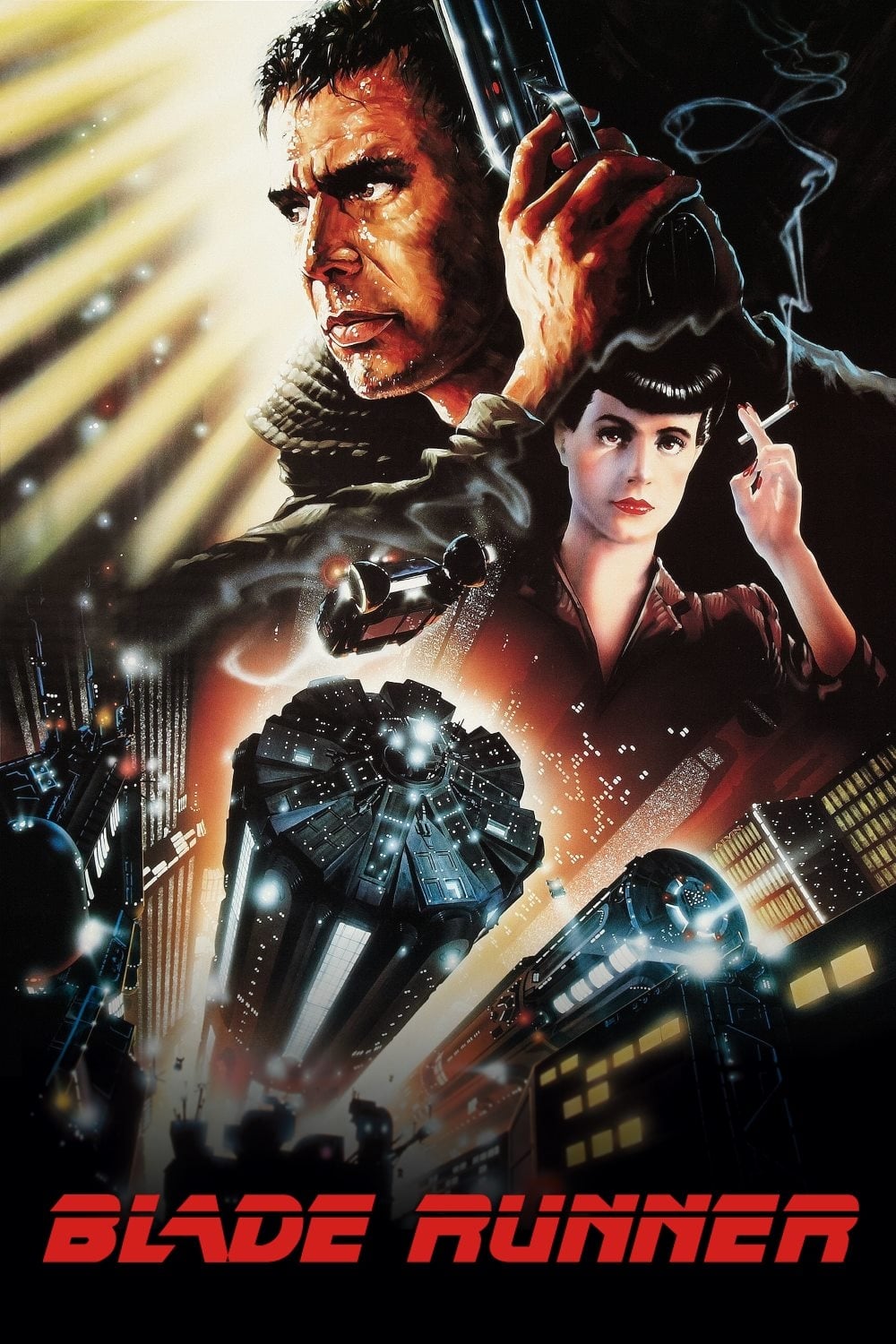
Ridley Scott directed this adaptation of Philip K. Dick’s novel with Harrison Ford, Rutger Hauer, and Sean Young leading the cast. The production drew on visual futurist Syd Mead for industrial design, Jordan Cronenweth for moody cinematography, and Vangelis for a synth driven score. Entertainment Effects Group handled miniature work and opticals that created the Los Angeles skyline and off world advertising blimps.
Multiple cuts were produced, culminating in a Final Cut prepared under Scott’s supervision that aligned the sound and picture with his preferred version. The film’s sets and props were built at Warner Bros stages and on downtown locations, and its lookbook of signage, neon, and rain has influenced later projects in games and film design courses.
‘The Empire Strikes Back’ (1980)
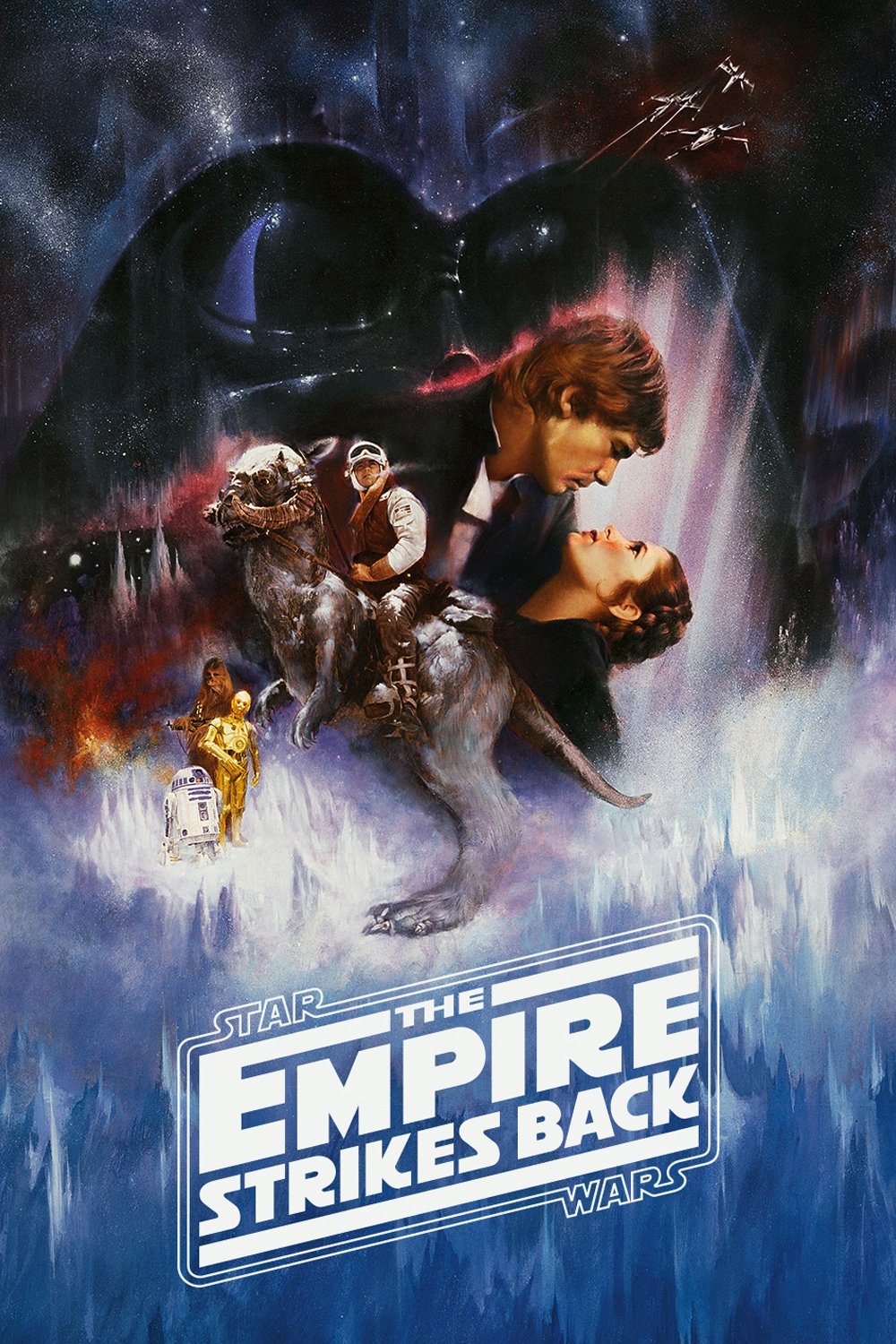
Irvin Kershner directed this chapter in the ‘Star Wars’ saga with a story by George Lucas and a screenplay by Leigh Brackett and Lawrence Kasdan. John Williams introduced the Imperial March to the series and Industrial Light and Magic combined motion control photography, matte paintings, and stop motion work for the walker battle. Snow scenes were staged near the village of Finse in Norway while stages in England hosted sets for Dagobah and Cloud City.
The production used large scale miniatures and expanded cockpit sets to improve camera access for space shots. Later releases presented the film in high resolution with updated sound mixes, bringing out detail in model work such as the Millennium Falcon’s kit bashed panels and the layered painting on Cloud City vistas.
‘Back to the Future’ (1985)
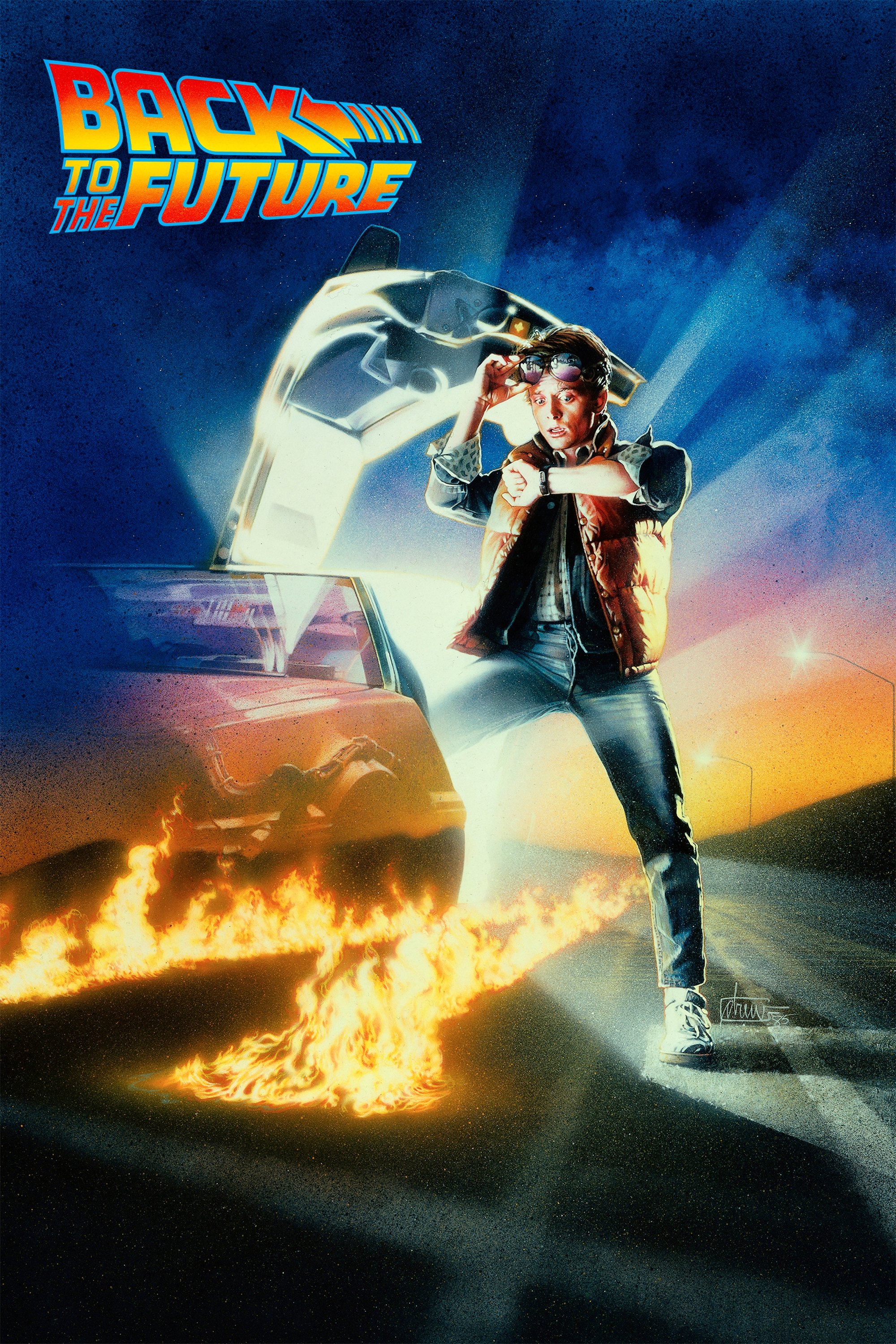
Robert Zemeckis directed and co wrote this time travel adventure produced by Steven Spielberg, with Michael J. Fox, Christopher Lloyd, Lea Thompson, and Crispin Glover starring. Industrial Light and Magic built the lightning strike set pieces and used optical compositing for time travel effects, while the DeLorean time machine was designed with functioning lighting and dashboard readouts. Alan Silvestri’s orchestral score became a signature element across the trilogy.
Courthouse Square on the Universal backlot stood in for Hill Valley, and night shoots helped sell the neon and spark effects during temporal jumps. The film earned an Academy Award for sound effects editing and was later remastered for home media, which highlights the miniature work on the clock tower and the burn in trails on the street during the final act.
‘Aliens’ (1986)
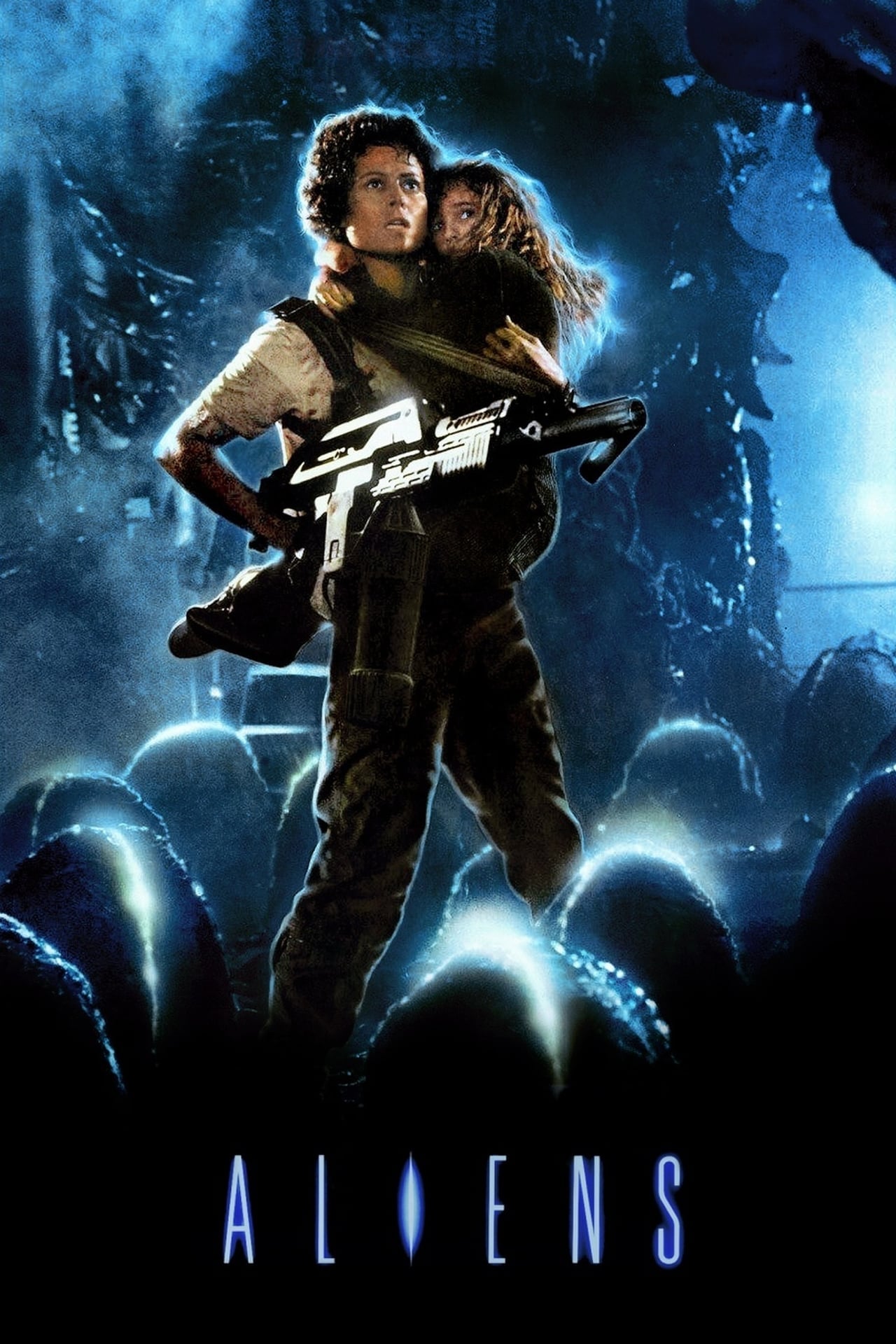
James Cameron wrote and directed this sequel with Sigourney Weaver returning alongside Michael Biehn, Carrie Henn, and Bill Paxton. The shoot transformed a decommissioned power station outside London into the colony interior, and effects teams from Stan Winston Studio and 4 Ward Productions delivered the Queen alien, the power loader, and large scale miniatures of the atmosphere processor. Adrian Biddle handled cinematography with a blue heavy palette that favored smoke and backlight.
Sound design emphasized tracker pings and pulse rifle reports, and the music by James Horner was recorded under a tight schedule that still yielded cues reused widely in trailers. The release included a special edition that restored character and colony material, and the practical puppetry and suit performances remain visible in high resolution presentations.
‘The Terminator’ (1984)
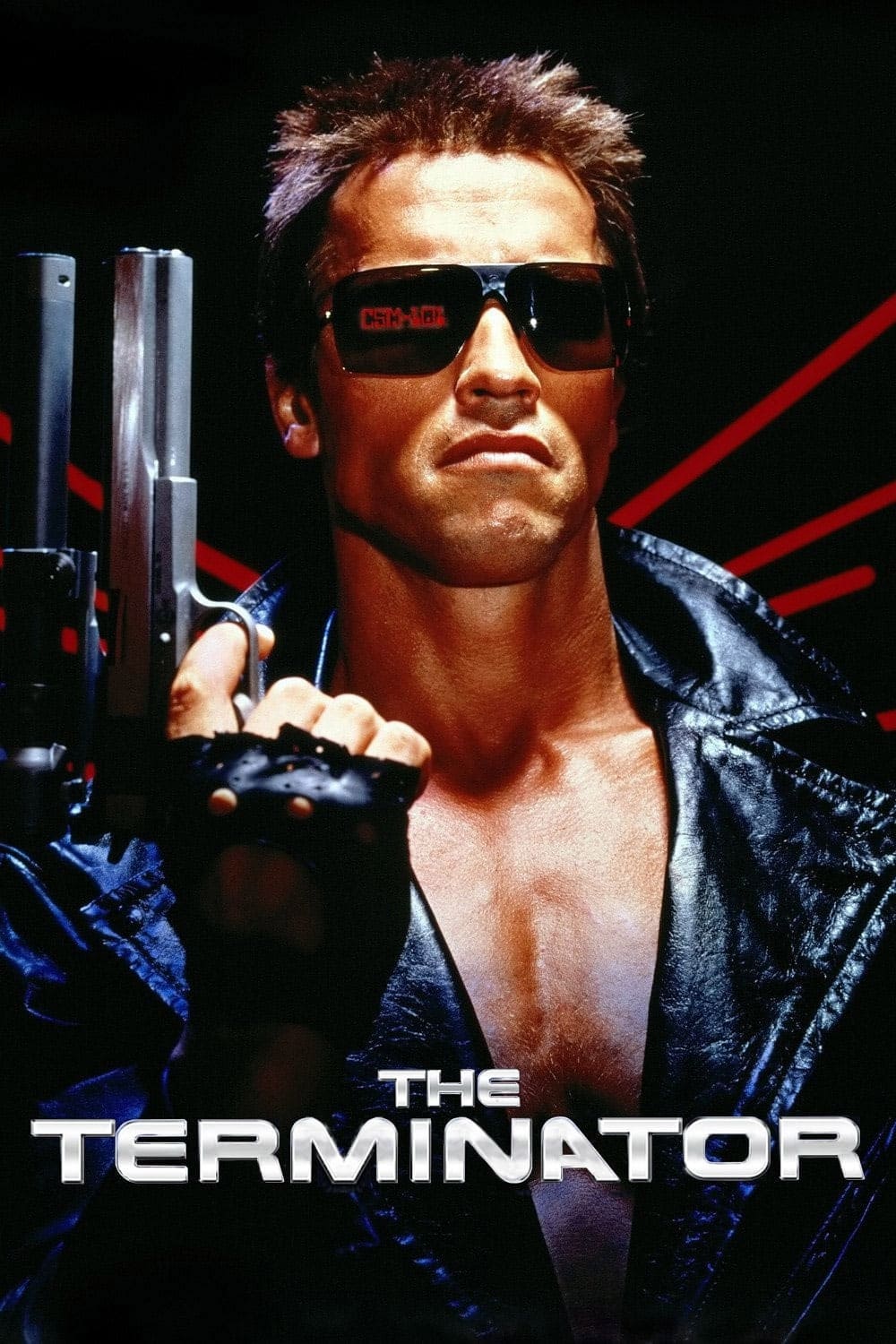
James Cameron directed and co wrote this lean pursuit story starring Arnold Schwarzenegger, Linda Hamilton, and Michael Biehn. Brad Fiedel created the iconic percussive score using synthesizers and metal hits, and Gene Warren Jr’s team at Fantasy II Film Effects executed stop motion and optical composites for the endoskeleton sequences. Stan Winston Studio crafted makeup appliances and animatronic inserts for damage gags.
Location work around Los Angeles kept the schedule flexible, and a compact budget pushed the team toward in camera tricks like rear projection and undercranking for speed. The film’s box office performance launched an ongoing franchise across multiple formats that expanded Skynet lore, while the original maintains a focused structure that production courses often cite when teaching economical storytelling.
‘RoboCop’ (1987)
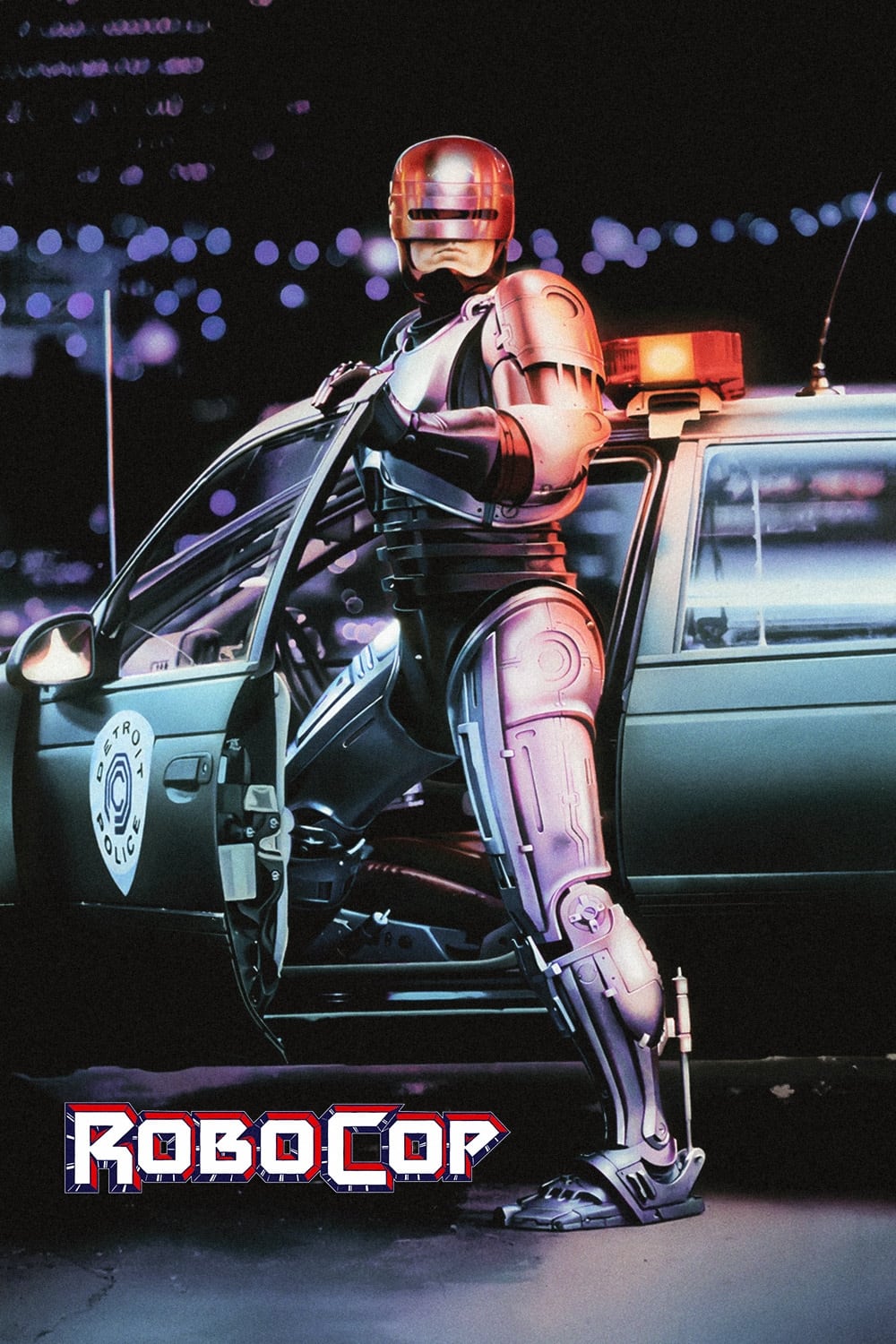
Paul Verhoeven directed this Orion release with Peter Weller, Nancy Allen, and Kurtwood Smith. The RoboCop suit came from Rob Bottin’s shop with layered armor pieces that allowed for limited movement and integrated makeup edges. Phil Tippett and his crew built and animated the ED 209 in stop motion with detailed model skins, and the sound team layered servo whirs and metallic footfalls to define character movement.
Dallas, Texas doubled for Detroit, giving the production a modern business district for exteriors and a decommissioned plant for steel mill interiors. The initial cut received an X rating and was trimmed to secure an R, a process documented across later home media releases that also present behind the scenes footage of the suit fabrication and the miniature work.
‘The Thing’ (1982)
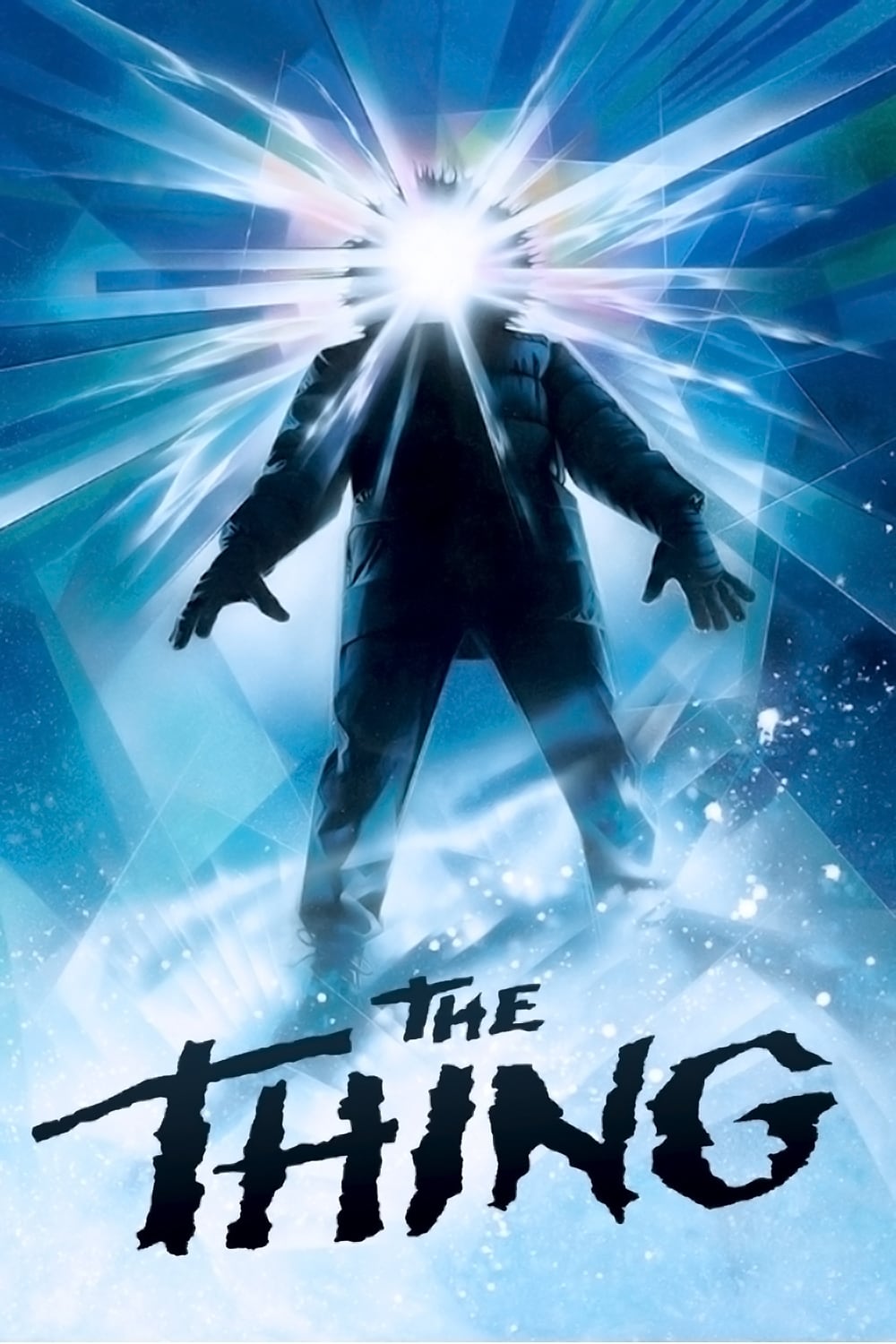
John Carpenter directed this Antarctic set adaptation of John W. Campbell’s novella with Kurt Russell and Keith David among the ensemble. Rob Bottin led creature effects that combined full scale animatronics, cable controlled puppets, and elaborate prosthetics, while Stan Winston contributed the kennel creature build. Ennio Morricone composed the score with pulsing bass lines that Carpenter favored in temp tracks.
The production shot snow exteriors in British Columbia and used refrigerated sets for breath and frost detail. Optical and mechanical gags were timed carefully to the camera to hide seams, and the final release preserved extended effects beats that are documented in production stills and effects shop notebooks later shared on home editions.
‘Predator’ (1987)
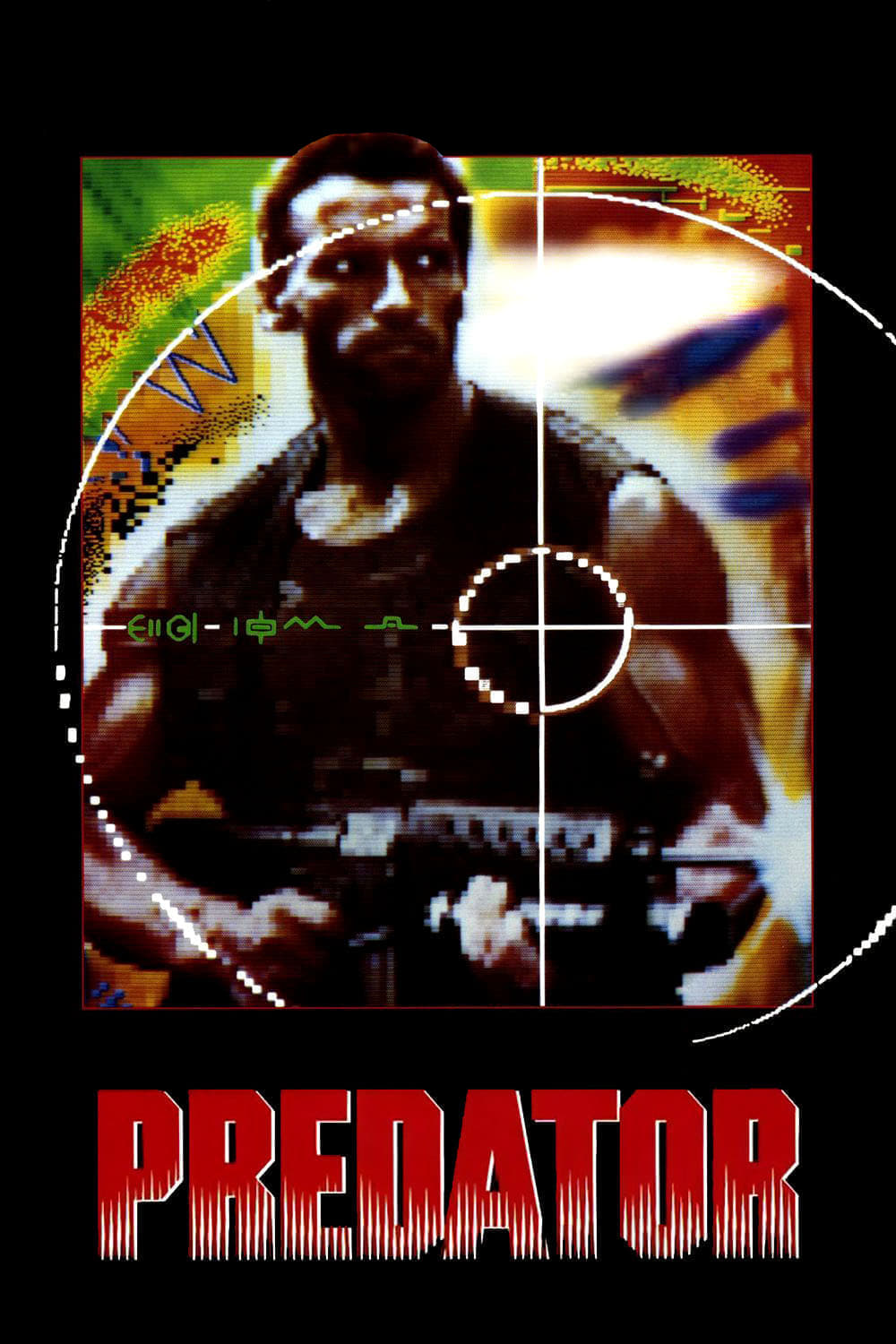
John McTiernan directed this jungle hunt thriller with Arnold Schwarzenegger, Carl Weathers, Jesse Ventura, and Bill Duke. After an early creature concept proved unworkable, Stan Winston devised the final Predator design with a mandible head and dreadlock tendrils, and the suit was worn by performer Kevin Peter Hall. Alan Silvestri recorded a percussion heavy score that emphasized low brass and rhythmic strings.
Principal photography took place in the Mexican state of Jalisco with dense vegetation and difficult humidity that affected stunt planning. The cloaking effect combined a man in suit pass with a second pass through a heat distorted plate, then an optical composite altered the background to create the shimmering outline seen on screen.
‘E.T. the Extra-Terrestrial’ (1982)
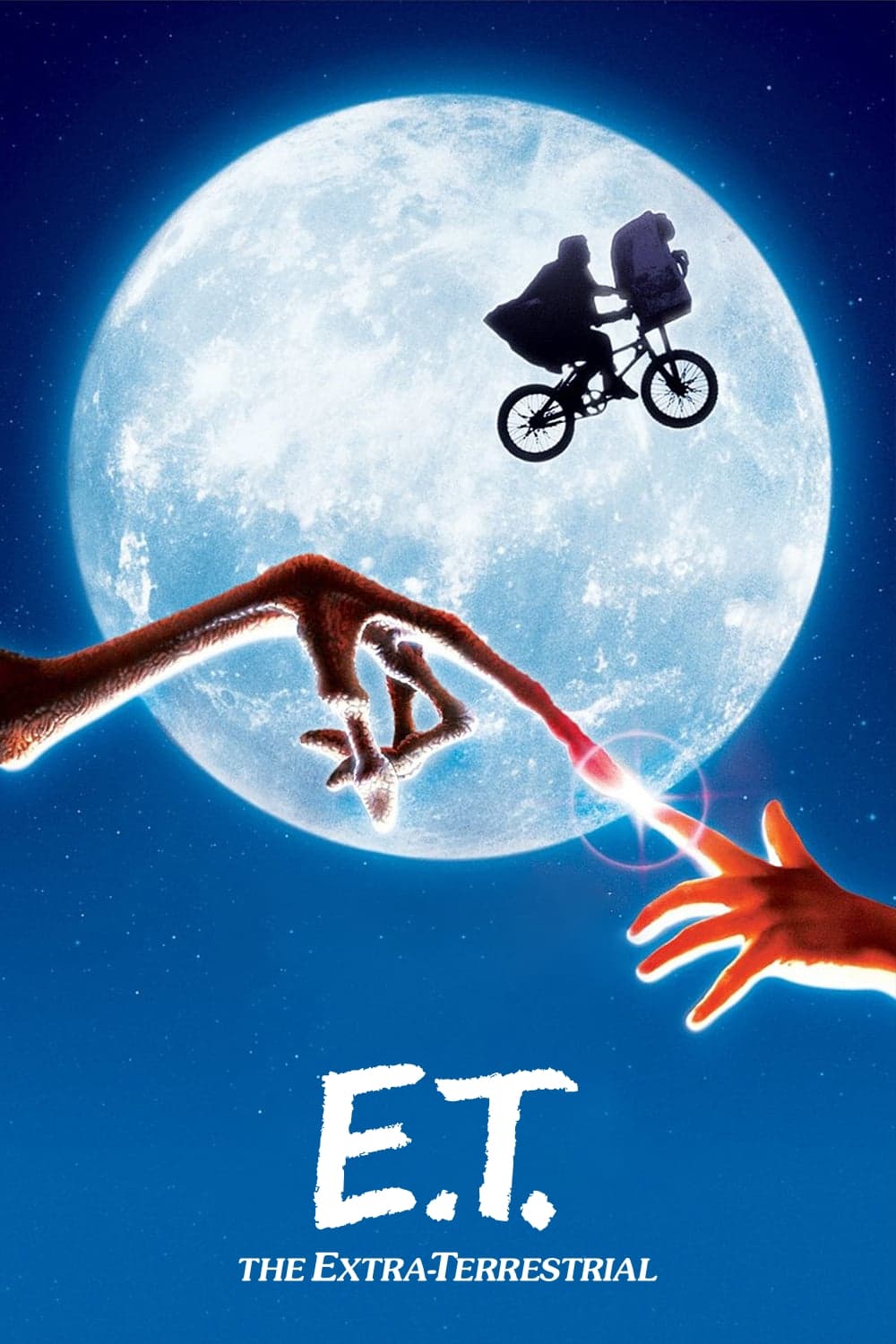
Steven Spielberg directed this Amblin production with Henry Thomas, Dee Wallace, and Drew Barrymore. Carlo Rambaldi led the design and fabrication of the E.T. animatronic, which used interchangeable heads for different expressions and a combination of rod and cable controls for hand and neck movements. John Williams composed an Academy Award winning score that supports the flying bicycle sequence and the final goodbye.
The film topped worldwide box office charts during its initial release and returned to theaters for later engagements. Subsequent home editions restored the original visual elements after a temporary altered version, and modern masters reveal miniature details in the flying shots along with the practical lighting rigs that sold the moonlit silhouettes.
‘Akira’ (1988)
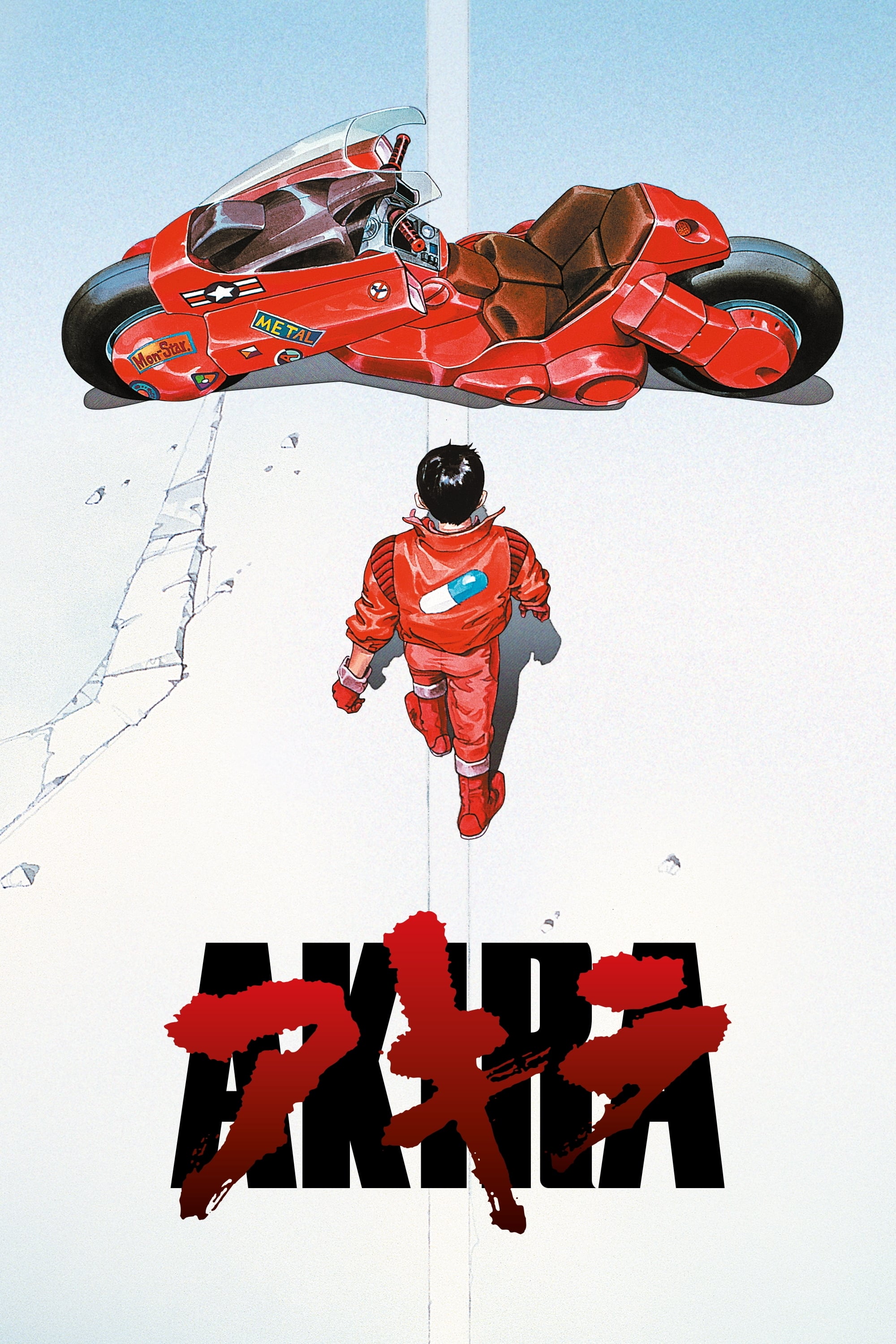
Katsuhiro Otomo directed this feature based on his manga, with animation produced by Tokyo Movie Shinsha. The project used an unusually high cel count and recorded dialogue before animation to match mouth movements precisely. Composer collective Geinoh Yamashirogumi built a score from layered voices and percussion that complements the depiction of Neo Tokyo.
The production designed intricate cityscapes with moving signage and traffic patterns that required custom camera stands for multiplane shots. Multiple English language dubs and restorations followed over the years, and high resolution transfers allow viewers to see background graffiti, vehicle decals, and the grain of the original film stock.
‘Brazil’ (1985)
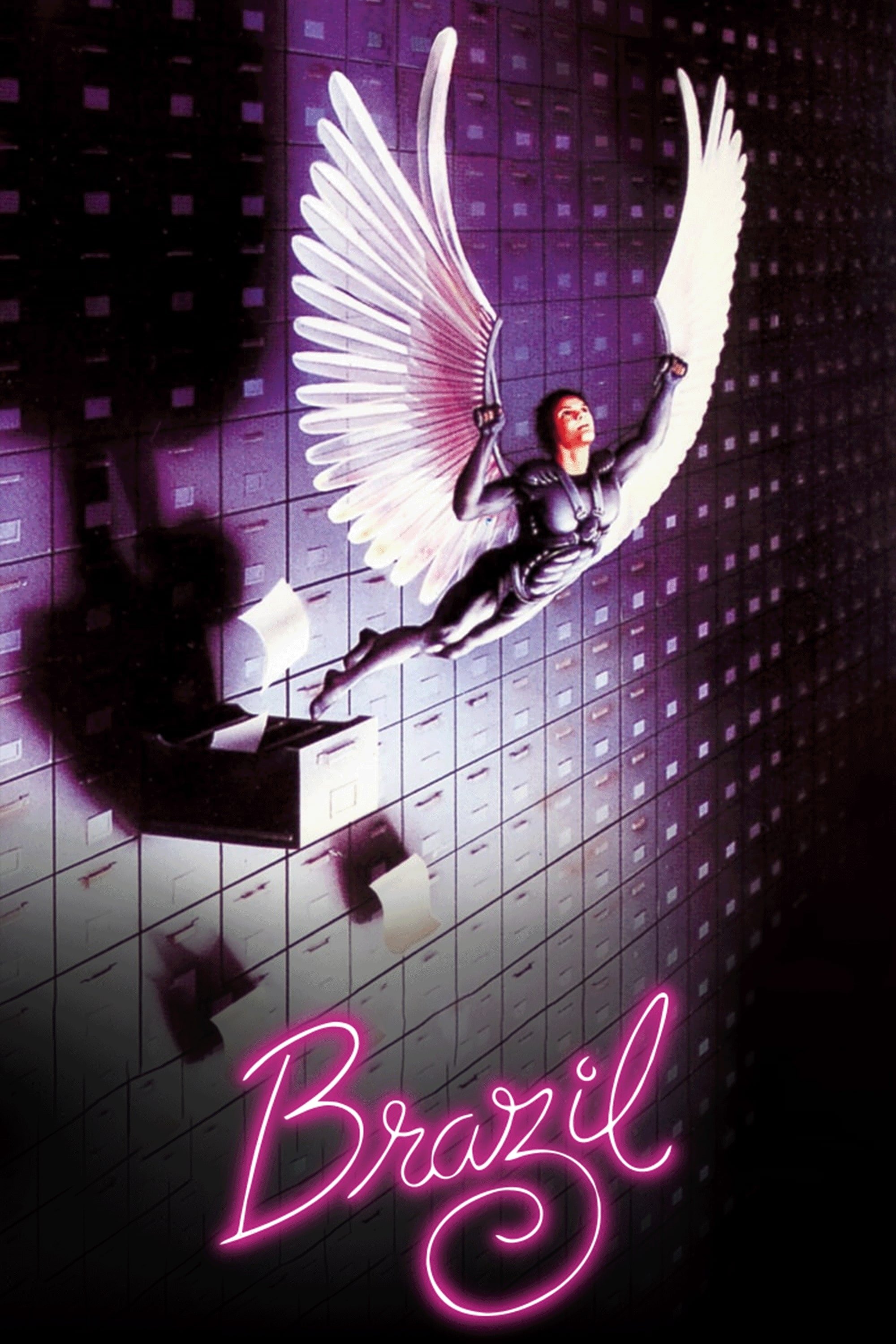
Terry Gilliam directed this blackly comic dystopia starring Jonathan Pryce, with Robert De Niro, Kim Greist, and Ian Holm in key roles. The script by Gilliam, Charles McKeown, and Tom Stoppard imagined a paperwork choked bureaucracy rendered with retro machinery, pneumatic tubes, and crowded set design. Michael Kamen provided a score that weaves the song Aquarela do Brasil through dream and office sequences.
The release history included competing cuts with different endings, and later editions restored Gilliam’s preferred version with added scenes and a revised structure. Production design combined miniature city blocks and full scale sets, and extensive use of practical effects achieved visual gags like ducts tearing through walls without digital assistance.
‘The Fly’ (1986)
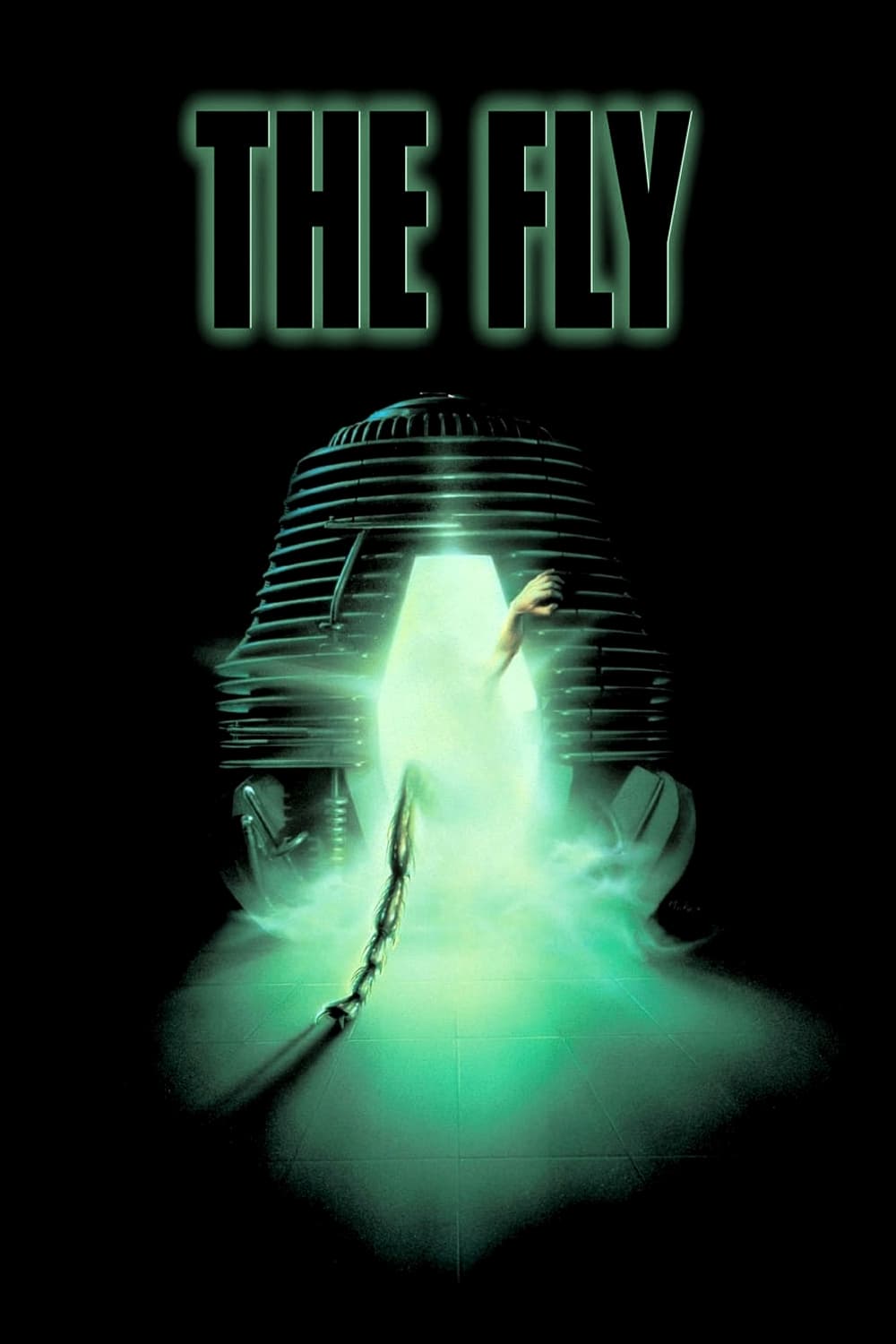
David Cronenberg directed this remake of a classic concept with Jeff Goldblum and Geena Davis. Chris Walas supervised makeup and animatronic effects that progressed through staged transformations, and the production earned an Academy Award for makeup. Howard Shore composed the score, recorded with a large orchestra to contrast the intimate laboratory setting.
Filming took place in Toronto with a contained set plan that allowed for gradual dressing changes as the lead character’s condition advanced. The telepods were engineered as modular prop pieces so that lighting adjustments and camera moves could vary between scenes without rebuilding, and the lab layout supports clear blocking for the final confrontation.
‘Tron’ (1982)
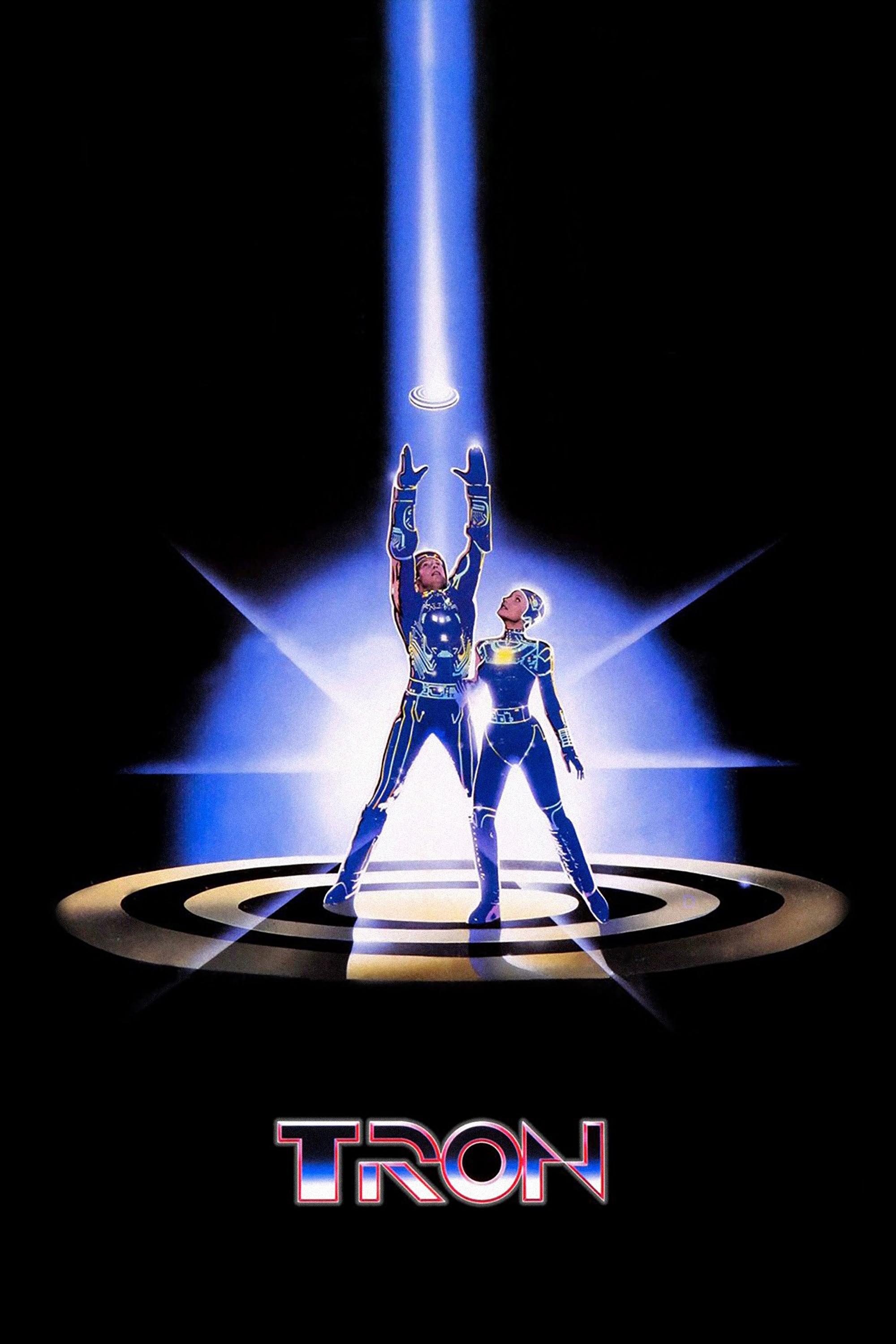
Steven Lisberger directed this Disney film starring Jeff Bridges, Bruce Boxleitner, and Cindy Morgan. The production mixed early computer generated imagery with backlit animation and live action photography to create the world inside the computer. Concept art by Syd Mead and Jean Giraud, also known as Moebius, guided the look of the vehicles and costumes, and Wendy Carlos composed an electronic and orchestral score.
The computer sequences were rendered at facilities aligned with the effects vendors of the time and then combined with photographed elements using optical printers. The project’s digital output was limited by memory and processing constraints, so modelers optimized geometry and textures to keep render times feasible, a workflow that influenced later training materials for digital artists.
‘The Abyss’ (1989)
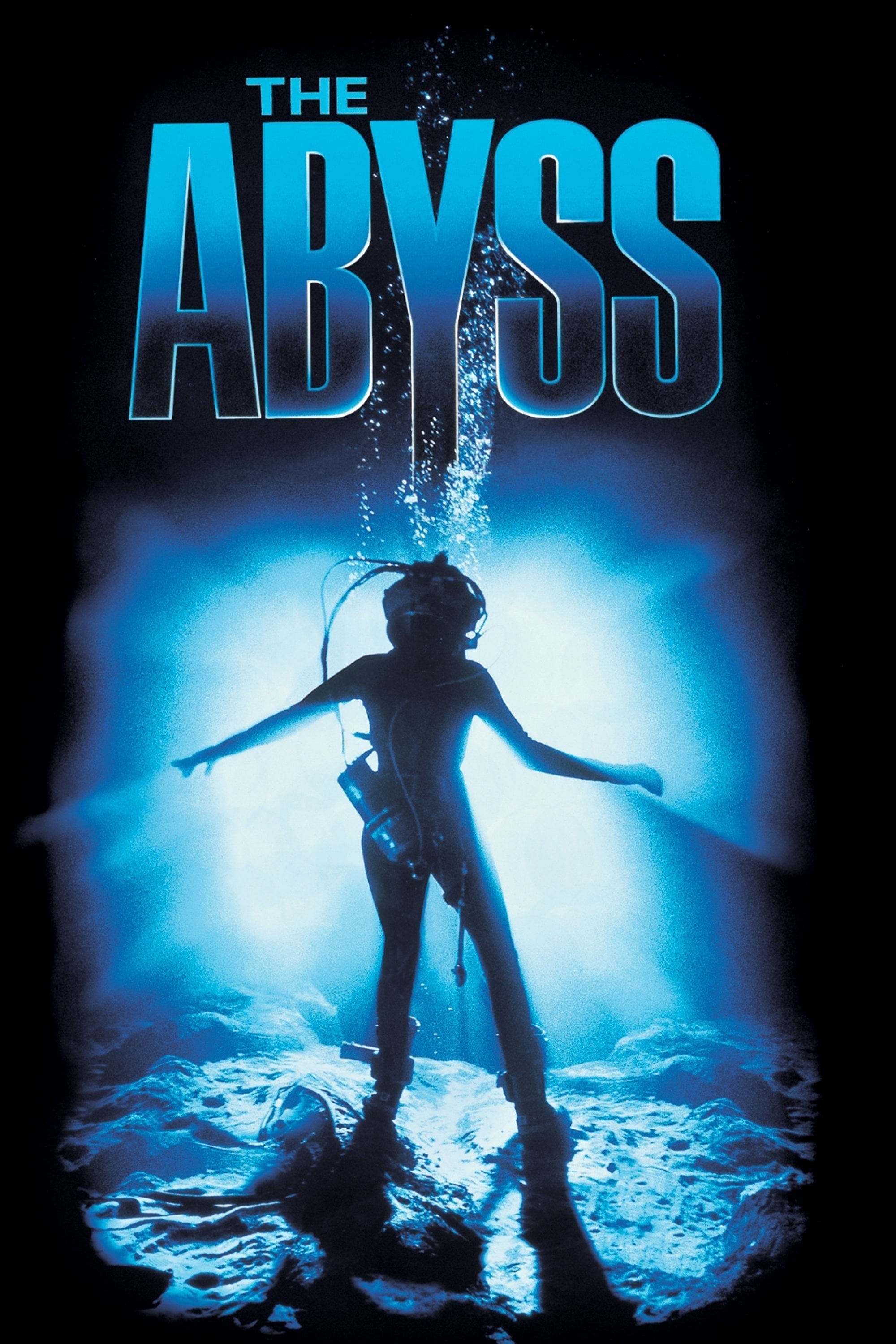
James Cameron directed this underwater adventure starring Ed Harris, Mary Elizabeth Mastrantonio, and Michael Biehn. The production built one of the largest filtered water tanks ever used for a feature and staged prolonged underwater sequences with communication systems that linked actors and crew through full face masks. Industrial Light and Magic created the water tentacle using computer animation and reflection maps to simulate surface detail.
Miniatures of the drilling platform and submersibles were shot underwater with carefully scaled lighting and particulate to sell weight and distance. A Special Edition added character material and story beats that were trimmed for the initial release, and restored editions show fine detail in the suits, control consoles, and buoyancy rigs that supported long takes.
‘They Live’ (1988)
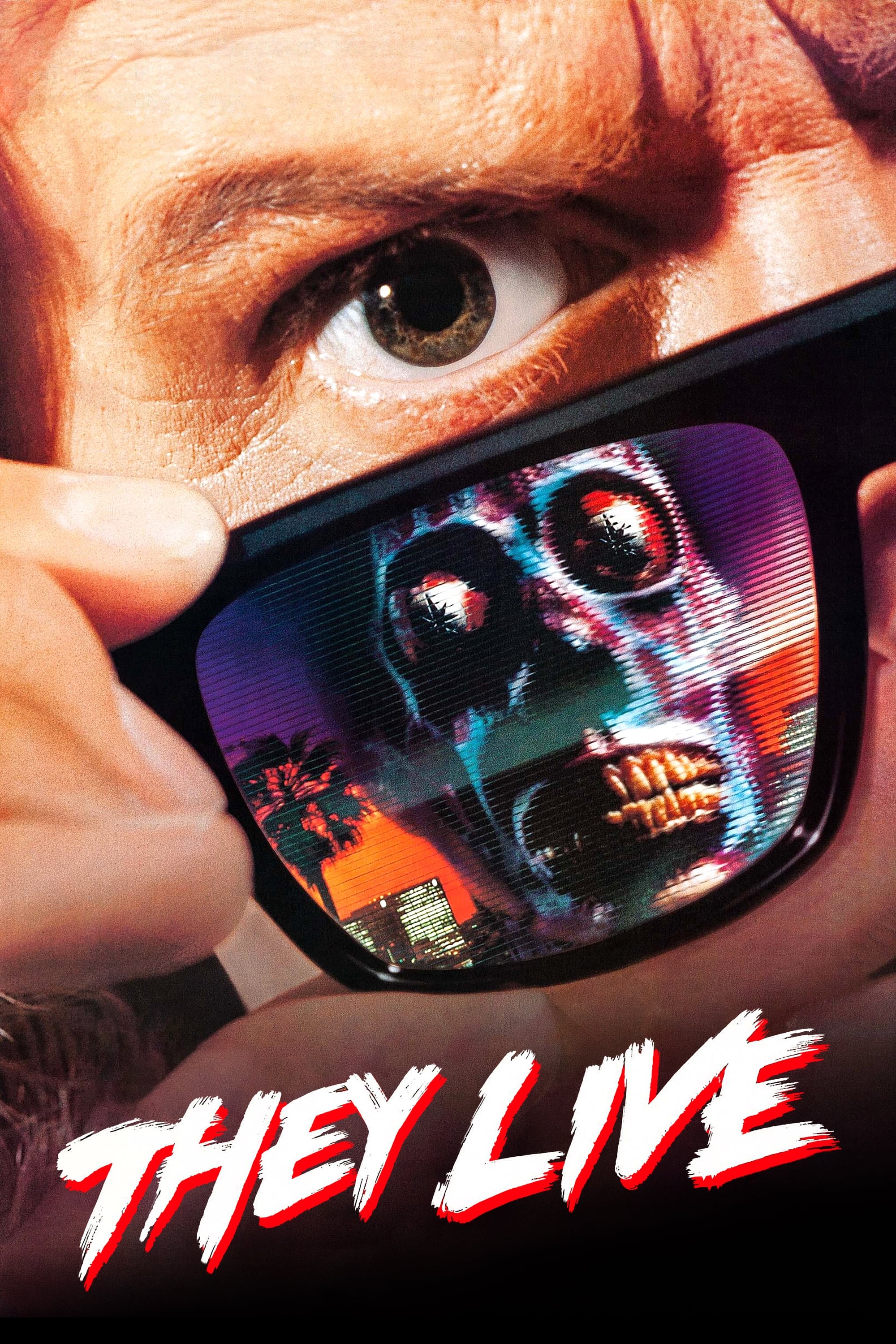
John Carpenter directed this satirical invasion tale with Roddy Piper and Keith David. The film drew from Ray Nelson’s short story Eight O’Clock in the Morning and used black and white photography for the subliminal messages seen through special sunglasses. Carpenter composed the music with Alan Howarth, building a bluesy pulse that fits the urban setting.
Shooting in Los Angeles afforded access to real downtown streets and alleys, and the extended fight between the two leads was staged and rehearsed to minimize hidden cuts. Makeups and signage were produced in volume to cover blocks of the city during shoot days, and later home releases include commentary tracks that outline the production timeline.
‘Star Trek II: The Wrath of Khan’ (1982)
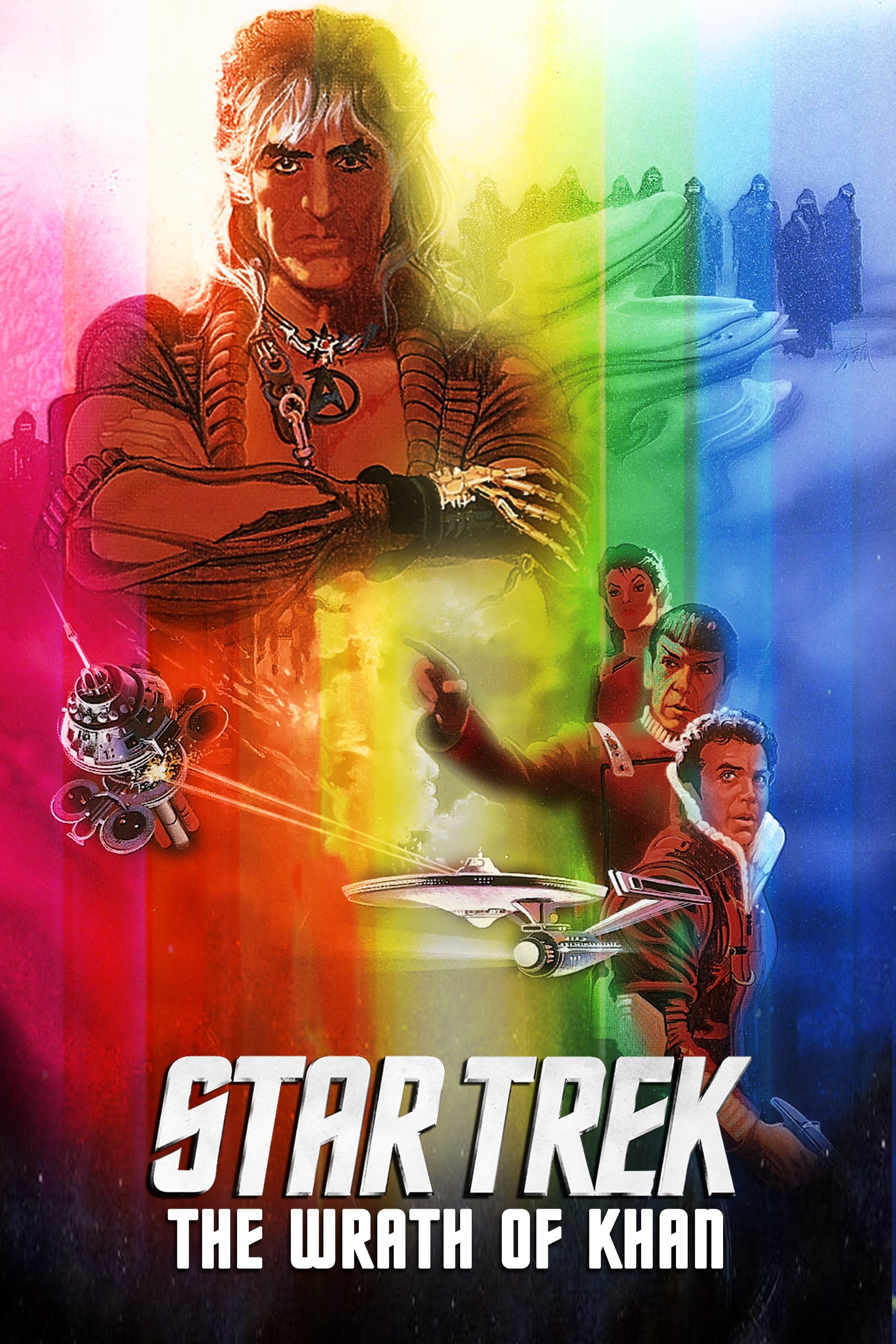
Nicholas Meyer directed this entry in the ‘Star Trek’ series with William Shatner, Leonard Nimoy, and Ricardo Montalbán. The story draws on the television episode ‘Space Seed’ and introduces the Genesis Device, which was visualized with early computer graphics from the Lucasfilm computer division alongside model work by Industrial Light and Magic. James Horner delivered a nautical themed score that became closely associated with the series.
Costumes and production design updated Starfleet uniforms and bridge layouts for a leaner aesthetic that photographed well under Meyer’s preferred lighting. The film’s performance encouraged a steady cadence of sequels, and modern transfers showcase the miniature Reliant and Enterprise models with sharpness that highlights panel lines and scorch marks from battle damage.
‘Mad Max 2’ (1981)
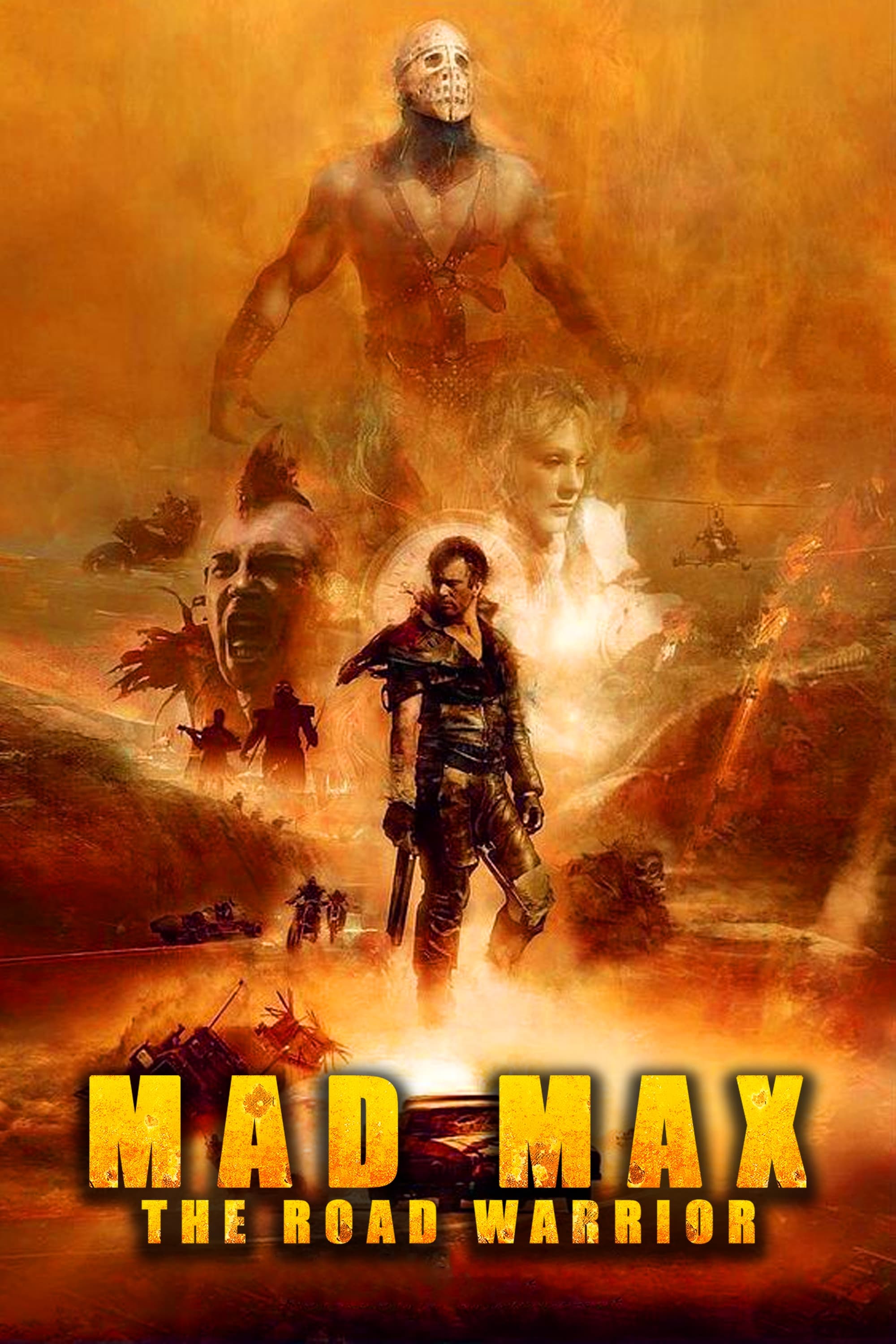
George Miller directed this Australian production with Mel Gibson returning as Max. Dean Semler’s cinematography favored low angle vehicle shots and long lenses that compressed the horizon, and the stunt team executed full speed rollovers and motorcycle slides with practical rigging. Norma Moriceau’s costume design codified the scavenger look with leather, feathers, and protective sports gear repurposed as armor.
Locations near Broken Hill provided open roadways for convoy chases and a fortified compound set that anchored the story. Release materials often used the title ‘Mad Max 2’ in some territories while the North American market saw the ‘The Road Warrior’ name, and both versions share the same footage and structure across home media.
‘WarGames’ (1983)
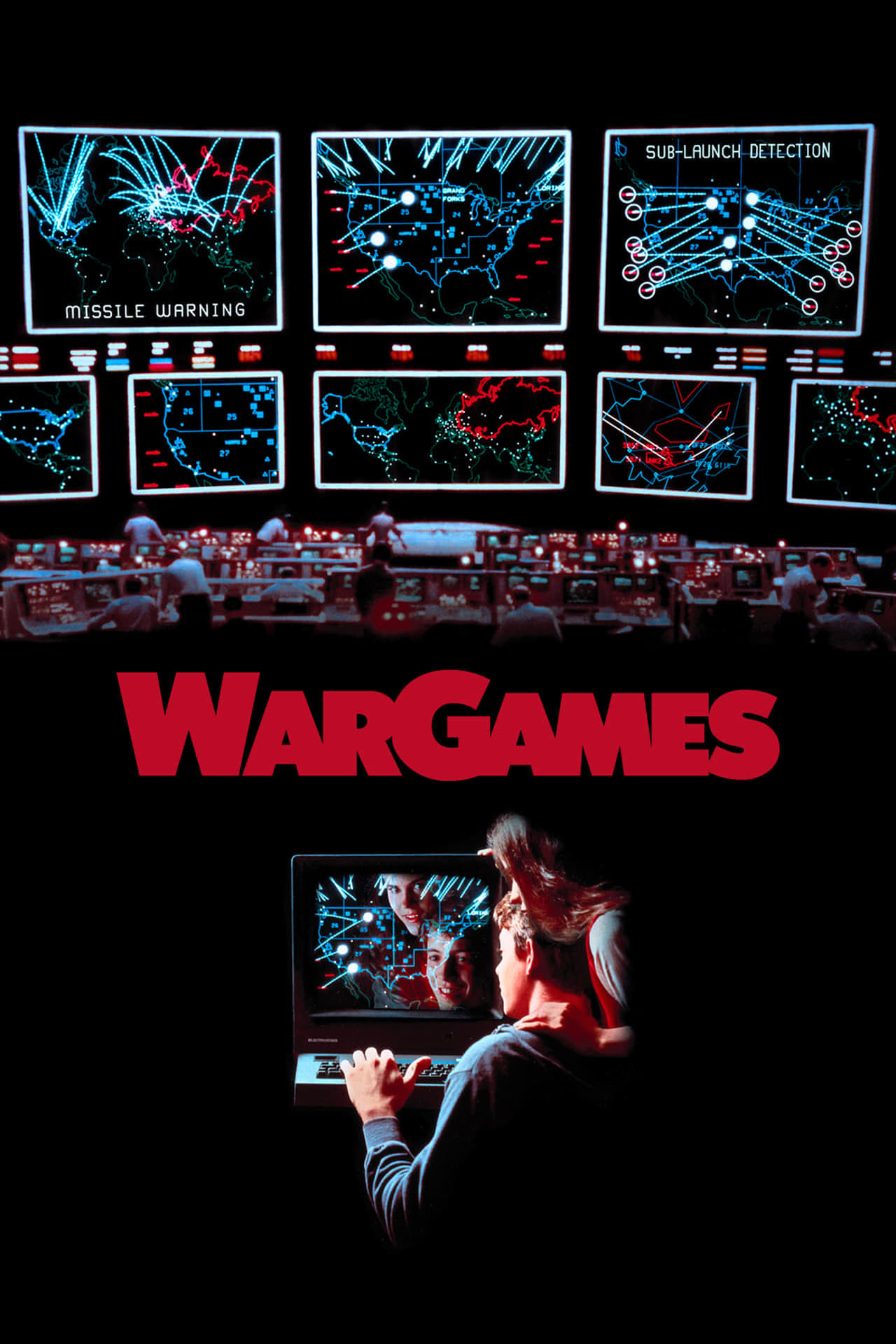
John Badham directed this high tech thriller starring Matthew Broderick, Ally Sheedy, and Dabney Coleman. The story by Lawrence Lasker and Walter F. Parkes follows a teenager who dials into a military computer during a search for games, with production designers building a large NORAD command center set filled with functioning displays. Arthur B. Rubinstein scored the film with a blend of orchestra and electronics.
The team consulted with computer experts to depict dial up access, phone couplers, and early password techniques, and the user interfaces were created as animated graphics rather than live computing to maintain timing control. The film prompted public conversation about security and networks, and it remains a reference point in discussions of human factors in command systems.
‘The Last Starfighter’ (1984)
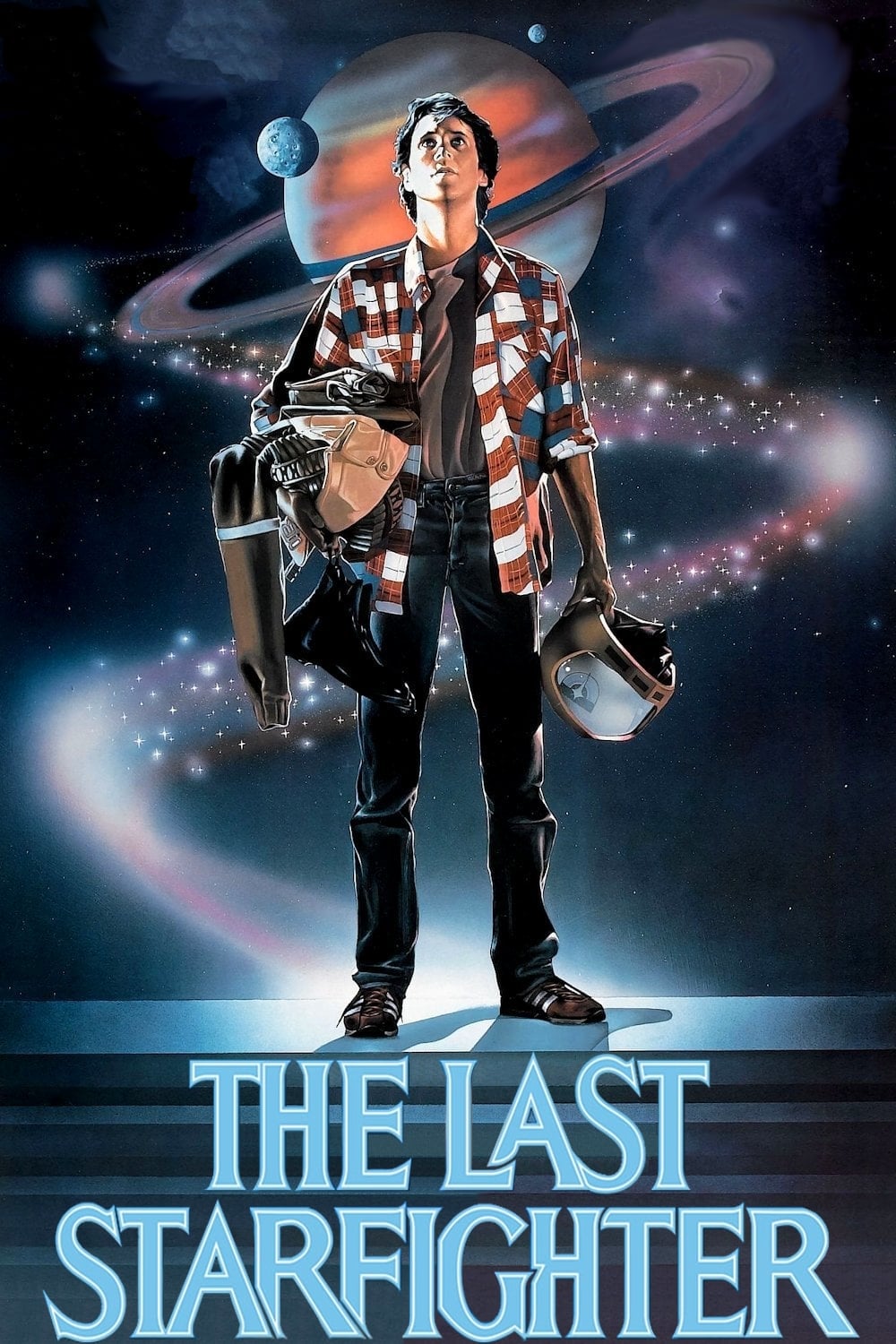
Nick Castle directed with Lance Guest and Robert Preston headlining. The production turned to Digital Productions for an unusually high number of computer generated shots, rendering spacecraft, planets, and battle scenes on a Cray supercomputer. Craig Safan composed a soaring main theme that underscored the wish fulfillment arc of a gamer recruited by aliens.
Sets for the trailer park were built on location to capture natural light, while spacecraft interiors were staged on soundstages for repeatable camera moves. The tie in arcade cabinet was developed to promote the film, and although the commercial game changed during development, the connection speaks to how the project embraced both film and interactive media.
‘Escape from New York’ (1981)
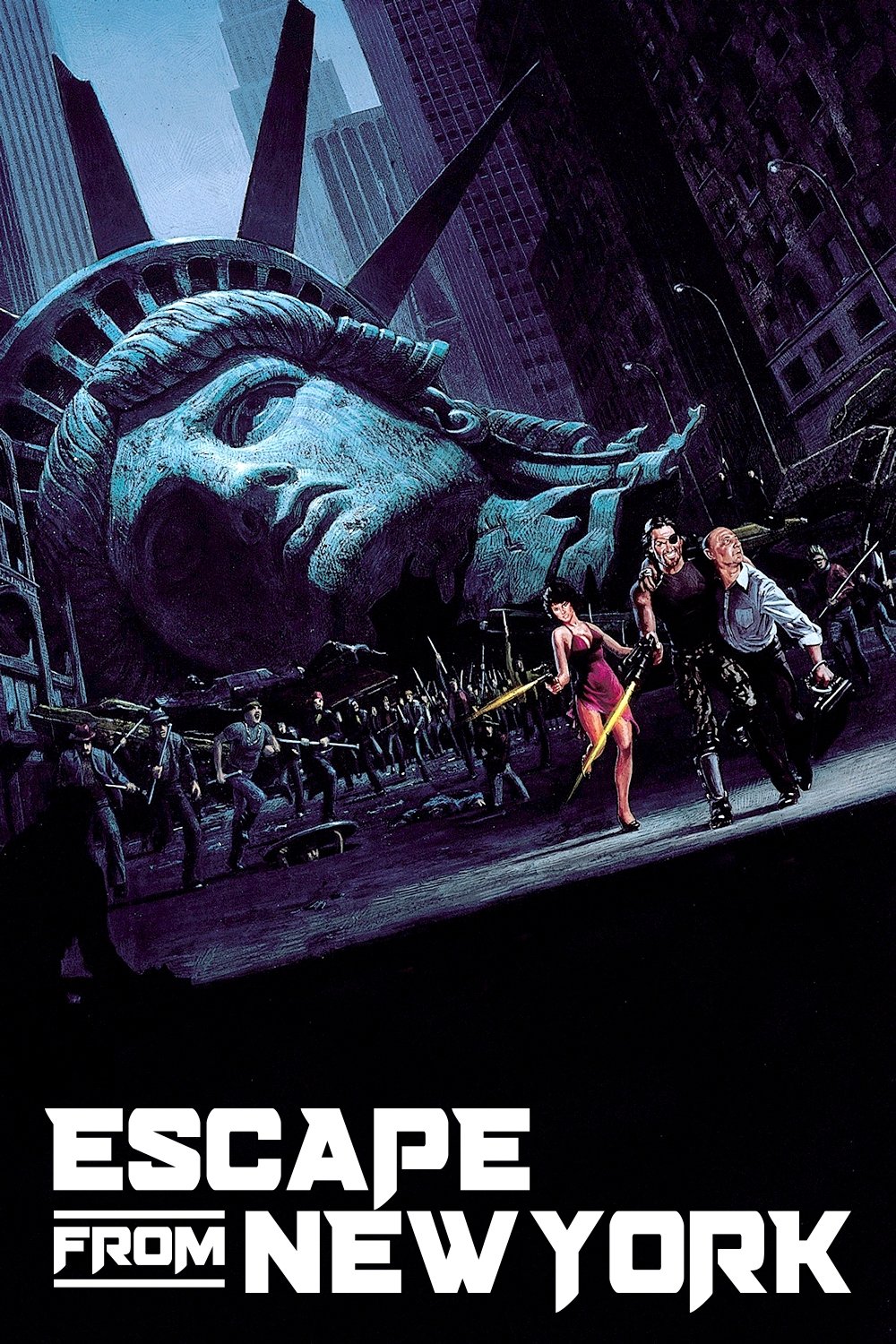
John Carpenter directed this near future prison city tale starring Kurt Russell, Lee Van Cleef, Adrienne Barbeau, and Donald Pleasence. St. Louis, Missouri stood in for decayed Manhattan with blocks of real streets used for night shooting. Joe Alves led production design, and Carpenter composed the score with Alan Howarth using sequencer patterns and minimalist motifs.
To create the computer map effect of the city, the team built a physical model with reflective tape on the building edges and photographed it to mimic wireframe graphics. Miniatures and matte shots extended cityscapes, and the final release presents a blend of on location grit and stage work that has been preserved in later restorations.
Share your favorite picks from the list and tell us which other titles deserve a spot in the comments.

