


1980s Sci-Fi Movies That Are Completely Unwatchable Today



The ’80s were a wild experimental decade for science fiction, mixing pulp adventure, neon camp, practical effects, and early computer graphics into all kinds of big swings. Some of those swings changed the genre; others left behind curious time capsules full of rubber suits, matte paintings, and synth scores. This list rounds up forty sci-fi films from that era and gives you the basics—who made them, who starred in them, what they’re about, and how they fared. If you’re diving into an ’80s binge, use this as a quick-reference guide to some of the odder stops along the way.
‘Howard the Duck’ (1986)
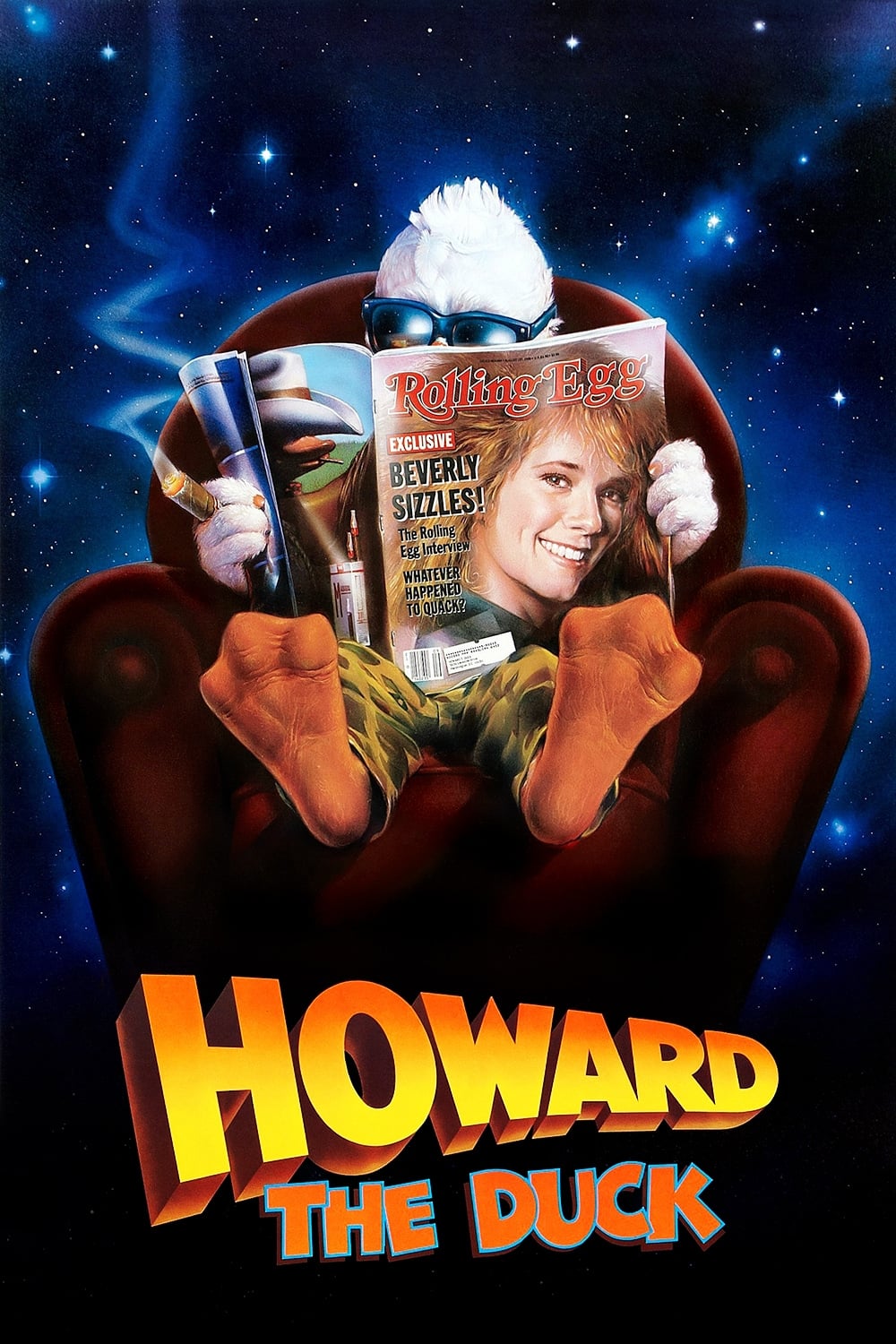
Produced by George Lucas, this comic-book adaptation follows an anthropomorphic duck transported from his home world to Cleveland via a scientific accident. Willard Huyck directed, with Lea Thompson, Jeffrey Jones, and Tim Robbins among the principal cast. The film mixes animatronics, suit acting, and miniature effects overseen by teams associated with Lucasfilm. Universal distributed it wide in the United States, and it has circulated heavily on home video and television syndication.
‘Superman IV: The Quest for Peace’ (1987)

Christopher Reeve returns as the Man of Steel in a story centered on a unilateral plan to rid Earth of nuclear weapons. Sidney J. Furie directed, with Gene Hackman, Margot Kidder, and Jon Cryer in supporting roles. The production was handled by Cannon Films, with extensive wire work and optical composites for flight and space sequences. Despite franchise name recognition, the movie underperformed at the box office and received a modest theatrical run in several international markets.
‘Mac and Me’ (1988)
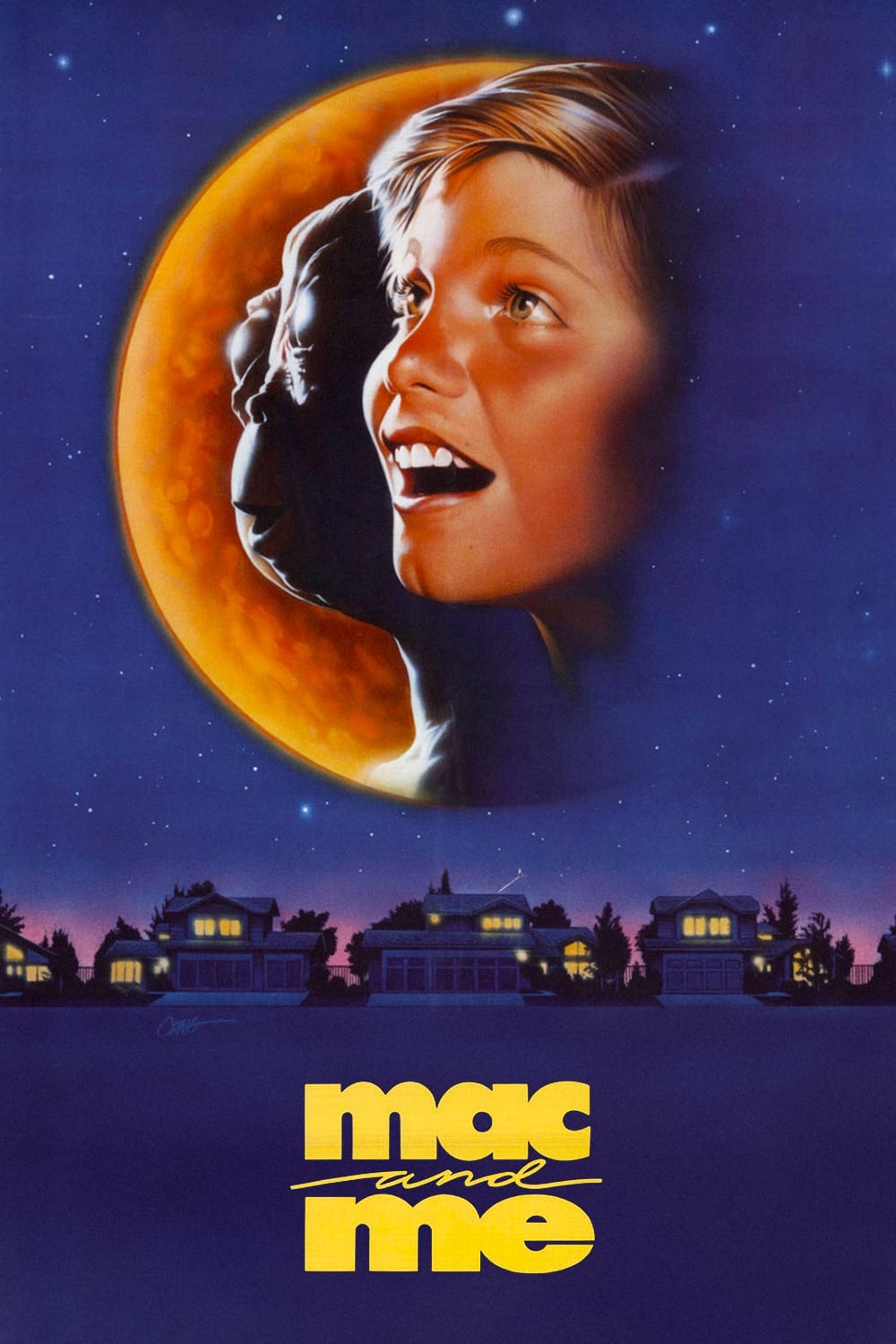
This family-oriented alien tale features a young boy who befriends a stranded extraterrestrial separated from its family after a NASA encounter. Stewart Raffill directed, and the cast includes Jade Calegory, Lauren Stanley, and Christine Ebersole. The production relied on puppetry and suit performance for the alien characters, with a contemporary pop soundtrack and prominent fast-food and soft-drink placements woven into the plot. Orion Pictures released it widely, followed by a strong afterlife on VHS and cable.
‘Masters of the Universe’ (1987)
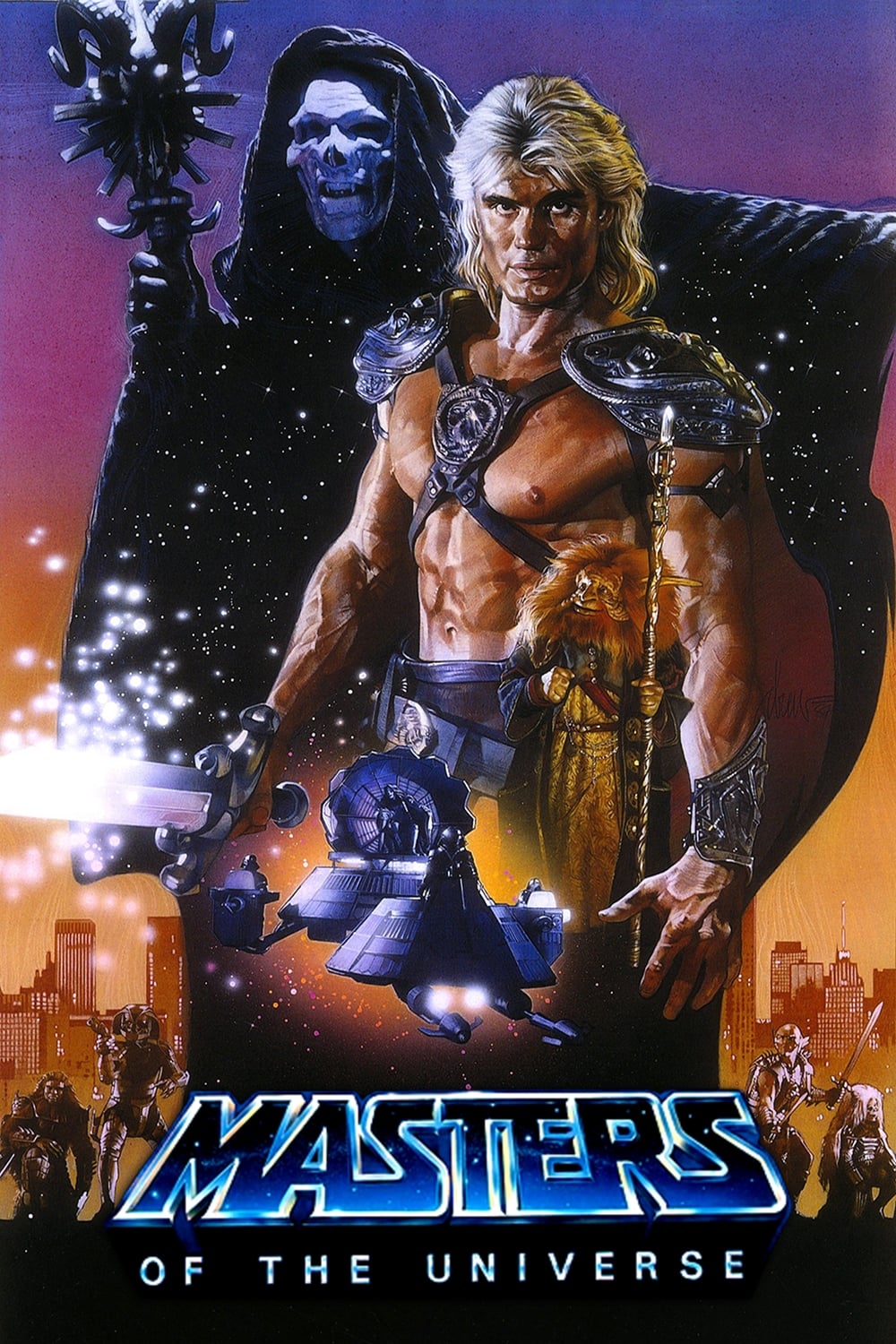
Based on the Mattel toyline and animated series, the film transplants He-Man’s struggle with Skeletor to a California town via a cosmic key device. Gary Goddard directed, with Dolph Lundgren as He-Man and Frank Langella as Skeletor, plus Courteney Cox and James Tolkan. Cannon Films produced, combining elaborate throne-room sets with on-location night shoots and extensive makeup and prosthetics. The movie opened in North America through a major distributor and later developed a cult audience on home media.
‘Krull’ (1983)

This fantasy-sci-fi hybrid follows Prince Colwyn’s quest to rescue Princess Lyssa from an alien invader known as the Beast, wielding a star-shaped weapon called the Glaive. Peter Yates directed, with Ken Marshall and Lysette Anthony leading a cast that also includes early roles for Liam Neeson and Robbie Coltrane. The production built large-scale sets at Pinewood Studios and showcased practical creature effects and optical shots. Columbia Pictures handled theatrical distribution, and the James Horner score is frequently cited in soundtrack circles.
‘Metalstorm: The Destruction of Jared-Syn’ (1983)
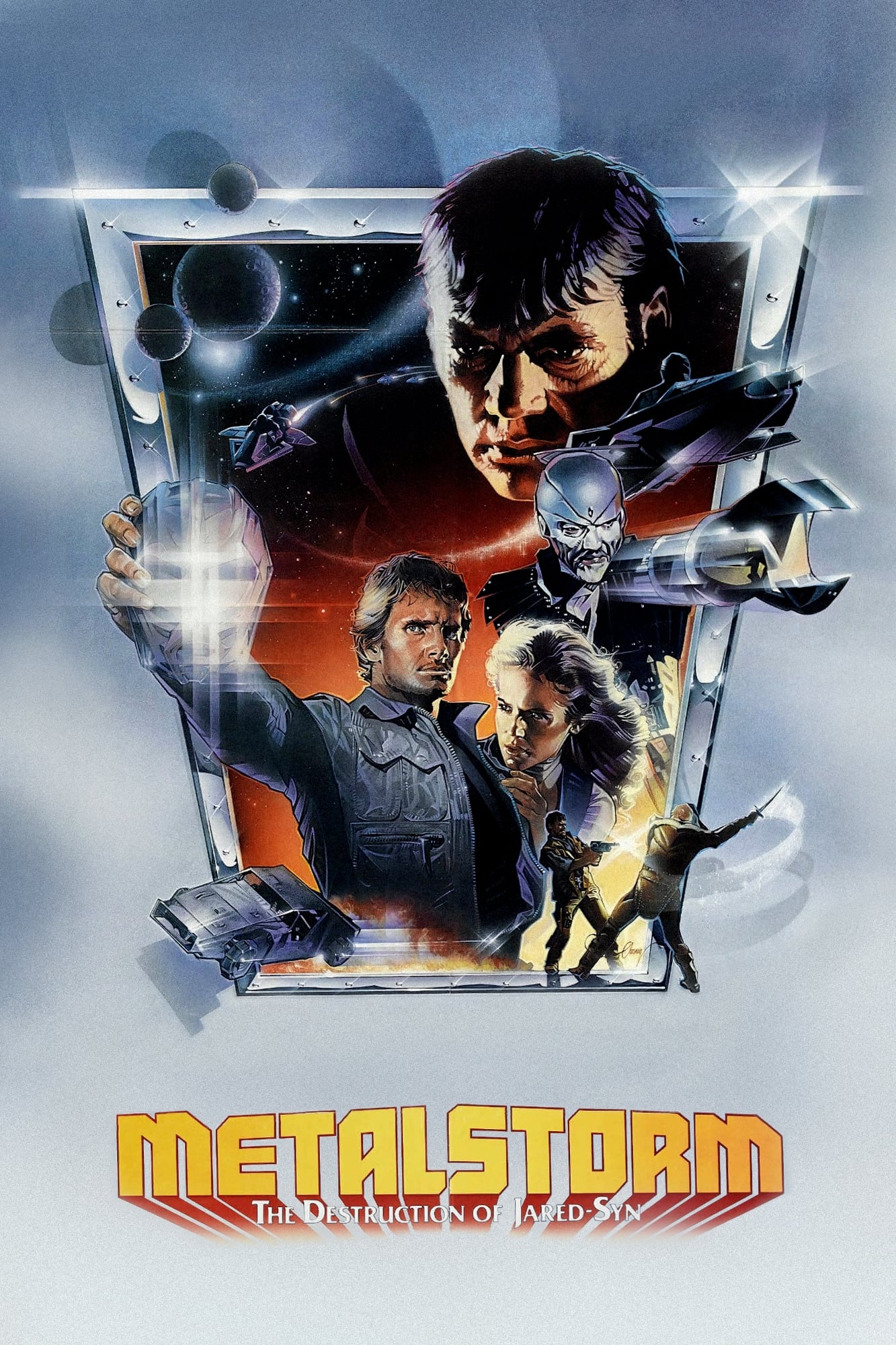
Set on a desert planet, this film follows a peace officer hunting the warlord Jared-Syn and his cyborg enforcer over a rare crystal. Charles Band directed, with Jeffrey Byron, Tim Thomerson, and Richard Moll starring. It was photographed in stereoscopic 3D, using desert locations and practical vehicle rigs to stage chase sequences. Released by Universal domestically, it later became a staple of midnight screenings and genre video shelves.
‘Space Mutiny’ (1988)
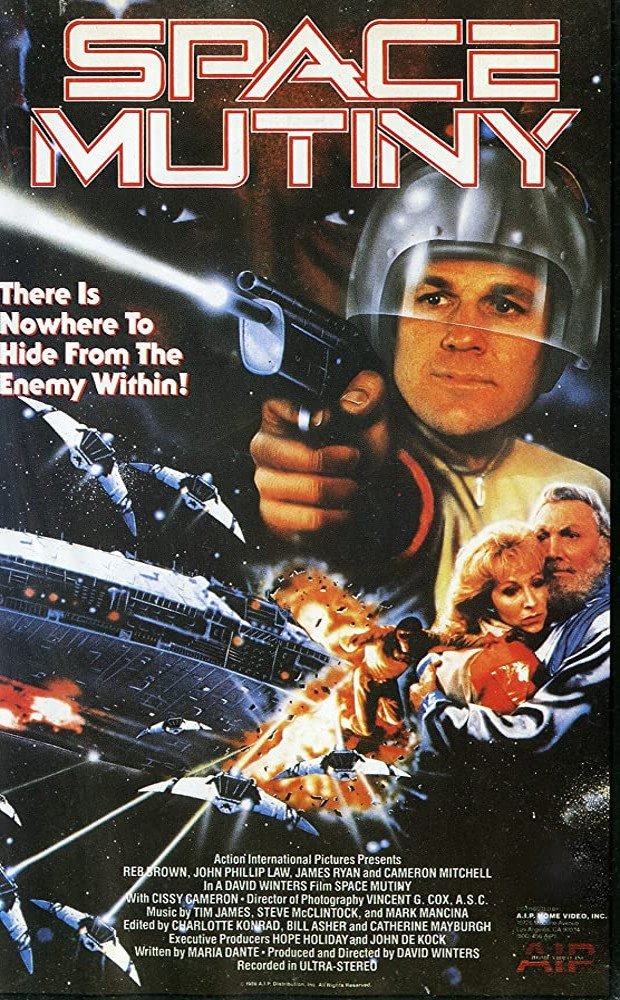
This space opera centers on a mutiny aboard a massive generation ship as security officers clash with rebellious crew members. David Winters directed, with Reb Brown and Cisse Cameron in leading roles and John Phillip Law as an antagonist. The production used repurposed sets and miniature footage, with post-production overlays for computer displays and bridge readouts. It reached audiences primarily through limited theatrical engagements and subsequent television broadcasts.
‘Robot Jox’ (1989)
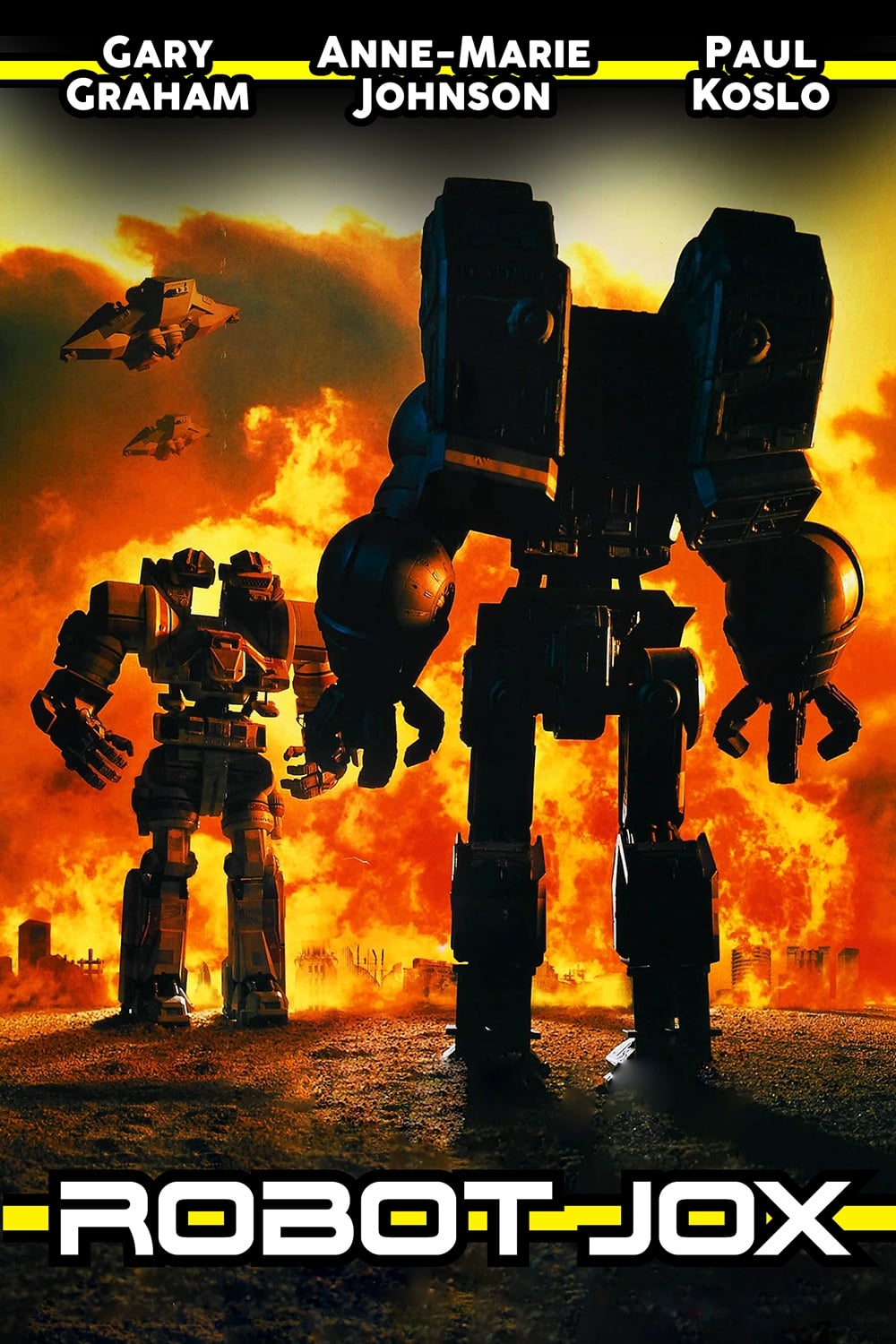
In a world where international disputes are settled by giant robot bouts, a pilot prepares for a high-stakes mech duel against a rival superpower. Stuart Gordon directed, with Gary Graham, Anne-Marie Johnson, and Paul Koslo starring. The effects team employed large-scale stop-motion, miniatures, and motion-control photography for the robot battles. It was produced by Empire Pictures and later distributed widely on home video, where the effects work drew attention from genre fans.
‘Alien from L.A.’ (1988)
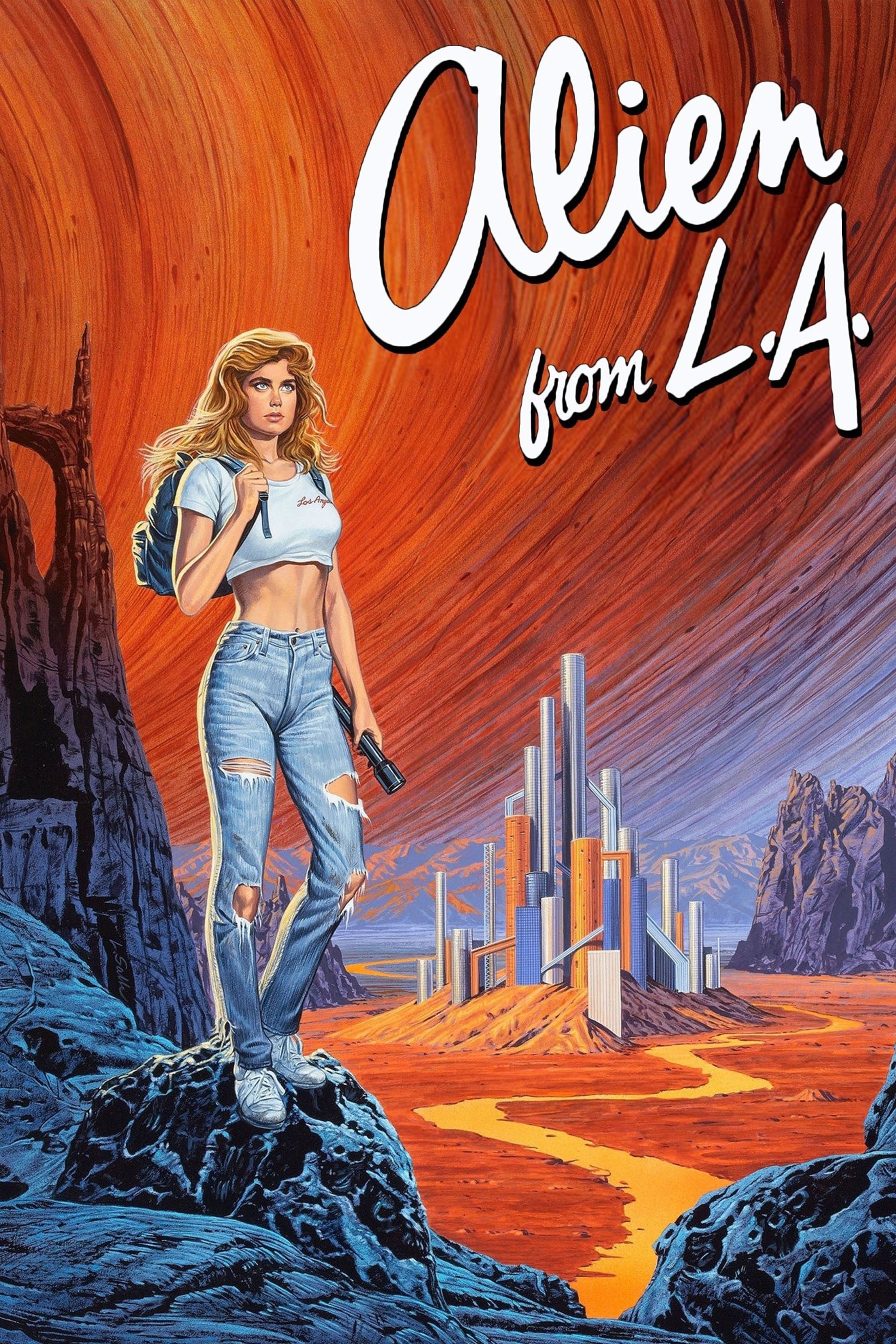
After discovering a letter in North Africa, a young woman tumbles into a subterranean civilization beneath the Earth. Albert Pyun directed, with Kathy Ireland in her screen debut and William R. Moses in support. The film features stylized underground city sets, heavy fog atmospherics, and costumed patrols enforcing strict rules on outsiders. It saw limited theatrical release and became more visible through cable airings and a later cult following.
‘MegaForce’ (1982)
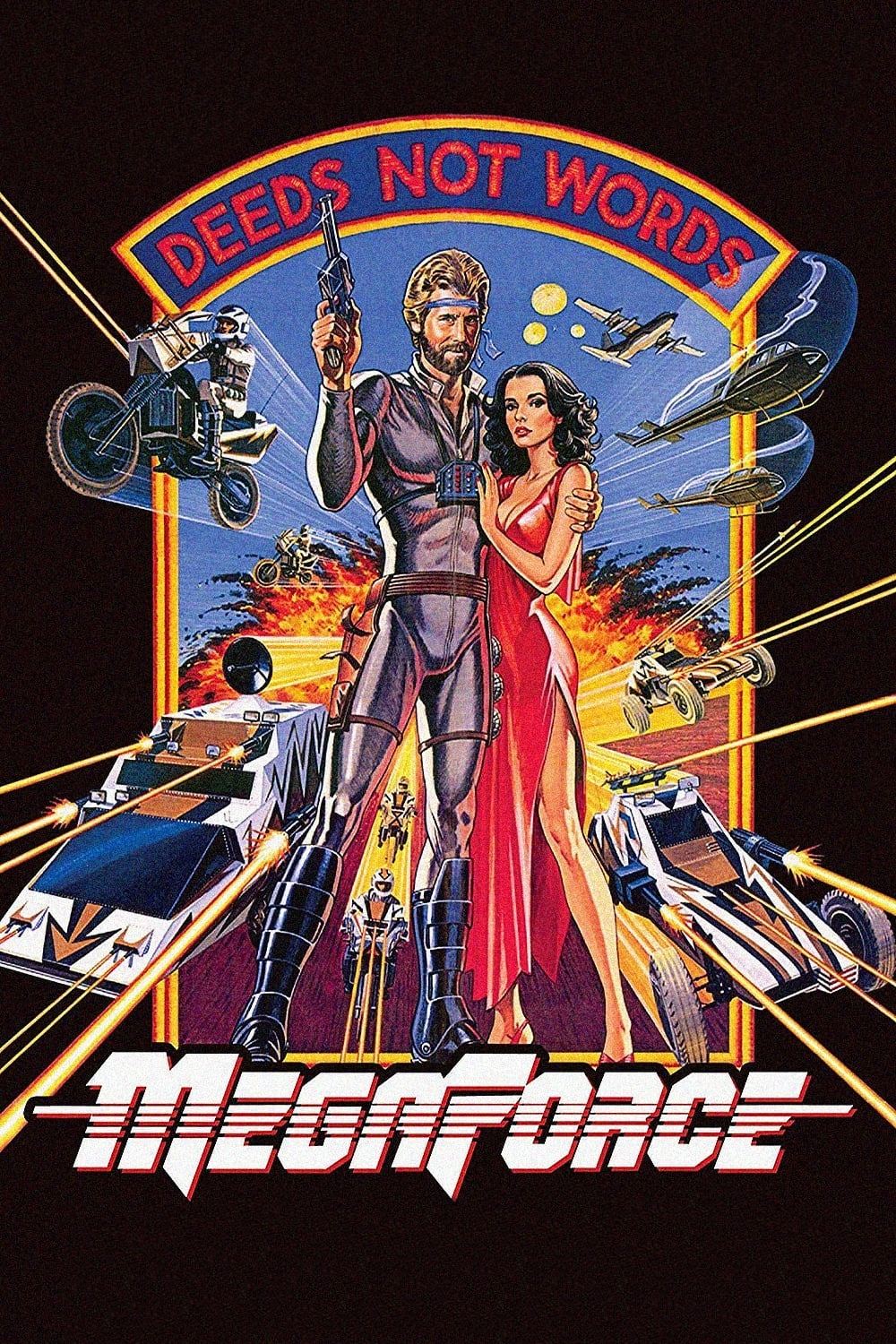
A high-tech commando unit outfitted with futuristic motorcycles, dune buggies, and aircraft undertakes a covert operation in a fictional region. Hal Needham directed, with Barry Bostwick leading a cast that includes Michael Beck and Persis Khambatta. Known for stunt-driven set pieces, the production leaned on practical pyrotechnics, vehicle jumps, and rear-projection compositing. Distributed by 20th Century Fox, it was supported by a merchandising push that included tie-in toys and promotional materials.
‘Solarbabies’ (1986)
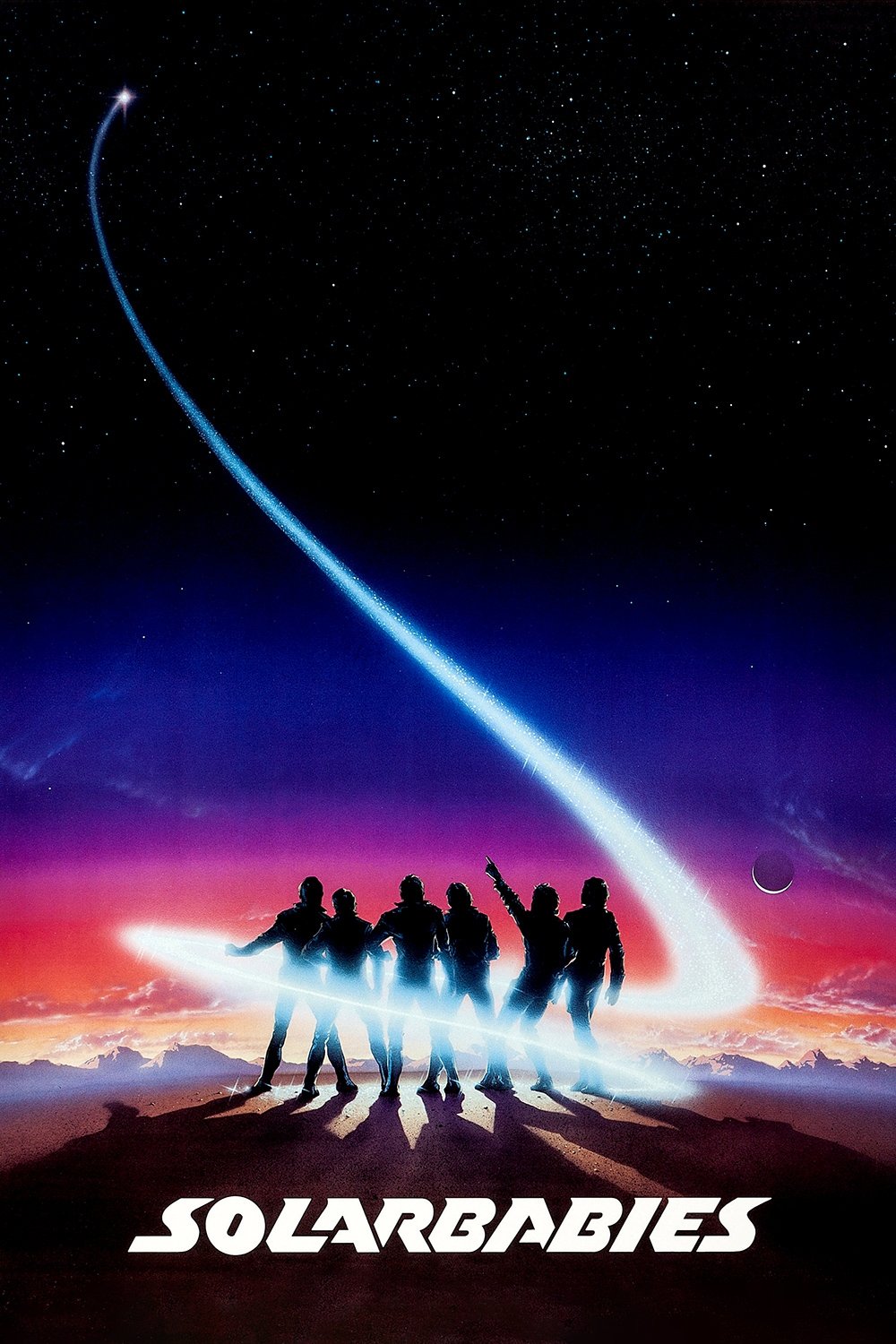
In a drought-stricken future, a group of orphaned teens discovers a mysterious sphere that draws them into a conflict with an authoritarian regime. Alan Johnson directed, with Jason Patric, Lukas Haas, Jami Gertz, and Richard Jordan among the ensemble. Shot across desert locations and soundstages, it features roller-hockey sequences, armored vehicles, and a synth-heavy score. The film was produced under the Brooksfilms banner and released by MGM, then circulated broadly on VHS.
‘Moontrap’ (1989)
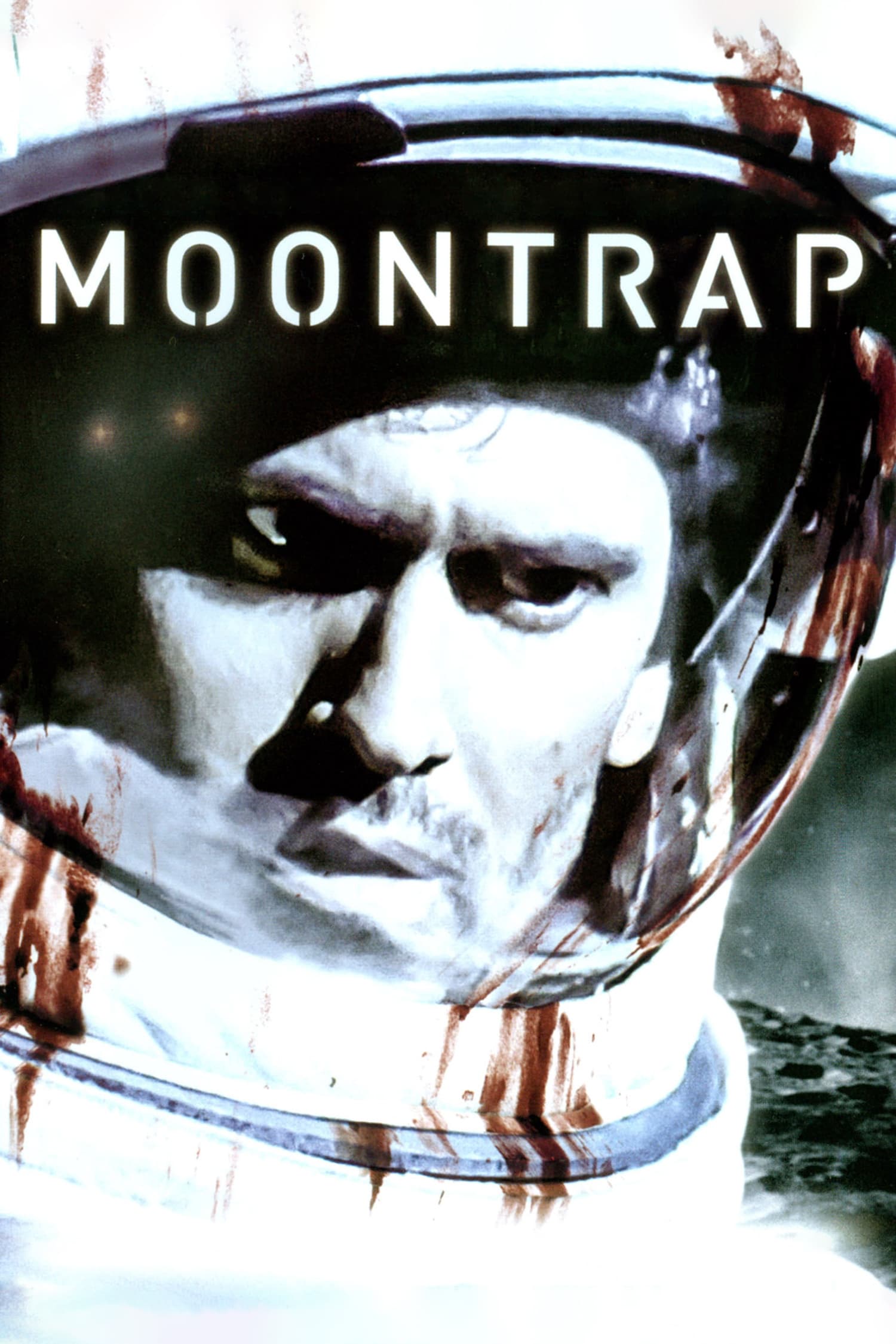
Two astronauts encounter ancient robotic entities connected to a long-buried lunar mystery. Directed by Robert Dyke, the film stars Walter Koenig and Bruce Campbell. Practical creature effects, miniature spacecraft, and studio-built lunar environments anchor the visuals. It had a modest theatrical footprint and gained most of its audience through video rentals and genre conventions.
‘Gor’ (1987)
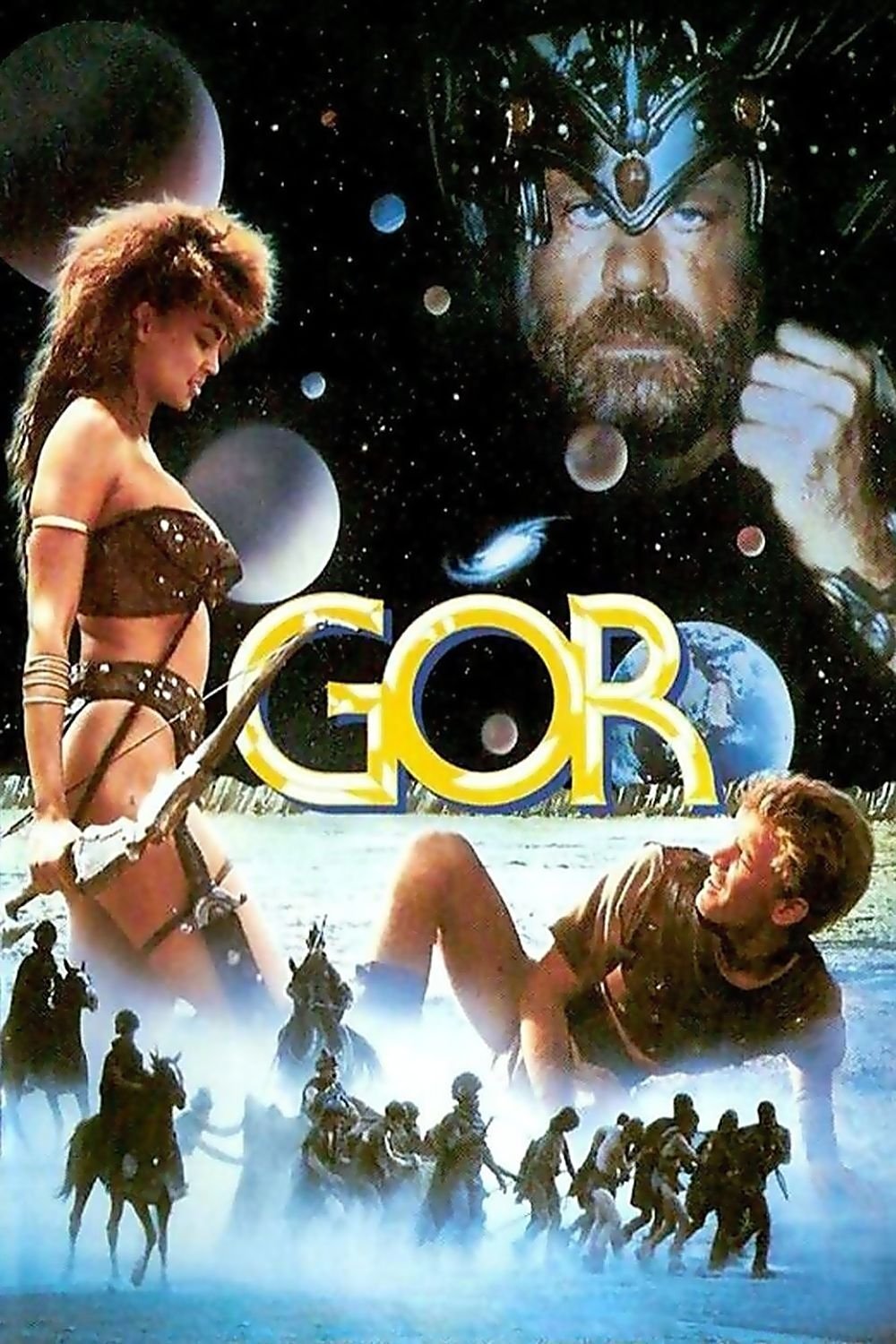
Adapted from John Norman’s sword-and-planet novels, the story follows a professor transported to a barbaric alien world where he becomes embroiled in palace intrigue. Fritz Kiersch directed, with Urbano Barberini, Rebecca Ferratti, and Jack Palance featured. The production combined South African locations with interior sets, emphasizing gladiatorial arenas and desert vistas. It spawned a follow-up film featuring many of the same creative personnel and recurring characters.
‘The Apple’ (1980)
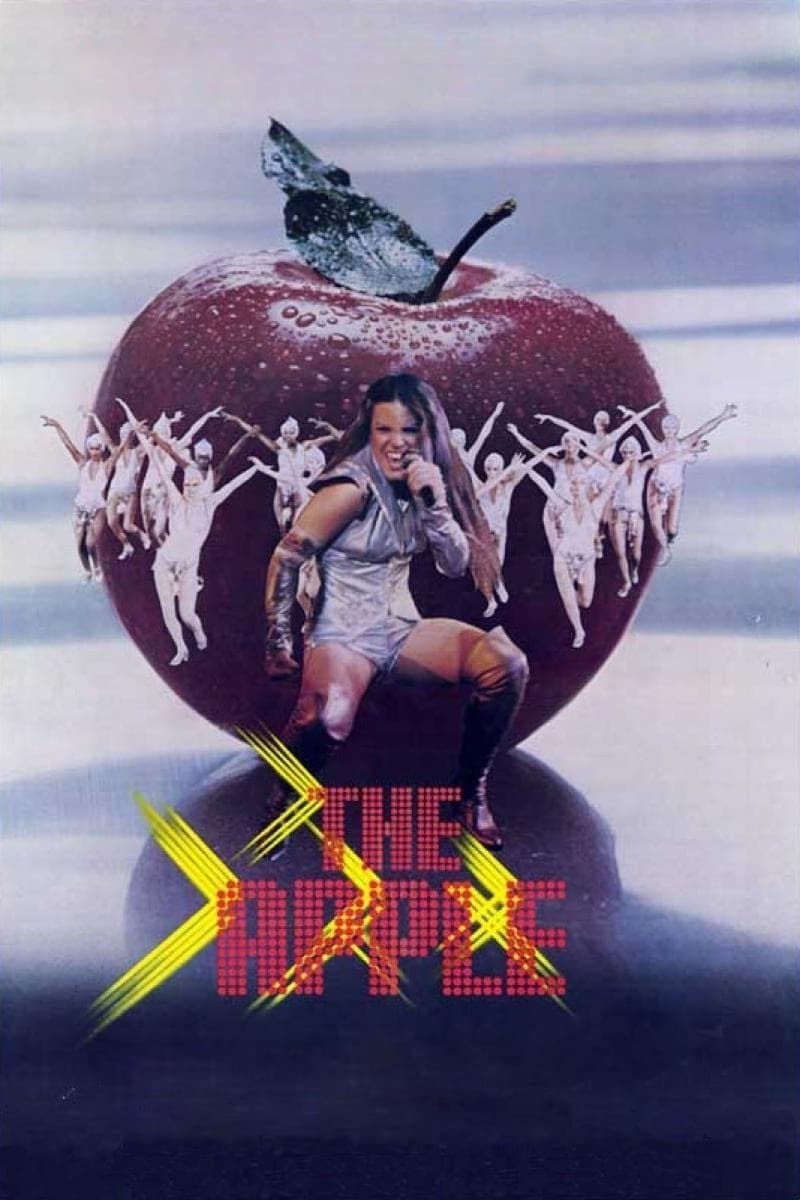
This rock musical imagines a near-future music industry dominated by a powerful label that manipulates performers through a Faustian contract. Menahem Golan directed, with Catherine Mary Stewart, Allan Love, and Grace Kennedy in key roles. The movie features elaborate stage numbers, glittering costumes, and a soundtrack of disco-inflected tunes. It was distributed widely by Crown International Pictures and later became a midnight-movie favorite for sing-along screenings.
‘Slipstream’ (1989)
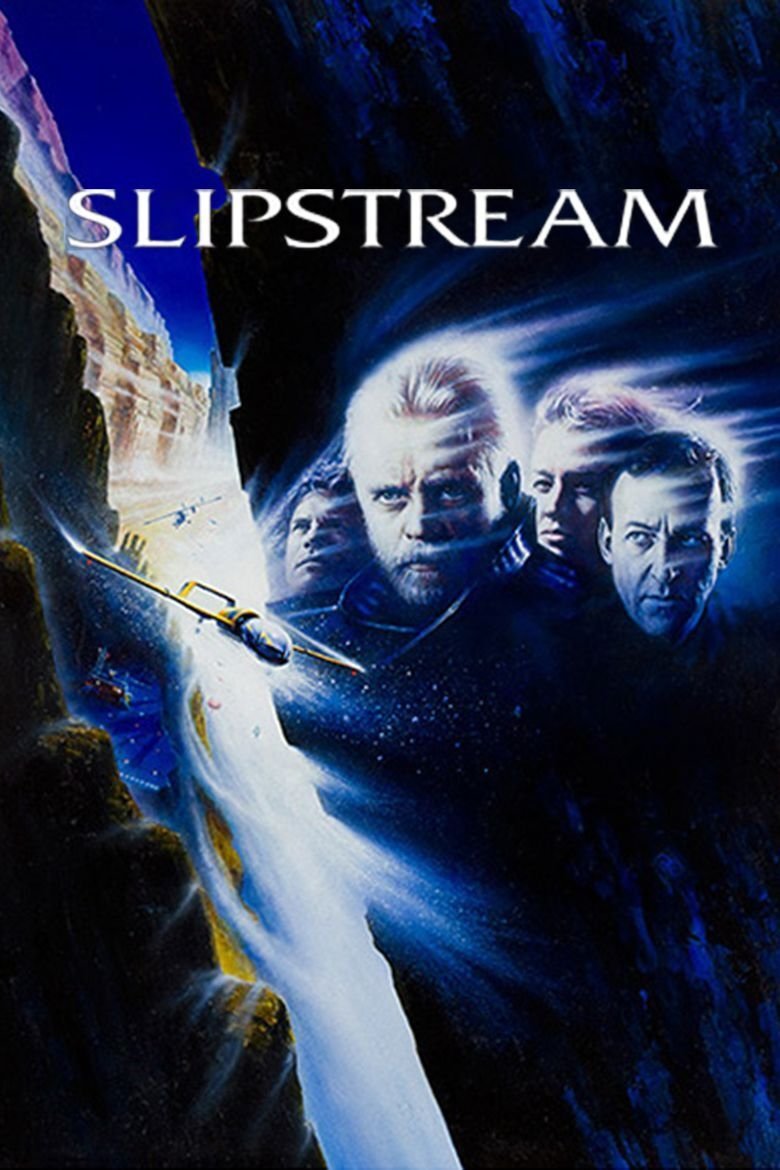
Set after a global cataclysm that altered atmospheric patterns, the plot follows a bounty hunter transporting a fugitive through canyons carved by perpetual winds. Steven Lisberger directed, with Mark Hamill, Bill Paxton, and Bob Peck headlining. Aerial cinematography, lightweight aircraft, and wind-tunnel effects define much of the action. Despite recognizable stars, the film’s release pattern varied by territory, with significant viewership arriving via home video.
‘Galaxina’ (1980)
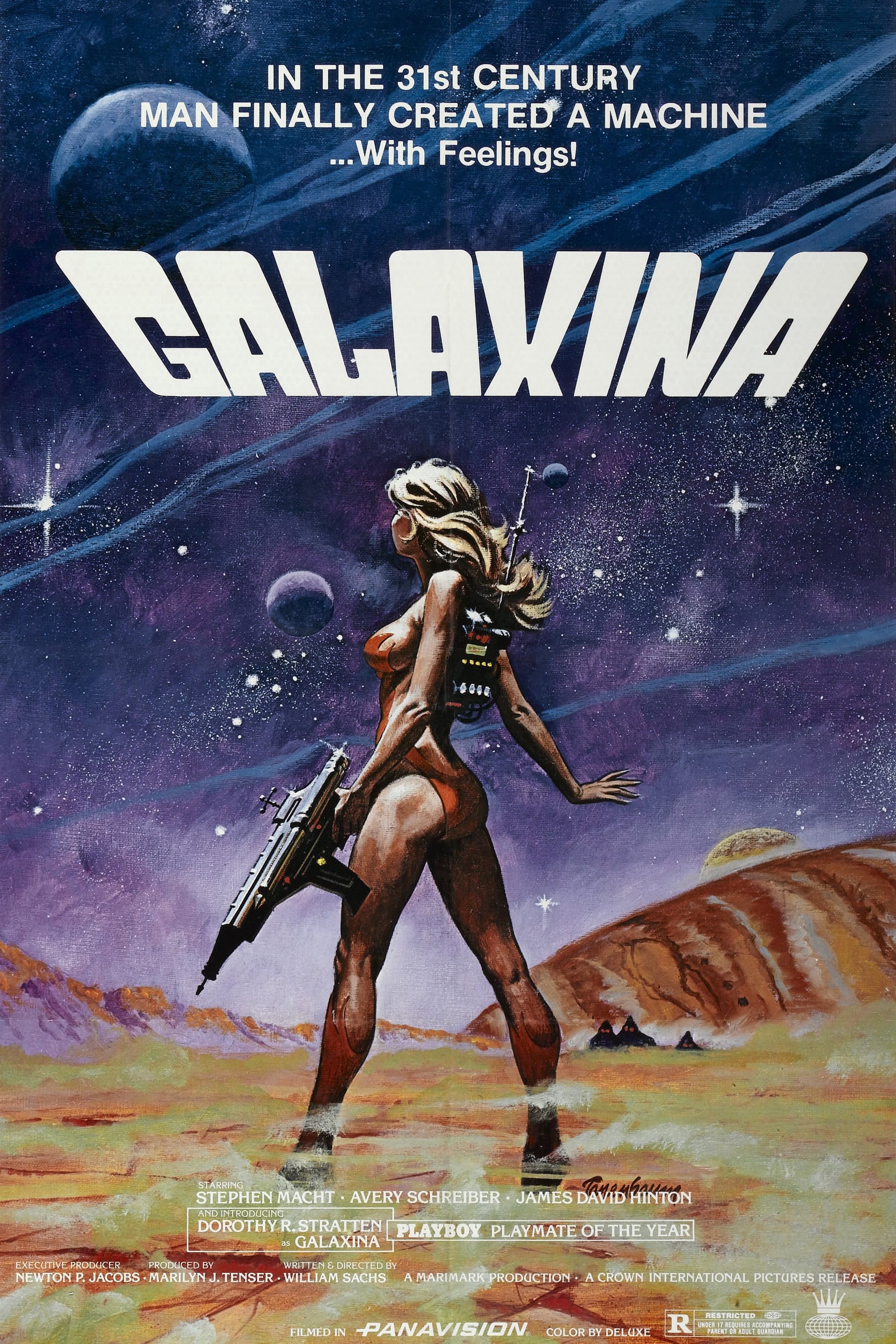
This space comedy features a robotic crew member aboard an interstellar police cruiser searching for a legendary gemstone. William Sachs directed, with Dorothy Stratten as the titular android and Stephen Macht among the cast. The film uses miniature spaceship photography, playful art-department gags, and practical creature masks. It was produced independently and later picked up for distribution, gaining visibility on cable networks.
‘Saturn 3’ (1980)
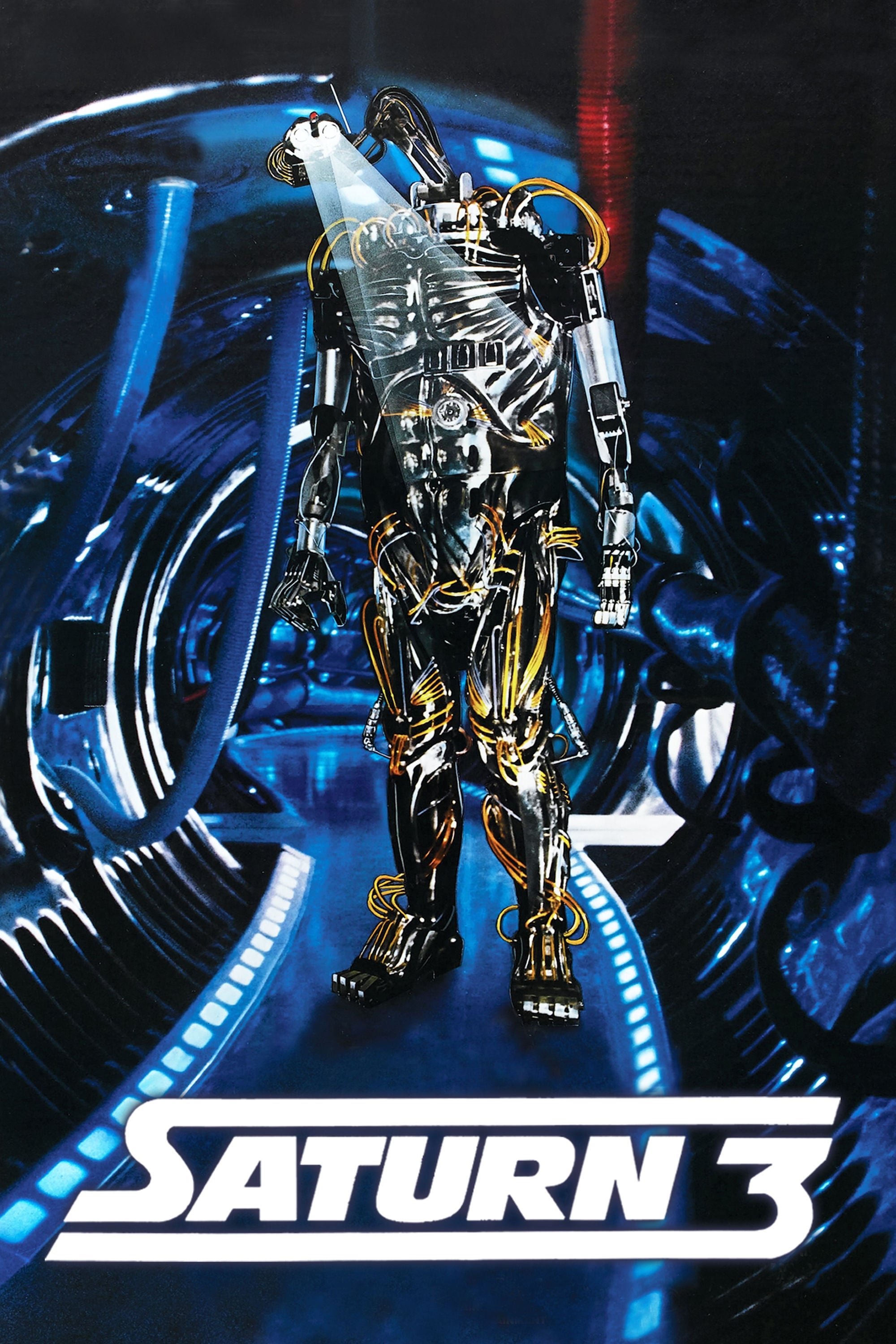
On a remote research outpost, two scientists confront an unstable visitor and a prototype robot that becomes dangerously self-aware. Stanley Donen directed, starring Farrah Fawcett, Kirk Douglas, and Harvey Keitel. The production is notable for its detailed model work, corridor sets, and a towering mechanical antagonist. Released by ITC and distributed by major partners, it reached international markets and later rotated through premium-channel lineups.
‘The Dungeonmaster’ (1984)

An expert computer programmer is forced into a series of themed trials by a sorcerer, with segments directed by multiple filmmakers under a unified anthology structure. Principal cast includes Jeffrey Byron and Richard Moll. The project blends fantasy and science-fiction elements, showcasing stop-motion creatures, laser effects, and neon-lit set pieces. It was produced by Empire Pictures and became a cult rental title in genre video stores.
‘Cherry 2000’ (1987)

A scavenger guide takes a corporate worker into the wasteland to locate a replacement body for his damaged domestic android. Directed by Steve De Jarnatt, the film stars Melanie Griffith and David Andrews. Action sequences rely on practical stunts, off-road vehicle chases, and stylized desert cinematography. It saw a limited theatrical profile before finding a larger audience through cable and home video.
‘Morons from Outer Space’ (1985)
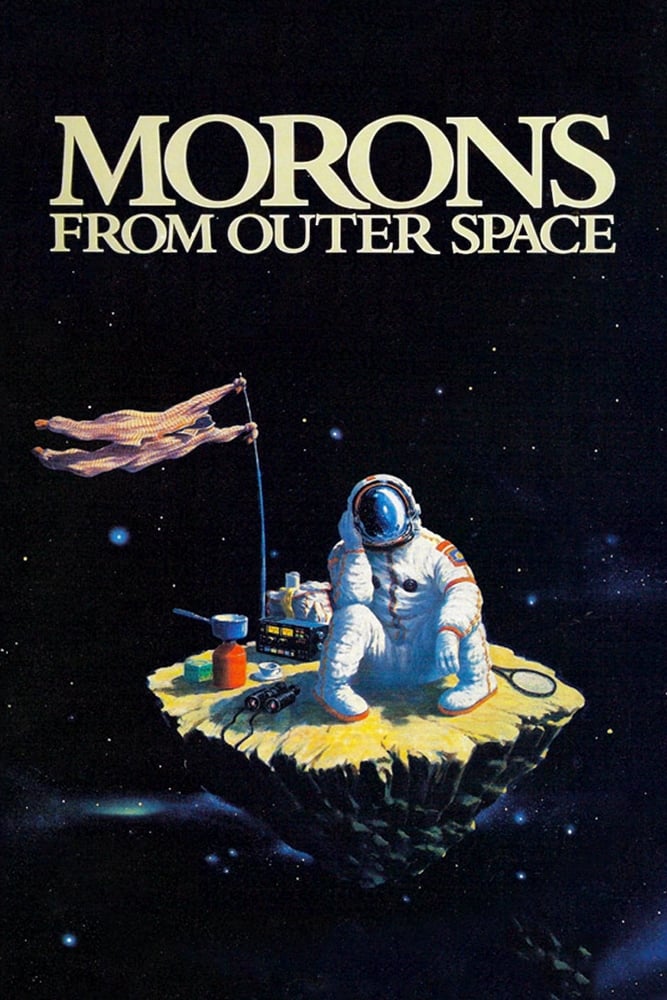
A quartet of friendly extraterrestrials accidentally strands one of their own on Earth, triggering media frenzy and pop-culture silliness. Mike Hodges directed, with Mel Smith and Griff Rhys Jones leading the cast alongside Joanne Pearce. The production blends sketch-comedy sensibilities with low-tech alien design and studio-bound sets. Distributed by Thorn EMI, it played primarily in the UK and later in international television packages.
‘The Ice Pirates’ (1984)
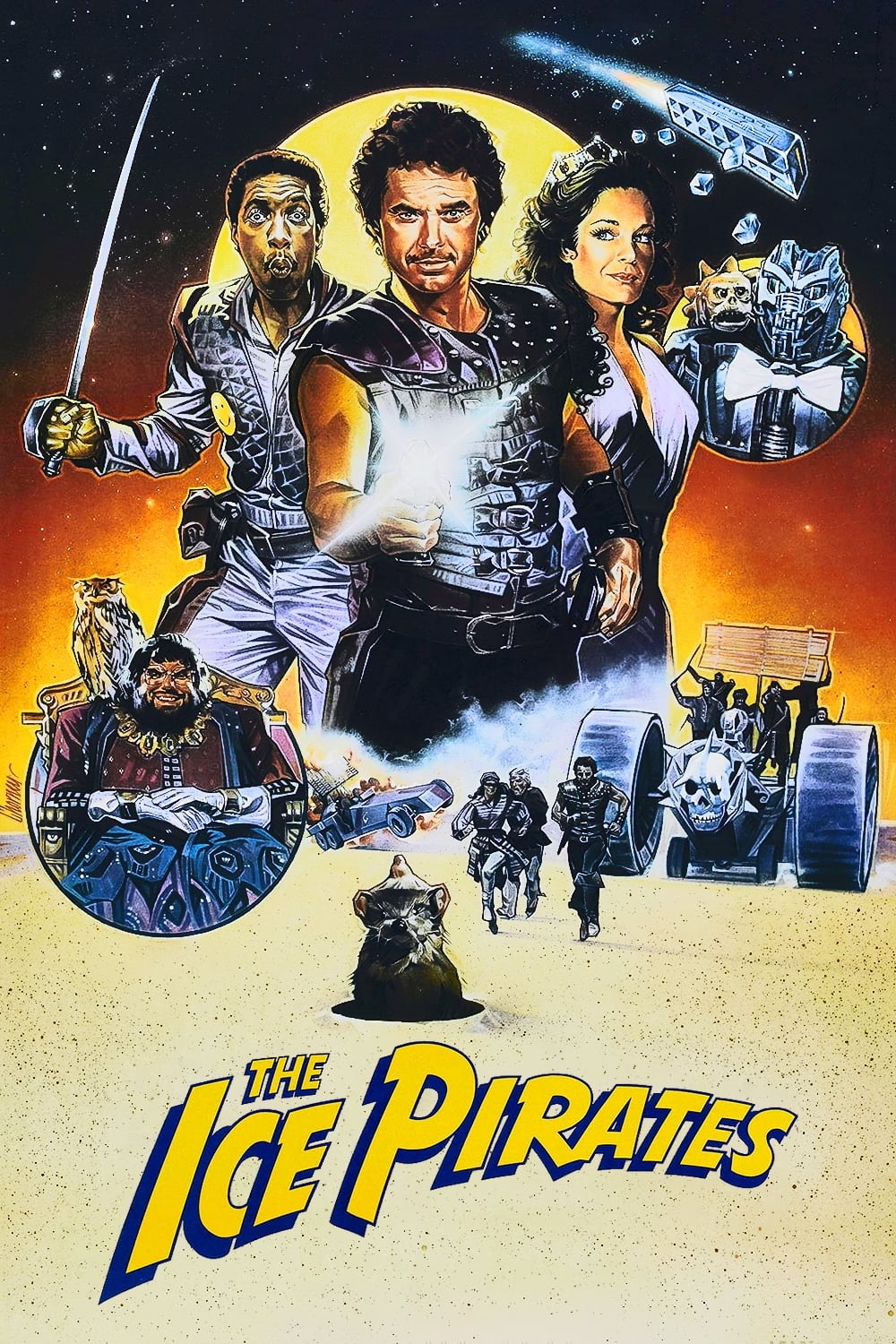
In a galaxy where water is the most valuable commodity, a band of thieves targets frozen cargo guarded by a powerful federation. Stewart Raffill directed, with Robert Urich, Mary Crosby, and Ron Perlman among the ensemble. The film mixes swashbuckling action with sci-fi motifs, using miniatures, wire gags, and broad comedy set pieces. It was released by MGM and subsequently became a staple of late-night cable rotations.
‘Spacehunter: Adventures in the Forbidden Zone’ (1983)
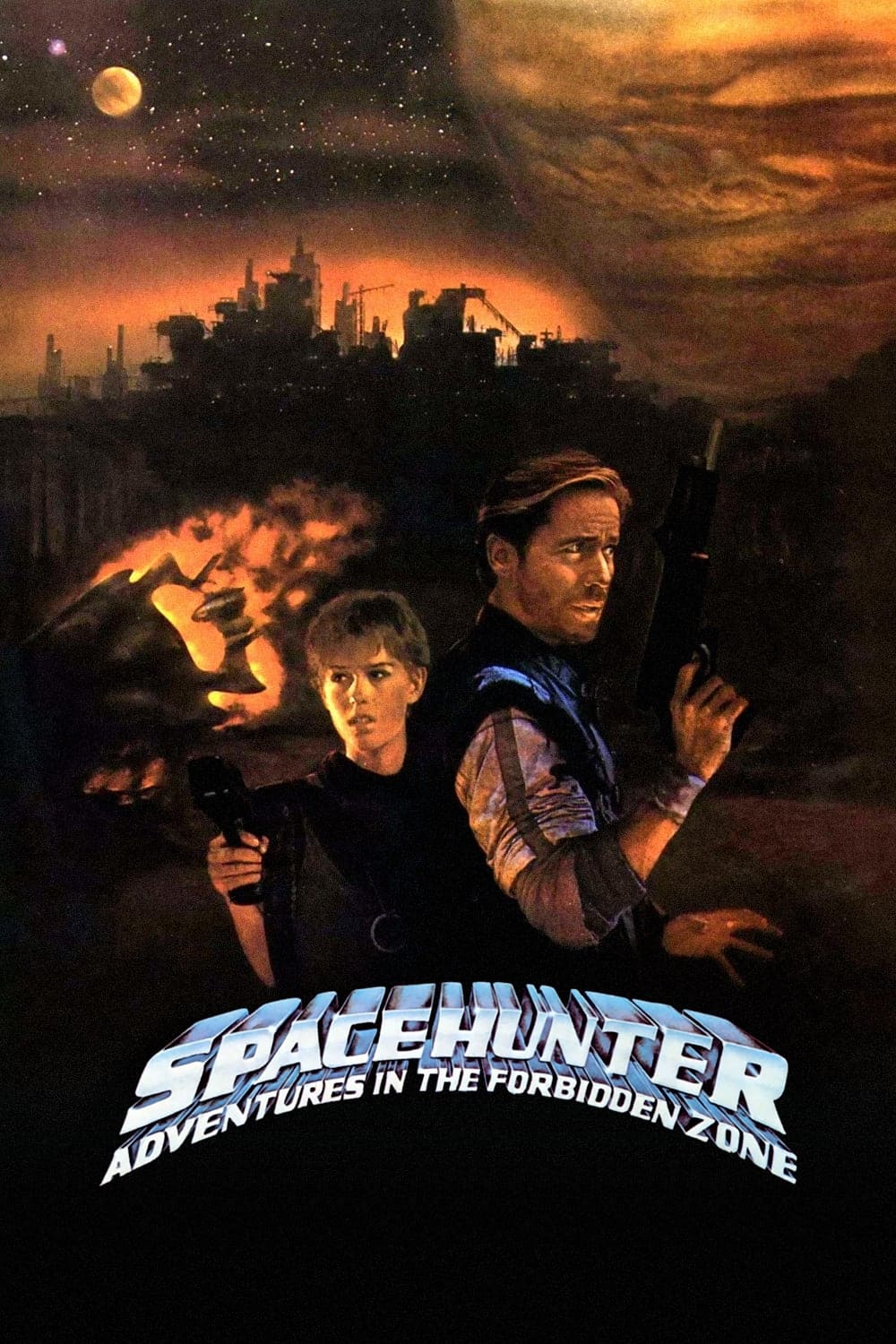
A salvage pilot ventures to a hostile planet to rescue survivors, partnering with a resourceful local against a tyrant named Overdog. Lamont Johnson directed, with Peter Strauss, Molly Ringwald, and Michael Ironside starring. Shot in rugged locations, the film features practical makeup, large-scale scrap-metal sets, and occasional 3D exhibition. Columbia Pictures backed the production and positioned it alongside other space adventures of the period.
‘My Science Project’ (1985)
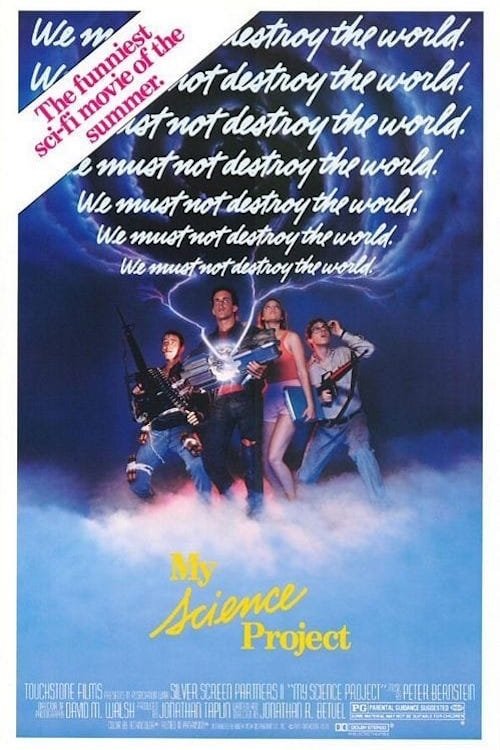
Teenagers uncover a strange energy device that warps time and space inside their high school, unleashing creatures and anomalies. Jonathan R. Betuel wrote and directed, with John Stockwell, Danielle von Zerneck, and Dennis Hopper in the cast. The effects team delivered creature suits, lightning bolts, and in-camera gags that escalate in the finale. The film was released by Touchstone and later found viewers through broadcast and VHS.
‘Hyper Sapien: People from Another Star’ (1986)
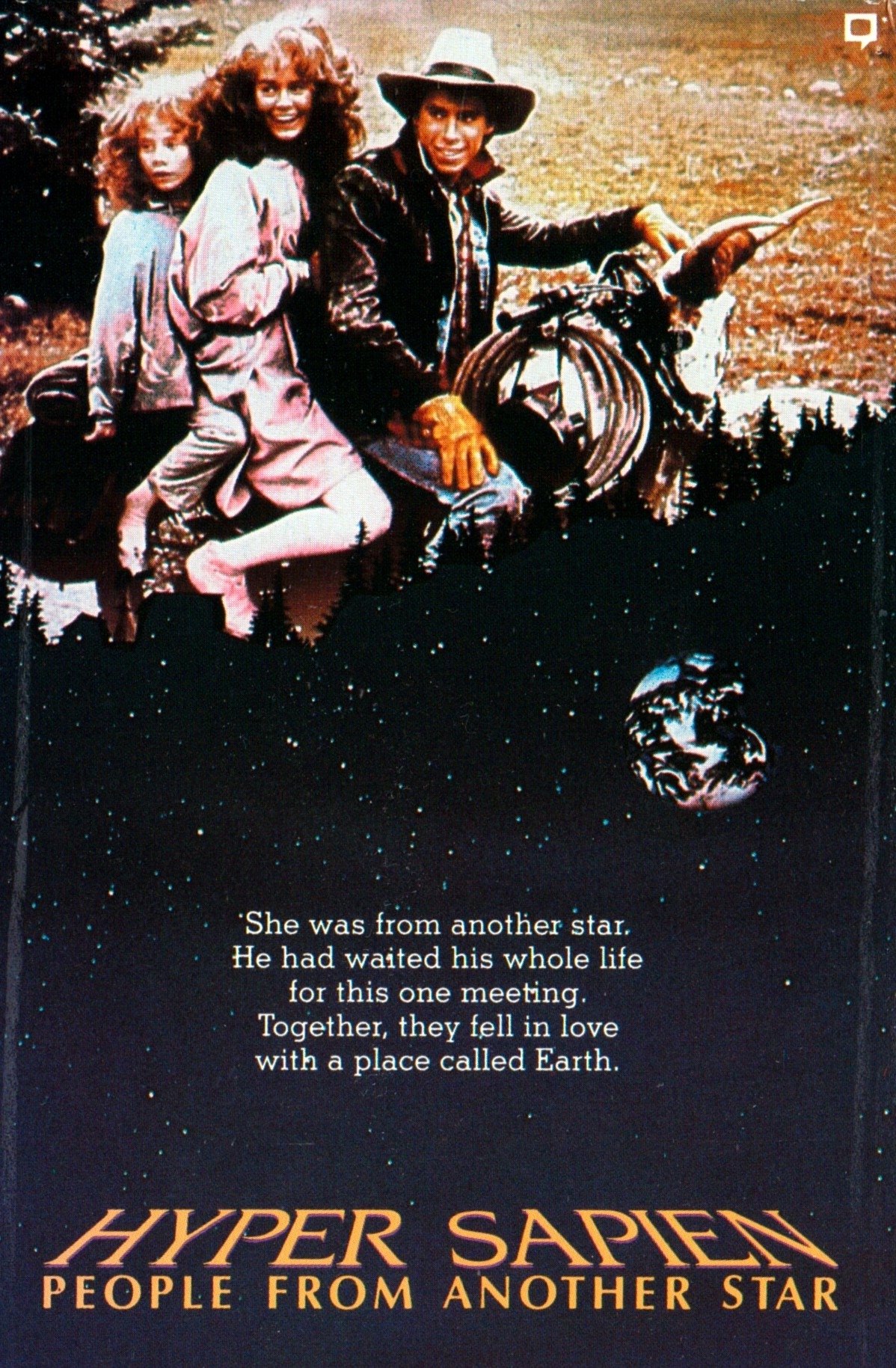
A farm boy befriends three human-like aliens hiding on Earth while evading a looming retrieval from their home world. Peter R. Hunt directed, with Dennis Holahan, Ricky Paull Goldin, and Sydney Penny featured. The production favors pastoral landscapes, gentle practical effects, and soft-focus photography. It received modest distribution and has primarily circulated through specialty cable programming and video releases.
‘Star Trek V: The Final Frontier’ (1989)

The original Enterprise crew is drawn into a mission to a remote world beyond the Great Barrier after a renegade Vulcan hijacks the ship. William Shatner directed, with Leonard Nimoy, DeForest Kelley, and the principal ensemble returning. Visual effects combined miniature work, matte paintings, and optical compositing for spaceflight and planetary vistas. Paramount released it as a major franchise entry, followed by robust home-video and television syndication.
‘Yor, the Hunter from the Future’ (1983)
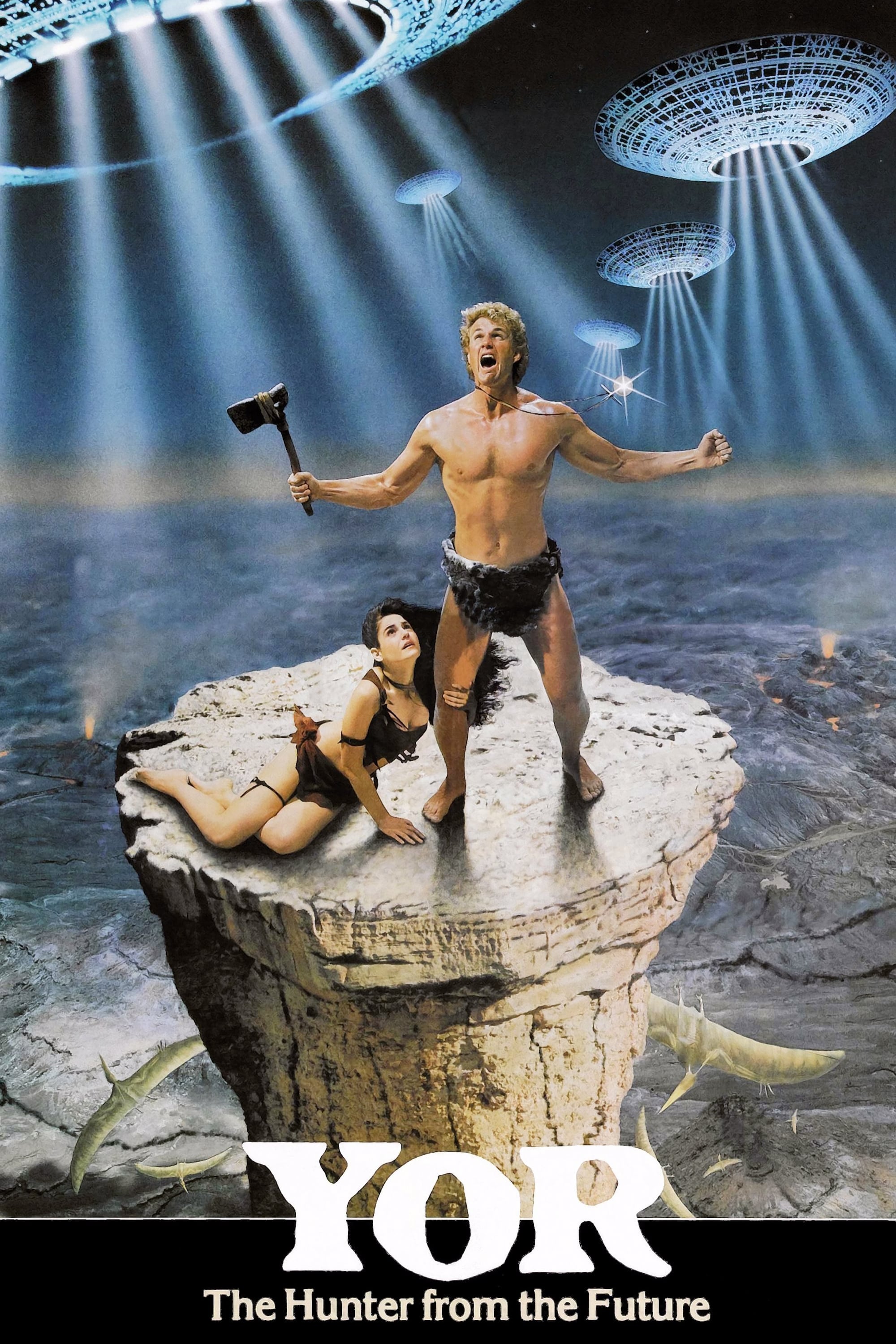
A blond warrior wanders a prehistoric landscape that hides advanced technology and a mysterious island stronghold. Directed by Antonio Margheriti, it stars Reb Brown with Corinne Cléry and John Steiner in key roles. The production blends location shooting with studio cave sets, miniatures, and practical creature suits. Edited from a longer television miniseries, it was condensed and released theatrically in international markets.
‘Cyborg’ (1989)
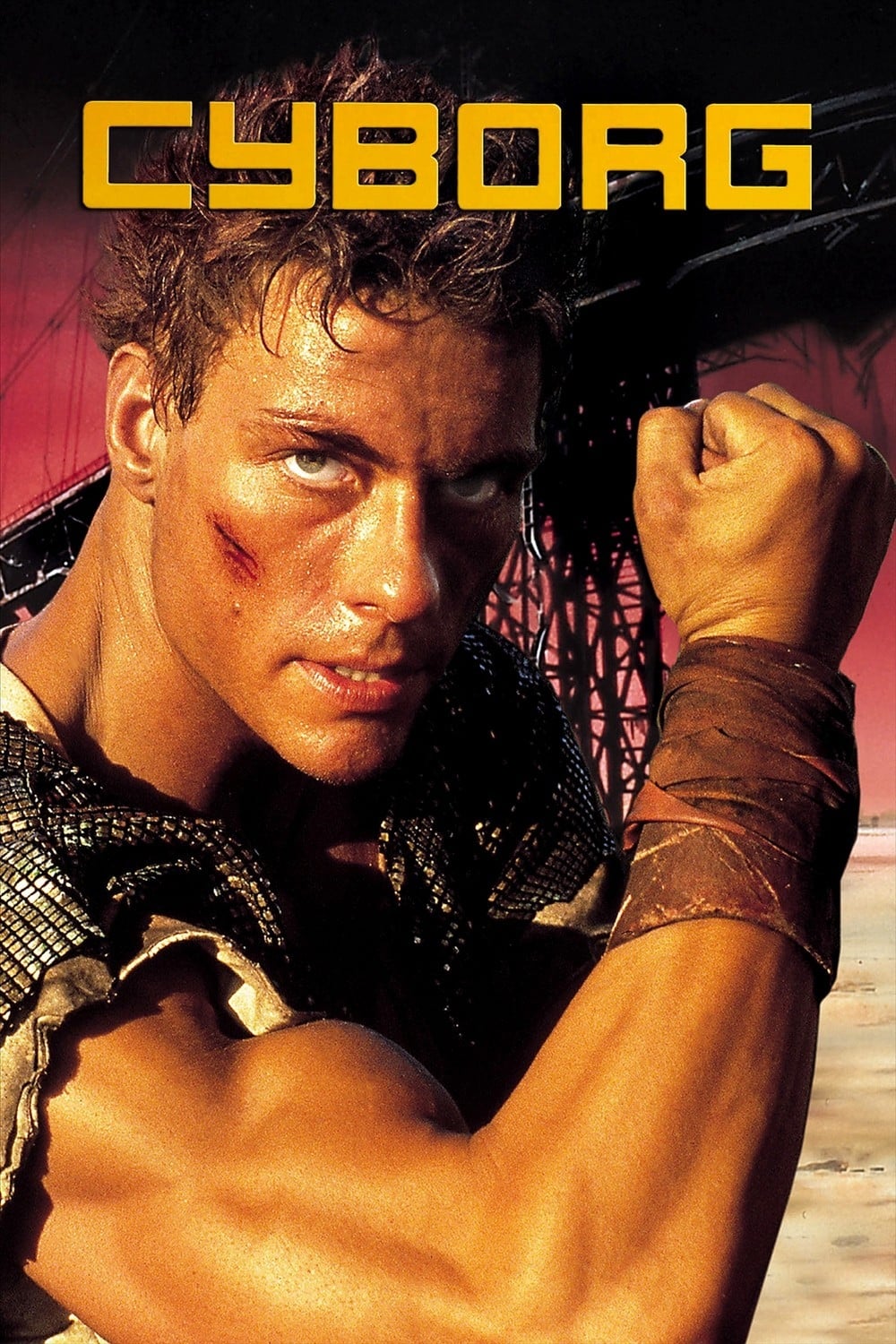
In a plague-ravaged America, a mercenary escorts a human data carrier while fending off a roving warlord and his gang. Albert Pyun directed, with Jean-Claude Van Damme, Deborah Richter, and Vincent Klyn leading the cast. The film was produced on repurposed sets intended for canceled projects, emphasizing hand-to-hand fights and practical stunts. Cannon distributed it widely, and it later became a staple on action shelves in video stores.
‘Steel Dawn’ (1987)
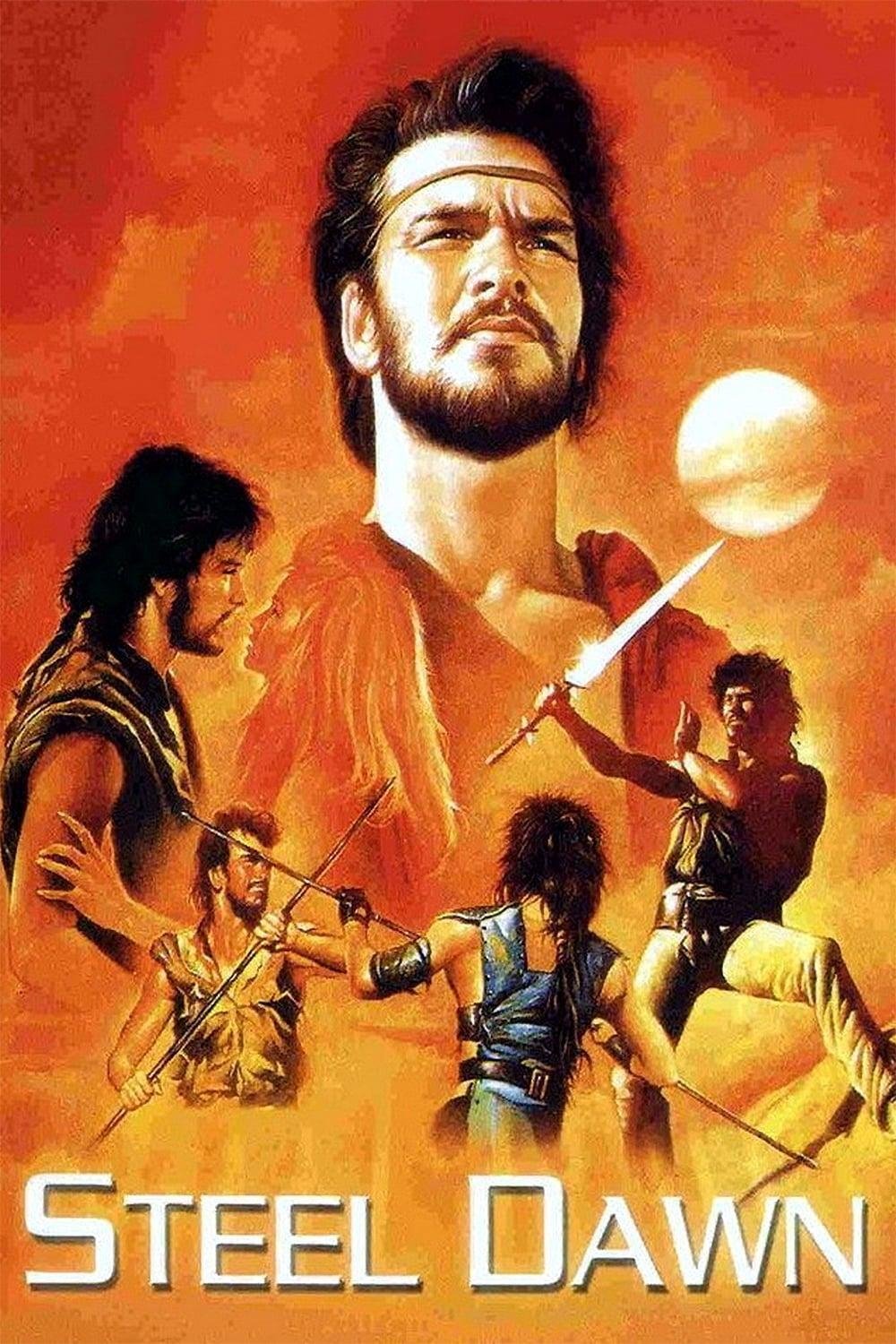
A wandering swordsman defends a desert settlement from raiders in a world left barren by conflict. Directed by Lance Hool, it stars Patrick Swayze alongside Lisa Niemi and Anthony Zerbe. South African locations provide the arid backdrops, with choreographed swordplay and improvised vehicles shaping the action. The film was released by Tri-Star and found most of its audience through cable rotations and home video.
‘Nukie’ (1987)
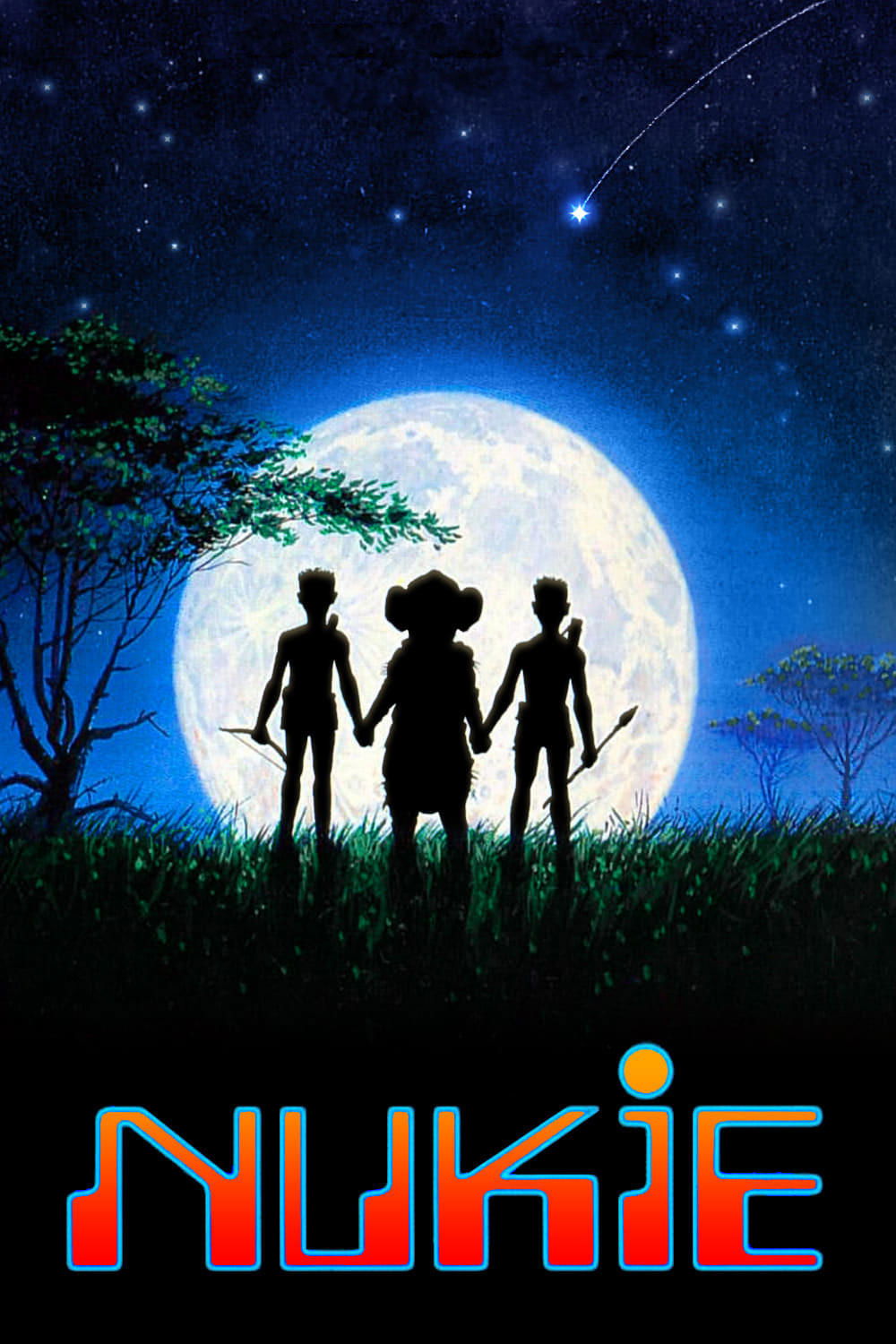
Two alien siblings become separated near Earth, with one crash-landing in Africa and the other trapped in orbit while organizations attempt to capture them. Sias Odendaal and Michael Pakleppa directed, and the cast includes Glynis Johns, Steve Railsback, and Ronald France. The production features animatronic faces, rubber suits, and on-location photography across savanna and village settings. It circulated through independent distributors, gaining visibility primarily via VHS.
‘Journey to the Center of the Earth’ (1988)
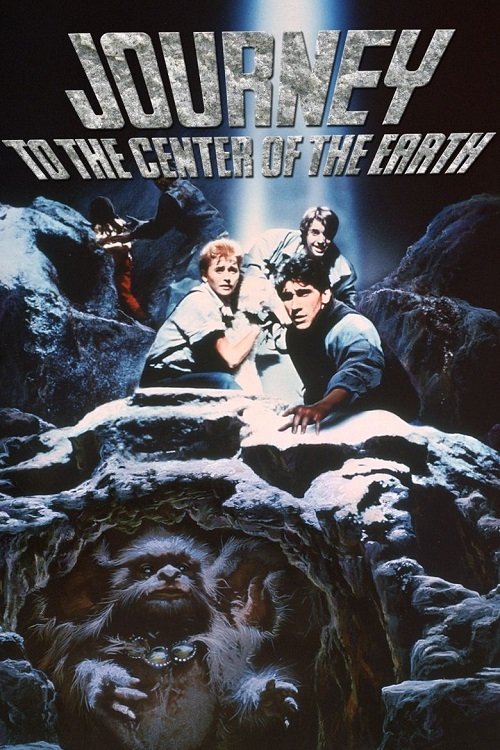
A group of young adventurers descends into subterranean realms filled with crystalline caverns, mutants, and eccentric denizens. Produced under the Cannon banner, it features Betsy Russell, Farrah Forke, and Janet DuPlessis among the ensemble. The movie mixes foam-rubber creatures, neon lighting, and rock-video aesthetics for its underground set pieces. Originating from a troubled production, it was reworked in post and released directly to ancillary markets in several territories.
‘The New Barbarians’ (1983)
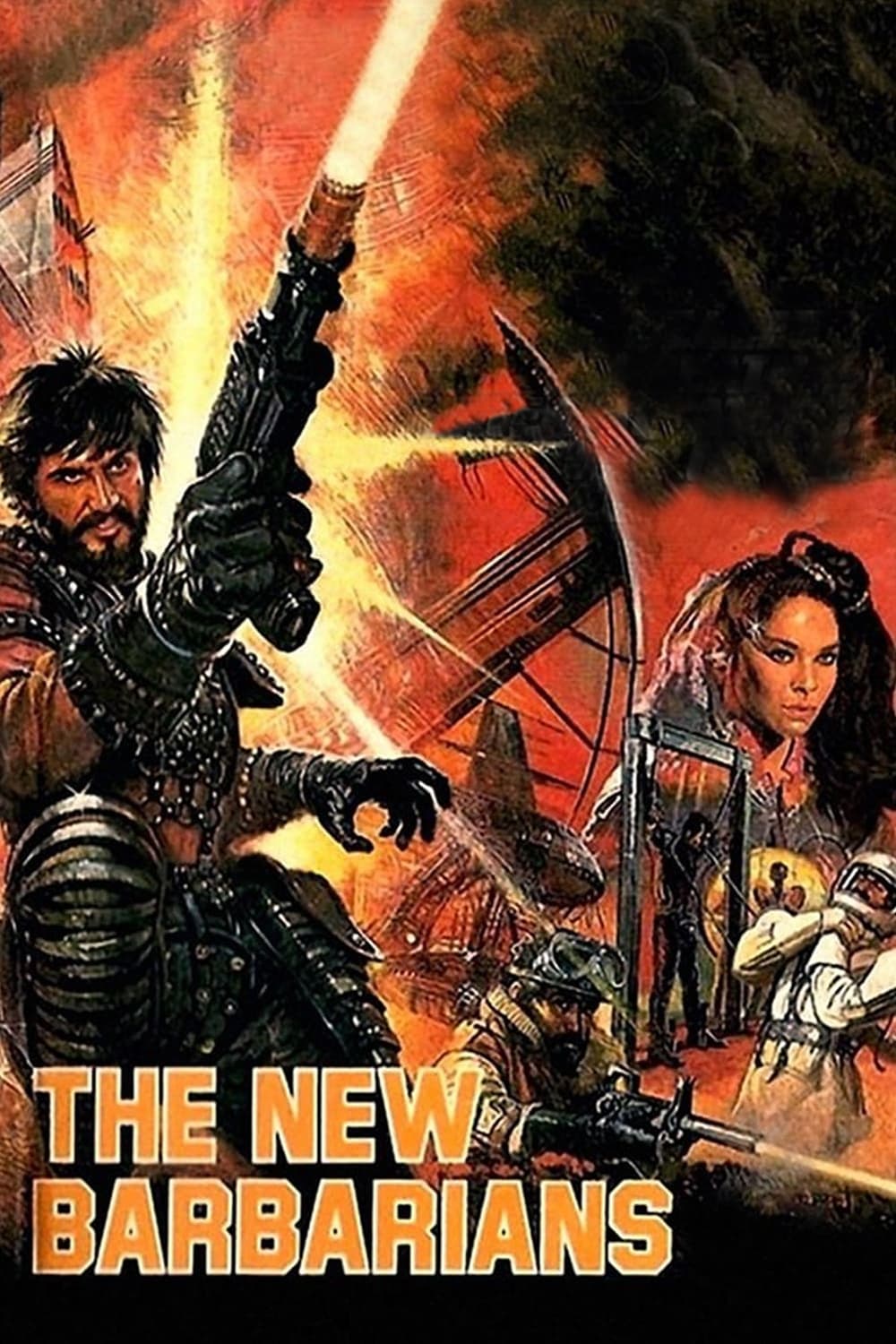
In a post-apocalyptic wasteland, a lone driver and an archer ally oppose a marauding biker cult using improvised armor and tricked-out vehicles. Enzo G. Castellari directed, with Giancarlo Prete, Fred Williamson, and George Eastman starring. The production emphasizes fiberglass car shells, explosive miniature gags, and desert-quarry locations. It was exported widely under multiple titles and became a fixture in grindhouse and tape-trading circuits.
‘Exterminators of the Year 3000’ (1983)
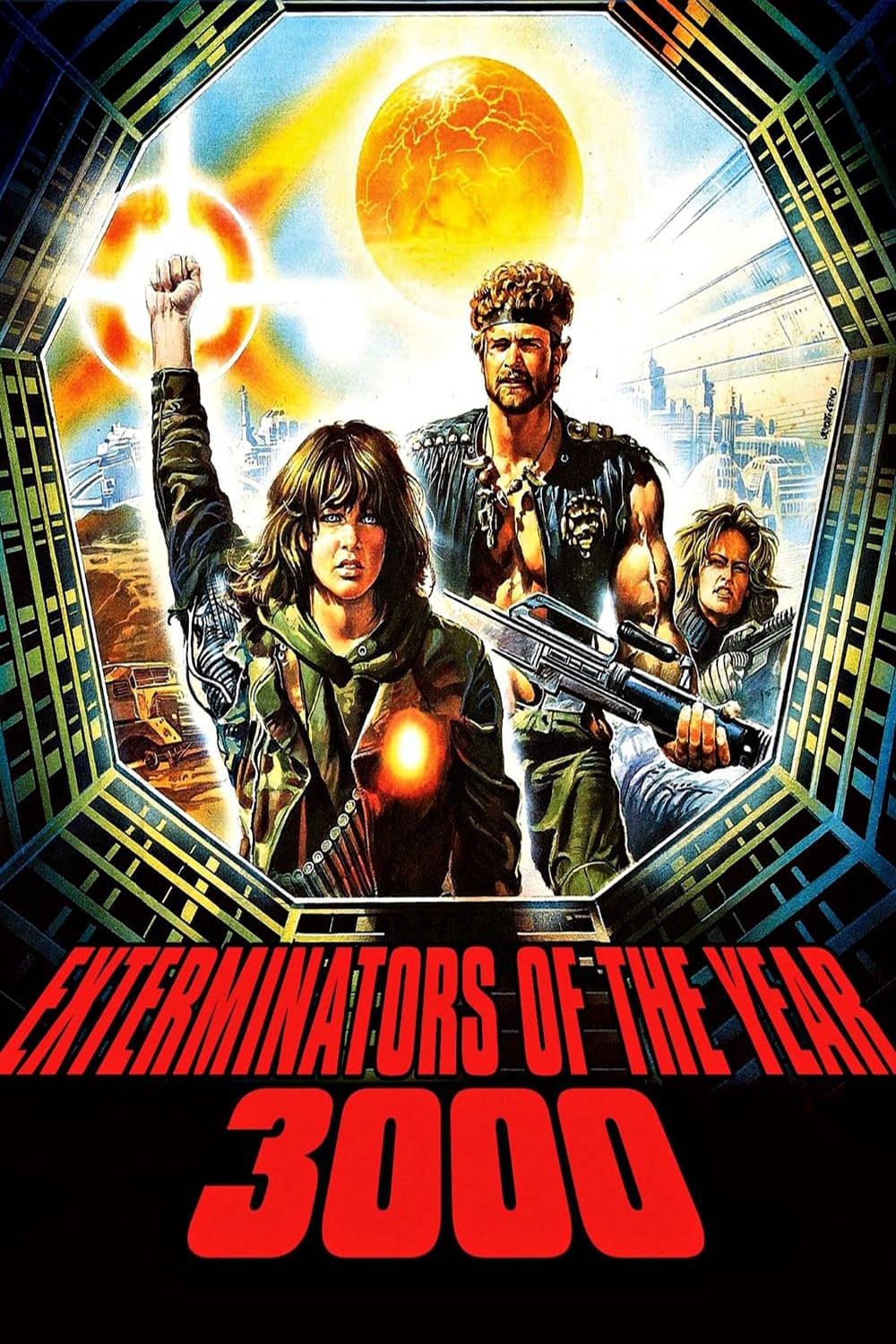
A scavenger teams with a resourceful boy to secure a water tanker while evading a brutal road gang. Giuliano Carnimeo directed, with Robert Iannucci, Alicia Moro, and Luciano Pigozzi in principal roles. The movie features heavily modified cars, roadside ambushes, and dust-choked vistas captured in Spain. International distributors retitled it for different regions, and it enjoyed a long afterlife on home video.
‘Hands of Steel’ (1986)
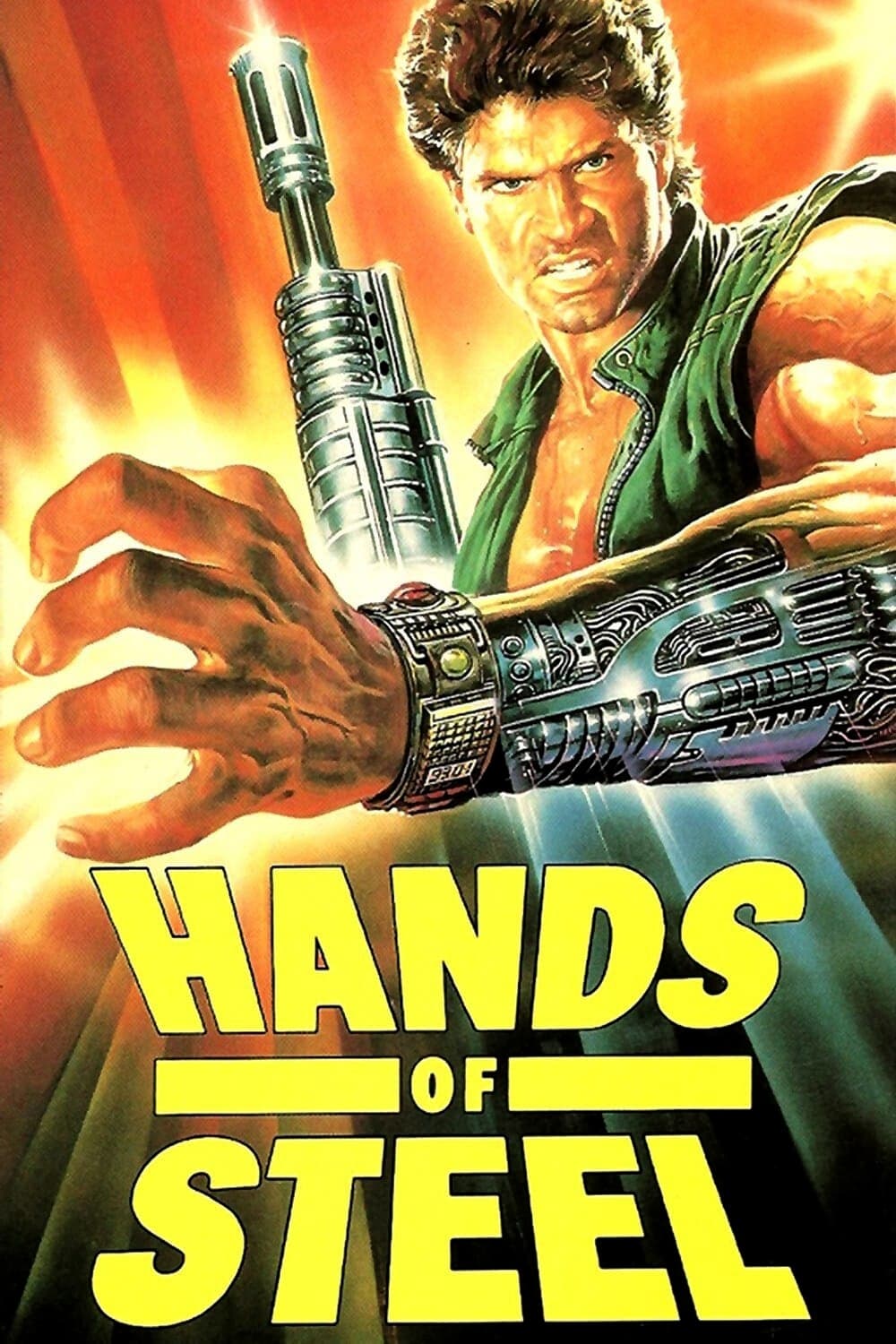
A cyborg assassin doubts his mission after targeting a peace activist, leading to wanted-man chases and underground arm-wrestling bouts. Sergio Martino directed, starring Daniel Greene, John Saxon, and Janet Agren. The film combines industrial locations, neon-lit interiors, and prop mechanical arms for its cybernetic gags. Released under various titles, it saw extensive play on late-night television.
‘Time Walker’ (1982)
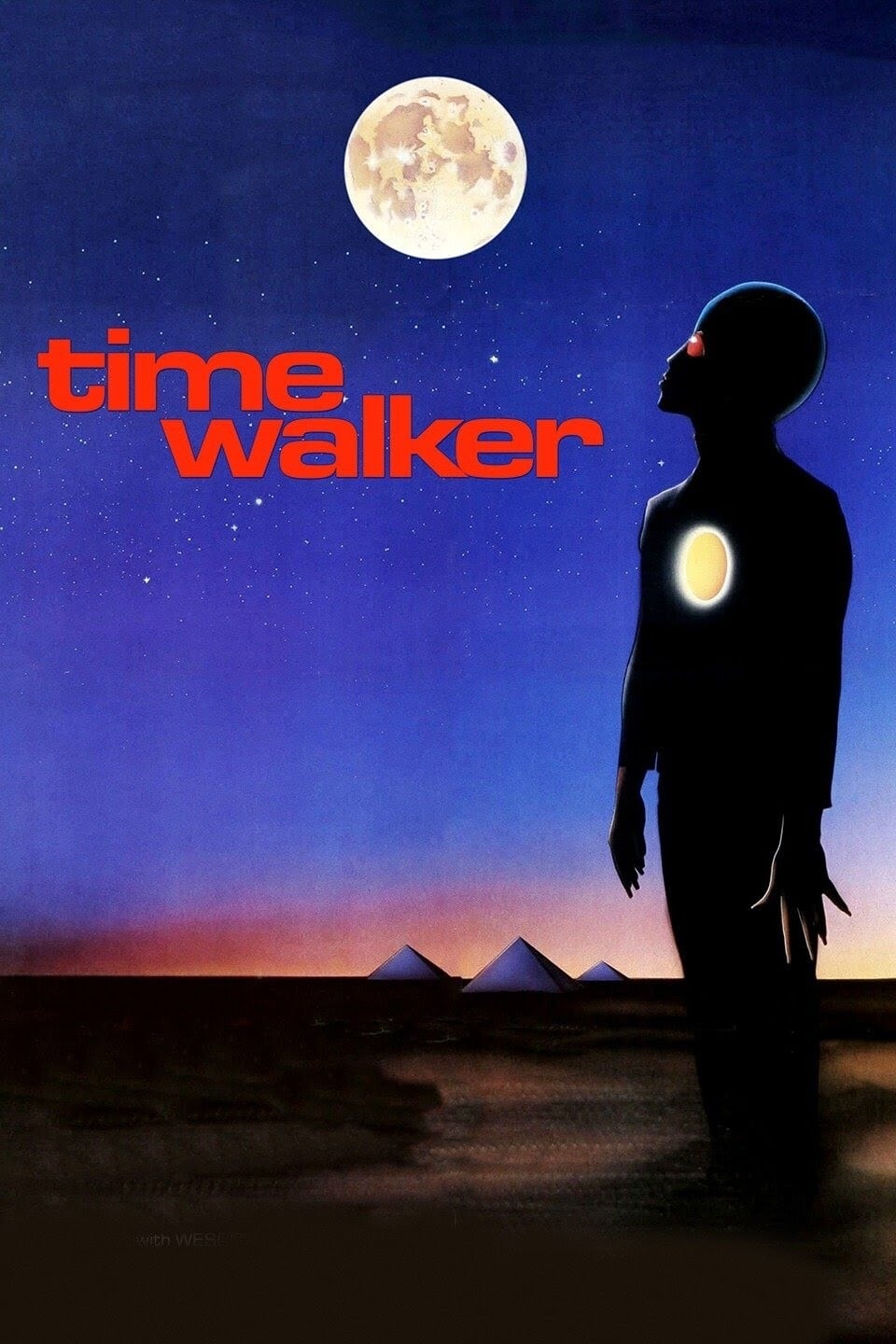
An archaeologist’s discovery from a sealed tomb unleashes a mysterious organism linked to extraterrestrial origins. Tom Kennedy directed, with Ben Murphy, Nina Axelrod, and Kevin Brophy featured. The production blends campus settings with lab sets, luminous makeup effects, and optical composites. Distributed by New World Pictures, it became a regular rental for genre fans.
‘Millennium’ (1989)
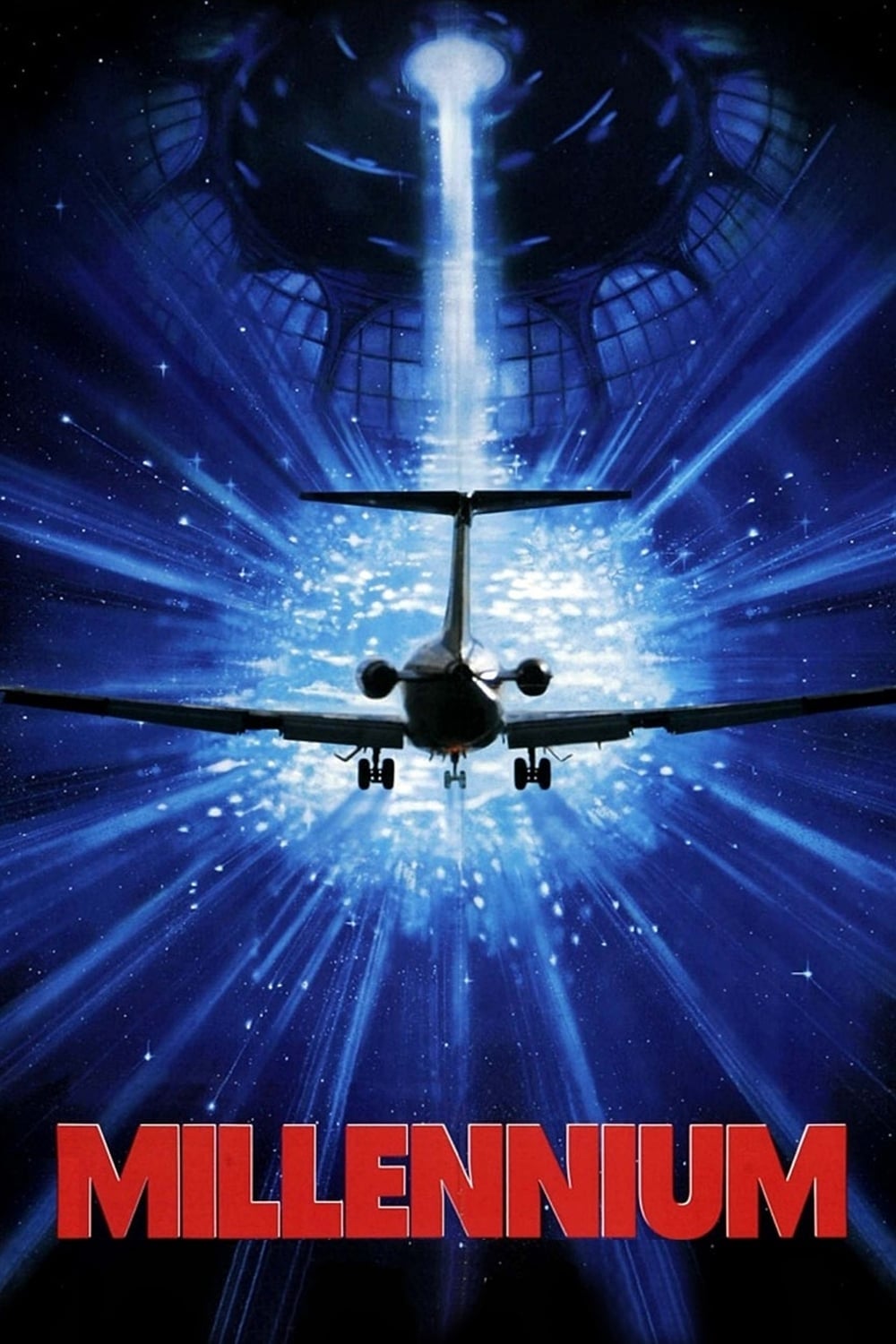
A time-travel investigator harvests passengers from doomed flights to correct a damaged timeline, drawing the attention of an aviation official. Michael Anderson directed, starring Kris Kristofferson and Cheryl Ladd. The film uses looping cause-and-effect structure, smoke-filled future sets, and blue-hued lighting motifs. It was released by 20th Century Fox and later circulated through premium cable channels.
‘Arena’ (1989)

On a space station, a human fighter challenges alien champions in a regulated combat league governed by managers, bookies, and shady promoters. Peter Manoogian directed, with Paul Satterfield, Hamilton Camp, and Claudia Christian in the cast. Empire Pictures showcased full-body creature suits, animatronics, and miniature exteriors for the venue. The movie reached audiences primarily through video and syndicated television packages.
‘DEFCON-4’ (1985)
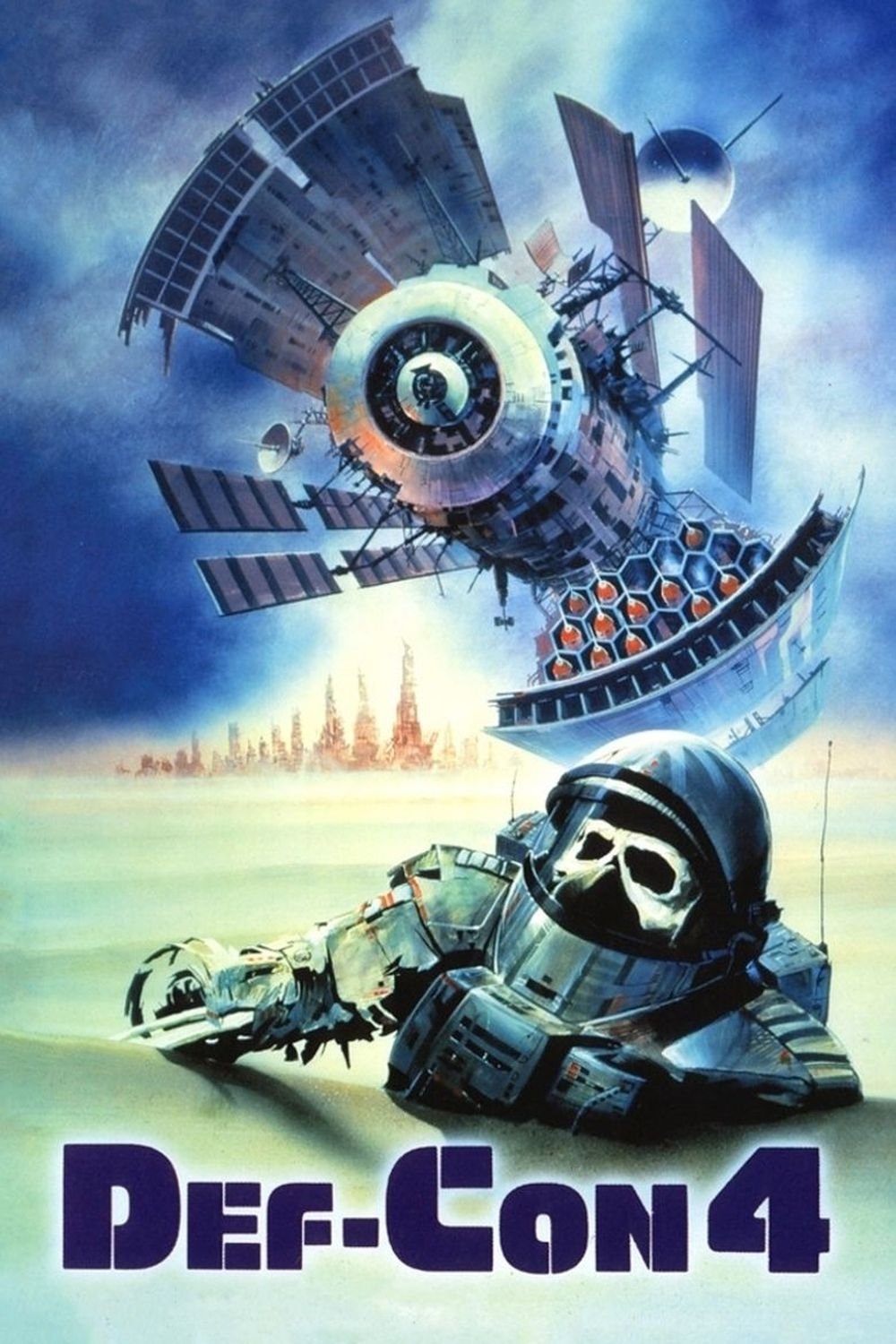
After a nuclear exchange, three astronauts return to an Earth controlled by a militia leader and must navigate booby-trapped coastal ruins. Directed by Paul Donovan, it stars Lenore Zann, Maury Chaykin, and Tim Choate. Canadian locations supply bunkers, shorelines, and derelict structures, with practical gore and improvised weapon props. New World Pictures handled distribution, and the film developed a following on regional late-night broadcasts.
‘Prisoners of the Lost Universe’ (1983)
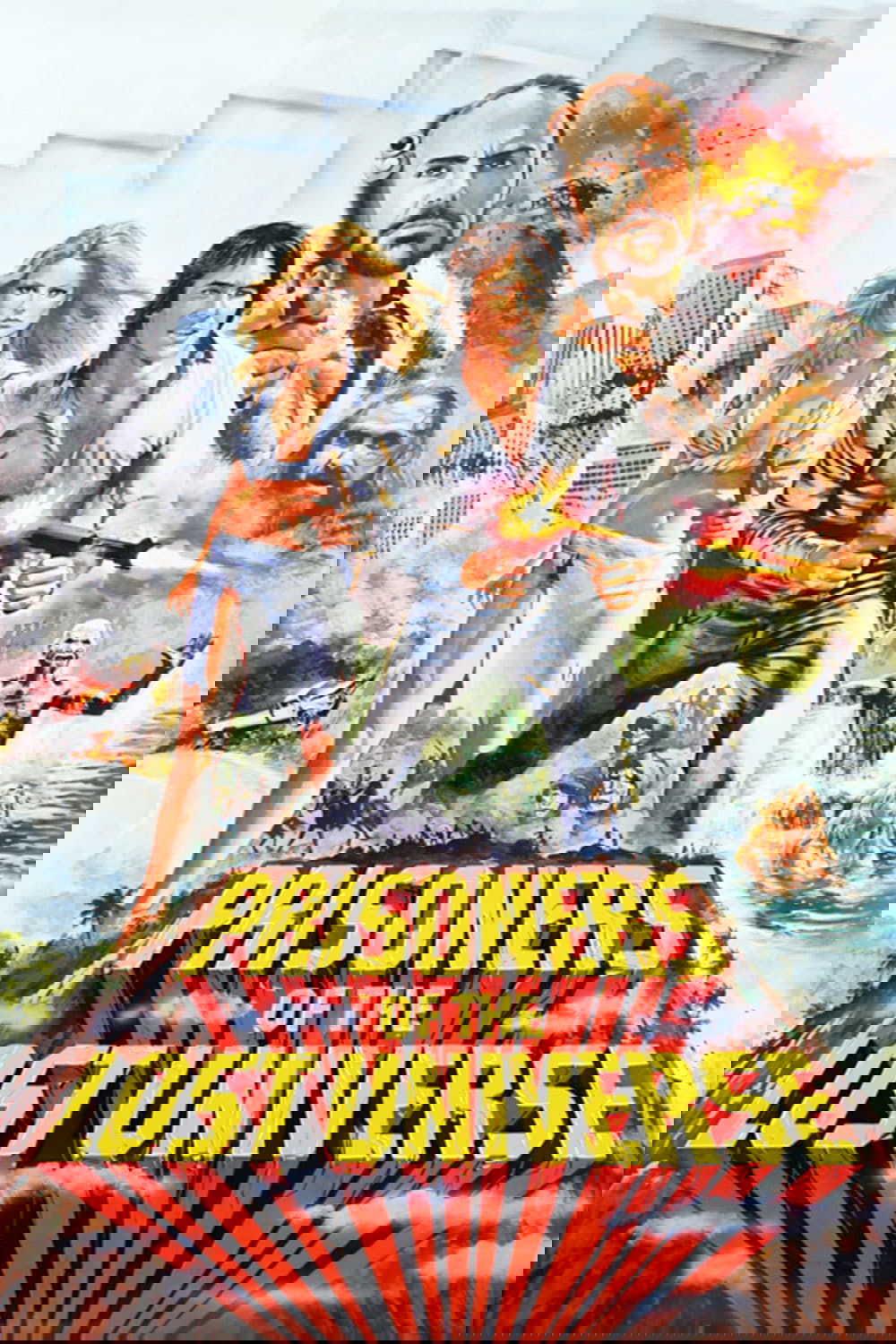
A quirk of experimental technology transports a TV host, a scientist, and a handyman to a parallel world ruled by a warlord. Terry Marcel directed, featuring Richard Hatch, Kay Lenz, and John Saxon. The production leans on South African landscapes, foam-latex creatures, and sword-and-raygun skirmishes. It was syndicated to television and released on tape under several alternate titles.
‘DeepStar Six’ (1989)
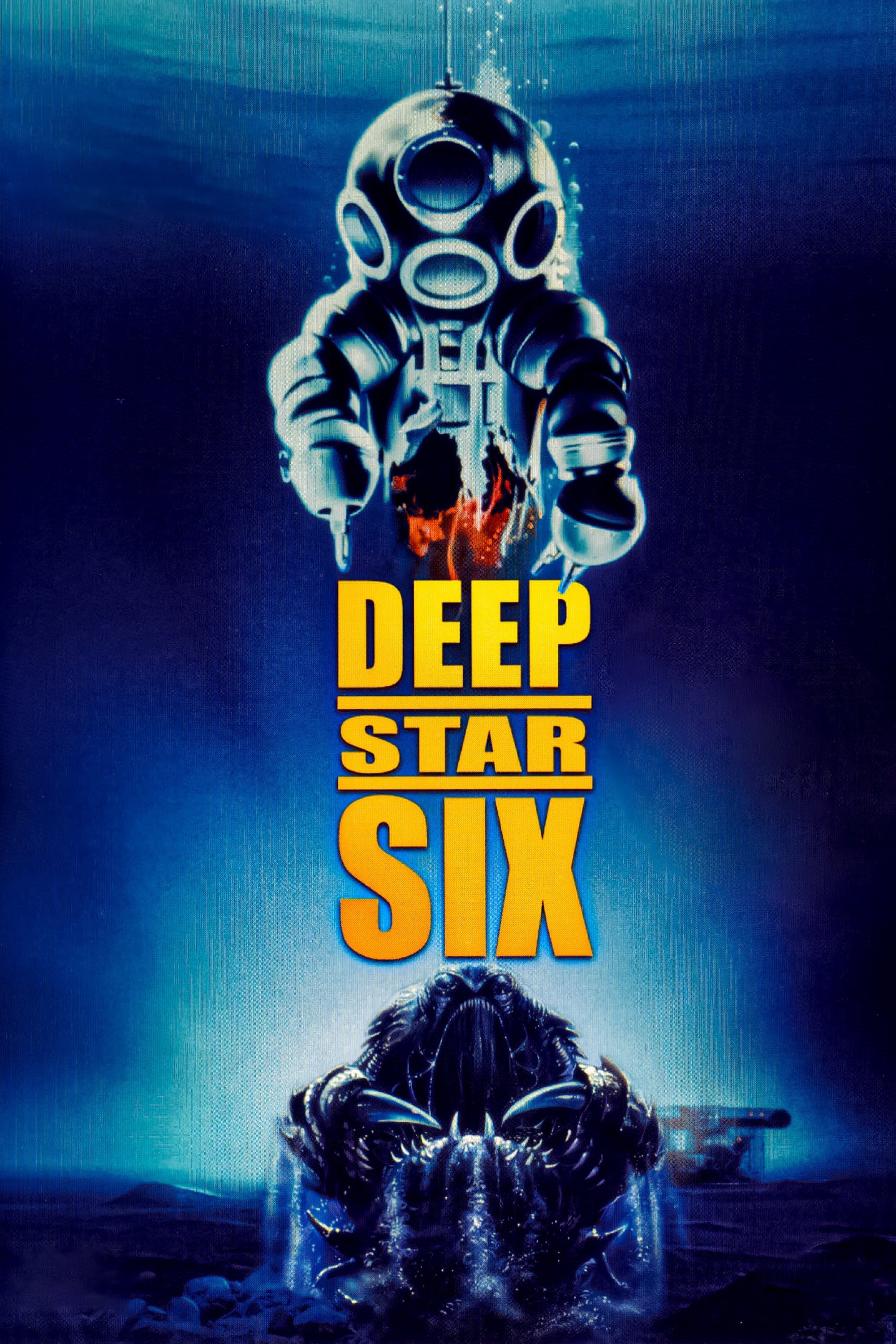
An undersea military-industrial outpost encounters a predatory lifeform during a weapons-platform deployment, forcing a survival scramble. Sean S. Cunningham directed, with Greg Evigan, Nancy Everhard, and Miguel Ferrer in prominent roles. The production relies on large water tanks, pressure-gauge set details, and scale miniatures for submersible shots. Tri-Star released it widely, and it later paired frequently with other underwater thrillers in home-video double features.
‘Leviathan’ (1989)
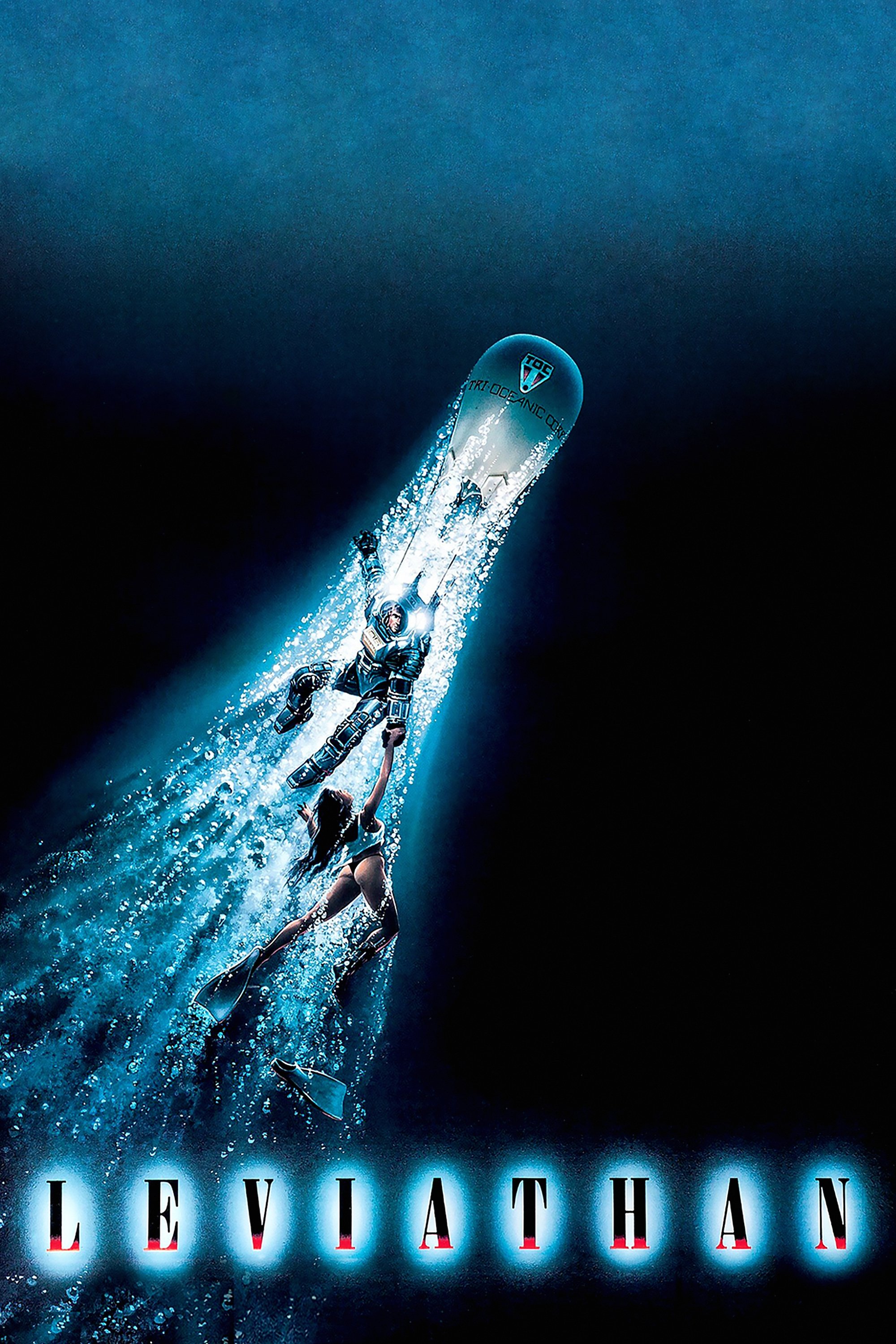
Salvage divers at a deep-ocean mining site bring aboard a recovered container that exposes the crew to a mutagenic threat. George P. Cosmatos directed, with Peter Weller, Richard Crenna, and Amanda Pays leading an ensemble cast. Practical makeup effects, creature suits, and detailed pressure-hull sets drive the claustrophobic visuals. Orion distributed it to theaters, followed by strong exposure on cable and rental markets.
Share the titles you’d swap in or out—and why—in the comments.

