


1980s Sitcoms that Aged Incredibly Well


The sitcom boom of the 1980s delivered an unusually rich mix of family comedies, workplace ensembles and character-driven laughers that still show up in syndication schedules and streaming menus today. Networks leaned hard on multi-camera formats, punchy theme songs and big-ensemble chemistry, while writers’ rooms sharpened episodic storytelling that balanced stand-alone plots with light continuity.
Those creative choices left behind a library of series with clean premises and well-defined characters that continue to attract new viewers. From barrooms to newsrooms, suburban kitchens to courthouse night shifts, these shows established templates that later sitcoms reused, remixed and referenced, keeping the best of the decade alive for audiences who discover them long after their original runs.
‘Cheers’ (1982–1993)
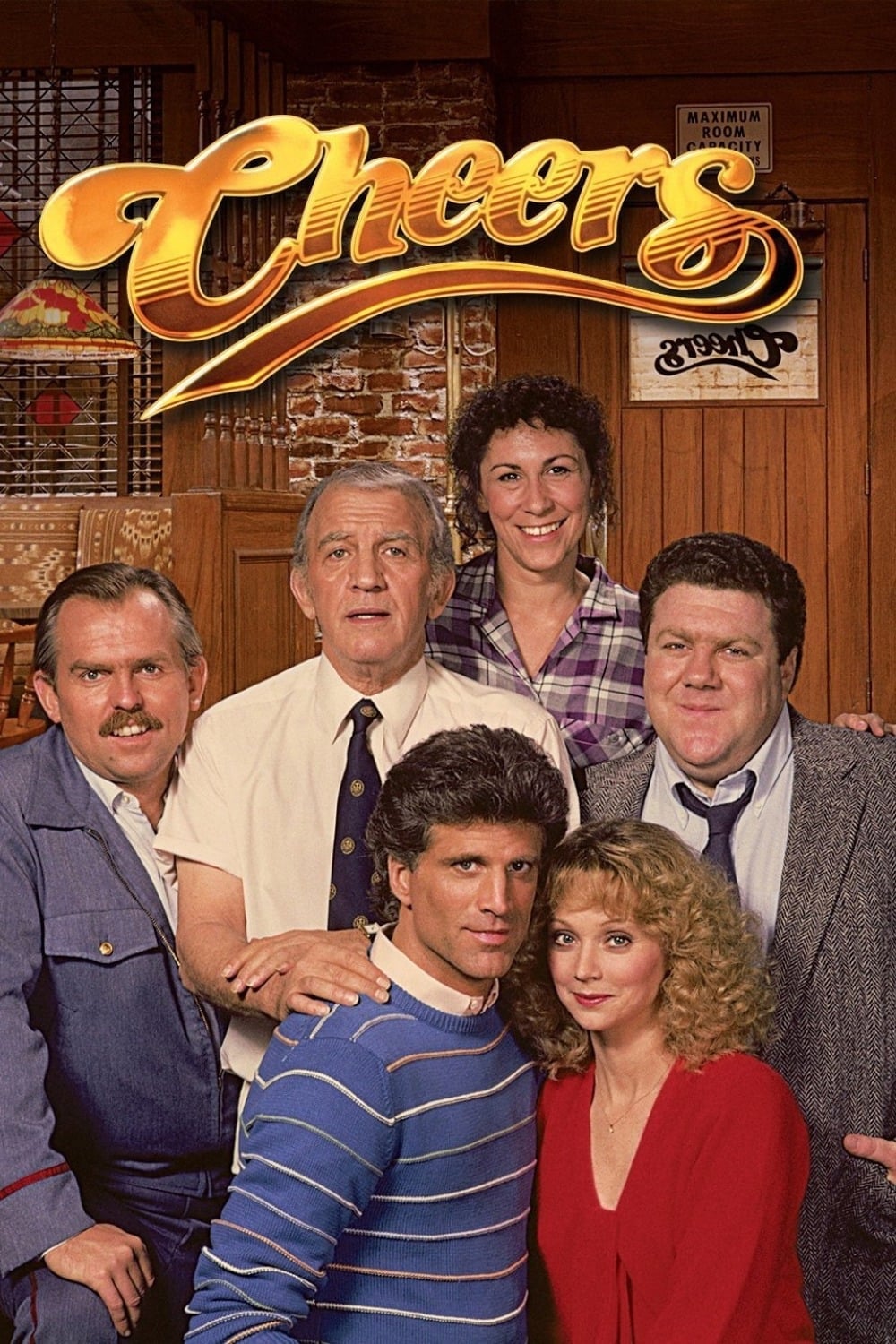
Set in a Boston bar where regulars gather, ‘Cheers’ centers on bartender Sam Malone and an ensemble that includes Diane Chambers, Carla Tortelli, Norm Peterson, Cliff Clavin and, later, Rebecca Howe and Frasier Crane. Created by Glen and Les Charles with James Burrows, the series ran for 11 seasons on NBC and became a cornerstone of the network’s comedy lineup.
The show’s tightly constructed bottle setting, memorable theme song and revolving supporting cast gave it longevity in syndication. It introduced ‘Frasier’ as a breakout character who later headlined a long-running spinoff, and its finale drew a massive audience that capped a run marked by extensive awards recognition.
‘The Golden Girls’ (1985–1992)
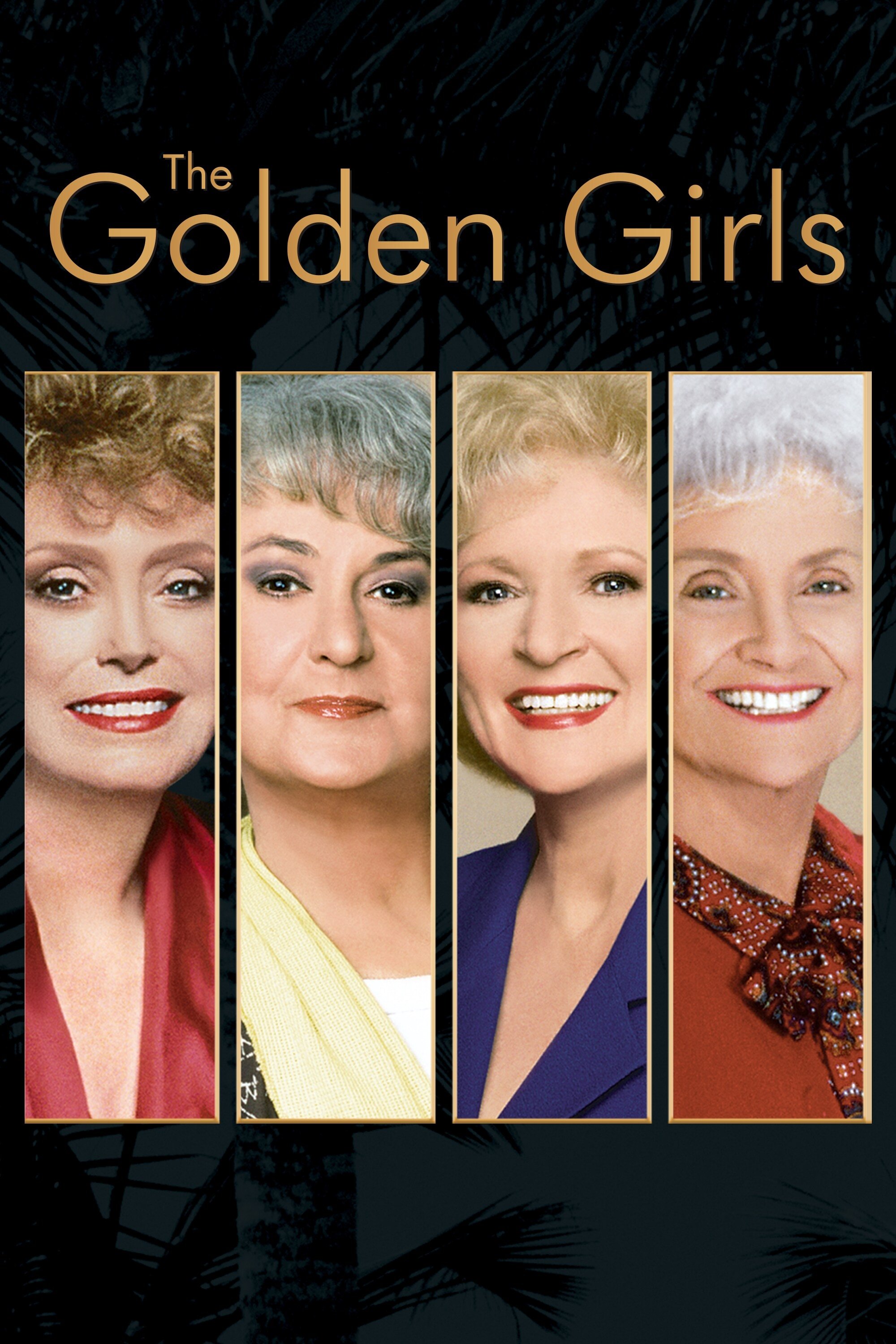
‘The Golden Girls’ follows four roommates in Miami—Dorothy, Rose, Blanche and Sophia—played by Bea Arthur, Betty White, Rue McClanahan and Estelle Getty. Created by Susan Harris, the series used the classic multi-camera format to showcase character interplay and farcical storylines.
Across seven seasons, the series earned major awards, including acting honors for each of its four leads. Its ensemble model influenced later roommate and found-family comedies, and syndication introduced the show to generations who first encountered it outside of its original network run.
‘Family Ties’ (1982–1989)
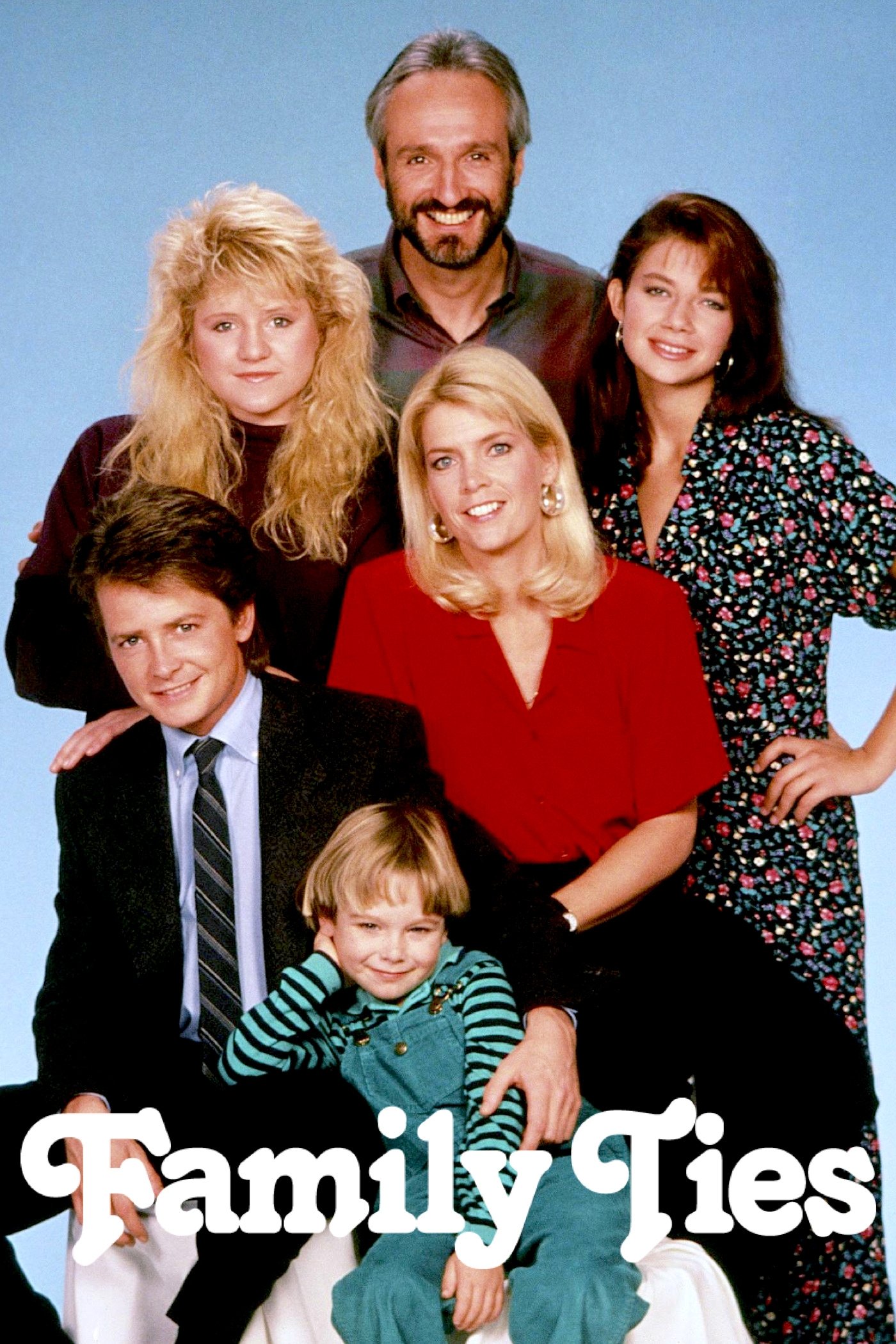
Created by Gary David Goldberg, ‘Family Ties’ centers on the Keaton household, contrasting ex-activist parents Elyse and Steven with their ambitious son Alex P. Keaton. The cast includes Michael J. Fox, Meredith Baxter, Michael Gross, Justine Bateman and Tina Yothers.
The show’s combination of family dynamics and topical references made it a reliable anchor for its network schedule over seven seasons. Michael J. Fox’s performance won multiple major awards and elevated the series’ profile, while recurring guest characters and holiday episodes helped drive strong rerun performance.
‘The Cosby Show’ (1984–1992)
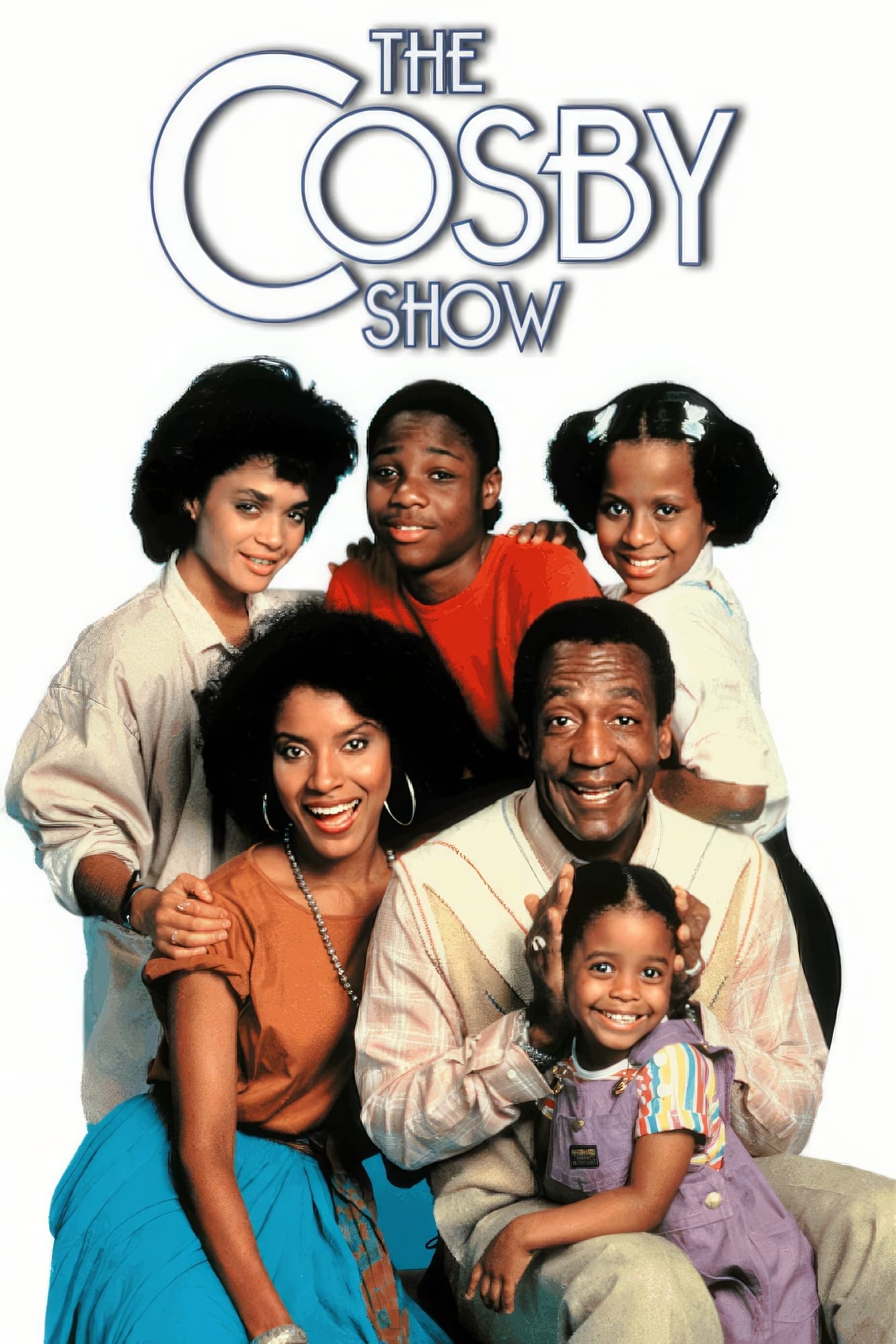
Set in Brooklyn, ‘The Cosby Show’ presents the Huxtable family, led by Cliff and Clair, with stories spanning school, work and extended family. Created by Michael Leeson, Bill Cosby and Ed. Weinberger, the ensemble features Phylicia Rashad, Malcolm-Jamal Warner, Tempestt Bledsoe, Keshia Knight Pulliam, Sabrina Le Beauf and Lisa Bonet.
The series spent multiple seasons at or near the top of the ratings and revitalized its network’s comedy slate. It launched ‘A Different World’ as a spinoff and is frequently cited for its influence on family-sitcom production, scheduling strategy and cross-promotion practices.
‘Night Court’ (1984–1992)
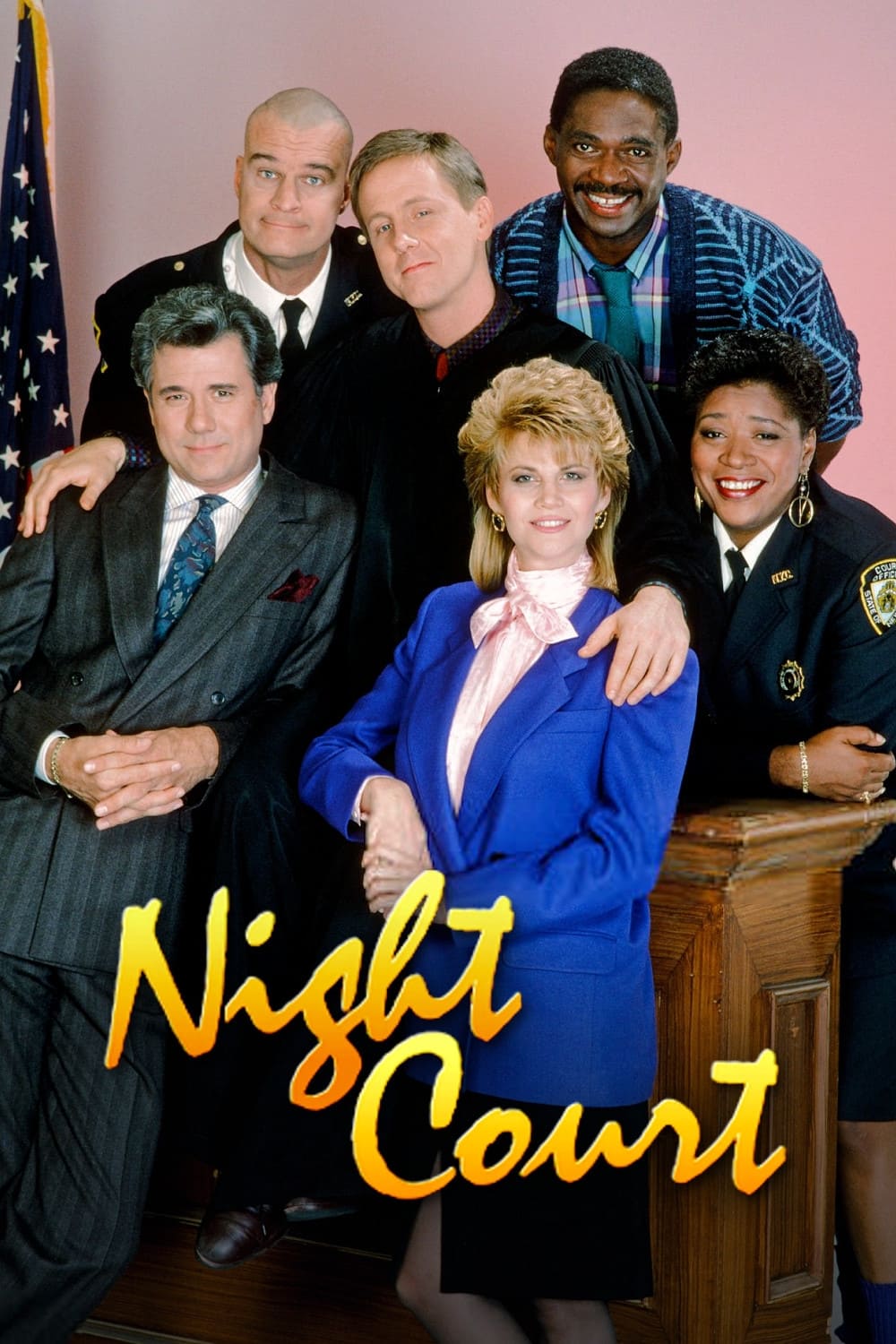
‘Night Court’ takes place during the evening shift of a Manhattan municipal court, with Judge Harry Stone presiding. The ensemble includes Dan Fielding, Christine Sullivan, Bull Shannon, Mac Robinson and Roz Russell, played by Harry Anderson, John Larroquette, Markie Post, Richard Moll, Charles Robinson and Marsha Warfield.
Over nine seasons, the series blended legal farce with serialized character beats, earning steady award recognition for its supporting cast. Its fast-paced joke density and workplace setting informed later court and office comedies, and the show inspired a namesake continuation decades later.
‘Designing Women’ (1986–1993)
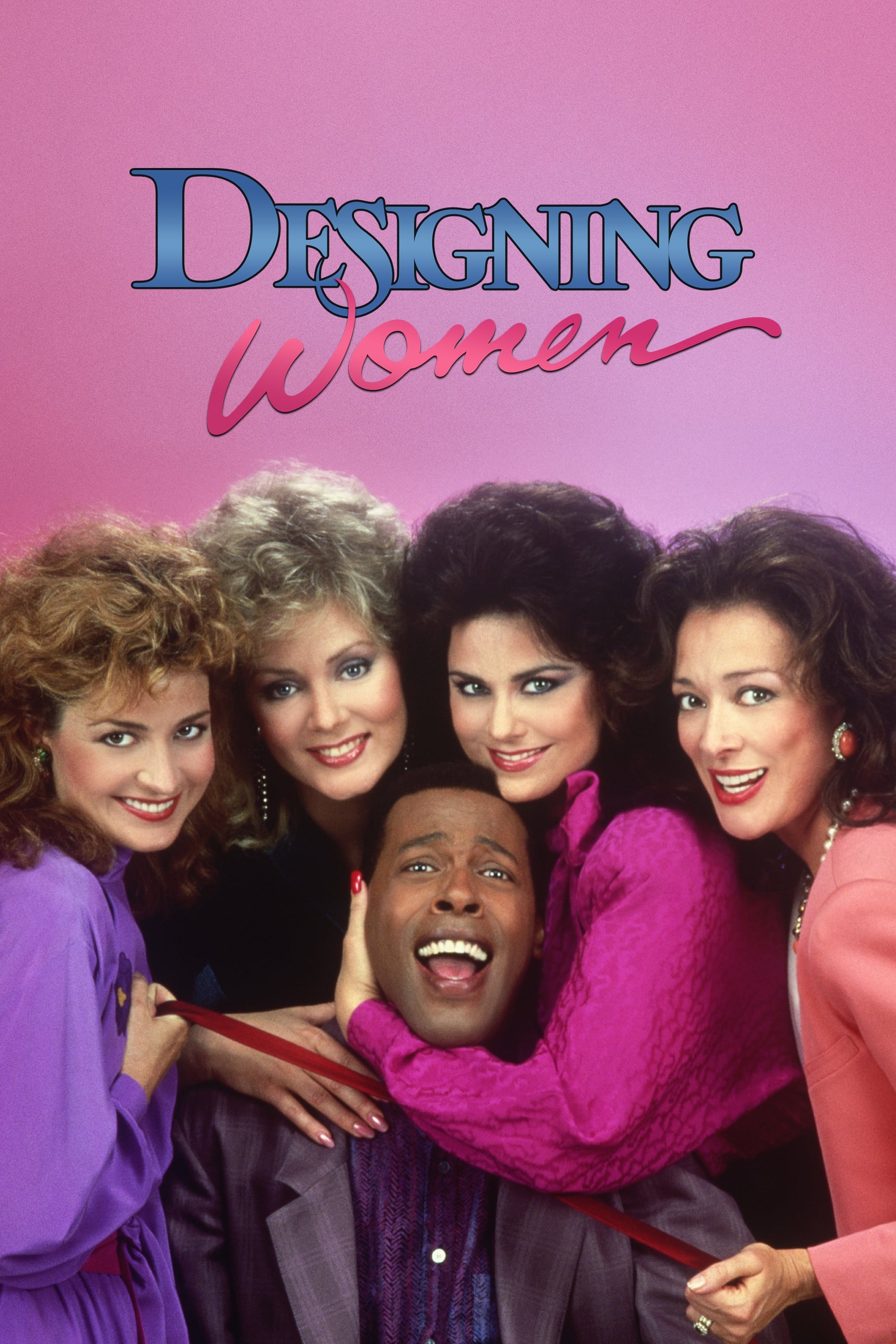
Set at an Atlanta interior design firm, ‘Designing Women’ focuses on Julia, Suzanne, Mary Jo, Charlene and Anthony, portrayed by Dixie Carter, Delta Burke, Annie Potts, Jean Smart and Meshach Taylor. Created by Linda Bloodworth-Thomason, it used workplace stories to frame character-driven humor.
Seven seasons built a catalog of episodes that paired comedic plots with moments of pointed dialogue and ensemble banter. Cast changes later in the run, including the arrivals of Jan Hooks and Julia Duffy, kept the format flexible while maintaining the show’s core business-and-friendship premise.
‘Newhart’ (1982–1990)

‘Newhart’ stars Bob Newhart as Dick Loudon, an author who runs a Vermont inn with his wife Joanna. The ensemble later added memorable characters like handyman George, heiress-turned-maid Stephanie and producer Michael, played by Tom Poston, Julia Duffy and Peter Scolari.
The series ran for eight seasons and is widely remembered for an inventive final episode that winked at ‘The Bob Newhart Show.’ Its small-town setting and recurring eccentrics created a durable framework that influenced later community-based sitcoms with single-location hubs.
‘Perfect Strangers’ (1986–1993)
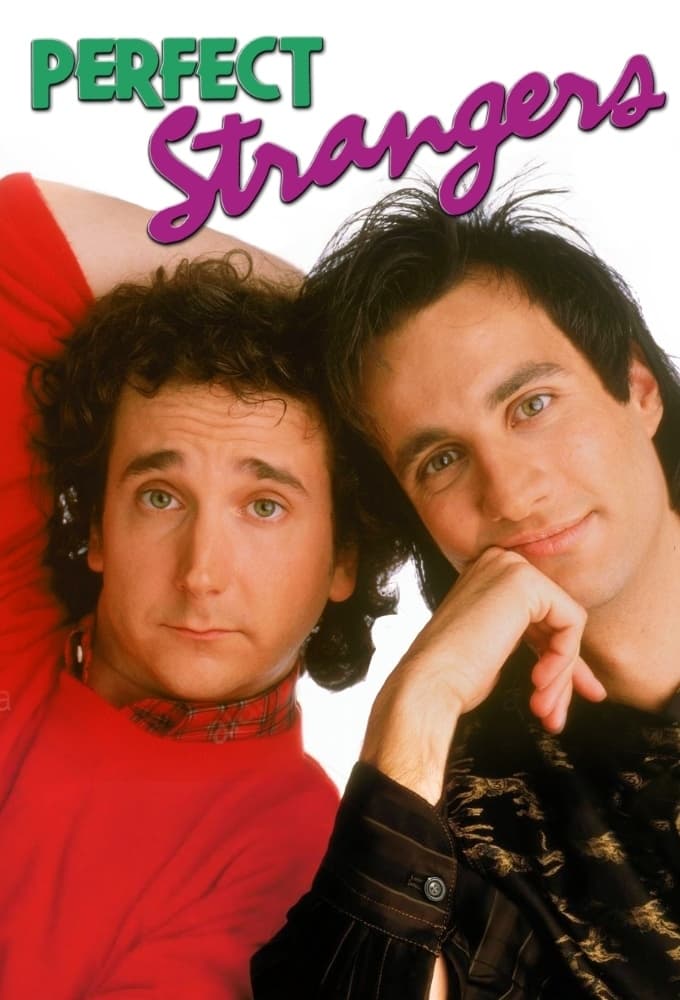
‘Perfect Strangers’ pairs Midwesterner Larry Appleton with his distant cousin Balki Bartokomous, played by Mark Linn-Baker and Bronson Pinchot. Created by Dale McRaven, the show uses fish-out-of-water scenarios and physical comedy set pieces around Chicago apartments and workplaces.
Running eight seasons, the series served as a building block for its network’s family-comedy block and directly led to the creation of ‘Family Matters.’ Its theme music and signature catchphrases helped establish strong recognition in syndication packages.
‘Full House’ (1987–1995)
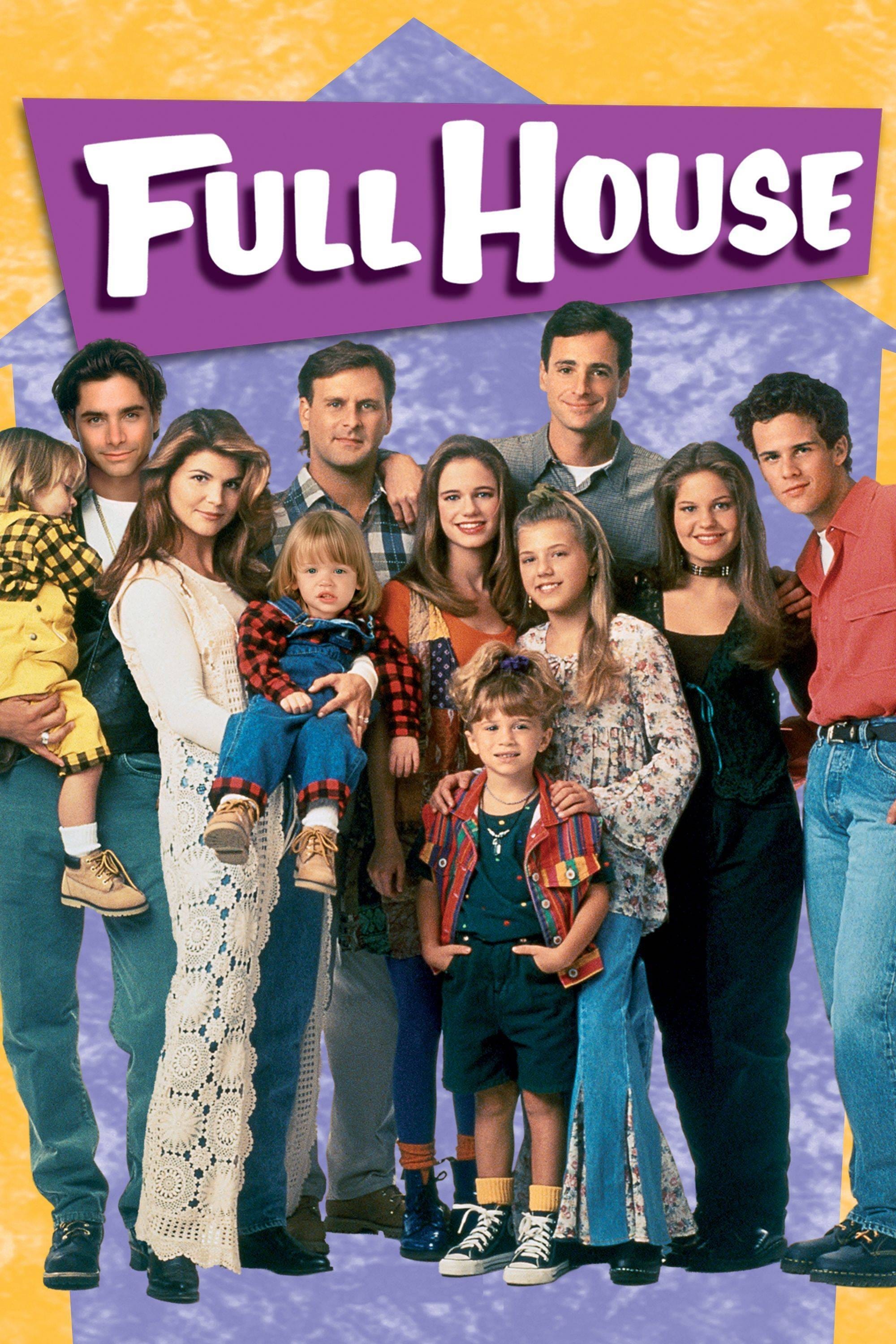
‘Full House’ follows widowed father Danny Tanner raising three daughters with help from his best friend Joey and brother-in-law Jesse. The core cast includes Bob Saget, Dave Coulier, John Stamos, Candace Cameron, Jodie Sweetin and Mary-Kate and Ashley Olsen.
Across eight seasons, the show became a linchpin of its network’s family lineup and sustained long-term rerun success. It later expanded into franchise territory with ‘Fuller House,’ demonstrating the staying power of its characters and multi-generational appeal.
‘Married… with Children’ (1987–1997)

‘Married… with Children’ centers on the Bundy family—Al, Peggy, Kelly and Bud—portrayed by Ed O’Neill, Katey Sagal, Christina Applegate and David Faustino. Created by Ron Leavitt and Michael G. Moye, it offered a deliberately irreverent take on domestic life.
The series lasted 11 seasons and became one of the first signature comedies for the Fox network. Its longevity produced a deep bench of recurring characters and episodes that continue to circulate in off-network syndication and cable rotation.
‘Growing Pains’ (1985–1992)
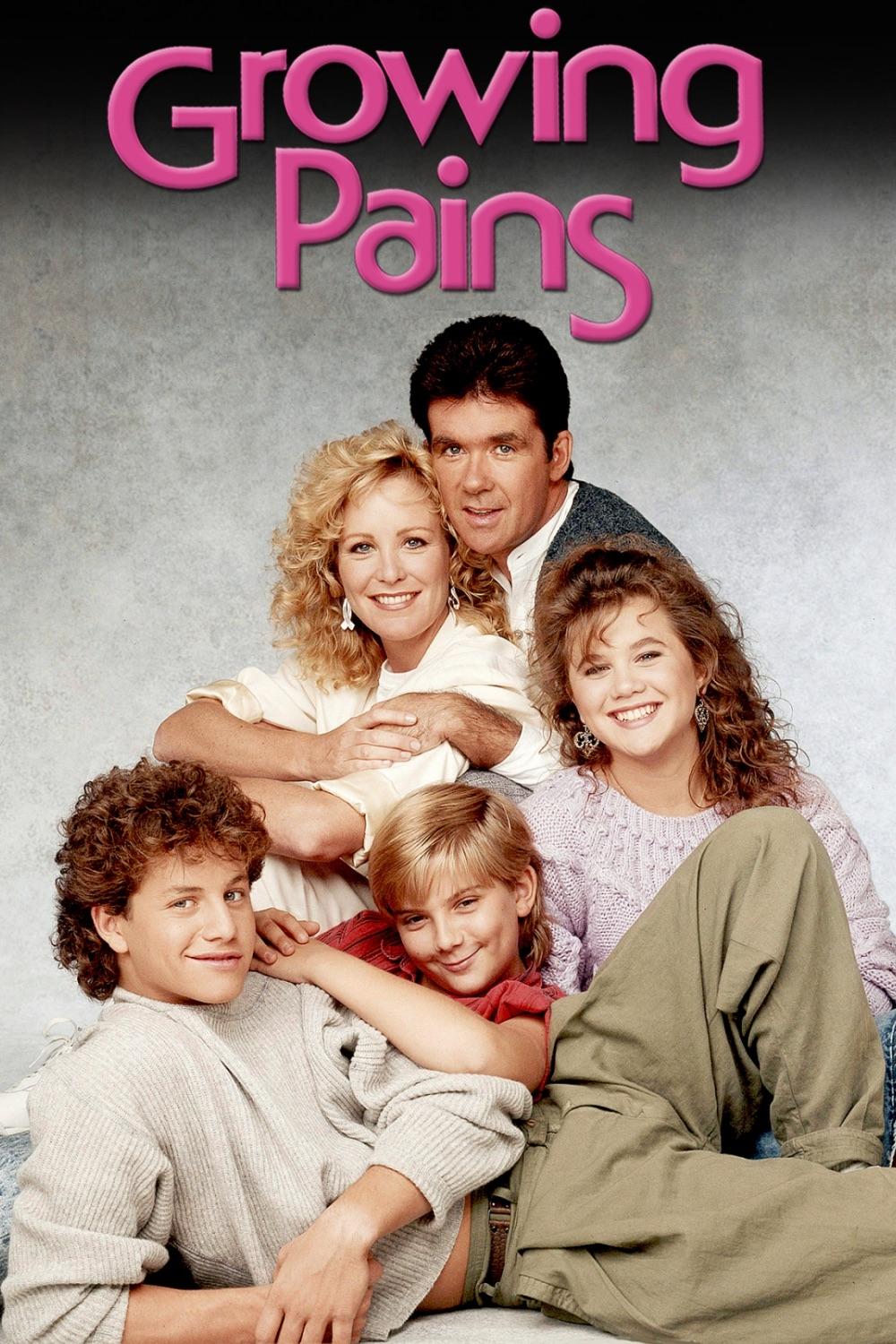
‘Growing Pains’ follows the Seaver family, with psychiatrist Jason and journalist Maggie raising Mike, Carol and Ben. Created by Neal Marlens, the show features Alan Thicke, Joanna Kerns, Kirk Cameron, Tracey Gold and Jeremy Miller, with notable later-season additions to the ensemble.
The series delivered seven seasons as part of a successful family-comedy slate and produced multiple reunion projects. It gave early visibility to future stars in guest and recurring roles and maintained strong performance within syndicated family blocks.
‘ALF’ (1986–1990)
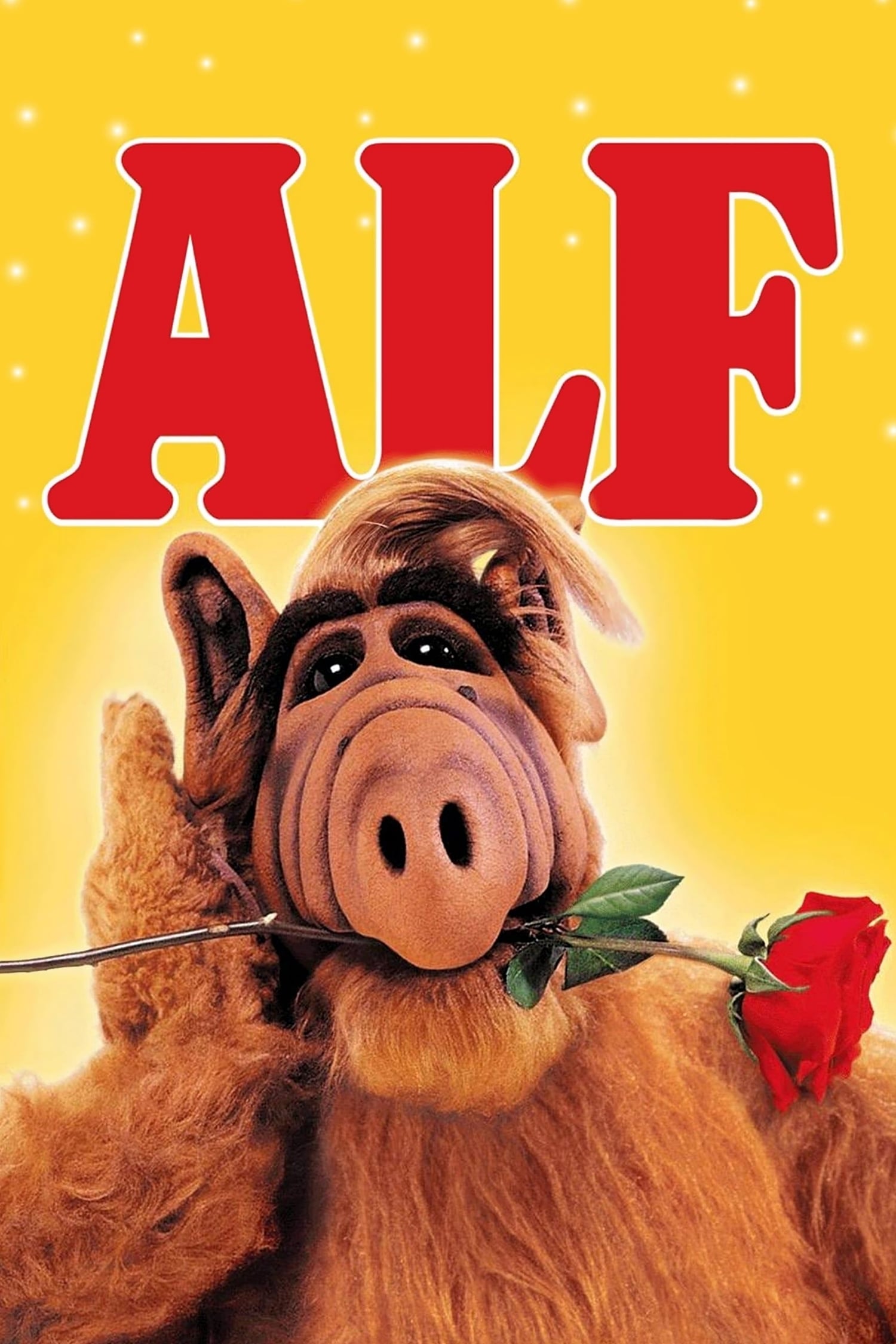
‘ALF’ stars a wisecracking alien—performed and voiced by Paul Fusco—who hides with the Tanner family after crash-landing. The human cast includes Max Wright, Anne Schedeen, Andrea Elson and Benji Gregory, with stories mixing domestic farce and sci-fi gags.
The show ran four seasons and led to animated spinoffs that expanded the character’s backstory. Its practical effects, puppetry logistics and merchandising created a broader media footprint that kept the property recognizable beyond its original episodes.
‘Who’s the Boss?’ (1984–1992)
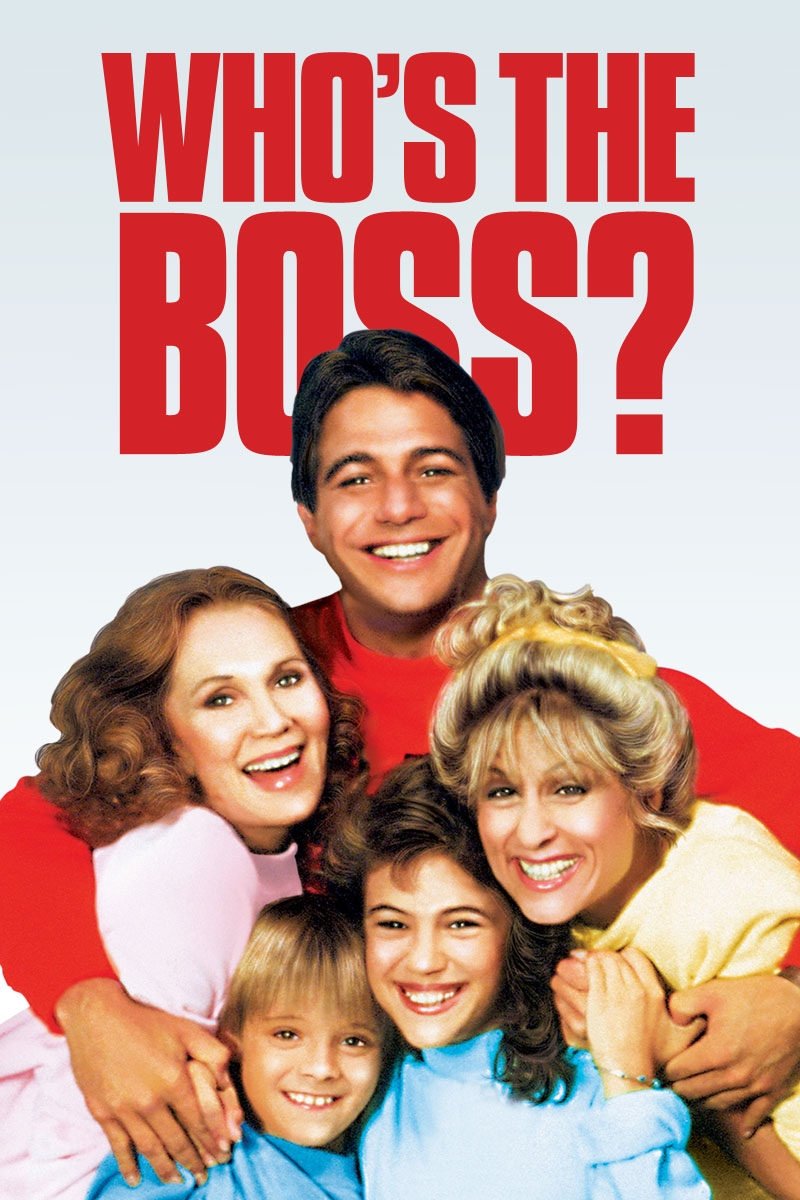
‘Who’s the Boss?’ pairs housekeeper Tony Micelli with advertising executive Angela Bower in a role-reversal domestic setup. Tony Danza and Judith Light lead the cast alongside Alyssa Milano, Danny Pintauro and Katherine Helmond.
Over eight seasons, the series consistently ranked among its network’s top comedies and generated international format adaptations. Its ensemble chemistry and suburban setting fit easily into syndication, maintaining steady after-market exposure for decades.
‘The Wonder Years’ (1988–1993)
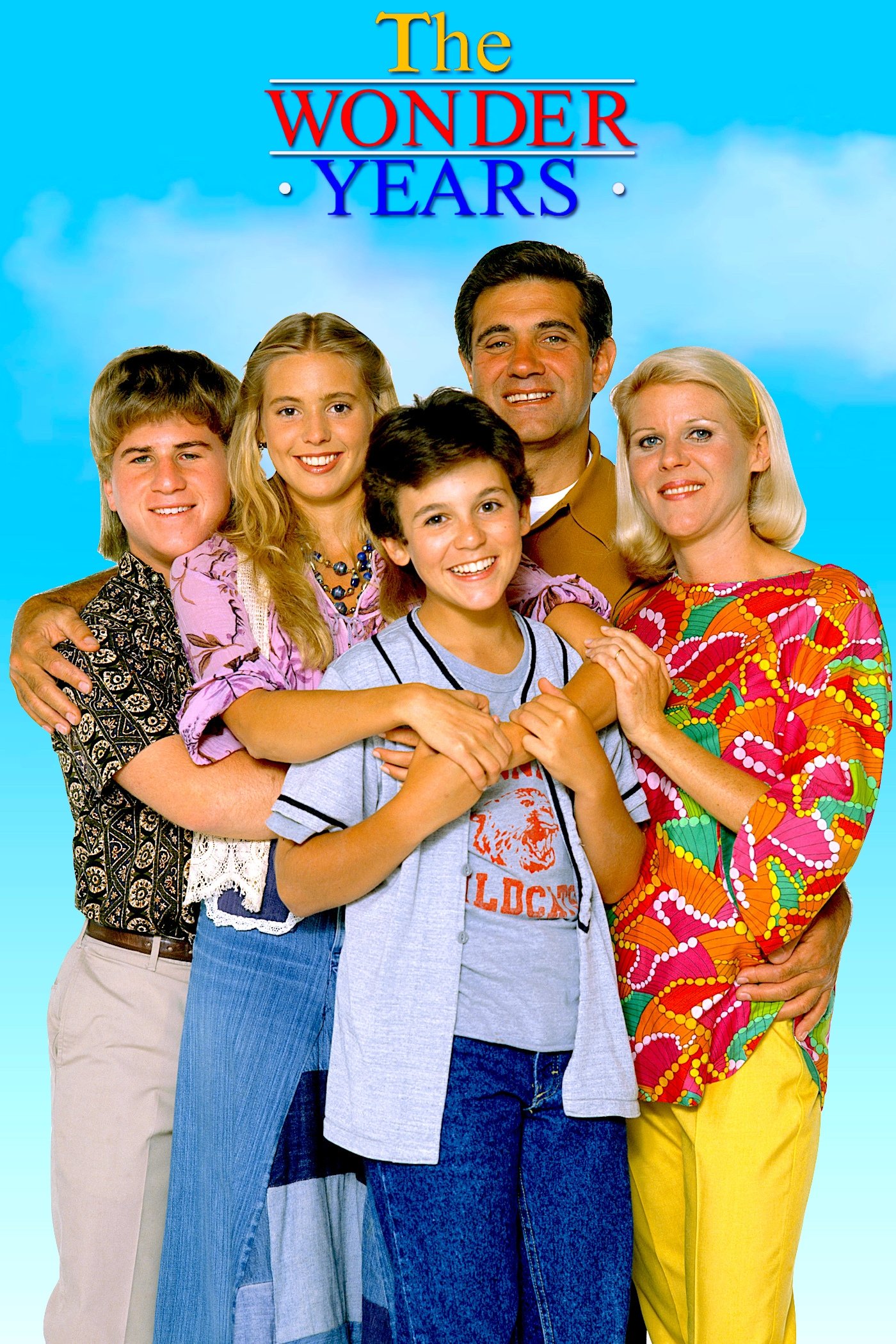
‘The Wonder Years’ chronicles Kevin Arnold’s coming-of-age, guided by narration from an adult Kevin. The cast features Fred Savage, Dan Lauria, Alley Mills, Jason Hervey, Olivia d’Abo and Danica McKellar, with Daniel Stern providing the voiceover.
The series ran six seasons and earned major industry awards, including a Peabody. Its blend of single-camera storytelling, period detail and narration influenced later dramedies and school-centered shows that adopted similar structures.
‘Murphy Brown’ (1988–1998)

Set inside the fictional newsmagazine ‘FYI,’ ‘Murphy Brown’ stars Candice Bergen as a veteran journalist returning to the anchor chair. The ensemble includes Faith Ford, Joe Regalbuto, Grant Shaud and Charles Kimbrough, with frequent guest appearances by real-life media figures.
The show’s ten-season original run collected numerous awards and later returned with a revival season. Its newsroom setting and topical scripts helped establish a template for media-focused comedies that mix workplace banter with headline-adjacent plots.
‘Roseanne’ (1988–1997)
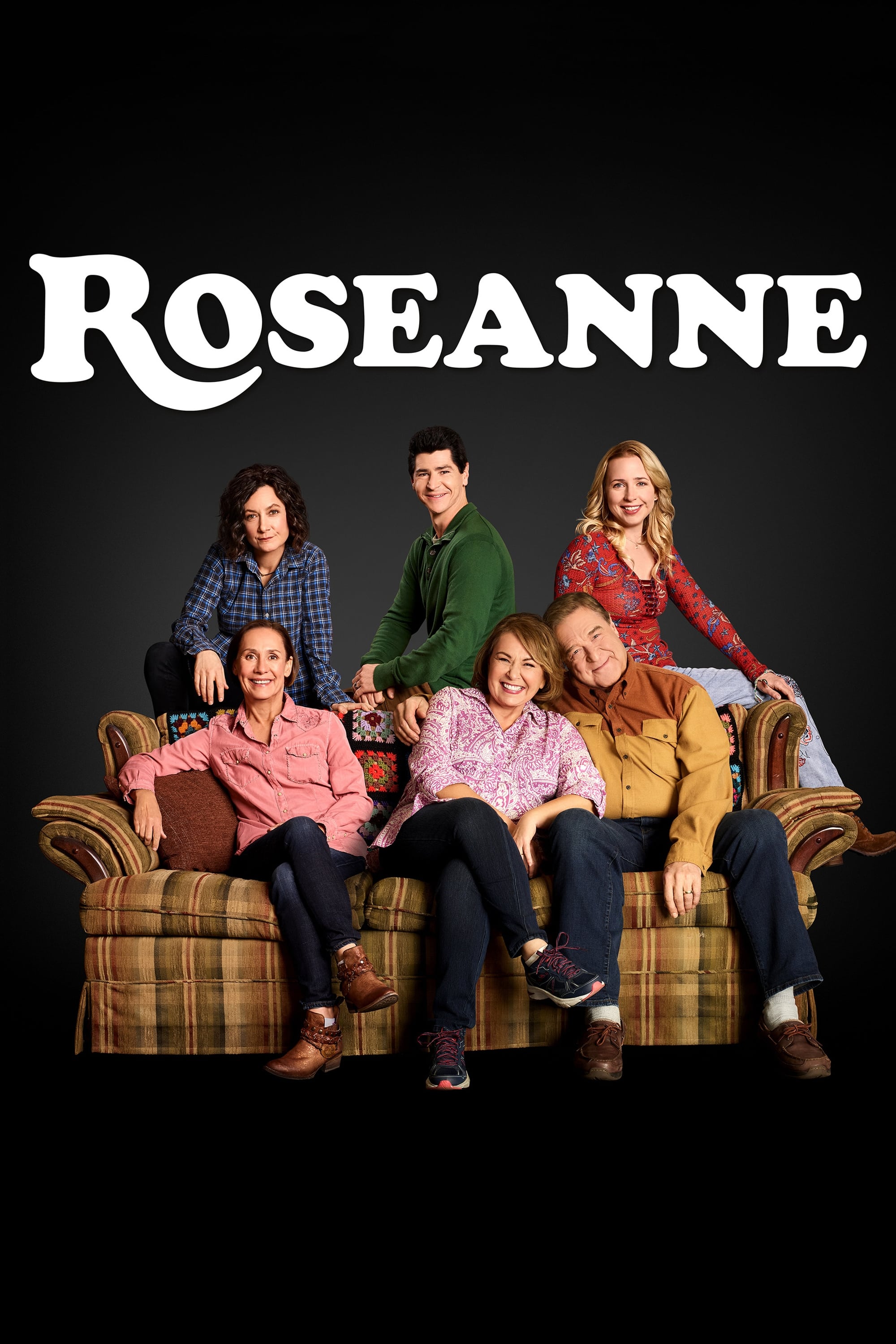
‘Roseanne’ depicts the Conner family’s day-to-day life in a Midwestern town, led by Roseanne and Dan, played by Roseanne Barr and John Goodman. The ensemble also includes Laurie Metcalf, Sara Gilbert, Michael Fishman and Lecy Goranson, with Sarah Chalke later joining the role.
The series produced nine seasons in its initial run and regularly finished near the top of the ratings. It later returned with a revival that transitioned into ‘The Conners,’ extending the franchise’s presence across multiple eras of broadcast schedules.
‘Family Matters’ (1989–1998)
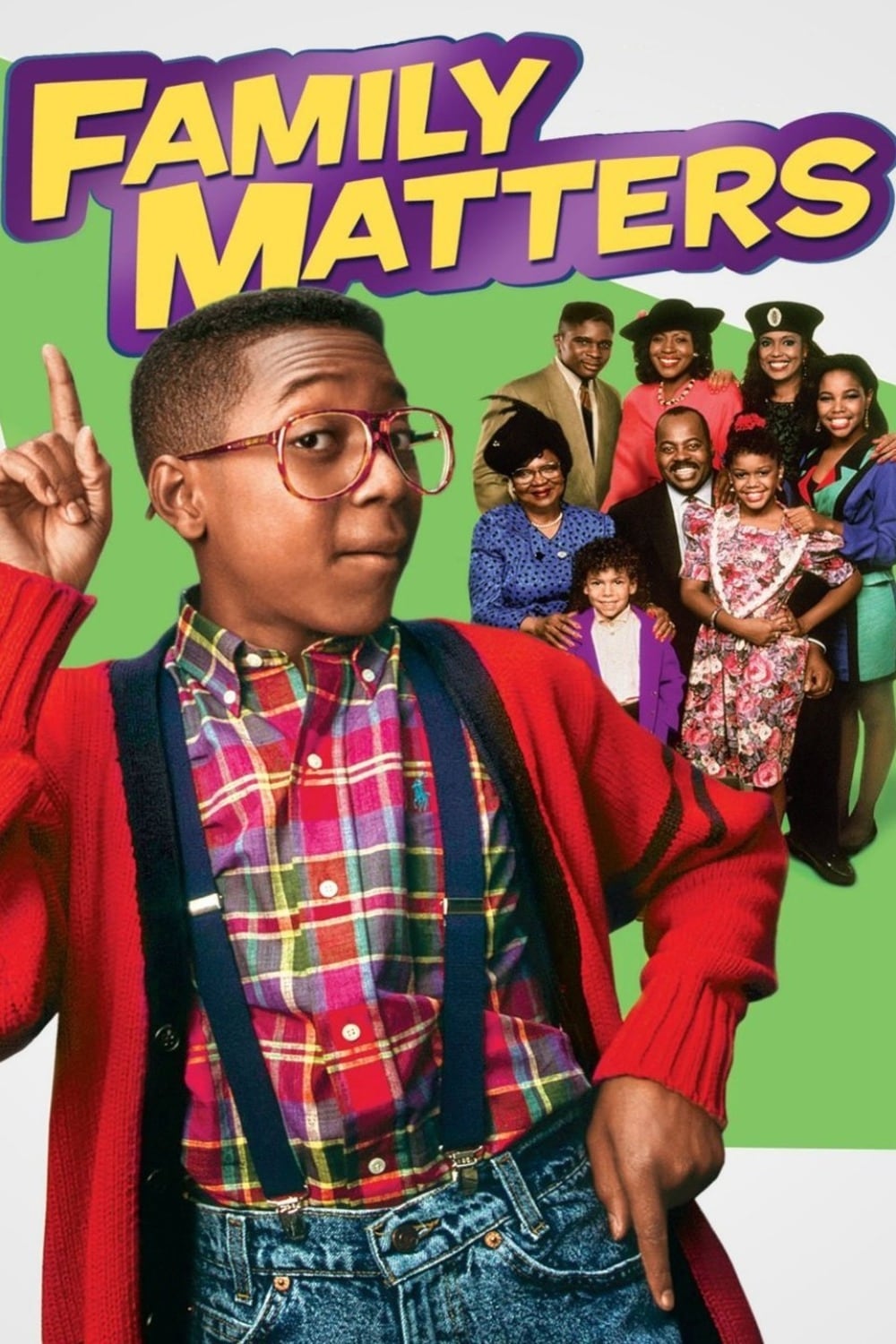
Initially a ‘Perfect Strangers’ spinoff centered on the Winslow family, ‘Family Matters’ added neighbor Steve Urkel as a breakout character portrayed by Jaleel White. The main cast includes Reginald VelJohnson, Jo Marie Payton, Darius McCrary and Kellie Shanygne Williams.
The show became a pillar of ABC’s TGIF block across nine seasons, producing numerous themed and high-concept episodes. Its catchphrases and character-driven arcs translated well to reruns, keeping it visible long after the original broadcasts.
‘Head of the Class’ (1986–1991)
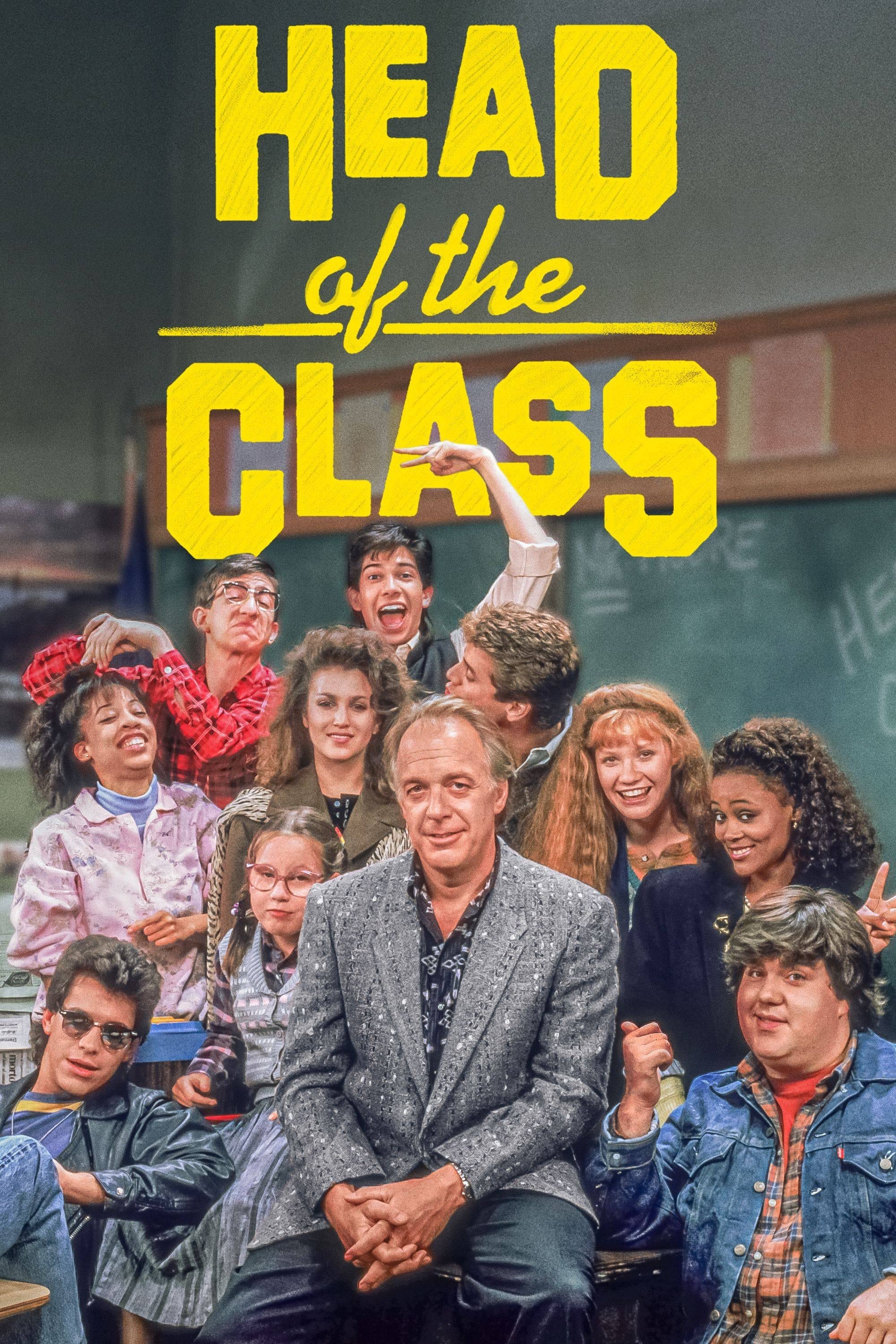
‘Head of the Class’ follows a group of gifted high school students guided by teacher Charlie Moore, played by Howard Hesseman, with Billy Connolly taking over in later seasons. The class ensemble included Robin Givens, Khrystyne Haje, Dan Frischman and others.
The series ran five seasons and earned attention for producing an episode shot in the Soviet Union, a rarity for a U.S. sitcom at the time. Its school-based format provided a rotating platform for topical assignments, debate plots and academic competitions.
‘A Different World’ (1987–1993)
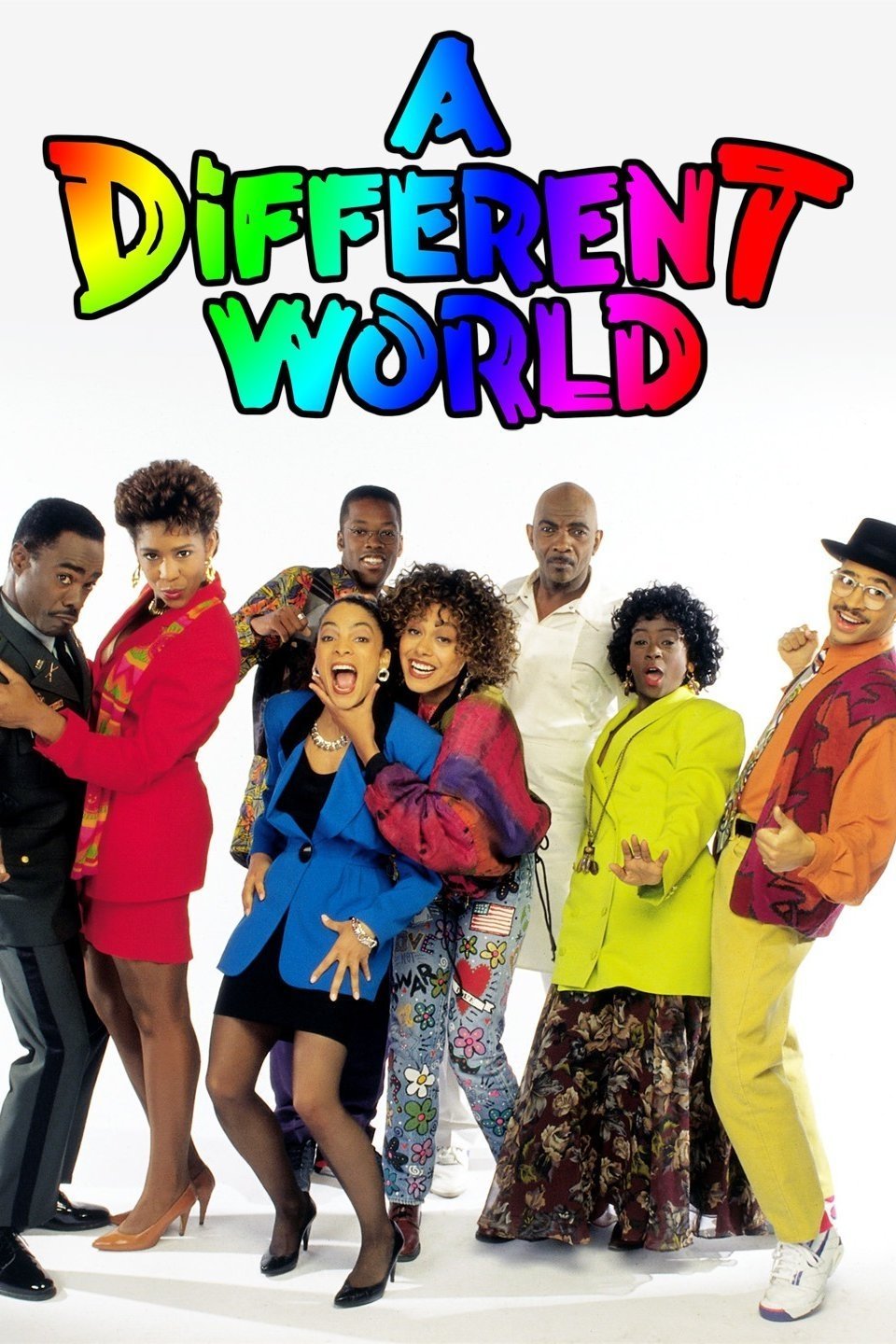
Originally introduced as a spinoff of ‘The Cosby Show,’ ‘A Different World’ shifted focus to the students of Hillman College, a fictional HBCU. The ensemble grew to include Whitley Gilbert, Dwayne Wayne, Freddie Brooks and others, led by Jasmine Guy and Kadeem Hardison.
Under producer Debbie Allen’s guidance, the series expanded its scope with campus-life arcs, career stories and guest appearances that connected to the parent show. Six seasons established a sizable catalog that continued to circulate in syndication and specialty blocks.
‘Seinfeld’ (1989–1998)
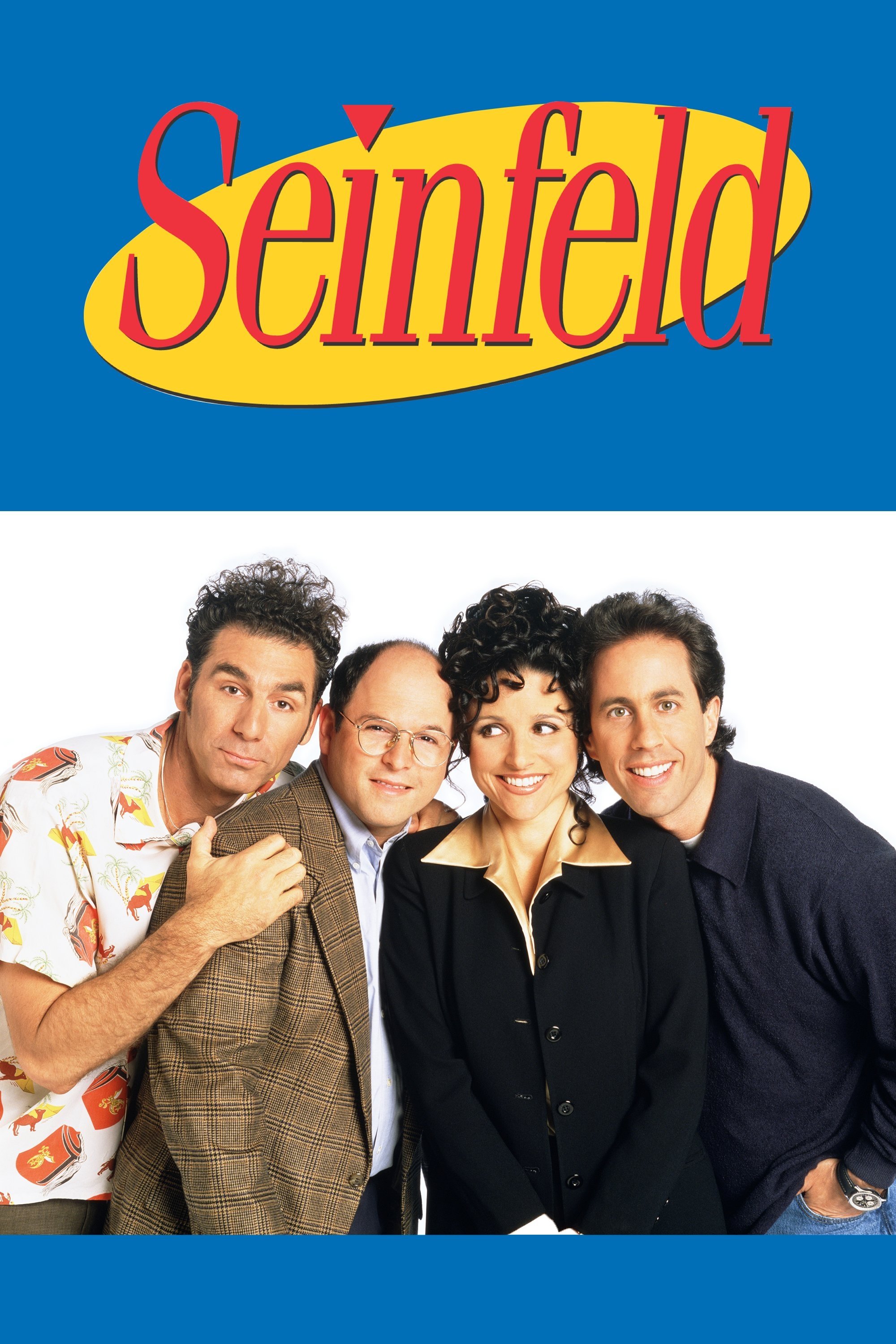
Created by Larry David and Jerry Seinfeld, ‘Seinfeld’ follows a stand-up comic and his friends—Elaine Benes, George Costanza and Cosmo Kramer—navigating everyday New York scenarios. The series uses a distinctive observational structure that ties multiple story threads together within each episode.
Running nine seasons, it achieved extensive syndication deals and strong home-video and streaming performance. Its writers’ room and production playbook shaped later single and multi-camera comedies, and numerous phrases and episode premises entered pop-culture shorthand.
Share your own favorites from this era in the comments and tell us which episodes you still revisit the most.

