


1980s TV Shows That Are Completely Unwatchable Today



The 1980s delivered a flood of high-concept premises, earnest family sitcoms, and flashy action hours that defined an era of broadcast television. Below is a snapshot of 40 series from that decade, with quick context on creators, networks, casts, formats, and how each show fit into the TV landscape. Consider this a tidy guide to what these productions actually were, who made them, and how they reached audiences at the time.
‘Small Wonder’ (1985–1989)
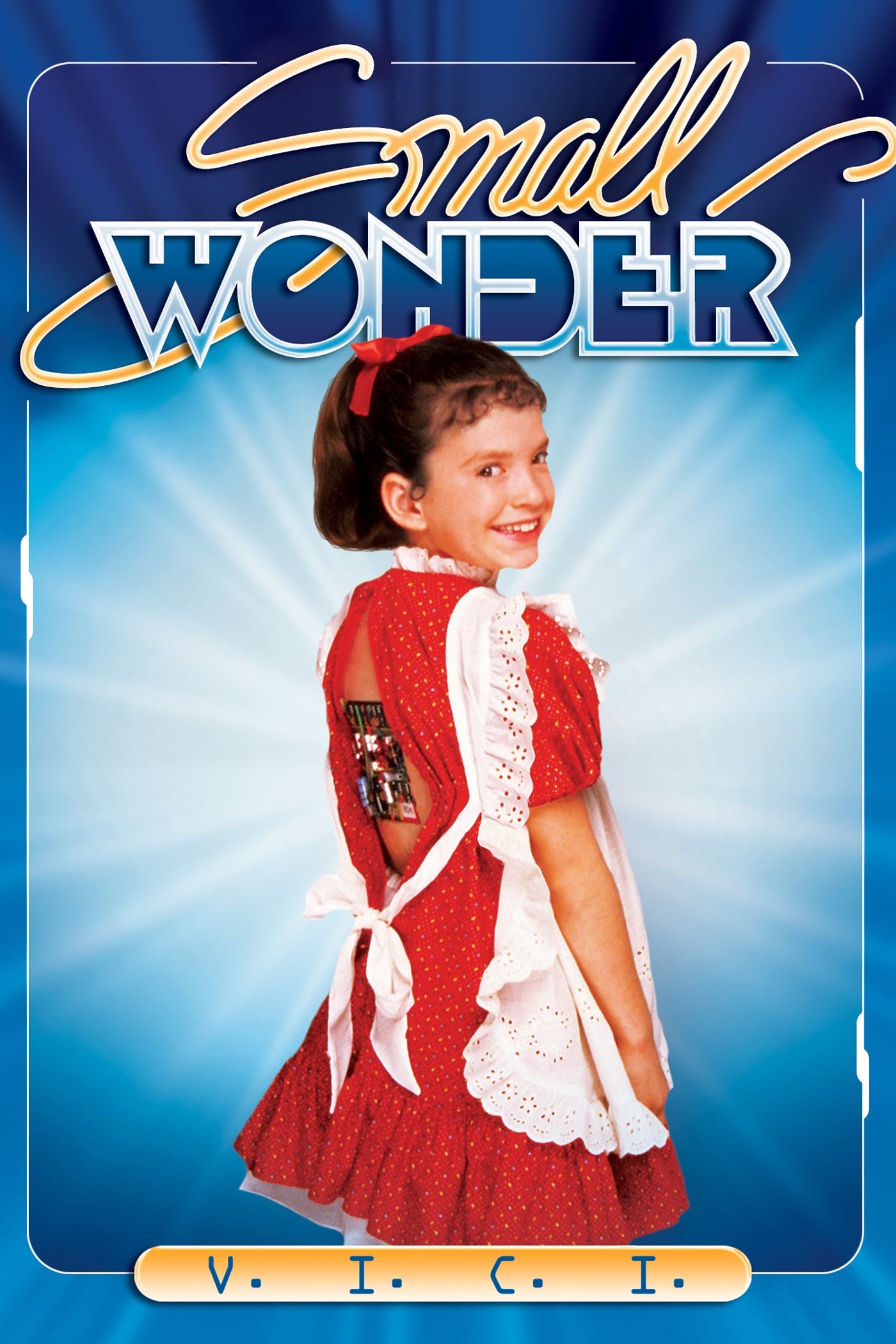
This syndicated sitcom centers on a robotics engineer who secretly builds a human-looking child android named Vicki. Tiffany Brissette plays Vicki, with Dick Christie and Marla Pennington as the Lawson parents. Episodes lean on fish-out-of-water stories, school gags, and neighbors nearly discovering the secret. The series was produced for first-run syndication, which let it bypass a single network and air on local stations across the country.
‘ALF’ (1986–1990)
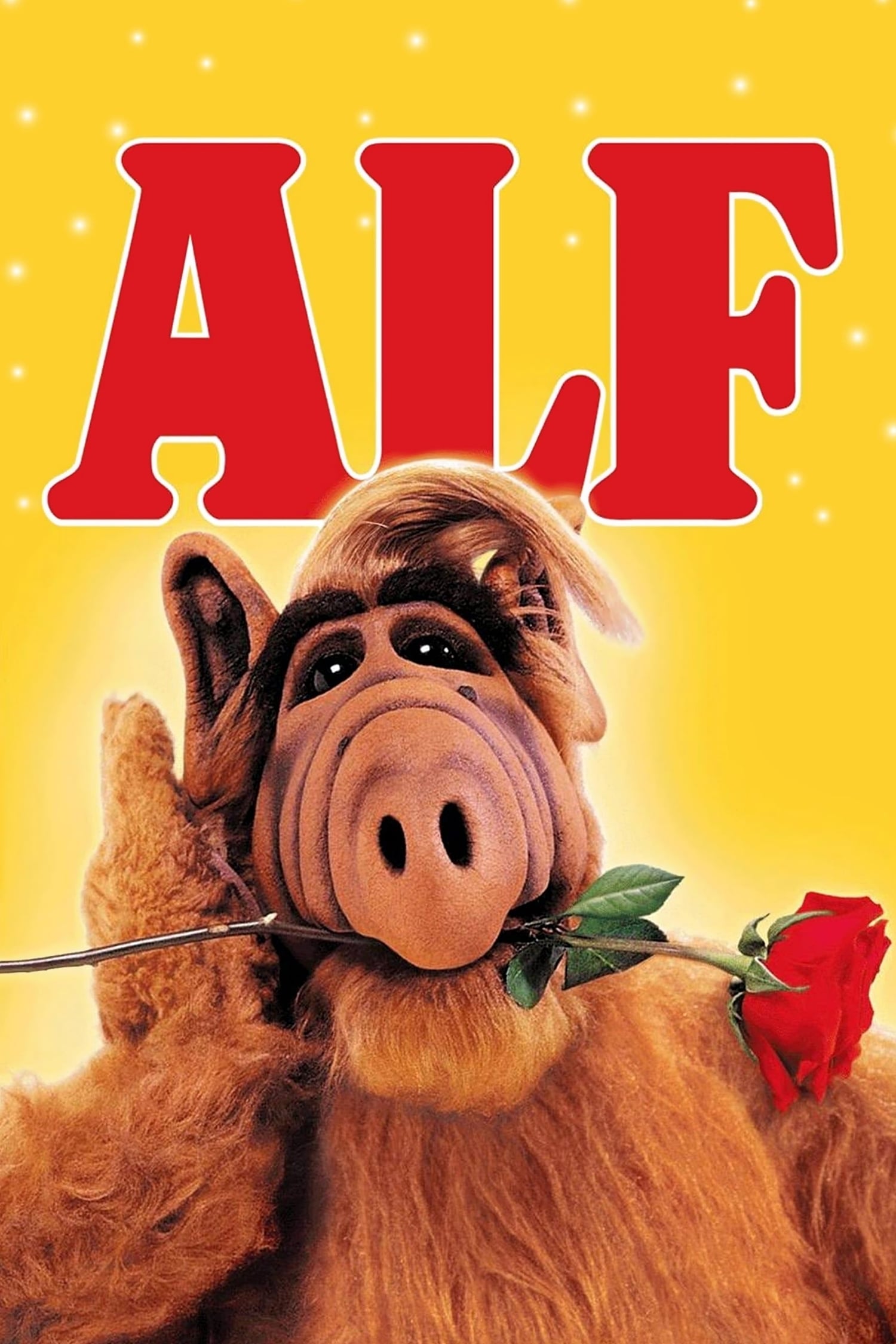
‘ALF’ follows a wisecracking alien from the planet Melmac who crash-lands into a suburban family’s garage. Paul Fusco performed and voiced the title character, alongside series regulars Max Wright, Anne Schedeen, Andrea Elson, and Benji Gregory. The show ran on NBC and mixed puppetry with multi-camera sitcom staging. It spawned a merchandising wave and multiple TV specials, plus an animated spinoff set on Melmac.
‘Manimal’ (1983)
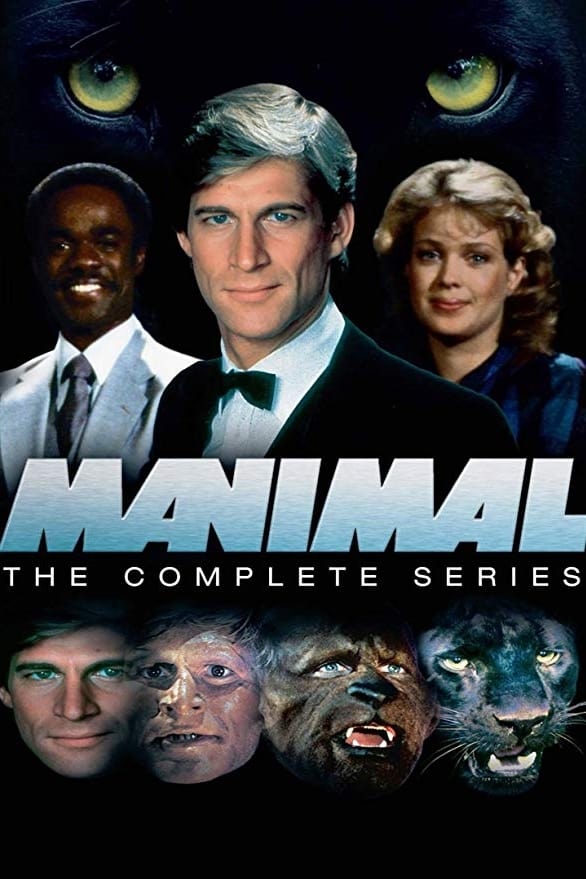
This short-lived NBC adventure series stars Simon MacCorkindale as Dr. Jonathan Chase, a crime-fighting shapeshifter. The production blended live-action stunts with transformation effects supervised by Stan Winston. Melody Anderson co-stars as a police detective who becomes Chase’s ally. Episodes revolve around undercover investigations where Chase morphs into animals to gather evidence or escape danger.
‘Automan’ (1983–1984)

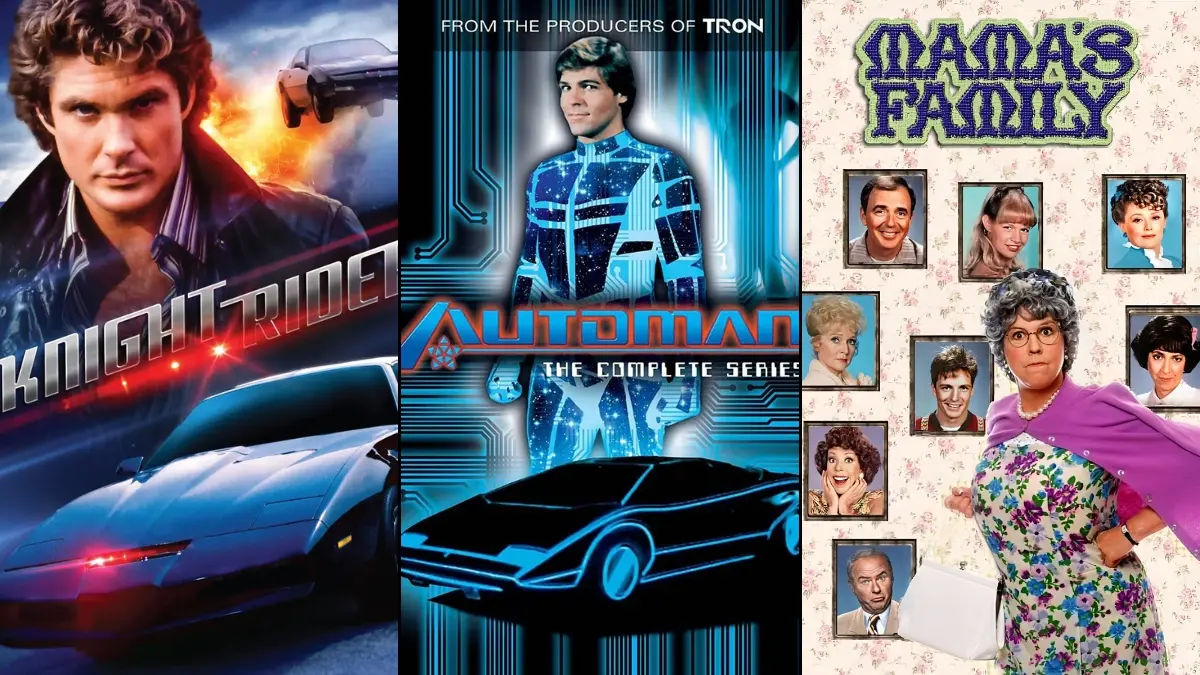
‘Automan’ is an ABC sci-fi series about a police computer expert who creates a holographic AI hero that materializes in the real world. Chuck Wagner plays the neon-glowing title character, with Desi Arnaz Jr. as his programmer partner. The show is known for light-cycle-style vehicle sequences and computer-age gadgetry. Its procedural plots pair tech-of-the-moment gimmicks with case-of-the-week storytelling.
‘The A-Team’ (1983–1987)
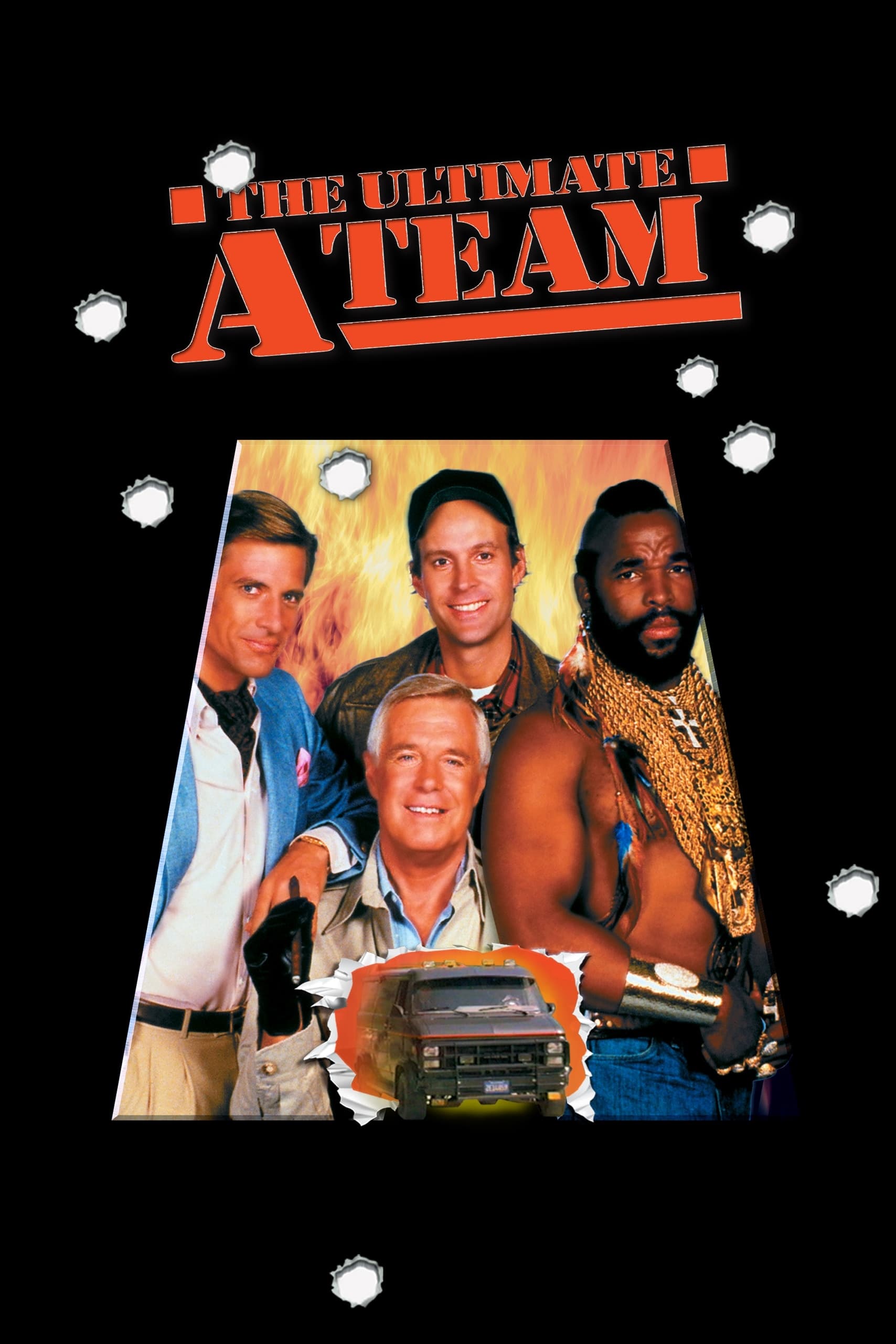
This NBC action series features a team of ex-commandos who help people while evading military pursuit. The core cast includes George Peppard, Mr. T, Dirk Benedict, and Dwight Schultz. Episodes typically open with clients seeking help, followed by elaborate plans, improvised weapons, and vehicular stunts. The show’s format made it a staple of syndicated reruns worldwide.
‘Knight Rider’ (1982–1986)

‘Knight Rider’ follows Michael Knight, played by David Hasselhoff, partnering with KITT, a sentient, heavily modified Trans Am voiced by William Daniels. Produced for NBC, it combines crime-fighting plots with high-tech car gadgets. The series uses a mission-of-the-week structure anchored by a private foundation that dispatches Knight. It later spawned TV movies, a sequel series, and a dedicated fan culture around KITT.
‘Charles in Charge’ (1984–1990)
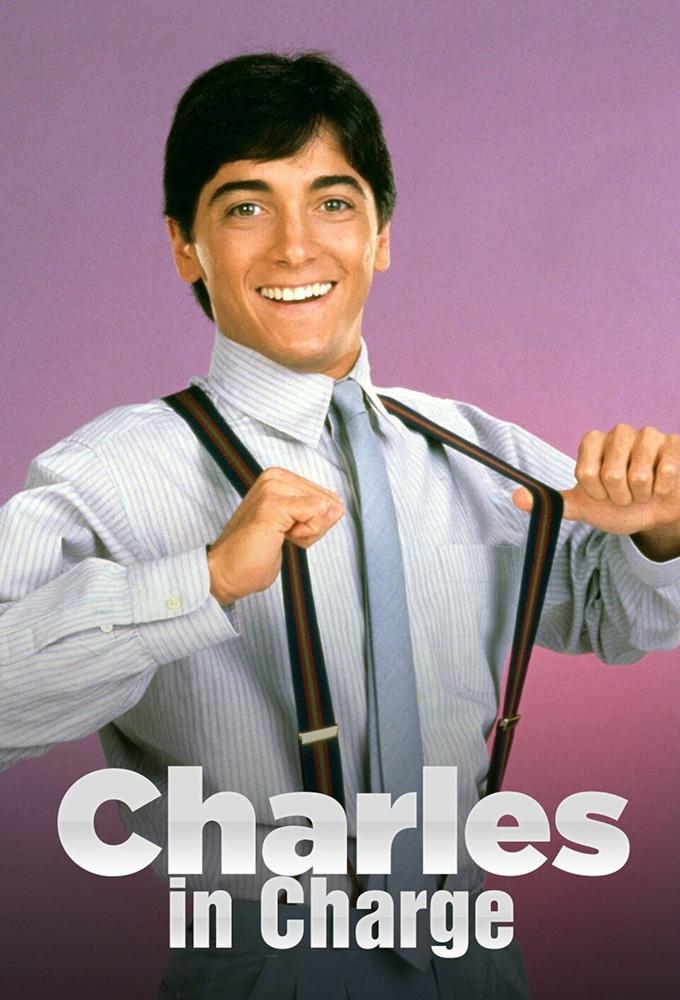
This sitcom stars Scott Baio as a live-in college student who works as a family’s caretaker. It premiered on CBS and later moved to first-run syndication with a reworked family ensemble, including Nicole Eggert and Willie Aames. Storylines revolve around school, dating mishaps, and household crises resolved within self-contained episodes. The shift to syndication broadened its reach through local stations.
‘Perfect Strangers’ (1986–1993)
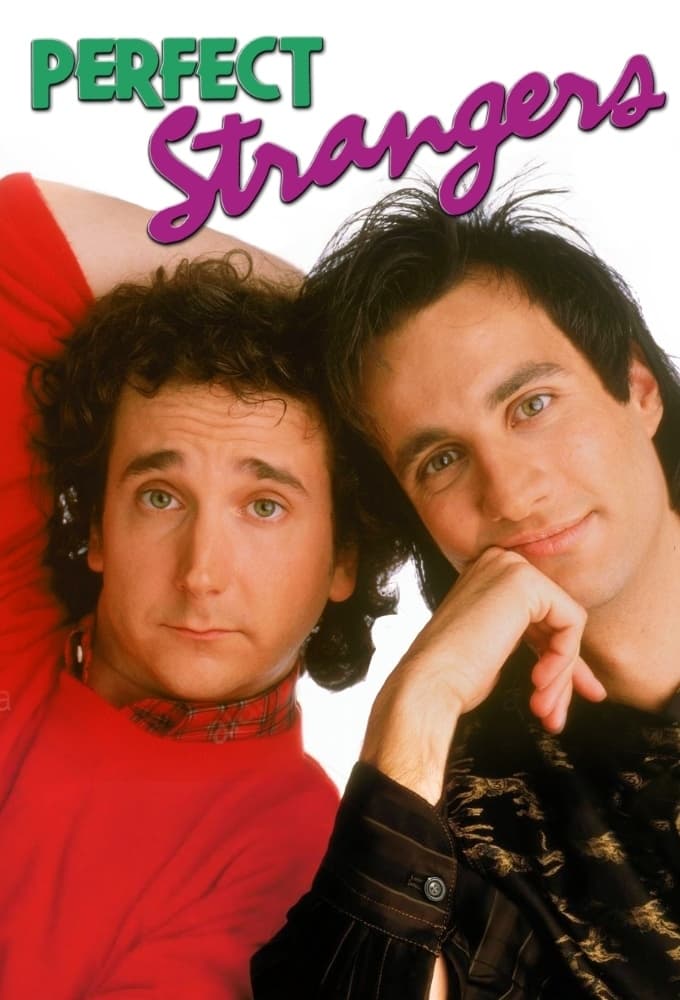
‘Perfect Strangers’ pairs Mark Linn-Baker and Bronson Pinchot as mismatched cousins sharing an apartment in Chicago. The ABC multi-cam sitcom features physical comedy set pieces and workplace subplots at a discount store and later a newspaper. Over time it expanded its ensemble with recurring neighbors and love interests. The show later served as a launching point for the ABC family-sitcom lineup that included ‘Family Matters’.
‘Baywatch’ (1989–1990)
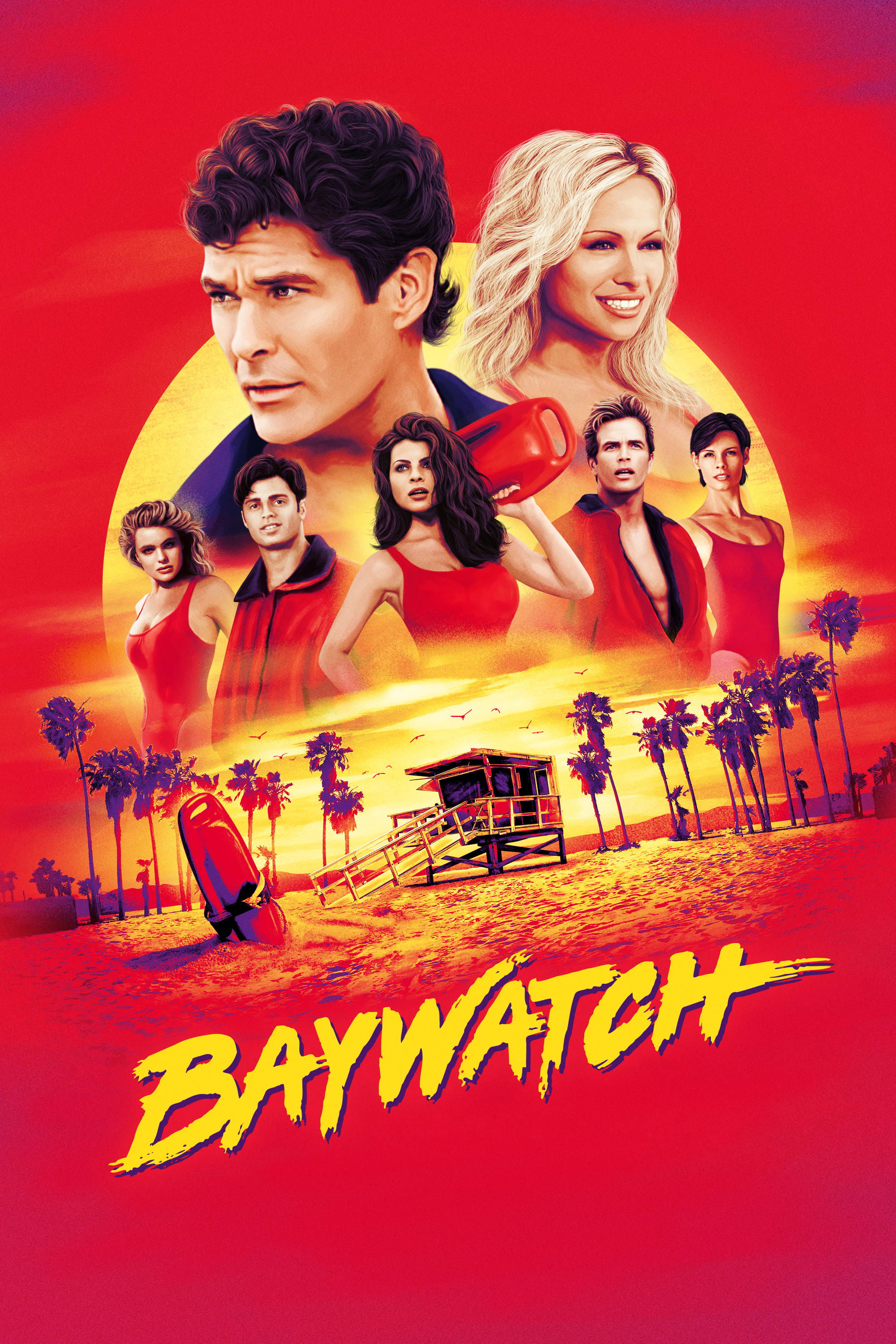
‘Baywatch’ started on NBC with an ensemble of Los Angeles County lifeguards handling rescues and beachside emergencies. Created by Michael Berk, Douglas Schwartz, and Gregory J. Bonann, it blends action sequences with personal storylines. After its network run, the brand shifted to first-run syndication with new cast members and international settings. The franchise ultimately became one of the most widely distributed series globally.
‘Mama’s Family’ (1983–1990)
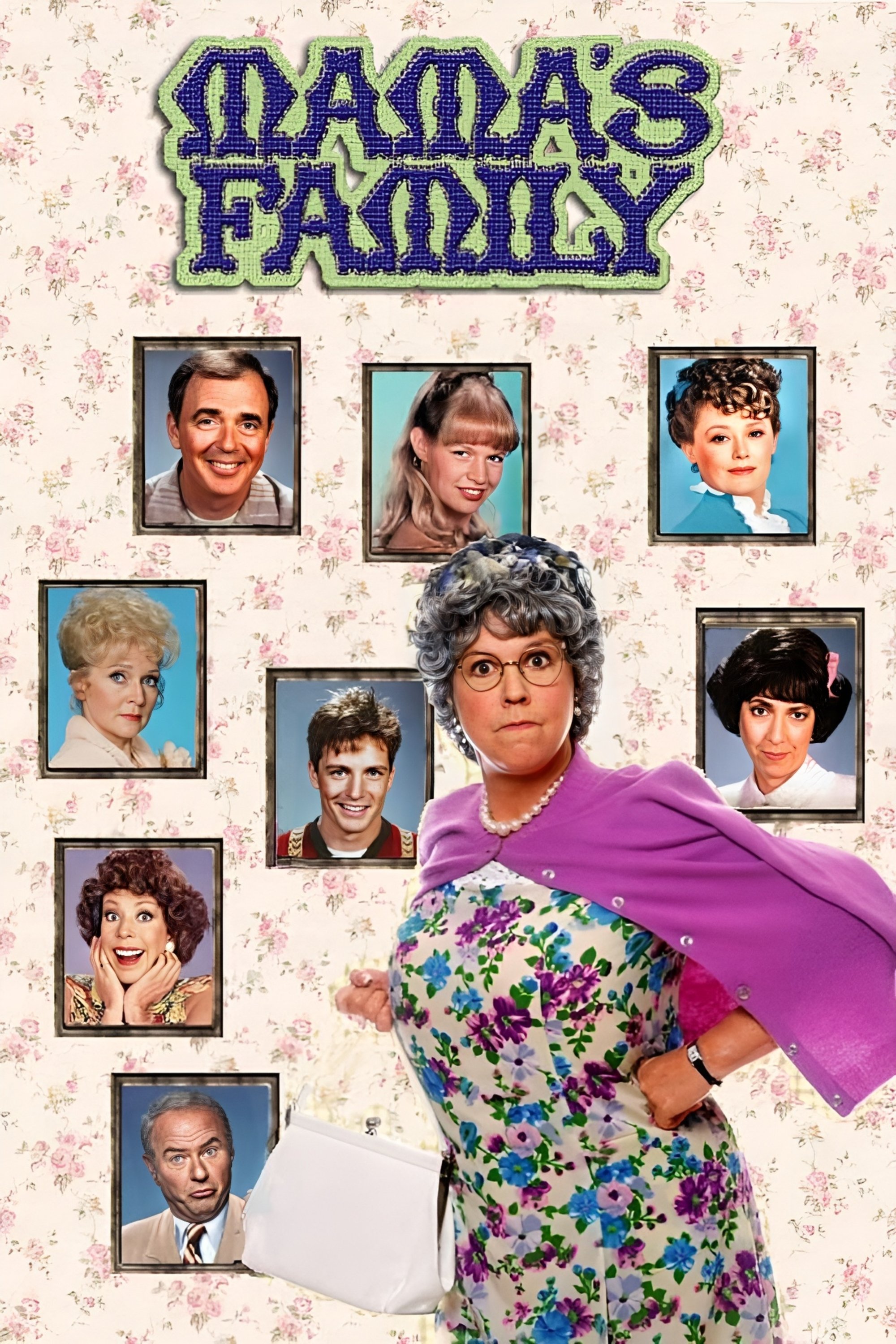
Spun off from sketches on ‘The Carol Burnett Show’, this sitcom stars Vicki Lawrence as Thelma Harper. It initially aired on NBC and later found new life in first-run syndication with cast changes and refreshed sets. Plots center on intergenerational squabbles, small-town antics, and family misunderstandings. The series built a long tail in daytime reruns and cable blocks.
‘Full House’ (1987–1995)
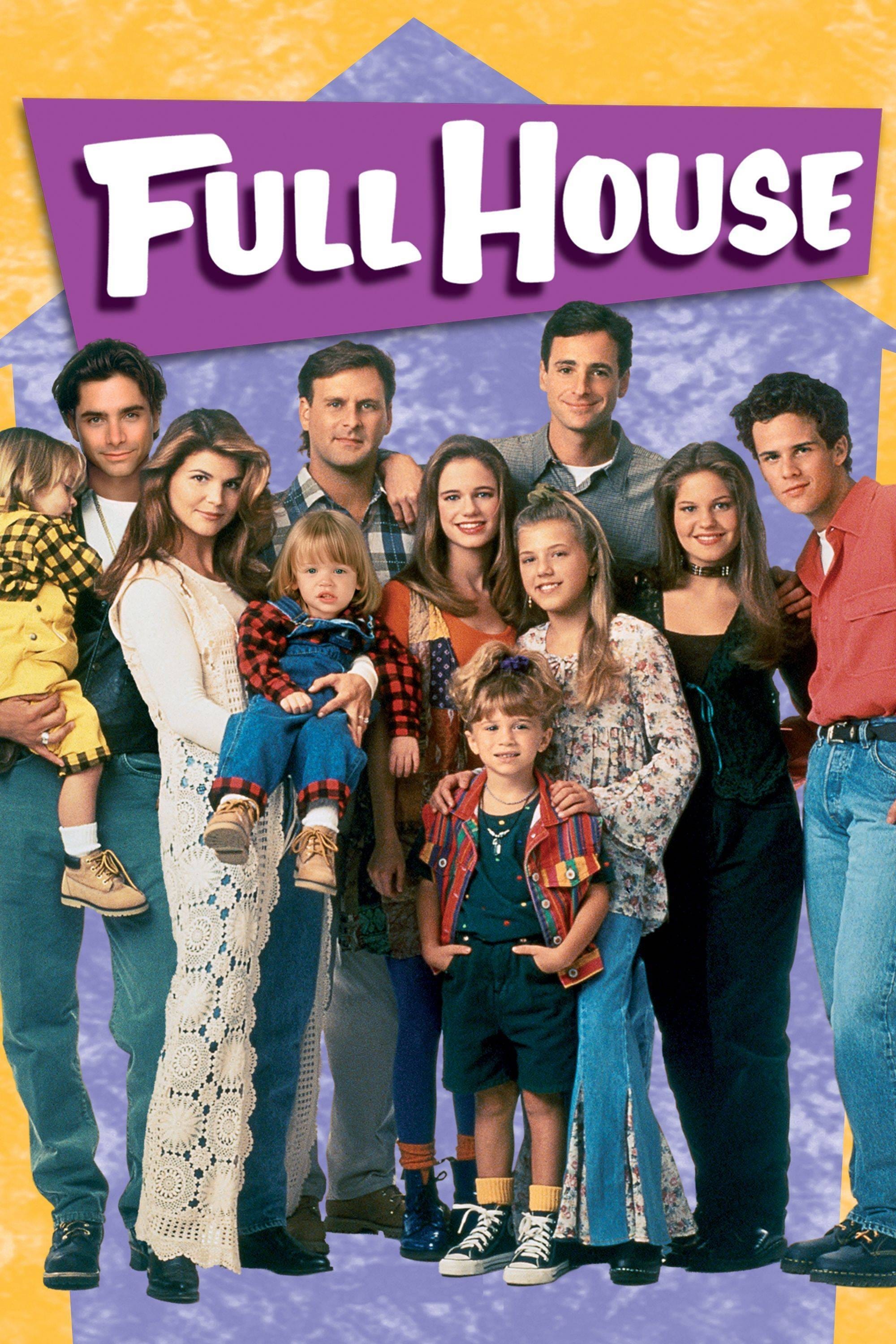
‘Full House’ is an ABC family sitcom about a widowed father raising three daughters with help from his brother-in-law and best friend. The principal cast includes Bob Saget, John Stamos, Dave Coulier, Candace Cameron, Jodie Sweetin, and Mary-Kate and Ashley Olsen. Episodes emphasize family lessons and ensemble scenes anchored by the San Francisco setting. The property later expanded with a sequel series and continued merchandise.
‘Family Matters’ (1989–1998)
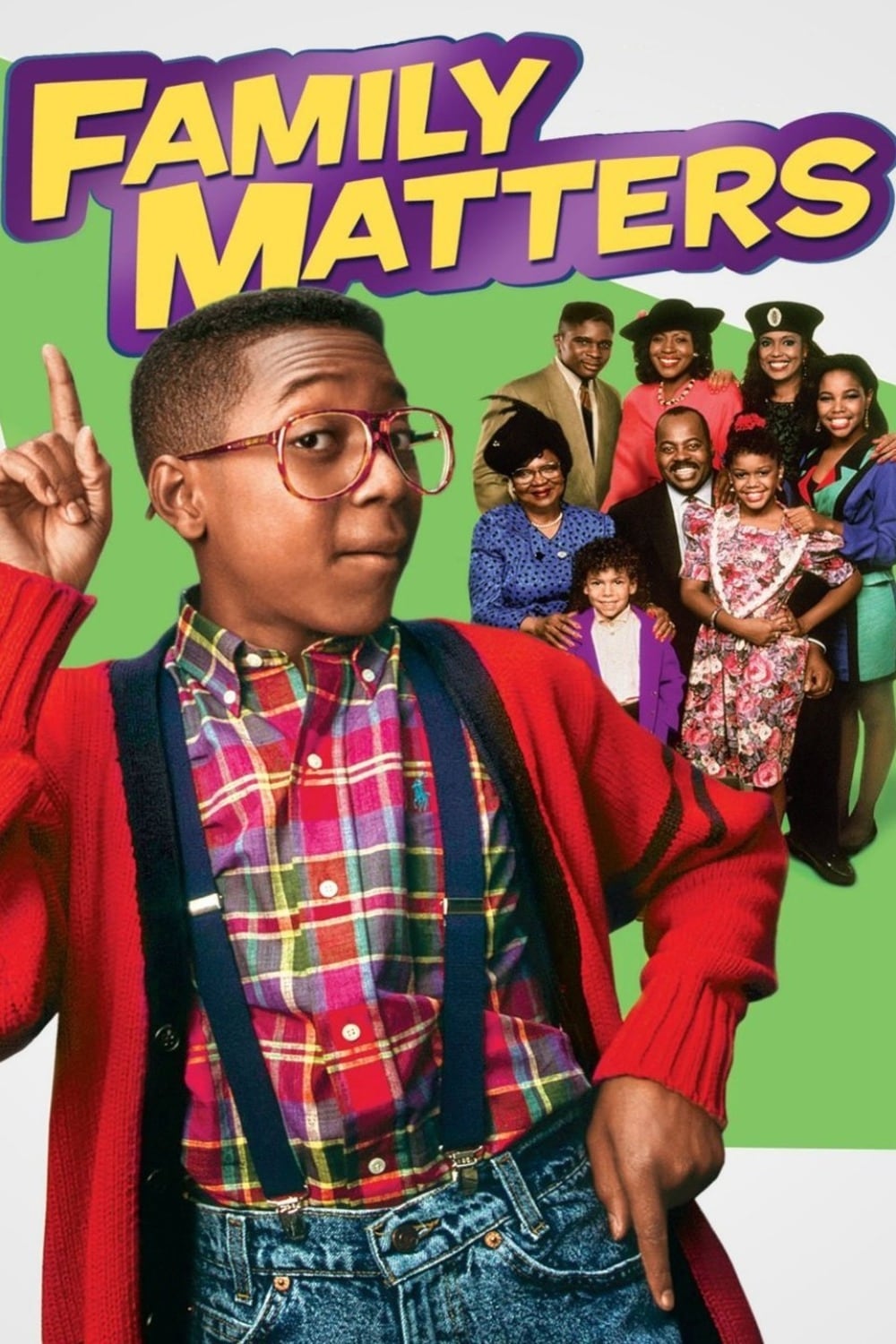
This ABC sitcom, later airing on another network, focuses on the Winslow family in Chicago. Reginald VelJohnson leads the cast, with Jaleel White’s Steve Urkel becoming a breakout character who shifted storylines toward school and science-gadget hijinks. The show originated as a spin-off from ‘Perfect Strangers’ through a shared workplace connection. It maintained a multi-camera format with a rotating set of friends and relatives.
‘MacGyver’ (1985–1992)
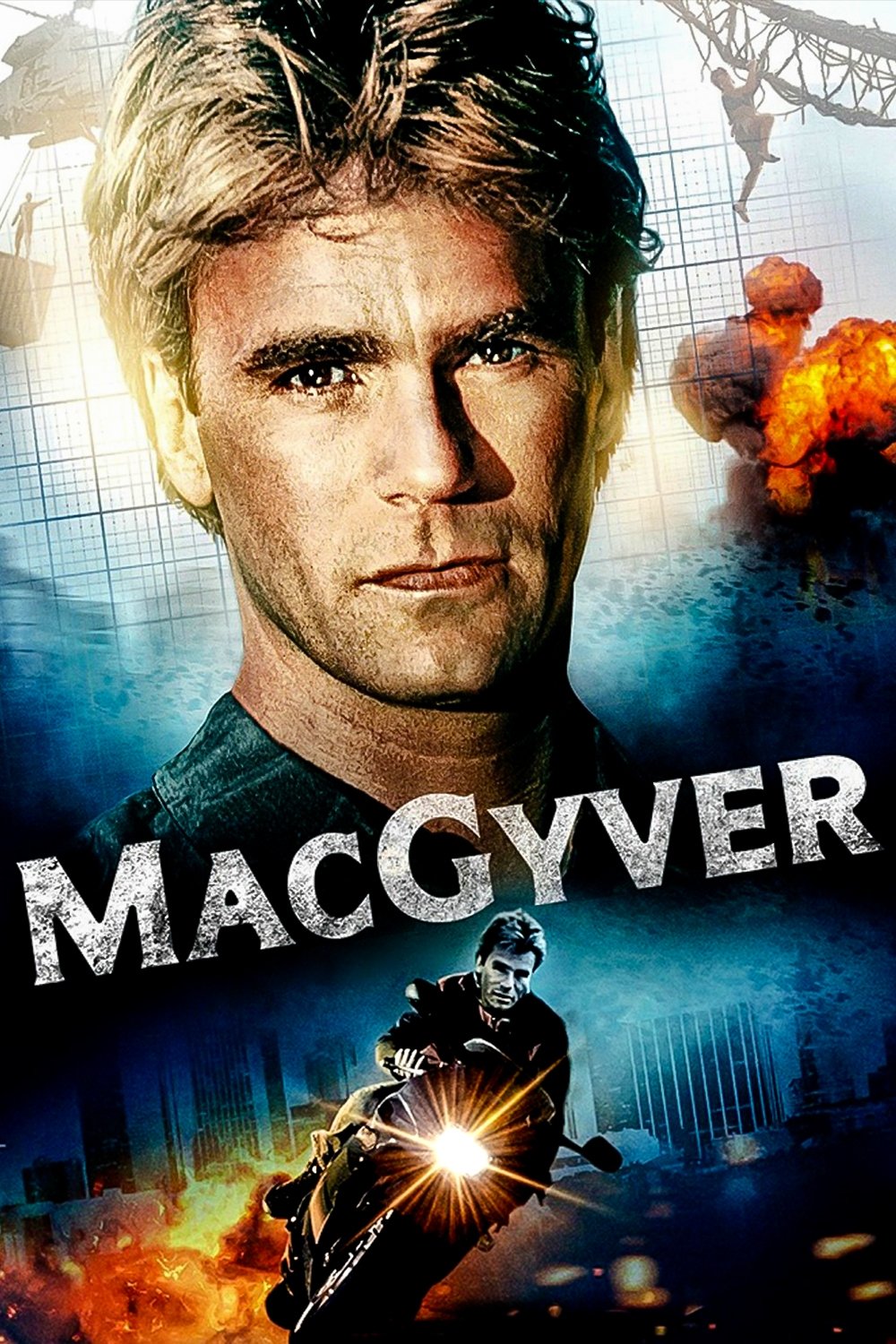
‘MacGyver’ stars Richard Dean Anderson as a resourceful agent who avoids firearms and solves problems with improvised tools. Produced for ABC by Henry Winkler and John Rich, the series travels to domestic and international locales. Episodes often open with a cold-open mini-mission before the main story. The franchise later inspired a reboot series and a range of tie-in novels and games.
‘Airwolf’ (1984–1987)
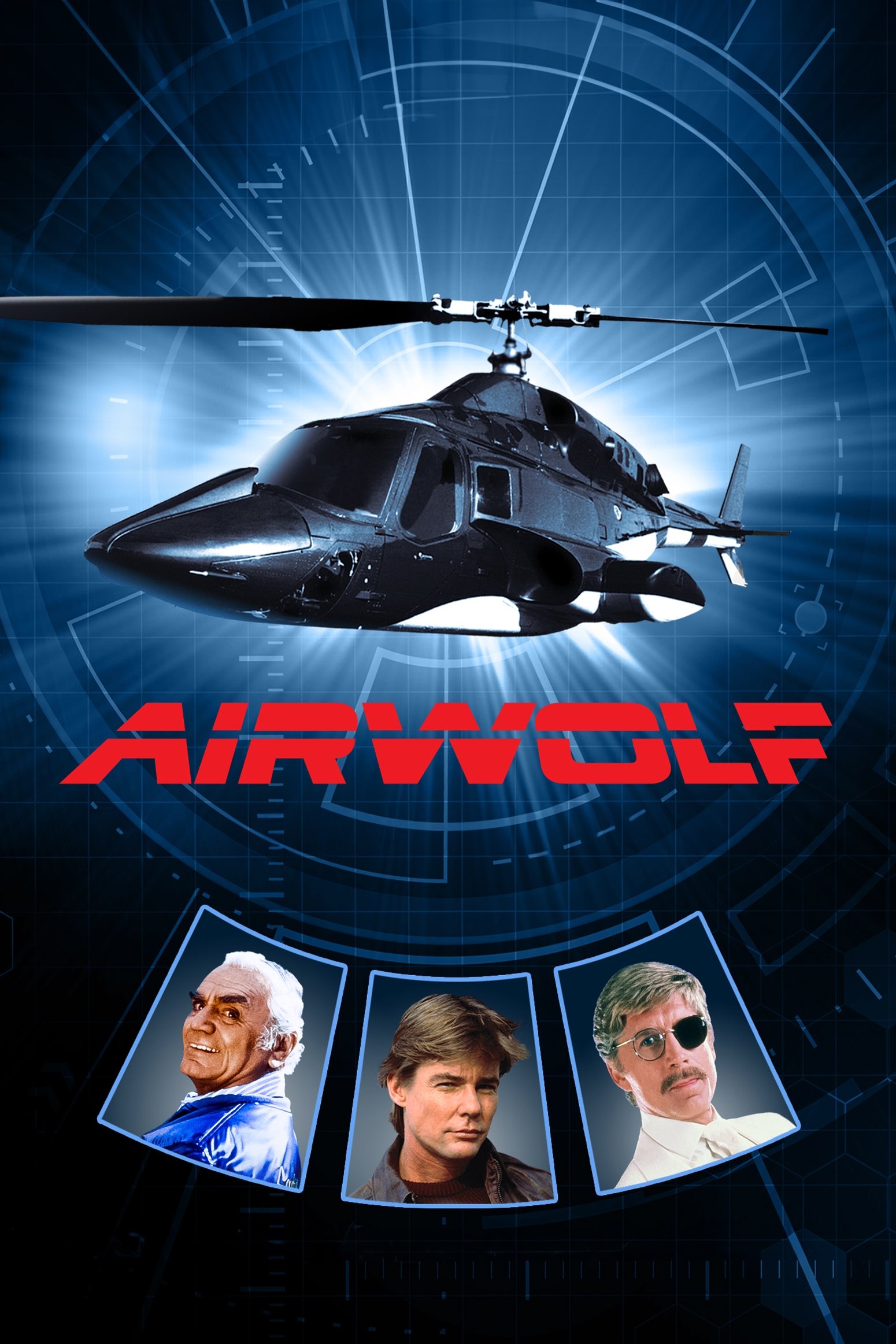
This CBS action drama centers on a cutting-edge military helicopter used for covert missions. Jan-Michael Vincent and Ernest Borgnine lead the cast, with a shadowy agency assigning operations. Aerial photography, model work, and stunt flying are key production elements. The series later continued with a revised cast and production arrangement for additional episodes.
‘The Greatest American Hero’ (1981–1983)
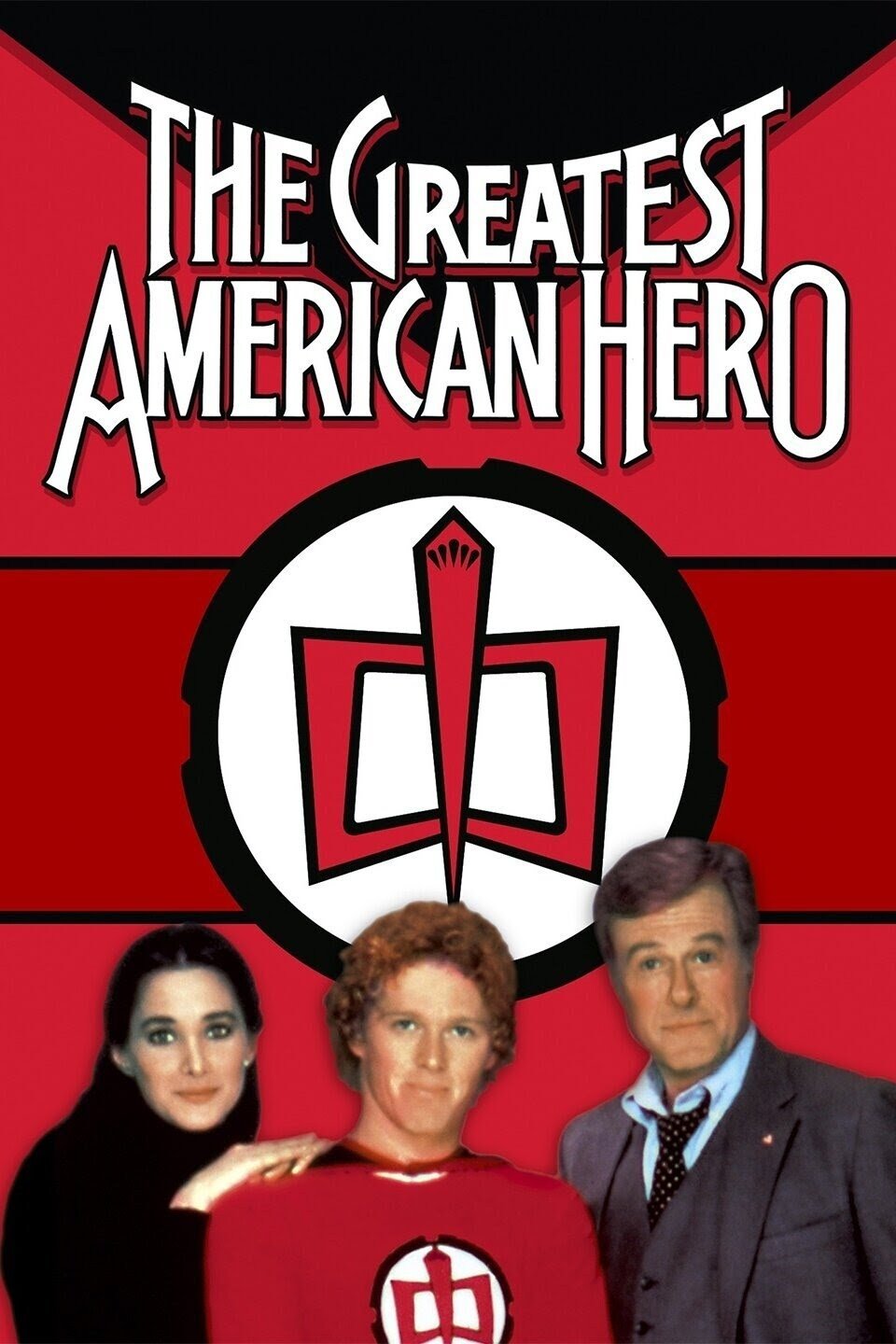
Created by Stephen J. Cannell, this ABC dramedy follows a schoolteacher who receives a superhero suit from extraterrestrials and loses the instruction manual. William Katt, Robert Culp, and Connie Sellecca headline the ensemble. Plots blend reluctant-hero comedy with government-case adventures. The theme song became a notable pop hit and boosted the show’s cultural footprint.
‘Silver Spoons’ (1982–1987)
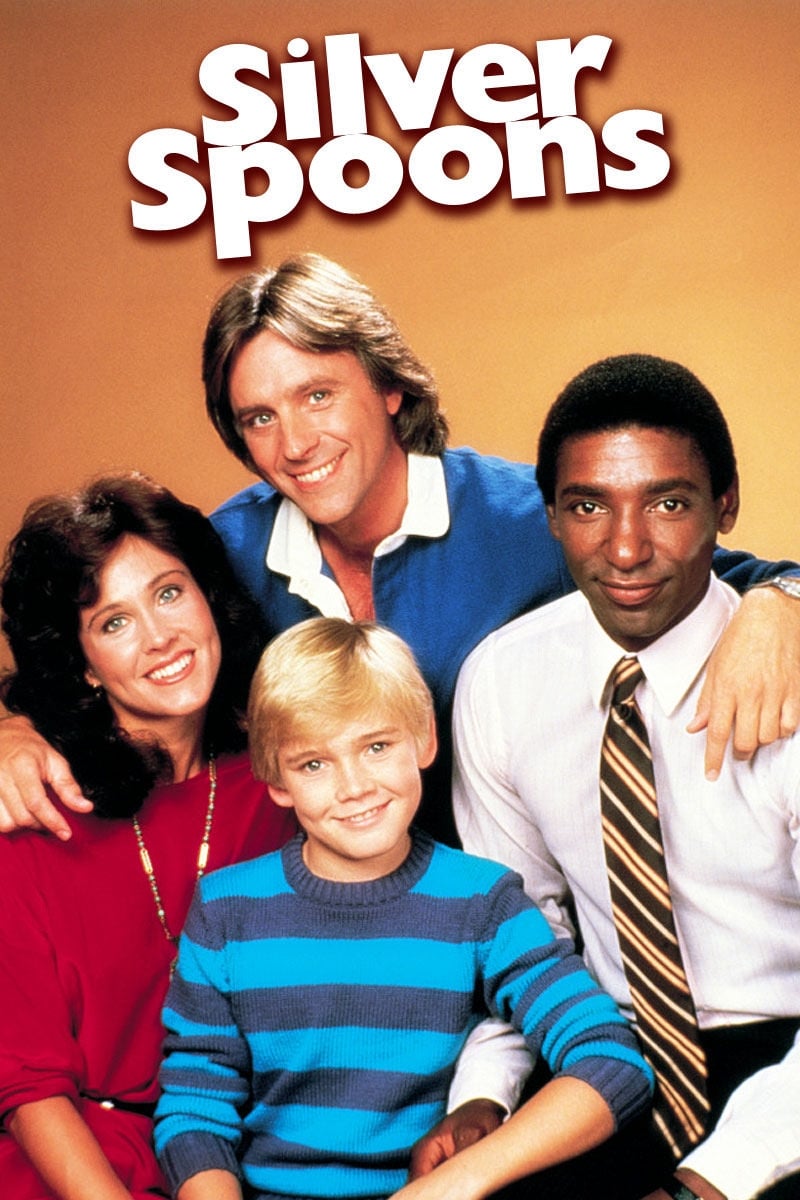
‘Silver Spoons’ is an NBC sitcom about a wealthy, playful father reconnecting with his son. Ricky Schroder, Joel Higgins, and Erin Gray star, with the mansion set featuring arcade cabinets and trains as visual trademarks. Storylines mix school challenges, friendships, and lessons about responsibility. The series remained a staple of syndicated reruns across local markets.
‘Mr. Belvedere’ (1985–1990)
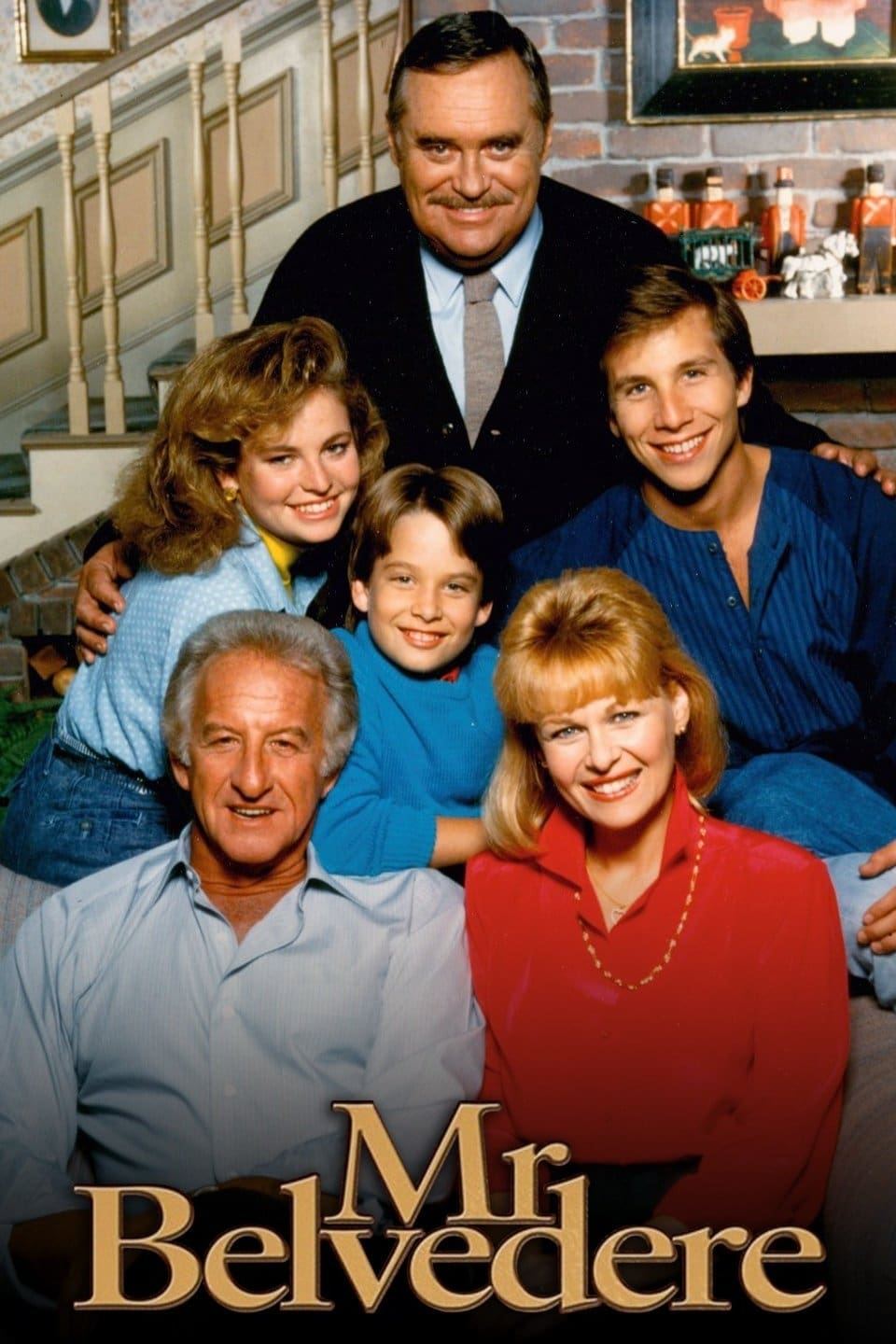
This ABC sitcom features Christopher Hewett as Lynn Belvedere, a British housekeeper managing an American family’s household. The concept traces back to a novel and film character who became a television lead. Episodes follow domestic dilemmas resolved through Belvedere’s dry commentary and diary-style tags. The production used a traditional multi-camera setup on soundstage sets.
‘Out of This World’ (1987–1991)
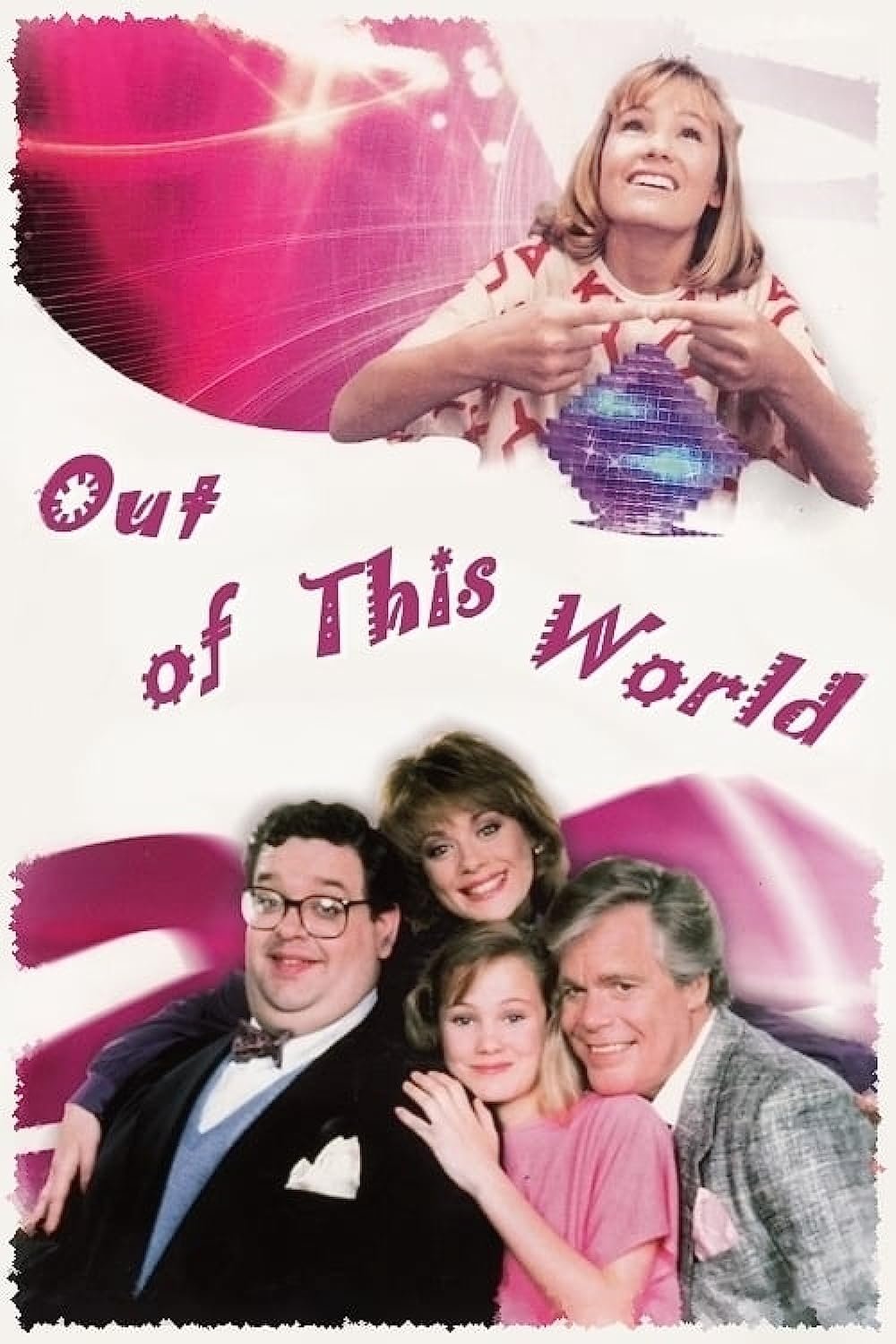
Produced for first-run syndication, this sitcom stars Maureen Flannigan as a teenager who discovers she has alien powers. Donna Pescow plays her mother, with the girl’s off-screen alien father voiced by Burt Reynolds. Plots explore secret-identity complications at school and home. The series leveraged sitcom conventions with a light touch of sci-fi effects.
‘My Two Dads’ (1987–1990)
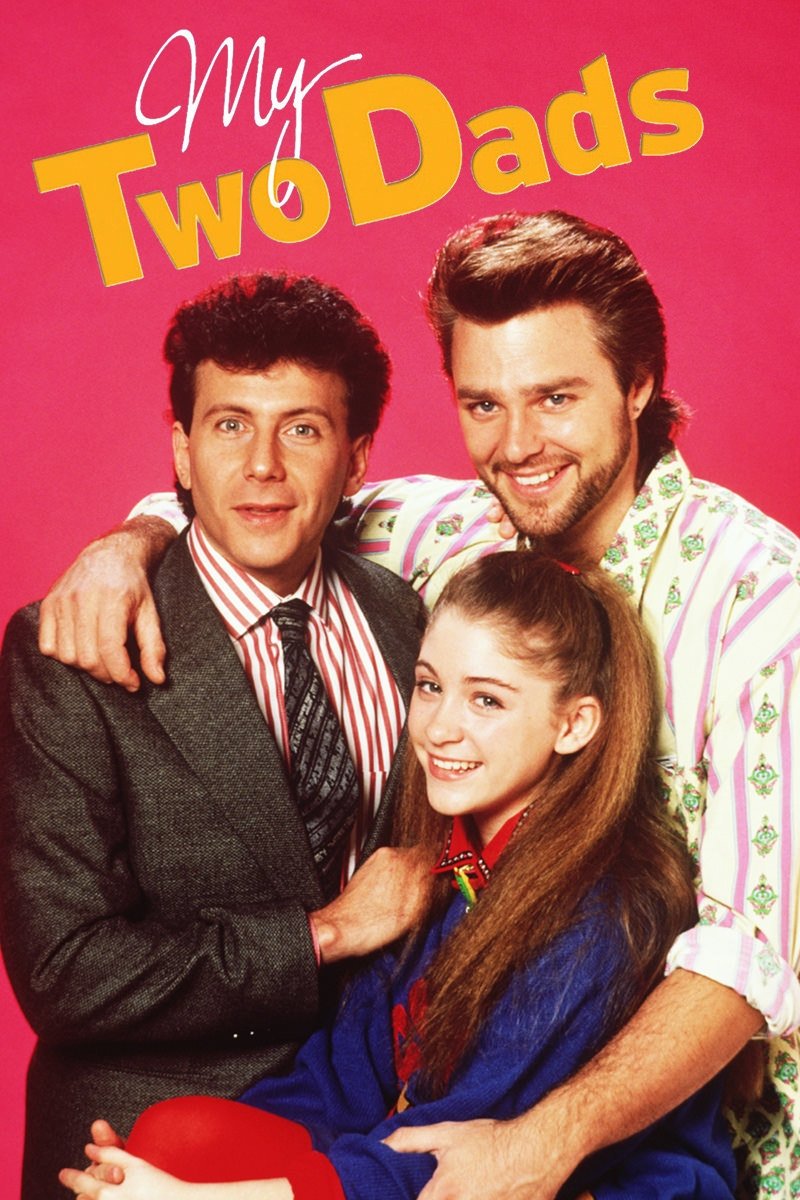
This NBC comedy teams Paul Reiser and Greg Evigan as two former rivals who are awarded joint custody of a teenage girl. Staci Keanan co-stars, with Florence Stanley as the judge and a downstairs café providing a recurring hangout set. Episodes use workplace, school, and parenting stories to structure conflicts. The premise enabled alternating father-figure perspectives within a standard multi-camera format.
‘Head of the Class’ (1986–1991)
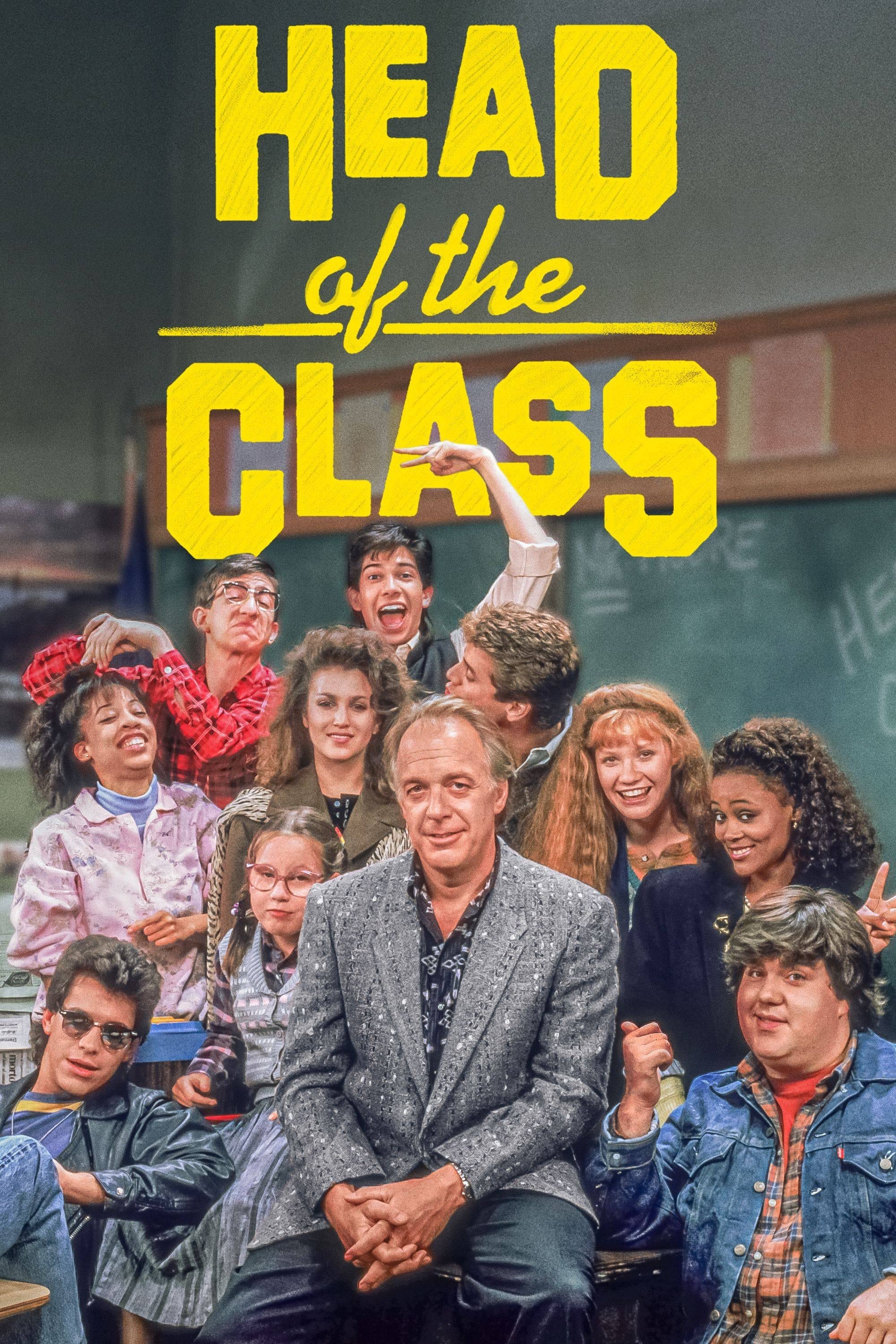
‘Head of the Class’ follows a Manhattan program for gifted students guided by an unconventional teacher. Howard Hesseman leads the early ensemble before Billy Connolly takes over later. The show balances classroom debates, academic competitions, and extracurricular events. Produced by Warner Bros. Television for ABC, it emphasized topical discussions within a school setting.
‘Sledge Hammer!’ (1986–1988)
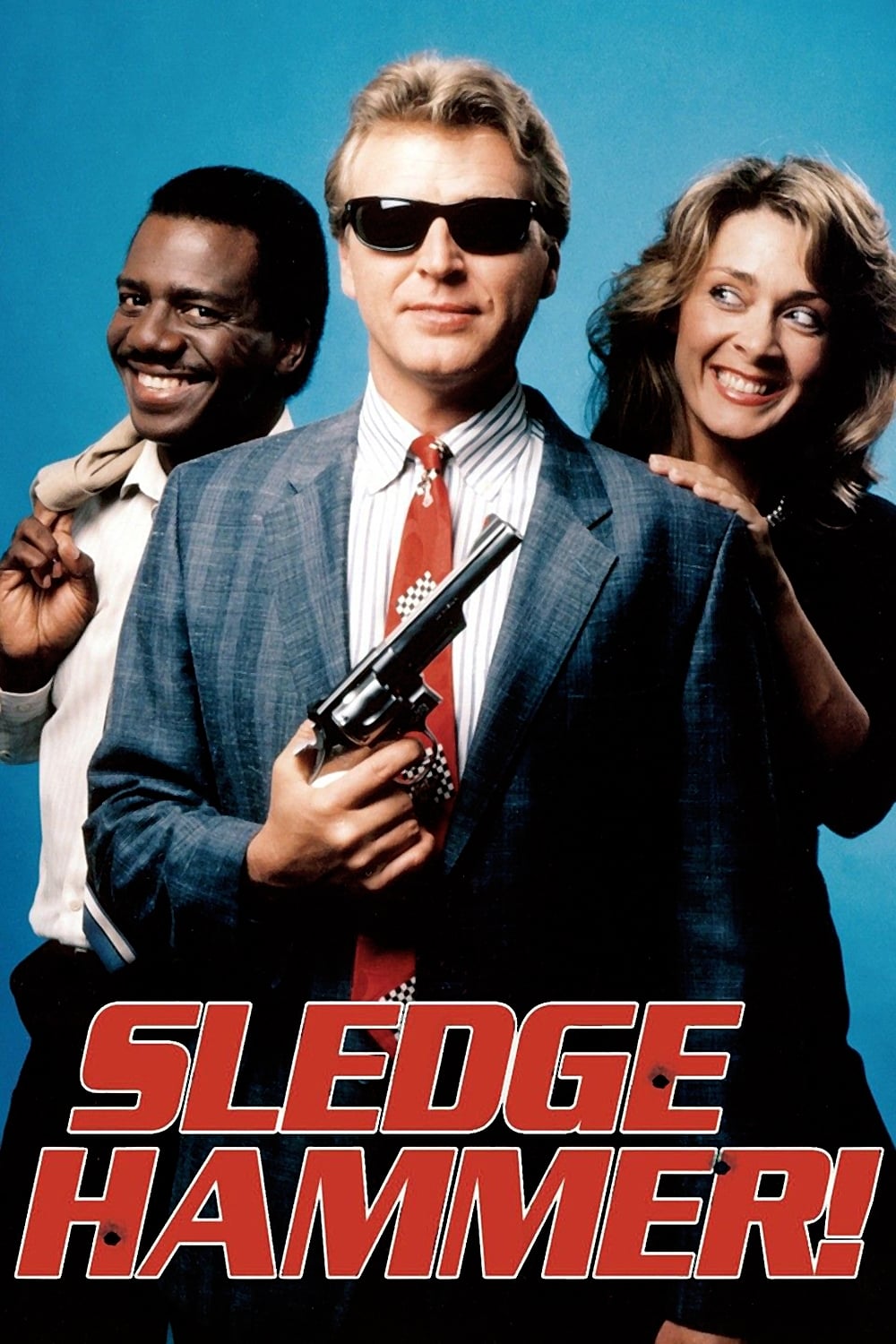
This ABC series is a satirical take on hard-boiled cop shows, starring David Rasche as an over-the-top detective. Anne-Marie Martin co-stars, and Alan Spencer created the show with a single-camera format that parodies genre clichés. Episodes feature police cases undercut by meta gags and visual jokes. It developed a cult following through reruns and home video.
‘Beauty and the Beast’ (1987–1990)
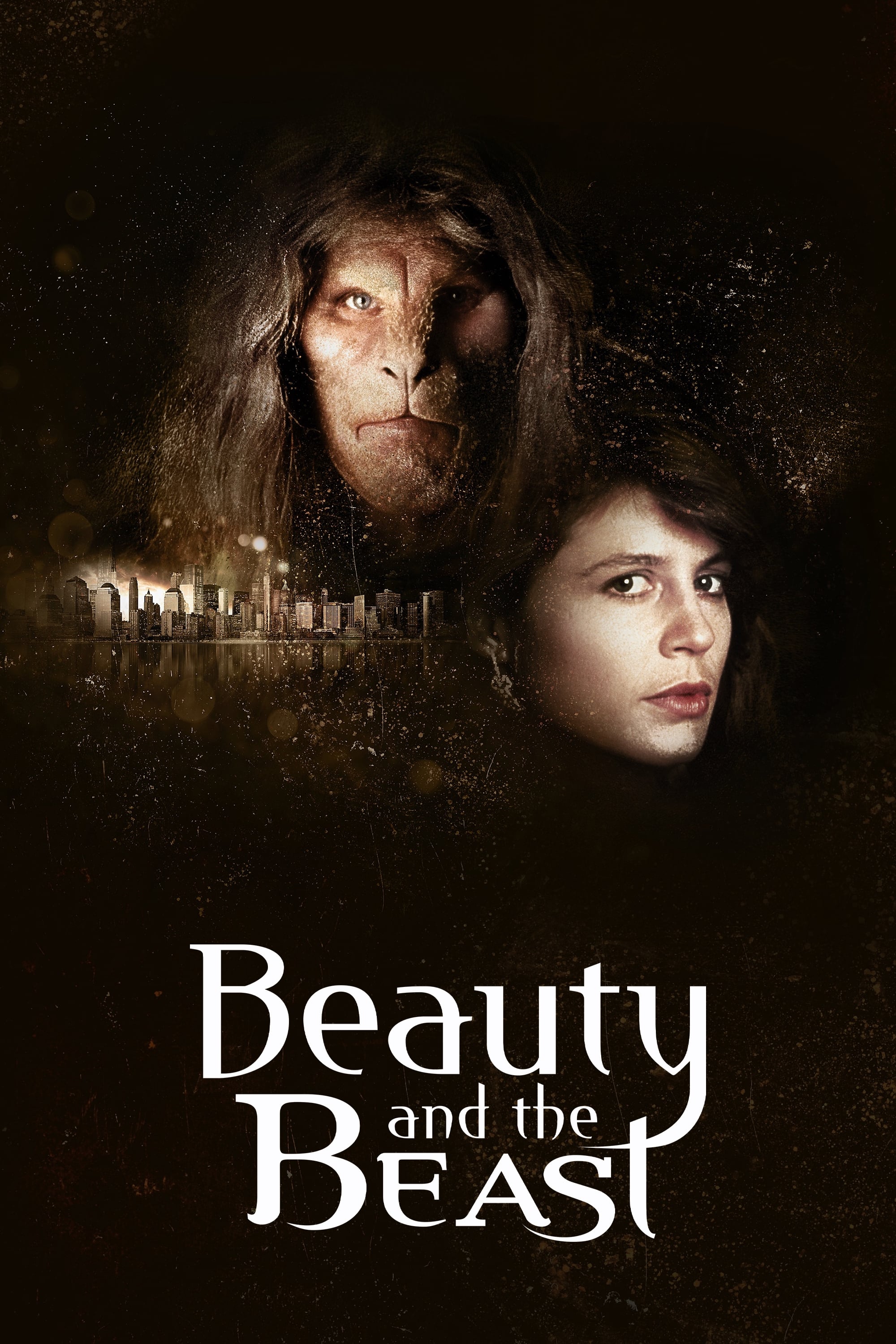
This CBS fantasy-drama pairs Linda Hamilton and Ron Perlman in a romance connecting New York City and an underground community. Ron Koslow developed the series, blending crime plots with fairy-tale imagery and elaborate makeup effects. Music cues and ornate sets shape a distinct atmosphere around recurring characters in the tunnels. The show expanded into tie-in novels and later inspired a new television adaptation.
‘V: The Series’ (1984–1985)

Continuing the storyline of the original miniseries, this NBC show depicts resistance efforts against alien visitors. Marc Singer and Jane Badler headline a cast of soldiers, journalists, and collaborators. Practical effects, miniatures, and makeup work support large-scale science-fiction set pieces. Story arcs involve infiltration, propaganda, and ongoing skirmishes between factions.
‘Street Hawk’ (1985)
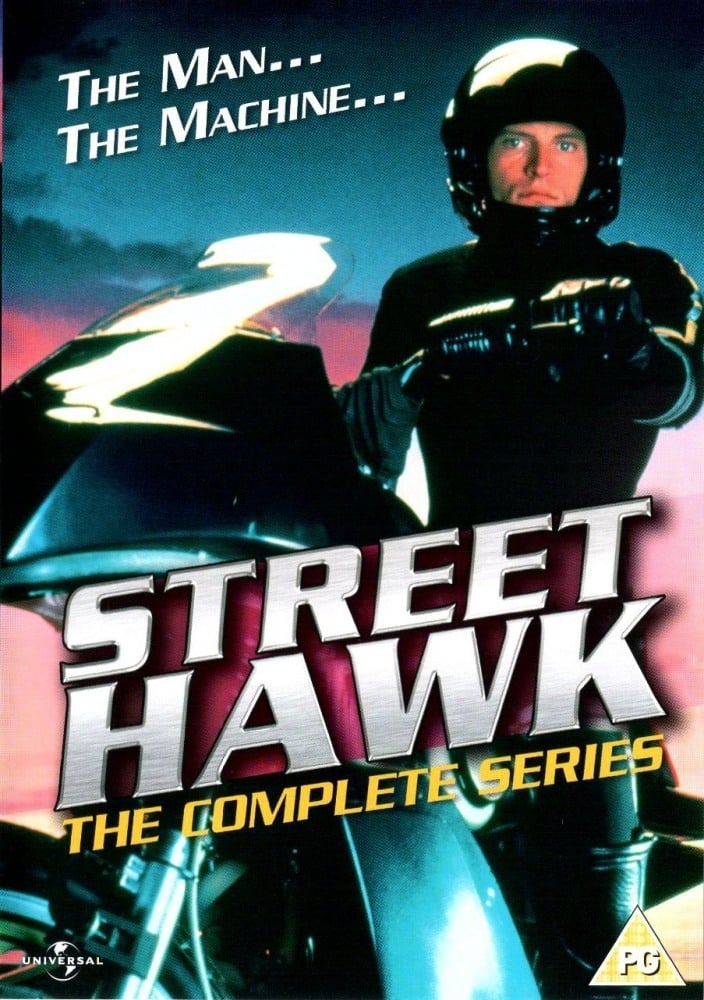
‘Street Hawk’ features Rex Smith as a police officer recruited to ride a prototype, high-performance motorcycle on clandestine missions. The ABC series blends chase scenes, gadget showcases, and undercover stints. Episodes emphasize urban crime targets and tech-assisted pursuit tactics. The production became a cult favorite for vehicle design and synth-driven scoring.
‘Misfits of Science’ (1985–1986)
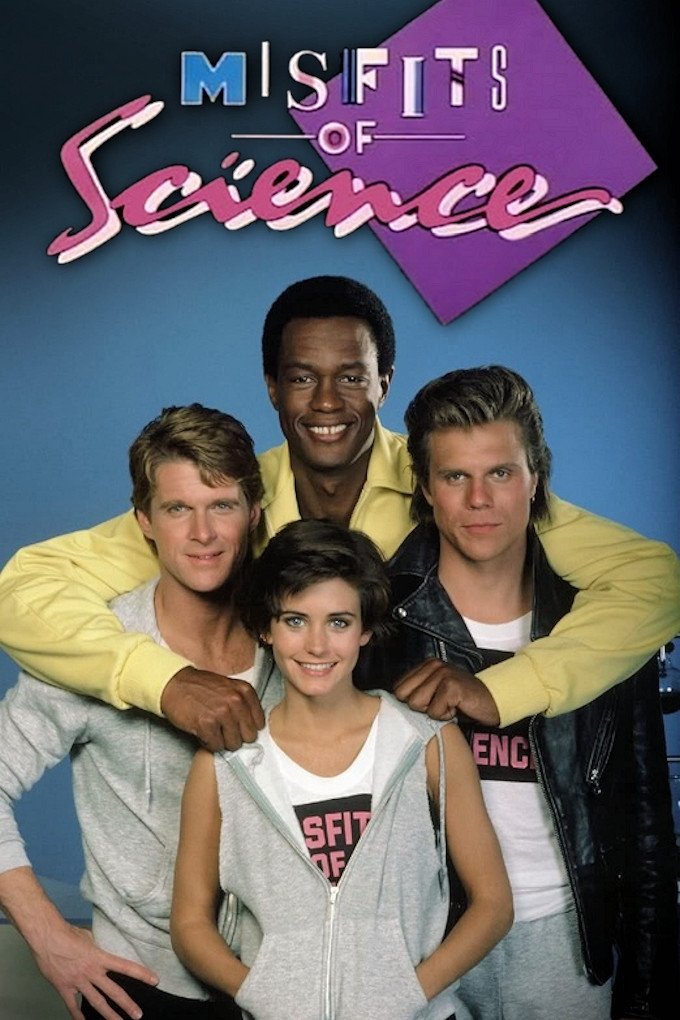
This NBC ensemble dramedy assembles characters with unusual abilities who solve offbeat cases. Dean Paul Martin and Courteney Cox lead the cast, with James D. Parriott as creator. Plots mix lab settings, corporate intrigue, and episodic capers. The series leaned on practical effects and location shoots to stage its comic-book-style adventures.
‘Miami Vice’ (1984–1989)
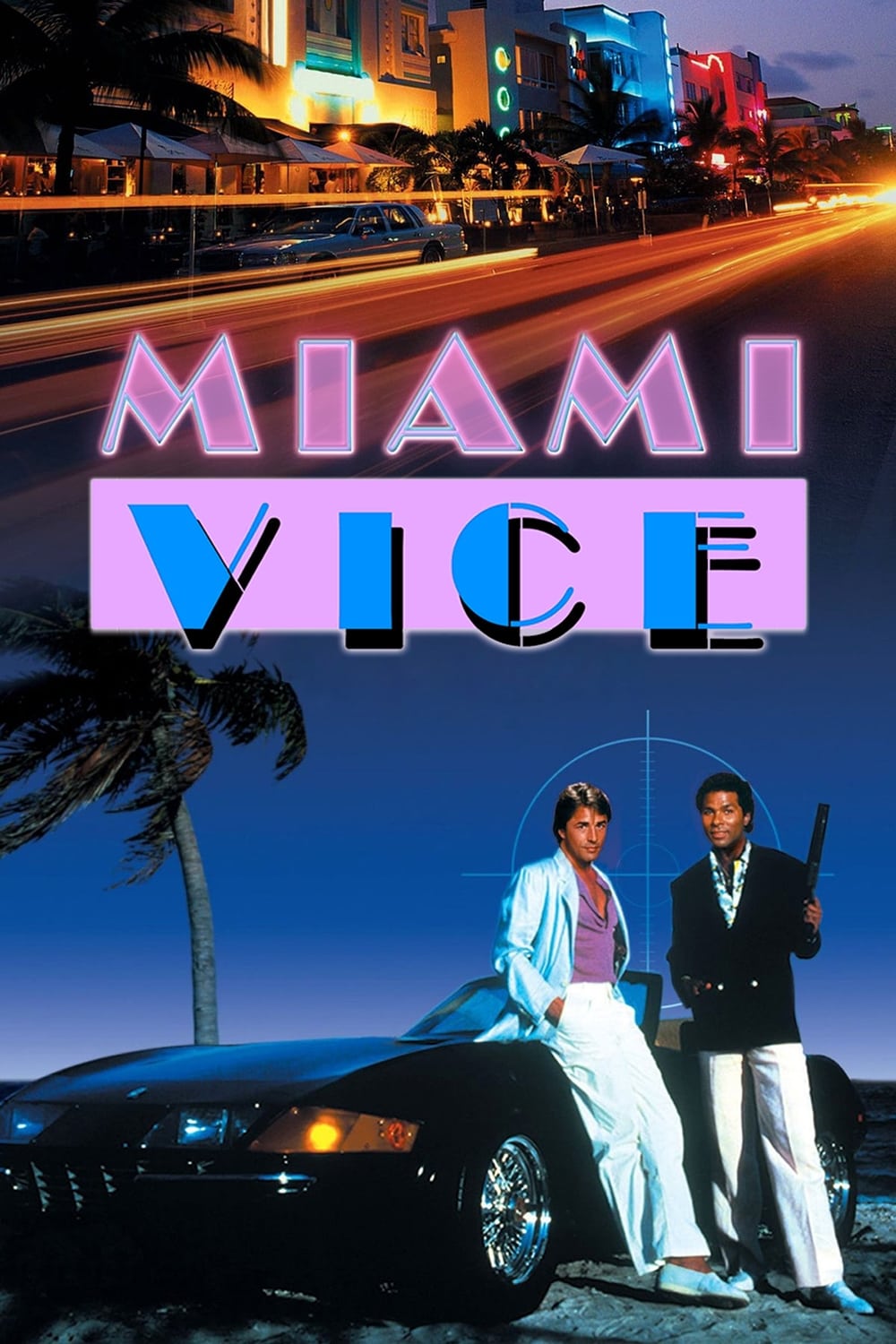
Created by Anthony Yerkovich and produced by Michael Mann, ‘Miami Vice’ follows undercover detectives Sonny Crockett and Ricardo Tubbs in South Florida. Don Johnson and Philip Michael Thomas lead a cast that mixes police cases with stylized music-video aesthetics. The series is known for on-location shooting, designer wardrobes, and heavy use of contemporary pop music. Its case-of-the-week structure often intersects with drug trafficking, covert stings, and international crime.
‘Diff’rent Strokes’ (1978–1986)
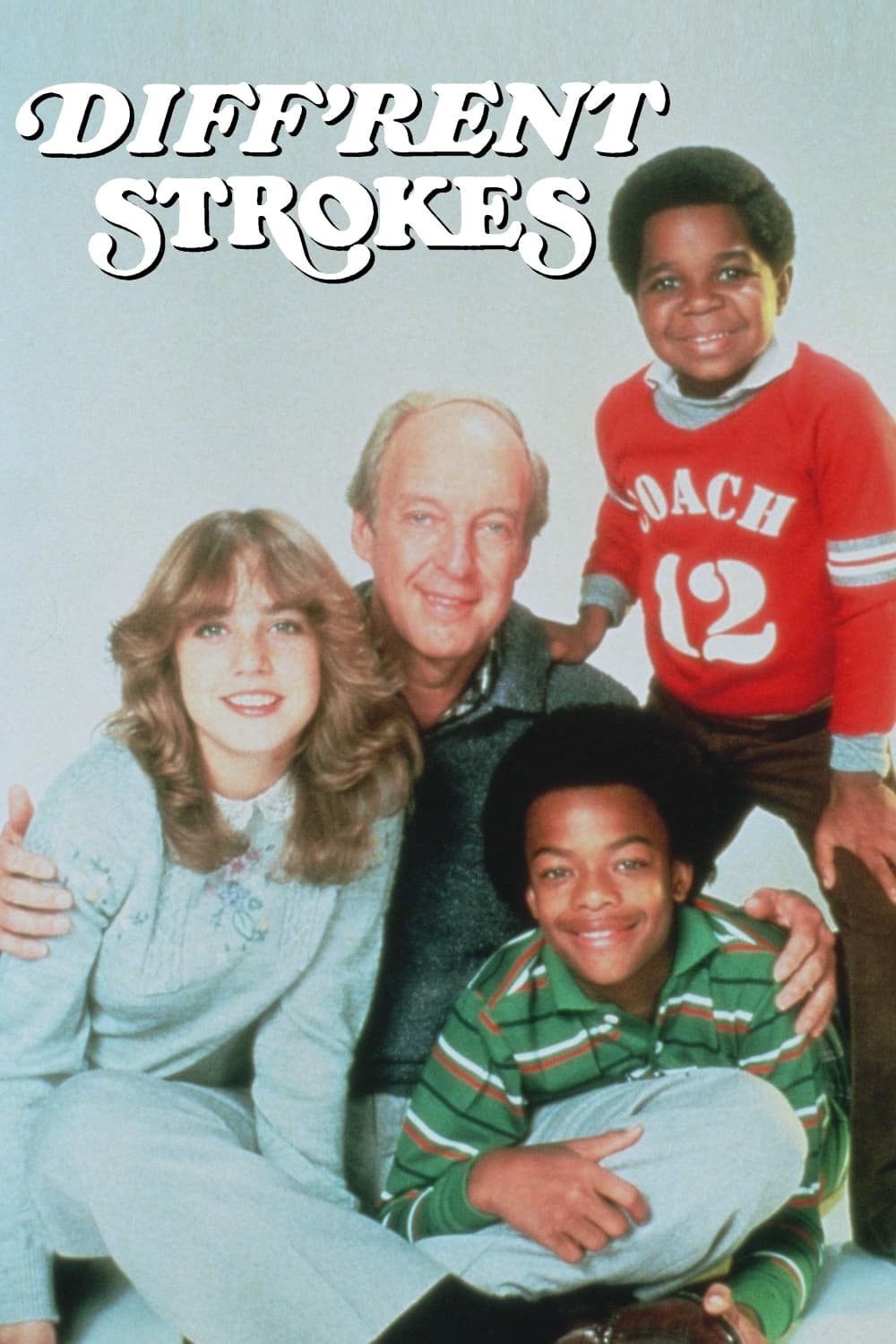
‘Diff’rent Strokes’ centers on two brothers from Harlem adopted by a wealthy businessman, creating a blended family dynamic. Gary Coleman, Todd Bridges, and Conrad Bain headlined the ensemble, with Dana Plato as Bain’s daughter. The NBC sitcom frequently used “very special episode” formats to address social issues in self-contained stories. It later changed networks and underwent cast adjustments in later seasons.
‘The Facts of Life’ (1979–1988)
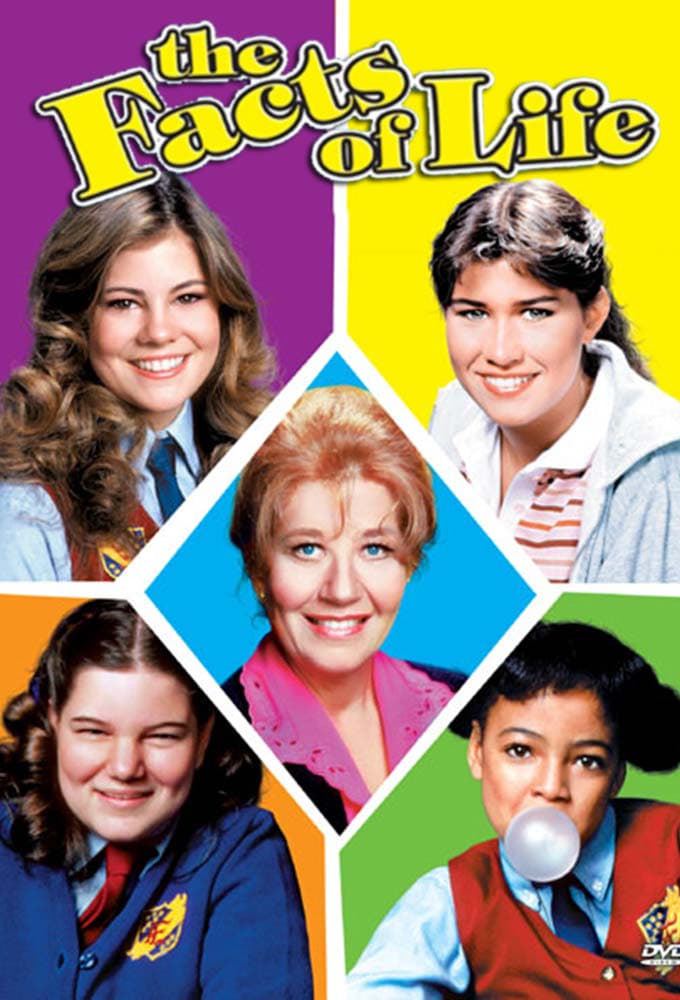
A spin-off of ‘Diff’rent Strokes’, ‘The Facts of Life’ follows students at the Eastland School and their housemother, Mrs. Garrett. Charlotte Rae and later Cloris Leachman anchor the adult roles, with long-running cast members including Lisa Whelchel, Nancy McKeon, Mindy Cohn, and Kim Fields. The sitcom evolved from a large ensemble to a tighter core group working in a campus-run business. Episodes mix school events, friendships, and workplace plots.
‘Growing Pains’ (1985–1992)
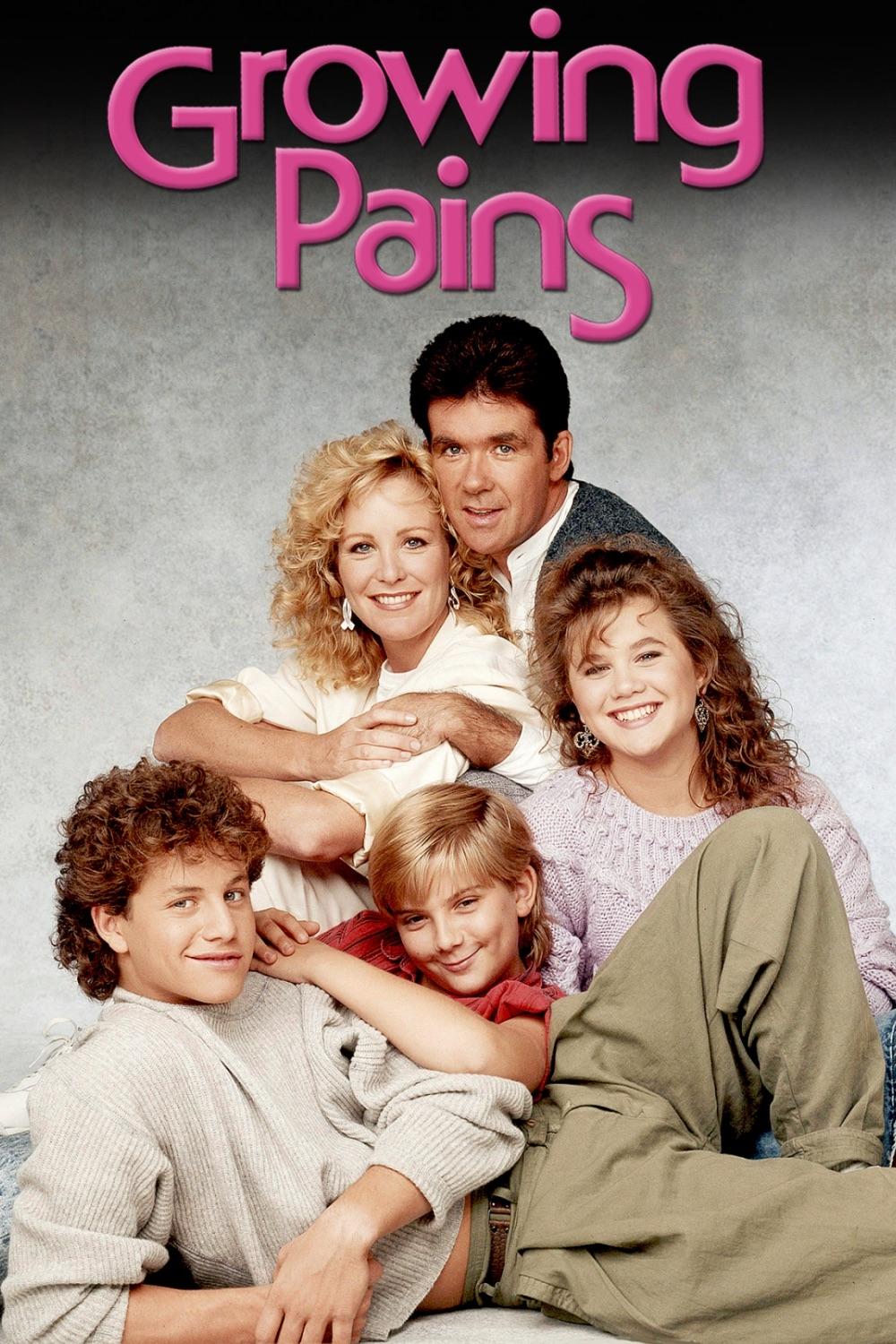
‘Growing Pains’ is an ABC family sitcom about the Seaver household, led by Alan Thicke and Joanna Kerns. The show tracks milestones of the children, played by Kirk Cameron, Tracey Gold, and Jeremy Miller, with Leonardo DiCaprio joining late in the run. Stories revolve around school, dating, and parent–child negotiations, typically resolving within a half hour. The series maintained a multi-camera format and suburban Long Island setting.
‘Who’s the Boss?’ (1984–1992)
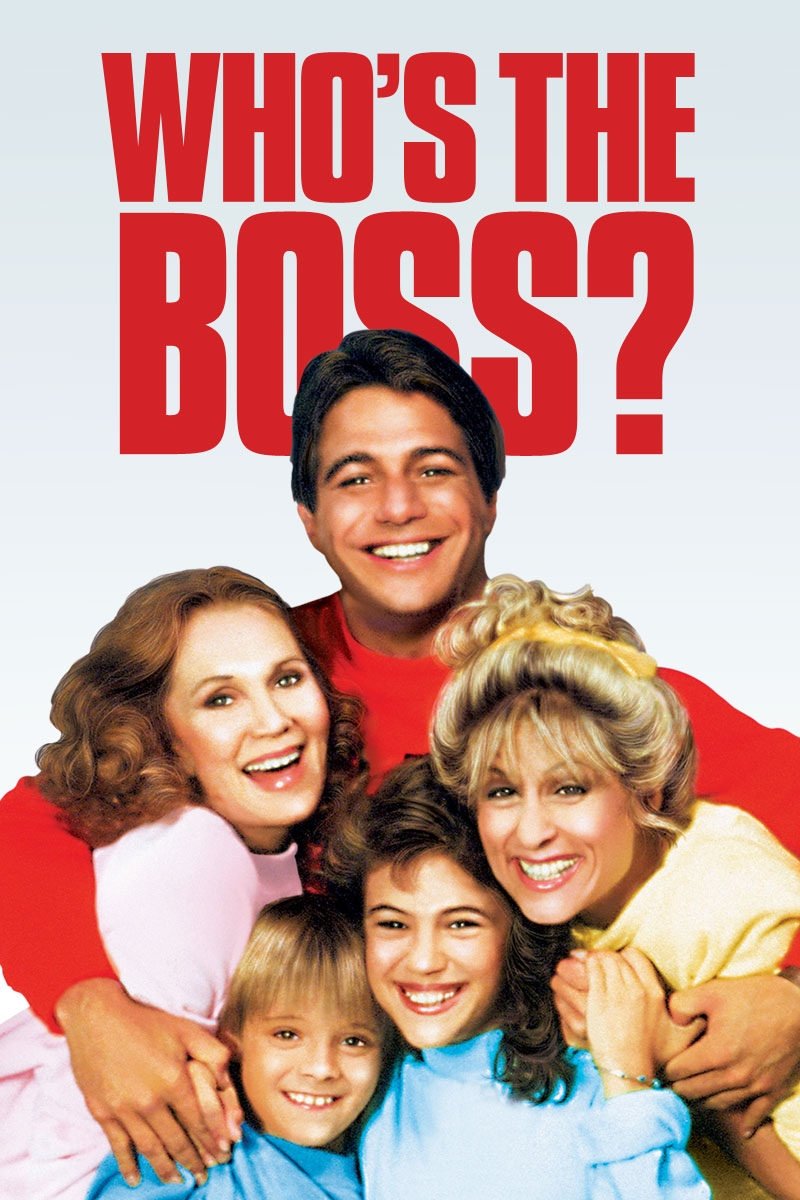
This ABC sitcom pairs Tony Danza and Judith Light in a role-reversal setup where a former baseball player becomes a live-in housekeeper. Alyssa Milano, Danny Pintauro, and Katherine Helmond complete the principal cast in a Connecticut setting. Episodes balance workplace and domestic comedy, often exploring class and gender-role contrasts. The production sustained high ratings and inspired international adaptations.
‘The Love Boat’ (1977–1987)

Set aboard the Pacific Princess, ‘The Love Boat’ presents anthology-style stories with a rotating roster of guest stars. Gavin MacLeod, Bernie Kopell, Fred Grandy, Ted Lange, and Lauren Tewes portray the ship’s crew who stitch together the vignettes. Each episode typically interweaves multiple plots—romance, misunderstandings, and reunions—within a cruise itinerary. The series popularized stunt casting and crossovers with other contemporary shows.
‘The Dukes of Hazzard’ (1979–1985)
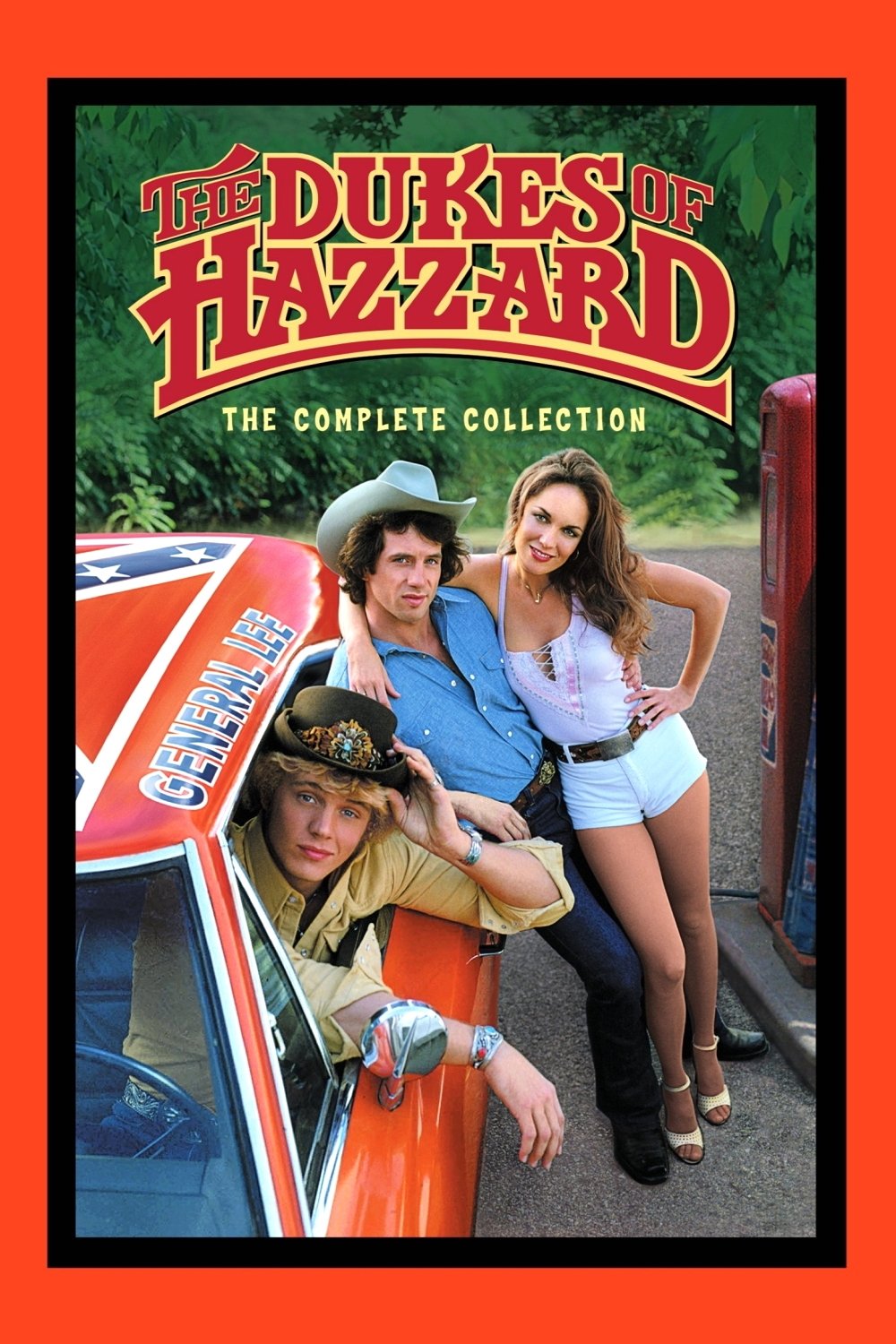
‘The Dukes of Hazzard’ follows cousins Bo and Luke Duke navigating small-town capers while outmaneuvering local authorities. Tom Wopat and John Schneider star alongside Catherine Bach and Denver Pyle, with James Best and Sorrell Booke as recurring antagonists. The series is noted for car stunts, country settings, and episodic schemes centered on family loyalty. Its format features chase sequences, barnyard humor, and wrap-up scenes at the farmhouse.
‘Riptide’ (1984–1986)
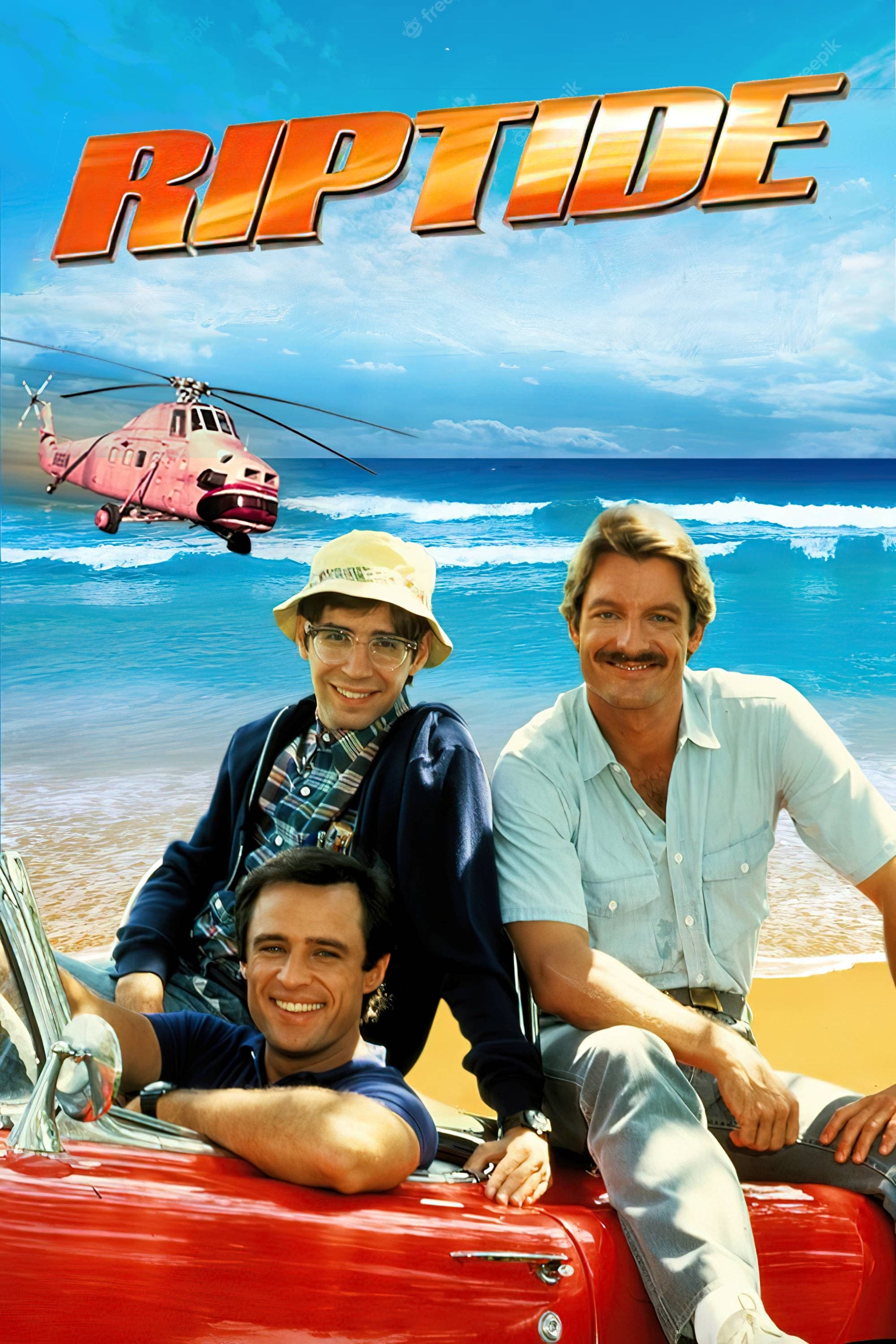
‘Riptide’ teams two private investigators and a tech-savvy friend operating from a marina. Perry King, Joe Penny, and Thom Bray lead the cast, supported by a signature pink helicopter and a robot sidekick as recurring gadgets. Produced by Stephen J. Cannell, the show blends light comedy with action on California coastal locations. Cases-of-the-week involve corporate thefts, missing persons, and smuggling rings.
‘The Fall Guy’ (1981–1986)
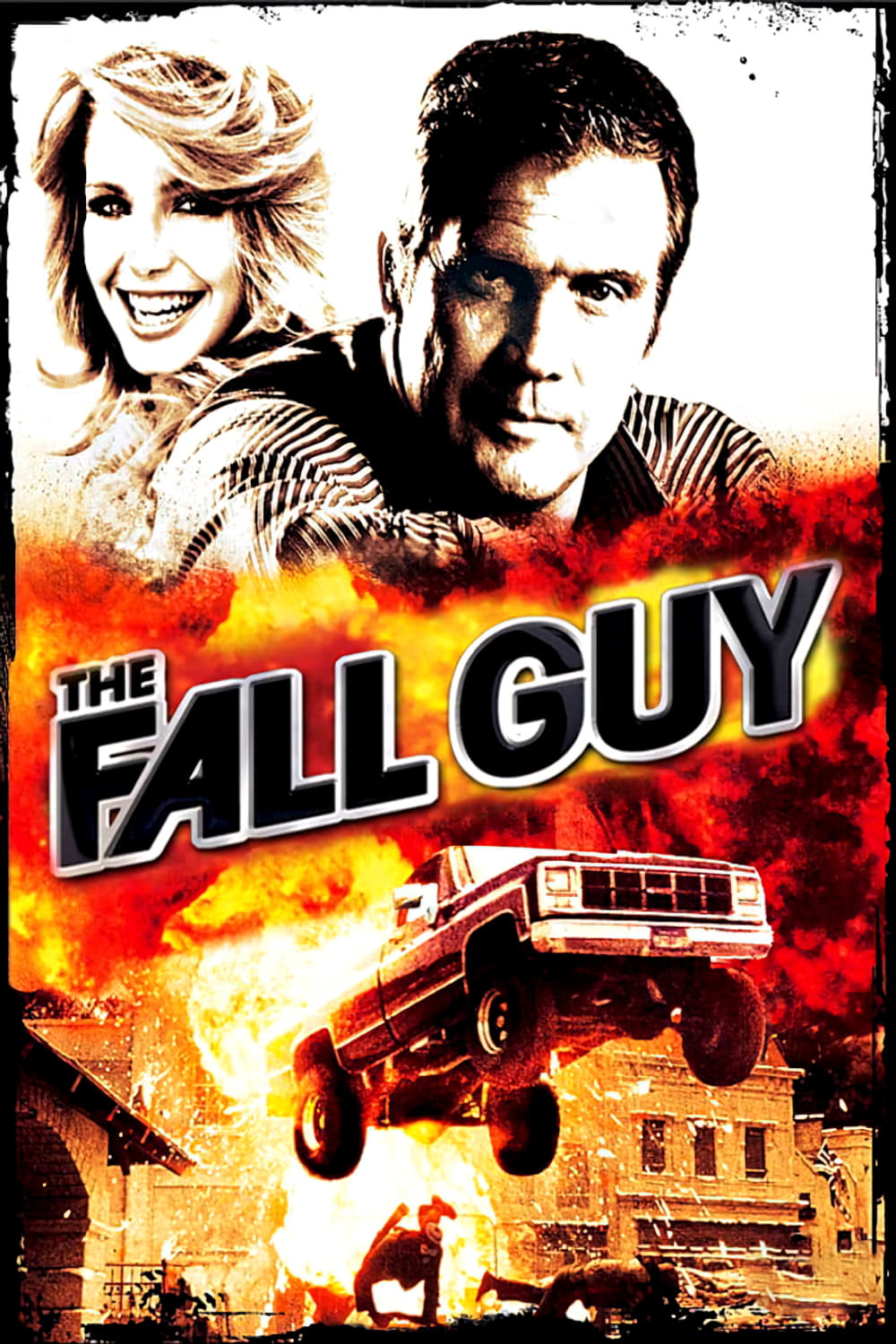
‘The Fall Guy’ stars Lee Majors as a Hollywood stuntman who moonlights as a bounty hunter. Heather Thomas and Douglas Barr round out the team supporting episodic pursuits of fugitives. The production emphasizes stunt work, vehicle gags, and guest-star appearances tied to film sets. Its narrative structure uses industry cameos and backstage mishaps to frame weekly chases.
‘Hunter’ (1984–1991)
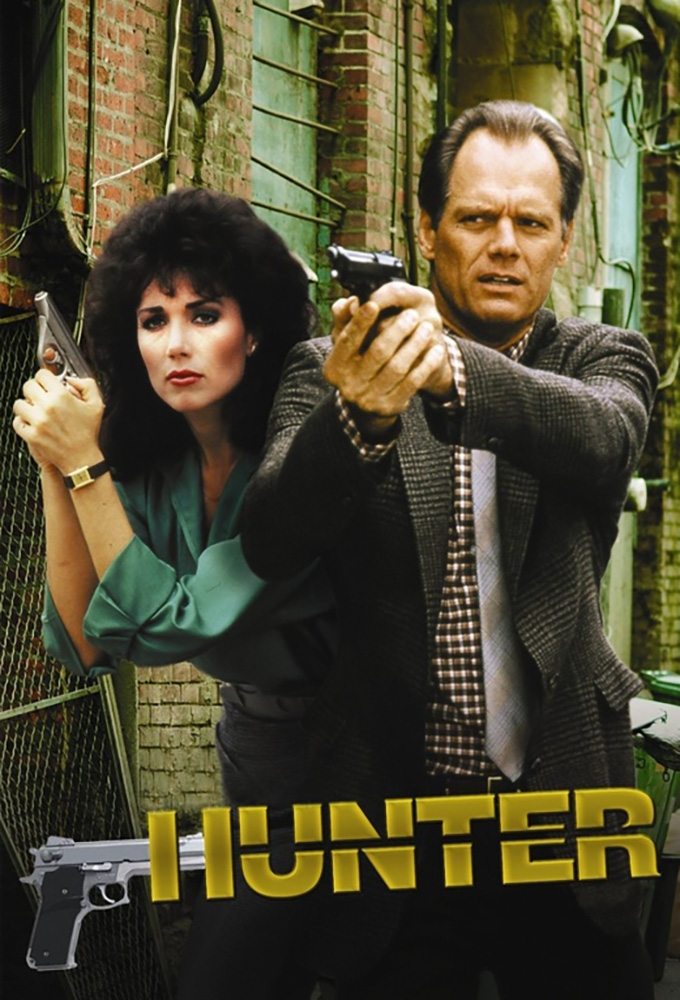
‘Hunter’ is an NBC police drama featuring Fred Dryer as a tough detective partnered with Stepfanie Kramer. The series alternates between gritty street cases and larger task-force operations. Location filming around Los Angeles supports shootouts, stakeouts, and procedural interrogations. Over time it cycled through captains and supporting detectives while keeping a case-driven format.
‘Hardcastle and McCormick’ (1983–1986)

This action-drama pairs a retired judge with a former race-car driver to revisit criminals who slipped through legal cracks. Brian Keith and Daniel Hugh Kelly co-star, with a custom sports car serving as a visual trademark. Episodes focus on investigative legwork, courtroom angles, and high-speed pursuits. The show leans on buddy-cop banter within a weekly justice-of-the-week formula.
‘Tales of the Gold Monkey’ (1982–1983)
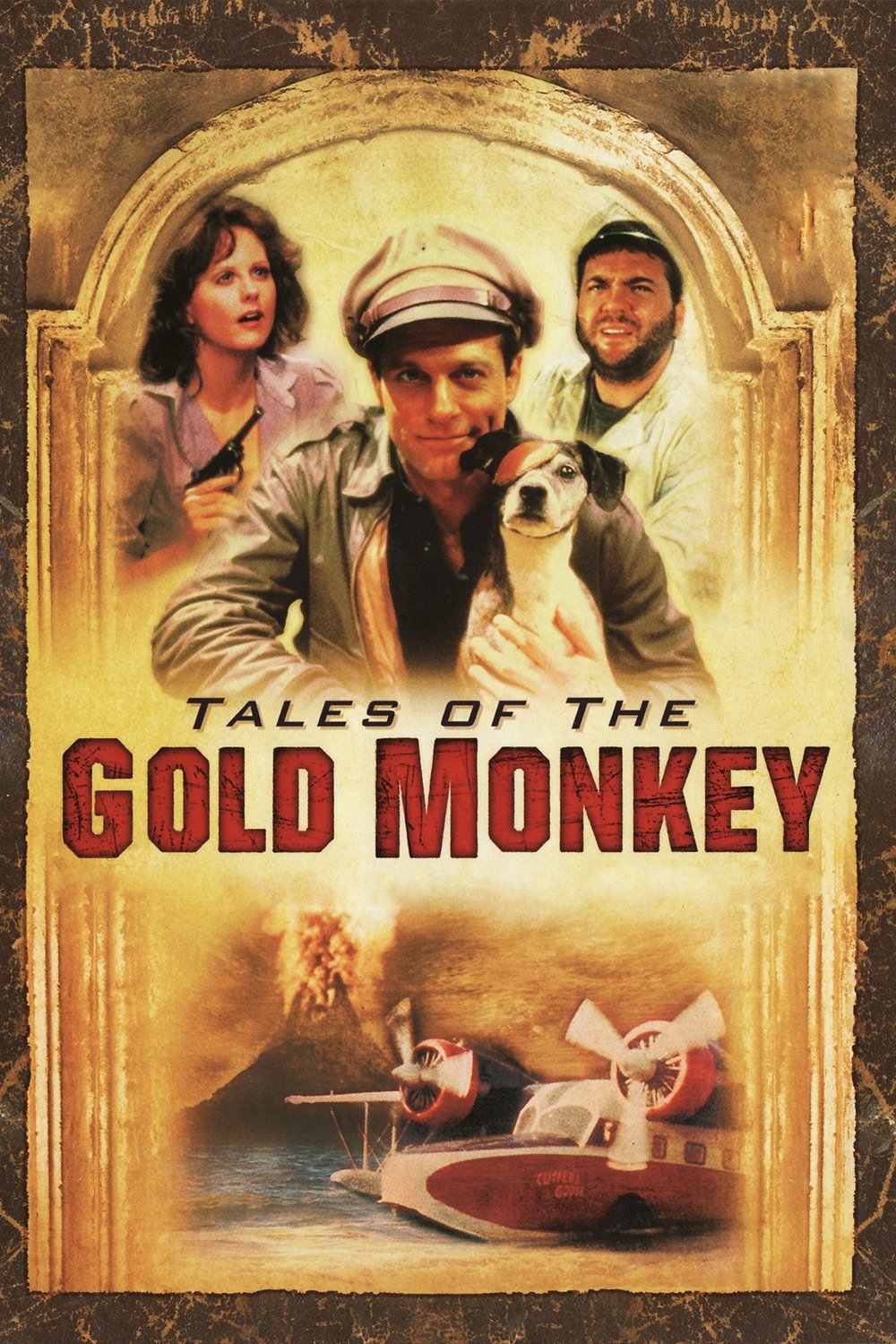
Set in the South Pacific in the late 1930s, ‘Tales of the Gold Monkey’ follows a cargo pilot who gets entangled in espionage and treasure hunts. Stephen Collins leads the cast, with period sets, island bars, and seaplanes as recurring elements. Storylines feature rival adventurers, intelligence agents, and mythic artifacts. The production emphasizes pulp-serial tone, location work, and practical effects.
‘Quantum Leap’ (1989–1993)
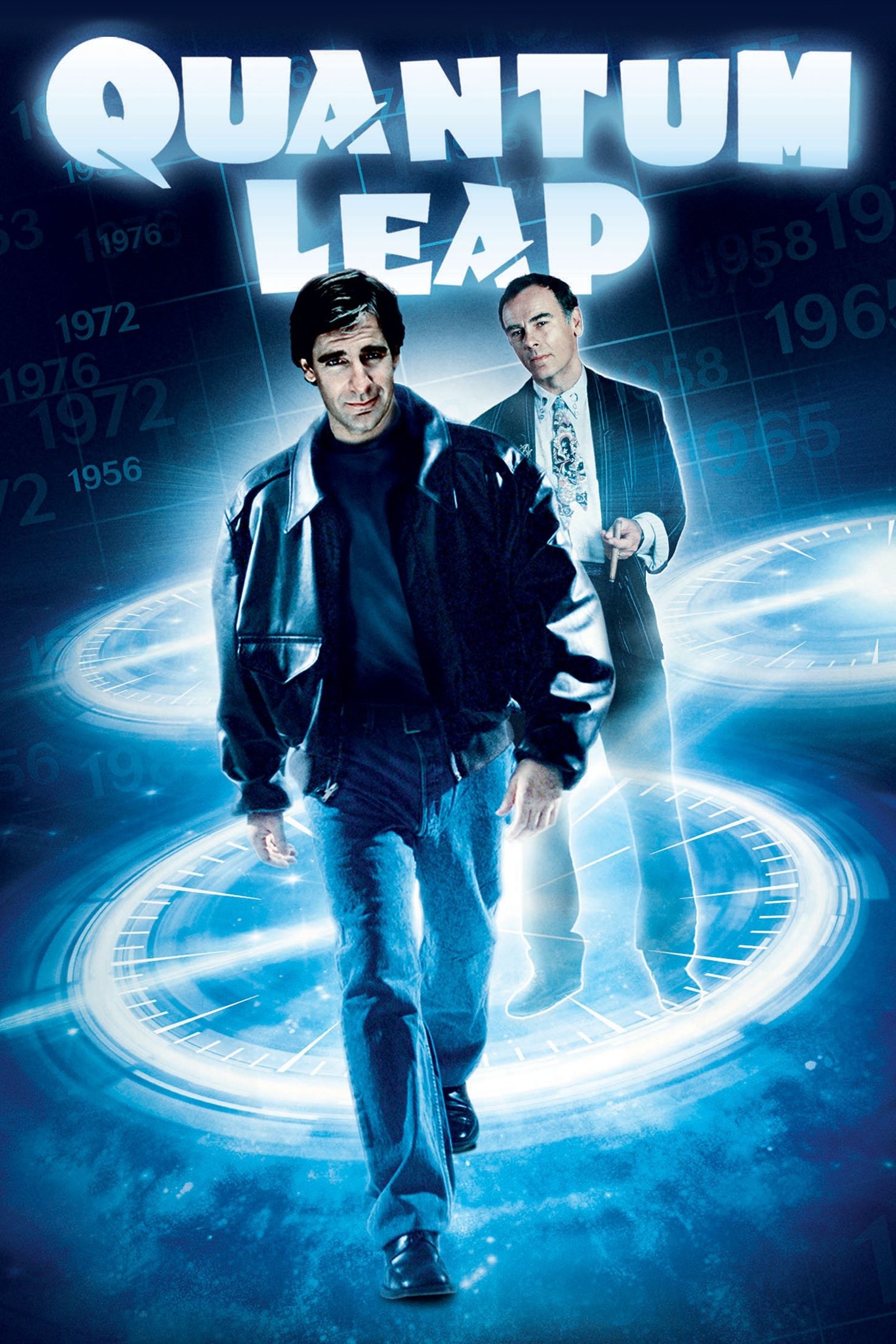
‘Quantum Leap’ chronicles physicist Sam Beckett as he “leaps” into other people’s lives to correct historical mistakes. Scott Bakula and Dean Stockwell anchor the cast, with a hybrid of science fiction and anthology storytelling. Each episode adopts the genre, wardrobe, and setting of the host character’s world. The show uses a narrative device of a holographic guide and a supercomputer to brief each mission.
’21 Jump Street’ (1987–1991)
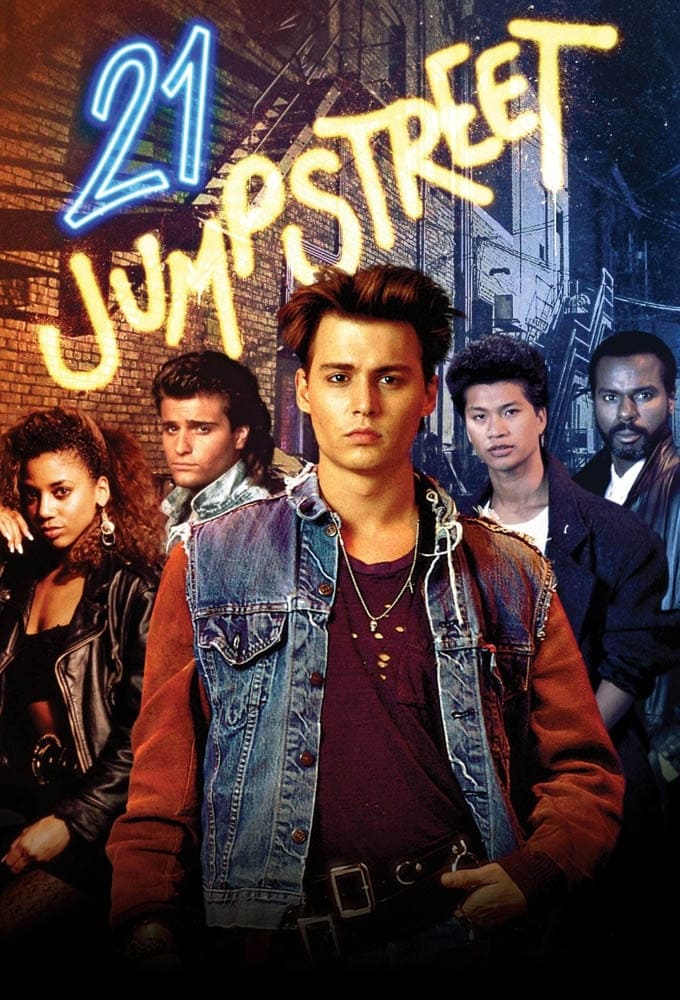
Set within a special police program, ’21 Jump Street’ assigns youthful-looking officers to go undercover in schools and youth spaces. Johnny Depp, Holly Robinson Peete, Peter DeLuise, Dustin Nguyen, and Steven Williams formed the core ensemble. Produced for the Fox network, it blends teen-focused issues with procedural beats. Episodes typically close with debriefs that tie investigations to broader social contexts.
‘The Transformers’ (1984–1987)
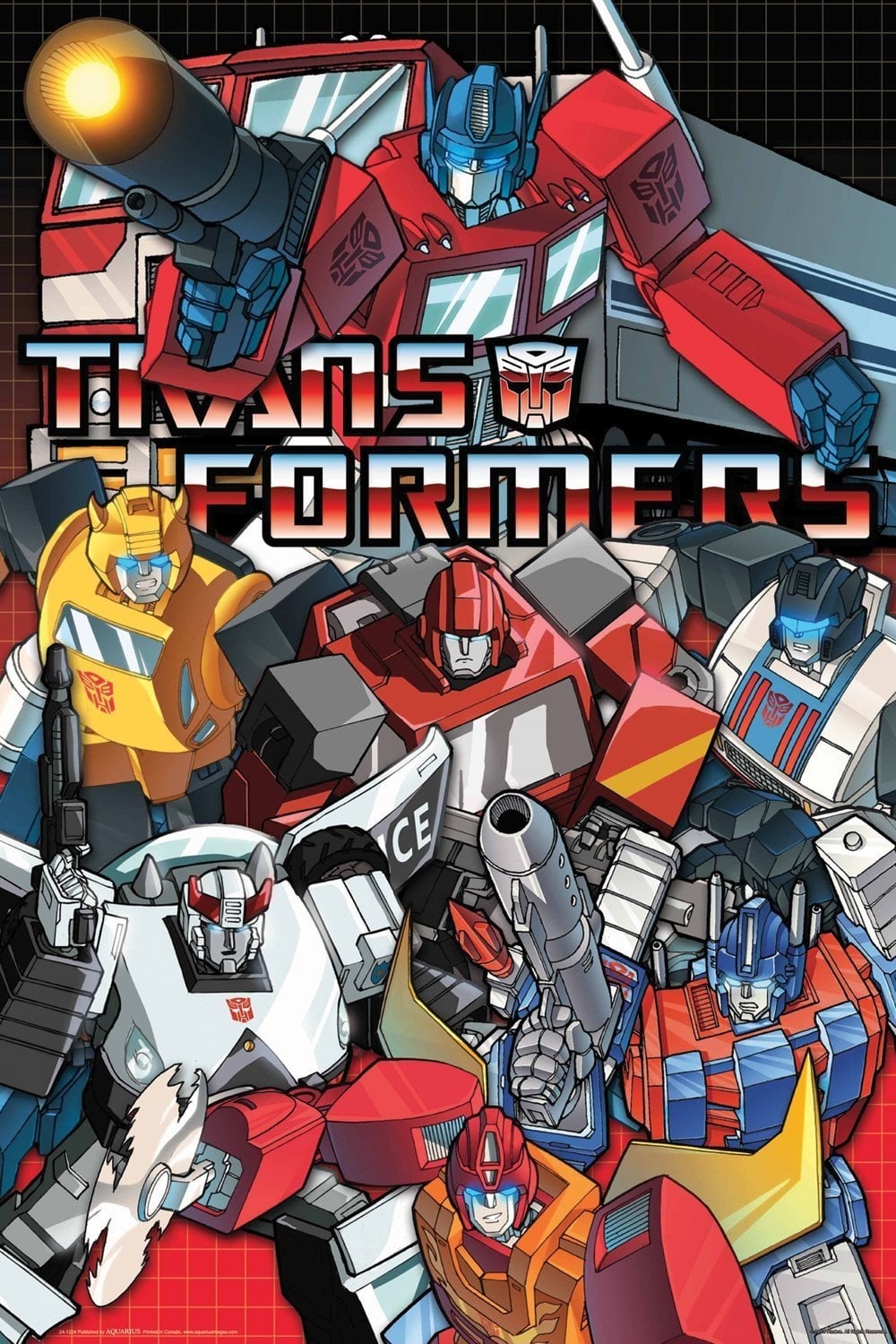
Based on a toy line, ‘Transformers’ depicts the conflict between the heroic Autobots and the villainous Decepticons. Voice actors including Peter Cullen and Frank Welker defined the franchise’s central characters. The animated series mixed stand-alone adventures with multi-part arcs and introduced numerous collectible characters. It generated feature-length tie-ins, extensive merchandising, and later continuity reboots.
Share your thoughts on which other ’80s series you’d add to this roundup in the comments!

