


1990s Action Movies that Aged Incredibly Well

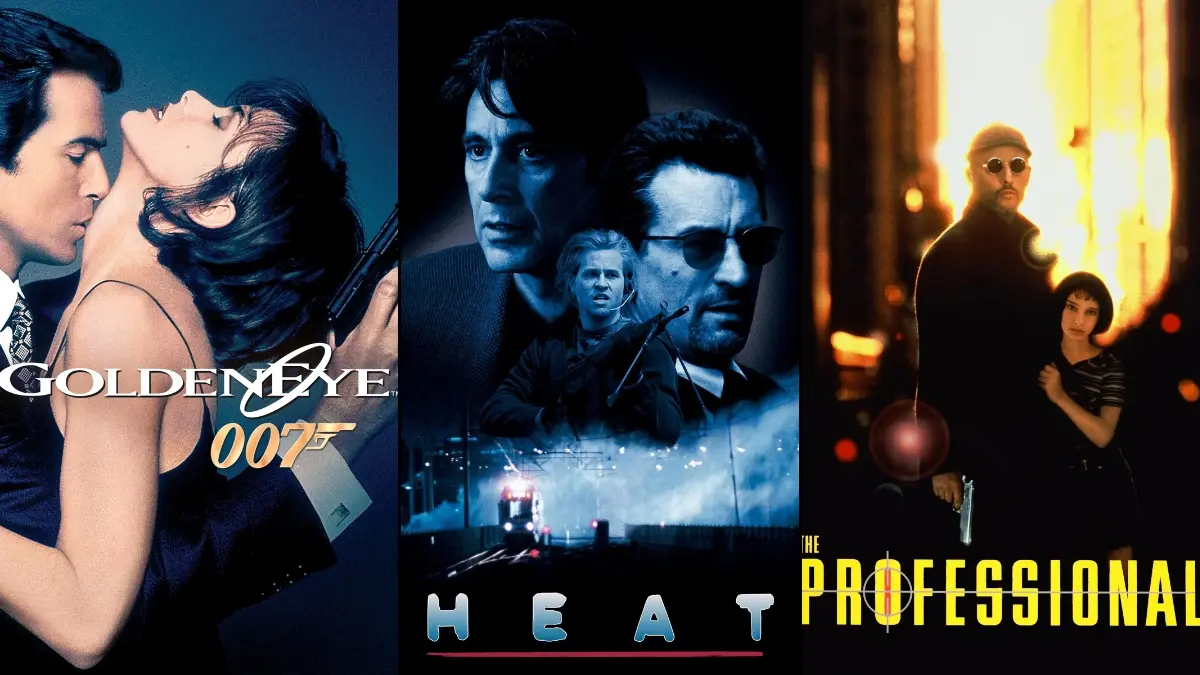


The 1990s reshaped big-screen spectacle, merging practical stunt work, large-format photography and rapidly evolving digital effects. Filmmakers drew on influences from Hong Kong action cinema, anime, techno-thrillers and classic capers, creating a decade where car chases, gunplay and sci-fi world-building expanded in scope while editing and sound design grew more precise and propulsive.
This roundup highlights 20 action films from that era that continue to find new audiences on disc and streaming, in franchise revivals, and through restorations and retrospectives. You’ll find studio tentpoles, international standouts and genre hybrids, each noted for concrete contributions like breakthrough effects, distinctive choreography, landmark set pieces, influential soundtracks and production choices that still inform action filmmaking today.
‘The Matrix’ (1999)
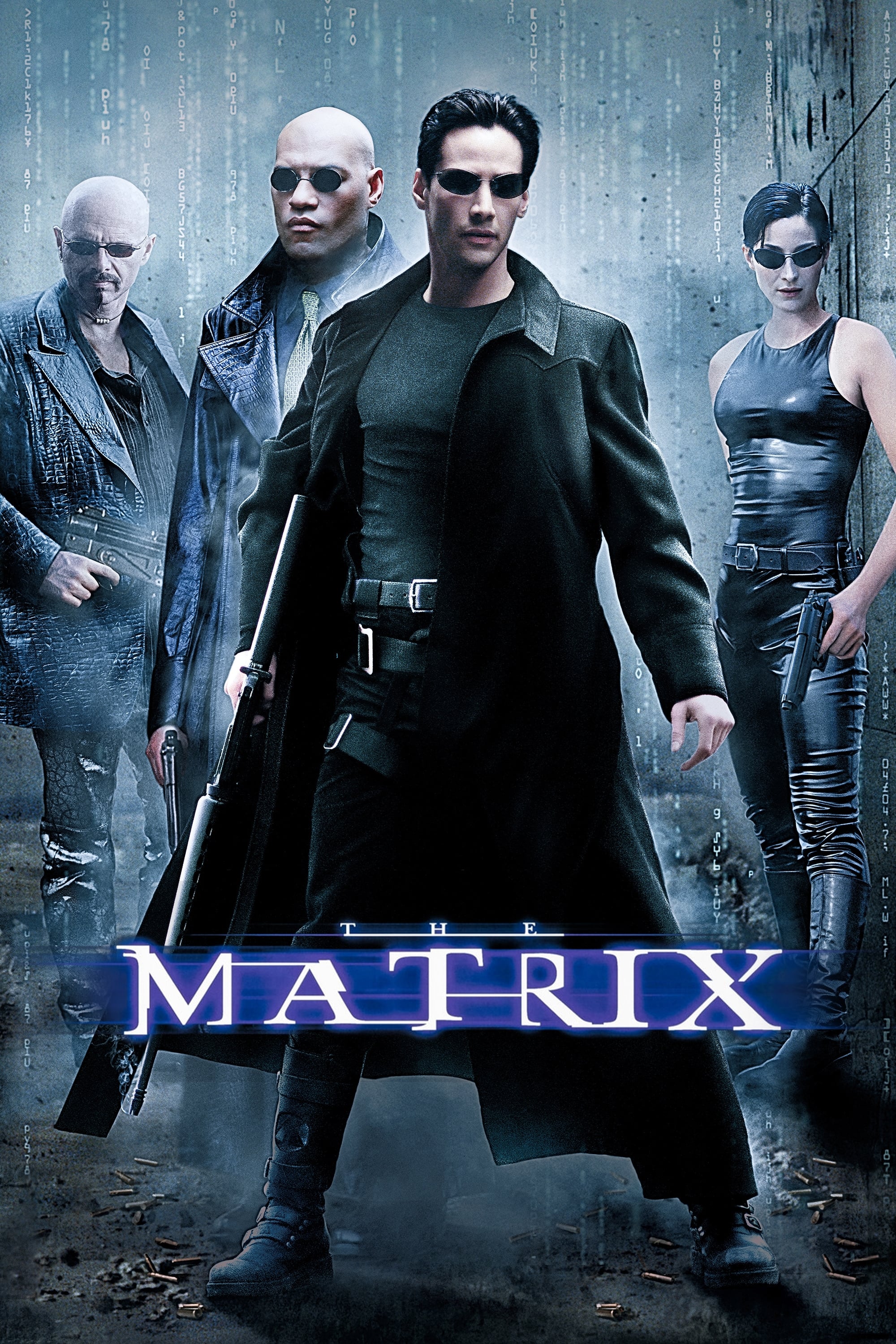
Written and directed by Lana and Lilly Wachowski, ‘The Matrix’ pairs cyberpunk concepts with Hong Kong–inspired choreography under Yuen Woo-ping. The production introduced “bullet time,” a multi-camera rig and compositing technique led by visual effects supervisor John Gaeta, alongside extensive wire work and months of cast fight training.
Shot primarily in Sydney, the film differentiated simulated and physical worlds with selective color grading and production design. It won multiple Academy Awards in technical categories and launched a multimedia franchise spanning sequels, animation and games, with its camera rigs, stunt methodology and design vocabulary widely adopted across action cinema.
‘Terminator 2: Judgment Day’ (1991)
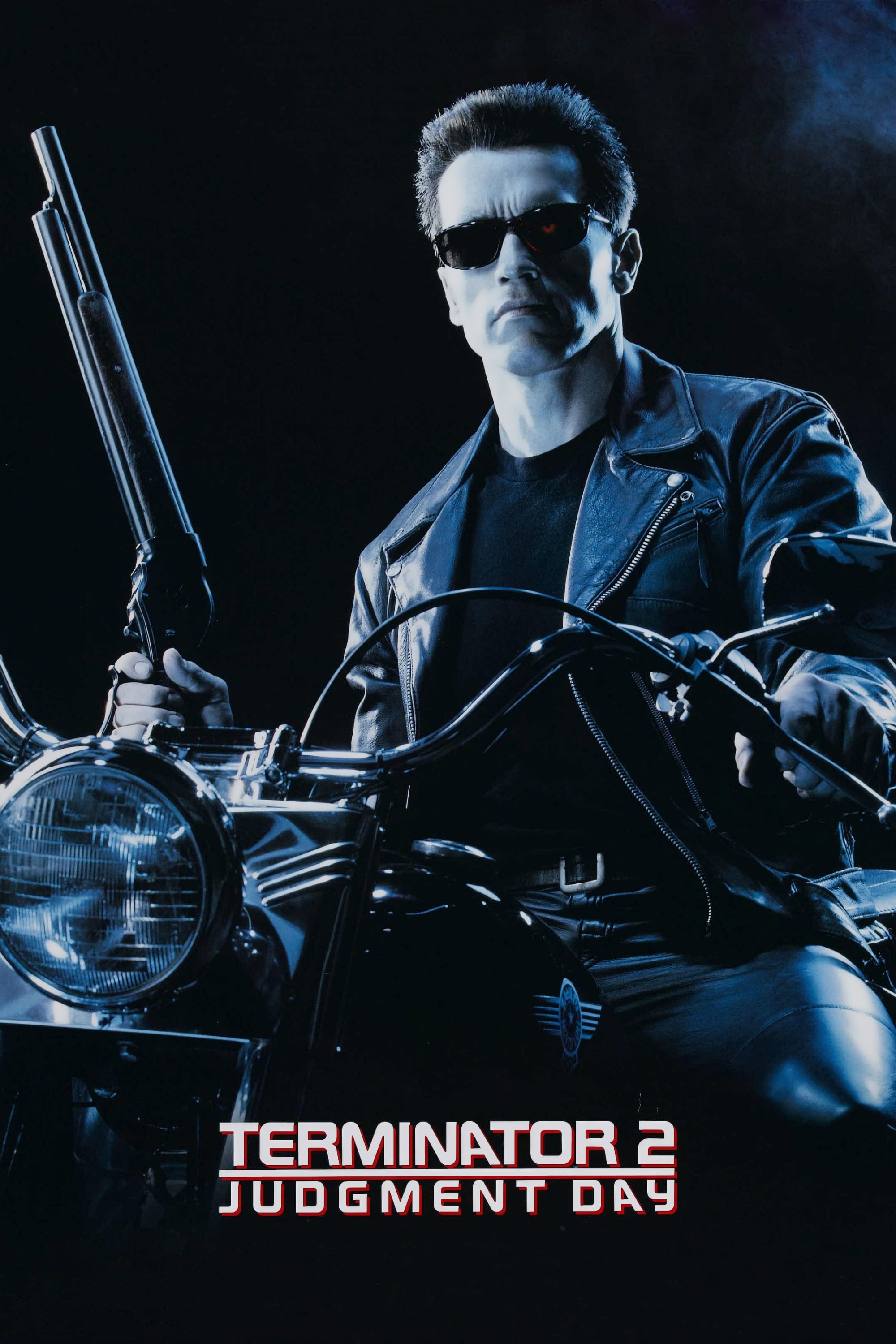
James Cameron’s ‘Terminator 2: Judgment Day’ advanced computer-generated imagery through ILM’s liquid-metal T-1000, integrating CGI with animatronics, prosthetics and in-camera stunts. Arnold Schwarzenegger, Linda Hamilton and Robert Patrick anchored a production that paired large-scale set pieces with location sound built around live weapons recording.
Signature sequences—such as the LA River pursuit and a helicopter chase executed with real aircraft—were captured using extensive rigging and safety planning. The film received multiple Academy Awards, accelerated industry adoption of digital pipelines and has been repeatedly remastered, including stereoscopic and 4K releases.
‘Speed’ (1994)
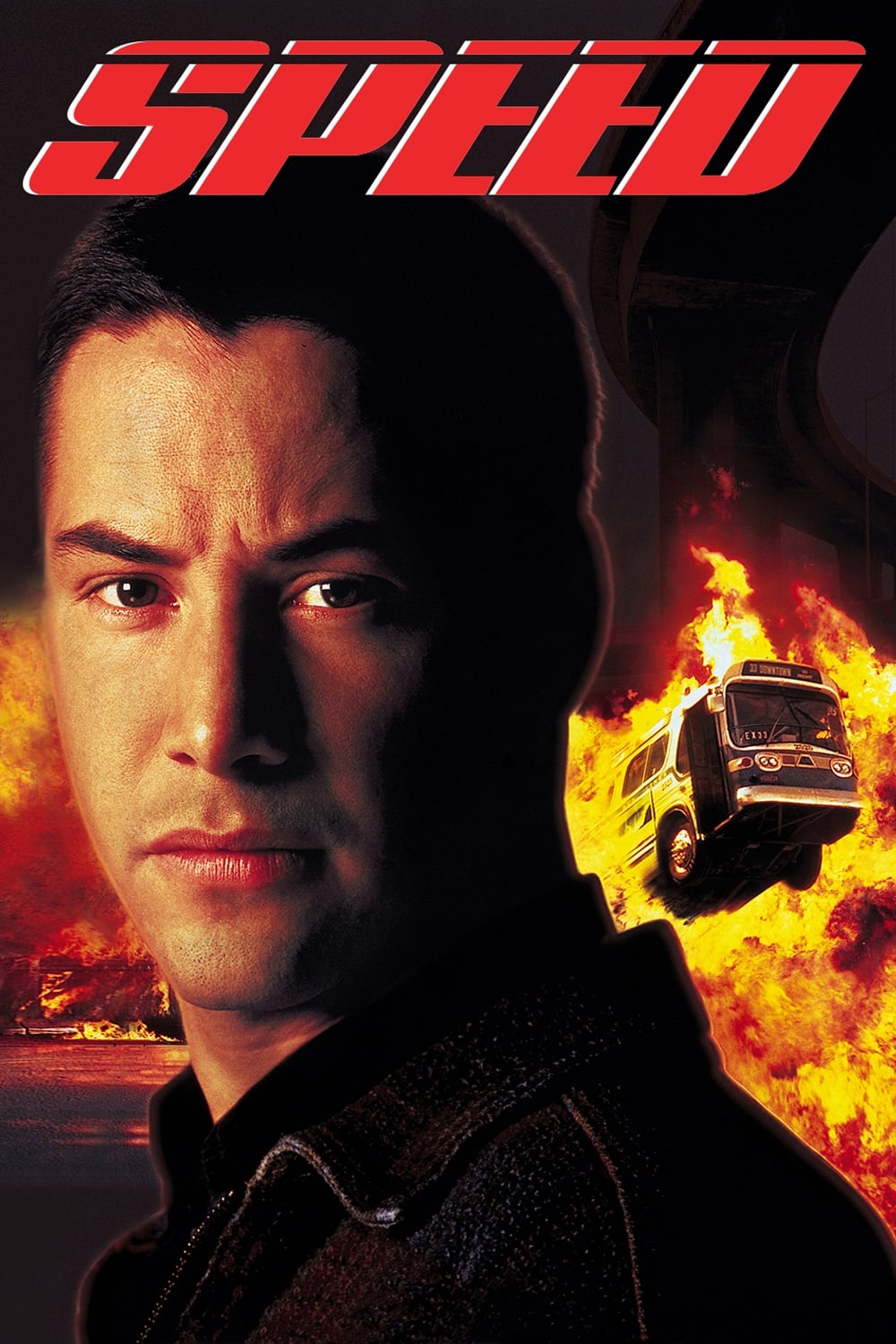
Jan de Bont’s ‘Speed’ centers on a Los Angeles bus wired to explode if it drops below a set threshold, with Keanu Reeves and Sandra Bullock leading the ensemble. Freeway work used newly built roadway sections and full-scale bus rigs, while airport and subway segments were staged with gimbals and miniature integration for select beats.
Editorial choices emphasize real-time tension and geographic continuity across city, tarmac and underground environments. The film earned Academy Awards for sound and sound editing, became a model for second-unit coordination, and significantly raised Bullock’s profile for subsequent action and thriller projects.
‘Die Hard: With a Vengeance’ (1995)
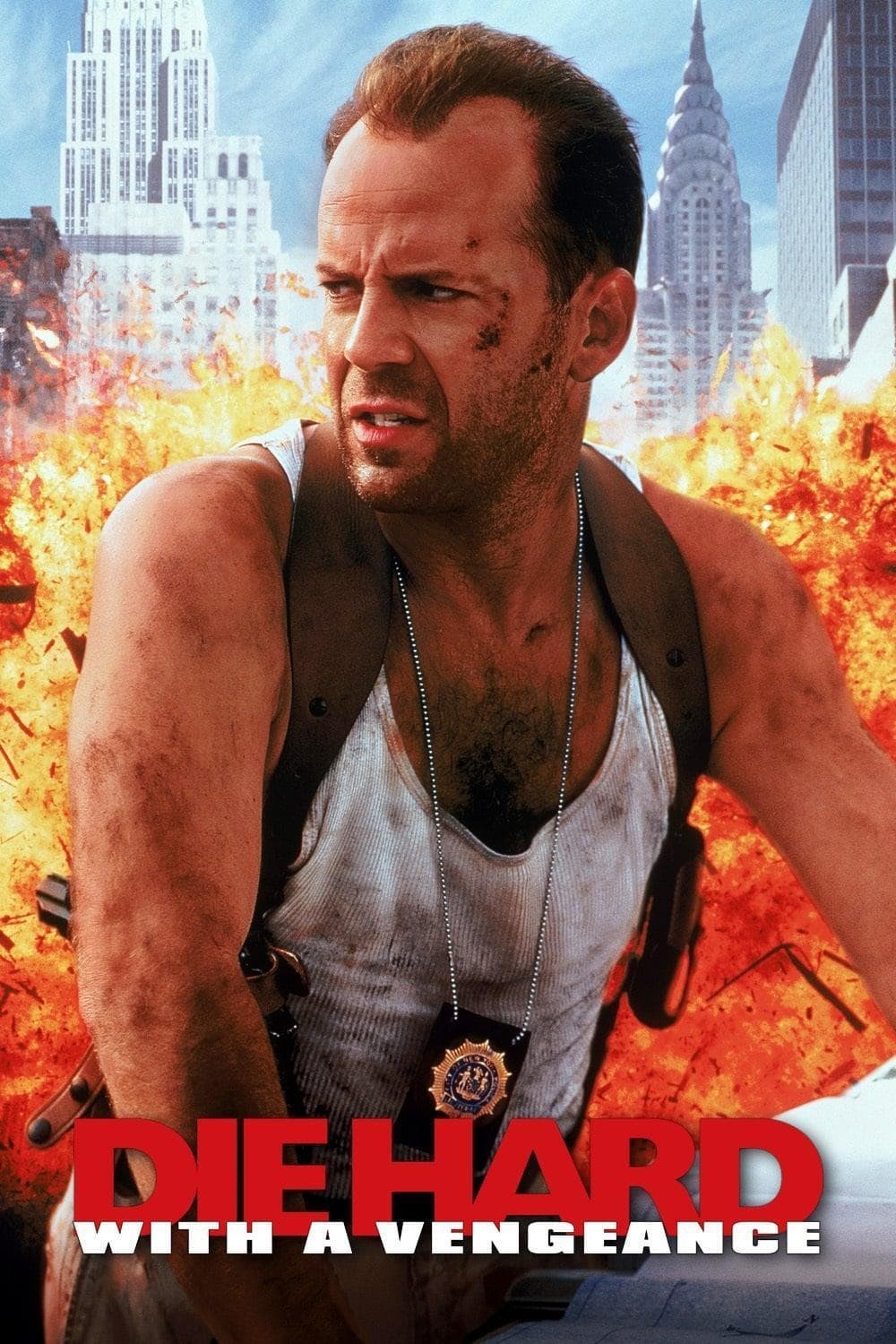
John McTiernan moved the ‘Die Hard’ series to New York City for a citywide puzzle-driven plot tied to timed bomb threats. Bruce Willis and Samuel L. Jackson lead a story that deploys multi-location logistics, including a subway explosion executed with practical pyrotechnics and controlled demolitions.
The screenplay originated as ‘Simon Says’ and was adapted to the franchise’s characters and motivations. Its radio chatter, urban geography and time-boxed objectives influenced later big-city action structures, while international box office success expanded the series’ global reach.
‘Heat’ (1995)
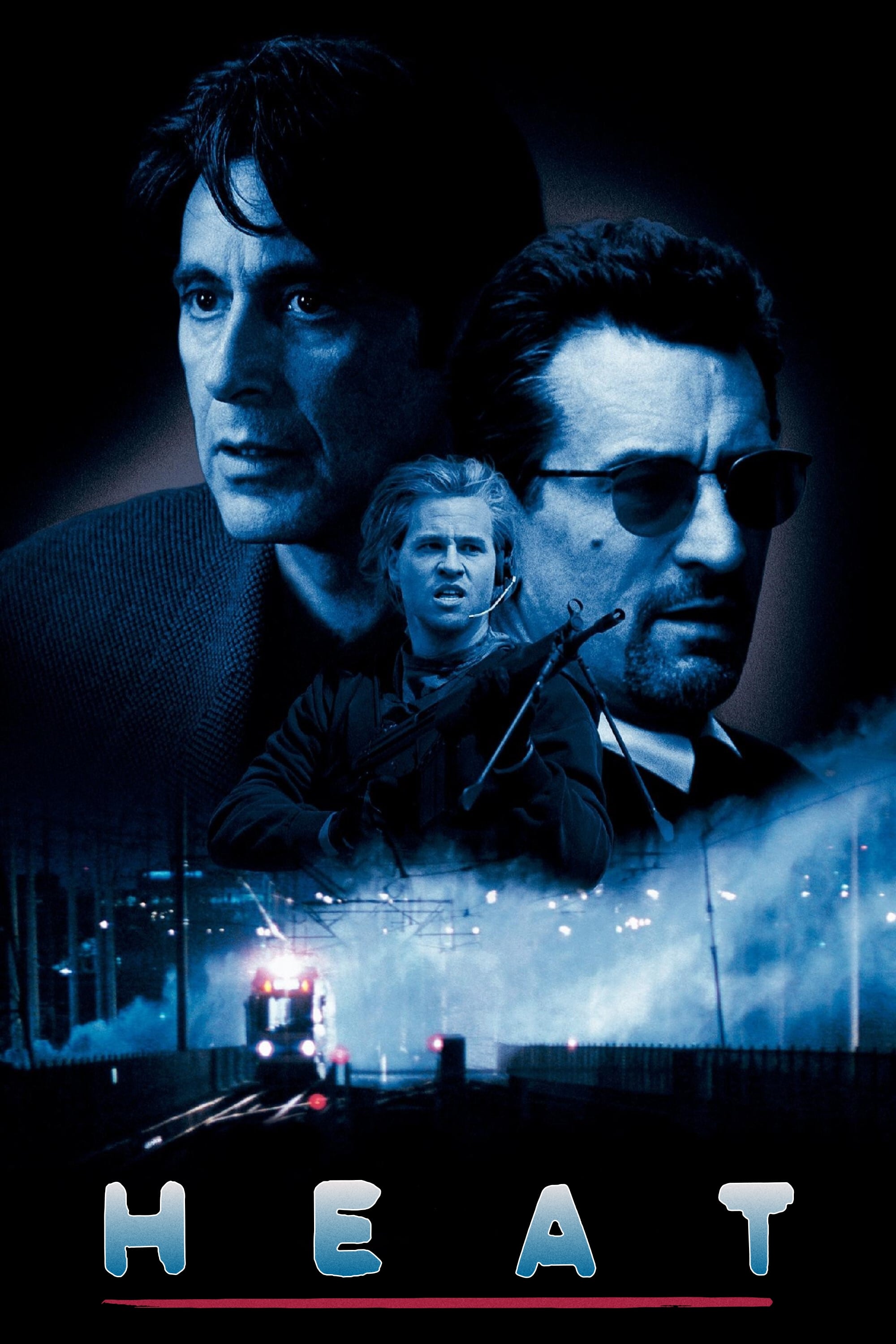
Michael Mann’s ‘Heat’ unites Al Pacino and Robert De Niro in a heist narrative emphasizing procedural detail. The downtown shootout recorded live gunfire on location to capture authentic echo and impulse characteristics, later integrated with minimal post sweetening.
Drawing from documented cases and law-enforcement tactics, the production foregrounds surveillance, counter-surveillance and crew hierarchy. Long-lens night photography, cityscape plates and an ensemble including Val Kilmer and Ashley Judd support a focus on workflow and tradecraft rarely shown at this scale.
‘Point Break’ (1991)
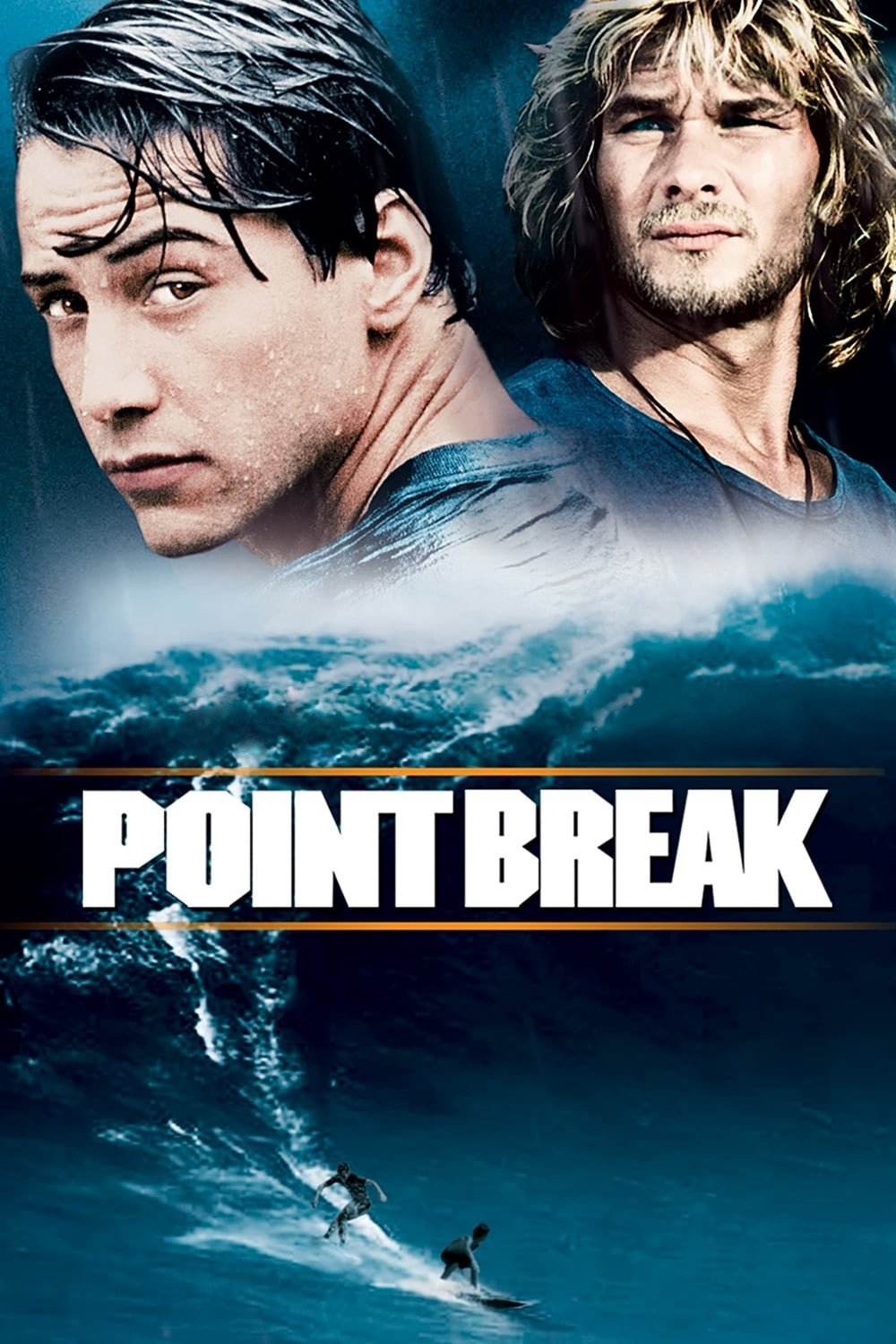
Directed by Kathryn Bigelow, ‘Point Break’ follows an undercover operation inside a disciplined robbery crew known for wearing presidential masks. The film features extensive on-location surfing and skydiving work, with specialized supervision for cast and stunt teams completing jumps and water sequences.
Handheld and point-of-view coverage places viewers within foot chases through beach communities and urban alleys. The integration of extreme sports culture with investigative procedure informed later action projects and established enduring imagery around the crew’s masks and methods.
‘The Fugitive’ (1993)
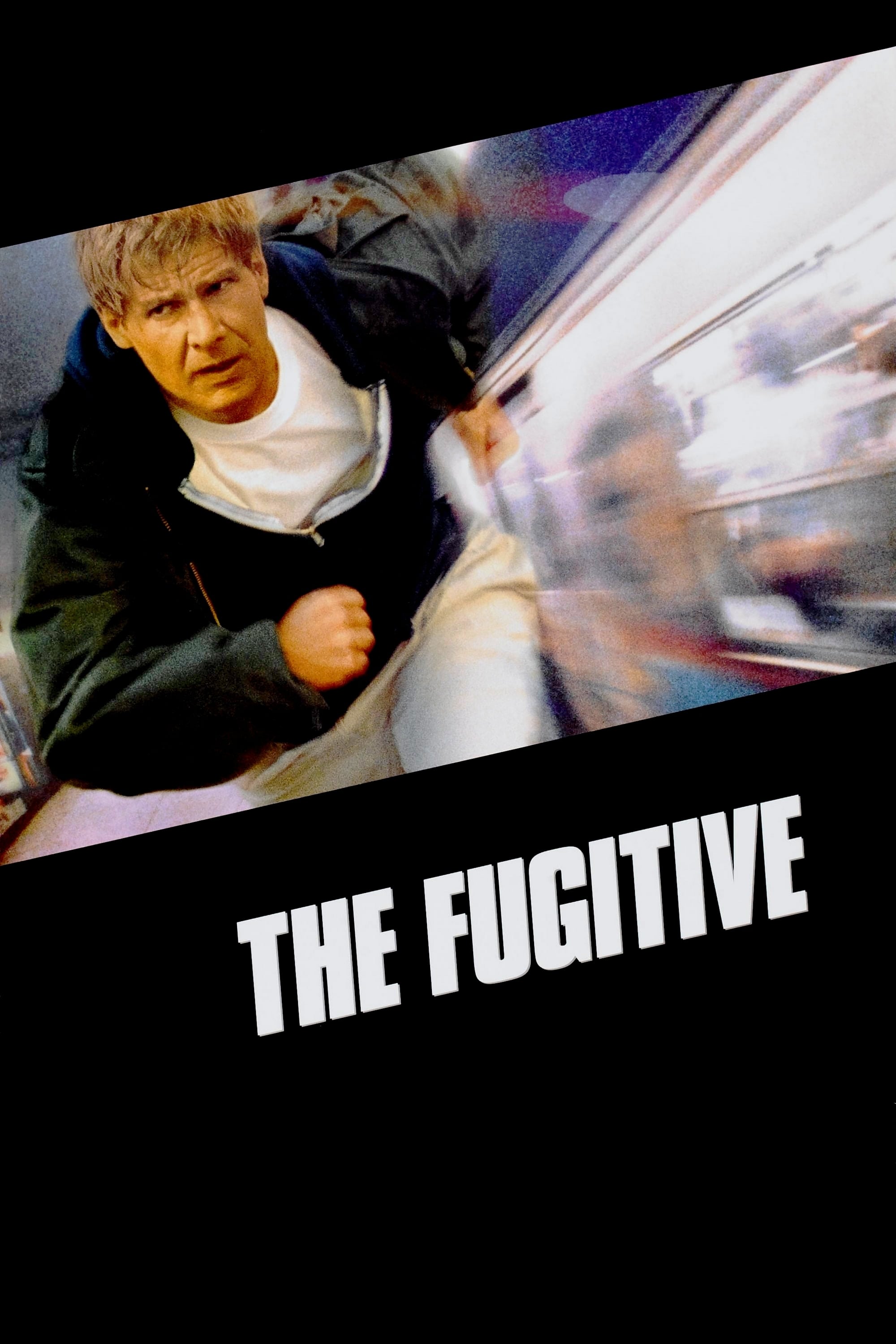
‘The Fugitive’ adapts the television series, tracking a physician on the run while a U.S. Marshal leads a multi-state manhunt. Harrison Ford and Tommy Lee Jones headline, with Jones receiving major awards recognition for his portrayal of the lead investigator coordinating interagency search teams.
The production staged a practical train-versus-bus collision using full-scale vehicles and executed large crowd sequences in Chicago. Cross-cutting between forensic work, site canvassing and public-space chases has made the film a frequent reference in editing and sound courses for sustained momentum without overscoring.
‘Total Recall’ (1990)
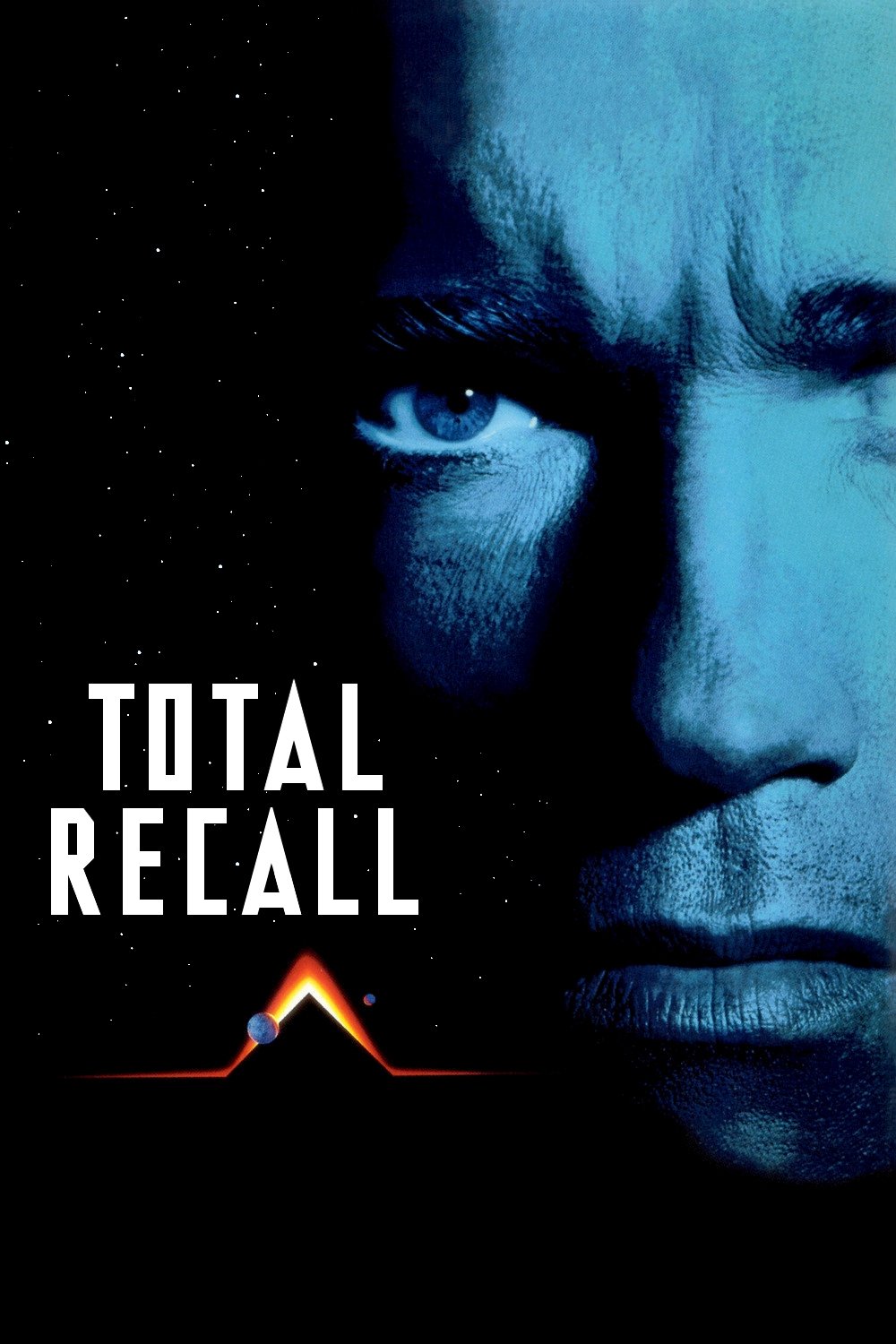
Paul Verhoeven’s ‘Total Recall’ adapts Philip K. Dick’s ‘We Can Remember It for You Wholesale’, following a worker who purchases memory implants and becomes entangled in an off-world conspiracy. Arnold Schwarzenegger, Rachel Ticotin and Sharon Stone star in a production that combined large miniature builds with animatronic effects from Rob Bottin’s team.
Principal photography in Mexico City leveraged distinctive architecture for near-future interiors and transit hubs. The film received a Special Achievement Academy Award for visual effects and is noted for its mix of prosthetics, motion-control shots and kinetic production design.
‘True Lies’ (1994)
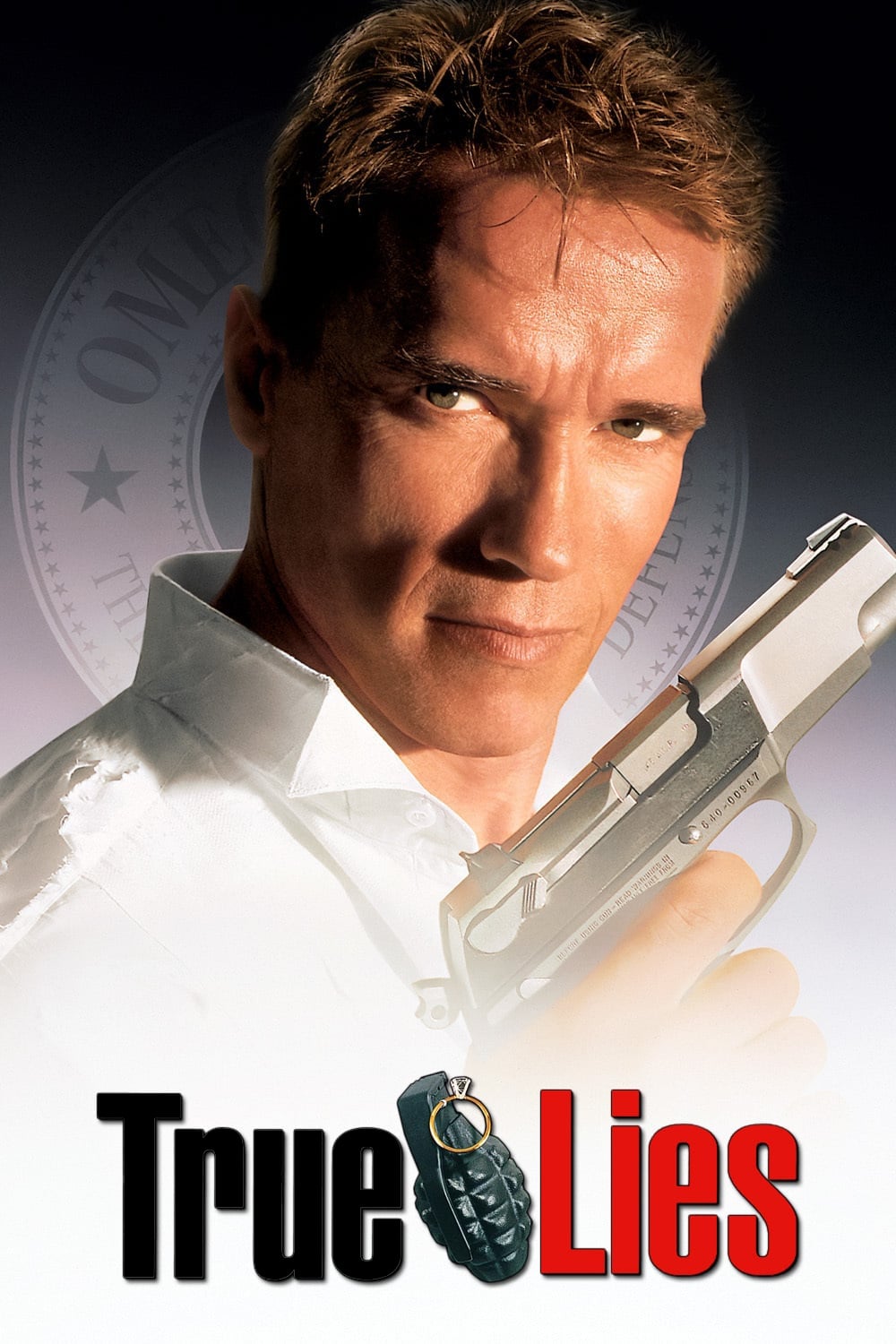
In ‘True Lies’, James Cameron blends espionage operations with a suburban cover story. Arnold Schwarzenegger and Jamie Lee Curtis lead sequences spanning ballroom infiltration, causeway demolition and vertical-lift jet work executed through full-scale aircraft, large models and digital composites.
The production coordinated controlled destruction on a coastal bridge and wire-assisted acrobatics on soundstages for safety. Strong theatrical performance reinforced investment in large-format set pieces, and aircraft coordination remains a reference point for aviation-based action design.
‘Face/Off’ (1997)
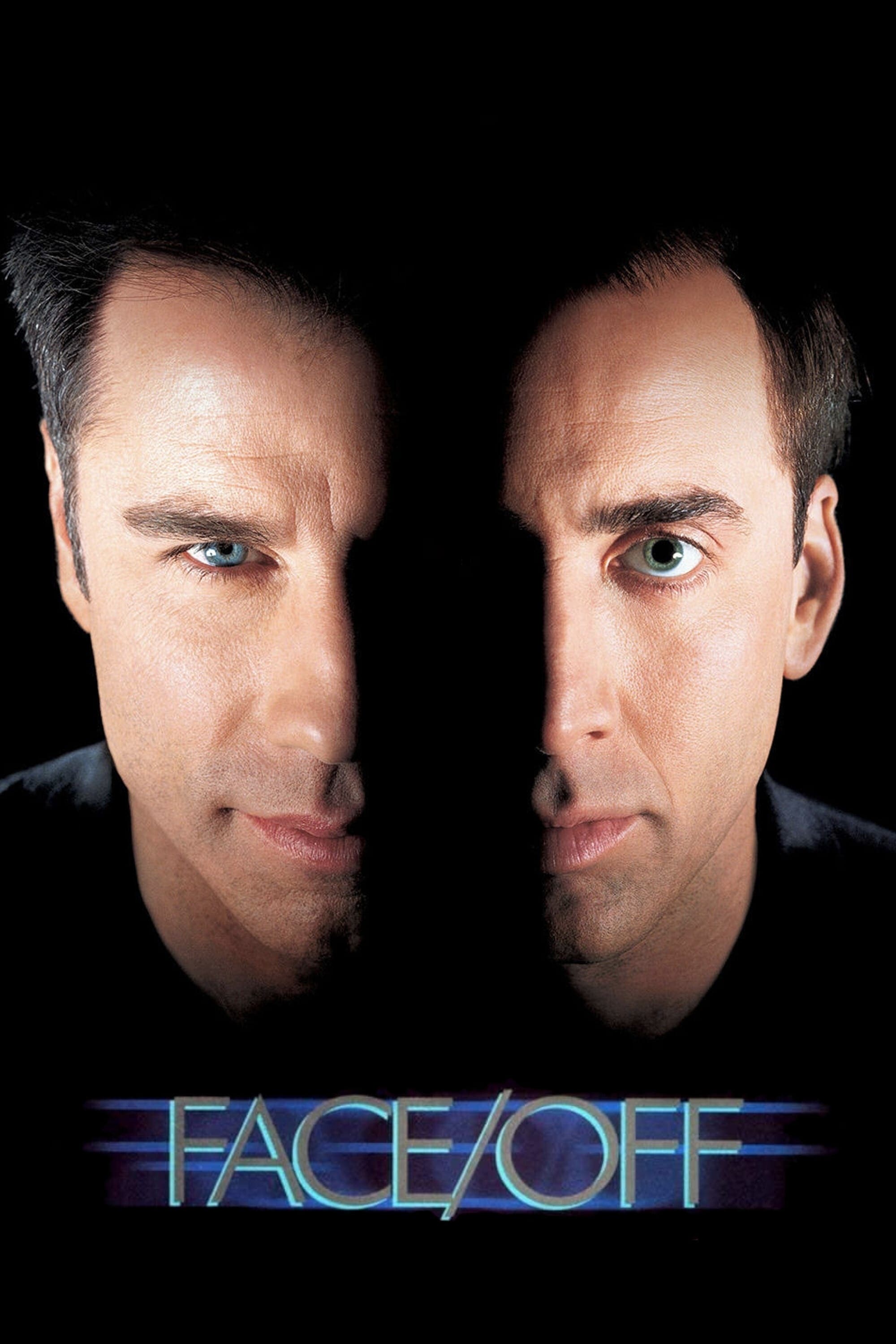
John Woo’s ‘Face/Off’ pairs Nicolas Cage and John Travolta in a pursuit complicated by a surgical identity exchange. Woo brought Hong Kong action grammar—dual-wield choreography, slow-motion beats and symbolic motifs—into a Hollywood framework with extensive squib use and practical pyrotechnics.
The boat-chase finale employed tow rigs and breakaway elements, while the church shootout integrated doves, stained-glass destruction and synchronized reloads. The film earned awards recognition for sound editing and influenced subsequent productions seeking balletic gunfight staging with clear spatial geography.
‘GoldenEye’ (1995)
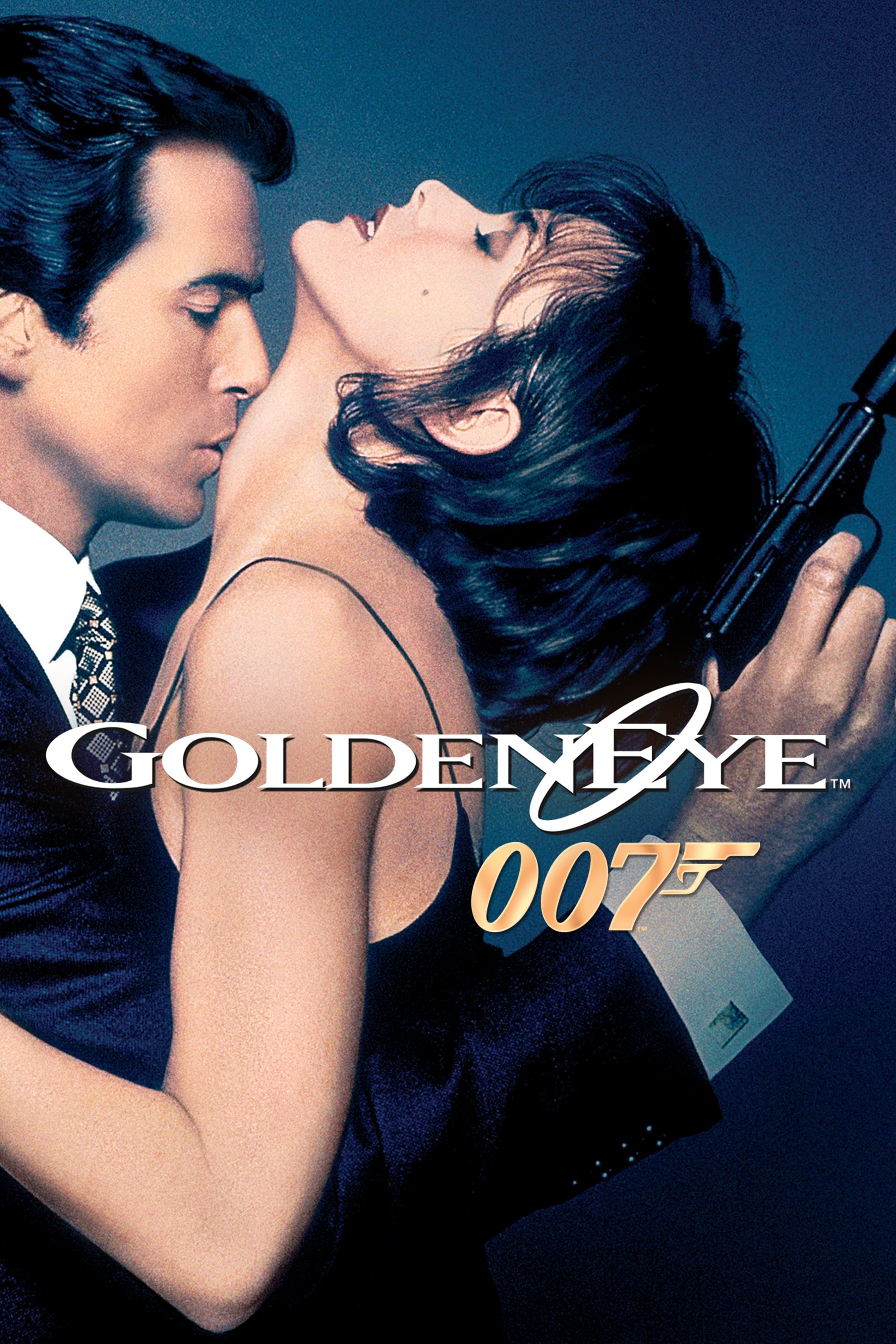
‘GoldenEye’ relaunched the ‘James Bond’ series with Pierce Brosnan and director Martin Campbell. Set pieces include a dam bungee jump and a tank pursuit through city streets, executed with a combination of location work, miniatures and vehicle rigging.
The finale at a deep-space communications site combined large-scale sets and real installations, while the soundtrack paired Eric Serra’s score with a title song by Tina Turner. The film revitalized the brand and led to a console shooter adaptation that shaped licensed game design linked to a film.
‘The Rock’ (1996)
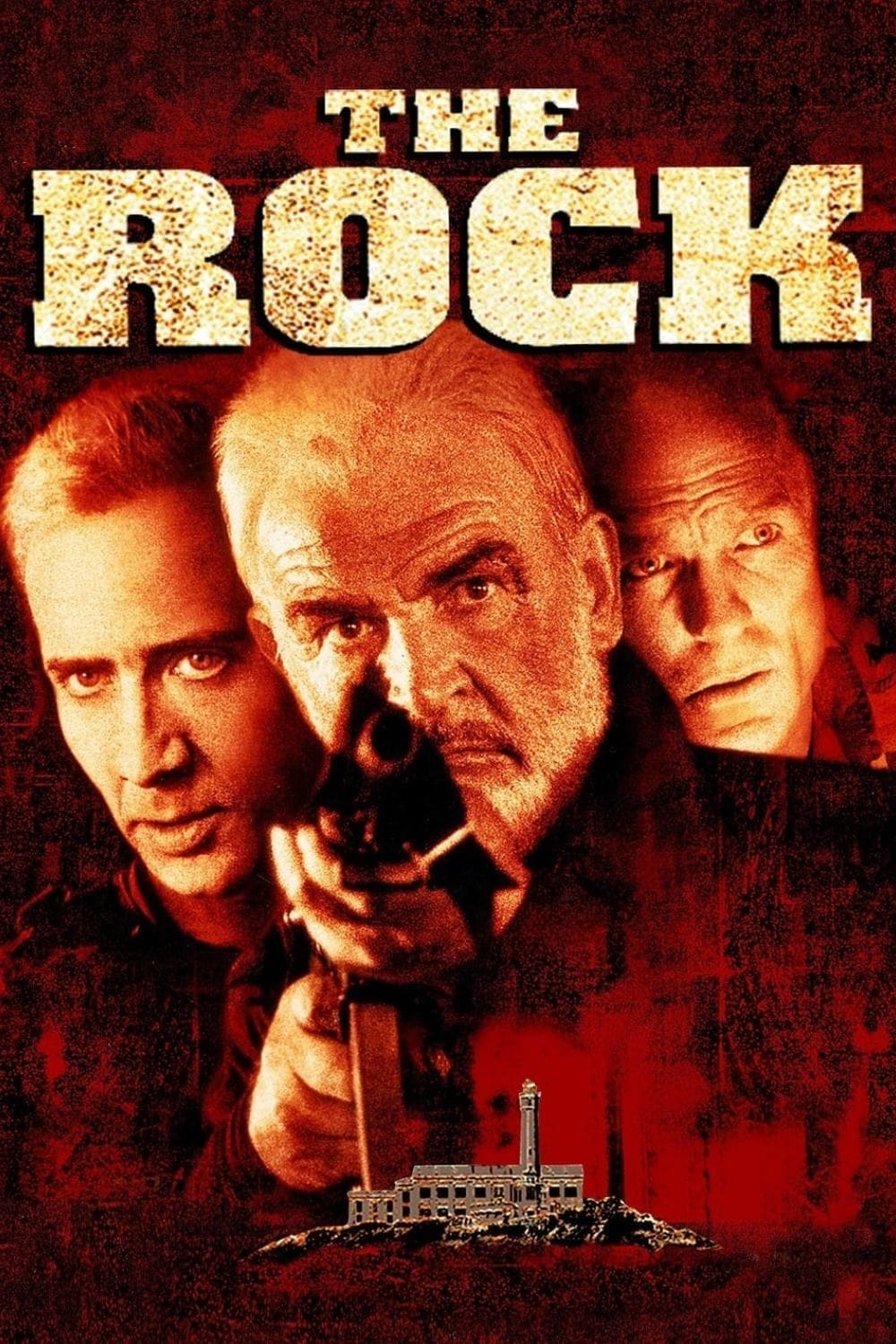
Directed by Michael Bay, ‘The Rock’ sends a Navy SEAL team and a former inmate into Alcatraz to counter a chemical-weapon threat. Sean Connery and Nicolas Cage headline, with Ed Harris leading the opposing force in a plot that balances infiltration, tunnels and hostage-negotiation beats.
San Francisco location work combined with sets for prison corridors and caverns, while the downtown car chase used practical crashes and street closures. The score by Hans Zimmer and collaborators established melodic patterns that became staples in action trailers and television spots.
‘Ronin’ (1998)
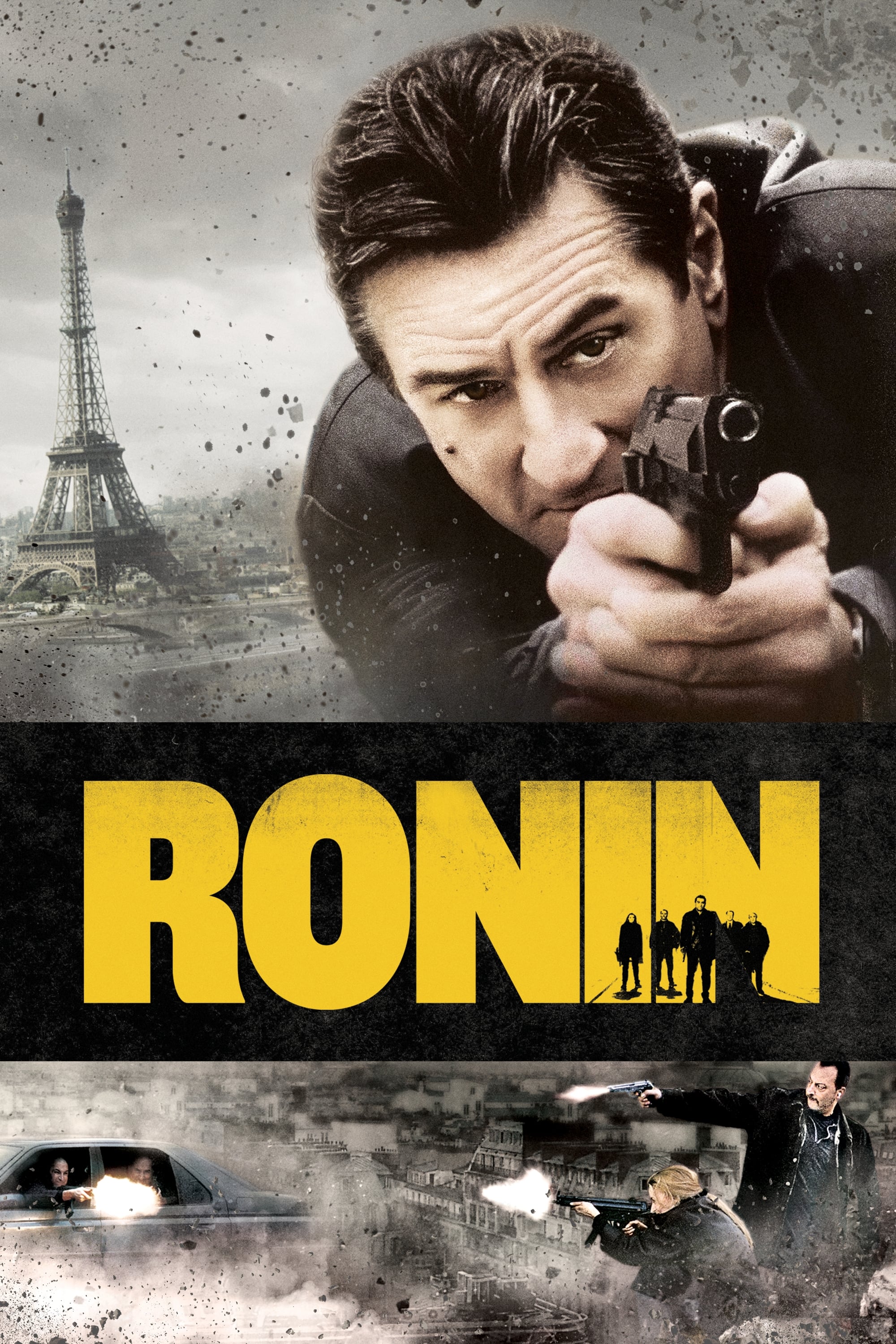
John Frankenheimer’s ‘Ronin’ is renowned for practical car chases staged on European streets with professional drivers and multi-camera mounts on performance sedans. Robert De Niro and Jean Reno lead an ensemble pursuing a mysterious case with dialogue emphasizing mercenary codes and tradecraft.
The production avoided digital speed cheats, relying on high-speed driving and precise route planning through Paris and Nice. Reverse-driving pods enabled actor close-ups while stunt drivers controlled the vehicles, and real collisions were incorporated to maintain continuity.
‘Blade’ (1998)
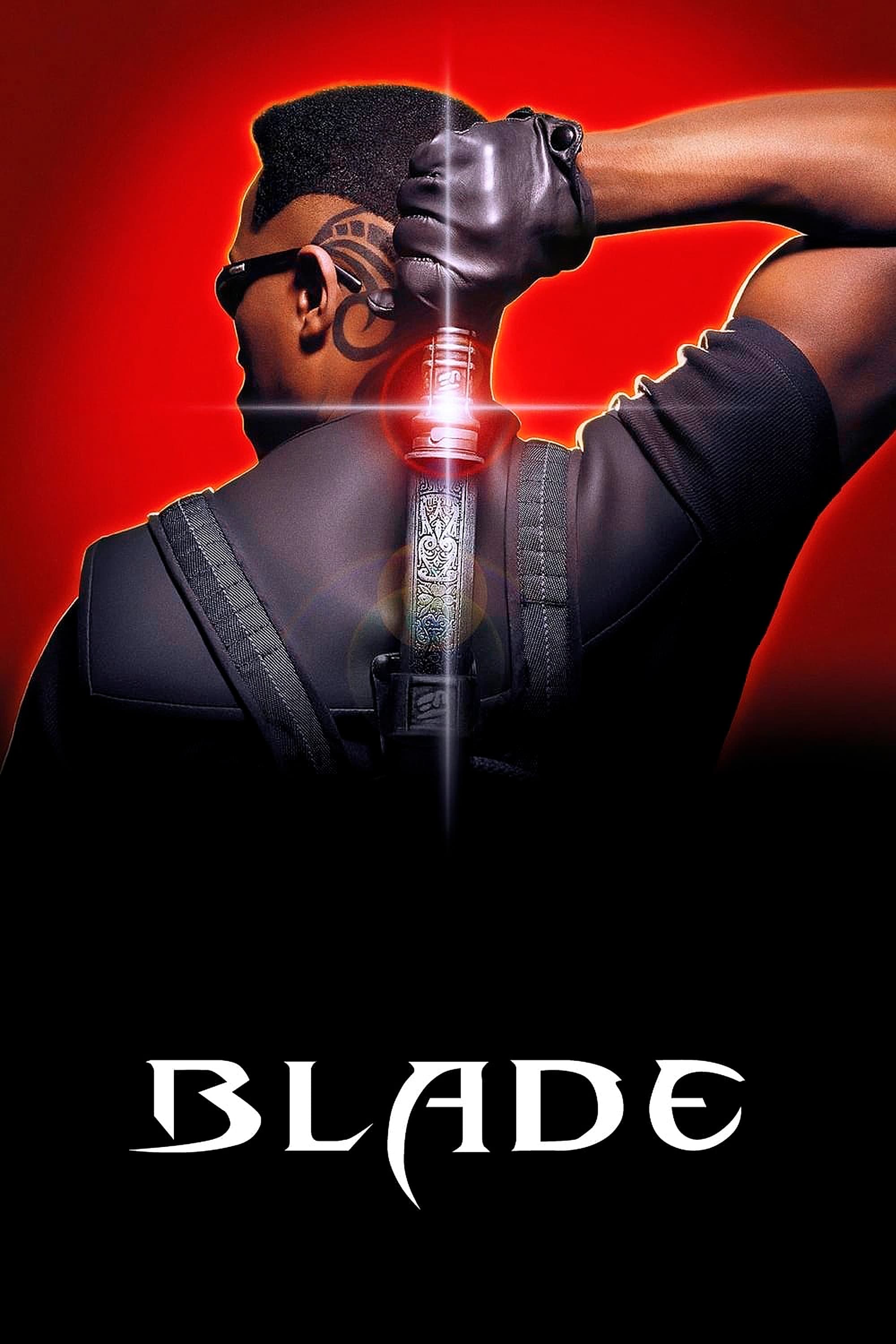
‘Blade’ adapts the Marvel character as a half-vampire combatant opposing an underground hierarchy. Wesley Snipes applied extensive martial-arts training to choreography that integrated weapon work, wire assists and visual effects for on-impact disintegration.
New Line Cinema backed a darker production design approach, from the opening nightclub sequence to glyph-marked archives. Commercial success led to sequels and broadened the path for comic-book properties, with costuming, soundtrack choices and fight design influencing later superhero action.
‘Mission: Impossible’ (1996)
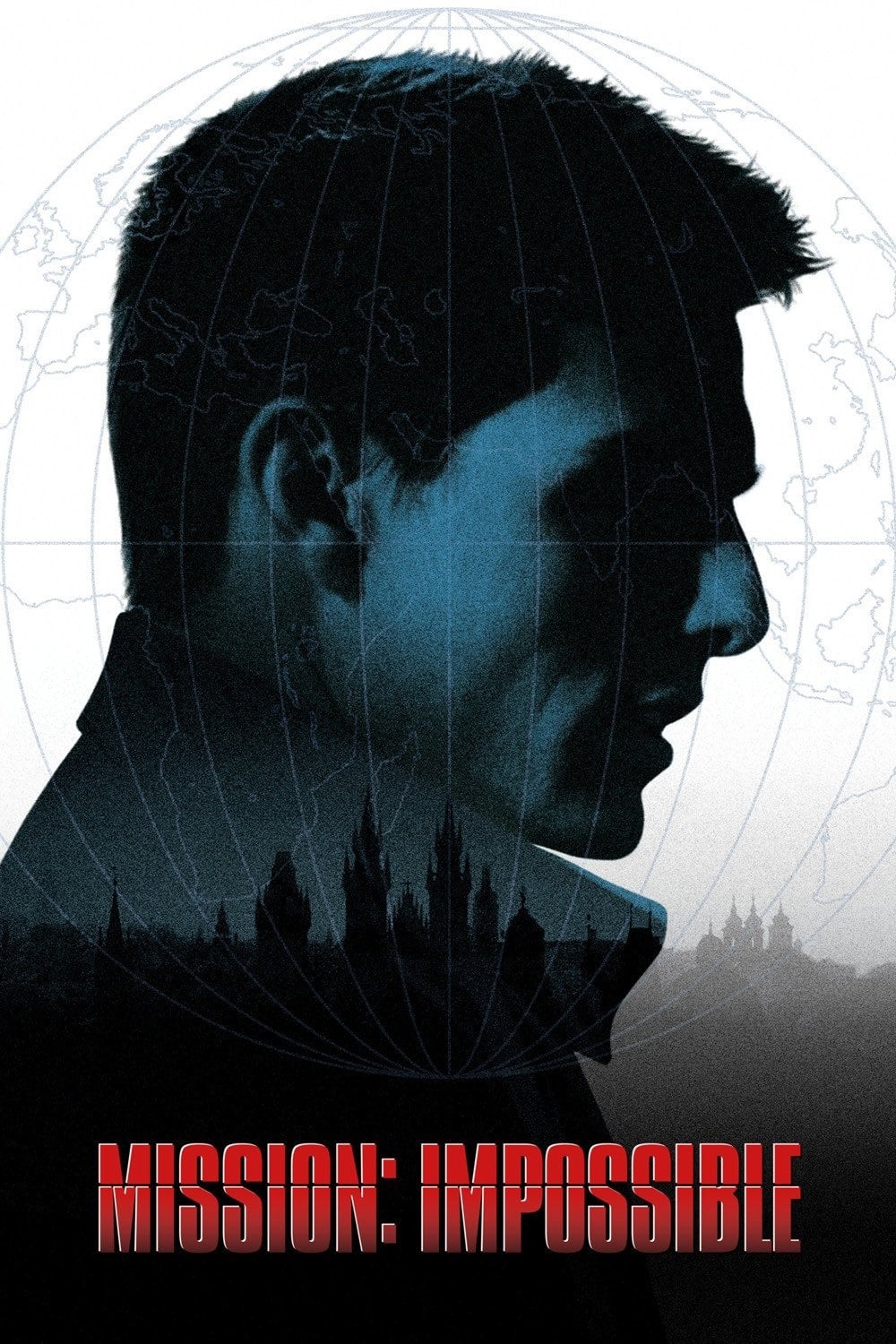
Produced by and starring Tom Cruise, ‘Mission: Impossible’ launched a long-running espionage series under Brian De Palma. The Langley vault heist used wire work and a soundstage build requiring precise balance and micro-timed cueing to avoid floor contact.
The finale’s high-speed train sequence combined wind-tunnel rigs, miniatures and composited backgrounds. The theme from the ‘Mission: Impossible’ television series returned in a new arrangement, while mask tech, misdirection and team dynamics became franchise hallmarks.
‘Hard Boiled’ (1992)
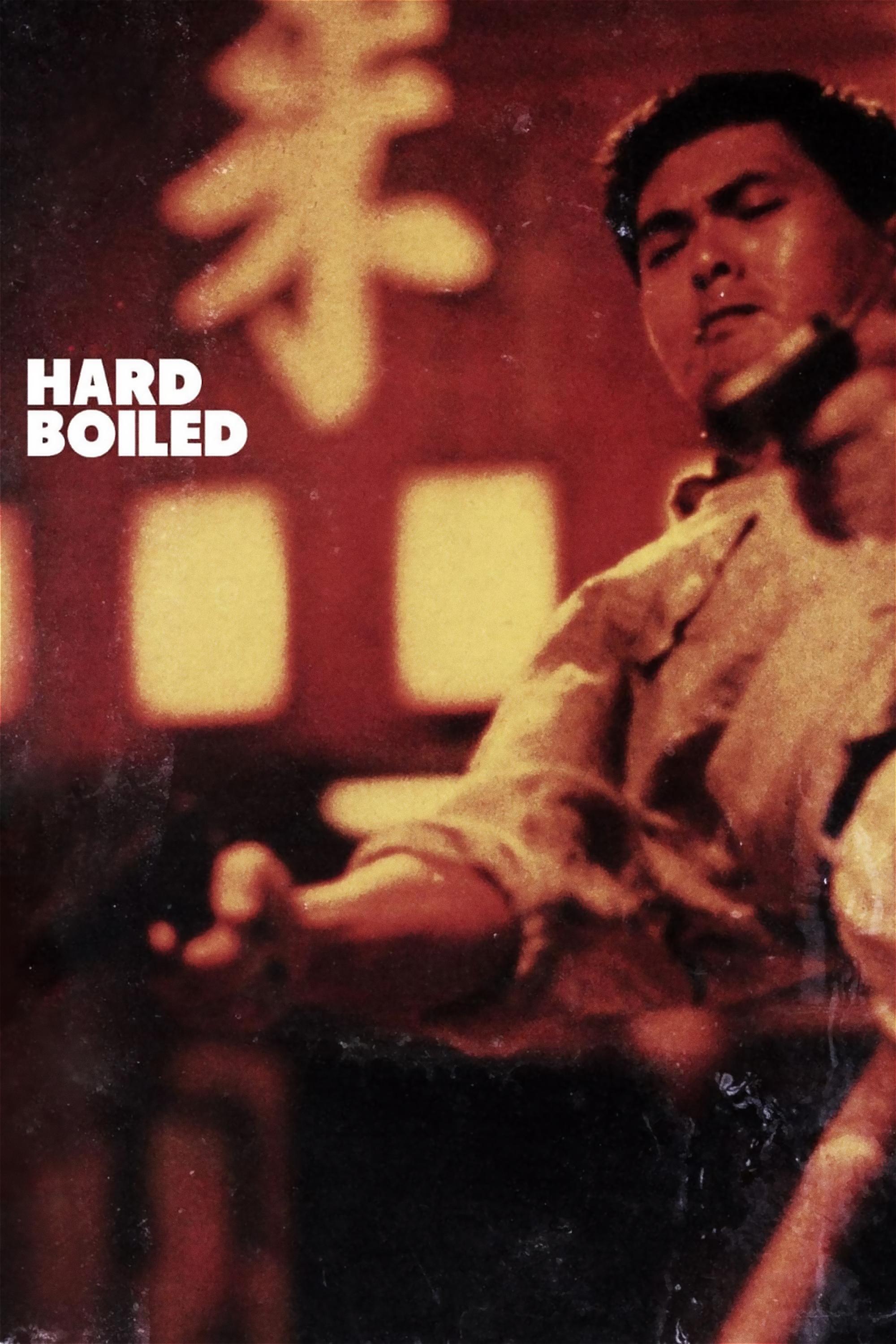
John Woo’s Hong Kong bullet-opera ‘Hard Boiled’ stars Chow Yun-fat and Tony Leung in a story that moves from a teahouse ambush to a hospital siege. The production is noted for an extended long-take corridor-and-elevator sequence achieved with reload choreography and concealed set resets.
High squib counts, practical debris effects and close-quarters coverage established a template for modern gunfight staging. International distribution introduced Woo’s stylistic signatures to wider audiences and set the stage for subsequent large-scale Hollywood projects.
‘Léon: The Professional’ (1994)
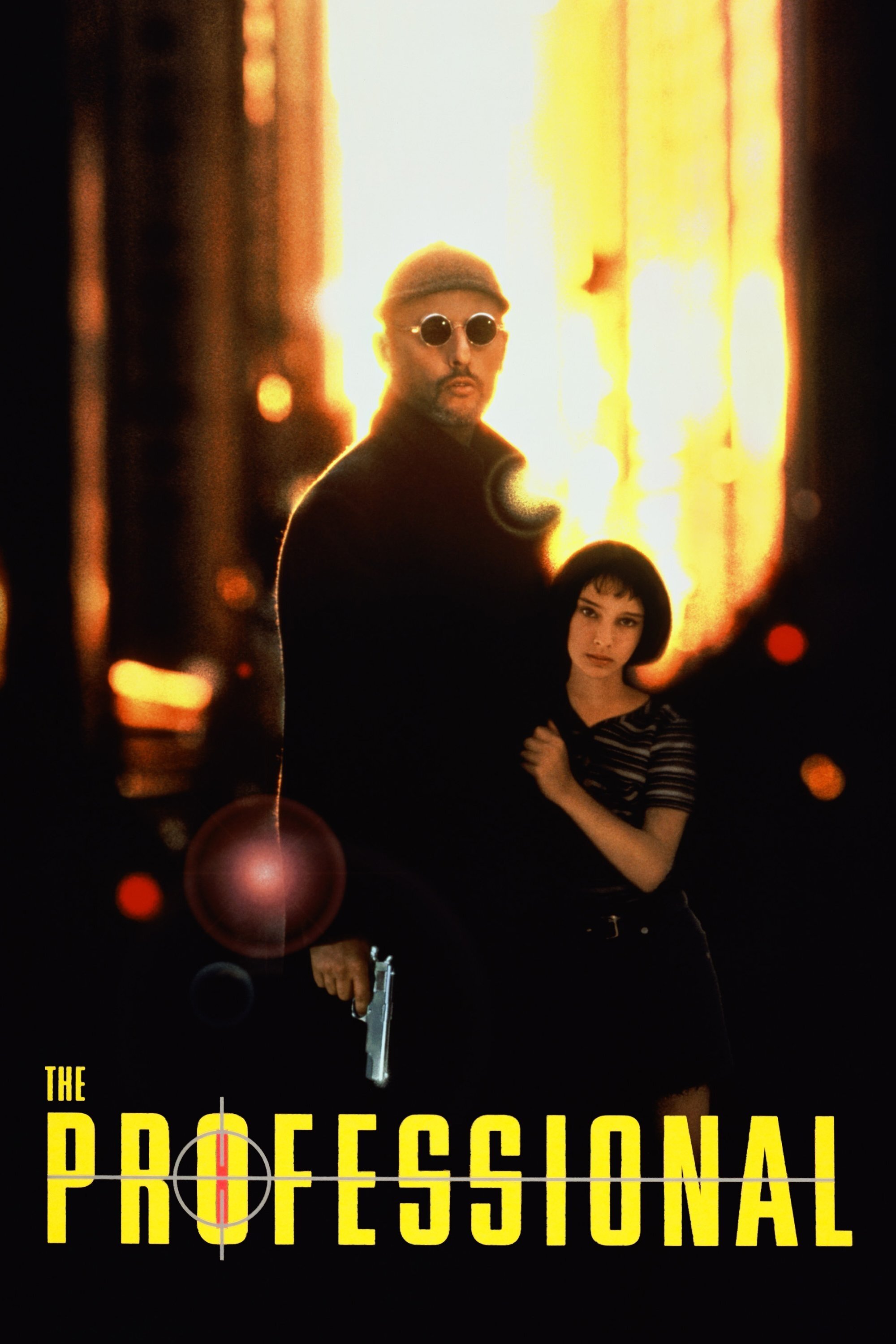
Written and directed by Luc Besson, ‘Léon: The Professional’ follows a solitary hitman who shelters a neighbor after a raid by corrupt officers. Jean Reno, Natalie Portman and Gary Oldman anchor a production balancing intimate apartment scenes with rooftop and corridor action across New York locations.
A later expanded version added character material beyond the original release. Sound design contrasts suppressed-weapon interiors with explosive entry breaches, and the final building assault is frequently referenced in discussions of character-driven action structure.
‘Desperado’ (1995)
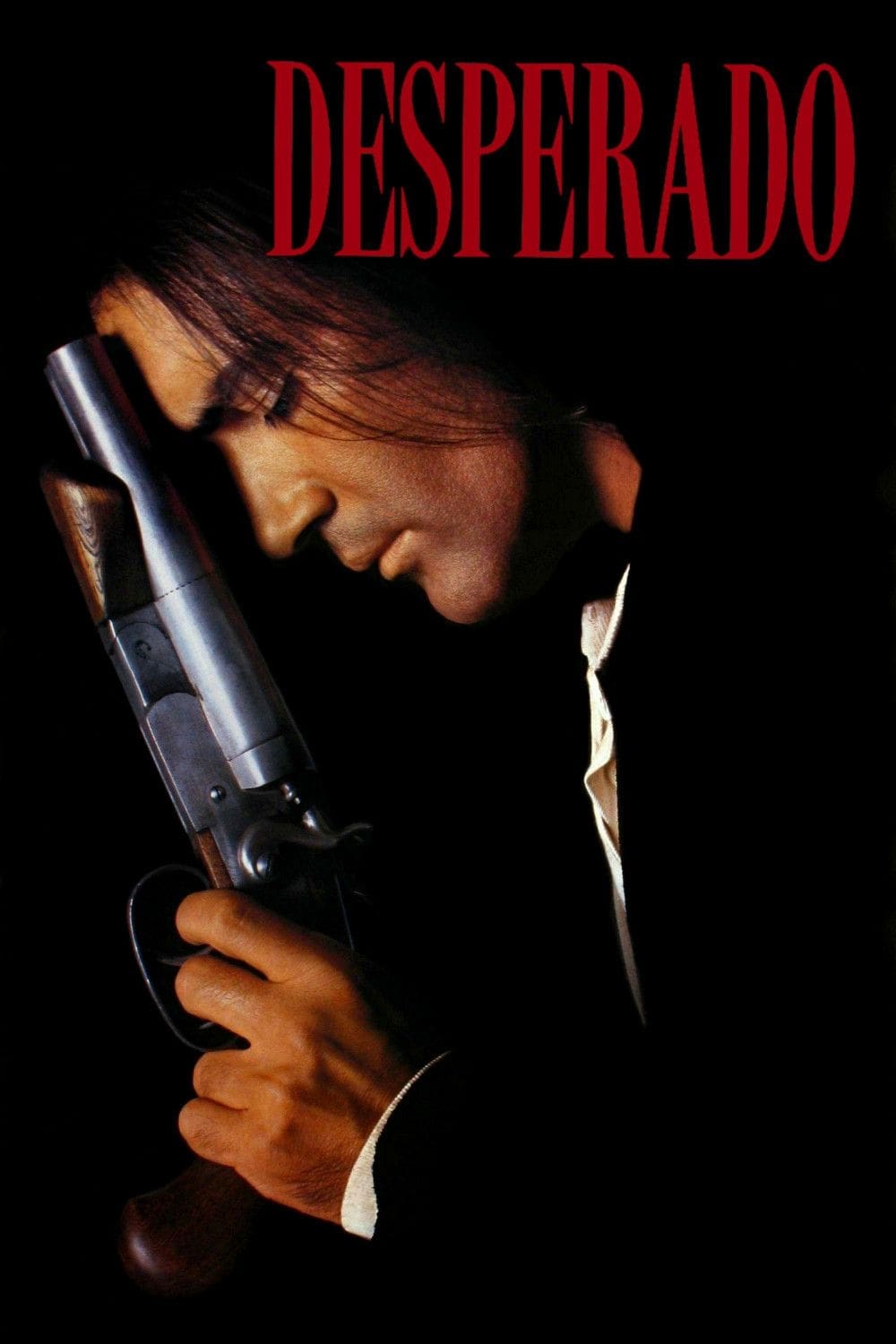
‘Desperado’ continues the story introduced in ‘El Mariachi’, with Antonio Banderas as a traveling guitarist targeting a cartel figure. Robert Rodriguez shot in Mexico with a compact crew, leveraging stylized gunplay, practical squib work and guitar-case prop rigs concealing weapon systems.
The soundtrack features contributions from Los Lobos, including an on-screen performance. Salma Hayek’s role expanded the narrative’s scope and location variety, while cameos and bar-set showdowns linked musical beats with action choreography and set up ‘Once Upon a Time in Mexico’.
‘Starship Troopers’ (1997)
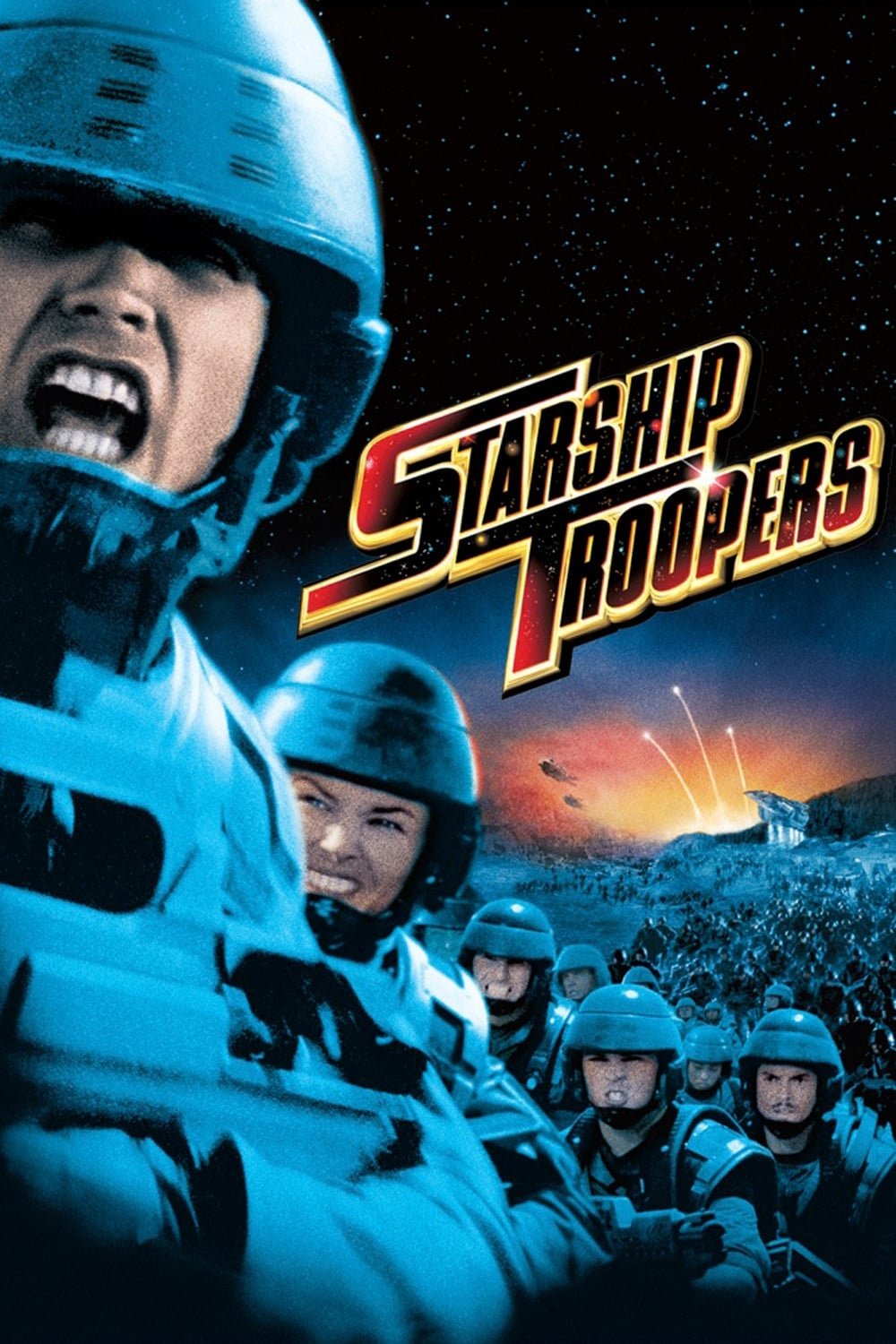
Paul Verhoeven’s ‘Starship Troopers’ depicts a large-scale military campaign against insectoid species. Creature work by Amalgamated Dynamics combined with digital swarms from visual-effects houses, integrating full-scale exoskeleton props and desert warfare staging.
The film intercuts propaganda segments, boot-camp training and escalating operations that track a core group through infantry, intelligence and fleet assignments. Production design, armor insignia and combined-arms tactics have been studied for cohesion across costume, VFX and sound departments.
‘La Femme Nikita’ (1990)
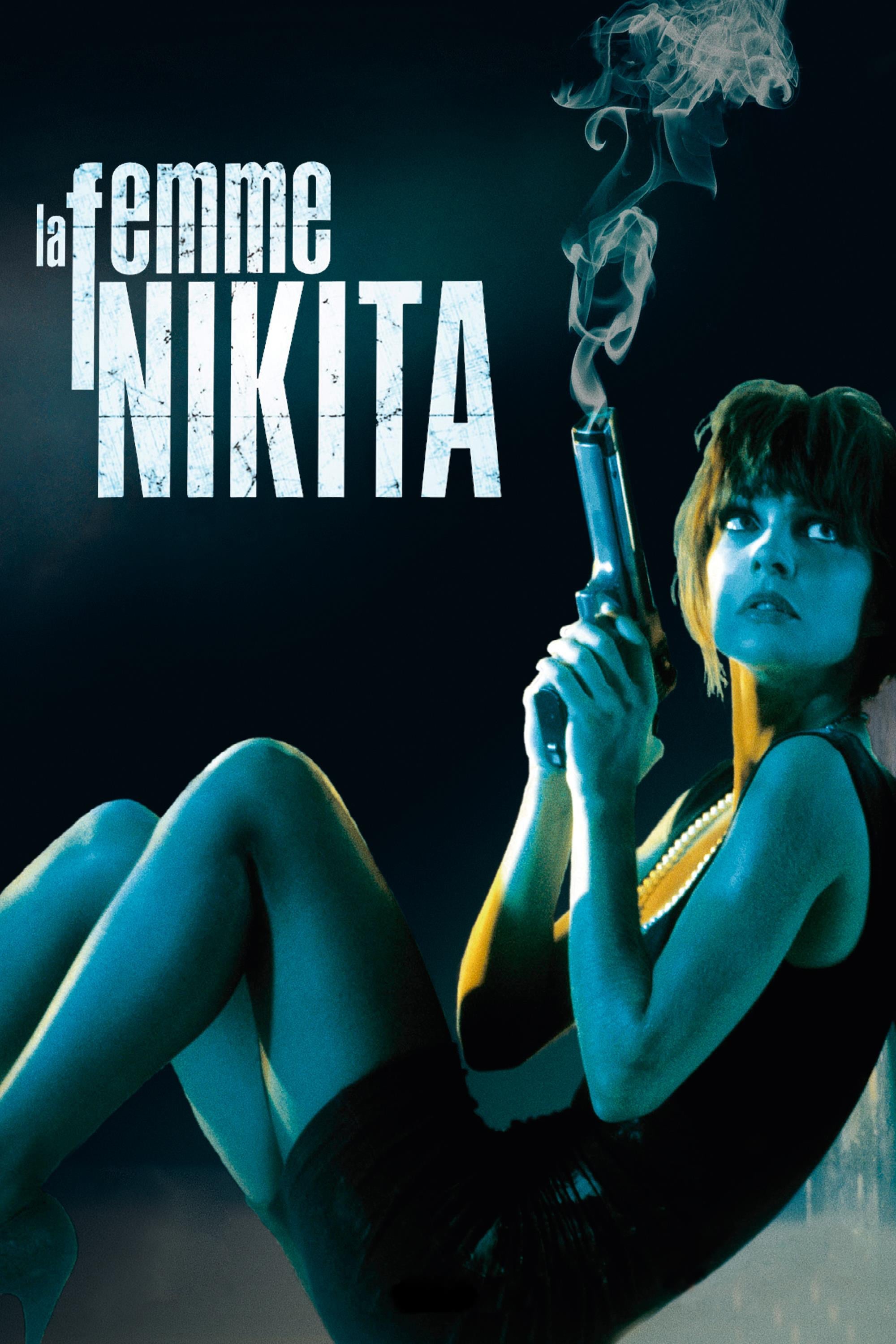
‘La Femme Nikita’ follows a young woman recruited by a clandestine program and trained to operate under an assumed identity. Luc Besson’s direction focuses on institutional training, legend-building and mission cover stories, with Parisian locations supporting domestic and operational phases.
Its success led to the American remake ‘Point of No Return’ and a television adaptation that expanded the premise. Wardrobe evolution, compact handgun choreography and the use of everyday urban spaces for covert work helped codify modern assassin-narrative conventions.
Share your favorite picks from the decade and tell us which titles you’d add to the list in the comments.

