


1990s Anime that Are Ready for a Reboot

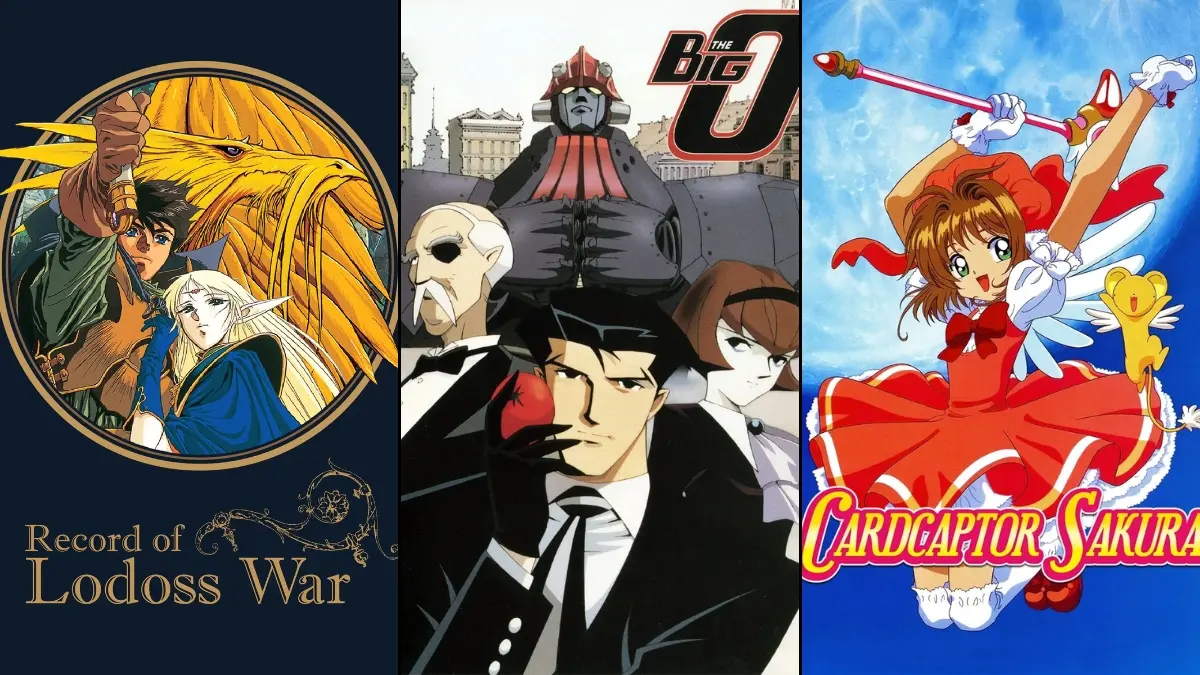


The 1990s delivered a wave of formative anime across TV, OVA, and film, spanning cyberpunk thrillers, mecha epics, shōnen action, sports dramas, and offbeat sci-fi. Below is a single, integrated lineup of 40 series and movies from that decade, each with quick snapshots of creators, studios, formats, and story focus. You’ll find concise notes on production context, genres, and franchise links—just the essentials to jog memories and guide discovery.
‘Neon Genesis Evangelion’ (1995–1996)
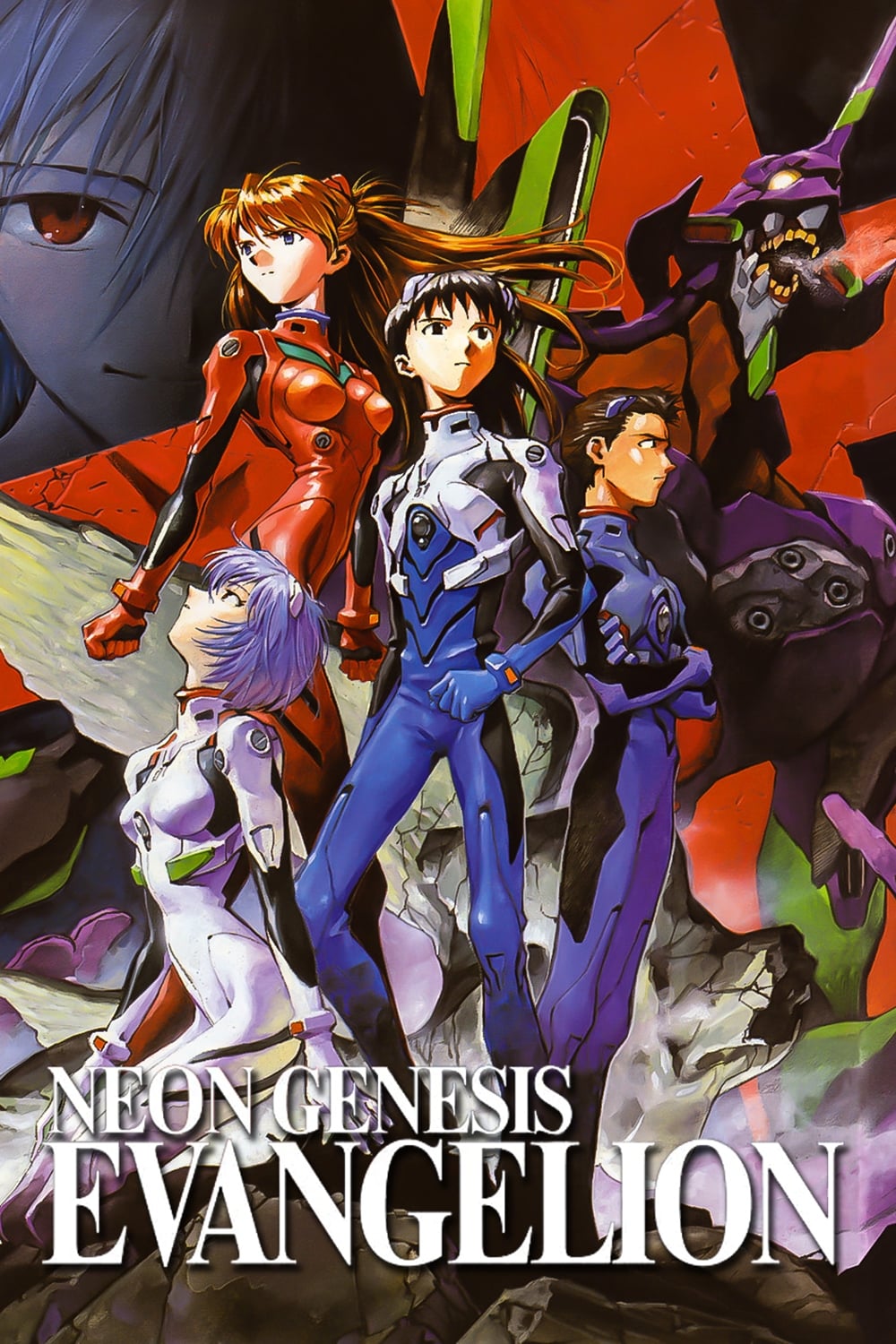
Directed by Hideaki Anno and produced by Gainax and Tatsunoko, ‘Neon Genesis Evangelion’ follows teenage pilots using biomechanical Evas against entities called Angels. The story integrates mecha combat with psychological and religious motifs across episodic and film continuations. It spawned compilation features, alternate conclusions, manga adaptations, and wide-ranging merchandise.
‘Cowboy Bebop’ (1998–1999)
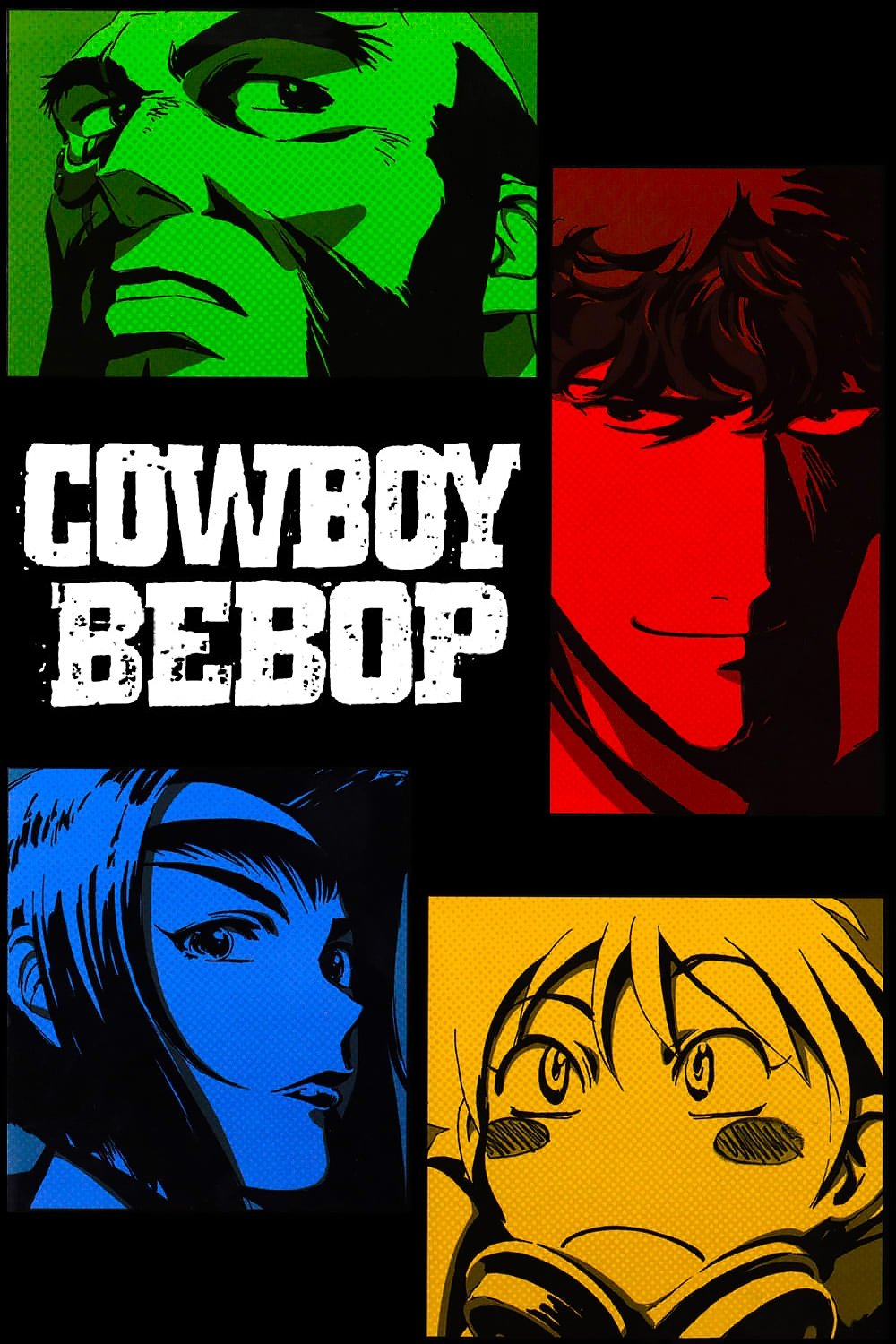
Created by Sunrise with director Shinichirō Watanabe, ‘Cowboy Bebop’ tracks a crew of bounty hunters aboard the ship Bebop. Composer Yoko Kanno delivers a jazz-driven score closely tied to the show’s identity. The property includes a theatrical feature set between episodes, artbooks, and international TV broadcasts.
‘Serial Experiments Lain’ (1998)
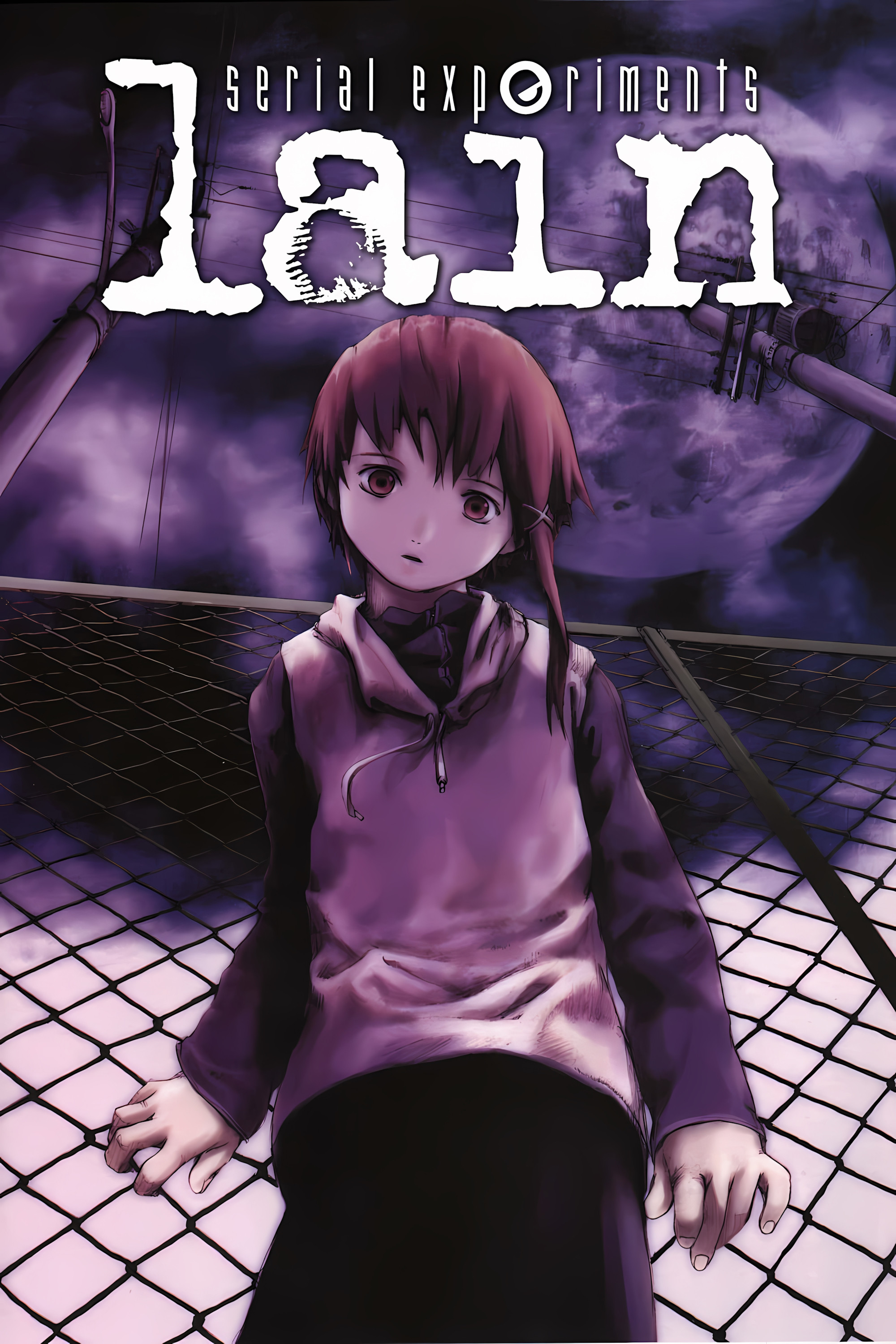
Produced by Triangle Staff and directed by Ryūtarō Nakamura, ‘Serial Experiments Lain’ centers on a girl drawn into a pervasive network called the Wired. Writer Chiaki J. Konaka frames the narrative as a techno-mystery about identity and communication. The project includes game tie-ins, art collections, and design work by Yoshitoshi ABe.
‘Berserk’ (1997)
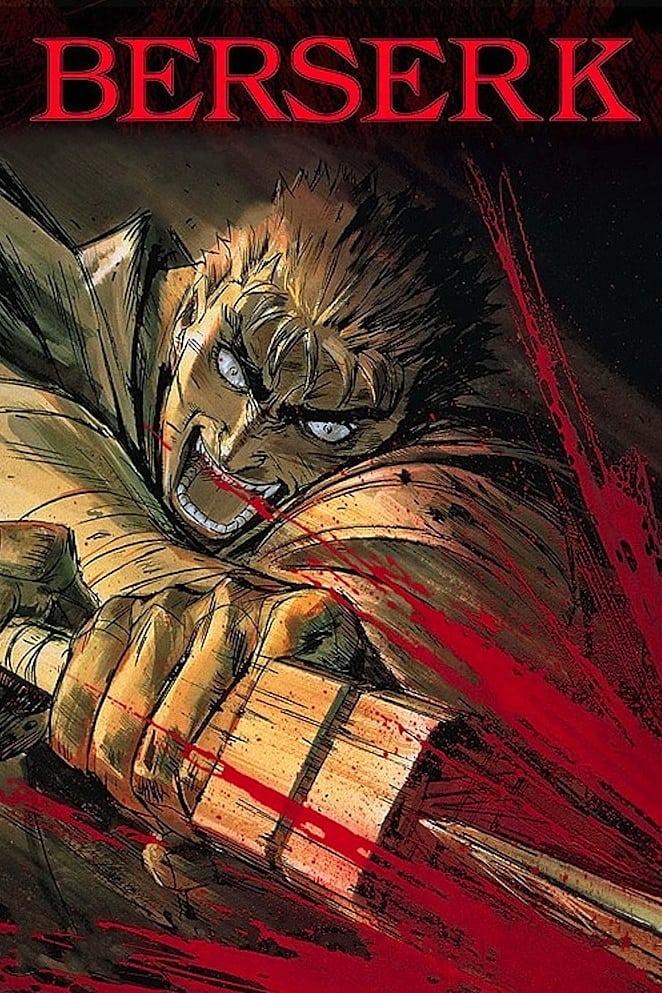
‘Berserk’ adapts Kentaro Miura’s dark-fantasy manga, focusing on mercenary Guts, the Band of the Hawk, and Griffith’s ascent. The TV run covers the Golden Age arc with battlefield tactics and court intrigue. Later entries continue the saga through film trilogies and additional series.
‘Trigun’ (1998)
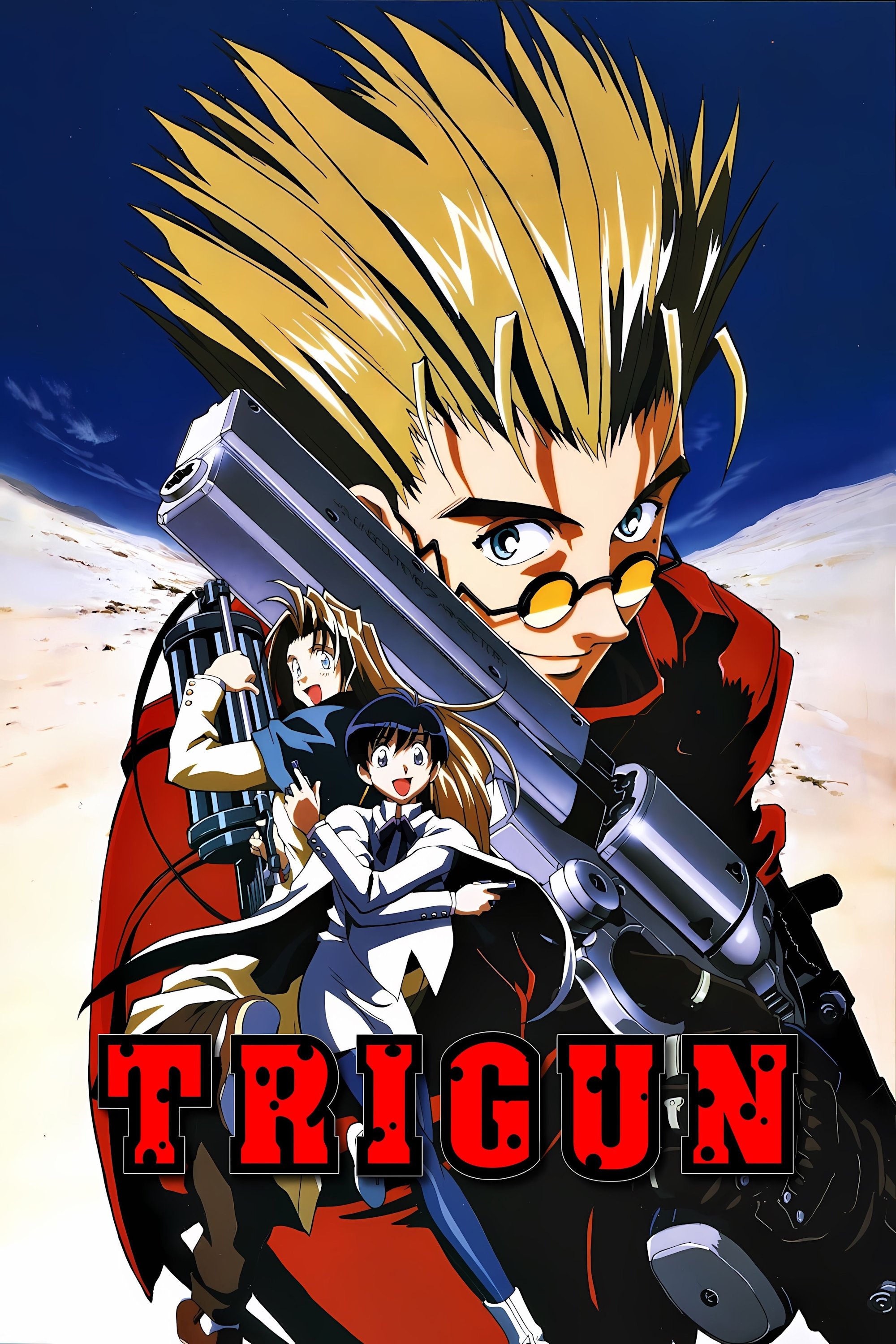
Based on Yasuhiro Nightow’s manga and produced by Madhouse, ‘Trigun’ follows Vash the Stampede across a desert planet with frontier-style cities. The setting blends gunplay, bio-technology, and energy-producing Plants. The franchise extends through manga continuations, guidebooks, and later screen adaptations.
‘Rurouni Kenshin’ (1996–1998)

‘Rurouni Kenshin’ adapts Nobuhiro Watsuki’s manga about a former assassin who vows never to kill during the early Meiji era. Studio Gallop and Studio Deen animate arcs spanning Kyoto conflicts and original side stories. The IP includes OVAs, films, games, and live-action installments.
‘Yu Yu Hakusho’ (1992–1994)
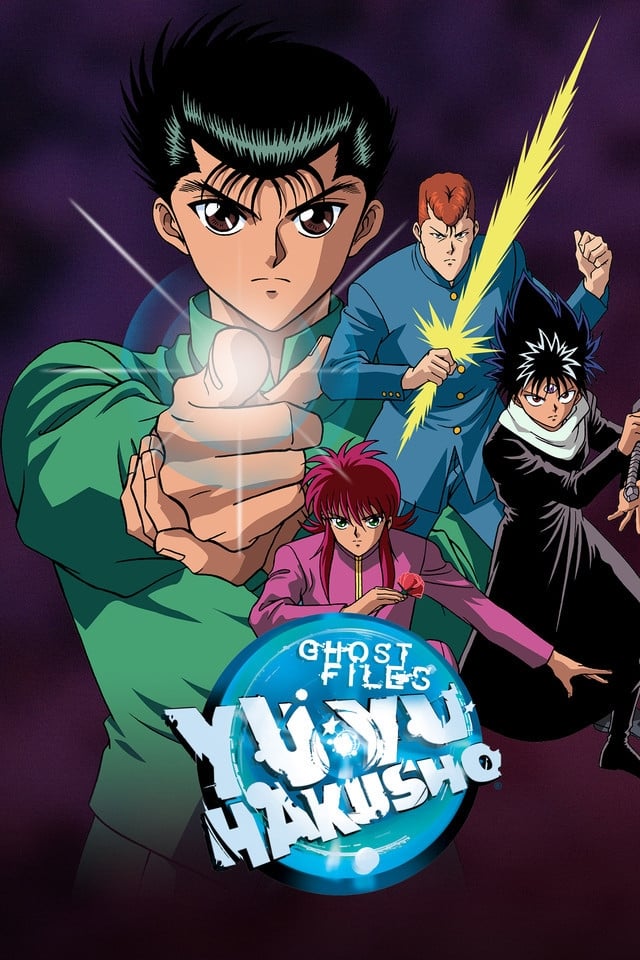
From creator Yoshihiro Togashi and Studio Pierrot, ‘Yu Yu Hakusho’ begins with a delinquent who becomes a Spirit Detective handling supernatural cases. The plot progresses through tournament, rescue, and demon-realm arcs with a stable core team. Related media include movies, OVAs, and expansive home-video releases.
‘Revolutionary Girl Utena’ (1997)
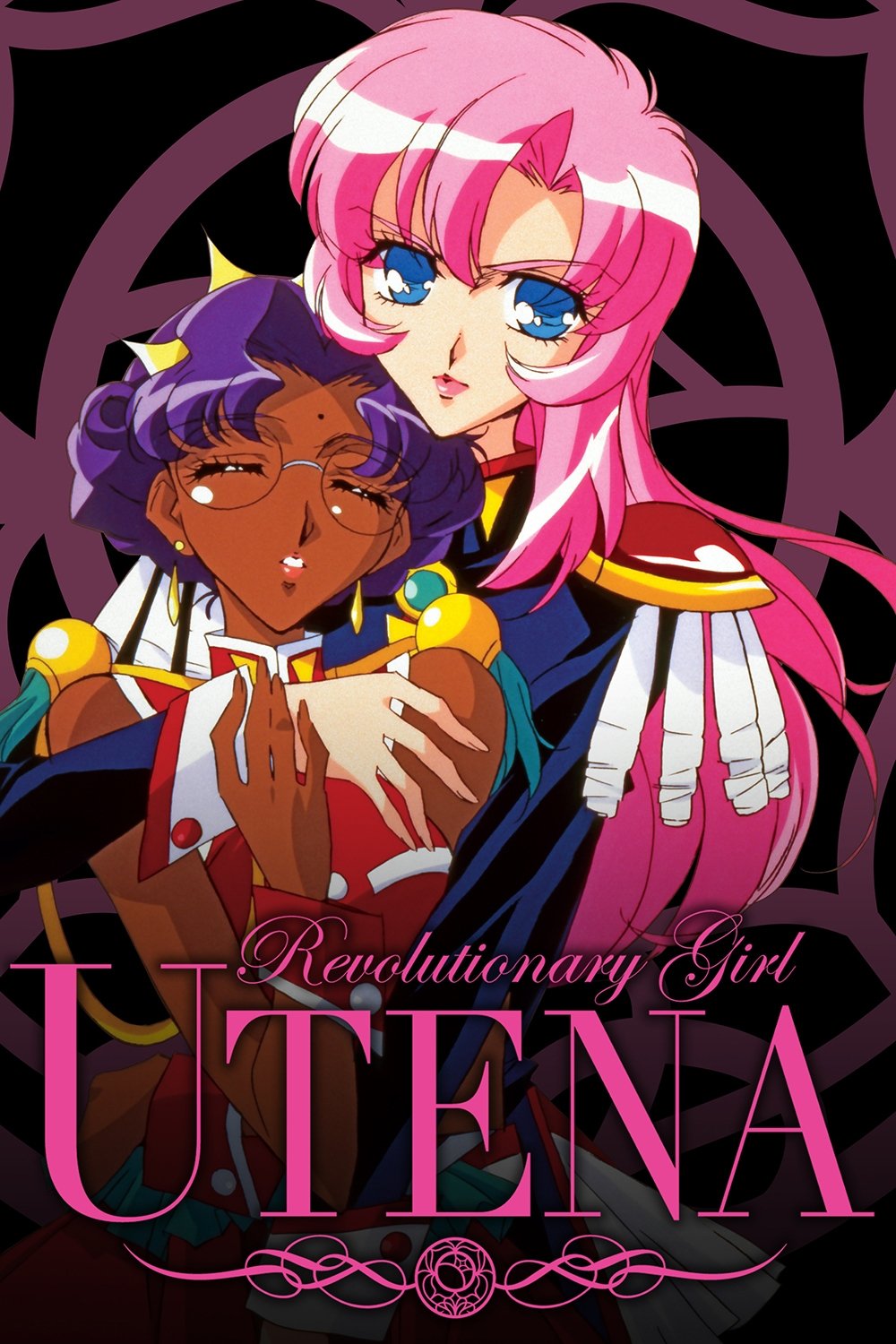
Directed by Kunihiko Ikuhara and produced by J.C.Staff, ‘Revolutionary Girl Utena’ follows a student drawn into ritualized duels at Ohtori Academy. Symbolic staging and recurring motifs link the episodic and feature-film interpretations. It connects to the Be-Papas creative group, music releases, and companion artbooks.
‘The Vision of Escaflowne’ (1996)
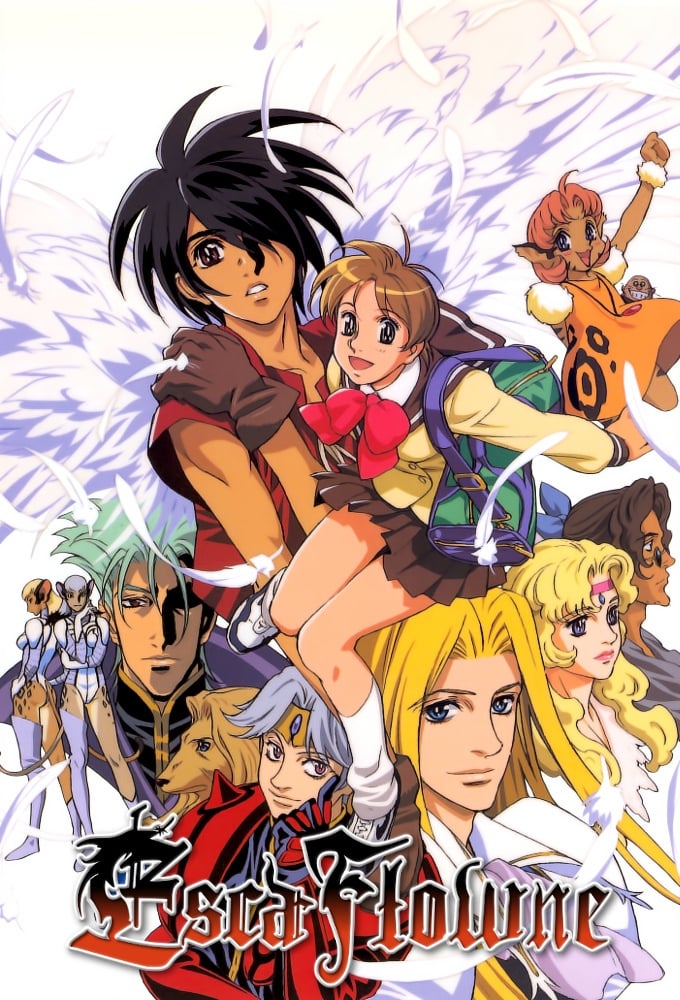
A Sunrise production directed by Kazuki Akane, ‘The Vision of Escaflowne’ blends isekai, mecha, and fantasy politics across the world of Gaea. Hitomi’s arrival intersects with Fanelia, the Zaibach Empire, and the transforming Guymelef ‘Escaflowne’. The franchise includes a reimagined movie, soundtracks, and manga variants.
‘Outlaw Star’ (1998)
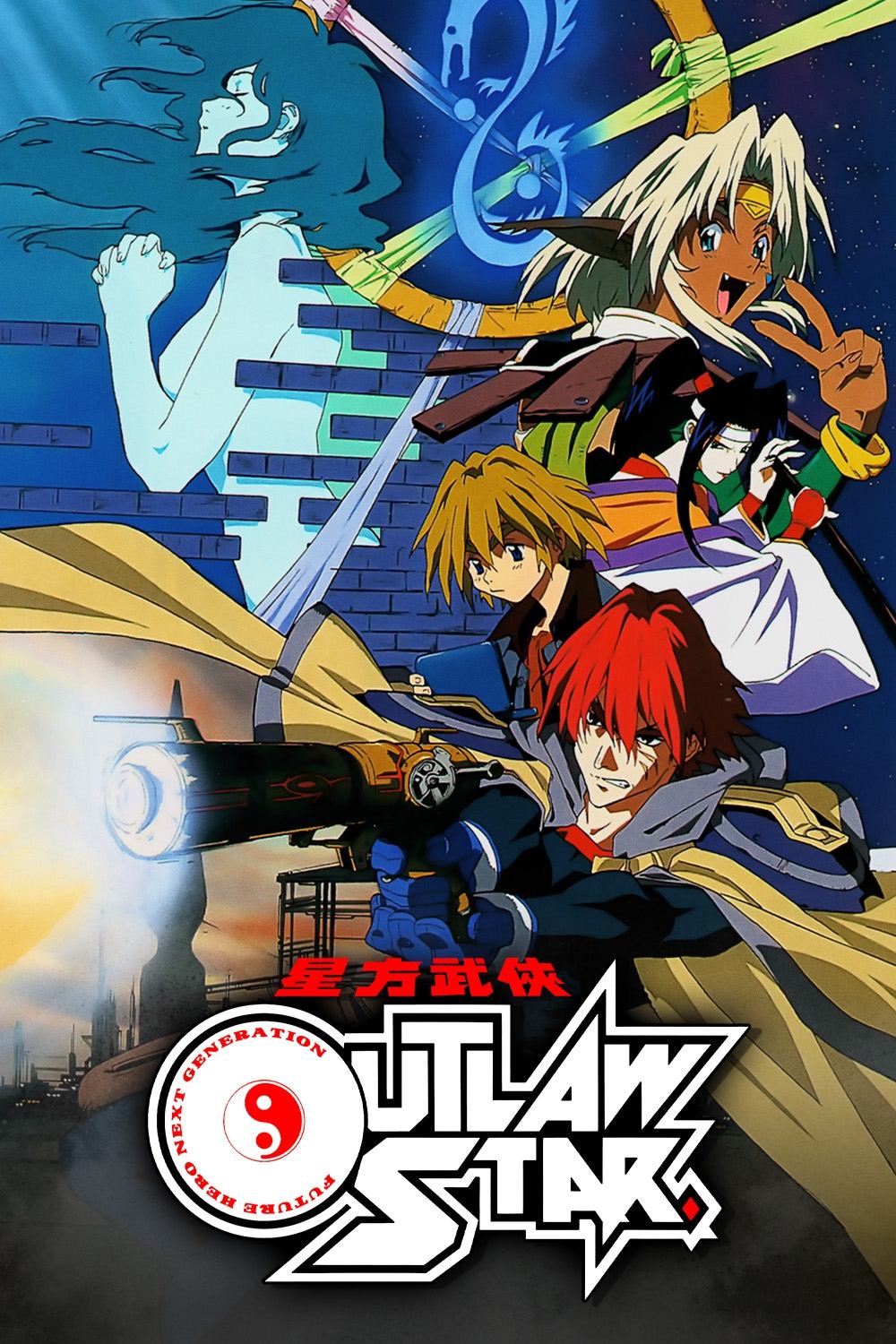
Sunrise adapted Takehiko Itō’s manga ‘Outlaw Star’, focusing on Gene Starwind’s crew aboard the grappler-armed ship XGP15A-II. The narrative mixes spacefaring heists, caster-gun technology, and corporate rivalries. Spin-offs and guidebooks expand ship specs, planets, and factions.
‘Slayers’ (1995–1997)
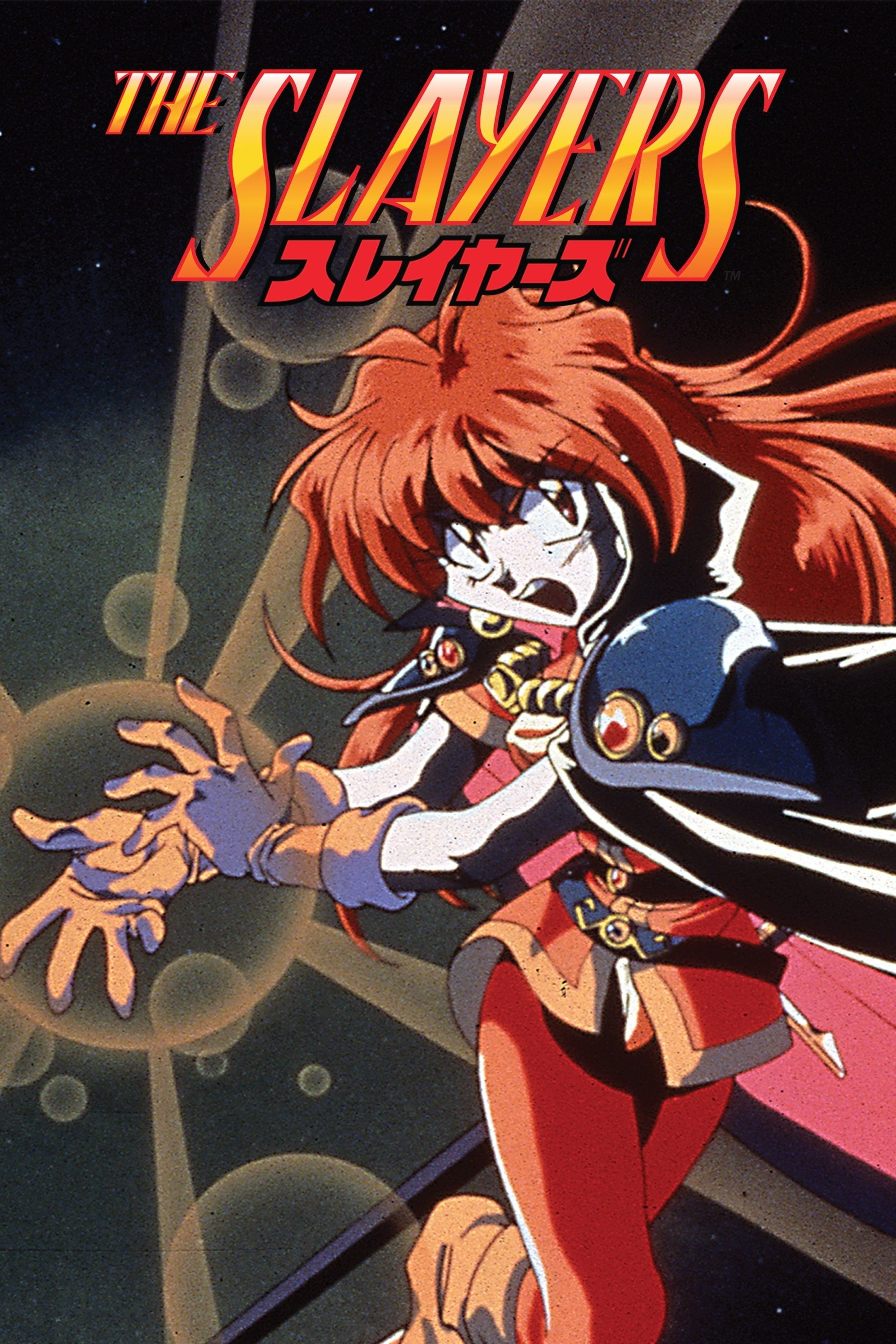
‘Slayers’ adapts Hajime Kanzaka’s light novels, following sorceress Lina Inverse and companions on comedic fantasy quests. Early TV seasons led to later entries, films, and OVAs with overlapping casts. Kadokawa coordinated drama CDs, game appearances, and character goods.
‘Nadia: The Secret of Blue Water’ (1990–1991)
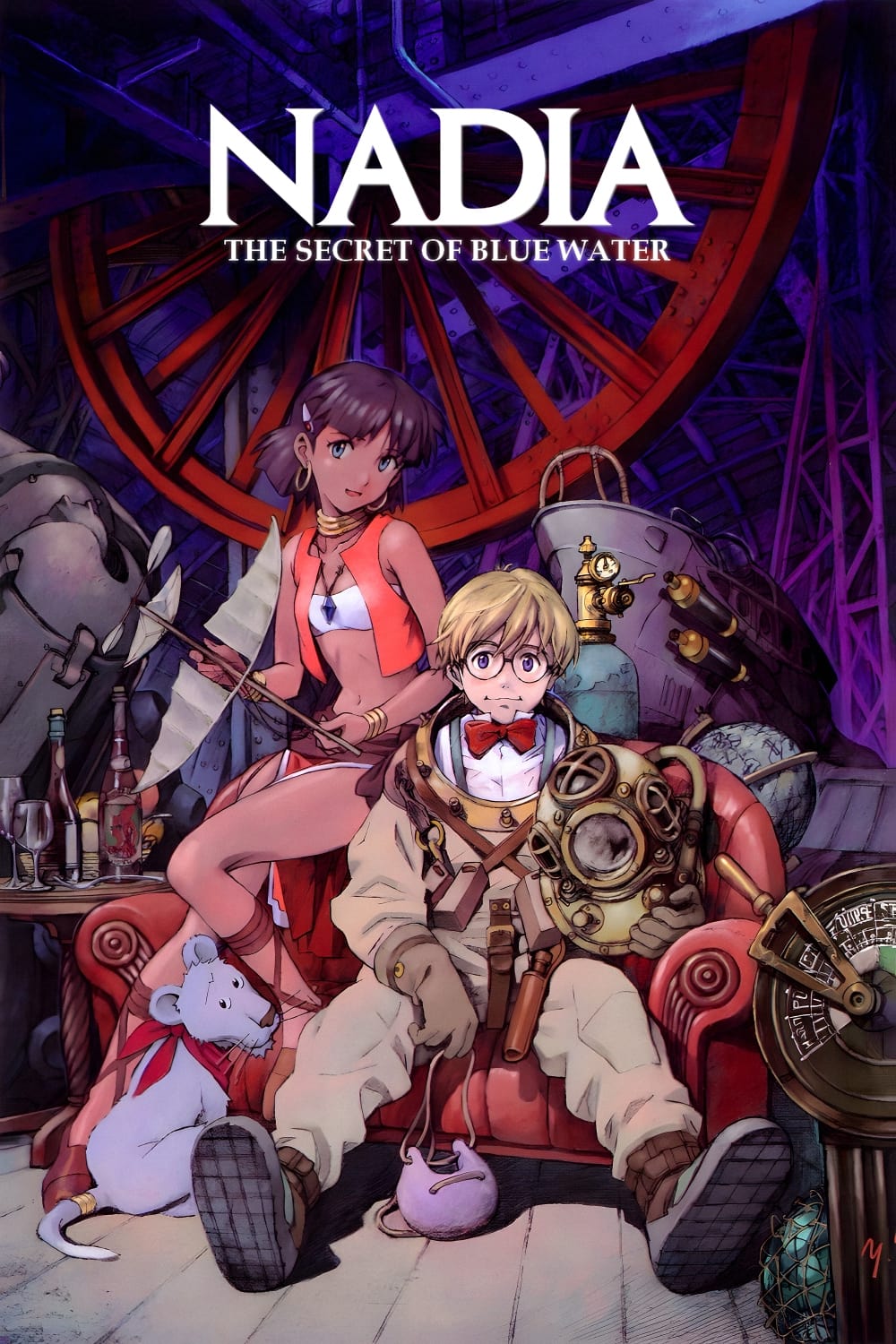
Co-created by Toho and NHK with Gainax, ‘Nadia: The Secret of Blue Water’ draws on Verne-inspired adventure as Nadia and Jean join the Nautilus. The story combines steampunk elements with lost technology and a search for origins. Releases include compilation editions, art materials, and international broadcasts.
‘Saber Marionette J’ (1996–1997)
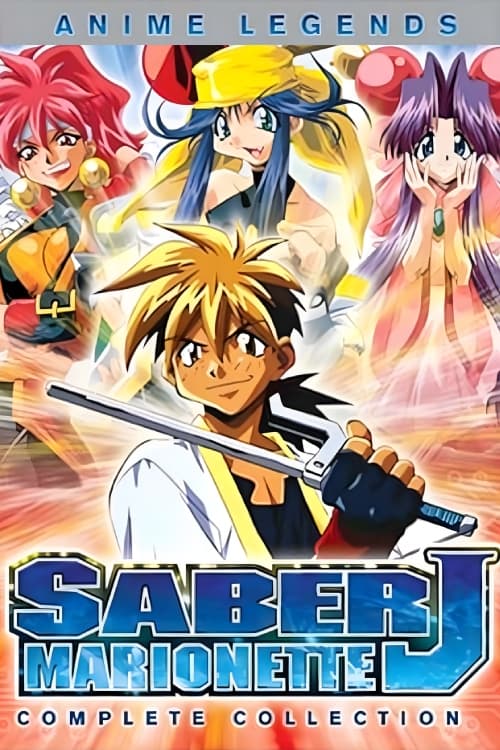
Based on a multimedia project by Satoru Akahori and Hiroshi Negishi, ‘Saber Marionette J’ presents a colony world populated by marionette androids and human masters. City-state rivalries drive episodic missions and culture-clash comedy. The property spans TV, OVAs, drama CDs, and manga adaptations.
‘Record of Lodoss War’ (1990–1991)

Originating from replay transcripts of tabletop sessions, ‘Record of Lodoss War’ delivers high-fantasy campaigns centered on Parn, Deedlit, and allies. The OVA establishes Lodoss, Marmo, and Valis with detailed maps and factions. Follow-ups include a TV continuation, novels, and game tie-ins.
‘Macross Plus’ (1994–1995)
‘Macross Plus’ is an OVA and movie project within the ‘Macross’ franchise, directed by Shōji Kawamori and Shinichirō Watanabe. Rival test pilots, an advanced variable-fighter program, and a virtual idol anchor the plot. The production integrates early CG, mechanical design by Kawamori, and music by Yoko Kanno.
‘Mobile Suit Gundam Wing’ (1995–1996)
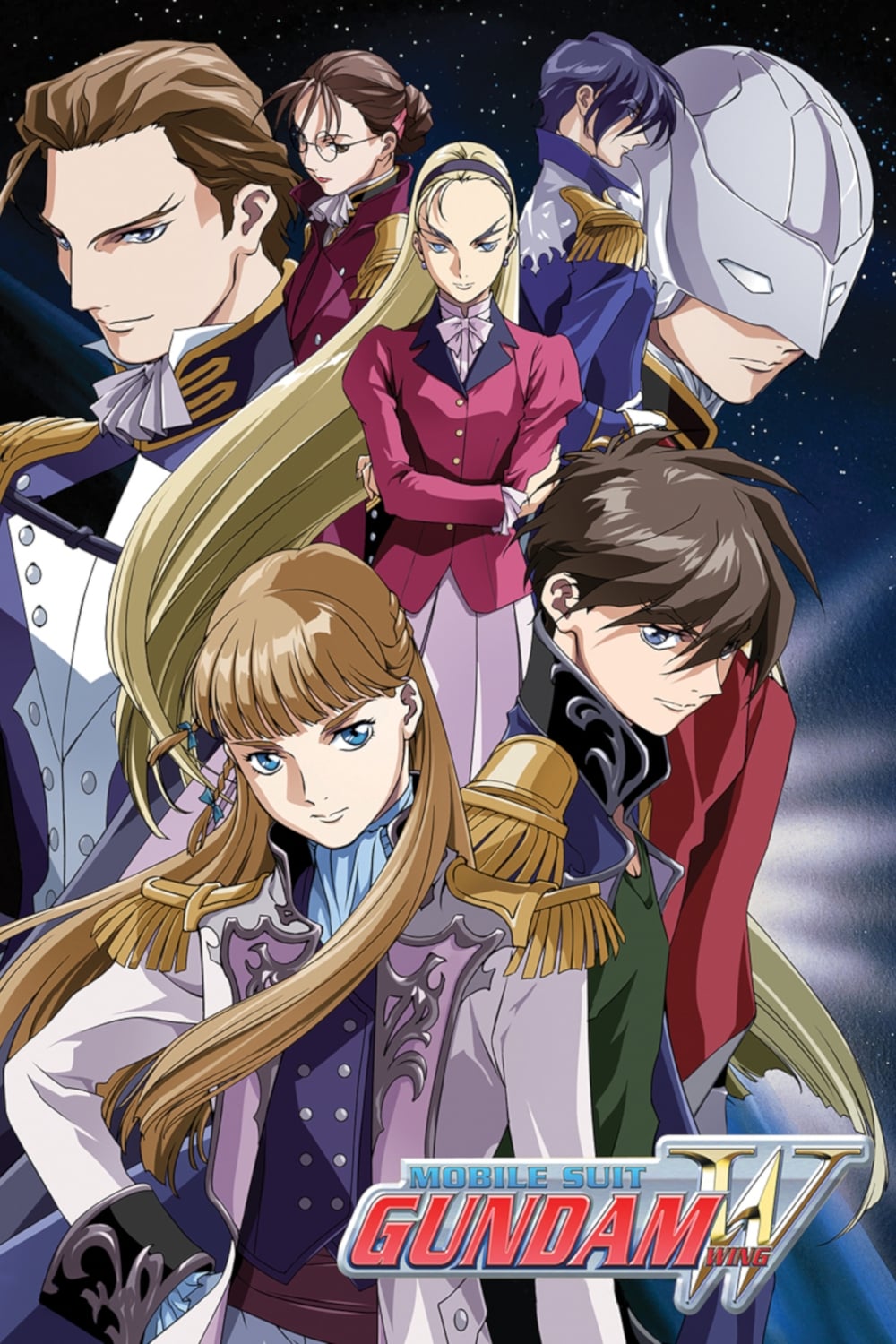
A Sunrise entry in the ‘Gundam’ franchise, ‘Mobile Suit Gundam Wing’ introduces five Gundam pilots opposing the Earth Sphere Alliance and OZ. Distinct units—Wing, Deathscythe, Heavyarms, Sandrock, and Shenlong—define varied combat roles. The story continues in ‘Endless Waltz’ with revised mobile-suit designs.
‘Tenchi Universe’ (1995)
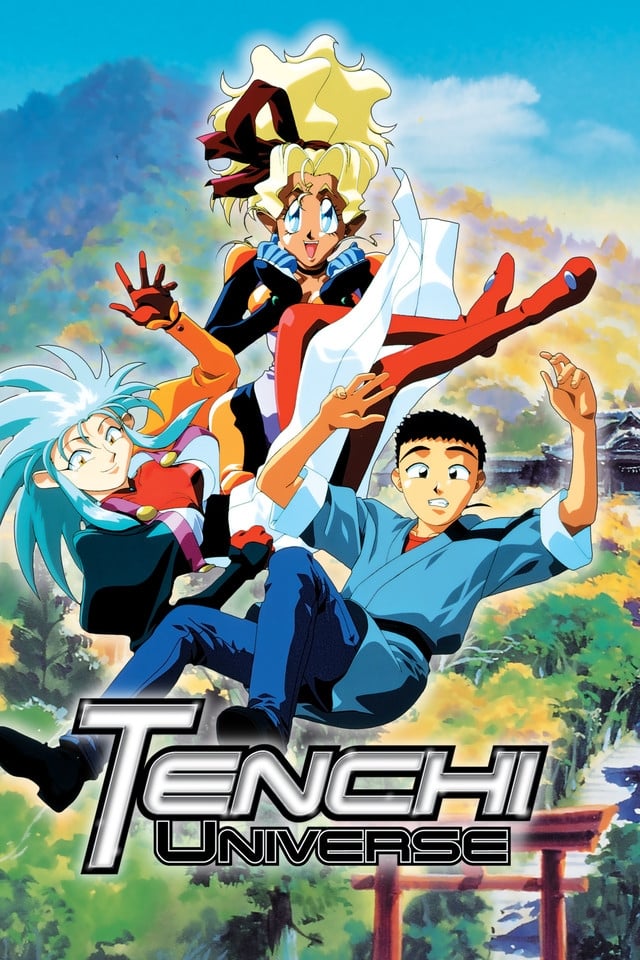
Part of the broader ‘Tenchi Muyo!’ franchise, ‘Tenchi Universe’ reimagines the core cast in an alternate continuity. It assembles Ryoko, Ayeka, Mihoshi, and others around spacefaring escapades and jurisdictional disputes. The property links to multiple spin-offs, films, and character-focused OVAs.
‘Martian Successor Nadesico’ (1996–1997)

Produced by XEBEC, ‘Martian Successor Nadesico’ follows the civilian battleship Nadesico and its eclectic crew in conflict with Jovian forces. In-universe media like ‘Gekigangar III’ influences character motivations and tactics. The franchise extends into a theatrical sequel and game adaptations.
‘Princess Mononoke’ (1997)
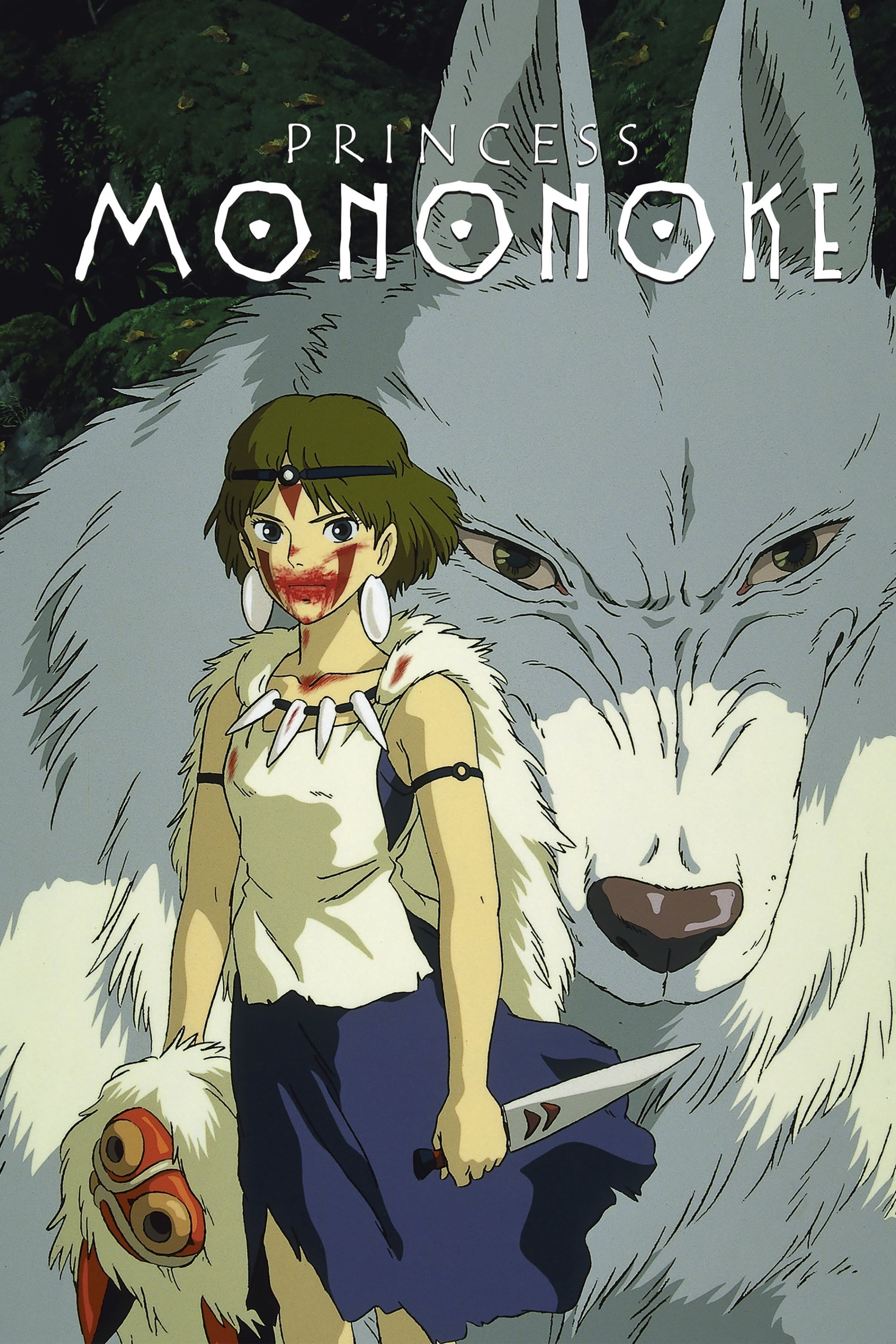
A Studio Ghibli feature directed by Hayao Miyazaki, ‘Princess Mononoke’ depicts a clash between forest guardian spirits and an industrial settlement. The production blends hand-drawn animation with selective digital compositing and large-scale battles. International release frameworks expanded Ghibli’s global presence.
‘Perfect Blue’ (1997)
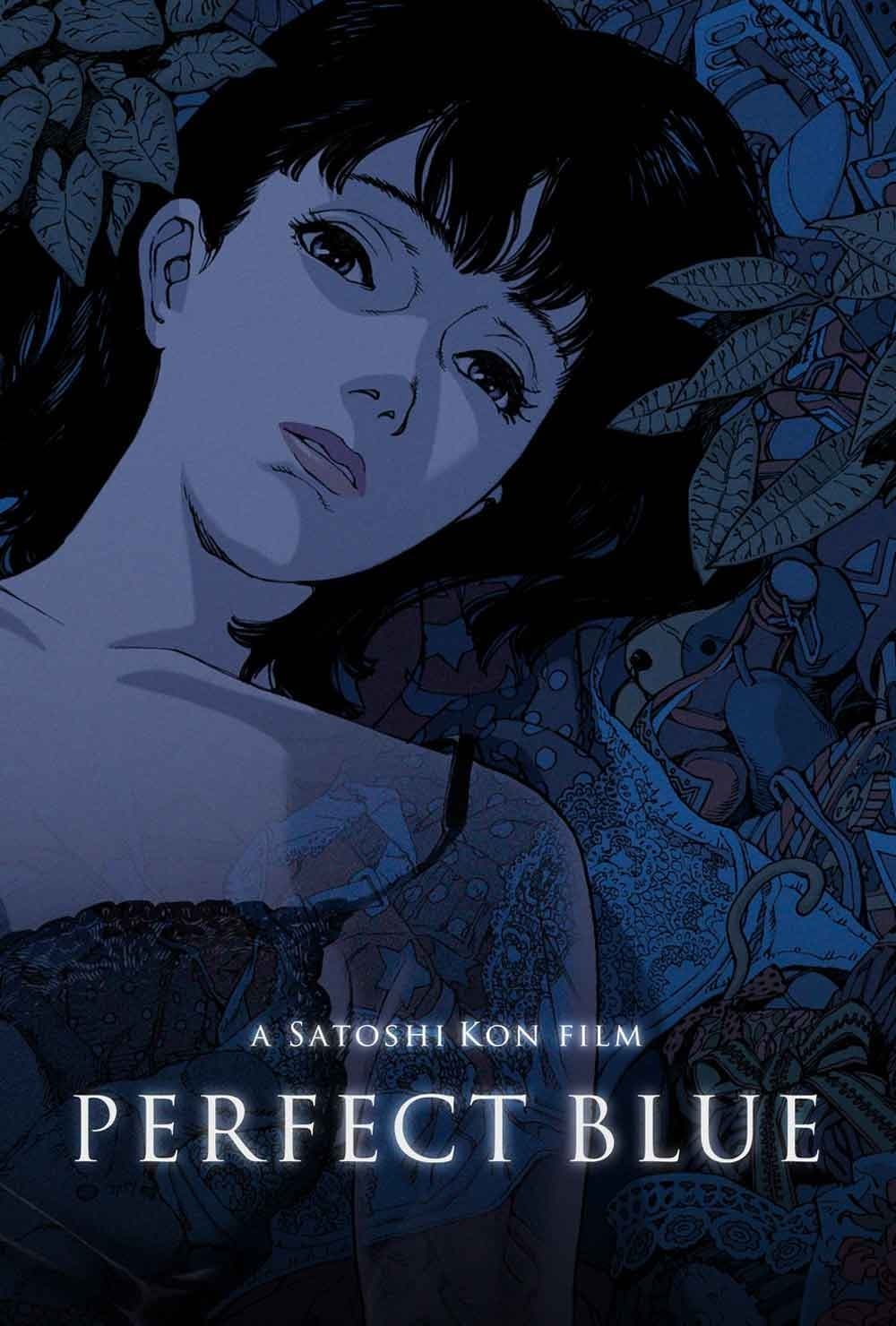
Directed by Satoshi Kon and animated by Madhouse, ‘Perfect Blue’ follows an idol transitioning to acting amid a stalker case and blurred realities. Careful shot construction underscores identity themes within a thriller structure. The film’s materials include storyboards, interviews, and restoration releases.
‘Ninja Scroll’ (1993)
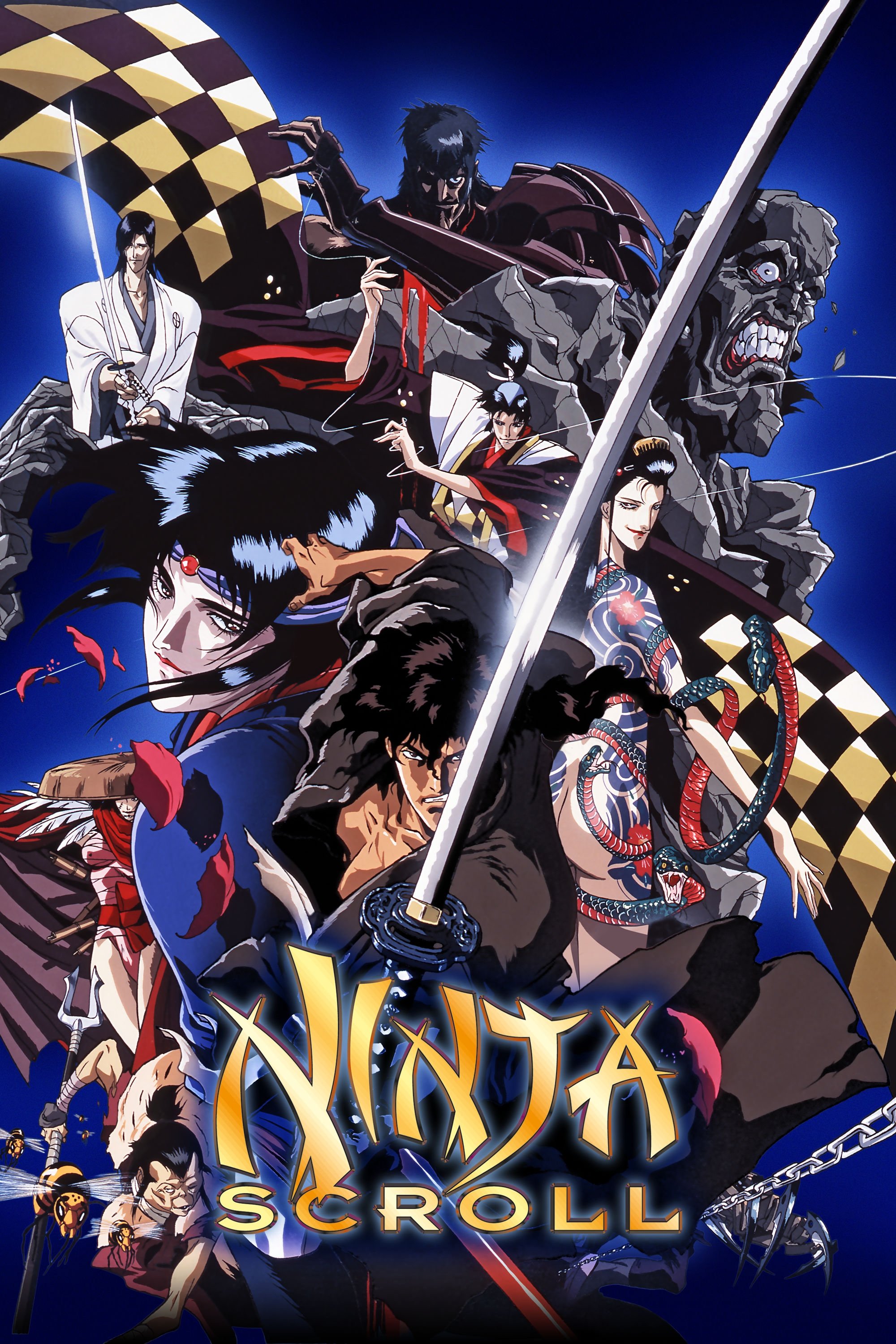
A Madhouse feature directed by Yoshiaki Kawajiri, ‘Ninja Scroll’ centers on swordsman Jubei facing the Eight Devils of Kimon. Set-piece encounters combine period action with supernatural abilities and distinct character designs. The IP later expanded with a TV continuation and home-video restorations.
‘Flame of Recca’ (1997–1998)
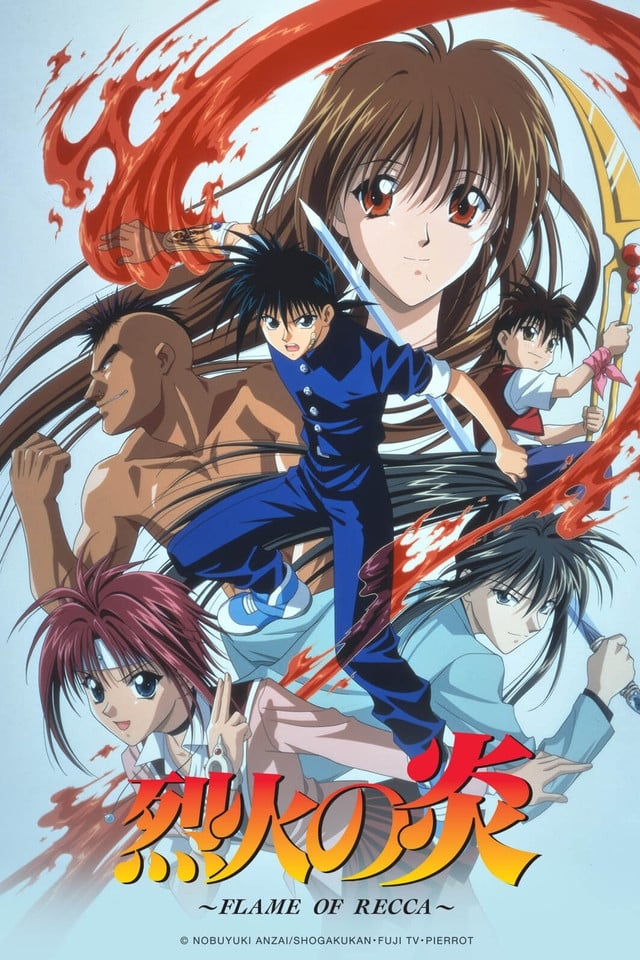
Studio Pierrot adapts Nobuyuki Anzai’s manga ‘Flame of Recca’, following a student who allies with teammates using specialized ninja tools and powers. Story arcs feature organized tournaments, clan histories, and artifact retrieval. Licensed media include character books, drama tracks, and game adaptations.
‘Great Teacher Onizuka’ (1999–2000)
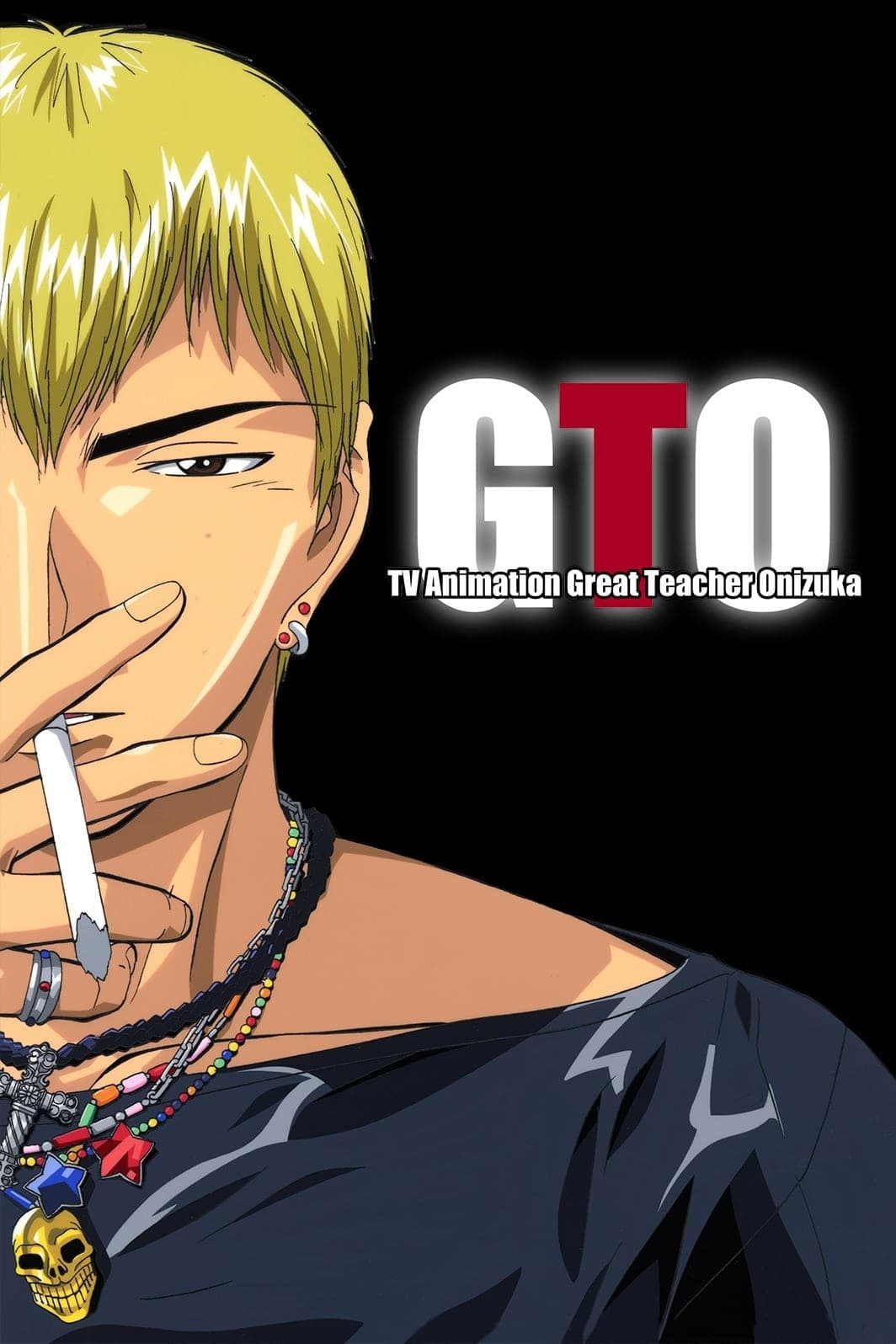
‘Great Teacher Onizuka’ adapts Tohru Fujisawa’s manga about a former biker who becomes a homeroom teacher addressing school issues. Studio Pierrot structures arcs around class conflicts, staff politics, and individual case studies. The property includes live-action dramas, specials, and international releases.
‘Blue Submarine No. 6’ (1998–2000)
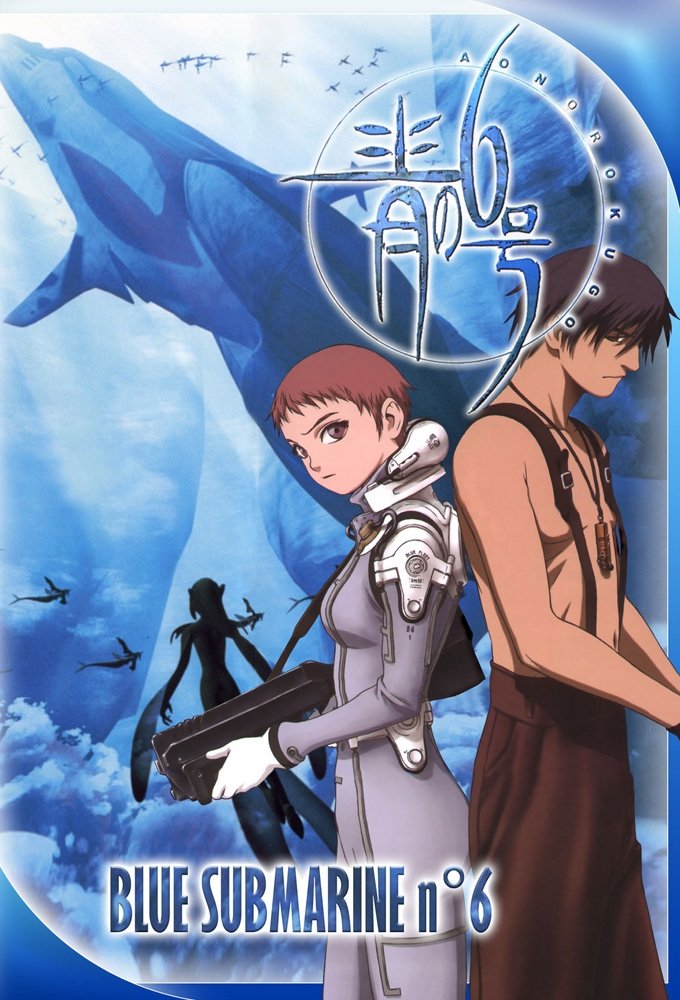
Produced by Gonzo, ‘Blue Submarine No. 6’ uses hybrid CG and cel animation to depict a near-future naval conflict with engineered sea creatures. Episodic OVA chapters highlight submarine tactics, logistics, and environmental themes. The project includes soundtracks, art books, and an early digital pipeline.
‘Cardcaptor Sakura’ (1998–2000)
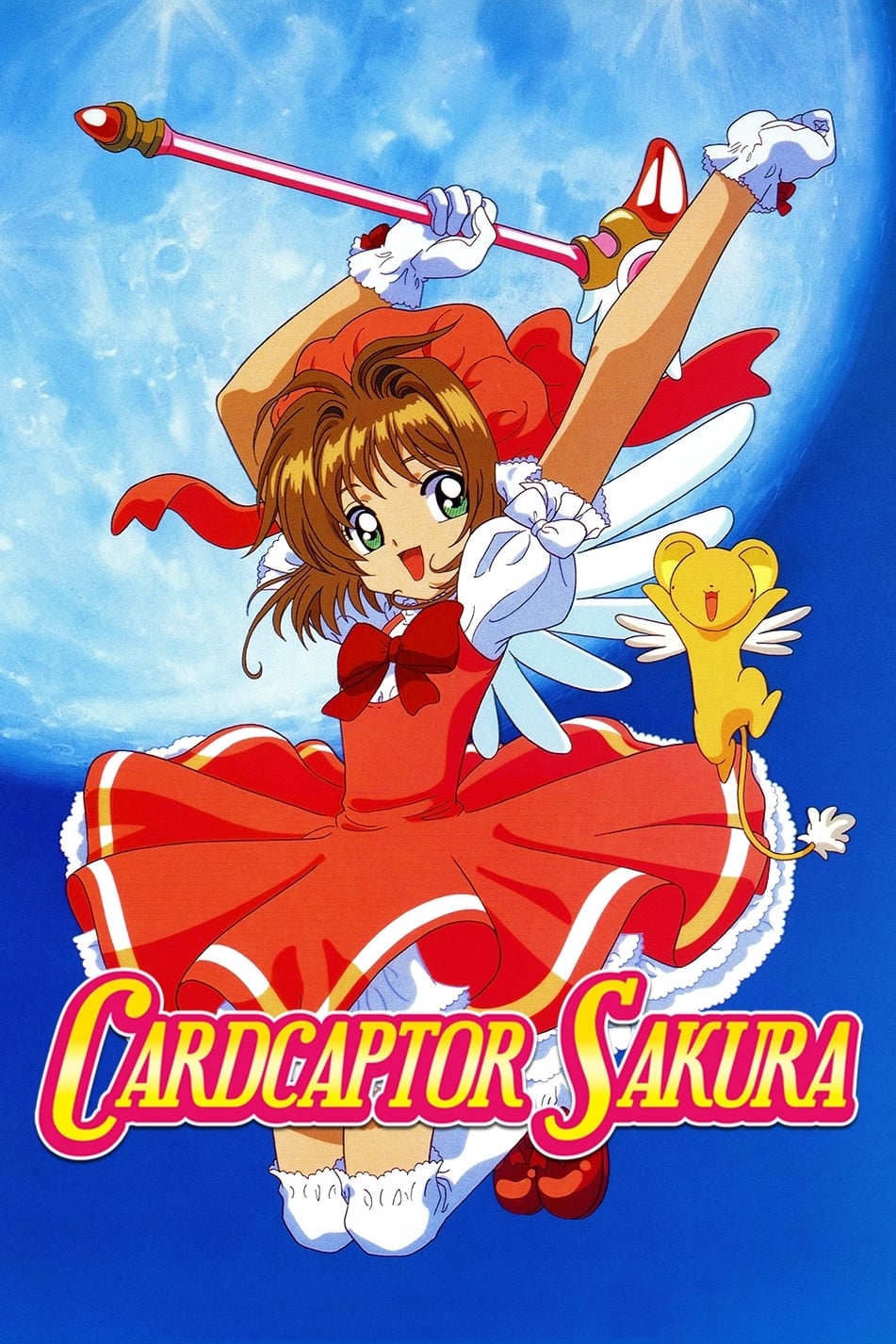
CLAMP’s manga receives a Madhouse adaptation in ‘Cardcaptor Sakura’, following Sakura Kinomoto as she captures Clow Cards. Episodes integrate magical-girl elements with Tomoyo’s in-story costuming and card-based challenges. The franchise spans sequels, films, and extensive character goods.
‘Ghost in the Shell’ (1995)
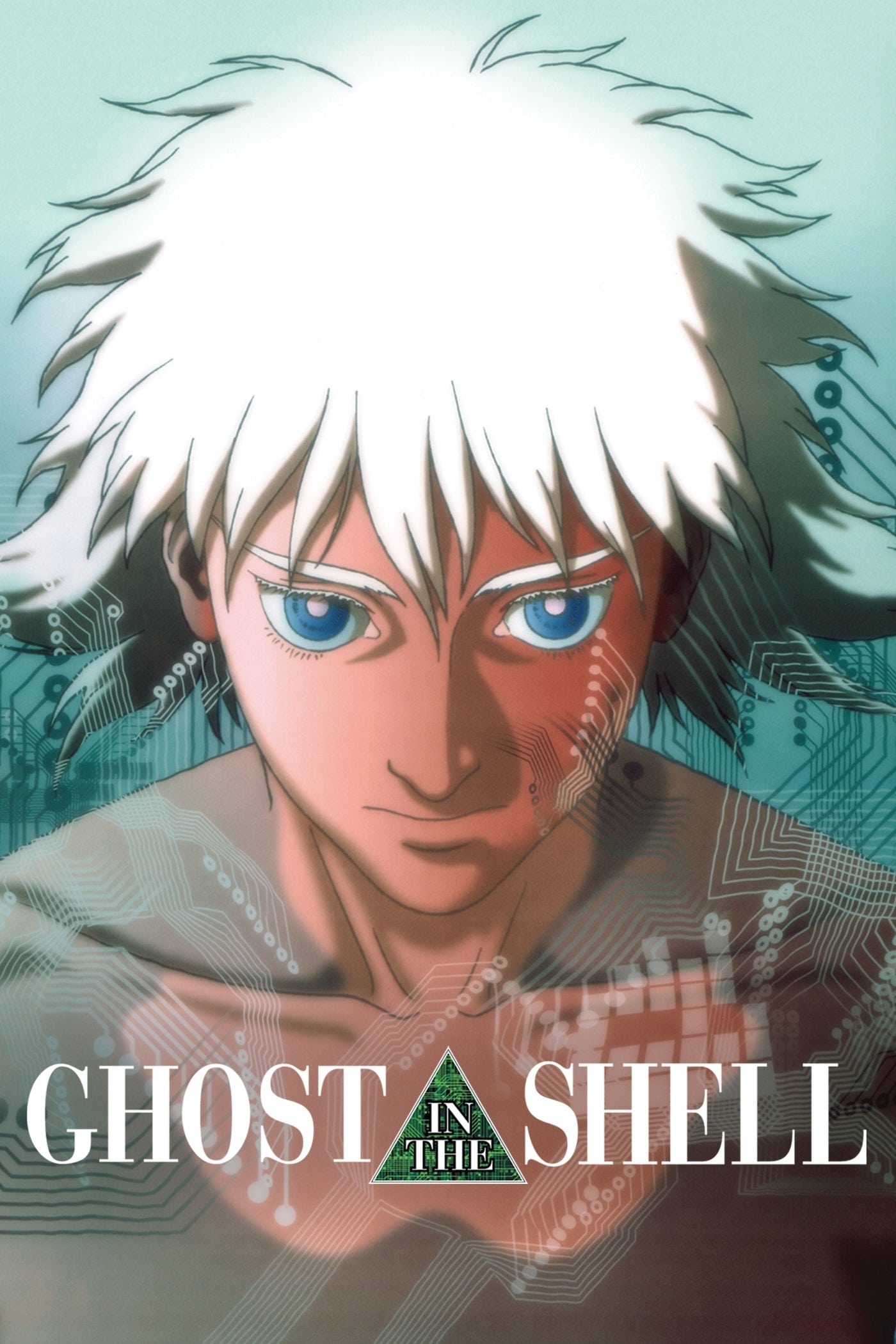
Directed by Mamoru Oshii and produced by Production I.G, ‘Ghost in the Shell’ adapts Masamune Shirow’s manga about Section 9’s cyber-crime operations. The narrative examines networked society, cybernetic bodies, and investigative procedures under Major Motoko Kusanagi. Subsequent entries expand the setting across features, TV series, and games.
‘Sailor Moon’ (1992–1997)
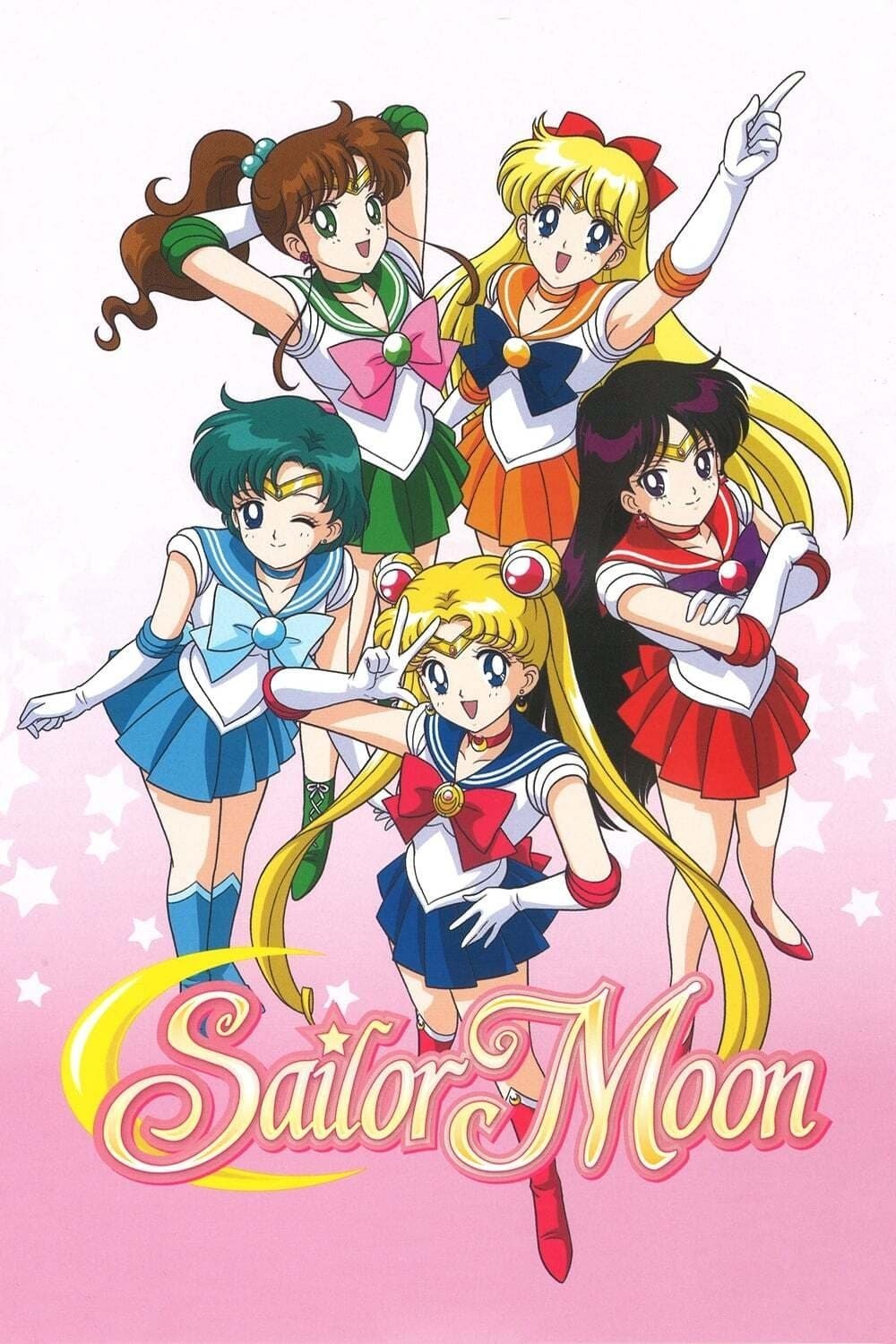
Toei Animation adapts Naoko Takeuchi’s manga into ‘Sailor Moon’, following Usagi Tsukino and the Sailor Guardians against recurring supernatural threats. Transformation sequences, team dynamics, and season-based arcs structure the run. The property extends to films, stage musicals, and broad merchandising.
‘Dragon Ball Z’ (1989–1996)

Produced by Toei Animation, ‘Dragon Ball Z’ continues Akira Toriyama’s saga with Saiyan transformations, extraterrestrial enemies, and martial-arts tournaments. Long-form arcs define training cycles, rivalries, and escalating battles. Global distribution includes multiple dubs, edited TV cuts, and restoration releases.
‘Fushigi Yugi: The Mysterious Play’ (1995–1996)
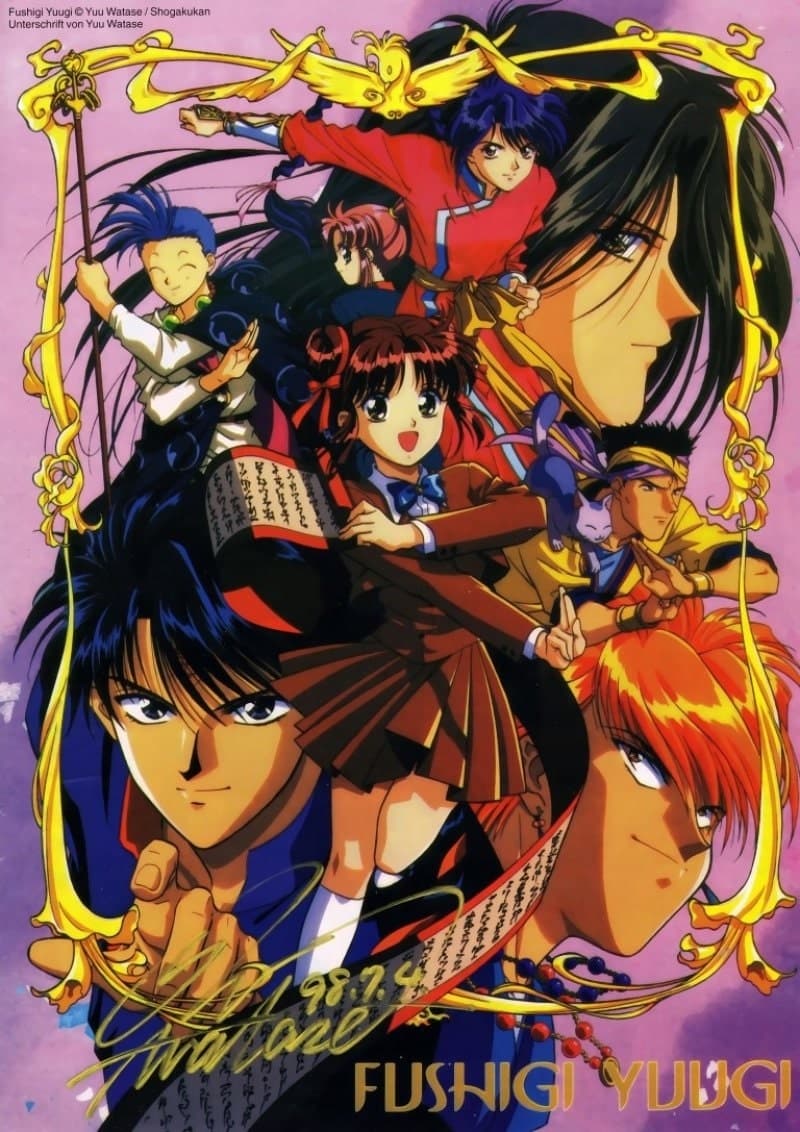
Studio Pierrot adapts Yuu Watase’s fantasy romance ‘Fushigi Yugi’, where a modern student enters a mystical book world. Celestial warriors, talismans, and multi-kingdom politics drive the plot. OVAs, drama CDs, and guidebooks document characters and settings.
‘Magic Knight Rayearth’ (1994–1995)
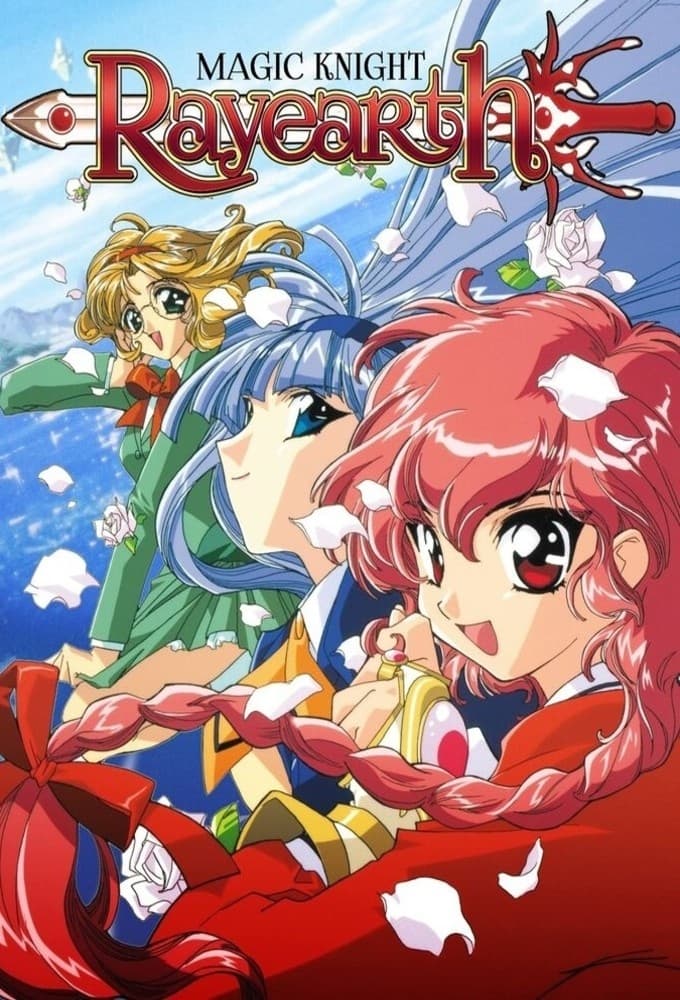
Based on CLAMP’s manga and produced by Tokyo Movie Shinsha, ‘Magic Knight Rayearth’ combines isekai questing with rune-god mecha. Three students are summoned to Cephiro with evolving armor and spell sets. The franchise adds game adaptations, art collections, and alternate-story media.
‘Slam Dunk’ (1993–1996)
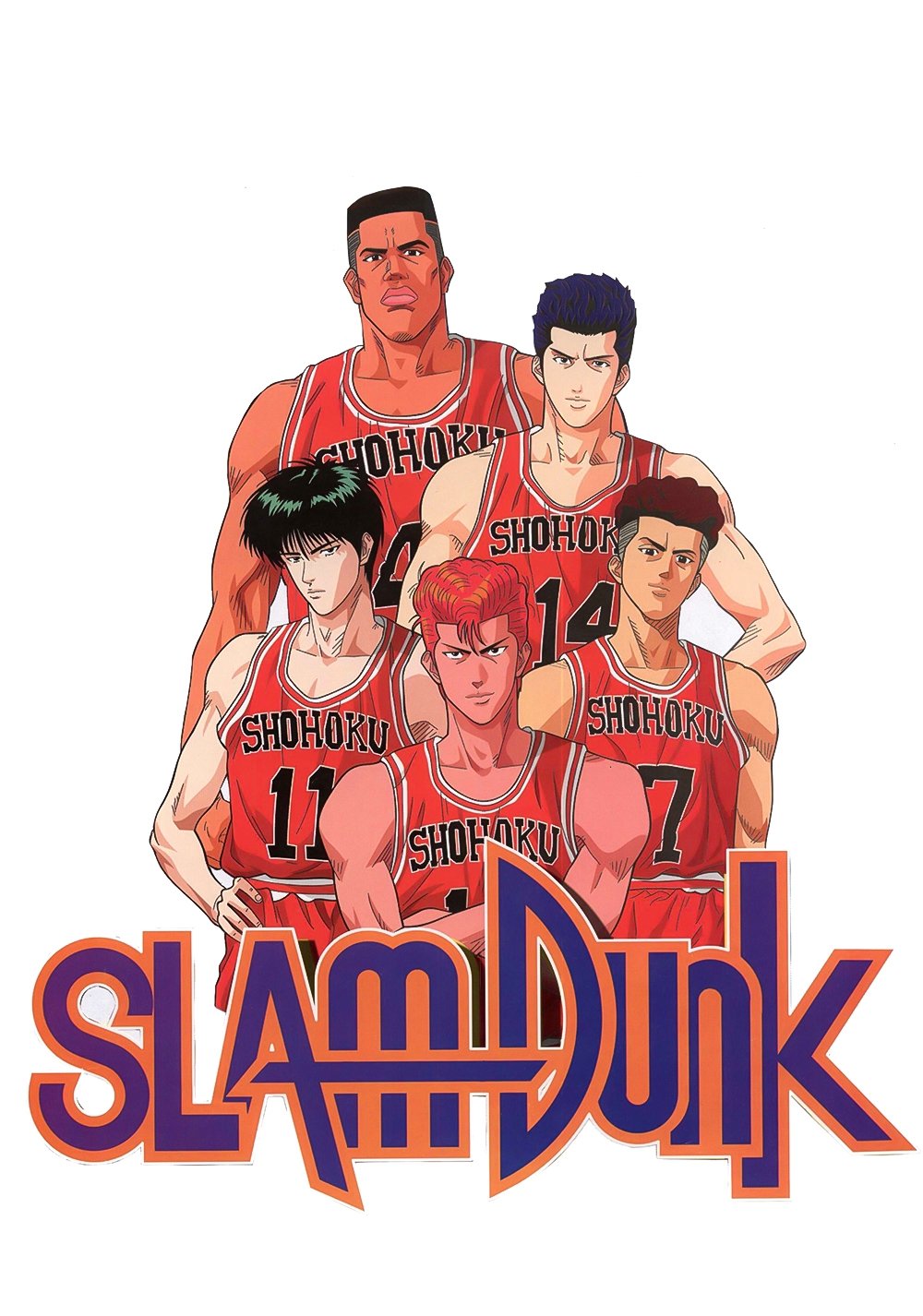
Toei Animation brings Takehiko Inoue’s basketball manga to TV in ‘Slam Dunk’, covering league play, training, and team building. Episodes emphasize play-by-play sequences, set tactics, and rival schools. Related media include compilation features, character songs, and magazine tie-ins.
‘Initial D’ (1998)
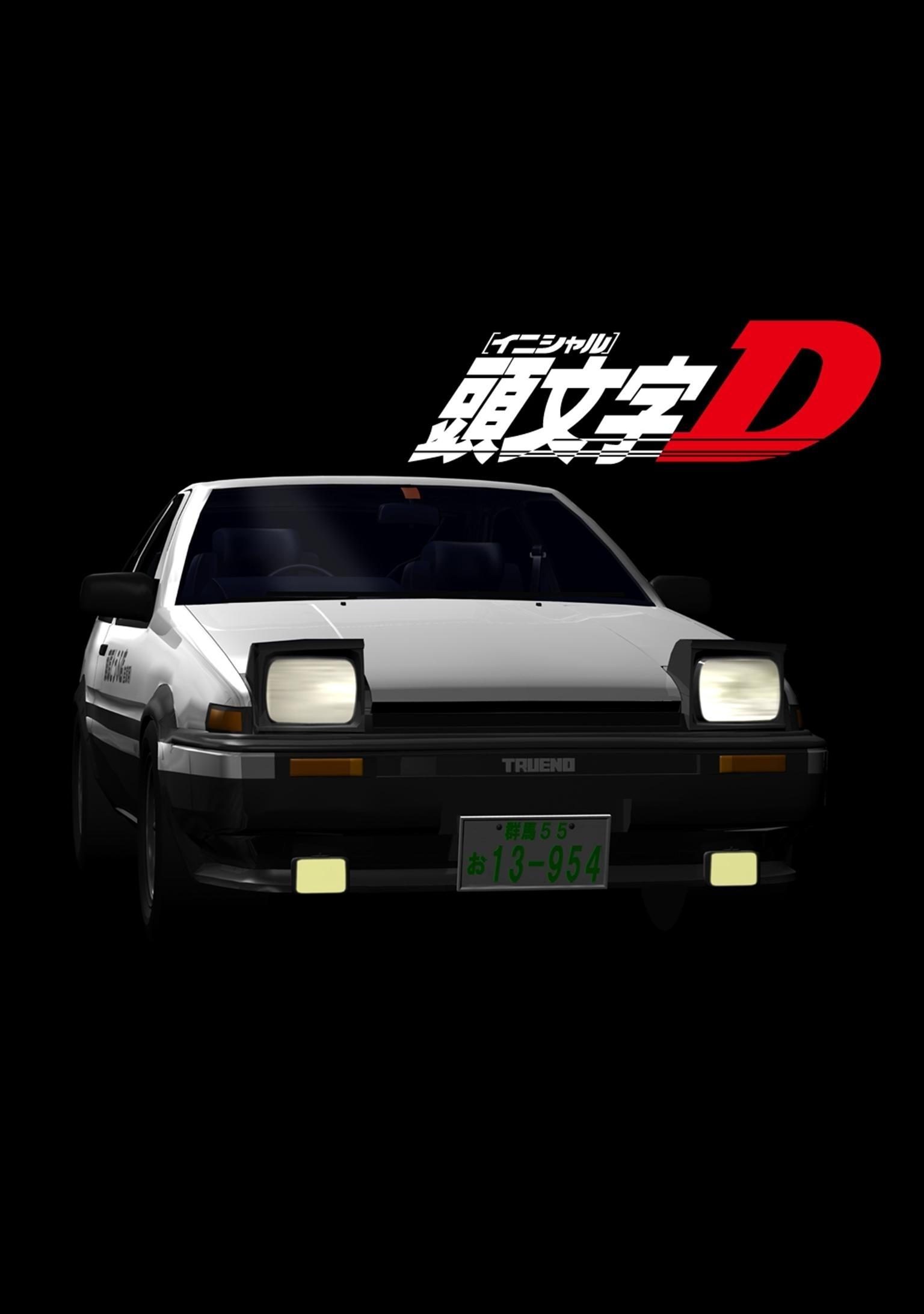
‘Initial D: First Stage’ from Studio Comet and Gallop adapts Shuichi Shigeno’s street-racing manga centered on mountain-pass battles. Races showcase drift techniques, car setup, and team rivalries with Eurobeat tracks. The series launched successive stages, side stories, games, and car-culture merchandise.
‘The Big O’ (1999–2000)
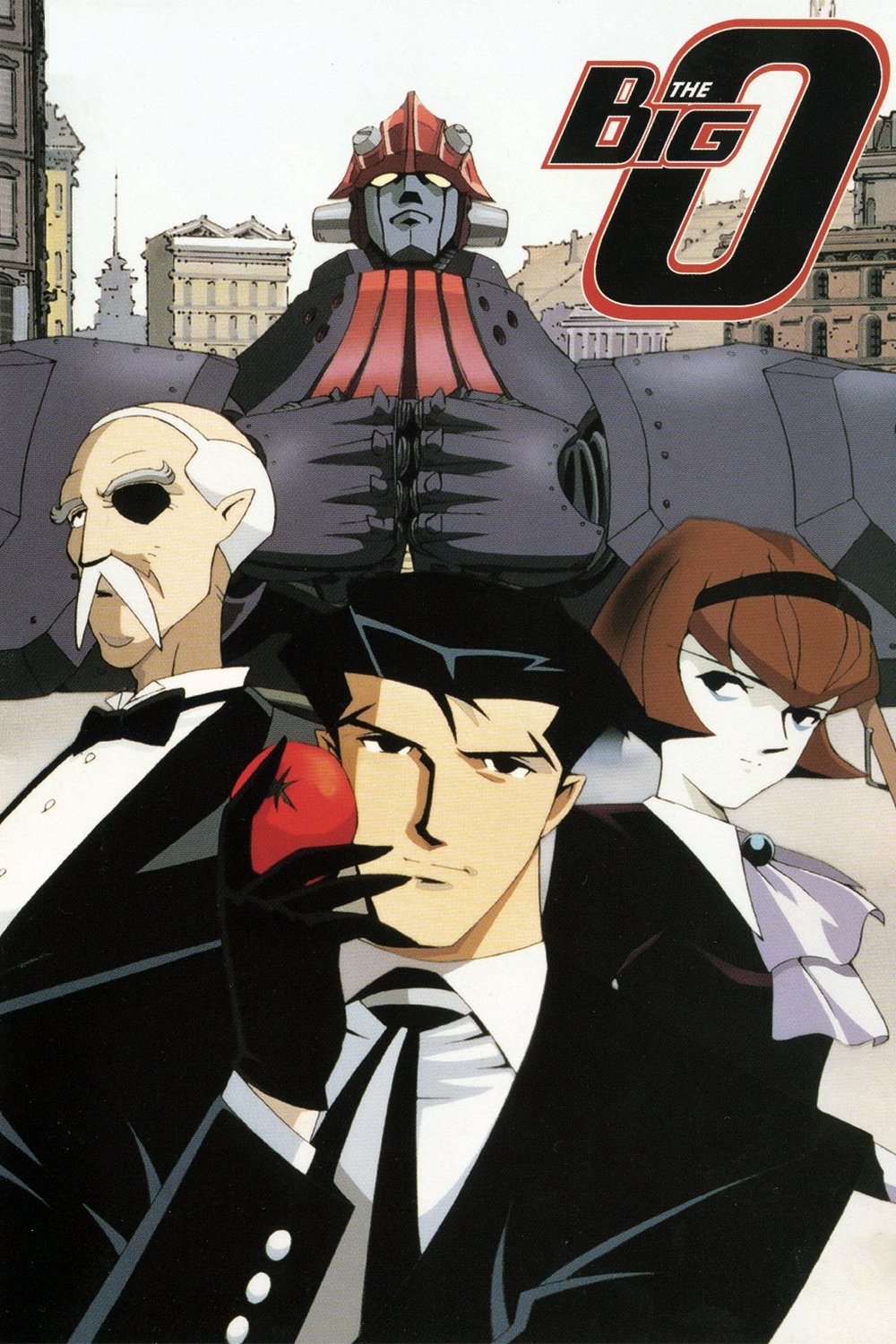
Sunrise produces ‘The Big O’, a noir-influenced mecha series set in Paradigm City where memories have vanished. Negotiator Roger Smith, butler Norman, and android R. Dorothy Wayneright operate alongside the giant robot Big O. International co-production shaped later episodes and broadcast strategies.
‘Mobile Suit Gundam: The 08th MS Team’ (1996–1999)
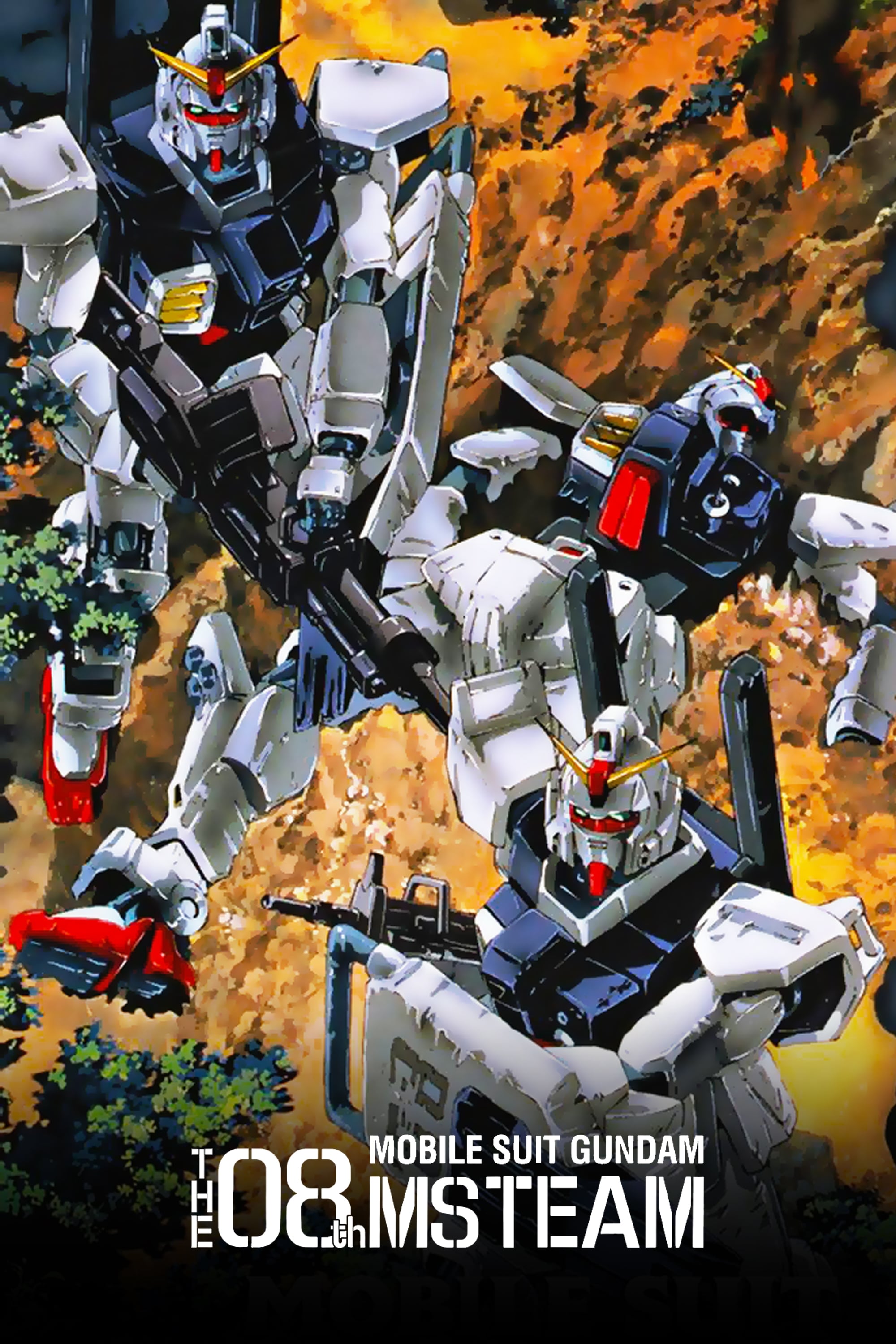
An OVA within the ‘Gundam’ franchise from Sunrise, ‘Mobile Suit Gundam: The 08th MS Team’ depicts ground-level mobile-suit combat in jungle and urban theaters. Episodes focus on small-unit tactics, supply constraints, and field repairs. Tie-in model kits and technical books detail equipment and engagements.
‘Mobile Fighter G Gundam’ (1994–1995)
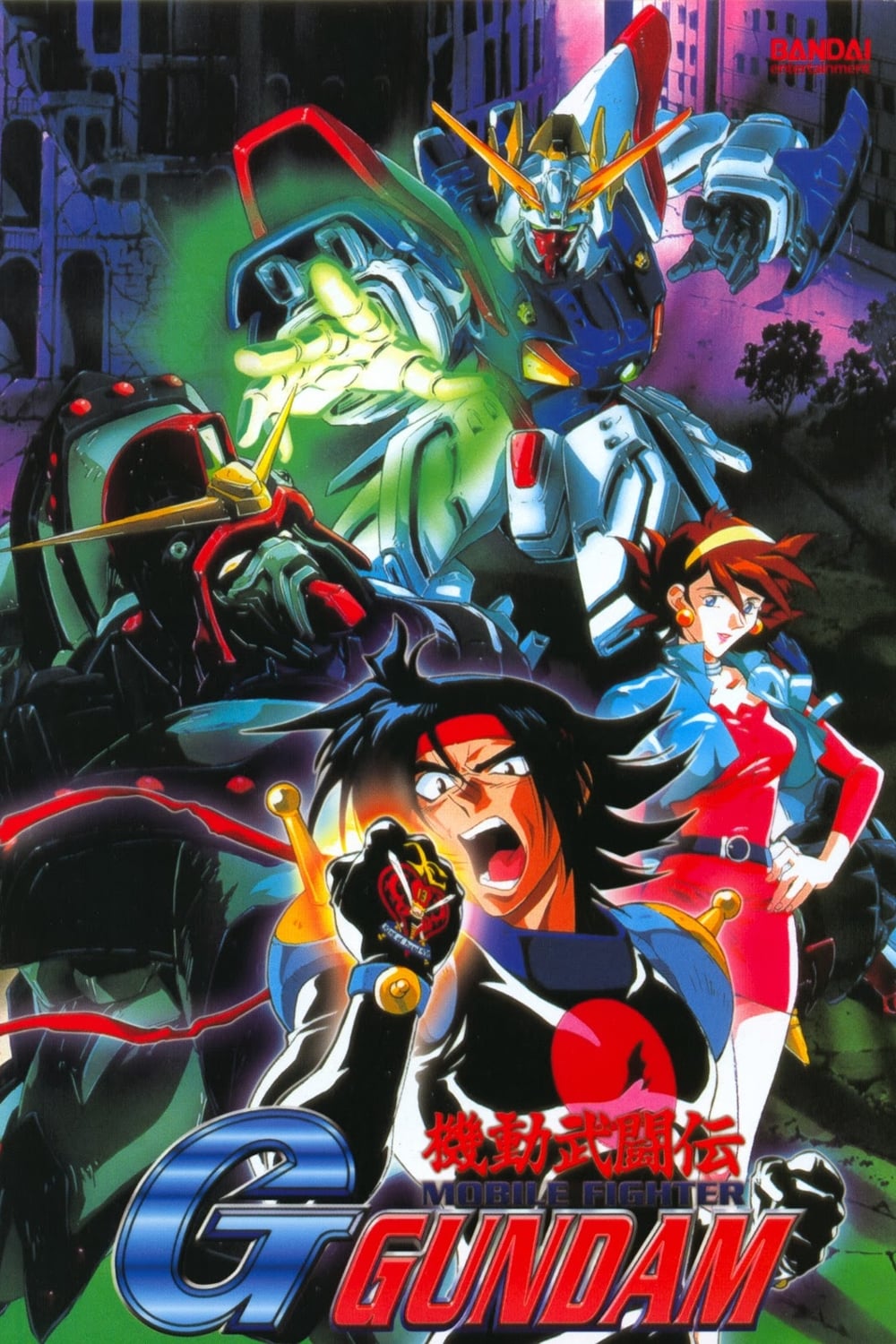
Sunrise’s ‘Mobile Fighter G Gundam’ reframes ‘Gundam’ around nation-based fighters in a global tournament. Mobile suits embody cultural motifs while piloting systems highlight martial-arts styles. The property connects to toys, arcade features, and design compendiums.
‘Blue Gender’ (1999–2000)

Adapted by AIC, ‘Blue Gender’ portrays a future Earth overrun by hostile organisms and the human effort to reclaim territory. The plot integrates squad operations, evacuation protocols, and off-world colonization plans. Releases include broadcast edits, uncut versions, and soundtrack albums.
‘Key the Metal Idol’ (1994–1997)
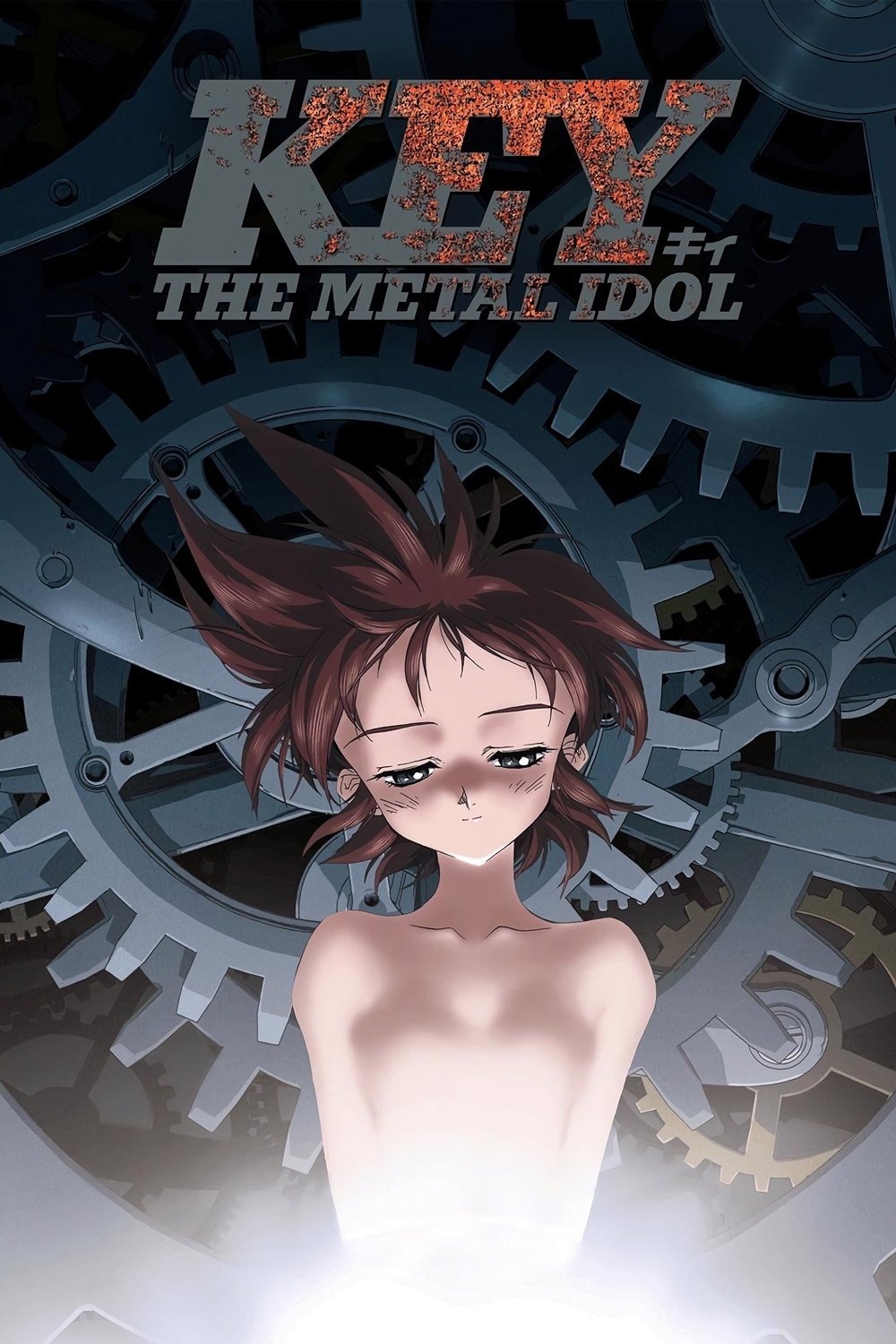
‘Key the Metal Idol’ is a multimedia-linked OVA directed by Hiroaki Sato, following a girl who believes she can become human through social “friends.” The project blends idol-industry elements, corporate intrigue, and experimental pacing across episodic and feature-length installments. Supplementary materials include production notes and design collections.
‘The Irresponsible Captain Tylor’ (1993–1994)
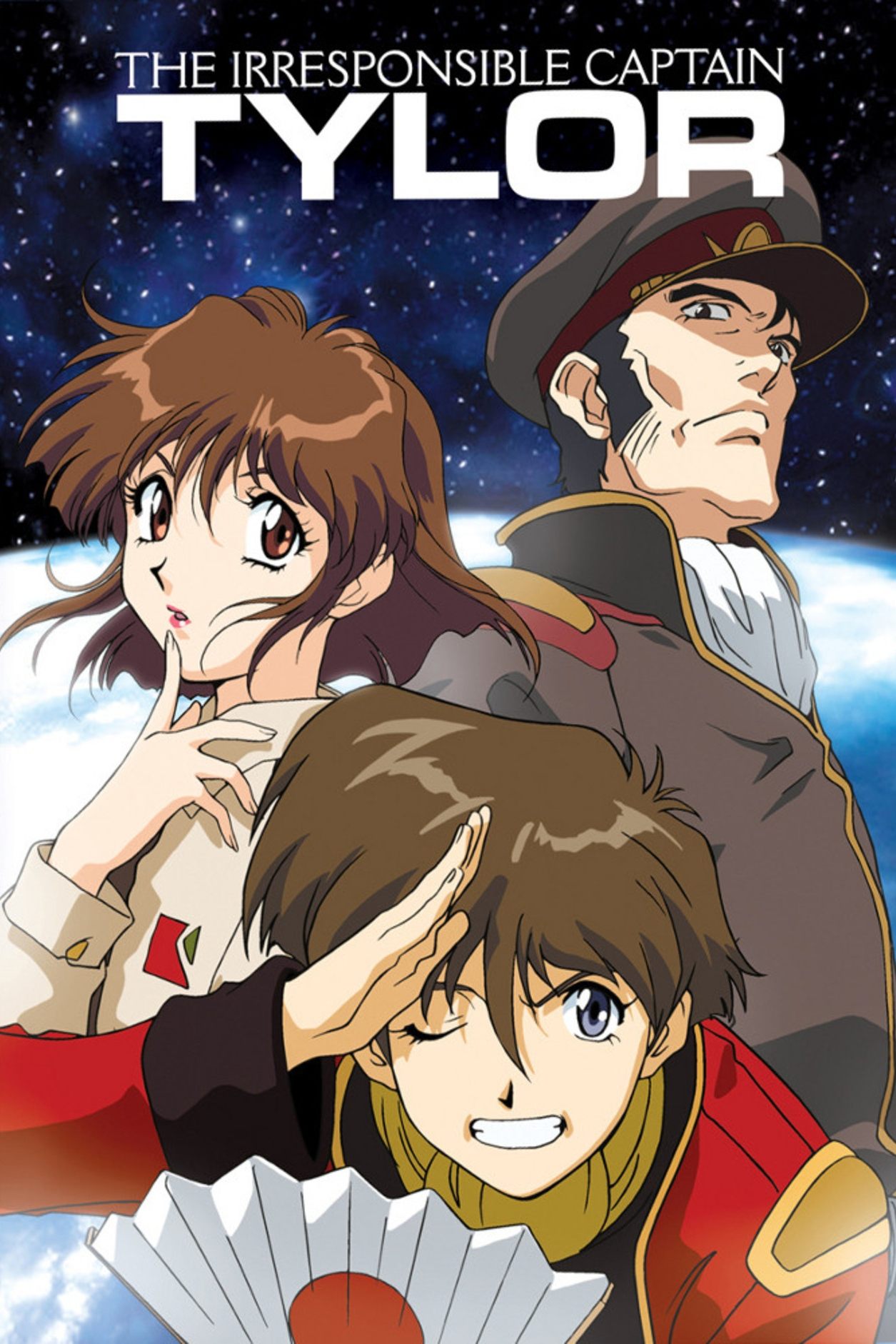
Produced by Tatsunoko Production, ‘The Irresponsible Captain Tylor’ adapts Hitoshi Yoshioka’s novels about a seemingly carefree officer leading a space cruiser. Episodes balance fleet maneuvers, diplomatic incidents, and shipboard life. Follow-up OVAs expand side characters and interstellar politics.
‘Golden Boy’ (1995–1996)

‘Golden Boy’ is a six-episode OVA from APPP adapting Tatsuya Egawa’s comedy about a wandering part-timer taking odd jobs. Each chapter explores a distinct workplace with task-specific training and mishaps. Releases feature detailed animation set pieces, commentary, and art materials.
‘Patlabor 2: The Movie’ (1993)

From Headgear and Production I.G with direction by Mamoru Oshii, ‘Patlabor 2: The Movie’ places the SV2 police unit amid a defense crisis involving unmanned systems and deception. The narrative examines inter-agency coordination, doctrine debates, and urban security planning. It connects to the broader ‘Patlabor’ timeline across OVA, TV, and earlier features.
Share which 1990s titles you’d most like to see revisited in a new adaptation in the comments!

