


1990s Horror Movies that Aged Incredibly Well

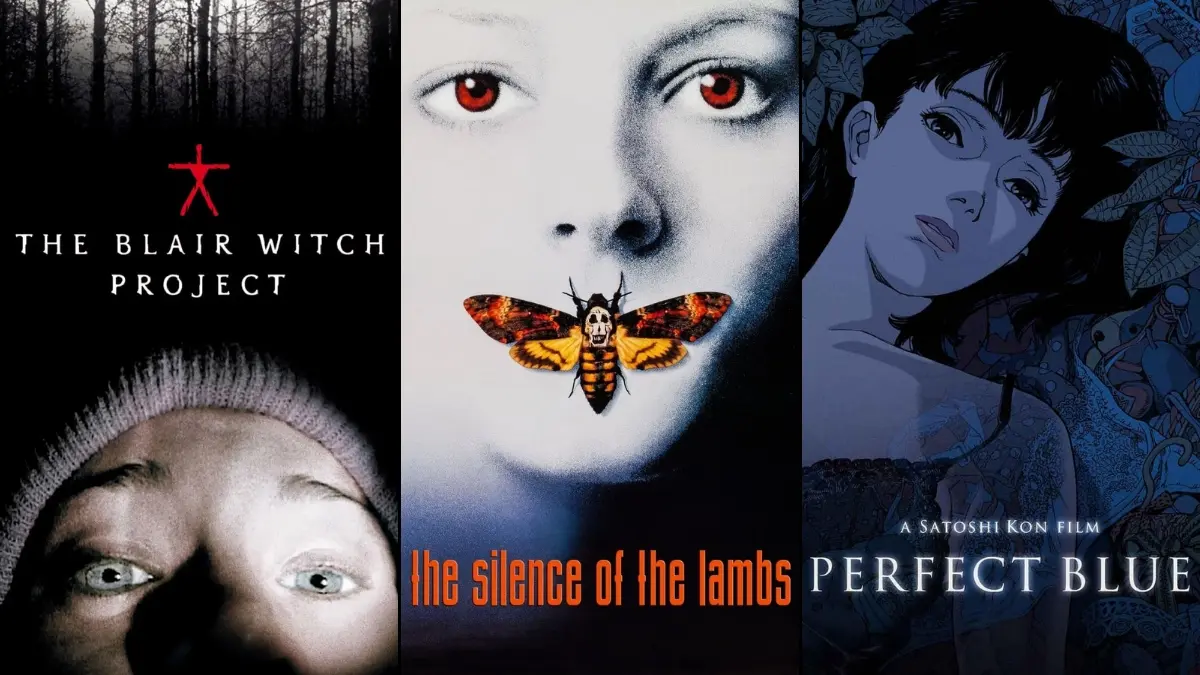


The 1990s reshaped horror with a mix of studio prestige, scrappy independents and a global exchange of ideas. Slasher franchises slowed down while psychological stories, supernatural folklore and high-concept thrills moved into the spotlight. Home video exploded, late-night cable nurtured cult followings, and international imports found eager audiences beyond their original markets.
Technology also shifted the toolbox. Practical make-up and animatronics hit a peak just as early digital effects arrived, and more filmmakers used on-location sound, handheld cameras and festival circuits to get their work seen. Below are twenty titles from that era whose craft, performances and innovations continue to inform how these films are preserved, studied and revisited today.
‘The Silence of the Lambs’ (1991)
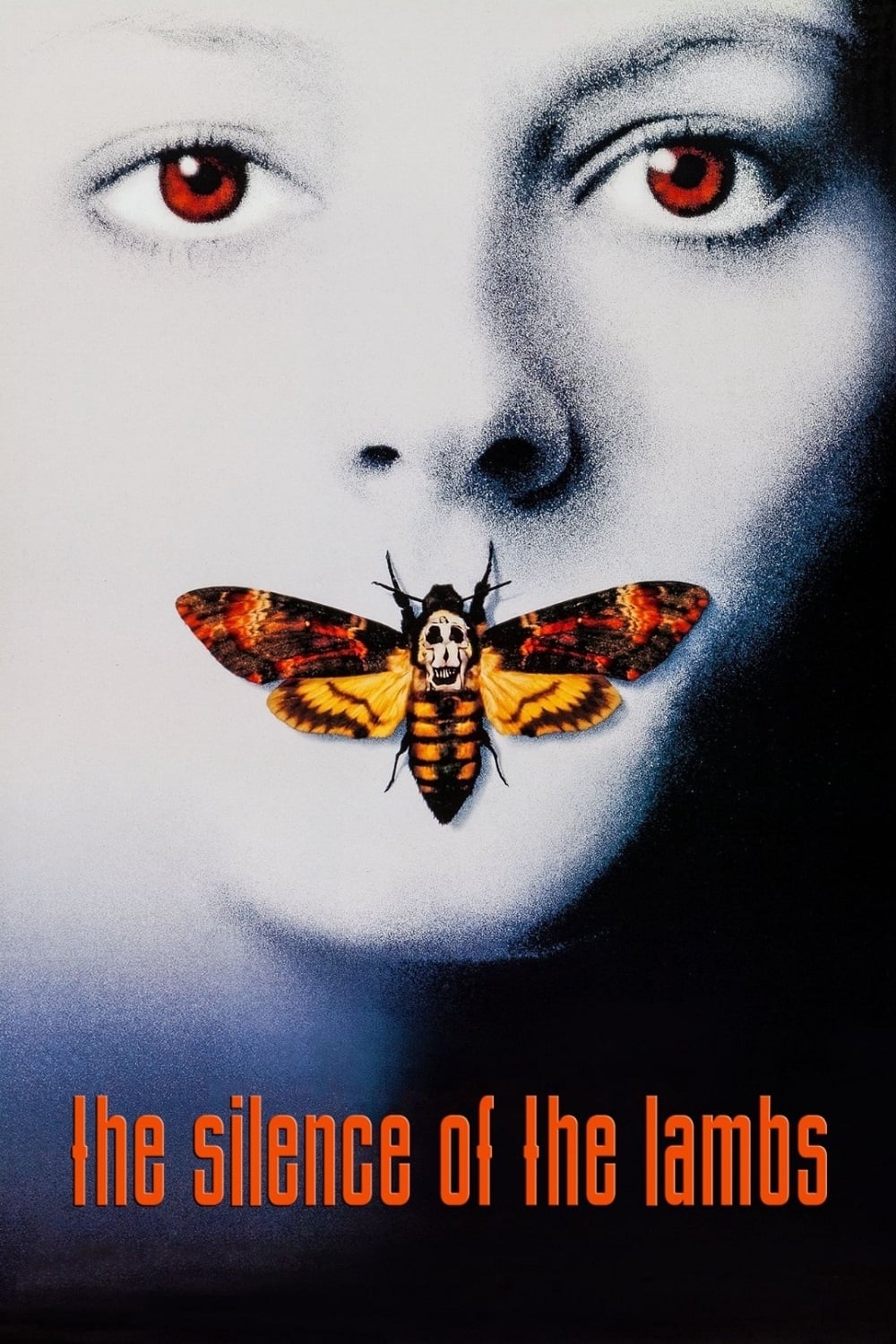
Jonathan Demme’s adaptation of Thomas Harris’s novel pairs FBI trainee Clarice Starling with incarcerated psychiatrist Hannibal Lecter to hunt a serial killer. The film won five Academy Awards, including Best Picture, Best Director, Best Actor, Best Actress and Best Adapted Screenplay. Key collaborators include cinematographer Tak Fujimoto, editor Craig McKay and composer Howard Shore.
Production took advantage of locations in and around Pittsburgh to stage federal facilities and crime scenes. The film’s sound design emphasizes subjective perspective, and the close-up heavy visual approach is frequently cited in textbooks and police-procedural histories. It also solidified ongoing screen and television portrayals of Lecter in subsequent projects related to the same characters.
‘Scream’ (1996)
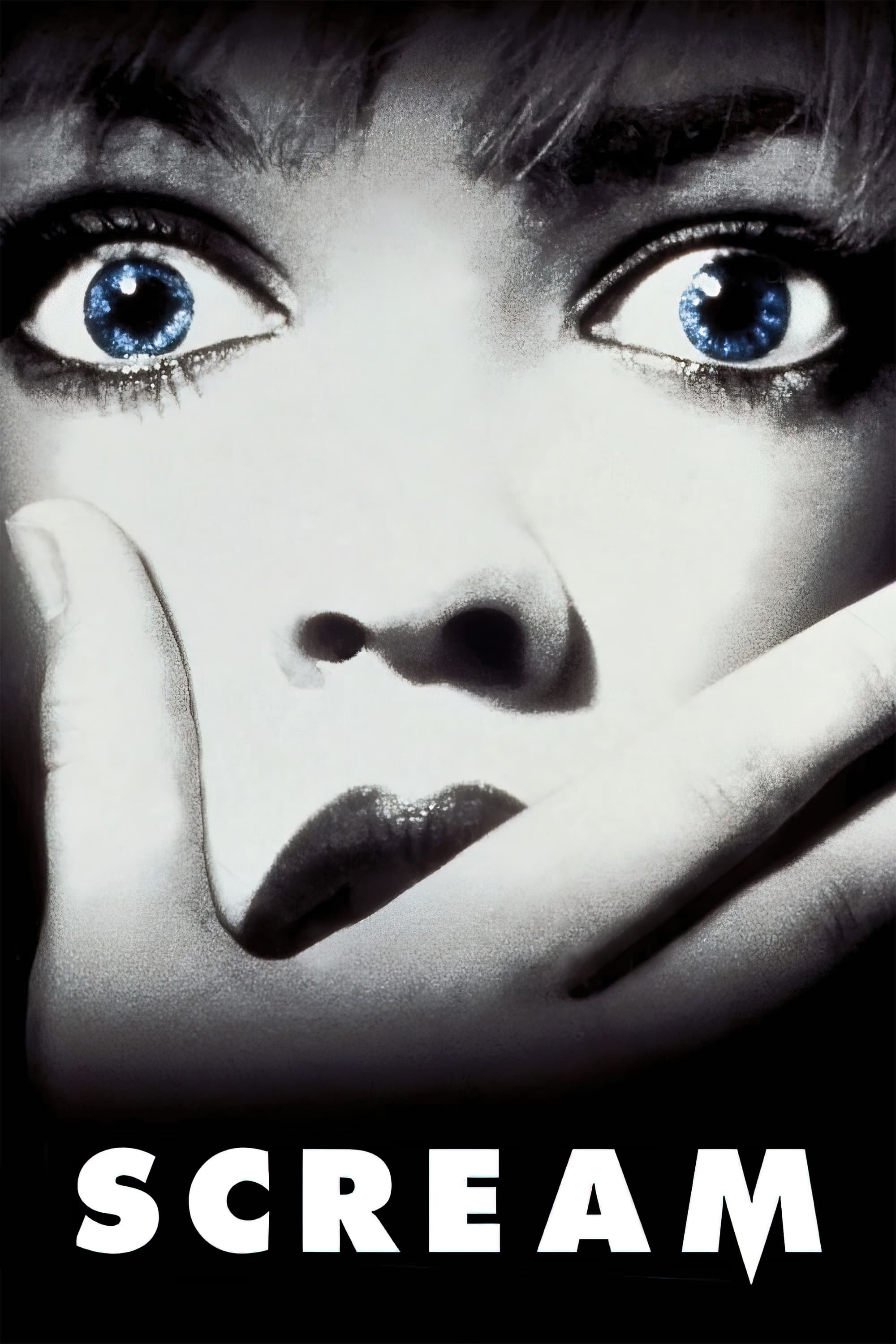
Directed by Wes Craven from Kevin Williamson’s script, the story centers on high school students targeted by the masked Ghostface killer. The ensemble includes Neve Campbell, Courteney Cox, David Arquette and Drew Barrymore, with Roger L. Jackson providing the killer’s phone voice. The production filmed in Northern California, including Sonoma County locations and a now-famous house used for the finale.
The release revived interest in contemporary slasher storytelling, leading to sequels, a TV continuation and a recognizable Halloween-costume icon. Marketing leaned on a striking teaser campaign and a winter rollout that sustained momentum for weeks. The original title during development was ‘Scary Movie’, a detail preserved in later parody.
‘The Sixth Sense’ (1999)
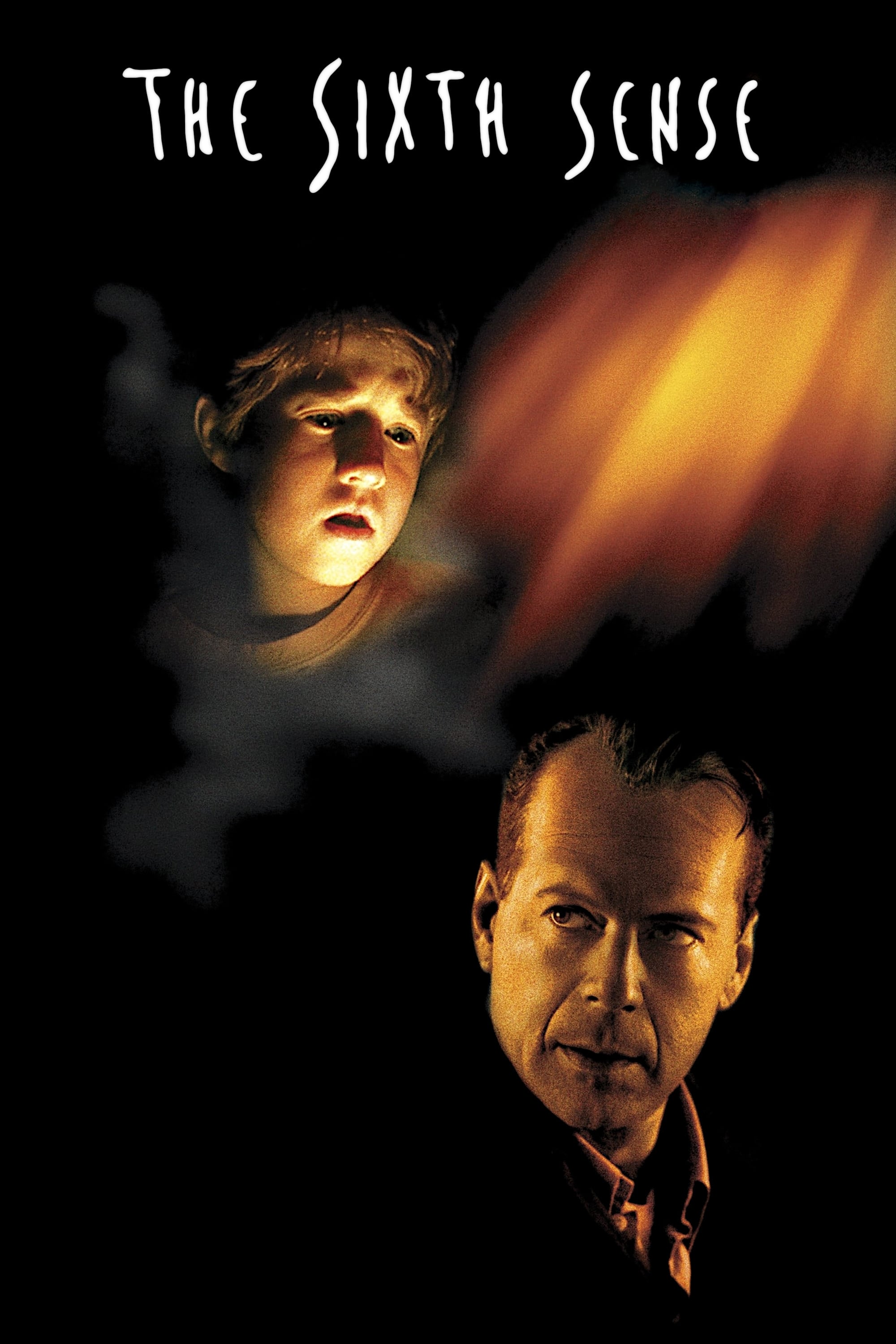
M. Night Shyamalan’s breakthrough follows a child psychologist working with a boy who claims to see the dead. Haley Joel Osment and Toni Collette received Academy Award nominations alongside the film’s nods for writing, directing and Best Picture. James Newton Howard composed the score, and principal photography took place in Philadelphia, where the story is set.
Cinematography by Tak Fujimoto supports the narrative with careful framing and color motifs that reward close viewing. The film’s structure has been used in screenwriting courses to illustrate setup and payoff, as well as restrained staging of supernatural elements. Its commercial performance led to broad international distribution and extensive home-video circulation.
‘The Blair Witch Project’ (1999)
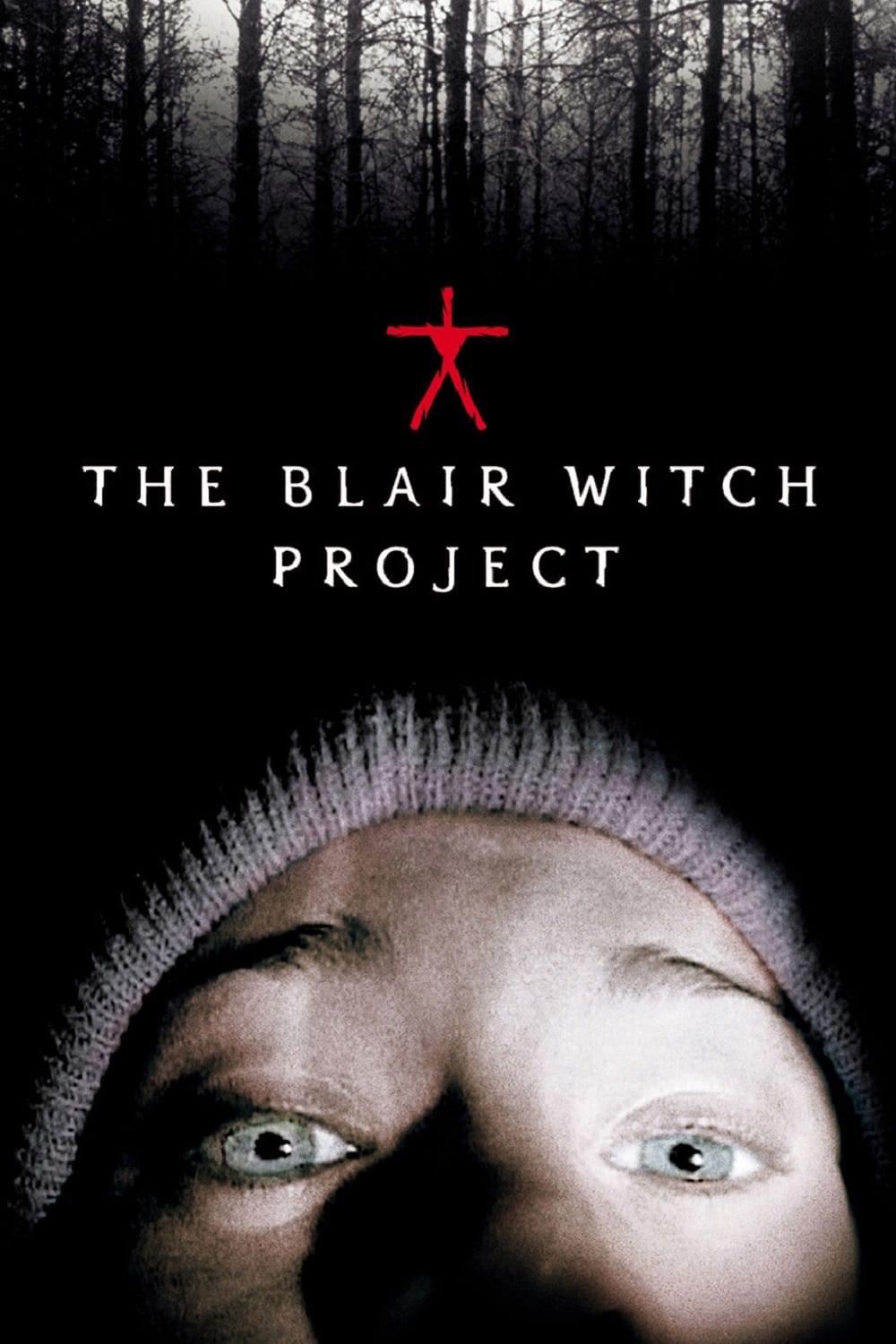
Daniel Myrick and Eduardo Sánchez created a faux-documentary about students who vanish while investigating a local legend in Maryland. The production used consumer cameras, minimal crew and a GPS-guided approach that delivered footage from actors working largely without a traditional set. A bare-bones edit first played to festival audiences before a wider release.
The internet was central to the marketing, with early websites and message boards spreading the film’s mythology. Its financial model—small outlay, outsized return—became a case study in independent distribution. The methods popularized here influenced later found-footage entries and inspired numerous campus and regional productions using similar techniques.
‘Candyman’ (1992)
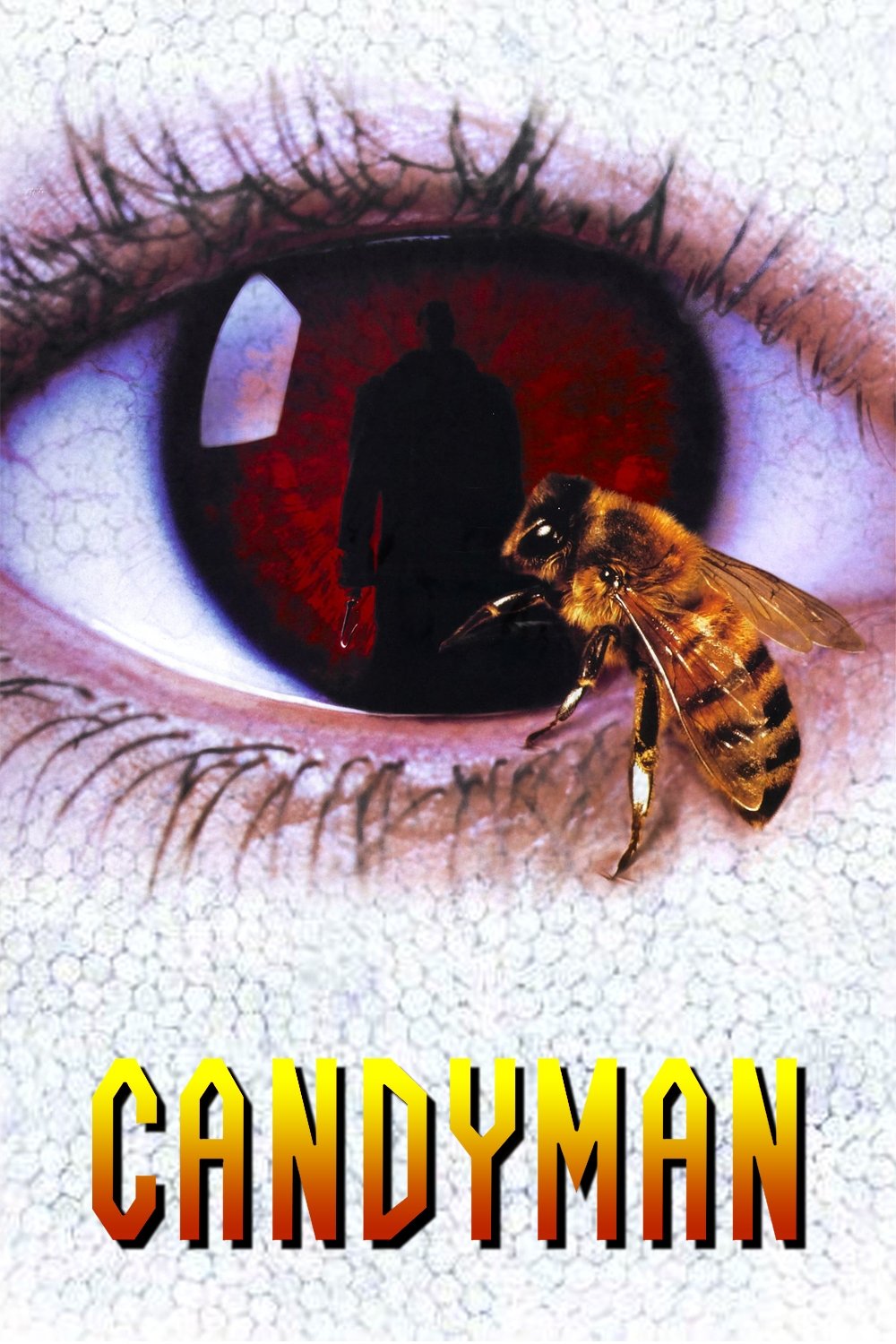
Based on Clive Barker’s ‘The Forbidden’, Bernard Rose’s film relocates the urban legend to Chicago’s Cabrini-Green homes. Tony Todd and Virginia Madsen lead the cast, while Philip Glass contributed a choral-driven score that gives the story a distinct sonic identity. On-location photography documented real buildings and corridors, integrating the city’s architecture into the narrative.
Bees were used in key sequences under controlled conditions, with custom dental appliances and careful timing to manage stings. The film generated sequels and, later, a legacy continuation that returned to the same setting and mythology. Its interplay of local history, public housing policy and folklore has kept it relevant in academic discussions and retrospectives.
‘Misery’ (1990)
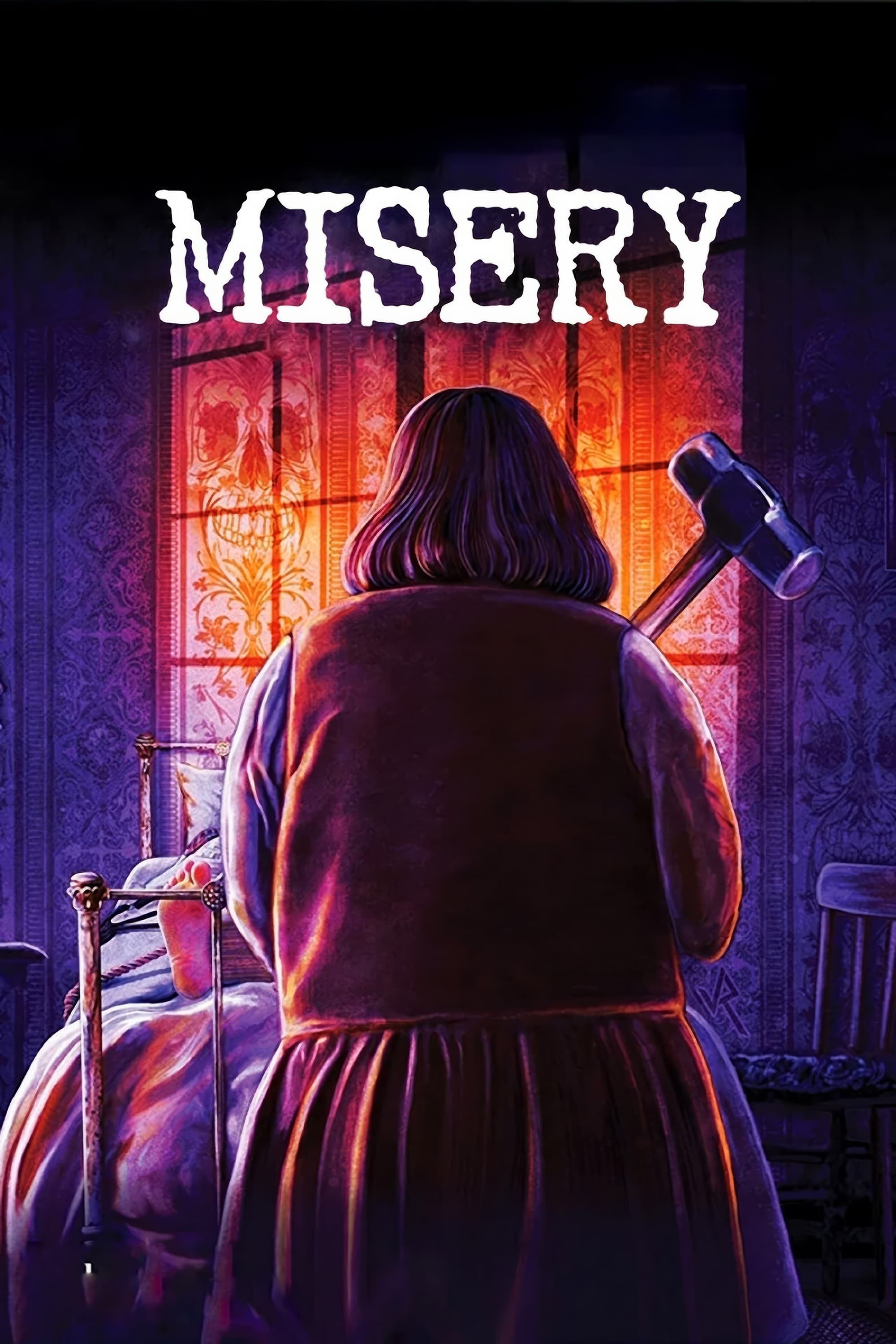
Rob Reiner directs this adaptation of Stephen King’s novel about a novelist held captive by a former nurse after a car accident. The screenplay by William Goldman streamlines the book while preserving its central power struggle. Kathy Bates won the Academy Award for Best Actress, and James Caan plays the writer at the story’s center.
Special make-up and practical effects by KNB EFX Group handled the most infamous injury scenes without relying on digital work. The isolated house setting was constructed and dressed to support a contained shoot, with weather and snow effects integrated across interiors and exteriors. The film’s tight scope made it a staple in discussions of single-location thrillers.
‘Jacob’s Ladder’ (1990)

Adrian Lyne’s psychological chiller follows a Vietnam veteran experiencing hallucinations and fragmented memories after returning home. Tim Robbins leads the cast, with Elizabeth Peña and Danny Aiello in key roles, and the screenplay was written by Bruce Joel Rubin. Maurice Jarre composed the score.
The production emphasized in-camera techniques, including undercranked shutter speeds and practical prosthetics, to create distorted motion without digital effects. Its hospital and subway sequences are widely referenced in studies of urban horror. The film’s imagery influenced later video games and films that adopted similar body-horror vibrations and flicker effects.
‘Bram Stoker’s Dracula’ (1992)
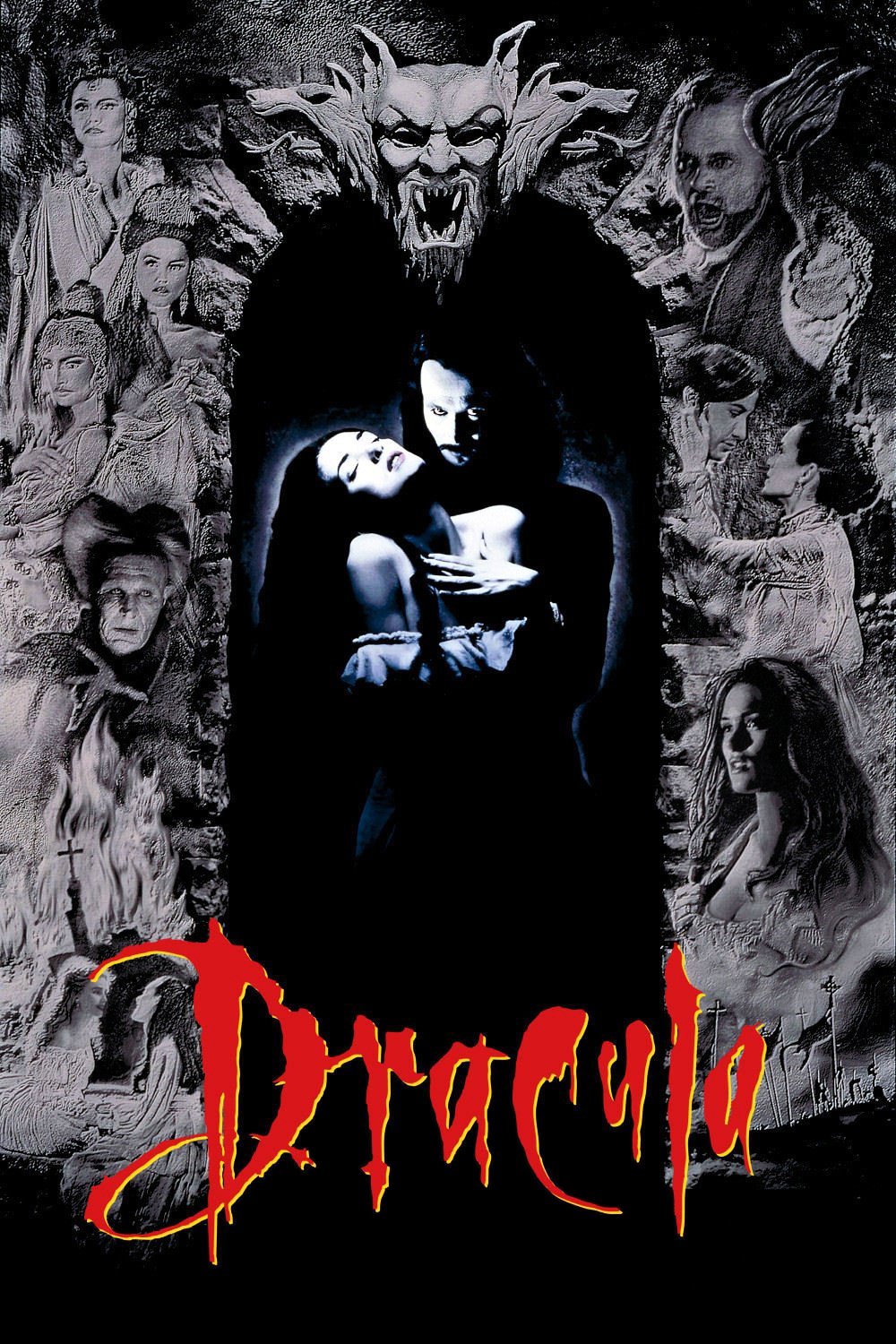
Francis Ford Coppola’s take on the classic vampire story features Gary Oldman, Winona Ryder, Anthony Hopkins and Keanu Reeves. The film is known for using period in-camera effects, miniatures and matte work rather than contemporary digital tools. Costumes by Eiko Ishioka are a major visual component, contributing to the film’s awards recognition.
Michael Ballhaus served as cinematographer, and the production built elaborate sets to visualize Transylvanian and London locations. The soundtrack by Wojciech Kilar supports a romantic-gothic tone. Multiple home-video restorations have showcased the meticulous production design and optical craftsmanship.
‘Perfect Blue’ (1997)
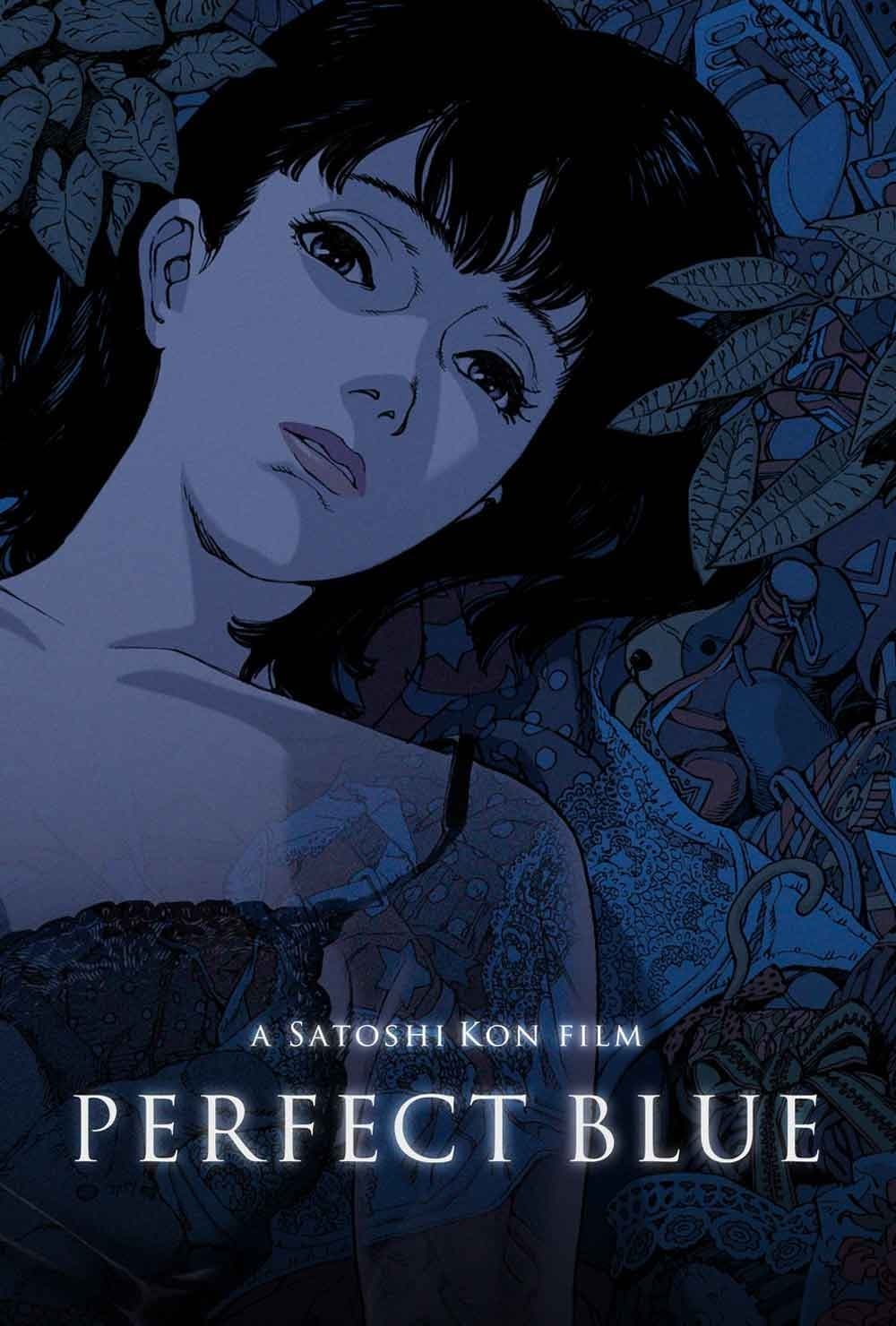
Satoshi Kon’s debut feature is a psychological anime about a pop idol who transitions into acting while an obsessive fan and a series of unsettling events close in. Produced by Madhouse, the film originated as a direct-to-video project before moving to theatrical release. Its hand-drawn animation blends everyday settings with subjectively fractured sequences.
The film is frequently discussed in media studies for its depiction of celebrity, surveillance and identity. It has been restored and screened at festivals and repertory houses, introducing new audiences to Kon’s editing style and visual motifs. Music by Masahiro Ikumi and sound design choices help bridge reality and performance.
‘Ringu’ (1998)

Hideo Nakata’s adaptation of Kōji Suzuki’s novel centers on a journalist investigating a videotape said to cause a fatal countdown after viewing. The film’s restrained approach to supernatural events and its climactic well sequence became touchstones for contemporary ghost stories. Jun’ichirō Hayashi served as cinematographer.
Its success launched a franchise of sequels and spin-offs, along with an English-language remake titled ‘The Ring’ and additional international versions. The long-haired yūrei figure and analog-media curse were widely imitated across advertising, television sketches and other films. Composer Kenji Kawai’s score underscores the folklore framework.
‘Audition’ (1999)

Takashi Miike adapts Ryū Murakami’s novel about a widower whose search for a new partner leads to unnerving revelations. Ryo Ishibashi and Eihi Shiina star, and the film traveled a prominent festival circuit that helped introduce Miike’s work to wider audiences. The production balances dialogue-driven scenes with carefully staged set pieces.
Cinematography and sound design draw attention to small, precise details that prepare viewers for later developments. The film’s international release generated discussions around content advisories and genre expectations. It became an important reference point in conversations about Japanese cinema’s reach in global horror.
‘Event Horizon’ (1997)
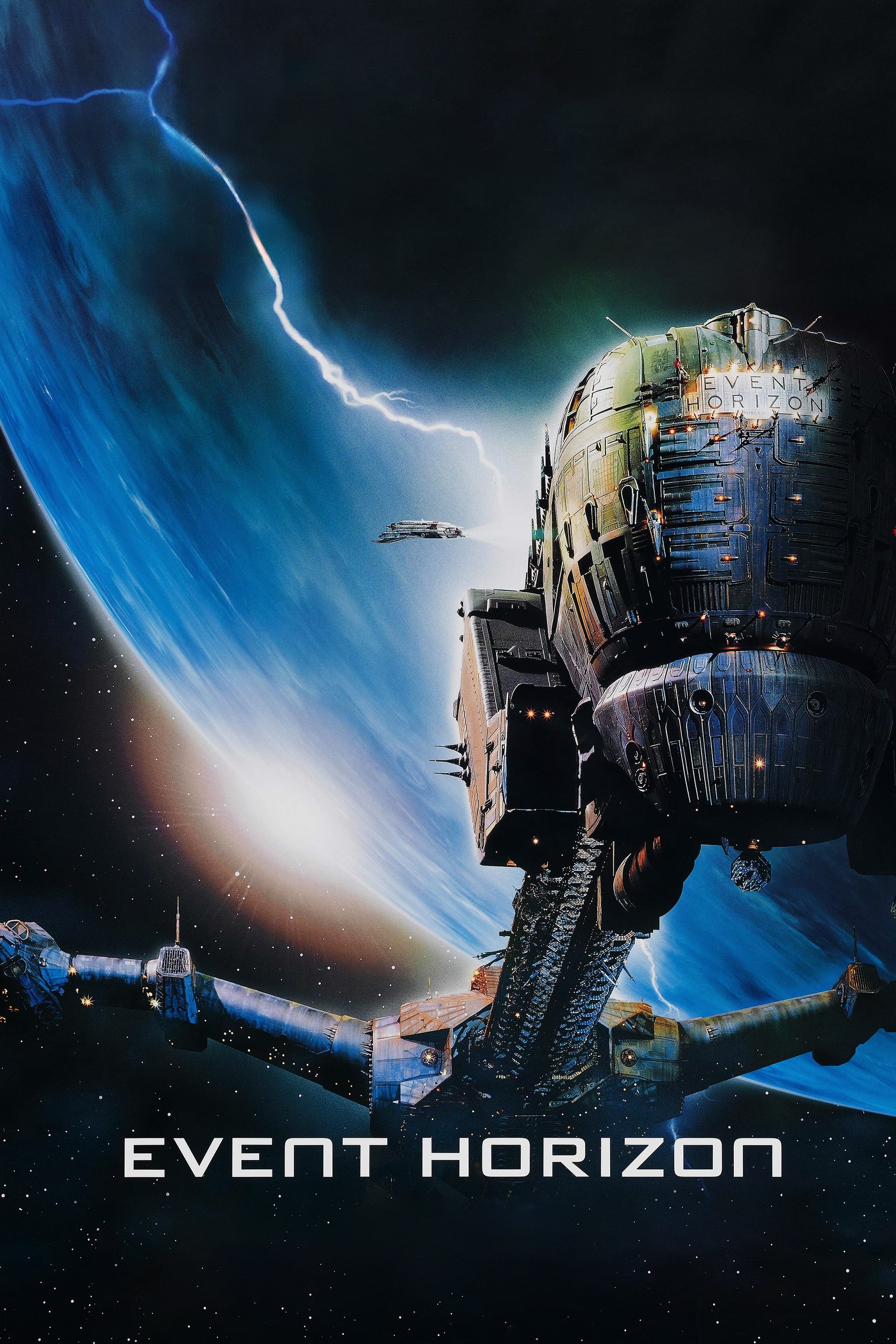
Paul W. S. Anderson directs this sci-fi horror story about a rescue crew investigating a starship that reappears after a mysterious disappearance. Laurence Fishburne and Sam Neill lead the cast, with Michael Kamen composing and electronic duo Orbital contributing additional music. Large-scale sets and miniatures were used for corridors, rotating components and exterior shots.
The final cut was shaped by significant edits from an earlier, longer version, leading to ongoing interest in archival materials. Production design incorporates Gothic motifs into a spacecraft environment, fusing genres in a single setting. The film’s visual effects mix practical elements and early digital work for specific sequences.
‘From Dusk Till Dawn’ (1996)
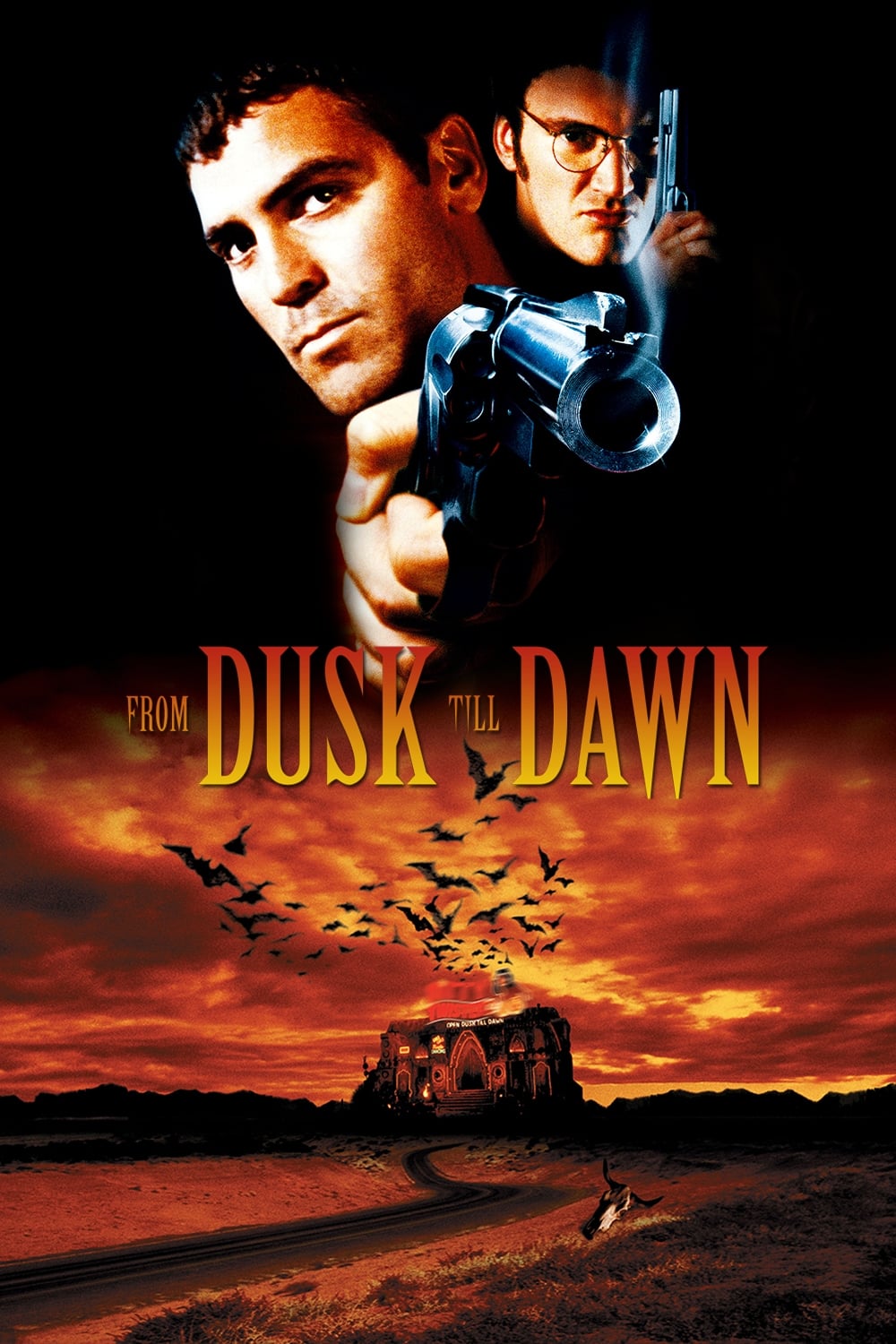
Directed by Robert Rodriguez from a screenplay by Quentin Tarantino, the story follows two fugitives who take a family hostage and cross into a bar with unexpected patrons. The cast includes George Clooney, Harvey Keitel, Juliette Lewis, Salma Hayek and Tom Savini. KNB EFX Group supplied creature make-up and gags.
The release led to sequels and a TV series expanding the mythology and the bar’s backstory. The soundtrack features tracks from rock and Tex-Mex artists, and the film’s practical effects showcase extensive stunt work and creature suits. Its structure is frequently cited in genre-studies syllabi for mid-story shifts.
‘Cube’ (1997)
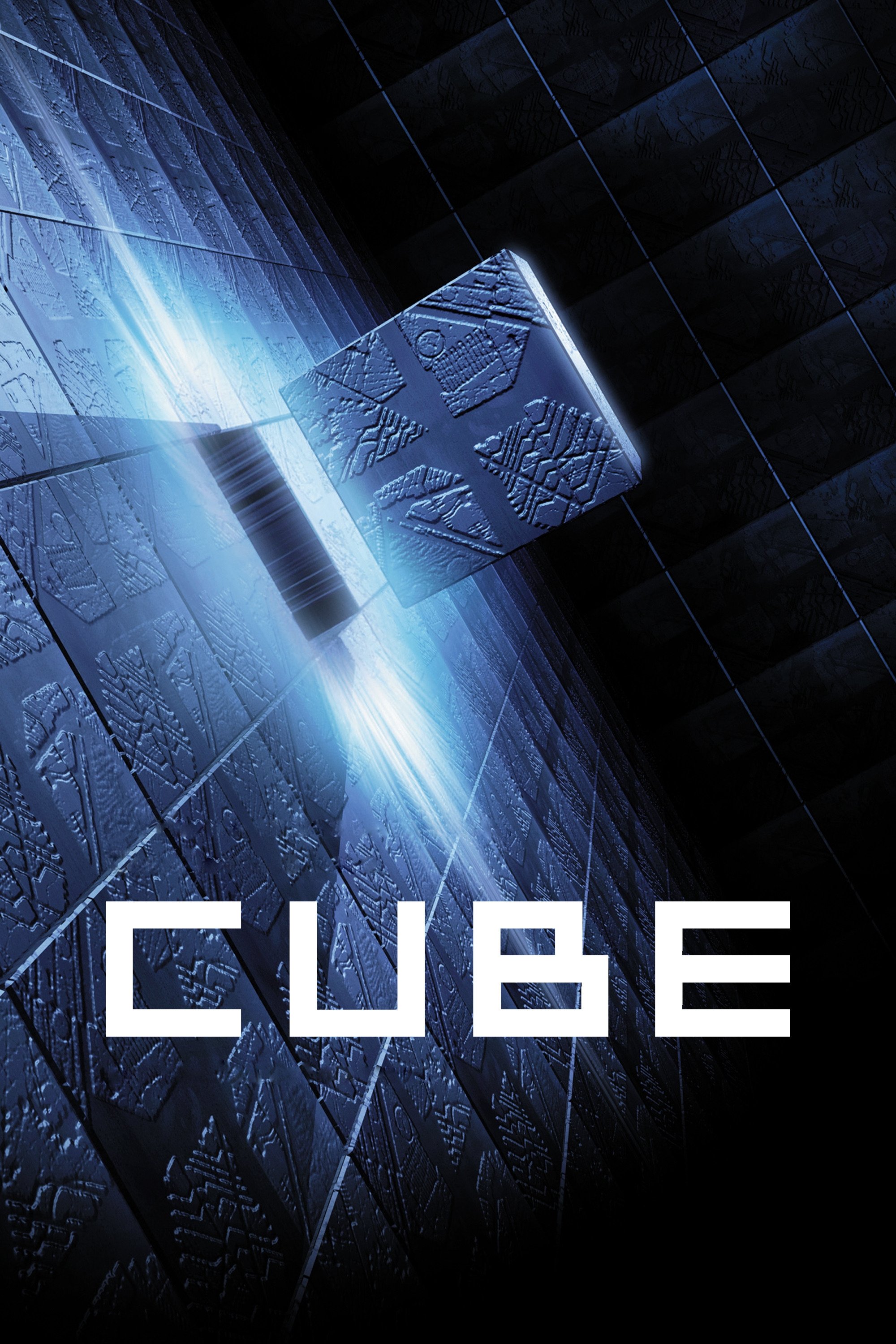
Vincenzo Natali’s Canadian puzzle-box thriller traps strangers in a maze of nearly identical rooms rigged with deadly mechanisms. The production famously built a single cube set with interchangeable panels and used colored gels to suggest different spaces. A small cast and contained location kept costs low while enabling precise blocking.
Mathematics, prime numbers and coordinate strategies are woven into the characters’ attempts to navigate the structure. The film’s design and problem-solving focus influenced later escape-room narratives and minimalist science-fiction. It spawned sequels and international remakes, extending the concept to new audiences.
‘The People Under the Stairs’ (1991)
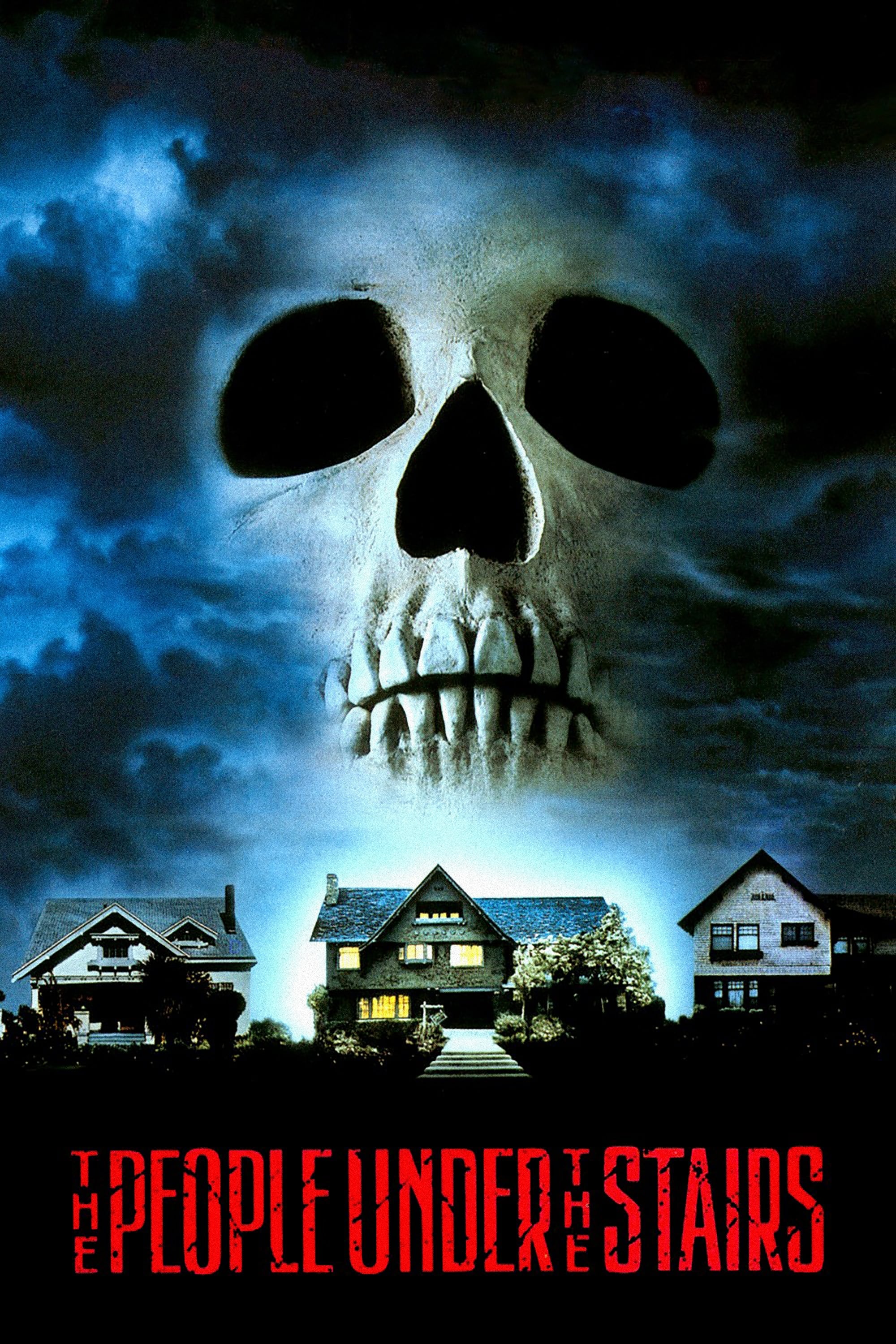
Wes Craven’s urban horror tale follows a boy who breaks into a home and uncovers a hidden world behind the walls. Brandon Adams, Everett McGill, Wendy Robie and Ving Rhames star, and the production blends neighborhood locations with elaborate interior sets. The script draws on newspaper headlines and local folklore for its premise.
The film addresses wealth disparity, housing practices and community resistance within a genre framework. Its release history includes box-office success relative to budget and subsequent home-video circulation. The title has been revisited for potential new adaptations, reflecting continued interest in its premise.
‘The Frighteners’ (1996)

Peter Jackson’s supernatural comedy-horror features Michael J. Fox as a psychic who can see and work with the dead. Wētā Digital delivered an unusually high number of visual-effects shots for the period, developing techniques that would scale up on later projects. Principal photography took place in New Zealand, with American settings created through production design and post-production.
Jeffrey Combs, Trini Alvarado and Dee Wallace round out the cast, while Danny Elfman provided the score. The film’s release showcased an early demonstration of digitally animated spectral characters interacting extensively with live actors. Subsequent special-edition home releases documented the production process in depth.
‘Army of Darkness’ (1992)
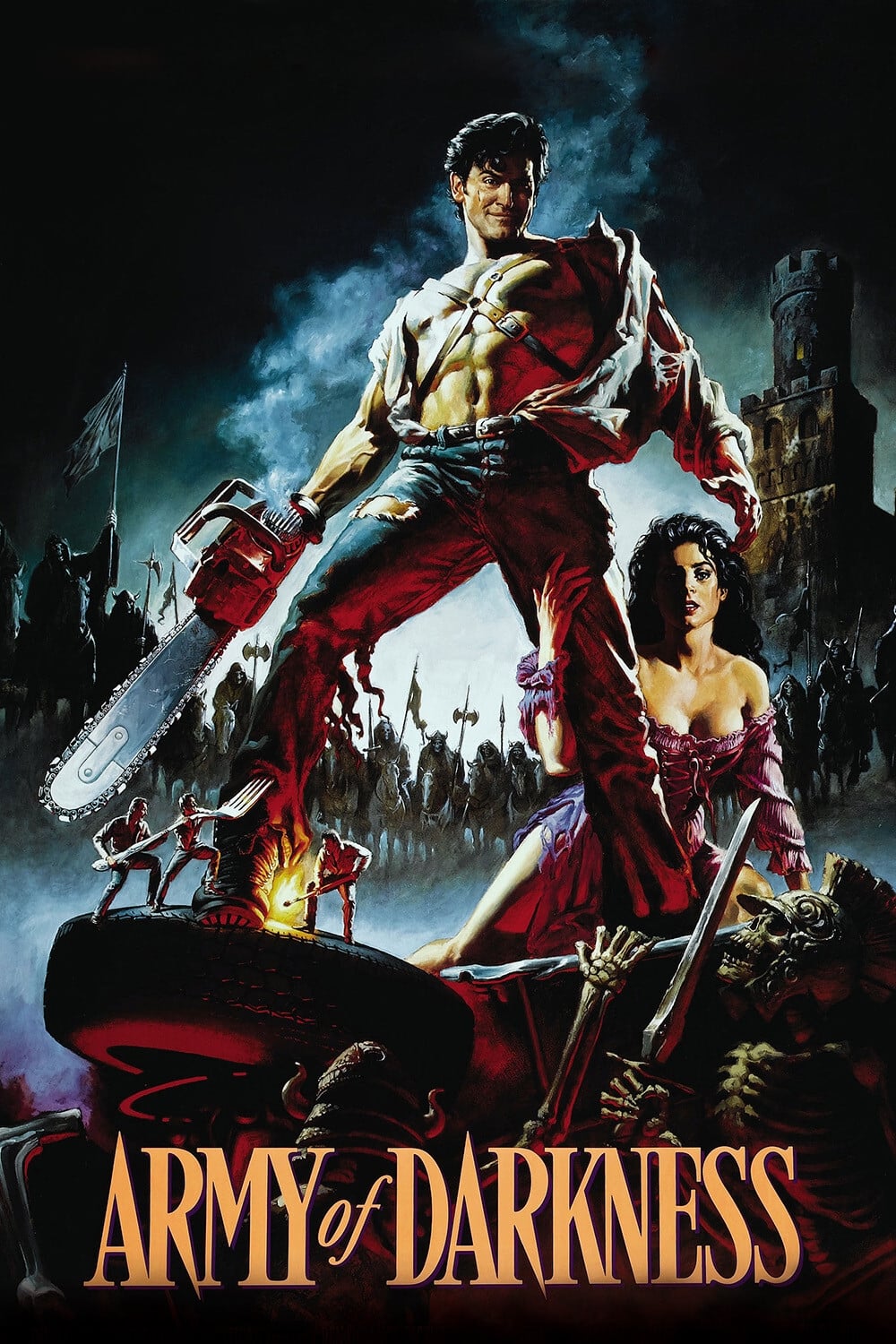
Sam Raimi continues the ‘Evil Dead’ saga with Ash transported to a medieval setting to battle supernatural forces. Bruce Campbell stars, and the production mixes stop-motion animation, prosthetics and large-scale practical gags. Joseph LoDuca composed the score, with a signature theme contribution by Danny Elfman.
Multiple cuts exist, including a theatrical version with an upbeat finale and an alternate ending for international markets. The film’s quotable dialogue and prop design helped anchor a long-running franchise that later returned in television and further sequels. Behind-the-scenes materials detail the miniatures, puppetry and stunt coordination used for the climactic siege.
‘Tremors’ (1990)
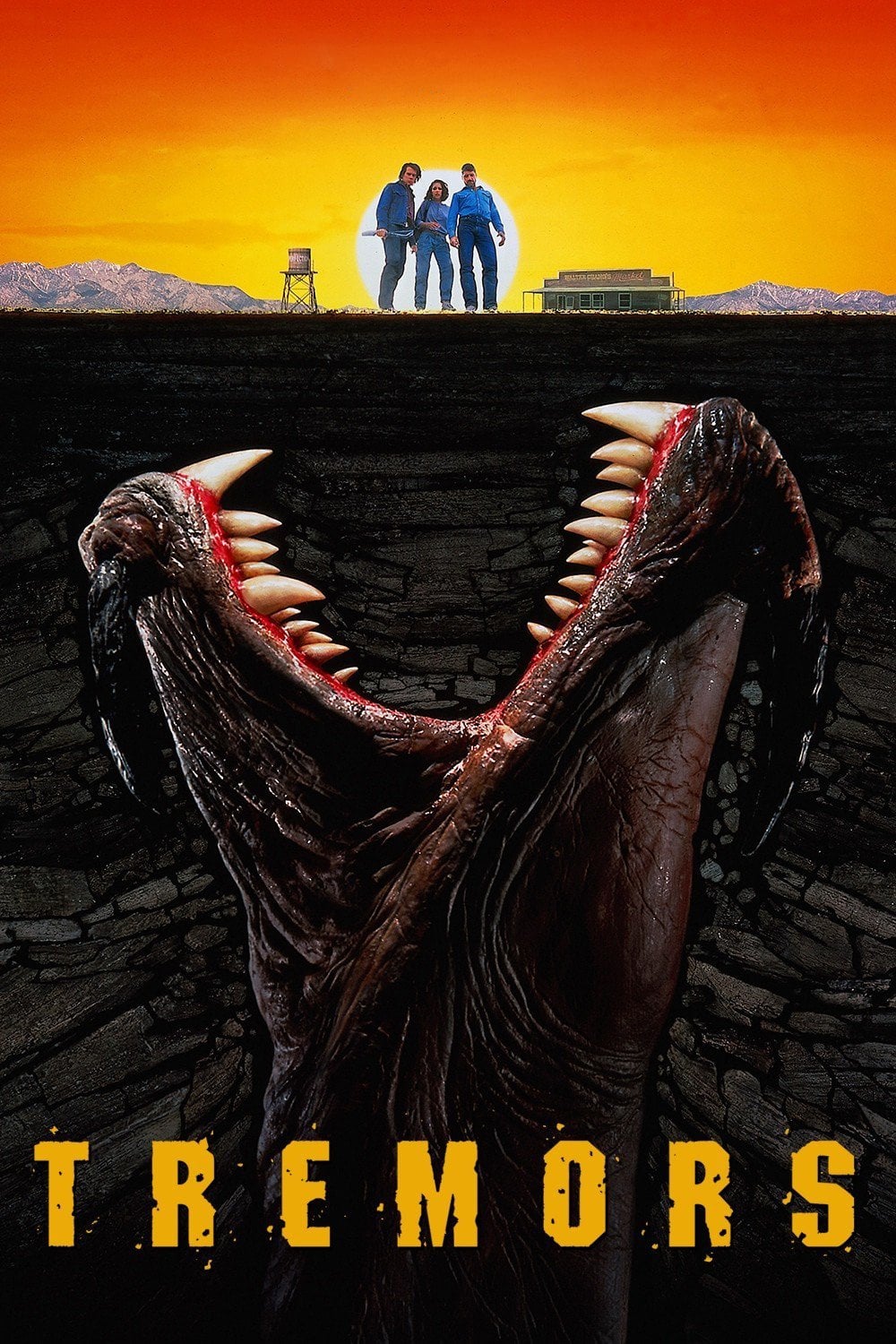
Ron Underwood’s creature feature follows residents of a desert town besieged by underground predators nicknamed Graboids. Kevin Bacon, Fred Ward, Finn Carter, Michael Gross and Reba McEntire headline the ensemble. Creature effects were built by Amalgamated Dynamics, combining full-scale animatronics, tentacle rigs and miniature work.
Filming took place around Lone Pine, California, using the Alabama Hills to depict the fictional town. While theatrical returns were modest, strong home-video performance and cable play led to sequels and a TV continuation. Sound design emphasizes subterranean movement and vibration, turning the ground itself into a hazard.
‘New Nightmare’ (1994)
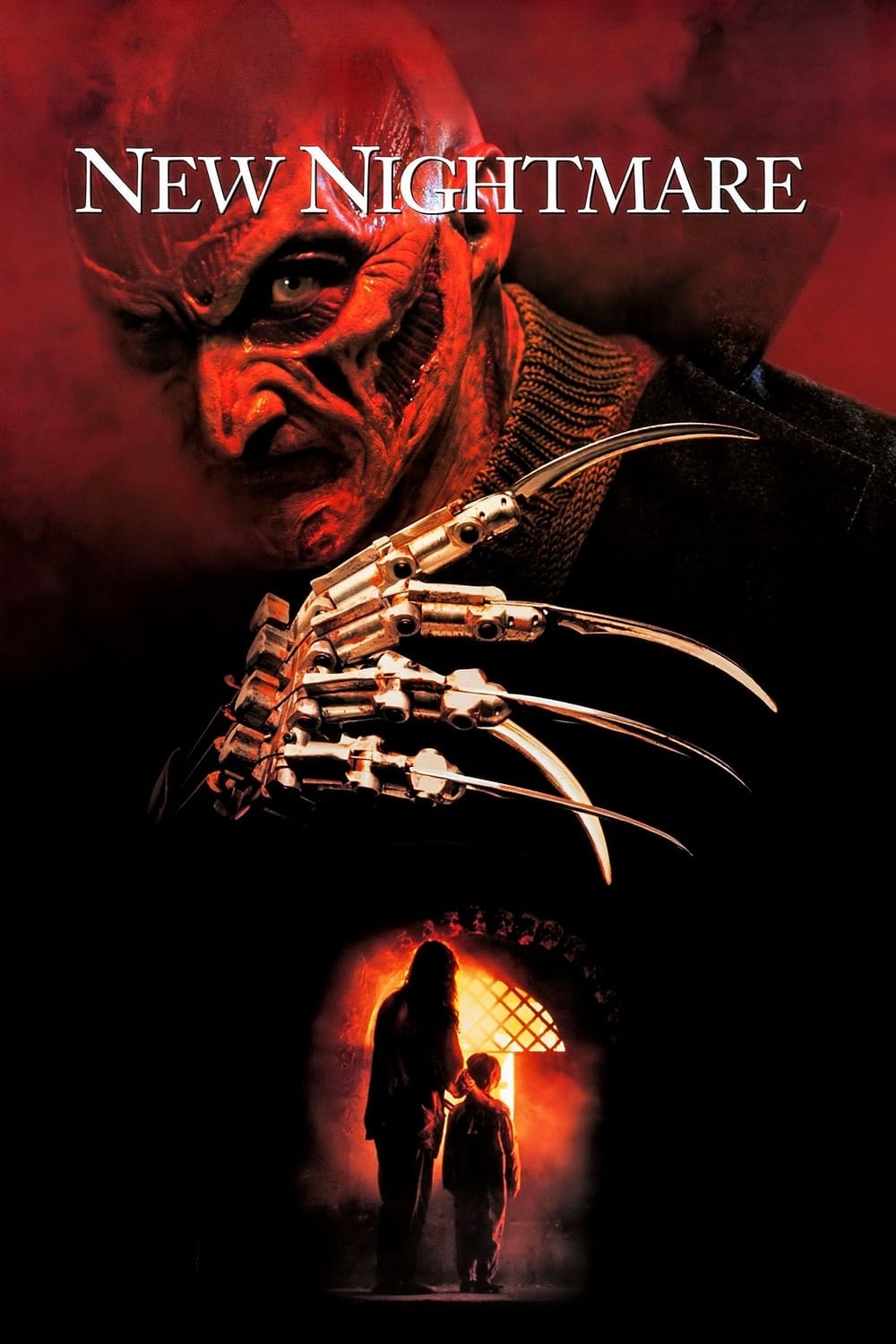
Heather Langenkamp, Robert Englund and Wes Craven play versions of themselves in a meta extension of the ‘A Nightmare on Elm Street’ universe. The film explores the idea of a story escaping its confines and influencing the real world of its creators and performers. J. Peter Robinson provided the score.
The production shot in Los Angeles, repurposing familiar franchise imagery with updated make-up and costuming. Its screenplay structure foreshadows approaches that Craven and others would use in later projects examining audience-creator relationships. The release reintroduced the property while distinguishing it from earlier entries.
‘Sleepy Hollow’ (1999)
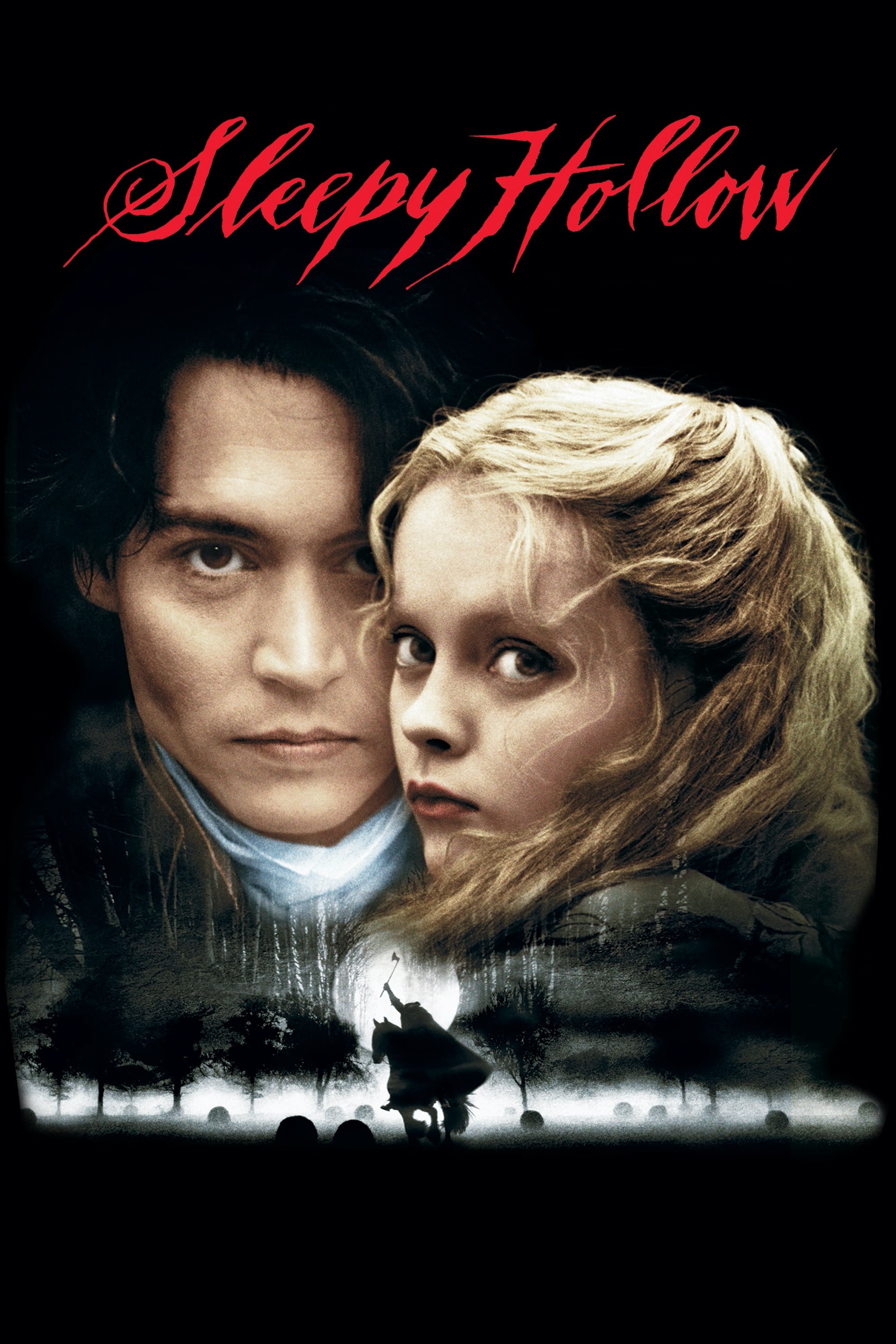
Tim Burton adapts Washington Irving’s legend with a cast led by Johnny Depp and Christina Ricci. The production constructed an entire period village on soundstages in England, enabling precise control of weather, light and staging. Emmanuel Lubezki’s cinematography and Rick Heinrichs’s production design are central to the film’s look, with Colleen Atwood’s costumes and Danny Elfman’s score reinforcing the tone.
Practical effects and selective digital enhancements create the Headless Horseman and period action. The film received awards recognition for art direction, and making-of materials document large-scale sets, prosthetics and stunt horse work. Its gothic aesthetic has been widely referenced in design and cinematography discussions.
What other ’90s horror entries would you add to the list—share your picks in the comments!

