


1990s Movies Controversy Killed (Despite Being Good)

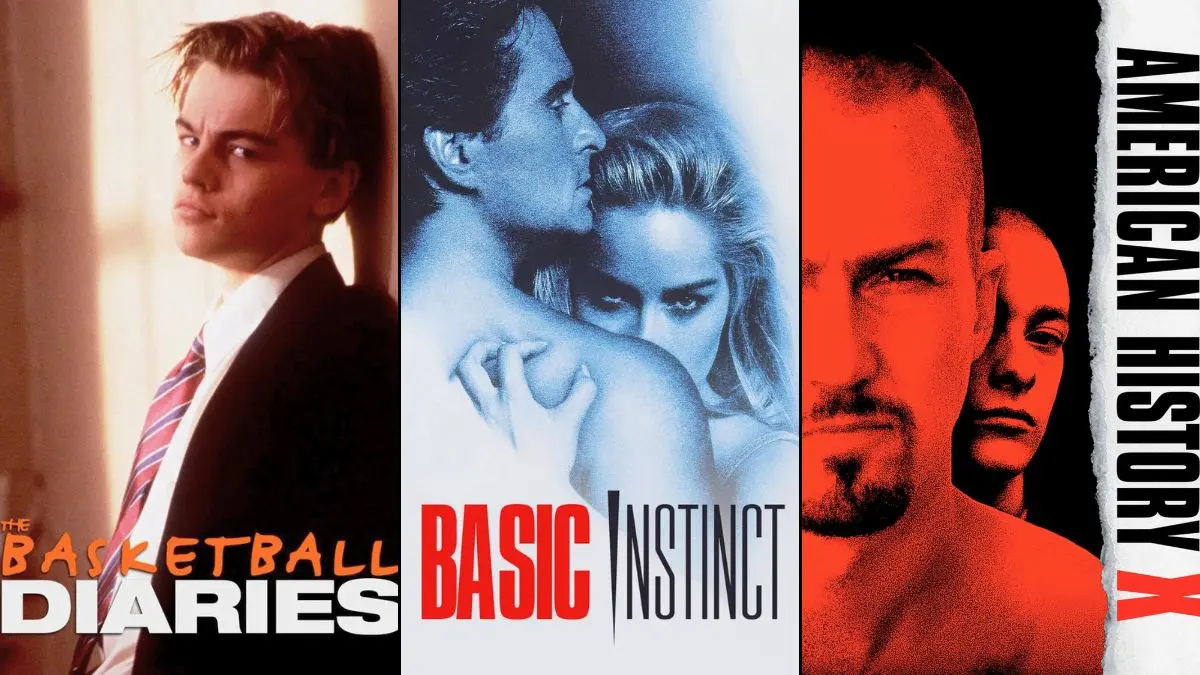


Some 1990s films ran into a wall of backlash, bans, or ratings battles that blunted their releases and muddied their reputations. Studios shuffled distribution plans, local councils barred screenings, and protest groups pushed for boycotts. Here are notable titles whose momentum was undercut by public storms, even as the craft and ambition behind them were clear to many viewers.
‘Basic Instinct’ (1992)
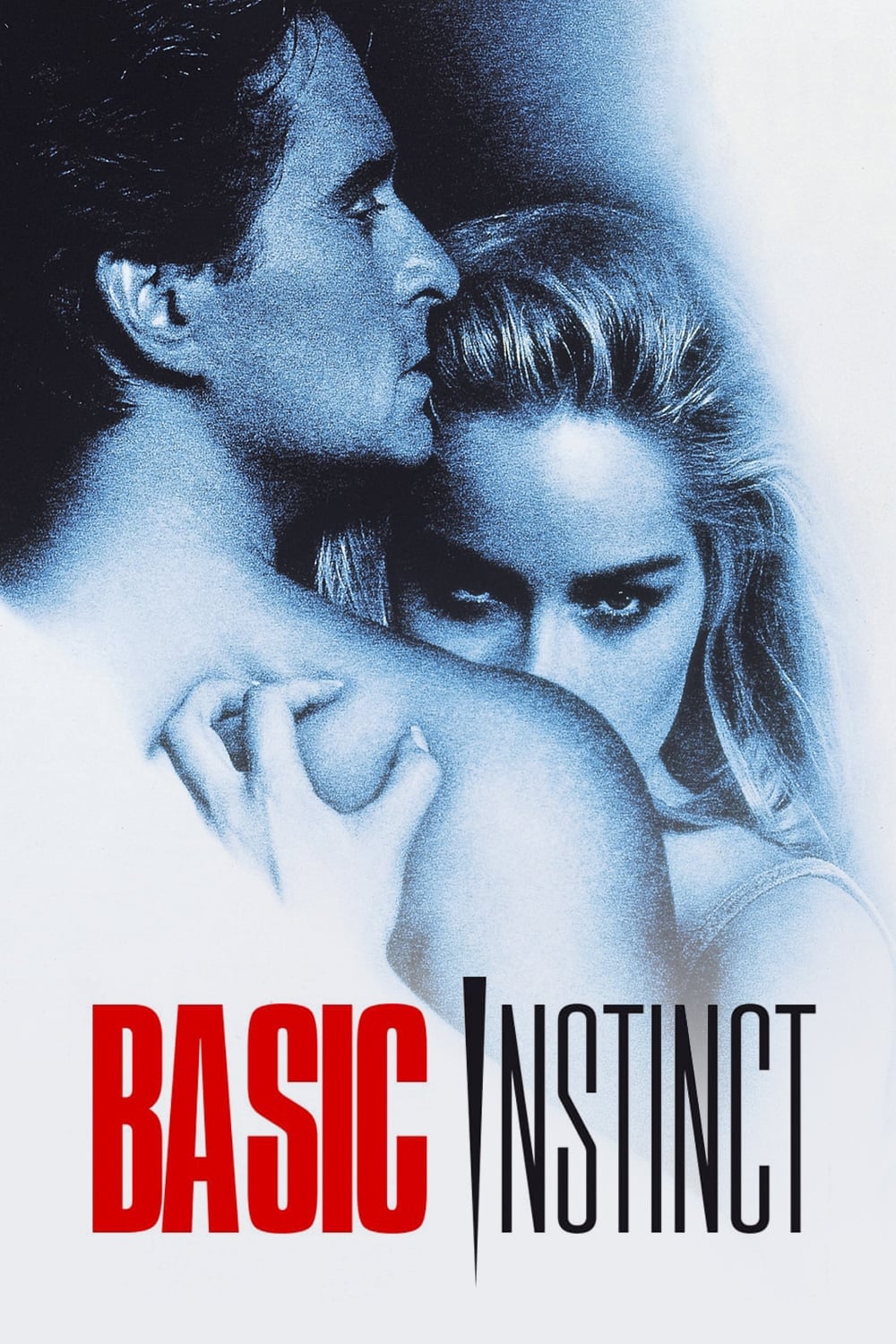
Filming in San Francisco drew organized protests from LGBTQ groups over the script and character portrayals. The ratings process sparked a high profile fight and forced edits to avoid the most restrictive label. Several international versions were cut for sexual content, and some exhibitors declined to book it.
‘JFK’ (1991)
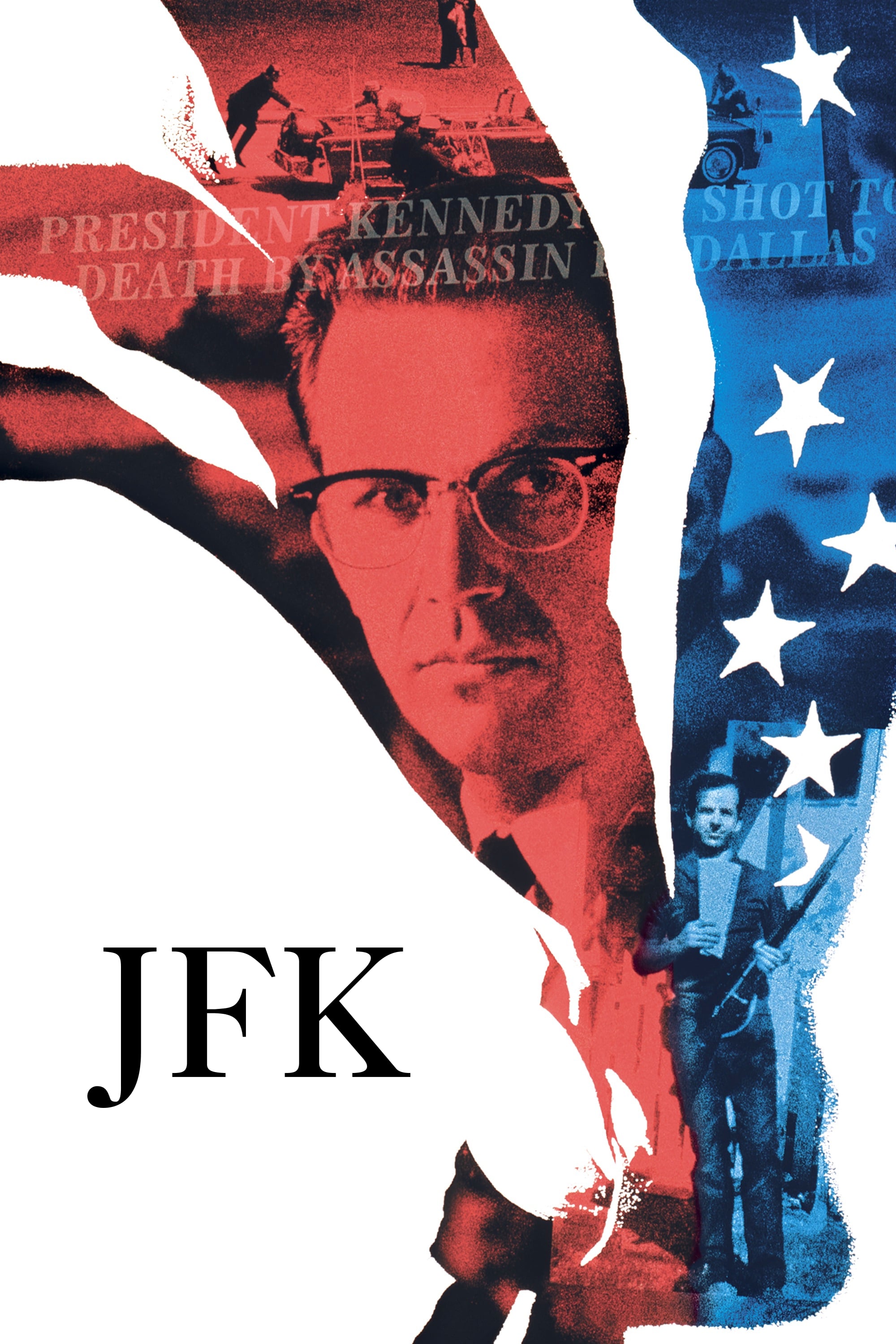
Historians and journalists objected to the film’s depiction of the assassination investigation and pressed for disclaimers. The pushback dominated media coverage and led to public debates about accuracy before audiences could judge the movie on its own. Some schools and community venues avoided showing it because of the controversy.
‘Natural Born Killers’ (1994)
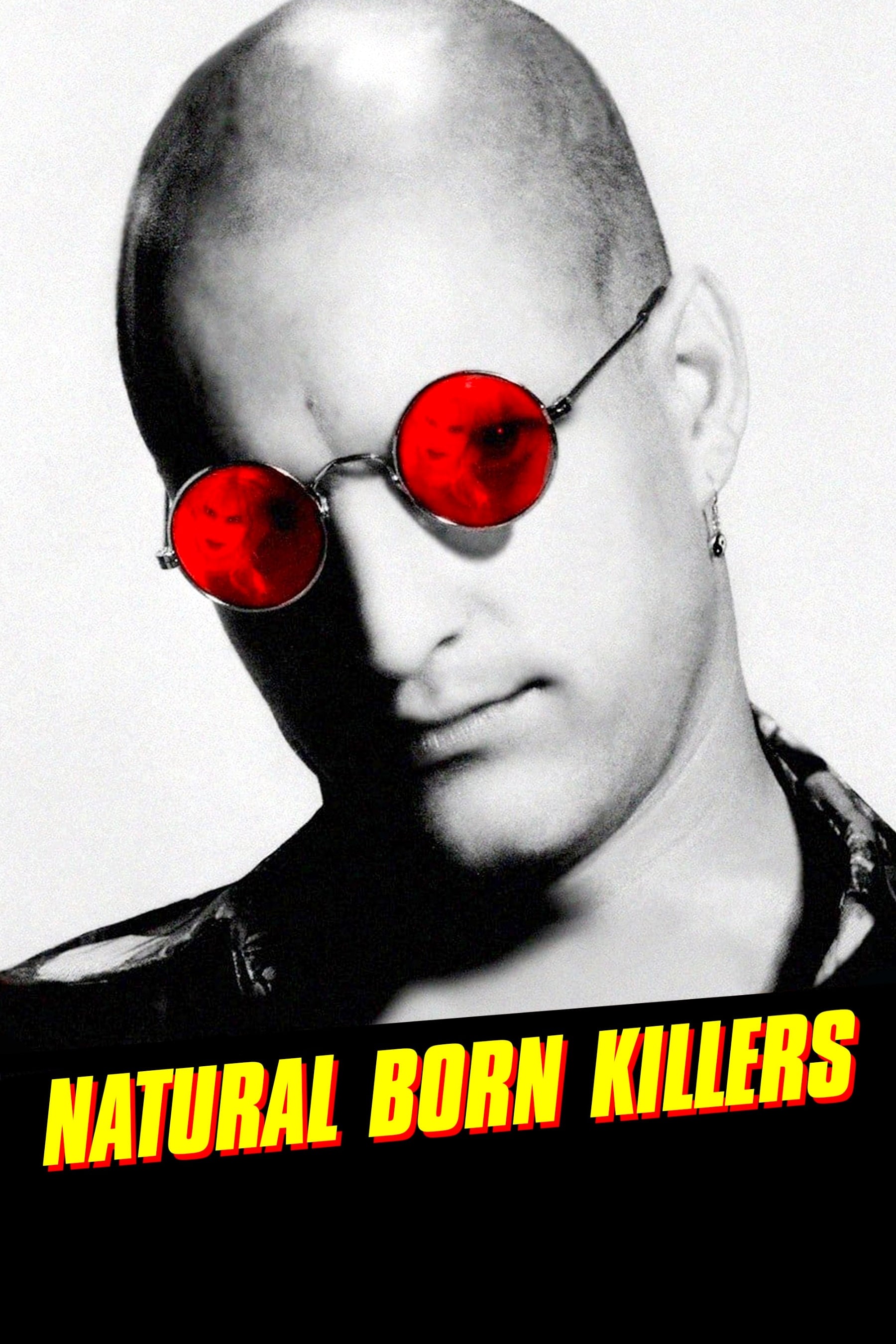
High profile lawsuits and news coverage linked the film to alleged copycat crimes, which spooked theater owners. Several countries delayed or restricted release, and edits were made to satisfy censors. The continuing public argument over its violence overshadowed its craft and limited wider play.
‘Crash’ (1996)
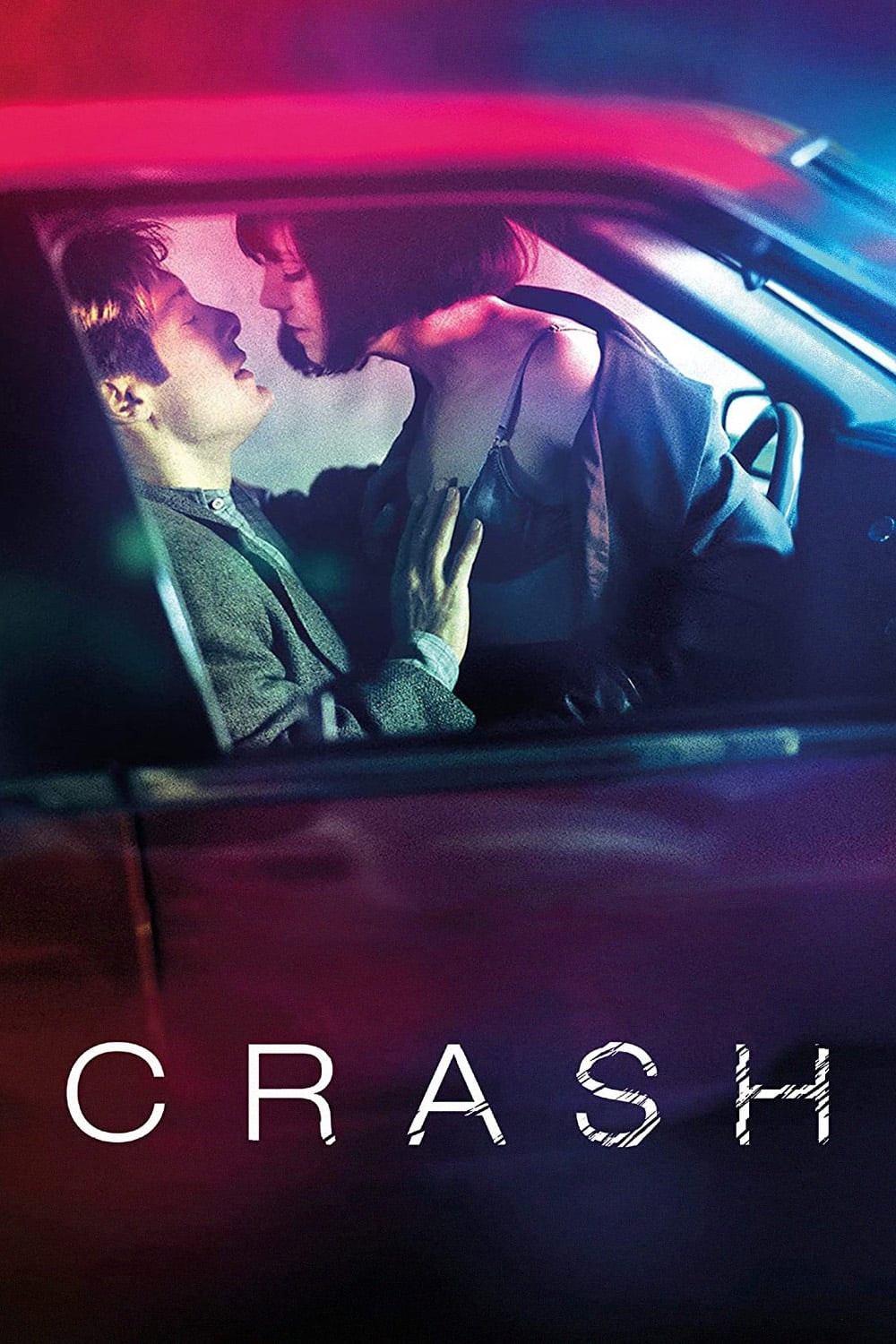
Local authorities in parts of the United Kingdom banned the theatrical run despite a national approval, creating a patchwork of availability. In the United States the rating and subject matter narrowed screens willing to book it. The controversy focused on its sexual content tied to car crashes, which kept mainstream exposure small.
‘Showgirls’ (1995)

An NC 17 rating shut the film out of many multiplex chains and advertising outlets. Television marketing options were constrained, and some papers refused ads. The rating also curtailed international placements, resulting in a choked theatrical life.
‘Kids’ (1995)
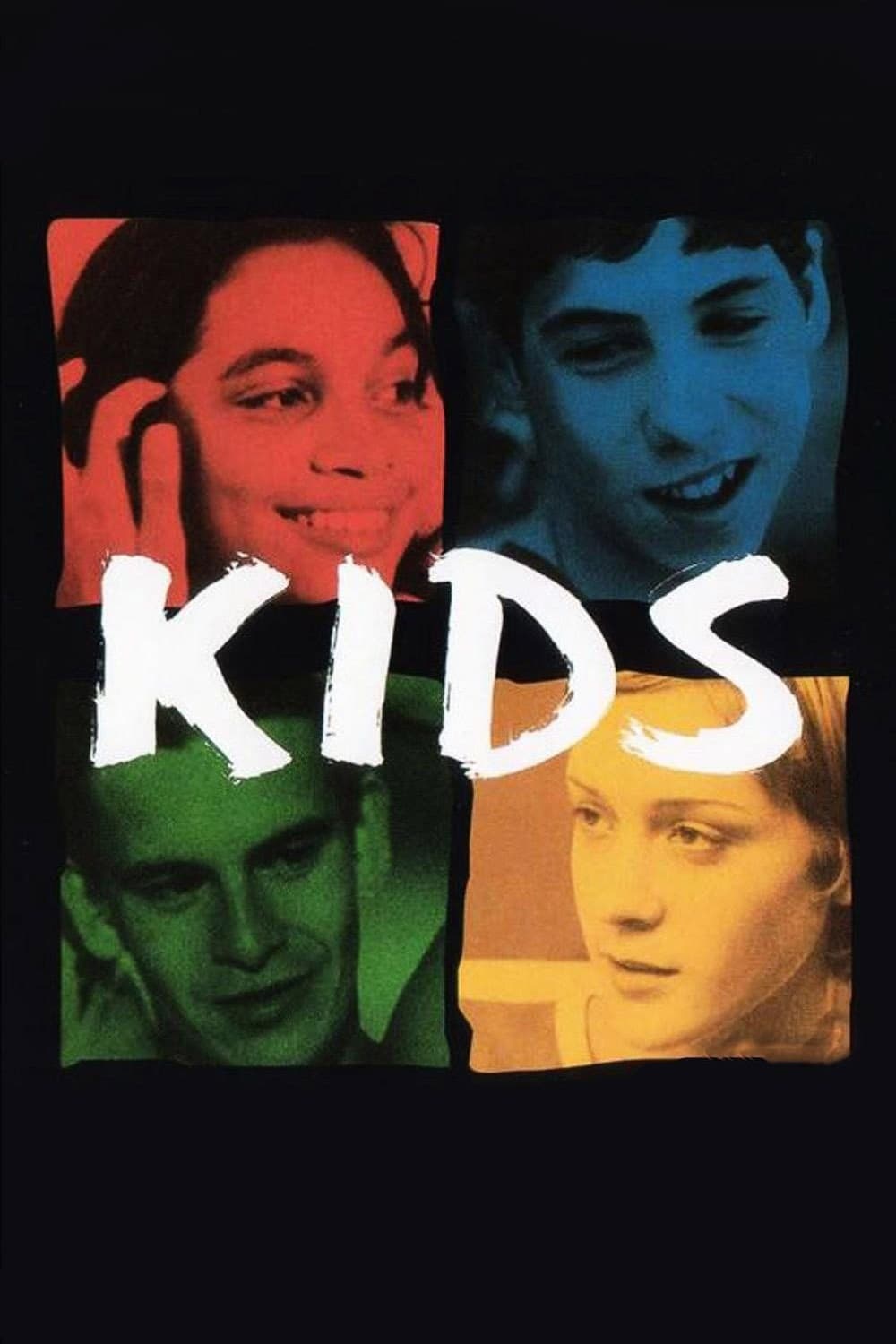
Because of its explicit depiction of teen behavior, the distributor released it unrated through an affiliate rather than under a parent company banner. Major chains passed, so it relied on specialty theaters. The film became a talking point for decency campaigns, which further limited booking windows.
‘The People vs. Larry Flynt’ (1996)
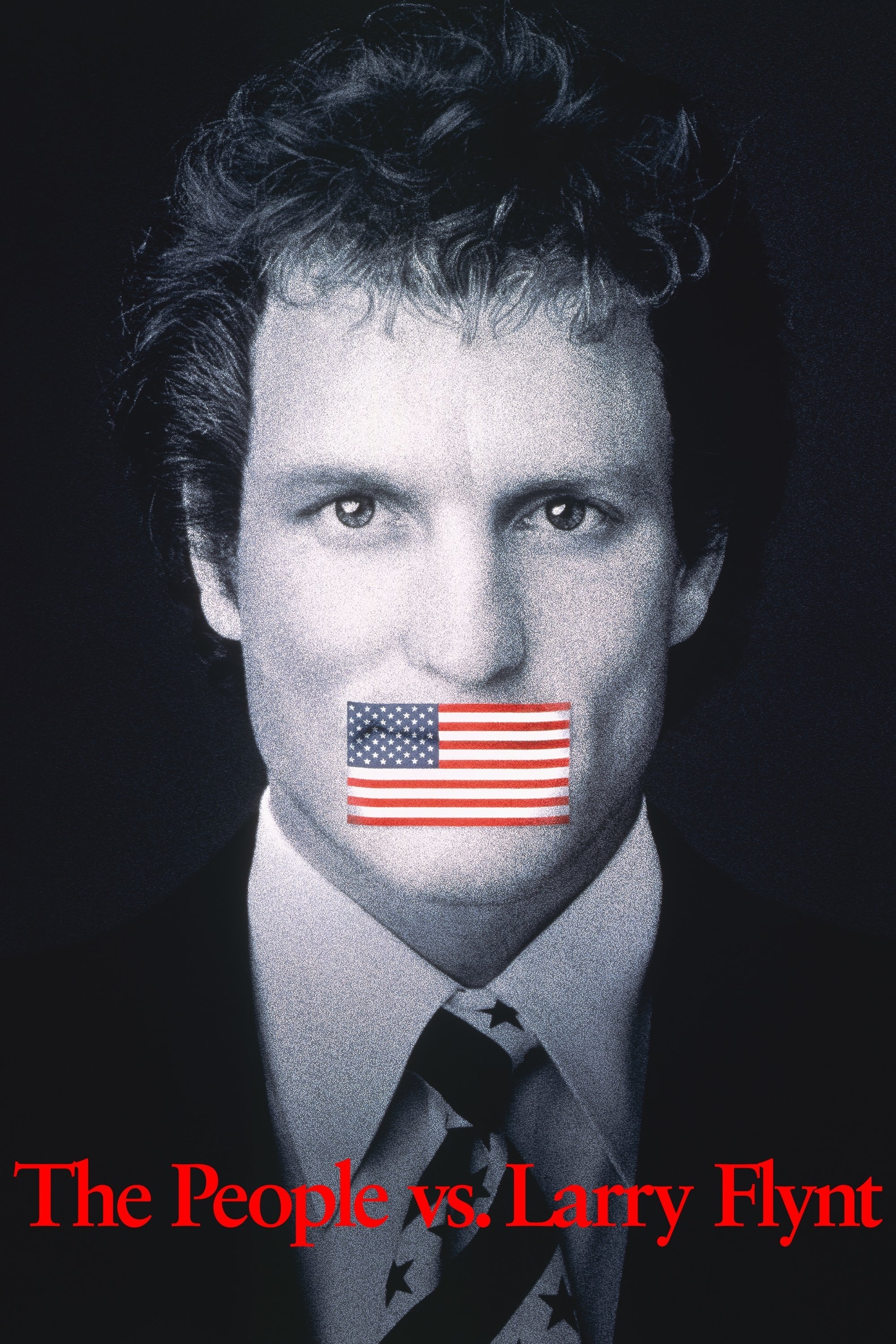
Religious and advocacy groups organized boycotts that pressured exhibitors and award voters. Some theater chains chose not to carry it in conservative markets. The attention centered on the real life subject and overshadowed the film’s courtroom and press freedom focus.
‘Dogma’ (1999)
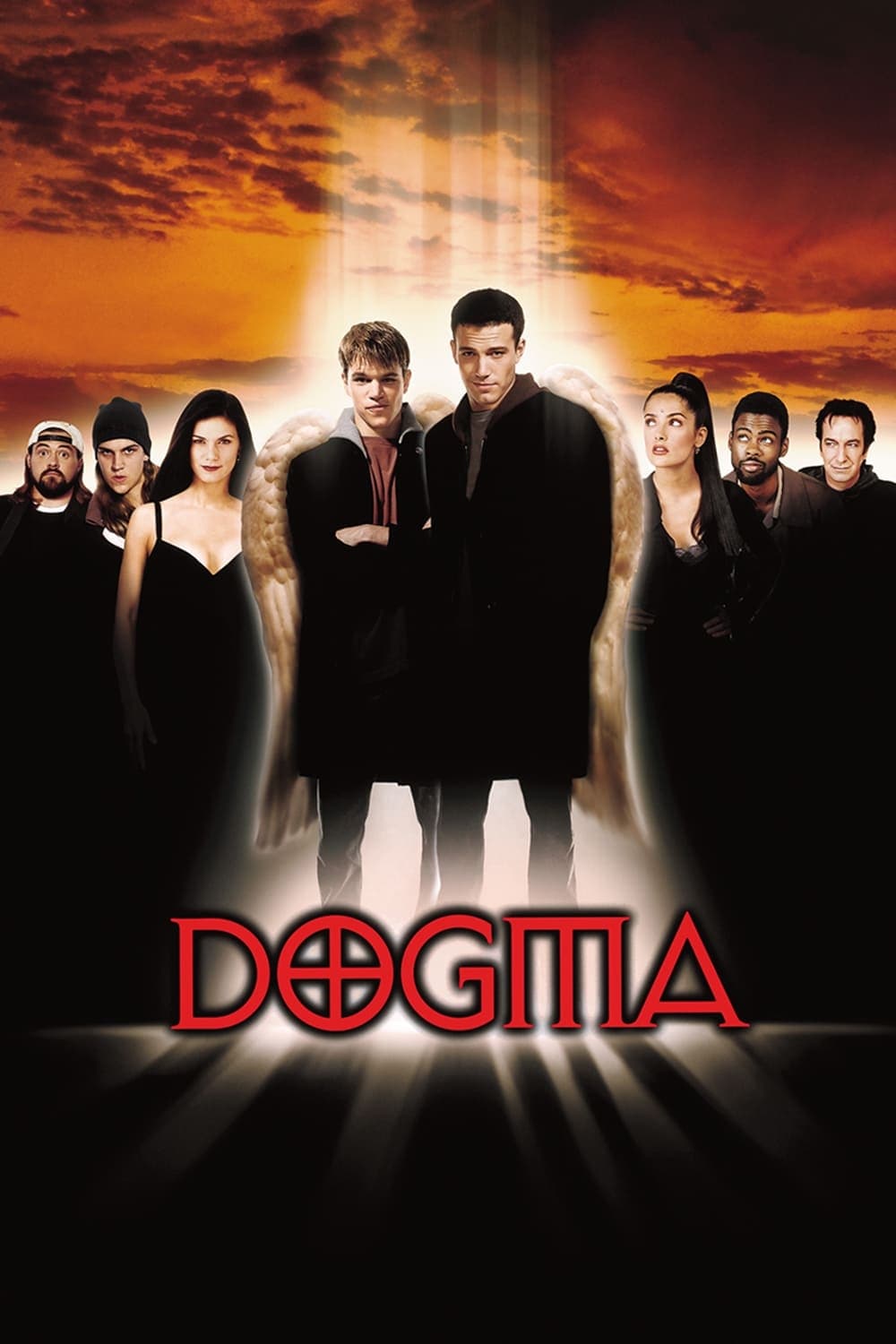
Outcry from religious organizations led the original studio to sell the film to a different distributor. Protests greeted advance screenings, and a number of theaters opted out to avoid demonstrations. The noise around the release plan eclipsed discussion of the movie’s ideas for many viewers.
‘Eyes Wide Shut’ (1999)

To secure a commercially viable rating in the United States, the studio digitally masked portions of an orgy sequence. Several countries required cut versions, creating confusion about which version audiences would see. This ratings chess reduced screens and dampened early attendance.
‘Lolita’ (1997)

Controversy over the source material made U.S. distribution unusually difficult, and the film premiered on cable before a small theatrical run. Some theater owners refused bookings due to the subject. Marketing channels were limited, which kept the movie largely out of mainstream circulation.
‘Happiness’ (1998)

The original distributor stepped away after public pressure over the story’s subject matter. The film was ultimately released unrated by a smaller company, with many chains declining to show it. That shift stranded it in a narrow art house corridor despite significant festival attention.
‘Priest’ (1994)
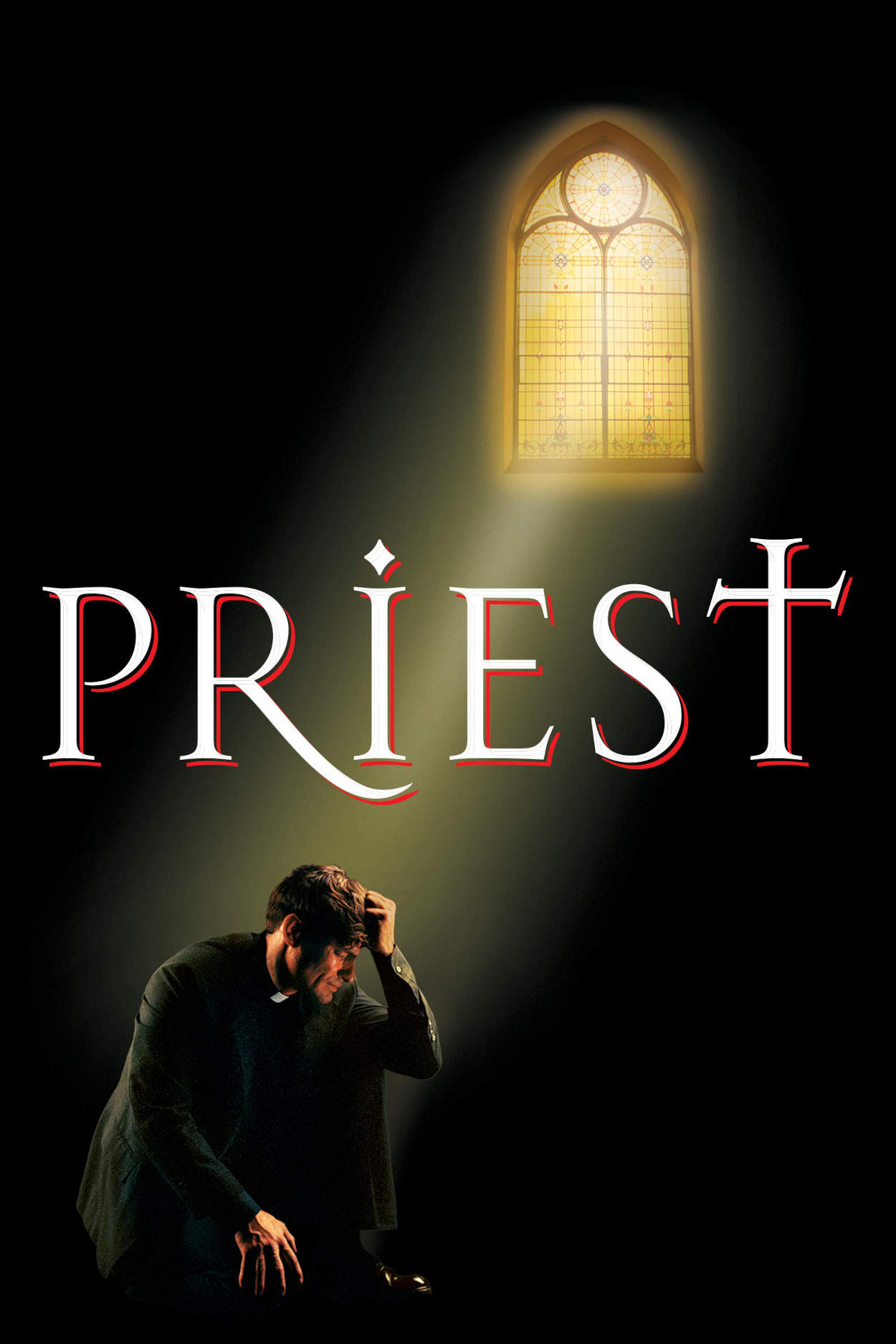
Catholic groups protested in multiple cities, and picket lines formed outside theaters. Several chains reduced showings or avoided certain markets entirely. The backlash kept the film from broad national saturation and confined it to select venues.
‘Bandit Queen’ (1994)
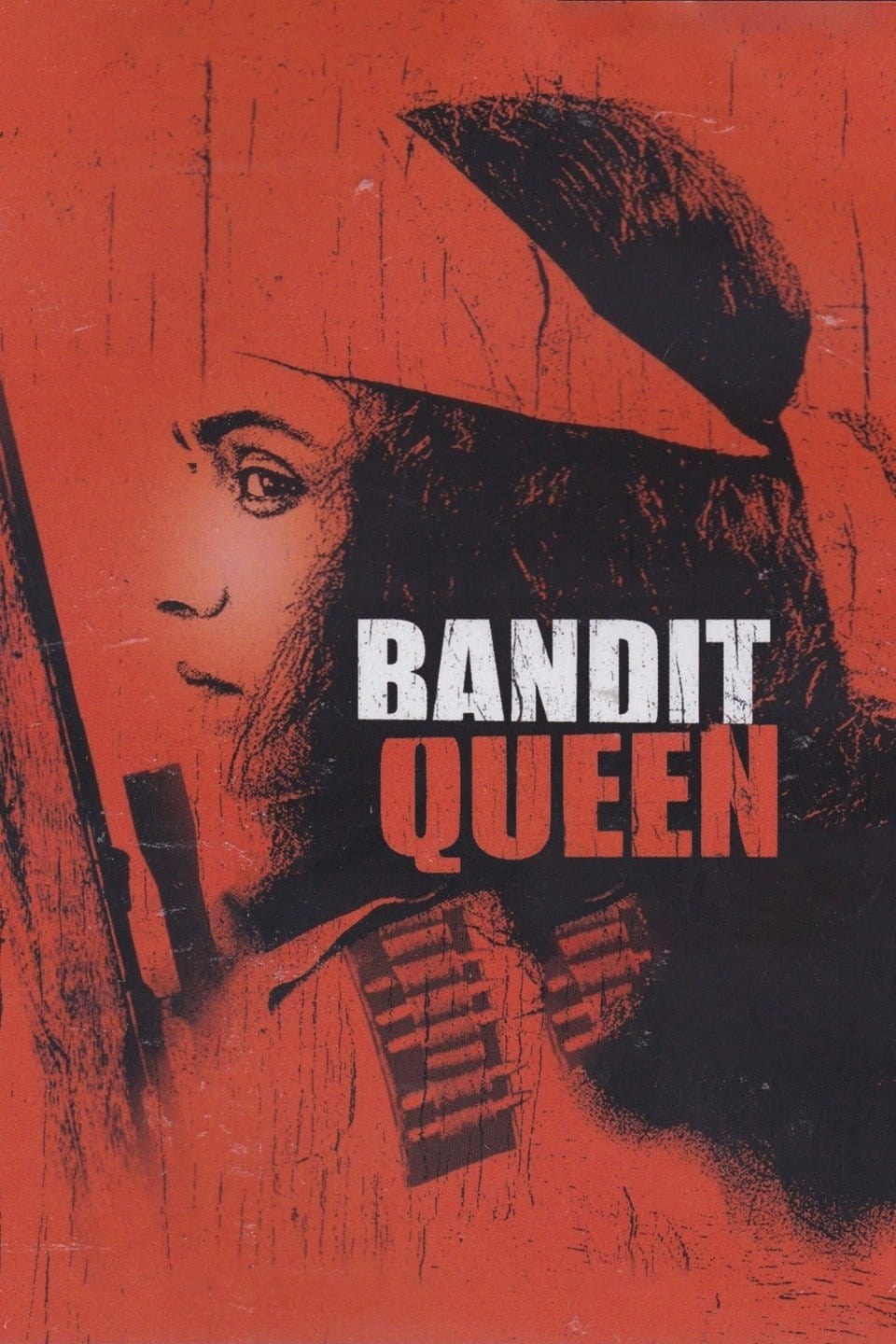
Legal challenges and censorship disputes in India stalled distribution and required edits. Court actions by figures depicted in the story further complicated screenings. As a result, the release pattern became fragmented and sporadic.
‘Fire’ (1996)
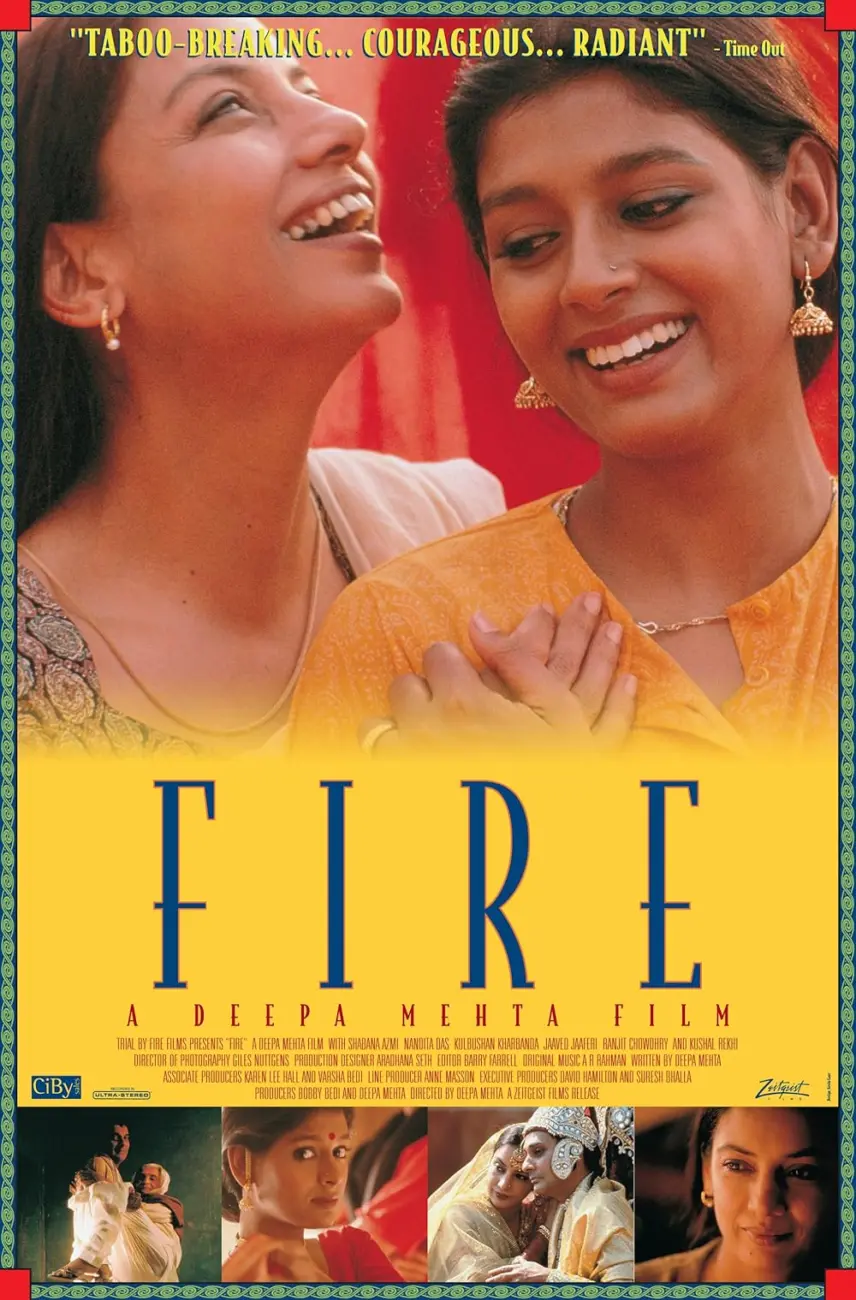
Violent protests and theater attacks in India led to cancellations and bans in several regions. Authorities intervened, and showings resumed only after legal rulings. The turmoil curtailed its ability to play consistently across major cities.
‘Kama Sutra: A Tale of Love’ (1996)

Bans and protests in India prevented a normal domestic run. In other territories, conservative gatekeepers limited advertising and bookings. The cumulative effect kept the movie on the margins despite strong interest in its production values.
‘The Basketball Diaries’ (1995)
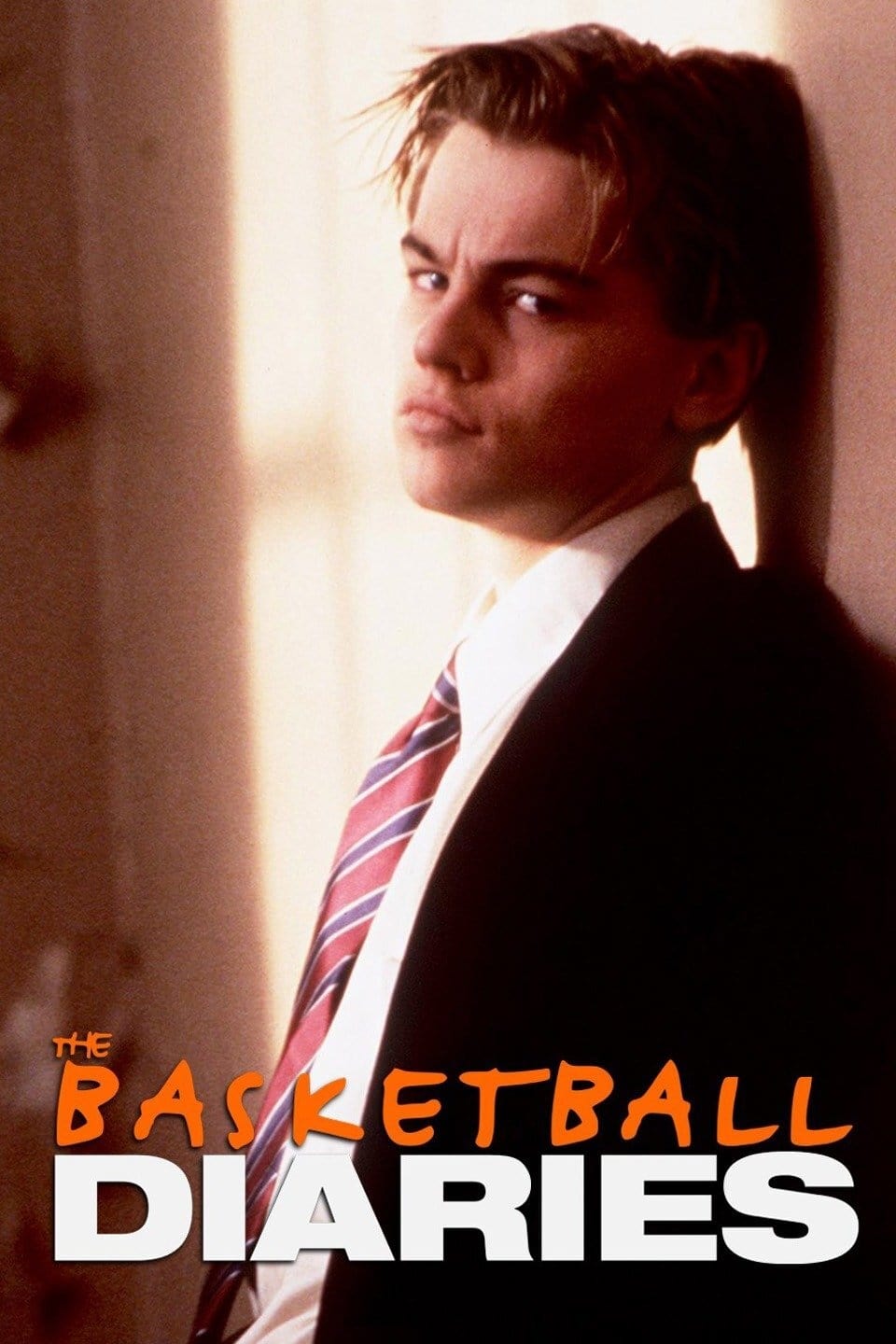
After school shootings in the late 1990s, lawsuits and public criticism targeted a classroom fantasy scene. Retailers and broadcasters faced pressure to pull or restrict the title. The association chilled exhibition and dampened long term availability.
‘Funny Games’ (1997)
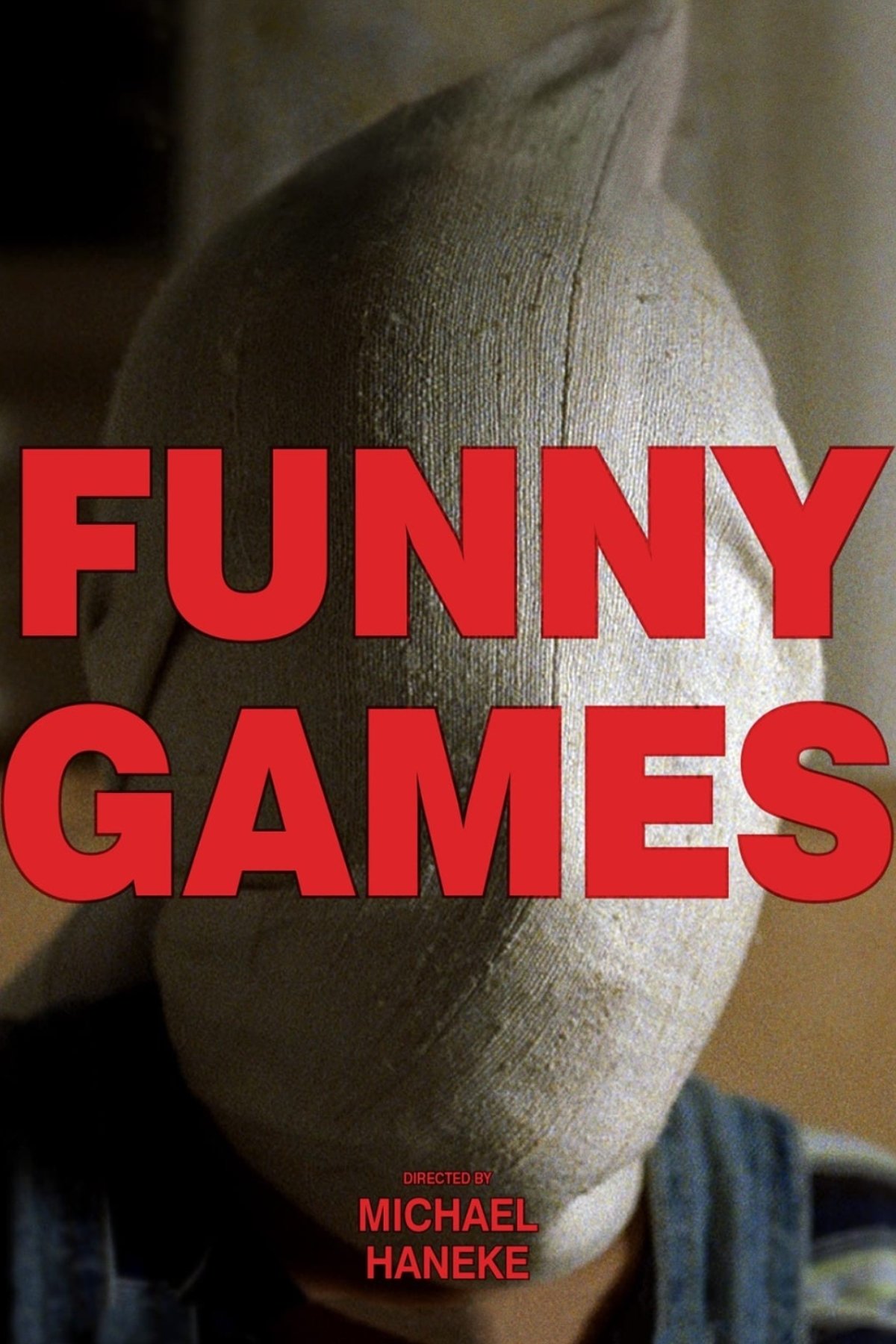
Its confrontational violence triggered censorship cuts in some countries and refusals by certain exhibitors. Marketing avenues were limited by content advisories. The film’s release footprint remained small compared to typical thriller rollouts.
‘Gummo’ (1997)

The movie’s provocative imagery and structure led many mainstream chains to pass. Advertising options were narrowed by standards policies at newspapers and TV outlets. Without wide access points, it existed mostly in niche circuits.
‘South Park: Bigger, Longer & Uncut’ (1999)
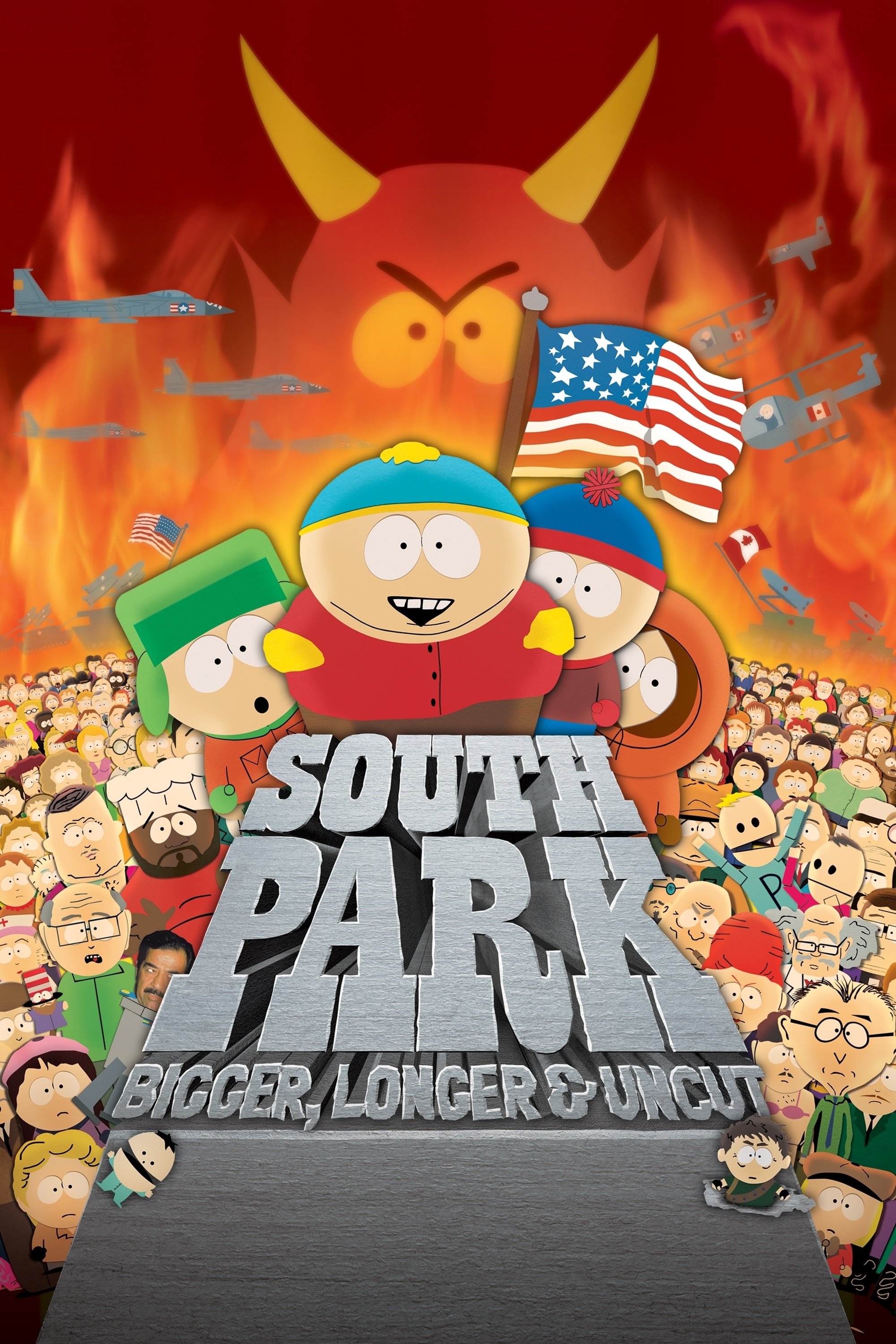
Ratings fights and content complaints confined marketing to late night and adult oriented outlets. Some countries required edited versions, and others restricted underage access more tightly than usual. The pushback fed headlines that eclipsed discussion of its musical craft for many audiences.
‘Starship Troopers’ (1997)
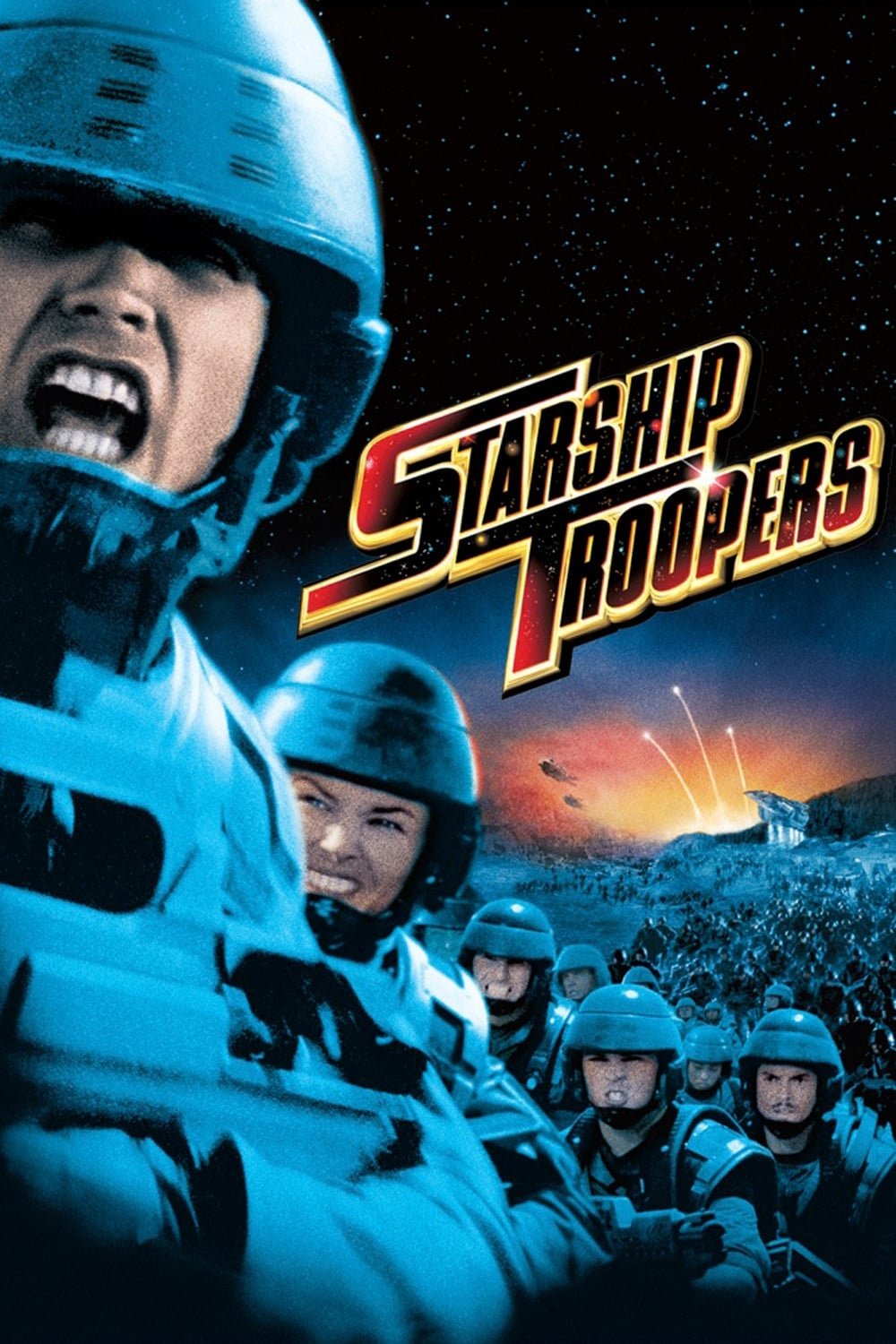
Commentary about perceived political messaging and graphic combat sequences stirred public argument. Several markets required trimmed versions, and the confusion over tone complicated promotion. These factors hindered word of mouth and translated to a shorter theatrical tail.
‘Bulworth’ (1998)
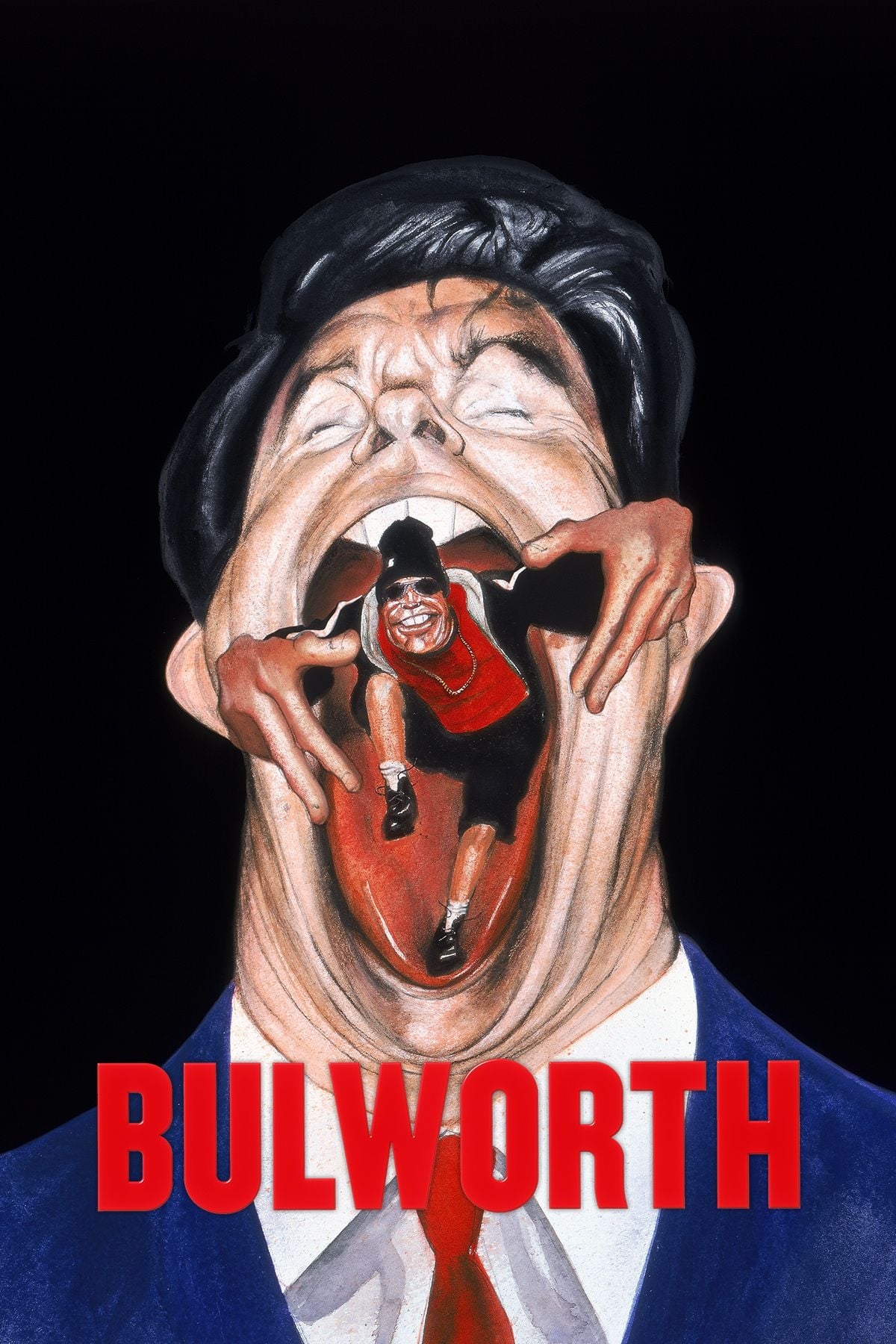
The film’s frank language about race and politics prompted boycotts and advertising hesitancy. Broadcasters placed limits on ad placements around family programming. The controversy constrained reach during a critical opening window.
‘The Boondock Saints’ (1999)
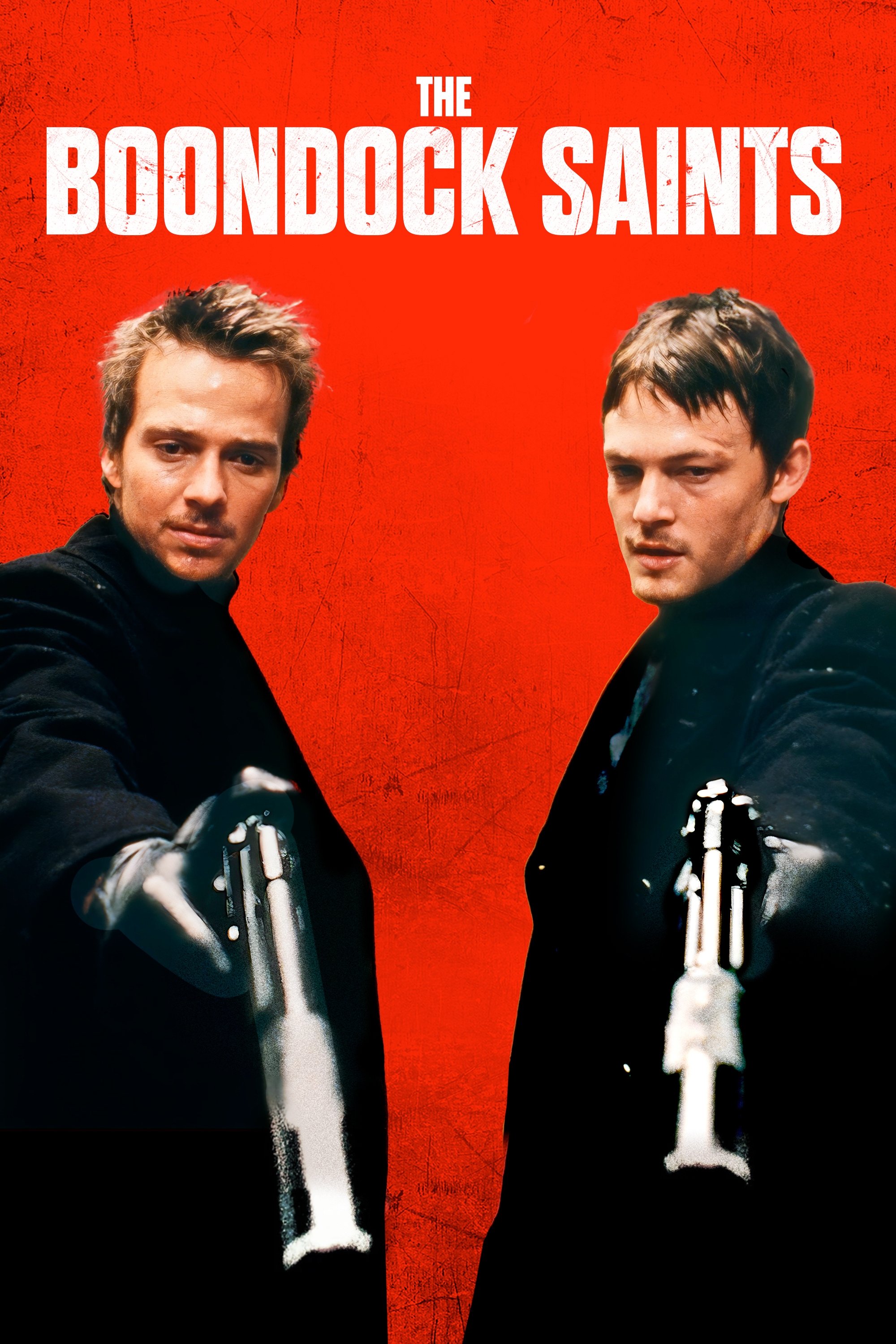
In the aftermath of the Columbine tragedy, exhibitors shied away from violent titles, and the film opened on only a handful of screens. Marketing commitments evaporated, and the run was quickly curtailed. It found a second life on video after missing its chance at a full theatrical rollout.
‘American History X’ (1998)
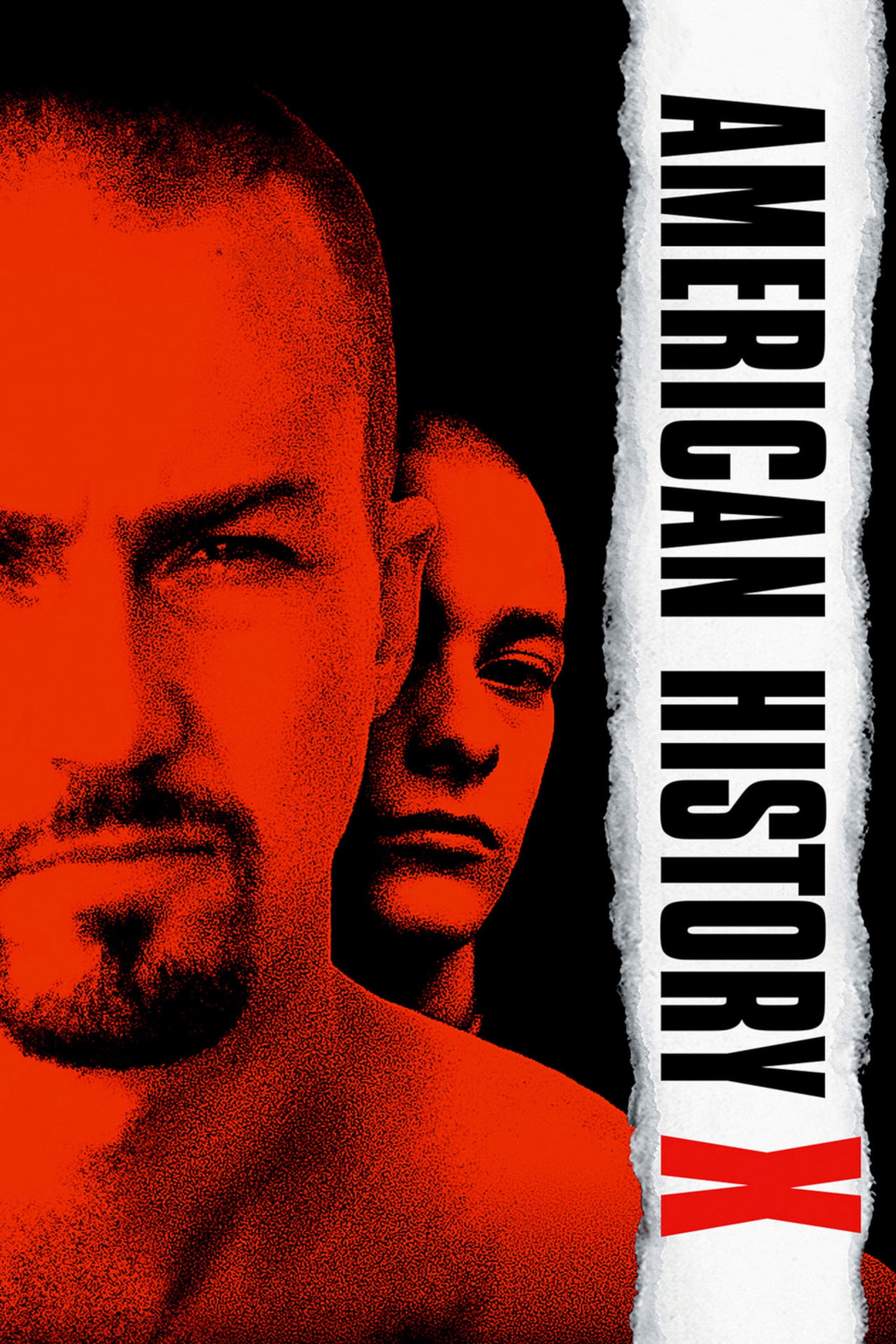
A public feud between the director and the studio overshadowed release plans and created uncertainty about the final cut. The subject matter made some exhibitors cautious, resulting in a limited rollout. That combination kept the movie from reaching a broader early audience.
‘Reservoir Dogs’ (1992)
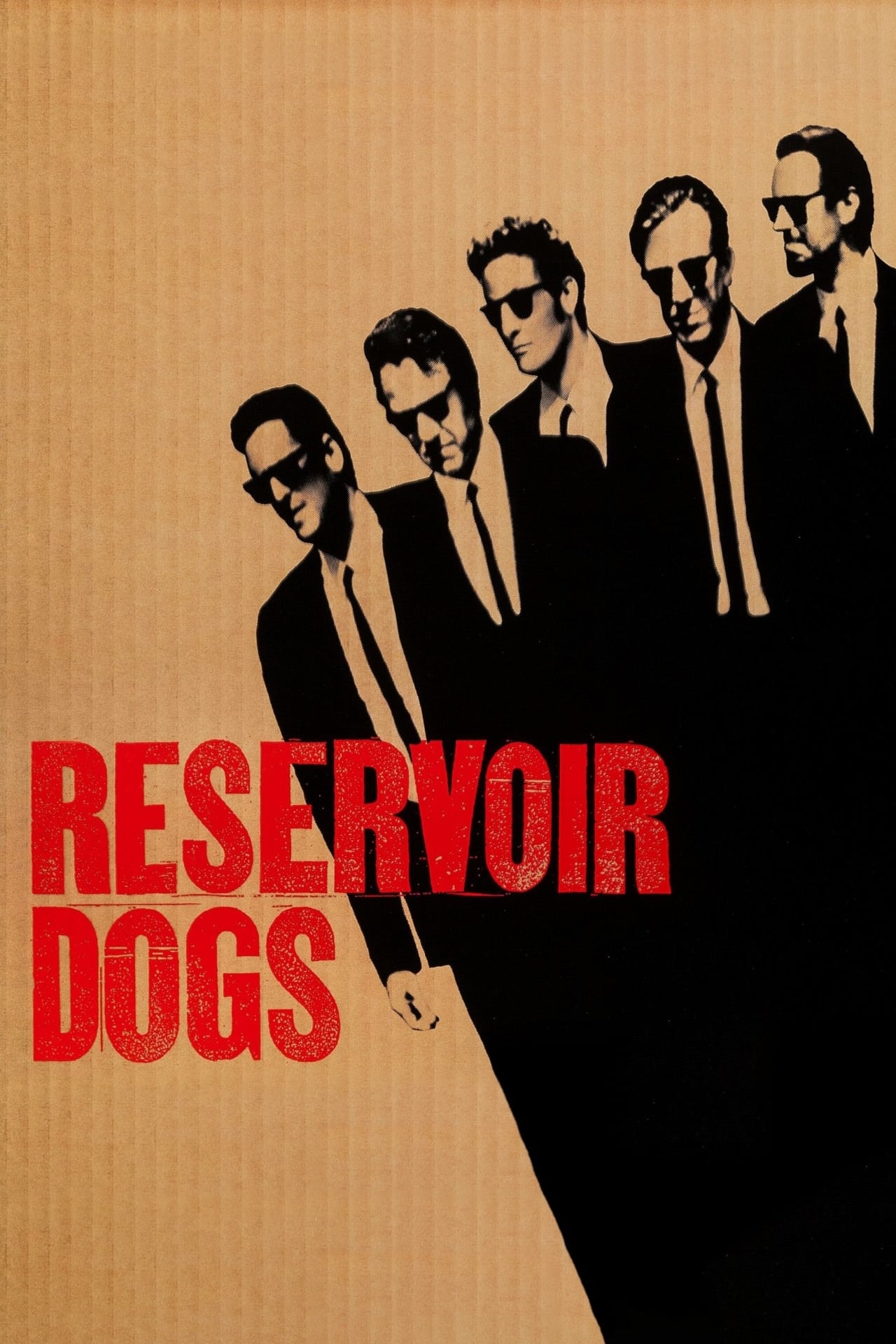
Graphic violence led to refusals by video retailers in several countries and delayed home video availability in the United Kingdom. Some local authorities discouraged screenings during its initial buzz period. The constraints kept the film in a smaller distribution lane than its later reputation would suggest.
‘Romance’ (1999)
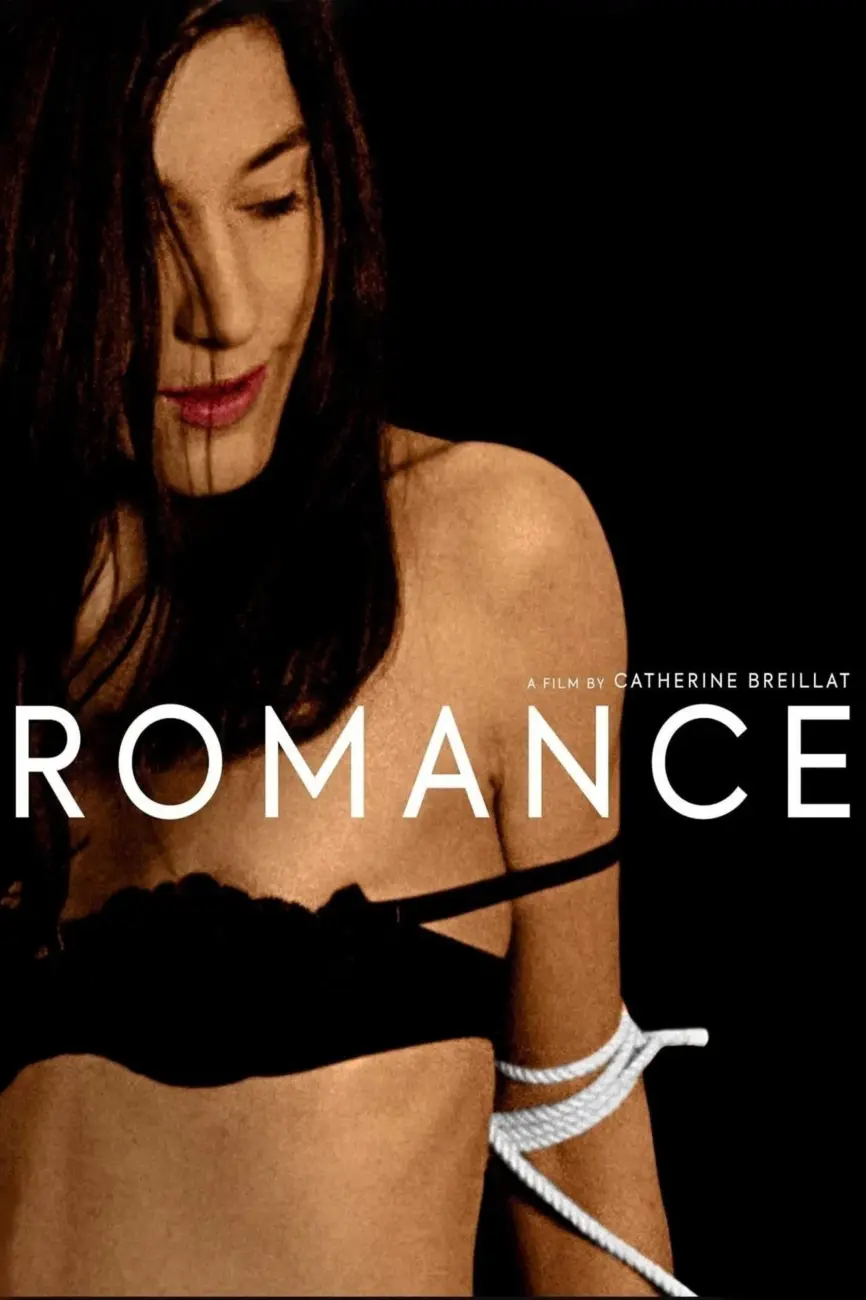
Unsimulated sex scenes triggered bans and seizures in select territories and an adults only rating in the United States. Many chains would not book it under that label, and newspapers rejected ads. The movie’s release therefore concentrated in a limited number of art houses.
Share your picks from the decade in the comments and tell us which titles you think were unfairly sidelined.

