


1990s Movies That Are Completely Unwatchable Today

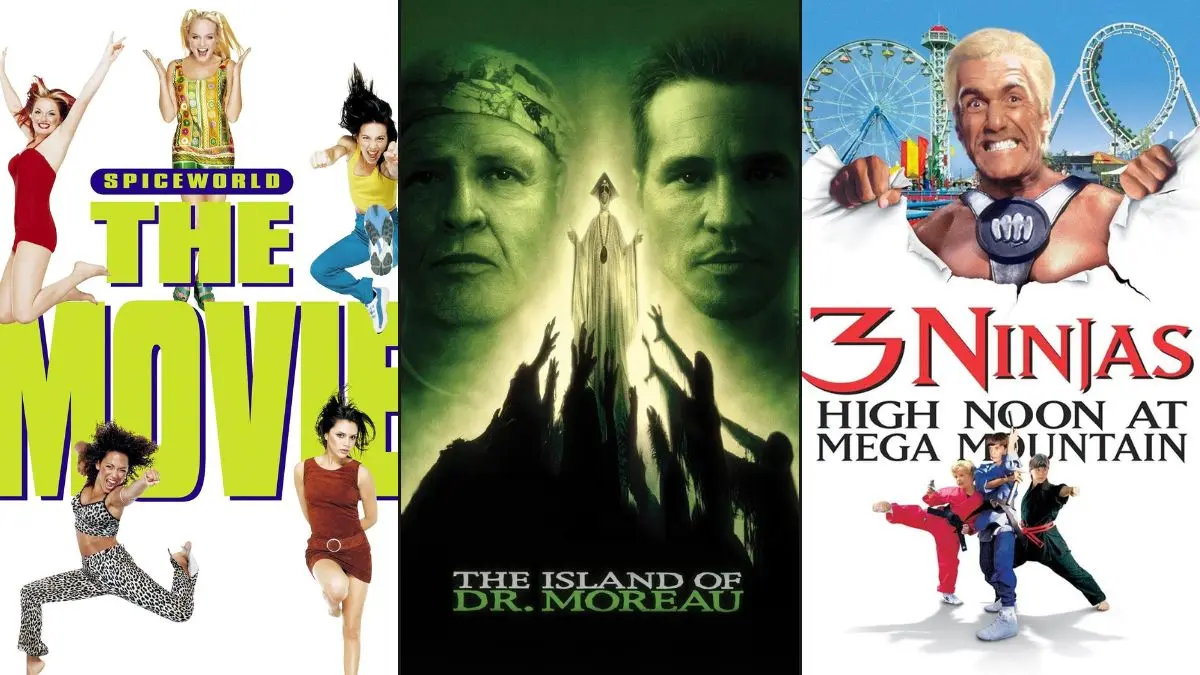


The 1990s delivered some cinematic gems that remain beloved to this day. But for every classic that stands the test of time, there’s a cringe-inducing relic that hasn’t aged nearly as well. Whether it’s dated humor, poor effects, tone-deaf storytelling, or cultural insensitivity, many once-popular movies from this decade now feel uncomfortable, boring, or just plain bad when viewed through a modern lens.
This list takes a look back at movies from the 1990s that are nearly impossible to sit through today. While they might have been box office hits or cult favorites in their time, these films are now best remembered as cautionary tales of fleeting trends, failed experiments, and ideas that should have stayed on the cutting room floor.
‘Super Mario Bros.’ (1993)
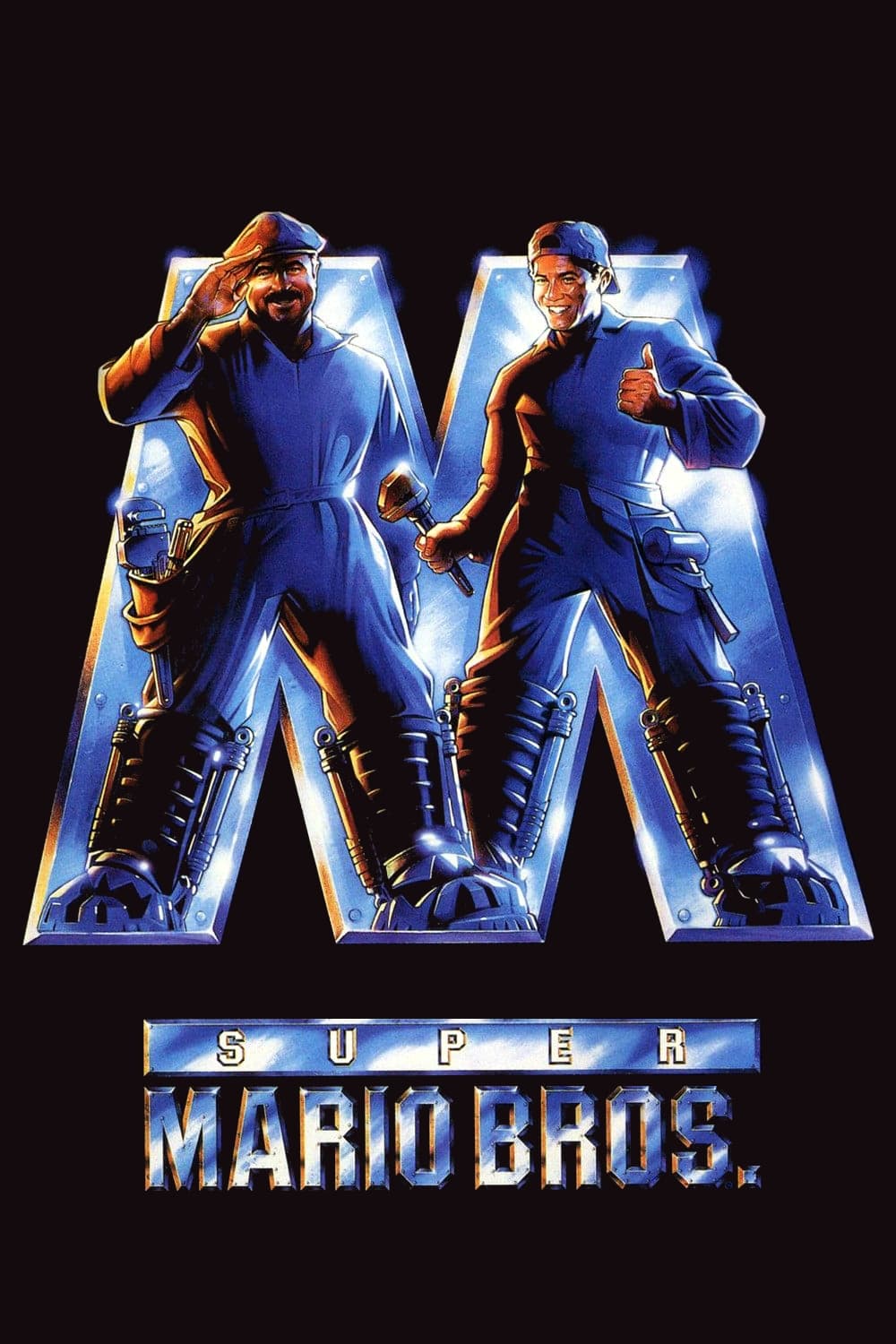
A live-action spin on Nintendo’s mascot swaps the games’ bright whimsy for a grimy, dystopian take that barely resembles the source. The world-building is chaotic, the narrative meanders, and the tone lurches from kids’ comedy to weird cyberpunk pastiche.
Today it feels joyless and incoherent, with rubbery creature effects and production design that read as noisy rather than imaginative. Even as a curiosity, it’s a slog for anyone not watching purely for camp value.
‘Mortal Kombat: Annihilation’ (1997)
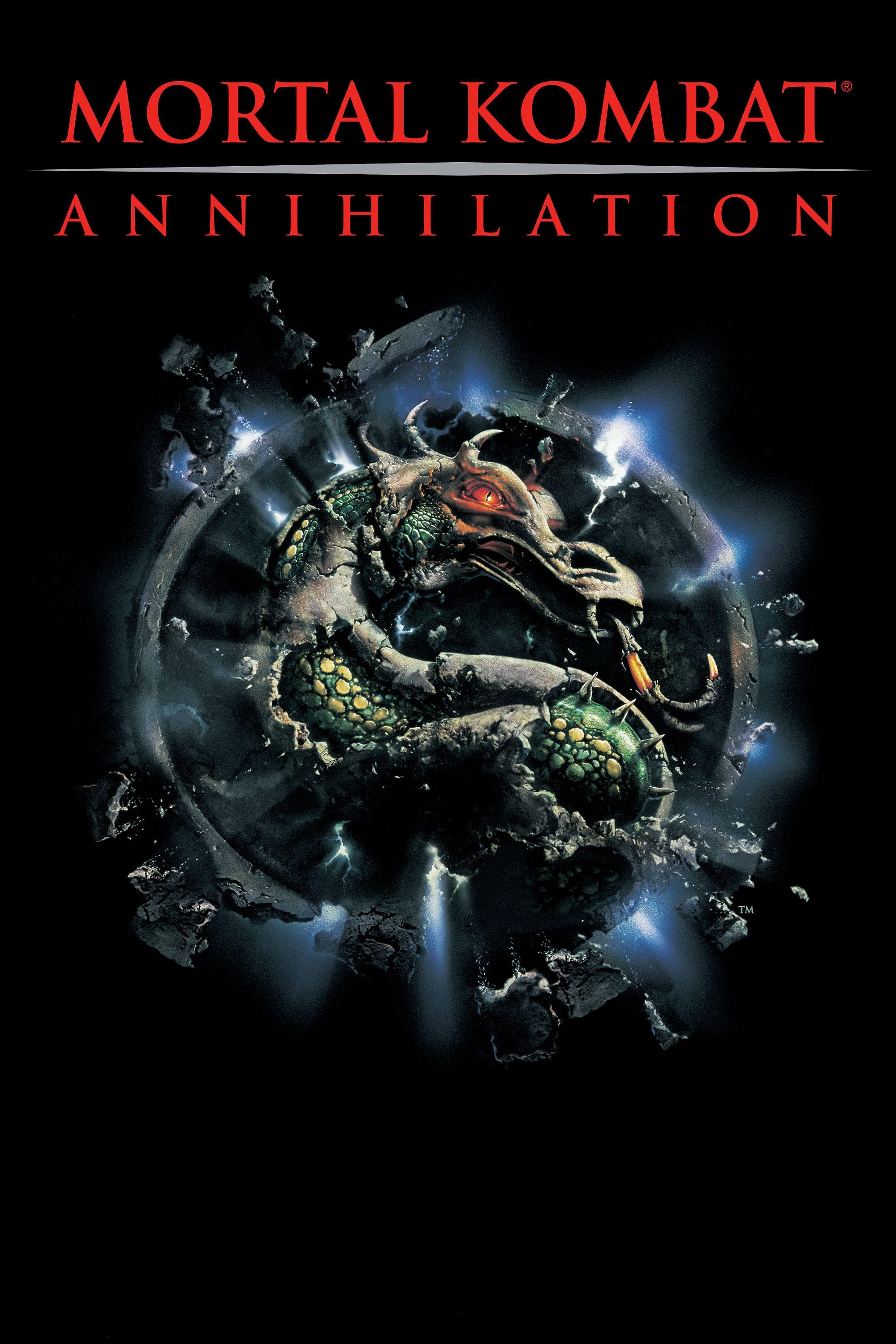
This sequel rushes through fan-favorite characters and plot points with TV-level effects and stunt-doubled fights cut to ribbons. Dialogue is stilted, performances are flat, and the story feels like a string of game intros stitched together.
What might have passed as flashy in 1997 now plays like relentless noise. The weightless CGI, hyperactive edits, and threadbare stakes make it nearly impossible to sit through.
‘Steel’ (1997)

Intended as a grounded superhero movie, it strands its lead in clunky armor and flatter-than-flat set pieces. The script is formulaic and the action lacks impact, undermining any chance at sincere pulp fun.
Viewed now, its bargain-bin visuals and lifeless pacing are glaring. It’s a relic from the pre-renaissance era of comic-book films that demonstrates exactly why the genre needed a reset.
‘Street Fighter’ (1994)
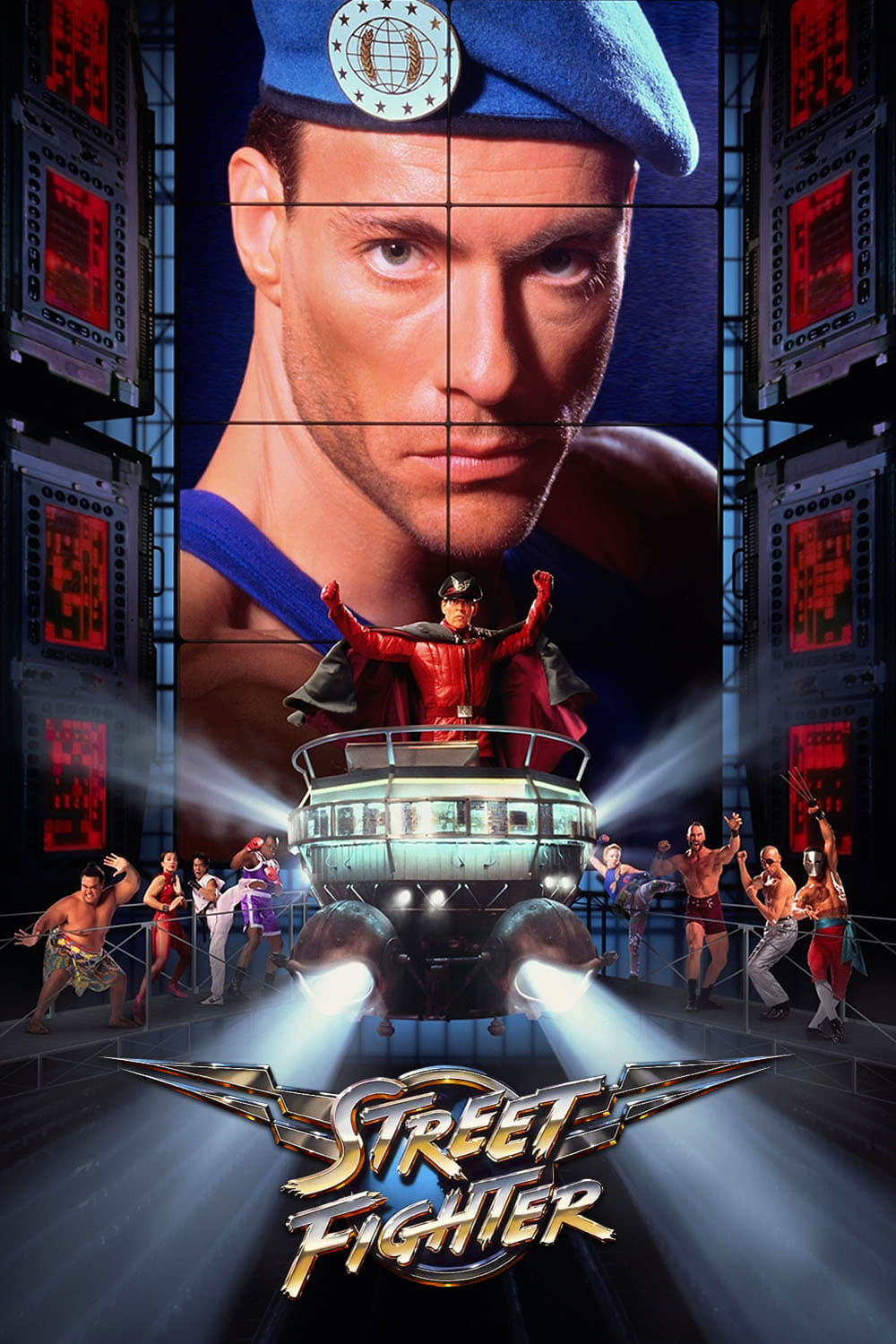
A stacked cast can’t rescue a script that sidelines the games’ martial-arts beats for goofy military hijinks. Iconic characters are reworked beyond recognition, and fights arrive as perfunctory skirmishes instead of showcases.
Time hasn’t been kind to the cheap sets, weightless action, and tonal confusion. Outside of one celebrated villain performance, it’s a loud, messy endurance test.
‘Lost in Space’ (1998)
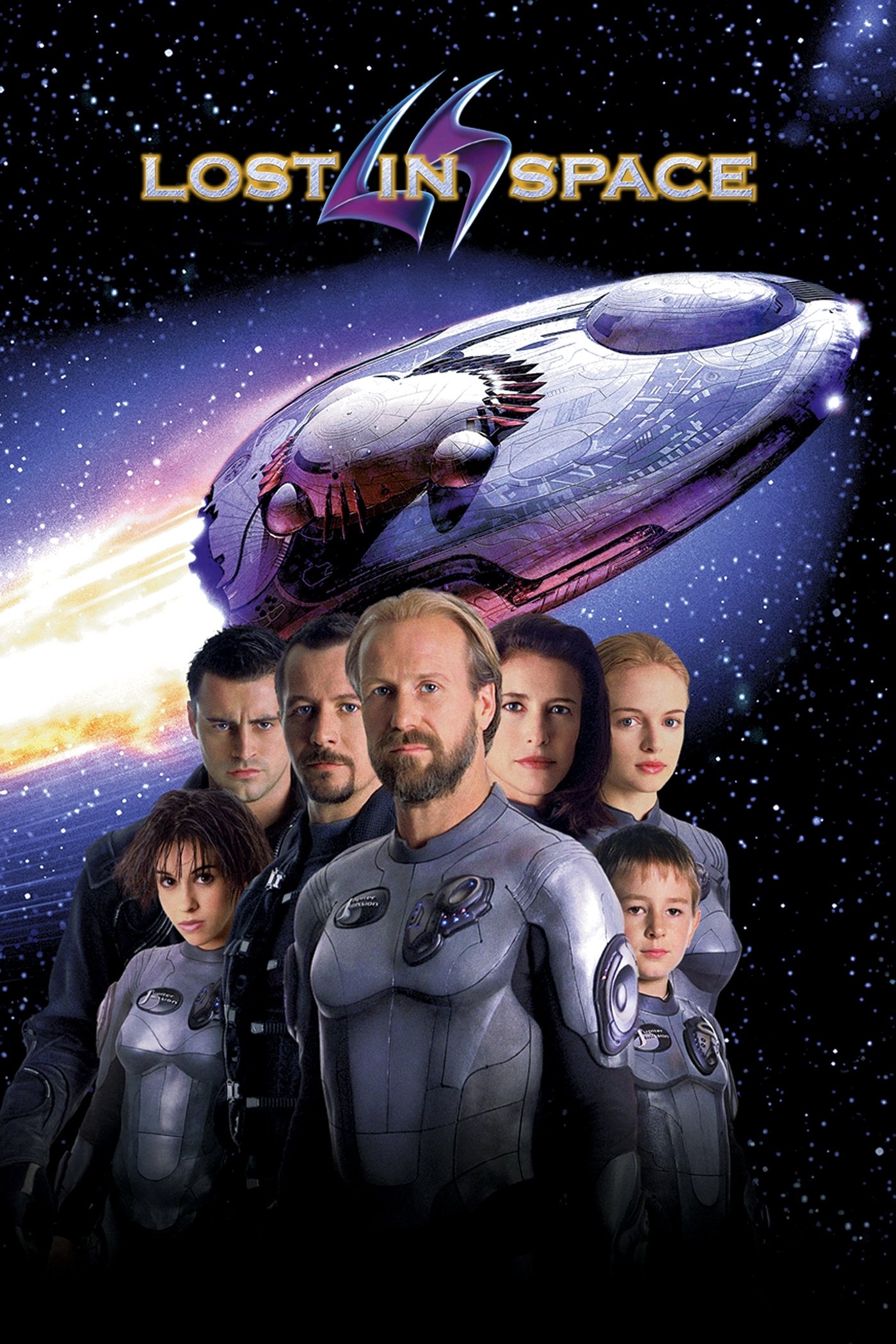
A glossy TV reboot drowned in oversize sets and early CGI, it trades the show’s charm for inert spectacle. Character work is perfunctory, and the family dynamic that should anchor the story barely registers.
Today, the creature effects and digital backdrops look artificial, and the plot’s detours feel interminable. It’s a prime example of late-’90s blockbuster excess without the thrills.
‘An Alan Smithee Film: Burn, Hollywood, Burn’ (1997)
A showbiz satire about a director disowning his movie was ironically disowned by its real director, and the meta-joke ends there. The humor is broad, repetitive, and rarely lands, despite cameos and inside-baseball references.
Modern viewers will find it toothless and dated—more smug than sharp. As a takedown of Hollywood, it’s all premise, no punchlines.
‘Chairman of the Board’ (1998)
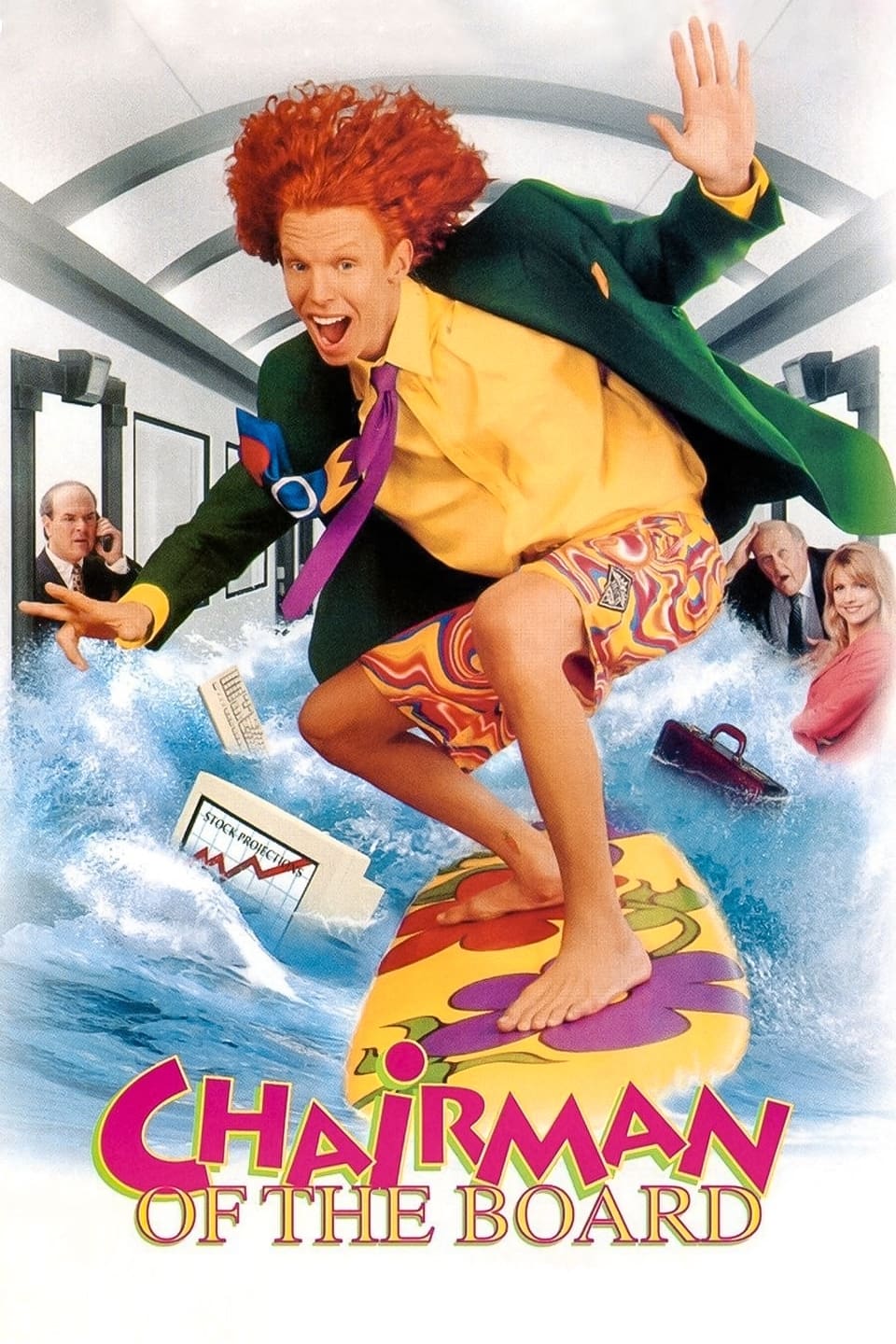
A high-energy comic vehicle built on props and catchphrases, it mistakes noise for wit. The plot—a hapless inventor running a corporation—never evolves past a sketch premise.
Without timing or character to ground the antics, the gags collapse into secondhand embarrassment. It’s the kind of ’90s comedy that plays like an overlong infomercial for a persona.
‘The Postman’ (1997)
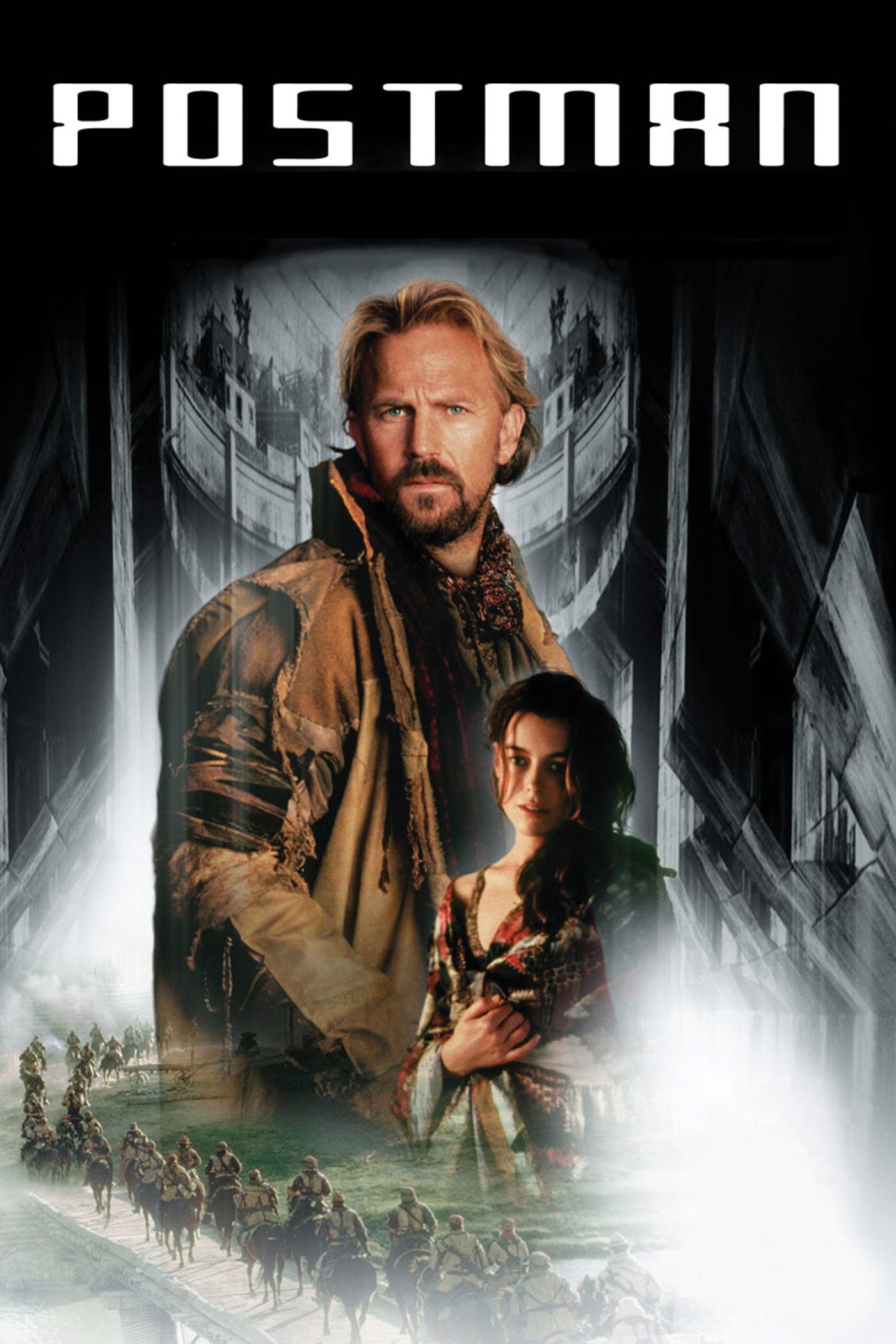
A self-serious post-apocalyptic epic stretches a simple parable into a three-hour march. Grandiose speeches and ponderous pacing smother any momentum the set pieces generate.
What remains is earnest but turgid, with melodrama that borders on parody. Its sincere myth-making has aged into unintentional camp.
‘The Haunting’ (1999)
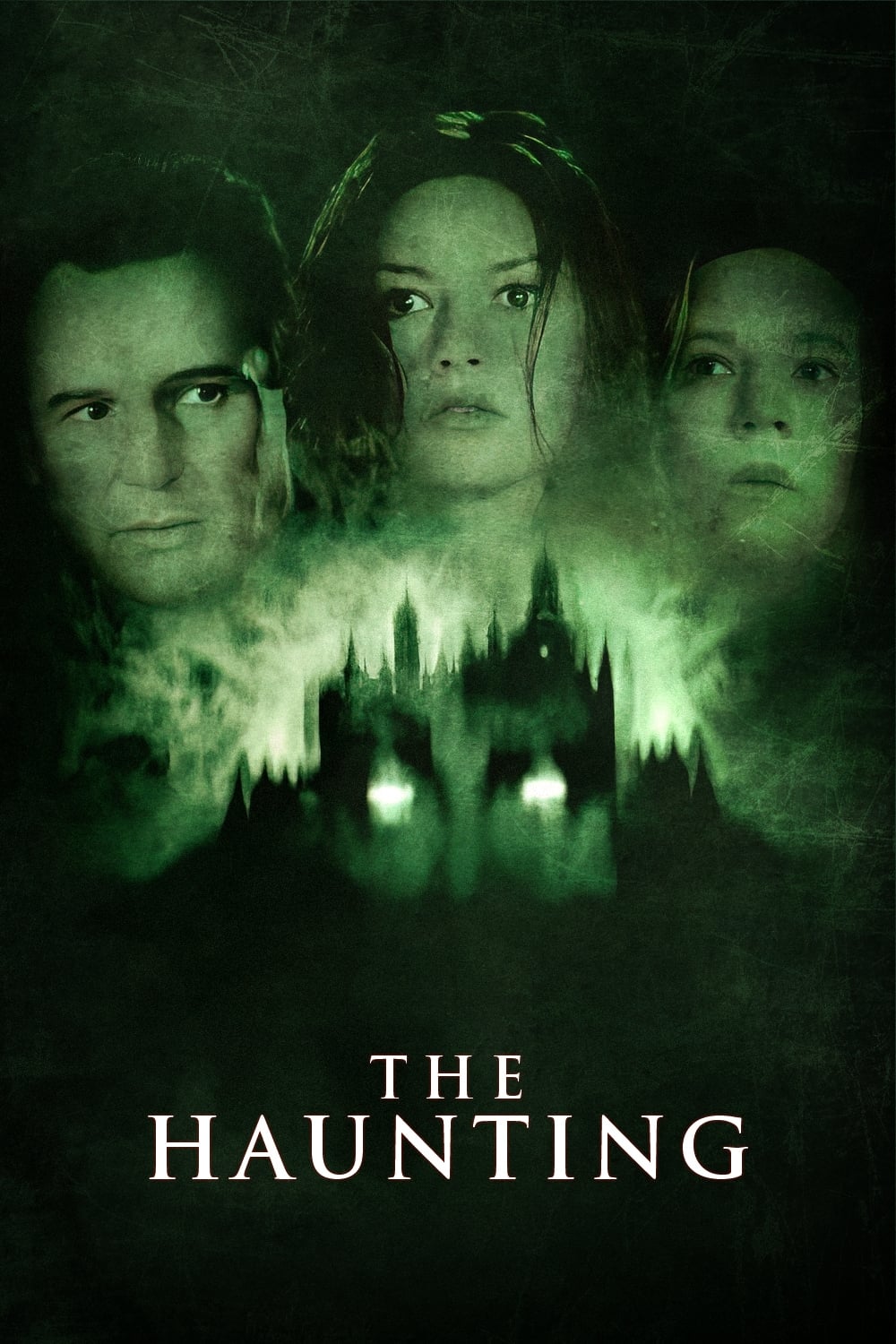
A starry remake swaps quiet dread for booming sound design and digital phantoms. Character motivations are thin, and the house—meant to be the real protagonist—feels like a videogame level.
Time exposes the overdone effects and flattening of gothic atmosphere. Without suspense or subtlety, the scares curdle into empty noise.
‘Teenage Mutant Ninja Turtles III’ (1993)
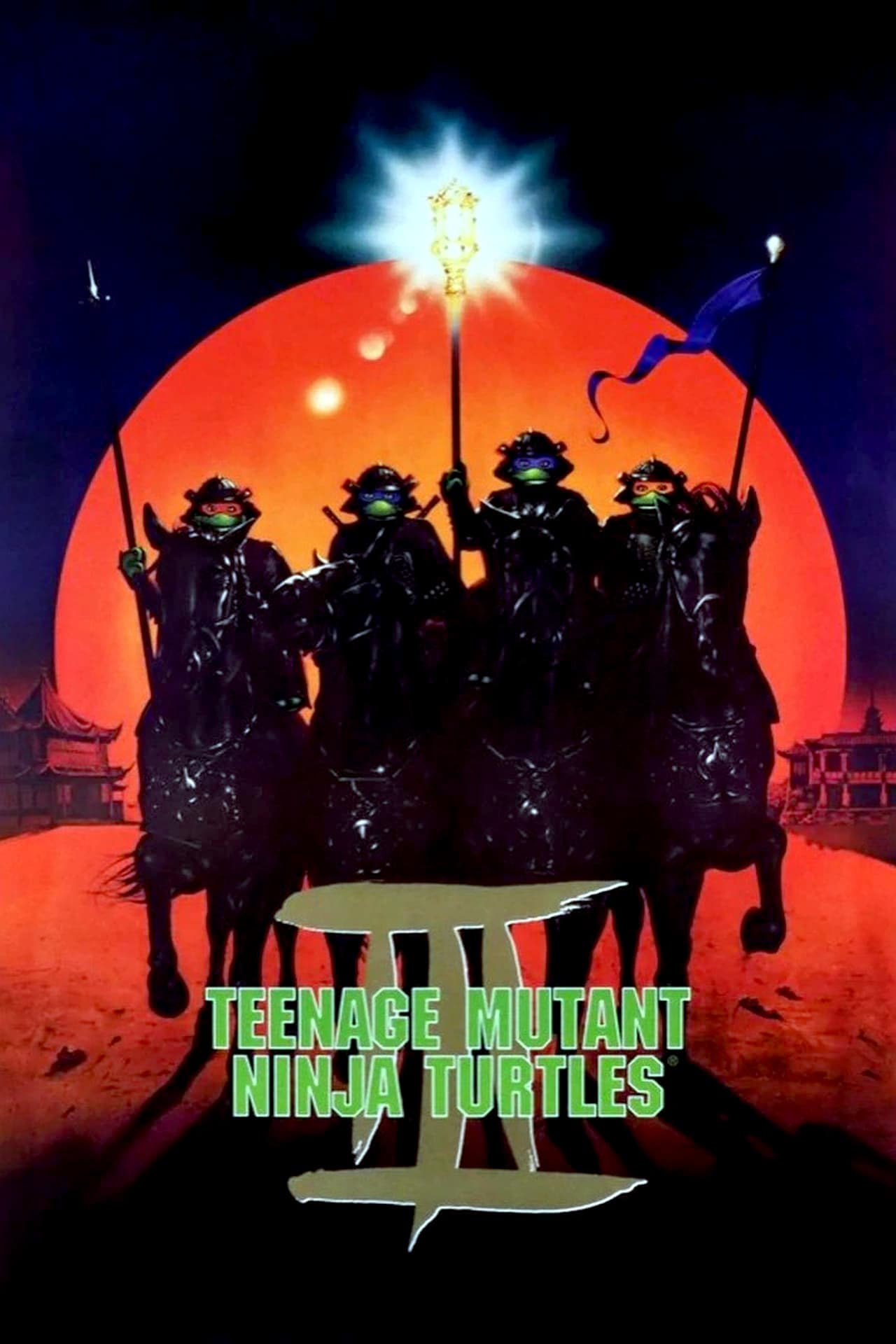
A time-travel detour to feudal Japan arrives with out-of-sync suits and slumping energy. The fish-out-of-water beats repeat, and the plotting creeps from set piece to set piece without spark.
Today the costumes and choreography look cheaper, and the humor is strictly Saturday-morning filler. It’s the definition of a franchise running on fumes.
‘Batman & Robin’ (1997)
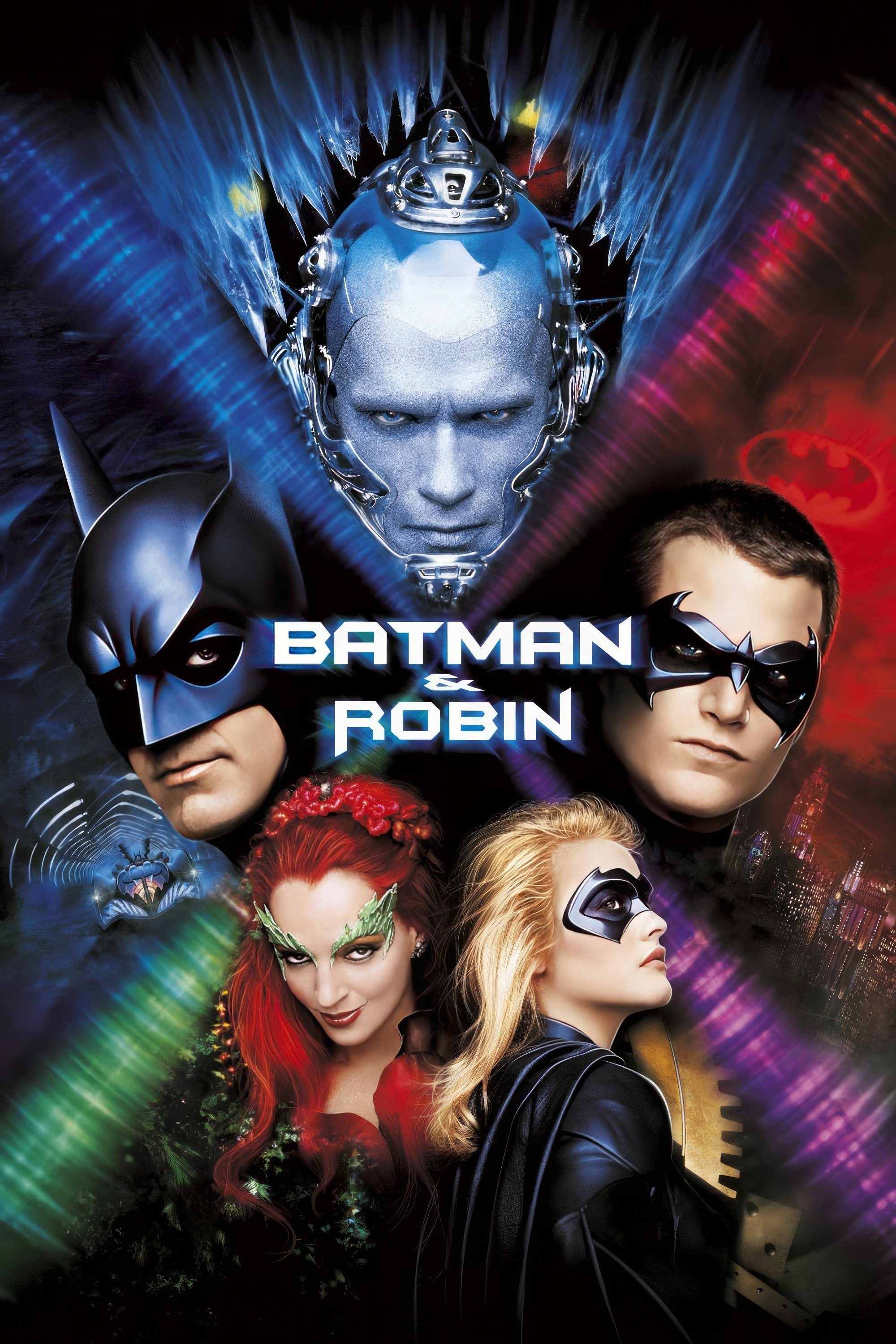
Once hyped as a major summer blockbuster, ‘Batman & Robin’ is now notorious for nearly killing the Batman franchise. With garish neon visuals, ice puns galore from Arnold Schwarzenegger’s Mr. Freeze, and awkward performances all around, it’s more of a costume parade than a coherent movie.
The tone swings wildly from campy comedy to melodrama, and the overstuffed plot leaves none of the characters enough room to shine. It’s a perfect example of what happens when style completely overwhelms substance.
‘The Avengers’ (1998)
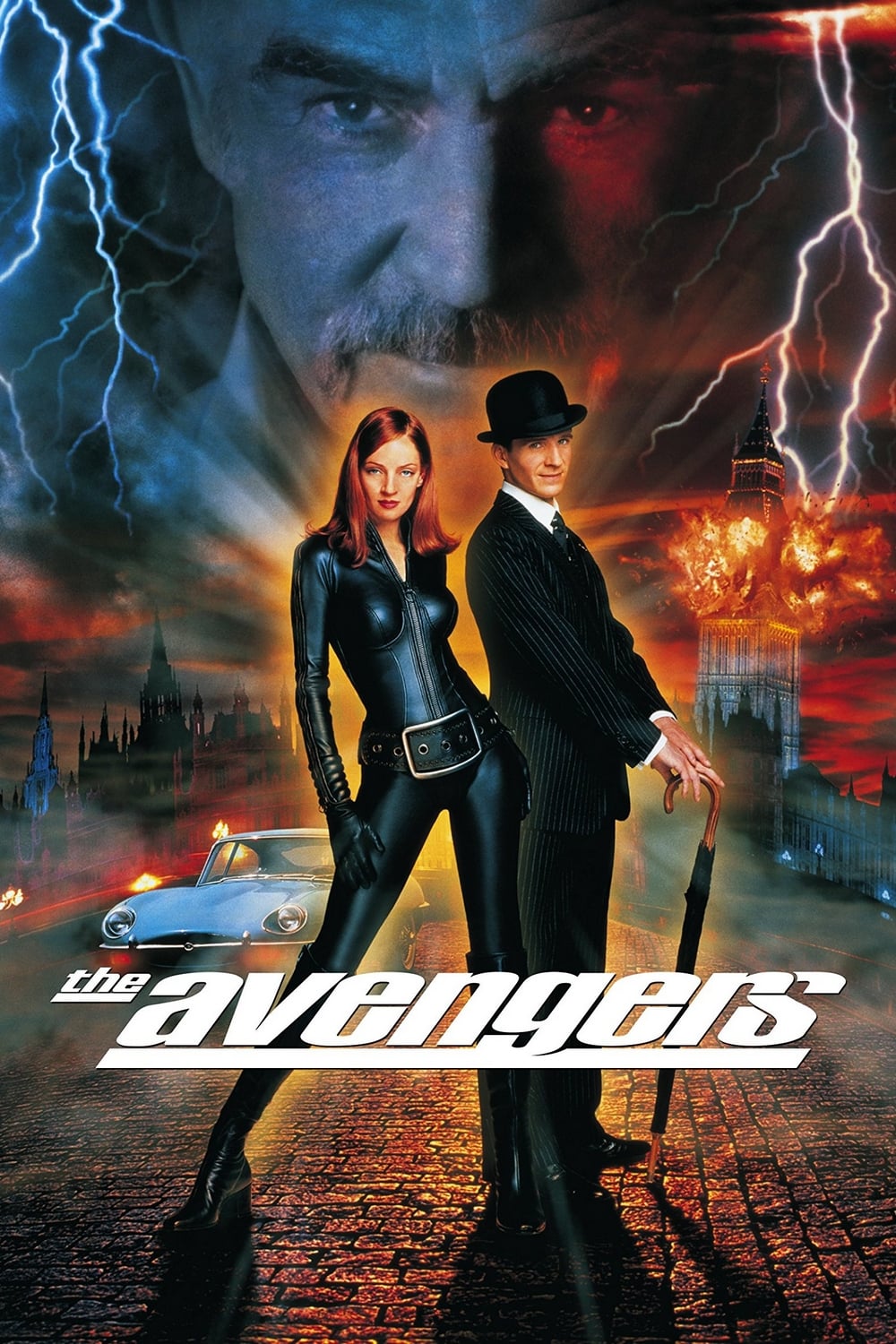
Not to be confused with Marvel’s billion-dollar juggernaut, this adaptation of the British spy TV show is a baffling, disjointed mess. Despite starring Ralph Fiennes and Uma Thurman, the film never finds its footing.
Odd choices like weather-controlling villains in bear suits and bizarre dialogue make it feel more like an expensive inside joke than a proper action movie. It’s tedious, confusing, and almost unwatchable from start to finish.
‘Cool World’ (1992)
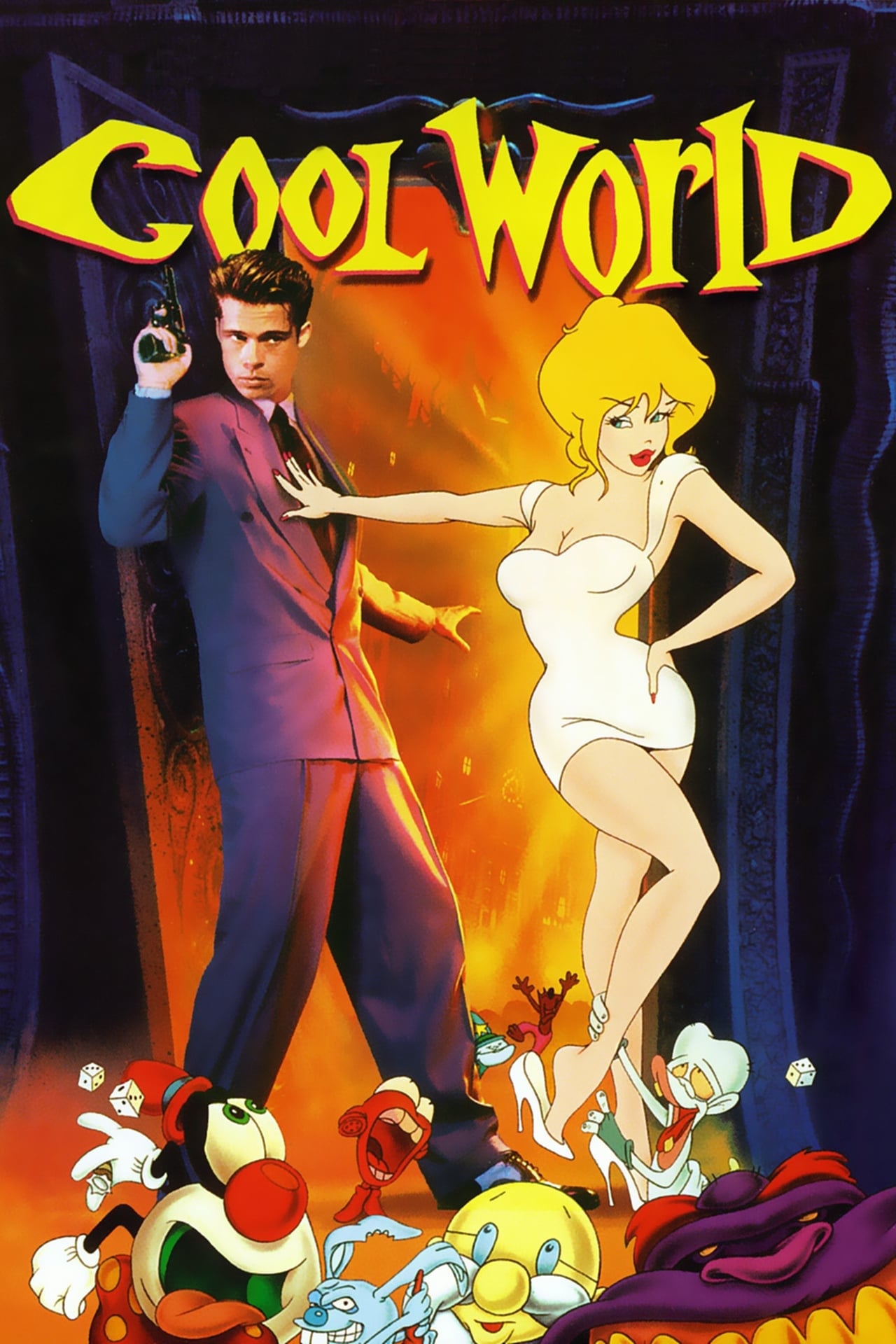
Attempting to ride the coattails of ‘Who Framed Roger Rabbit’, ‘Cool World’ mixed live action and animation with a dark twist—and failed spectacularly. The film’s tone is all over the place, and the plot is incoherent at best.
Brad Pitt and Kim Basinger are wasted in roles that feel more like ideas than characters. What’s meant to be edgy and adult just comes across as lewd and chaotic.
‘Bio-Dome’ (1996)
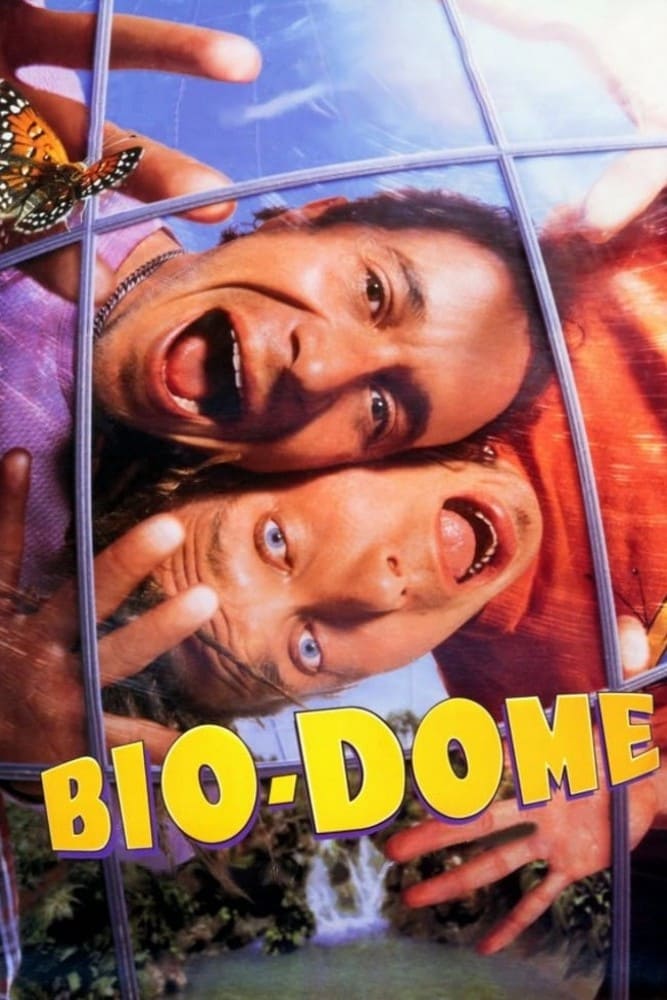
Pauly Shore’s brand of stoner comedy hasn’t aged well, and ‘Biodome’ is Exhibit A. The plot, centered around two slackers accidentally trapped in an environmental science experiment, is thin and repetitive.
The jokes are loud, crude, and rarely land, and the environmental message is drowned out by juvenile antics. It’s 90 minutes of wasted potential and secondhand embarrassment.
‘The Pest’ (1997)
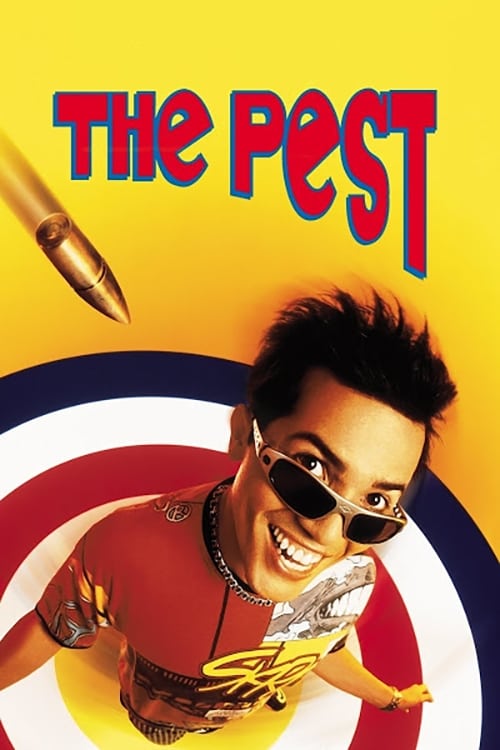
John Leguizamo’s attempt at a zany, high-energy comedy is more grating than funny. ‘The Pest’ leans hard into offensive stereotypes and over-the-top gags that feel more desperate than entertaining.
The movie tries to channel the energy of classic slapstick, but it lacks the charm or wit to pull it off. Watching it today feels like sitting through an unending cringe compilation.
‘Speed 2: Cruise Control’ (1997)
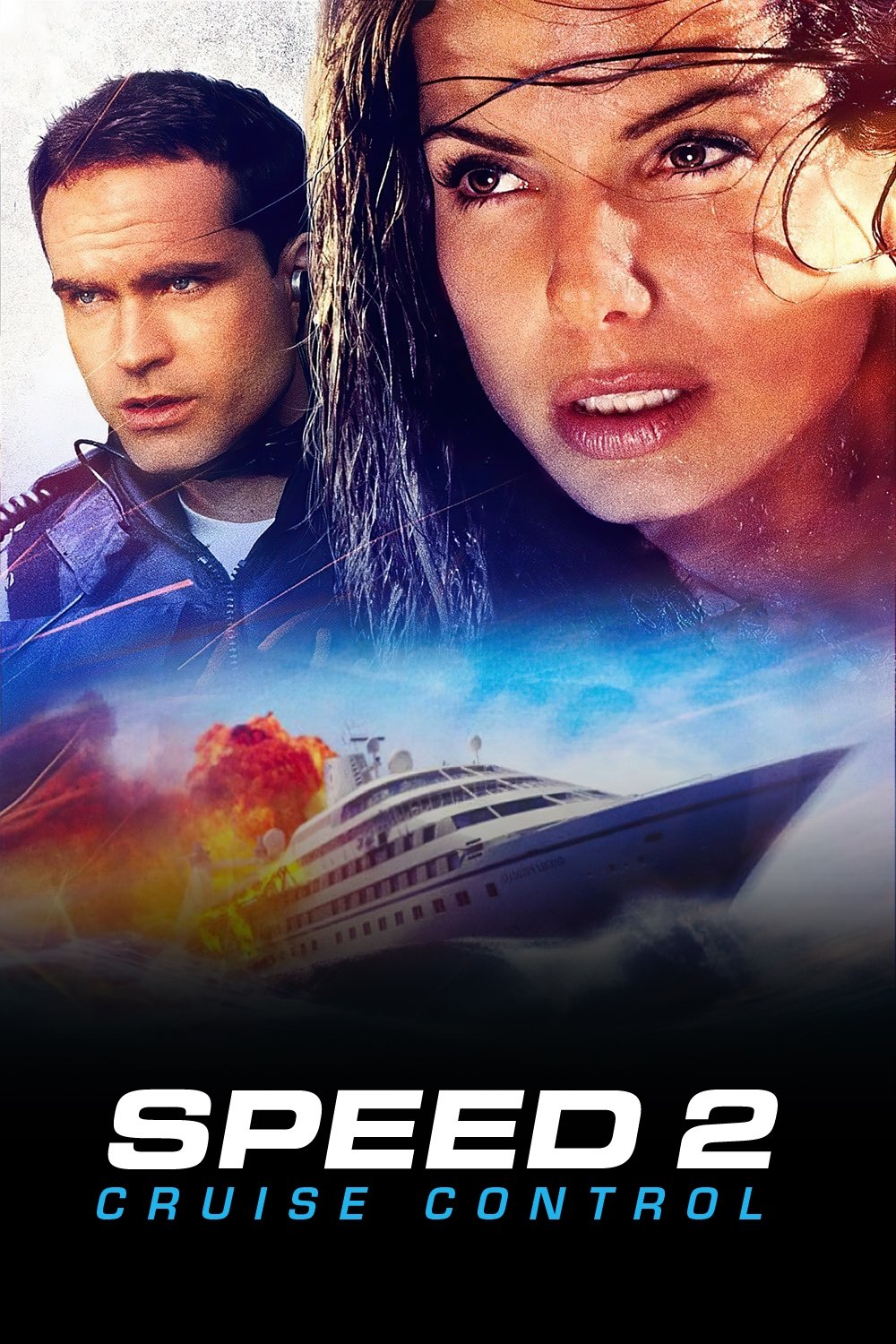
Following up on a beloved action hit is tough, and ‘Speed 2’ is a textbook example of how not to do it. Sandra Bullock returns, but Keanu Reeves wisely sat this one out.
Instead of a high-speed bus, we get a slow-moving cruise ship, and with it, all the tension and thrills go overboard. The bland villain, clunky dialogue, and sluggish pace make it a chore to endure.
‘Baby Geniuses’ (1999)

What should have been a cute family film is instead a bizarre and unsettling misfire. ‘Baby Geniuses’ uses early CGI to animate talking infants, and the effect is more creepy than charming.
The story is paper-thin, and the humor is painfully juvenile, even for kids. Watching it today is a strange, almost surreal experience that leaves you wondering how it ever got made.
‘The Master of Disguise’ (2002)*
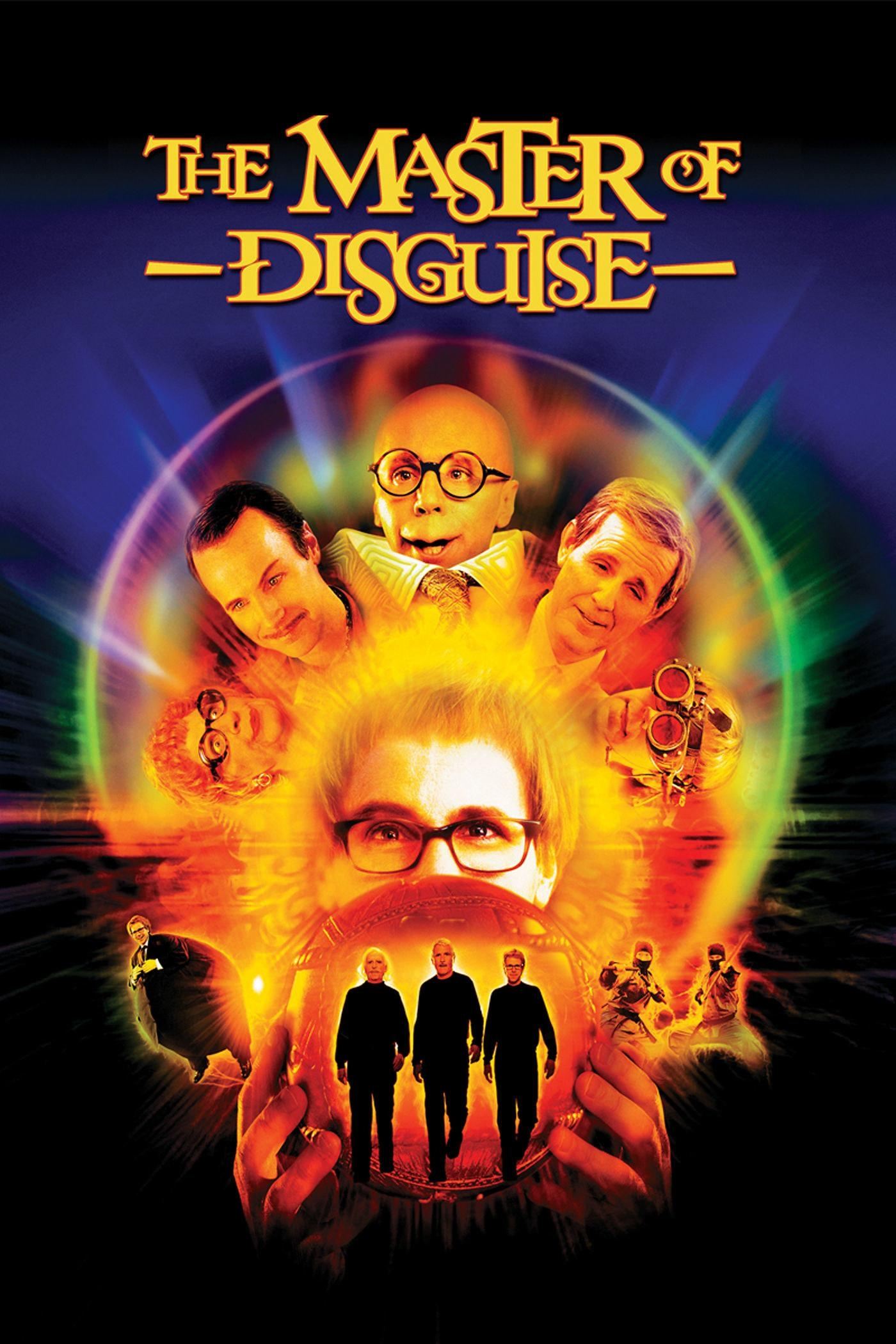
Though technically a 2002 release, ‘The Master of Disguise’ has its roots in ’90s comedy sensibilities—and not in a good way. Dana Carvey cycles through bizarre impressions that are more awkward than amusing.
The plot is virtually nonexistent, and many of the jokes rely on cultural stereotypes that haven’t aged well. It’s a low point in slapstick that doesn’t deserve a rewatch.
‘The Island of Dr. Moreau’ (1996)
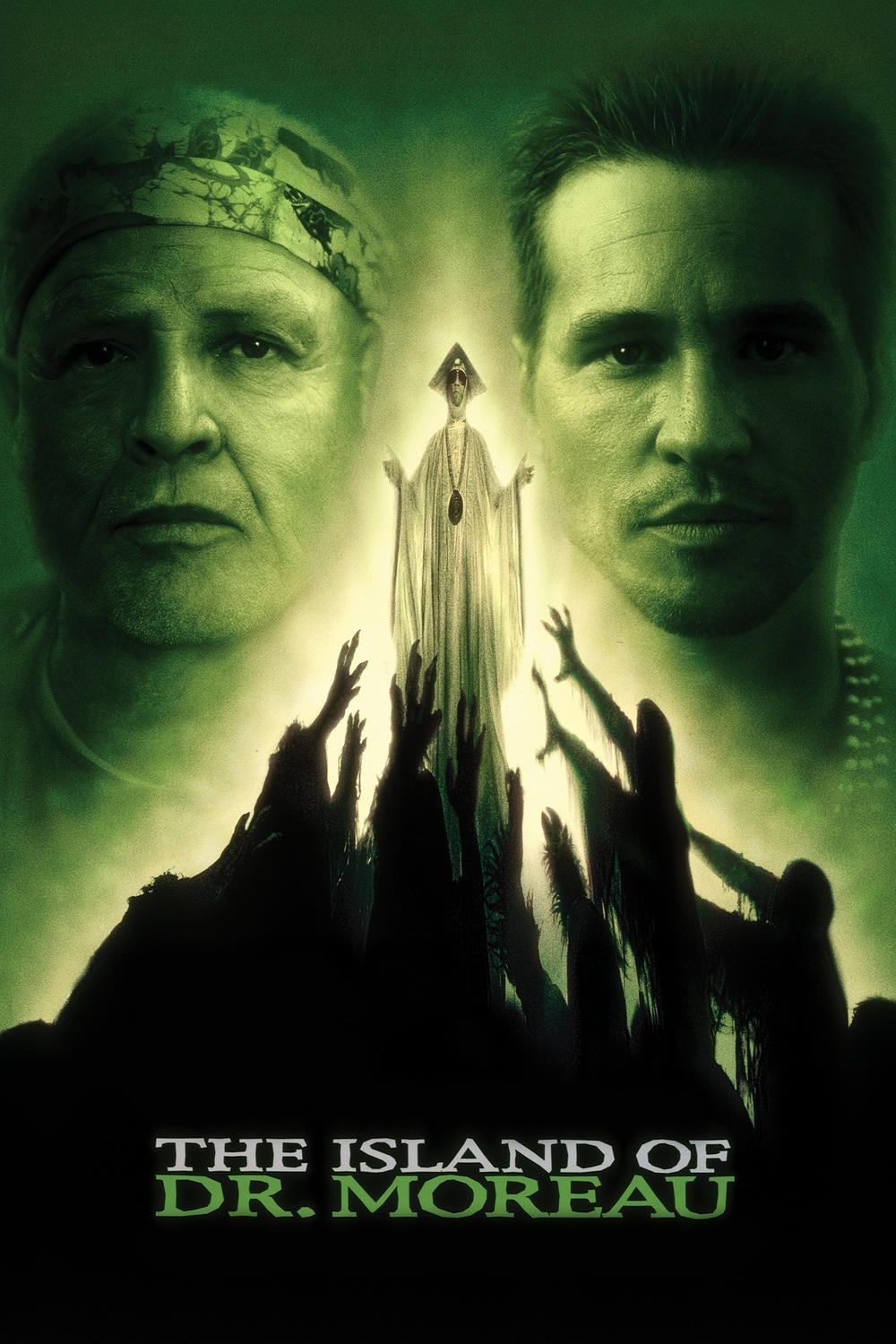
This film is more famous for its chaotic production than anything on screen. Marlon Brando’s bizarre performance and the grotesque animal-human hybrids make for a deeply unpleasant viewing experience.
The tone is unsettling, the plot incoherent, and the special effects unconvincing. It’s an endurance test disguised as a sci-fi thriller.
‘Congo’ (1995)
Despite being based on a Michael Crichton novel, ‘Congo’ is more camp than thriller. The movie features gorillas, exaggerated villains, and some truly laughable dialogue.
The film aims for adventure but lands somewhere between unintentionally funny and painfully dull. It’s a prime example of how big budgets can’t save bad storytelling.
‘Kazaam’ (1996)
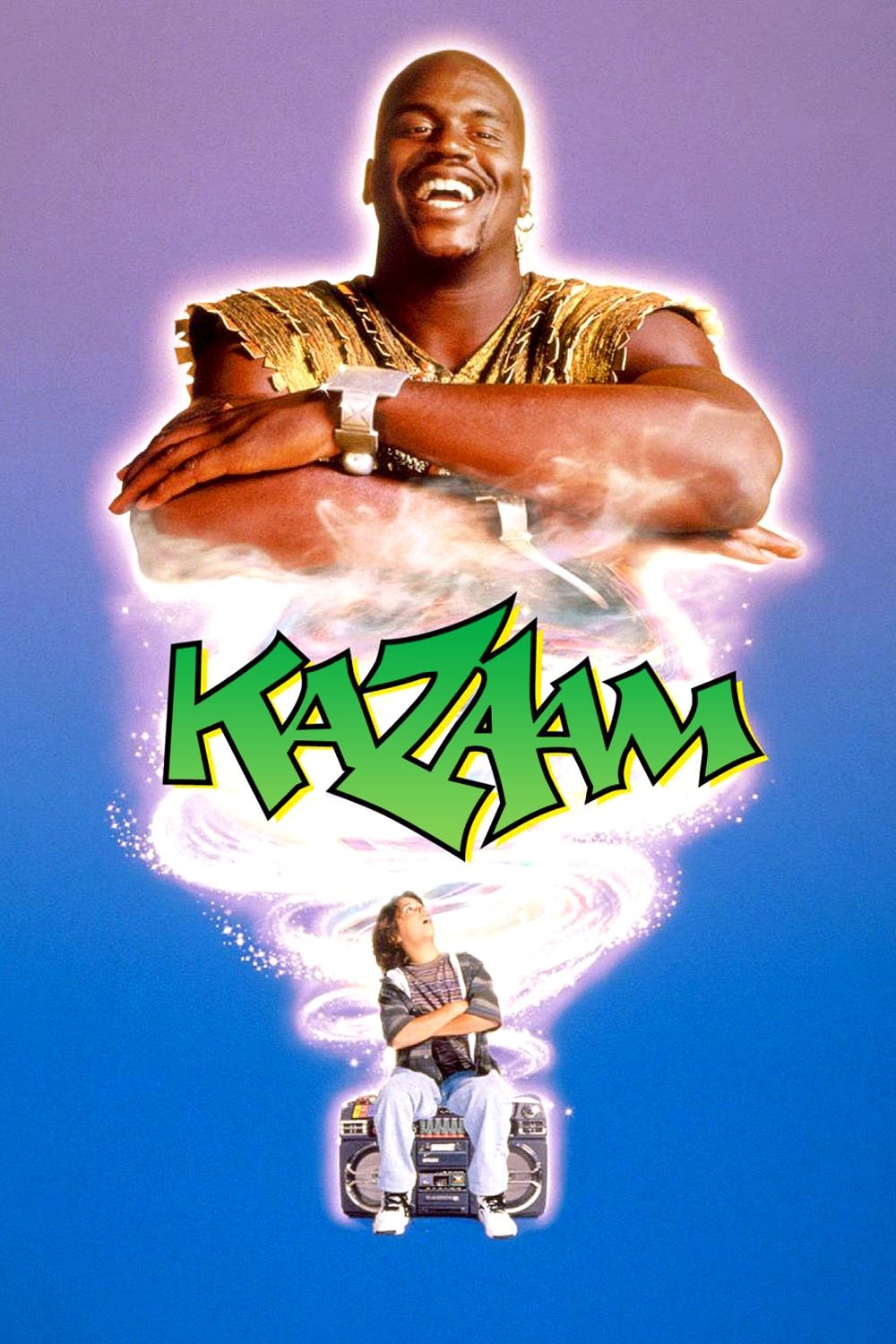
Shaquille O’Neal as a rapping genie is a premise that probably sounded quirky in the ’90s, but ‘Kazaam’ is now mostly remembered as a punchline. The script is weak, the effects worse, and Shaq’s acting—bless his heart—is not helping.
The film lacks the charm or coherence needed for family-friendly fantasy and now feels more like a relic of failed celebrity crossovers.
‘Judge Dredd’ (1995)
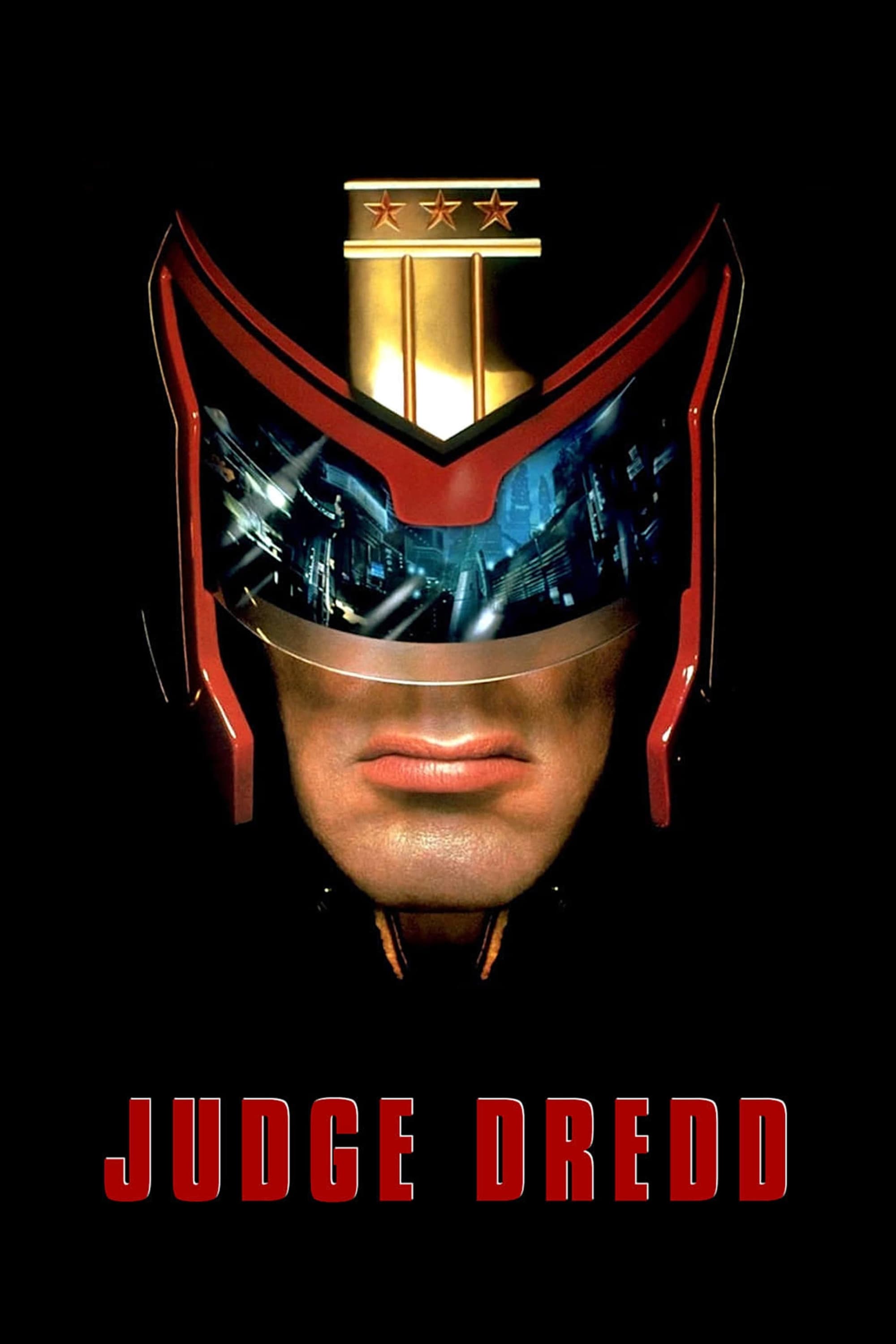
Sylvester Stallone’s ‘Judge Dredd’ is a muddled mess of sci-fi clichés and excessive explosions. It tries to blend action with satire but ends up delivering neither effectively.
Fans of the comic were especially let down by Dredd’s constant helmet removal—an iconic no-no in the source material. Today, it feels like a relic from the era of style-over-substance blockbusters.
‘North’ (1994)
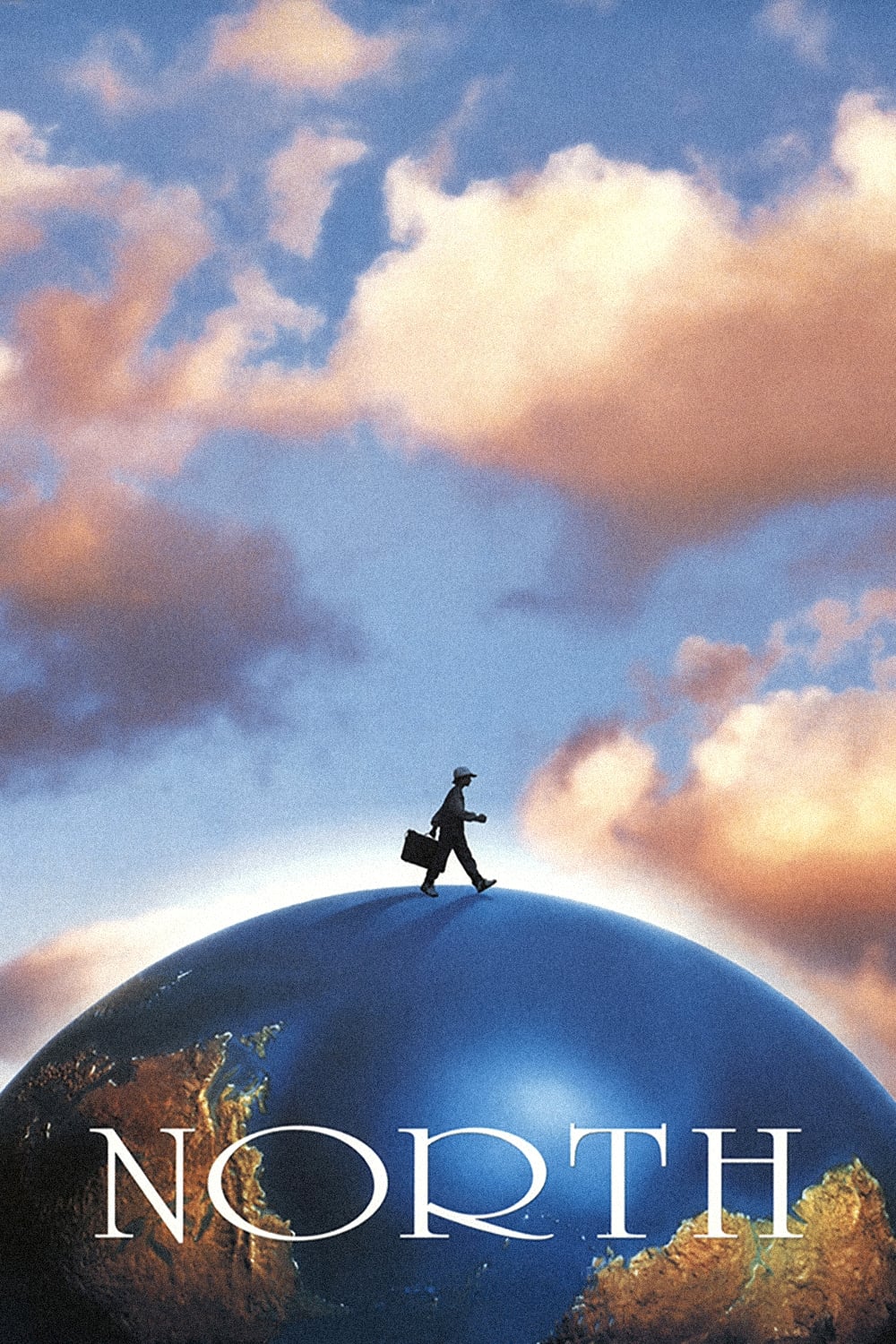
Rob Reiner directed some of the greatest movies of the ’80s, but ‘North’ is not one of them. The film’s premise—a boy divorces his parents and travels the world—is unique but executed with zero finesse.
The tone is smug, the humor falls flat, and the cultural stereotypes are downright offensive. It’s a rare film that was panned across the board—and rightly so.
‘Spice World’ (1997)
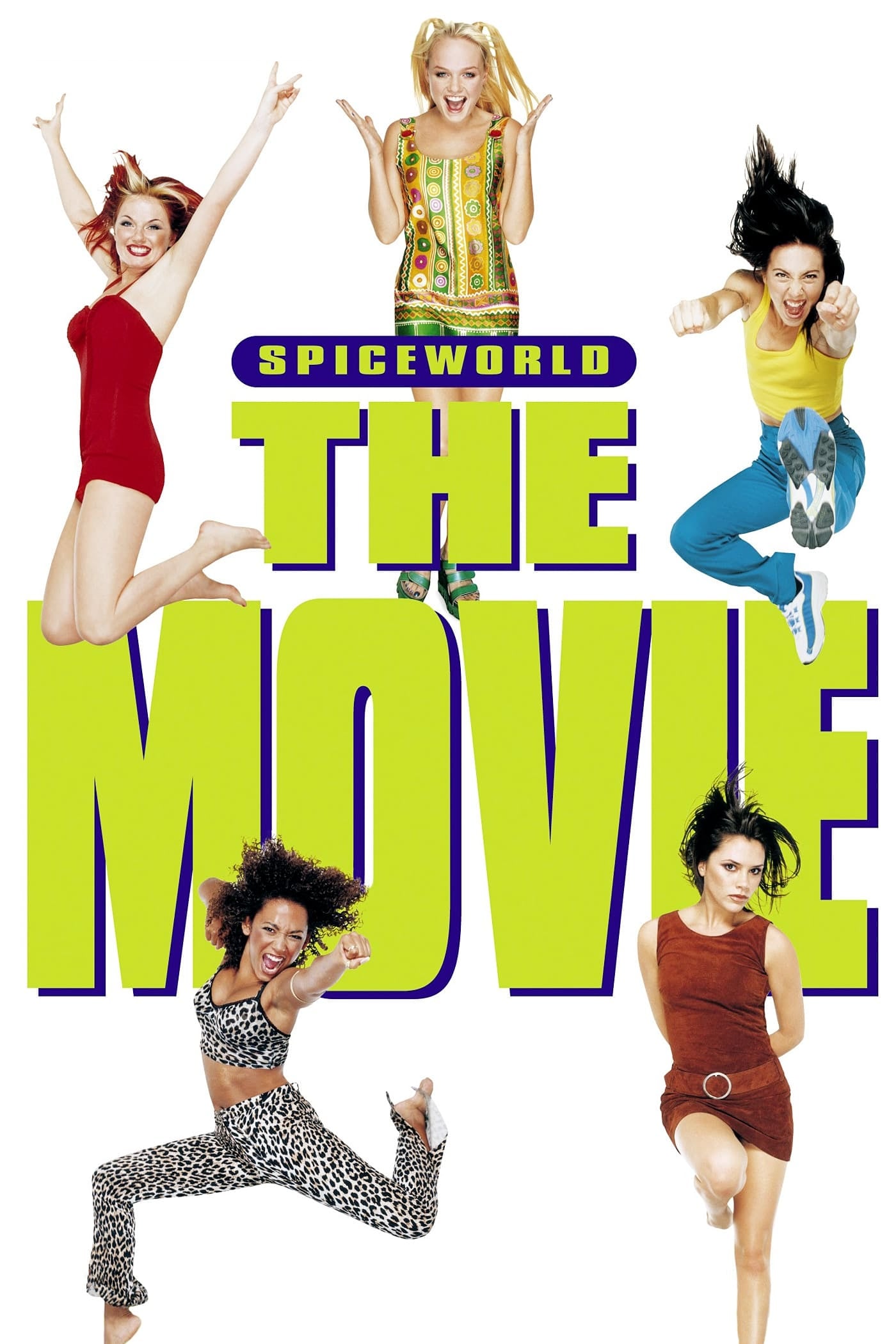
The Spice Girls may have dominated ’90s pop, but their cinematic debut is a train wreck. ‘Spice World’ is an incoherent blend of sketch comedy, music video, and fever dream.
While fans may enjoy the nostalgia, anyone else will struggle to make it to the end without wincing. It’s chaotic, forced, and utterly tone-deaf in its attempt at quirky fun.
‘Freddy’s Dead: The Final Nightmare’ (1991)
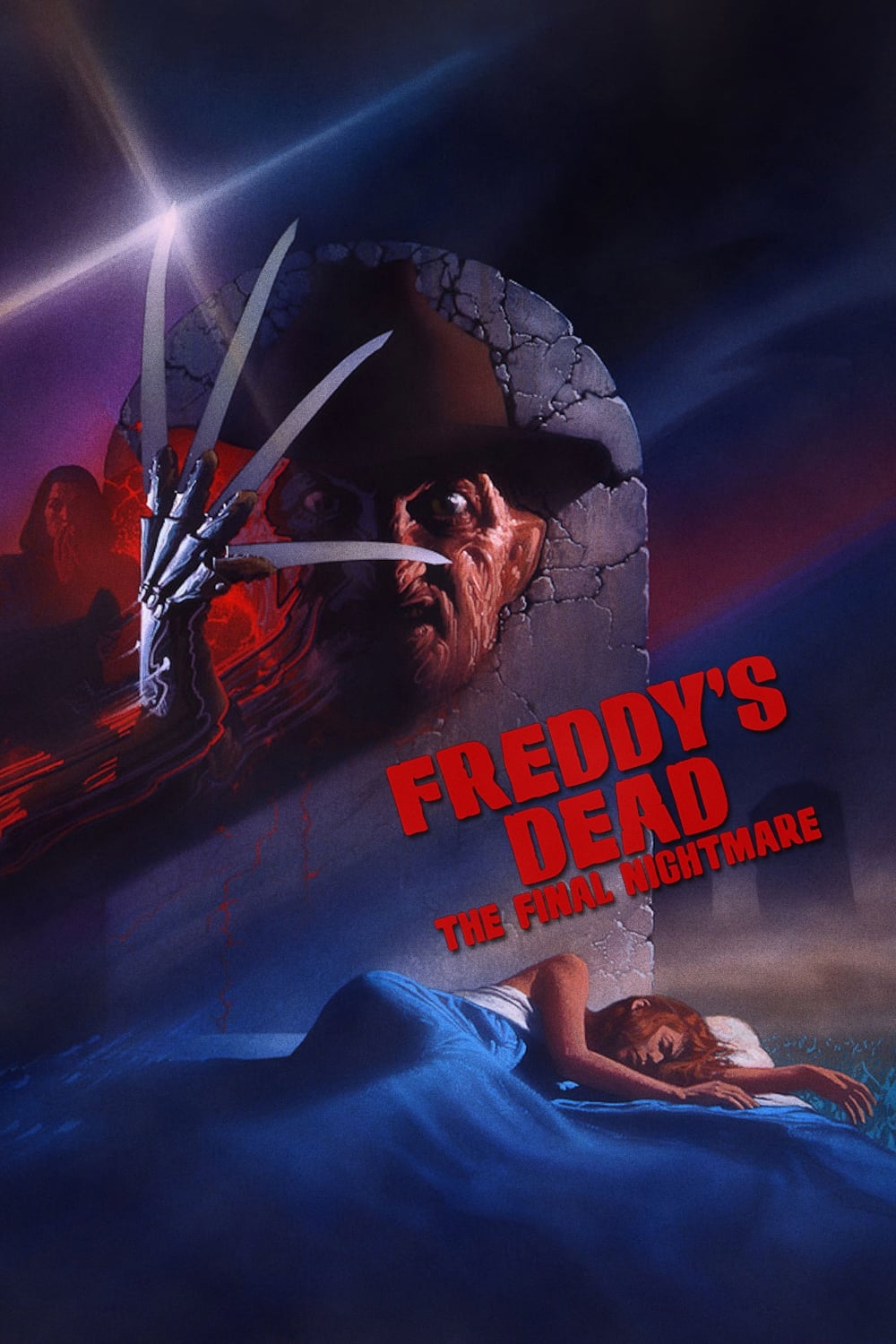
By the time this entry rolled around, the ‘Nightmare on Elm Street’ series had lost all bite. ‘Freddy’s Dead’ leans heavily into absurd comedy, stripping the iconic villain of his menace.
The plot is aimless, the characters forgettable, and the horror elements feel cartoonish. It’s a sad farewell to a once-great horror legacy.
‘Stop! Or My Mom Will Shoot’ (1992)
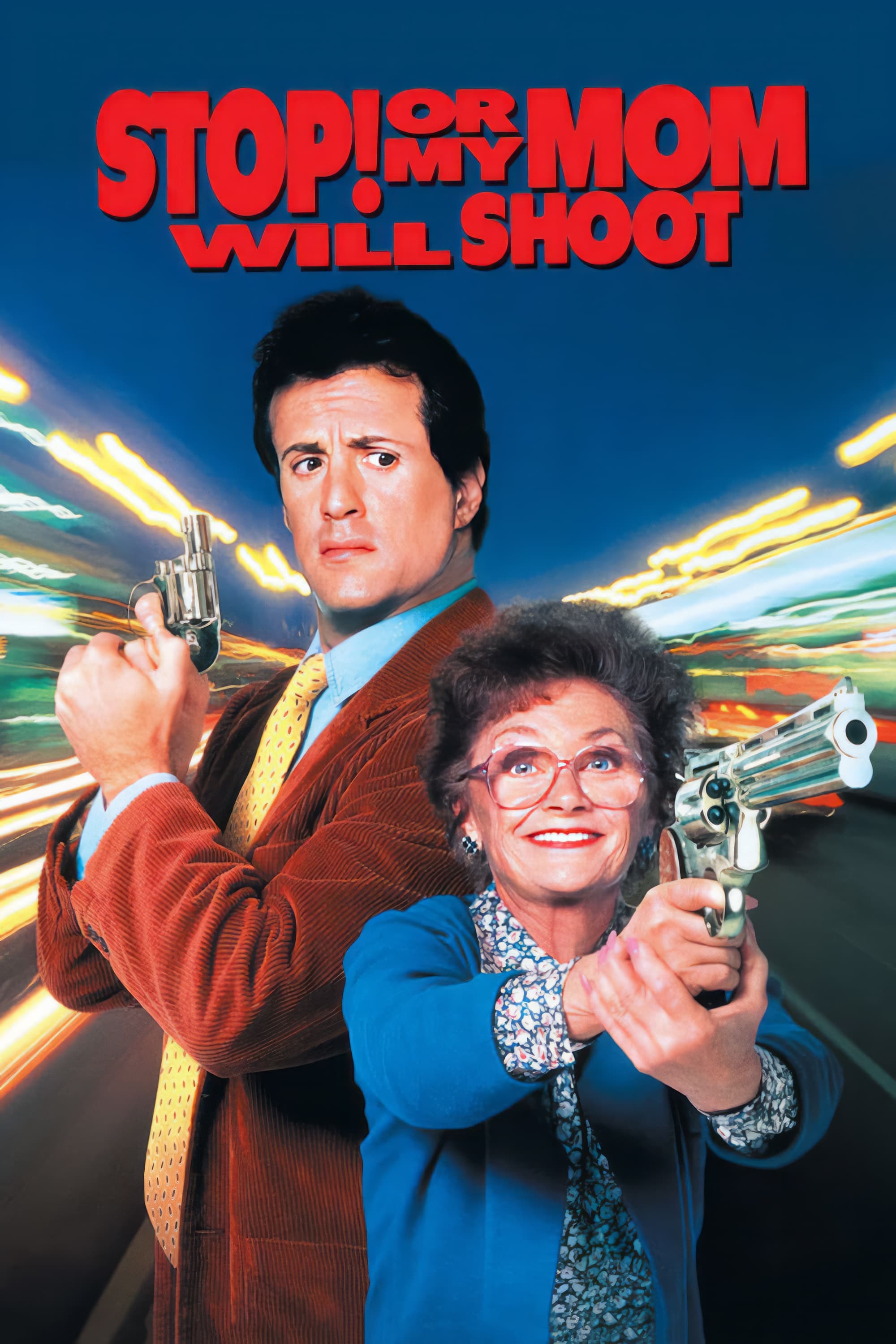
This attempted action-comedy starring Sylvester Stallone and Estelle Getty is as awkward as its title. The jokes are tired, and the chemistry between leads is non-existent.
It fails as an action film and flops even harder as a comedy, making it an unfunny relic best left buried.
‘3 Ninjas: High Noon at Mega Mountain’ (1998)
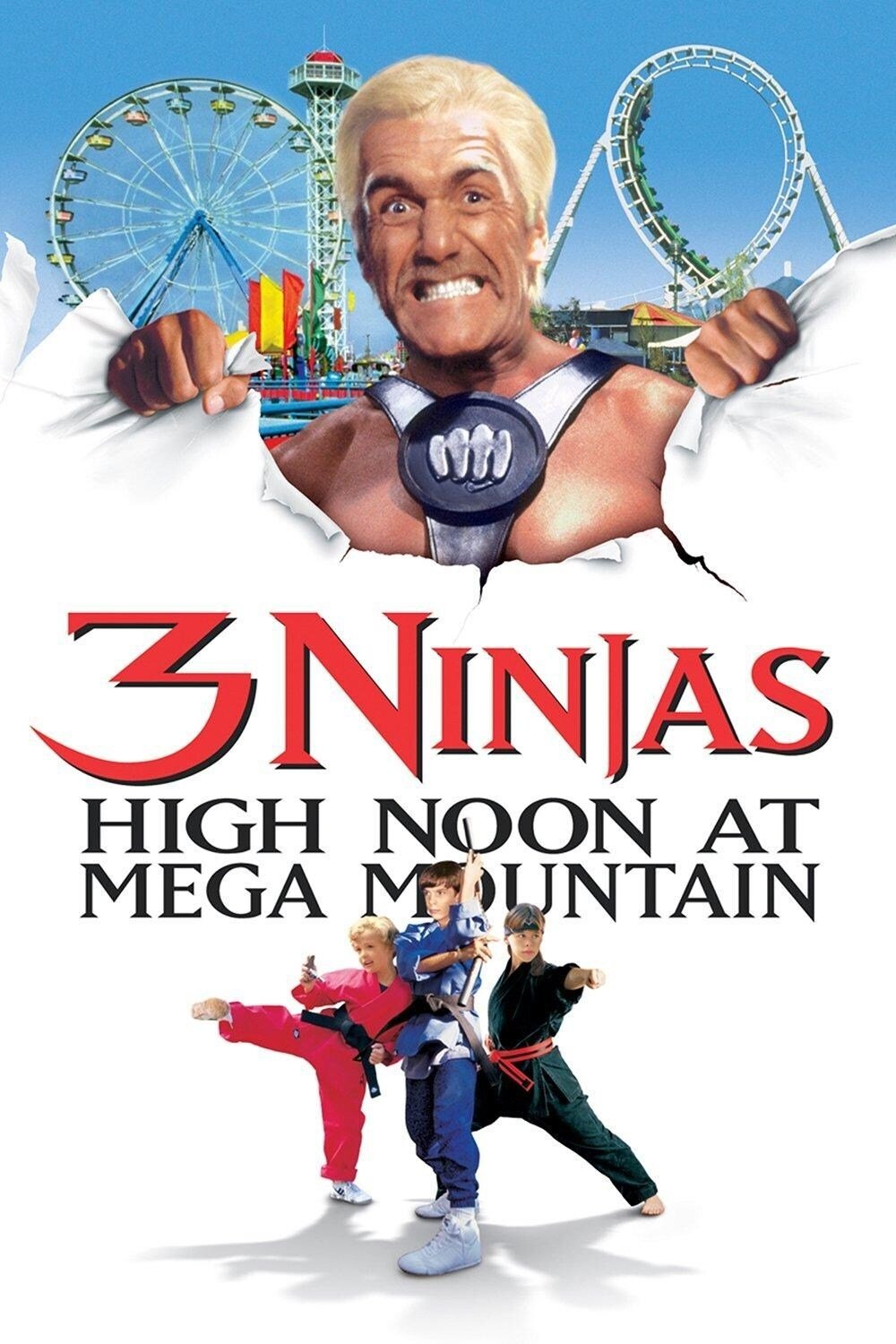
As the final nail in the ‘3 Ninjas’ coffin, this entry is a baffling blend of lazy writing and laughable fight scenes. Hulk Hogan’s presence only adds to the confusion.
Poorly acted and clearly targeting the lowest common denominator, this movie can’t even serve as nostalgia fodder. It’s simply bad.
‘Wild Wild West’ (1999)
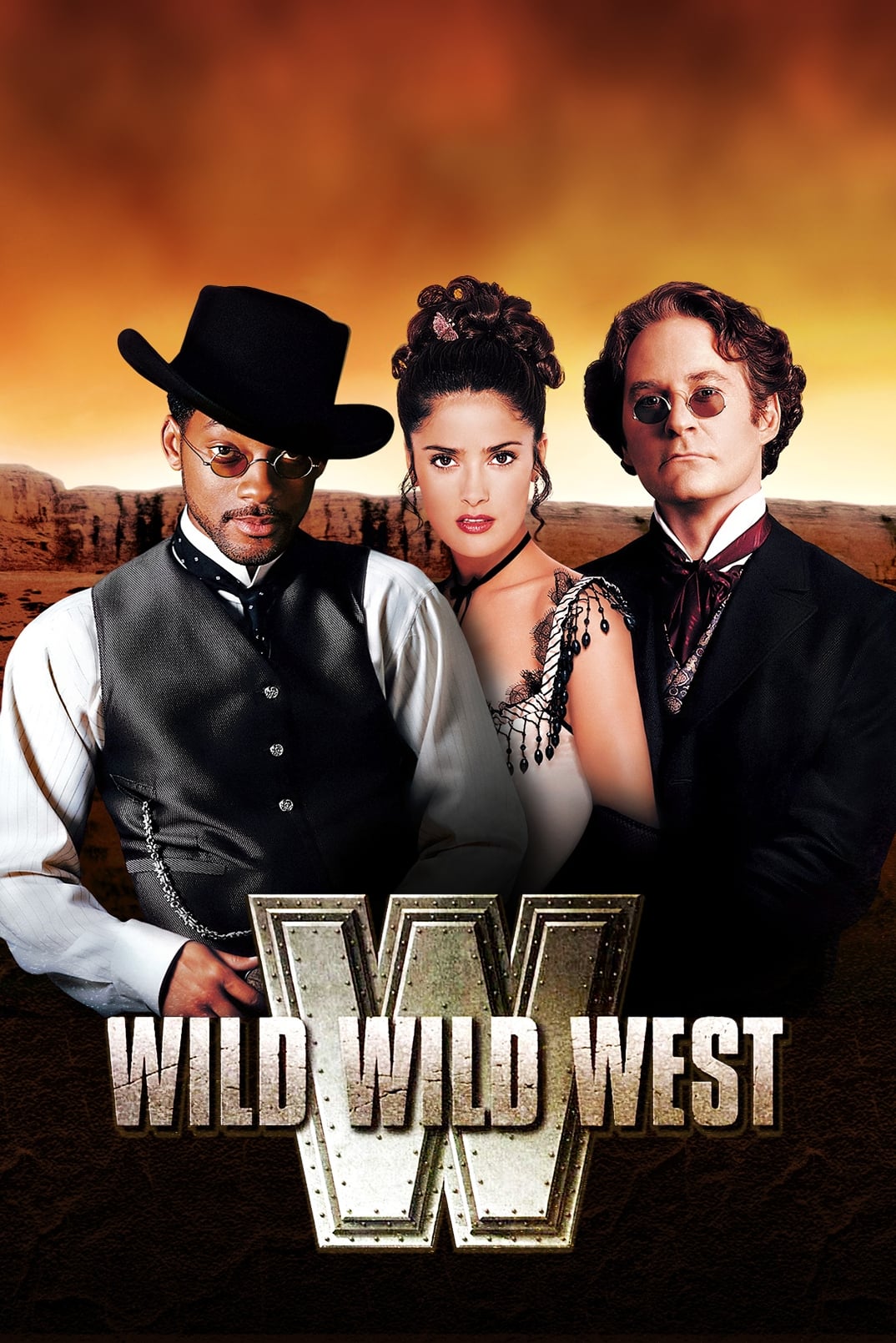
What was intended to be a flashy summer blockbuster starring Will Smith and Kevin Kline turned into one of the decade’s most infamous flops. ‘Wild Wild West’ tries to blend steampunk sci-fi, buddy cop comedy, and western action—all in one chaotic, tone-deaf package.
The film is plagued by a bloated script, cringe-worthy jokes, and an over-reliance on dated special effects. Its mechanical spider finale is more ridiculous than thrilling, and the overall experience is more frustrating than fun. Watching it today feels less like a nostalgic trip and more like a cautionary tale in blockbuster excess.
‘Hudson Hawk’ (1991)
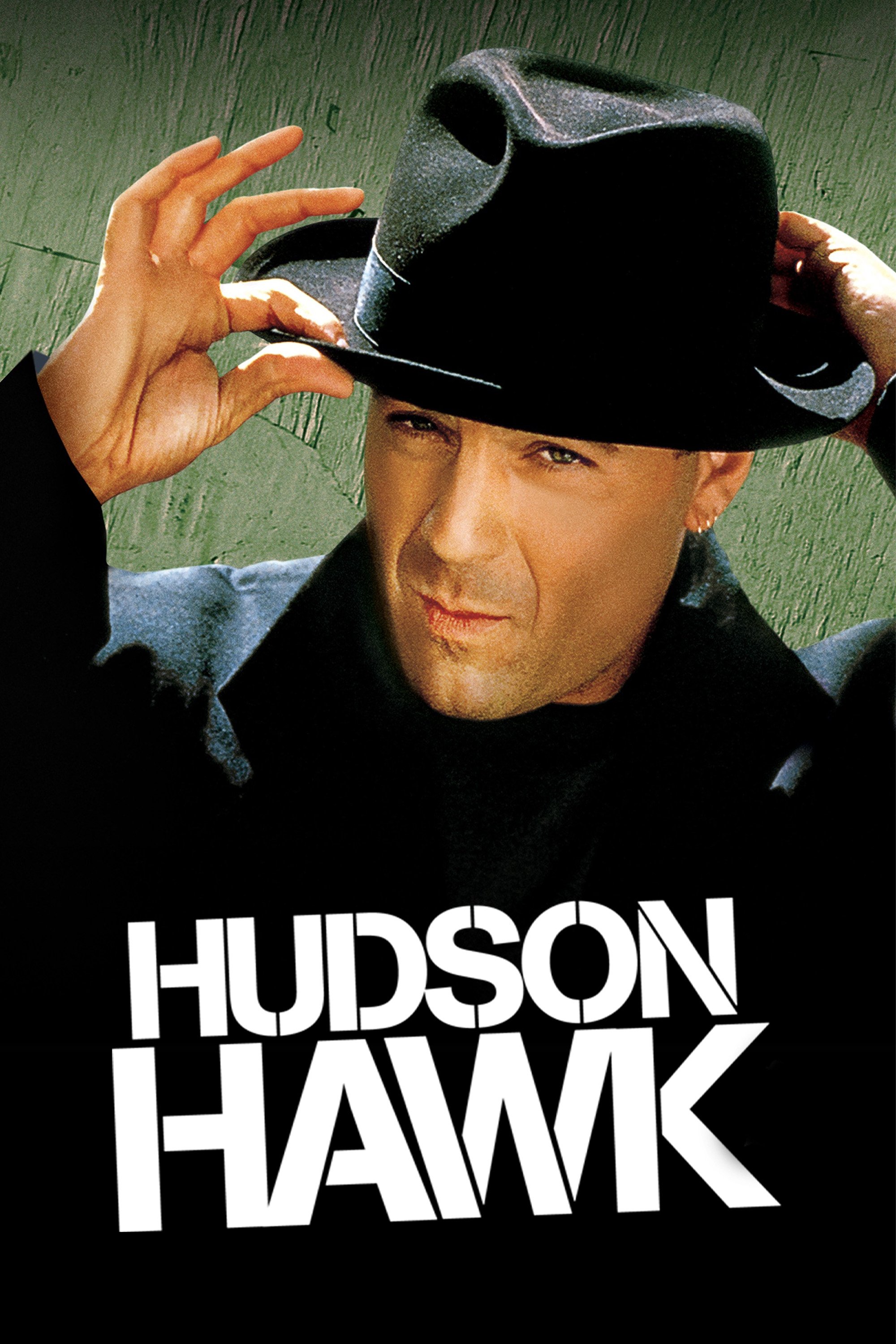
Bruce Willis’s passion project is a chaotic blend of heist, musical, and comedy—none of which work. ‘Hudson Hawk’ tries to be quirky but ends up being exhausting.
Scenes drag, jokes fall flat, and it’s never clear what the movie wants to be. It’s a cult flop that remains difficult to enjoy.
‘Meet Wally Sparks’ (1997)
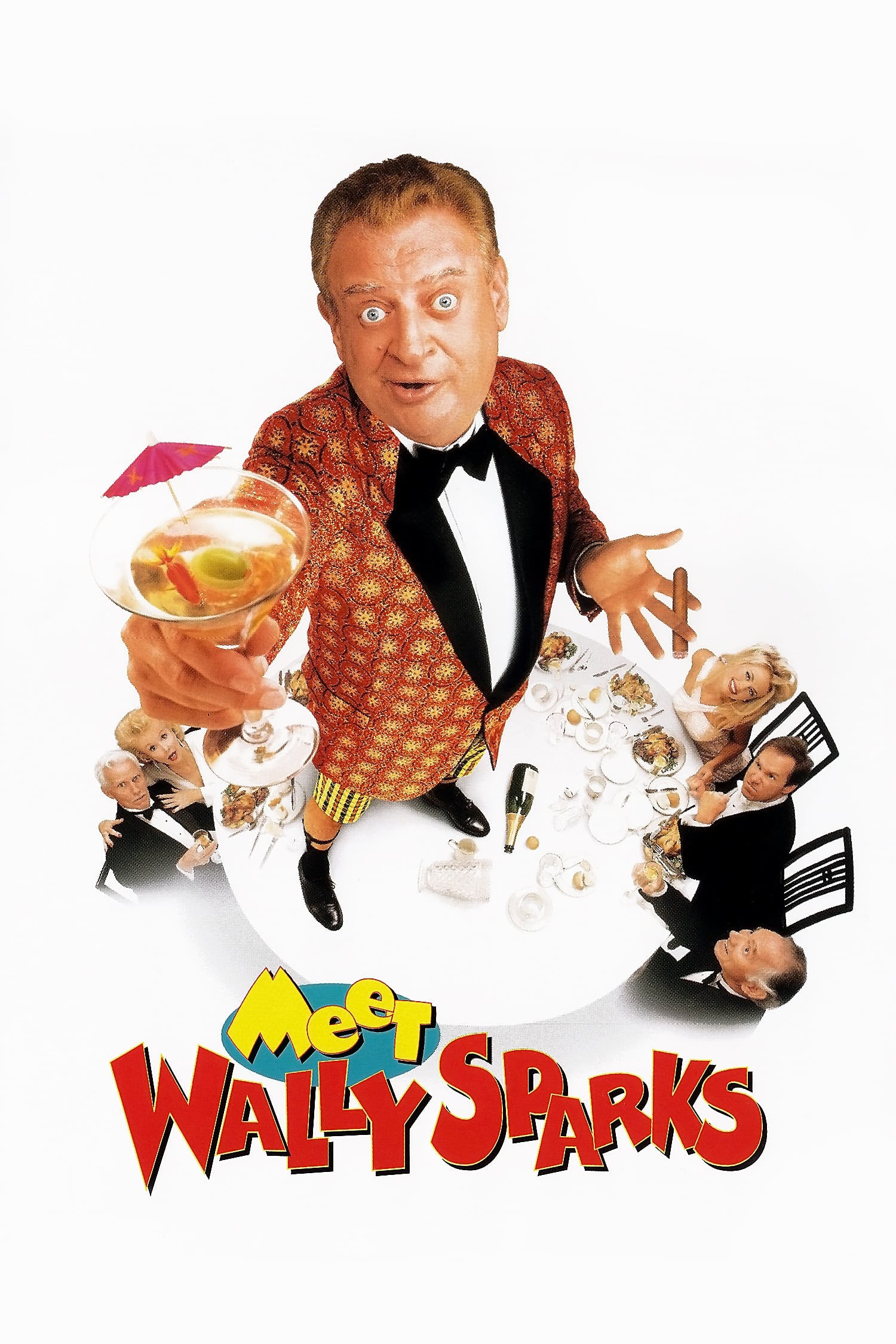
Rodney Dangerfield headlines this crude comedy about a sleazy talk show host, but even his signature charm can’t save it. The jokes are crude without being clever.
The film is loud, mean-spirited, and painfully dated, especially in its portrayal of women and minorities. It’s not just unfunny—it’s unpleasant.
‘Car 54, Where Are You?’ (1994)
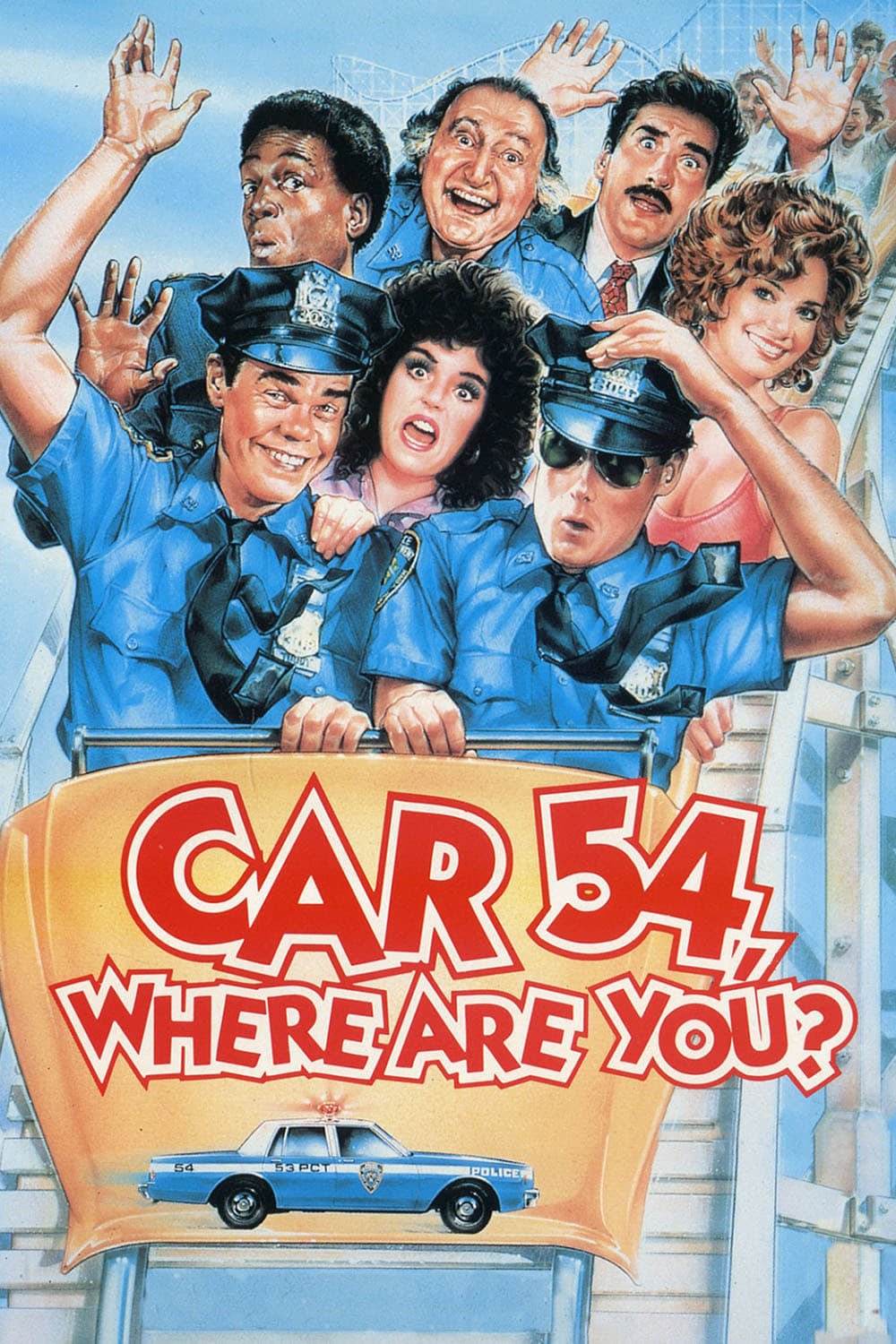
Based on a ’60s sitcom, this film adaptation is clunky and wildly unfunny. Despite a talented cast, it never comes close to justifying its existence.
It’s overloaded with slapstick and fails to update the humor for modern audiences—making it a tedious viewing experience today.
‘Mr. Nanny’ (1993)
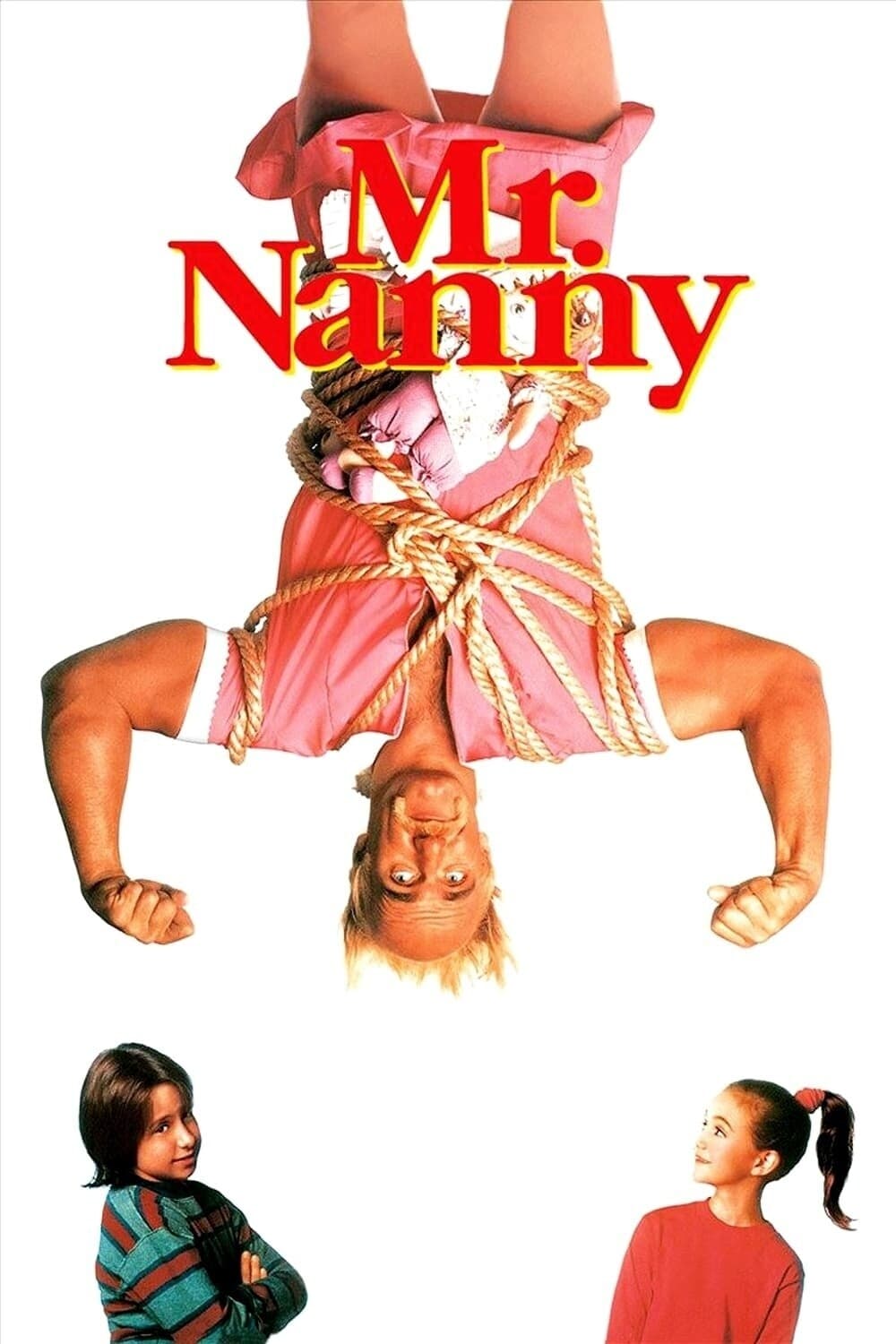
Wrestler-turned-actor Hulk Hogan stars in this forgettable family comedy that fails on nearly every level. The plot is cookie-cutter and the jokes land with a thud.
It’s neither charming nor funny, and watching Hogan bumble through scenes makes for an uncomfortable watch. It’s a slog that hasn’t improved with age.
‘Celtic Pride’ (1996)
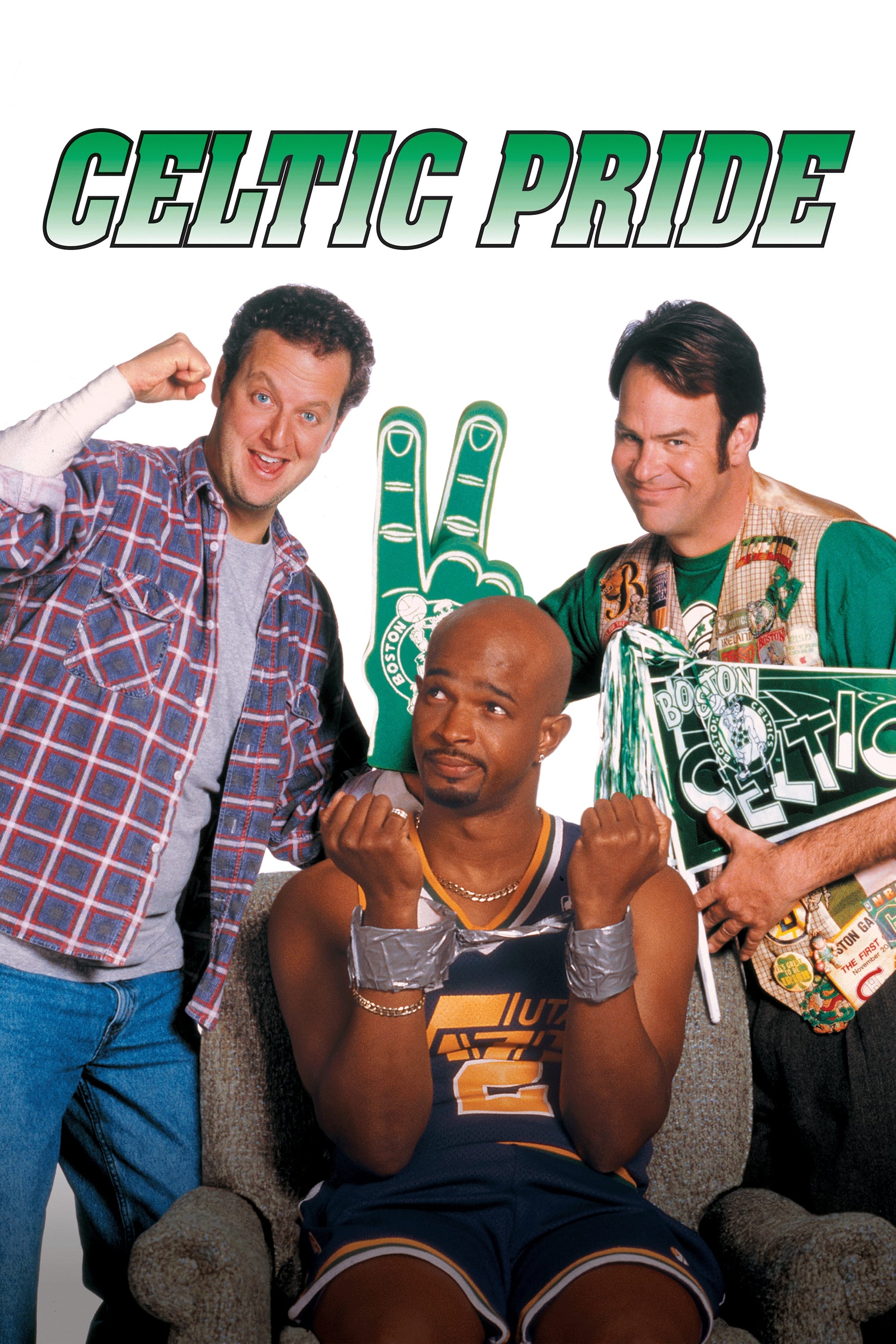
This sports comedy about two obsessed fans kidnapping a rival player has aged terribly. The premise is creepy, and the execution is worse.
The laughs are forced, and the tone veers wildly from dark to goofy without any grace. Today, it reads more like a misguided SNL sketch gone on far too long.
‘The Stupids’ (1996)
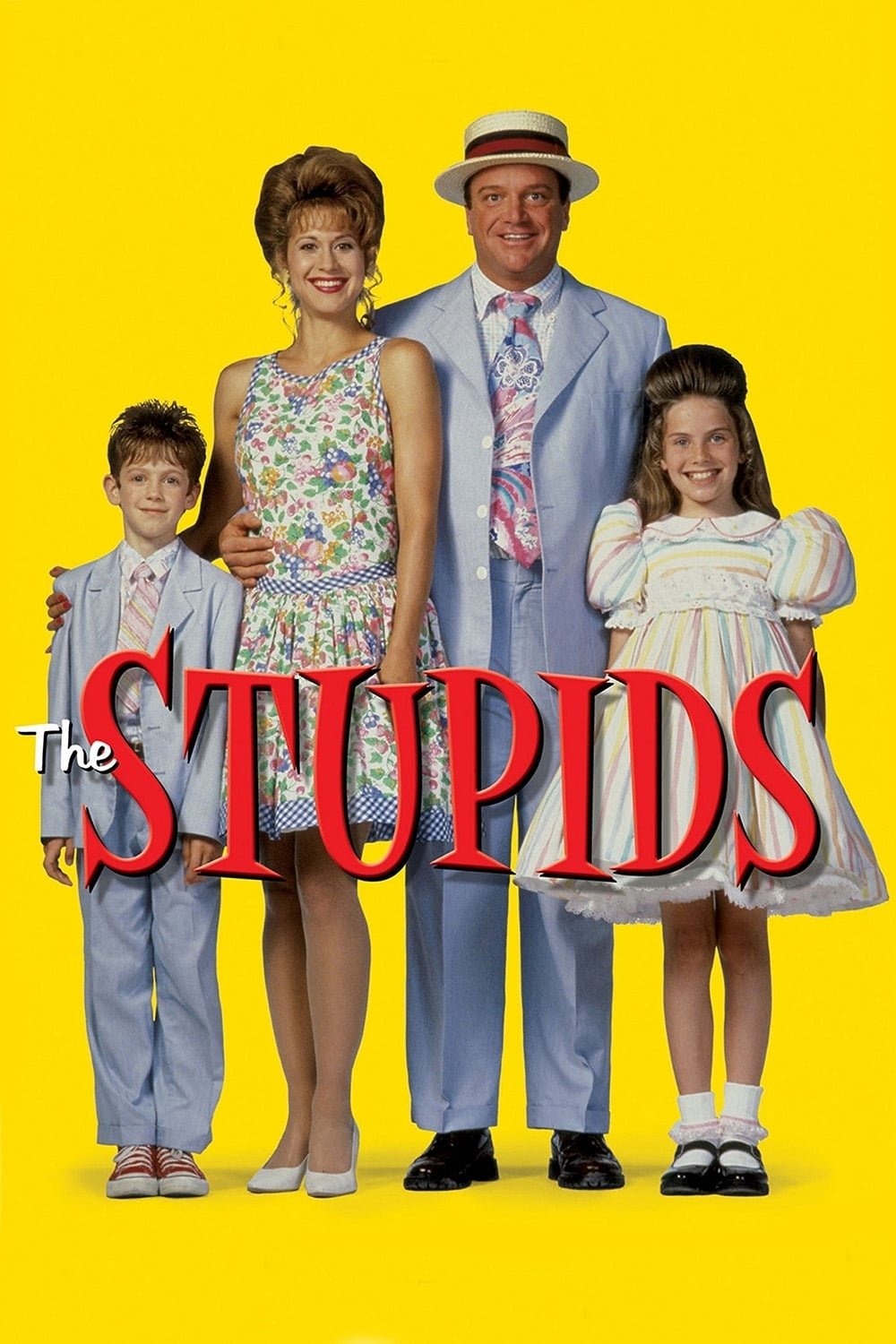
Based on a children’s book series, ‘The Stupids’ takes the title literally—and painfully so. Tom Arnold stars in this over-the-top farce that’s more exhausting than amusing.
The humor is aggressively dumb and repetitive, and the film wears out its welcome fast. It’s a headache in movie form.
‘Nothing But Trouble’ (1991)
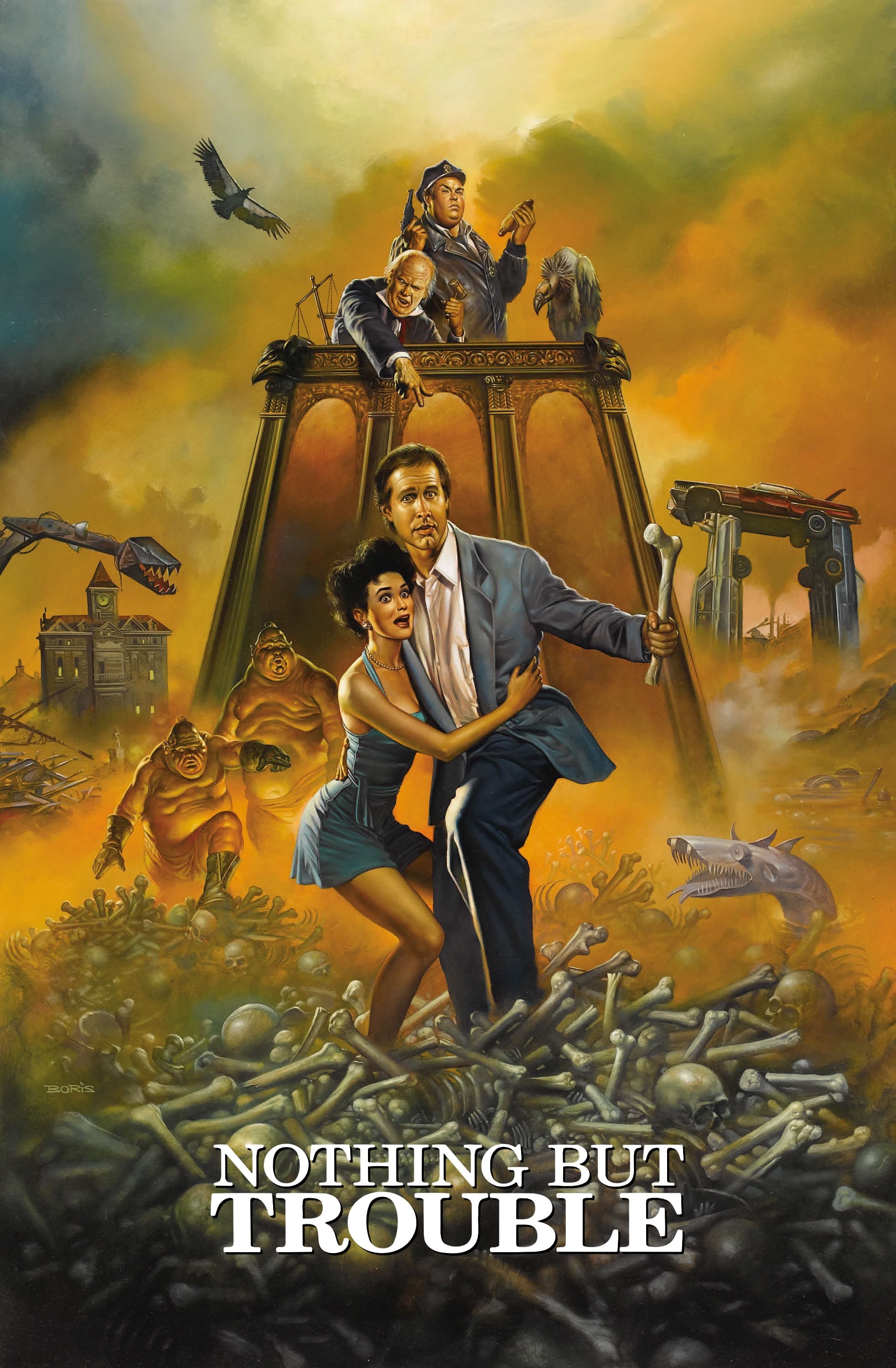
This horror-comedy from Dan Aykroyd is a grotesque fever dream of poor taste and gross-out visuals. It’s confusing, repulsive, and incoherent.
Even die-hard fans of Aykroyd will struggle to get through it. It’s weird for the sake of weird—and not in a good way.
Godzilla (1998)

Roland Emmerich’s American reimagining relocates the kaiju to New York City with Matthew Broderick as a nuclear biologist. The film emphasizes disaster-movie tropes and a rubbery CG creature redesign.
Dated CGI, noisy action, and paper-thin characters sap tension. The humor undercuts menace, and the film’s length turns bombast into tedium—far from the atmospheric menace associated with the franchise.
The Island of Dr. Moreau (1996)
This H. G. Wells adaptation became notorious for its chaotic production, starring Marlon Brando and Val Kilmer. Mid-shoot director changes, script overhauls, and on-set conflicts warped the original vision.
On screen, that turmoil shows: incoherent tone, aimless scenes, and inconsistent makeup/effects. The film’s cruelty and grotesquerie feel gratuitous rather than purposeful, making it difficult to endure.
Highlander II: The Quickening (1991)
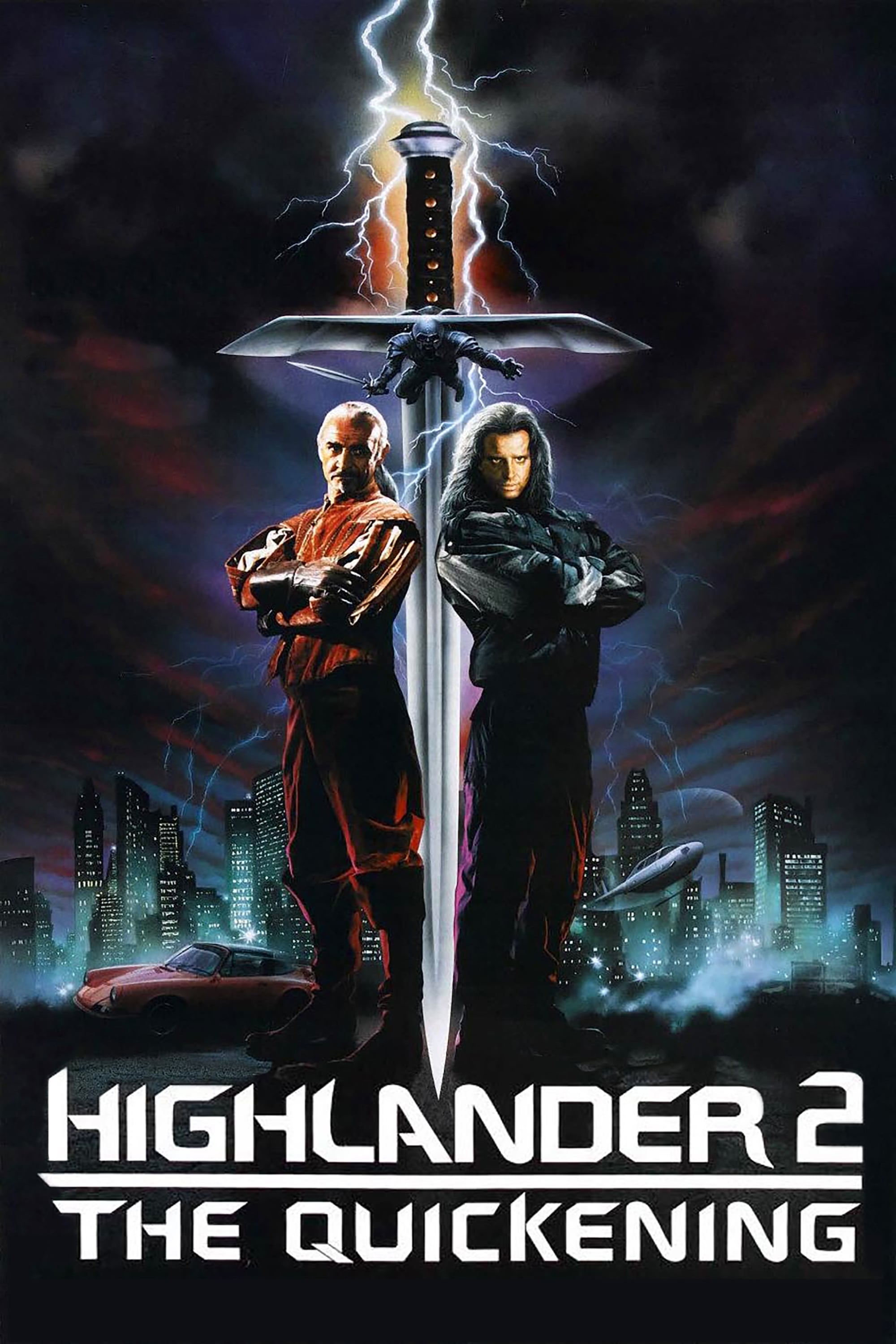
A sequel to the cult original, this entry retcons the mythology with an alien backstory, confusing edits, and multiple competing cuts. Christopher Lambert and Sean Connery return, but the narrative pivots jar fans and newcomers alike.
Even in “Renegade”/special cuts, the muddled lore, overbearing blue/orange tinting, and choppy continuity remain. It’s a famously frustrating watch that undermines the first film’s appeal.
An American Werewolf in Paris (1997)
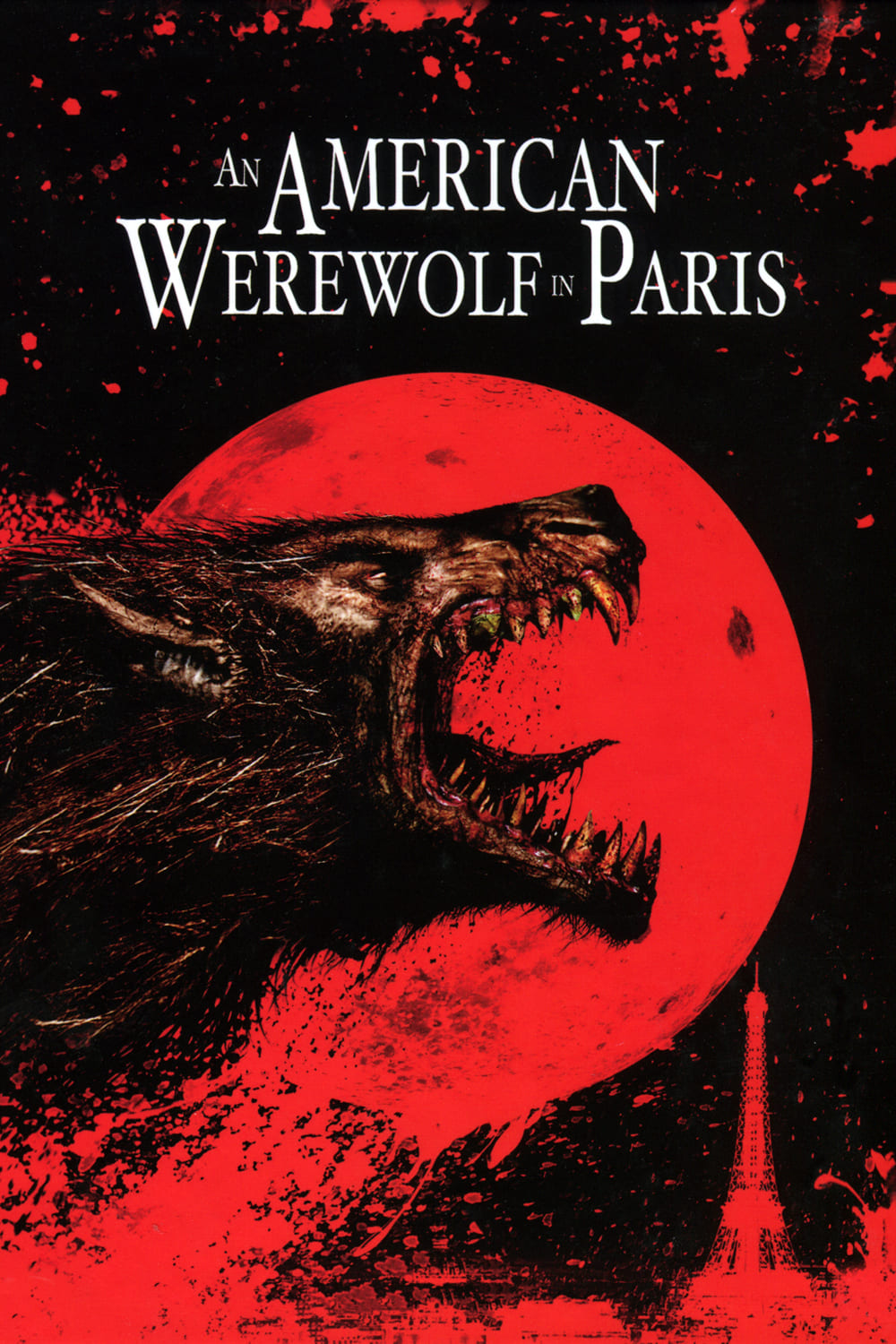
This follow-up to 1981’s practical-effects landmark leans on early, low-fidelity CGI for transformations and creatures. It relocates the action to Paris with a new cast and a lighter, quippier tone.
The digital effects have aged poorly, draining scares and atmosphere. Broad humor and teen-horror clichés make the film feel dated and toothless compared to its practical-effects predecessor.
Spawn (1997)

Mark A. Z. Dippé adapts Todd McFarlane’s antihero with Michael Jai White in the lead. It blends live action with then-ambitious CG hellscapes and a heavy industrial soundtrack.
The effects, once cutting edge, now look patchy; the editing is chaotic; and the PG-13 compromise blunts the character’s grim tone. Narrative clarity suffers, leaving noise without momentum.
Wing Commander (1999)
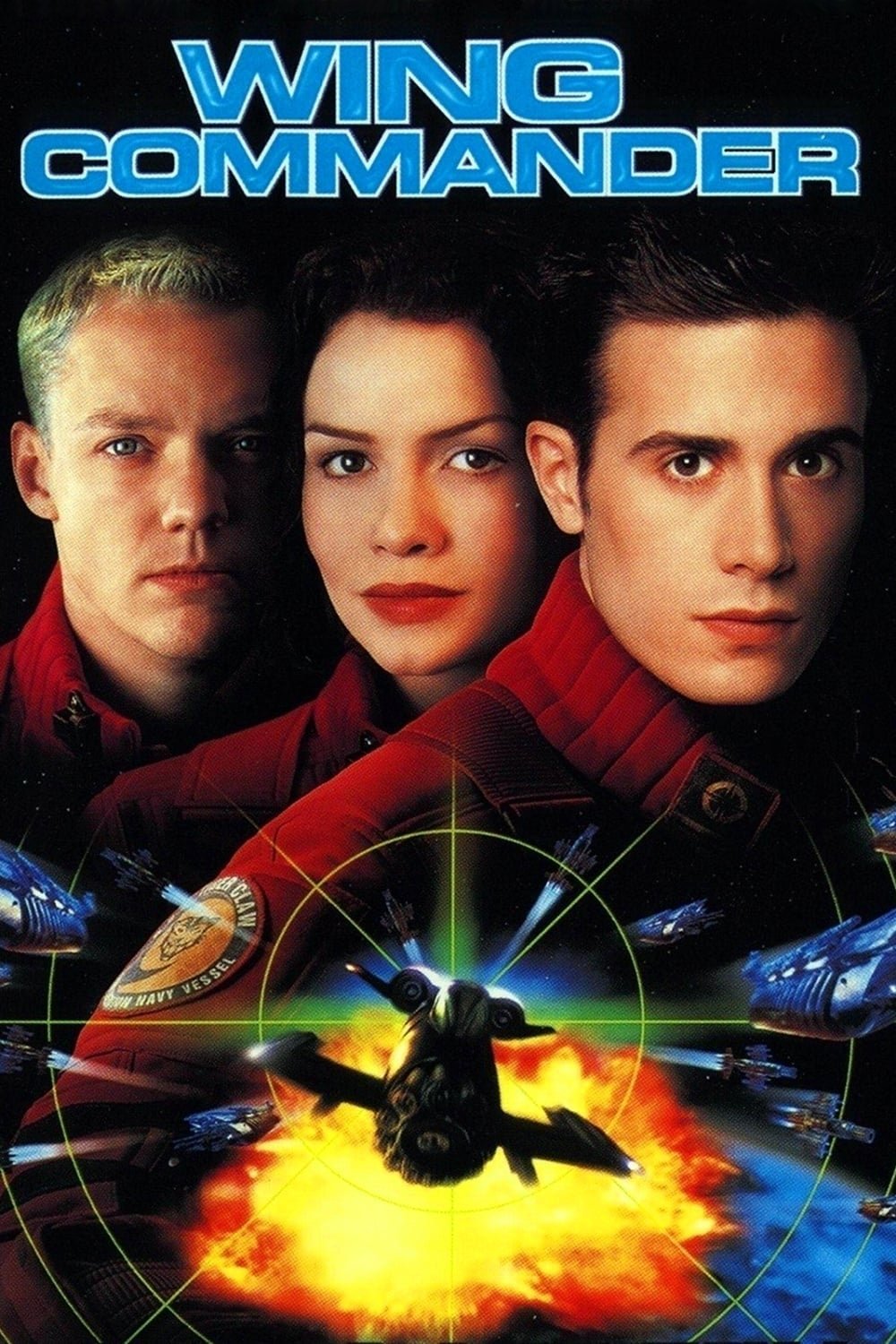
Based on the video game series, this space-combat film stars Freddie Prinze Jr. and Matthew Lillard. It retools lore and visuals on a modest budget, aiming for a WWII-in-space vibe.
Sparse world-building, drab production design, and underwhelming space battles make it feel like a TV pilot stretched thin. The awkward dialogue and thin characterization make it hard to finish.
‘Striptease’ (1996)
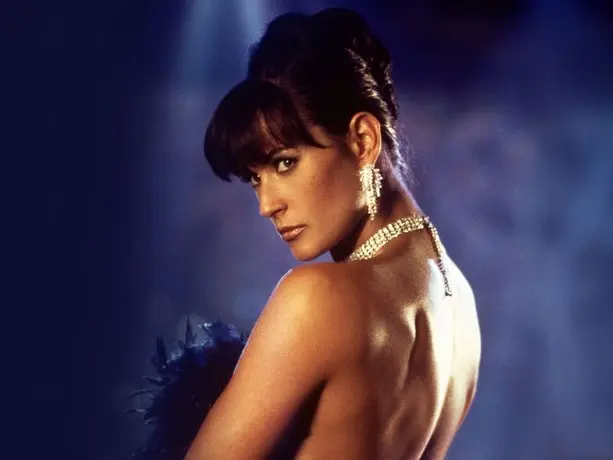
Andrew Bergman’s erotic-crime comedy puts Demi Moore in a strip-club noir that never chooses a lane. Its tone veers from satire to sleaze to courtroom melodrama, and the story stalls under flat gags and paper-thin characterization.
Today, it plays as a relic of mid-’90s tabloid hype: clumsy sexual politics, misjudged humor, and a famously Razzie-sweeping awards haul underscore how little there is to enjoy on a rewatch.
‘Showgirls’ (1995)


Paul Verhoeven’s NC-17 Vegas saga is garish, shrill, and aggressively one-note, with line readings and staging that collapse into unintentional comedy. The supposed satire rarely reads as intentional.
Despite a later cult afterlife, its record Razzie run and persistent critical drubbing reflect why many modern viewers find it loud, leering, and punishing to sit through.
‘The Bonfire of the Vanities’ (1990)
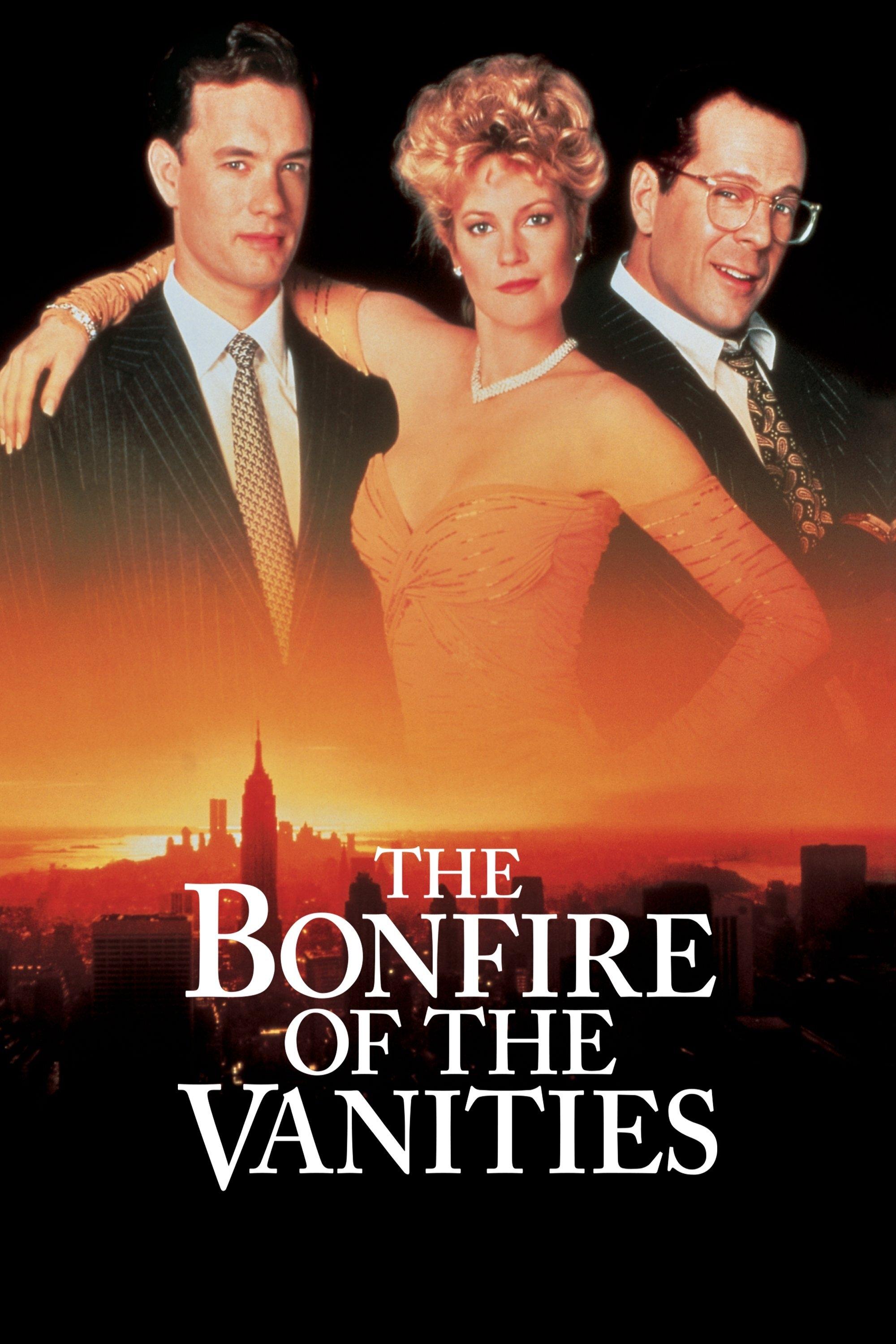
Brian De Palma’s take on Tom Wolfe’s novel is a high-gloss misfire: miscast leads, blunted satire, and tone that wobbles between farce and sermon. The adaptation sands off the book’s bite and replaces it with caricature.
The result was a notorious bomb on release and remains ponderous and shrill today—an expensive, airless time capsule of Hollywood getting a zeitgeist wrong.
‘Blues Brothers 2000’ (1998)
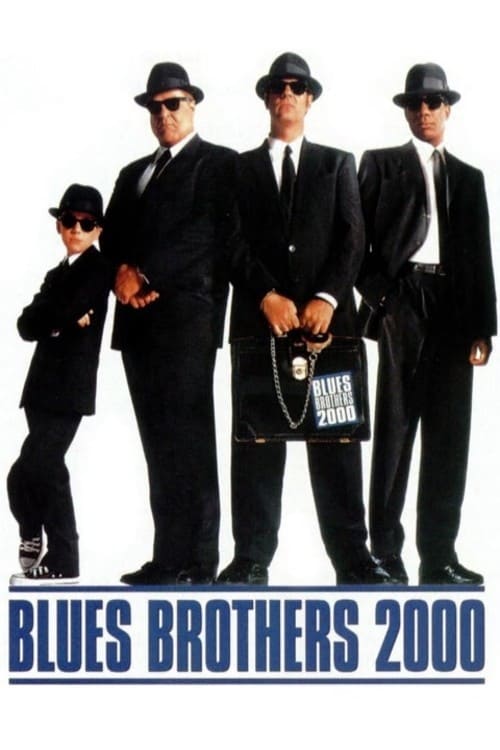
The sequel swaps chemistry for cameos and replaces anarchic energy with dutiful fan service. Musical numbers land, but everything between them is creaky, overlong setup.
As a movie, it’s limp: recycled gags, a contrived kid sidekick, and PG sanding-off of edge make it more slog than soul. Even devotees struggle with a cover band of a film.
‘The Mod Squad’ (1999)
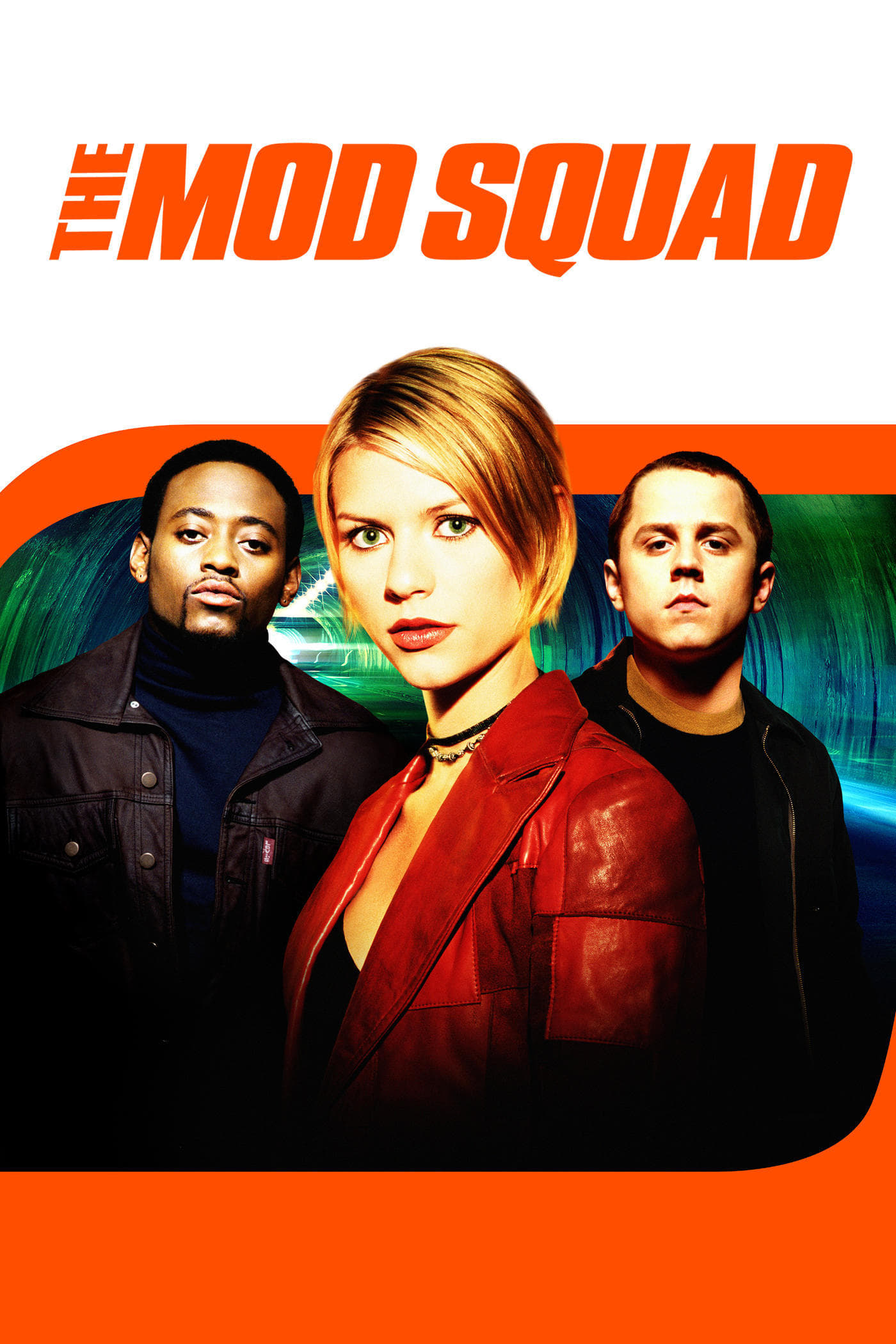
This TV reboot has style but no pulse: a thin script, perfunctory twists, and performances stranded by incoherent plotting. Slick surfaces can’t hide empty stakes.
Rewatching now highlights how trend-chasing the package was—music-video cuts, post-MTV attitude, and little else—leaving an inert, dated thriller.
‘Ed’ (1996)
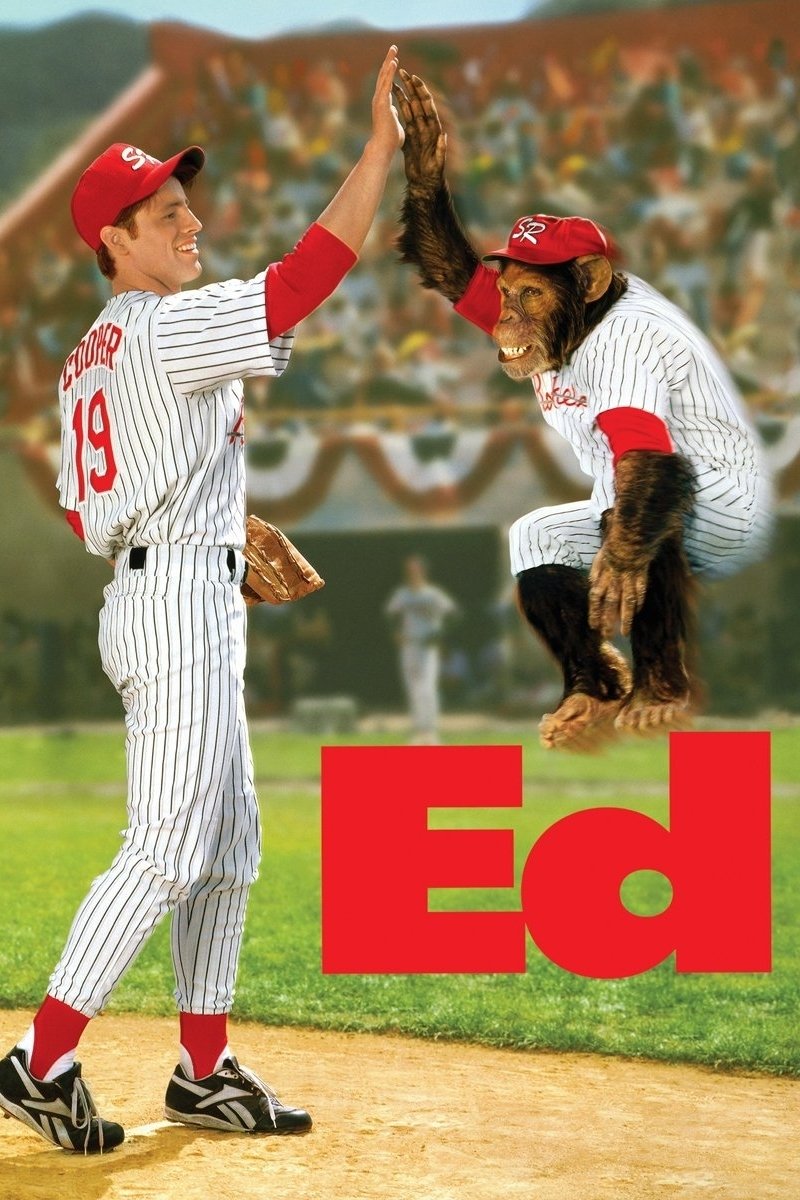
The premise—Matt LeBlanc befriends a baseball-playing chimp—never survives beyond the poster. Jokes hinge on mugging and poop gags, while the sports beats are ineptly staged.
What’s left is secondhand embarrassment and kids-film noise. Time hasn’t softened the cringe; if anything, it underlines how thin and desperate the movie is.
‘The Crow: City of Angels’ (1996)

A follow-up stripped of the original’s atmosphere, it leans on repetition and murky plotting. Striking visuals can’t compensate for a lifeless story and erratic performances.
Modern viewings expose the shallowness: style without soul, clotted editing, and a revenge arc that never grips. It’s a dim echo of a far better film.
‘Universal Soldier: The Return’ (1999)
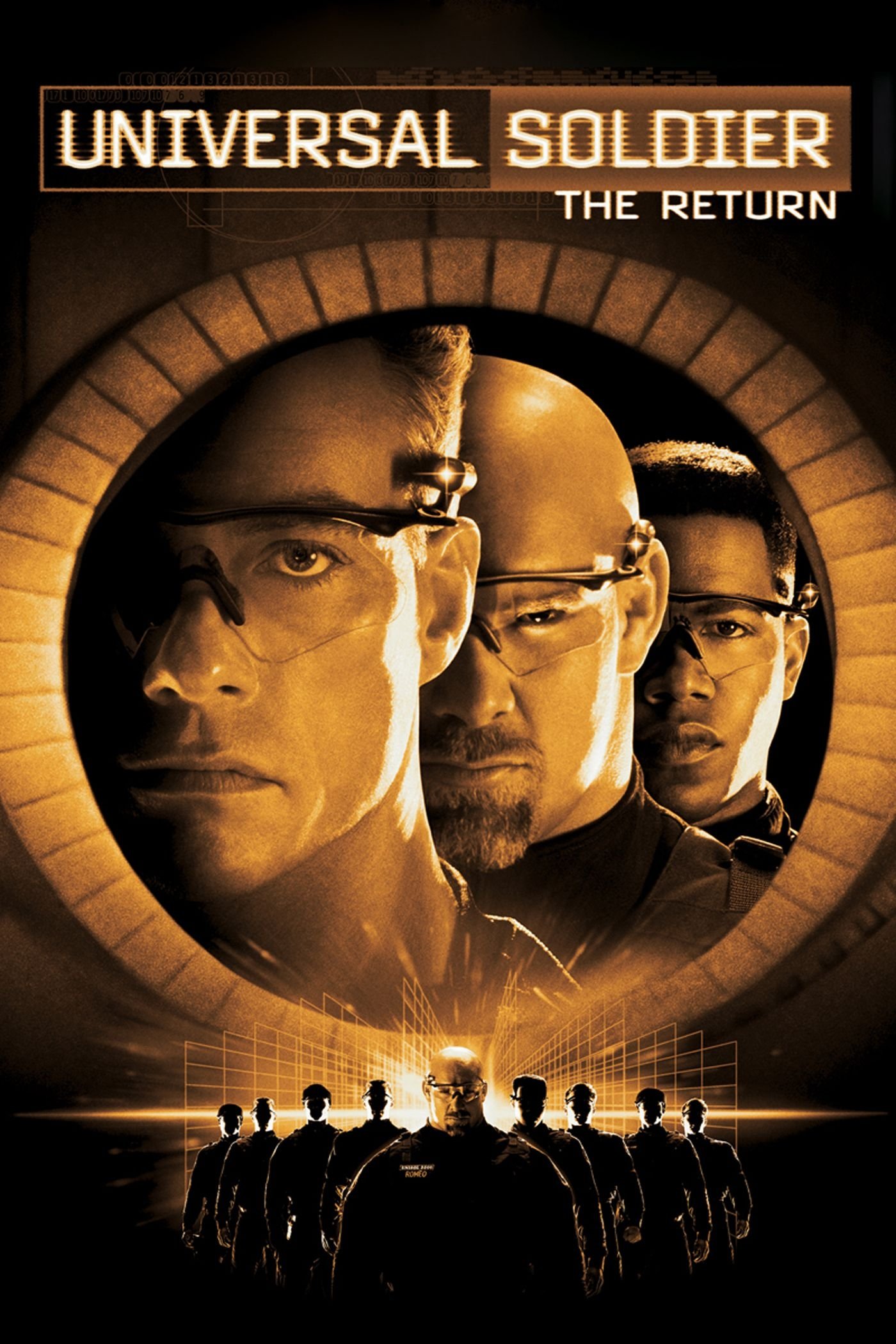
This late-’90s sequel jettisons the first film’s pulp melancholy for straight-to-cable vibes: clunky dialogue, wall-to-wall clichés, and numbing, samey action beats.
Today, it plays like a stitched-together demo reel—glass breaks, grimaces, repeat—with nothing to invest in and little craft to admire.
‘Johnny Mnemonic’ (1995)
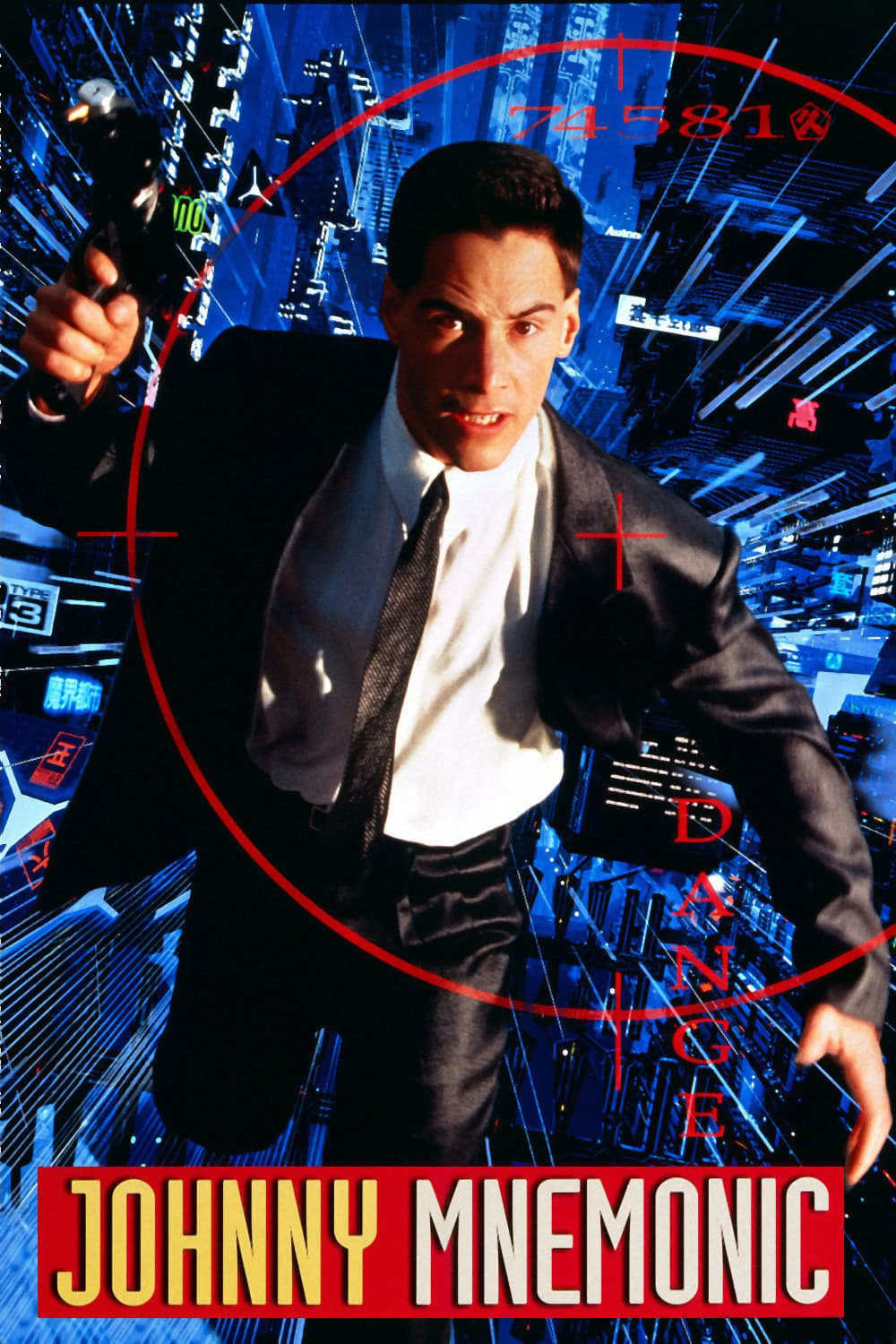
Ambitious cyberpunk ideas are buried under miscasting, garbled world-building, and early CG that hasn’t aged well. Scenes oscillate between deadpan and camp without control.
Viewed now, it’s a kitschy artifact: neon-noir nonsense, exposition dumps, and tech babble that’s more noise than narrative. Curiosity value aside, it’s rough going.
‘Barb Wire’ (1996)
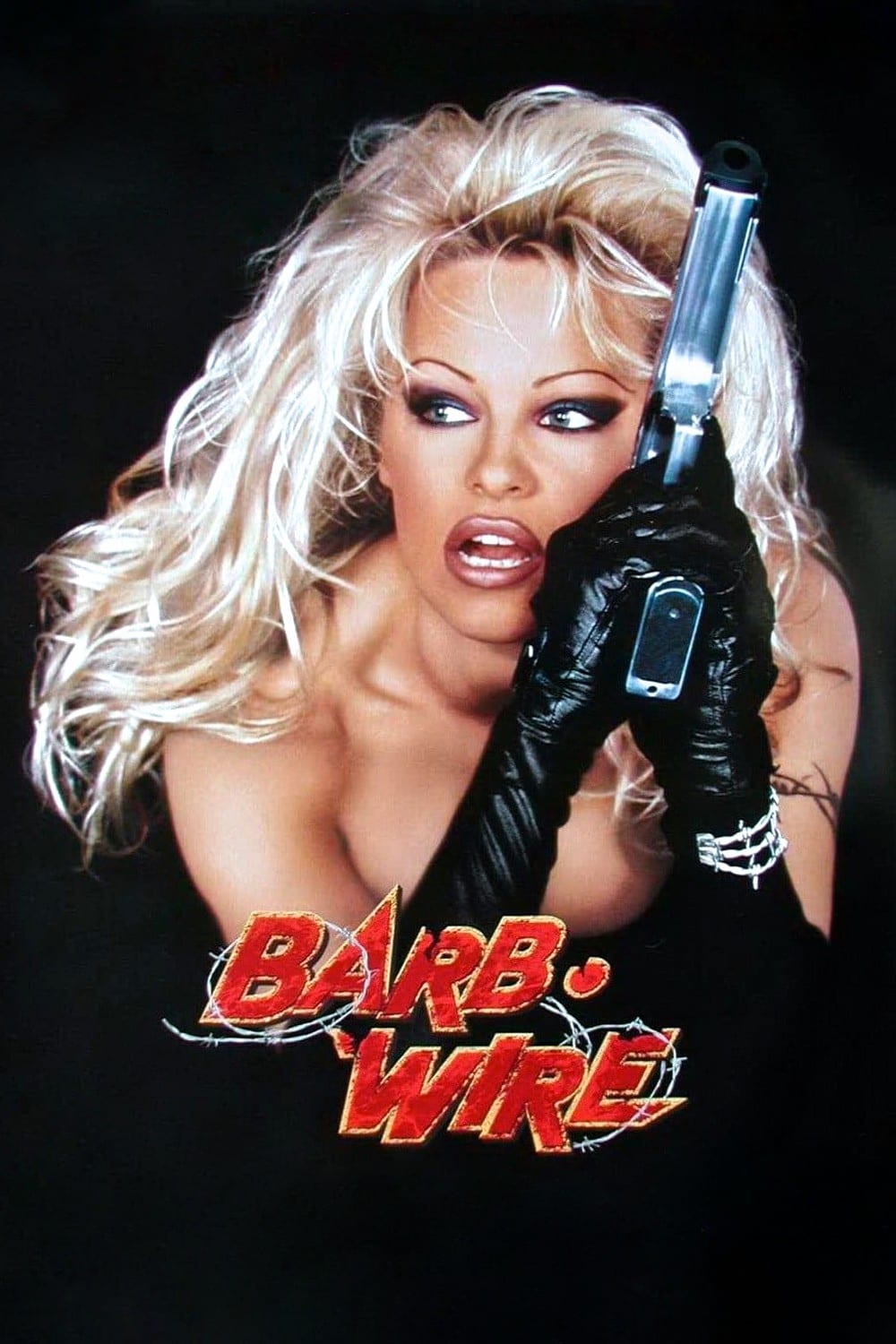
Pamela Anderson’s comic-book vehicle reheats ‘Casablanca’ in a leather-and-latex dystopia but offers flat action, dead air between quips, and a lead who’s given little to play beyond pose.
Time spotlights its hollow provocation—gunfire, grimacing, rinse, repeat. Box-office failure and Razzie attention feel inevitable once you sit through it.
Which ’90s movie do you think is the most unwatchable? Share your pick in the comments!

