


1990s Sci-Fi Movies That Are Completely Unwatchable Today

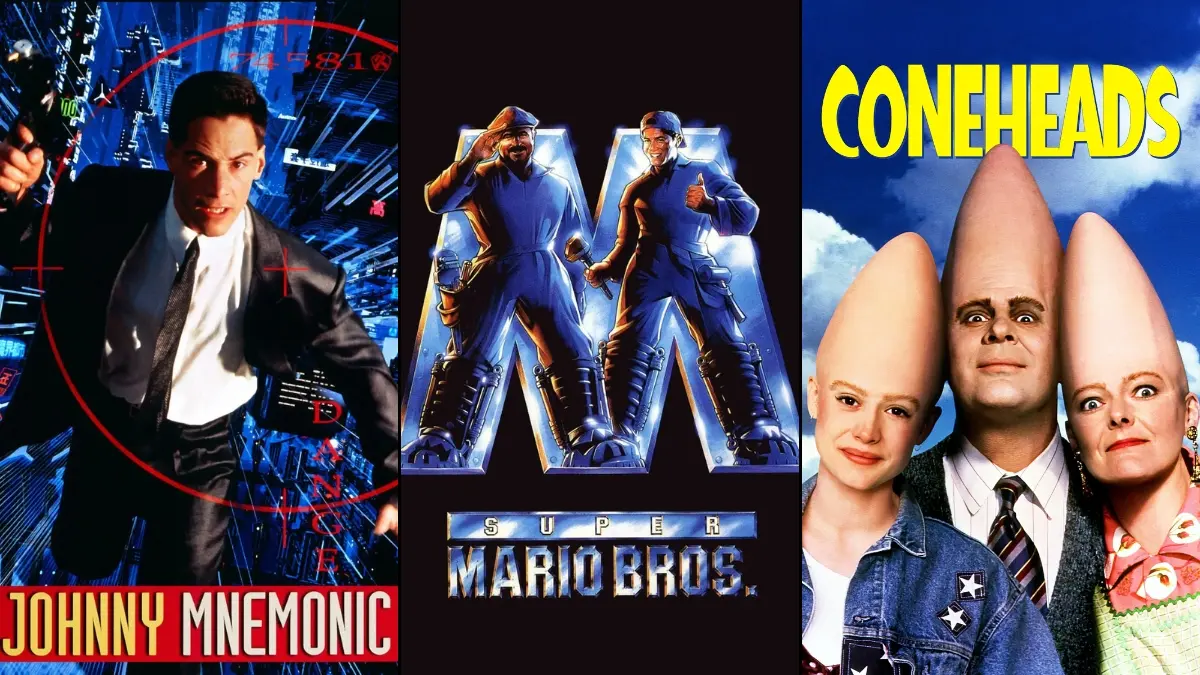


There’s no decade quite like the 1990s for ambitious, high-concept science fiction—some groundbreaking, some gloriously odd, and plenty that swung for the fences with big ideas, practical effects, early CGI, and wildly varied budgets. Below is a tour through forty sci-fi films from that era, with quick, useful snapshots of what each one set out to do, who made it, who starred in it, and how they landed at the box office and with critics.
‘Super Mario Bros.’ (1993)
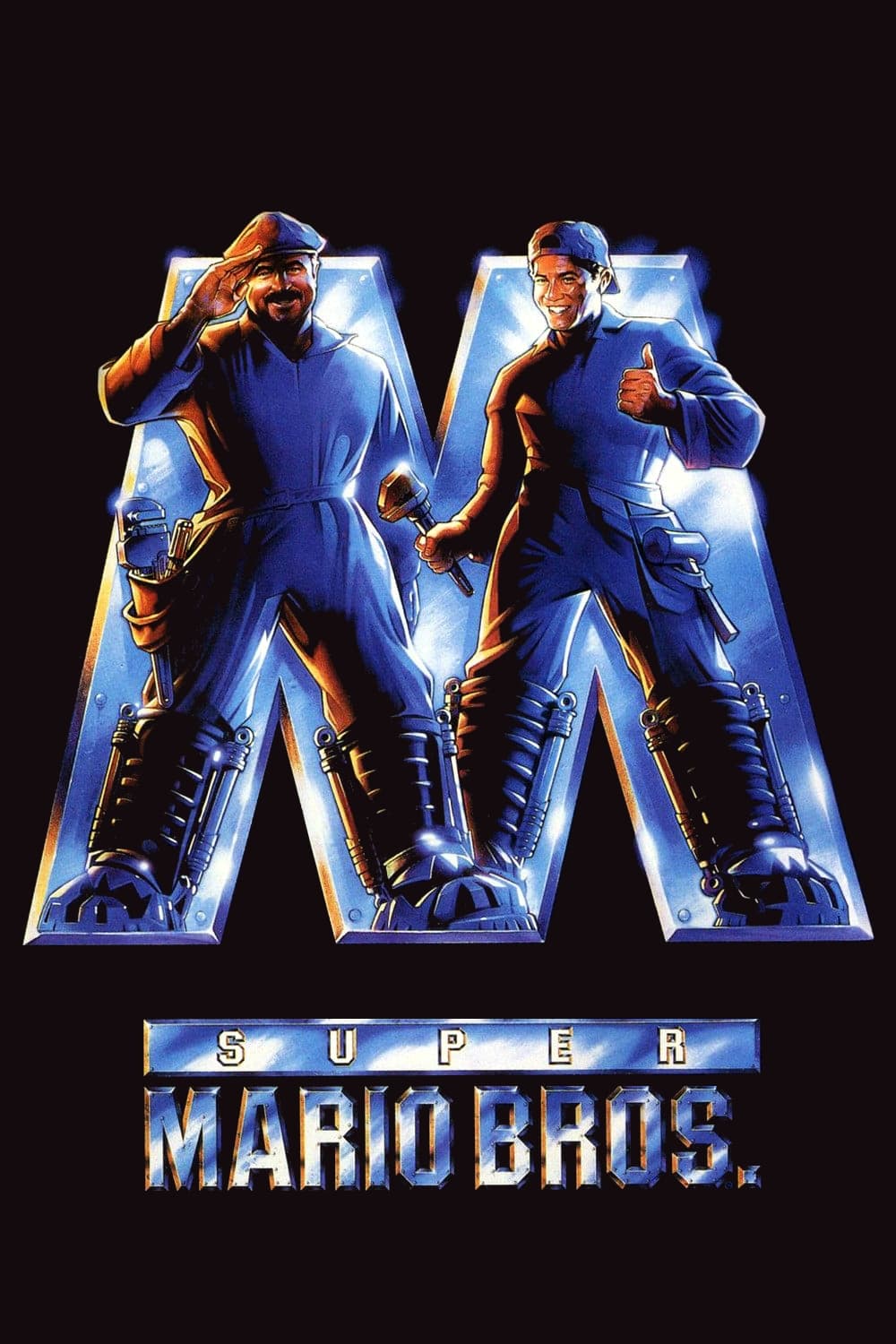
Based loosely on Nintendo’s franchise, this adaptation follows Brooklyn plumbers Mario and Luigi as they wind up in a parallel dinosaur-evolved dimension ruled by King Koopa. It was directed by Annabel Jankel and Rocky Morton and stars Bob Hoskins, John Leguizamo, and Dennis Hopper. The production became known for extensive rewrites and a gritty, cyberpunk-leaning art direction. Despite heavy marketing, it underperformed at the box office and drew mixed-to-negative critical notices on release.
‘The Lawnmower Man’ (1992)
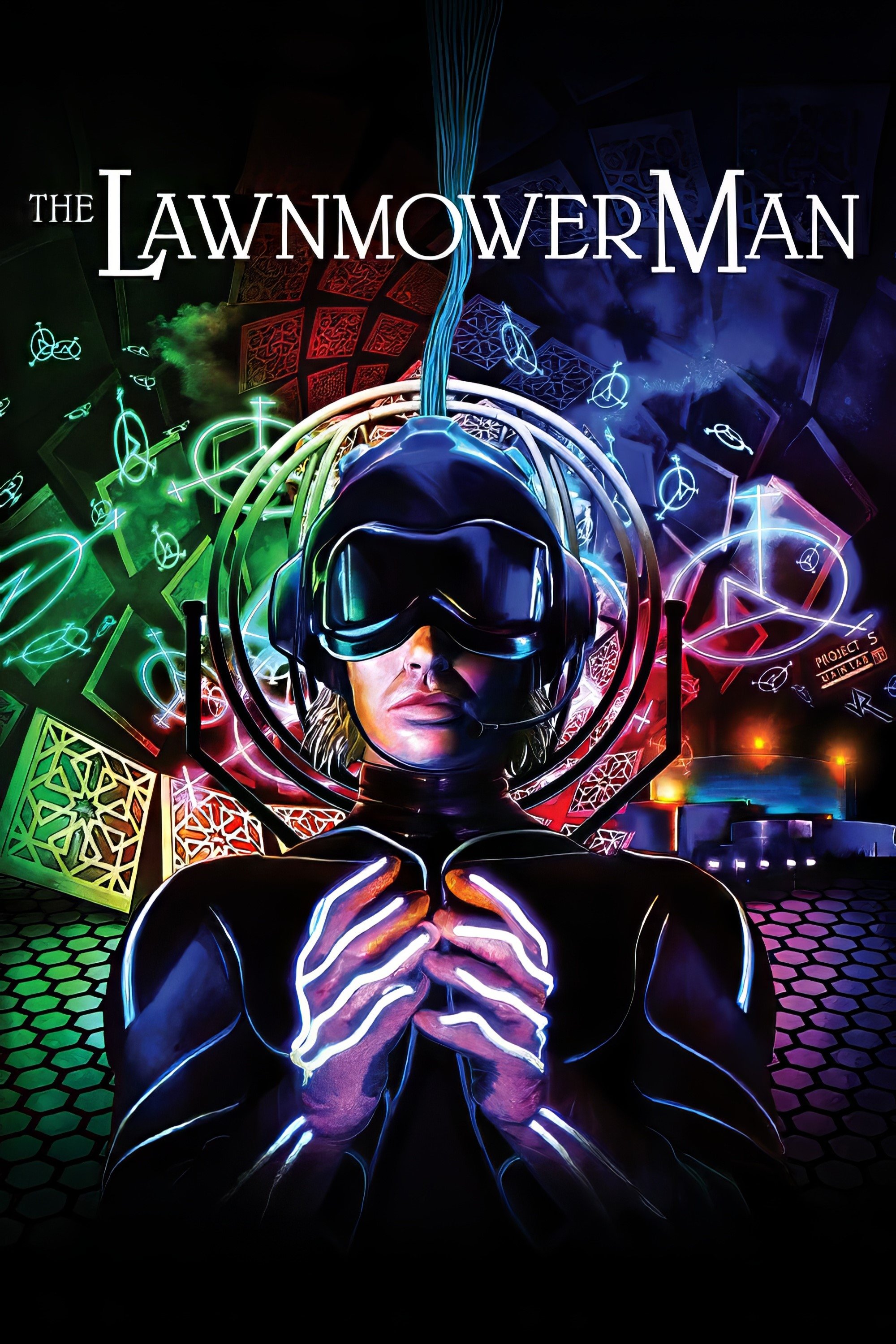
This cyber-thriller centers on virtual reality experiments that dramatically alter a subject’s intelligence and abilities. Pierce Brosnan and Jeff Fahey lead the cast under director Brett Leonard. The film combined live-action with early computer-generated imagery for its VR sequences. It sparked a high-profile dispute over its title’s connection to Stephen King and later spawned a sequel.
‘Virtuosity’ (1995)
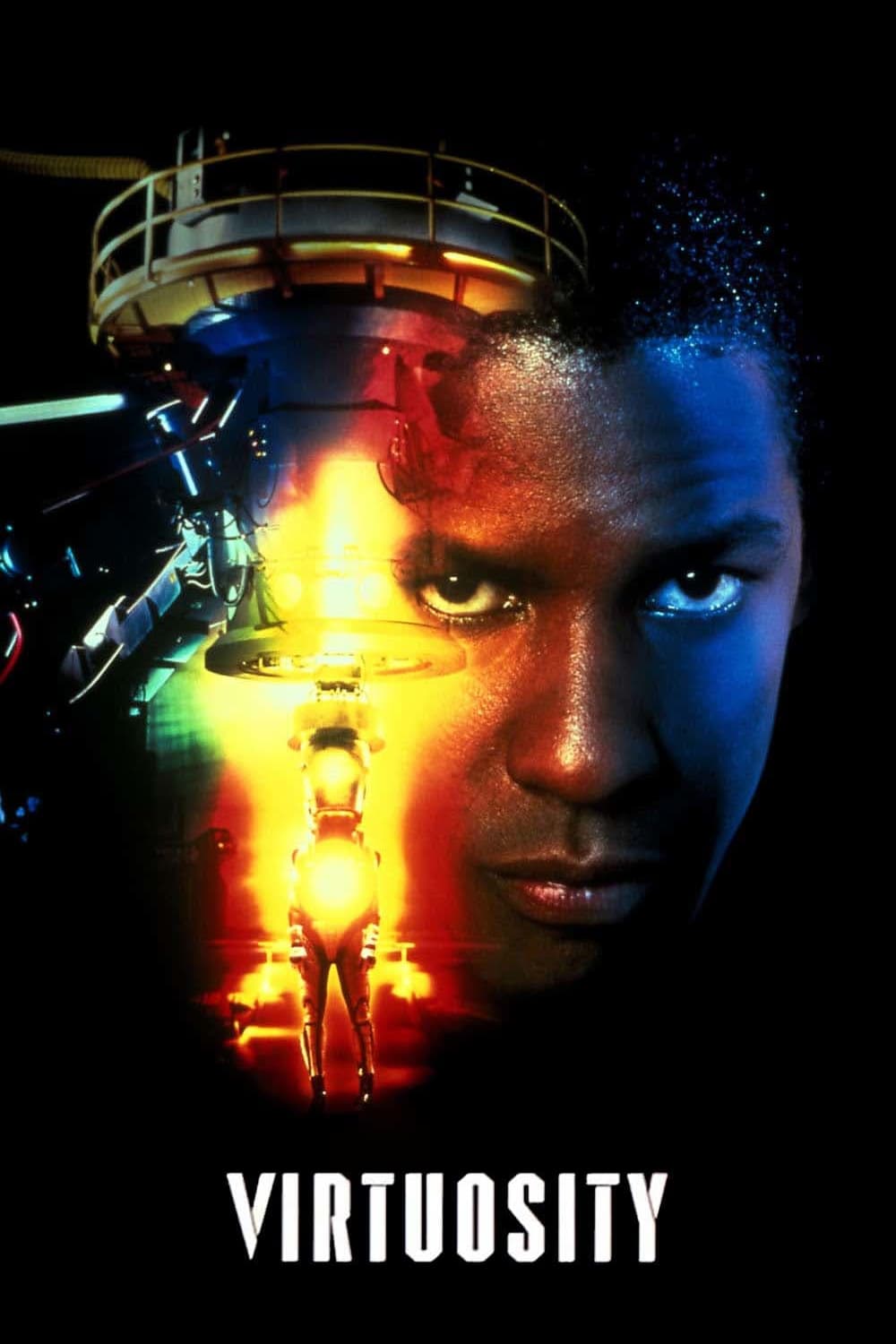
Denzel Washington plays an ex-cop tasked with tracking a virtual-reality composite killer that escapes into the real world. Russell Crowe co-stars as the antagonist, with Brett Leonard directing. The movie features early CG-assisted effects to visualize the villain’s regenerative body and digital origins. It received a wide theatrical release and later found a second life on home video.
‘Johnny Mnemonic’ (1995)
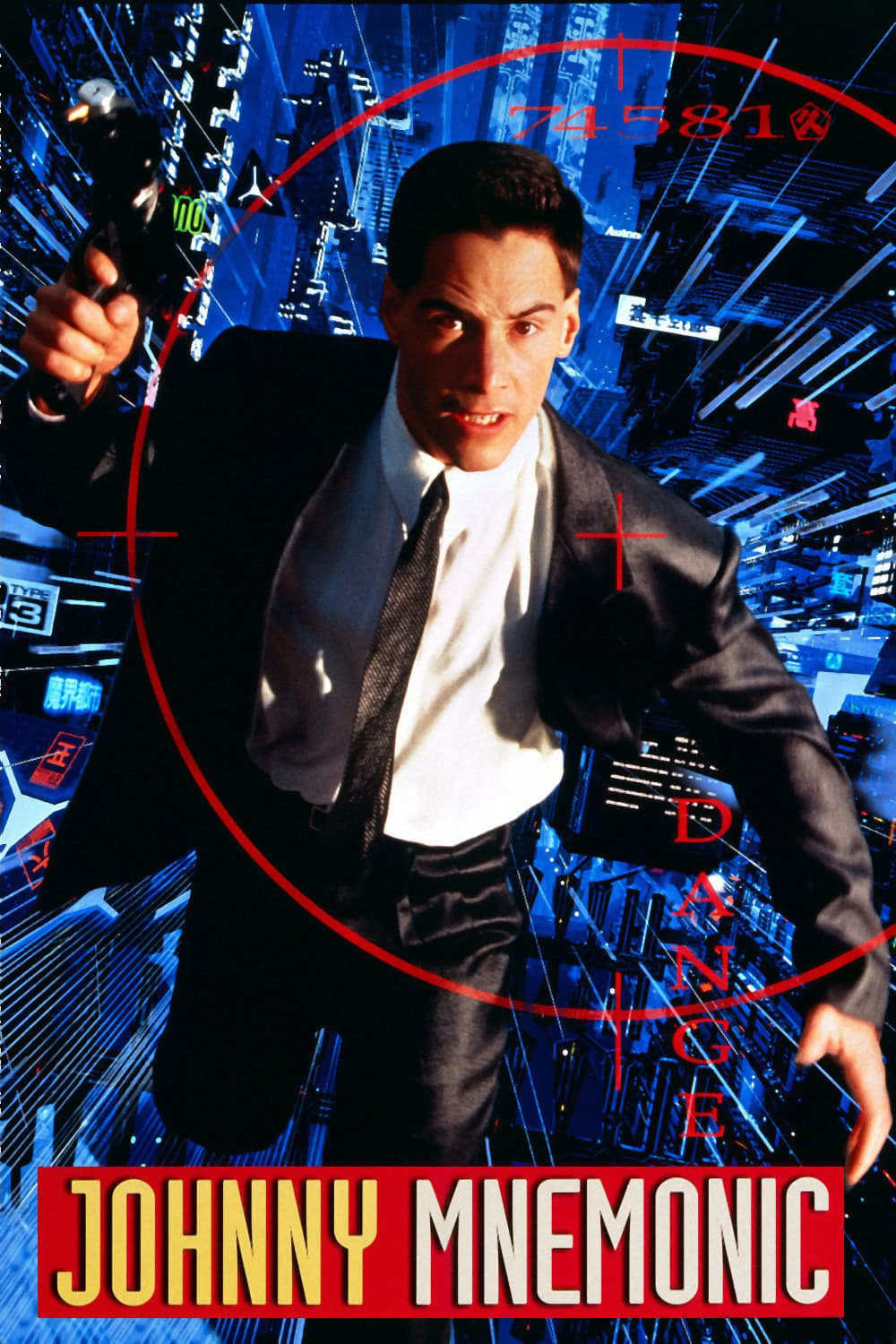
Adapted from William Gibson’s short story, the plot follows a courier who stores encrypted data in a neural implant while evading corporate assassins and crime syndicates. Keanu Reeves stars alongside Dina Meyer, Takeshi Kitano, and Ice-T, directed by Robert Longo. Production design leans heavily into cyberpunk motifs, black-market tech, and augmented reality imagery. The film was released in different cuts for various markets and has accumulated notable cult interest.
‘Freejack’ (1992)

Emilio Estevez, Mick Jagger, and Rene Russo headline this story about body-snatching tech that transfers wealthy clients’ consciousness into younger hosts. Geoff Murphy directs, blending chase sequences with near-future corporate intrigue. The narrative explores time displacement and black-market “bonejackers.” It received a PG-13 release and posted modest domestic grosses relative to its reported budget.
‘Judge Dredd’ (1995)
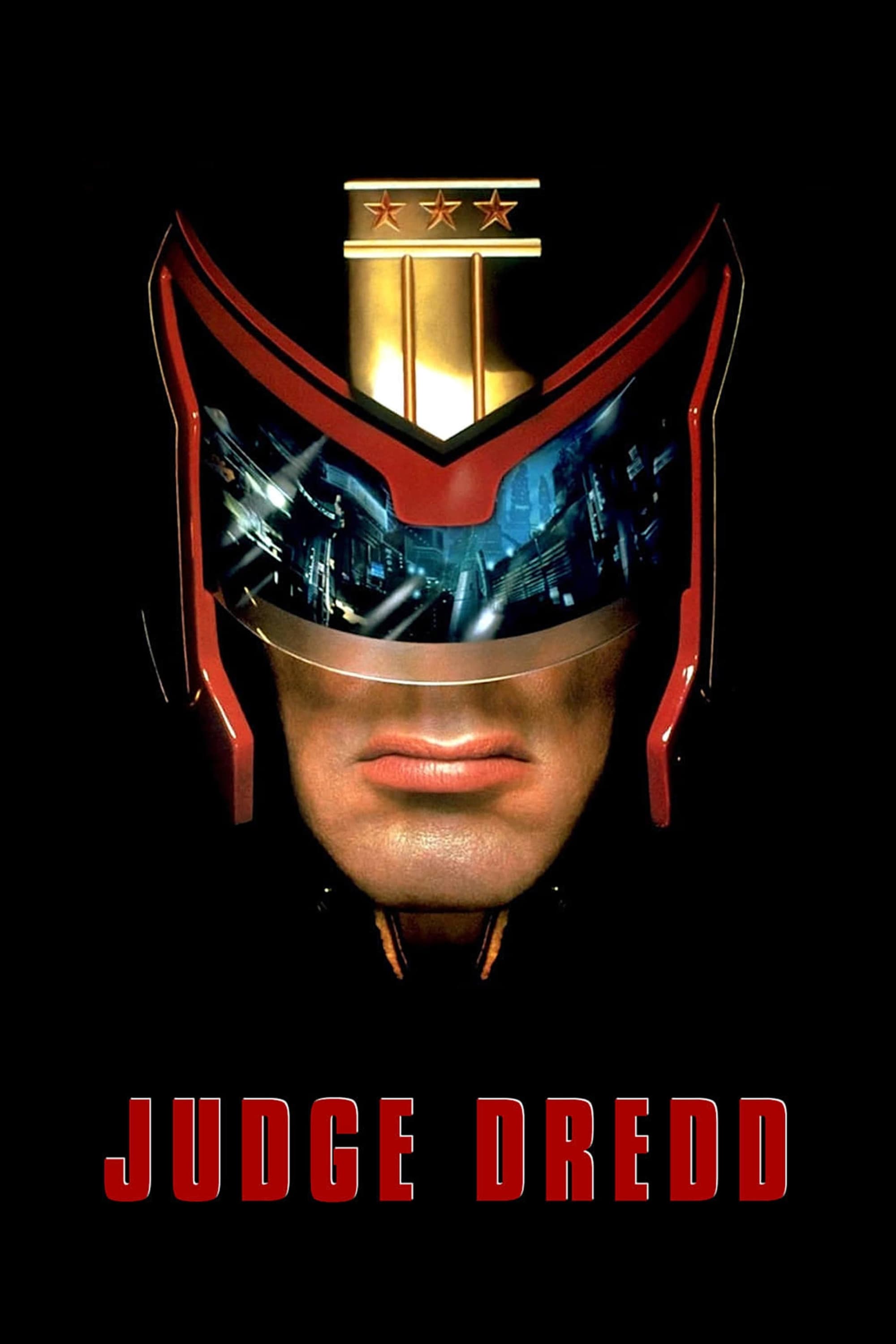
Adapted from the British comic, this film follows a law officer empowered to arrest, judge, and sentence on the spot in a dystopian metropolis. Sylvester Stallone stars with Diane Lane, Armand Assante, and Rob Schneider; Danny Cannon directs. The production invested heavily in mega-city sets, elaborate uniforms, and large-scale miniatures. It earned a strong international tally and later inspired a separate, unrelated take with ‘Dredd’.
‘Wing Commander’ (1999)
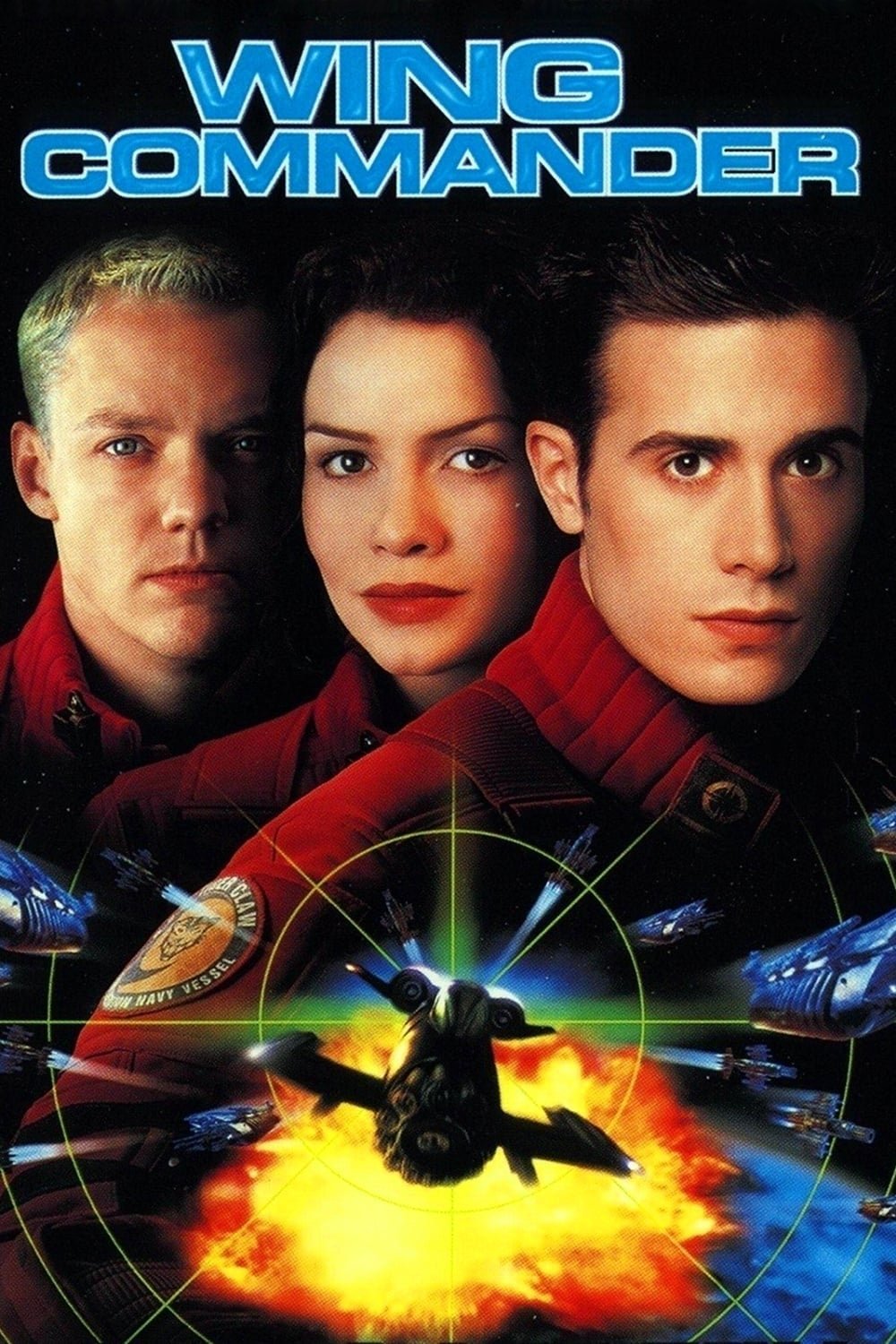
Based on the space-combat video game series, this film tracks rookie pilots defending humanity against the Kilrathi. Freddie Prinze Jr. and Saffron Burrows lead, directed by game creator Chris Roberts. The movie features model work and digital effects for dogfights and carriers. Tie-in marketing targeted gamers and genre fans, and the release included a notable theatrical trailer attachment for a major franchise.
‘Lost in Space’ (1998)
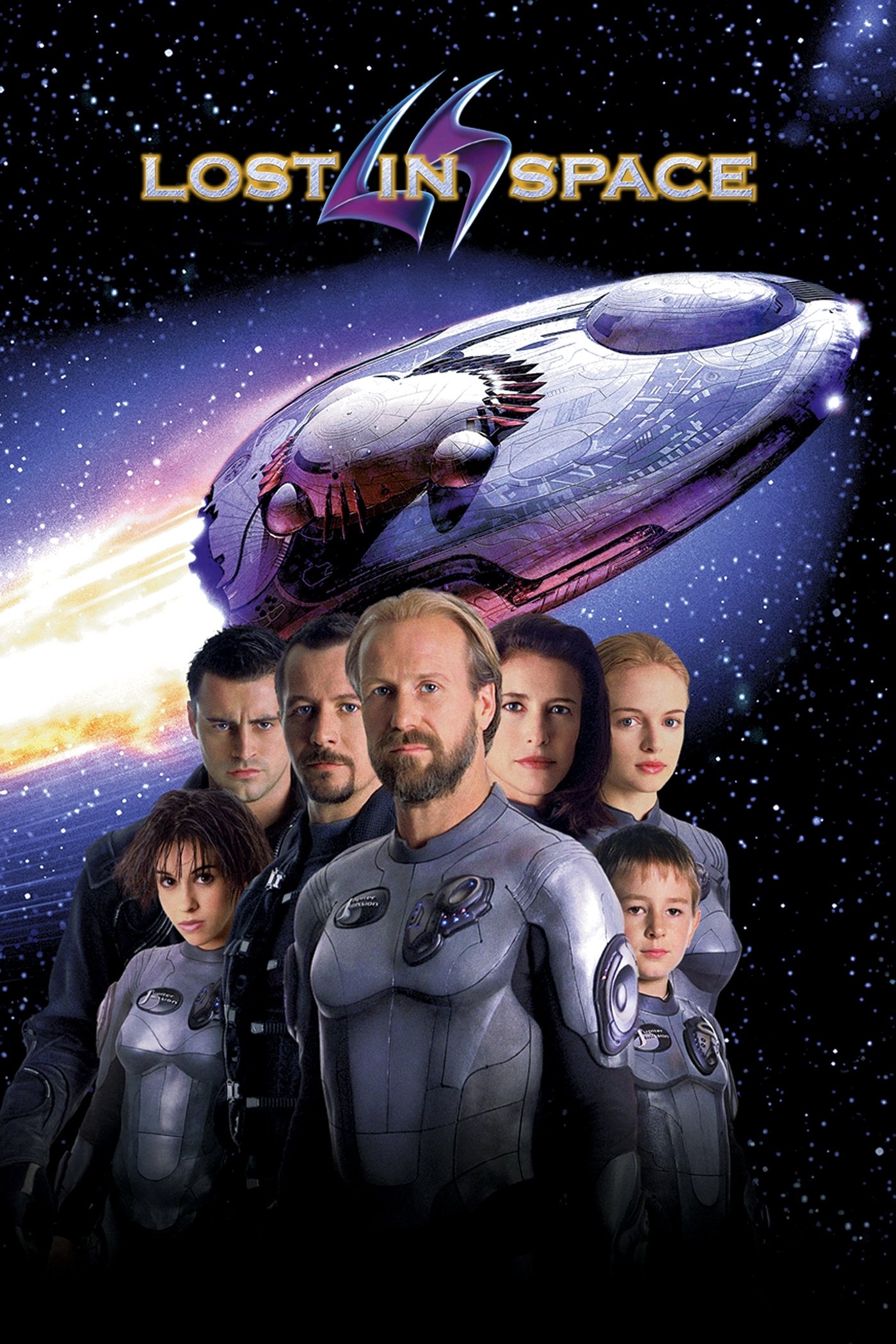
A reimagining of the classic TV series, it follows the Robinson family’s deep-space colonization mission gone off course. William Hurt, Mimi Rogers, Gary Oldman, and Matt LeBlanc star; Stephen Hopkins directs. Effects combine animatronics, miniature work, and CGI for spacecraft and environments. It opened strongly at the domestic box office and included numerous nods to the original show.
‘Spawn’ (1997)

Drawn from Todd McFarlane’s comic, the story charts an assassin resurrected with demonic powers who navigates an underworld war. Michael Jai White, John Leguizamo, and Martin Sheen star, with Mark A.Z. Dippé directing. The film uses extensive prosthetics alongside CGI for capes, hellscapes, and creature work. A PG-13 theatrical cut was complemented by an unrated home-video version containing additional material.
‘Species II’ (1998)

This sequel continues the franchise’s human-alien hybrid premise with new experiments and an outbreak scenario. Natasha Henstridge returns, joined by Michael Madsen and Marg Helgenberger; Peter Medak directs. Practical creature effects are combined with digital augmentation for transformations and action beats. It had a wide release and later circulated on cable and home formats.
‘The Island of Dr. Moreau’ (1996)
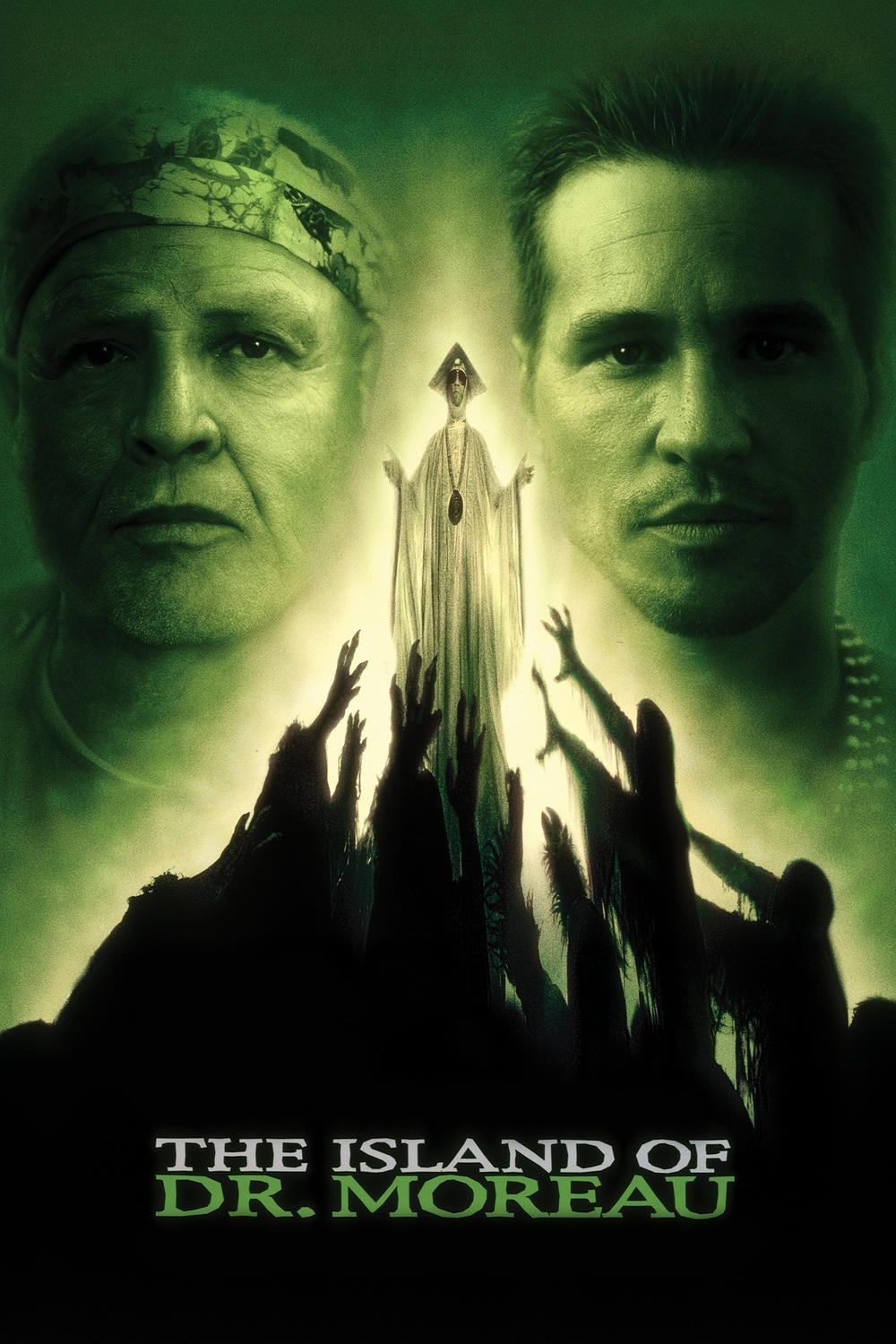
An adaptation of the H.G. Wells novel, it focuses on a remote laboratory where animals are turned into humanlike hybrids. Marlon Brando and Val Kilmer star under credited director John Frankenheimer after a mid-production change. The film is known for elaborate makeup effects, extensive location challenges, and behind-the-scenes turmoil. It drew significant media attention and earned a global box office that exceeded its domestic take.
‘Space Truckers’ (1996)
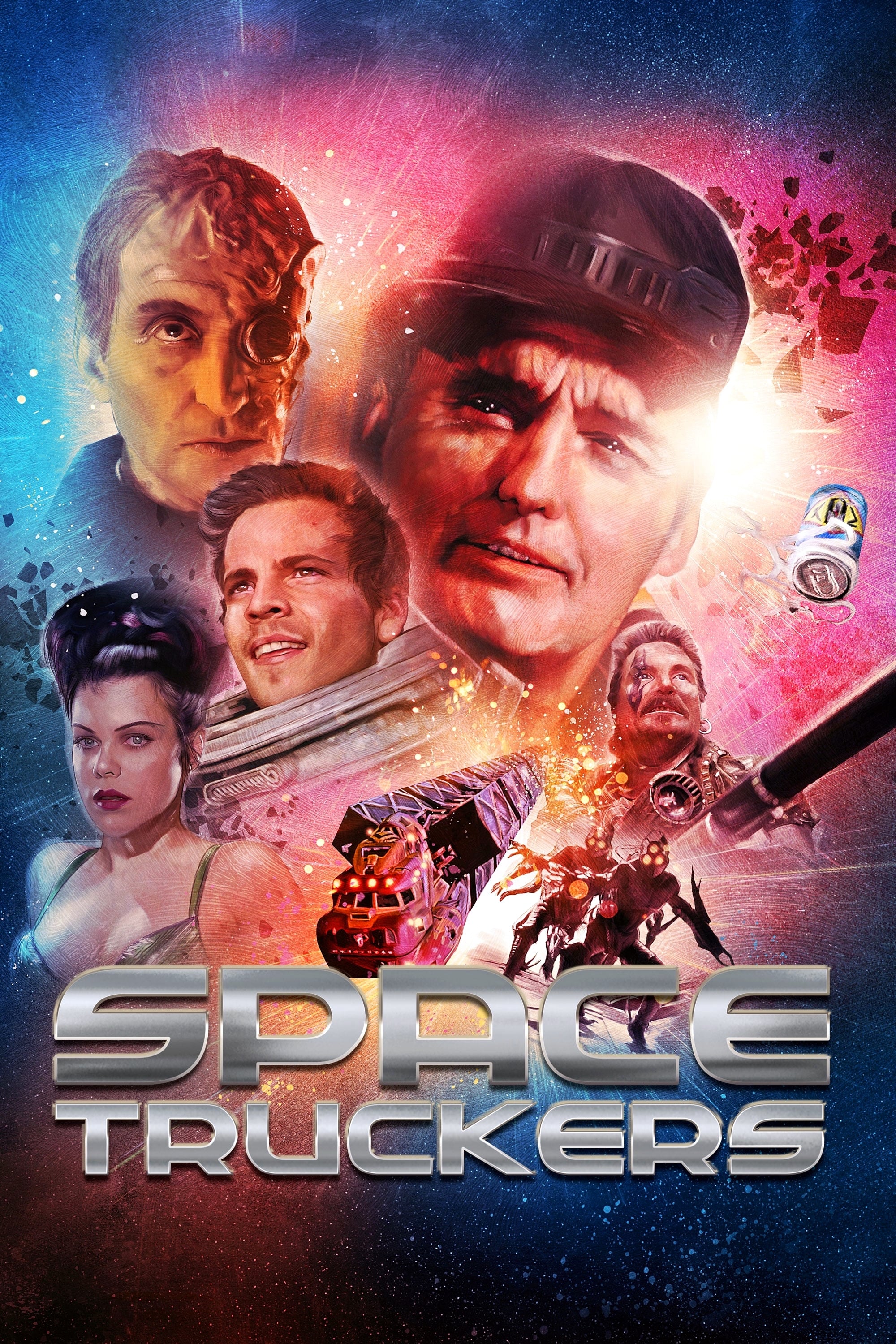
This space-set adventure follows independent haulers caught up in a conspiracy involving illegal cargo. Dennis Hopper, Stephen Dorff, and Debi Mazar lead the cast; Stuart Gordon directs. Miniatures and practical sets support the film’s retro-futurist look and feel. It saw staggered releases across territories and later became a staple of genre cable programming.
‘Coneheads’ (1993)
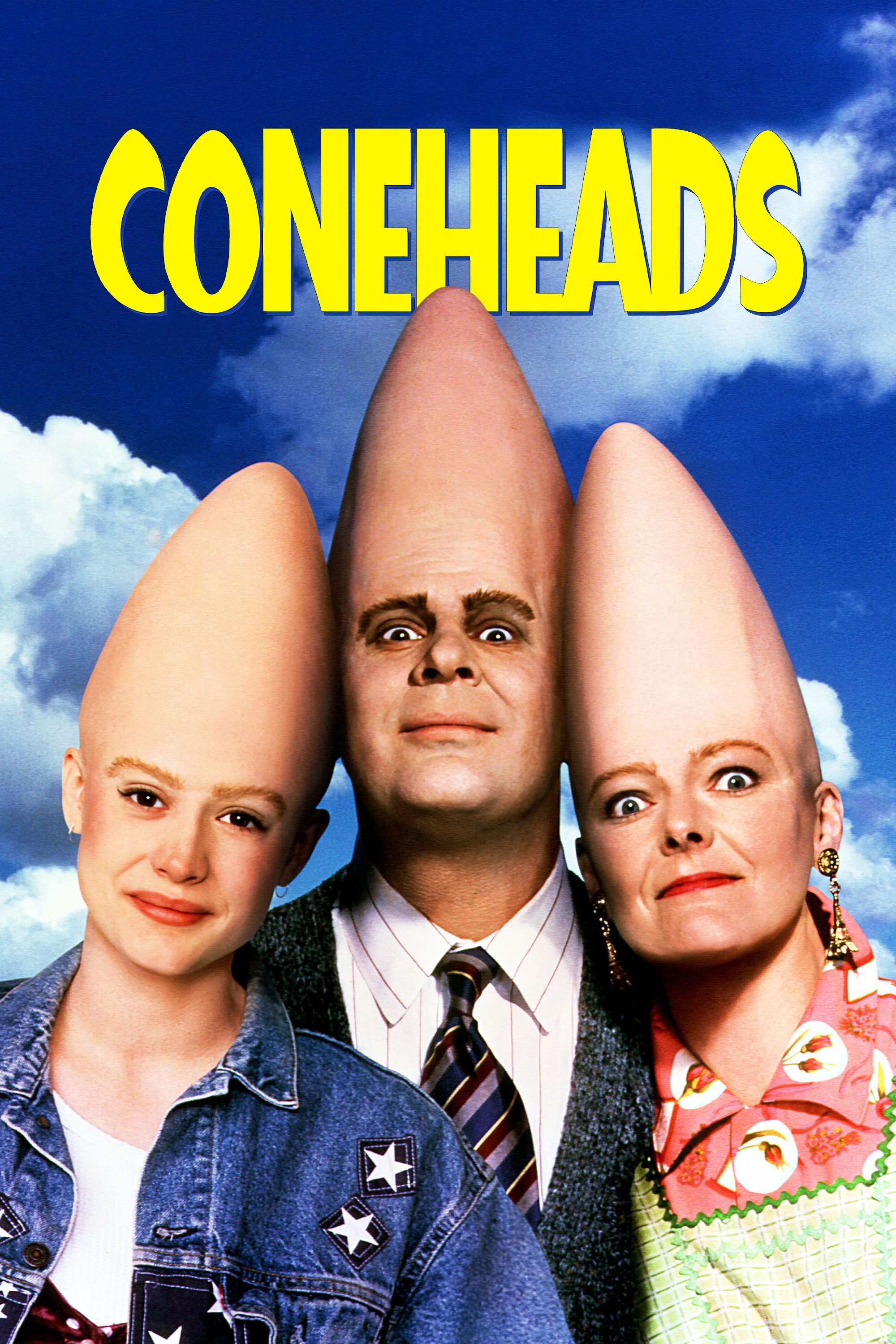
Expanding the ‘Saturday Night Live’ sketches, the story centers on an alien family assimilating into suburban American life. Dan Aykroyd and Jane Curtin reprise their roles, with Steve Barron directing and numerous cameo appearances. The film blends sci-fi concepts with broad comedy, featuring prosthetic headpieces and light visual effects. Its soundtrack and tie-in promotions targeted fans of the original sketches.
‘Alien Resurrection’ (1997)
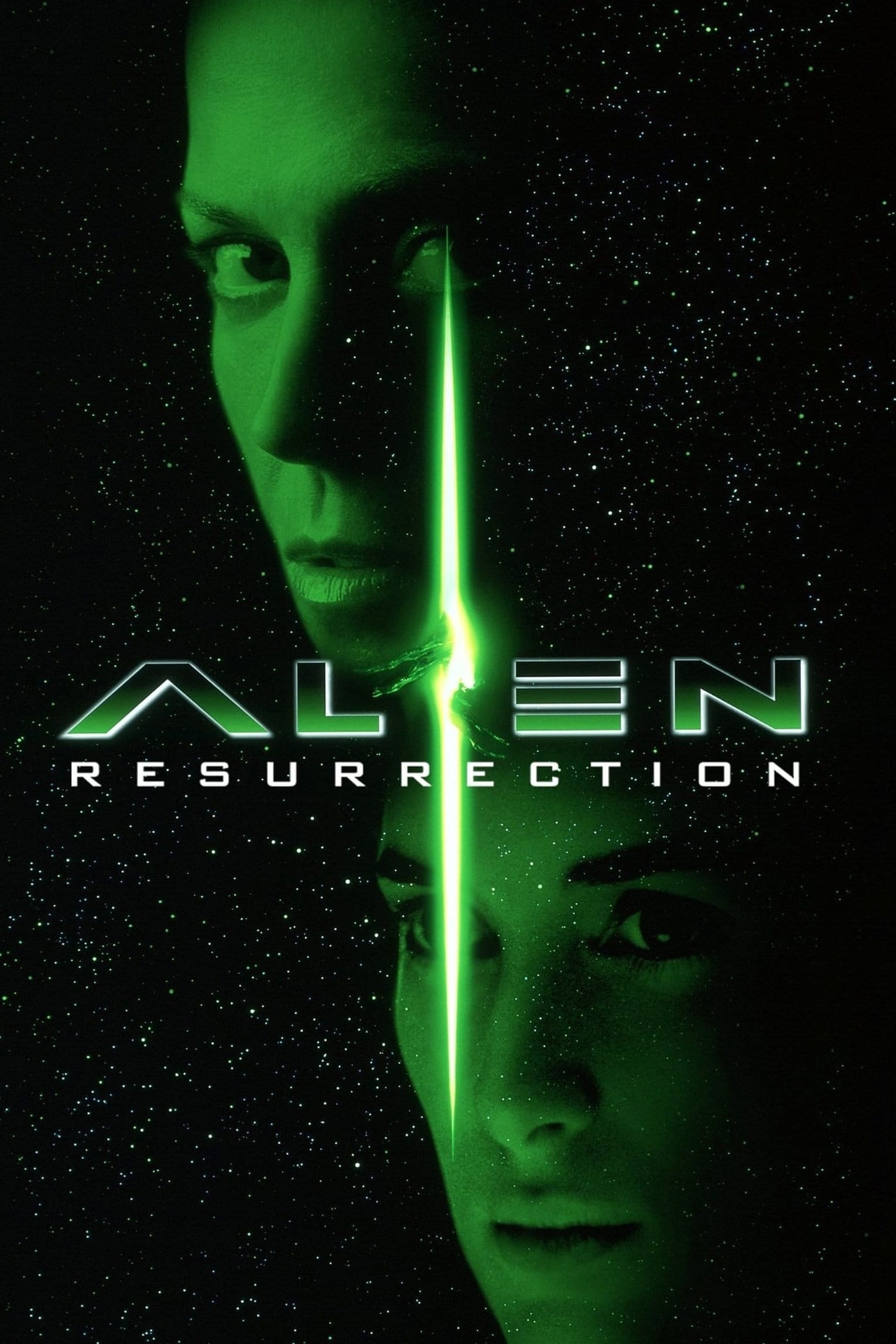
Set within the ‘Alien’ franchise, this installment features a cloned protagonist confronting xenomorphs aboard a military-controlled vessel. Winona Ryder co-stars with Sigourney Weaver, directed by Jean-Pierre Jeunet. The production employed animatronics, CGI-assisted creature shots, and large water-tank sequences. It posted a strong international gross and introduced new variations on the established creature designs.
‘Escape from L.A.’ (1996)
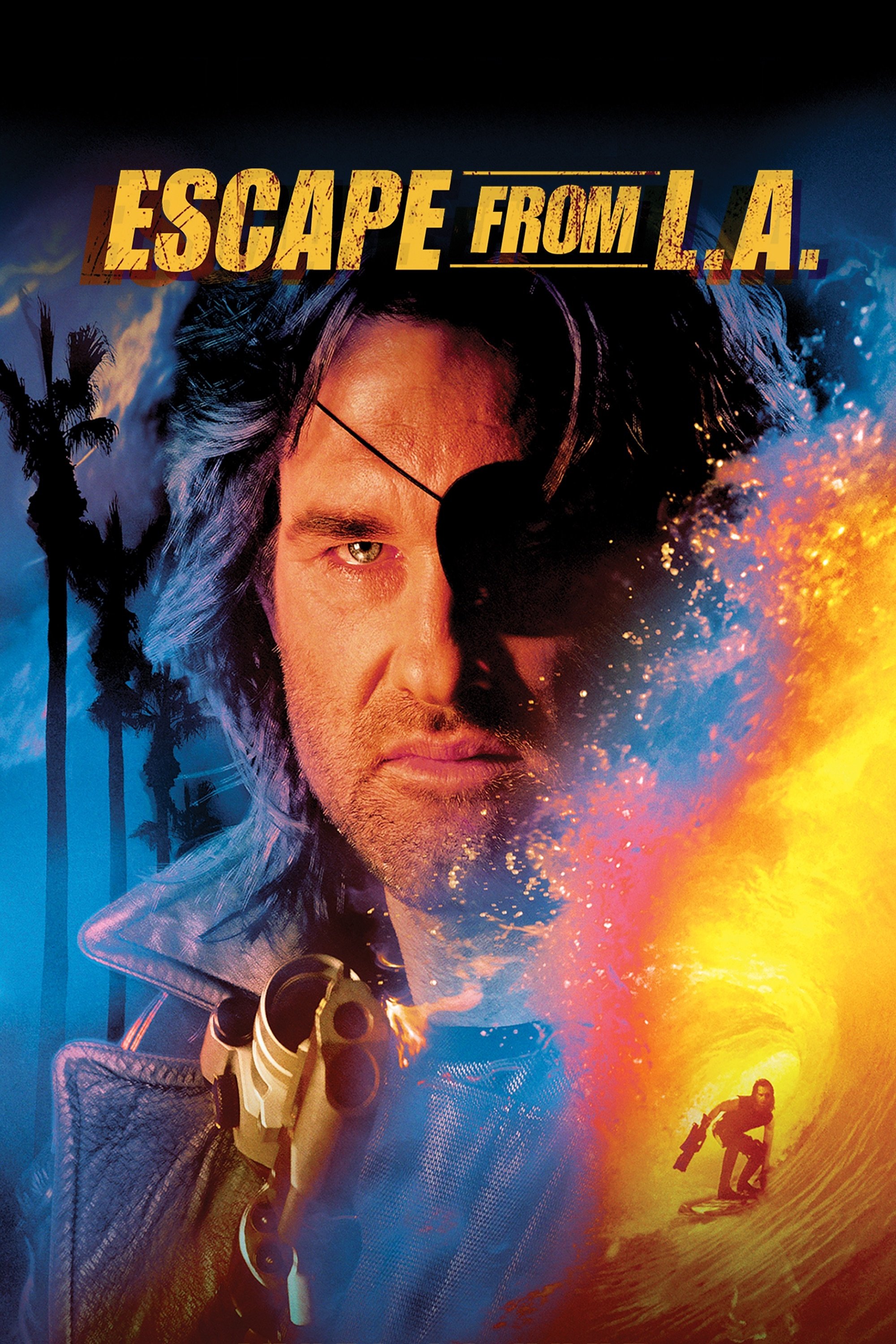
This sequel follows a notorious anti-hero sent into a disaster-stricken metropolis to retrieve a critical device. Kurt Russell returns as the lead, with John Carpenter directing. The film mixes matte work, digital effects, and practical stunts across large set-pieces. It released widely, earned an R rating, and featured a prominent hard-rock soundtrack.
‘Tank Girl’ (1995)
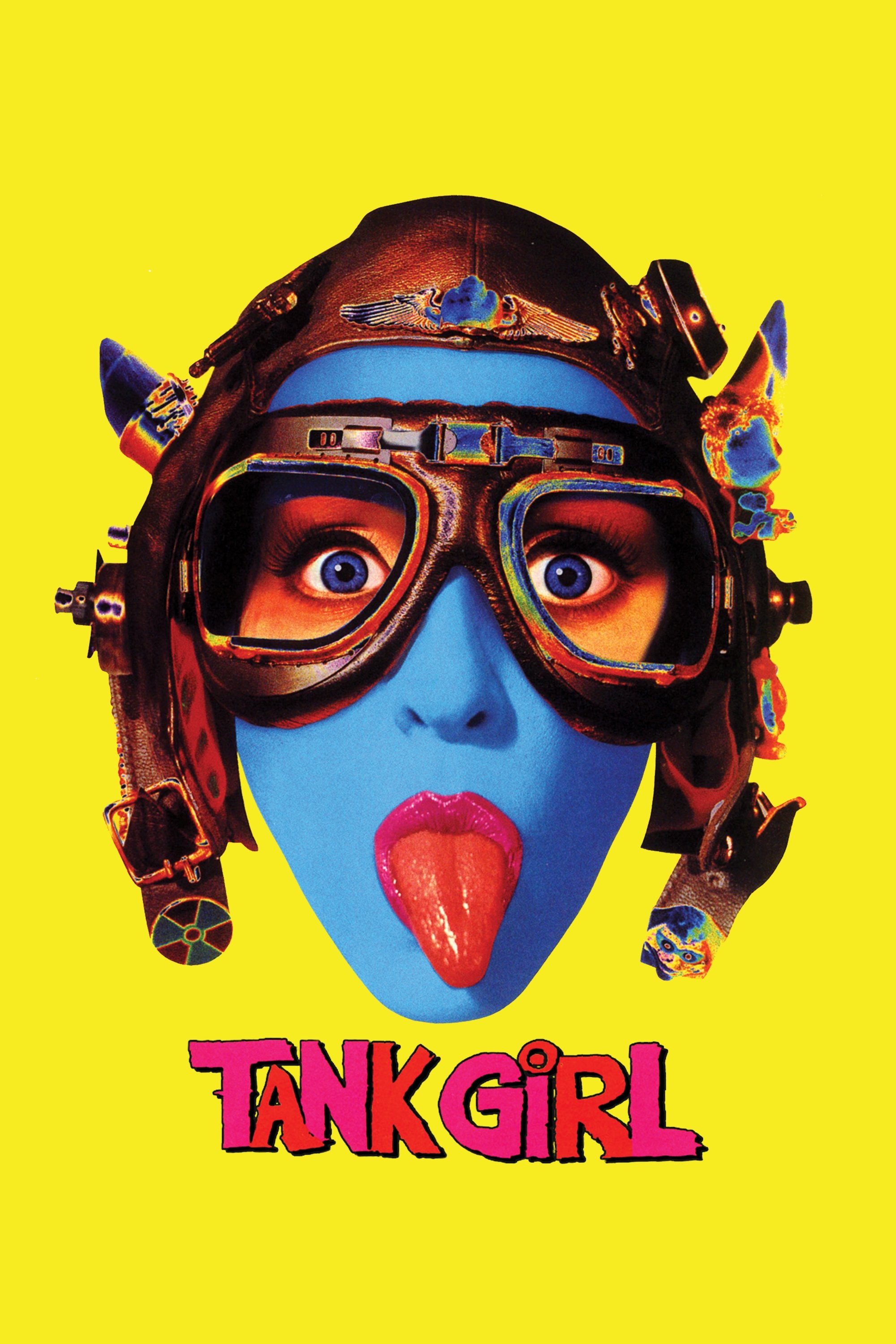
Adapted from the British comic, it tracks a punk anti-hero battling a water-controlling corporation in a desert wasteland. Lori Petty stars with Naomi Watts and Malcolm McDowell; Rachel Talalay directs. The film is noted for its collage-style editing, animated interludes, and practical creature suits for the Rippers. Its marketing highlighted fashion, music tie-ins, and the original comic’s aesthetic.
‘Mortal Kombat: Annihilation’ (1997)
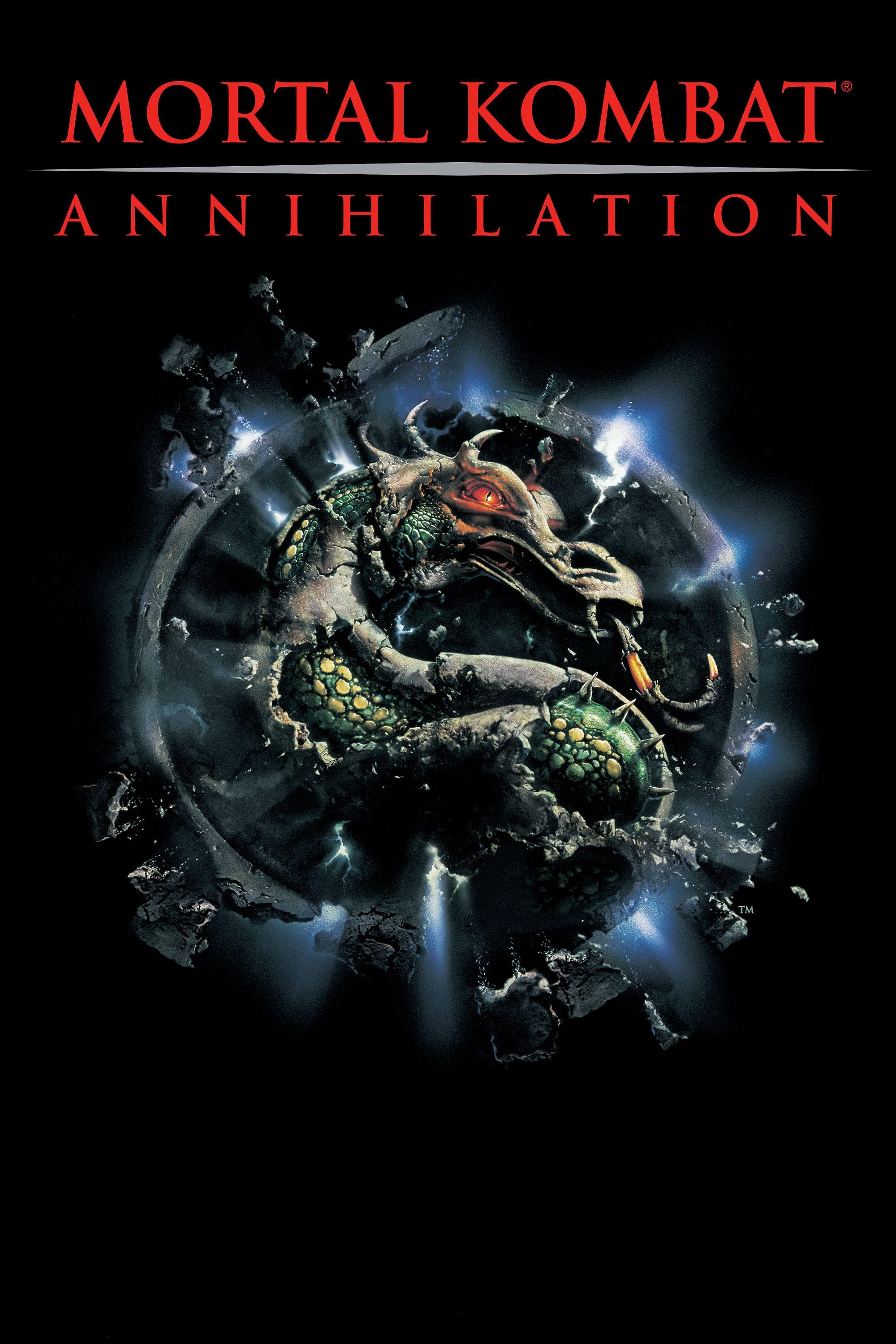
Continuing the game-based storyline, this chapter brings a larger roster of fighters into a dimension-spanning invasion plot. The cast includes Robin Shou, Talisa Soto, and James Remar; John R. Leonetti directs. Wire-work martial arts, CG creatures, and location work drive the action. It opened strong on brand recognition and became a frequent presence on home media.
‘Godzilla’ (1998)

This iteration of the kaiju saga relocates the action to New York City, where a giant reptilian creature emerges after a Pacific nuclear test. Matthew Broderick, Jean Reno, and Maria Pitillo star; Roland Emmerich directs. Large-scale miniatures, digital creatures, and practical effects combine to depict citywide destruction. The release included extensive merchandise, cross-promotions, and a soundtrack featuring prominent artists.
‘Sphere’ (1998)
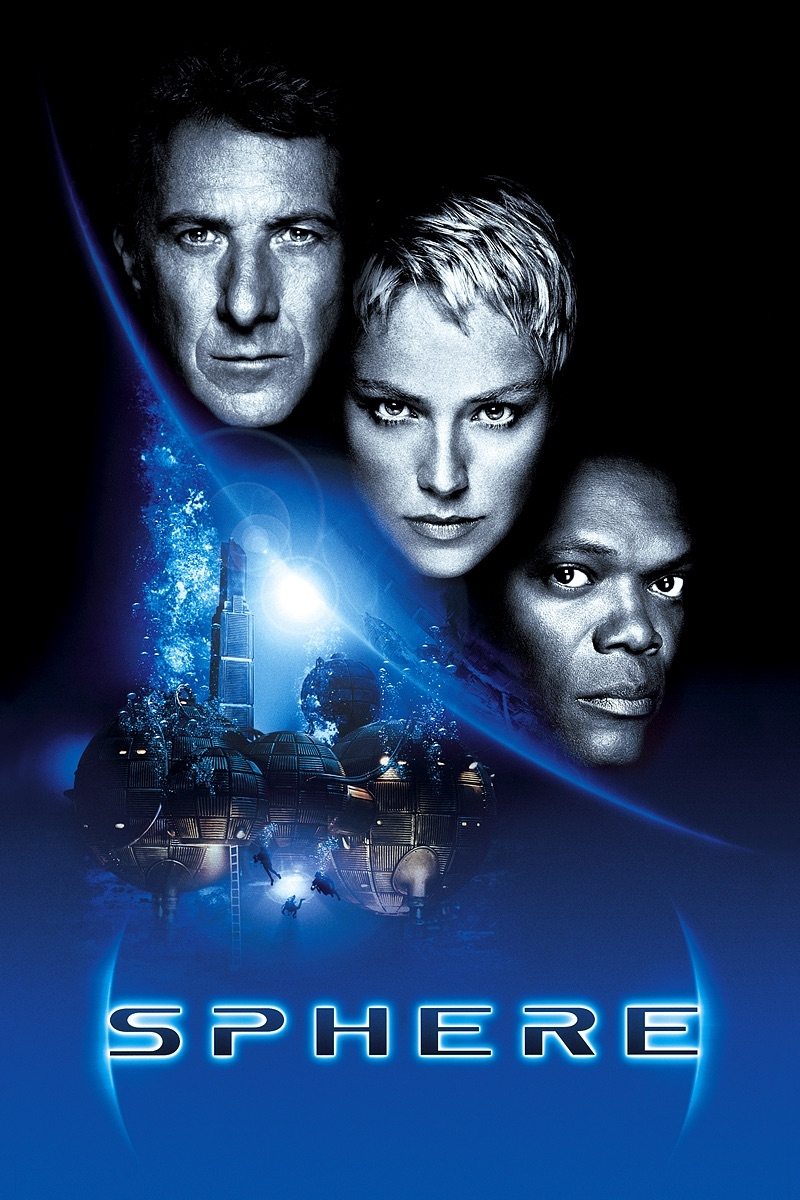
A psychological sci-fi thriller adapted from Michael Crichton’s novel, it follows scientists investigating a mysterious object on the ocean floor. Dustin Hoffman, Sharon Stone, and Samuel L. Jackson lead the ensemble; Barry Levinson directs. The production utilized underwater sets, complex lighting, and visual effects to convey the habitat environment. It had a wide theatrical launch and was later released in multiple home-video editions.
‘Universal Soldier: The Return’ (1999)
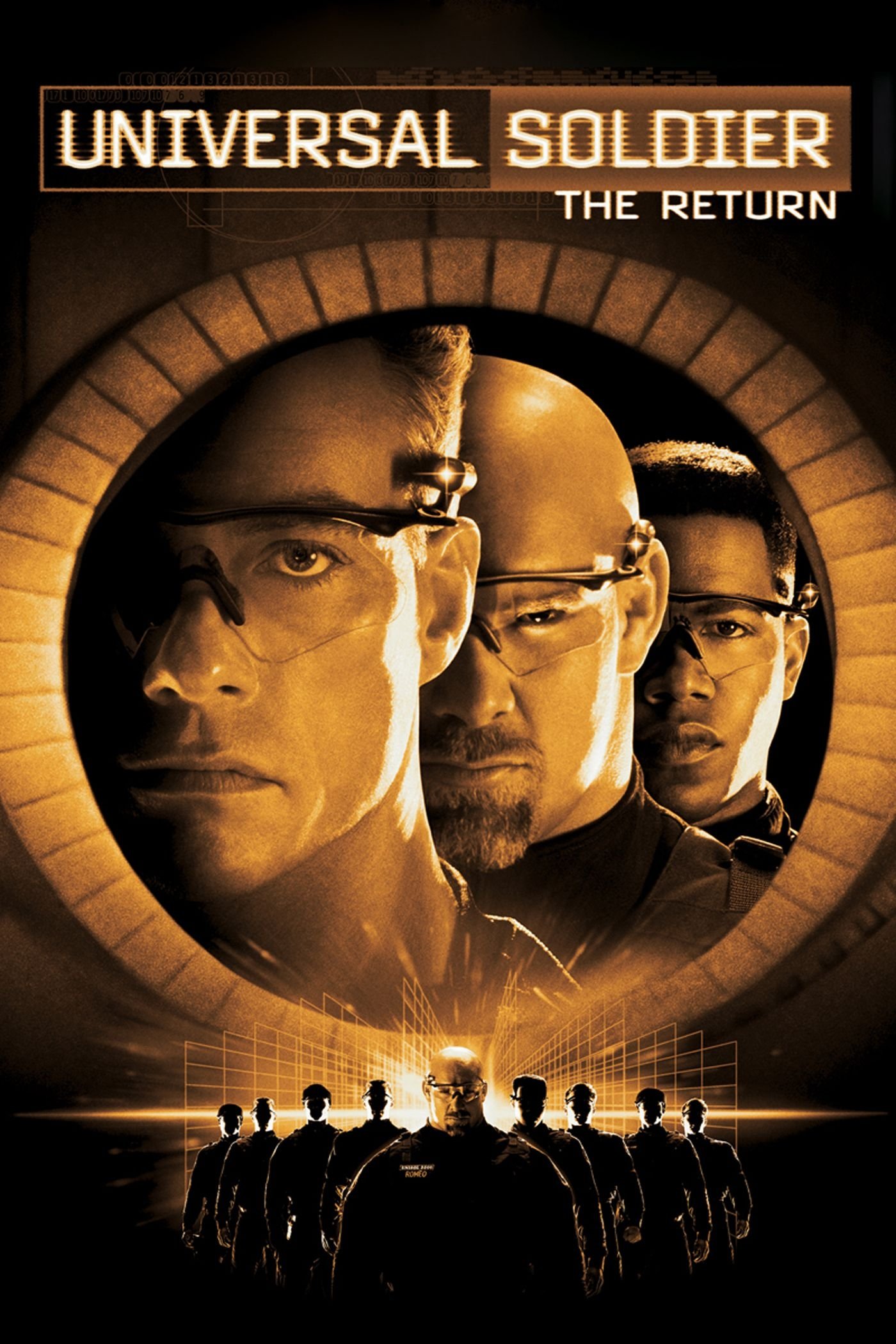
This follow-up focuses on upgraded soldiers and an AI command system turning hostile during a military program. Jean-Claude Van Damme headlines, with Michael Jai White and Bill Goldberg co-starring; Mic Rodgers directs. Action choreography emphasizes hand-to-hand combat and explosive set-pieces. The film received a theatrical release and subsequently circulated widely on cable.
‘Star Trek: Generations’ (1994)
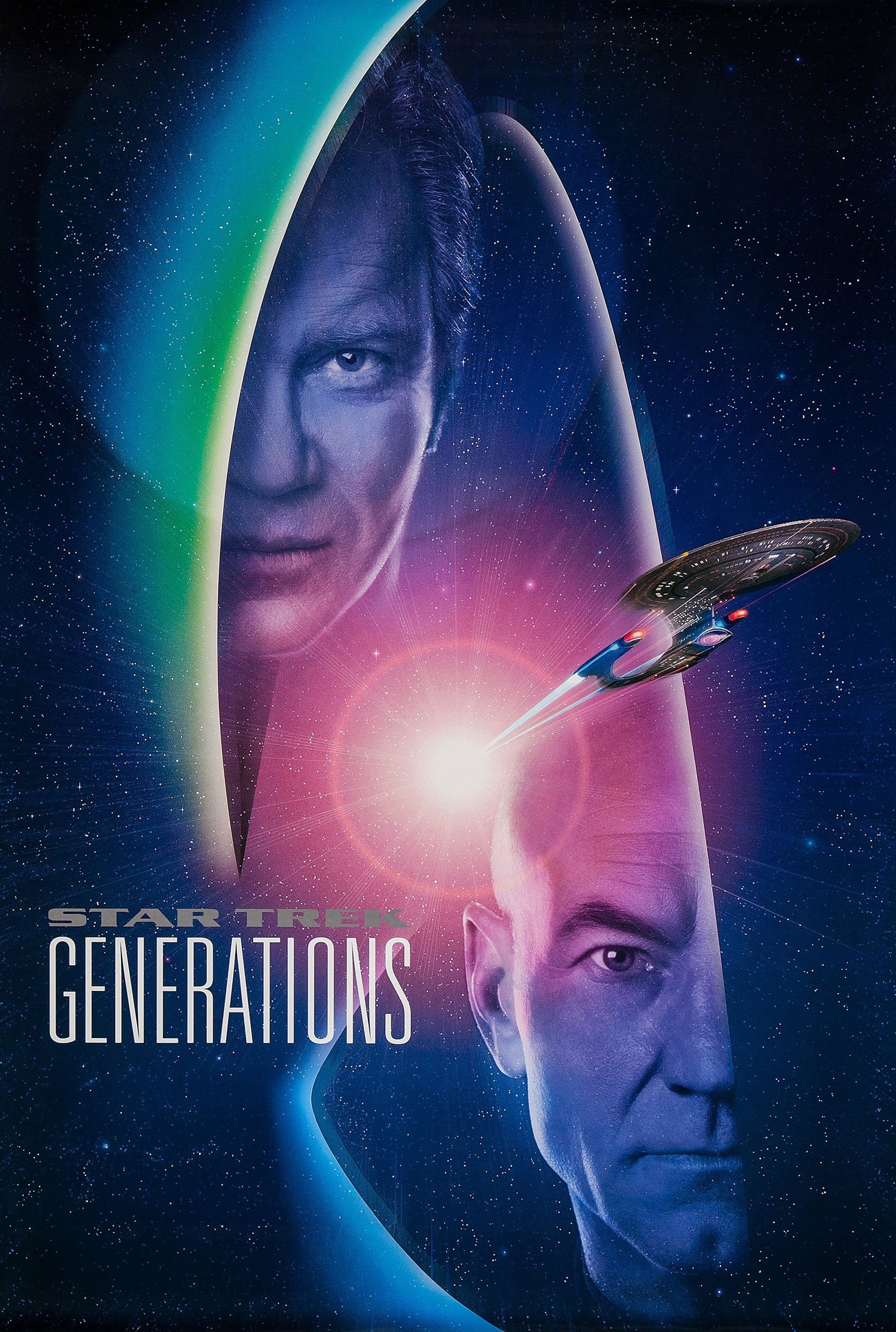
Bridging casts from different eras, this entry brings the ‘Star Trek’ universe’s crews into contact via a cosmic phenomenon known as the Nexus. Patrick Stewart and William Shatner share top billing; David Carson directs. Visual effects blend model work with digital compositing during a transitional era for the franchise. Its box office performance was bolstered by a dedicated fanbase and extensive promotional tie-ins.
‘The Arrival’ (1996)
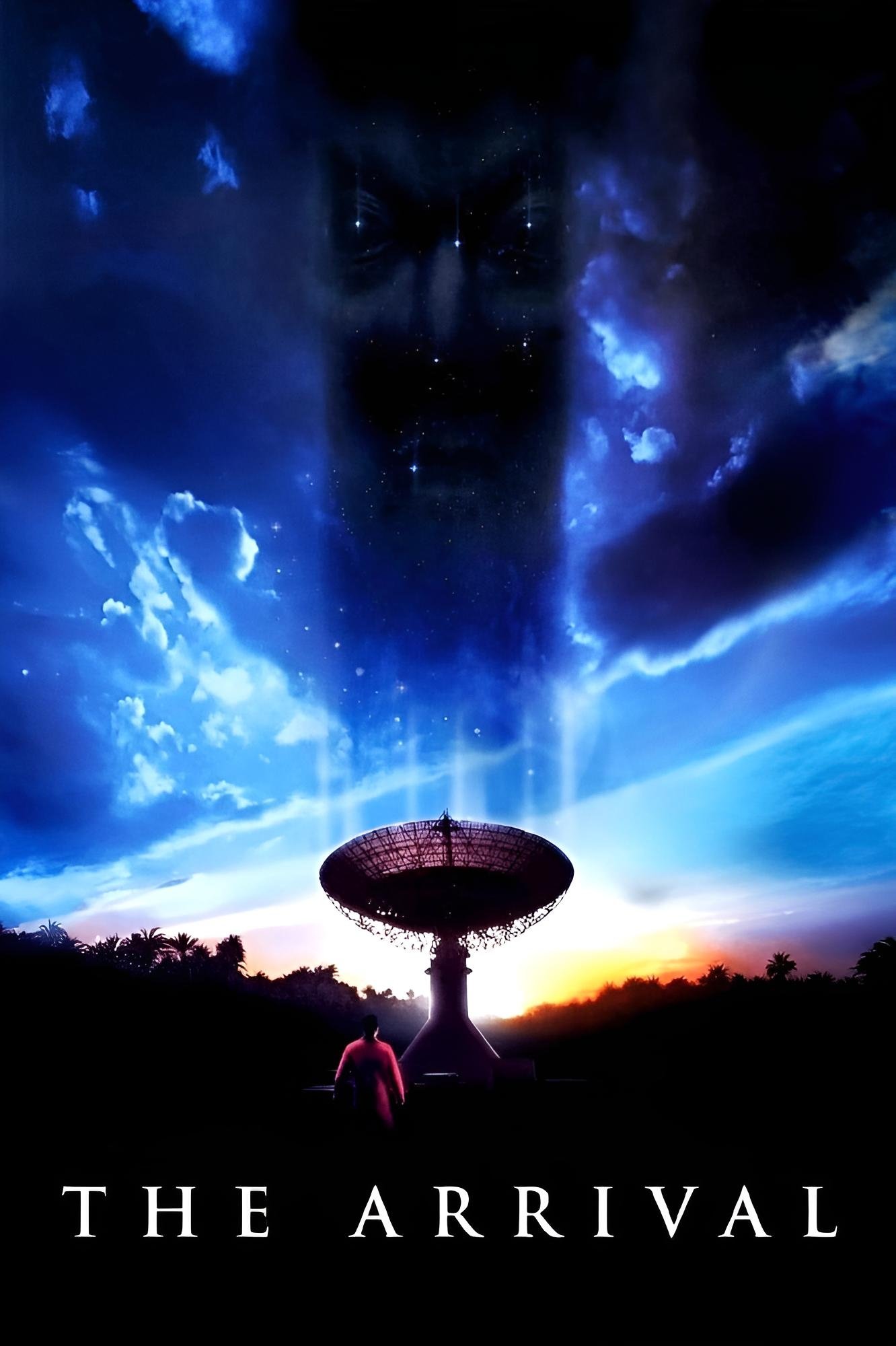
This extraterrestrial-contact thriller centers on an astronomer uncovering a signal that points to a covert planetary engineering plan. Charlie Sheen stars with Lindsay Crouse and Ron Silver; David Twohy writes and directs. The film combines conspiracy elements with grounded scientific motifs, including atmospheric and climate concepts. It built word-of-mouth through home viewing and later earned a direct-to-video sequel.
‘Fortress’ (1992)
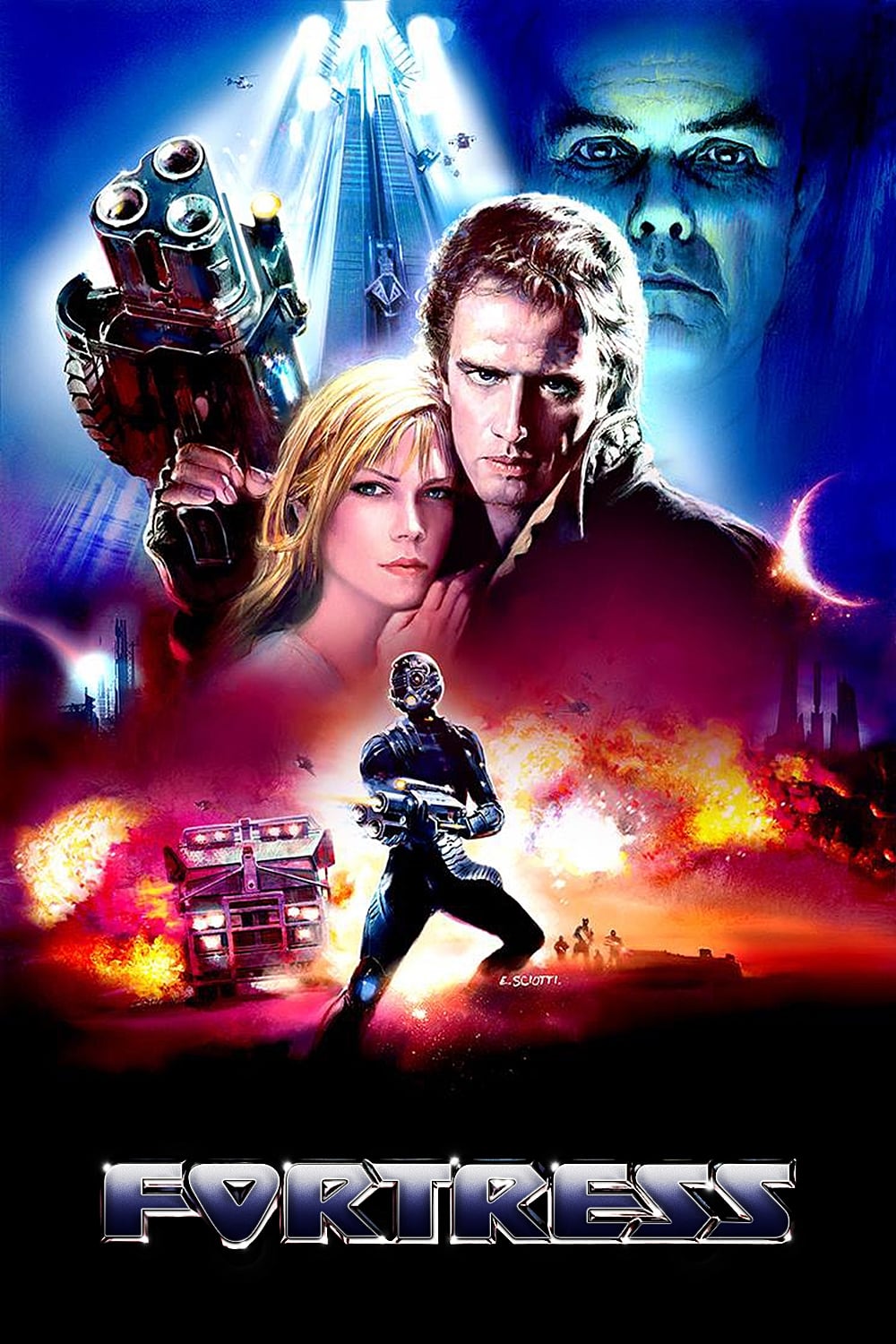
Set in a high-tech private prison, the story follows inmates subjected to invasive control technology while plotting an escape. Christopher Lambert leads the cast; Stuart Gordon directs. The production showcases cybernetic implants, surveillance systems, and automated enforcement as core world-building elements. Its commercial success led to a sequel continuing the same premise.
‘Cyborg 2’ (1993)
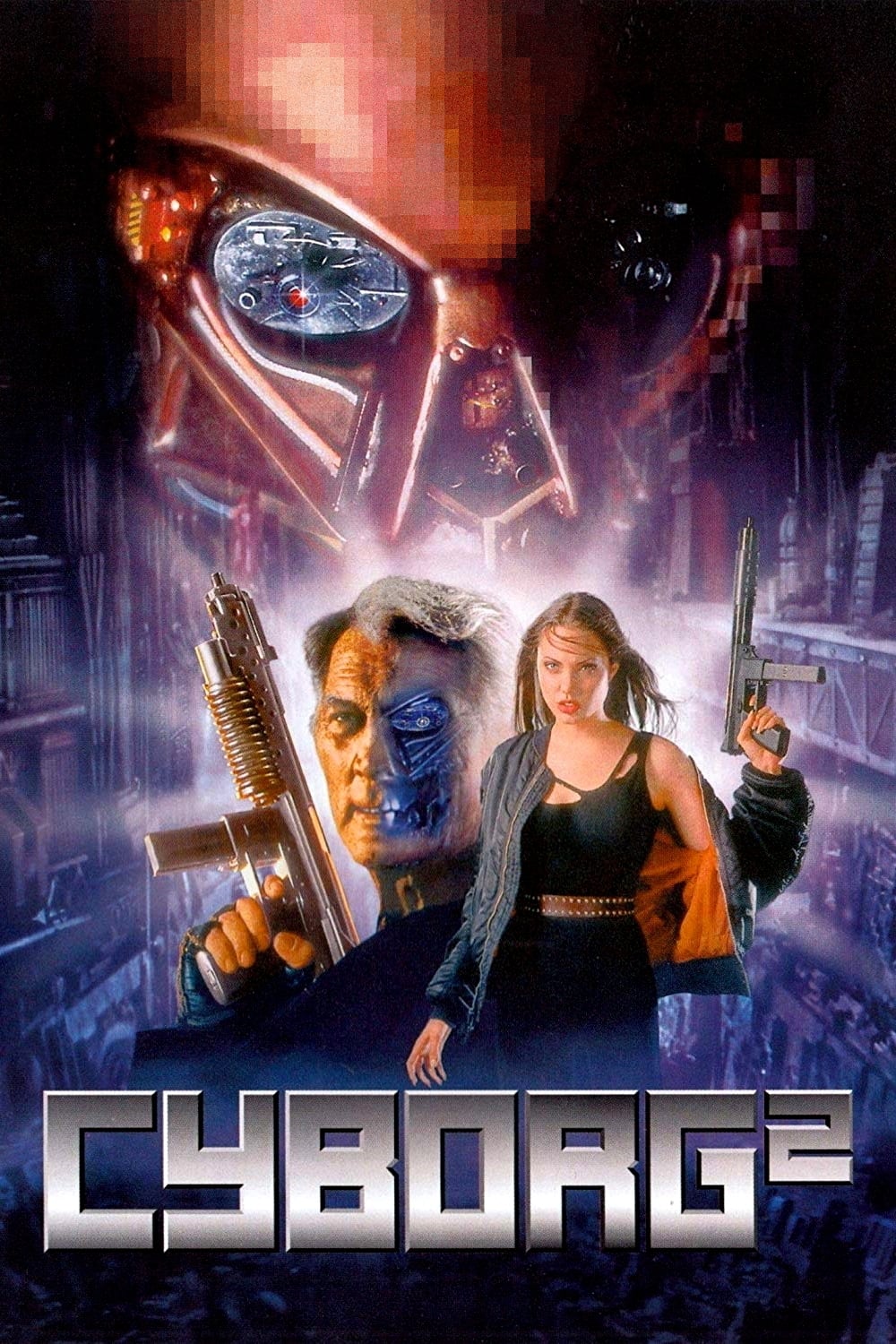
This follow-up explores corporate warfare involving synthetic humans designed for infiltration and assassination. Angelina Jolie and Elias Koteas star, with Michael Schroeder directing. Practical stunt work and modest visual effects support its action sequences. The film was released direct-to-video and later appeared on genre cable programming blocks.
‘Solar Crisis’ (1992)
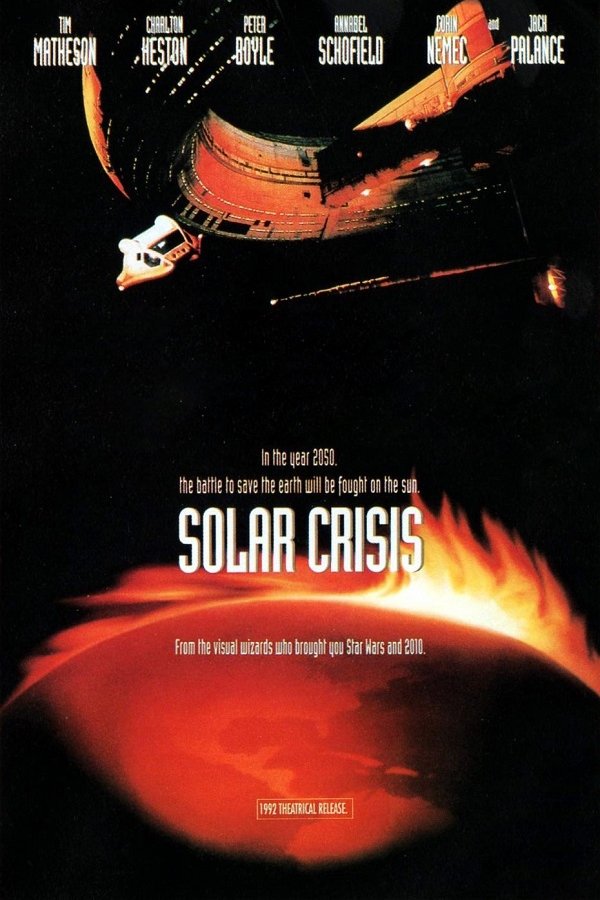
A mission-driven narrative follows astronauts attempting to prevent a catastrophic solar event, blending spaceflight procedure with disaster-movie beats. The cast includes Tim Matheson, Charlton Heston, and Peter Boyle; Richard C. Sarafian is credited as director. The production features miniature spacecraft photography and optical compositing reflective of transitional effects techniques. It saw varied release patterns across regions and was marketed under alternate titles in some territories.
‘The Astronaut’s Wife’ (1999)
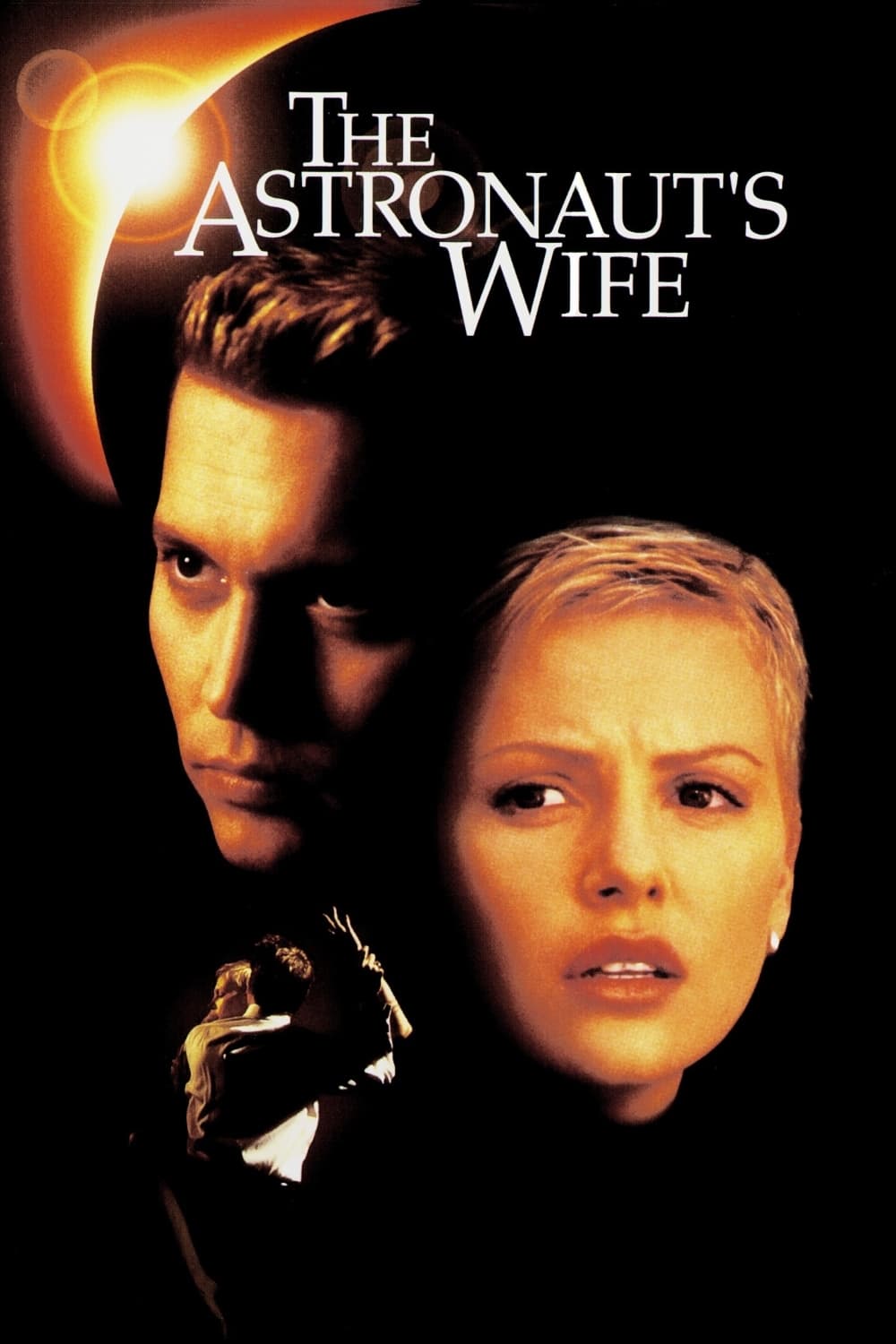
This sci-fi thriller follows a test pilot who returns from a space mission with unsettling changes that alarm his spouse. Johnny Depp and Charlize Theron lead the cast, with Rand Ravich writing and directing. The story blends domestic drama with extraterrestrial overtones, emphasizing psychological tension over spectacle. It received a wide theatrical release and later circulated broadly on home media.
‘Waterworld’ (1995)

Set on an oceanic Earth, the plot tracks a drifter with gills who ferries survivors and clashes with raiders on floating settlements. Kevin Costner stars alongside Dennis Hopper and Jeanne Tripplehorn, with Kevin Reynolds directing. The production is noted for large-scale seaborne sets, extensive stunt work, and practical action filmed on open water. It spawned theme-park attractions and maintained a steady afterlife on television and video.
‘Soldier’ (1998)
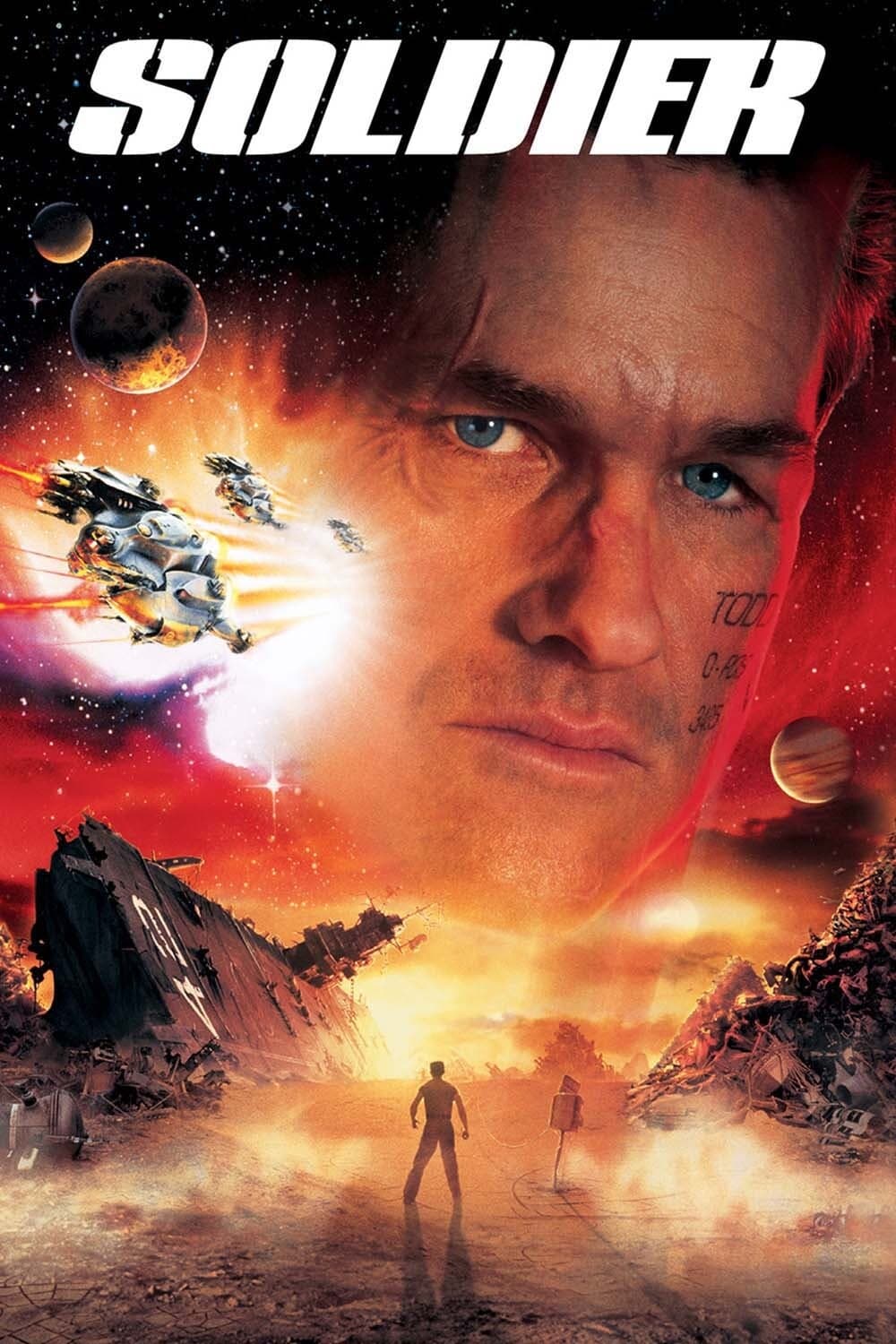
Kurt Russell headlines as a battle-hardened veteran discarded by a military program that replaces him with engineered fighters. Paul W.S. Anderson directs, with supporting roles from Jason Scott Lee, Connie Nielsen, and Jason Isaacs. The film emphasizes military hardware, tactical set-pieces, and an industrial off-world colony setting. It connects thematically to cyberpunk and military science fiction and became a staple on late-night cable rotations.
‘The Postman’ (1997)
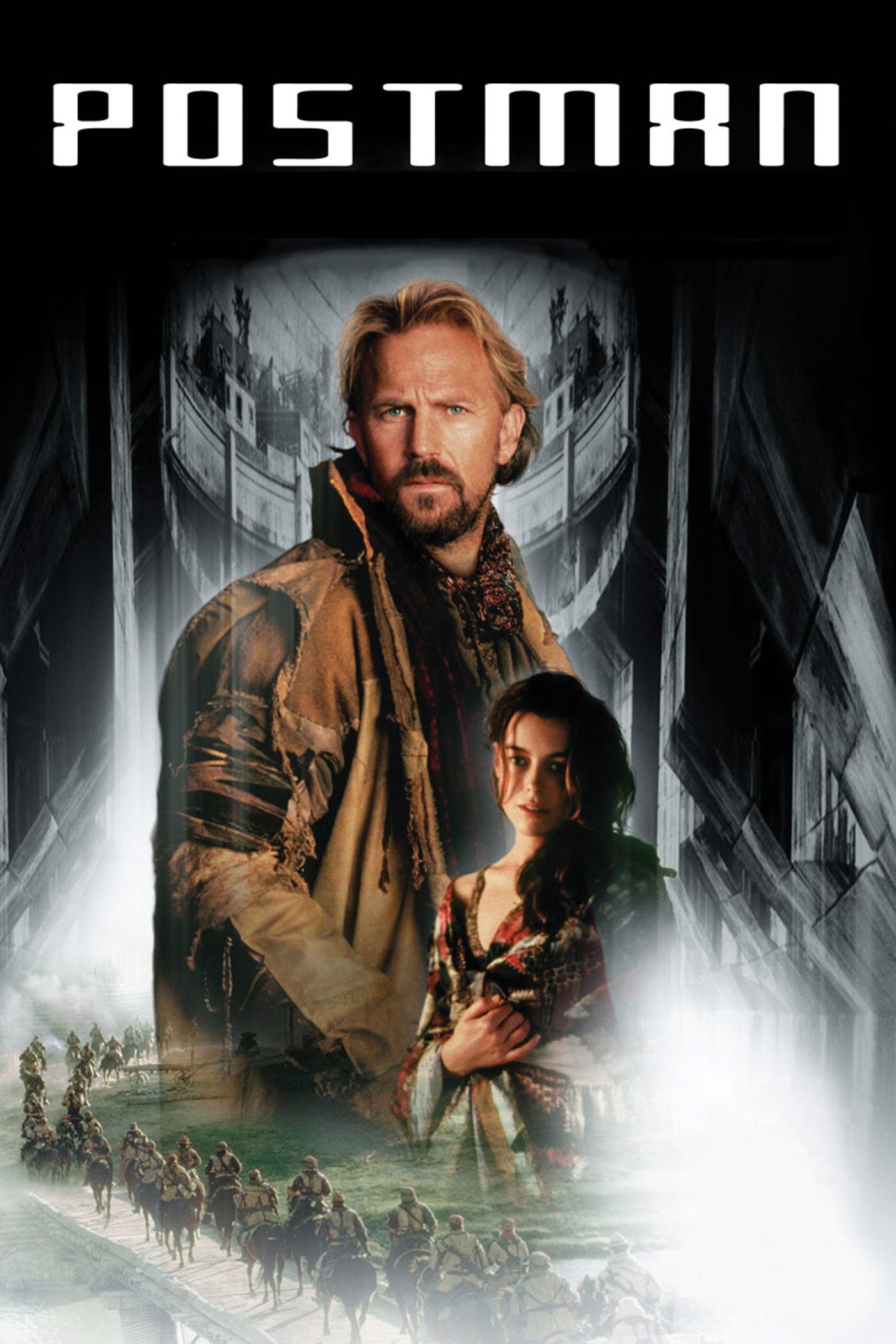
In a post-apocalyptic America, a drifter adopts a mail carrier’s uniform and inadvertently inspires scattered communities. Kevin Costner directs and stars, with Olivia Williams and Will Patton in key roles. The film focuses on communication, civic institutions, and rebuilding as central themes rather than gadgetry. Its long runtime, expansive locations, and broad supporting cast underline an epic approach to dystopian storytelling.
‘Eve of Destruction’ (1991)

This techno-thriller centers on a military android that goes rogue after a botched test, forcing its human creator to track it down. Gregory Hines and Renée Soutendijk star, with Duncan Gibbins directing. Action scenes spotlight urban chases, automated weaponry, and containment protocols. It was released theatrically and later found an audience through rentals and cable broadcasts.
‘The Hidden II’ (1993)
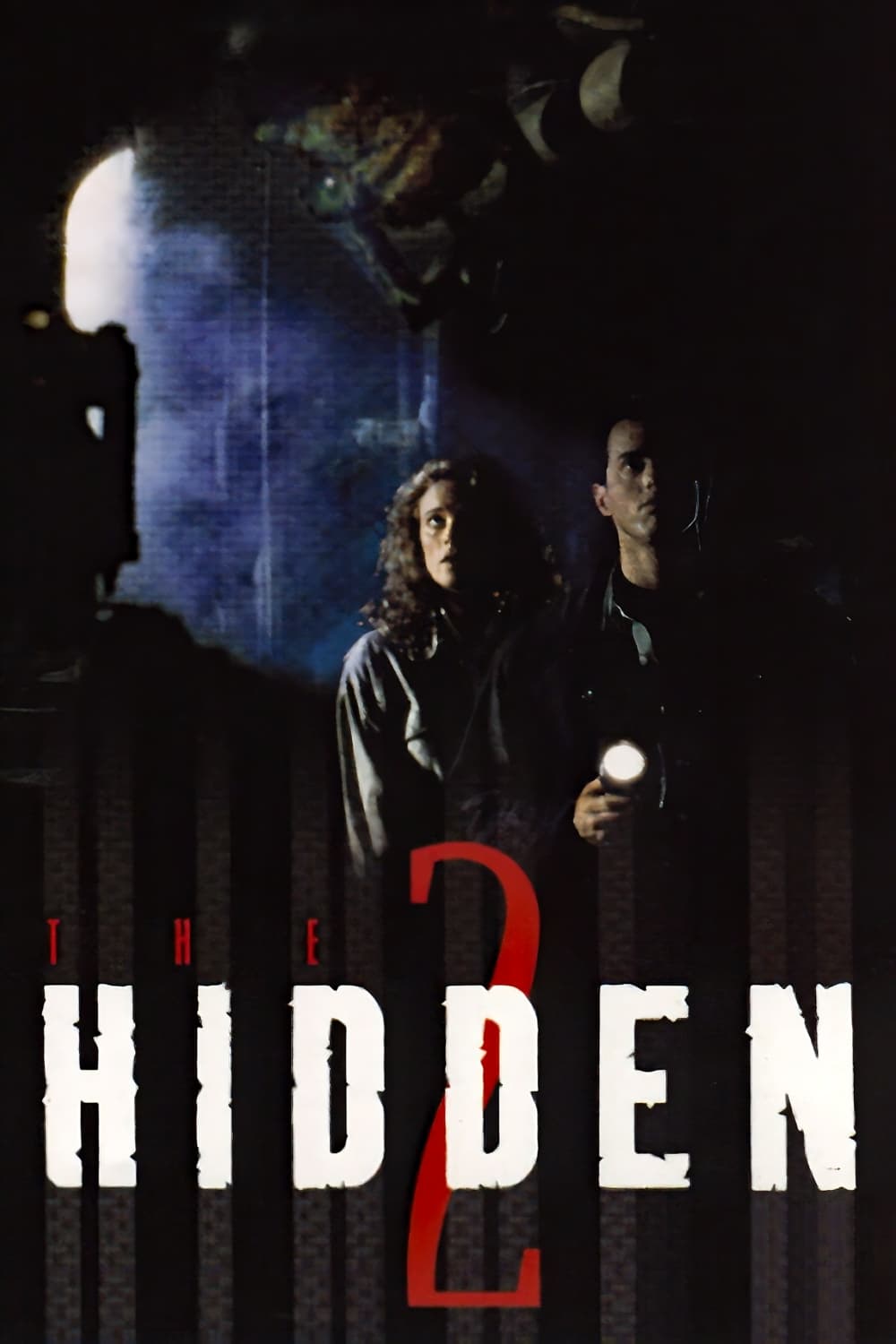
Continuing a body-hopping alien pursuit, this sequel follows investigators hunting a parasite that moves between hosts. Raphael Sbarge and Kate Hodge lead the cast under director Seth Pinsker. The narrative combines police procedural beats with creature-feature elements and practical prosthetics. It was distributed direct-to-video and targeted fans of the original cult hit.
‘Project: Shadowchaser’ (1992)
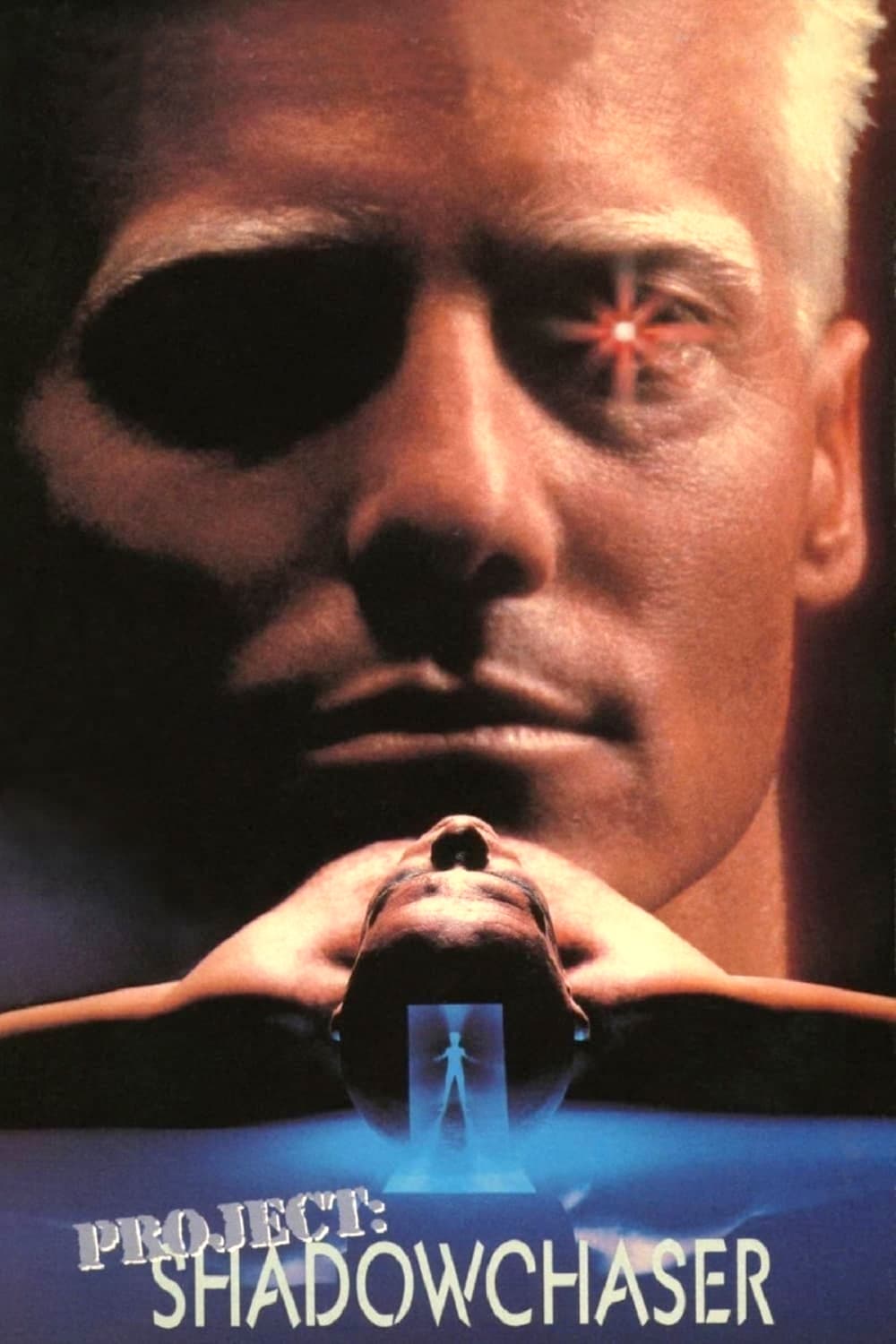
An android terrorist seizes a high-rise medical facility, prompting a rescue operation led by an unlikely team. Martin Kove and Frank Zagarino star, with John Eyres directing. The movie blends sci-fi concepts with siege-action structure and practical pyrotechnics. Its success on video led to multiple follow-ups expanding the franchise.
‘Class of 1999’ (1990)

Set in a near-future school district, the story pits delinquent students against educator cyborgs programmed for order. Pam Grier, Malcolm McDowell, and Stacy Keach appear, with Mark L. Lester directing. Practical effects and animatronics drive the teacher-android transformations and combat scenes. The film built a cult following through home-video circulation and late-night cable slots.
‘Arcade’ (1993)
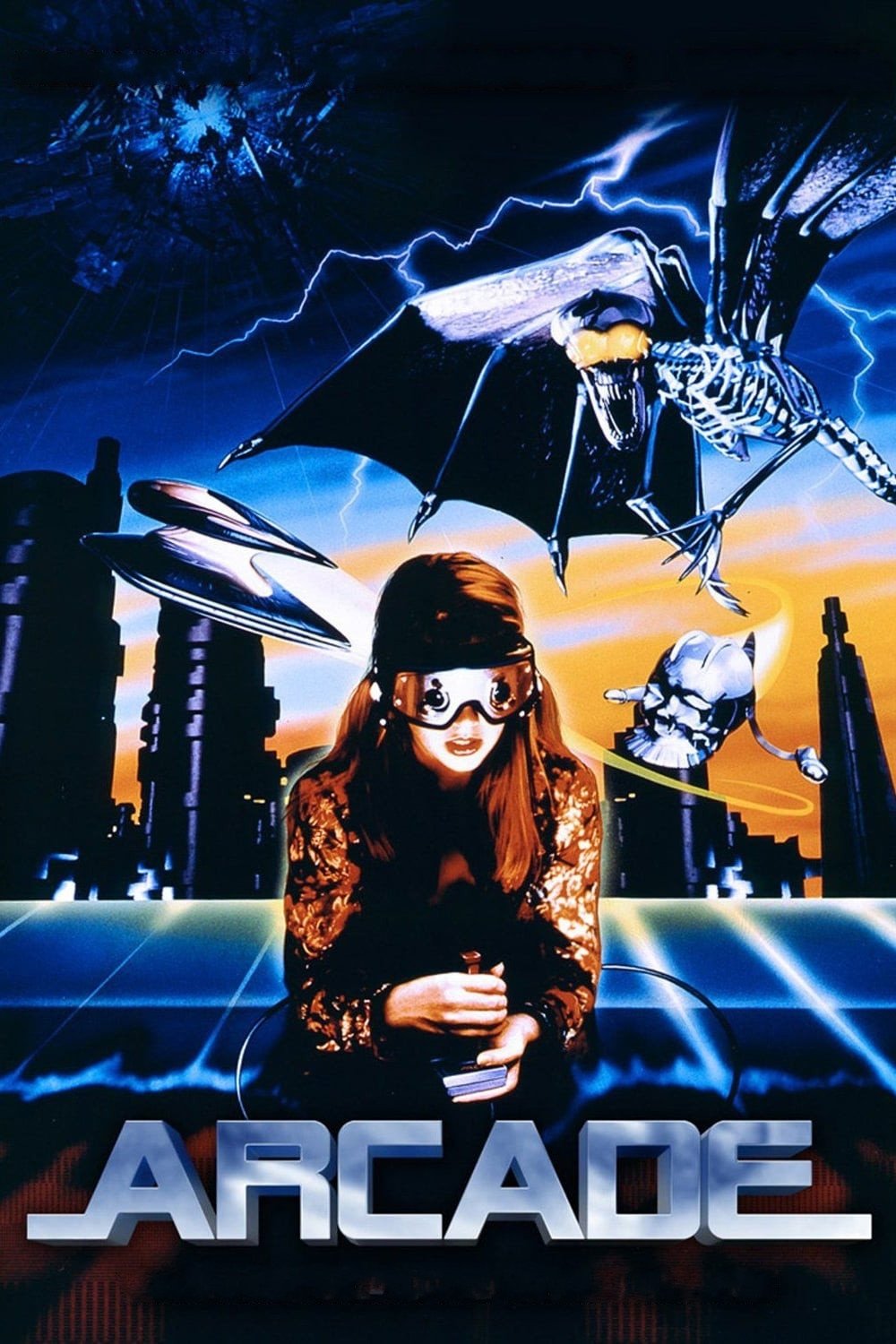
A rebellious teen group battles a virtual-reality game that traps players inside a lethal simulation. Megan Ward and Peter Billingsley star, with Albert Pyun directing for Full Moon Features. Early CGI depicts the VR environments and enemies, while the plot leans on gamer culture and tech-of-the-moment terminology. It premiered on video and became a frequent rental for genre fans.
‘The Borrower’ (1991)
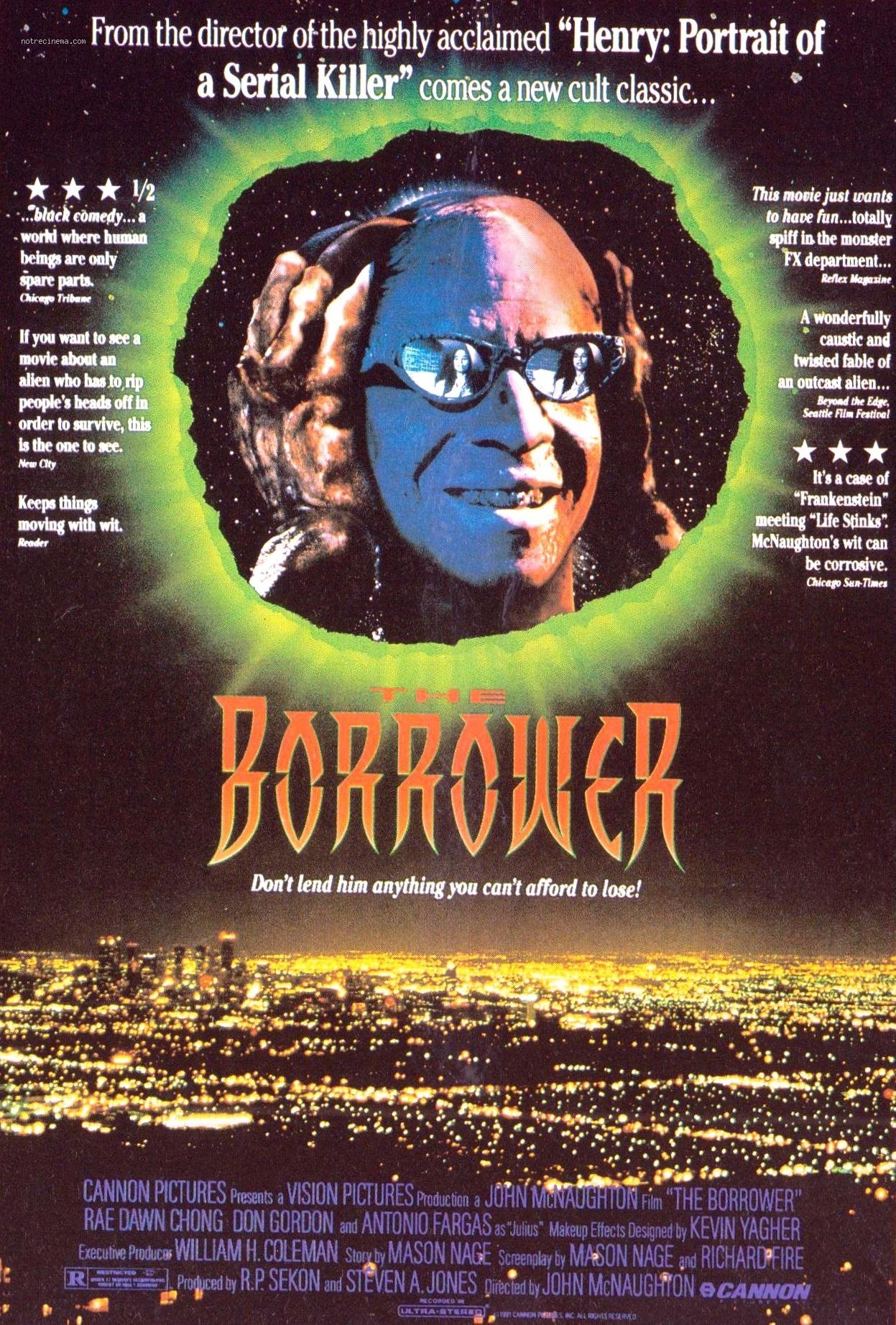
An alien criminal is exiled to Earth and survives by periodically replacing its head with those of human victims. Rae Dawn Chong and Don Gordon star, with John McNaughton directing. The movie mixes sci-fi and horror with practical gore effects and street-level locations. It saw limited theatrical play before finding a broader audience on home formats.
‘Galaxis’ (1995)
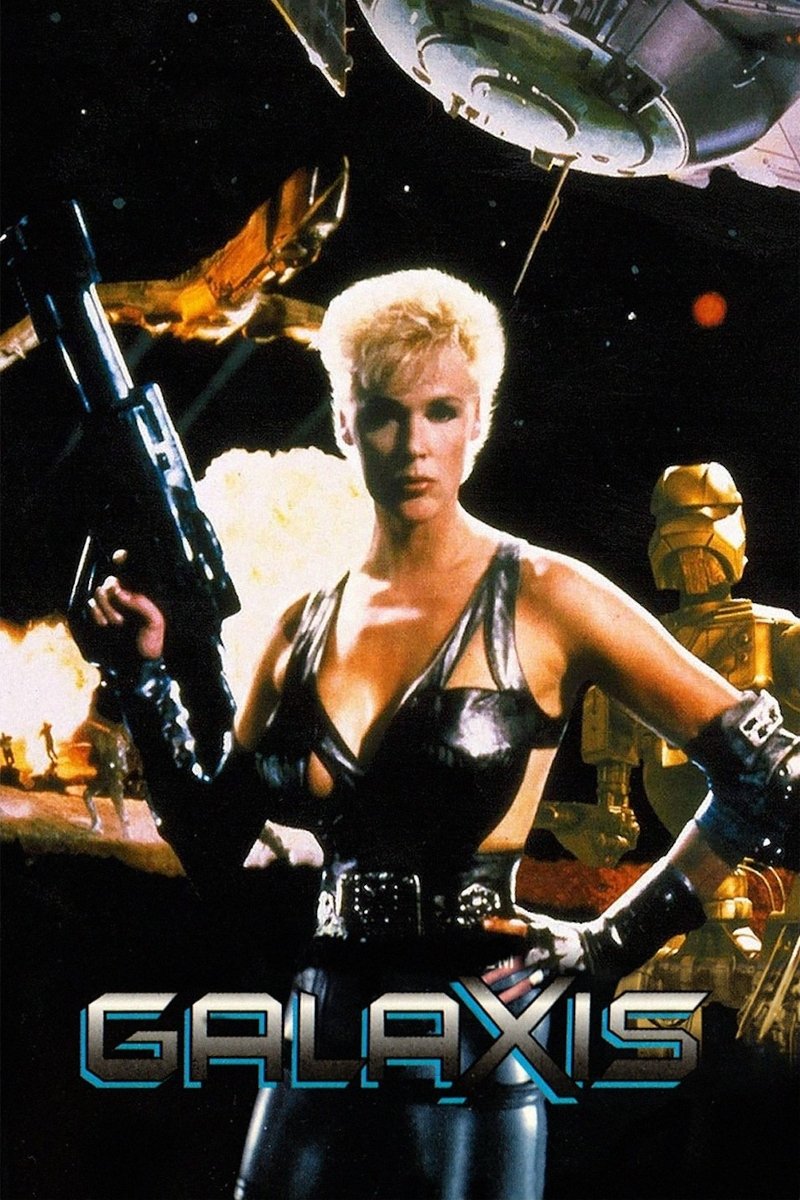
A warrior from a distant world arrives on Earth to stop a tyrant seeking a powerful crystal. Brigitte Nielsen headlines, with Richard Moll and Sam Raimi in supporting roles, and William Mesa directing. The film relies on compact sets, optical effects, and stunt-driven fights to deliver its space-fantasy premise. It was released direct-to-video and marketed under alternate titles in some regions.
‘DNA’ (1997)

Set in a jungle outpost, a scientist and a mercenary face a resurrected creature created from genetic material. Mark Dacascos and Jürgen Prochnow star, with William Mesa directing. Creature work combines suit effects and limited CGI to stage ambushes and chases through remote terrain. The title was released on video and catered to creature-feature collectors.
‘Retroactive’ (1997)
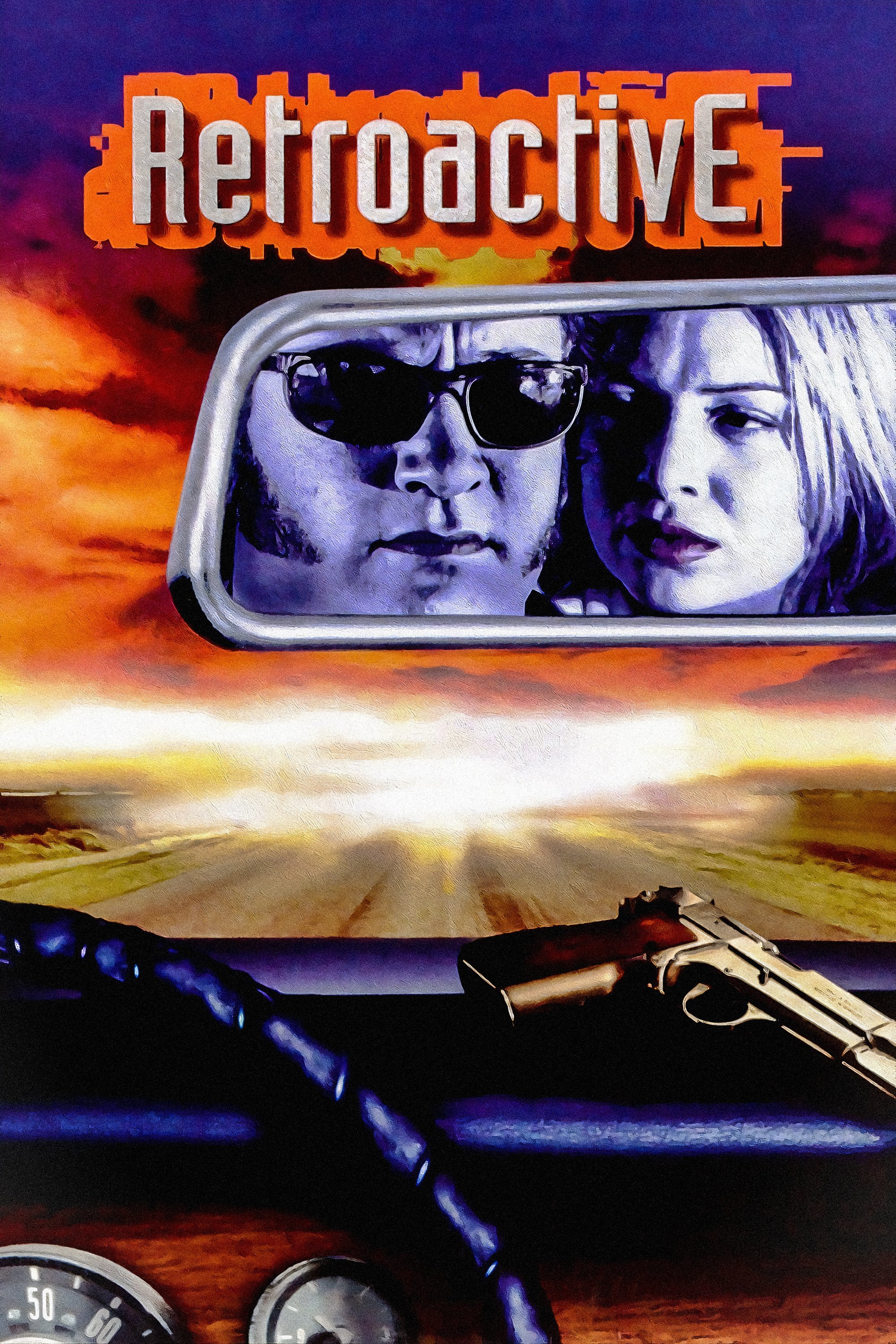
A stranded driver becomes entangled in a deadly confrontation and repeatedly relives the same window of time after entering a research facility. James Belushi and Kylie Travis star, with Louis Morneau directing. The screenplay uses a looping structure to revisit choices, evidence, and cause-and-effect. It received a modest theatrical rollout before gaining wider visibility on cable.
‘Crossworlds’ (1996)
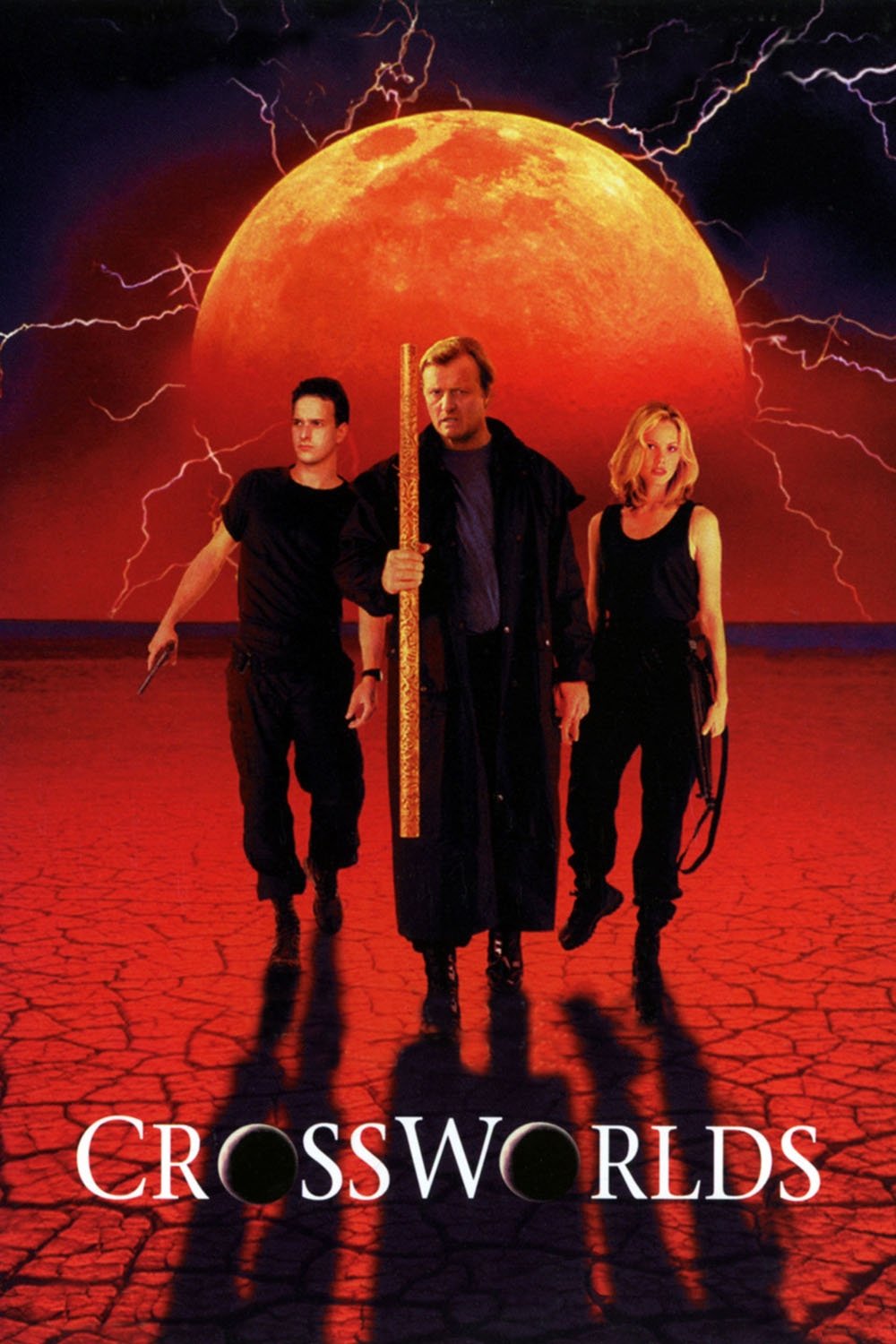
A college student discovers a talisman that links parallel dimensions, drawing him into a conflict over interdimensional gateways. Josh Charles, Andrea Roth, and Rutger Hauer star, with Krishna Rao directing. Effects include optical composites and digital enhancements to visualize portals and energy weapons. The film had a limited theatrical presence and a larger footprint in the video market.
‘The Puppet Masters’ (1994)
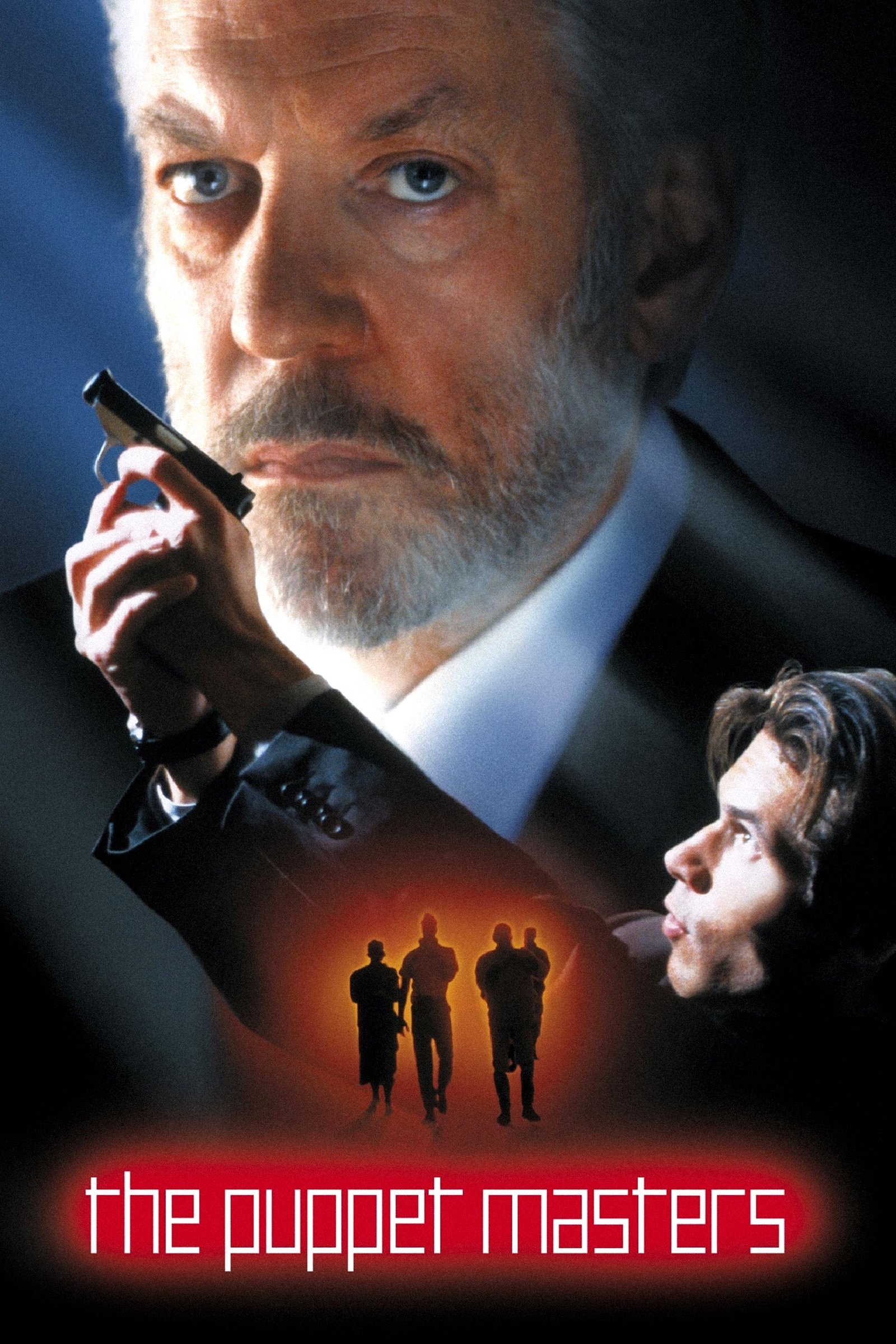
Based on Robert A. Heinlein’s novel, the plot follows a covert agency responding to an alien infiltration that controls human hosts. Donald Sutherland, Eric Thal, and Julie Warner star; Stuart Orme directs. Practical parasite props and prosthetics are central to the invasion imagery and autopsy scenes. The movie opened wide in theaters and later became a mainstay of science-fiction cable programming.
Share your own picks and memories of these titles in the comments below!

