


1990s Sitcoms That Are Completely Unwatchable Today

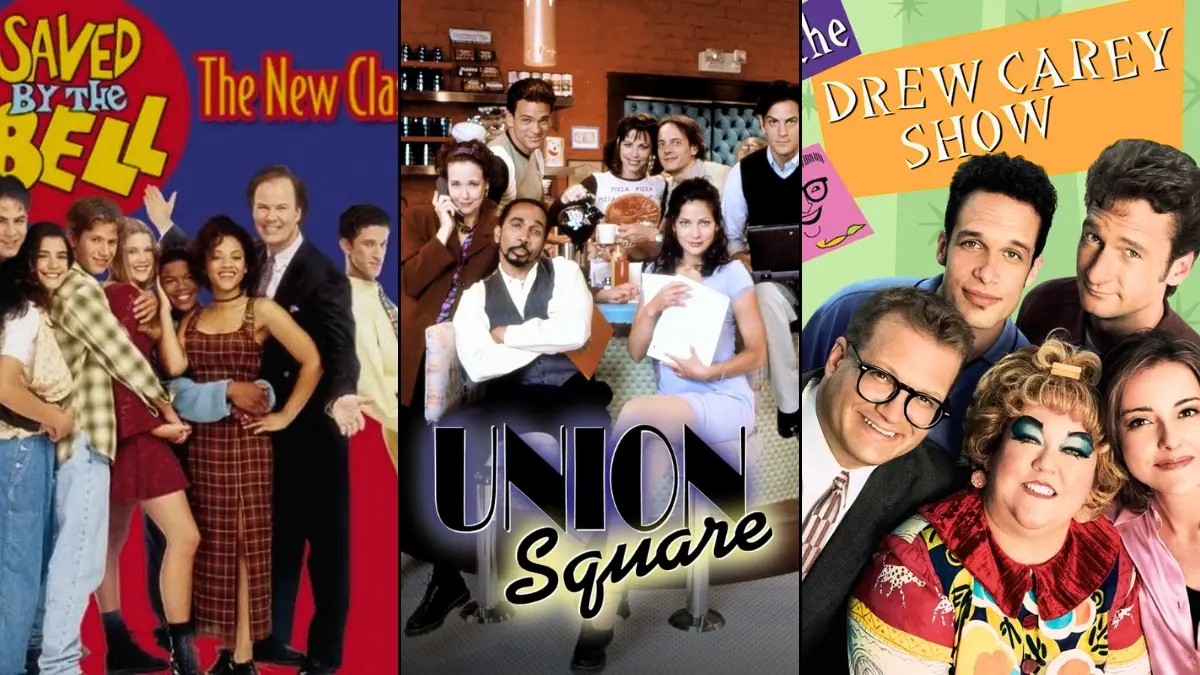


The 1990s churned out an enormous wave of sitcoms—some massive hits, others brief experiments that blinked on and off between schedule shuffles. Below is a tour through several shows from that decade, with quick-hit details about who made them, who starred in them, where they aired, and what they were about. Consider this a bite-size reference guide to the era’s living rooms, classrooms, newsrooms, and very quirky workplaces.
‘Homeboys in Outer Space’ (1996–1997)
This sci-fi comedy aired on UPN and followed two spacefaring buddies piloting a futuristic “hooptie” across the galaxy. Flex Alexander and Darryl M. Bell led the cast, with frequent pop-culture riffs and gadget gags. The show leaned into episodic adventures and punny planet names. It was produced by the same network block that tried several genre comedies during its early expansion years.
‘Shasta McNasty’ (1999–2000)
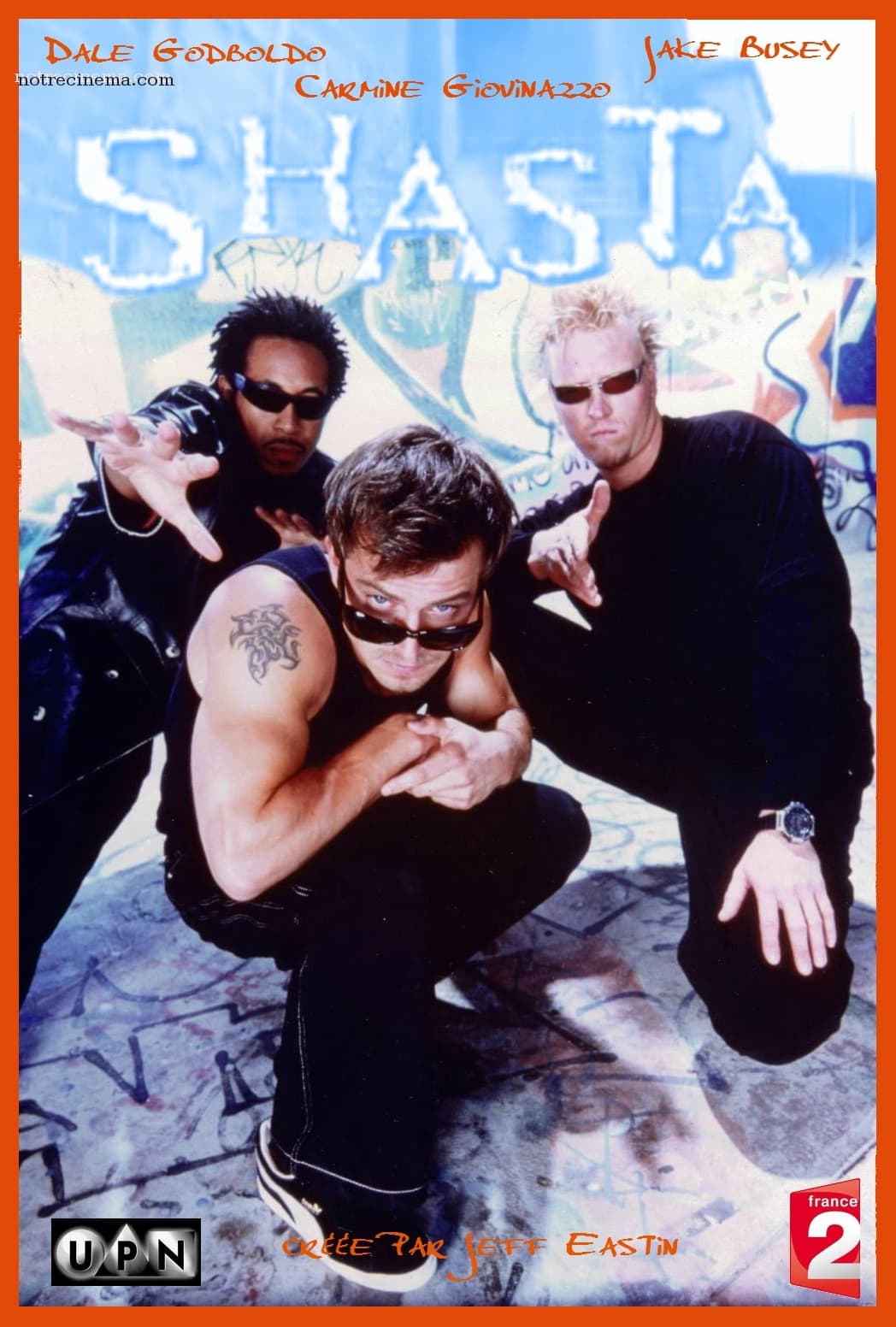
A UPN series created by Jeff Eastin, it centered on a rap-rock trio hustling for gigs while hatching oddball schemes. Jake Busey, Carmine Giovinazzo, and Dale Godboldo starred as the bandmates. Stylistically it mixed music-video pacing with meta bits and cutaway jokes. The show rebranded mid-run as ‘Shasta’ to broaden its premise beyond the band.
‘The Secret Diary of Desmond Pfeiffer’ (1998)
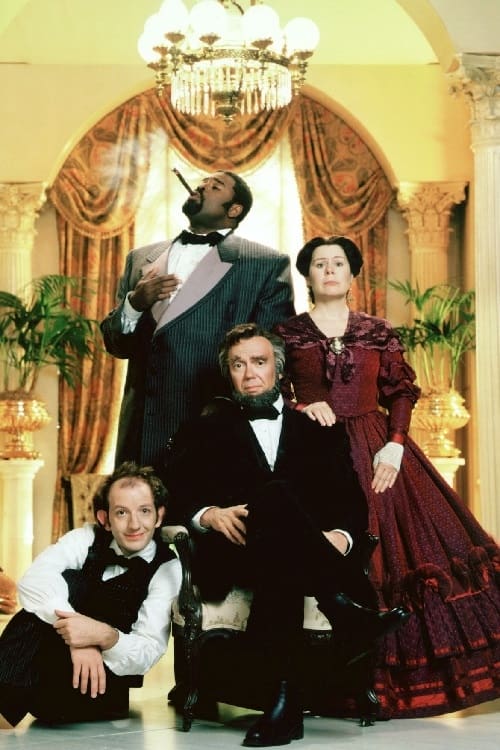
A UPN period farce, it imagined a wry, hyper-competent valet in the Lincoln White House. Chi McBride played the title character, with period figures filtered through sitcom setups. The show was known for controversy surrounding its concept before and during its rollout. Only a handful of episodes ultimately aired in prime time.
‘Men Behaving Badly’ (1996–1997)
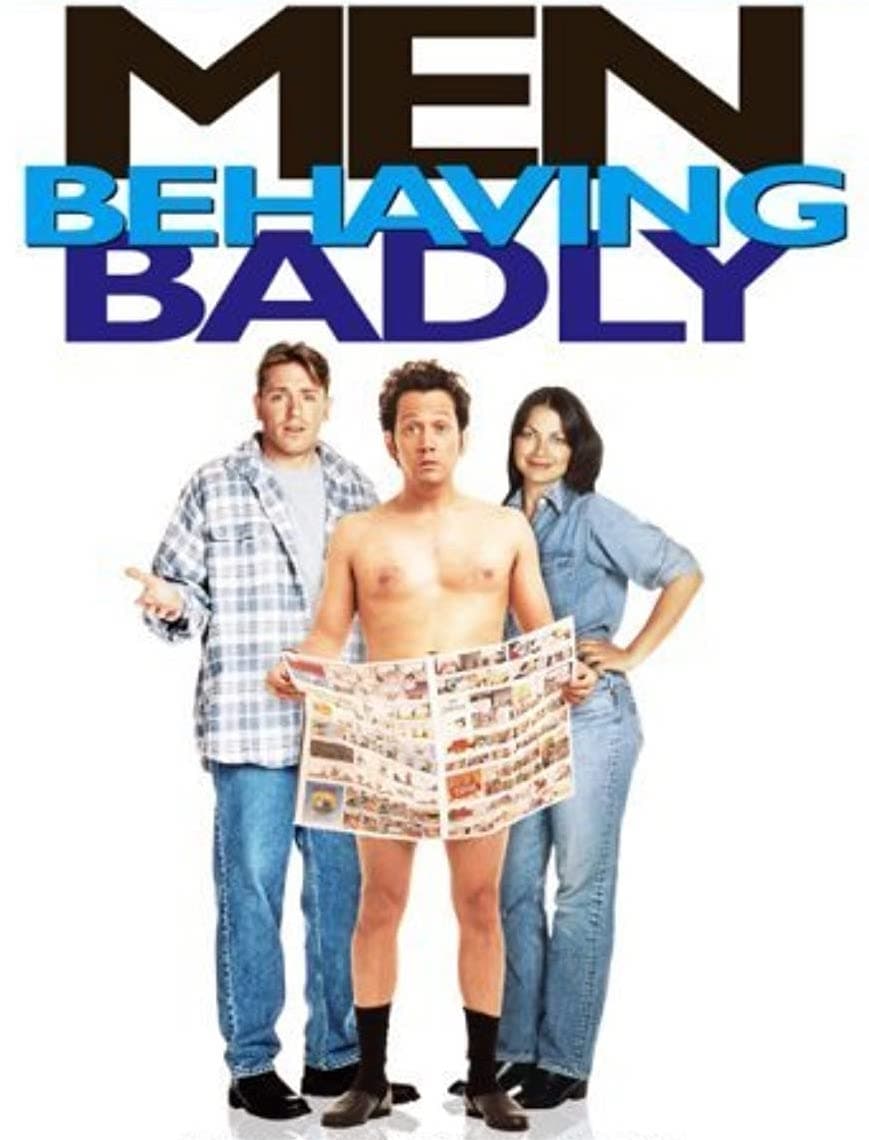
NBC adapted this from the British original, focusing on two immature roommates and their complicated relationships. Rob Schneider and Ken Marino starred, with Justine Bateman among the principal cast. The show underwent cast and tone tweaks between seasons. It used a single-camera look at first before settling into more conventional multicam rhythms.
‘Union Square’ (1997–1998)
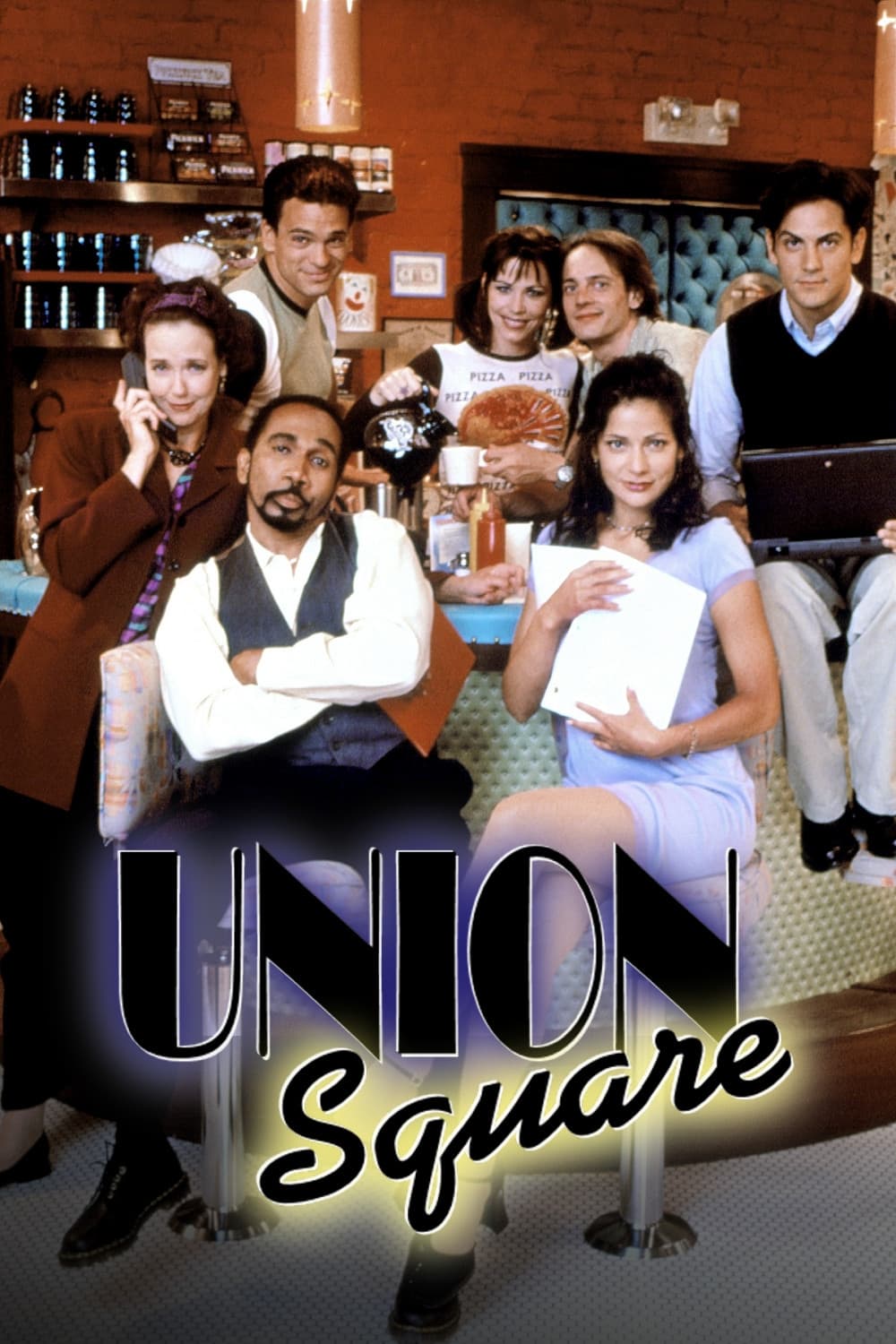
Part of NBC’s Thursday lineup, this ensemble sitcom revolved around staff and regulars at a Greenwich Village diner. The show featured an ensemble including Constance Marie and Jim Pirri. Production changes early on led to a retooled lead and revised character dynamics. It often used the diner as a crossroads for city-life storylines.
‘The Single Guy’ (1995–1997)

A Must See TV entry on NBC, it followed a novelist navigating friendships, dating, and New York publishing. Jonathan Silverman starred, with Ming-Na Wen and Joey Slotnick in the ensemble. The series frequently crossed paths with other NBC comedies via cameos. It leaned on workplace and apartment-building settings to stage its stories.
‘Veronica’s Closet’ (1997–2000)
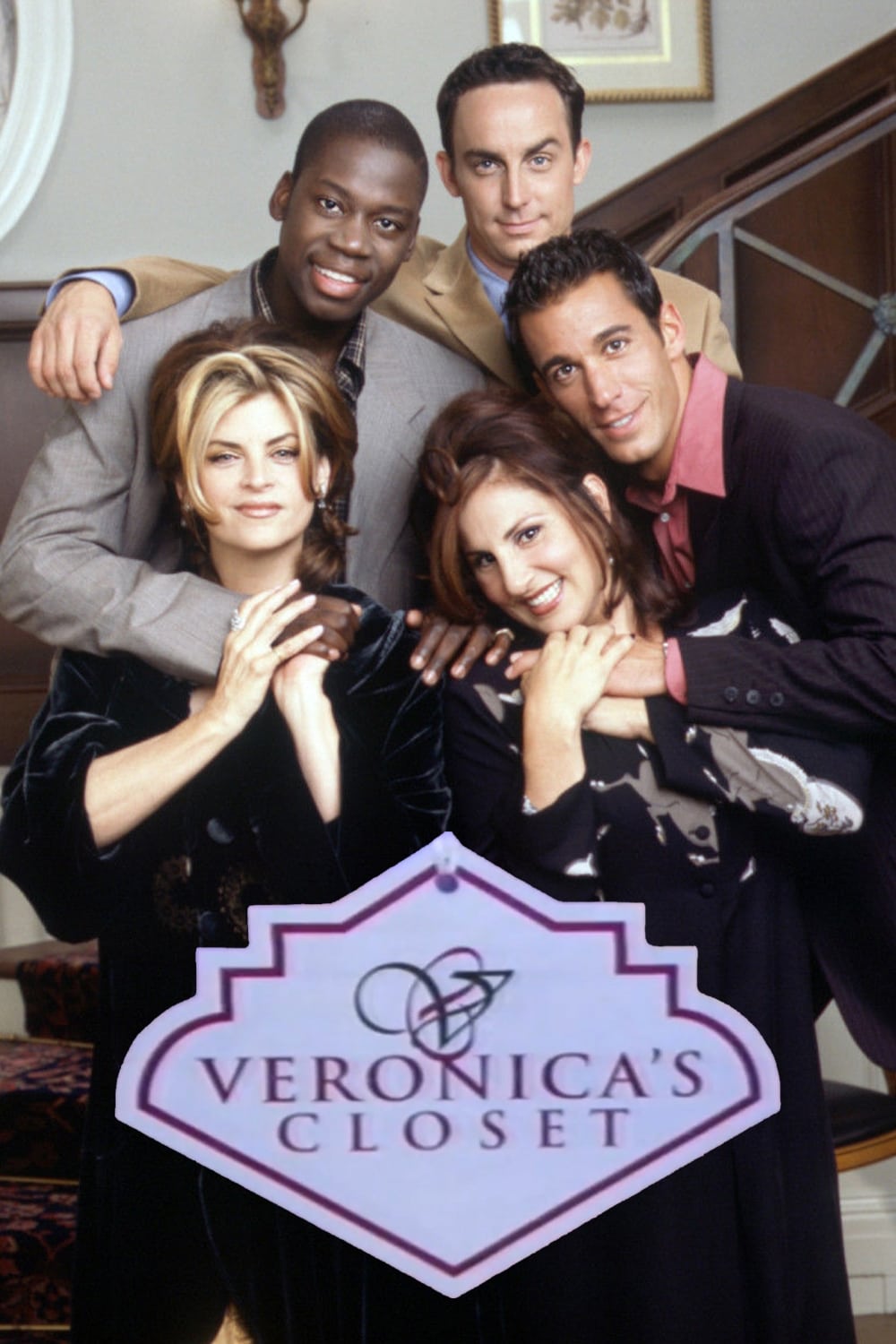
From the creators behind ‘Friends’, this NBC sitcom starred Kirstie Alley as the head of a lingerie empire. The ensemble included Kathy Najimy and Dan Cortese, mixing workplace antics with personal misadventures. It was produced by Bright/Kauffman/Crane Productions and Warner Bros. Television. The series often mined fashion-industry settings for its set pieces.
‘Suddenly Susan’ (1996–2000)
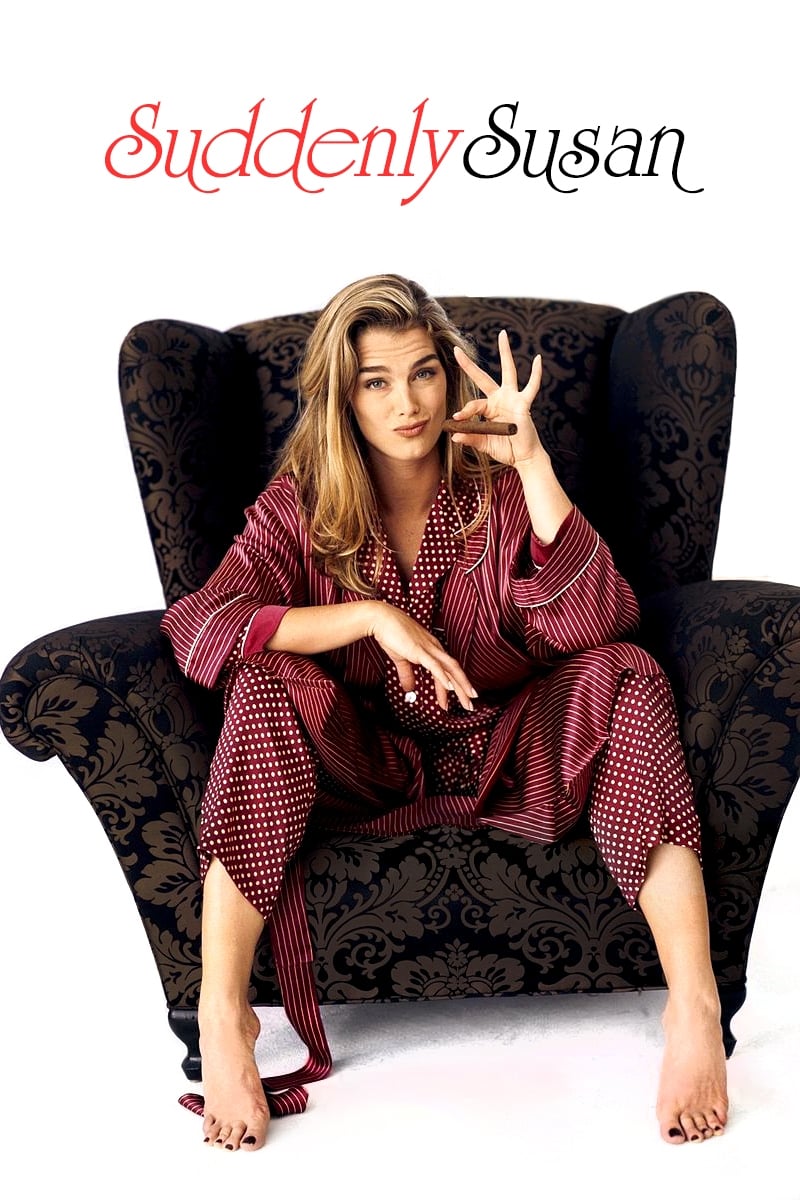
Brooke Shields led this NBC comedy about a writer reinventing her life and career at a San Francisco magazine. The ensemble featured Nestor Carbonell, Judd Nelson, and Kathy Griffin. Its stories combined office politics with personal arcs and media-industry satire. The show was produced by Columbia TriStar Television.
‘Caroline in the City’ (1995–1999)
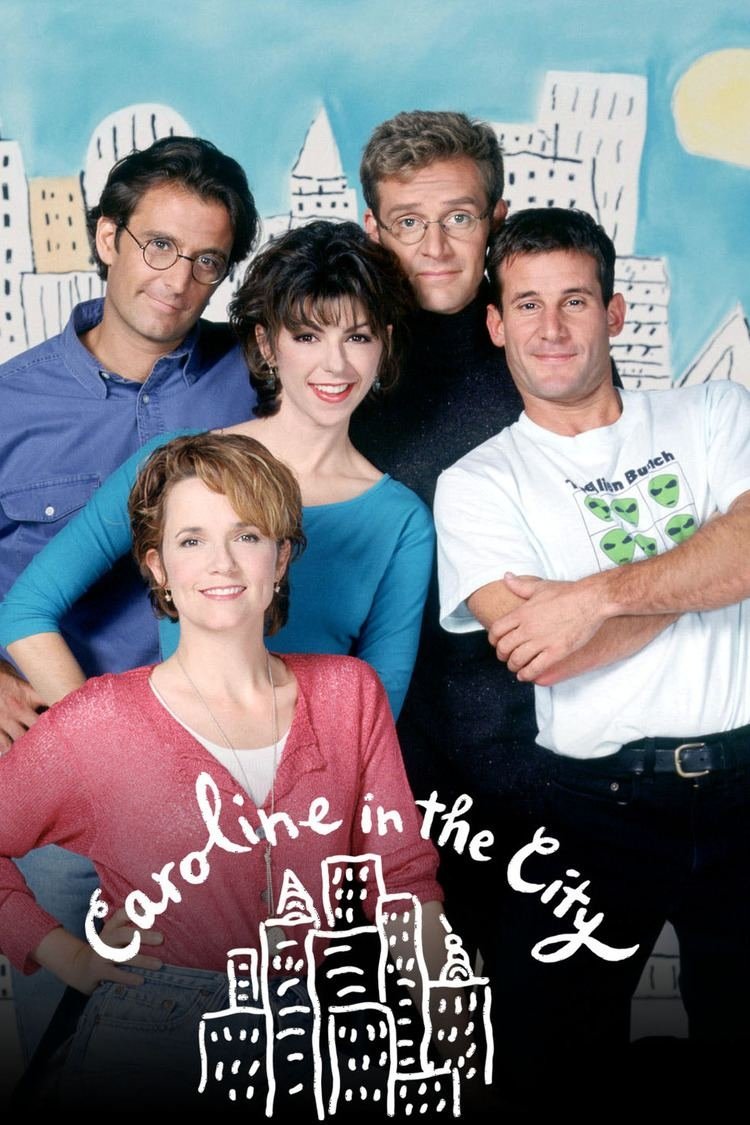
Lea Thompson starred as a successful cartoonist juggling deadlines, friendships, and romance. Airing on NBC, the series was set in Manhattan with frequent comic-strip visual flourishes. Eric Lutes and Malcolm Gets co-starred as key figures in Caroline’s professional and personal orbit. The show occasionally did crossover gags with other NBC comedies for audience synergy.
‘Herman’s Head’ (1991–1994)
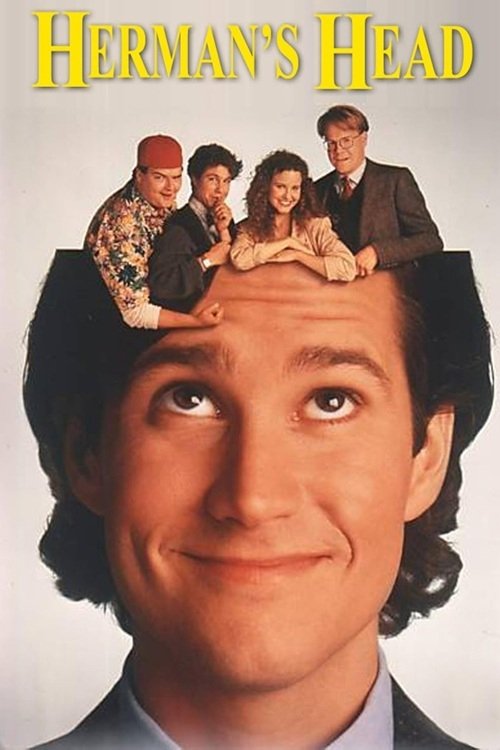
This FOX sitcom visualized a man’s inner life via four personified emotions debating his choices. William Ragsdale played Herman, with voices of reason and impulse portrayed by actors on a second set. Yeardley Smith and Hank Azaria appeared, creating fun behind-the-scenes links with ‘The Simpsons’. The series used a dual-set format to cut between reality and the “inside Herman’s brain” arena.
‘The Jeff Foxworthy Show’ (1995–1997)
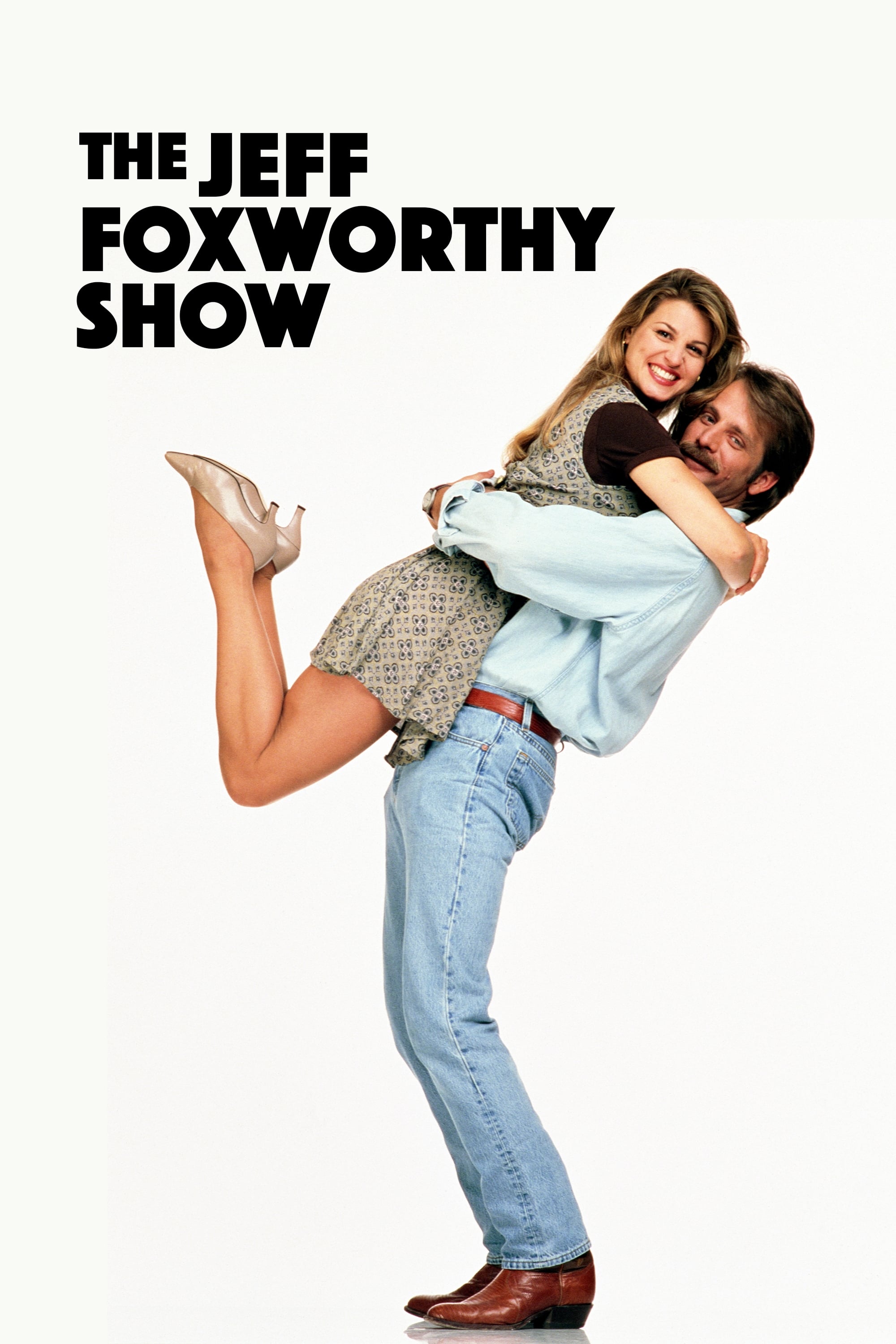
Built around Jeff Foxworthy’s stand-up persona, this family sitcom aired first on ABC and then on NBC. The series retooled between seasons with significant cast and setting changes. Episodes often turned Foxworthy’s observational humor into domestic storylines. The production was handled by Brillstein-Gray and Columbia TriStar Television.
‘Hangin’ with Mr. Cooper’ (1992–1997)
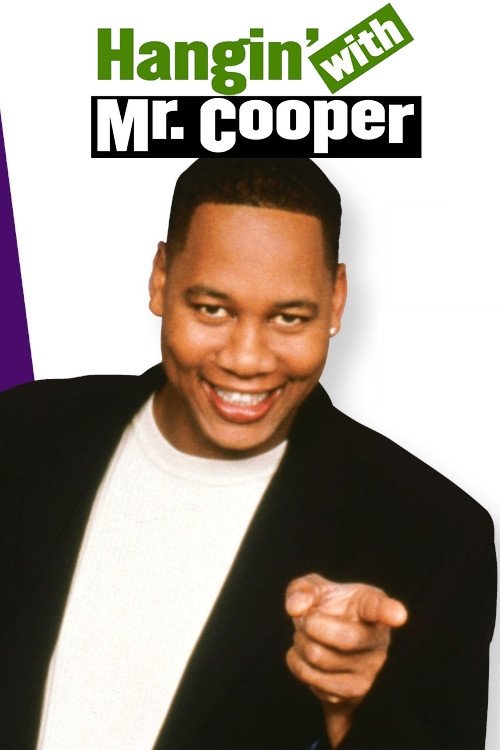
Part of ABC’s TGIF block, it followed a former basketball player who becomes a teacher and coach. Mark Curry starred alongside Holly Robinson Peete and Raven-Symoné during its run. The show mixed school plots with roommate and family comedy. It was produced by Miller-Boyett in association with Warner Bros. Television.
‘Step by Step’ (1991–1998)
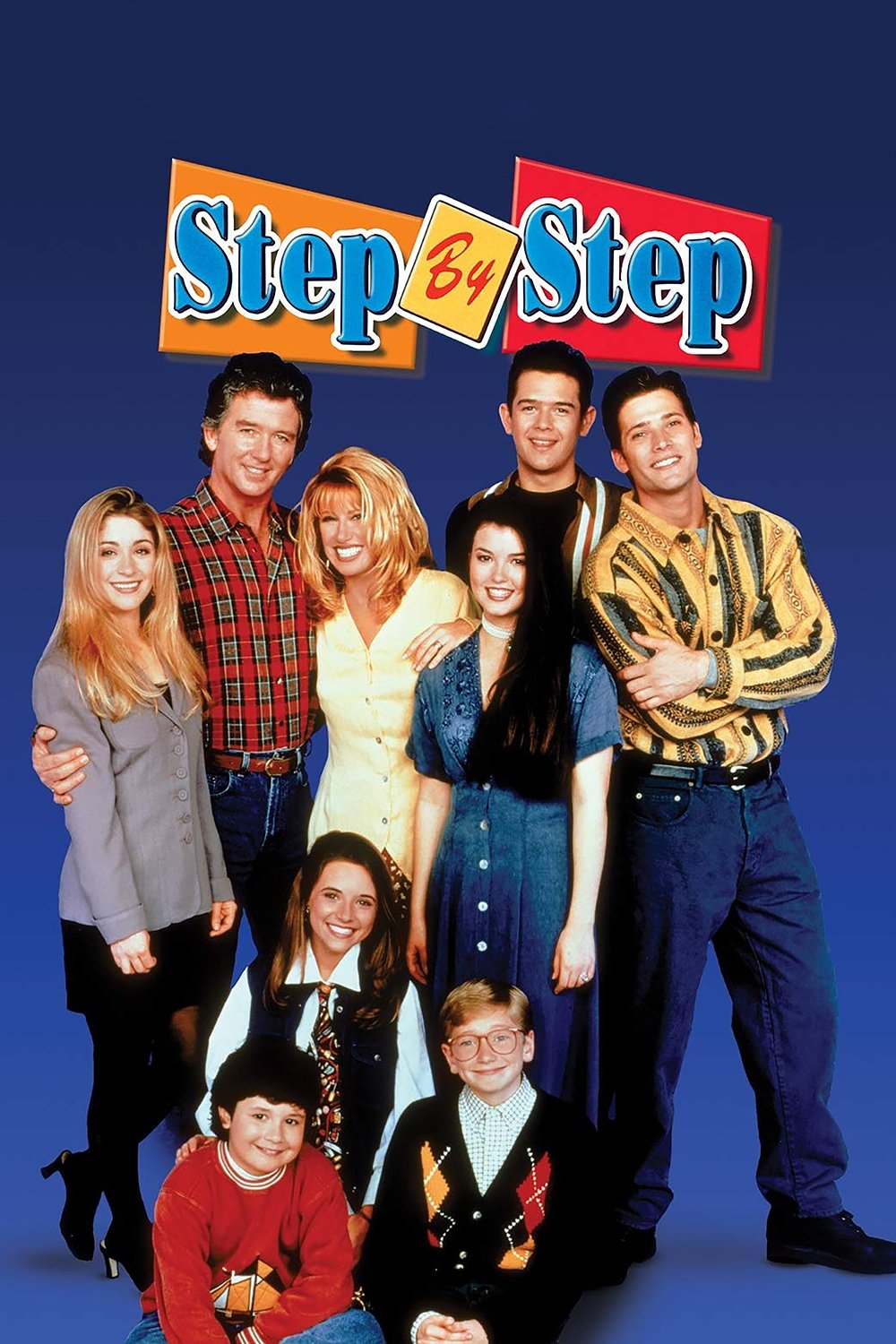
This family sitcom paired two single parents who merge their households into one large blended family. Patrick Duffy and Suzanne Somers headlined the cast. The series began on ABC and later moved to CBS for its final season. It filmed at Warner Bros., sharing a production lineage with other TGIF staples.
‘Saved by the Bell: The New Class’ (1993–2000)
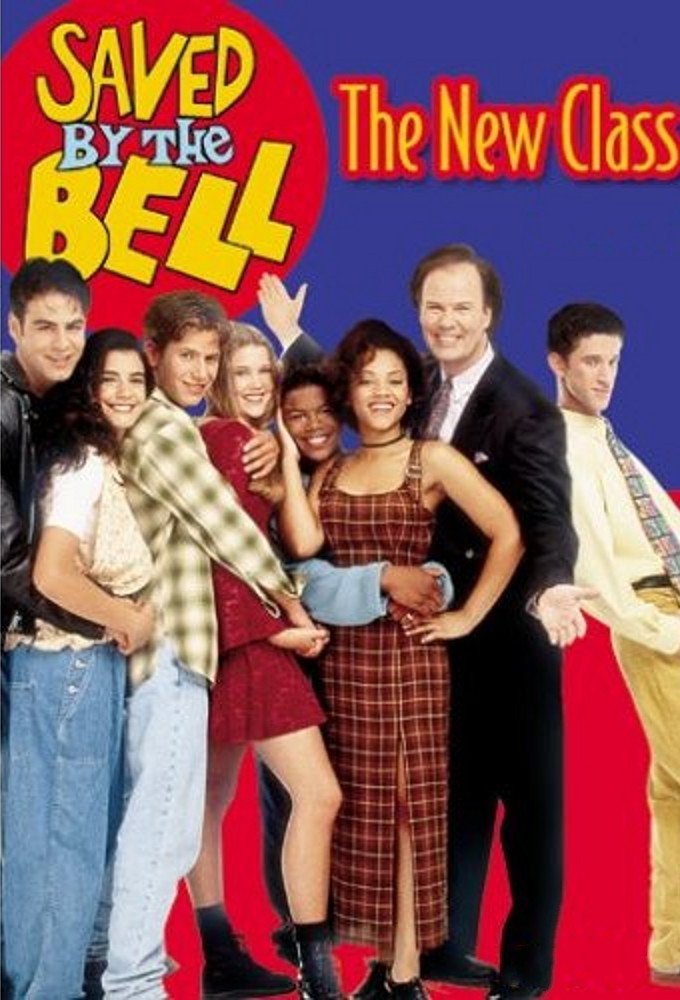
A Saturday-morning NBC continuation, it followed new students at Bayside High with Mr. Belding returning as principal. Dustin Diamond joined the ensemble in later seasons as Screech. The show is known for frequent cast overhauls while keeping the school setting consistent. Storylines featured school clubs, dances, competitions, and assorted hallway hijinks.
‘Teen Angel’ (1997–1998)
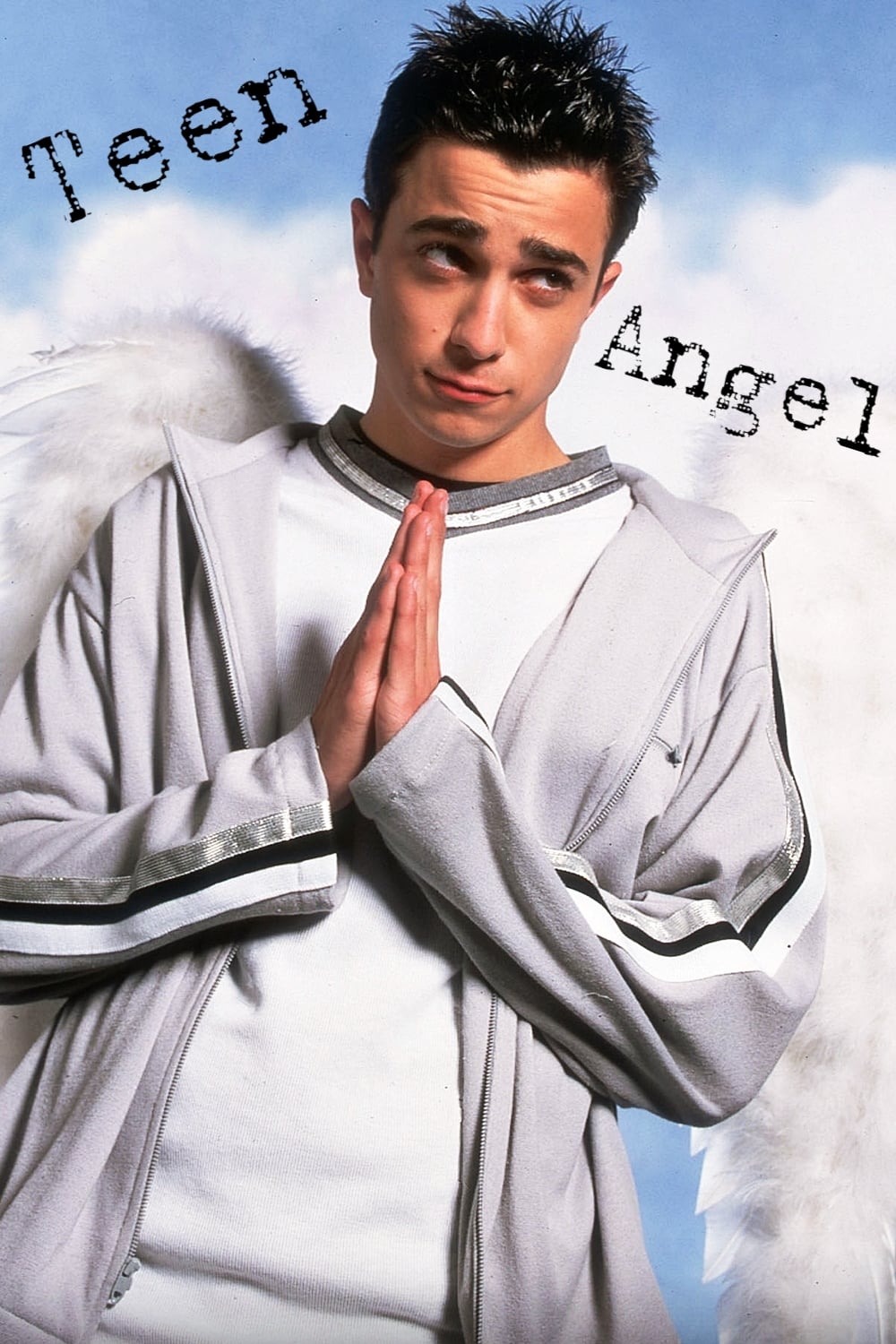
Part of ABC’s TGIF slate, this fantasy sitcom was created by ‘The Simpsons’ alumni Al Jean and Mike Reiss. It centers on a teenager whose best friend returns as a guardian angel after an absurd demise. Episodes pair everyday high-school situations with supernatural fixes and complications. Maureen McCormick and Connie Ray appeared in recurring family roles.
‘Ink’ (1996–1997)

This CBS workplace comedy reunited Ted Danson and Mary Steenburgen as ex-spouses working at the same newspaper. The show leaned into newsroom settings—assignment desks, editorial meetings, and deadline scrambles. It was produced by Paramount Network Television. Ensemble players handled beats involving beat reporters, columnists, and editors.
‘Working’ (1997–1999)
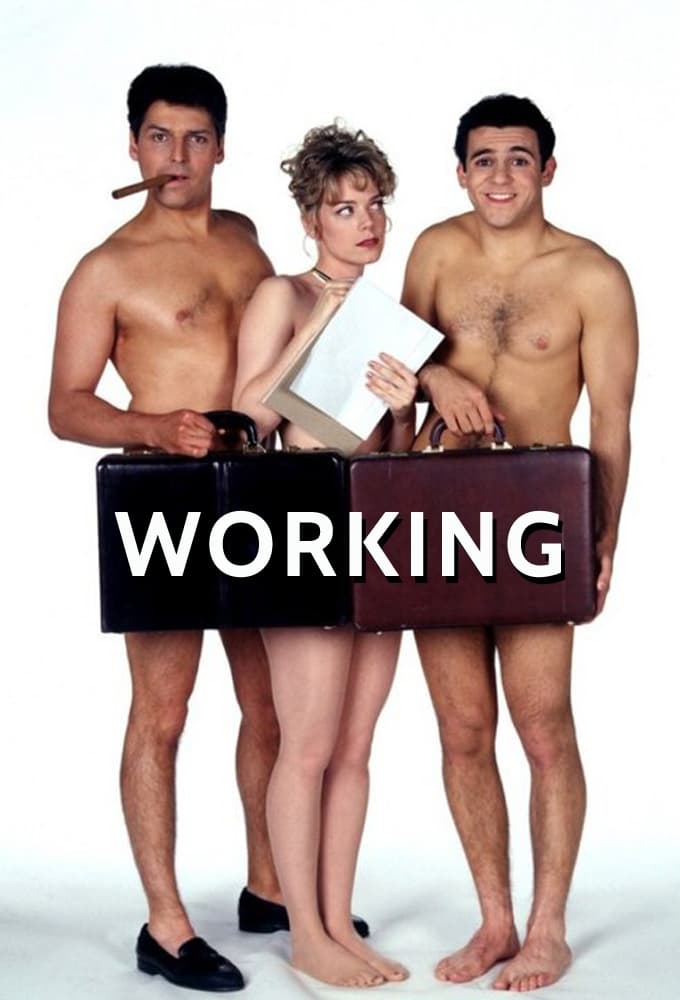
NBC’s corporate-world satire starred Fred Savage as an ambitious office newcomer. Episodes satirized cubicle life, management fads, and interdepartmental rivalries. Debi Mazar and Arden Myrin were among the supporting cast during its run. The series used stylized cold opens and runner gags to lampoon white-collar culture.
‘Two Guys and a Girl’ (1998–2001)
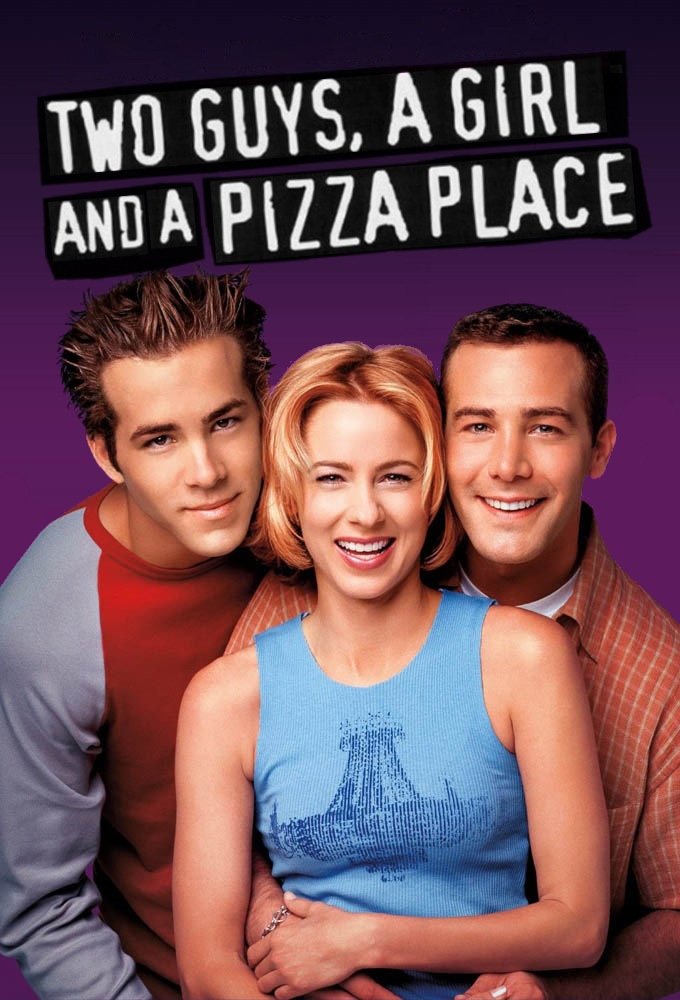
Originally titled ‘Two Guys, a Girl and a Pizza Place’, this ABC sitcom followed three friends balancing work, school, and relationships. Ryan Reynolds, Traylor Howard, and Richard Ruccolo led the ensemble. The series gradually moved away from the pizza-parlor setting to broader young-adult storylines. It incorporated bottle episodes, themed installments, and evolving romantic arcs.
‘Ned & Stacey’ (1995–1997)
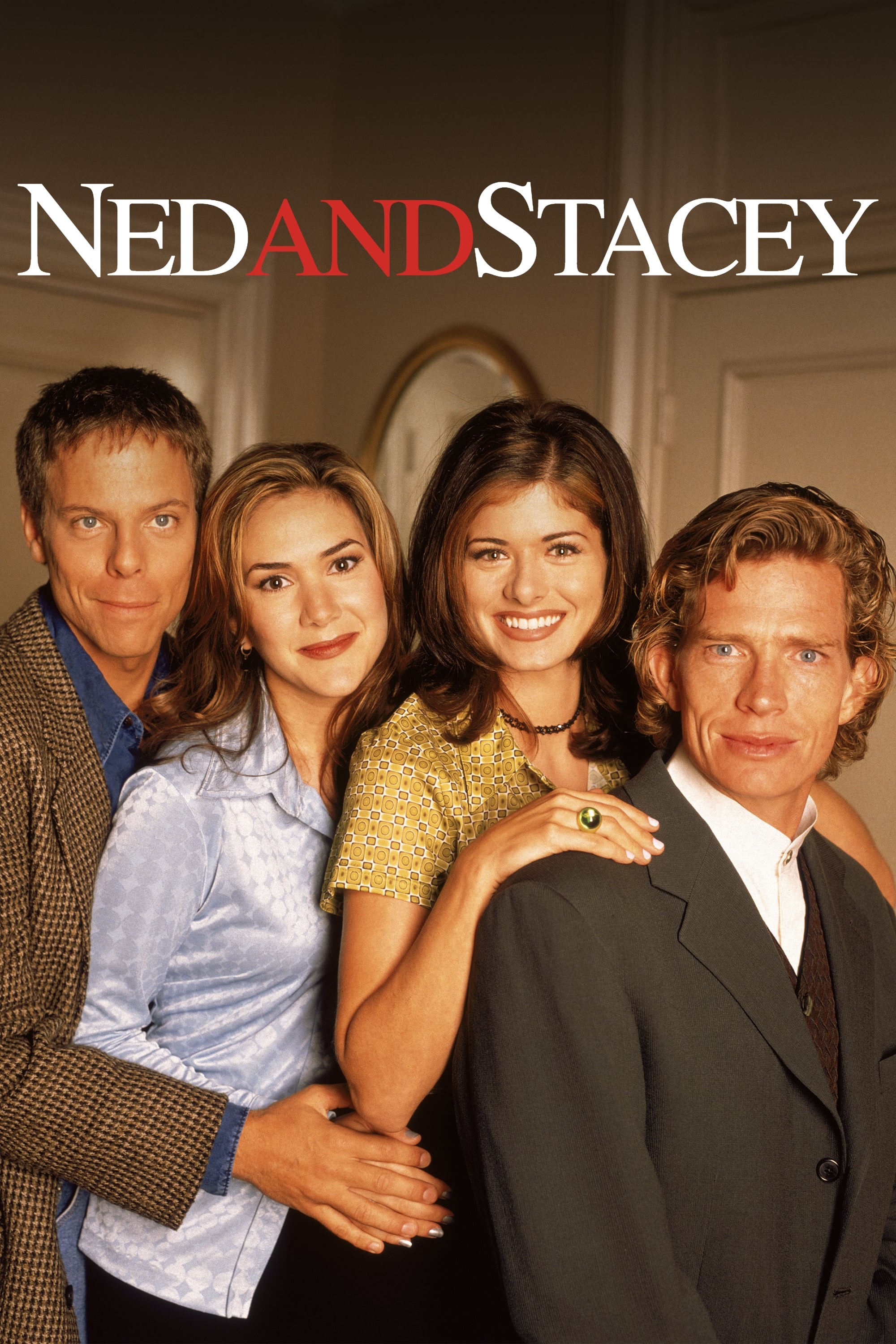
A Fox sitcom from Michael J. Weithorn, it paired Thomas Haden Church and Debra Messing in a marriage of convenience. The premise set up farce-driven conflicts between personal ambition and incompatible personalities. Greg Germann and Nadia Dajani co-starred as scene-stealing foils. The show used Manhattan ad-agency and apartment settings for most plots.
‘Unhappily Ever After’ (1995–1999)
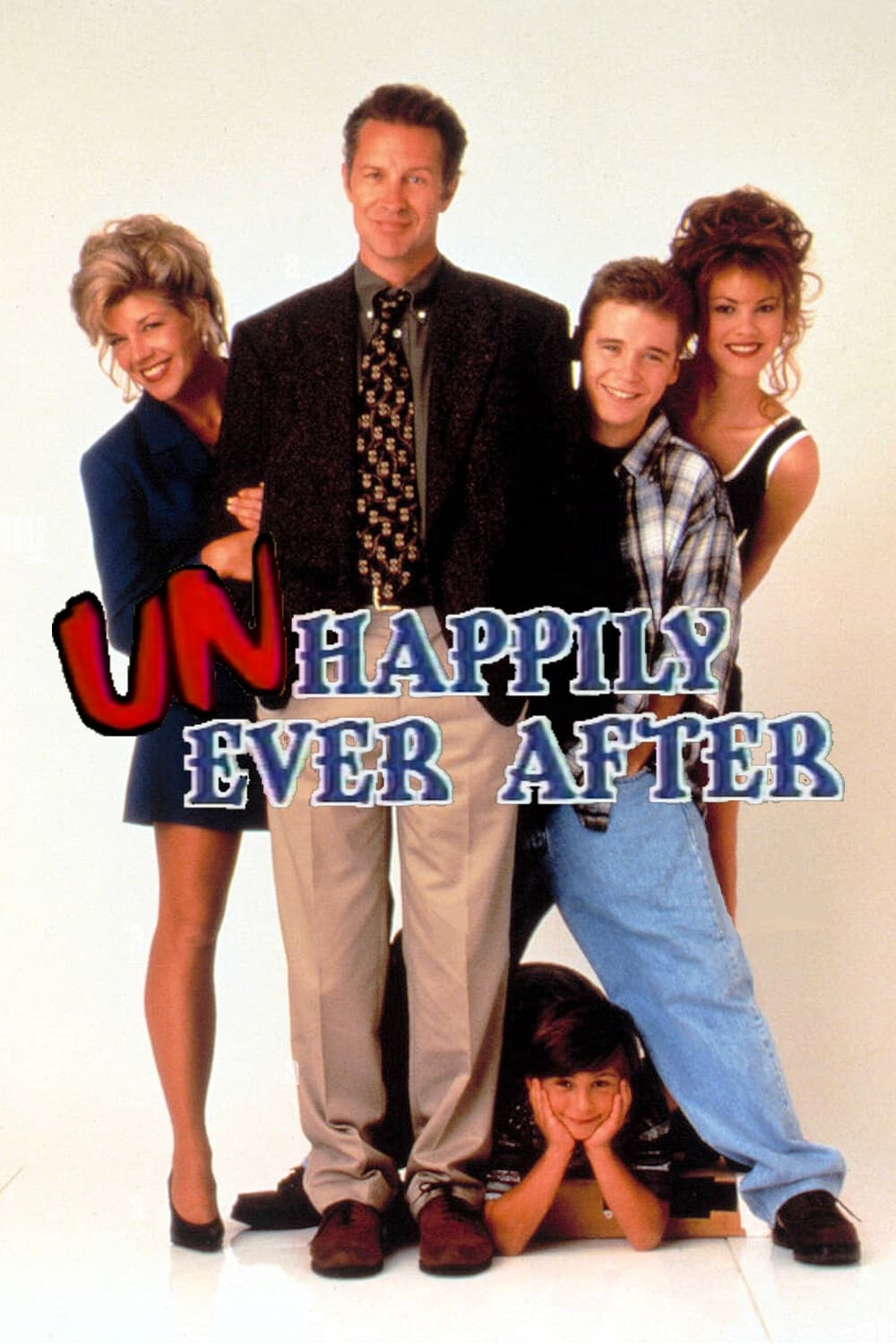
This WB comedy from Ron Leavitt echoed the dysfunctional-family template with a fantasy twist. Geoff Pierson and Stephanie Hodge starred, with Nikki Cox as a breakout presence. Bobcat Goldthwait voiced Mr. Floppy, a talking stuffed rabbit visible to the father. The series mixed fourth-wall jokes with traditional multicam setups.
‘Just Shoot Me!’ (1997–2003)
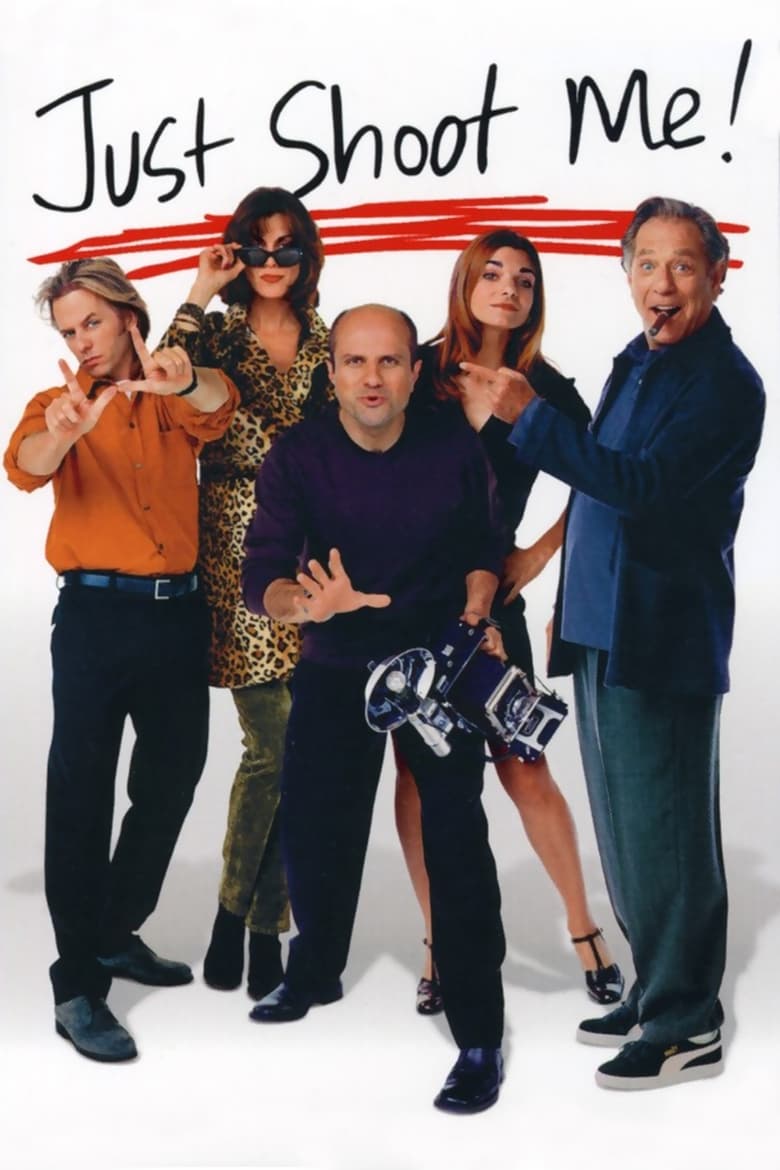
Set at a glossy fashion magazine, this NBC series featured Laura San Giacomo, David Spade, Wendie Malick, and George Segal. Stories blended office politics, photo-shoot chaos, and editorial mishaps. Created by Steven Levitan, it used the magazine’s bullpen and photo studio as core sets. Recurring characters from the fashion world popped in for arcs and cameos.
‘Becker’ (1998–2004)

Ted Danson starred as a Bronx doctor running a small practice and frequenting a neighborhood diner. The ensemble included Hattie Winston, Terry Farrell, and Alex Désert. Created by Dave Hackel, the show emphasized patient cases, insurance headaches, and community interactions. It was produced by Paramount Network Television with a steady multicam format.
‘Spin City’ (1996–2002)

A City Hall workplace comedy, it followed the deputy mayor and staff who keep an eccentric administration on track. Michael J. Fox led for multiple seasons before Charlie Sheen joined later. The series was created by Bill Lawrence and Gary David Goldberg. Location work, press conferences, and campaign optics drove many stories.
‘The Drew Carey Show’ (1995–2004)
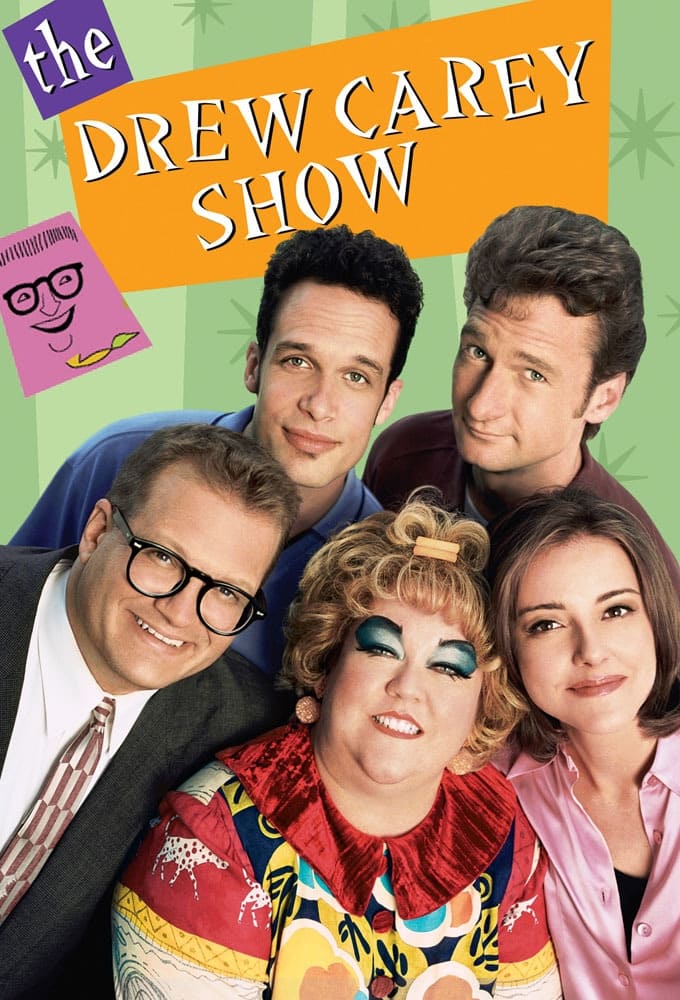
Set in Cleveland, this ABC sitcom mixed workplace humor at a department-store office with elaborate musical numbers. Drew Carey starred with Ryan Stiles, Diedrich Bader, and Christa Miller. The show became known for themed episodes, live experiments, and recurring gags. Its production involved large ensemble choreography alongside standard multicam staging.
‘NewsRadio’ (1995–1999)

An NBC ensemble set at AM station WNYX, it starred Dave Foley, Maura Tierney, and Phil Hartman, with Jon Lovitz joining later. Created by Paul Simms, the show balanced workplace satire with fast-paced verbal comedy. The station’s bullpen, control room, and glass-walled offices provided distinct visual geography. It developed a stable of recurring characters tied to media quirks and office politics.
Share your picks—what would you add or swap—down in the comments!

