


1990s TV Dramas That Are Completely Unwatchable Today

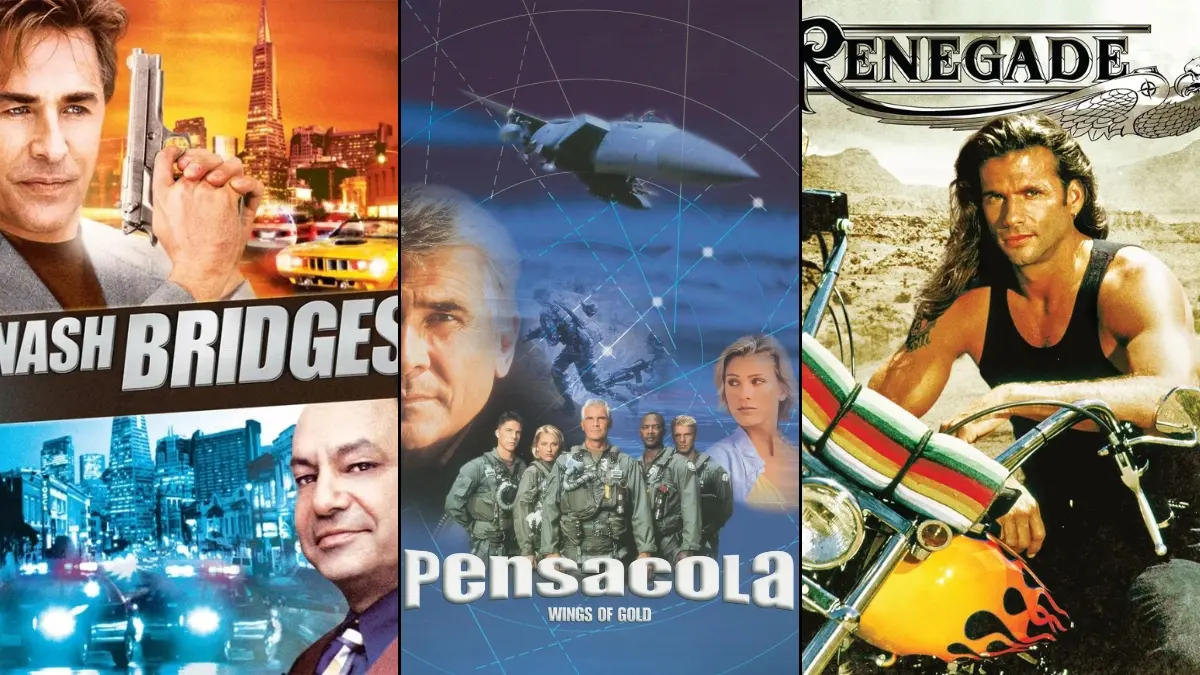


The ’90s delivered a tidal wave of glossy primetime dramas, syndicated action hours, teen soaps, and high-concept sci-fi experiments that filled network schedules and weekend lineups. Many of these series were cultural fixtures, launching stars, spinoffs, and merchandising runs while experimenting with formats that defined an era of broadcast TV. Below is a tour through forty dramas from that decade—who made them, what they were about, where they aired, and how they fit into TV history. Think of it as a snapshot of the production trends, casts, and network strategies that drove appointment viewing long before streaming changed the game.
‘Baywatch’ (1989–2001)
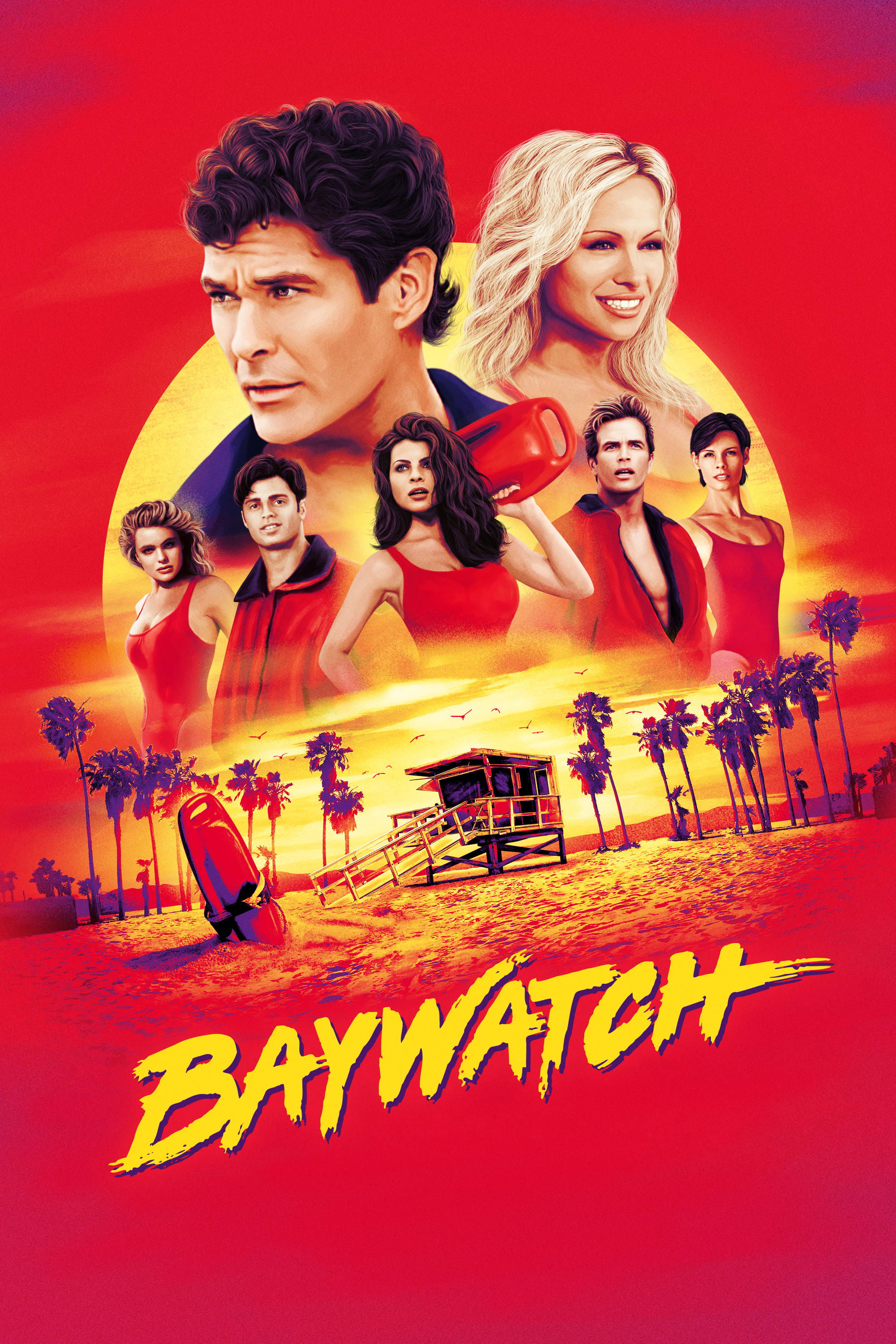
This lifeguard drama followed a Los Angeles County rescue team and later shifted settings and casts as the franchise expanded. It became a global syndication powerhouse, reaching massive international audiences and generating spinoffs like ‘Baywatch Nights’. The series emphasized large ensemble storytelling with rotating leads, including David Hasselhoff and Pamela Anderson among other regulars. Production leaned heavily on beach locations, stunt water work, and episodic rescue plots with occasional season-long arcs.
‘Renegade’ (1992–1997)
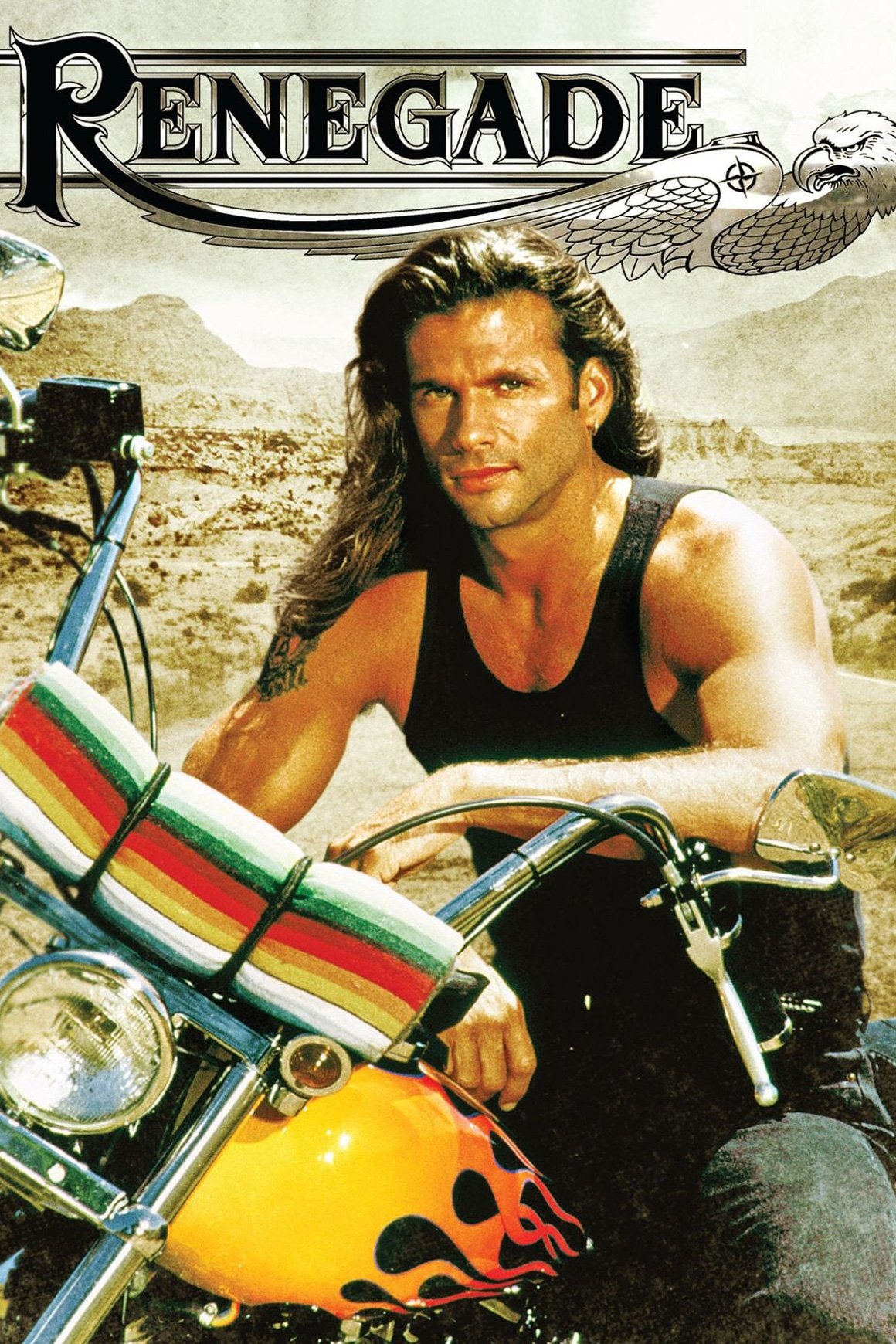
Created by Stephen J. Cannell, this action drama starred Lorenzo Lamas as a former cop on the run who helps people while evading corrupt foes. It aired primarily in syndication, using a case-of-the-week format with motorcycle chases and desert-town backdrops. The show employed a recurring supporting cast and frequent guest villains tied to the lead’s ongoing manhunt storyline. Its production model relied on location shooting and a formula that blended fugitive drama with western motifs.
‘Melrose Place’ (1992–1999)
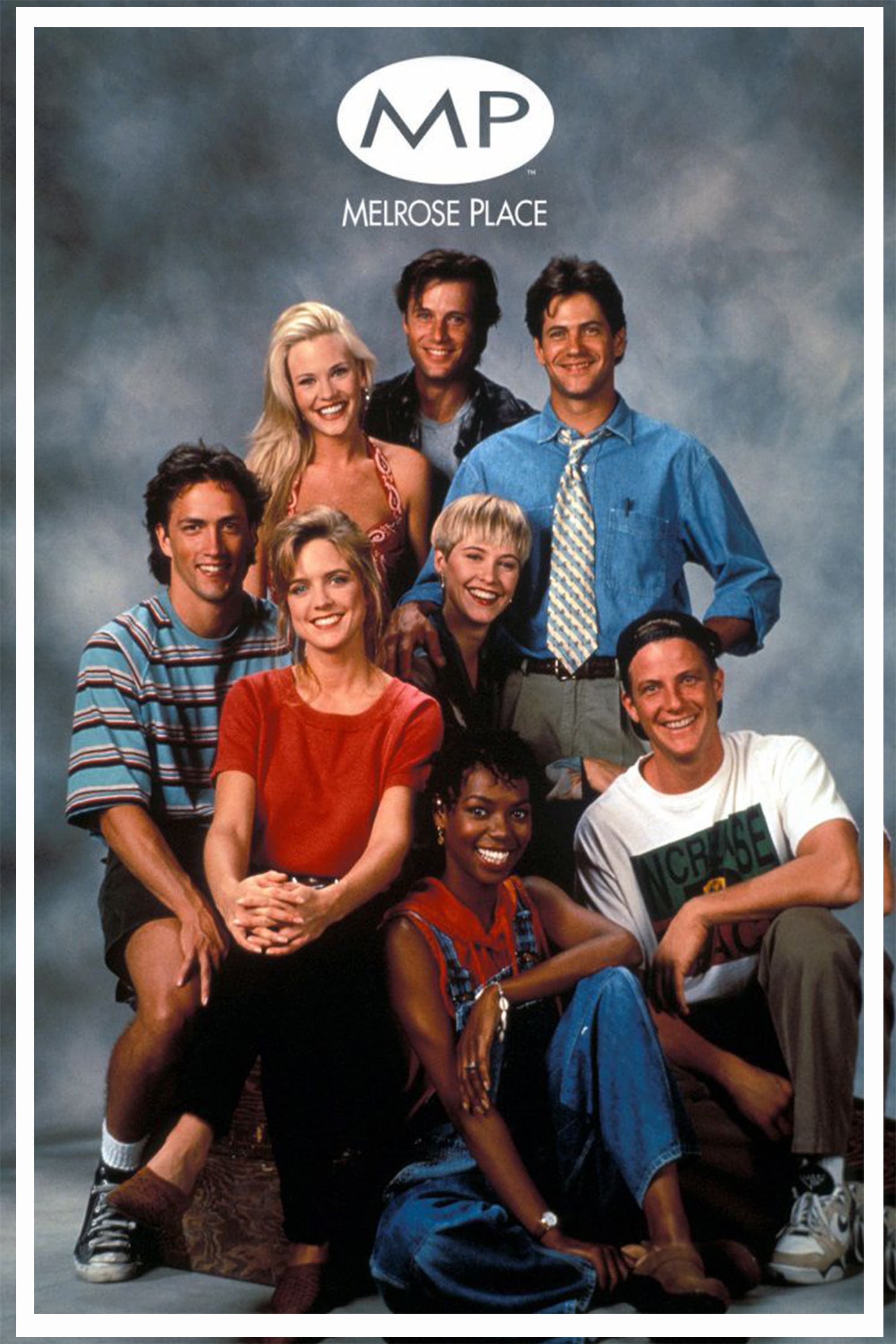
This primetime soap centered on young professionals sharing an apartment complex in Los Angeles, with storylines spanning careers, romances, and corporate intrigue. Darren Star developed the series as a spinoff of ‘Beverly Hills, 90210’, and producer Aaron Spelling scaled it up with high-gloss plot twists. Heather Locklear’s recurring role as Amanda Woodward became a signature driver of late-season arcs. The show’s ensemble structure allowed rapid cast turnover while keeping the setting constant.
‘Models Inc.’ (1994–1995)
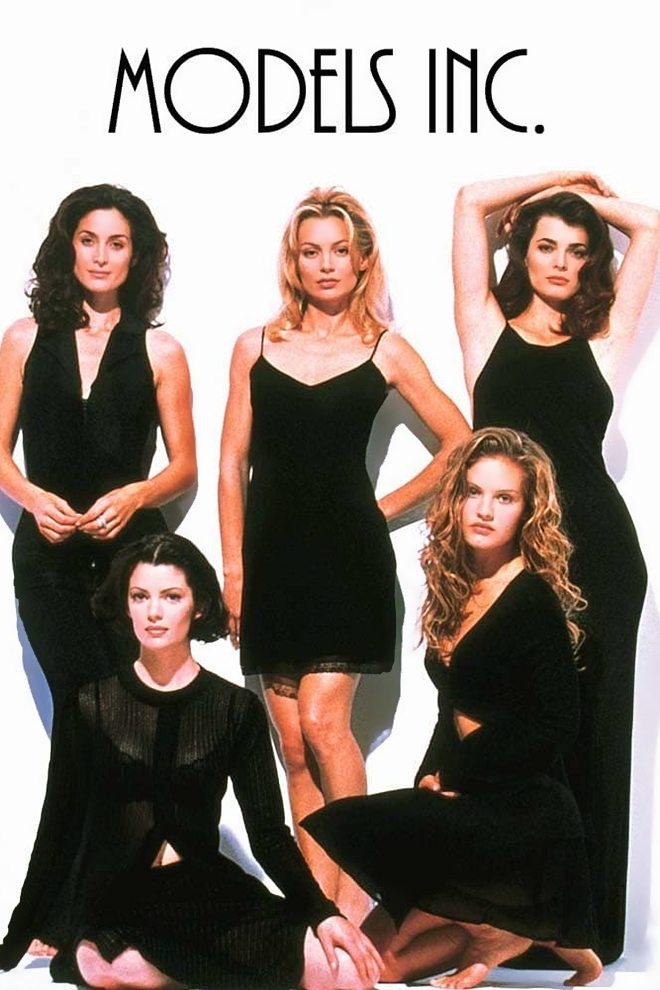
This short-lived spinoff of ‘Melrose Place’ followed the staff and clients of a Los Angeles modeling agency run by Hillary Michaels. It extended the Spelling Television soap universe with crossover appearances and connected story beats. The series spotlighted fashion-industry politics, agency rivalries, and client management as weekly plot engines. Despite a recognizable brand lineage, it closed after one season with unresolved threads.
‘Pacific Blue’ (1996–2000)
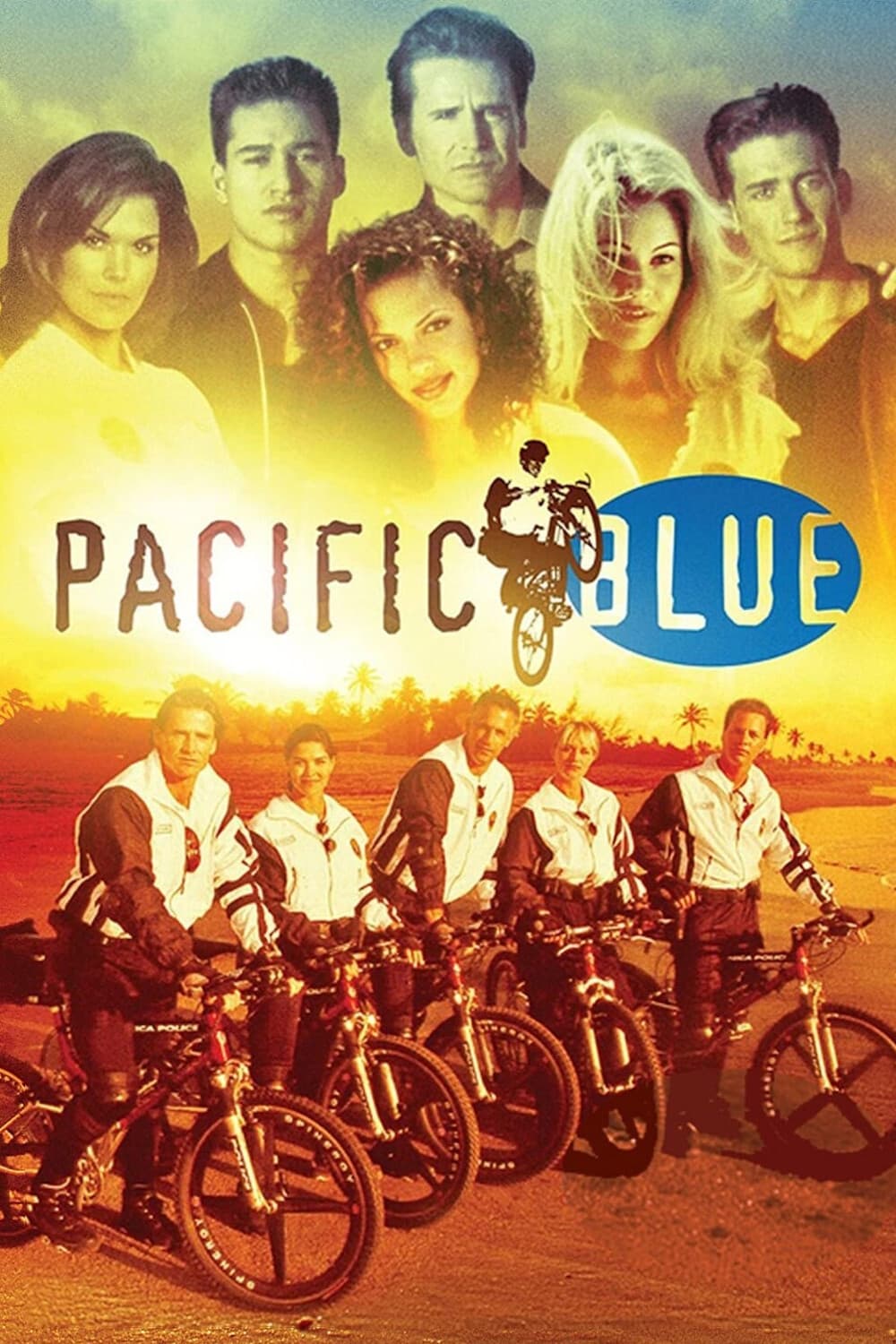
Set around a Santa Monica police bicycle unit, this procedural combined beach locations with patrol-based casework. Episodes followed undercover stings, pursuit sequences, and precinct dynamics, emphasizing kinetic chase scenes unique to the bike-cop premise. The ensemble cast shifted across seasons to refresh partner pairings and leadership roles. Syndication exposure broadened its audience beyond the original cable and network runs.
‘Nash Bridges’ (1996–2001)
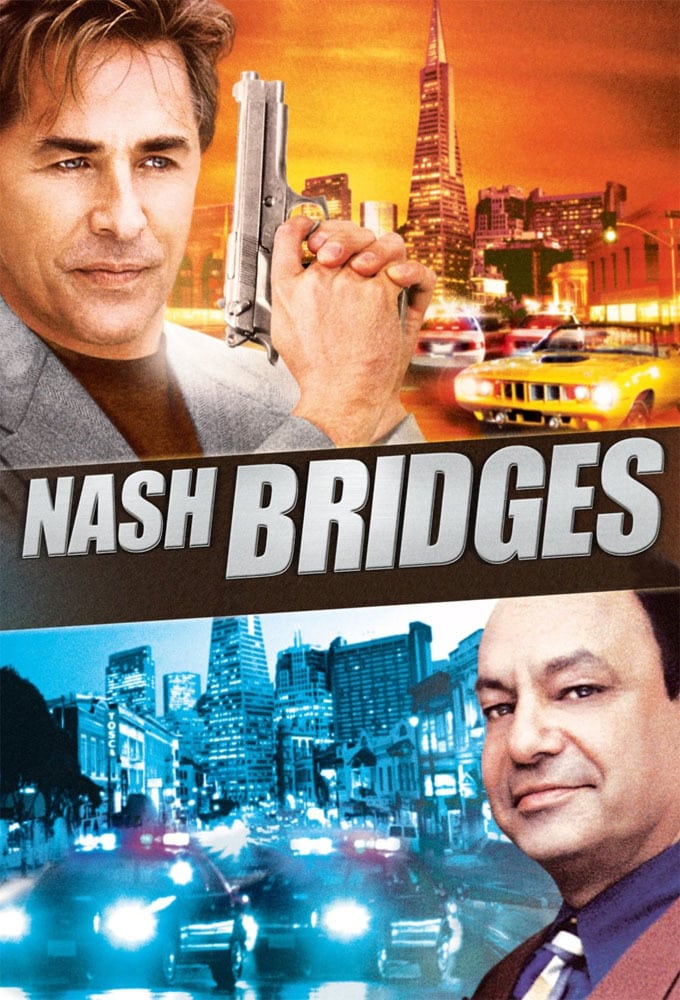
Starring Don Johnson and Cheech Marin, this police drama focused on a charismatic inspector leading a specialty unit in San Francisco. Episodes mixed tech-crime, organized syndicates, and personal subplots tied to the lead’s family. The series showcased the city with frequent location shoots, car-forward action, and bright visual styling. Its long run produced recurring adversaries and a stable supporting bench across multiple seasons.
‘7th Heaven’ (1996–2007)
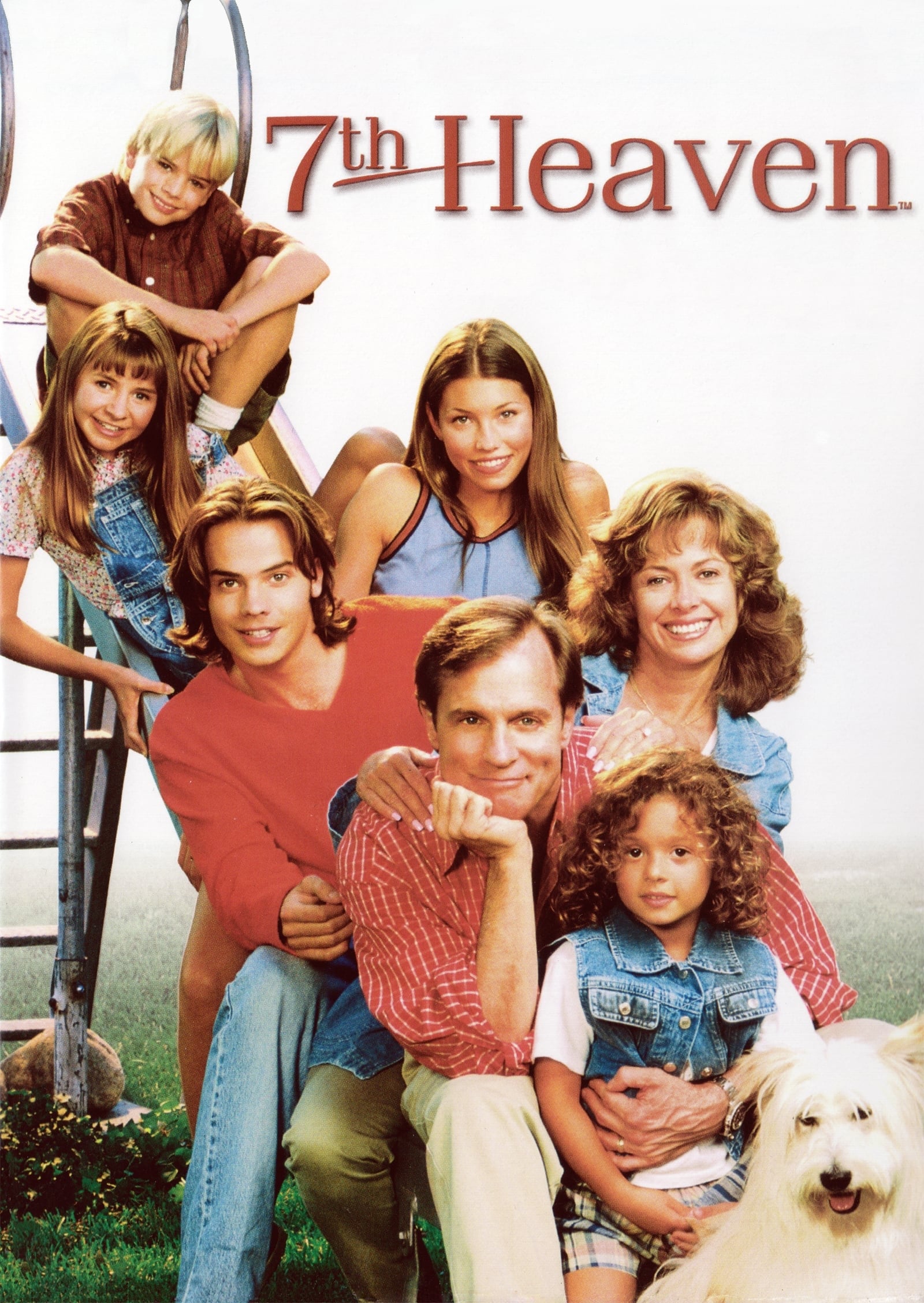
This family drama followed the Camden household, centering on a minister, his spouse, and their children as they navigated school, relationships, and community issues. Produced by Spelling Television, it built a reputation for topical storylines framed through domestic life. The show maintained a large ensemble with periodic cast additions as the children aged. It became a linchpin of its network’s schedule, anchoring family-focused programming blocks.
‘Beverly Hills, 90210’ (1990–2000)
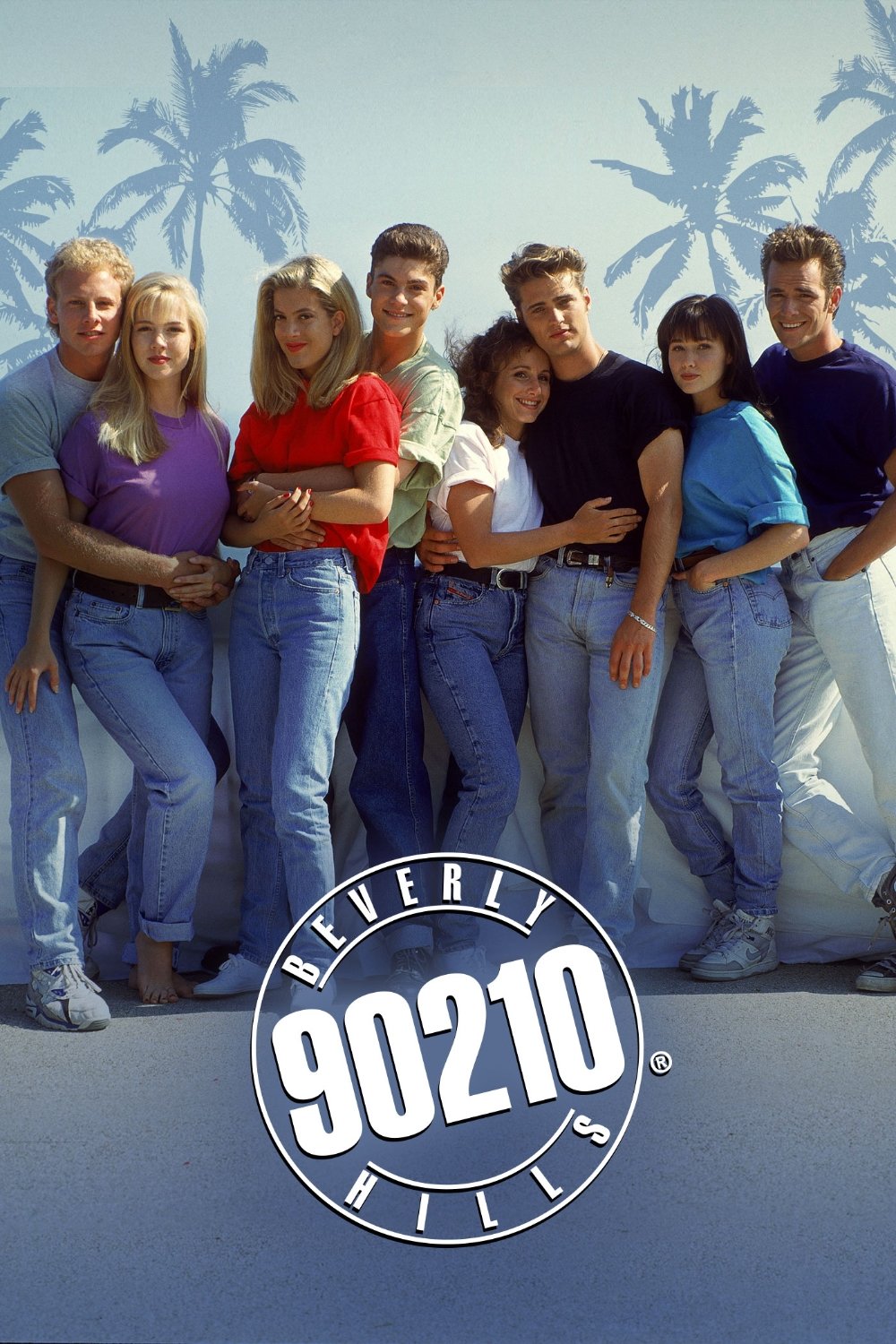
This teen-turned-young-adult drama tracked a group of friends from high school into careers and relationships around Los Angeles. Created by Darren Star, it blended school stories, social issues, and melodrama, evolving into workplace and romance arcs. The series’ rotating cast and guest stars kept the ensemble dynamic in constant motion. Its success spawned spinoffs, including ‘Melrose Place’ and ‘Models Inc.’.
‘Party of Five’ (1994–2000)

The series followed the Salinger siblings, who regroup after losing their parents and manage a family restaurant while dealing with school and young adulthood. Neve Campbell, Scott Wolf, Lacey Chabert, and Matthew Fox led the ensemble, with Jennifer Love Hewitt joining as a key supporting character. Storylines frequently addressed guardianship, finances, and relationships with a grounded tone. The show later inspired an updated reimagining under the same title.
‘Dawson’s Creek’ (1998–2003)
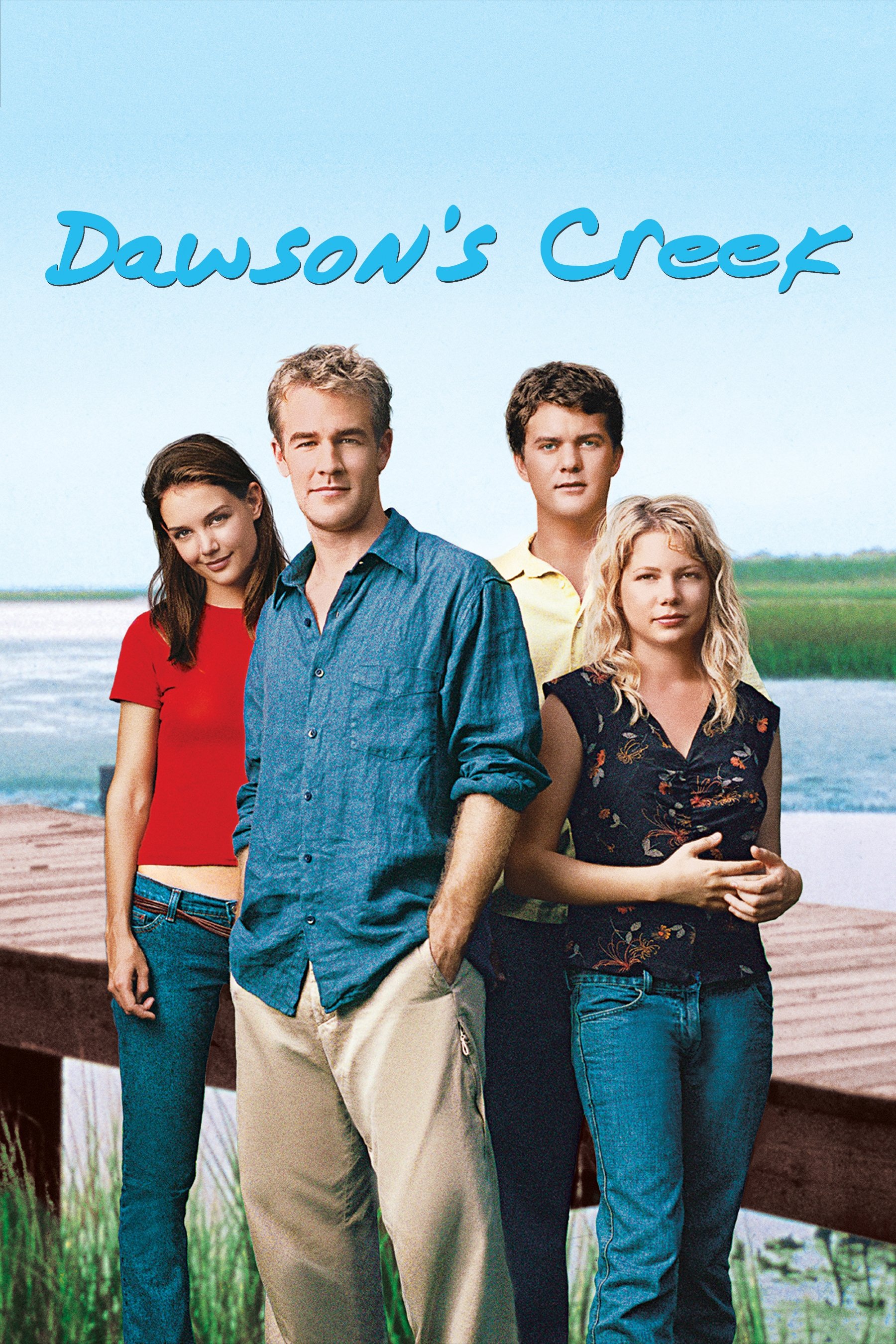
Set in a coastal New England town, this teen drama focused on four friends and their shifting relationships, ambitions, and creative pursuits. Kevin Williamson created the series, which became known for dialogue-driven scenes and pop-culture-literate characters. It provided early major roles for James Van Der Beek, Katie Holmes, Joshua Jackson, and Michelle Williams. Music supervision and location shooting contributed heavily to its recognizable atmosphere.
‘The X-Files’ (1993–2002)
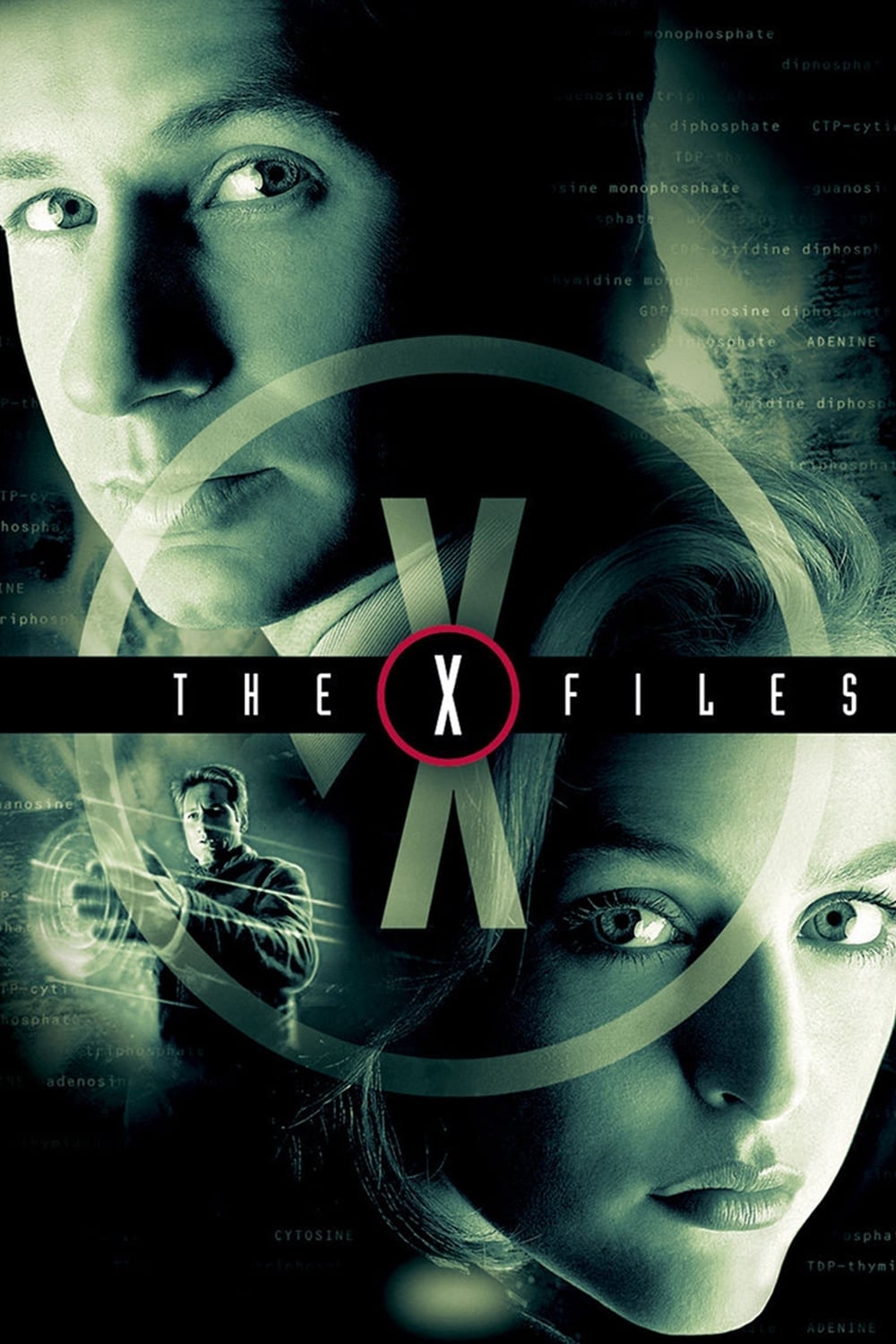
This science-fiction procedural followed FBI agents Fox Mulder and Dana Scully as they investigated paranormal cases and a government conspiracy arc. Chris Carter created the series, balancing monster-of-the-week episodes with serialized mythology installments. The show used Vancouver and later Los Angeles locations, cultivating a moody visual identity. Its success produced feature films, spinoffs like ‘The Lone Gunmen’, and periodic event-series revivals.
‘Walker, Texas Ranger’ (1993–2001)
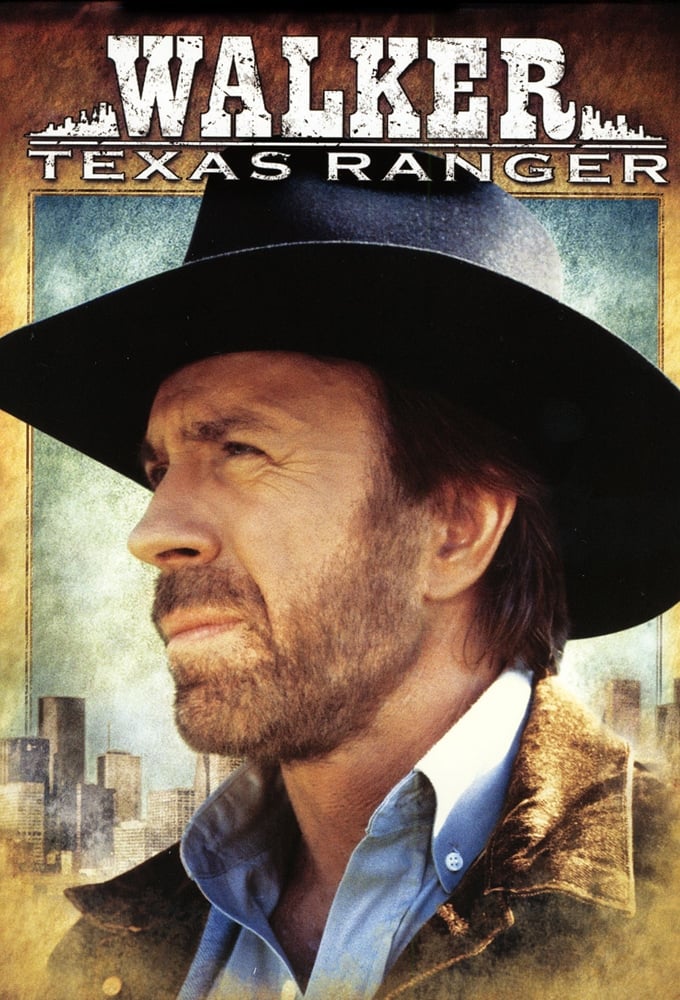
Chuck Norris starred as Cordell Walker, a Texas Ranger tackling crimes with a mix of martial-arts action and procedural casework. The series paired Walker with partner James Trivette and a rotating set of allies, emphasizing mentorship and community ties. Rural and urban locations across the state provided distinct settings for episodic plots. Syndication reruns expanded its footprint far beyond the original network airings.
‘Diagnosis: Murder’ (1993–2001)
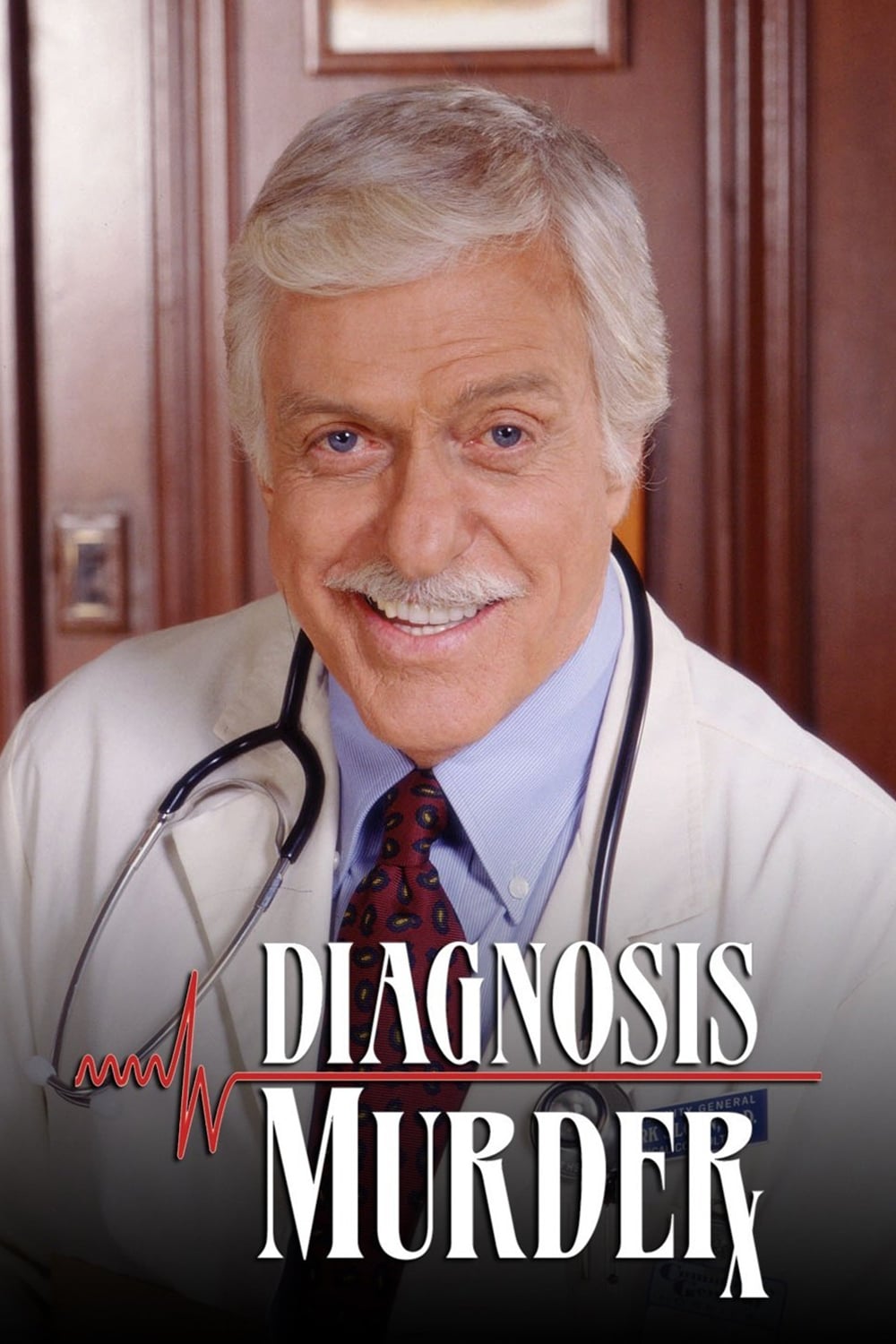
Dick Van Dyke led this medical-mystery hybrid as Dr. Mark Sloan, a physician who assists police investigations alongside his detective son. The show built on the popularity of hospital settings while adopting an amateur-sleuth structure. Guest appearances from classic TV figures and crossovers with other series were frequent. Its format favored self-contained cases with occasional multi-episode arcs.
‘Dr. Quinn, Medicine Woman’ (1993–1998)

Jane Seymour starred as Dr. Michaela Quinn, a physician who relocates to a frontier town and navigates community skepticism while building a clinic. The series blended family drama with public-health and social themes, using standing Western sets and outdoor locations. A large ensemble supported recurring town politics and personal relationships. Costuming and production design emphasized period detail across medical and domestic storylines.
‘Earth: Final Conflict’ (1997–2002)

Based on a concept from Gene Roddenberry, this sci-fi drama depicted alien “Taelons” arriving on Earth with promises of advancement and hidden agendas. The narrative followed resistance cells, human-alien alliances, and evolving technologies. Casting and leads shifted significantly across seasons, altering the show’s direction multiple times. It was produced in Canada with international syndication as a key distribution pathway.
‘Millennium’ (1996–1999)
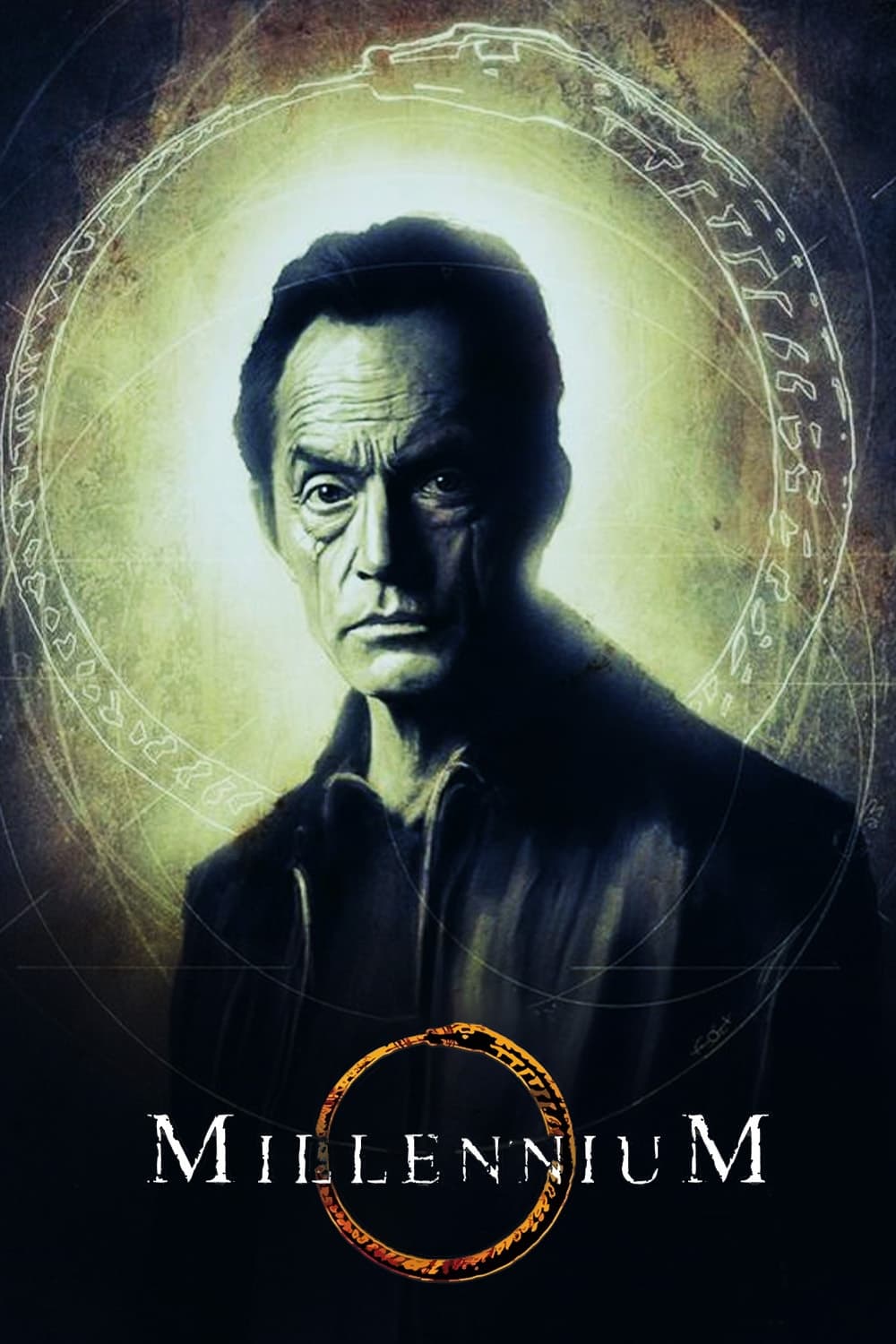
From creator Chris Carter, this psychological crime drama starred Lance Henriksen as profiler Frank Black, who consults for a shadowy organization. The series emphasized serial-offender cases, apocalyptic symbolism, and conspiracy threads. Its tone and storytelling varied across seasons as showrunners changed. Crossovers linked it to ‘The X-Files’, extending a shared creative universe.
‘seaQuest DSV’ (1993–1996)
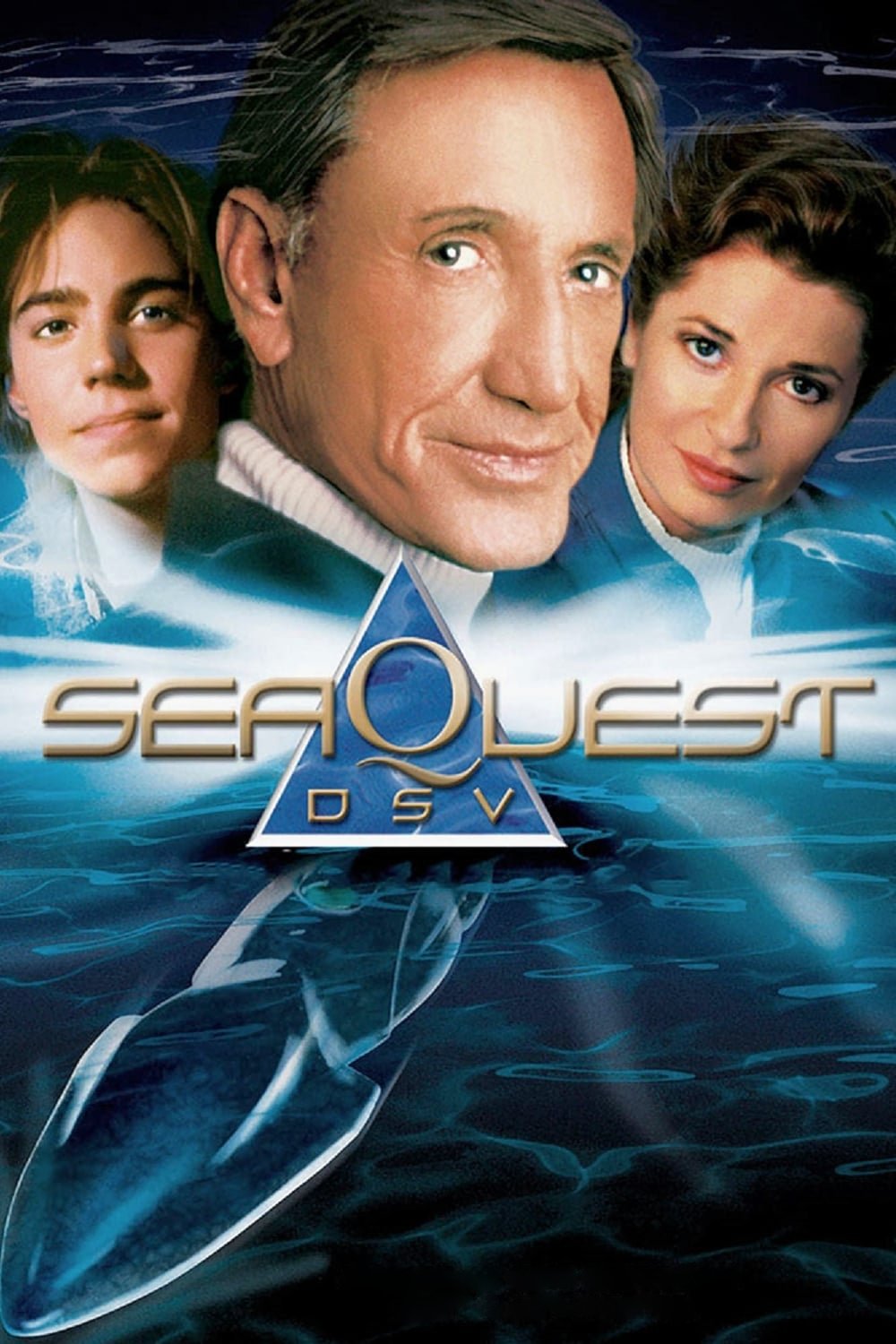
This underwater science-fiction adventure followed the crew of a high-tech submarine exploring and policing a near-future oceanic world. The series featured a mix of science missions, geopolitical tensions, and creature-centric plots. Cast changes and format retools occurred between seasons, including shifts in command characters. Advanced practical sets and water-stage filming anchored its signature look.
‘Babylon 5’ (1994–1998)
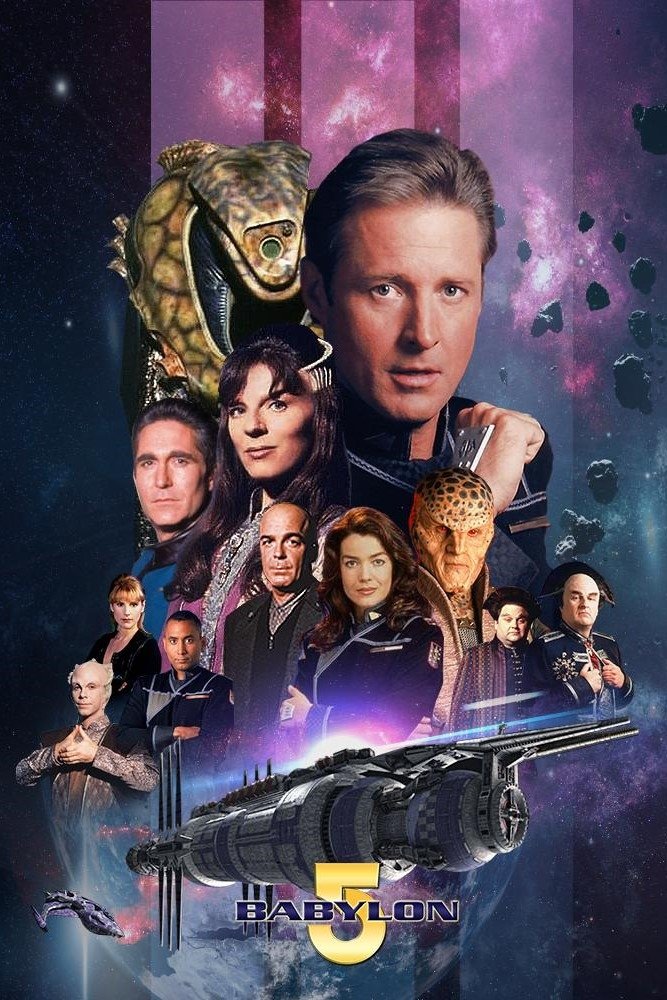
J. Michael Straczynski’s space-station saga centered on diplomacy, war, and prophecy among multiple alien species. It pioneered long-form serialized storytelling with planned season arcs and extensive foreshadowing. The production leveraged early CGI solutions for starships and large-scale battles. Novels, TV movies, and later continuations expanded the franchise’s broader mythology.
‘Acapulco H.E.A.T.’ (1993–1994)
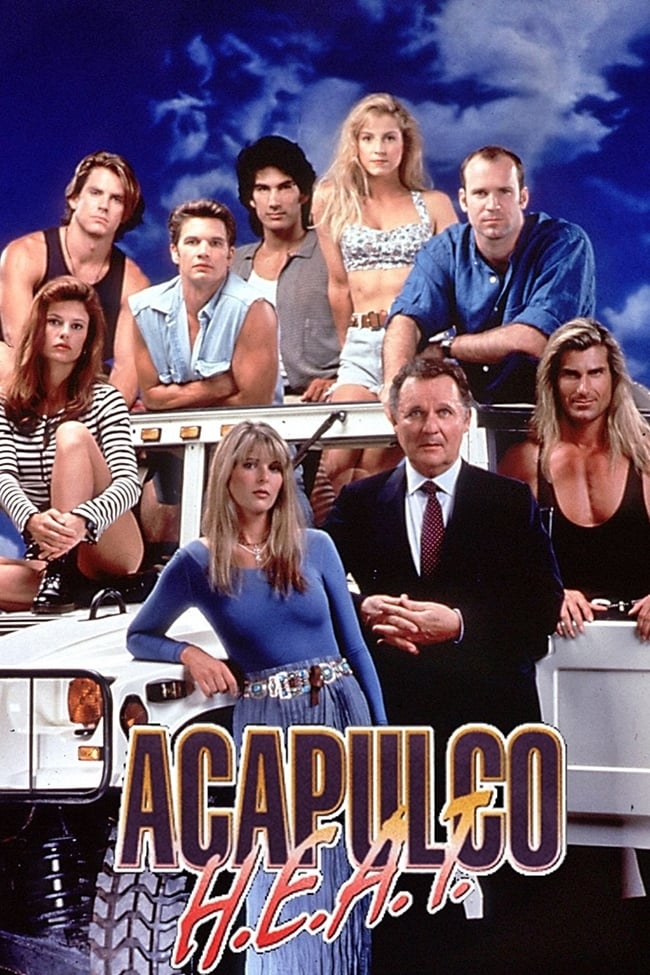
This action drama followed a covert team operating under a fashion-cover front while taking on international assignments. Episodes mixed beach locales, espionage gadgets, and undercover modeling setups. The cast rotated mission roles, with stand-alone plots dominating the structure. International production and syndication arrangements shaped its distribution strategy.
‘Silk Stalkings’ (1991–1999)
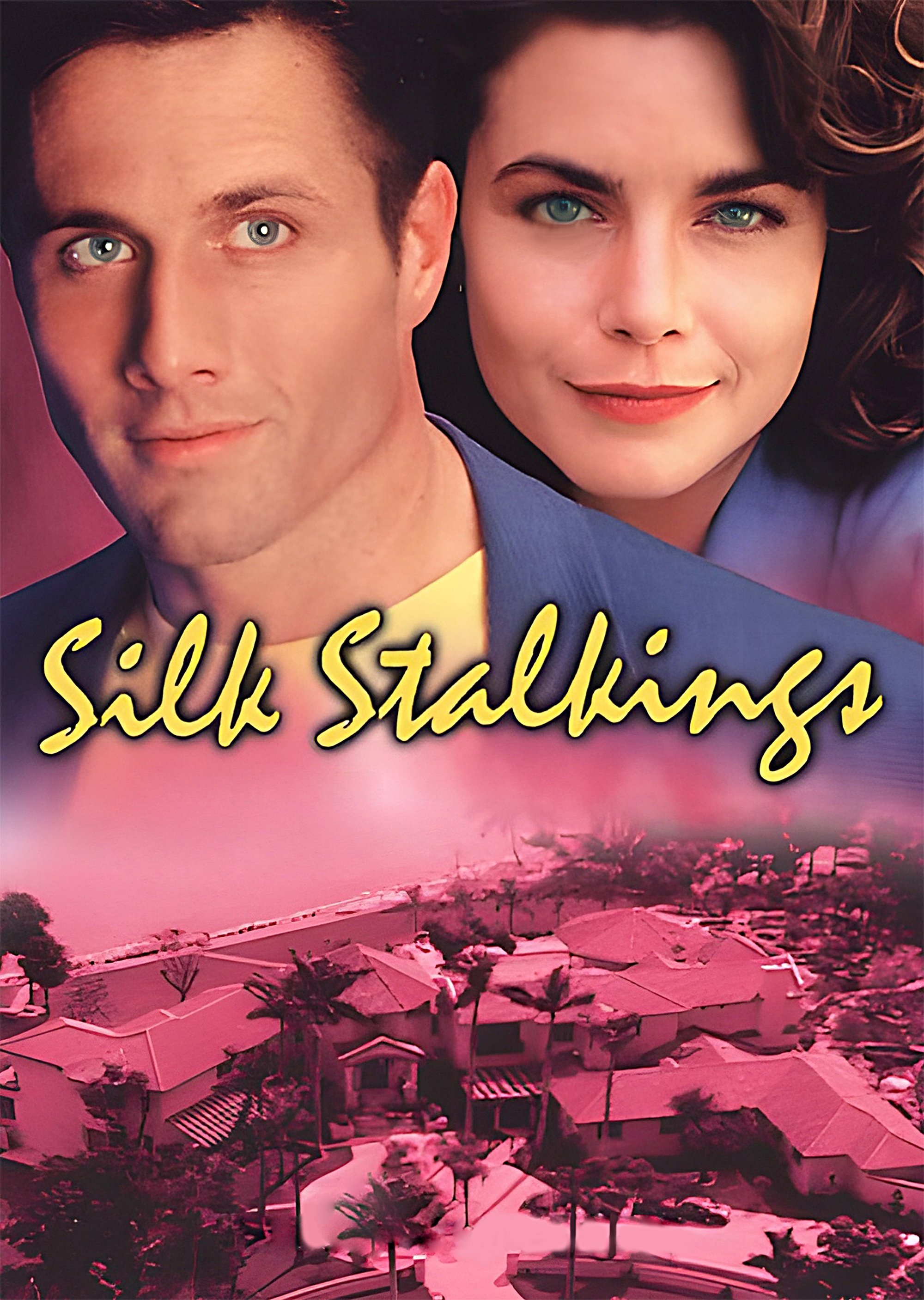
Set in South Florida, this police procedural focused on a detective duo handling crimes among the wealthy and glamorous. The series relied on stylized visuals, location exteriors, and a steady cadence of self-contained cases. Lead pairings changed over time, resetting the core partnership dynamic. Cable and syndication windows played a major role in its longevity.
‘Relic Hunter’ (1999–2002)

Tia Carrere starred as Professor Sydney Fox, an adventurer-academic who tracks down artifacts through global expeditions. The series blended light action, puzzles, and campus framing scenes that bookended field work. A rotating slate of guest stars and international locations kept episodes travel-driven. Co-production logistics enabled wide overseas distribution alongside domestic runs.
‘Pensacola: Wings of Gold’ (1997–2000)
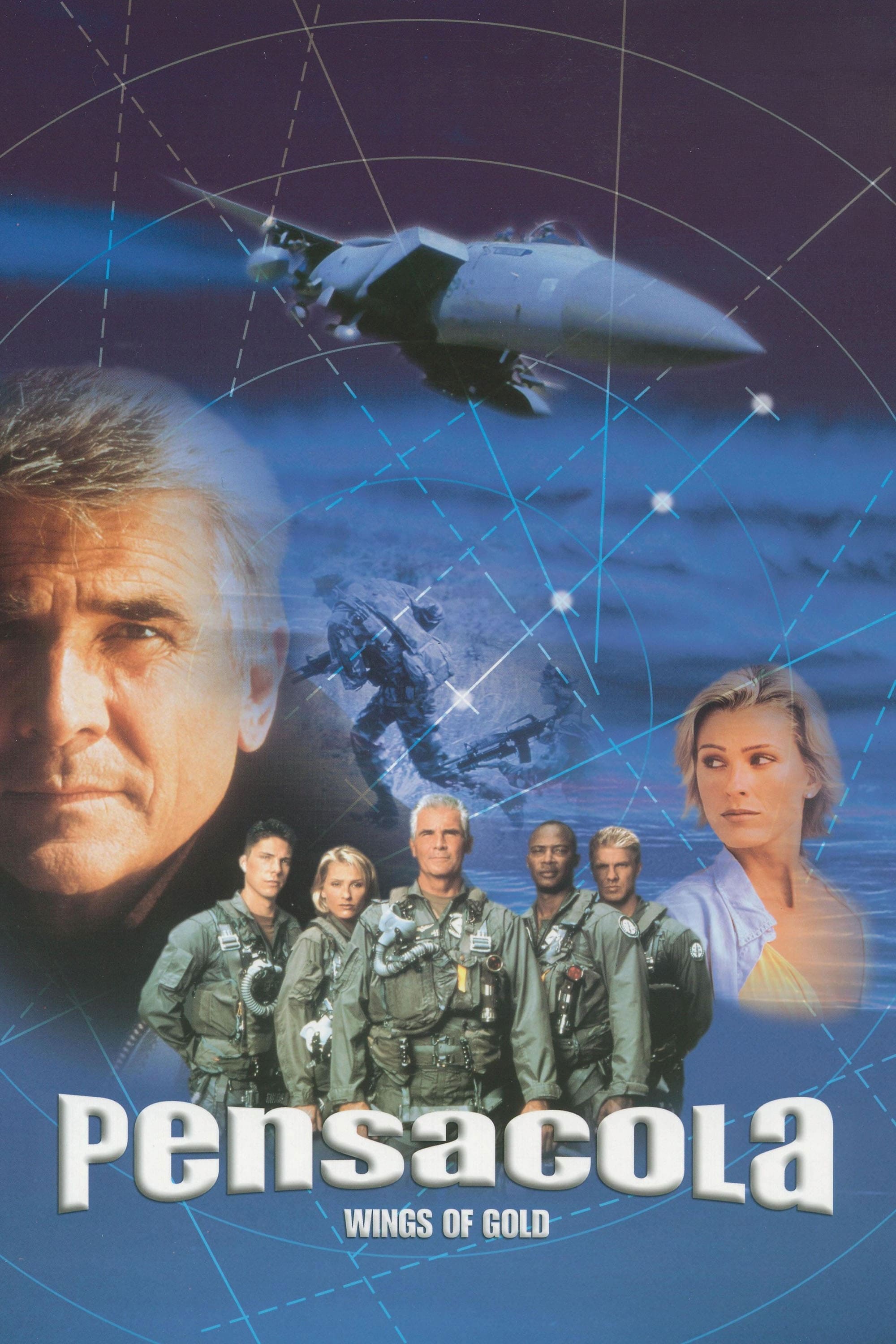
This military action drama centered on a Marine aviator leading a training and special-missions unit. Storylines alternated between base life, flight operations, and off-site deployments. A mix of stock and original aerial footage supported its aviation sequences. Syndication packages and cable airings extended its reach beyond initial broadcasts.
‘La Femme Nikita’ (1997–2001)
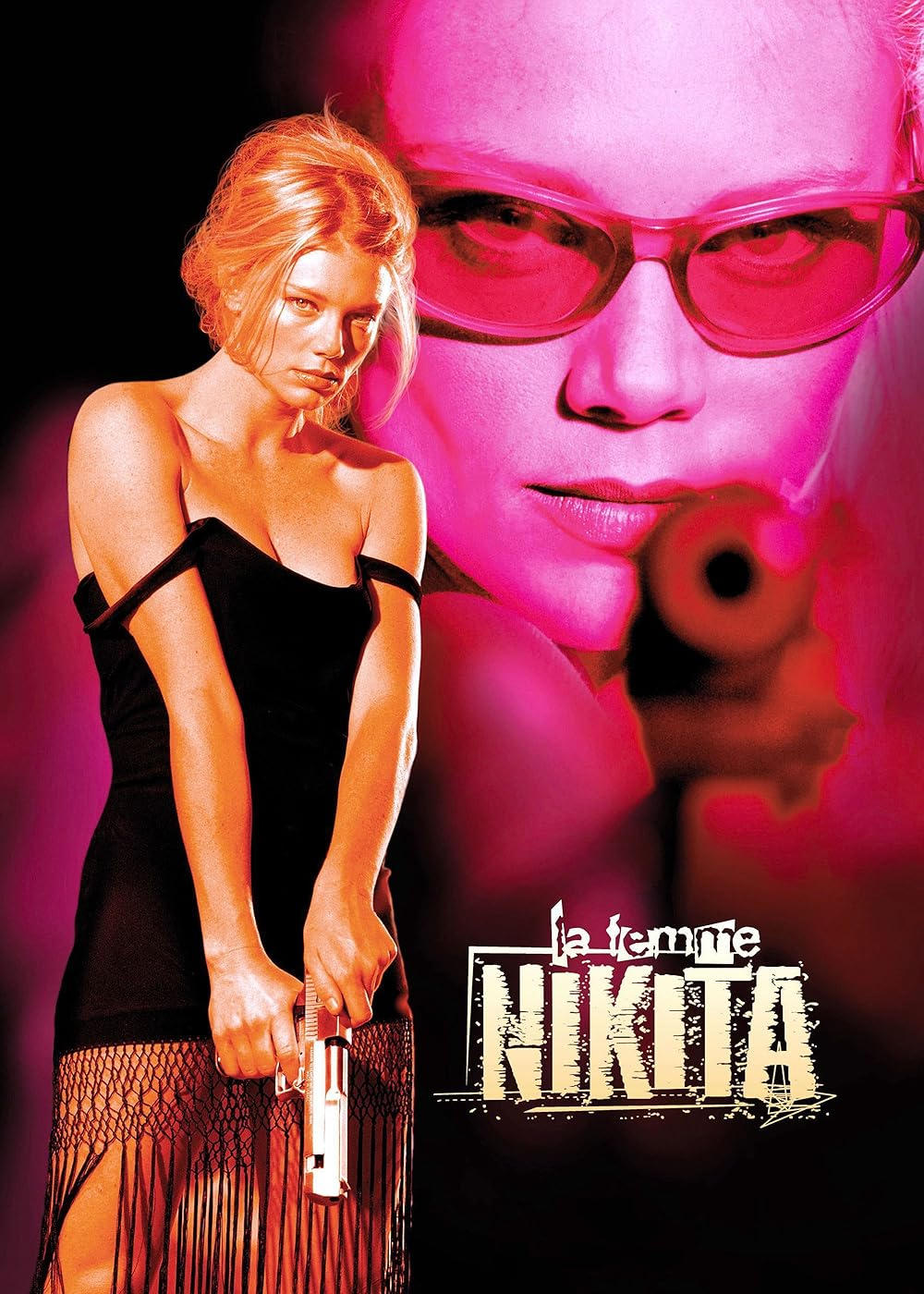
Adapted from the French film, this espionage series followed an operative coerced into serving a secretive organization known as Section One. Peta Wilson headlined a cast playing handlers, tech specialists, and rival agents within a morally gray command structure. The show emphasized tradecraft, psychological manipulation, and minimalist production design. Its fan base supported TV movies and later reimaginings under related titles.
‘The Pretender’ (1996–2000)
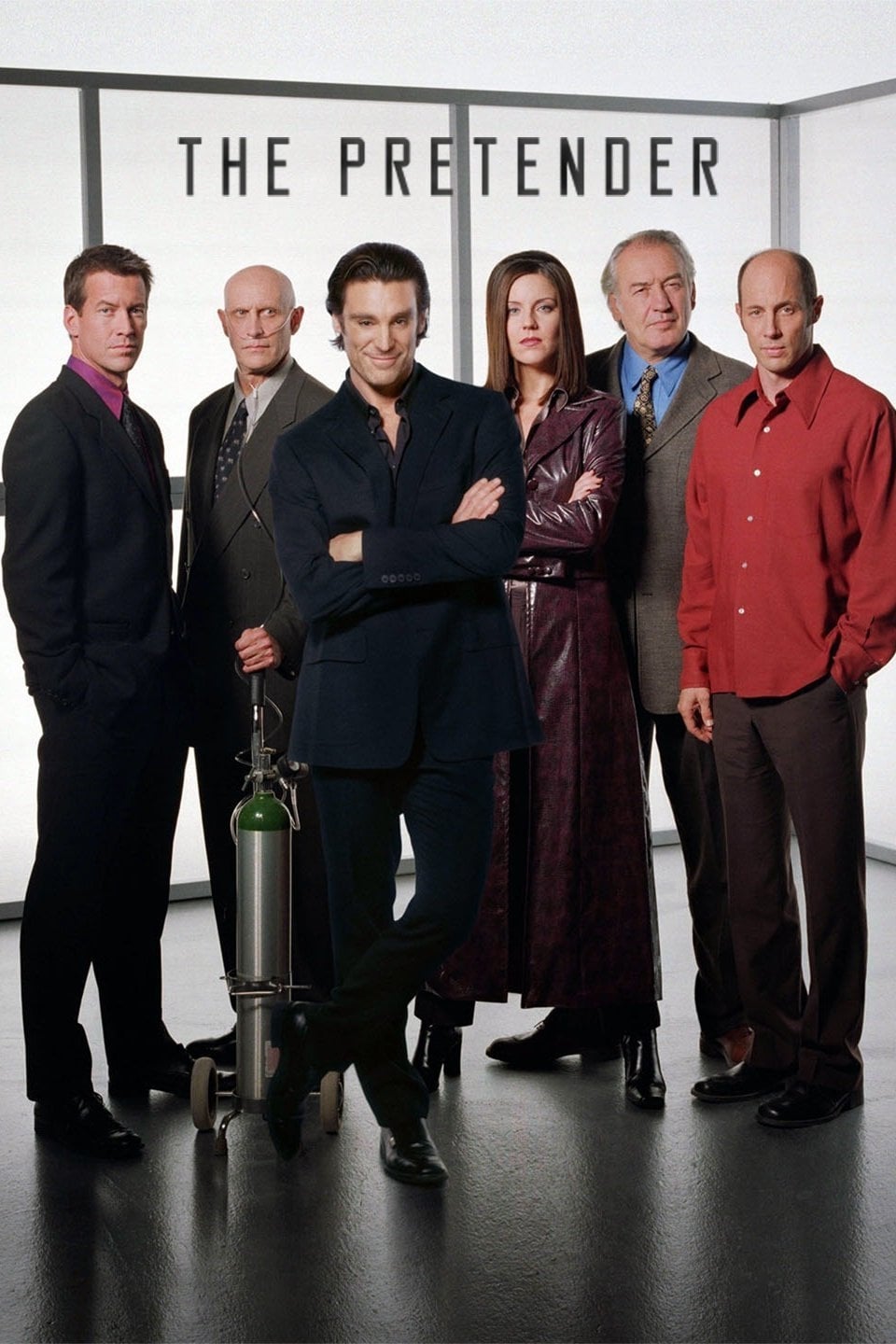
Michael T. Weiss played Jarod, a genius “pretender” who adopts new professions each episode while evading a research organization. The narrative combined fugitive chases with stand-alone workplace immersions and a continuing mystery about the lead’s past. Recurring antagonists Miss Parker and Sydney anchored the mythology side. The franchise continued with follow-up TV films and ongoing fan interest.
‘Sliders’ (1995–2000)
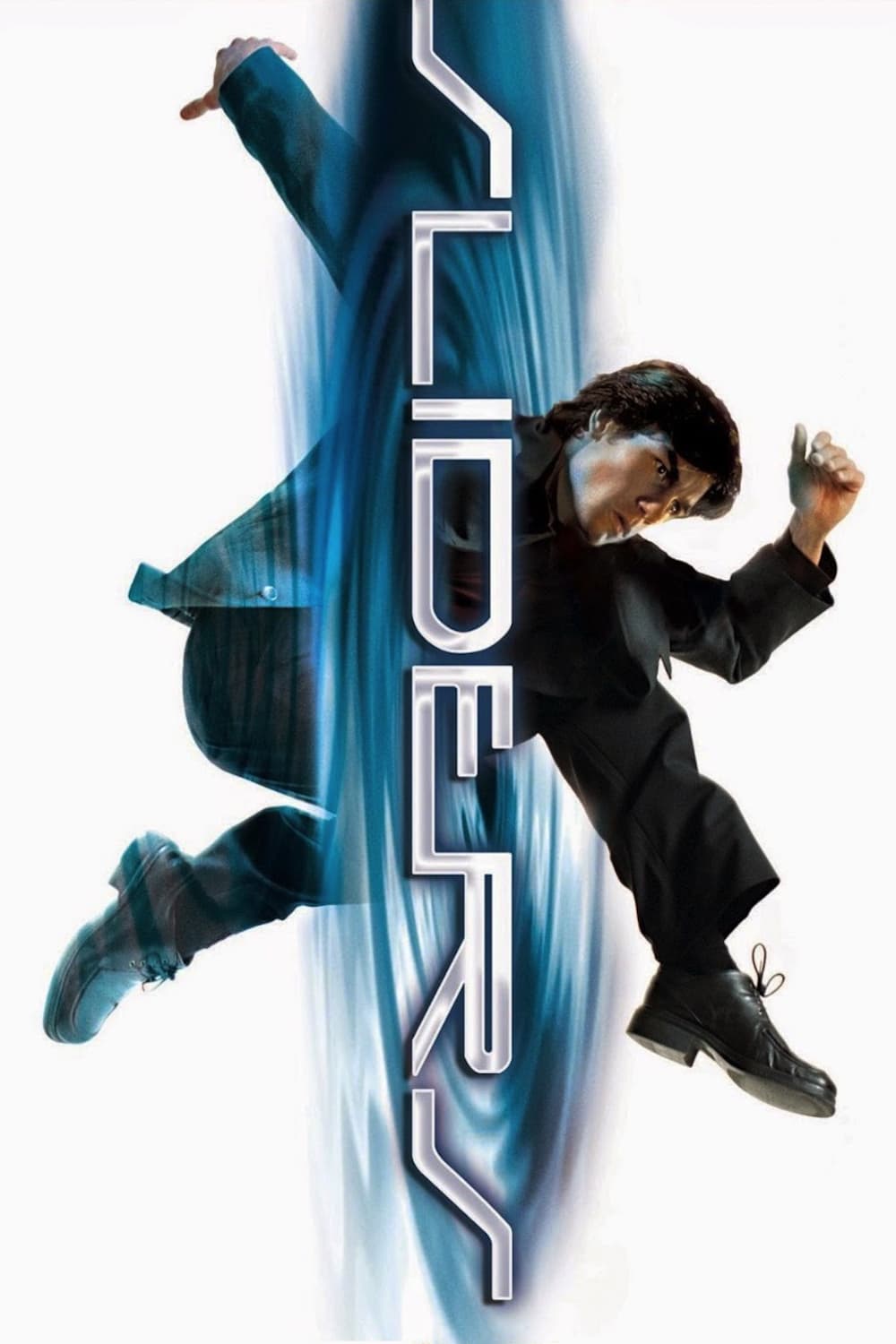
This sci-fi adventure tracked travelers who “slide” between parallel Earths, encountering alternate histories and societies. The show employed a rotating ensemble led by Jerry O’Connell, with significant cast changes later in the run. Production balanced speculative concepts with budget-conscious location redresses and visual effects. Network shifts and retooled creative direction produced distinct tonal phases across seasons.
‘Chicago Hope’ (1994–2000)
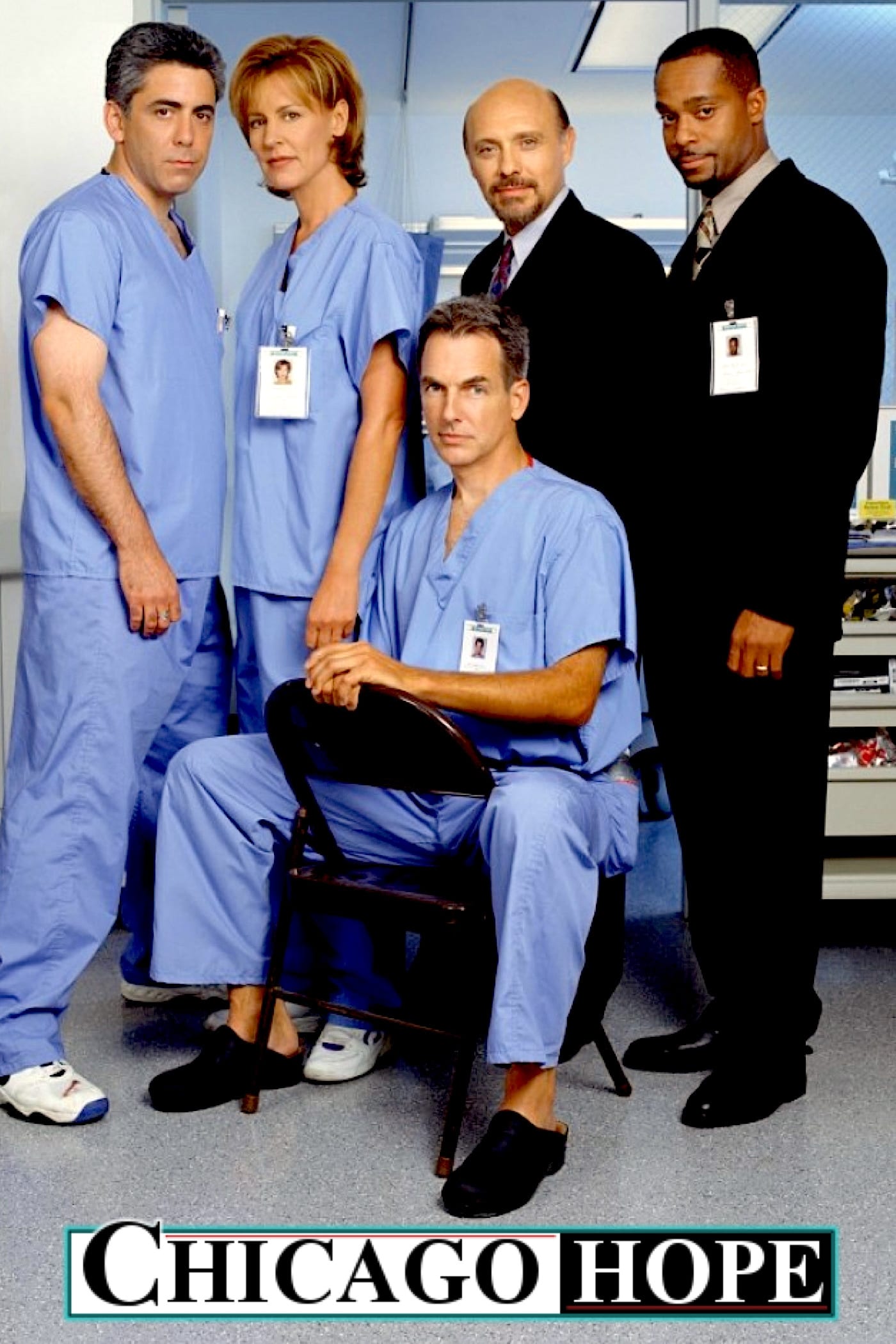
This medical drama centered on surgeons and staff at a private hospital, highlighting complex operations and ethical dilemmas. Created by David E. Kelley, it featured an ensemble that included Mandy Patinkin and Adam Arkin. The series often juxtaposed courtroom-style debates with operating-room sequences. It aired alongside other hospital dramas of the era, encouraging network competition in primetime schedules.
‘Profiler’ (1996–2000)
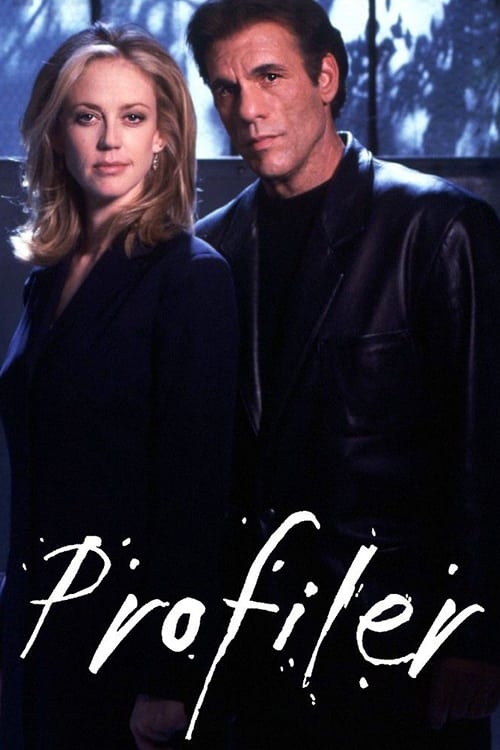
This crime procedural followed forensic psychologist Samantha Waters as she assisted a federal task force tracking violent offenders. Episodic cases were threaded by an ongoing pursuit of an elusive serial adversary. The show emphasized behavioral analysis, evidence reconstruction, and interagency coordination. Its format allowed for case-of-the-week storytelling with serialized personal stakes.
‘The Sentinel’ (1996–1999)
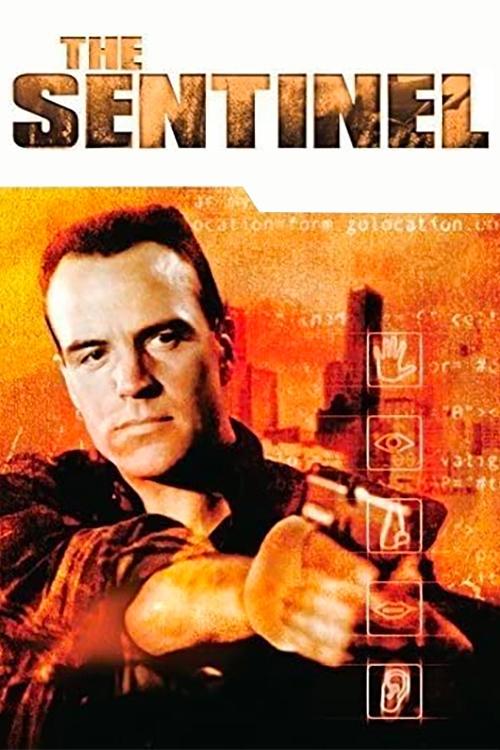
Set in Cascade, this series paired a detective with heightened senses and his anthropologist partner. Plots often revolved around leveraging the lead’s sensory abilities to solve investigations and avert threats. The show blended police-procedural beats with light science-fiction elements. Location filming and stunt work supported its action-forward structure.
‘Hercules: The Legendary Journeys’ (1995–1999)
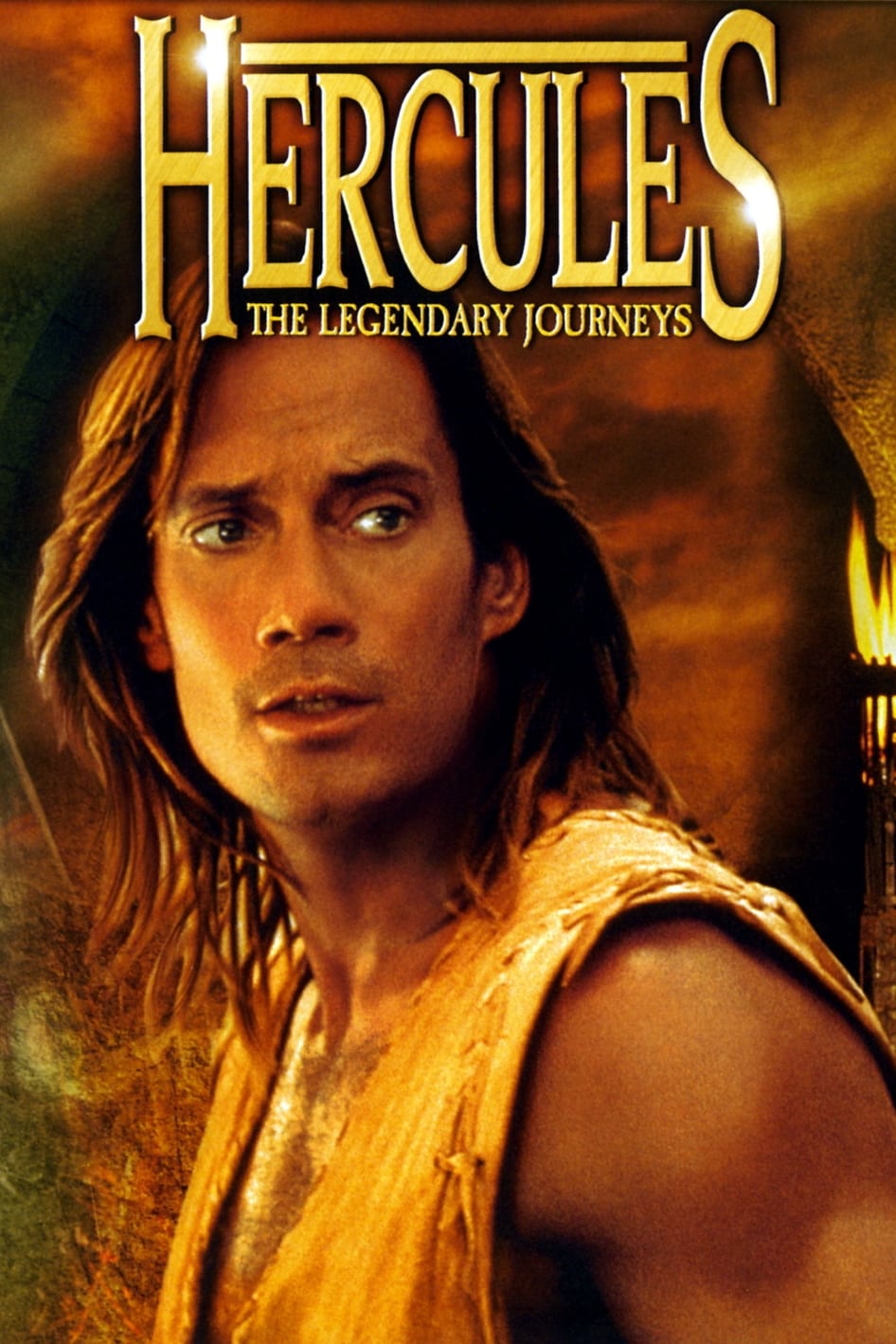
This syndicated adventure drama starred Kevin Sorbo as the mythic hero undertaking quests across a fantasy Mediterranean. Episodes combined monster encounters, comedic side characters, and recurring gods drawn from classical lore. Practical effects, stunt choreography, and New Zealand locations defined its visual identity. It generated a shared universe that included the spinoff ‘Xena: Warrior Princess’.
‘Xena: Warrior Princess’ (1995–2001)
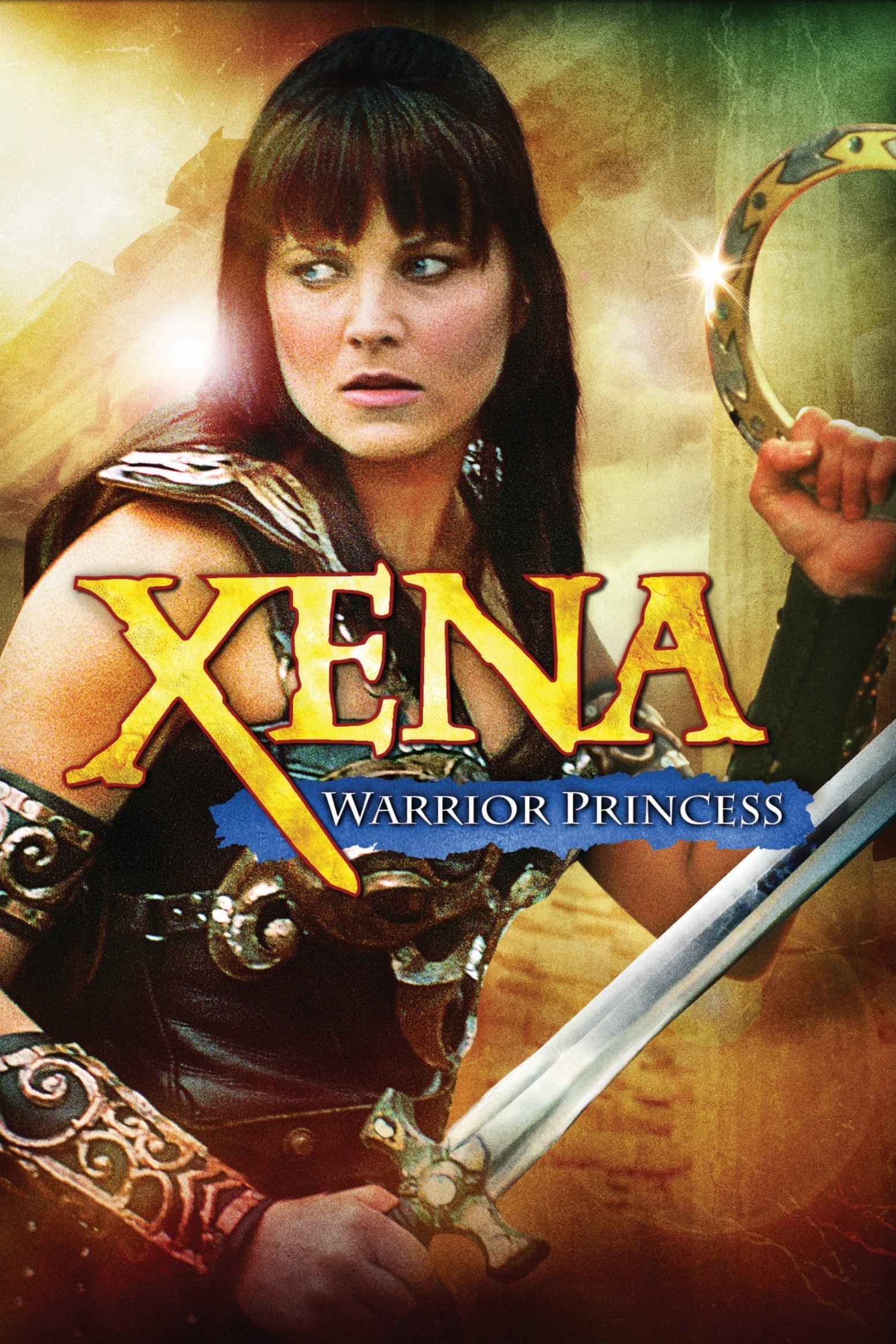
Following a reformed warlord on a path of atonement, this series mixed myth, folklore, and episodic quests. Lucy Lawless led a cast that balanced action sequences with character-driven subplots. The production employed stylized fight scenes, recurring antagonists, and serialized myth arcs. Its crossover episodes and shared characters tied it closely to ‘Hercules: The Legendary Journeys’.
‘JAG’ (1995–2005)
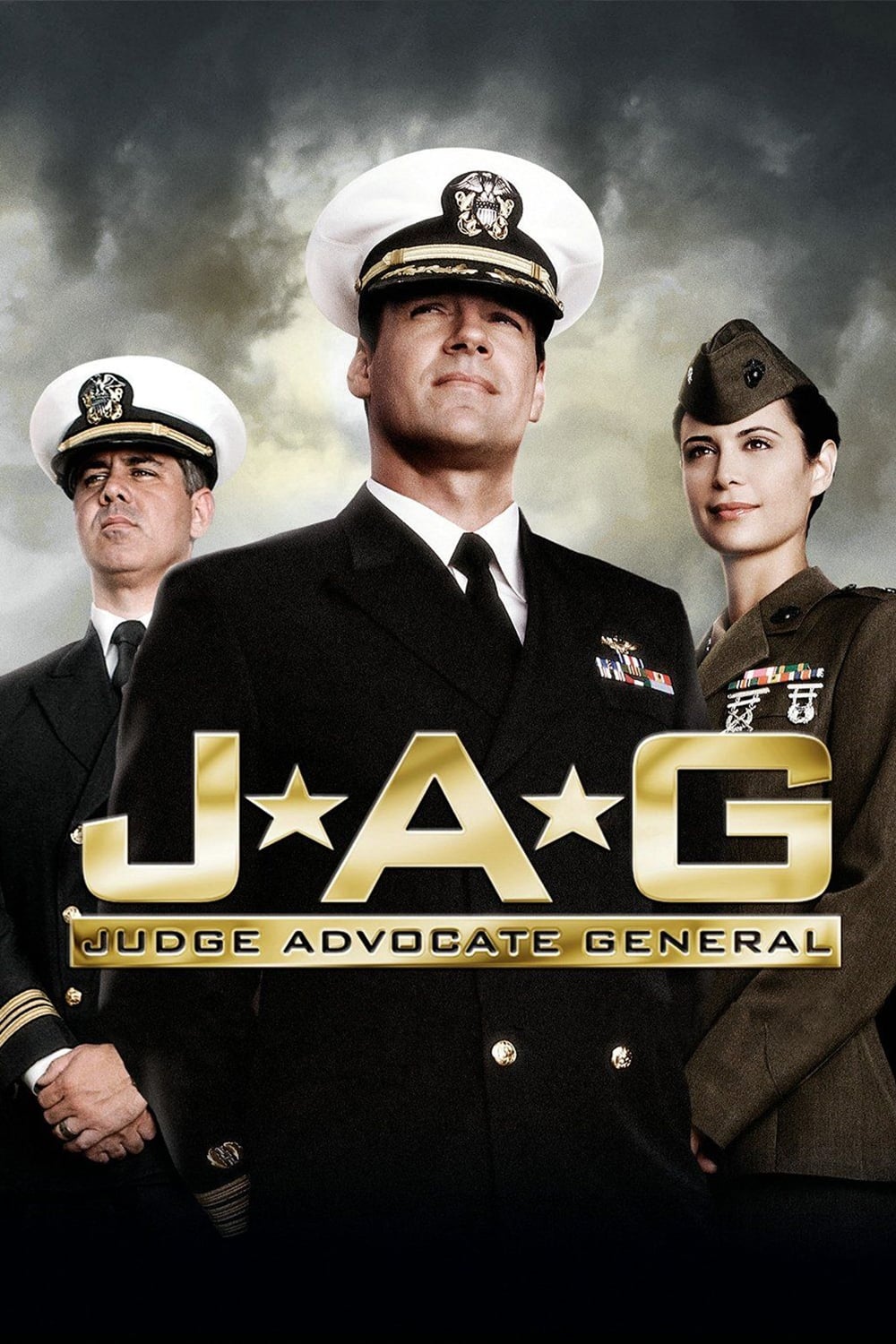
Focused on Navy and Marine Corps lawyers, this military-legal drama combined courtroom cases with investigative fieldwork. The series portrayed chain-of-command dynamics, rules of engagement, and jurisdictional challenges. Location shoots, shipboard footage, and aircraft sequences added authenticity to procedural plots. It later provided the framework and backdoor pilots that launched the ‘NCIS’ franchise.
‘Third Watch’ (1999–2005)
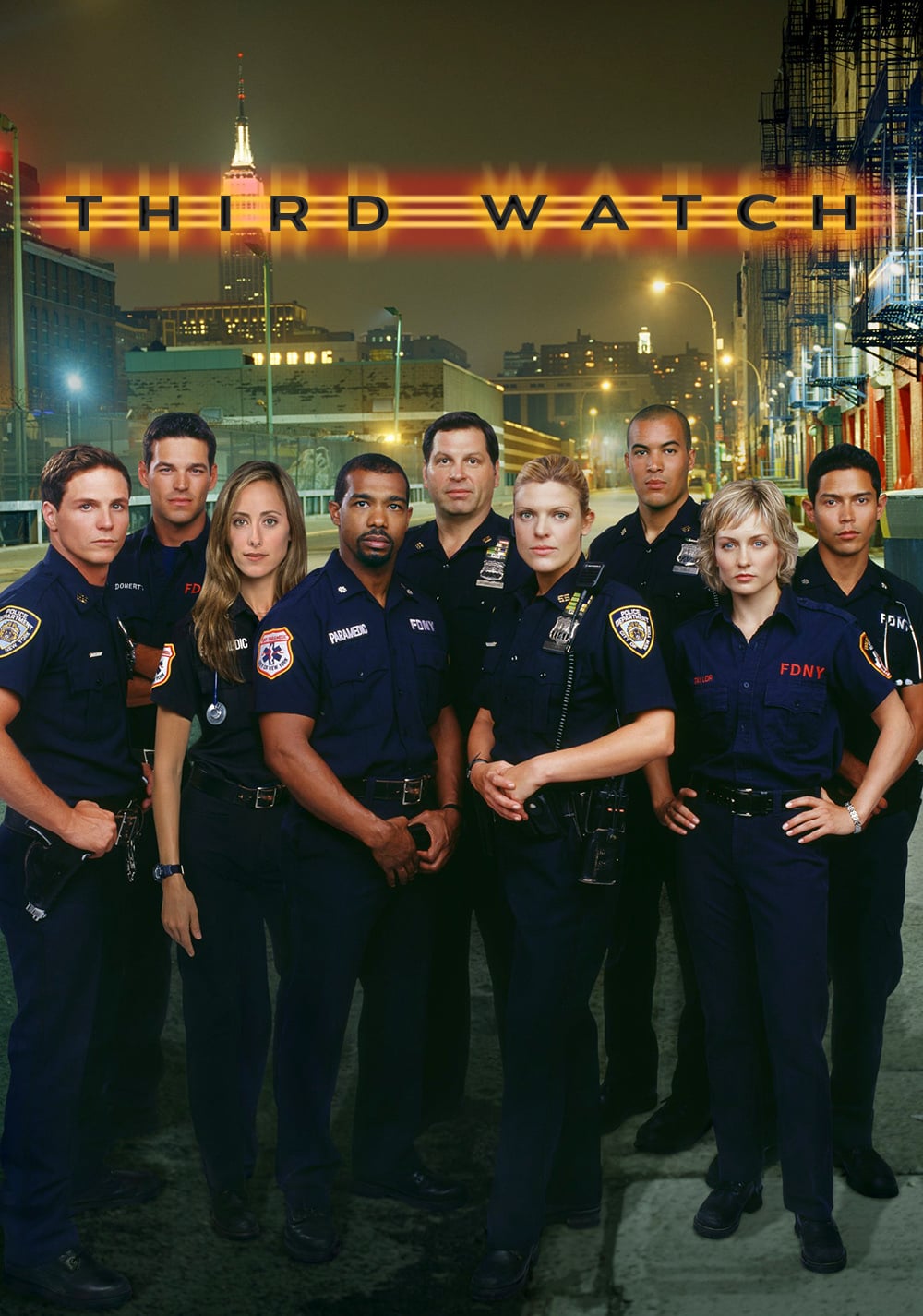
This ensemble drama followed New York first responders—police, firefighters, and paramedics—during a single shift window. Storylines interwove on-scene emergencies with station life and overlapping cases. Handheld camerawork and on-location filming contributed to a documentary-adjacent feel. The rotating focus allowed different departments to take the lead in individual episodes.
‘Once and Again’ (1999–2002)
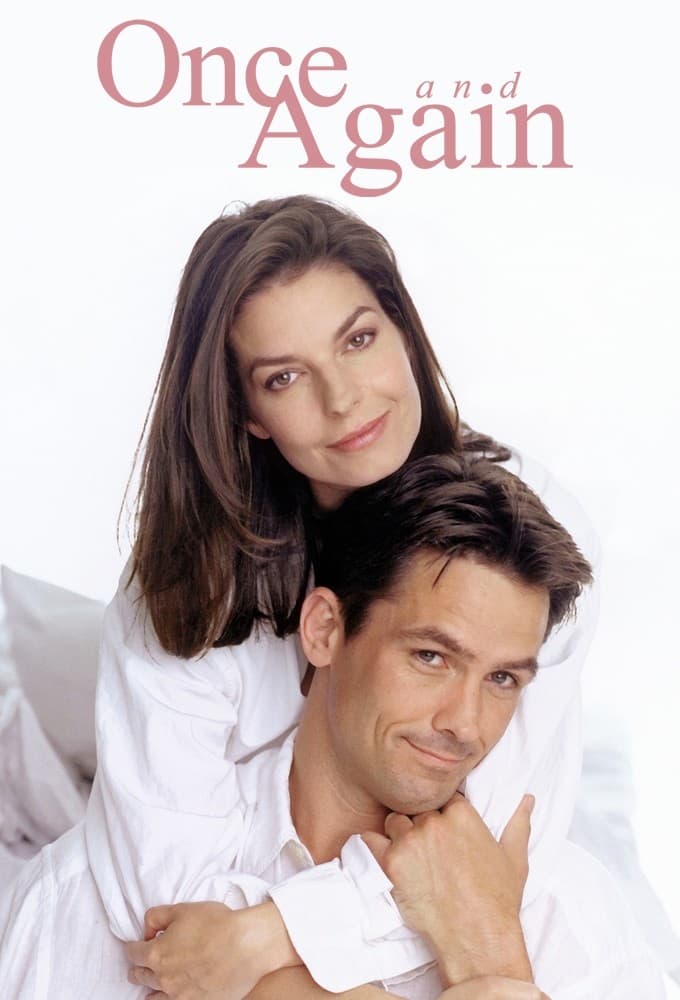
Created by Marshall Herskovitz and Edward Zwick, the series explored the relationship between two divorced parents and their blended families. It used close-up confessionals and intercut monologues to frame intimate subplots. School settings, co-parenting logistics, and extended family arcs supplied recurring conflicts. The show emphasized character psychology through dialog-heavy scenes.
‘My So-Called Life’ (1994–1995)
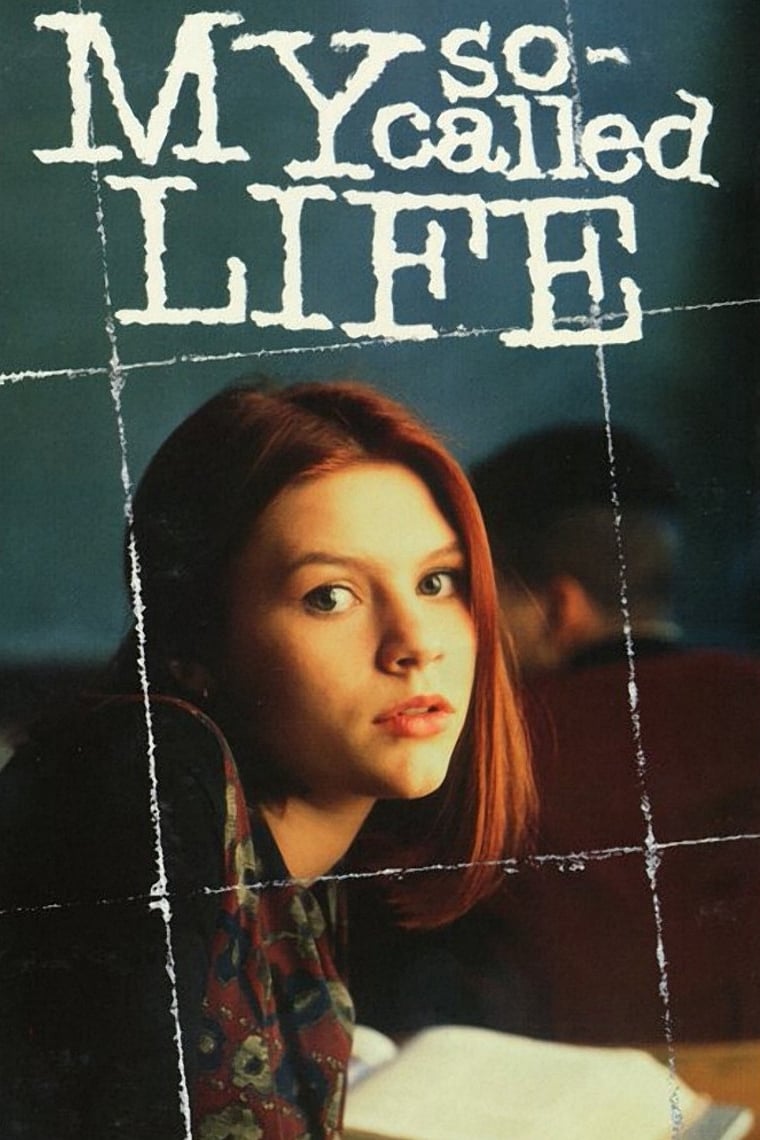
This teen drama followed Angela Chase as she navigated friendships, family tension, and school culture. The series portrayed everyday adolescent experiences through a voiceover perspective. It featured a supporting ensemble that included classmates, siblings, and parents with their own arcs. Despite a short run, it influenced later high-school–set dramas with its grounded tone.
‘Felicity’ (1998–2002)
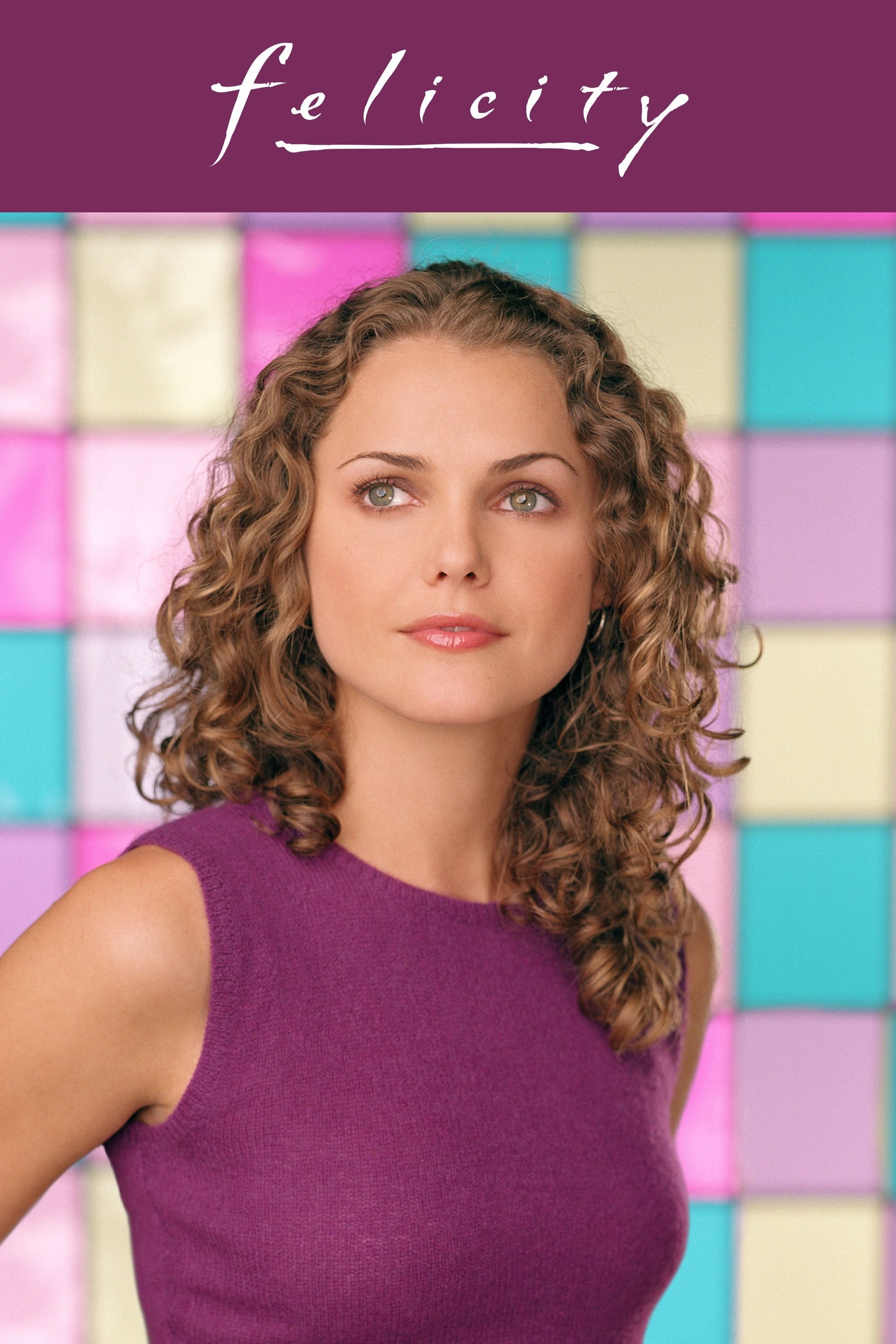
The show tracked a college student who moves cross-country to attend a New York university, documenting friendships, academics, and early adult decisions. Handheld cinematography and dorm settings grounded its campus atmosphere. Episodes frequently explored majors, internships, and roommate dynamics. The ensemble evolved as characters shifted housing, relationships, and career paths.
‘Ally McBeal’ (1997–2002)
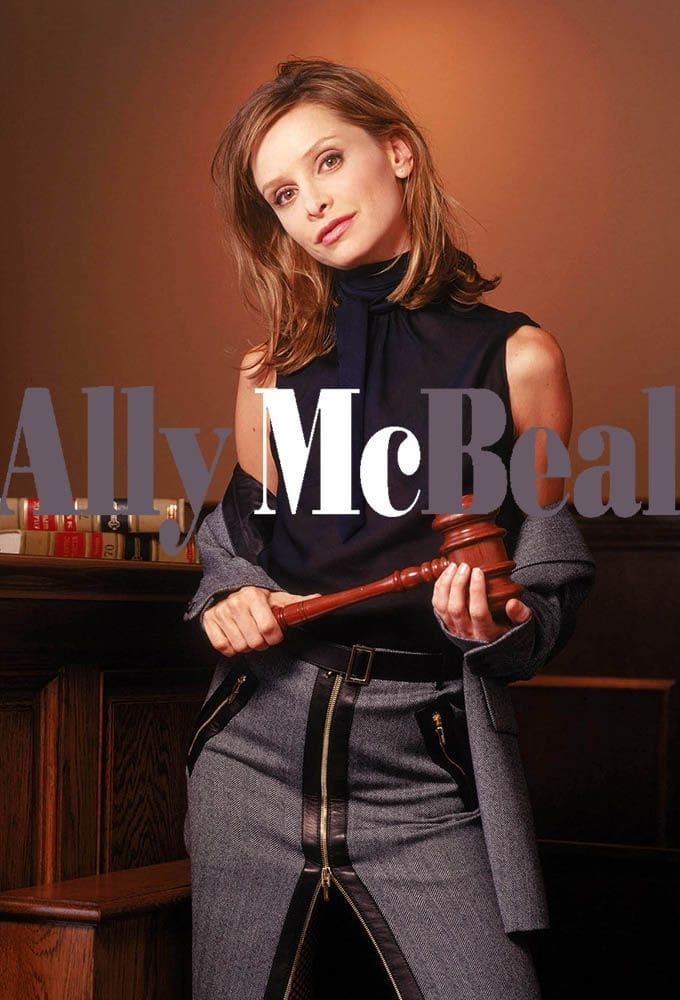
This legal dramedy centered on a young attorney at a Boston firm, blending courtroom cases with office relationships. Visual gags and stylized fantasy beats punctuated otherwise conventional legal plots. The ensemble format highlighted multiple attorneys with intersecting personal stories. Music curation and recurring club performances became a defining production element.
‘Northern Exposure’ (1990–1995)
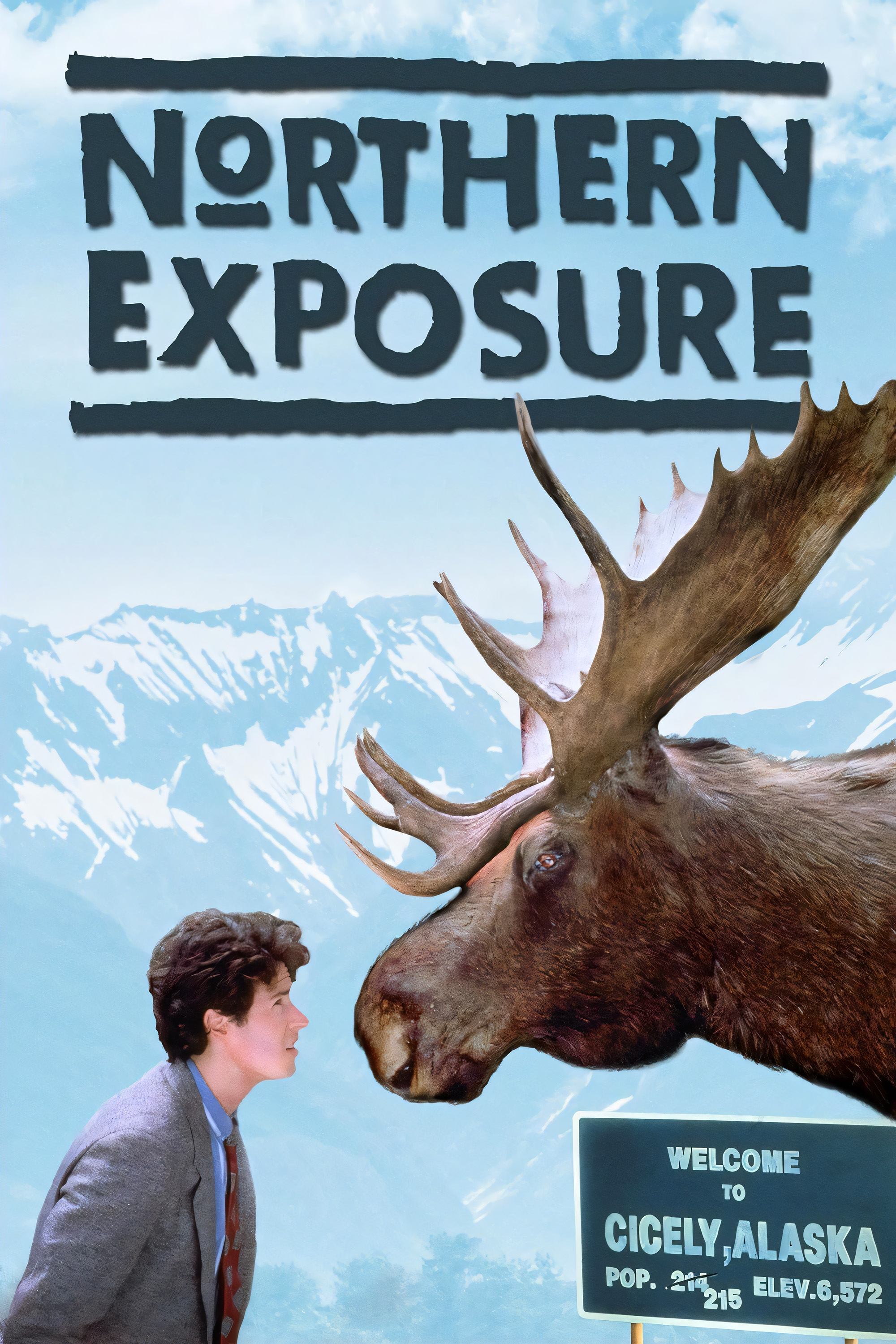
A New York–trained doctor relocates to a small Alaskan town and adapts to its eccentric residents. The series mixed fish-out-of-water comedy with reflective, character-led subplots. It showcased regional culture, local radio segments, and community events as recurring motifs. The production leaned on location aesthetics to establish its distinct setting.
‘Twin Peaks’ (1990–1991)
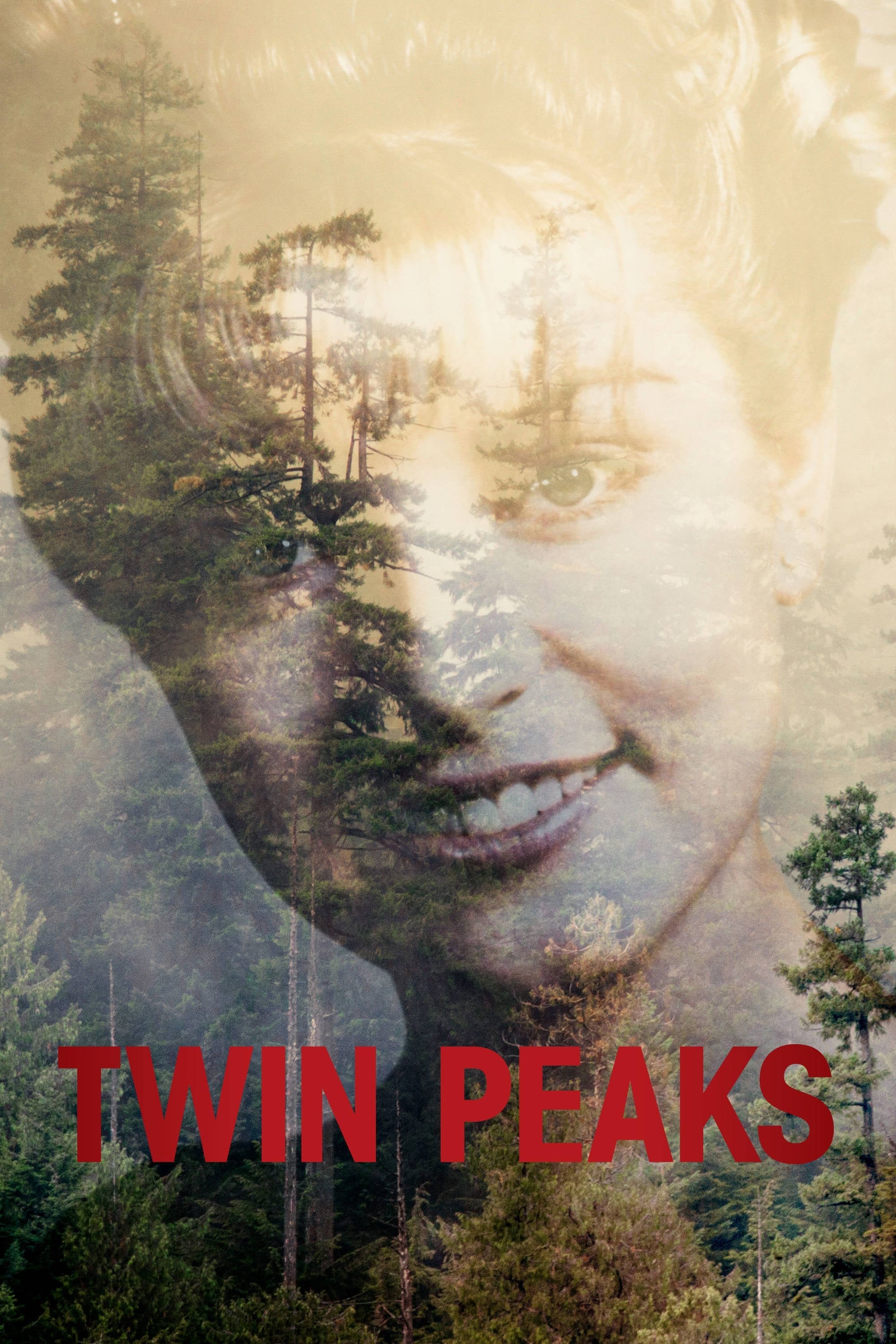
Set in a logging town, this mystery drama investigated the death of a homecoming queen while uncovering hidden community ties. Federal and local law-enforcement collaboration framed the casework. Surreal interludes and recurring motifs accompanied conventional detective procedures. The narrative expanded into parallel storylines involving business conflicts, family secrets, and lodge mythology.
‘ER’ (1994–2009)
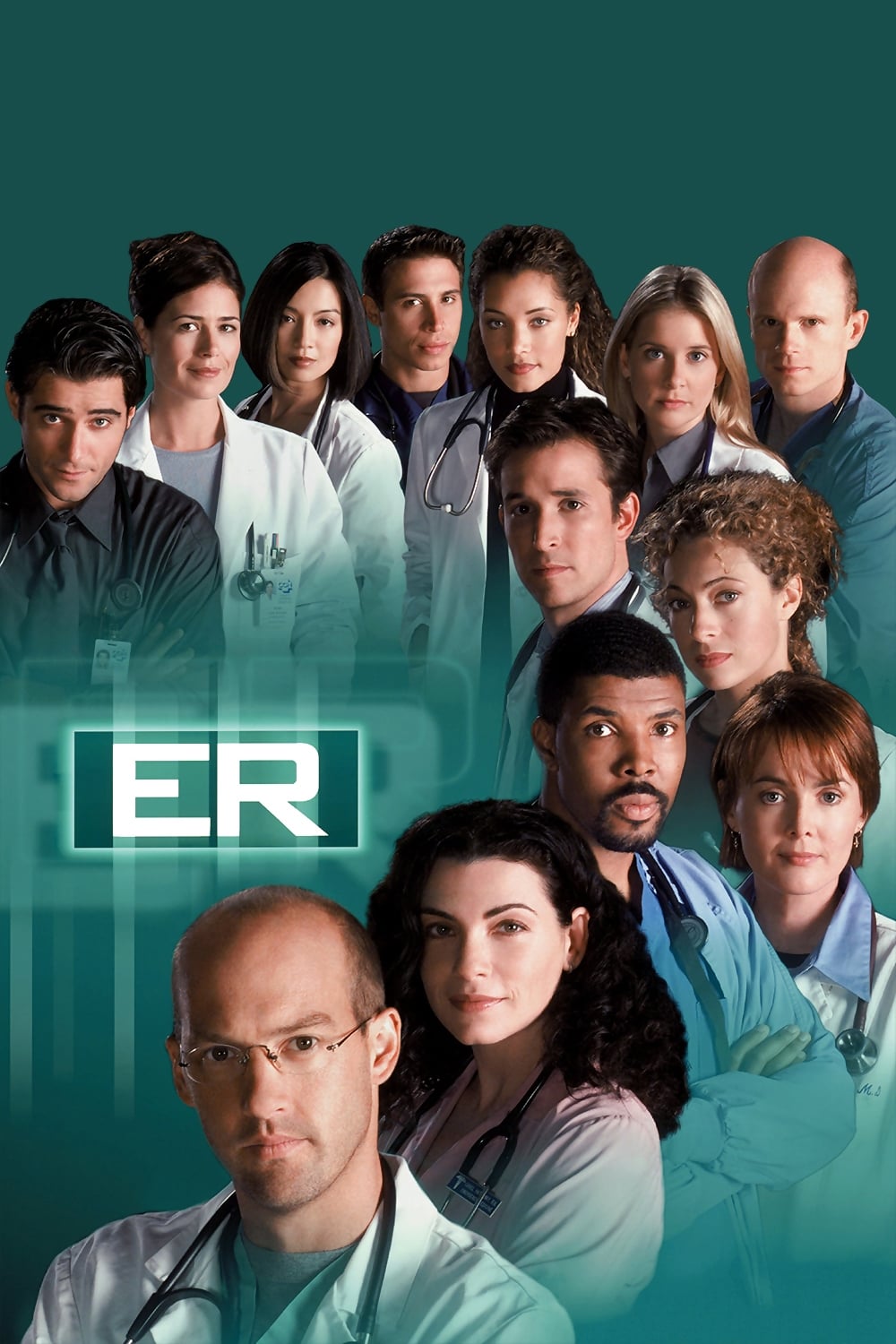
This hospital drama depicted emergency department staff handling trauma cases, teaching responsibilities, and administrative pressures. Real-time triage, multi-room tracking shots, and medical terminology contributed to its immersive style. A large ensemble rotated through fellowships, residencies, and leadership roles. The show integrated topical public-health issues alongside patient-of-the-week stories.
‘Early Edition’ (1996–2000)
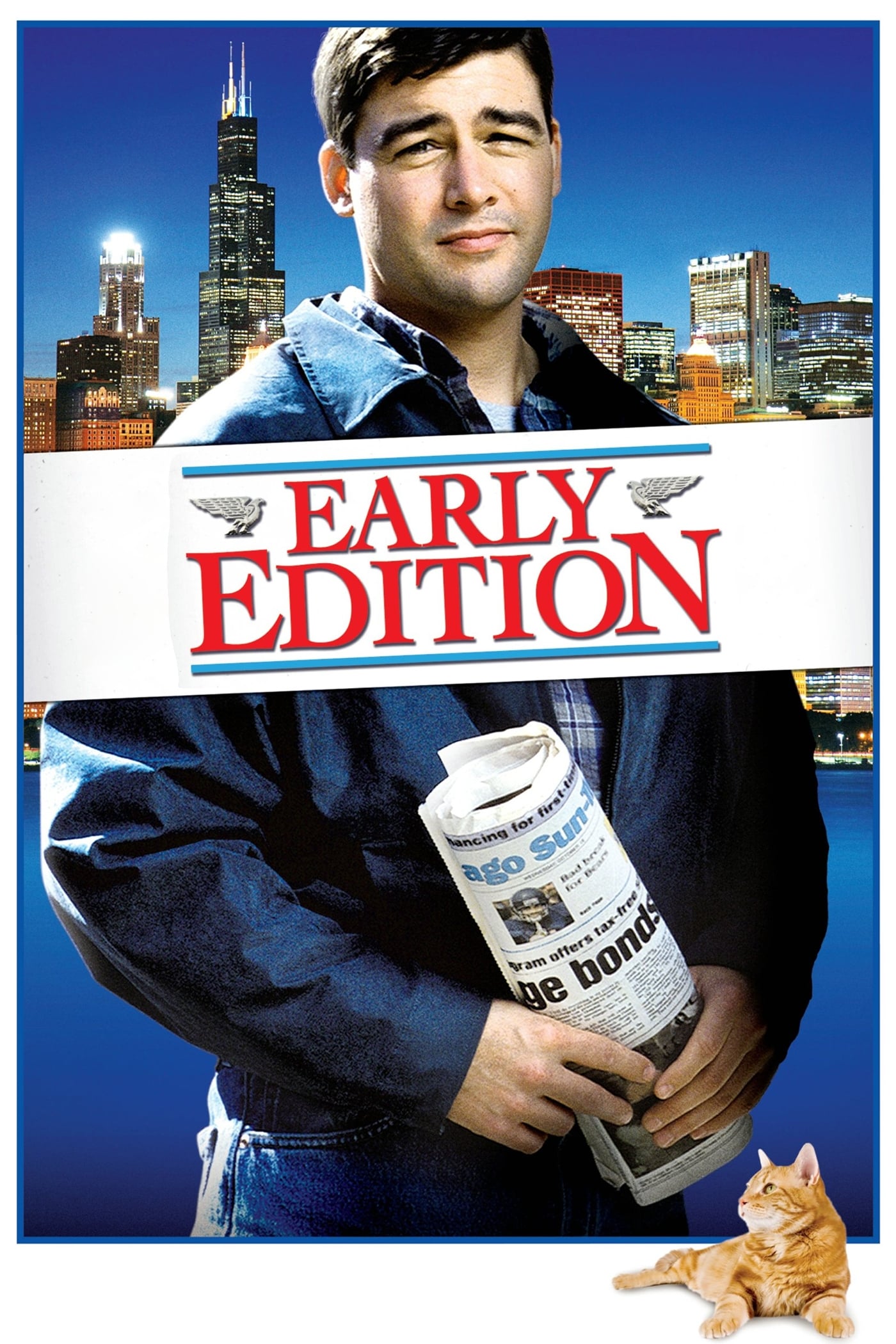
A Chicago resident mysteriously receives a newspaper that predicts events a day ahead, prompting interventions to avert tragedies. Episodes combined investigative legwork with moral decision-making about which stories to change. Supporting characters assisted with tips, logistics, and occasional newsroom access. City locations and recurring local fixtures anchored its procedural structure.
Share your picks in the comments and tell us which ’90s dramas you think belong on this list and why.

