


20 Infamous TV Shows That Don’t Deserve the Hate They Got



Some TV shows are remembered for all the wrong reasons. They might have a bad reputation due to a terrible final season or an ending that fans disliked. Other times, a show gets a lot of hate from the moment it airs. People might not like the characters, the story, or the general idea of the show. This can lead to a show being called “infamous” or “hated” by many viewers and critics online. These labels can stick, making it hard for others to give the show a fair chance.
But sometimes, this bad reputation isn’t the whole story. A show hated for its ending might have years of great episodes that are forgotten. A series criticized for its characters might actually be making a smart point about people. When we look past the common complaints, we can find good things in these “hated” shows. They might be more clever or enjoyable than their reputation suggests. It is worth taking a second look at these shows to see what we might have missed.
The Newsroom (2012)

The Newsroom received criticism for its writing. People said the dialogue was preachy and unrealistic for a fast-paced news environment. The show’s creator, Aaron Sorkin, was also accused of being arrogant in how he presented his view of the news. Some critics felt the show lectured its audience instead of telling a story.
However, the show also had many strengths. The acting was excellent, with a strong cast that delivered powerful performances. The series tackled important real-world news stories from a unique and thought-provoking perspective. It aimed to show an idealized version of a news organization dedicated to truth, which many viewers found inspiring.
Girls (2012)

Many viewers disliked the characters in Girls, finding them to be privileged and self-absorbed. The show, created by Lena Dunham, was criticized for its focus on a narrow group of young women living in New York City. The frequent nudity and awkward situations also made some viewers uncomfortable.
Despite the criticism, Girls was praised for its honest and realistic portrayal of a certain kind of millennial experience. It didn’t try to make its characters perfect or likable, which was a bold choice. The show captured the messy and confusing parts of growing up, and many people found it relatable and funny for that reason.
Two and a Half Men (2003)
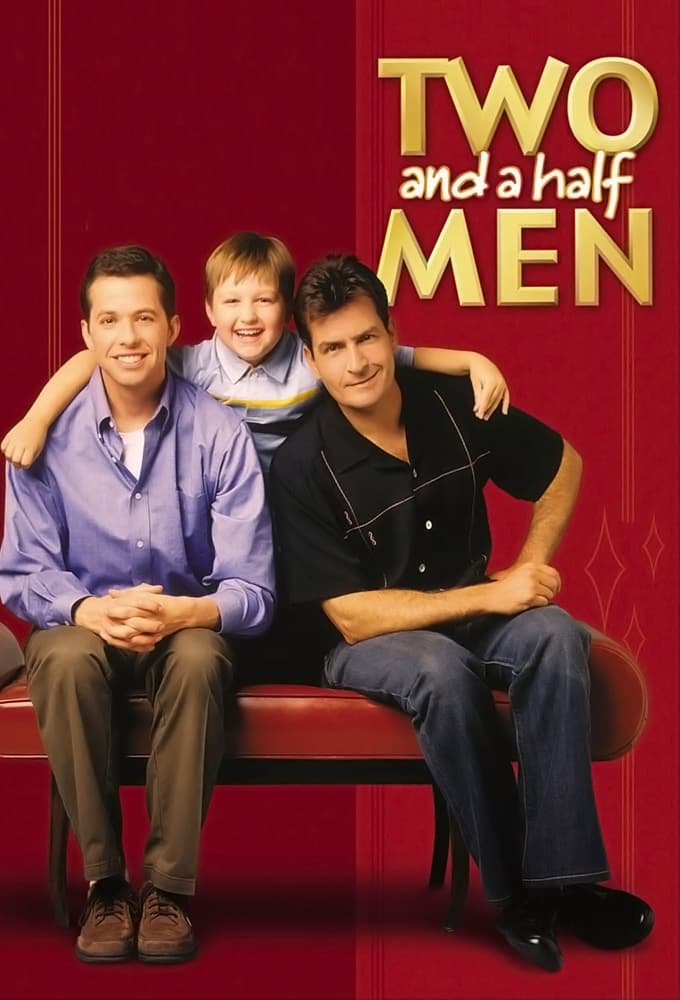
Two and a Half Men was a huge hit but was often called a bad sitcom. Critics said the jokes were simple and often offensive. The show relied on easy stereotypes and a laugh track, which many people found annoying. Its humor was seen as low-quality and not very clever.
Even so, the show was incredibly popular for a reason. The comedic timing of its actors, especially Jon Cryer and Charlie Sheen in the early seasons, was very effective. The simple jokes and predictable stories made it an easy and comforting show for millions of people to watch each week. It delivered exactly what its audience wanted: simple, brainless fun.
Velma (2023)
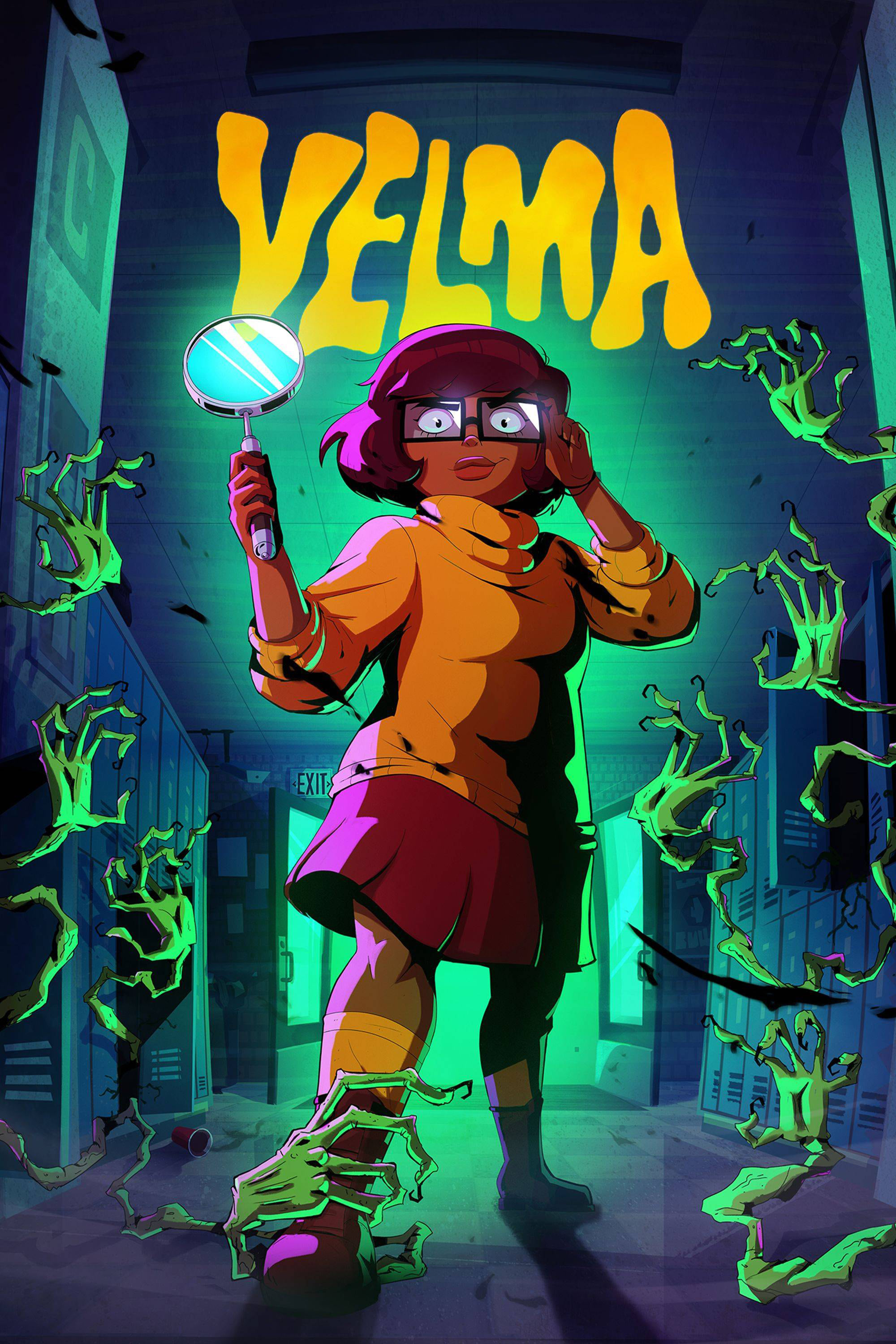
The animated series Velma was met with a massive amount of hate from audiences upon its release. Much of the criticism was aimed at its reimagining of the classic Scooby-Doo characters and its adult-oriented, meta-humor. Many longtime fans of the franchise felt the show was disrespectful to the source material and found the main character, Velma, to be unlikable.
On the other hand, the show tried to do something new with a very old property. It aimed to offer a different, more adult take on the Mystery Inc. gang, with a diverse cast and a self-aware style of comedy. While it may not have worked for everyone, it was a creative swing that attempted to update familiar characters for a new audience, and some viewers appreciated its edgy and unconventional humor.
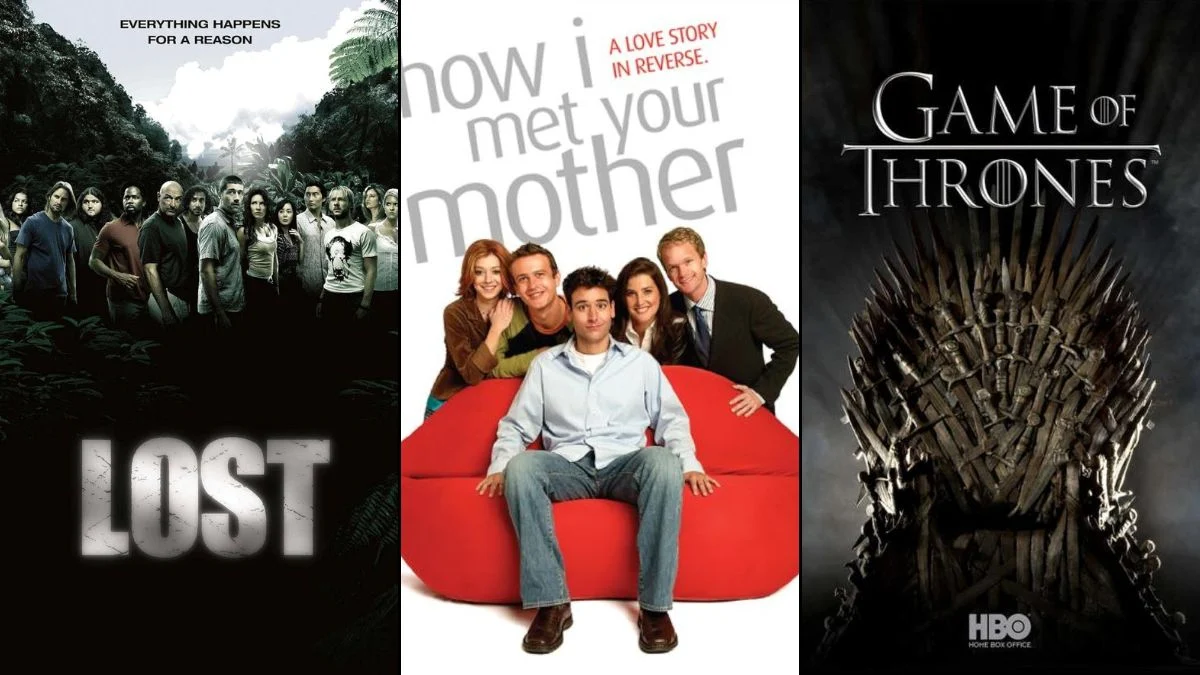
Lost (2004)
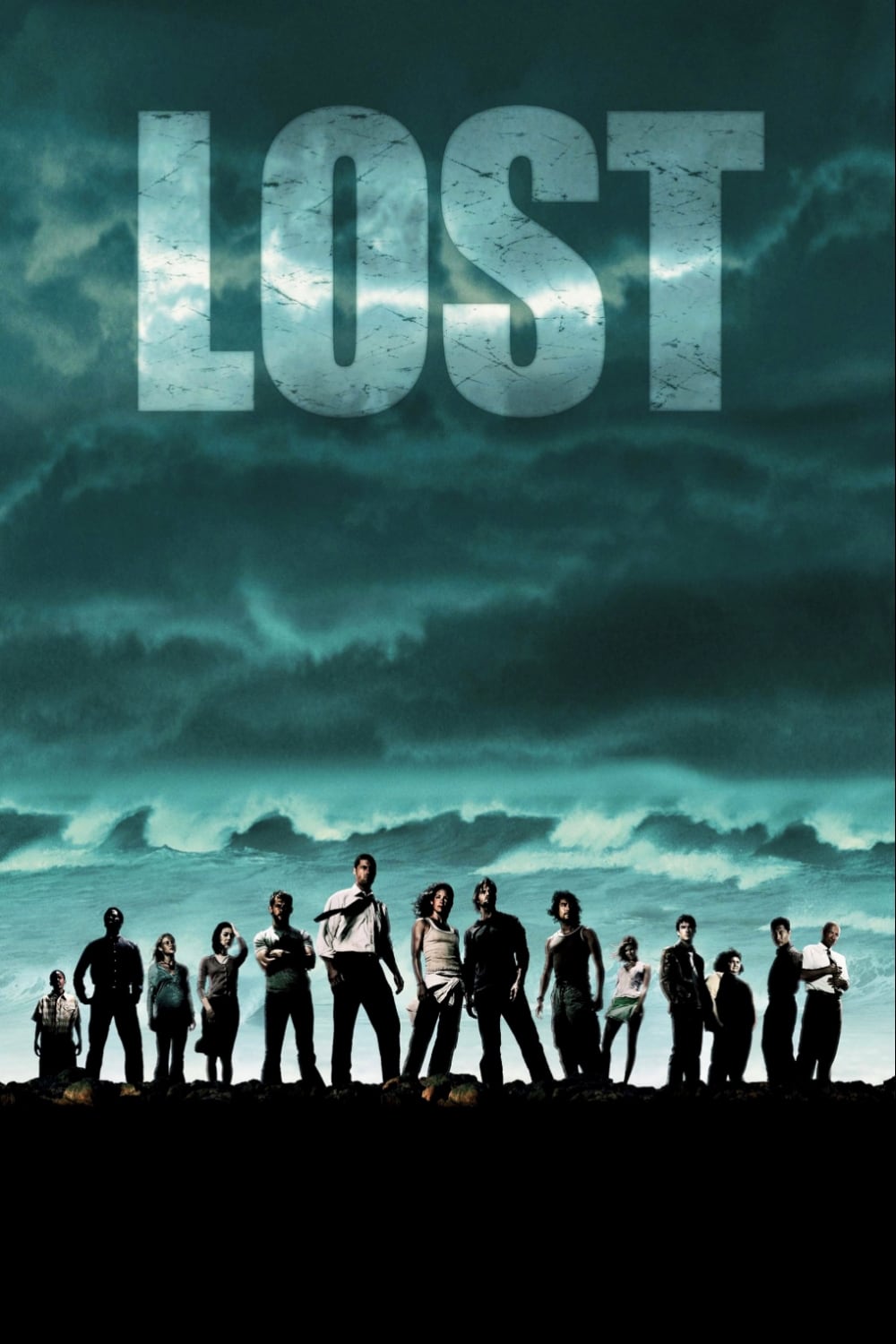
Lost was one of the most popular and talked-about shows of its time, but its ending is now famous for being hated. Many fans felt that the finale did not answer the biggest mysteries of the island. They were left feeling confused and unsatisfied after six seasons of complex storytelling. The final twist was seen as a letdown by a large portion of the audience.
But the journey of Lost was filled with incredible moments that are often overlooked because of the ending. The show had amazing character development, with a large and diverse cast of survivors. It was a master of suspense, creating thrilling cliffhangers that kept viewers hooked. The early and middle seasons are still considered some of the best television ever made, full of mystery and adventure.
Game of Thrones (2011)
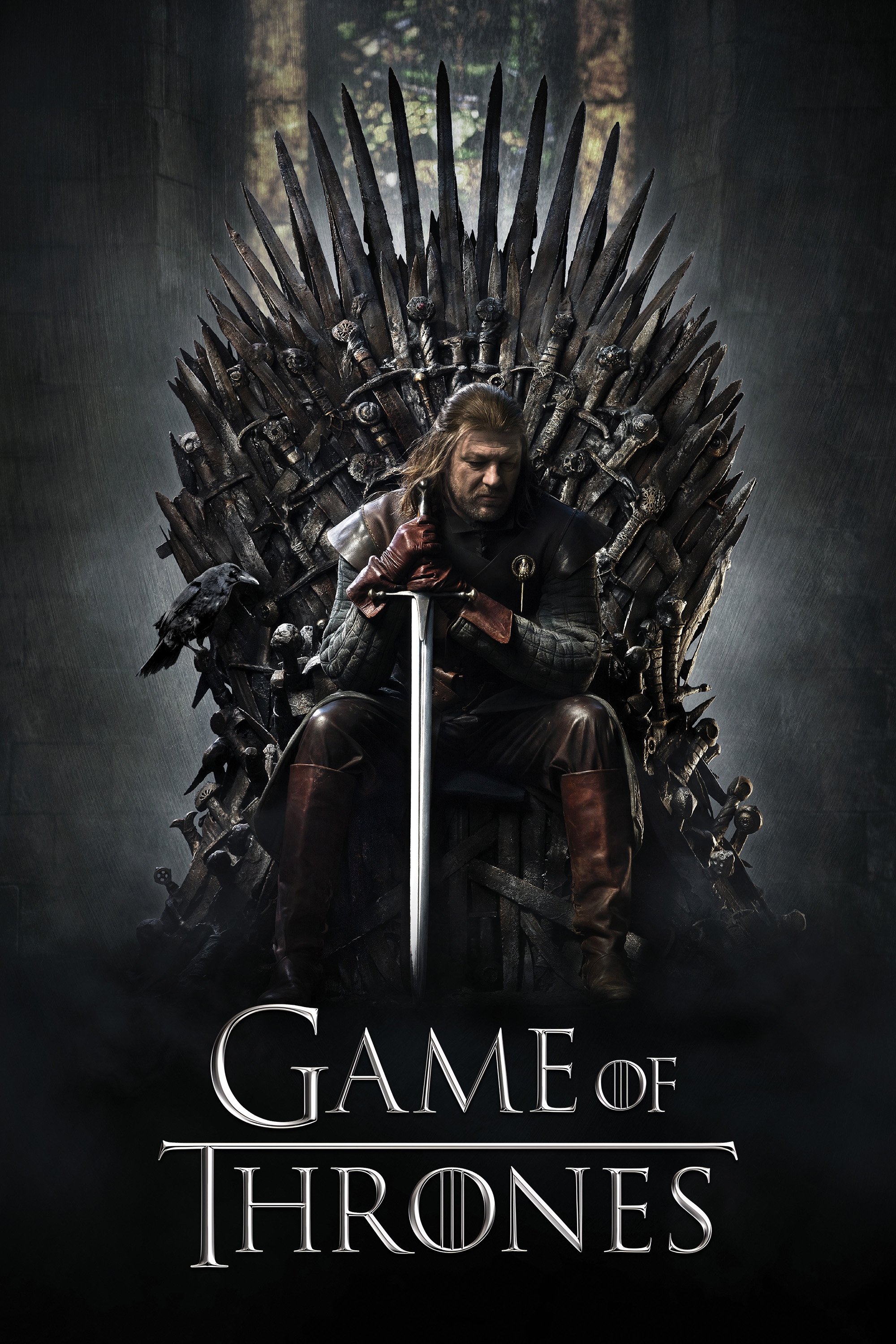
For most of its run, Game of Thrones was a cultural phenomenon and one of the most acclaimed shows on television. However, the final season was heavily criticized by fans and critics alike. Many felt the story was rushed, and that character arcs that had been built up for years were ruined. The ending left a large part of its dedicated fanbase feeling angry and disappointed.
While the ending was divisive, it’s important to remember the incredible quality of the show’s earlier seasons. Game of Thrones delivered stunning visuals, complex political intrigue, and unforgettable characters for seven seasons. It was a massive production with incredible acting and directing. The show’s impact on television is undeniable, and its best moments remain iconic.
Seinfeld (1989)
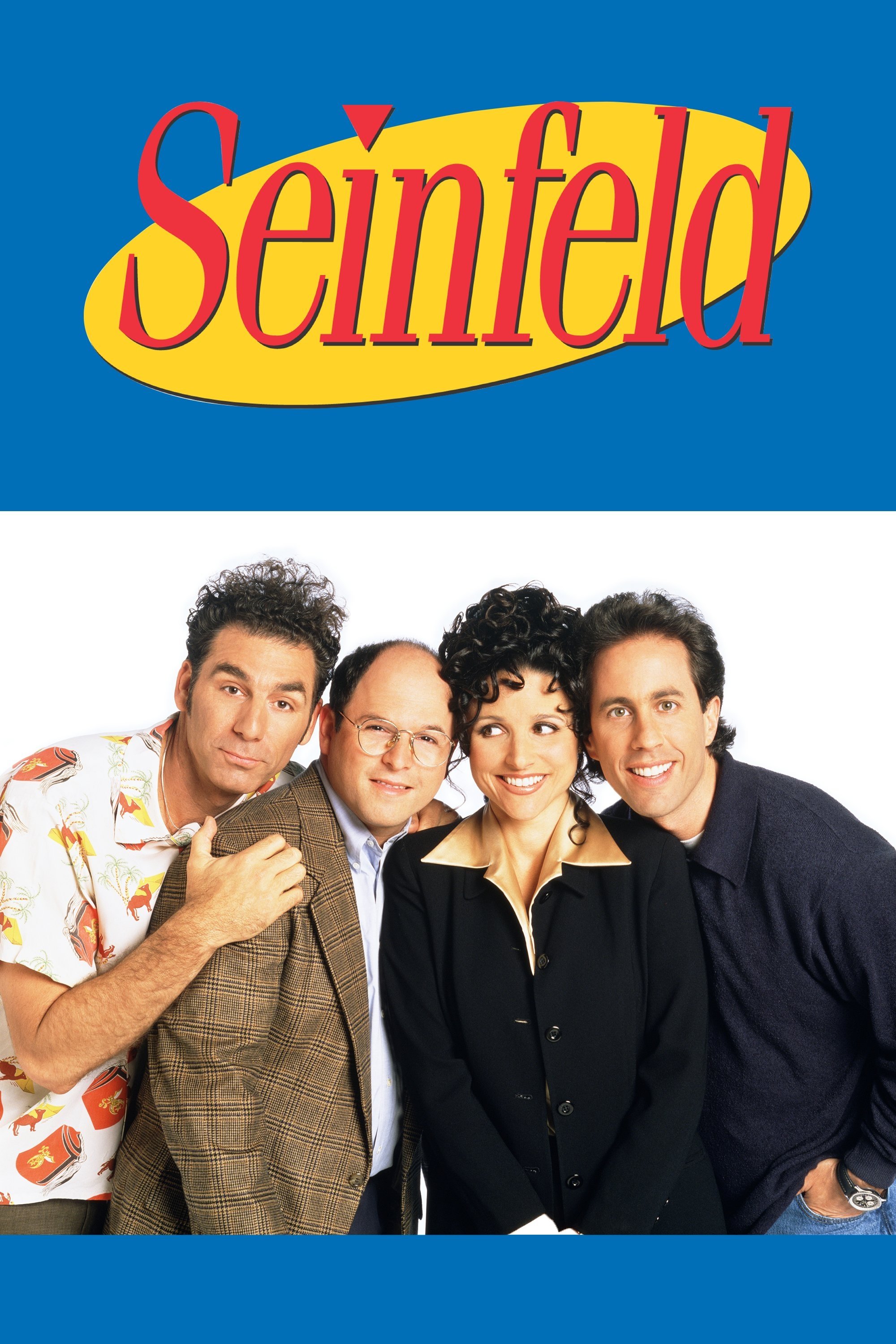
The finale of Seinfeld is one of the most debated in TV history. After years of being a beloved show about nothing, the final episode put the four main characters on trial for their selfishness. Many viewers were shocked and unhappy to see their favorite characters punished and sent to jail. It felt like a mean-spirited ending for a show that had brought so much laughter.
However, the finale was arguably true to the show’s core idea. Jerry, George, Elaine, and Kramer were never meant to be good people. The series often showed them at their worst, and the finale was the ultimate punchline to that long-running joke. It was a bold and unconventional ending for a show that always broke the rules of traditional sitcoms.
The Office (U.S.) (2005)
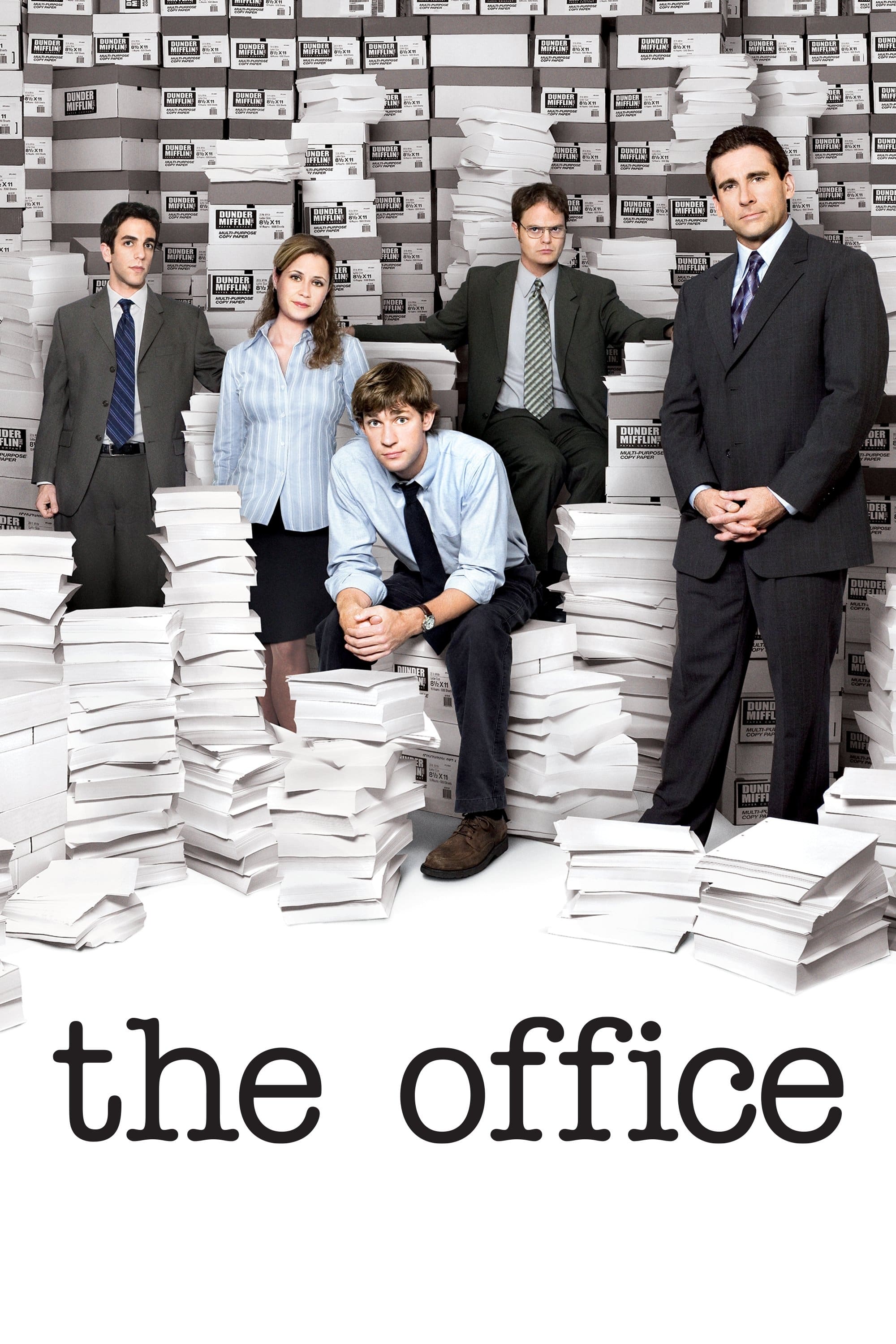
The American version of The Office is a much-loved sitcom, but many fans agree that its quality declined in the later seasons. After Steve Carell, who played Michael Scott, left the show in season seven, many viewers felt the show lost its heart. The storylines in seasons eight and nine were often criticized for being weak and for mishandling some of the characters.
Despite the weaker final seasons, the show still had a lot to offer. The ensemble cast remained one of the best in sitcom history, and there were still plenty of funny moments and heartwarming scenes. The final season also managed to provide a satisfying and emotional conclusion for most of its beloved characters, which was a difficult task after so many years on the air.
Glee (2009)
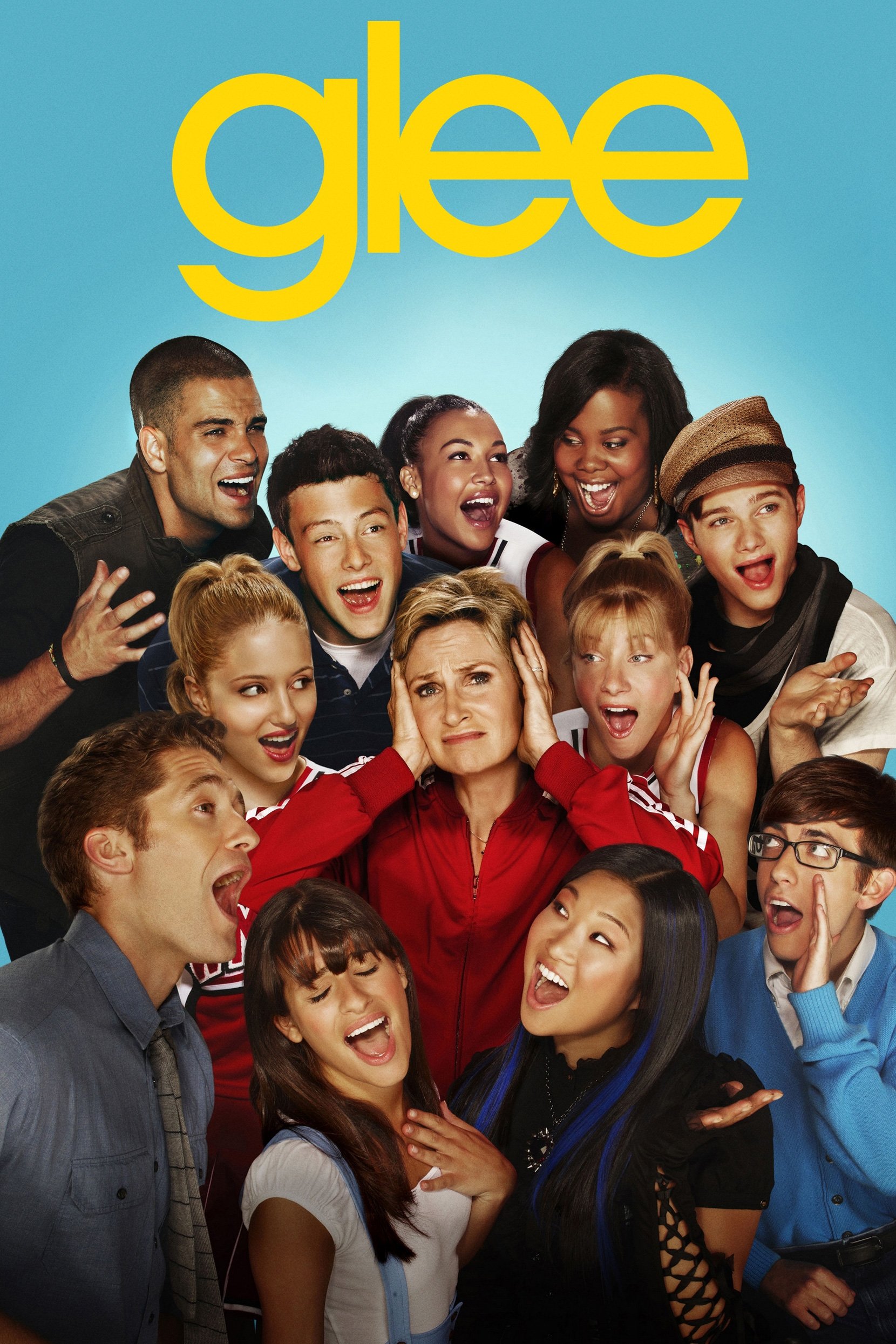
Glee was a huge hit when it first aired, but it quickly developed a reputation for its messy and often ridiculous storylines. The show was criticized for its inconsistent characters, preachy messages, and sometimes cringeworthy musical numbers. As the series went on, the plots became more and more unbelievable, and many early fans tuned out.
However, Glee was also a groundbreaking show in many ways. It featured a diverse cast and tackled important issues like sexuality and bullying at a time when many other shows did not. For many young viewers, it was a source of inspiration and comfort. The musical performances were often spectacular, and the show’s message of embracing your differences resonated with a large audience.
How I Met Your Mother (2005)
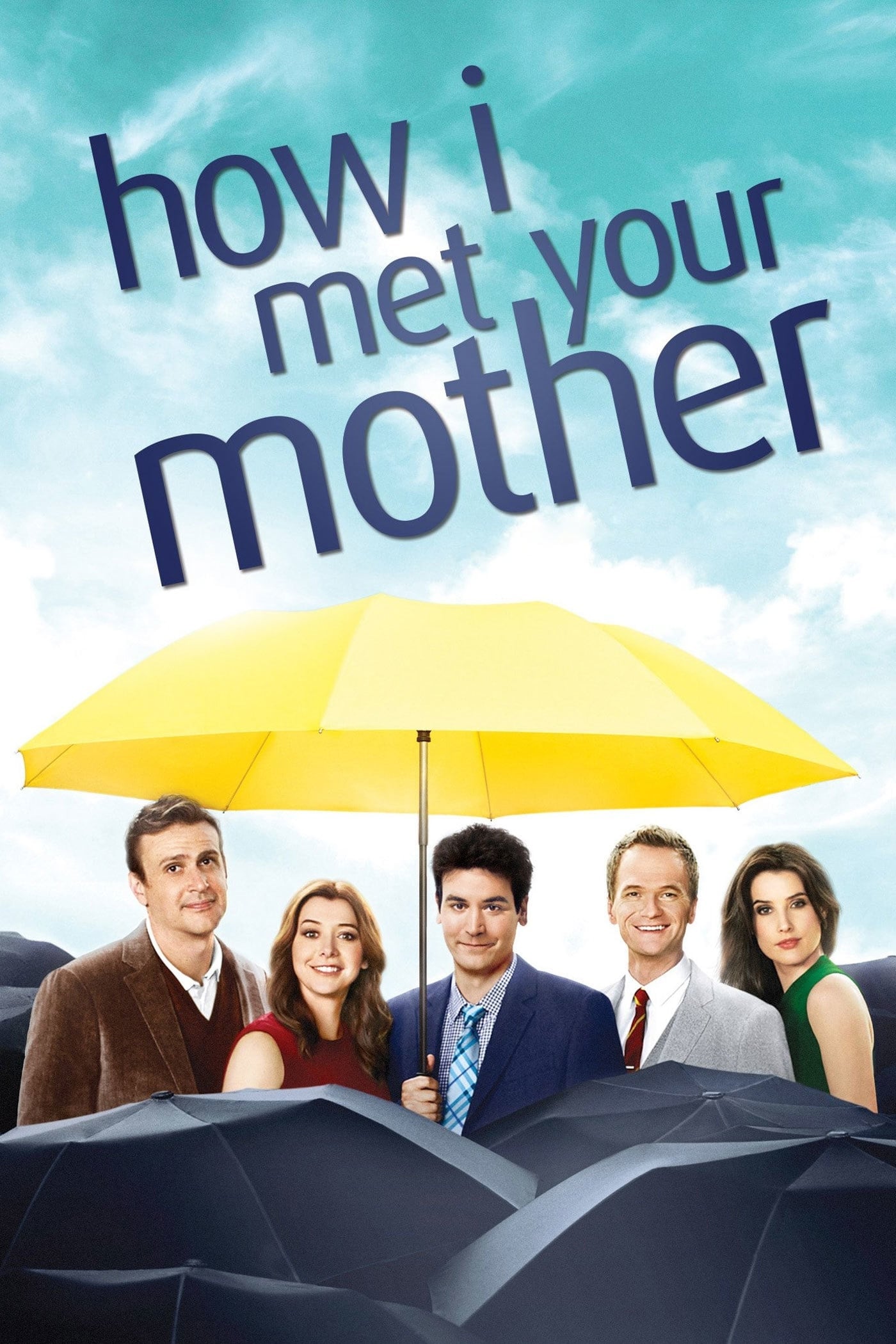
Similar to Lost and Game of Thrones, the finale of How I Met Your Mother is widely considered one of the worst in television history. After nine seasons of Ted telling his children the story of how he met their mother, the show revealed the mother only to kill her off and have Ted end up with Robin. Fans who had invested in the central love story for years felt betrayed and deeply disappointed.
While the ending soured the show for many, the journey to get there was filled with great comedy and heartwarming moments. For most of its run, How I Met Your Mother was a funny and clever sitcom with a unique structure. The friendship between the five main characters was the true heart of the show, and it produced many memorable running gags and emotional scenes that are worth remembering.
Star Trek: Enterprise (2001)
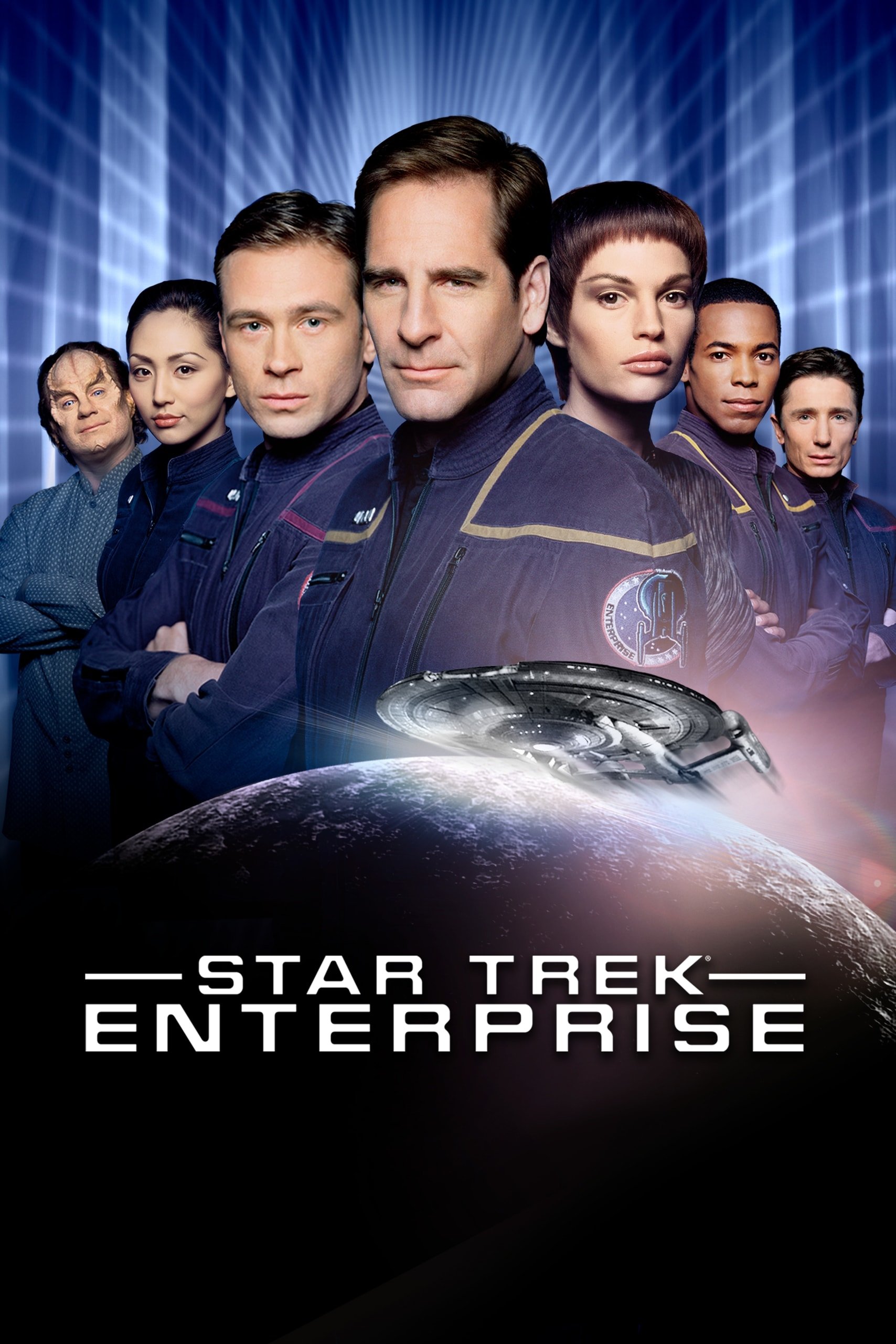
When Star Trek: Enterprise first aired, it was met with resistance from many longtime Star Trek fans. It was a prequel set before the original series, and some viewers disliked the changes it made to the franchise’s established history. The theme song was also a point of contention, as it was a pop song rather than a traditional orchestral score. The show was ultimately canceled after four seasons.
However, many now consider Enterprise to be an underrated gem. The show found its footing in its third and fourth seasons, with compelling serialized storylines that explored the origins of the Federation. It featured a strong cast and took a grittier, more grounded approach to the Star Trek universe. Many fans who have rediscovered the show believe it was canceled just as it was hitting its creative peak.
The Simpsons (later seasons)
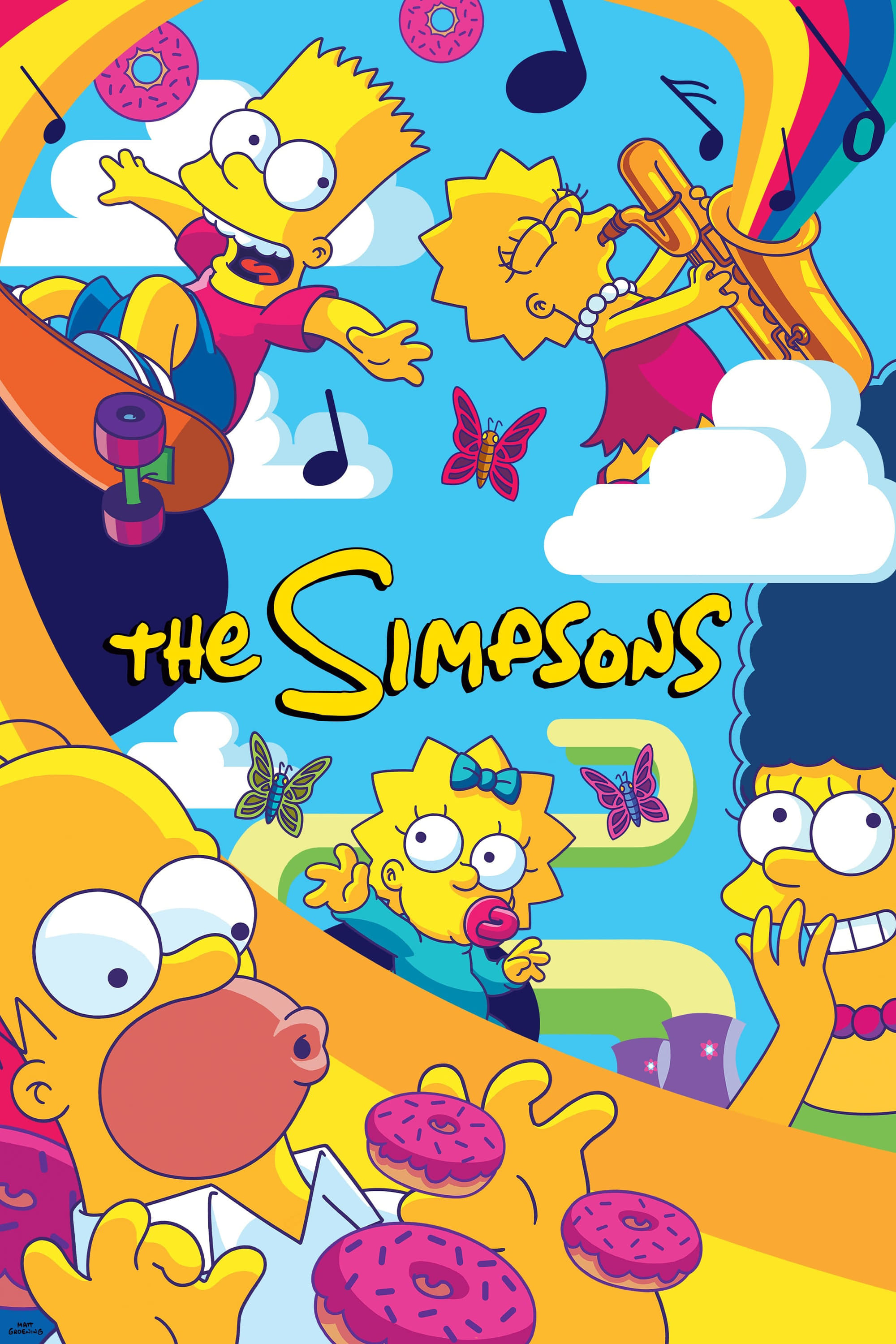
The Simpsons is one of the most iconic and beloved TV shows of all time, but it’s a common opinion that the show has been in decline for decades. Many fans, often referred to as “zombie Simpsons” critics, argue that the humor and heart of the show’s golden age (roughly seasons 2-9) are gone. They criticize the newer episodes for their less clever jokes and changes to the characters’ personalities.
While it may not reach the heights of its early years, The Simpsons in its later seasons still produces enjoyable television. The show continues to satirize current events and pop culture with a veteran voice cast that remains excellent. Even if not every episode is a classic, there are still clever gags and genuinely funny moments to be found, proving the show isn’t completely out of ideas after more than 30 years on the air.
True Blood (2008)

Based on a popular book series, True Blood started as a hot and exciting show about vampires in Louisiana. However, as the series progressed, the storylines became increasingly complicated and absurd. The show introduced countless supernatural creatures, and the plot became a tangled mess that many viewers found difficult to follow or care about.
Despite its later-season chaos, the early years of True Blood were a lot of fun. The show had a unique Southern Gothic atmosphere and was a steamy, over-the-top soap opera that didn’t take itself too seriously. The central romance and the initial mysteries were compelling, and it offered a thrilling and entertaining escape for its audience.
Gossip Girl (2007)
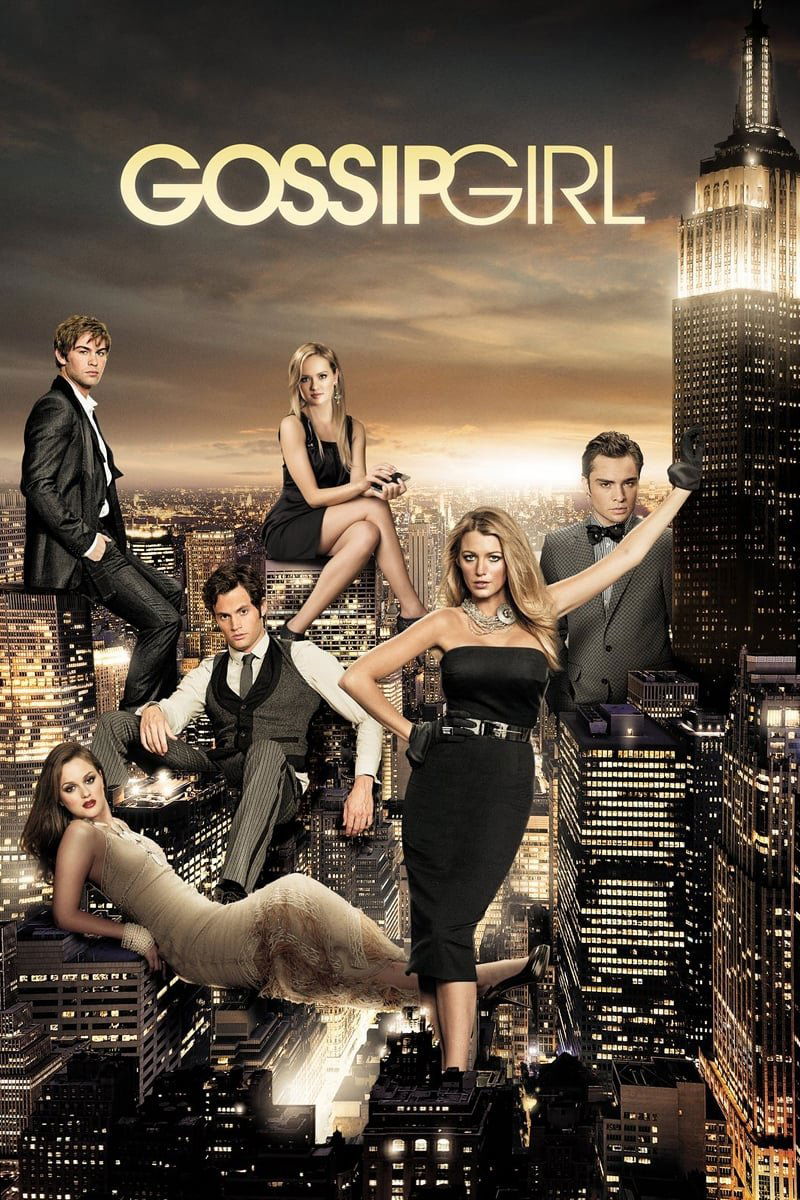
Gossip Girl was often dismissed as a silly teen drama with unrealistic plots and spoiled, unlikable characters. Critics pointed to the often ridiculous twists and the show’s focus on the scandalous lives of wealthy teenagers in New York City. The final reveal of Gossip Girl’s identity was also widely criticized for not making much sense.
But the show was a cultural touchstone for a reason. It was a stylish and highly entertaining escape, with fashion that influenced a generation. The “so bad it’s good” quality of the drama made it addictive to watch, and the sharp, witty dialogue kept viewers coming back. It perfectly captured a specific time and place and remains a fun, nostalgic watch.
Smallville (2001)
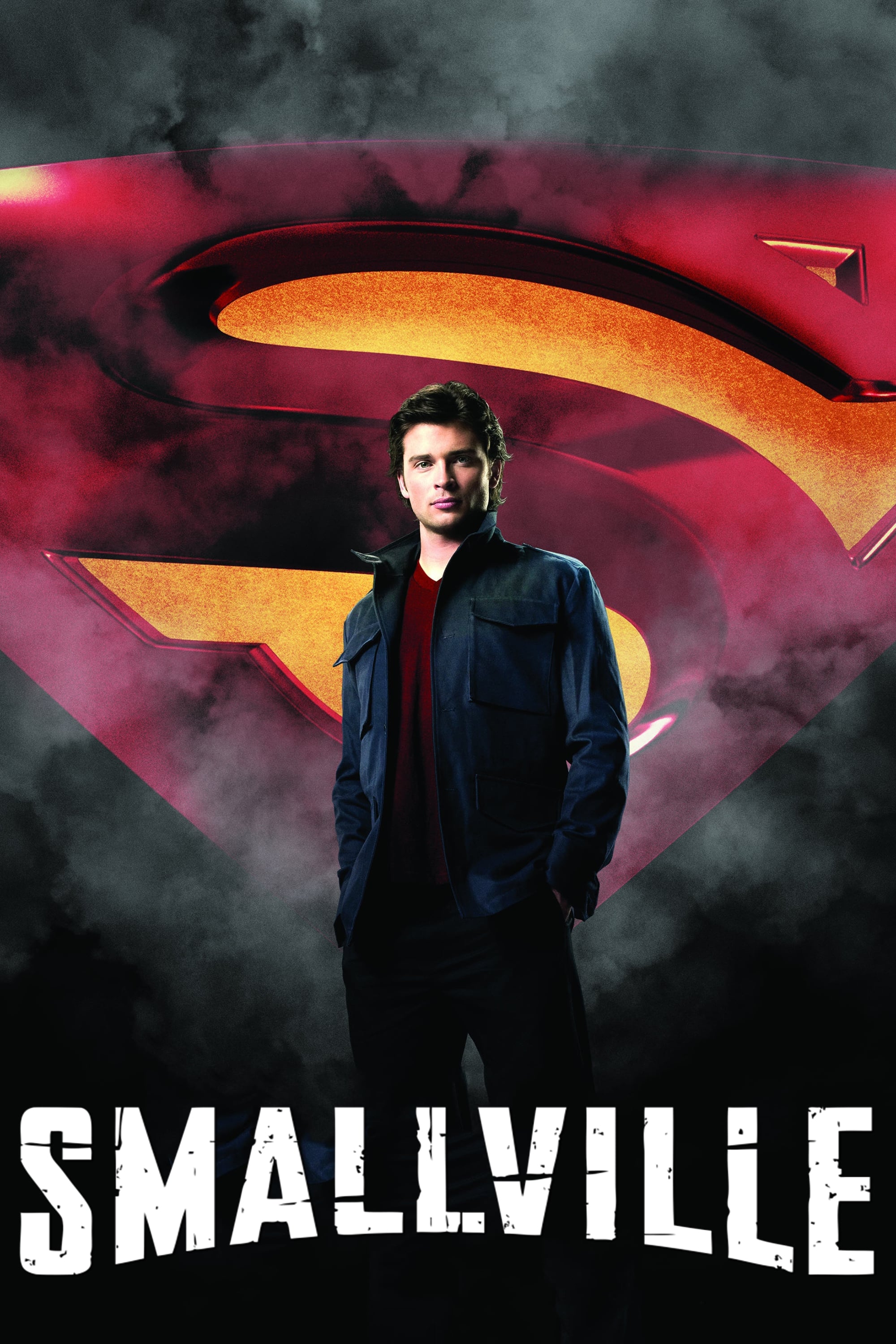
Smallville ran for ten seasons, telling the story of a young Clark Kent before he became Superman. The show was often criticized for its repetitive “freak of the week” formula in the early seasons and for dragging out its “no tights, no flights” rule for too long. Some felt the show took too much time to finally let its hero become the Man of Steel.
Yet, Smallville provided a deep and detailed origin story for one of history’s most famous characters. It allowed viewers to see the man behind the cape, focusing on his humanity, his relationships, and his struggles. The show built a rich world and gave a satisfying, long-form journey of a hero coming into his own, which was a new approach for a superhero story on television.
Heroes (2006)
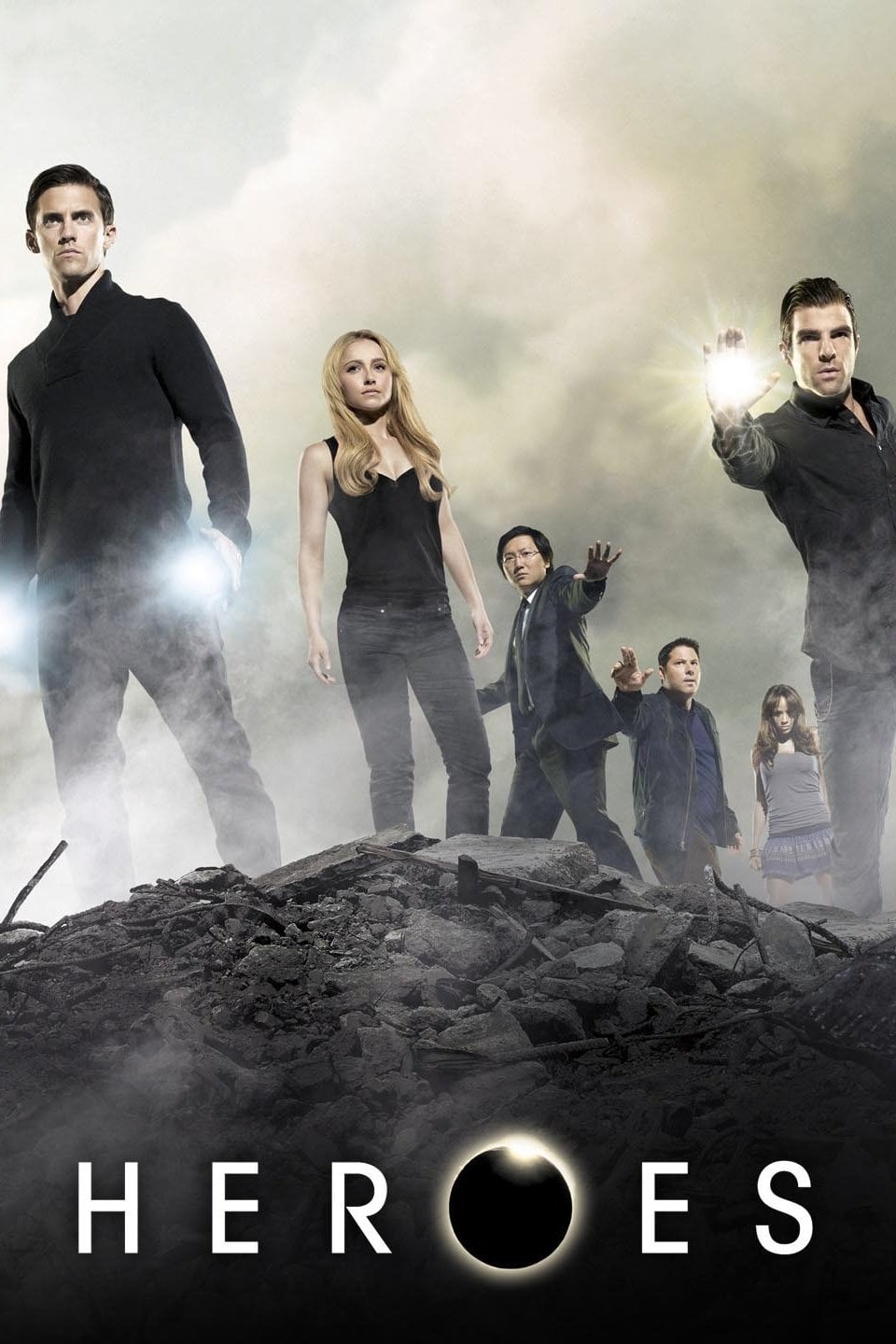
The first season of Heroes was a massive critical and commercial success, praised for its exciting story about ordinary people discovering they have superpowers. But the show suffered a dramatic drop in quality in its following seasons. The plot became convoluted and confusing, and many of the characters behaved in ways that frustrated viewers. The show was never able to recapture the magic of its first year.
Even with its flaws, the first season of Heroes remains a fantastic piece of television. It was a perfectly crafted story with compelling characters and a sense of wonder. The “Save the Cheerleader, Save the World” storyline is iconic for a reason. That brilliant first season is so strong that it makes the entire series worth remembering in a more positive light.
The Big Bang Theory (2007)
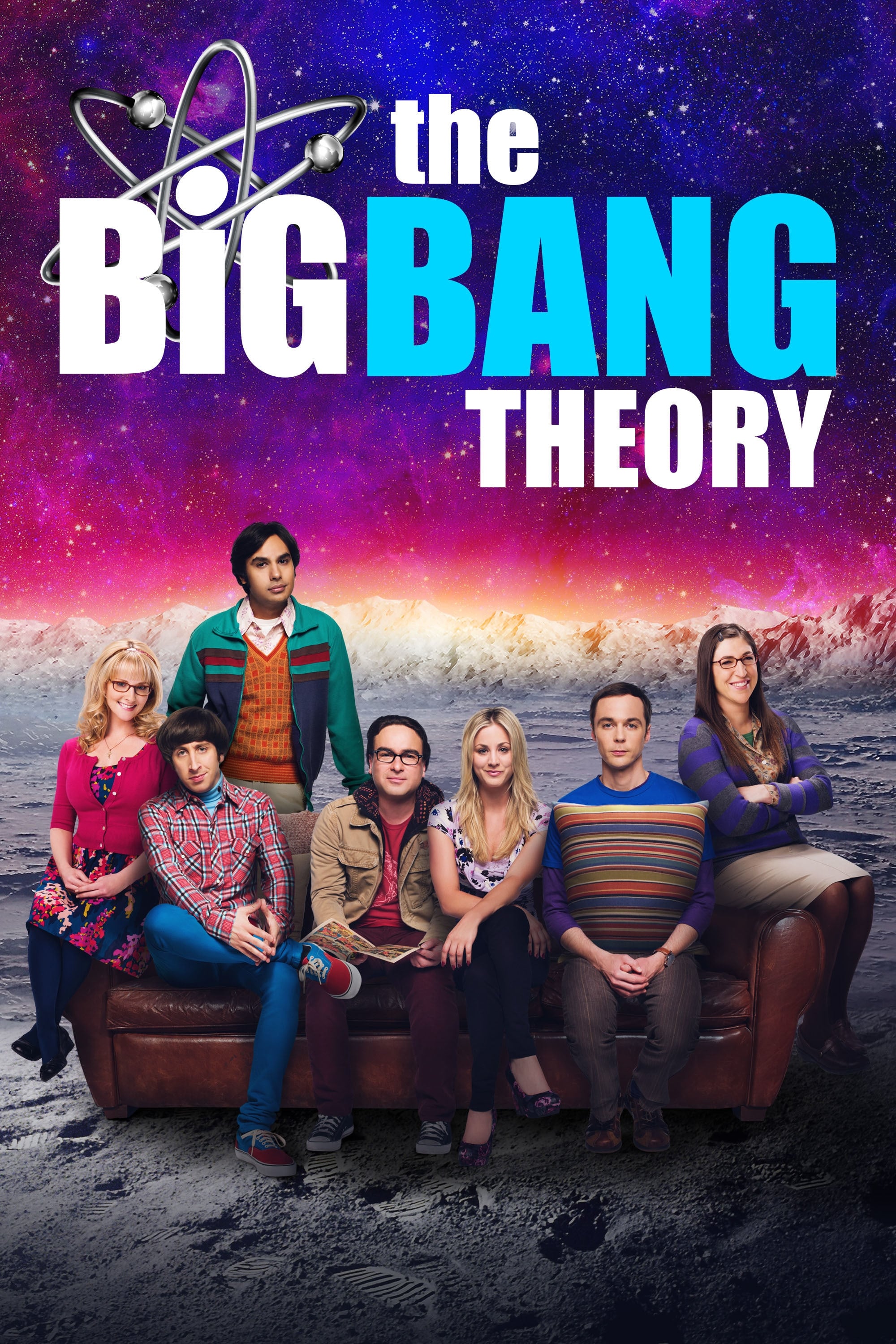
For years, The Big Bang Theory was one of the most popular comedies on TV, but it also received a lot of criticism. Many people found the show’s portrayal of “nerd” culture to be stereotypical and condescending. The use of a laugh track and what some considered to be lazy, repetitive jokes were also common complaints among its detractors.
Despite the backlash, the show resonated with millions of viewers because of its endearing characters. The core friendships and relationships were the heart of the series, and audiences enjoyed watching the characters grow and change over 12 seasons. It was a comfortable and easy-to-watch sitcom that delivered consistent laughs and a heartwarming message about finding your place in the world.
Iron Fist (2017)
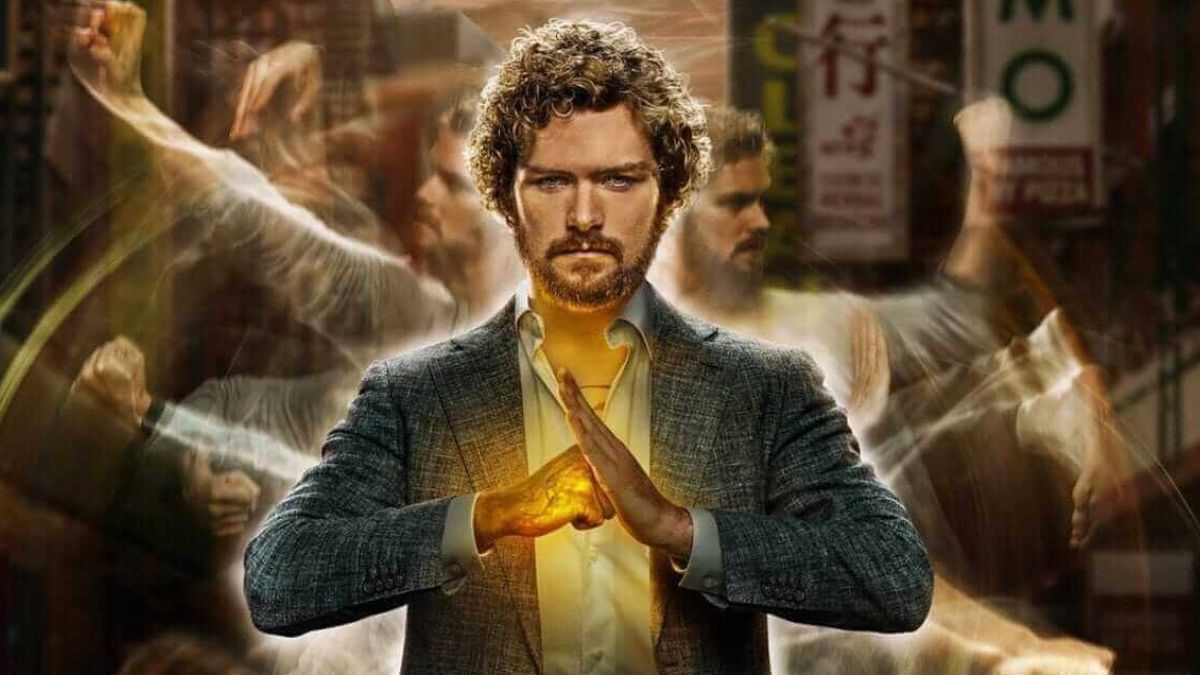
The Marvel Netflix show Iron Fist was widely panned when it was released. Critics and audiences slammed it for its dull lead character, slow-moving plot, and poorly choreographed fight scenes, which was especially disappointing for a martial arts series. The casting of a white actor in the lead role also drew criticism for playing into “white savior” tropes.
However, the show did improve in its second and final season. With a new showrunner, the fight scenes became much better, and the story became more focused and engaging. Supporting characters like Colleen Wing were given more to do and became highlights of the series. While its first season was a misstep, its much-improved second season showed that it had the potential to be a good show.
Emily in Paris (2020)

Emily in Paris was heavily criticized for presenting a clichéd and unrealistic version of Paris and French culture. The main character, Emily, was seen by many as annoying and oblivious, and the show was dismissed as fluffy and shallow. It was often mocked for being a “hate-watch” for many viewers.
At the same time, the show is a perfect example of escapist television. It offers beautiful scenery, amazing fashion, and light, low-stakes romantic drama. It is not trying to be a serious or deep show; it is designed to be a fun, colorful, and easy watch. For viewers looking for a simple and cheerful distraction, Emily in Paris delivers exactly that.
Sex and the City (1998)

While Sex and the City is now considered a classic, it faced a lot of criticism during its original run. Some found the characters, particularly Carrie Bradshaw, to be selfish and materialistic. The show’s constant focus on dating and relationships was seen as shallow by some critics, and its portrayal of a certain lifestyle in New York City was viewed as out of touch.
But the show was revolutionary for its honest and open conversations about sex and female friendship. It was one of the first shows to put four complex, independent women at the center of the story, treating their relationships with each other as the most important ones. It broke new ground and empowered a generation of women to talk more freely about their lives.

