


20 Movies With Troubled Productions That Still Became Classics

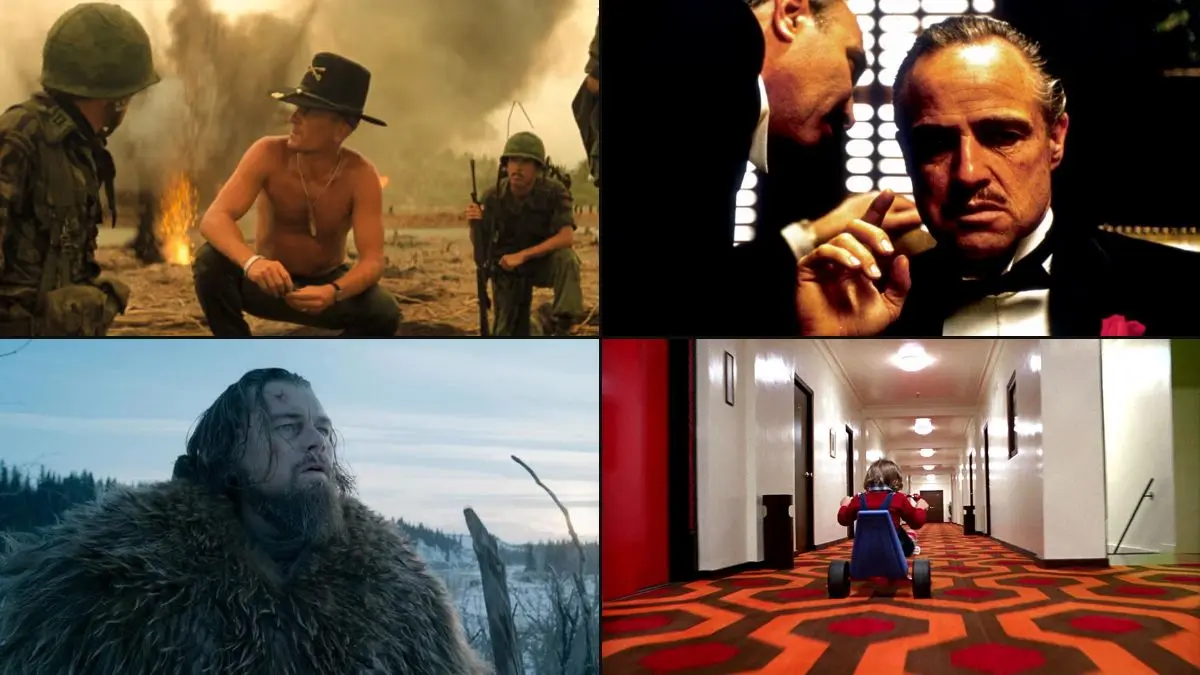


Some of the most celebrated films in cinema history were born out of chaos. From on-set conflicts and technical disasters to budget overruns and studio interference, these productions were anything but smooth. Yet, against all odds, they emerged as timeless classics, proving that sometimes the greatest art comes from the greatest struggles. The stories behind these films are often as dramatic and compelling as the movies themselves, showcasing the resilience and determination of the cast and crew.
These movies stand as a testament to the idea that a troubled production does not automatically spell failure. In many cases, the immense pressure and unforeseen challenges forged a stronger creative vision. The difficult circumstances often pushed filmmakers and actors to their limits, resulting in raw and powerful performances. These tales of cinematic survival highlight the unpredictable nature of filmmaking and celebrate the enduring power of a great story.
Apocalypse Now (1979)
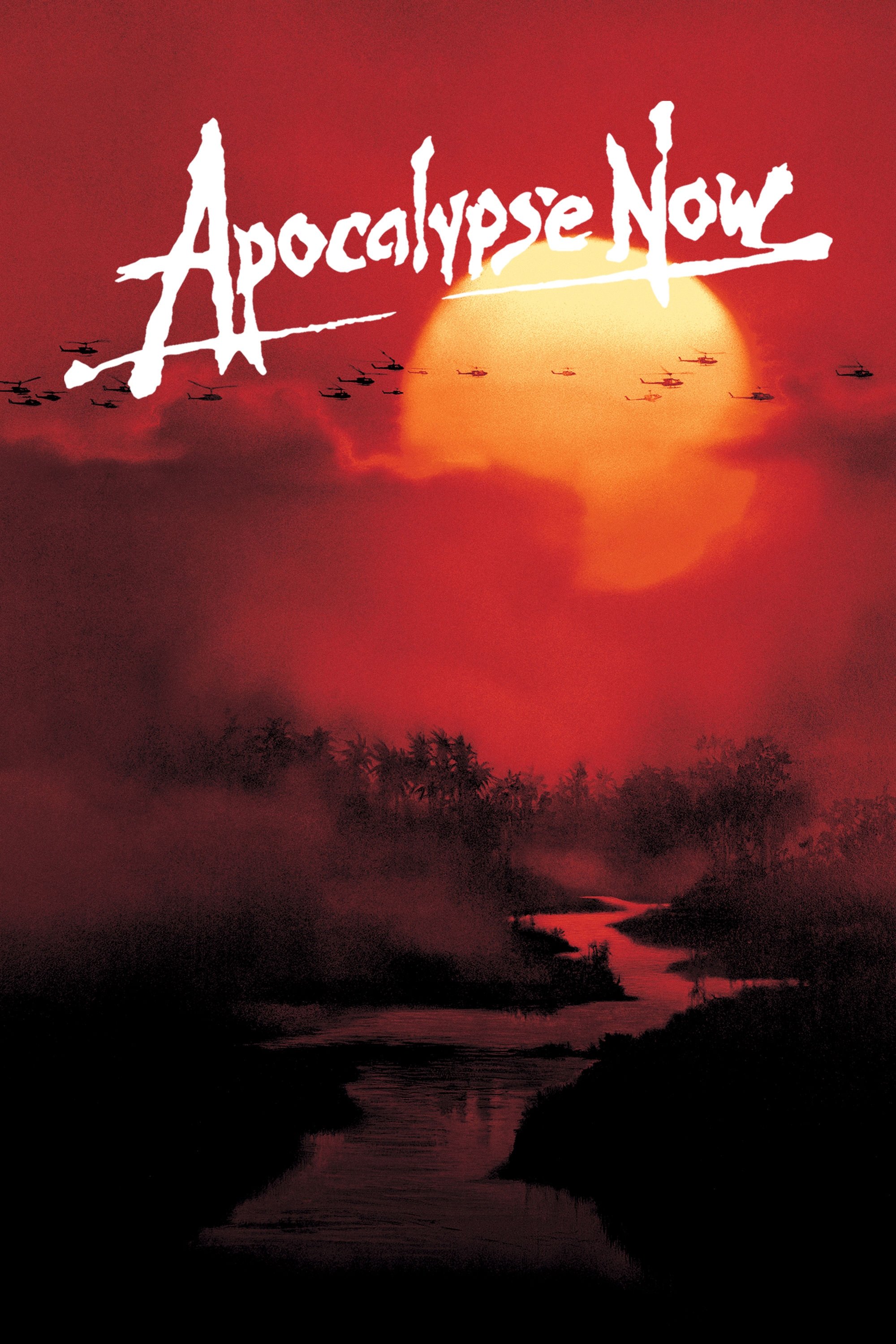
Francis Ford Coppola’s Vietnam War epic is legendary for its chaotic and prolonged production. The shoot in the Philippines was plagued by a typhoon that destroyed expensive sets, and the filming schedule ballooned from a planned 14 weeks to over a year. The budget soared as Coppola poured his own money into the project to keep it afloat.
The cast and crew also faced immense personal challenges. Martin Sheen, who played the lead role, suffered a near-fatal heart attack during filming. Marlon Brando arrived on set overweight and unprepared, forcing Coppola to adapt the script and filming style around him. The immense stress led Coppola himself to have an epileptic seizure.
Jaws (1975)
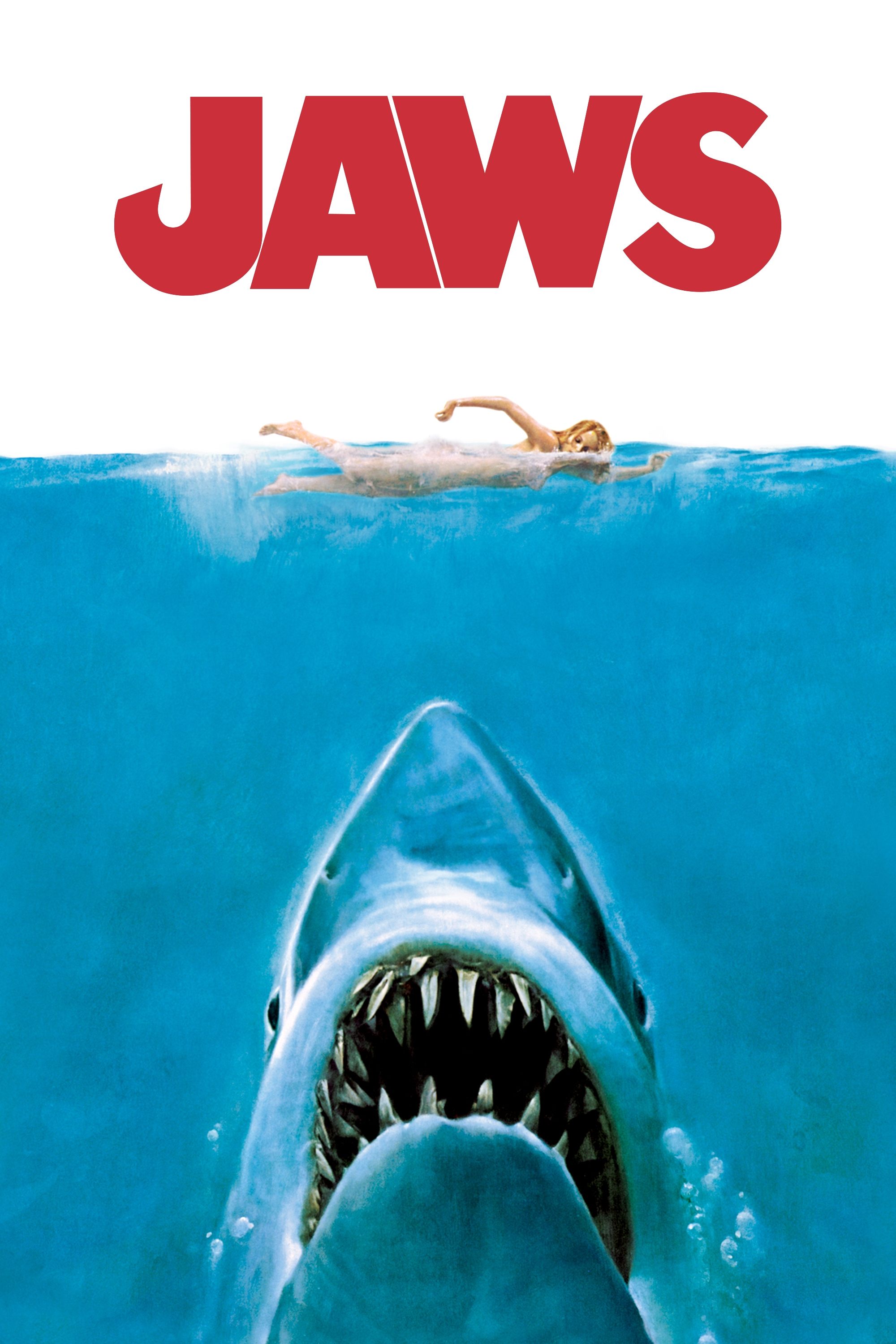
Steven Spielberg’s summer blockbuster was famously difficult to make, largely due to its mechanical shark, nicknamed “Bruce,” which frequently malfunctioned. This forced the young director to come up with creative ways to suggest the shark’s presence without actually showing it, a technique that ultimately made the film far more suspenseful. The decision to shoot on the open ocean, rather than in a controlled tank, added to the production woes, with boats sinking and shots being constantly ruined by the unpredictable weather.
The film went significantly over budget and behind schedule, putting immense pressure on Spielberg. The constant delays and technical failures created a tense atmosphere on set. Despite these monumental challenges, the film became a massive box office success and is considered one of the greatest thrillers ever made.
The Godfather (1972)
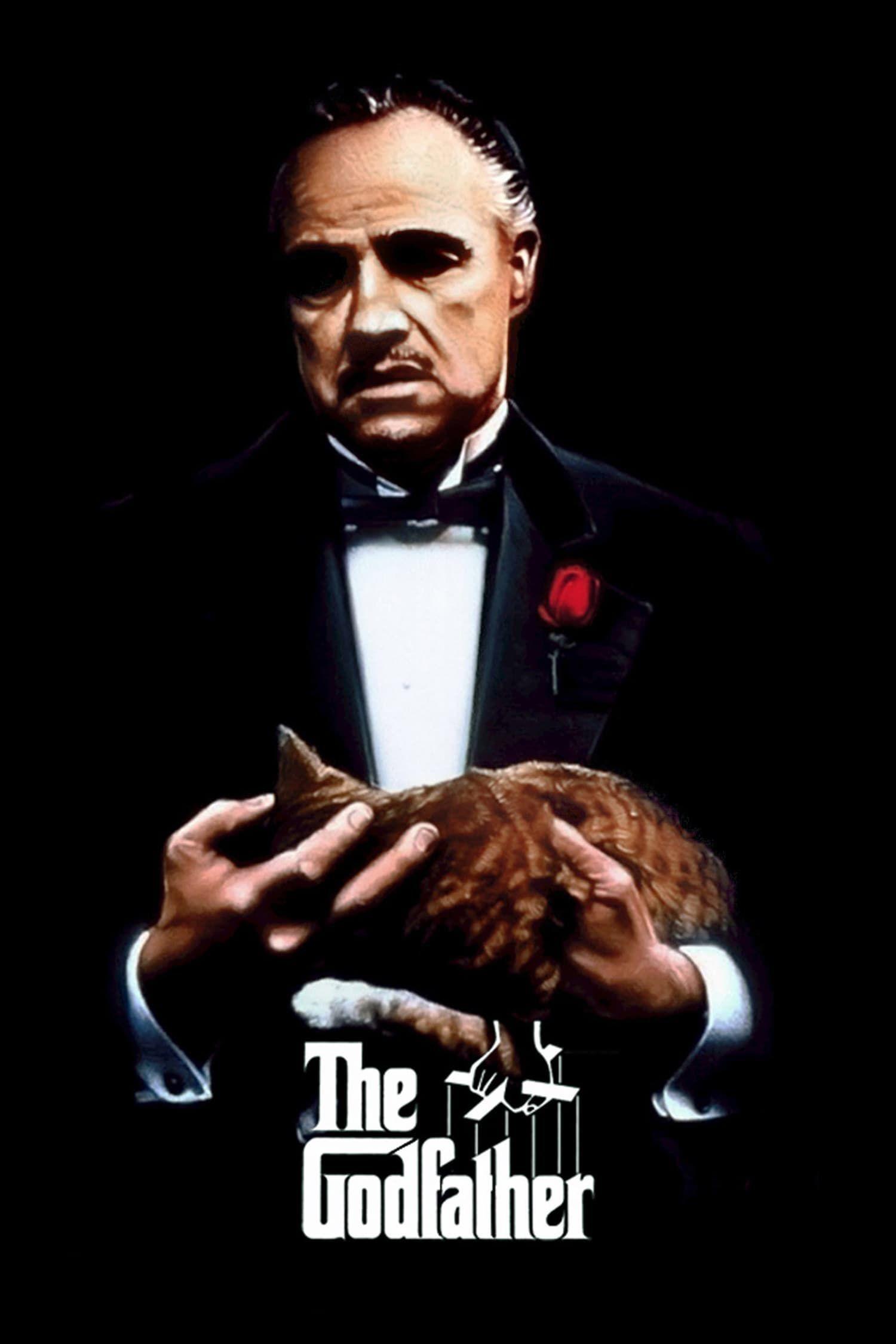
Francis Ford Coppola faced constant battles with Paramount Pictures during the making of this iconic mafia film. The studio was initially hesitant about casting Marlon Brando and Al Pacino, two actors Coppola felt were essential for the roles. There were also disagreements over the film’s budget, setting, and overall tone, with the studio pushing for more violence to make it more commercially appealing.
The tense relationship between Coppola and the studio executives created a stressful working environment. At one point, the studio even considered replacing Coppola as the director. Despite the continuous interference, Coppola held firm to his vision and delivered a cinematic masterpiece that would redefine the gangster genre.
Star Wars: Episode IV – A New Hope (1977)
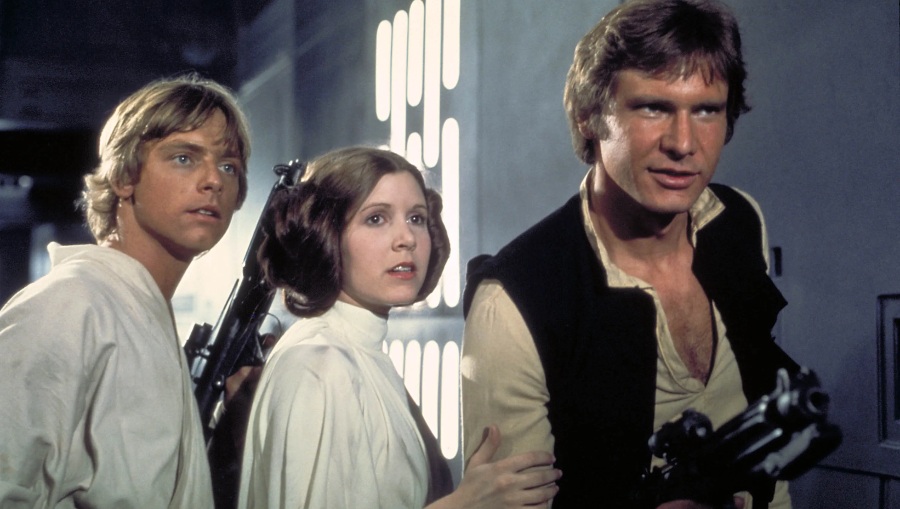
George Lucas’s original space opera faced a rocky production from the start. The inexperienced director had to contend with a skeptical cast and crew who didn’t always share his vision. The complex special effects were groundbreaking for their time, but the technology was pushed to its limits, causing numerous delays and frustrations.
Filming in the Tunisian desert brought its own set of problems, including a rare torrential downpour that damaged sets and equipment. Back in the studio, Lucas clashed with his cinematographer and faced pressure from the studio as the production went over budget. The initial cut of the film was deemed a disaster, but extensive re-editing and John Williams’ iconic score helped transform it into a beloved classic.
Titanic (1997)
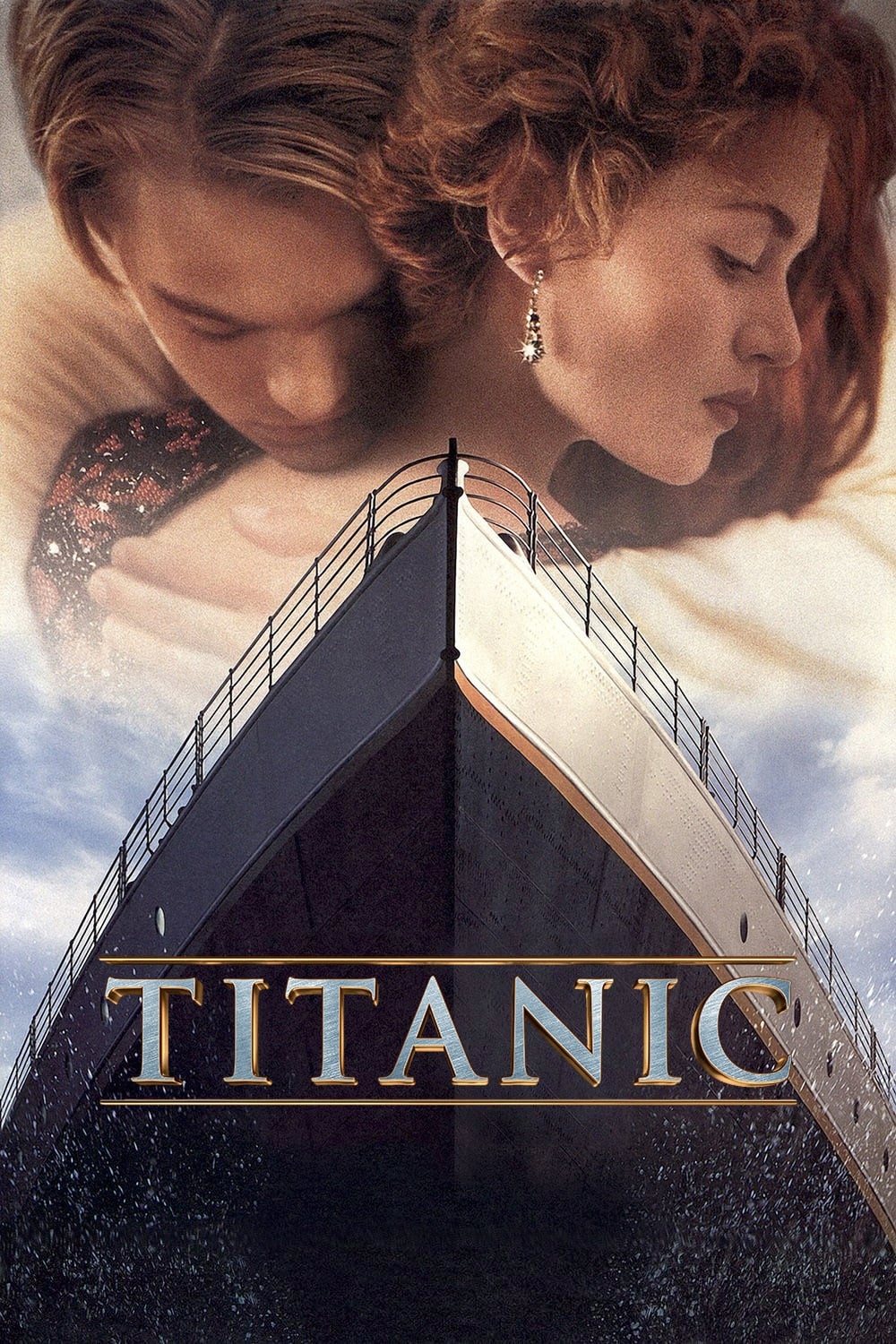
James Cameron’s epic romance was one of the most expensive films ever made at the time, and its production was fraught with difficulties. The shoot was notoriously long and grueling, with the cast and crew working extensive hours in cold water tanks. The sheer scale of the production led to numerous technical challenges and safety concerns.
The film went far over its initial budget and schedule, leading many in the industry to predict it would be a colossal failure. Cameron’s demanding and perfectionistic directing style also created a tense atmosphere on set. However, the film’s groundbreaking special effects and sweeping love story resonated with audiences worldwide, and it went on to become a cultural phenomenon.
The Wizard of Oz (1939)
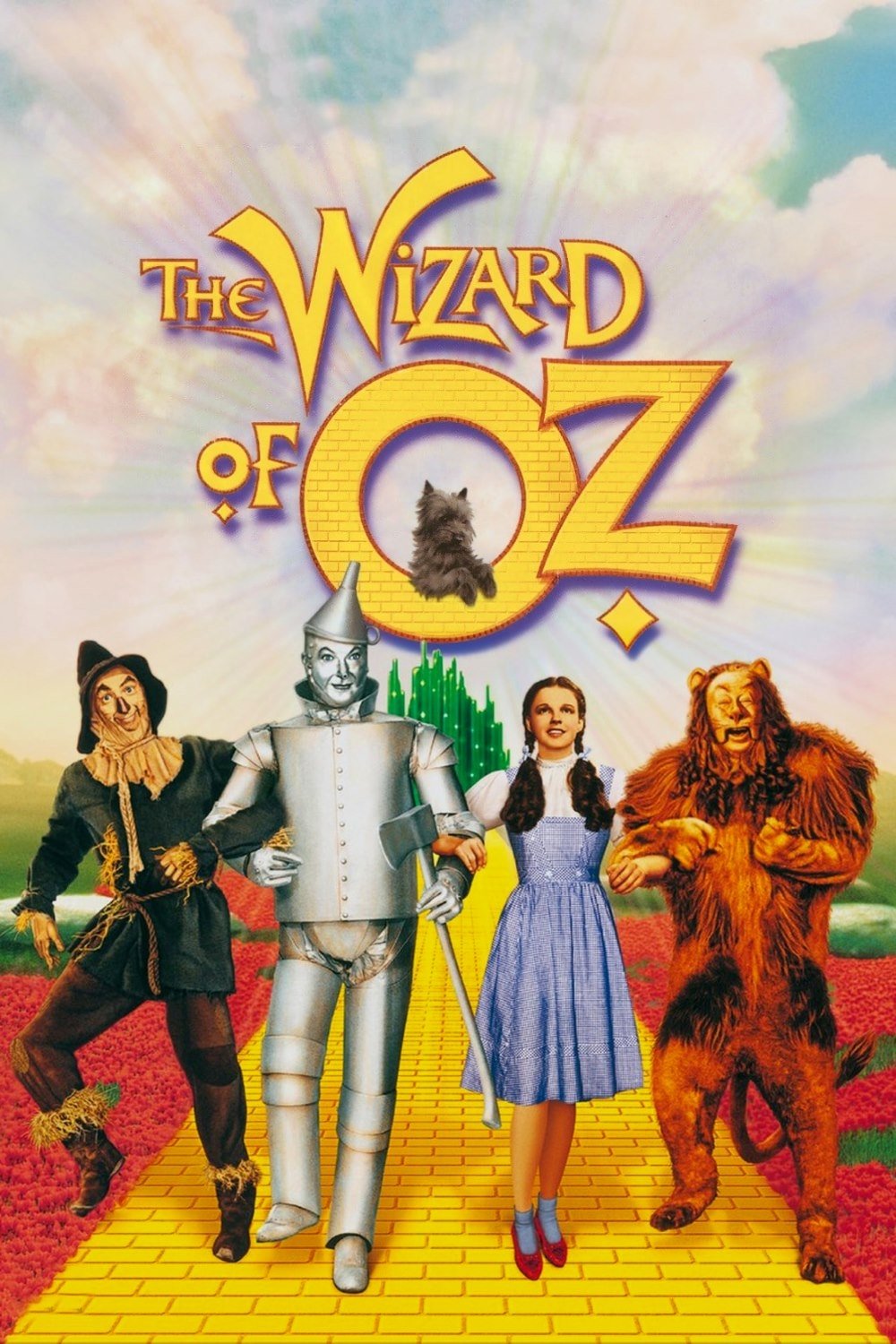
The making of this cherished family classic was far from magical. The production went through multiple directors and script rewrites before and during filming. The elaborate makeup and costumes caused significant problems for the actors. Buddy Ebsen, the original Tin Man, had to be hospitalized after a severe allergic reaction to the aluminum dust in his makeup.
Margaret Hamilton, who played the Wicked Witch of the West, suffered severe burns during a scene where her character disappears in a cloud of smoke. The studio also placed intense pressure on the young Judy Garland, putting her on a strict diet and contributing to a lifelong struggle with addiction.
Alien 3 (1992)
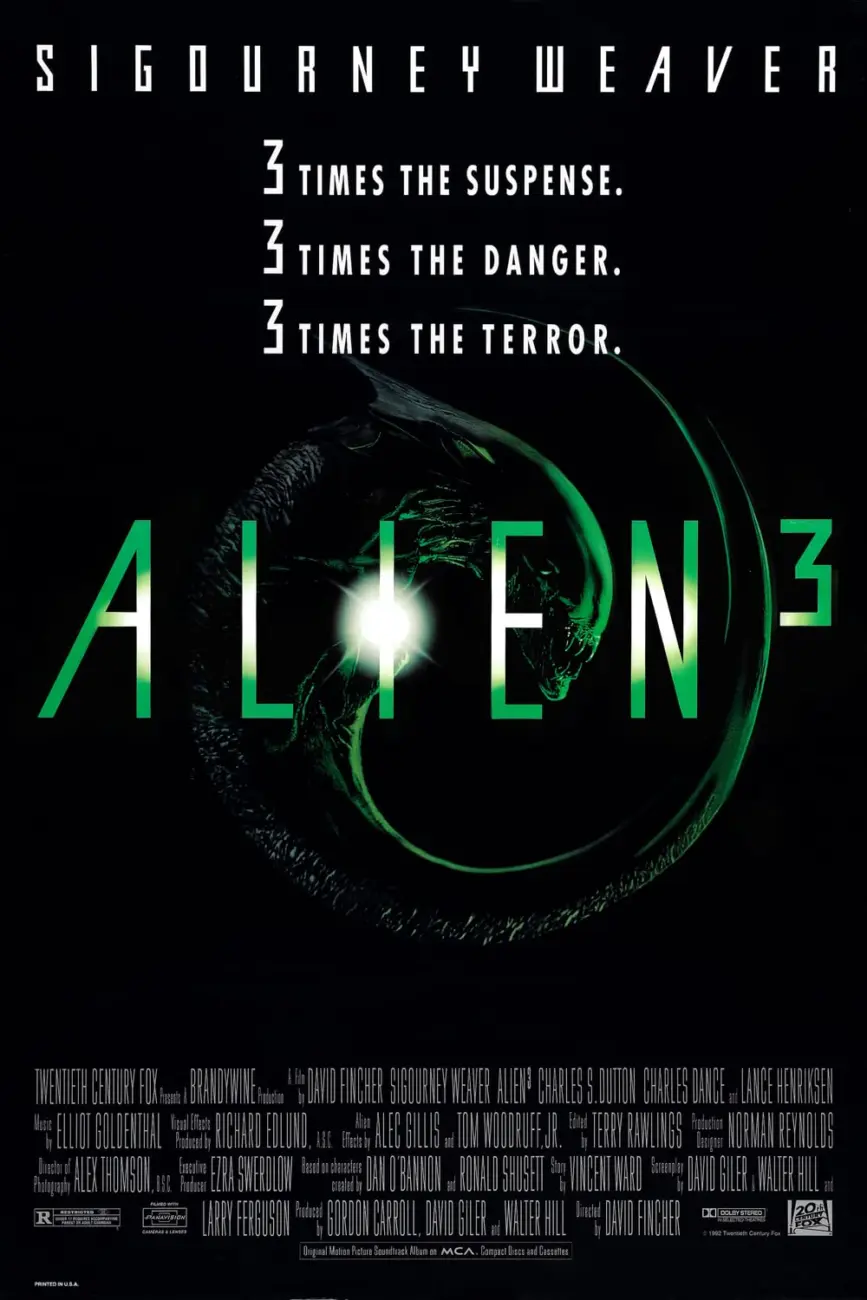
The third installment in the popular sci-fi franchise had a notoriously troubled development process that spanned years. Numerous scripts and directors came and went, leaving the production in a state of constant flux. By the time first-time feature director David Fincher was hired, there was still no finalized script, and sets were being built before the story was fully conceived.
Fincher clashed repeatedly with the studio, which interfered with his creative decisions and forced last-minute changes. The constant script rewrites and the pressure to meet a demanding schedule created a chaotic and stressful environment for everyone involved. Fincher has since disowned the film due to the difficult experience.
Mad Max: Fury Road (2015)
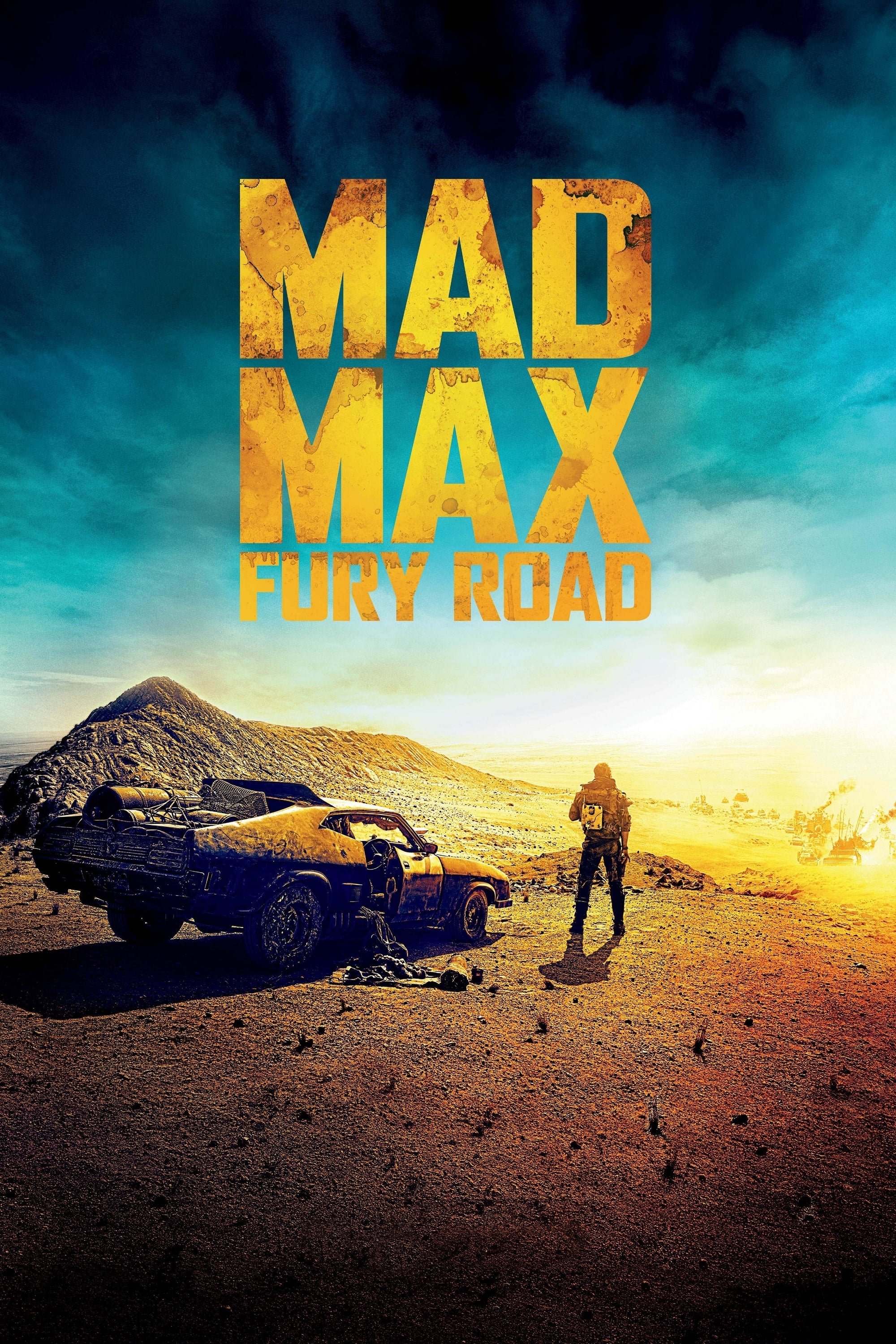
The production of George Miller’s post-apocalyptic masterpiece was a long and arduous journey that stretched over more than a decade. The film faced numerous delays, including a location change from Australia to Namibia due to unexpected rainfall that turned the desert landscape green. The remote and harsh desert conditions made for a physically demanding shoot.
Tensions reportedly ran high between the film’s two leads, Tom Hardy and Charlize Theron, which added to the on-set difficulties. The film also relied heavily on practical effects and complex stunt work, which were incredibly challenging to execute. Despite the arduous process, the film was a critical and commercial success, praised for its stunning visuals and relentless action.
Tombstone (1993)
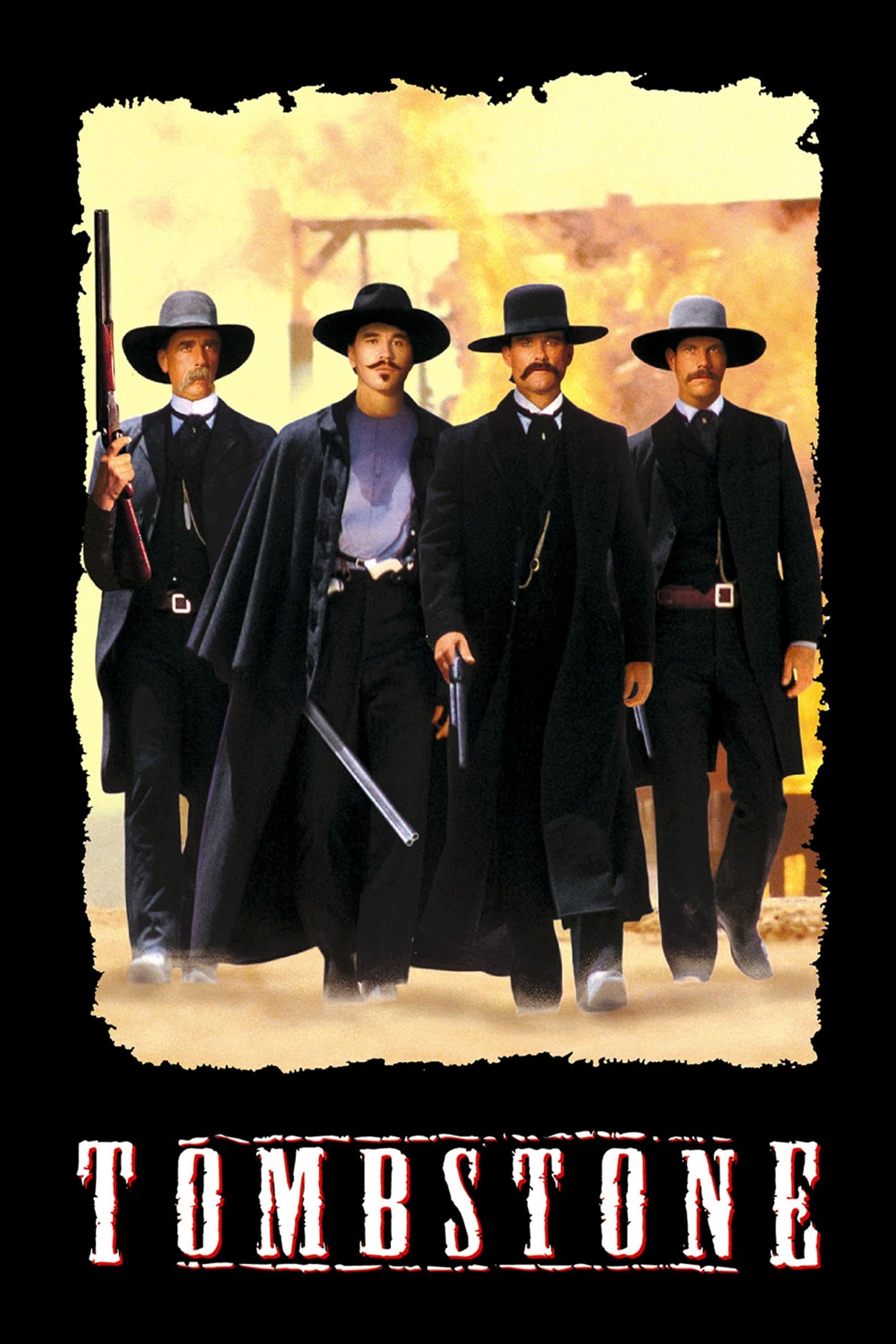
This classic Western was plagued by production problems from the very beginning. The original writer and director, Kevin Jarre, was fired just a month into filming and replaced by George P. Cosmatos. However, reports from the set suggest that star Kurt Russell was the one who effectively directed the majority of the film.
The production was chaotic, with constant script rewrites and a fast-paced shooting schedule. Despite the turmoil behind the scenes, the film is celebrated for its stylish direction and memorable performances, particularly Val Kilmer’s iconic portrayal of Doc Holliday.
Fitzcarraldo (1982)

Director Werner Herzog’s obsession with authenticity led to one of the most difficult and dangerous film shoots in history. Herzog insisted on hauling a real 320-ton steamship over a hill in the Peruvian jungle without the use of special effects. This monumental task resulted in injuries to several crew members and put the entire production at risk.
The film’s star, Klaus Kinski, was notoriously difficult to work with, and his erratic behavior and frequent clashes with Herzog created a volatile atmosphere on set. The documentary “Burden of Dreams” chronicles the incredible challenges and near-disasters that occurred during the making of this audacious film.
The Crow (1994)
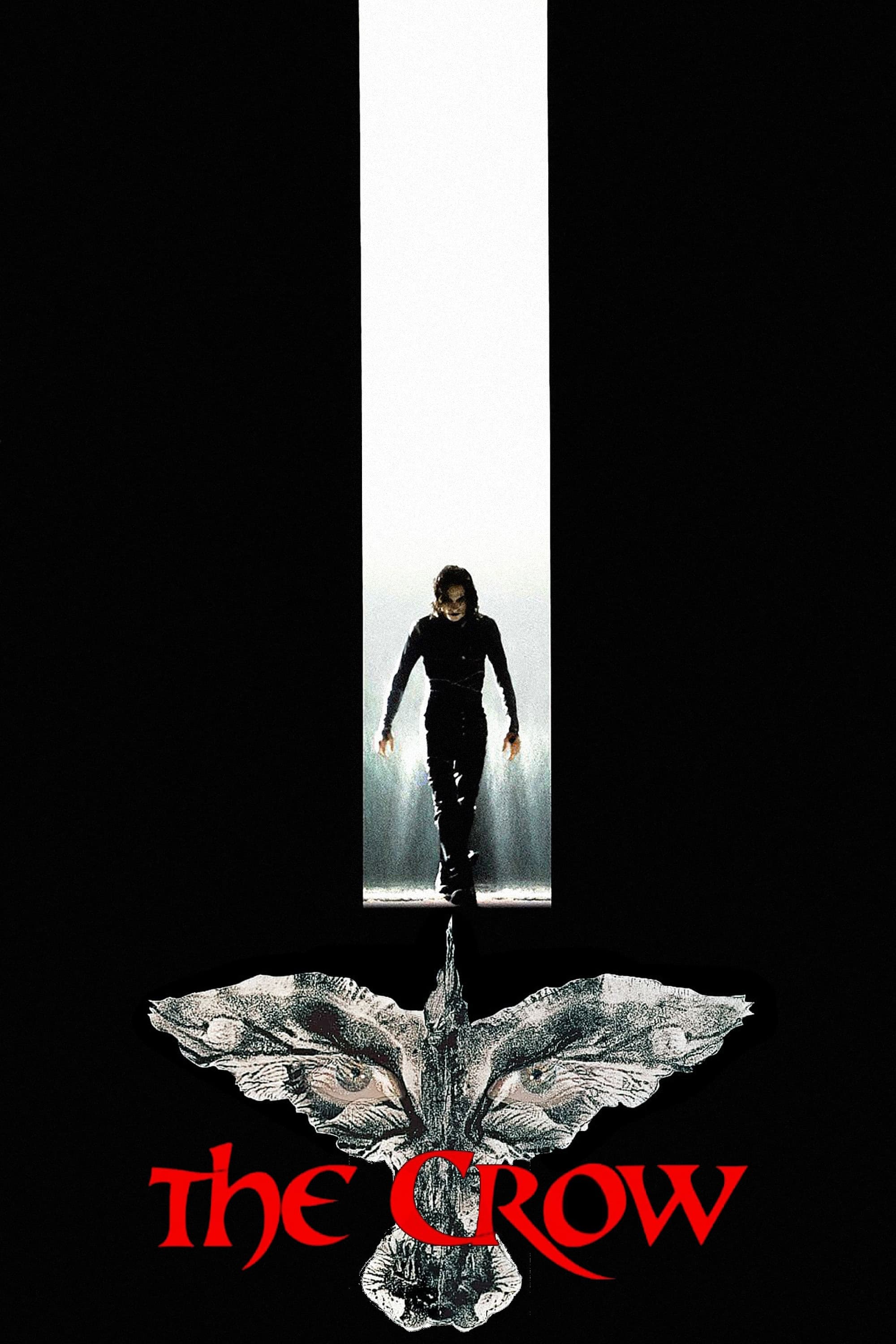
The production of this gothic superhero film was marked by a tragic and fatal accident. Star Brandon Lee was accidentally shot and killed on set during the filming of a scene. The incident was a devastating blow to the cast and crew, and the production was temporarily shut down.
With the support of Lee’s family, the filmmakers decided to complete the movie as a tribute to him. A stunt double and early digital effects were used to finish his remaining scenes. The film went on to become a cult classic, with Lee’s powerful performance at its heart.
Blade Runner (1982)
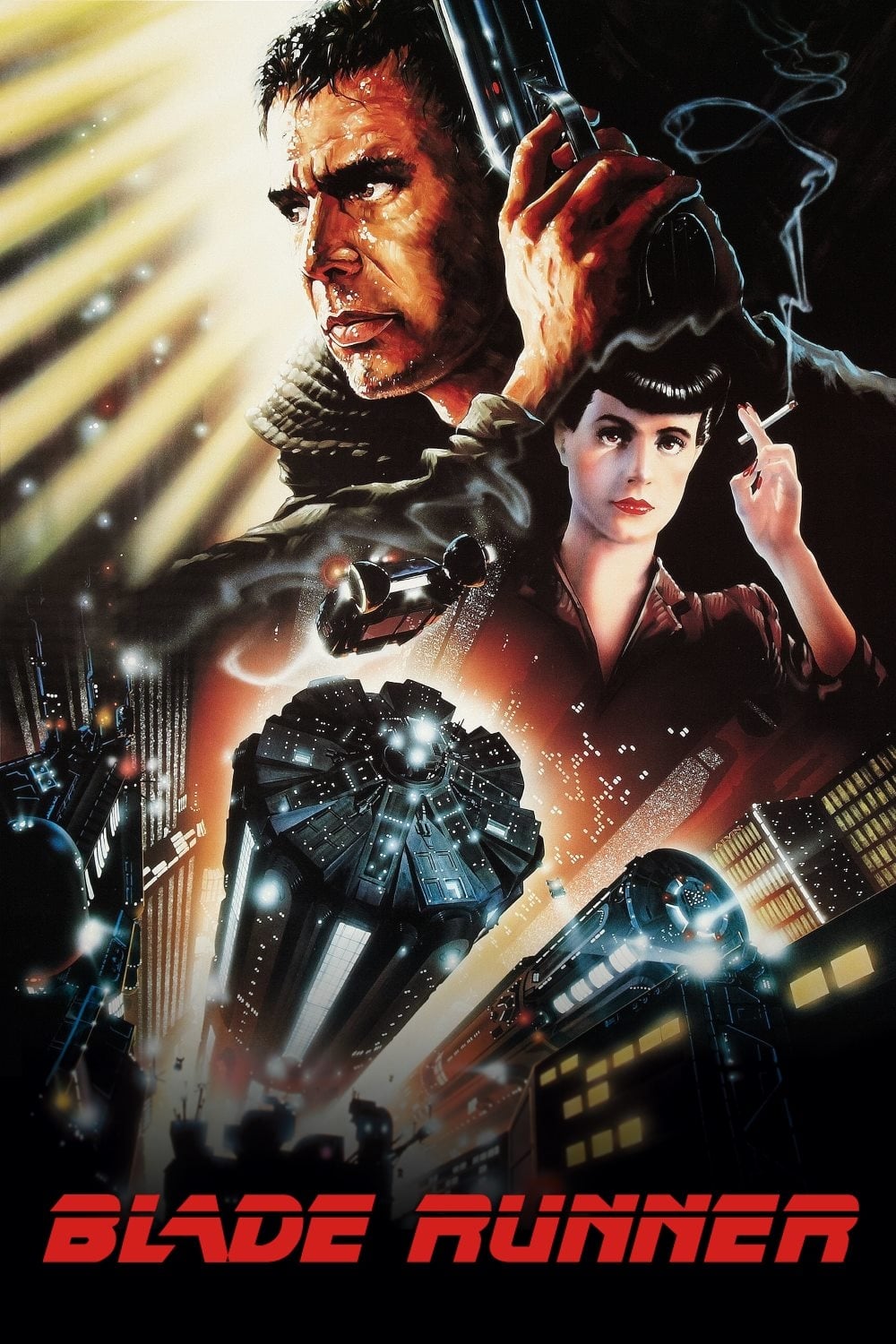
Ridley Scott’s sci-fi noir masterpiece had a notoriously difficult production. Scott’s meticulous and demanding directing style clashed with the American crew, and star Harrison Ford was reportedly unhappy with the constant script changes and the film’s voice-over narration, which was forced on them by the studio.
The film’s complex and detailed futuristic world was challenging to create, and the production was plagued by long night shoots in smoky, rain-drenched sets. The studio also demanded a happier ending for the initial theatrical release, which Scott later restored in his director’s cut.
The Shining (1980)
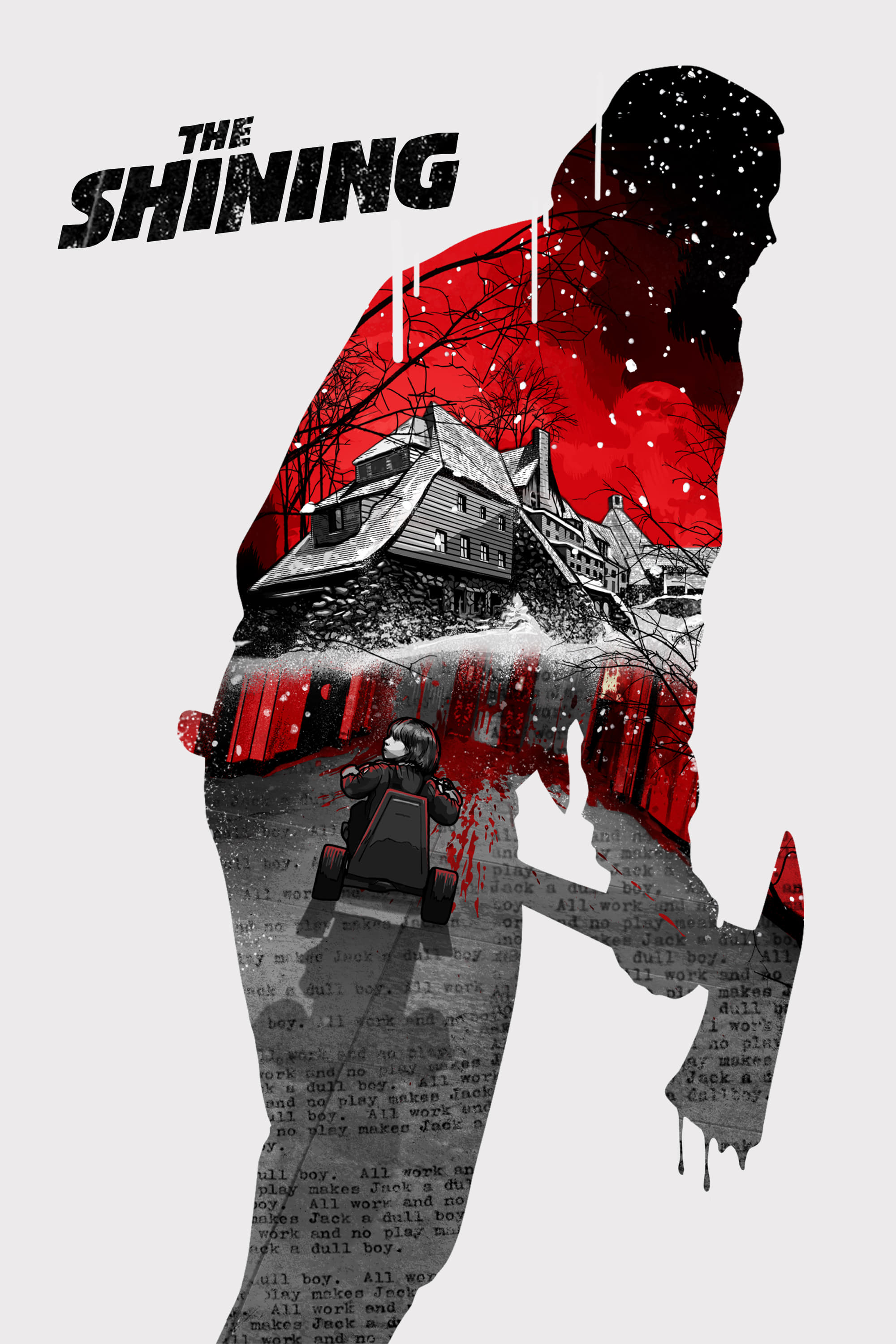
Stanley Kubrick’s perfectionism and unorthodox methods made the production of this horror classic an incredibly trying experience for the cast and crew. Kubrick was known for demanding numerous takes of each scene, with some scenes reportedly being shot over a hundred times. This relentless process was particularly grueling for lead actress Shelley Duvall.
Jack Nicholson, who played the unhinged Jack Torrance, also faced challenges, with Kubrick pushing him to maintain a high level of intensity throughout the long shoot. The constant script changes and Kubrick’s exacting standards created a tense and isolating atmosphere on set.
Waterworld (1995)
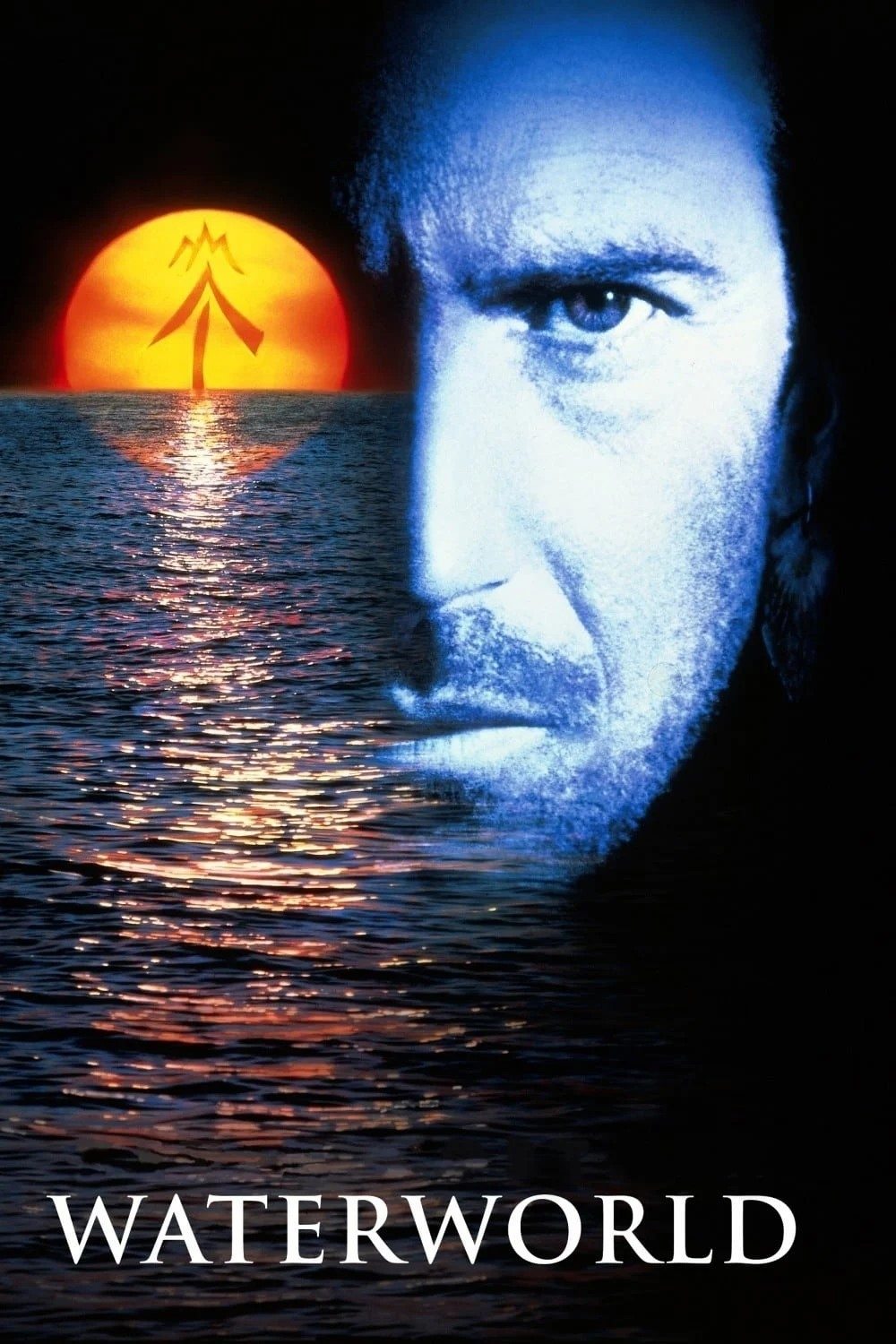
At the time of its release, “Waterworld” was the most expensive film ever made, and its production was a logistical nightmare. The decision to shoot almost entirely on the open water in Hawaii led to massive budget overruns. The massive floating set was difficult to manage and was even damaged by a hurricane.
The script underwent numerous rewrites, and there were reports of tension between star Kevin Costner and director Kevin Reynolds, which eventually led to Reynolds quitting the project before it was finished. The film was widely considered a flop upon its release, but has since gained a cult following.
The Island of Dr. Moreau (1996)
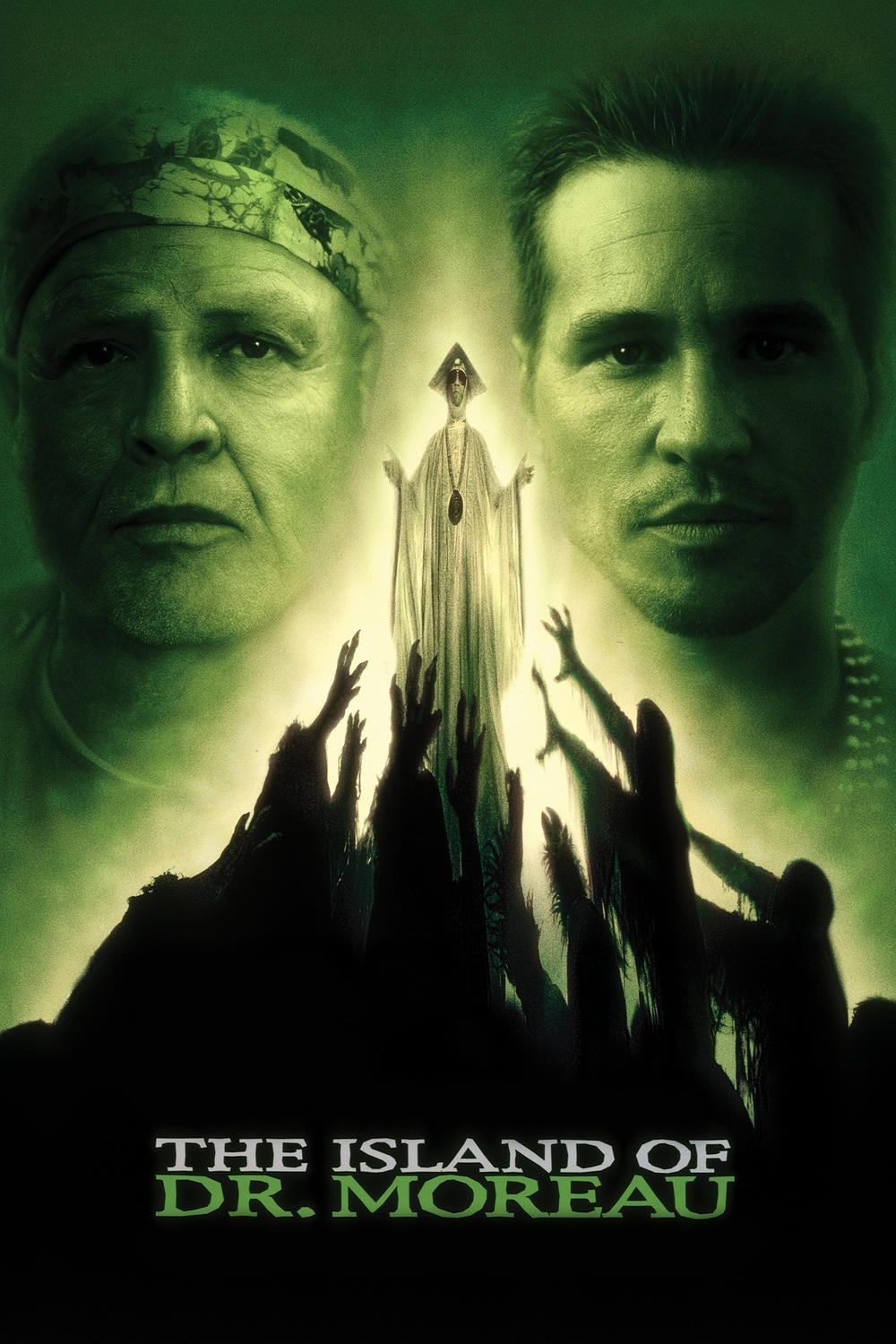
This sci-fi horror film is infamous for its disastrous production. Original director Richard Stanley was fired early in the shoot and was replaced by John Frankenheimer. The film’s stars, Marlon Brando and Val Kilmer, were reportedly extremely difficult to work with, with both actors clashing with the directors and each other.
The production was plagued by a host of problems, including a chaotic script, an uncooperative cast, and a difficult remote location. The behind-the-scenes turmoil was so dramatic that it was later chronicled in the documentary “Lost Soul: The Doomed Journey of Richard Stanley’s Island of Dr. Moreau.”
The Man Who Killed Don Quixote (2018)
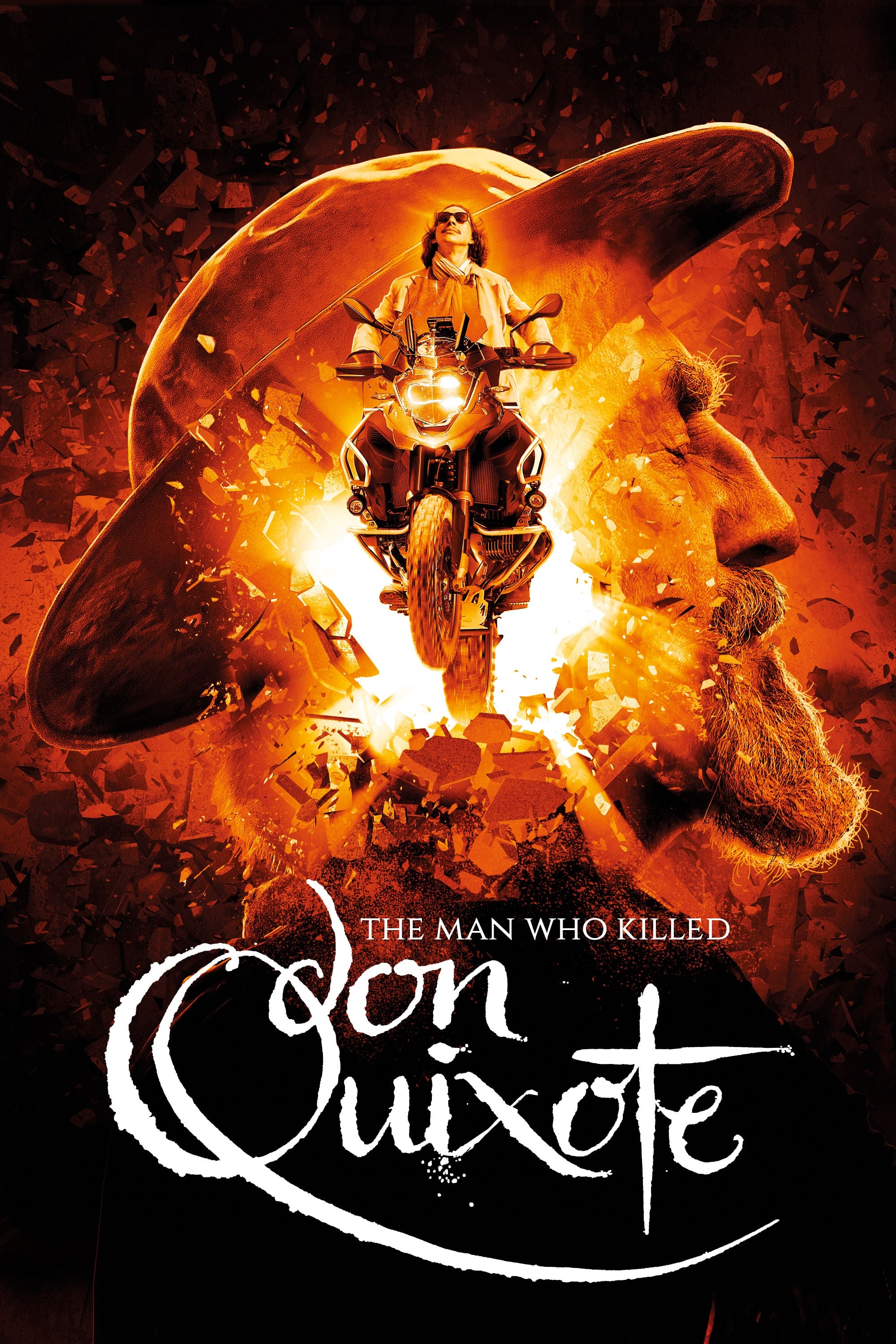
Director Terry Gilliam’s passion project was stuck in development hell for nearly three decades, facing an unbelievable string of bad luck. An initial attempt to make the film in 2000 was shut down after just a few days of shooting due to a flash flood that destroyed sets and an injury to its lead actor, Jean Rochefort.
Over the years, Gilliam tried to revive the project multiple times with different actors, but faced constant funding issues and legal battles. The seemingly cursed production was the subject of the documentary “Lost in La Mancha.” Against all odds, Gilliam finally completed and released the film in 2018.
The Good, the Bad and the Ugly (1966)
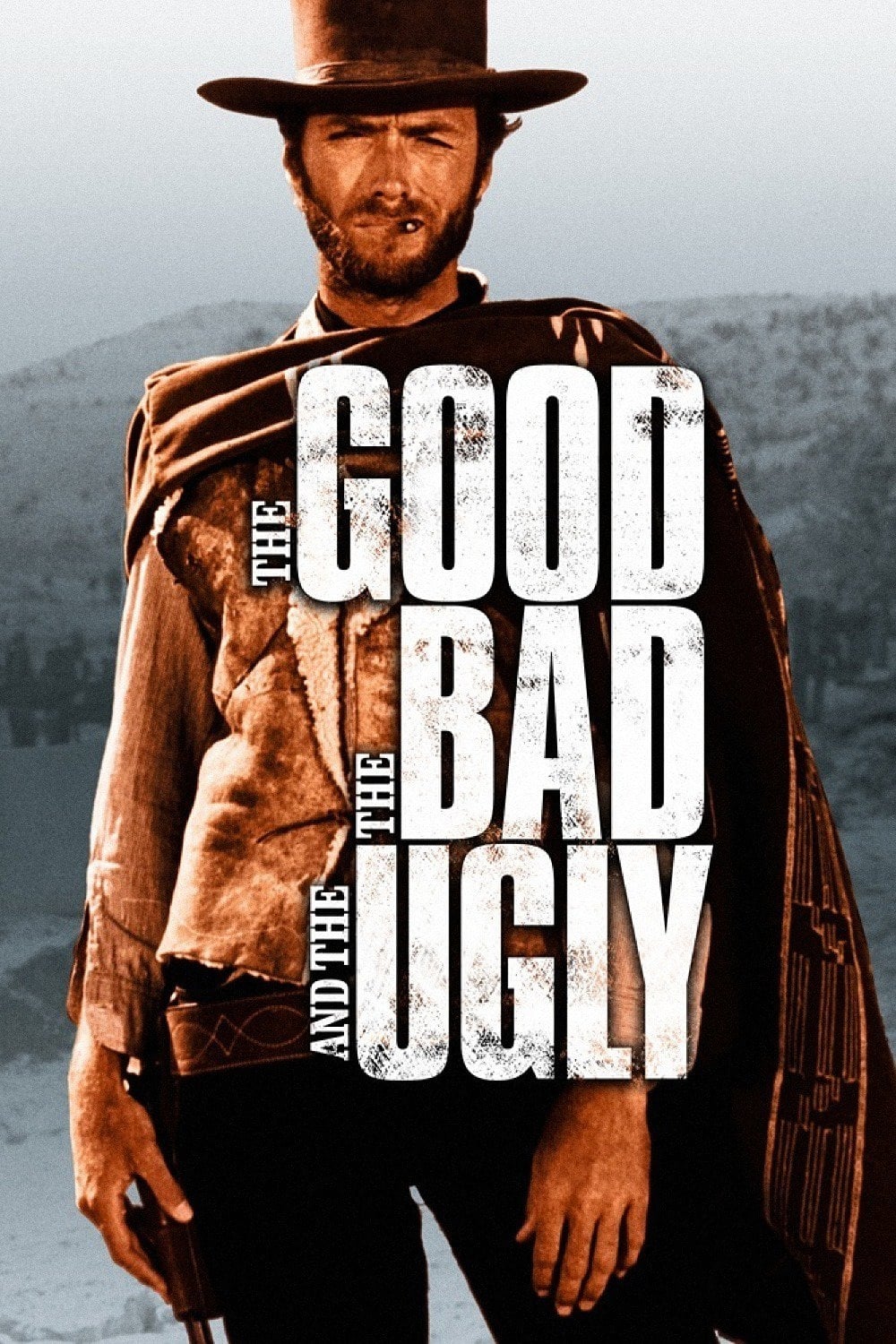
Sergio Leone’s iconic Spaghetti Western was an international co-production, which led to numerous communication issues on set. The cast was made up of actors from different countries who often spoke their lines in their native languages and were later dubbed. Star Clint Eastwood was initially hesitant to return for the third film in the “Dollars Trilogy.”
The production also faced dangerous situations. A crucial bridge was blown up prematurely by a communications mix-up, requiring it to be rebuilt. In another scene, a miscalculation with explosives could have seriously injured Eastwood.
American Graffiti (1973)
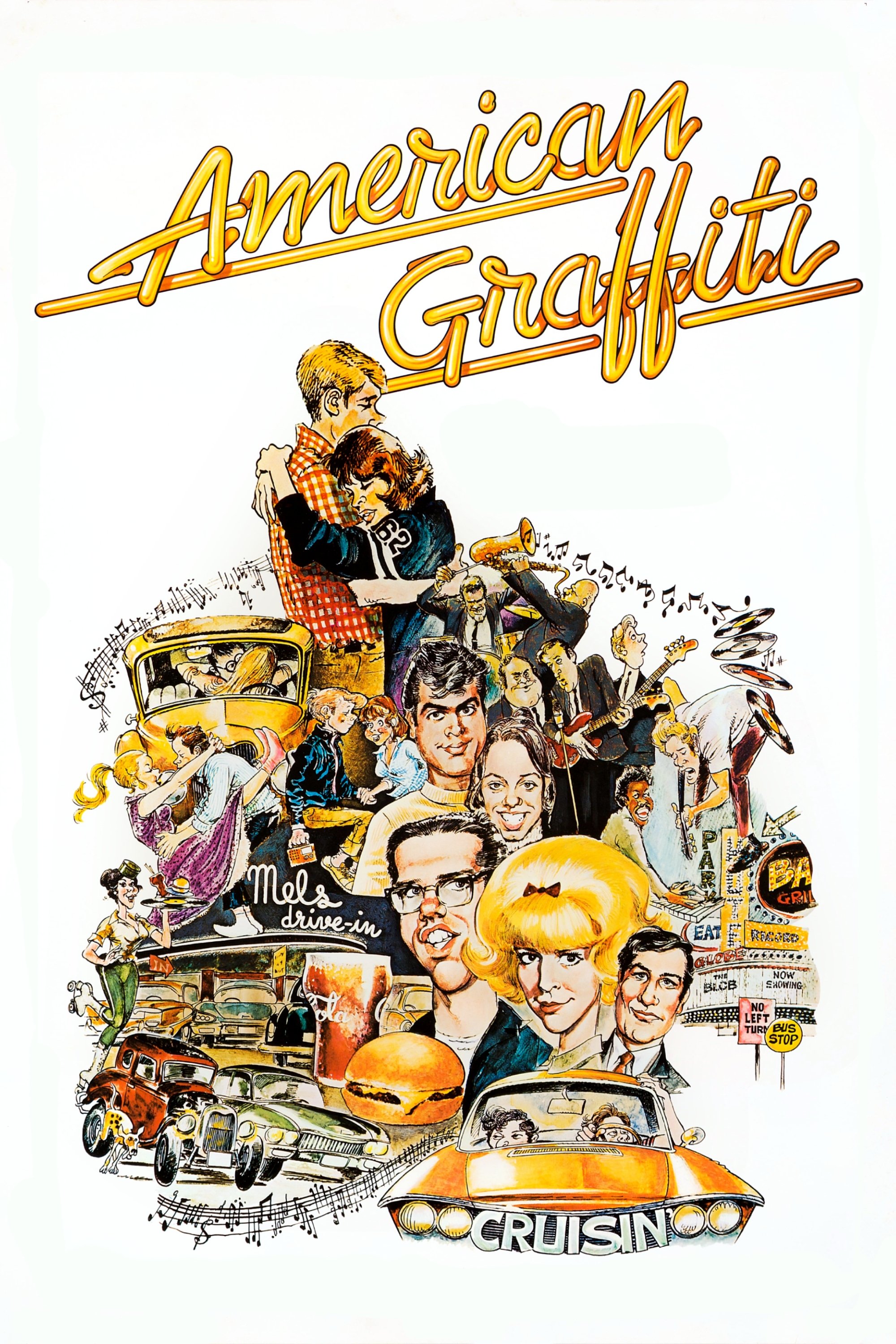
Before “Star Wars,” George Lucas directed this nostalgic coming-of-age film, which faced its own set of production challenges. The studio, Universal Pictures, was not confident in the film and gave Lucas a very small budget to work with. They also disliked the film’s title and its non-stop rock and roll soundtrack.
The shoot, which primarily took place at night, was difficult and often chaotic. After seeing an early cut, the studio wanted to make significant changes, but Lucas and his producers fought to keep their vision intact. The film went on to be a massive critical and commercial success.
Close Encounters of the Third Kind (1977)
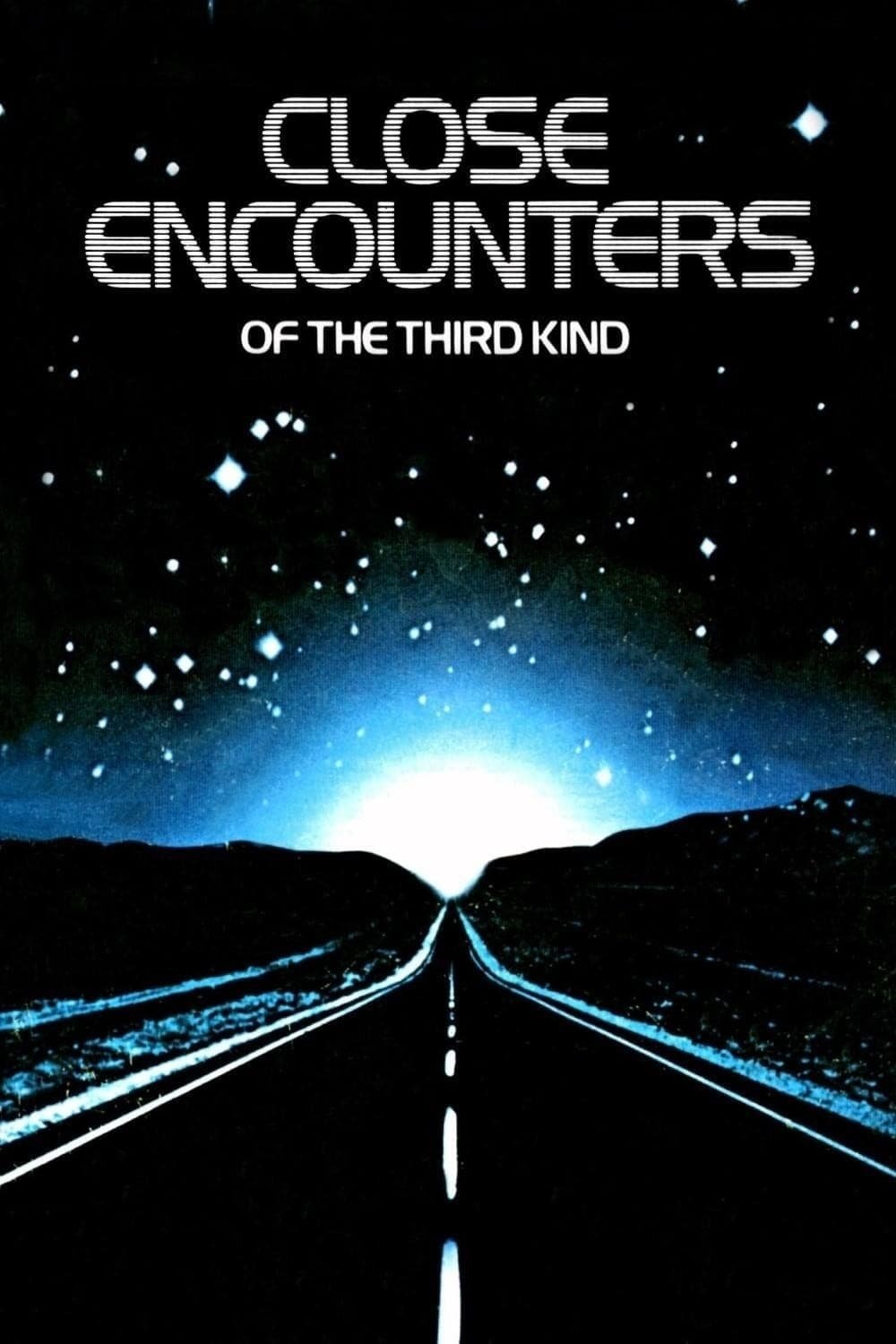
Steven Spielberg’s sci-fi epic was an ambitious undertaking with groundbreaking special effects that pushed the limits of the available technology. The production went over budget and behind schedule as Spielberg and his team worked to create the film’s iconic and complex visual sequences.
The secrecy surrounding the project and the technical demands of the shoot created a high-pressure environment. The complex final sequence involving the alien mothership was particularly challenging and required innovative filmmaking techniques.
The Revenant (2015)
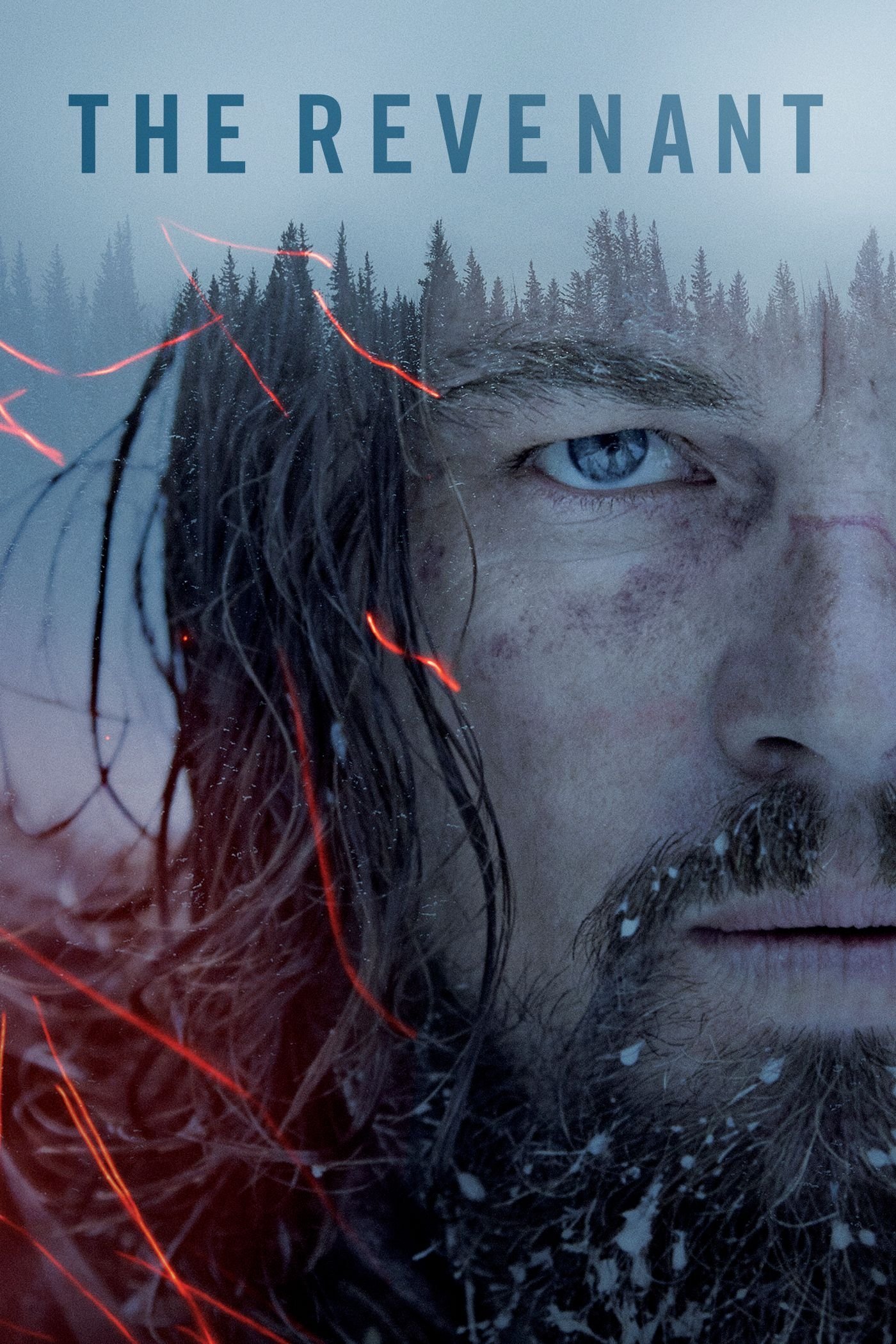
Director Alejandro G. Iñárritu’s insistence on shooting in chronological order and using only natural light in remote, freezing locations made for an incredibly difficult and grueling production. The cast and crew had to endure harsh weather conditions, including sub-zero temperatures, which led to some crew members quitting or being fired.
The film’s star, Leonardo DiCaprio, performed a number of physically demanding scenes, including eating a raw bison liver and swimming in a freezing river. The challenging shoot resulted in a visceral and immersive film that earned DiCaprio his first Academy Award for Best Actor.

