


20 Times Hollywood Cast the Wrong Actors and Fans Initially Disapproved (but Some Proved Them Wrong!)

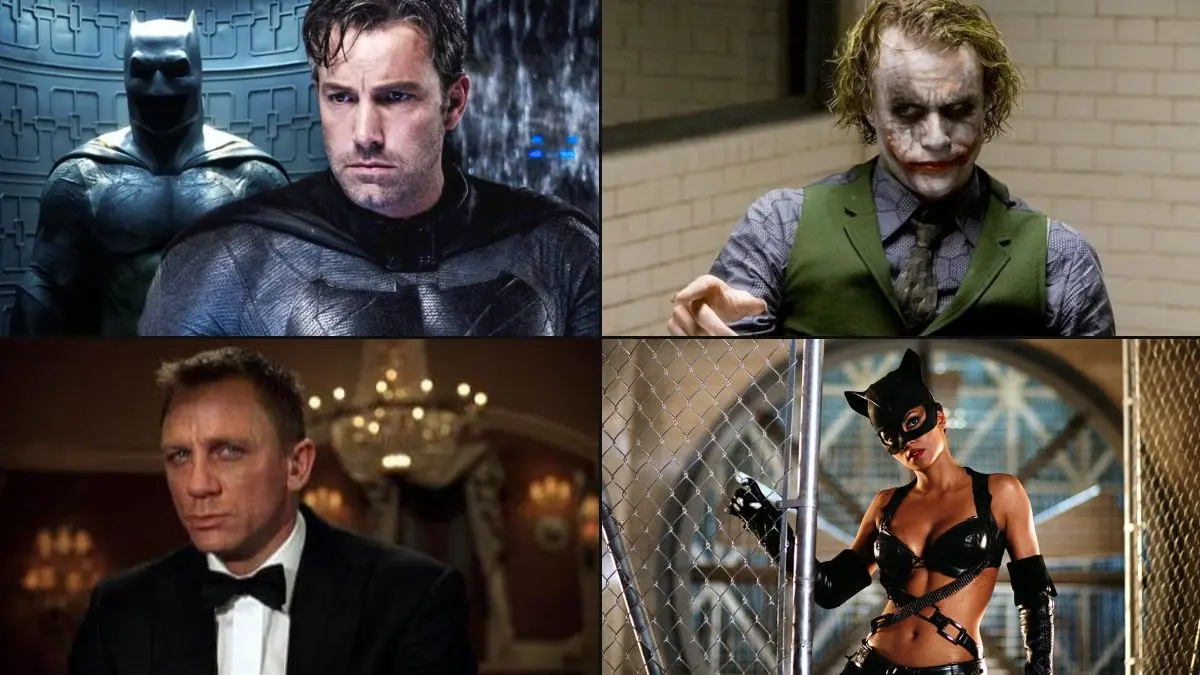


Casting actors for a movie is a difficult process. Directors and producers have to find someone who not only fits the character but also has the star power to attract an audience. Sometimes, they get it right, and a beloved character is brought to life. Other times, the choice of an actor for a particular role can leave fans scratching their heads and voicing their disapproval long before the movie even hits theaters.
History is filled with casting decisions that were met with immediate backlash from loyal fans of the source material. Whether it’s a comic book hero, a beloved literary figure, or a historical icon, fans often have a clear picture in their minds of who should play these roles. When the final casting choice doesn’t match that vision, they aren’t shy about making their feelings known. From online petitions to social media campaigns, fan disapproval can create a cloud of controversy over a film from the very beginning.
Ben Affleck as Batman in Batman v Superman: Dawn of Justice (2016)
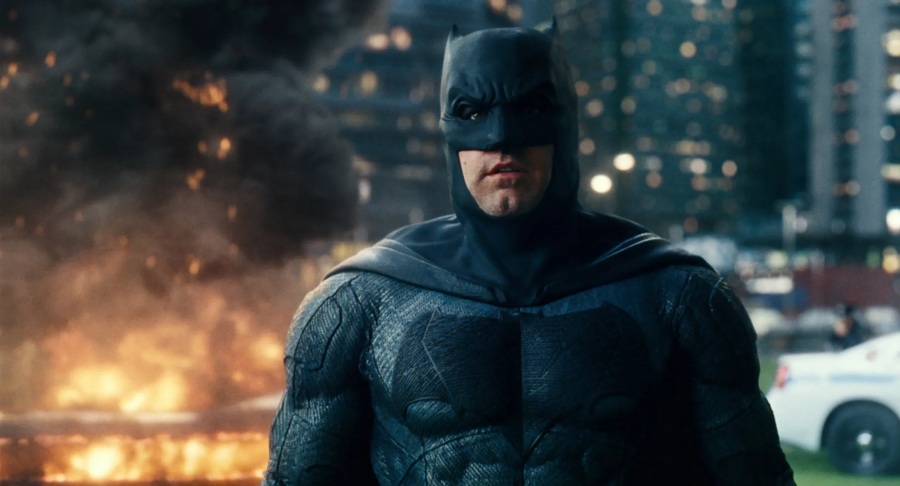
When it was announced that Ben Affleck would be the next actor to wear the cowl, many fans were not happy. The memory of his role in “Daredevil” was still fresh in the minds of some, leading to doubts about his ability to portray the Dark Knight. Tens of thousands of fans even signed protest petitions.
Despite the initial backlash, Affleck’s performance as an older, more world-weary Batman was praised by many viewers after the film’s release. He brought a new level of grit and intensity to the character that was different from previous portrayals. However, the initial disapproval from fans remains a notable example of a controversial casting choice.
Tom Cruise as Lestat in Interview with the Vampire (1994)
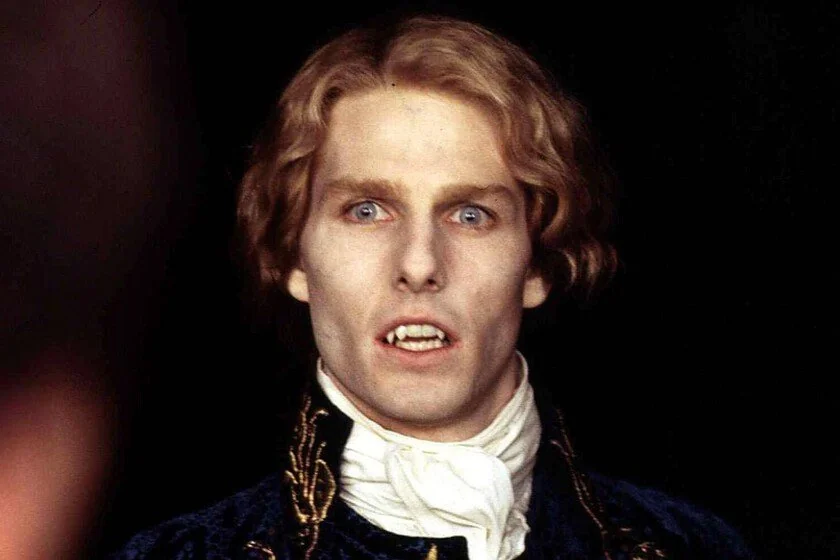
Fans of Anne Rice’s popular novel were very vocal about their disapproval when Tom Cruise was cast as the vampire Lestat. Even the author herself publicly objected to the choice. Many felt that Cruise, with his all-American image, didn’t fit the character described in the book.
However, after seeing the film, Anne Rice changed her mind completely. She took out a full-page ad to praise Cruise’s performance, calling it one of the best things about the movie. While many fans were won over, the initial casting news was met with widespread disappointment from the book’s dedicated followers.
Heath Ledger as The Joker in The Dark Knight (2008)

The casting of Heath Ledger as the Joker was met with widespread disbelief and anger from fans. Known for his roles in teen comedies, many felt he lacked the “gravity” needed for such a dark and complex character. Fans of Jack Nicholson’s previous portrayal were particularly skeptical.
Ledger’s performance, however, became legendary. He completely transformed into the character, delivering a portrayal that was both terrifying and captivating. His work earned him a posthumous Academy Award, and his version of the Joker is now considered by many to be one of the greatest screen performances of all time.
Jennifer Lawrence as Katniss Everdeen in The Hunger Games (2012)

When Jennifer Lawrence was cast as the heroine of “The Hunger Games,” some fans of the book series were not pleased. In the books, Katniss is described as having brown hair and olive skin. Lawrence, a blonde actress, didn’t physically match that description, which led to complaints from some fans.
Despite the initial concerns, Lawrence’s powerful performance as the resilient tribute from District 12 won over audiences and critics alike. The film franchise became a massive success, and Lawrence’s portrayal is now synonymous with the character.
Michael Keaton as Batman in Batman (1989)
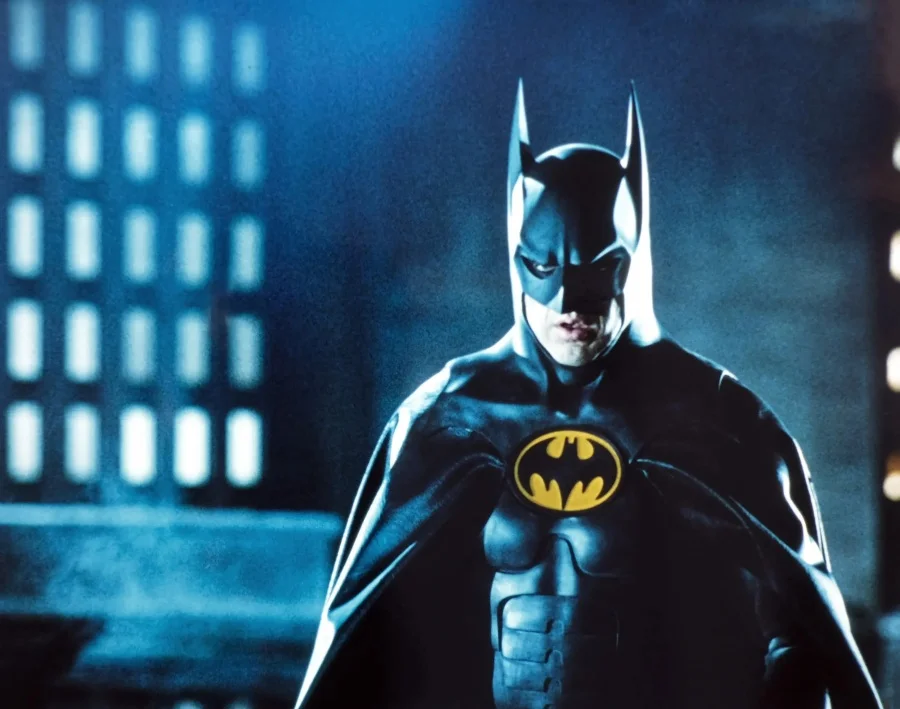
Long before Ben Affleck faced scrutiny, the casting of Michael Keaton as Batman sparked major fan backlash. Known primarily for his comedic roles, fans were worried that he couldn’t portray the dark and serious nature of the Caped Crusader. The studio received tens of thousands of complaint letters.
Despite the widespread disapproval, Keaton’s performance was a huge success. He brought a brooding intensity to the role that won over many of the doubters. The film was a box office hit and helped to redefine the superhero movie genre.
Daniel Craig as James Bond in Casino Royale (2006)
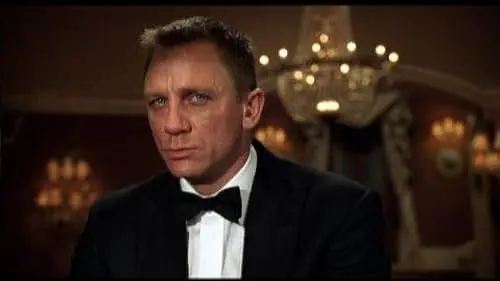
When Daniel Craig was announced as the new James Bond, many fans were unhappy. Critics pointed to his blond hair and rugged looks as reasons why he wasn’t a good fit for the traditionally dark-haired and suave secret agent. The backlash was significant, with many dismissing him before he even had a chance to play the part.
However, “Casino Royale” was a critical and commercial success, and Craig’s performance was widely praised for bringing a new grittiness and emotional depth to the character. He is now considered by many to be one of the best Bonds in the history of the franchise.
Scarlett Johansson as Major in Ghost in the Shell (2017)
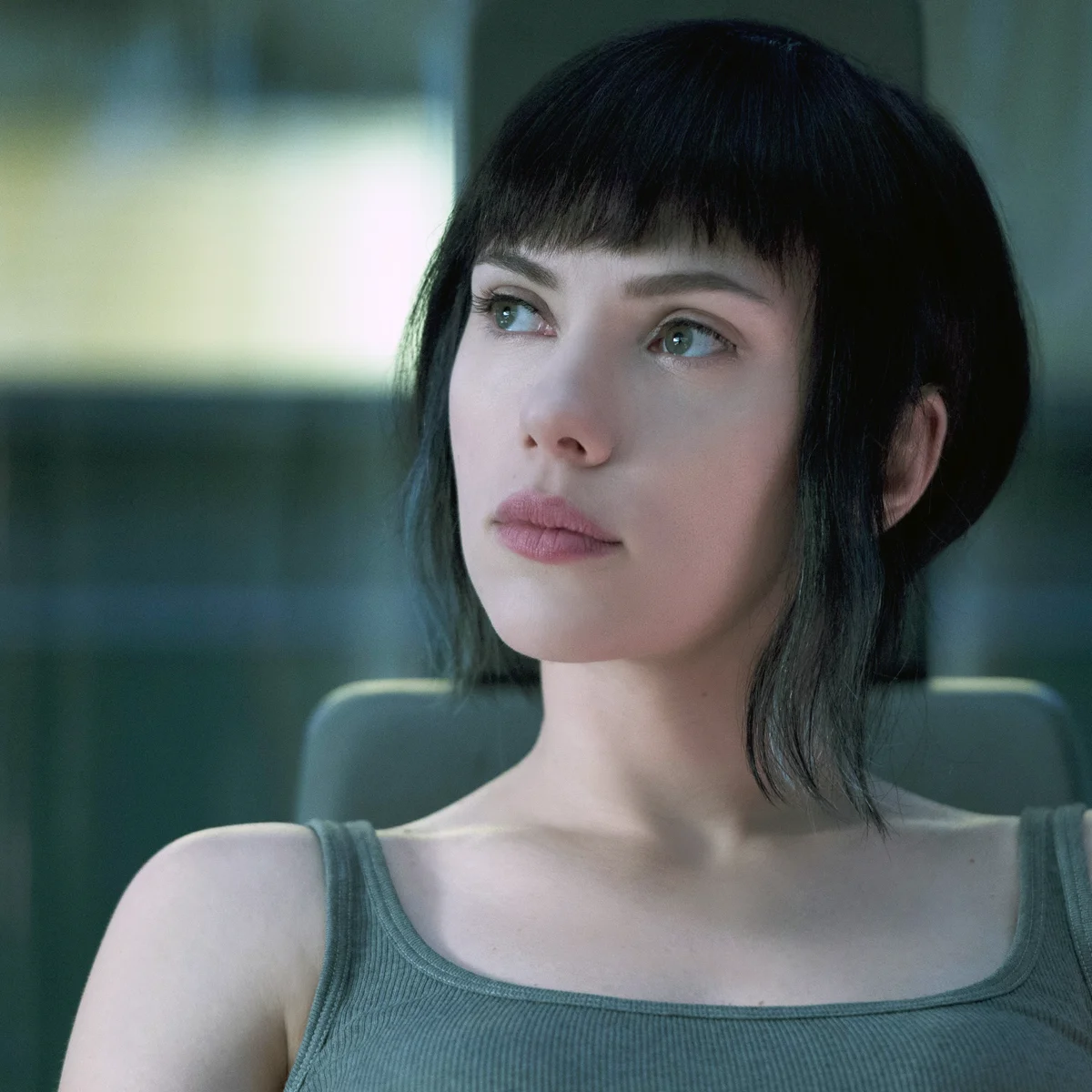
The decision to cast Scarlett Johansson in the lead role of a live-action adaptation of a popular Japanese manga sparked a significant controversy. Critics and fans accused the production of “whitewashing” by casting a white actress in a role that was originally Japanese. The controversy grew when it was revealed in the film that the character was originally Japanese.
The filmmakers defended their choice, citing Johansson’s star power. However, the film was largely seen as a disappointment, and the casting choice remained a major point of contention. The backlash highlighted the ongoing conversation about representation in Hollywood.
Johnny Depp as Tonto in The Lone Ranger (2013)
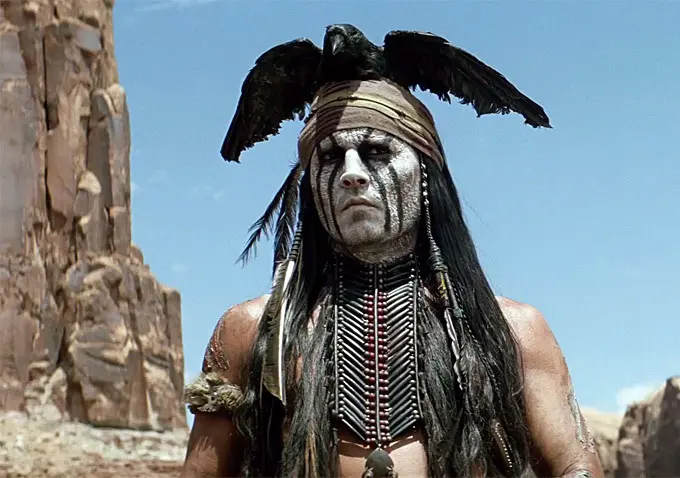
The casting of Johnny Depp, an actor of European descent, as the Native American character Tonto was widely criticized. Many found the portrayal to be a caricature that relied on outdated stereotypes, such as heavy face paint and a dead crow on his head. The choice was seen as a case of appropriation and a missed opportunity to cast a Native American actor.
Despite Depp’s box office appeal, the film was a commercial failure. The heavy criticism from audiences likely contributed to the movie’s poor performance.
Renée Zellweger as Bridget Jones in Bridget Jones’s Diary (2001)
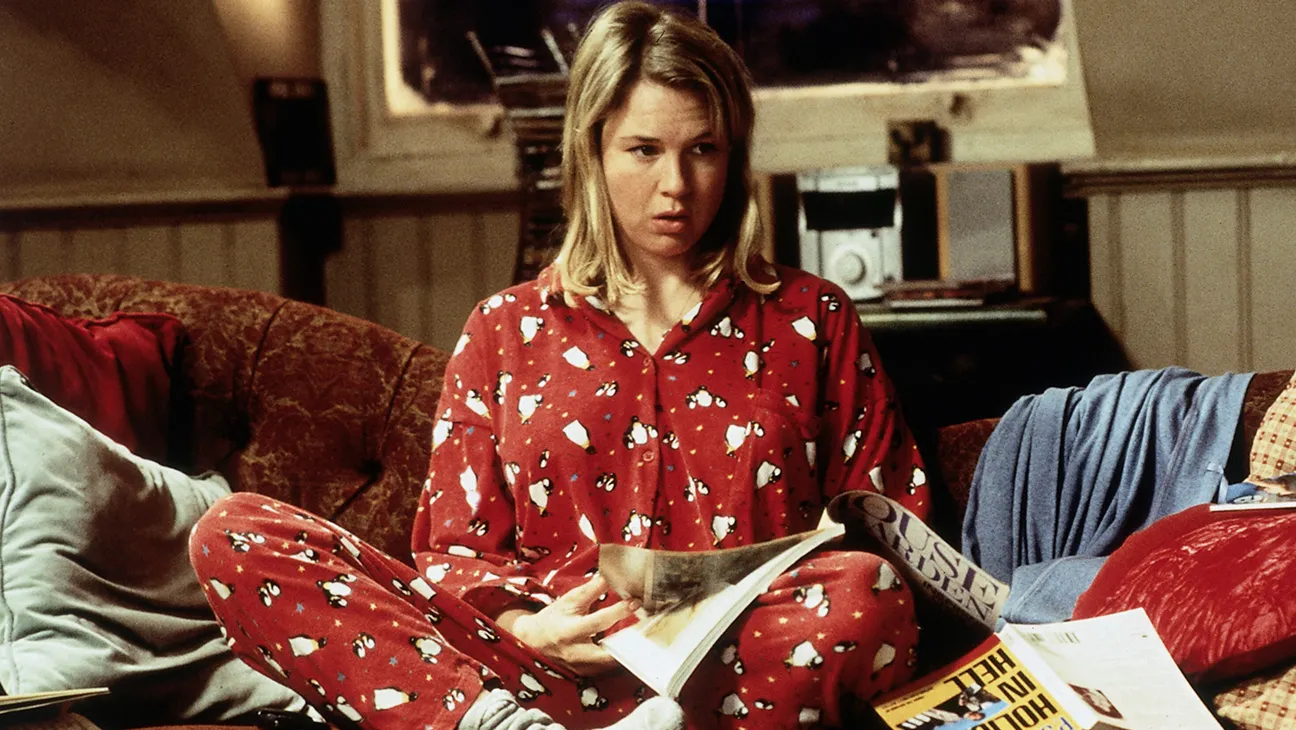
When American actress Renée Zellweger was cast as the very British Bridget Jones, many fans of the book were not happy. Concerns were raised about her ability to convincingly portray the character’s British accent and mannerisms. There was also discussion about her not being the “right” weight for the role as described in the novel.
To prepare, Zellweger gained weight, worked with a dialect coach, and even worked at a publishing house. Her dedication paid off, and her performance was widely praised, earning her an Oscar nomination and making Bridget Jones her most defining role.
Kevin Costner as Robin Hood in Robin Hood: Prince of Thieves (1991)

Kevin Costner was a major star in the 1990s, but his casting as the legendary English hero Robin Hood was met with criticism. The main point of contention was his failure to maintain a consistent English accent throughout the film. Many viewers and critics felt his American accent was distracting and took away from the authenticity of the character.
Despite the criticism of his performance, the movie was a huge box office success. However, Costner’s portrayal is often cited as a prime example of an actor being miscast in a role that required a specific nationality and accent.
Cameron Diaz as Jenny Everdeane in Gangs of New York (2002)
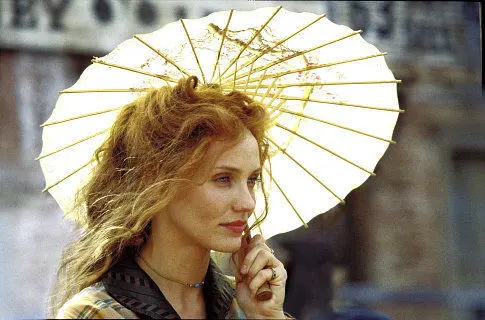
Martin Scorsese’s epic historical drama featured a star-studded cast, but many felt Cameron Diaz was not the right choice for her role. Playing a pickpocket and love interest in 19th-century New York, her performance was described by some as flat.
Critics and audiences felt she was out of place alongside seasoned actors like Daniel Day-Lewis and Leonardo DiCaprio. Some argued that her character felt unnecessary to the plot and was only included due to her box office draw at the time.
Vince Vaughn as Norman Bates in Psycho (1998)
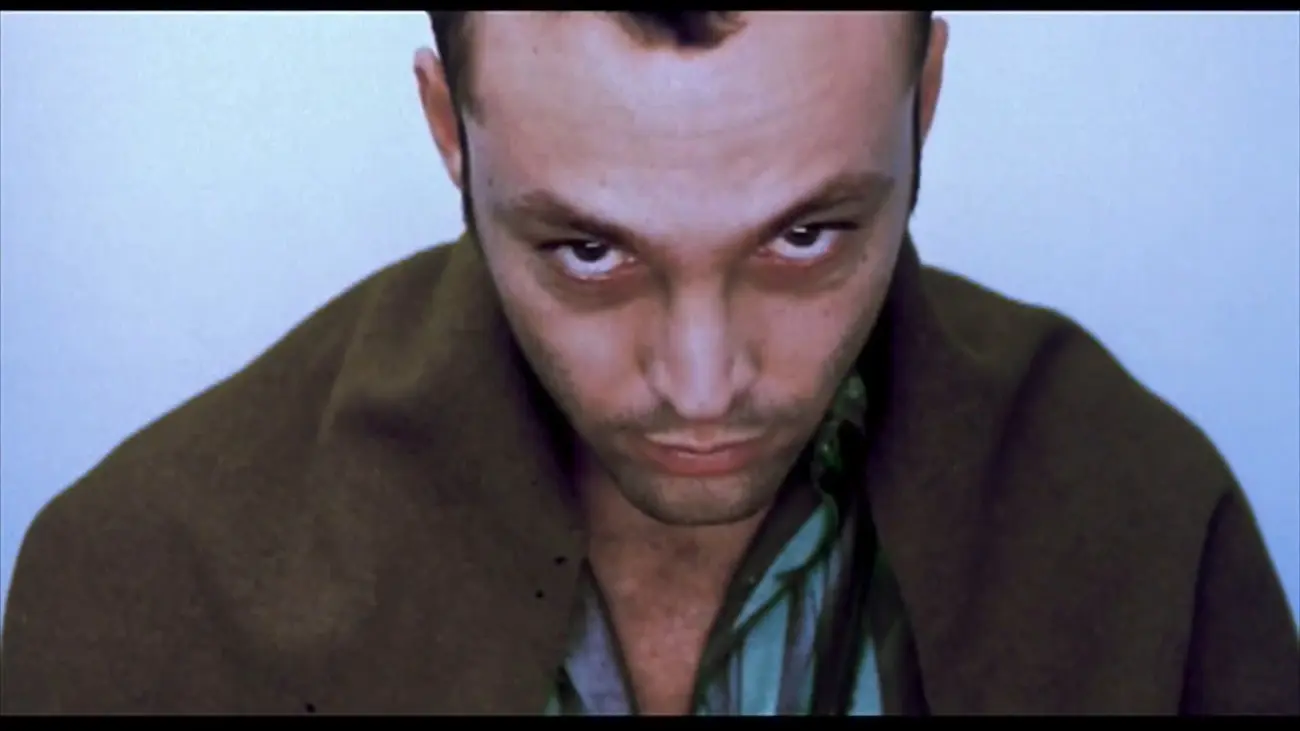
Remaking a classic film is always a risky move, and casting a new actor in an iconic role is even riskier. When Vince Vaughn was chosen to play Norman Bates in the shot-for-shot remake of Alfred Hitchcock’s “Psycho,” many were skeptical. Known for his comedic roles, Vaughn struggled to capture the unsettling and creepy nature of the character that Anthony Perkins had perfected.
Audiences and critics found his performance underwhelming, with many feeling that his comedic background made it difficult to see him as a convincing psychopath. Vaughn himself has since agreed that he was miscast in the role.
Halle Berry as Catwoman in Catwoman (2004)
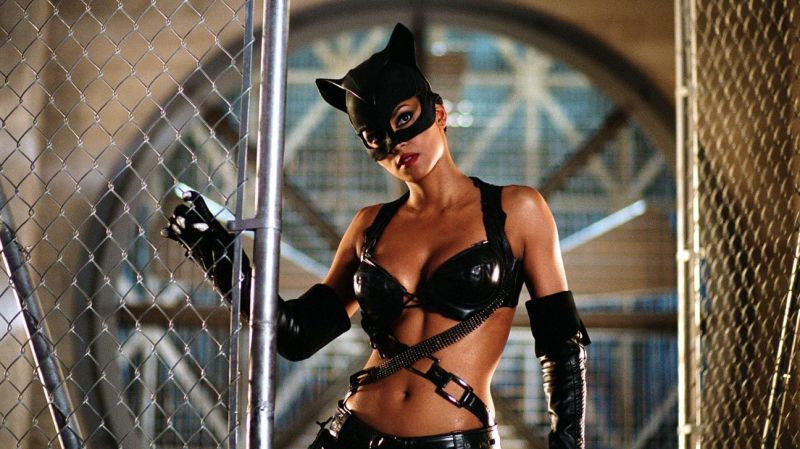
The “Catwoman” movie was a critical and commercial failure, and Halle Berry’s casting in the lead role was widely panned. Everything about the film, from the script to the directing, was criticized, but Berry’s performance received a significant amount of the blame.
The portrayal was seen as overly campy and a departure from the more complex versions of the character seen in the comics. Berry even famously accepted the Razzie Award for Worst Actress in person, acknowledging the film’s shortcomings.
Russell Crowe as Javert in Les Misérables (2012)
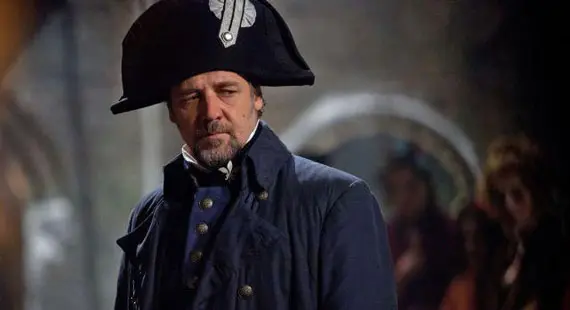
Tom Hooper’s film adaptation of the beloved musical featured live singing from the actors, a choice that proved challenging for some of the cast. While Russell Crowe is a celebrated actor, his vocal performance as the determined Inspector Javert was widely criticized.
Many viewers and critics found his singing to be dull and lacking the power required for the role’s iconic songs. The general consensus was that a more experienced singer should have been cast to do justice to the demanding musical numbers.
John Wayne as Genghis Khan in The Conqueror (1956)
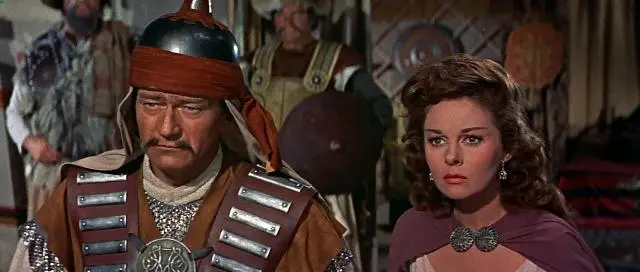
In one of Hollywood’s most infamous casting decisions, American actor John Wayne was cast as the Mongol emperor Genghis Khan. The choice was widely seen as ridiculous, with Wayne’s iconic American cowboy persona being completely at odds with the historical figure he was meant to be portraying.
The film was a critical and commercial disaster. The decision to cast a white actor in an Asian role, a practice known as “yellowface,” has been heavily condemned in the years since the film’s release.
Mickey Rooney as I.Y. Yunioshi in Breakfast at Tiffany’s (1961)
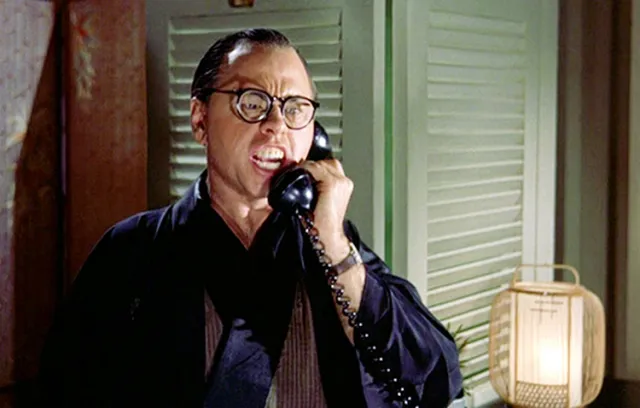
One of the most criticized and offensive casting choices in film history is Mickey Rooney’s portrayal of Mr. Yunioshi. Rooney, a white actor, played the Japanese character in a way that relied heavily on racist stereotypes, including buck teeth, a thick accent, and clumsy behavior.
The portrayal was controversial even at the time of the film’s release and is now widely seen as a regrettable and embarrassing example of Hollywood’s past insensitivity. The character is often cited in discussions about yellowface and the need for authentic representation in media.
Natalie Wood as Maria in West Side Story (1961)
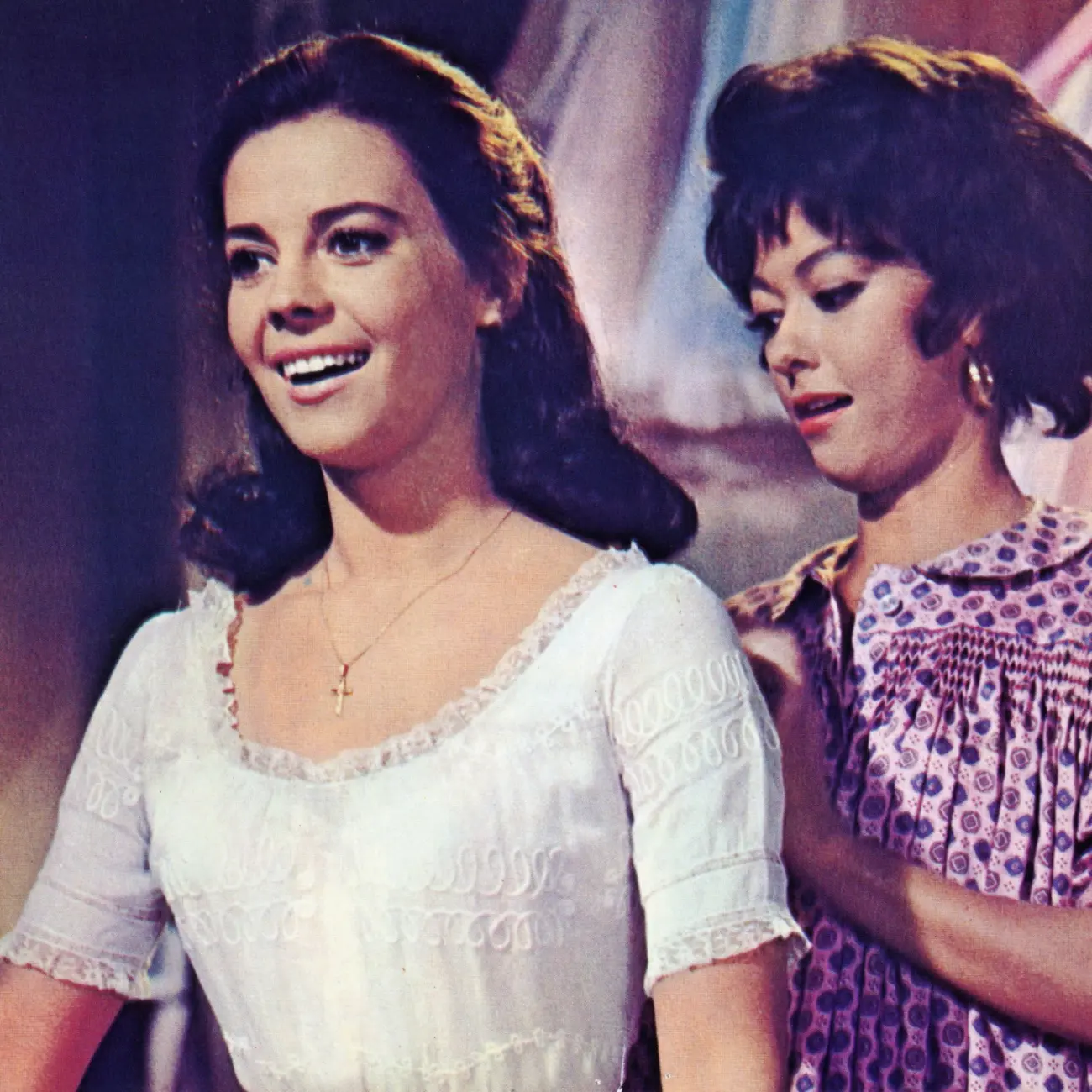
The classic musical “West Side Story” tells the story of a Puerto Rican girl named Maria who falls in love with a white American boy. Despite the character’s ethnicity, white actress Natalie Wood was cast in the role. While Wood’s performance was praised, the decision to cast a non-Latina actress has been criticized in the years since.
To make matters more complicated, Wood’s singing voice was dubbed by Marni Nixon, a common practice at the time but one that further distanced the performance from an authentic portrayal. The casting choice is often discussed as an example of Hollywood’s history of overlooking minority actors for major roles.
Jake Gyllenhaal as Prince Dastan in Prince of Persia: The Sands of Time (2010)
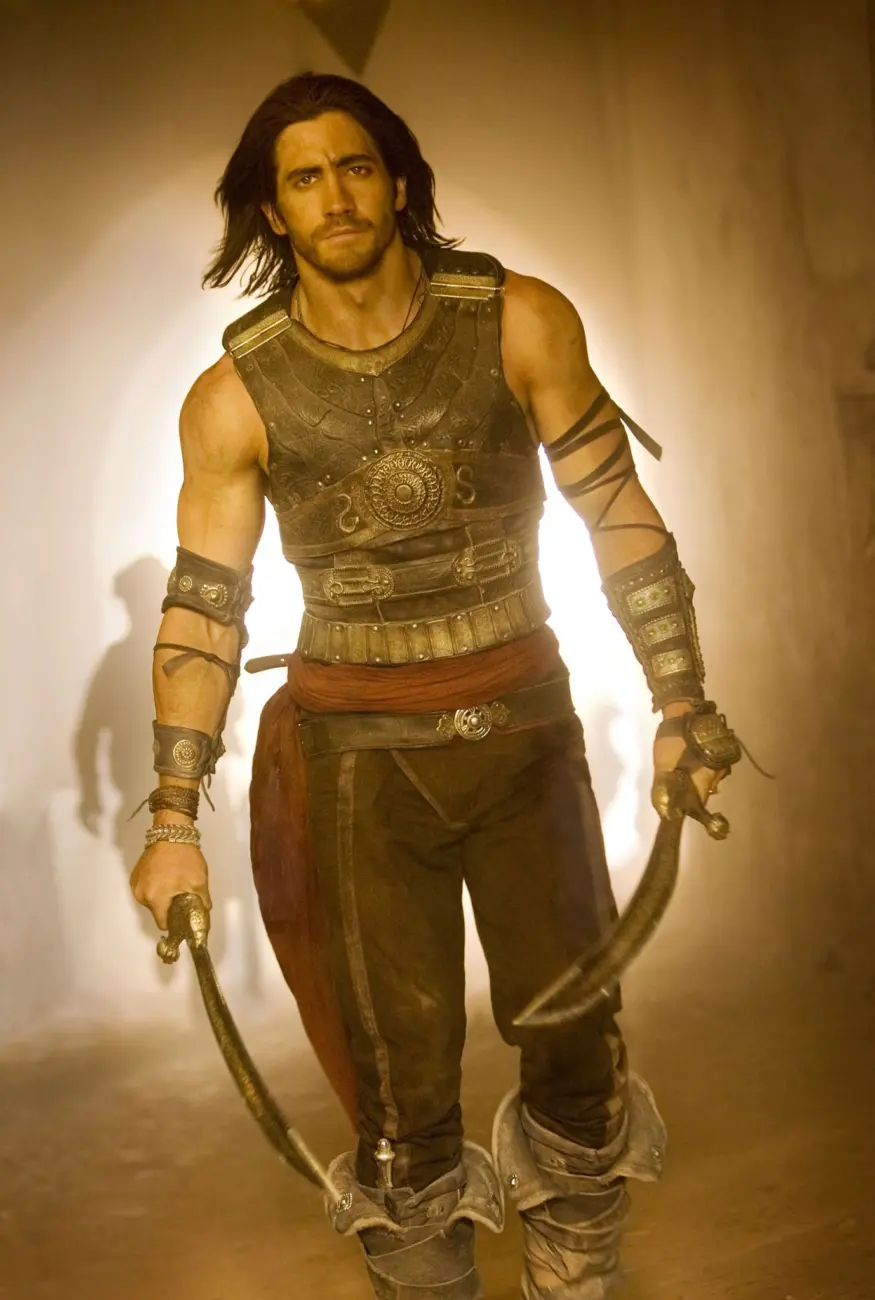
The casting of American actor Jake Gyllenhaal as the lead in a movie set in ancient Persia was met with criticism and accusations of whitewashing. Many questioned why a white actor was chosen for a role that could have gone to an actor of Iranian or Middle Eastern descent.
The film was seen by many as another example of Hollywood’s tendency to cast white actors in roles of color, a practice that denies opportunities to minority actors and perpetuates a lack of diversity on screen. The controversy surrounding the casting overshadowed the film itself for many viewers.
Emma Stone as Allison Ng in Aloha (2015)
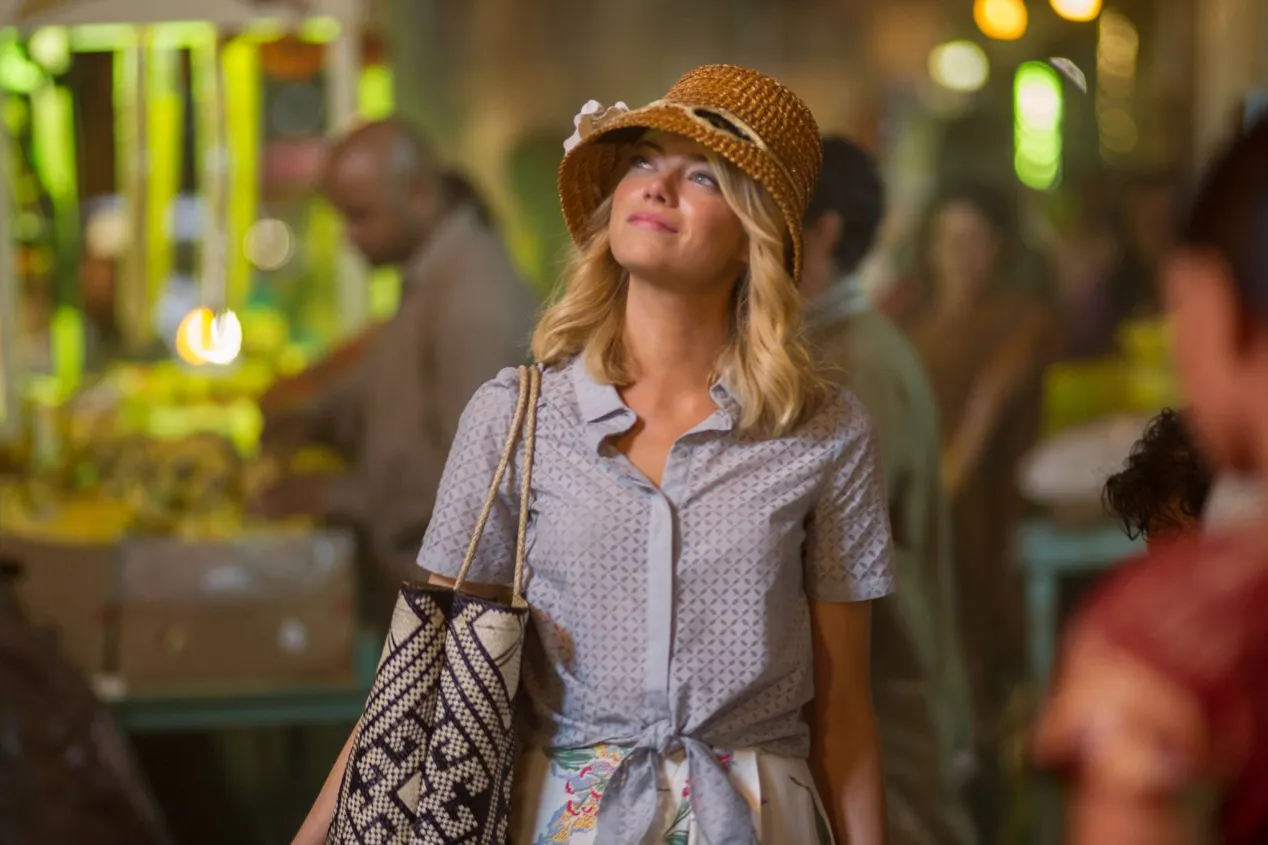
The casting of Emma Stone as a character of Hawaiian and Asian descent sparked a significant backlash. The character’s name, Allison Ng, and her heritage were central to the story, making the choice to cast a white actress particularly glaring.
The controversy led to a wider discussion about whitewashing in Hollywood, with many criticizing the filmmakers for not casting an actress of Asian or Pacific Islander descent. Director Cameron Crowe later apologized for the casting choice, acknowledging that it was a mistake.
Gerard Butler as Set in Gods of Egypt (2016)
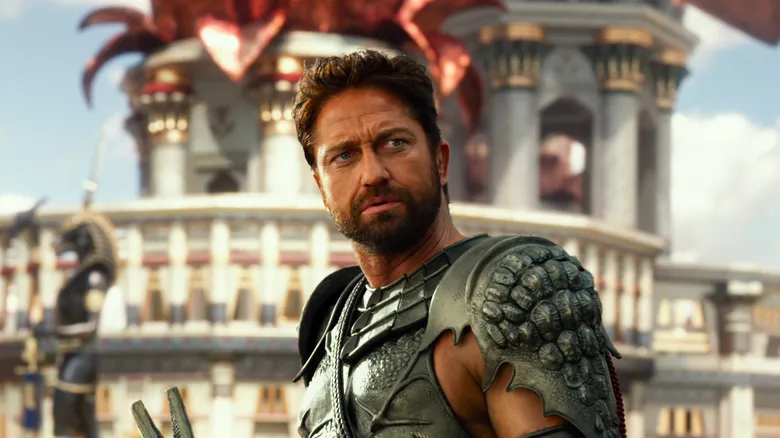
The fantasy film “Gods of Egypt” faced a storm of criticism for its predominantly white cast playing Egyptian deities. Scottish actor Gerard Butler’s role as the villainous god Set was one of the main targets of the backlash.
Critics and audiences pointed out the absurdity of casting white actors to portray characters from Egyptian mythology. The director and studio later issued apologies for the lack of diversity in the casting, acknowledging that they should have made more of an effort to cast actors of color.

