


2000s Movies that Are Impossible to Remake Today

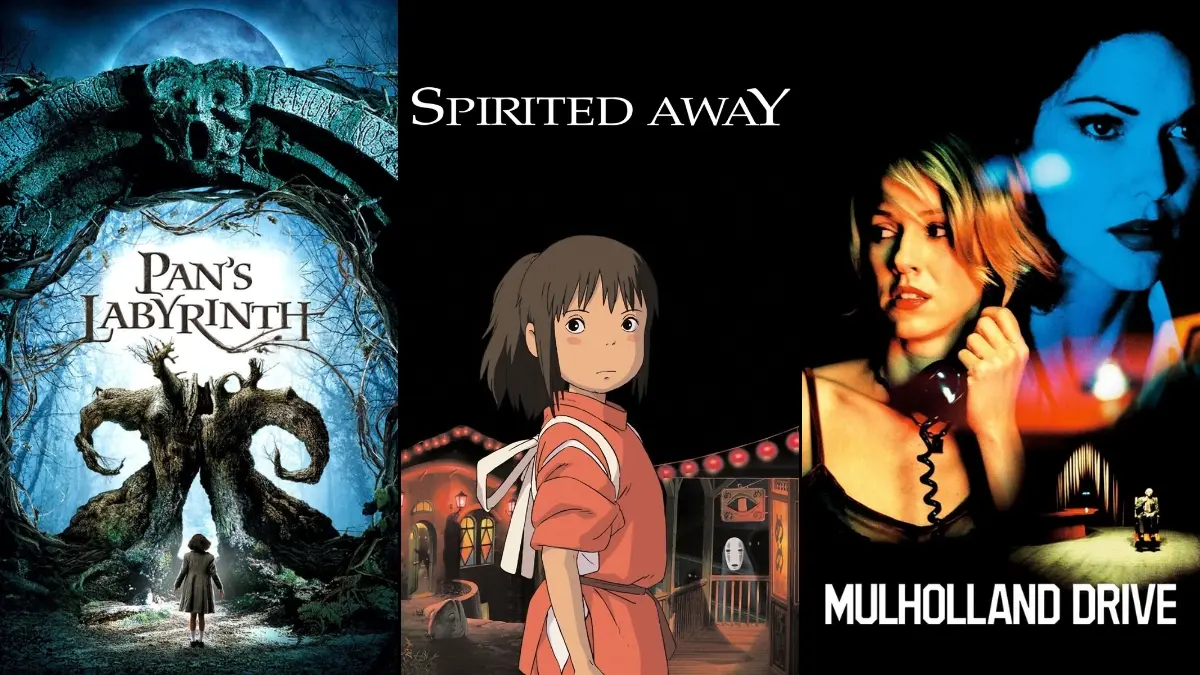


Some films from the 2000s were built under a very specific mix of technology, talent, studio appetite, and cultural context. The way they were developed, financed, and produced often hinged on one-off conditions that would be tough to line up again, even with bigger budgets or newer tools. Looking at how these projects actually came together tells a lot about why they’d be a headache to rebuild from scratch now.
Below are twenty-five titles from that decade whose production realities—rights issues, casting alchemy, practical methods, release strategies, or on-the-ground logistics—make them uniquely tied to the moment they were made. Each entry focuses on concrete details about how the film was put together and brought to audiences.
‘The Dark Knight’ (2008)
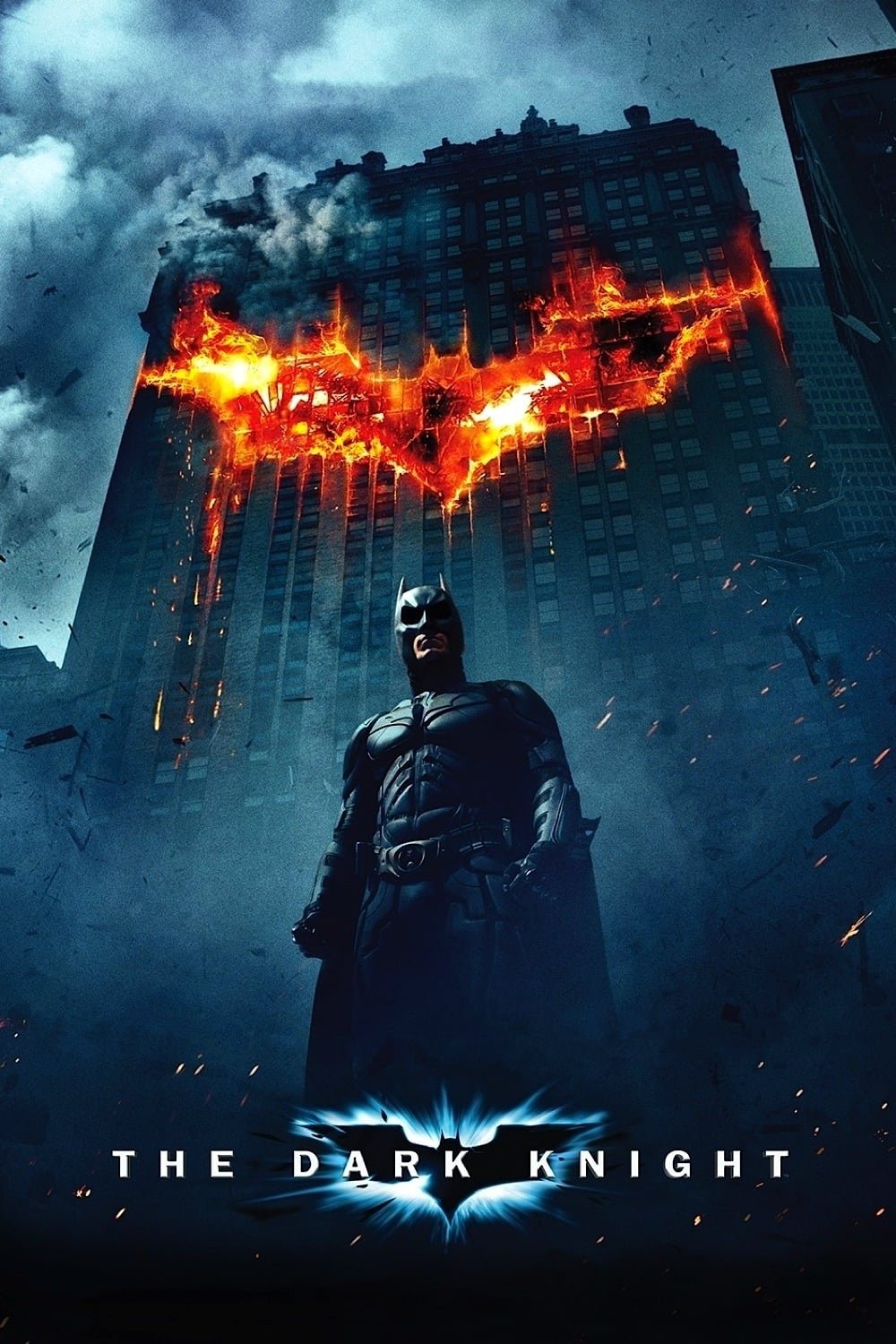
Director Christopher Nolan integrated large-format IMAX photography specifically for select sequences, requiring custom camera housings and coordination with exhibition partners equipped for premium projection. The production used extensive in-camera effects and large-scale stunts, including the practical overturning of a truck on a downtown Chicago location secured through city cooperation and lengthy safety planning.
Warner Bros. backed an ambitious global rollout that leveraged a complex viral marketing campaign and a staggered IMAX strategy. The film’s post-production pipeline blended photochemical and digital elements, with negative cutting and DI conform tailored to preserve IMAX resolution across varying aspect ratios in home and theatrical versions.
‘Borat: Cultural Learnings of America for Make Benefit Glorious Nation of Kazakhstan’ (2006)
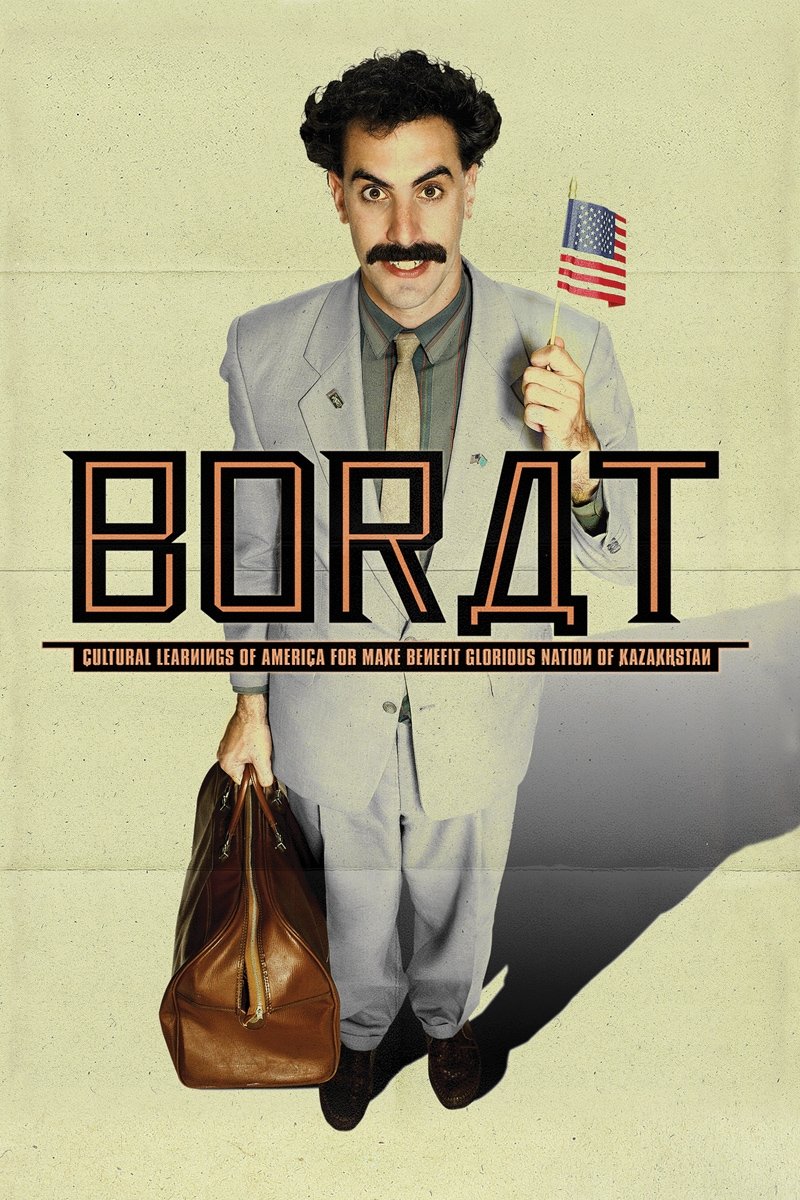
The project relied on covert, semi-improvised field shooting with minimal crew visibility, using release forms and legal vetting structures that were designed to withstand challenges after the fact. Sacha Baron Cohen’s performance depended on an alter-ego whose public anonymity had to be preserved during production to maintain the candid nature of interactions.
The distributor structured a platform release that was responsive to rapid word-of-mouth while navigating multiple territories’ defamation and privacy laws. Insurance and legal teams coordinated closely with editorial to manage clearances, with certain sequences assembled from extended raw footage to document context for any potential claims.
‘Oldboy’ (2003)
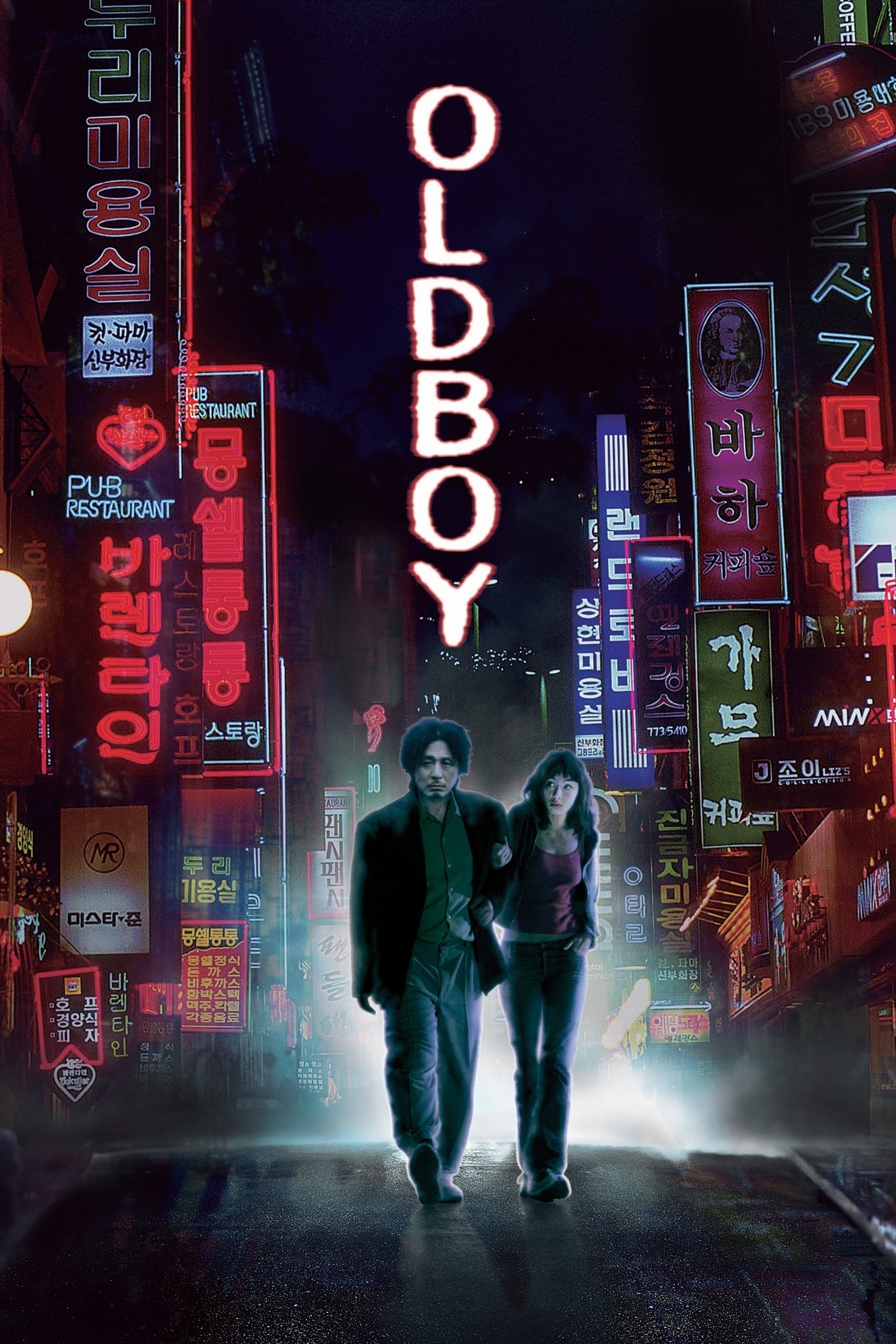
Park Chan-wook’s adaptation of the Japanese manga proceeded under region-specific licensing and creative control agreements that afforded the director wide latitude on tone and narrative structure. The crew staged extended fight choreography captured in long takes within practical sets, requiring detailed rehearsal schedules and set construction tailored for continuous camera movement.
The film’s post-production balanced stylized color timing with location-driven sound design, and the release strategy leveraged international festival exposure to secure broader distribution. Sales agents positioned the title as a prestige genre export, coordinating subtitling, censorship approvals, and print logistics across multiple markets.
‘Pan’s Labyrinth’ (2006)
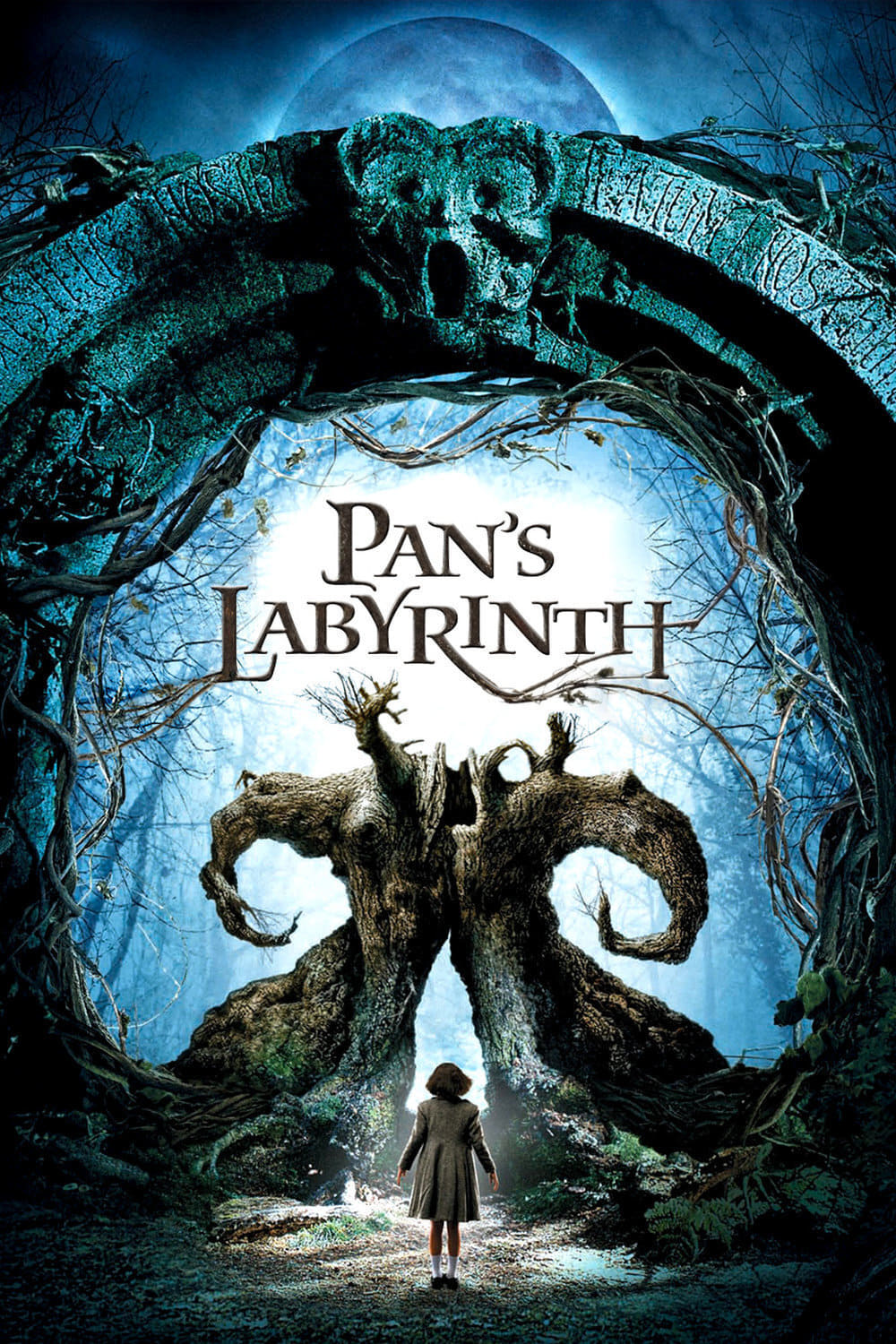
Guillermo del Toro combined extensive practical creature effects—full silicone suits, animatronics, and hand-crafted prosthetics—with selective CGI augmentation. The Spanish-language production assembled financing through a multinational package involving Spanish and Mexican entities, with state incentives and co-production treaties shaping jurisdictional hiring and spend.
Art departments fabricated large physical sets to control lighting and texture, while the score and soundscape were integrated early through temp tracks that informed creature performance timing. International distribution hinged on a careful subtitling and awards-campaign plan that increased platform counts in stages.
‘Requiem for a Dream’ (2000)
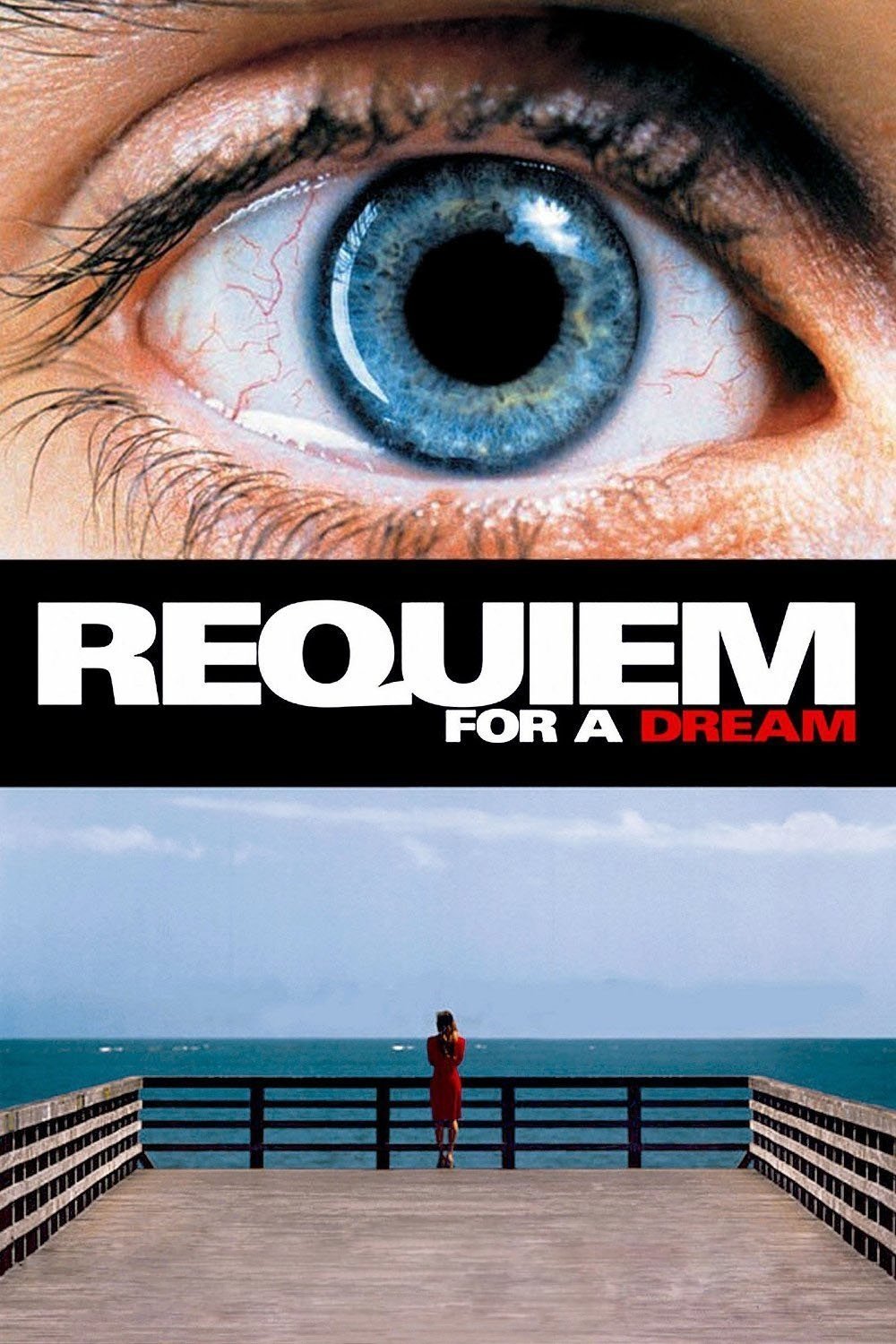
Darren Aronofsky and cinematographer Matthew Libatique built a visual grammar around split-screen, SnorriCam rigs, and accelerated montage, requiring meticulously planned insert photography and prop continuity. The production’s clearances covered brand-adjacent packaging and practical special effects depicting drug use, coordinated with an editorial workflow tuned for rapid intercutting.
The release navigated ratings board concerns, leading to distribution tactics that emphasized specialty theaters and critical endorsements. The score’s recurring motifs were mixed to maintain dynamic range across scenes with aggressive cutting, necessitating close collaboration between picture and sound editorial.
‘United 93’ (2006)

The film was developed with extensive consultation from families, industry professionals, and regulatory bodies to ensure procedural accuracy. Sets replicated airline cabin layouts with gimbal rigs that simulated flight dynamics, demanding safety oversight and coordination with aviation advisors.
Universal Pictures structured marketing and release materials with sensitivity guidelines, while editorial choices emphasized real-time pacing backed by detailed timeline reconstructions. The project’s approvals process included layers of legal and factual review uncommon for studio releases.
‘The Passion of the Christ’ (2004)
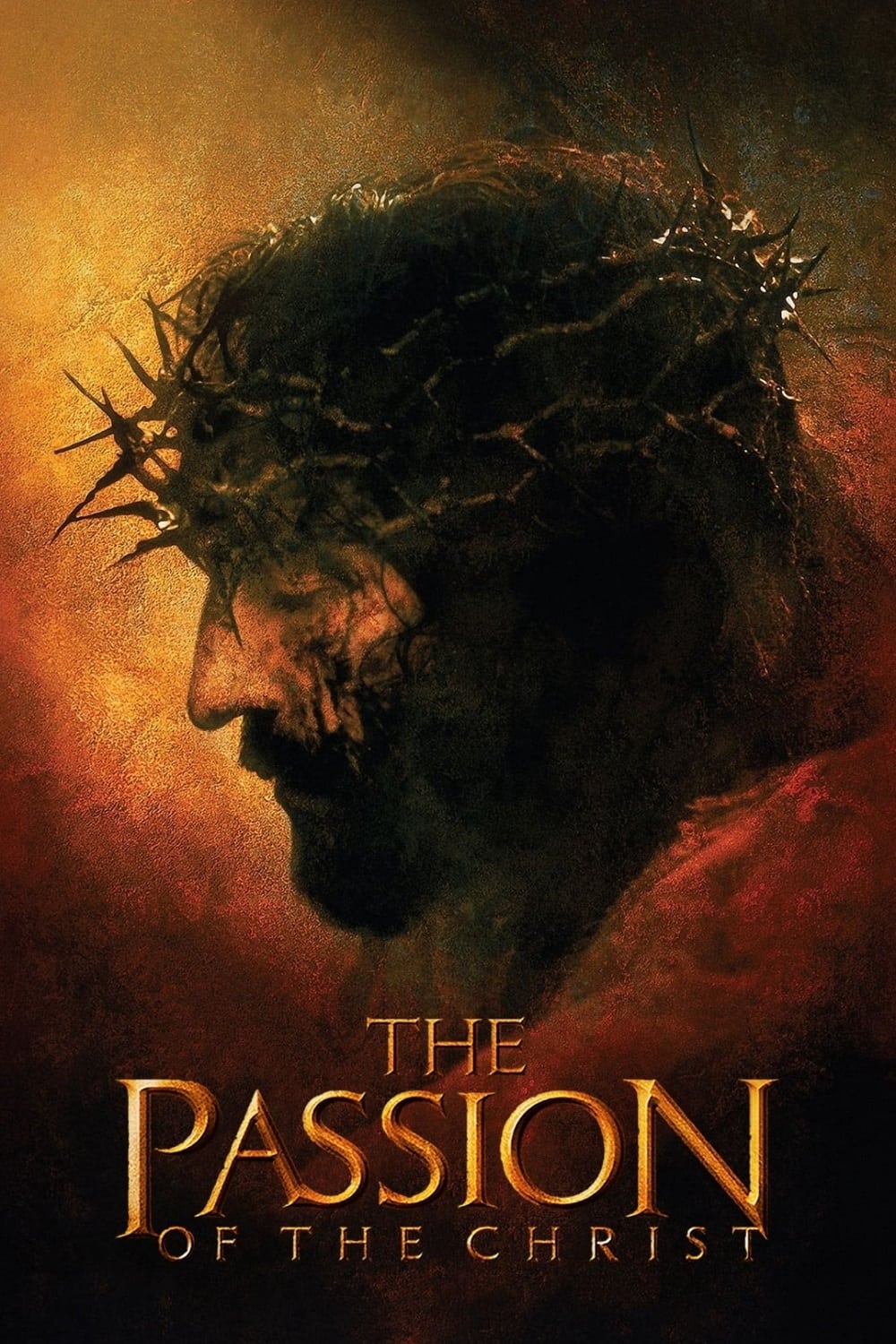
Dialogue was performed in Aramaic and Latin, requiring trained casts and on-set language coaching as well as post-production subtitling tailored for global markets. Financing was arranged outside traditional studio greenlight channels, relying on private funds and a targeted distribution plan that leaned on faith-based outreach networks.
The production emphasized practical makeup effects for extended sequences, necessitating specialized prosthetics teams and extended daily application windows. The release strategy used unconventional marketing partnerships with community organizations and event bookings alongside standard theatrical runs.
‘Avatar’ (2009)

James Cameron’s team developed a bespoke virtual camera system to visualize performance-capture in real time within digital environments. The production invested in facial capture rigs and a pipeline that linked motion-capture stages to Weta Digital’s rendering tools, enabling iterative feedback between live action and CG ecosystems.
Exhibition partners upgraded screens to support stereoscopic projection, and the rollout coordinated multiple formats—2D, 3D, and premium large-format—to maximize reach. Ancillary planning included a long-tail rendering schedule for international versions and accessibility tracks synced to the complex mix.
‘No Country for Old Men’ (2007)
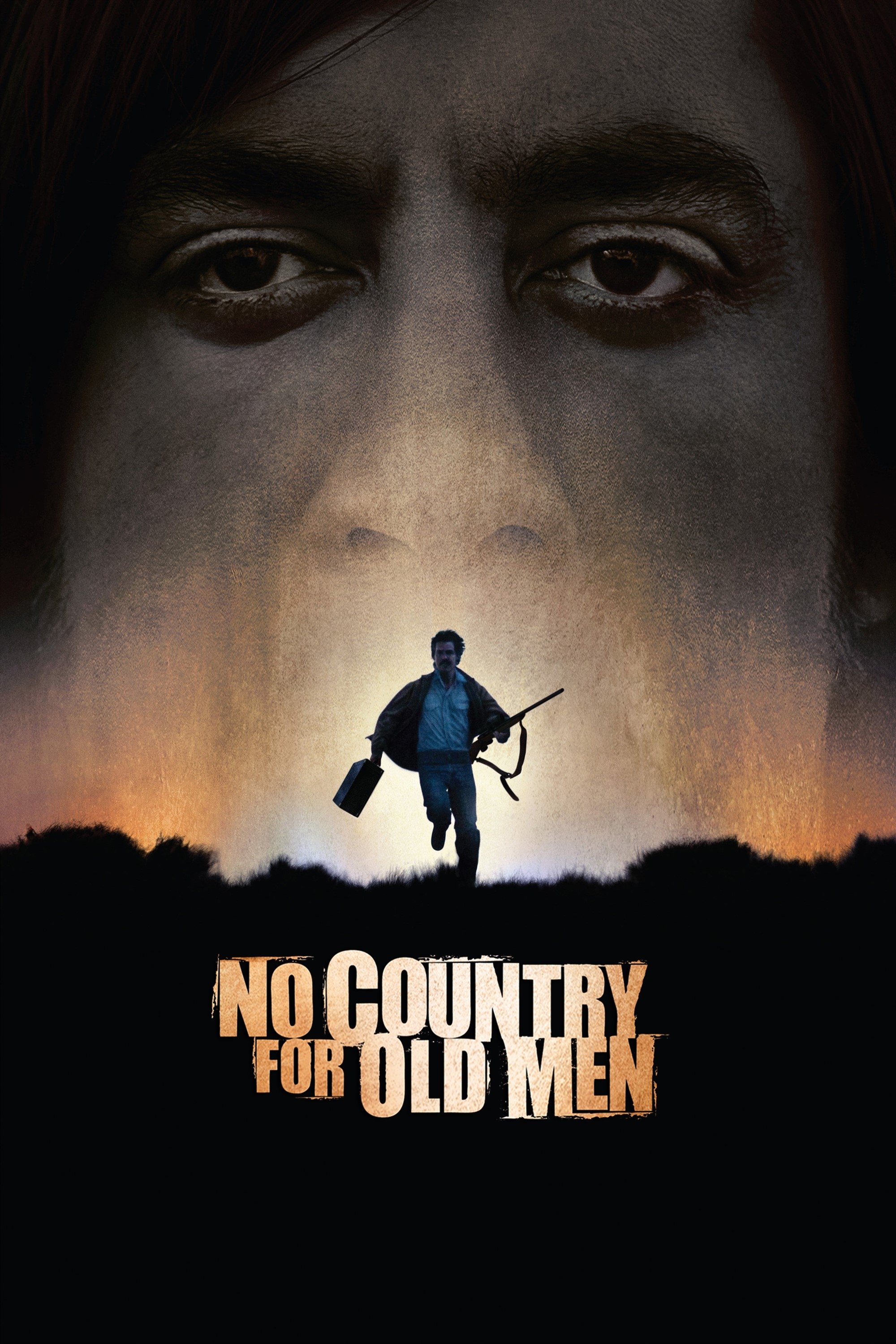
The Coen brothers adapted Cormac McCarthy’s novel with a minimalist score approach that placed unusual weight on production sound and atmospherics. The shoot exploited West Texas and New Mexico locations for expansive exteriors, with continuity planning tailored to shifting light and weather conditions.
Prop and wardrobe departments worked from detailed period references to maintain authenticity across multiple states’ locations. Post-production preserved the film’s dynamic silence through conservative dynamics processing, ensuring consistency across theatrical and home mixes.
‘There Will Be Blood’ (2007)
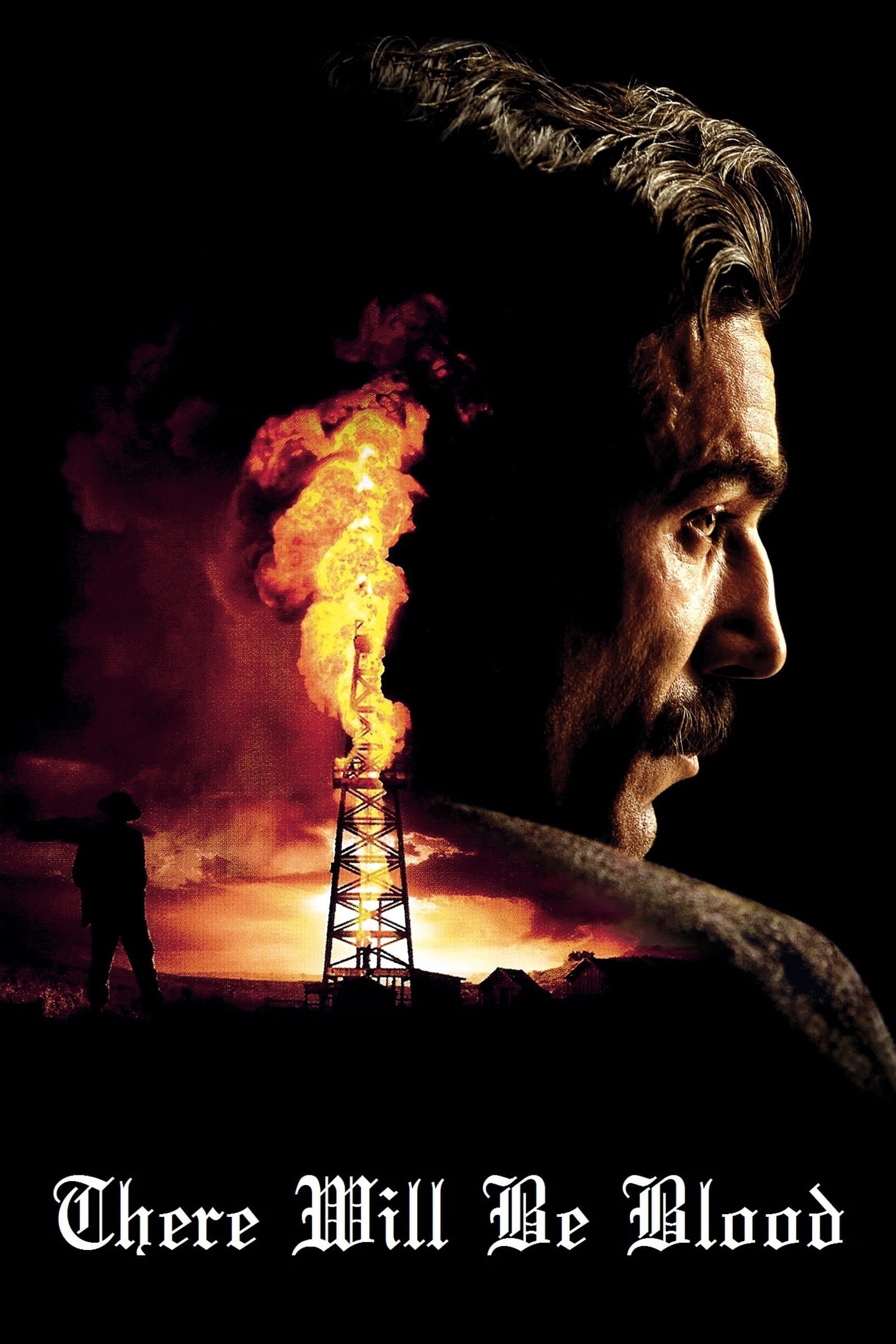
The production constructed an oil-boom town set on private land, allowing for controlled pyrotechnics and large-scale derrick builds. Collaboration with petroleum history consultants informed prop design, drilling rig mechanics, and the logistics of simulating blowouts safely.
The score’s orchestration and recording sessions were integrated early into the cut, influencing rhythm and scene duration. Distribution positioned the film for awards consideration, with a platform rollout that expanded screens in response to critical traction.
‘Team America: World Police’ (2004)
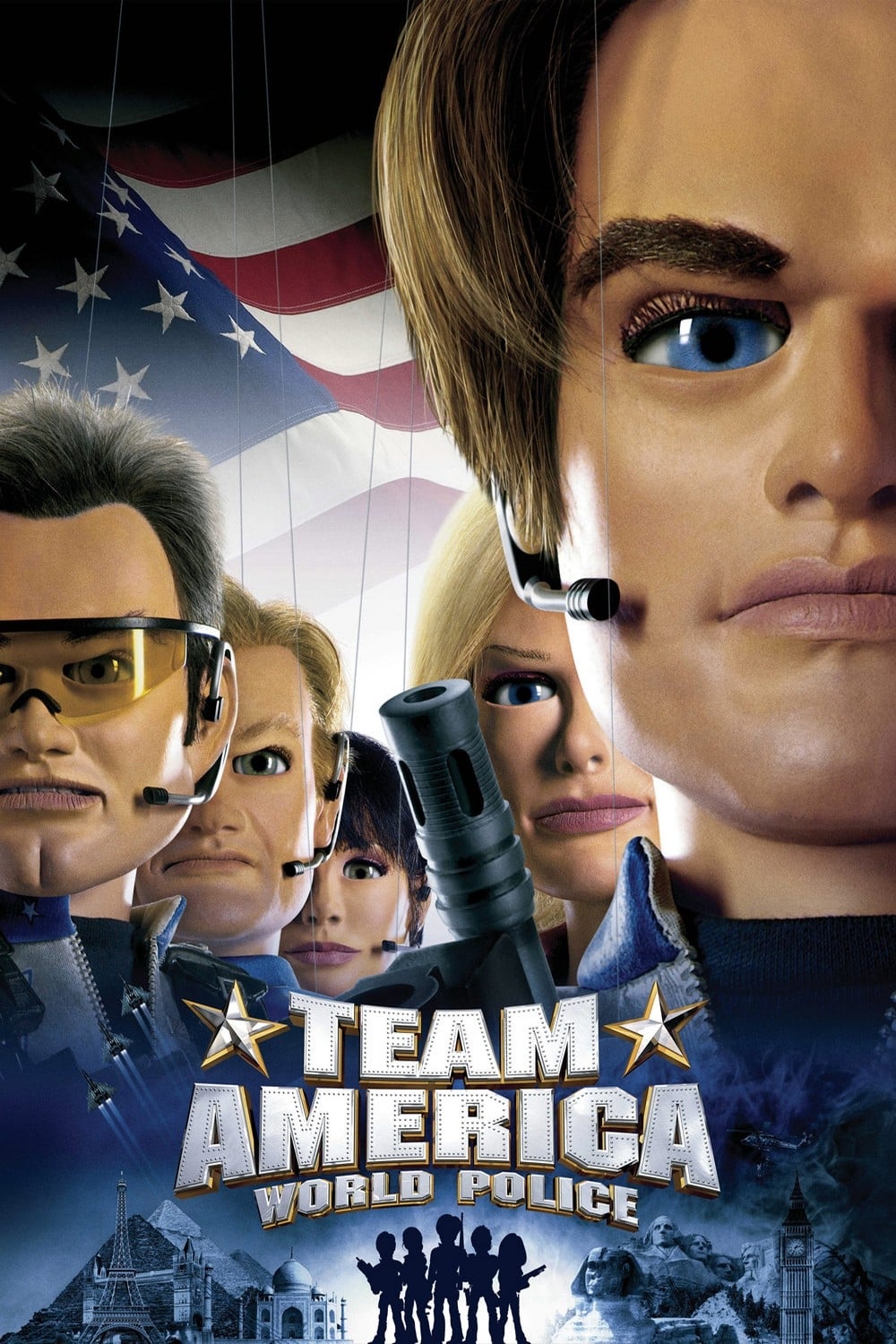
Trey Parker and Matt Stone produced a full feature using marionette puppetry, which demanded custom stage engineering, visible rig removal planning, and a hybrid VFX pipeline. Sets were built at miniature scale with detailed art direction, lighting schemes, and motion-control passes for consistent composite work.
Music, dialogue, and effects were recorded to accommodate the constraints of puppet lip-sync and limited facial articulation. The team navigated ratings negotiations and clearances tied to parody depictions, aligning legal review with post-production deadlines.
‘Tropic Thunder’ (2008)
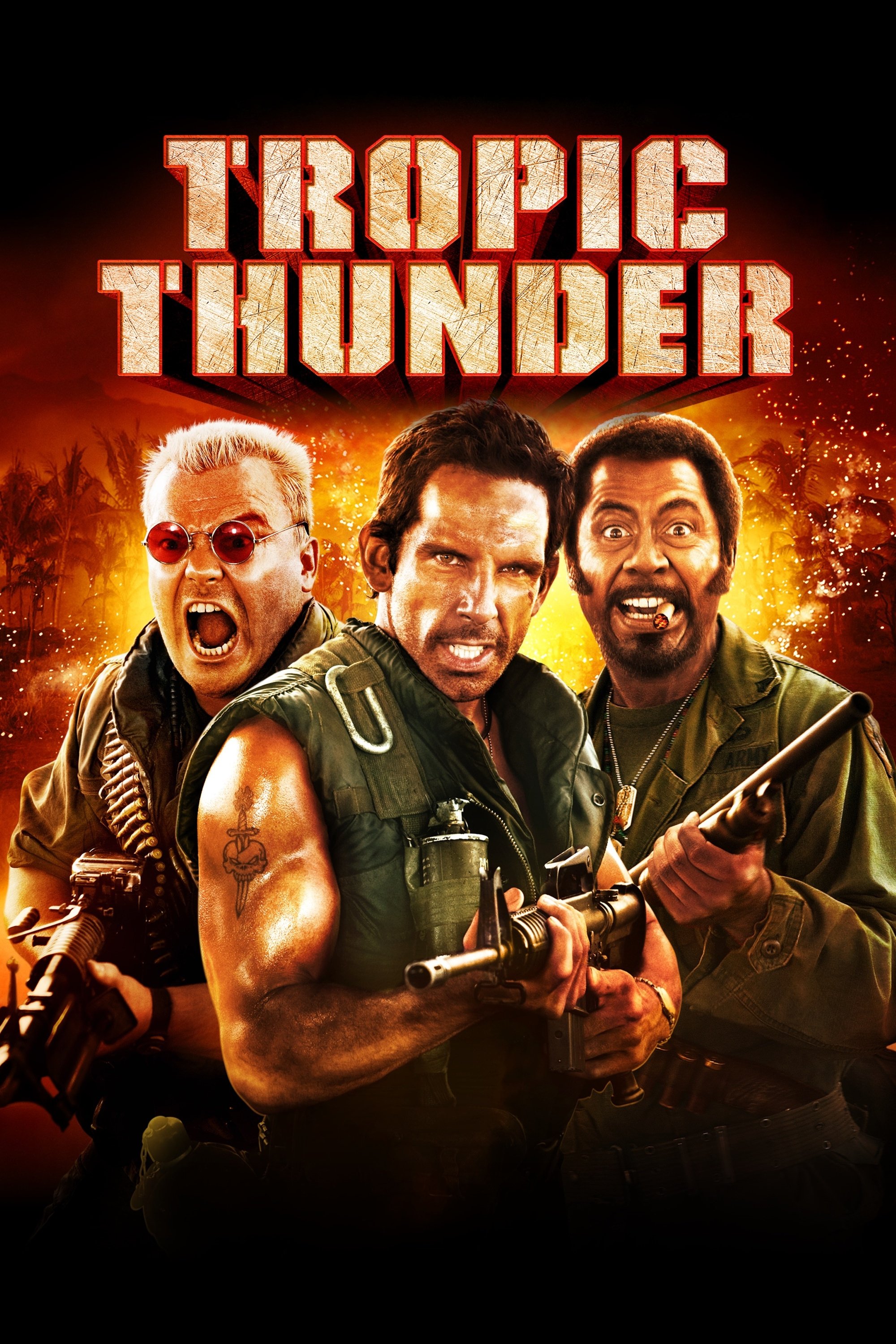
The production coordinated a large ensemble cast with overlapping availability windows, requiring staggered shooting blocks and second-unit coverage. Extensive jungle set builds and on-location sequences were paired with pyrotechnic effects and aerial coordination.
Marketing materials balanced action-comedy positioning with content advisories, and the studio managed international localizations to adhere to regional standards. The soundtrack licensing package combined original cues with high-profile tracks, necessitating multi-territory rights management.
‘Sin City’ (2005)
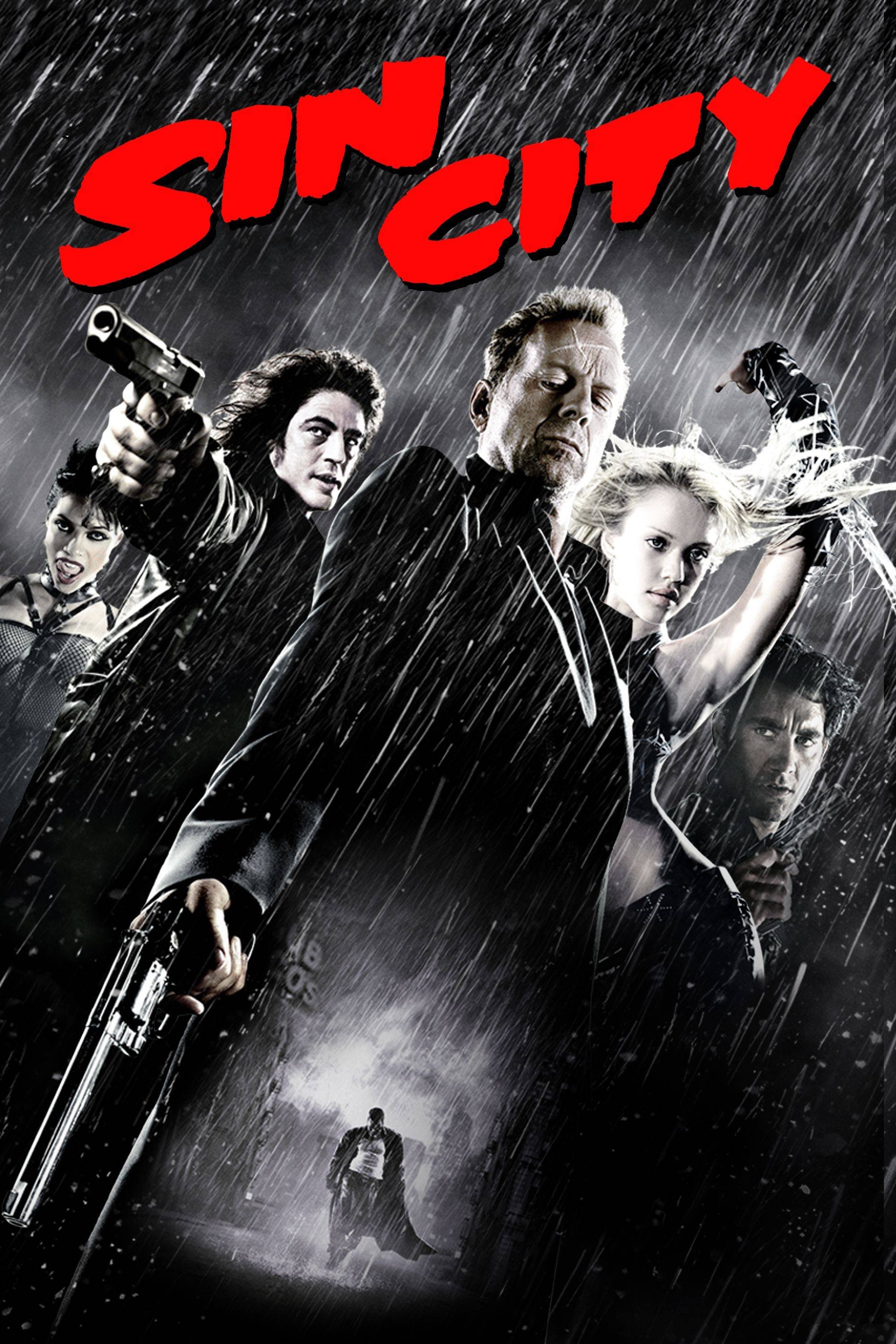
Robert Rodriguez and Frank Miller executed a near-total green-screen workflow, capturing actors against digital backdrops designed to replicate graphic-novel panels. The pipeline used high-contrast grading and selective color isolation, requiring precise onset lighting and tracking for consistent composites.
Production schedules were structured to accommodate cameo and anthology-style casting, with isolated unit shoots later stitched into continuous narratives. The film’s distribution emphasized the graphic pedigree, coordinating promotional artwork directly with Miller’s visual motifs.
‘City of God’ (2002)
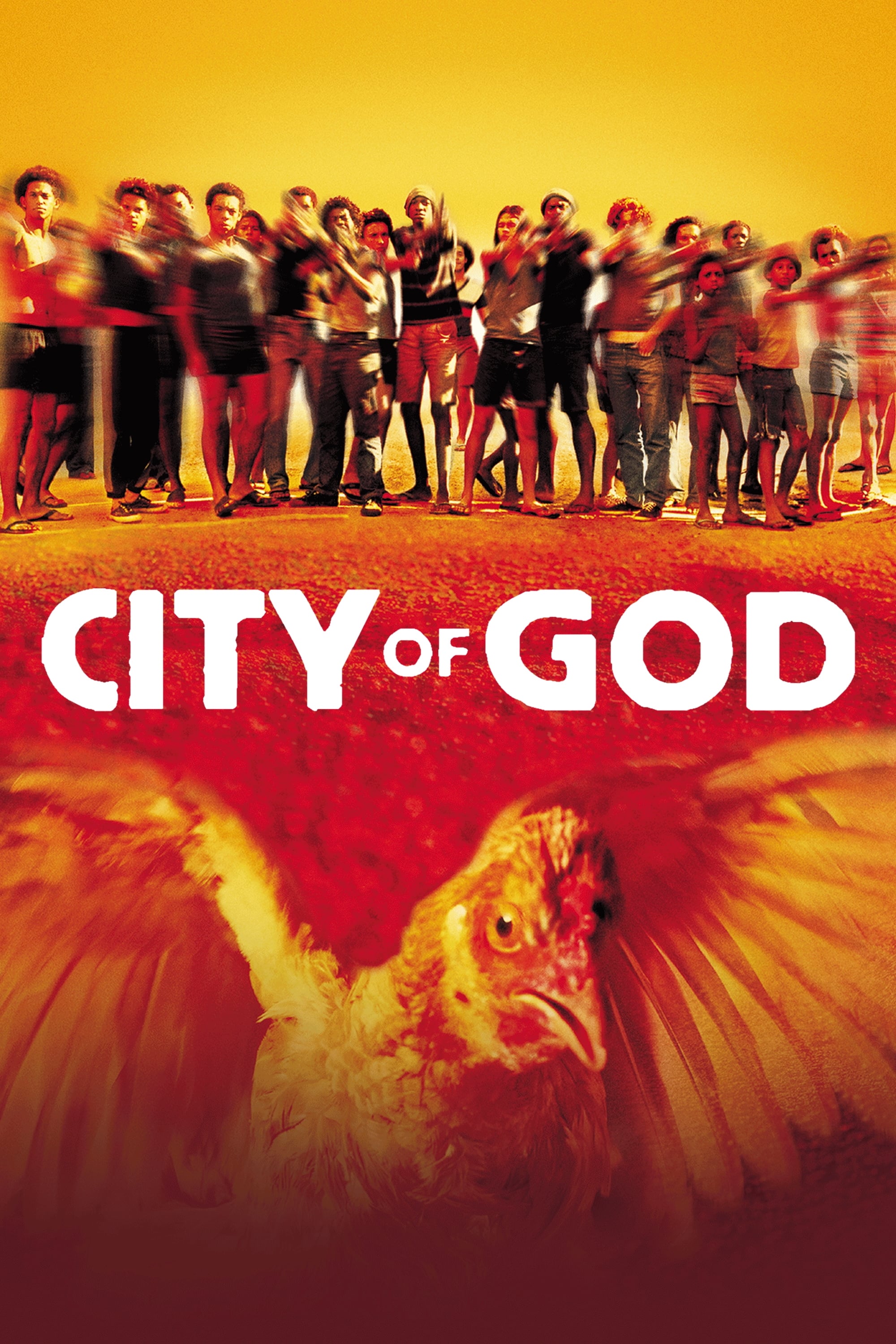
Fernando Meirelles and Kátia Lund cast extensively from local communities, combining non-professional actors with a compact crew familiar with on-location work. The production implemented workshop-style rehearsals that doubled as community outreach and performance training.
The cinematography team used handheld coverage and available-light strategies to capture dynamic movement through real neighborhoods. International sales were built through festival momentum, with careful subtitling and regional marketing tailored to highlight the film’s provenance.
‘Children of Men’ (2006)
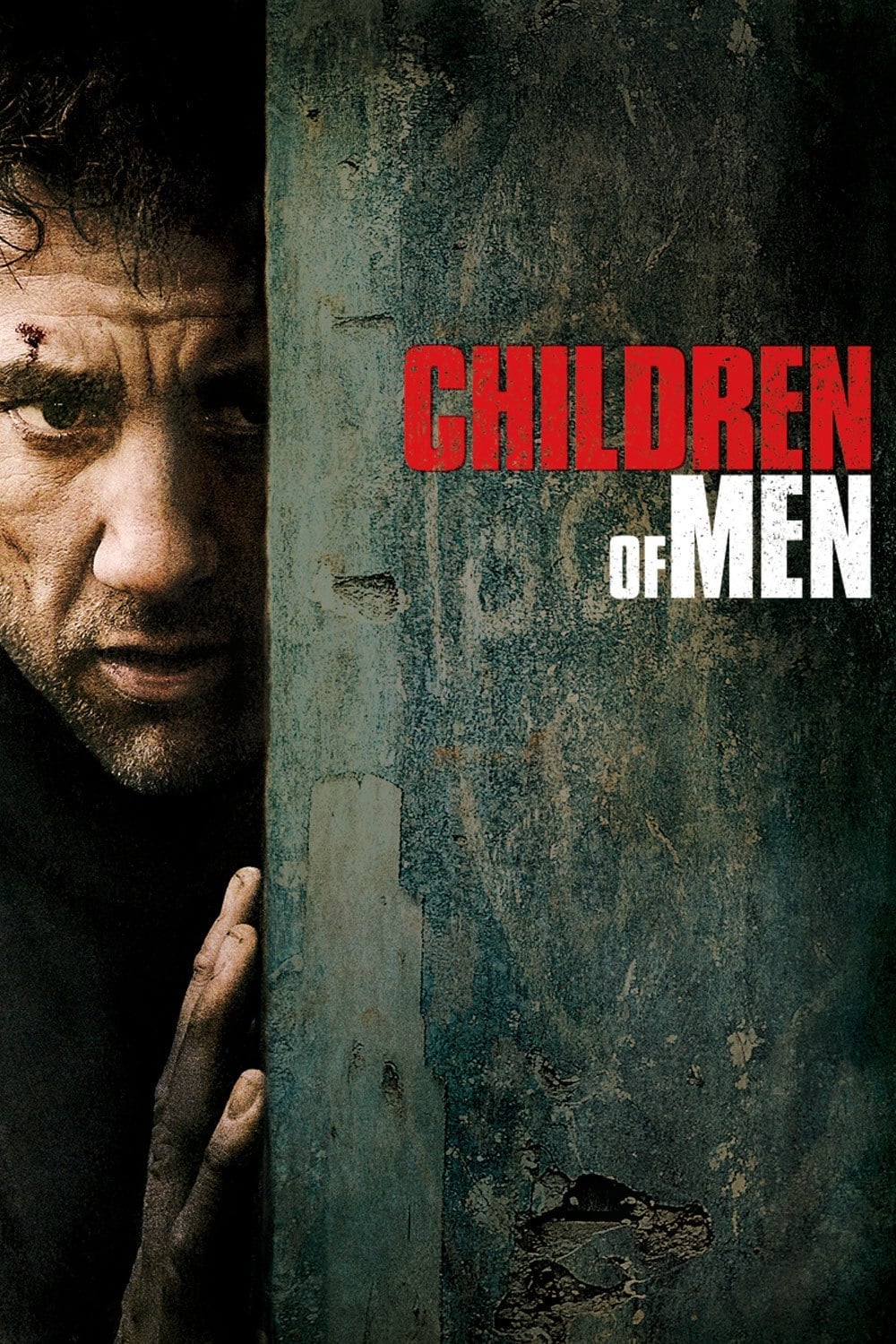
Alfonso Cuarón’s crew engineered extended single-take sequences using custom camera rigs, including a vehicle interior system with removable seats and overhead tracks. Practical effects teams synchronized squibs, prosthetics, and environmental cues to land on precise timing within those takes.
Sound design emphasized diegetic textures and spatial realism, requiring multi-layer field recordings and precise re-recording mix passes. The release plan targeted prestige circuits before expanding, supported by behind-the-scenes features that demonstrated the film’s technical processes.
‘The Lord of the Rings: The Fellowship of the Ring’ (2001)
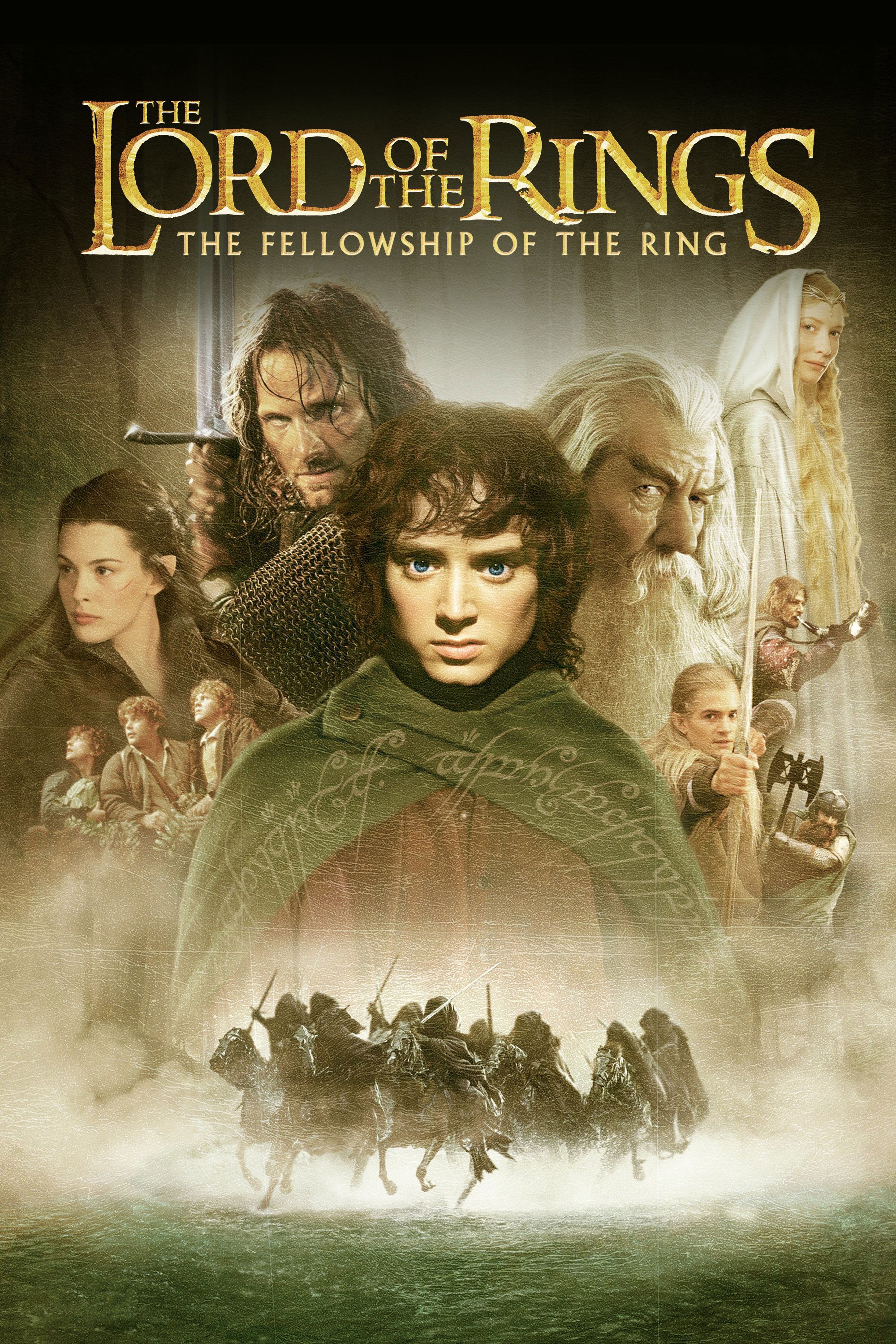
The production consolidated principal photography for the trilogy in one sustained schedule, a logistics feat involving cast contracts, crew retention, and asset management across hundreds of shooting days. Weta Workshop and Weta Digital coordinated miniatures, prosthetics, and CG creature work through a shared asset library.
New Zealand’s locations were extensively modified with temporary builds and landscape extensions, supported by a transportation network moving people, horses, and gear between remote sites. The global release synchronized multiple language versions and format masters for a worldwide launch.
‘Memento’ (2000)
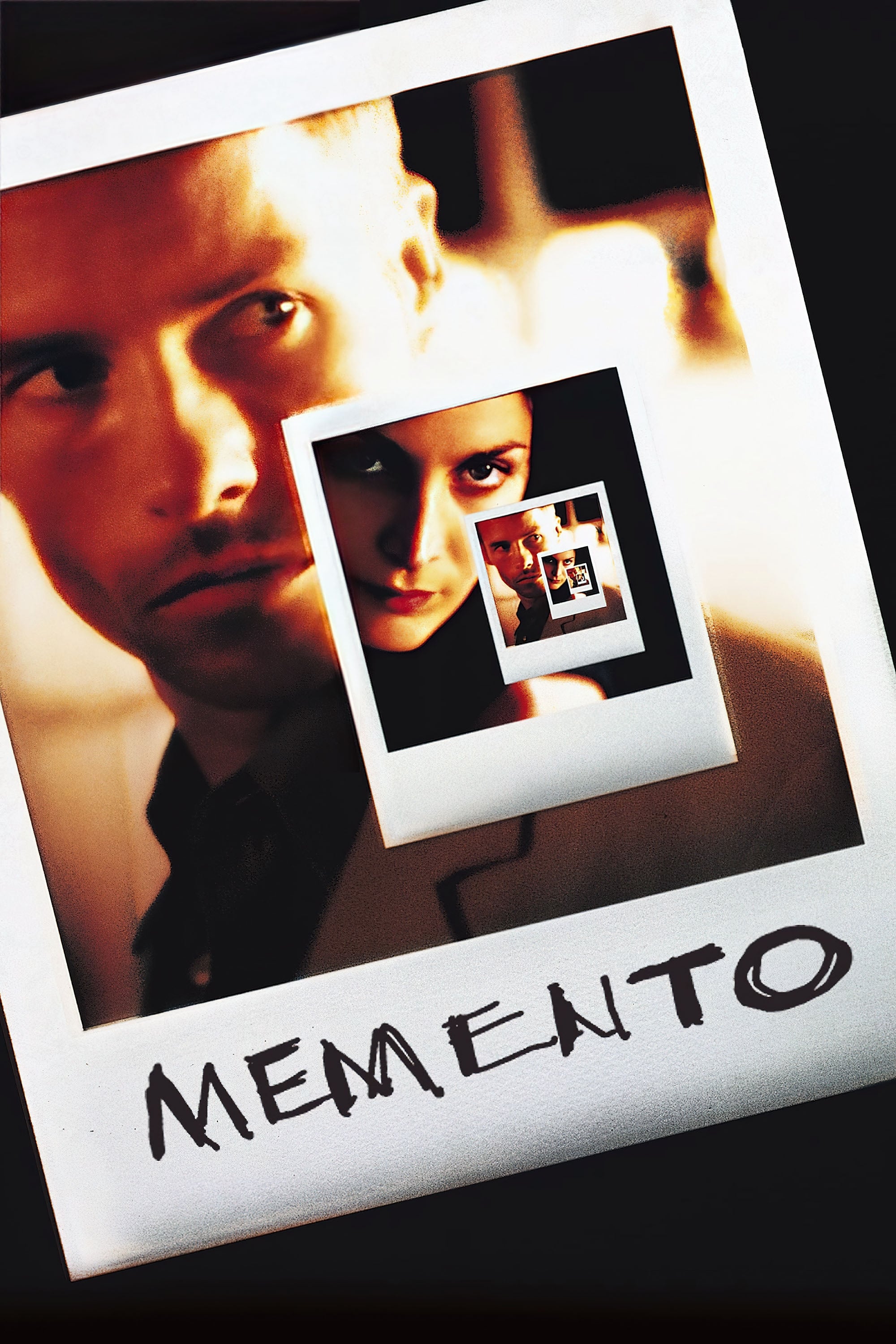
Christopher Nolan structured the shoot and edit around a non-linear narrative that required meticulous script supervision to prevent continuity errors. The production maintained parallel color and black-and-white workflows, with dailies logged to track narrative placement during assembly.
The film’s distribution began as a specialty play with heavy reliance on festival discovery and critic advocacy. Marketing materials leaned on the puzzle structure, and home-video authoring included a custom navigation experience that reflected editorial design choices.
‘American Psycho’ (2000)

Mary Harron’s adaptation of Bret Easton Ellis’s novel involved complex negotiations over depictions of brand names and graphic content. Wardrobe and production design departments curated period-specific luxury items, many of which required clearances or substitutions.
Casting shifted during pre-production before final commitments stabilized the financing package. The release balanced controversy management with a targeted platform rollout to art-house venues, later expanding through strong ancillary performance.
‘The Hurt Locker’ (2008)
Production shot on location in the Middle East with a small, mobile crew to capture urban and desert environments under tight conditions. Practical effects teams replicated ordnance disposal scenarios with strict safety protocols and military advisory input.
The film’s editorial approach favored handheld coverage and short lenses, necessitating robust image stabilization and grain management in post. Awards-season positioning came via festival premieres and carefully timed limited engagements before broader expansion.
‘Apocalypto’ (2006)
Dialogue was performed in Yucatec Maya with extensive dialect coaching, and the cast included many first-time screen actors recruited through regional outreach. Large-scale set pieces—jungle clearings, pyramids, and village structures—were constructed for practical stunt work and large crowd scenes.
The production designed elaborate makeup and body-art protocols to ensure continuity across sequences filmed out of order. Distribution strategies accounted for language and subtitle placement while emphasizing the immersive production design in marketing.
‘Spirited Away’ (2001)
Studio Ghibli produced the feature with hand-drawn animation augmented by selective digital compositing and camera moves. The workflow required a large team of key animators and background artists maintaining a consistent visual style under Hayao Miyazaki’s supervision.
International versions involved careful dubbing under guidance to preserve cultural references and performance intent. The release expanded from domestic success to a coordinated international rollout, managed through partnerships that handled dubbing, subtitling, and regional promotion.
‘The Hangover’ (2009)
Todd Phillips’s production assembled an ensemble cast whose chemistry was proven through improvisation-friendly shooting, supported by multiple cameras for coverage. Location work in Las Vegas involved permits for casino floors, rooftops, and public spaces, with security coordination and time-of-day restrictions.
The marketing campaign emphasized mystery around key plot gags, requiring trailer cuts that concealed major reveals while still signaling tone. Soundtrack licensing featured recognizable tracks negotiated across several rights holders, with cue placement tied tightly to comedic timing.
‘300’ (2006)
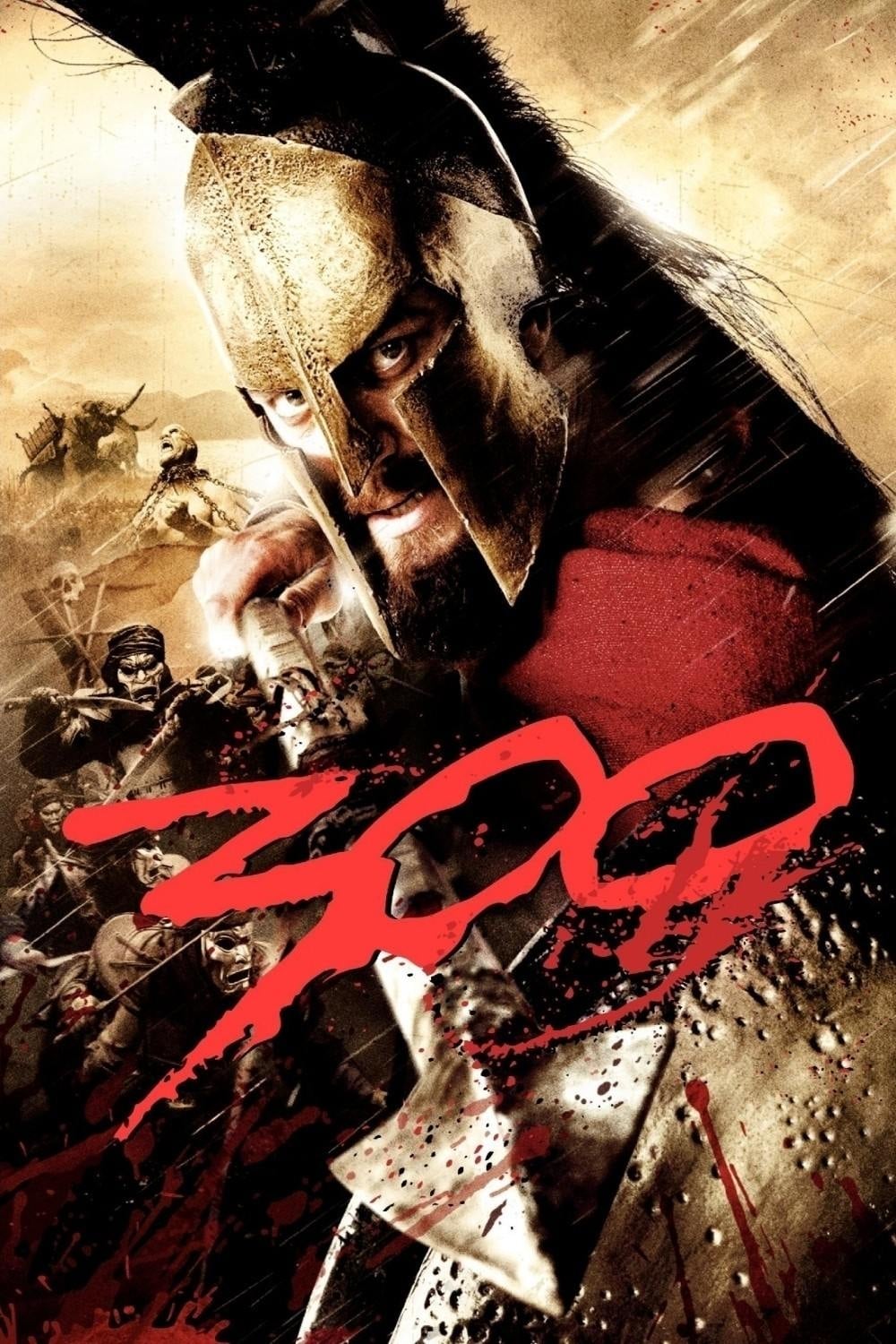
Zack Snyder’s team executed a near-universal blue-screen approach, with actors performing on minimal sets later extended into stylized environments. The pipeline leaned on high-contrast grading, speed-ramping, and CG blood effects that demanded frame-accurate stunt choreography.
The project’s art direction closely referenced Frank Miller and Lynn Varley’s graphic novel, guiding costume fabrication and weapon design. Global marketing integrated motion-poster assets and digital banners that mirrored the film’s bold visual palette.
‘Kill Bill: Vol. 1’ (2003)
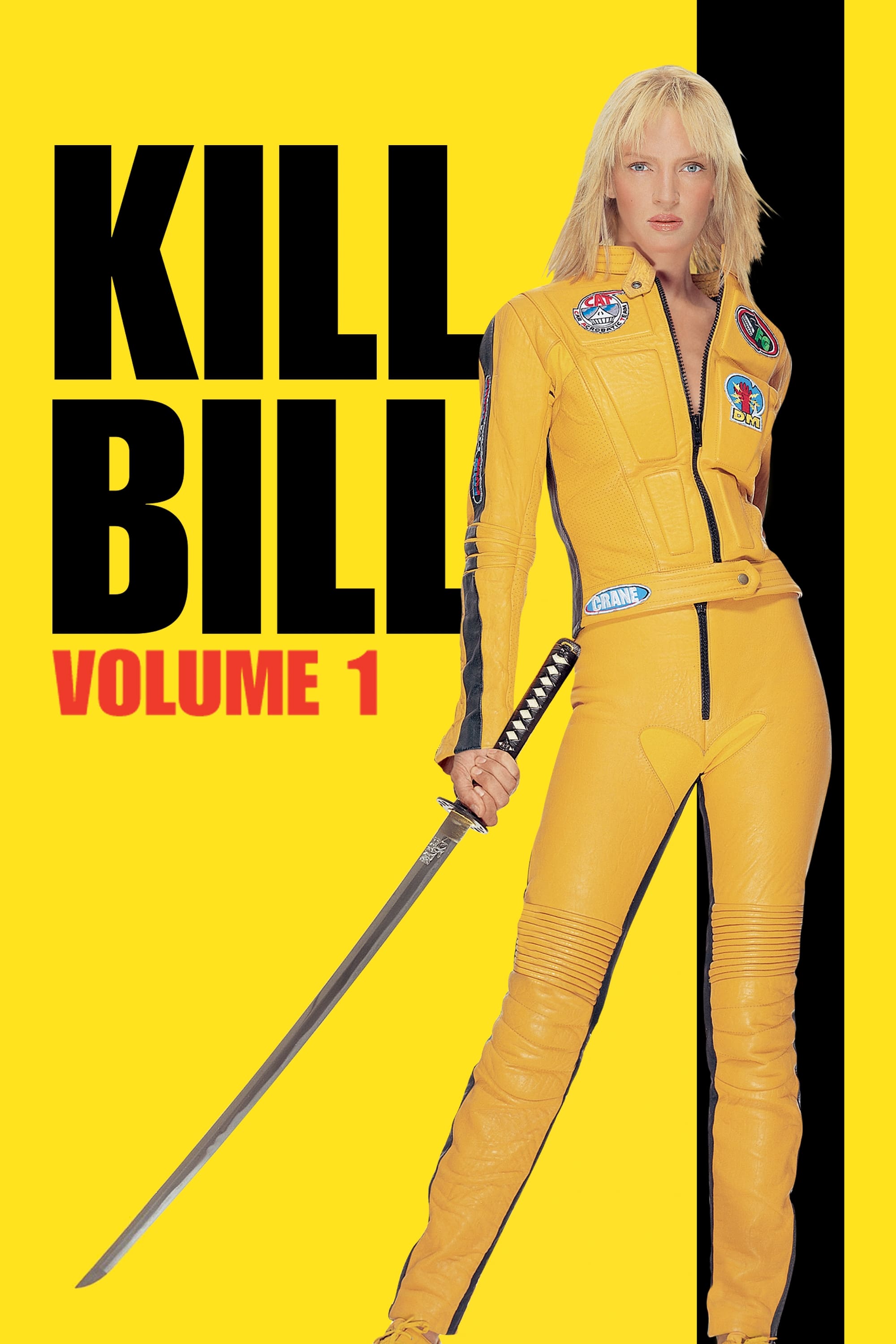
Quentin Tarantino coordinated international stunt teams and specialist units for martial-arts sequences, including an extended scene requiring complex wire work and large extras casts. Practical blood effects and on-set blade choreography were staged for long takes, backed by detailed safety planning.
Music supervision drew on licensed tracks and curated library cues, with clearances negotiated across multiple territories. The production’s editorial choices, including aspect-ratio shifts and animated segments, required bespoke conforming for different exhibition formats.
‘Mulholland Drive’ (2001)
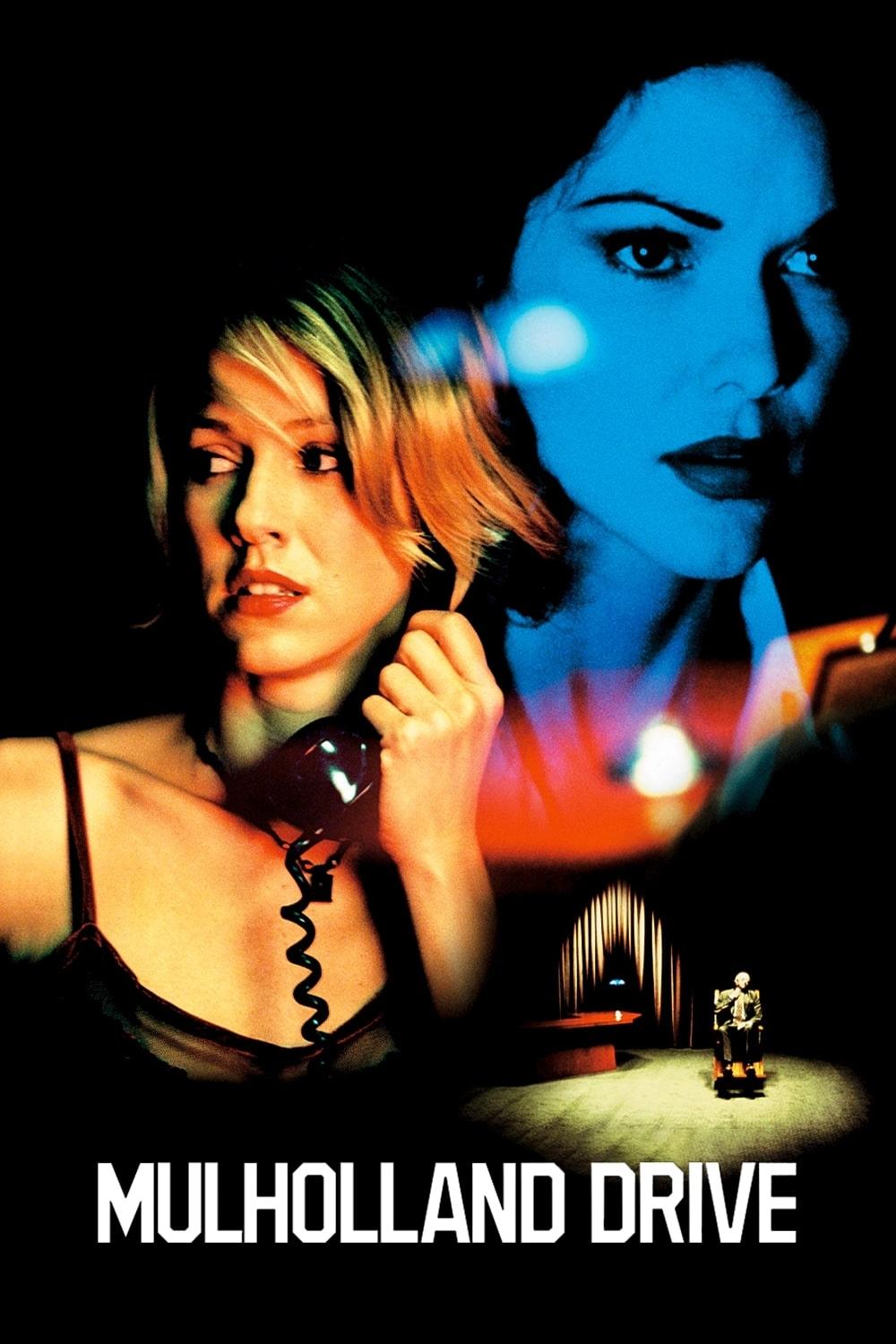
David Lynch repurposed material initially developed for television, restructuring it into a feature through additional photography and re-editing. The project navigated rights and deliverables that bridged broadcast and theatrical standards, including re-mixing and color work for cinema exhibition.
Casting changes and narrative restructuring required careful continuity management in post-production. The film found its audience through festival premieres and critical advocacy, with international distribution tailored via specialty distributors experienced in art-house releases.
Share the titles you’d add to this list in the comments.

